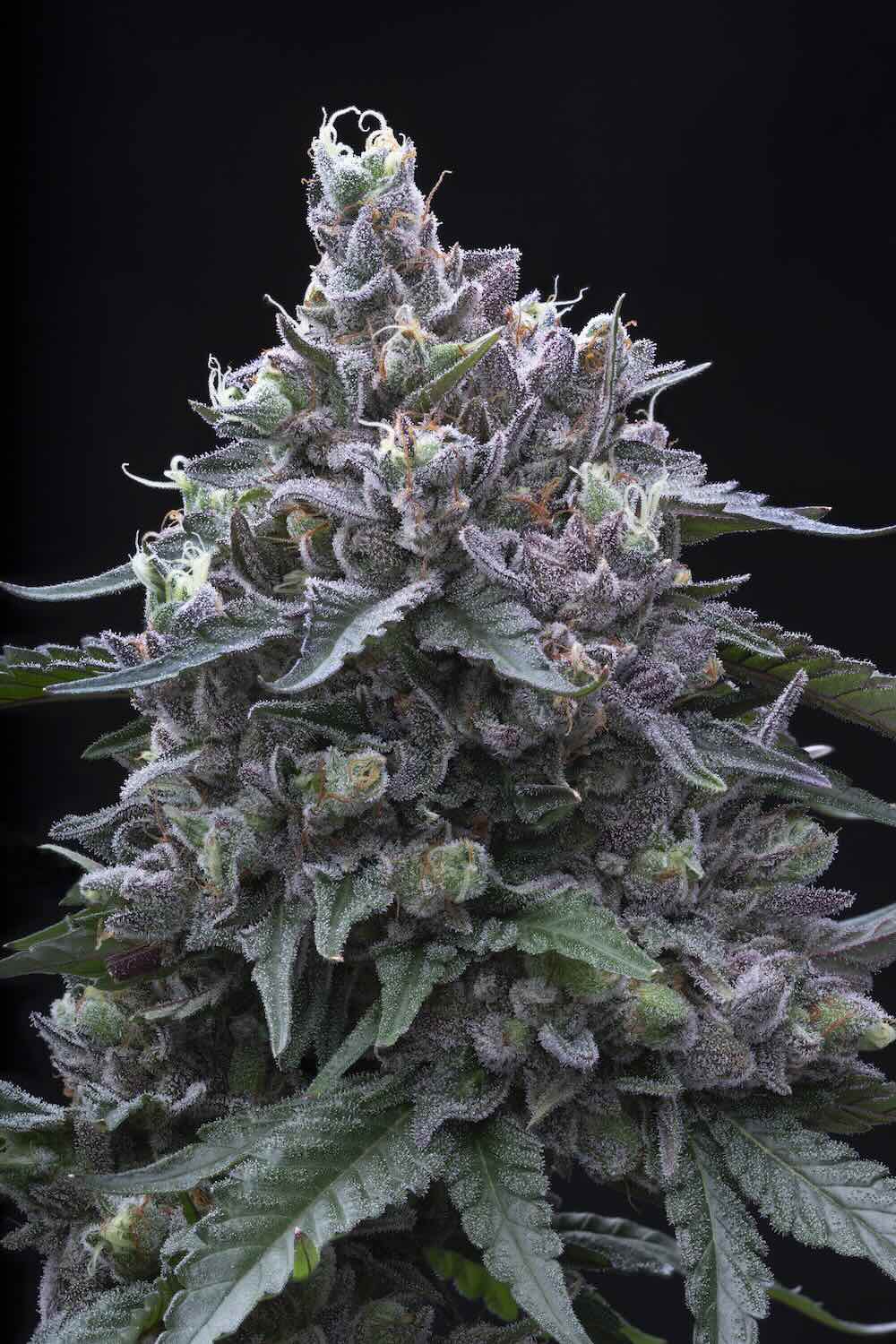
As CEO and co-founder of Innexo, Dominique van Gruisen leads one of Europe’s most advanced cannabis research and development facilities, where cultivation science meets pharmaceutical precision. Innexo is a Dutch cannabis contract research organization that designs and conducts cultivation and technology trials for clients across the cannabis sector, helping companies test innovations under controlled, data-rich conditions.
His impressive career in cannabis spans two decades and encompasses Belgian patient advocacy and clinician networks, as well as European biotech lobbying and cultivation consulting on both sides of the Atlantic. Van Gruisen’s goal is ambitious: to take cannabis beyond cultivation and into a world of validated data, reproducible genetics and true pharmaceutical reliability, which demands consistency. So, how do you do that?
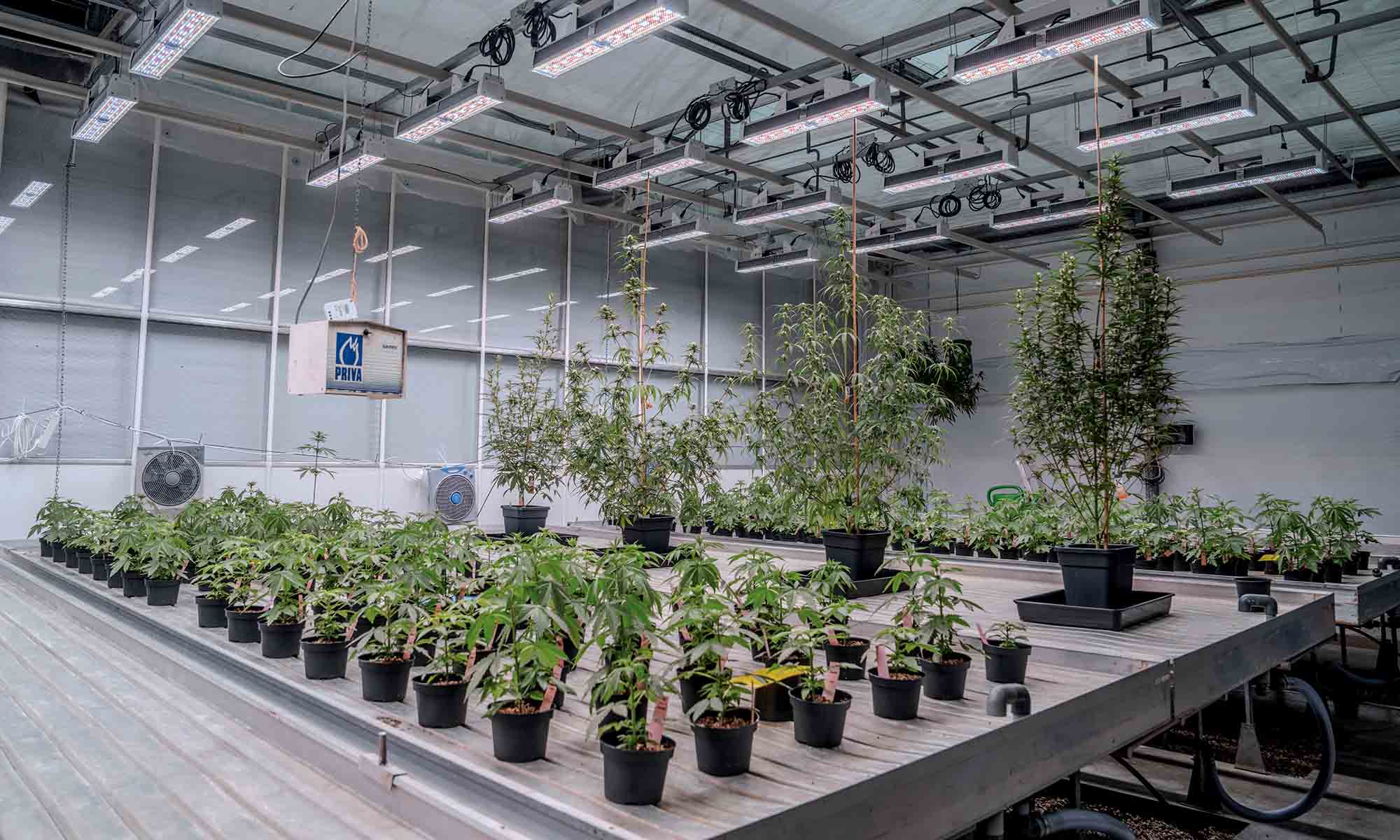
Innexo’s indoor grow facility at work.
Based in Meterik, a village in The Netherlands, Innexo is conducting independent trials on lighting, nutrients and genetics in an effort to generate measurable, reproducible data that brings cultivation closer to pharmaceutical standards. And through some key partnerships, they’ve come up with some profound techniques. The research center is currently working with Las Vegas-based lighting company Fohse, examining how precision lighting from their Cobra LED system affects plant structure, cannabinoid expression and energy efficiency.
“We’re using the Cobra Pros, and soon we’ll have tunable-spectrum models from Fohse,” van Gruisen says. “They have sensors that constantly read the natural light in the greenhouse and adjust automatically. If we can work with a dynamic spectrum that mirrors the sun, we can replicate the same conditions anywhere on Earth, in any season.”
The study benchmarks a range of metrics—from cannabinoid and terpene expression to morphology and energy use—to quantify how light affects consistency. “Their system fills your stack with data,” van Gruisen says. “That’s what we’re after: information that lets us build validated cultivation models rather than assumptions.”
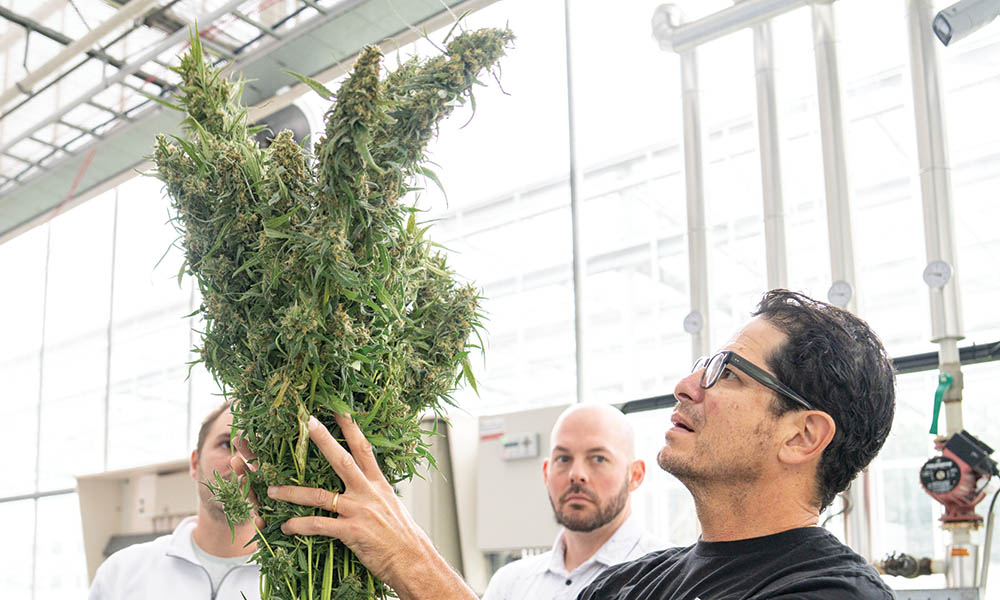
Fohse’s Michael Rosenfeld admires the latest grow.
Lighting defines the environment; genetics define the foundation. To address that, Innexo partnered with sister companies Innoveins Seed Solutions and SeQso to develop—wait for it—the world’s first AI-driven seed-sorting system for cannabis.
“They collect the spectral data of each seed in a non-destructive way,” van Gruisen says. “Then they grow that seed, record its traits, feed those traits back into the system and the algorithm learns which spectral patterns predict which plant characteristics.”
When he first heard of the technology, van Gruisen says, “I literally pulled my car over to call people.” Tests confirmed it worked for cannabis, opening the door to non-destructive quality-control certification at the seed level. “If there’s something you can distinguish, you can design a seed-sorting algorithm and push a batch through to separate the good from the bad,” he says.
The implications of this technology stretch beyond yield. AI analysis can detect pathogens such as hop latent viroid and certify genetic quality before cultivation begins. “Companies are developing F1 hybrids—stabilized lines,” van Gruisen says. “By scanning the seeds, you can fine-tune even further so your starting material is as robust as it can be.”
“By scanning seeds, you can fine-tune even further so your starting material is as robust as it can be,” van Gruisen says.
Van Gruisen believes AI-based seed fingerprinting could also reduce the industry’s dependence on cloning. “Even when you use clones, you still find big deviations in secondary metabolites depending on the season or humidity,” he says. “It’s very difficult to provide a consistent product in flower form.” Regulatory frameworks, he notes, demand pharmaceutical precision.
“When regulators say cannabis has to be a medicine, they mean it should be 98 to 102 percent consistent with what’s on the label,” he says. “That’s almost impossible with a natural product. But with solid F1 hybrid genetics that start from seed, you add another quality-control checkpoint.”
For cultivators, F1 seeds offer cleaner starts, lower costs and easier scalability. For patients, they promise reliability—the same genetics, the same relief—every time.
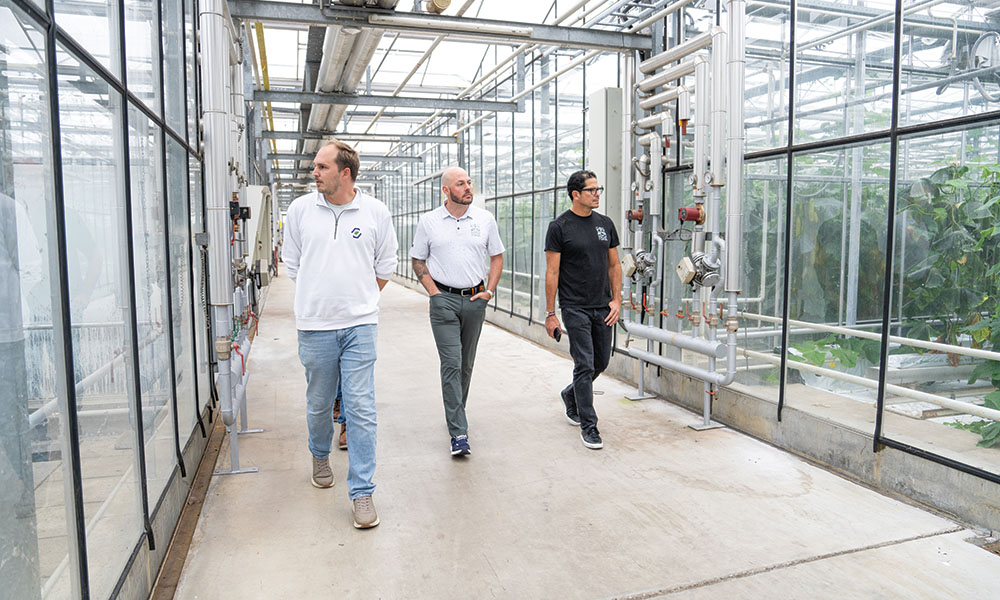
walk this way. Innexo Co-Founder and CEO Dominique van Gruisen, Tom Stanchfield, Fohse’s Senior Vice President and Michael Rosenfeld, Fohse’s Chief Marketing Officer admire the impressive Innexo complex in the village of Meterik in The Netherlands.
Van Gruisen describes Innexo as a link between two sectors that rarely speak the same language. “Growers talk in grams per square meter,” he says. “Pharma talks in validated datasets and deviation tolerances. We sit in the middle, making those conversations possible.”
That bridge extends beyond technology. Innexo is also reviving iconic legacy cannabis genetics—long-flowering, terpene-rich cultivars—and reintroducing them through advanced lighting and AI-guided cultivation. He aims to right some of the wrongs the industry has made. “We took a lot of wrong turns with cannabis in the last 20 years,” he says. “It’s time to rediscover what made this plant valuable in the first place and do it with proper science.”
With the nationwide launch of Edibles.com last spring, Edible Brands, the company behind Edible Arrangements, is entering bold new territory: THC. Yes, that Edible Arrangements — the name behind the flower-shaped pineapples and chocolate-covered strawberries gracing teachers’ desks and mother-in-laws’ kitchen islands since 1999.
The idea of transitioning to THC had been percolating for a while, with the brand acquiring the domain name a year ago after settling a cybersquatting lawsuit to release the name from World Media Group, an entity that had acquired the site with the hope of turning a profit by reselling it. Soon after, Edible Brands hired cannabis business professional Thomas Winstanley as executive vice president and general manager of the new venture, Edibles.com. Later that year, Somia Farid Silber stepped up as CEO after eight years with the company.
The synergy comes not only from the name, but also from the brand’s trusted reputation. In a market dominated by gas station grams and poorly labeled edibles in prohibition states, Edible Arrangement’s trusted reputation is a salve for those seeking regulation and reliability.
Thomas Winstanley
Edibles.com now reaches more than 65% of Americans with lab-tested, federally compliant THC products, offering same-day delivery in select markets. It’s a first-of-its-kind e-commerce network built for a category that, until recently, was defined by patchwork regulation, consumer uncertainty and underground connections.
Cannabis Now recently spoke with Winstanley to understand how this new model came to life, and what it means for the new era of cannabis commerce.
Building the “Amazon of THC”
Winstanley has described his ideal model as “The Amazon of THC.” In the same way Amazon helped build trust and ease in e-commerce, Edibles.com seeks to educate and serve as a central hub for THC nationwide.
“We shied away from that moniker initially, but the parallels are there.” Winstanley says. “Amazon started with one category, books, that made sense for e-commerce. For us, that entry point is functional ingestibles: products that are safe, tested and outcome-driven.”
But Winstanley’s ambitions go beyond product aggregation. “Amazon built an ecosystem that educated consumers about online shopping. We’re trying to do the same for cannabis,” he explains. “Our goal is to demystify the access point—to help people understand what they’re buying, why it’s legal and how to shop by outcome rather than just strain or potency.”
At the end of the day, Edibles.com’s is focused on consumer health and wellness—helping people enhance their wellbeing through hemp while being able to skip the hassle of going to the store. “Wellness is our guiding principle: highly categorized products that focus on outcome,” Winstanley says. “We have a lot of folks who are purchasing products online for the first time and having them delivered to their door.”
Even within such a massive framework, starting a new business is never easy. “In some ways, we’re beginning a business within a company. This is not an extension of more ways to sell strawberries, but a whole new portfolio of substances,” he says, adding that Edibles.com is currently primarily speaking to Edible Arrangements’ existing audience.
Designed for Function
Edibles.com’s UX/UI mirrors the company’s mission to deliver outcome-driven products. Rather than overwhelming users with a dispensary-style menu of hundreds of SKUs, Edibles.com organizes its offerings by need: sleep, stress, pain management, energy and mood uplift.
That health-forward lens, he notes, aligns more with Target’s vitamin aisle than a traditional cannabis shop. “My wife and I love Olly Sleep Gummies,” he says. “Our products belong in that same conversation. We’re not marketing ‘getting high’; we’re marketing better sleep, less stress and overall functional outcomes. That’s the bridge between cannabis and wellness.”
This framing places THC as a nootropic along the lines of ashwagandha, demystifying the ingredient as a part of the larger wellness landscape. Winstanley describes their framing as “more aligned with nutraceuticals than controlled substances.”
The Compliance Maze
With each state comes a new set of laws, bylaws and risk assessments, along with a separate set of legal reviews and ongoing vetting. “We move fast, but we’re also cautious,” he says. “Every day involves balancing innovation with compliance. You want to grow quickly, but you can’t jeopardize consumer trust or partner integrity.”
That trust is earned through curation and transparency. Edibles.com only features brands with established reputations, such as Wyld, Wana, Kiva, and Cann—all of which undergo rigorous compliance audits before being listed. “This is our varsity lineup,” Winstanley says. “It sets us up to reach further outside the margins.”
Restoring Confidence in a $28B Market
While the U.S. hemp-derived THC market now exceeds $28 billion, consumers remain skeptical of its legality. “We get asked all the time: ‘How is this legal?’” he says. “We’re talking about the same molecule, just different extraction processes due to regulation.”
Since hemp plants legally contain less than 0.3% THC, industry practice requires hemp-derived THC to take the route of using CBD to convert into THC. This process requires more sophisticated techniques, such as isomerization. “Marijuana” plants, however, have a naturally higher THC content, lending themselves to a more straightforward extraction process (including solvents, ethanol or CO2).
“Hemp leveled the playing field,” he says. “It allows for a vibrant, more diverse community of entrepreneurs and businesses that are no longer locked out of the market and can pursue their goals, finding a manufacturing contract with a brewery or gummy company, rather than in a regulated market.”
However, in November, President Trump signed a spending bill to end the 43-day government shutdown, which included a ban on all hemp-derived THC products. While nothing has taken effect yet—and industry professionals are pushing back—it remains a very real threat. Winstanley is one of those professionals, pledging to use the one-year grace period to organize resistance: “Farmers, brands, and consumers, once fragmented, are now mobilizing together to defend what they’ve built and to finally push for the federal framework the hemp industry has long demanded.”
“We’re executive directors of the US Hemp Roundtable. We’re aiming to ensure that federal laws don’t eliminate the $28 billion industry, 3,000 jobs, and revenue for farmers that they currently generate from soy and corn production. I’m fortunate to have to solve these problems; I think there’s a major generational shift happening – the issues we’re arguing about now will be so far in the rearview mirror in the next ten years. The pain will be worth it in the end.”
A Responsible Revolution
For Winstanley, the stakes go beyond business. “We’re not just selling THC, we’re proving we can do it responsibly at scale,” he says.
He’s candid about the risks that keep him up at night, the first concern being the very real consumer health threat posed by unregulated products. “I have a four-year-old and one-year-old, and if my son saw a Nerd’s Rope-infused gummy, he’s more likely to try something he shouldn’t. That’s why we self-regulate, use age gates, and push for better policies.”
Amid the challenges, Winstanley remains optimistic. “THC can help our country,” he says. “It’s grown, processed and sold here: a true homegrown supply chain. What excites me most is that we’re finally bringing cannabis into the same conversation as wellness, health and happiness.”
Legal weed looks good on paper. Dispensaries that feel like Apple stores. Influencer product drops. Celebrities launching “wellness” brands from Manhattan to Malibu. But peel back the shiny packaging and the question hits hard: Who’s really cashing in on cannabis, and who’s still paying the price?
That’s the heartbeat of Kiss My Grass, a short documentary that refuses to let the industry off the hook. Written by Roy Wood, Jr., directed by Mary Pryor, Mara Whitehead, co-directed by Tirsa Hackshaw and narrated by actor and activist Rosario Dawson, the film doesn’t waste time glamorizing the Green Rush. Instead, it zooms in on the people of color, particularly Black women, who’ve had to fight their way into a market that was never built for them.
In less than 20 minutes, Kiss My Grass manages to hit every nerve with candid interviews that strip the false promises of legalization down to its bones. It’s in these raw, personal stories from trailblazers including Kim James, Matha Figaro, Jessica Jackson and Coss Martewhere the documentary hits hardest. Watching them, you’re forced to confront a painful reality: Legalization was sold as a new beginning, but the same old systems keep showing up with new branding.
After watching the film, I had a lot of questions about what it actually takes to make progress in such a complicated system and had the opportunity to ask some of the featured individuals about what’s changed, what hasn’t and what needs to happen.
“True equity requires structural repair,” says Jackson, director of social equity for Minnesota’s Office of Cannabis Management. “That means reinvestment into harmed communities; expungement and record repair; rules that prevent hidden ownership and monopolization; workforce protections; and readiness tools like technical assistance—all interventions Minnesota provided from the start in Chapter 342 legislation.”
While the cannabis industry is expected to hit $45 billion in 2025, equity programs meant to level the field often feel more like public relations stunts than progress in some states. The numbers from around the country tell the story: Only 0.35 percent of venture capital reaches Black women founders. Black people are still 3.7 times more likely to be arrested for possession.
“Access to capital, affordable real estate, and navigating complex regulations are major barriers,” says James, who leads Detroit’s Office of Cannabis Management. “Many equity programs don’t address the systemic economic disadvantages experienced by people who come from communities disproportionately impacted by the War on Drugs.”
Kiss My Grass appeared at the prestigious Tribeca Fim Festival this past summer in advance of its wider digital release. Wanda James, Simply Pure’s CEO and Regent at the University of Colorado, appears in the movie.
It’s just even more of a reminder that legal doesn’t mean fair for the communities that got felonies instead of spots on the Forbes list for selling cannabis.
As Coss Marte, founder of fitness empire CONBODY, puts it, “If you’re making millions off cannabis, you have a moral obligation to invest in the communities that paid the price for prohibition,” he says. “That means jobs, ownership and capital—not charity optics. Repair starts when money, mentorship and opportunity flow directly to the people most impacted.”
Still, this isn’t a film that wallows in defeat. It’s about persistence. You feel the exhaustion, but also the refusal to give up. You see the discouragement, but also a spark of hope for the future. If there’s one message this film makes clear it’s that equity won’t grow on its own, but it can take root if we tend to it.
For Figaro, the founder behind ButACake and CannPowerment, the future of cannabis isn’t just about who gets in the door now, but what the next generation of women of color will inherit. When asked what needs to change to make that possible, she didn’t hold back. “My hope is that future generations inherit thriving cannabis businesses and the tools to bring underrepresented voices to market,” she says. “But to get there, we must dismantle the small-minded and misinformed policymakers writing rules they’ll never be forced to follow.”
After making its debut at the Tribeca Film Festival this past summer, Kiss My Grass is set for a wider digital release at a later date. Whether you work in cannabis or just care about justice, it’s essential viewing about what happens when an industry sells progress but delivers privilege. It leaves you moved. It leaves you mad. And, just maybe, that’s the point.
Martin Luther King Jr. might have turned 96 years old this month if he had not been felled by an assassin’s bullet on April 4, 1968. It is, of course, impossible to know what the United States would look like today if he had lived — or what he would think about the political dilemmas of our own time.
Yet there are certain obvious parallels between his time and ours. The country continues to be bitterly divided along political lines. And many activists and scholars argue that the racist power structure that King fought has re-congealed—this time in the guise of the “War on Drugs” and mass incarceration. His legacy, therefore, holds lessons for those now fighting for cannabis legalization.
Cycles of Repression and Revolution
Foremost among those scholars is Michelle Alexander, author of the 2010 bestseller The New Jim Crow: Mass Incarceration in the Age of Colorblindness. Alexander takes a long view of the struggle for racial justice in the United States and paints a grim picture. She illustrates how many of the gains that King won in his life are being reversed after his death — this time in a new “race-neutral” guise that only serves to mask continued institutionalized racism.
Alexander notes that in 1972, there were under 350,000 people in prisons and jails nationwide. Today there are 2 million. In fact, the US has the most people behind bars of any nation on Earth, in both per capita and absolute terms. This is certainly an irony for the country that touts itself as the “land of the free.”
Among those 2 million people in prison are 40,000 who remain incarcerated in state or federal prisons on cannabis-related convictions— about half of them for marijuana offenses alone. When those waiting to see a judge in local jails are added in, the figure may approach 100,000 on any given day. And the racial disparity could not be more obvious. A 2013 American Civil Liberties Union report, Marijuana in Black and White: Billions of Dollars Wasted on Racially Biased Arrests, crunched the national data. It found that black people are more than three times as likely as whites to be arrested for cannabis — despite consuming the plant at essentially similar rates.
And this is not the first time the country has seen significant and hard-won racial progress being in large part (at least) reversed, with the same power structure re-establishing itself in new guise. Slavery was abolished in the aftermath of the Civil War. But, as Alexander quotes historian and early civil rights activist W. E. B. Du Bois, from his 1935 book Black Reconstruction in America, “The slave went free, stood a brief moment in the sun, then moved back again toward slavery.”
In the South under occupation by Union troops after the Civil War, black people for the first time voted, served on juries and held elected office — until the backlash came. In 1877, the federal troops were withdrawn. In subsequent years, without federal interference, Ku Klux Klan terror enforced legal apartheid in the southern states — the system known as Jim Crow. Blacks were often reduced to a state of near-slavery through share-cropping and were barred from the vote by systematic disenfranchisement.
It wasn’t until nearly a century after the Civil War that this system would be challenged. In his book Why We Can’t Wait, an account of the 1963 Birmingham Campaign to desegregate Alabama’s biggest city, King wrote of “America’s third revolution — the Negro Revolution.”
By King’s reckoning, the country’s first revolution had been the one we actually call “the Revolution” — the War of Independence, although it left the slave-owning aristocracy of the South thoroughly in place. The second was arguably far more revolutionary — the Civil War, in which the slave system was broken. King’s Civil Rights Movement was avowedly nonviolent, but it was still a revolution — the overturning of a power structure by physical as well as moral opposition.
Despite the violent backlash, both from the police and Ku Klux Klan terrorists, the campaign ultimately swayed the nation, resulting in the passage of the Civil Rights Act of 1964 and other landmark legislation that finally ended legal apartheid in America.
But the year of King’s assassination saw the country’s national political establishment embracing the backlash — exactly as in 1877. In the 1968 presidential campaign, Republican candidate Richard Nixon first adopted the rhetoric of a “War on Drugs” (although he would actually coin that phrase three years later, when the Controlled Substances Act was passed). And, in just barely coded terms, Nixon was promoting the rhetoric of racism.
In her book, Alexander quotes Nixon’s special counsel John Ehrlichman explicitly summing up the campaign strategy in his 1982 memoir, Witness To Power: The Nixon Years: “We’ll go after the racists.” Ehrlichman unabashedly wrote how throughout the 1968 race, “subliminal appeal to the anti-black voter was always present in Nixon’s statements and speeches.”
Alexander did not mention, however, another quote attributed to Ehrlichman in which he just as explicitly made the connection between this subliminal racism and the anti-drug drumbeat. Journalist Dan Baum in the April 2016 edition of Harper’s recalls a quote he says he got from a 1994 interview with Ehrlichman: “The Nixon campaign in 1968, and the Nixon White House after that, had two enemies: the antiwar left and black people… by getting the public to associate the hippies with marijuana and blacks with heroin, and then criminalizing both heavily, we could disrupt those communities. We could arrest their leaders, raid their homes, break up their meetings, and vilify them night after night on the evening news. Did we know we were lying about the drugs? Of course we did.”
And the backlash was just beginning.
Birth of the New Jim Crow
The new order would be consolidated over the next decade. In 1973, the same year the federal Drug Enforcement Administration was created, New York state’s Rockefeller Laws imposed the nation’s first mandatory minimum sentences for drug offenses. In 1977, New York decriminalized cannabis, overturning the harsh Rockefeller Laws where personal quantities of marijuana were concerned — but the draconian provisions for cocaine and heroin remained intact.
With the election of Ronald Reagan in 1980, the “drug war” rhetoric was revived with a vengeance, and the Anti-Drug Abuse Act of 1986 imposed mandatory minimum sentences nationwide. Ten years later, an ACLU report would find that the law “devastated African American and low-income communities.”
The 1986 law also instated the sentencing disparity for crack and powder cocaine — as crack was flooding black communities and landing people with the far longer sentences. This was also reflected in public perceptions and media portrayals. In the early ’80s, powder cocaine was a status symbol for white yuppies. When crack hit the streets from New York to Los Angeles, it was immediately stigmatized by association with the criminal (read: black) underclass.
This period also saw the rapid militarization of police forces, and the War on Drugs, in Alexander’s words, went “from being a political slogan to an actual war.” The 1981 Military Cooperation with Law Enforcement Act started to erode the firewall that had existed between the armed forces and police since the end of Reconstruction.
The DEA joined with local police forces to instate Operation Pipeline, a program of traffic stops and vehicle searches that was protested by the ACLU as based on systematic “racial profiling.”
This was enabled by a series of bad Supreme Court decisions — Terry vs Ohio in 1968, Florida vs. Bostick in 1991, Ohio vs. Robinette in 1996 — that dramatically eroded the Fourth Amendment. Alexander writes that these decisions enabled “consent searches” — in which the motorist (or pedestrian, or home resident) verbally consents to the search, but actually does so under police intimidation.
All-white juries were more likely to convict black people, of course — and prosecutors were still able to strike non-whites from serving as jurors despite the 1986 Supreme Court decision Batson v. Kentucky, which barred discrimination on the basis of race in jury selection. As Alexander writes, “the only thing that has changed is that prosecutors must come up with a race-neutral excuse for the strikes.”
In a vicious cycle, mass incarceration itself served to entrench the system of mass incarceration. Convicted felons are excluded from juries in many states, and only Maine and Vermont allow prison inmates to vote (as most Western European countries do).
Nor did this system turn around when the Democrats returned to the White House. The Bill Clinton years saw a 60% drop in federal spending on public housing, and a 170% boost in prison spending up to $19 billion. Prison construction would finally begin leveling off in the 2000s, but the actual prison population broke new records in 2008, “with no end in sight.”
Alexander writes: “Ninety percent of those admitted to prison for drug offenses in many states were black or Latino, yet the mass incarceration of communities of color was explained in race-neutral terms, an adaptation to the needs and demands of the current political climate. The New Jim Crow was born.”
And this was utterly out of proportion to any real threat posed by illegal drugs. In the 1980s, there were some 22,000 drunk driving deaths per year, among 100,000 alcohol-related deaths. In Alexander’s words: “The number of deaths related to all illegal drugs combined was tiny compared to the number of deaths caused by drunk driving.”
Among the numberless stories of police terror in the name of drug enforcement, one recounted by Alexander is that of Alberta Spruill—a 57-year-old Harlem woman who died of a heart attack in May 2003 after police officers broke down her door and threw a concussion grenade into her apartment. No drugs or any contraband were found in the apartment. The cops were acting on a bad tip from snitches snared on a marijuana rap.
A Fourth Revolution?
Thanks in large part to growing public consciousness, there certainly appears to have been some progress in the fight against the War on Drugs over the past decade. In 2009, following a hard-fought activist campaign, the Rockefeller Laws were finally overturned in New York. Eleven states have now legalized cannabis, and nearly all have at least some kind of provision for medical use of cannabis — significantly lifting the pressure on one federally controlled substance.
But even amid the progress, there are clear and frustrating signs that a mere change in the law isn’t enough. From New York City (where cannabis arrests have been de-emphasized by policy) to Colorado (where cannabis is now legal), overall arrests for pot are significantly reduced — but the stark racial disparity persists in those arrests that continue under various loopholes.
Michelle Alexander concludes with a litany of necessary legal reforms and then states that, ultimately, they are insufficient: “Mandatory drug sentencing laws must be rescinded. Marijuana ought to be legalized (and perhaps other drugs as well)… The list could go on, of course, but the point has been made. The central question for racial justice advocates is this: are we serious about ending the system of control, or not?”
She quotes from Martin Luther King’s book of collected speeches, A Testament of Hope: “White America must recognize that justice for black people cannot be achieved without radical changes in the structure of our society. The comfortable, the entrenched, the privileged cannot continue to tremble at the prospect of change in the status quo.”
There are many other quotes from the great civil rights leader that shed equal light on the current impasse, in which the limitations of mere legal progress are becoming clear. In his April 1963 Letter from Birmingham Jail, King justified his civil disobedience in these words: “An unjust law is a code that a numerical or power majority group compels a minority group to obey but does not make binding on itself.”
This recalls both the relative impunity for white coke-snorters in the ’80s as black communities were militarized in the name of drug enforcement — and the white entrepreneurs now disproportionately getting rich off legal cannabis, while black users remain disproportionately criminalized.
In Why We Can’t Wait, King wrote of how the country needed a “Bill of Rights for the Disadvantaged” — anticipating the current demands for drug war reparations, wedding legal cannabis to addressing the harms caused by prohibition and the related matrix of social injustice.
The notion that cannabis legalization is necessary but not sufficient recalls King’s 1967 report to the staff of the Southern Christian Leadership Conference, the main coordinating body of the civil rights campaign.
In the “Report to SCLC Staff,” he noted how the 1965 Selma to Montgomery March culminated in passage of the Voting Rights Act later that year — a critical victory. Yet, he wrote: “We have moved from the era of civil rights to the era of human rights, an era where we are called upon to raise certain basic questions about the whole society. We have been in a reform movement… But after Selma and the voting rights bill, we moved into a new era, which must be the era of revolution. We must recognize that we can’t solve our problem now until there is a radical redistribution of economic and political power.”
If cannabis legalization is to truly undo the social harms of prohibition, its advocates may be in for a similar reckoning in the coming period.
Tony Giorgi, CEO of Canada-based Sensi Brands Inc., discusses the company’s growth and strategies in an interview with Eugenio Garcia, founder and CEO of Cannabis Now. Launched in January of 2020, Sensi Brands has achieved significant success with innovative products like multi-pack and infused pre-rolls, leading to a significant market penetration in Canada. The company operates five distribution paths, including wholesale distribution, CPG brands distribution, medical cannabis clinic, national medical cannabis marketplace, and a retail farm gate store. Despite market challenges, Sensi Brands recently acquired a state-of-the-art facility capable of producing 110,000 kilos annually, aiming for global expansion, particularly in the U.S., EU and AUS markets.
As we kick off 2026, Giorgi offers business advice to fellow entrepreneurs and delves into the Sensi Brands work culture, along with the company’s big goals for the future.
CEO Tony Giorgi oversees a newly planted crop of Sensi Brands Inc.’s latest proprietary genetics.
Eugenio Garcia: To start, tell us about your background as an entrepreneur.
Tony Giorgi: I’ve earned a bit of a reputation here in Canada for being a serial startup specialist, taking companies from ideation to full production and commercial operations. I have been part of 6 successful start-ups over the last 30 years. The first four were in technology. The largest transaction was a company called Q9 Networks, where we built highly secure and system-redundant data centers housing the computing infrastructure and data for the likes of banks and government, supporting their mission-critical data applications. That company sold to Bell Canada in 2012 for $1.2 billion.
Post that, I co-founded a digital transformation company called K2 Digital targeting the financial services vertical. I got introduced to the senior leadership team of MedReleaf. MedReleaf was one of Canada’s first medical cannabis companies…I had met them in 2015, and by 2016 the master grower had resigned his role and we started up what became the Flowr Corporation out of Kelowna, BC.
And so, the Flwr Corporation was my first foray into cannabis. We built the largest indoor facility in the country. It quickly became renowned for being one of the best-quality facilities in the country. I took the company public in September of 2018 and at that point I stepped down to go focus on building what now is today known as Sensi Brands.
EG: And what’s been your approach to building Sensi Brands?
TG: Sensi Brands started off in 2020. We took a very unique approach to the market because, if you recall, everybody that got into the cannabis industry—whether it was south of the border or whether it was in Canada—everybody took the approach of wanting to become the largest cultivator or the largest extractor. The example that we always give is that we’d be sitting here in our offices, and the next licensed producer would go on LinkedIn and say, “Woo hoo. We just got our license, and we’re launching a soccer mom brand.” And we went to look at what a soccer mom brand is, and they were underpinning it with a 22% indica strain that would put a soccer mom through the soccer parking lot. There’s a whole evolution and strategy and process to developing a brand. And unfortunately, in the cannabis industry, the entire process was completely orphaned. People were just making stuff up, and their brands were failing. There were no real brands that were gaining market share, or any type of loyalty to the brand because of the poor execution of those brands.
So we launched Station House, our first brand. We pioneered the first multi-pack pre-roll in Canada that was offered in 6, 12, 18 and 24 pack configurations. When we launched, nobody at the time was doing multi-packs. In fact, the majority of licensed producers were using undesirable product or oversupply for the purposes of putting up KPI numbers for yields, which would then inevitably be either destroyed, burnt or would be milled and used for pre-rolls.
EG: What is it that makes those pre-rolls so compelling for consumers?
TG: We took a very serious approach to pre-rolls, perfecting how to make them. None of the automation equipment, even to this day, scales appropriately to be cost-effective on making pre-rolls. We’ve tested a vast majority of the pre-roll automation technology and realized that we needed to come up with our own automation process. We believe we make the best pre-rolls today. But not only that, we use the best paper. We only use single-strain whole flower. We don’t blend lots. We don’t use trim or any other waste material. It’s all high-quality, single-strain flower that we then mill to multiple specifications so that we know that the granular mill inputs fit much tighter together, which gives us a better burn. And on top of all that, everything is quality assured and hand-finished by our employees. You’re getting the best quality burning pre-roll underpinned with the best quality cannabis input. With that strategy and launching it into a multi-pack, we very quickly became the number one multi-pack player in the country.
EG: Well,you look like a man who should be smiling, and also a man who’s been working really hard at something really special, with a crackerjack team. Before you were a serial entrepreneur, where did you get your foundation for business? Did it come naturally? Did you have a mentor? Was it schooling?
TG: Honestly, my family. I would say that my business acumen is all grassroots street smarts, negotiation. I’ve been working since I was 13 years old—got my first paper route at 10, you know, I did the whole McDonald’s and Burger King and fast food, but it was just always hustling, always negotiating.
I’m a salesman at heart. So when I started building my first company, it was really through a sales-driven lens. And then, of course, over the last 30 years, I’ve been able to really sharpen my skills in terms of business acumen and learning how to run a very effective business.
EG: Is there a secret sauce to it all?
TG: Look, we’re immigrants—we love to work. We don’t know anything different. And so we work hard, long days. At the end of the day, it’s just learning those skill sets and how to run a business over time. There are three pillars that I would highly encourage any business person across any business and industry to focus on. It all comes down to three things: Innovate. Make sure that you’ve got the best products that you’re proud to stand behind, that will be highly desired. Automate. Make sure that you automate the shit out of everything, so that you reduce your cost structures as low as you possibly can, and outshine everybody. And lastly, you execute. I’ve kind of lived by those three pillars, and that’s kind of what’s made Sensi Brands, in my opinion, one of the best standing cannabis companies in Canada today.
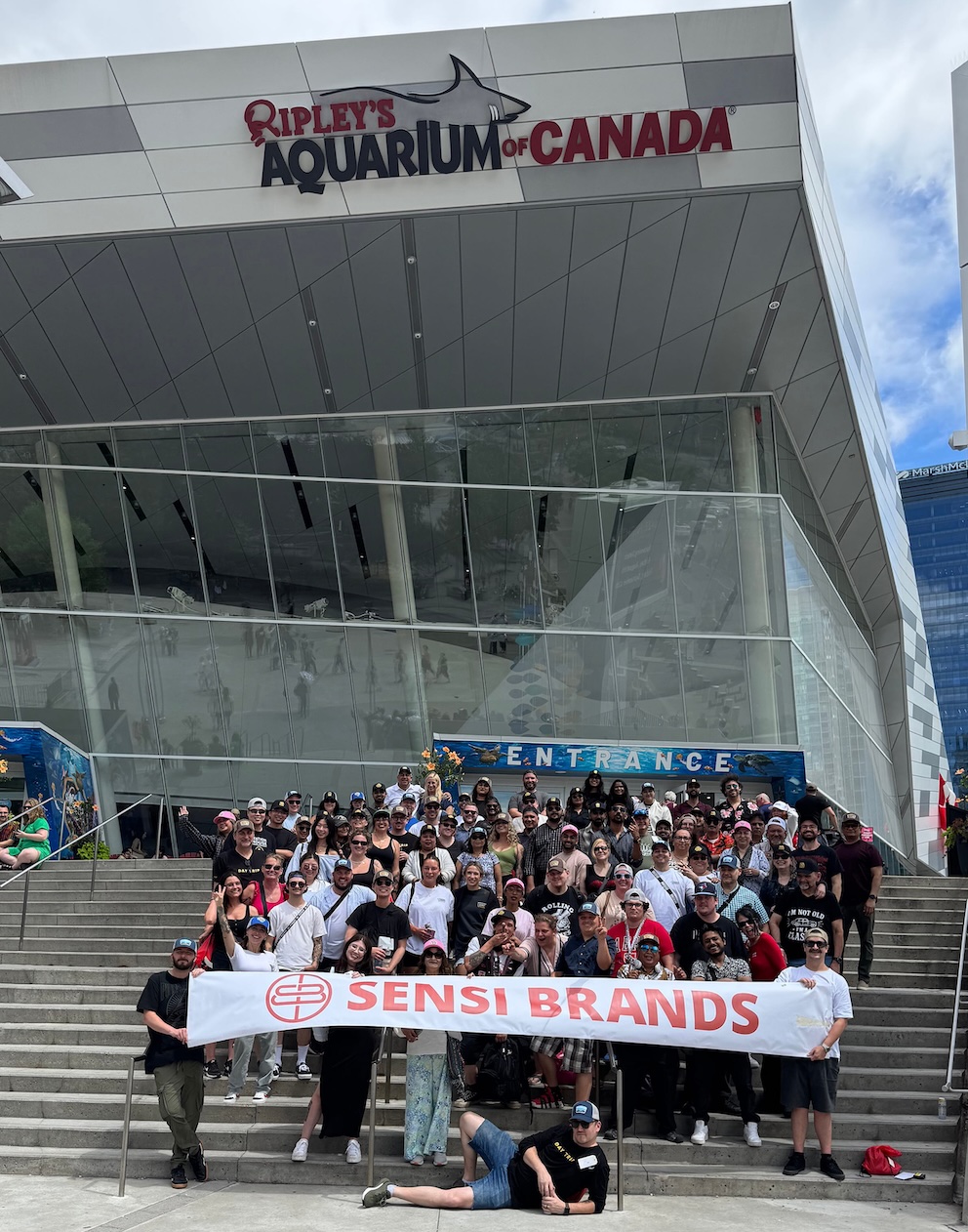
Sensi Brands employees on a team outing.
EG: You’ve talked about the long days it takes to build a company at this scale—what kind of culture have you built at Sensi Brands, and how do you keep your team energized and invested?
TG: We’ve built an incredible culture—culture’s everything. The company is made up of family and friends. The theory was, “How cool would it be if we could build a company that attracted people that I genuinely like spending time with so that when I walk into the office every day I get a big smile on my face because I’m working with the people that I genuinely love, that genuinely make me laugh, and are playing at the top of their game in their respective discipline.”
EG: Love that.What are you smoking on there? And how important is it for you to actually understand the product that you’re producing? Because, quite frankly, a lot of people in your position, and it’s not a negative, but they don’t understand the product, and they don’t consume the product.
TG: I love the question. I’m a big, big believer that you need to eat your own dog food and experiment with your product. Years ago, I was an experimental weed smoker. When I launched the Flwr Corporation, I went all in. So I’m a certified cannabis sommelier—and have my level one and level two sommelier certification. Today, I consume daily and intimately understand the effects of our products. In fact, our entire senior leadership team is certified as cannabis sommeliers and we are all active consumers.
And to answer the first part of your question, I am religiously loyal to Amnesia Haze and Ghost Train Haze—as my favorite strains. I only smoke sativa-dominant cultivars. To me, indicas are very sedative and chilled experiences, whereas a sativa actually inspires and energizes me. I’m all in to making sure that I understand our product as well, or as better, than our competitions, which I think gives us a competitive advantage. I take pride in leading our discussions in the R&D room. Today, we proudly distribute 365+ SKUS across Canada, and I have been part of formulating every single product, from our pre-rolls and how we infuse and coat them, to all of our vape formulations, to personally leading the launch of our THC oral pouches—one of the first to market. I would not have been able to contribute to our product innovations without being a consumer and have experience with the product.”
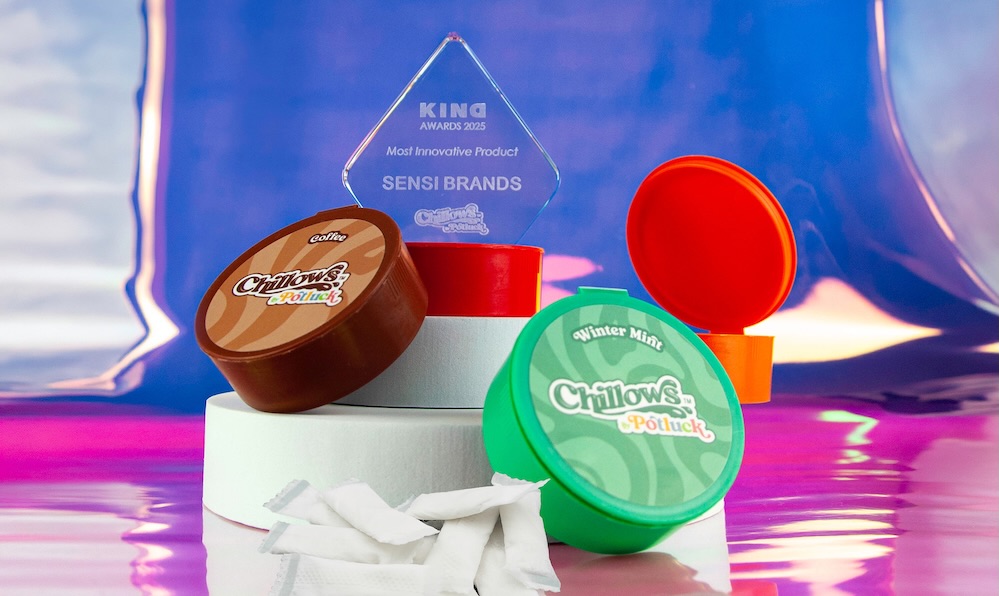
Sensi Brands has launched the one of the world’s first oral THC pouch, a testament to their innovation and continued drive to continue pushing boundaries.
EG:I know that Canada has very serious restrictions on packaging, on advertising. How have you guys transcended that obstacle and effectively marketed your products to have the success that you’ve had in retail?
TG: I think it comes down to, again, innovating products that resonate with consumers. In terms of marketing, we are very restricted by HealthCanada Regulations, so we tend to lean on the quality of product. We’ve also done an incredible job in all of our trade marketing materials, digital promotions, as well as executing at the major trade conferences.
EG: You mentioned the massive export business you have with Australia. How big is the international potential and focus for you guys?
TG: So, couple things: One, we have been working with a tolling partner over the past couple of years, and been distributing and selling product into Australia. Now that we have our own EU GMP (European Union Good Manufacturing Practice) license, we are now able to sell directly into international markers. We recently signed a $5 million deal today for product going into Germany. The EU markets are sizable with expansion into UK, Poland, Spain with France around the corner. The EU market is massive, and we think with the quality of our supply, we should be able to sell well into those markets.
We’re looking to enter the US market. I don’t want to say too much more on that, because I want to get further down into the process before we divulge. But we are definitely targeting the US, entering with our brands Station House and Potluck.
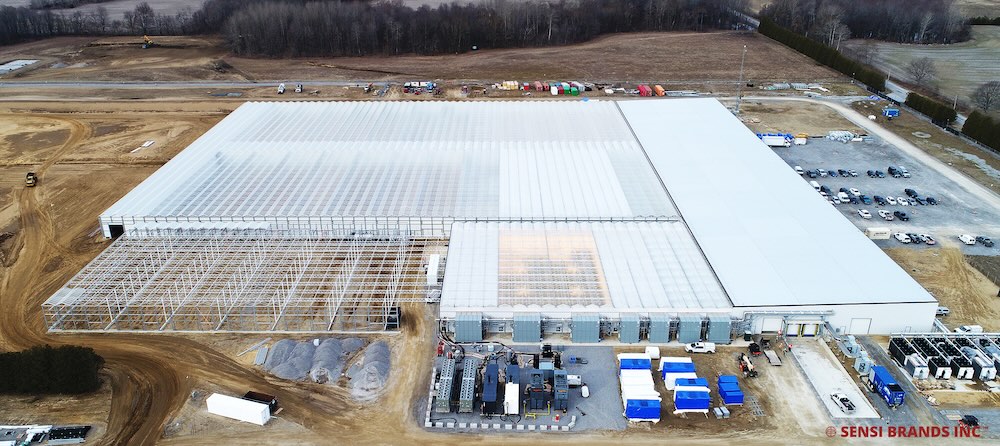
A bird’s-eye view of Sensi Brands’ new state-of-the-art facility.
Eugenio Garcia: In the next three to five years, where do you see Sensi Brands landing—and how do you view the broader global cannabis landscape: accelerating opportunity or continued pushback?
TG: Where we’re going to be is hard to tell. But the goal is that we’re going to be one of the last few standing. I think we built up an incredible company. Our pipeline of new products is extensive, and we’re excited for some of the new products that we’re launching. I think the walls are going to come down to the US. It looks like Mr. Trump intimated that he’s starting to remove those barriers. And I think once the US opens, it’s going to create a massive opportunity for the entire cannabis industry as whole to which I hope that Sensi Brands and our brands will participate in, so huge expectations with the US opportunity and same goes for the European markets and international markets.
At some point, I think there’s going to be a lot of consolidation. It’s already happening…We hope to be one of the companies that has a meaningful market share and recognized as a global and trusted brand of cannabis products.
Our dream and goal is to be able to walk into a German dispensary or an Australian dispensary, or a Spain dispensary and see Potluck and Station House products available for sale and being promoted in those markets in particular.
In a chandelier-lit ballroom at Berlin’s Hotel Adlon Kempinski, a quiet revolution is unfolding. Dozens of investors lean in as founders from Zurich, Barcelona, Lisbon and Warsaw pitch a room full of international cannabis investors and the CEOs of the EU’s next cannabis giants. This is a Talman House event, and it’s where European cannabis capital finds its match.
After years of uneven reform, Europe’s cannabis market is finally entering its investment era. As North America wrestles with oversupply and political fatigue, European operators are drawing global attention to their pharmaceutical precision, export potential and growing regulatory stability.
From Albania to Spain and everywhere in between, governments are expanding medical cannabis access and homegrow rights in various forms. In Germany, the new conservative CDU government is cautious on cannabis, but indications suggest they’ll still advance adult-use legalization. Personal possession of up to 25 grams is allowed in public in Germany. Meanwhile, medical supply chains are growing across Western and Eastern Europe through controlled licensing and pilot programs.
Europe remains a frontier defined by both opportunity and red tape. Many deals favor convertible debt or structured instruments over pure equity. Despite the cautiousness, institutional interest is rising. Germany’s Demecan, for example, recently hit a €100 million valuation backed partly by US investors. Last September, Canada’s High Tide purchased a 51 percent interest in cannabis pharma operator Remexian AG with an option to pick up the other 49 percent. Europe’s cannabis infrastructure is maturing and investors are watching closely.
With most national markets still small in scale, the long-term play centers on trading internationally. Companies are positioning themselves to supply EU GMP-certified cannabis and cannabinoid-based pharmaceuticals across the region. While the legal framework is evolving, transparent governance and robust due diligence are non-negotiable for investors. Recent scandals like the collapse of the JuicyFields Ponzi scheme have left many wary.
Among the new generation of European investment platforms, The Talman Group stands out as a credible, selective, membership-based network connecting cannabis and cannabis-adjacent companies with global investors. Its model blends exclusive events in prestigious venues with curated deal sourcing and introductions to sophisticated investors who want compliant and investable opportunities.
In April 2025, Talman hosted more than 140 participants at the Adlon Kempinski in Berlin, where a handful of highly curated companies pitched to investors in a Shark Tank-style setting. As the investment arm of Europe’s largest B2B conference and expo, International Cannabis Business Conference (ICBC), Talman lends a layer of legitimacy to an industry still working to shake its early growing pains in the adolescence of Europe’s cannabis industry.
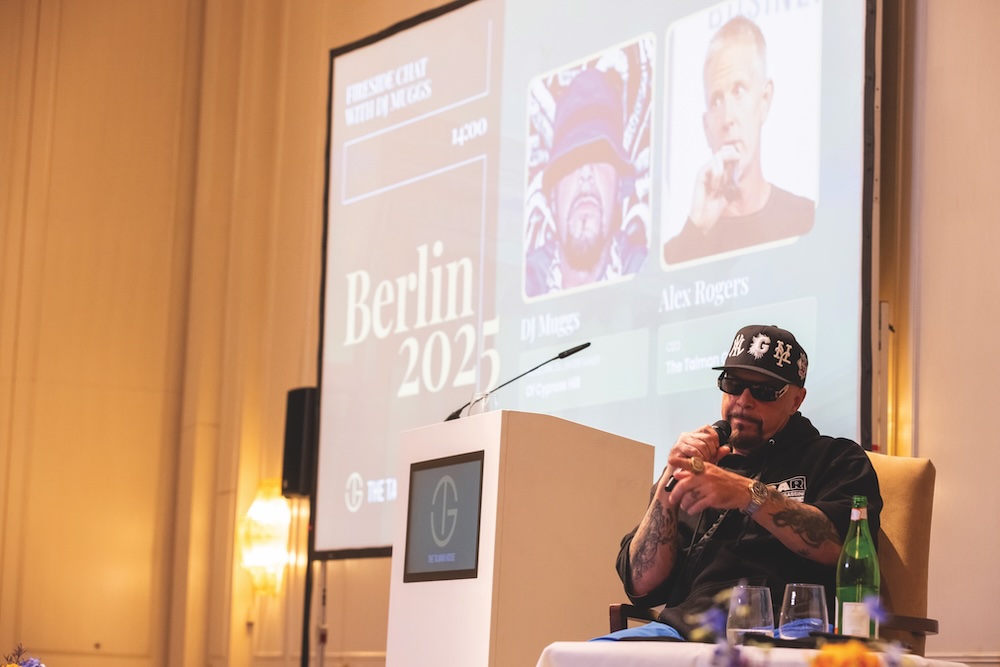
return on investment: Last April’s Talman House event presented cannabis rockstar DJ Muggs, whose investment portfolio is as impressive as his 35-year music career.
Talman serves as a figurative mentor guiding Europe’s cannabis industry toward maturity. Its role extends beyond matchmaking. The platform provides a buffer of due diligence by screening decks, tracking market intelligence and connecting founders to legal, financial and strategic advisors. Creating the conditions for credible, sustainable industry growth, Talman’s curated network brings much-needed capital into reach for operators bridging a capital desert.
And the opportunity is real in these undercapitalized European markets. Early entrants can enjoy “first mover” status, and if they utilize the head start efficiently, can parlay that into market leadership and delight their investors. Additionally, success in one jurisdiction often opens doors across the EU’s emerging regulatory patchwork. The evolution of policies in Germany, the Netherlands and the United Kingdom could provide compliant, scaled operators with significant upside.
All that said, uncertainty due to evolving regulations continues. Pilot programs have faced repeated delays in the Netherlands and Switzerland. Shallow public markets limit exits, and scandals and bankruptcies remind investors that gaps in oversight can be costly.
Big conglomerates such as British American Tobacco and Tilray entering the space raise the bar for smaller firms as well. Investors have witnessed how market exuberance can outpace fundamentals, but greed is a powerful blinder. Valuation discipline will be essential.
Europe’s cannabis story is unfolding in distinct phases. There are policy harmonization efforts across EU member states, with standardized licensing and quality controls being considered. Simultaneously, cross-border consolidation through multi-country acquisitions and partnerships is already underway. Expect consolidation to pick up speed in 2026 as more North American companies consider Europe’s potential. As the cycle matures, institutional investors will participate by having pension and health funds make cautious allocations. That typically triggers financial innovation (e.g. REITs and special-purpose investment vehicles). Lastly, as compliance standards mature, de-risking through transparency becomes the norm.
Europe’s cannabis investment story isn’t about chasing another green rush. It’s about building the infrastructure that makes the rush possible. Platforms like the Talman Group are helping investors see Europe not as 27 fragmented markets, but as one evolving opportunity. For those willing to navigate complexity, the reward may be as lasting as the reform itself.
This story was originally published in issue 52 of the print edition of Cannabis Now.
Of the 200 aromatic molecule varieties called terpenes that may manifest in a particular example of the cannabis herb, none is better at repairing bones and promoting their growth than delta-3 carene (also called alpha-carene or simply carene).
Beginning in the 1960s, researchers began to note the medicinal efficacy of phytochemicals from plants such as cannabis. Among these chemicals are cannabinoids (the most famous examples are tetrahydrocannabinol (THC) and cannabidiol (CBD), terpenes (such as myrcene and pinene) and flavonoids.
Terpenes were first believed simply to convey a sometimes pungent aroma in plants like cannabis. From an evolutionary perspective, these molecules serve the purpose of protecting the cannabis plant from pests and predators, many of which find these chemicals offensive or toxic.
The Details of Delta-3 Carene
Delta-3 carene conveys a sweet, pungent scent composed of citrus, cypress, pine and wood. It is produced by plants other than cannabis, including rosemary, pine trees and cedar trees. Delta-3 carene is utilized by the cosmetics industry as a fragrance and is employed as an insect repellent at the industrial level (it is a natural constituent of turpentine).
Regarding medicinal efficacy, the terpene provides significant qualities to combat systemic inflammation, repair diseased and damaged bones and is said to promote mental focus and concentration. Strains of cannabis rich in the delta-3 carene have been found to benefit those with arthritis, fibromyalgia and even Alzheimer’s disease. This terpene is found most commonly in strains of cannabis, including AK-47, Arjan’s Ultra Haze, Jack Herer, OG Kush and Super Lemon Haze, among others.
Beyond the repair of bones, the terpene is unique due to its power to draw out liquids (one of its chief applications within the cosmetics industry). This drying effect makes it a candidate for use as an antihistamine and in products targeting excessive menstruation or mucus production. This quality is also responsible for anecdotal reports of dry mouth (cottonmouth) and red-eye among cannabis smokers and vapers.
The Research
Research has revealed the medicinal efficacy of terpenes such as delta 3 carene since the 1980s. A 1989 study entitled “Comparative Study of Different Essential Oils of Bupleurum Gibraltaricum Lamarck” that was published in the journal Europe PMC investigated the anti-inflammatory properties of delta-3 carene, concluding “the essential oil of the Cázulas Mountains population was most active against acute inflammation owing to its high delta-3 carene content.”
A 2007 study entitled “Low Concentration of 3‐carene Stimulates the Differentiation of Mouse Osteoblastic MC3T3‐E1 Subclone 4 Cells” published in the journal Phytotherapy Research tested 89 natural compounds for their ability to maintain bone repair, deal with bone disease and promote overall healthy bones.
Concluded the study’s researchers, “Further studies are needed to determine the precise mechanism, but the anabolic activity of 3‐carene in bone metabolism suggested that the use of natural additives to the diet, including essential oils, could have a beneficial effect on bone health.”
Cultivating quality cannabis takes a lot of work, but it should never have to feel like a chore. With GrowGeneration, you can provide premium care for your botanical bounties with a minimum of labor and a maximum of joy! Fueled by a desire to streamline the cultivation process, GrowGeneration has flourished over the past decade, becoming a leading industry developer, marketer, retailer and distributor of products for both indoor and outdoor hydroponic and organic gardening.
Offering everything from nutrients and additives to lighting and environmental control systems, GrowGeneration provides end-to-end solutions that offer easy and consistent answers for every type of cannabis cultivation operator.
Rooted in Community Convenience
Founded in 2014 by Michael Salaman and Darren Lampert, GrowGeneration was built with a vision to simplify and support the booming cannabis cultivation sector. The founders led the company through a strategic series of acquisitions, transforming it from a single-store startup into a national hydroponics and cultivation powerhouse. Their approach focused on acquiring top-performing regional operators and integrating industry expertise to form a seasoned team of veteran growers, product innovators and commercial cultivation experts. This combination of strategic growth and real-world experience now defines GrowGeneration’s position as the leader in commercial cultivation solutions.
With GrowGeneration you get so much more than premium products. You’re also getting expert advice and a supportive community welcoming to both novice and veteran growers. Recognizing a significant need for specialized cultivation supplies and expertise in the emerging cannabis industry, GrowGeneration also proudly serves a broad audience of indoor gardeners who cultivate everything from vegetables and herbs to flowers.
Today, GrowGeneration has expanded from its humble roots to cater to an ever-expanding list of adult-use states, including Mich., Calif., Maine and N.J. as part of a dynamic national presence. Behind it all is a staff of 250 people chosen for their specialized industry expertise. Have a question? Ask away! GrowGeneration’s staff is always happy to help and here to ensure your cultivation inquiries—be it for a first-time home hydroponic set-up or a large-scale commercial effort—get answered with a smile.
A Trusted Supplier
At the center of GrowGeneration’s success is a dedicated commercial division that provides end-to-end support—from facility planning to procurement and expansion. “We’re not just a supplier—we’re a strategic partner,” explains Alex Salaman, GrowGeneration’s Director of Marketing. “With deep industry knowledge and nationwide reach, we deliver tailored solutions that help our customers scale faster, operate more efficiently and achieve better yields.”
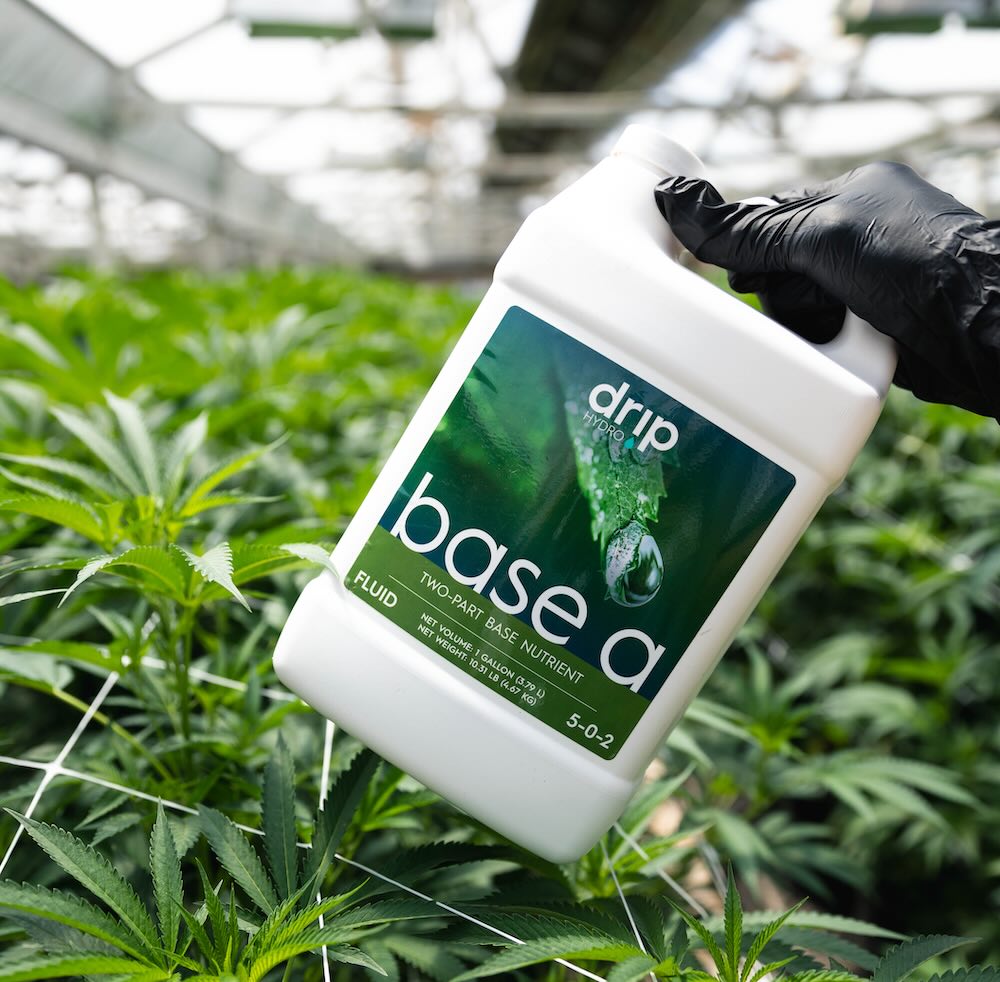
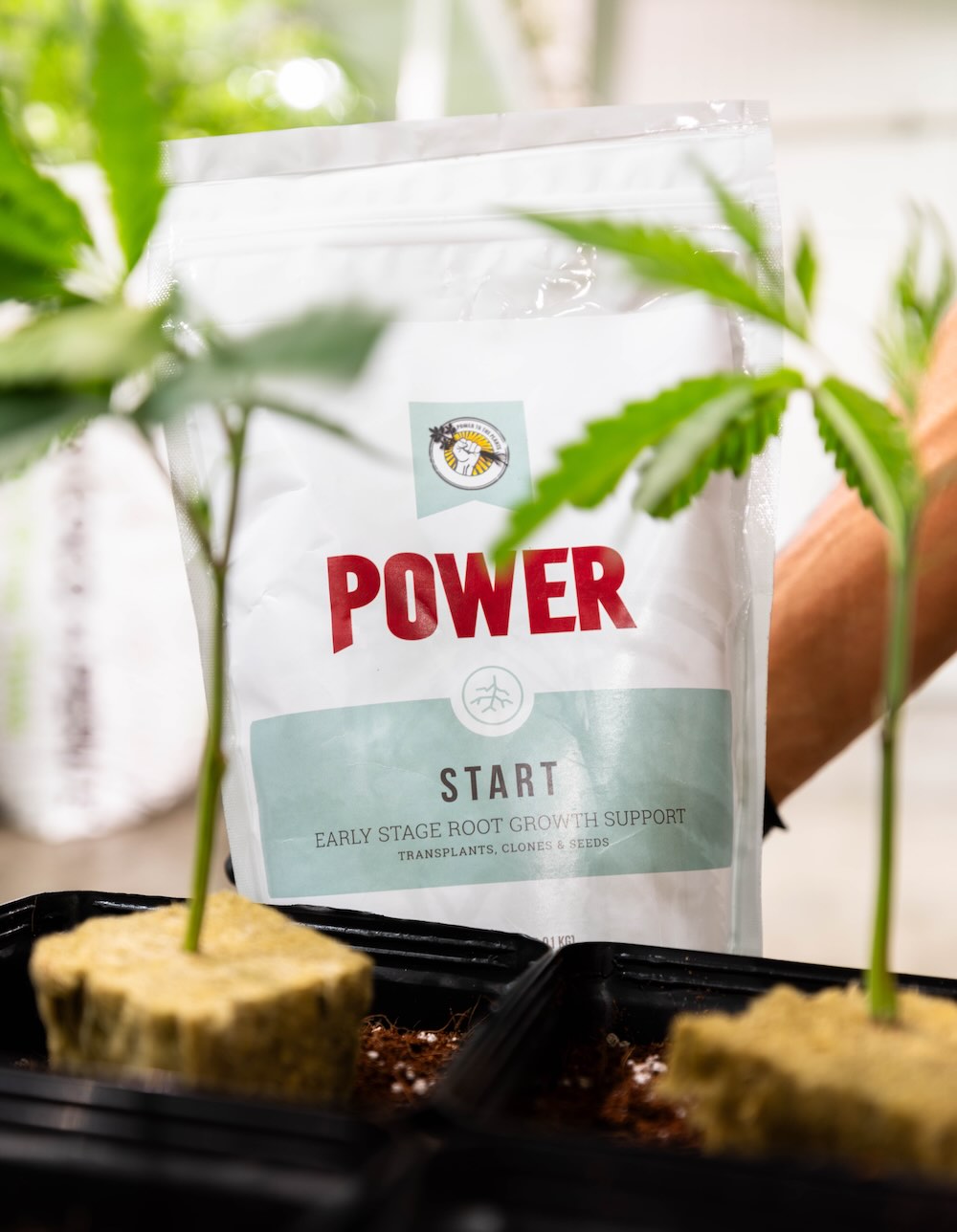
GrowGeneration’s exclusive proprietary brands—Drip Hydro, Char Coir, PowerSi, Ion Lighting, The Harvest Company and Dialed In—offer a level of quality control, value and supply assurance that set the company apart from traditional resellers.
By leveraging partnerships with top brands in the cultivation industry, GrowGeneration can offer unmatched manufacturer-direct pricing as well as a variety of financing and credit options. A preview of top-performing proprietary brands available through GrowGen includes:
Char Coir — the highest-grade coco available, sourced from a single farm to ensure consistency and quality. Each batch comes with a chemical analysis available to the client and serves as a testament to our quality and standards.
Drip Hydro — a complete nutrient solution engineered for one purpose: to make growing easier and more productive. Developed by growers for growers and backed by 45+ years of cultivation experience, it delivers high-quality results, higher yields and low overhead.
Ion Lights — advanced LED fixtures for flowering and veg, engineered for increased cannabinoid expression, deeper color, and superior canopy development.
PowerSi — high-quality, concentrated additives that improve the health of your plants, your yields, and your crop quality.
Dialed In Under Canopy LED lights, Environmental & Fertigation Systems — a first-of-its-kind lighting solution engineered to boost lower-canopy flower development in commercial cannabis cultivation. This system helps cultivators address a universal issue, penetrate lower buds which are typically smaller, less potent and often unsellable due to the spectrum of light stopping at the top of the canopy.
The Harvest Company — offers a diverse range of essential products designed specifically for all your home gardening and commercial growing needs. Our carefully developed products are crafted to help you get the most out of each growing season. From Seed to Harvest, we’re here to deliver the perfect solutions for your gardening journey.
Introducing The GrowGen B2B Portal
GrowGeneration even has a convenient B2B online ordering portal available for commercial customers, including the ability to receive instant quotes, lock in commercial prices, enjoy volume savings discounts, and track your business spending to date.
Wondering exactly why you should join GrowGen’s B2B Portal? Designed for licensed cultivators, wholesalers and commercial operators, the GrowGeneration B2B Portal delivers key business advantages:
Instant quotes and locked-in commercial pricing
Volume discounts and credit terms
Real-time spend tracking and reorder tools
Dedicated account support and quoting specialists
Growers also get access to the GrowGen Pro Program, which includes personalized support from account managers and cultivation experts.
Let’s Grow!
Whether you’re expanding a facility, launching a new site, or looking to reduce costs and improve margins, GrowGeneration is your all-in-one cultivation partner. Sign up for the B2B Portal here, or visit GrowGeneration todayand get empowered with all the tools, knowledge and support you need to achieve your cultivation goals.
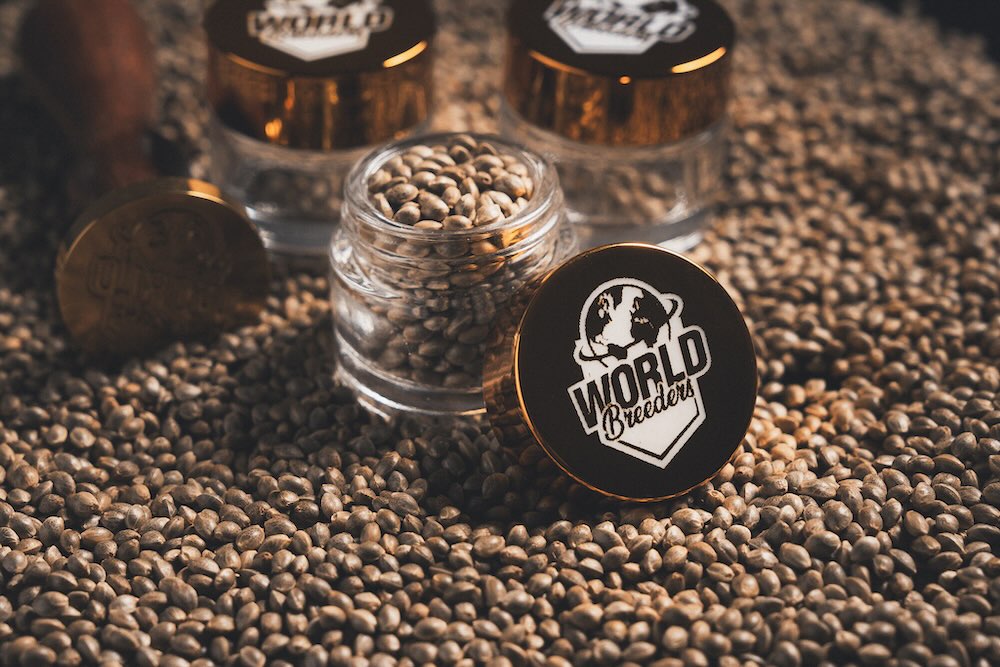
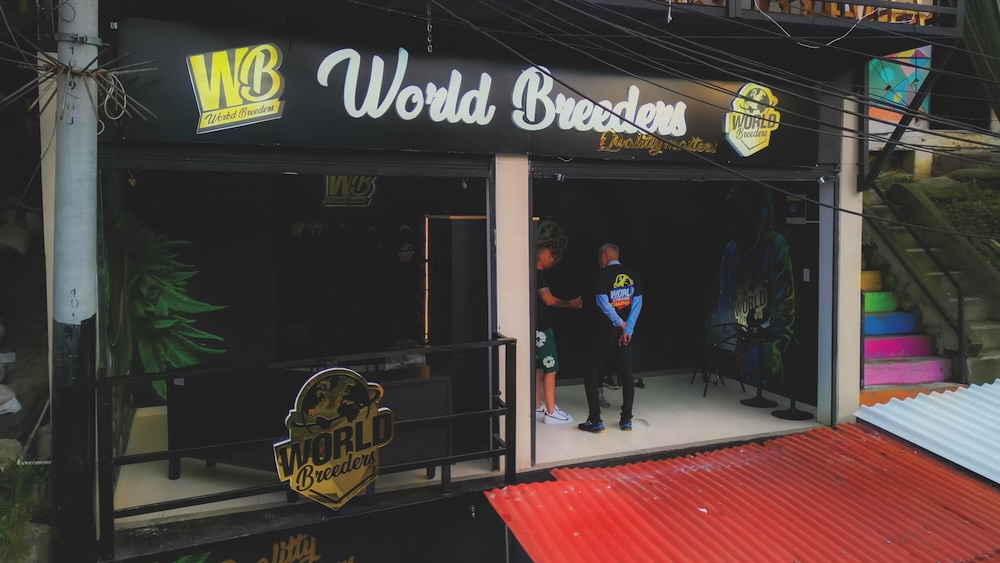
World Breeders, a cannabis seed company with who is making good on its promise to export seeds worldwide, has three founders, and it’s taken them all to shape the trajectory they have now—from working in cannabis on the “underground side,” as co-director Gorka Cid Luaces says, to an enterprise with operations on three continents and the momentum to fulfill their ambitions.
Jon Urriola Rementeria—responsible for seed development, genetics and research—was growing tomatoes for Spanish supermarkets before he switched to hierba with the emergence of the first “cannabis associations” in the País Vasco, Spain’s northeast Basque Country. Leandro García Rodriguez handles client and concept development, while Cid Luaces is responsible for overall management of the company. García Rodriguez is originally from Seville, while Rementeria and Cid Luaces are native to the Basque Country.
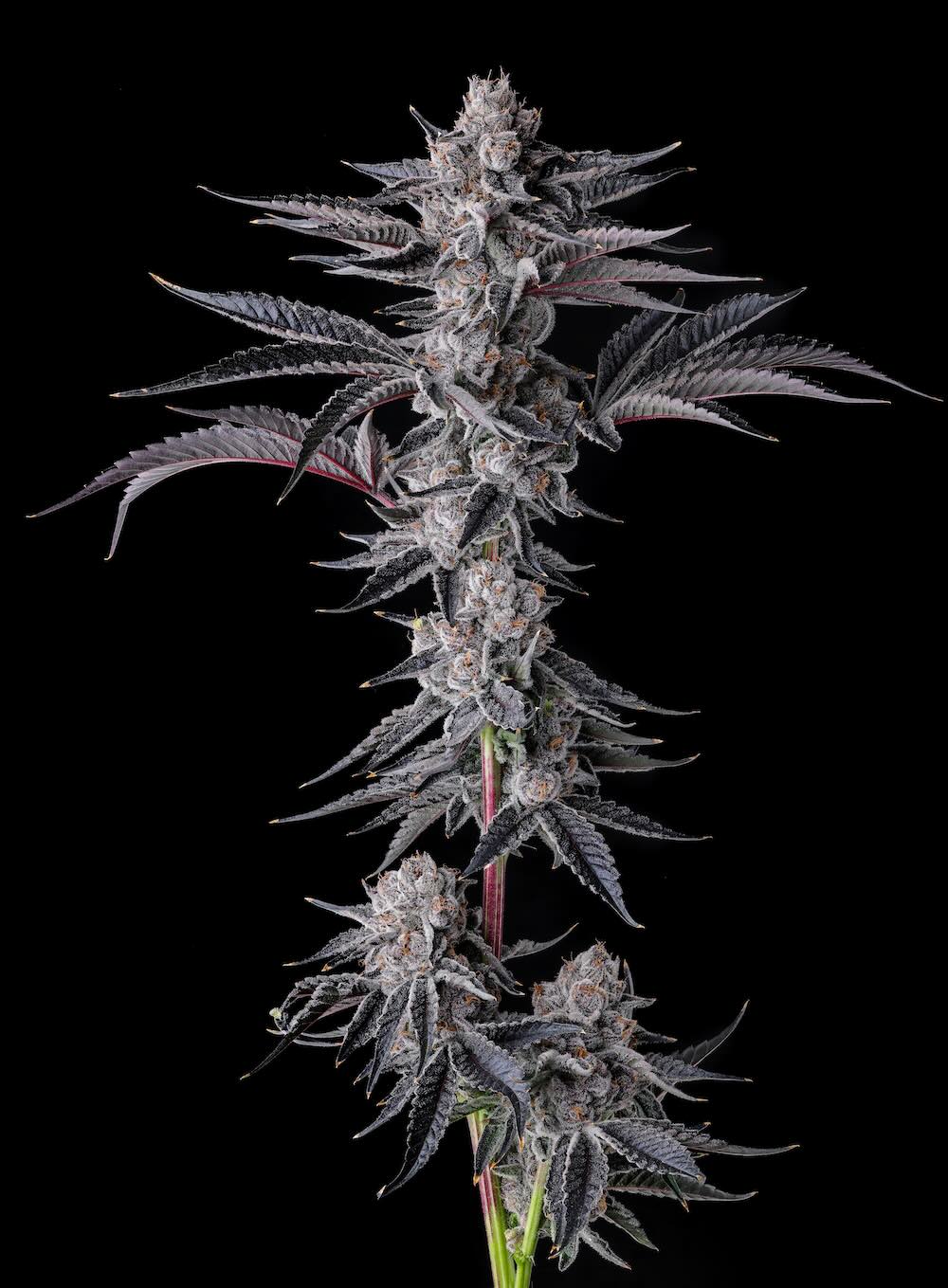
World Breeders claims to have dedicated itself to selecting and developing its own genetics with meticulous attention to details.
Rementeria and Cid Luaces first came together in GreenFarm Éibar, which was among the first cannabis associations in Euskadi, as the País Vasco is known in the Basque language. They produced flower for the association in a mixed greenhouse and outdoor operation, with the local police informed.
“The experience with GreenFarm marked our entry into the cannabis industry,” Cid says. “It was a highly rewarding stage, yet also one filled with tension. Working constantly on the edge of legality takes a heavy psychological toll.”
GreenFarm was a member organization of the Federation of Cannabis User Associations of Euskadi (EUSFAC) which coordinates rules and standards for a sector operating in a kind of legal gray area. These regulations allowed private cultivation for the associations but limited members to two grams per day, to be consumed on club premises. Several associations closed during the pandemic in 2020, as these restrictions became untenable, and the sector never fully recovered. Associations continue to thrive in the regions of Catalonia and Andalusia, but regional authorities in País Vasco cracked down, with some clubs busted and herb confiscated.
The GreenFarm veterans moved into the commercial space, anticipating an expanding market for the recreational side as policy in several European countries liberalized. World Breeders was registered as a seed company in the Czech Republic in 2019, though they had already been working with third partner García Rodriguez from Medical Weed Sevilla, one of the first associations in Andalusia’s southern region, for some time with different companies.
Seeking a suitable country for production, the trio settled on the rising industry player of Colombia. Cannabis had been decriminalized there since 1994 and medical marijuana was legalized in December 2015 by decree of then-president Juan Manuel Santos—who would the following year win the Nobel Peace Prize for negotiating peace with the guerillas. Along with the historic peace deal in 2016, Colombia’s Congress that year approved commercial cannabis cultivation under government license.
“We knew we wanted to continue working in the cannabis industry—it’s our passion, and our professional path,” Cid says. “But we were equally clear that we wanted to do it within a fully legal framework. Colombia offered the chance to operate under official licenses, with a transparent regulatory environment and the ability to develop genetics and production at scale, without legal uncertainty. That’s why we took the leap and established our operations there.”
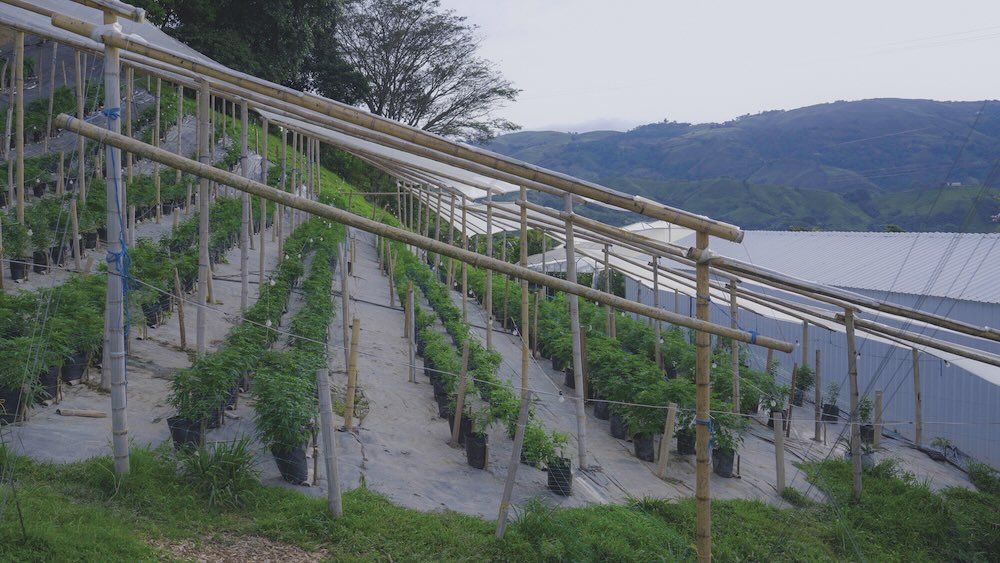
In 2020, World Breeders set up its mixed indoor/greenhouse production facility in Antioquia in the northwest region of the country. Their first greenhouses were in Guarne, a charming mountain town in the Andes. Production began in January 2021 and licensed export of seed to Spain began that year.
The seed stock they’d been working with initially had difficulties adjusting to higher altitude and new, more acidic soil and water conditions. Operations later moved to Ebéjico, on the outskirts of the Medellín metropolitan area, where the altitude is lower and the climate warmer.
Based in Colombia since 2020, World Breeders’ new environment creates exceptional photoperiods: 12 hours of daylight and 12 hours of darkness per day. “It’s ideal for complex terpene profiles,” says co-founder Gorka Cid Luaces.
Conditions here, as it turns out, are exceptional. The light offers perfect photoperiods: about 12 hours of daylight and 12 hours of darkness per day. And the altitude of some 1,400 meters above sea level, Cid describes as “ideal for complex terpene profiles.”
“Over the years, we have dedicated ourselves to selecting and developing our own genetics with meticulous attention to details,” their website boasts.
The company, a seed bank marketing its genetic creations to specialty growers, currently offers nine strains, with names including Clementine Slush, Fizzy Gum and Pink Truffle. Cid takes pride in the descriptive accuracy of these appellations. “If we say it tastes like clementine, it really tastes like clementine,” he assures.
A recent addition is La Hokuzan, developed in cooperation with Barcelona-based Hidden Group Genetics. The Catalan group had bred its own indica-heavy hybrid Hokuzai, which World Breeders crossed with their own Fizzy Gum for a more “sparkling and fruity” feel.
Just coming online is Pilot, developed in conjunction with Spanish rapper JC Reyes, combining his favorite traits—a three-way cross of Pink Watermelon x Jokerz x WB Bubba.
World Breeders is also currently working with growers in the Rif Mountains of Morocco to develop a line of triploid seeds. Triploid strains have three sets of chromosomes, as opposed to the traditional diploid varieties with two sets—one from each parent plant. They typically don’t collect pollen and therefore don’t produce seeds. (Most of the bananas we eat are triploid, as well as seedless watermelons.) This is important for cannabis, because a female plant that doesn’t get fertilized will keep secreting resin indefinitely throughout the growing season, even if there are male plants in the vicinity. A triploid line could be a breakthrough for the centuries-old tradition of hashish production in the Rif, and a boon to growers everywhere.
“We’re confident that this new line will mark a before-and-after in the genetic development of cannabis, positioning World Breeders as a benchmark for innovation and quality in the sector,” Cid predicts.
But expanding markets in Europe represent the real opportunity on the imminent horizon, Cid says, pointing to recent moves toward permitting adult-use cultivation in Portugal and Germany. “What began as a dream of the World Breeders team is now a consolidated reality,” he says.
This story was originally published in issue 52 of the print edition of Cannabis Now.
On Monday, January 5, leading cannabis edibles company Wyld announced the acquisition of Grön, a women-led brand focused on creating delicious, handcrafted, cannabis-infused edibles. The deal brings together two of the most recognized and respected names in edibles—both from Oregon—combining Grön’s premium, innovation-driven portfolio with Wyld’s extensive distribution reach across North America. According to the companies, the partnership is designed to accelerate growth while preserving what makes each brand beloved by consumers—a shared commitment to quality, creativity and authenticity.
“This acquisition is about scaling a brand that’s already winning,” stated Aaron Morris, founder and CEO of Wyld in Monday’s press release. “Grön has built exceptional products and a deeply trusted brand. Our goal is to support its continued growth by pairing Grön’s creativity and innovation with Wyld’s infrastructure, reach and operational strength—without compromising what makes Grön special.”
Grön Founder and CEO Christine Apple is equally excited about the company’s future. When deliberating on how to grow the brand so that it can carry on for generations, Apple asked herself, “What is the brand’s best opportunity for success to continue to grow and grow rapidly?” She concluded that “Wyld has the platform to be able to do that, and they’re the only company, I think, in this entire space, that can do it better than I can. And I mean that.”
Beyond Apple’s belief in the power of the Wyld brand and infrastructure to expand, Apple, perhaps more importantly, is in line with Morris’ vision. “I couldn’t imagine someone that I could trust more to carry this brand forward,” she candidly shared in a conversation with Cannabis Now’s own founder and CEO, Eugenio Garcia, on Tuesday. “We share a lot of common values, and he’s really committed to keeping the brand as it is.”
Join us as Apple takes us down memory lane, back to her Oregon kitchen when only medical cannabis was legal, and weed was far less socially acceptable. Apple shares insight on how she’s found success by staying lean, efficient, privately funded and “laser focused” as well as her unwavering passion for Grön—“her baby,” so to speak—and all that the brand represents. It’s certainly been a labor of love over the past decade, and now she’s finally ready to let Grön leave the nest and soar to new heights as the legacy carries on.
Christine Apple is an architect-turned-chocolatier who launched Grön from her home kitchen in Oregon back in 2014.
Eugenio Garcia: To kick things off, can you share Grön’s origin story?
Christine Apple: So, I am a recovering architect. I joke about that. I graduated from architecture school at the University of Texas in ‘99 and moved up to Oregon and started working at an architecture firm, and did that for about 16 years, 14 years—something like that.
On a whim, I started making chocolate edibles in my home kitchen, just dinking around. What started as a side project kind of grew into a monster in all the best ways. I actually had a day job as an architect, and I would make chocolates at night and back then it was medical days, but [cannabis] wasn’t legal, or “adult-use.” From the social side, it was frowned upon, so I was kind of living a double life.
At some point—I think 2014 in Oregon—they passed adult-use, and I took a gamble and cashed in my stock options and left my architecture firm and bought chocolate machines and said, “I’m going to give this a go.” We’ve really not taken any outside capital until this past year, which has been probably one of the defining factors of our success, because the industry is so volatile. We’re very lean. We run a really efficient machine. And yeah, it’s been the journey of my life, that’s for sure.
EG:Wow,good for you. What is the current footprint of the brand?
CA: We are in nine states right now—Oregon, Arizona, Nevada, Ohio, Missouri, Illinois, Pennsylvania, New York, New Jersey. We’re currently in the process of relaunching Nevada and Canada. I think our penetration across the markets that we’re in is well over 75% on average; most states we’re closer to 90%. We’re the number one edible up in Canada as well. Grön is on a on a tremendous growth trajectory. The time was right to be able to leverage the distribution channels and the real platform that Wyld is able to offer to continue to grow the brand.
EG: What does the name Grön mean? Does it have any significance?
CA: It does. So I studied abroad in Scandinavia during college [for architecture], and it means “green” in Swedish. It’s simply the word “green.” The funny thing about this is, there was no business plan, there was no intent to start a business—I just started making chocolate. Then I had to come up with a name. It was an hour-long exercise coming up with things that were meaningful to me and looking at cool words. I was researching chocolate companies, and if you think of all the interesting chocolate brands, a lot of them have words that are hard to pronounce. From this side of the world, sustainability is important, and it’s green for the plant. Grön is kind of a cool word that’s a little difficult to say and the umlauts make it fun, although difficult to type.
EG: I love that. And although you’ve expanded from chocolates, Grön soley offers edibles, right?
CA: Yes, we’ve stayed laser focused. And I think again, that’s another real strong point to the company and our success and profitability—staying really laser focused and building the brand. I can look back on it now and say it takes a long time to mature a brand to a place where it’s really a brand—a brand isn’t a brand if you don’t recognize it and people aren’t following it and really understanding it and believing in it, and it takes years to generate that kind of trust.
EG: Moving into Grön’s next chapter, how did you and Wyld’s CEO Aaron Morris come to meet?
CA: So both Grön and Wyld grew up during the Oregon medical days, so my founder’s story is not very different from his. It was the same timeline. He and I have lived in Portland for the entire duration of these companies’ existence, and we had never met in person until about six months ago. Seth Yakatan, a dear friend, actually introduced Aaron and Draper Bender, president of Grön. They went for coffee, and Draper came back to me and said, “I have an idea. What do you think about this?” I said, “No way. You’re out of your mind.” And then I slept on it. And, you know, the reality is, both these companies—everyone in this industry—is trying to figure out what to do next.
For years, we’ve been expanding into new markets, and that’s a great strategy until you run out of new markets to open, and then you’ve got to figure out how to grow. And this industry is just really stifled by the federal legislation. Wyld has gone to all the states, and they dominate in all the states, but they need to figure out how to continue to grow, too. We have conquered all of the new states, but we kind of passed over those older legacy states that are more saturated like California, Colorado, Washington and Michigan. It’s time for us to figure out how to enter those markets. The reality is: Wyld is the largest player in all those markets.
There are so many similarities with what these companies are it just, it really makes sense with the synergies between the two companies, both being Oregon-based, and we share a lot of common values, and he’s really committed to keeping the brand as it is. I couldn’t think of someone that could be better positioned to carry it forward.
EG: It’s January 2026 and we have the pending completion of Trump’s executive order to reschedule cannabis that he announced at the end of last year. How has that announcement changed your 2026 plans or affected your business?
CA: It hasn’t affected us at all to be honest, you know, we’re a private company. There’s been news and talk for years and years and we kind of just blur out the noise and keep moving forward. For us right now, it’s strictly business as usual, delivering excellence and bringing products to the people who want them. That’s what we do.
EG: With Grön, we’ll go back to your slogan, “the best-tasting edible on the planet.” Where does that come from? Is it in the ingredients? Is it the process? How do you live up to that?
CA: Well, from the very beginning, when I started making chocolate at home, one of the reasons that the product took off was because it actually tasted good. And edibles are traditionally not very good. They taste like weed. And you’ll never make something taste better by adding cannabis to it. It’s my opinion, and there may be some people that disagree with that, but I think the majority of people agree.
There are three pillars to any product success: It has to taste good, look good and feel good. And you have to hit all three pillars. Every product that we make, that we put on market, has to. So, we’ve spent a lot of time with flavor and terpene profiles and adding different levels of acidity, which counters the cannabis flavor. It’s been a really fun journey.
The Grön umbrella offers four product lines, including Pearls, Megas, Pips and Chocolate.
EG: A lot of conversations I’ve had in 2025 with industry leaders have been surrounding this big question of “How do we survive? How do we thrive?” It’s been a bit of a challenging four years for a lot of companies and leaders, and one of the answers to that was, “It’s time to team up.” It’s time to create alliances and think of business more in that vein rather than people playing in their own silo. And so, with your decision to team up with Wyld, what were some of the biggest decision-making factors behind that?
CA: Everything that I’ve done with this brand from the time it started has been intentional, and it’s to put the brand first so that it can carry on for generations. I look at where it’s at now, and I said, “What is the brand’s best opportunity for success to continue to grow and grow rapidly?” Wyld has the platform to be able to do that, and they’re the only company, I think, in this entire space, that can do it better than I can. And I mean that. I believe Aaron can do this better than I can, and he will accelerate the brand’s growth.
I am Grön’s biggest fan, and I will be her cheerleader until I die, and I want to see this brand carry on as a legacy brand in this cannabis space. This industry is still really young, and there’s a lot of volatility, and most brands won’t make it. You saw it with the tech world. Who’s left? Google? I want Grön to be a lasting brand. And selfishly, that is what’s critically important to me: setting her up for long term success. And I believe that this does that. So I’m really pleased that we were able to pull this together.
Remarkably Grön and Wyld, don’t eat each other’s market share on shelves. When we go to markets together, we actually grow the category, so we’re bringing consumers in. We see it in all the all the markets that we’re in, it’s remarkable. Combined, the two companies are close to 30% of the market.
EG: You’ve spoken of Grön as a “she,” giving her an identity. How did you come up with that?
CA: Well, probably because I reflect a lot of birthing and raising this company as if I’m raising a child. This has been 11 years of my life—fully committing this brand to a point where it can stand on its own and has the stability and an identity of her own. And, she is female. She’s fun, and, I mean the brand has a has a personality. It helps us connect with consumers. There’s not a lot of females in this industry, and Grön is one of ‘em.
EG:What’s one of the most important things in creating a brand identity and differentiating yourself?
CA: What’s so important is finding something that is relatable to people. People follow brands that they love and trust. It’s a commitment to clean, honest, transparent communication, and that comes through your marketing and the relationships you have with consumers and retailers. I think part of our reputation in the industry has come from that—making sure that we’re being honest, that we’re delivering excellence every single time, that we take care of people and that we take care of our products and that we’re being good stewards of the planet. All of those things come through, and people like it. People want to buy things they like and believe in.
It’s winter time and that means the days are short, dark and cold, and your skin is in need of some extra TLC to help combat the dryness that arctic temperatures can bring. During this time of the year, it’s important to switch up your skin routine to incorporate moisturizers that are thicker in texture to help coat any skin that may get exposed to the cold. Cannabis creams offer a way to hydrate, combined with the plant’s therapeutic effects to help get you through winter feeling nourished and less tense.
Here are some of our favorite cannabis creams to keep your skin soft until the sun returns in full force.
You can use this rich, hydrating cream every day to maintain your skin’s moisture, whether it’s right after a shower or anytime throughout the day. Mandarin, cedar and geranium come together in this lotion to make a light, citrusy scent that won’t have you worried that anyone will guess that you’re using a cannabis-infused lotion at your desk.
With your feet bundled up in socks and shoes, it’s important to give them a little attention at the end of a busy day—especially if you’re been standing or walking around for the majority of it. Essential oils like peppermint and arnica combined with cannabis extract can help you reduce pain, soreness and inflammation while also getting some much-needed moisture.
Pull out this salve for those extra dry trouble areas like your elbows, knees, feet and anywhere else that needs some further attention. This salve is made with sungrown cannabis and solar-infused olive oil along with medicinal plants like calendula, comfrey, St. John’s wort, yarrow and plantain to boost the benefits and keep your skin hydrated.
For people whose work involves lots of typing or other repetitive movements with their hands, you can solve two problems with this soothing lotion that will keep your hands moisturized and help cut down on tension as you work. The muscle relief lotion is also great for post-shower moisturizing for a relaxed, pain-free body as you prepare for a rejuvenating rest.
Repair sun-damaged skin from the summer and help your skin regenerate itself with this lotion that can also salvage dry, dull skin. A medley of oils including grapeseed, avocado, jojoba, sweet almond and coconut all work together to soften your skin, stop itchiness related to lack of moisture and reduce the appearance of fine lines and wrinkles.
This luxurious, whipped body butter is great for dry skin as well as eczema, psoriasis and other skin irritations that might get exacerbated when cold weather comes around. Its lightweight, non-greasy formula makes it easy to apply and absorb.
If you deal with cracked heels and rough feet, rubbing this on before bed and letting it absorb overnight can help make a major difference. Cocoa and shea butter give this cream its thick texture paired with tea tree, arnica, lavender and spearmint to provides long-lasting relief.
Add this fragrance-free, hypoallergenic cannabis cream to your morning and evening skincare routine to keep your face and neck nice and smooth. With hemp seed oil infused in this cream, you can combat acne and reduce wrinkles as well.
In today’s fast and furious cannabis industry, making a reliably available product that’s consistently of the highest quality is a crucial component to finding success in the industry.
With a multitude of elements like shifting legal economies and breakthroughs in research constantly in play, being bogged down by inefficiencies can be the difference between becoming a household name and gathering dust on the shelf.
That’s why Eaze investor Jeff Wu set out to establish a new gold standard in vape and pre-roll manufacturing in the form of Xylem Robotics.
“We do what we say we can do,” Wu confirms. “We don’t advertise fluff, we don’t make up numbers—we strive to deliver precision with technology.”
Powered by a team of professionals with a deep well of talent and experience doing business with the US Government, as well as large retailers such as Apple and Target, Xylem Robotics is on a mission to bring the technology of tomorrow to today’s cannabis industry.
Meet Xylem
Xylem Robotics is a Houston-based business that’s quickly earned a reputation as a global leader in the development of intelligent, automated cannabis industry solutions, including milestones such as the innovation of proprietary robotic cartridge production systems and optimization for vaporizer cartridge supply chains.
Dedicated to helping businesses eliminate bottlenecks, achieve greater efficiency, and scale effectively, Xylem Robotics is here to help companies deliver a strong, sustained competitive advantage that takes every stage of the manufacturing process into account.
Want to learn more about the people-powered work at the heart of Xylem? Check out this wonderful documentary on Xylem’s work partnering with Chico Cannabis Company founder David Petersen, which covers his background as a military veteran and how it shaped his journey in cannabis manufacturing.
The Xylem Difference
Xylem’s automated solutions have been designed to maintain product quality while embracing industry-leading operating standards.
This means careful oversight that includes quality checks during every step of the manufacturing process, from the Xylem floor to your hands. This, along with their continued commitment to excellent customer service, continues to set Xylem apart.
Furthermore, Xylem systems utilize the latest in advanced technology to dispense material at industry-low temperatures, negating both terpene degradation and material oxidation. In combination with production speeds that would otherwise require a large team and alternative methods, this process provides businesses that purchase Xylem’s systems with a significant and valuable competitive advantage.
Cartridge Filling & Capping
Ready to have your carts capped and filled with reliable ease every time? Check out the Xylem X4: the world’s fastest vape cart filling machine.
The Xylem X4 fully automates cart filling and capping, greatly simplifying the vaporizer manufacturing process. As the fastest cart-filling system on the market, Xylem’s X4 is an unparalleled product in a crowded market. In fact, just one X4 machine can deliver the output equivalent to 20 workers at a fraction of the cost. That’s what makes the Xylem X4 cart-filling machine the best solution on the market for cannabis manufacturers.
Specs? We’ve got those! The Xylem X4 boasts a fill speed of 1650 units per hour. Additionally, it can handle all manner of liquid concentrates and any 510 top-filled vape cart unit with press, screw or click-in closures. Able to fill at temperatures as low as 45° C, their fully automated process also includes in-line fills and immediate capping to preserve terpenes. Click here to request a demo.
Pre-Roll Infusion System
For many companies, the bottom line with infused pre-rolls is how efficiently they can get them filled and out to customers to enjoy. That’s why Xylem developed the Xylem Y2. Fully automated, this pre-roll infusion machine is capable of reliably producing 500-700 units per hour. Whether your brand is focused on paper cones, straight-rolled tubes, blunt wraps, or other form factors, Xylem’s Y2 can handle them all.
The Xylem Y2 is also capable of handling all forms of liquid concentrate fill material. That includes rosin, live resin, distillate, sauce, CBD, D8, and HHC — all of which can be filled at temperatures as low as 35 °C. Available infusion types include donut joints and hash holes, all overseen by one expert technician to reduce needs for surplus staffing while keeping your products at premium quality, thanks in part to the Xylem Y2’s precision pumping and temperature control settings.
You will also enjoy complete control over the location and the shape of the resin deposit with Xylem’s modifiable settings and precision linear slider. This allows the operator to precisely adjust the resin deposit location inside each pre-roll while simultaneously eliminating oil spots. Both straight lines and cone-shaped deposits can be easily achieved with Y2 to prevent canoeing and dripping for multiple styles of pre-rolls. See specs and learn more about how the Xylem Y2 can elevate your brand’s output today.
The emerging legal cannabis industry in Germany is one of the most exciting markets globally by many measures. Legal medical cannabis sales through pharmacies launched in the European nation in 2017, and lawmakers approved a historic national adult-use cannabis legalization measure in 2024. A considerable amount of market data is now flowing out of Germany, providing valuable insights for investors, entrepreneurs and policymakers.
As Germany’s medical cannabis sector has progressed and matured over the years, it has become clearer just how many patients the sector serves. Unlike state-level medical cannabis programs in the United States, in which there is typically a central registry that makes it easier to pinpoint the number of registered patients at any given time, Germany’s patient count is less straightforward to calculate. Some medical cannabis patients receive reimbursements through the public healthcare system, while others are “self-payers” and acquire their medicine through private means.
Evaluating Germany’s Medical Cannabis Patient Count
According to leading international cannabis economist Beau Whitney, founder of Whitney Economics, there are an estimated 200k-300k medical cannabis patients in Germany who are not self-payers, and an estimated 500k-600k self-paying medical cannabis patients in the country. The rise in the use of telemedicine in Germany in recent years has directly contributed to a steady increase in medical cannabis patients making their purchases through legal sources.
Another major contributing factor to increased legal safe medical cannabis access in Germany is the number of medical cannabis pharmacies operating in the European nation. As cited in a German Cannabis Business Association (BvCW) newsletter, roughly 2,500 of Germany’s 17,000 registered pharmacies now offer medical cannabis.
Medical Cannabis Imports
One of the most insightful sources of data that puts into context how much Germany’s medical cannabis industry has increased in size in recent years pertains to medical cannabis imports. Germany’s Federal Institute for Drugs and Medical Devices (BfArM) publishes quarterly data for imports, and in just the third quarter of 2025 alone, Germany imported nearly 57 tons of medical cannabis products.
To put that figure into perspective, consider that in the third quarter of 2024, about 20.654 tons of medical cannabis products were imported, which was a record at that time. In the first nine months of 2025, Germany imported over 142 tons of medical cannabis products. That is a mind-boggling amount, and a testament to the growth of Germany’s legal medical cannabis industry.
Researchers at the IPE Institute for Policy Evaluation conducted a market analysis, determining that Germany’s self-payer medical cannabis market may be worth as much as 2.9 billion euros annually. That is a massive cost saving for Germany’s public healthcare system.
Widespread Benefits
The rise of the legal medical cannabis industry in Germany doesn’t just benefit patients and members of the industry. All of German society benefits to some degree, including from the increased output that a more productive workforce provides the nation via reduced sick days. The German Association of Pharmaceutical Cannabinoid Companies (BPC) estimates that the economic benefit of reduced sick days for cannabis patients in Germany is more than 3.7 billion euros.
As is the case in every large cannabis market, the potential of Germany’s adult-use cannabis sector is much larger than the medical sector from the perspective of the total population. According to the European Union Drugs Agency’s annual estimates, 17.2% of adults in Germany report having consumed cannabis at least once in the last year. Additionally, 8.4% of German adults report having consumed cannabis within the last month. That works out to a total adult-use market of several million consumers.
A vast majority of the German adult-use cannabis market remains unregulated, but that is slowly changing as consumers are afforded more legal options. Germany’s legal recreational cannabis model is built on a handful of components, with all of them having the potential to help the nation’s legal market capture more market share with every passing month.
Germany’s Homegrow Market
Home cultivation is a major facet of Germany’s legal sourcing model, and is proving to be popular among adult consumers. Survey data compiled by the Department of Horticultural Economics at Geisenheim University found that one in ten adult cannabis consumers in Germany have cultivated cannabis since it became legal in April 2024. Another eleven percent “could imagine” doing so in the future.
Cultivation associations are another big component of Germany’s legalization model. According to the German Federal Association of Cannabis Cultivation Associations’ (BCAv) most recent data, 368 cultivation association applications have been approved so far nationwide. A total of 806 applications have been submitted. Considerably more cultivation associations need to be approved for Germany’s legal industry to sufficiently compete with the unregulated market, but the overall total is continuing to increase slowly but surely.
Pilot Trials Needed
A major gap in Germany’s industry right now is that there are still no regional adult-use cannabis commerce pilot trials approved in the country. Dozens of jurisdictions have applied to launch trials, but so far, the number of approvals remains at zero, to the detriment of legal cannabis access and to the detriment of the country’s professed cannabis policy and industry goals. Pilot trials are already operating in several jurisdictions in the Netherlands and Switzerland, with no major issues reported, and hopefully Germany’s government moves forward on approvals sooner rather than later.
With so much going on in Germany right now, and the country continuing to serve as the top market on the continent, it is more important than ever for people interested in getting in on the action to learn about current opportunities and network with industry leaders. The perfect opportunity to do that is in Berlin in April at the International Cannabis Business Conference (ICBC).
When the weather begins to change, it’s common for cold symptoms to start to pop up. It usually starts with a bit of congestion and little sneezing before blossoming into a full-blown mess of running or stuffy noses, high fevers, headaches and a sore throat. It can be difficult to avoid catching a cold, especially once it starts going around. It can easily spread through saliva (by sharing a drink or kissing), skin-to-skin contact (handshakes or hugs) and even through the air if someone with the virus coughs or sneezes without properly covering their mouth.
Thankfully, most people can recover from a cold in just a couple weeks with their own at-home or over-the-counter treatments. In the meantime, you can also include cannabis to help with managing symptoms. If you’re heavily congested, dealing with a sore throat or trying to avoid coughing, smoking is probably not the best option for improving your symptoms. In fact, it could exacerbate them and make you feel worse. For people who feel like they need to smoke out of preference or habit, vaping is the way to go. It will be easier on your lungs and will most likely not make you cough if you’re intentional about taking gentle, slows pulls.
You can experiment with different terpenes like pinene which can act as a powerful expectorant and antimicrobial that can improve airflow functioning in the lungs. Just look for strains that have a high pinene content to help ease respiratory issues. Just remember that during this time it is not a good idea to share any paraphernalia with another person, so you’ll need a pipe or vape that is exclusively for your own personal use during this time until your symptoms completely subside.
If necessary, you can skip smoking and vaping altogether and go for pre-packaged edibles or cannabis-infused foods and drinks made at home. Soups and hot drinks are helpful as the weather cools down and there are lots of great recipes like vegetable soup with medicated garlic croutons, kief-infused chicken soup and cannabis-infused bone broth. You can also try making your own cannabis tea made with roots and stems or make canna-honey to add to herbal tea. Tinctures are an easy way to medicate as well by taking a dose underneath your tongue or adding it to tea, soup or something else. Don’t forget that edibles will take longer to feel the effects than smoking or vaping so be patient and don’t over do it in hopes of feeling better faster.
Some people find it unpleasant to feel high when they’re under the weather, so microdosing or CBD strains and products would be a good idea. For aches and pains, a topical or infused bath salts can help you feel better. Detox baths with Epsom salt and essential oils like peppermint and eucalyptus can help speed up your recovery and the added benefits of cannabis can reduce discomfort in your body so that you can rest and relax. You can also try rubbing an infused topical into any tense areas for some relief. Some studies have shown that cannabis can help reduce inflammation, which can be helpful if you’re experiencing uncomfortable nasal pressure or throat pain, so with topicals you can still experience some of the benefits without getting any kind of buzz at all.
Keep in mind that cannabis won’t help to make your cold go away but can help you feel a little better while you recover. Whether you decide to treat your cold naturally or with over-the-counter treatments from your local drugstore, remember to pay attention to how you feel, observe your symptoms and visit a doctor if needed.
TELL US, have you ever used cannabis to support you while kicking a cold?
Dry January is no longer just a detox. What began as a post-holiday pause from drinking has evolved into a cultural reassessment of how people relax, socialize and manage stress. Each January, millions of Americans step back from alcohol not simply to recover from the excesses of the holidays, but to question a deeper assumption: that alcohol is the default reward, social lubricant and stress reliever in adult life.
In recent years, that assumption has started to crack. Rising awareness around mental health, sleep quality, inflammation and long-term wellness has led many people to look for alternatives that align more closely with their values. Increasingly, that alternative is cannabis.
Not dispensary-only marijuana, but a rapidly expanding category of federally legal, hemp-derived cannabis products that can be ordered online and shipped directly to consumers across much of the United States. Enabled by the 2018 Farm Bill, these products have quietly reshaped the cannabis marketplace, offering adults an accessible, legally compliant option that fits seamlessly into modern lifestyles.
This Dry January, cannabis isn’t a compromise. It’s a conscious upgrade.
Why Cannabis Is Becoming the Dry January Go-To
Alcohol has long been woven into social and professional culture, but its downsides are becoming harder to ignore. Even moderate drinking can disrupt sleep, increase anxiety, impair recovery and dull cognitive performance. For many people participating in Dry January, the most striking realization isn’t how difficult giving up alcohol is, but how much better they feel without it.
Cannabis, particularly hemp-derived cannabis designed for moderation and balance, offers a different kind of experience. Instead of numbing or overstimulating, many modern formulations focus on relaxation, emotional regulation, creativity and stress relief. The absence of hangovers, dehydration and next-day regret alone is enough to convert many first-time users, but the appeal runs deeper.
Responsible use of cannabis allows people to unwind without checking out, to socialize without excess, and to mark the end of the day without sacrificing the morning after. For Dry January participants, it often becomes the bridge between abstinence and sustainability—a way to maintain rituals of relaxation without returning to alcohol.
What Makes Cannabis Federally Legal
All of the companies featured in this editorial operate under the legal framework established by the 2018 U.S. Farm Bill. This legislation federally legalized hemp and hemp-derived products containing no more than 0.3 percent Delta-9 THC by dry weight. Within this limit, companies can create compliant THC edibles, smokables, tinctures and beverages that deliver noticeable effects while remaining legal at the federal level.
These products are derived from hemp rather than marijuana and are sold online with third-party lab testing for potency and safety. While state laws still vary, this federal pathway has opened the door to a nationwide cannabis economy that feels more like e-commerce than counterculture. For Dry January consumers, that accessibility removes barriers and stigma, making experimentation feel both safe and intentional.
The Top 10 Federally Legal Cannabis Brands to Try This Dry January
URB has emerged as one of the most recognizable and influential brands in the federally legal hemp-derived THC space. Known for bold branding and effects that closely resemble traditional cannabis, URB caters to adults who want a full-strength experience without stepping into a dispensary or navigating inconsistent state laws.
URB’s gummies and vape products are clearly labeled, lab-tested and formulated for consistency, making them especially appealing to consumers replacing alcohol with cannabis for the first time. Rather than positioning itself as a watered-down alternative, URB treats hemp-derived THC as legitimate adult-use cannabis. During Dry January, URB products often replace evening cocktails, offering relaxation, euphoria and stress relief without the next-day consequences of drinking.
Medterra approaches cannabis through a wellness-first, clinically informed lens. Long recognized as a leader in the CBD industry, the brand has expanded into hemp-derived THC products with the same emphasis on quality control, transparency and precise dosing.
Medterra’s formulations are designed to support sleep, calm and emotional balance rather than intoxication. This makes the brand particularly appealing to professionals, fitness enthusiasts and wellness-focused consumers participating in Dry January. Medterra products fit easily into routines centered around recovery and self-care, offering cannabis as a supplement rather than a substitute vice.
420.com operates as both a marketplace and a cultural platform, curating federally legal cannabis products while celebrating cannabis history, lifestyle and innovation. Rather than focusing on a single product line, 420.com emphasizes exploration and education.
For Dry January participants who are curious but unsure where to start, 420.com offers a guided entry point into the hemp-derived THC ecosystem. Its combination of content and commerce reinforces the idea that cannabis can be integrated thoughtfully into adult life, replacing alcohol not just as a substance, but as a cultural ritual.
Zamnesia brings an international, consciousness-driven perspective to federally legal cannabis. With roots in European cannabis and psychedelic culture, the brand frames cannabis as part of a broader journey into mindfulness, creativity and self-discovery. By learning how to grow your own this January, you can have an elevated experience throughout the year.
Zamnesia’s approach resonates strongly during Dry January, when many people are reevaluating habits and seeking more intentional ways to relax. Rather than emphasizing escapism, Zamnesia encourages reflection and balance, positioning cannabis as a tool for insight rather than avoidance.
Adaptaphoria operates at the intersection of cannabis and functional wellness, blending hemp-derived cannabinoids with adaptogens and functional mushrooms. The brand’s philosophy centers on nervous system regulation, stress resilience and emotional grounding.
Dry January can surface stress that alcohol once masked. Adaptaphoria addresses this head-on, offering products designed to help the body adapt rather than dissociate. Its formulations appeal to mindfulness practitioners, creatives and professionals seeking calm focus rather than intoxication.
TribeTokes has built its reputation on clean, transparent cannabis vaping. The brand emphasizes additive-free formulations, naturally derived terpenes and rigorous third-party lab testing.
For Dry January consumers who miss the ritual of a drink or smoke break, TribeTokes offers a refined alternative. Its fast-acting effects and discreet design make it easy to incorporate into social and professional settings, reinforcing cannabis as a controlled, intentional experience.
Dad Grass has become synonymous with low-dose, mellow cannabis experiences that prioritize calm over intensity. With nostalgic branding and an emphasis on moderation, the brand appeals to adults who want to relax without losing control.
For those easing away from alcohol during Dry January, Dad Grass offers familiarity and balance. Its hemp-derived products support relaxation without sedation, making them suitable for everyday use.
Vlasic’s move into the hemp-derived cannabinoid space highlights just how mainstream cannabis has become. Best known for pickles, the brand brings mass-market trust and familiarity to CBD and THC-adjacent wellness products.
For Dry January newcomers, Vlasic CBD lowers the barrier to entry. Its approachable branding and focus on stress relief position cannabis as a natural extension of everyday wellness rather than a countercultural leap.
Sunday Scaries was built around anxiety relief, and its hemp-derived cannabis products reflect that mission. Designed to reduce stress without dulling motivation, the brand resonates strongly with professionals and creatives navigating burnout.
During Dry January, Sunday Scaries helps replace alcohol-fueled decompression with something more sustainable. Its products support calm, clarity, and emotional reset, especially during high-stress moments.
Bee’s Knees represents a more refined, craft-oriented approach to hemp-derived cannabis. The brand emphasizes thoughtfully sourced ingredients, precise formulations and a design-forward aesthetic that appeals to consumers seeking elegance rather than excess. Bee’s Knees products like their Beezy Snaps are often positioned as a replacement for wine or cocktails, offering nuanced, mellow effects that complement social settings without overwhelming the senses.
For Dry January participants, Beezy Snaps by Bee’s Knees provide a sophisticated alternative that preserves ritual and pleasure while eliminating alcohol’s downsides. The brand’s attention to balance, flavor, and presentation makes cannabis feel intentional and celebratory rather than compensatory.
Dry January Is the Catalyst, Not the Finish Line
What Dry January reveals for many people is not just that they can live without alcohol, but that they may function better without it. Federally legal cannabis offers an alternative that aligns with intention, clarity, and wellness rather than excess.
For a growing segment of adults, Dry January becomes the beginning of a long-term shift. Cannabis, used thoughtfully, offers a new model for relaxation—one that fits the realities of modern life.
Dry January has come a long way from being a month of white-knuckled willpower and awkward soda water orders. These days, it’s less about deprivation and more about rethinking how you can socialize and still have fun while committing to a month of sobriety.
This year, Beezy Snaps by Bee’s Knees Wellnessare making it easier with portable THC and CBD beverage boosters designed for people who still want the hangout vibe without the hangover. Think of it as a modern alcohol alternative that lets you customize your experience by adding THC or CBD to any drink, from sparkling water to juice. All you have to do is bend, break, build and blend them to whatever you’re already sipping.
If you’re wondering what drinking looks like without giving up your social life, check out why Beezy Snaps are winning over Dry January drinkers.
1. They Put You Back in Control of the Drinking Experience
One of the biggest reasons people are turning to THC and CBD as an alcohol alternative during Dry January is control. Traditional drinks tend to lock you into a single experience from the first sip. Beezy Snaps flip that dynamic by letting you decide how much or how little THC or CBD you want in the moment. With options like 4 mg and 8 mg strengths, you can build your experience intentionally instead of letting the drink decide for you.
2. They Leave You Clear-Headed the Next Day
The promise of a hangover-free drink is what draws many people in, but it’s the consistency that keeps them there. Beezy Snaps are designed to support relaxation and connection without dehydration, headaches or the mental fog that often follows drinking. For people exploring alcohol alternatives, that predictability is a major shift.
3. They Make Social Drinking More Affordable
For lots of people, Dry January can be just as much a physical reset as it is a financial one. Skipping alcohol often reveals how expensive traditional drinking habits really are. THC and CBD alternatives offer a different equation. Beezy Snaps allow one product to enhance multiple drinks, rather than paying per cocktail or per can. That flexibility makes social drinking feel more sustainable, both financially and personally.
4. They Slip Into Any Social Setting
One of the biggest barriers to alcohol alternatives is convenience. Beezy Snaps remove that friction entirely. Their small, portable format makes them easy to bring along without planning, packing or explanation. Whether it’s a concert, a dinner party, or a weekend trip, THC beverage boosters fit seamlessly into real-life social scenarios. That ease matters during Dry January, when people want alternatives that don’t draw attention or disrupt the moment.
5. They Work With The Drinks You Already Love
Canned alternatives often limit choice. Beezy Snaps expand it. By working with virtually any beverage, they allow people to keep their preferences intact while exploring THC or CBD as an alcohol alternative. Instead of forcing new flavors or routines, they enhance what’s already there.
Where Beezy Snaps Fit Into The Bigger Shift
When it comes to modern alcohol alternatives, Beezy Snaps are setting the standard with a focus on customization, clean formulation and conscious consumption. The goal is simple: Help people feel uplifted and relaxed without the physical and mental downsides that often follow traditional drinking. Instead of chasing extremes, the experience is designed around balance. You’re not locked into a single experience and you’re never guessing where the night will end. You get options. You get personalization. And you get to have social experiences that don’t revolve around pushing limits.
At their core, these beverage boosters are built around transparency. From ingredient standards to dosage clarity, the emphasis is on helping people understand exactly what they’re consuming and why they work. That makes sense for a product designed by a passionate team spanning wellness, branding, product development and digital growth. They were united by a shared mission to redefine what it means to drink socially and guided by values of innovation to empower smarter choices without asking people to opt out of fun.
“We created Beezy Snaps to fuse wellness and simplicity with guilt-free enjoyment,” said Marilee Scruton, founder and chief product officer of Bee’s Knees Wellness.
“Both our 4 mg and 8 mg strengths of Beezy Snaps are a discrete and modern way to boost any beverage without the calories, cans, or hangover. Whether catching up with friends or savoring some downtime, these are a fun and easy option with wellness in mind.”
Ultimately, Beezy Snaps invites people to rethink what drinking can be. Whether you’re exploring Dry January, experimenting with functional beverages, or just looking for a more thoughtful way to drink socially, Bee’s Knees Wellness Beezy Snaps are here to show you what’s possible. You get to decide how much lift you want, so you can adjust your experience to match your plans, your energy and your company. By putting these choices in your hands, Beezy Snaps transform drinking into something personal, intentional and completely under your control.
Explore the full range and start customizing your experience at beezysnaps.com.
Tech company Weedmaps is a connector at its core, best known for helping consumers find and order from dispensaries carrying their favorite cannabis products. But that theme of connection extends far past the screens, as Weedmaps moves from traditional to experiential marketing, building authentic moments rooted in the creativity and spirit of the cannabis community. Their 2025 collab with premier sneaker designer Ceeze is just one example of how the tech platform continues to find memorable, made-you-look ways to drive their mission forward.
“Sneakers have long served as a canvas for cultural storytelling, especially across art, streetwear and music—spaces where Weedmaps naturally lives,” says Jonathan “JJ” Jones, Weedmaps’ senior vice president of markets and culture. “Through this collaboration, we were able to highlight how cannabis inspires creativity while showcasing the diverse voices and artists that shape the culture.It also created a physical, limited-edition artifact that fans could connect with—something that doesn’t happen often in the cannabis space.”
The limited-edition sneakers, called the 420 1s, were released ahead of the 4/20 holiday and include detailed stitching that represents the evolution of cannabis legalization, paying homage to those who fought so hard for it. Hidden coordinates on select pairs mark the birthplace of San Francisco’s Cannabis Buyers Club, the first medical dispensary that helped push Prop 215 into law in 1996. The California cannabis warning symbol, introduced in 2018, is stamped on the heel and Weedmaps’ logo is featured on a custom woven tongue, marking the brand’s own spot on the cannabis timeline as pioneers in consumer access since 2008—the height of the fight for cannabis.
The Ceeze collab set the creative tone for Weedmaps’ entire 2025 cultural marketing campaign and into 2026, as they offer more elevated ways for people to connect with cannabis culture beyond the retail experience and into the realms of lifestyle, art and music. In Jones’ words, “Each activation reinforces our mission to celebrate cannabis as part of everyday culture.”
This story was originally published in issue 52 of the print edition of Cannabis Now.
Along with the cheer of the holiday season’s celebrations and get-togethers, there are of course countless opportunities to overindulge in all kinds of seasonal delights. Even while making resolutions of better self-care and healthier choices, it’s incredibly easy to be swept up in moments of making merry involving traditional cocktails and overdoing it. This year, why not try toasting in the new year with a delicious marijuana mocktail instead?
We’ve provided recipes for two alternative ways to celebrate. The first is a sweet, tangy, good and good-for-you cannabis-infused shrub. Shrubs, or “drinking vinegars,” originally developed as a way to settle the stomach during the pre-refrigeration era, and have been coming back in popularity as a versatile, flavorful ingredient in craft cocktails that adds the natural health benefits of fermentation and vinegar. The second is a refreshing drink that draws in pomegranate, a tart and beautiful seasonal winter fruit.
Marijuana mocktails give you the option of a very adult way to celebrate and get buzzed, without the guilt of ravaging your health and well-being that often accompanies consuming too much alcohol. Plus, no hangover! Just glorious, deep sleep. What a time to be alive!
All things in moderation, as the saying goes. The shrub recipe is for a very potent 25 mg of THC per serving, so if you’re planning on having quite a few, or prefer a lighter version, half the amount of cannabis for 12 1/2 mg of THC per drink, and so on. Take it slow, allowing at least an hour before consuming another drink, and pay attention to other variables such as what and how much you’ve eaten that day. Enjoy these delicious marijuana mocktails and cheers to a healthy 2024!
Cranberry Rosemary Cannabis Shrub is sweet, tangy and good-for-you.
Cranberry Rosemary Cannabis Shrub
Inspired by a recipe by Becky Streipe for a sweet orange rosemary shrub. Makes approximately 3 cups of infused liquid.
2 grams of 15% THC cannabis flower = 300 mg THC
6 1/2 cup (4 oz) serving = 25 mg THC per serving
Yield: 6 1/2 cup (4 oz) drinks
Ingredients
2 grams 15% or higher THC-cured cannabis flower
1 cup white cranberry juice
1 cup sugar
1 cup apple cider vinegar
1/2 tbsp liquid sunflower lecithin
2 sprigs of fresh rosemary (plus more for garnish)
Chilled sparkling water
Orange peel for garnish
Fresh cannabis leaves for garnish, if available
Instructions
(Pro tip: Prep a day ahead of time to let the smell of vinegar fade before guests arrive. Any leftovers can be refrigerated for up to two months.)
1. Grind cannabis and spread evenly on a baking sheet. Put in the oven for an hour at 240 degrees Fahrenheit to decarboxylate the cannabis (to transform the THCA into active THC) 2. In a small saucepan over medium heat, combine the cranberry juice, sugar, apple cider vinegar, and 2 sprigs of rosemary. 3. Bring to a simmer and stir for 10 minutes. 4. Add the decarboxylated cannabis, mix thoroughly. 5. Add 1/2 tbsp liquid sunflower lecithin and mix thoroughly. 6. Let cool to room temperature. 7. Carefully strain solids out of the liquid with a cheesecloth or coffee filter and funnel into a clean glass jar with an airtight lid.
To serve
1. Pour 1/2 cup infused drinking vinegar into each glass for serving. 2. Add chilled sparkling water and stir. 3. Add ice, then garnish with a sprig of rosemary, an orange peel, and the cannabis leaf. (I like to add a leaf as an easy visual indicator of which drink is cannabis-infused, so party guests don’t forget.)
The Seasonal Pomegranate Marijuana Mocktail is refreshingly tart.
Seasonal Pomegranate Marijuana Mocktail
If the starting cannabis flower is about 10% THC, then 4 grams equals 400 mg THC total. As the recipe makes 3 cups of liquid/24 oz, each oz would contain about 16-17% THC. Since the mocktail calls for 3 oz of simple syrup, each drink would have 50mg of THC per serving, which is intended for a heavy user with no major plans for the evening. I’d alter the recipe to 1 oz infused simple syrup for a light cannabis consumer, for a drink with 16-17% THC, and 2 oz infused syrup for a medium tolerance, for a drink with about 33 per activated THC per serving.
(Because of the way the drink is built, the sweetness of the syrup can be offset by the amount of sparkling water added to suit taste preference/dosage strength per mocktail.)
Pomegranate sparkling water (can be substituted with regular sparkling water or club soda)
Pomegranate seeds
Cannabis leaf for garnish
Instructions
(Pro tip: leave the fresh leaf in the drink so the cannabis drinks will be easily identifiable)
1. Pour the sparkling water into a glass. 2. Add the cannabis simple syrup and stir thoroughly. 3. Top with more sparkling water, then garnish with fresh pomegranate seeds and a leaf.
In an industry where many come and go, some names become synonymous with integrity and staying powerful. Aaron Justis is one of them. For over 15 years, he’s been at the helm of Buds & Roses, a Los Angeles dispensary renowned for its unwavering commitment to quality and community. As a pioneer in “veganic” cultivation and a tireless advocate for industry reform, he has faced down a host of challenges, from the persistent illegal market to the complexities of legalization.
But for a true entrepreneur, the journey never stops. Now, Justis is branching out with a new venture, Seeds and Clones, taking his decades of experience and passion for genetics to a global audience.
In this exclusive interview, Cannabis Now CEO and Founder Eugenio Garcia and the veteran operator discuss the highs and lows of his career, the motivation behind his latest business and his vision for the future of cannabis.
Cannabis Now:Aaron, thank you for joining me today. When did you get started in the cannabis industry?
Aaron Justis: I’ve been involved with cannabis since I was a teenager. In 1998, I had a hemp clothing company and actually won a High Times Cannabis Cup award in Amsterdam for it. I purchased Buds and Roses in 2010. It wasn’t a well-known dispensary, but it had been registered in 2007, so it had a license and the potential to become a licensed dispensary. After many years of work, maybe six or seven years later, we got a license in the legal California market.
CN:Were you one of the first licensed dispensaries in Southern California?
AJ: Yes, we were.
CN:Give me and the readers a little bit of a recap. What have been the highs and lows of the last 15 years of running Buds & Roses?
AJ: The beginning was really exciting. My cultivation team and I pioneered “veganics,” a vegan organic cannabis, and won several awards, including “Best in the United States” and “Best Flower Overall.” We received a lot of media attention, and I was deeply involved in advocacy with groups like the National Cannabis Industry Association and the Greater Los Angeles Collectives Alliance.
At the same time, the journey has also had its challenges. The last six or seven years have been a difficult time to operate in the industry.
Even with legalization, we’ve had to compete against thousands of illegal operations that still thrive due to a lack of enforcement. Legalization brought new complexities and tremendously high taxes and regulatory costs, making the last several years particularly difficult. Despite these challenges, Buds & Roses is still here, and customers are still happy.
CN:What do you think has been a differentiator or a highlight that has kept your customer base committed to you?
AJ: It sounds simple, but it’s all about quality products. Our customers are happy because we select products based on their quality, ensuring they get the best product for their price point. Unlike many retailers who focus on what’s popular or heavily marketed, we have a strict rule, especially with flower. My team and I—many of whom have been with me for over a decade—personally vet everything. The product has to be just right for the price. We’ve often pushed back against brands, telling them we can’t carry their entire line because it’s rare for companies to have more than one or two truly great strains. We’re a boutique in that way, bringing only the best to our customers.
CN:How do you build trust with your community, from long-time enthusiasts to first-time customers?
AJ: Our staff has always been a key part of our reputation. They’re knowledgeable, respectful and committed to educating our customers. I was lucky to have great mentors like Steve D’Angelo at Harborside and Eric Pearson at Spark who taught me how to build a well-respected, quality dispensary.
This approach has allowed us to become a positive force in our community. We have discerning customers who are true connoisseurs, but we also have plenty of elderly people—some in their 80s, and 90s—who shop with us because they feel comfortable and safe. We’re in a great location in an upscale neighborhood, and about a year and a half ago, we were honored with a hand-painted certificate of recognition from the City of Los Angeles. It thanked us for being a community staple and for helping to shape the culture in Studio City. That was a true honor.
CN:Wow. Good job on that. It takes a lot of hard work to be recognized in that capacity. If you look back at your history, you’ve received lots of awards and recognitions. You’ve shaken hands with politicians and celebrities and done collaborations. So, coming from that background and having a very good, established reputation in the industry and your community, what was the motivation to branch out and start this new venture, Seeds and Clones?
AJ: We’ve always sold seeds and clones at our dispensary, at least for the last 12 or 13 years. We also have a nursery license where we make our own clones and seeds. We’ve sold plenty of other operators—the best known in the industry in California—and have resold their seeds and even some of their clones. We took all clones in-house about five years ago because there were issues. A lot of those operators were in Northern California and there were issues with transport. So, we stopped reselling theirs at the store and just do our own in-house genetics. Going online was just a way to scale what we’ve already been doing and bring that to people outside of our area. It’s a natural evolution of things.
CN:Had you been sitting on the name “Seeds and Clones” for a while, or did you get lucky one night?
AJ: It’s a crazy story. One day I was meditating and the name “seeds and clones” popped into my head. It’s similar to “Buds & Roses,” so I thought it would be a great name. I wanted to get the website and someone else had owned it. It was available for rent for $8,000 a year, or for lease for about $700 a month. I still have this text message, I believe. I sent it to my graphic designer and said, “I want to get this, but it’s probably not worth leasing it. They could shut it down at any time after we build it up.” The next day, he messaged me and said, “I got the website.” And I said, “What do you mean? I didn’t say I wanted it. It’s $700 a month.” He said, “No, it’s $700.” He sent it to me. I don’t know what happened overnight, because I sent him a screenshot that said specifically “$700 a month.” The next day, he bought it for $700, and we got the site.
CN:That’s amazing. The universe was waiting for its rightful shepherd.
AJ: Exactly. It sure was.
CN:And from that time to launch, when did you formally launch the website?
AJ: About two years ago.
CN:So it’s been a couple of years, and now I bumped into you at Spannabis in Barcelona. This isn’t just a California play or a US play, but this website could be global. Have you intentionally set it as an international platform, or is this mainly for the US and North America?
AJ: It’s definitely international. With all these emerging markets around the world, I’m getting out there to figure out what’s legal, where it’s legal and building relationships. That is a key part of it—laying the groundwork and exploring different opportunities. I’m used to state-by-state regulations in the legal industry. With Seeds and Clones, we’ve been able to go nationwide, but now it’s back to a country-by-country opportunity. There are some countries where you can ship seeds within them and then there are some that are completely standalone. I’m just trying to figure out what’s happening in those different markets and setting up the foundation to be able to scale this on a global level.
CN:Since it’s been two years since launch, are the genetics that are being sold on the platform only genetics that you control or own? Or is it more of a marketplace?
AJ: It goes beyond what we control or own, just like with the store. You will find Buds & Roses seeds there; you will find clones branded Buds & Roses. But we are working with all the same leaders that we’ve been selling at the store for many years, like Humboldt Seed Company, Compound Genetics and Origin Seed Co. We are also expanding to operators who used to be in the market but didn’t make it to legalization, such as The Cali Connection and James Loud Genetics. So, we are reselling all the best genetics companies on our site. We plan on adding five to ten times more brands in the next few years. I am focused on companies that have a good reputation, where I know the owners and the breeders—people we can trust. I’m knocking those out one by one while still running my dispensary full-time and our operations there. It’s a place where you can find many different brands. I believe we have well over 20 different brands right now and over 1200 varieties available.
CN:Wow. Is it only available for business-to-consumer purchasing online and in your retail store? Do you also offer B2B seeds and clones, or is that a different game?
AJ: There are a lot of business operations that order from us, but there are also mom-and-pop cultivators. We are just bringing these genetics to whoever needs them. We do have options for people to buy trays of clones or 100-plus clones. A lot of these businesses only need one or two clones to get those genetics and then they’ll make a mother and make their own clones from it.
CN:And with Seeds and Clones, the end goal is home growing, either for a community, a household or an individual. Is there a greater demand for seeds on this platform or for clones? Or is it split down the middle?
AJ: Seeds are always in higher demand than clones. I think people are a little intimidated by clones and they’re not quite sure about that process. So seeds are the majority of our sales.
CN:I understand putting seeds in an envelope or box and shipping them. But clones seem like a more delicate scenario. How have you figured out how to ship those?
AJ: We have our system dialed in to where we have a 99% success rate with our clone shipping. We guarantee all our clones to arrive healthy and pest-free.
New Money strain
CN:Amazing. Give me two or three genetics that you are super proud of, or that are special and why.
AJ: Our Strawberry Cough clone is probably the most special, although it has had some issues. It hasn’t been available for a little bit, but it’s about to be available again. We’ve won multiple High Times Cannabis Cups with it. It’s just an amazing strain that is always in high demand. It’s a great Sativa. It’s not the easiest strain to grow, but the end result is a great Sativa with a lot of medicinal properties. It has a wonderful high and it smells, looks and tastes good. So that’s very popular.
Also, our Platinum Cookies, which is a Girl Scout Cookie phenotype. It could be the original Girl Scout Cookies; we obtained it back in 2011 in Oakland. We’ve won at least three High Times Cannabis Cups with it, and it just has amazing flavor and taste. The effects are great. It looks amazing.
We also have a seed line, Origin Seed Co., that is very affordable for the average grower. They are classic, foundational strains for a good price. They are what we say they are and customers have been very happy with that seed brand for the strains available, the affordability, the germination rate and the finished product.
CN:Those sound like some exciting genetics. I can’t wait to see some of them in action. Do you offer customization? For example, a brand might come to you and say, “We would like this type of experience and or flavors.” Will you pheno-hunt and create genetics, or do you source them from artists and then make them available?
AJ: We do have some international opportunities in the works for that. We have a very long-standing seed company from Amsterdam looking to create all-new genetics here in the United States, using their genetics with ours.
We do pheno-hunting in-house. We are a retailer, and we resell other people’s products. We’ve acquired some amazing genetics over the years for the clones that we sell and we always give a shout-out to the source or the breeder. We’ve completed our third run for Buds & Roses seeds, where we’re finding a male and we’re selecting that through a rigorous process. Then we’re crossing it with about 20 of our best-selling clone varieties. We don’t actually name the strains; we just say what the cross is.
A lot of people have been very happy with pheno-hunting those seeds and coming out with real winners because we are crossing some of the best-selling strains, from Strawberry Cough to Platinum Cookies to AJ Sour Diesel and classics like Gelato 33 or Legend OG.
GG4 x Gelato
We also have a Mother Pucker strain, which we haven’t made available as a cutting yet. We pheno-hunted that from seeds from The Real Cannaado and came out with this amazing genetic.
CN:Mother Pucker, that sounds like a doozy.
AJ: It has an amazing flavor. It always has the strongest terpene profile of anything we have. It’s citrusy, but it’s also gassy and the high is amazing. It’s about a 50/50 hybrid. So that’s something that cultivators really like. We’ve had a lot of success with the Buds & Roses seeds. Again, we breed those using our best-selling genetics.
CN:Well, thank you very much for this first look at your new endeavor and a little look back at your past. My final question is, What’s your vision for yourself and this brand for the next year? Are you optimistic about the cannabis space in general?
AJ: With Buds & Roses, we’re doing our best to keep bringing the customer the best quality products we can, to give them the customer service they expect, and to stay true to the plant as we always have. For Seeds and Clones, the plan for the next year is to continue adding brands and to expand into other countries and markets by forming strong partnerships with reliable sources and operators. For myself, I’m focused on the international scene, by speaking at international conferences and seeing where I can best assist.
This story was originally published in issue 52 of the print edition of Cannabis Now.
Summertime is long gone, fall has said its last goodbyes and winter is in full swing. When it’s cold outside, it’s nice to have some cannabis-infused foods that won’t just fill you up and help you chill out but will also keep you warm and cozy. If you’re looking for some seasonally-appropriate eats and drinks, try some of these recipes and let us know what you think.
Stick to the recipe or get a little creative with your own medley of vegetables with this soup loaded with healthy goodness and topped with crunchy, medicated croutons. You can choose whatever type of bread suits your fancy from wheat and white to sourdough or rye, depending on the flavor profile you’re going for.
Get your morning started right with a cup of coffee that will pick you up and mellow you out. The magic is in the canna-butter in the caramel sauce that you’ll be making to blend with your fresh brewed coffee. If you want a warm drink but aren’t interested in being caffeinated, you can also mix it with unsweetened hot chocolate.
Nothing screams comfort food like a hearty stew (with dumplings!) when it’s freezing outside. This recipe can be made with chicken, beef or all vegetables depending on your dietary preferences, but try to use fresh herbs to help deepen the flavor of the infused dumplings.
Don’t let your stems go to waste. Save them and use them in this easy tea recipe for a chill, non-psychoactive drink that can help reduce inflammation and body pain. You can brew the washed, chopped stems alone or add the brew to the herbal tea of your choice even more healing effects.
A Crock-Pot is a winter essential in the kitchen and this recipe utilizes it to make the hours it takes to get the broth just right a breeze. You can use chopped cannabis, decarboxylated kief or canna-butter or oil depending on what’s available to you at the moment. The finished result can be enjoyed alone or used as a base for soups or sauces.
Low and slow is the way to decarboxylate your kief to get it prepared for this rich, sweet latte made with Chocolate Thai kief mixed into chocolate syrup and steamed chai. If you can’t find the recommended strain, go for something with a similarly mellow, earthy flavor profile that isn’t too sweet or fruity.
You don’t have to be sick to indulge in a hot bowl of chicken soup. Combine onion, carrots and celery with shredded chicken and medicinal herbs like thyme, sage, bay leaves, parsley, rosemary to boost your immune system and keep you healthy throughout cold season.
If you can’t find fresh asparagus, the frozen version will work just fine in this smooth, creamy soup. You can follow to the recipe if you don’t mind dairy, or switch out a few ingredients to make this a vegan-friendly meal by using cannabis-infused coconut oil instead of butter, skip the half-and-half and use vegetable stock instead of chicken broth.
TELL US, what are some of your favorite foods and drinks to enjoy during the winter?

 Login
Login