Normal view

There are new articles available, click to refresh the page.
Before yesterdayMain stream

Europe’s Cannabis Market Is (Finally) Growing Up

15 January 2026 at 14:46

In a chandelier-lit ballroom at Berlin’s Hotel Adlon Kempinski, a quiet revolution is unfolding. Dozens of investors lean in as founders from Zurich, Barcelona, Lisbon and Warsaw pitch a room full of international cannabis investors and the CEOs of the EU’s next cannabis giants. This is a Talman House event, and it’s where European cannabis capital finds its match.

After years of uneven reform, Europe’s cannabis market is finally entering its investment era. As North America wrestles with oversupply and political fatigue, European operators are drawing global attention to their pharmaceutical precision, export potential and growing regulatory stability.

From Albania to Spain and everywhere in between, governments are expanding medical cannabis access and homegrow rights in various forms. In Germany, the new conservative CDU government is cautious on cannabis, but indications suggest they’ll still advance adult-use legalization. Personal possession of up to 25 grams is allowed in public in Germany. Meanwhile, medical supply chains are growing across Western and Eastern Europe through controlled licensing and pilot programs.

Europe remains a frontier defined by both opportunity and red tape. Many deals favor convertible debt or structured instruments over pure equity. Despite the cautiousness, institutional interest is rising. Germany’s Demecan, for example, recently hit a €100 million valuation backed partly by US investors. Last September, Canada’s High Tide purchased a 51 percent interest in cannabis pharma operator Remexian AG with an option to pick up the other 49 percent. Europe’s cannabis infrastructure is maturing and investors are watching closely.

With most national markets still small in scale, the long-term play centers on trading internationally. Companies are positioning themselves to supply EU GMP-certified cannabis and cannabinoid-based pharmaceuticals across the region. While the legal framework is evolving, transparent governance and robust due diligence are non-negotiable for investors. Recent scandals like the collapse of the JuicyFields Ponzi scheme have left many wary.      

Among the new generation of European investment platforms, The Talman Group stands out as a credible, selective, membership-based network connecting cannabis and cannabis-adjacent companies with global investors. Its model blends exclusive events in prestigious venues with curated deal sourcing and introductions to sophisticated investors who want compliant and investable opportunities.

In April 2025, Talman hosted more than 140 participants at the Adlon Kempinski in Berlin, where a handful of highly curated companies pitched to investors in a Shark Tank-style setting. As the investment arm of Europe’s largest B2B conference and expo, International Cannabis Business Conference (ICBC), Talman lends a layer of legitimacy to an industry still working to shake its early growing pains in the adolescence of Europe’s cannabis industry.
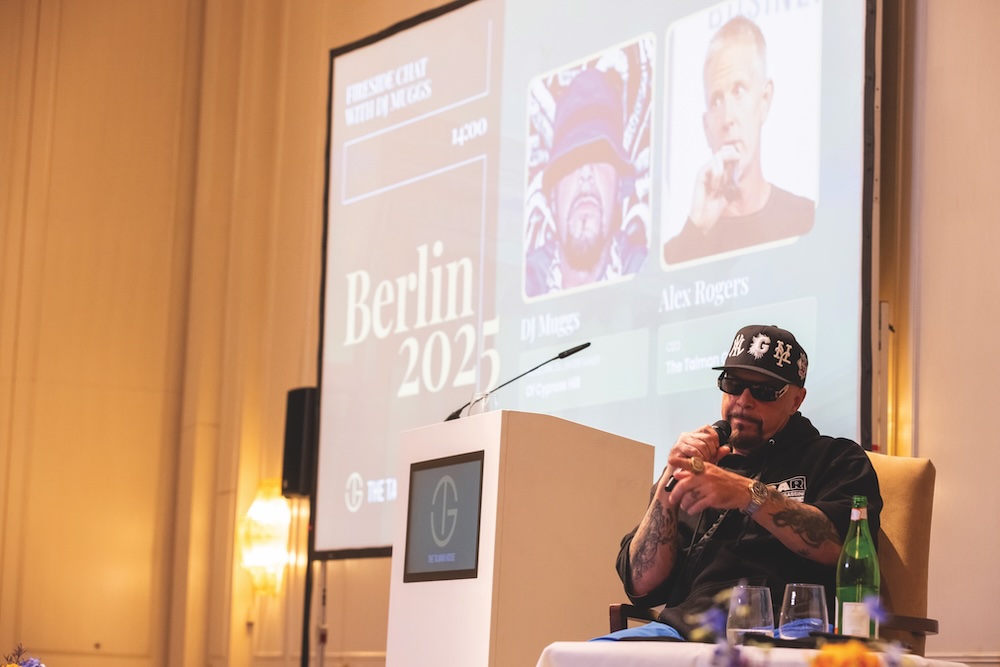
DJ Muggs at Talman House cannabis event in Berlin
return on investment: Last April’s Talman House event presented cannabis rockstar DJ Muggs, whose investment portfolio is as impressive as his 35-year music career.

Talman serves as a figurative mentor guiding Europe’s cannabis industry toward maturity. Its role extends beyond matchmaking. The platform provides a buffer of due diligence by screening decks, tracking market intelligence and connecting founders to legal, financial and strategic advisors. Creating the conditions for credible, sustainable industry growth, Talman’s curated network brings much-needed capital into reach for operators bridging a capital desert.

And the opportunity is real in these undercapitalized European markets. Early entrants can enjoy “first mover” status, and if they utilize the head start efficiently, can parlay that into market leadership and delight their investors. Additionally, success in one jurisdiction often opens doors across the EU’s emerging regulatory patchwork. The evolution of policies in Germany, the Netherlands and the United Kingdom could provide compliant, scaled operators with significant upside.

All that said, uncertainty due to evolving regulations continues. Pilot programs have faced repeated delays in the Netherlands and Switzerland. Shallow public markets limit exits, and scandals and bankruptcies remind investors that gaps in oversight can be costly.

Big conglomerates such as British American Tobacco and Tilray entering the space raise the bar for smaller firms as well. Investors have witnessed how market exuberance can outpace fundamentals, but greed is a powerful blinder. Valuation discipline will be essential.           

Europe’s cannabis story is unfolding in distinct phases. There are policy harmonization efforts across EU member states, with standardized licensing and quality controls being considered. Simultaneously, cross-border consolidation through multi-country acquisitions and partnerships is already underway. Expect consolidation to pick up speed in 2026 as more North American companies consider Europe’s potential. As the cycle matures, institutional investors will participate by having pension and health funds make cautious allocations. That typically triggers financial innovation (e.g. REITs and special-purpose investment vehicles). Lastly, as compliance standards mature, de-risking through transparency becomes the norm.

Europe’s cannabis investment story isn’t about chasing another green rush. It’s about building the infrastructure that makes the rush possible. Platforms like the Talman Group are helping investors see Europe not as 27 fragmented markets, but as one evolving opportunity. For those willing to navigate complexity, the reward may be as lasting as the reform itself.

This story was originally published in issue 52 of the print edition of Cannabis Now.

The post Europe’s Cannabis Market Is (Finally) Growing Up appeared first on Cannabis Now.
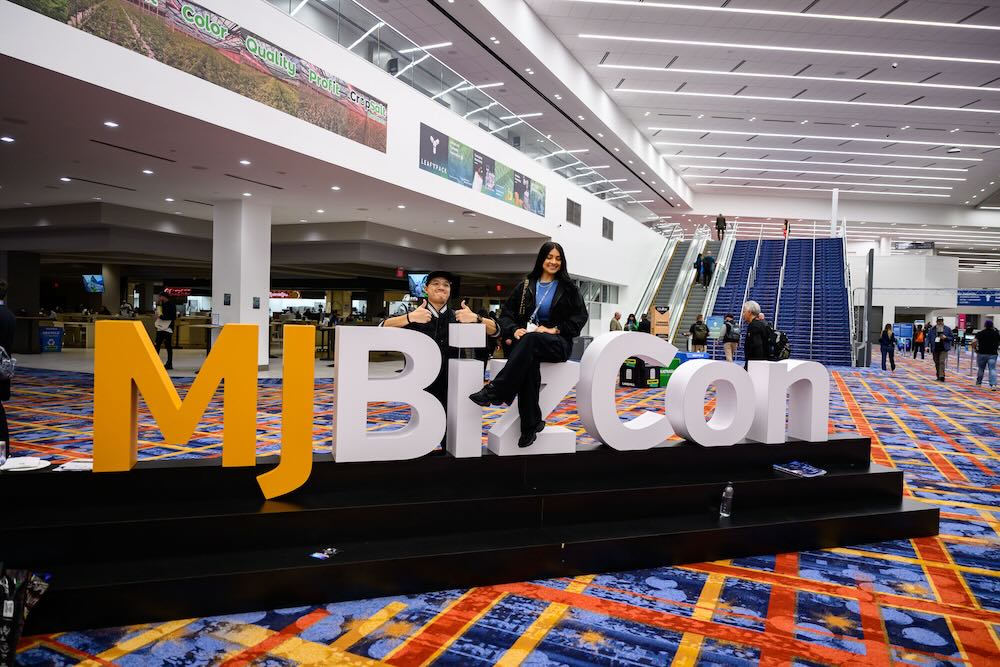
MJBizCon 2025: Where the Cannabis Industry Took Stock—and Set its Sights Forward

19 December 2025 at 18:36

MJBizCon 2025 returned to Las Vegas with a familiar sense of scale—and a noticeably different tone. Drawing more than 20,000 cannabis industry professionals from across the globe, the industry’s largest annual business conference once again underscored why it remains the most influential gathering in cannabis.

This year, however, the mood had shifted. After years defined by rapid expansion, regulatory turbulence and market correction, MJBizCon 2025 felt less about hype and more about hard-earned clarity. Operators, investors, brands and policymakers arrived ready to talk fundamentals: profitability, compliance, sustainability and long-term growth.

The Entire Cannabis Ecosystem, Under One Roof

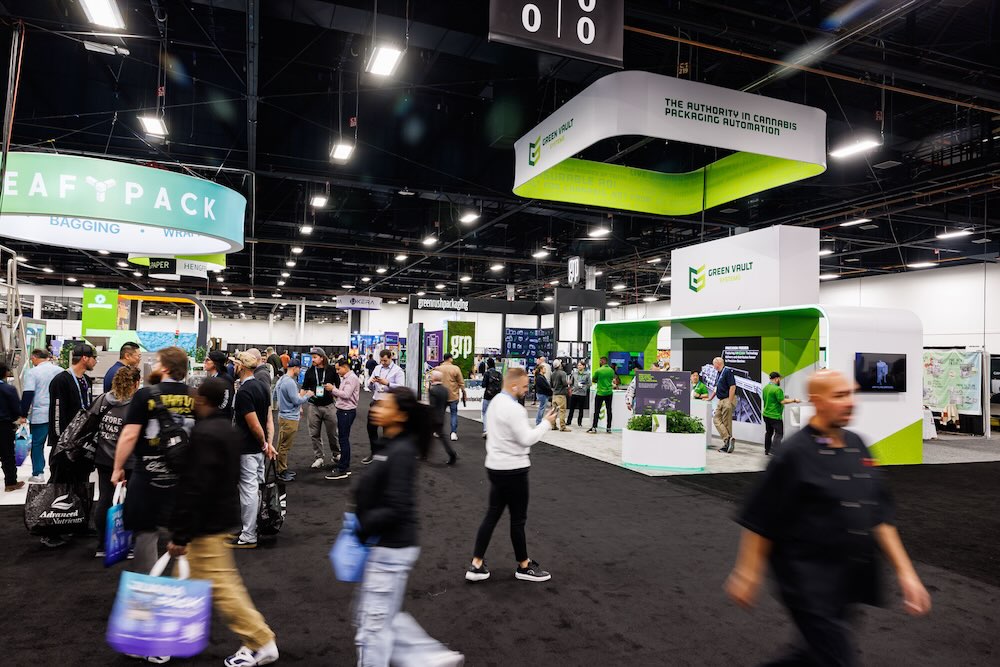
MjBizCon 2025 Expo floor

With 1,000+ exhibiting companies spanning massive exhibit halls, MJBizCon 2025 showcased the full breadth of the cannabis ecosystem. The show floor represented four core sectors—cultivation; processing and manufacturing; retail and dispensary operations; and business services and technology—illustrating just how sophisticated and interconnected the industry has become.

From automation and advanced cultivation systems to fintech, compliance platforms and product innovation, exhibitors focused on real-world solutions for an increasingly competitive marketplace.

A More Measured, More Mature Industry

GrowHub panel at MJBizCon 2025

While booths remained visually striking, conversations were grounded and pragmatic. Multi-state operators and legacy brands alike emphasized disciplined expansion, operational efficiency and margin protection over aggressive land grabs.

Education sessions mirrored this evolution. Panels addressing federal reform, state-by-state regulatory complexity, capital access and international markets were among the most attended. While optimism around rescheduling and banking reform was cautious, there was a growing sense that incremental progress is beginning to translate into tangible opportunity.

Leadership Perspective: Why MJBizCon Still Matters

Emilie Lewis

That realism and resilience echoed throughout the week. As Emilie Lewis, senior vice president of MJBiz, put it: “MJBizCon has earned its place as the most important annual gathering in the cannabis industry. It’s the one week each year when the entire ecosystem—operators, investors, innovators, policymakers and solution providers—comes together to move the industry forward. Despite the headwinds, this community continues to show incredible resilience and ingenuity. That’s why MJBizCon remains the largest, most professional and most influential event in the cannabis sector—it’s where the future of the industry is built, deal by deal and relationship by relationship.”

Brands Creating Experiences—Not Just Booths

Green Rebates
Screenshot

Across the expo floor, brands leaned into creativity, experience and connection. Green Rebates stood out by transforming its booth into a destination rather than a stopover. From live-stitched custom hats to a mini-golf tournament dubbed the “MJ Open”—complete with exclusive “MJ Open Champion” Scotty Cameron putters—the company focused on making people feel welcome in an otherwise overwhelming environment.

“Our biggest goal was to give the wonderful people of this industry a reason to smile,” the Green Rebates team shared. “Walking around MJBiz can feel overwhelming, so we wanted people to stay for a while, play some mini-golf, and walk away with a custom hat stitched live for them. If people walked away with core memories, we accomplished our mission.”

Two weeks after the show, the team noted they were “still on cloud 9,” a testament to the lasting impact experiential marketing can have in a crowded trade show environment.

Innovation Backed by Research and Intention

Terpene Belt Farms

For Terpene Belt Farms, MJBizCon 2025 was about substance as much as style. The company used the show to release a new white paper detailing why cannabis-derived terpenes and botanical terpenes are not the same, while also debuting what they described as the first mood-modulating beverage formulated without hemp cannabinoids, powered by a novel cannabis-derived terpene blend.

“There was good value from MJBiz this year if you knew where to look, and our booth was one of those spots that was delivering,” said Hyrum Taylor, Marketing Director at Terpene Belt Farms. “The feedback on both was pretty incredible—better than you let yourself hope for when planning these kinds of things. It made for an elevated and buzzy vibe, and set the tone for the show.”

Taylor added that attendees returning multiple times for samples—and sharing drinks with friends and competitors alike—made it “the kind of show you want, and the show we had.”

Technology Advancing The Pre-Roll Category

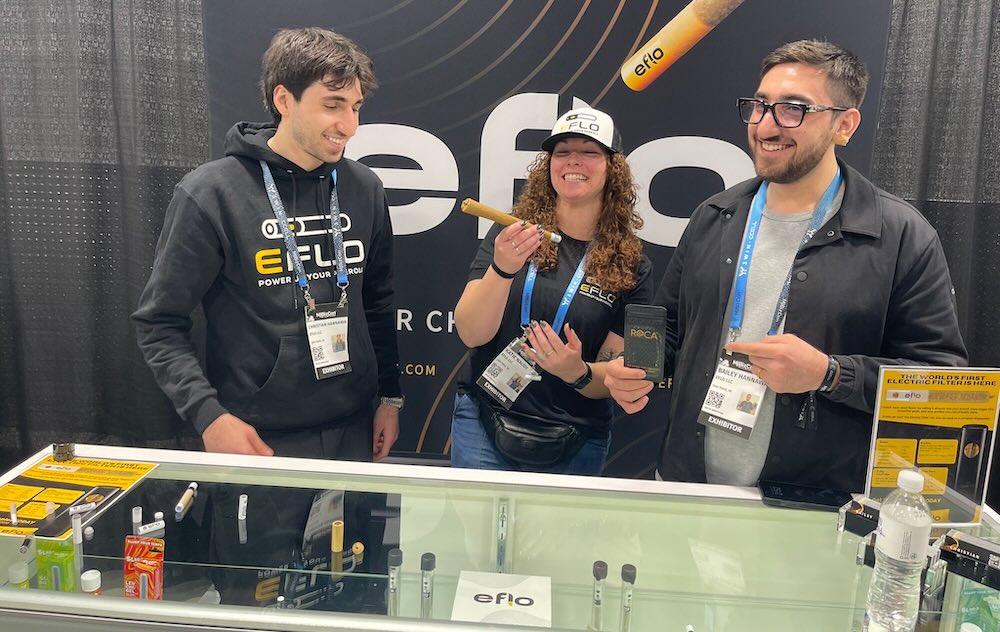
EFLO Vape

Hardware and product-enablement innovation was also front and center. EFLO Vape reported strong interest in its E-Filter technology, particularly from MSOs and emerging brands seeking to enhance pre-rolls without disrupting existing workflows.

“What surprised us most was how quickly the value clicked once people saw it in action,” said Bailey Hannawa, Founder and CEO of EFLO LLC. “As we move into year two, EFLO is focused on continuing to build a new category around enhanced pre-rolls, making it easier for brands to seamlessly power up their offerings.”

For EFLO, MJBizCon validated both market demand and momentum, reinforcing optimism around the future of infused and performance-driven pre-roll innovation.

Automation Signals The Next Leap Forward

Sorting Robotics

On the manufacturing side, Sorting Robotics highlighted the industry’s readiness for deeper automation. The company reported strong enthusiasm around its updated Stardust kief coating robot and the debut of its new Telti robot, designed to tackle unstructured assembly through autonomous decision-making.

“MJBizCon showed the industry is ready for the next leap in automation,” said Barry Baughman, Marketing Manager at Sorting Robotics, noting nonstop demos and packed conversations with operators and executives. “It was energizing and reaffirming for our team, especially as we look toward where cannabis automation is headed in 2026.”

Where Vegas Nights Met Cannabis Business

Beyond the show floor, MJBizCon 2025 came alive after hours. From curated investor dinners to off-site receptions across Las Vegas, networking felt deliberate and outcome-driven, with attendees forging partnerships, advancing deals and setting the tone for the year ahead.

Looking Ahead

MJBizCon 2025 didn’t promise overnight reform or easy wins. Instead, it delivered perspective.

The cannabis industry is no longer in its infancy. It is seasoned, adaptive and increasingly strategic. As operators navigate tighter margins and evolving regulations, including this week’s rescheduling of cannabis as a Schedule III drug, MJBizCon continues to serve as a critical checkpoint—a place to recalibrate, collaborate and recommit to building a stronger industry.

If 2025 was about consolidation and survival, the conversations in Las Vegas suggest that 2026 will be about refinement, innovation and long-term credibility. And for an industry that has fought hard to be taken seriously, that may be the most important milestone of all.

The post MJBizCon 2025: Where the Cannabis Industry Took Stock—and Set its Sights Forward appeared first on Cannabis Now.
Connection in Practice: Inside New Zealand’s Medicinal Cannabis Industry Day

16 December 2025 at 11:24

The New Zealand Medicinal Cannabis Council (NZMCC) hosted its Industry Day on Oct. 29, 2025 at the EMA in Auckland, bringing together patients, clinicians, researchers, cultivators, advocates and policymakers for a full-day program centered on connection. The agenda was designed to strengthen links across a sector spanning prescribing, cultivation, compliance, research, and policy, with sessions focused on practical collaboration and knowledge sharing.

NZMCC Chair Carmen Doran opened the day and positioned connection as a deliberate focus for the Council, particularly as NZMCC’s membership has expanded to include clinicians, emerging cultivators and the wider support system around the sector, including government, suppliers and academics. The program moved from a Leaders’ Roundtable on the state of medicinal cannabis in New Zealand into regulatory and policy briefings, before splitting into clinical and industry breakout session pathways in the afternoon.

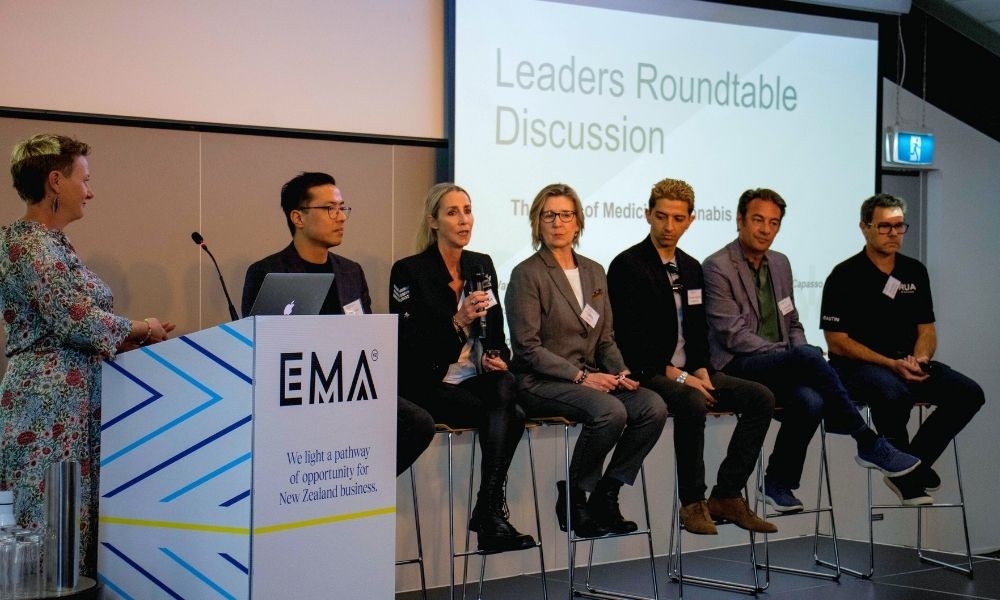
The Industry Day began with a Leaders’ Roundtable discussion examining where the medicinal cannabis sector currently stands.

Leaders’ Roundtable: The State of Medicinal Cannabis in New Zealand

Following a Mihi Whakatau, a Māori welcoming ceremony, the Industry Day began with a Leaders’ Roundtable discussion examining where the medicinal cannabis sector currently stands. The panel brought together senior figures from across healthcare, regulation and business, including Terry Teoh, business growth partner at New Zealand Trade and Enterprise (NZTE); Tara Creaven-Capasso, director of regulatory affairs ANZ at MedReleaf Australia; Paul Naske, CEO at Rua Bioscience, a Māori-founded pharmaceutical company that specializes in the research, development and sale of medicinal cannabis products both domestically and internationally; and Natalie Lowe, CEO of Green Doctors, a New Zealand medicinal cannabis clinic network.

The discussion covered regulatory maturity, patient access, prescribing trends and the challenges of operating in a tightly regulated environment. Teoh described the Industry Day as “a great connection point, particularly given NZMCC’s recent broadening of membership.” He also reflected on New Zealand’s presence at European Medicinal Cannabis Week earlier in the year. “From conversations with the NZ attendees and partners, themes that resonated particularly well included a responsible and ethical ecosystem that puts people first, NZ’s agricultural leadership heritage, and companies that are responsive and scalable,” he says.

Regulatory and Policy Briefings: Roles, Responsibilities and Reform

The morning continued with a session called Inside the Regulatory Framework: Roles, Responsibilities and Compliance, presented by Tania Jones from the Medicinal Cannabis Agency. Jones outlined how the Agency oversees New Zealand’s medicinal cannabis system, walking through licensing requirements, compliance obligations and the responsibilities of operators across cultivation, manufacture and supply.

NZMCC Industry Day
Tara Creaven-Capasso of MedReleaf Australia discusses market alignment, product pathways and future opportunities.

This was followed by TGA Consultation Underway in Australia: Implications for the New Zealand Market, led by Tara Creaven-Capasso, director of regulatory affairs for ANZ of MedReleaf Australia. Drawing on her regulatory experience across the Tasman, Creaven-Capasso explained the scope of the Therapeutic Goods Administration’s consultation process and discussed what potential changes could mean for market alignment, product pathways and future opportunities for New Zealand companies.

The final morning session was delivered by Dr Jacek Kolodziej, policy director at the New Zealand Drug Foundation, who examined safer drug laws, lived experience and alternative policy approaches. His presentation placed medicinal cannabis within a broader public health and drug policy context.

Afternoon Breakouts: Clinical and Industry Pathways

After lunch, delegates chose between two breakout streams, with many moving between sessions as discussions progressed.

Clinical Pathway

The clinical stream opened with James Yu, pharmacist and co-founder of Ngā Hua Pharmacy, New Zealand’s leading independent specialist pharmacy focused on medicinal cannabis, who presented The Importance of Terpene Tailoring. Yu shared patient case studies drawn from dispensing practice, highlighting how different terpene profiles and chemovar selection can influence treatment outcomes.

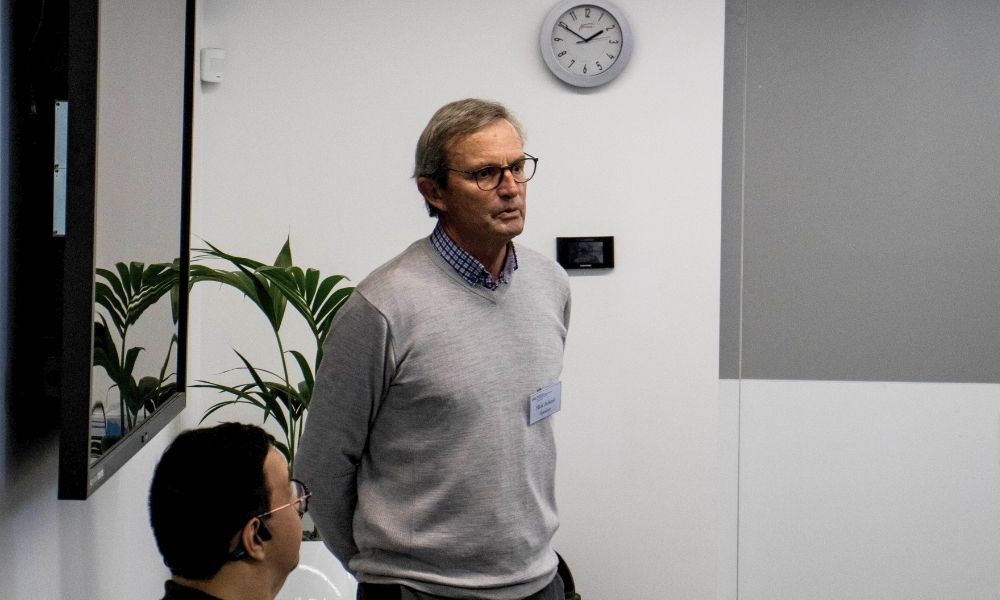
This was followed by a panel discussion titled Cannabis Challenges in Practice, moderated by Dr Rick Acland. The panel included Dr William Parkyn, Dr Afram Adam, and James Yu, and focused on prescribing confidence, clinical responsibility and real-world barriers to access.

“I was impressed with the level of knowledge and understanding of appropriate prescription amongst delegates,” Acland says. “Sadly, the wider medical fraternity struggles to understand this complex pharmacology and its wide-ranging effects through modulation of the Endocannabinoid System (ECS). Hopefully, the pool of advocates continues to grow and hence enhances patient wellbeing. There is a good understanding of the adverse effects that always need to be appreciated.”

Acland also highlighted agreement within the panel on professional standards. “I was impressed with the consensus regarding the need to adhere to agreed prescription protocols,” he says. He noted concern about the future regulatory environment, referencing legal expertise present in the room. “I was also impressed that we had a barrister, Adam Holloway, in the audience who works in the area of medical discipline. There is concern that specific prescribers may get ‘targeted’ by Registration bodies or Colleges in the future.”

The clinical pathway concluded with Dr Michael Murphy, Medical Advisor at CannaPlus+ and Board Member of the ANZCCP, presenting The ANZCCP Prescribing Guidelines, an update on current best practice and emerging evidence.

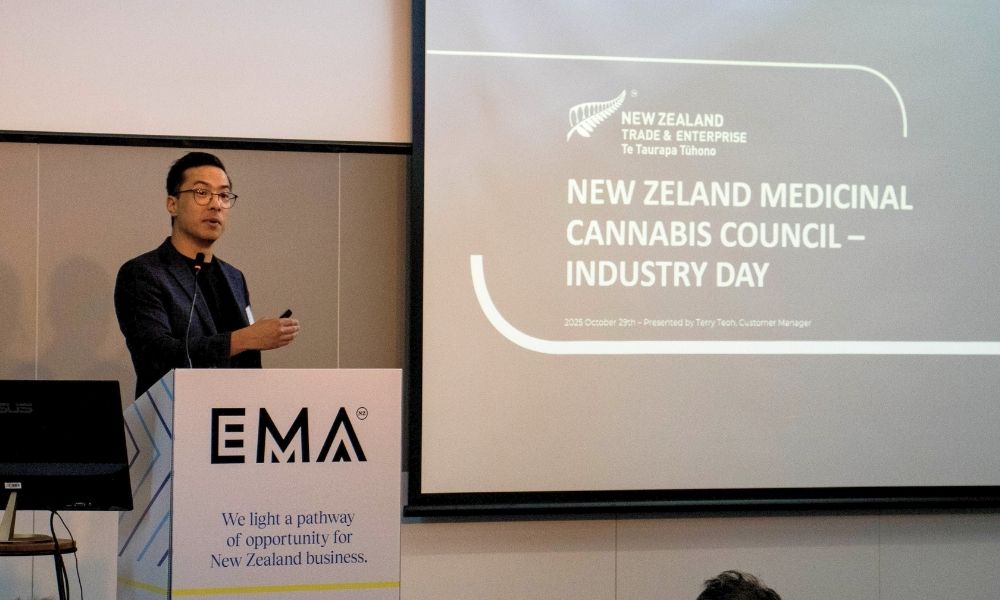
Terry Teoh of New Zealand Trade and Enterprise doscussed international market expectations.

Industry Pathway

The industry stream focused on innovation, sustainability and long-term planning.

Tua Waaku of Bluelab opened the pathway with Research and New Knowledge for Cultivation, presenting findings on light spectrum and plant development. Drawing on Bluelab’s experience designing monitoring and control tools for growers, the session explored how precision measurement can support consistent outcomes.

Dr Sam Baldwin of the Bioresource Institute followed with Indoor Crops 30 Years in the Future, examining how advances in technology, environmental constraints and resource efficiency may reshape cultivation models over the coming decades.

Energy considerations were addressed by Karan Tikku of Genesis Energy in Electricity: Challenges and Opportunities, where he outlined cost pressures facing cultivators and practical pathways to reduce energy use.

The industry pathway concluded with Terry Teoh of New Zealand Trade and Enterprise presenting Building an Export-Ready Business, focusing on scalability, regulatory preparedness and international market expectations.

As the clinician who championed the introduction of Sativex in 2006, Dr Rick Acland has played a central role in New Zealand’s medicinal cannabis sector for nearly two decades.

Sector Reflections: Experience From the Early Days

Although now retired from clinical practice, Dr Rick Acland says he remains closely connected to the medicinal cannabis sector. His involvement dates back to the early 2000s.“Despite being a retired practitioner, I still feel very much connected with this industry,” he says. “My history with medicinal cannabis goes back to the early 2000s when I was a member of the Medicines Assessment Advisory Committee (MAAC) of the Ministry of Health.”

Acland described his role in assessing Sativex in 2006. “At my last meeting (2006), I was responsible for the assessment of Sativex for registration,” he says. “I managed to persuade my fellow committee members that there was enough convincing data to approve it for spasticity of MS. There were a number of sceptics who did take some cajoling to get Sativex ‘across the line’.”

Looking back nearly two decades later, he said the decision had held up. “I think that with the passage of almost 20 years, our decision was correct, and pleasingly, any fears that had been raised at that meeting have not eventuated, apart from the prohibitive cost of the agent,” he says.

Acland also reflected on his clinical background. “Throughout my medical career, I have worked in pain and latterly in spinal cord injury rehabilitation,” he says. “Frequently, I noted the many patients who gained useful symptom relief from recreational use.”

He described the shift that followed legal prescribing. “Interestingly, once medicinal cannabis became available through prescription, I was ‘banned’ by one of the organizations I consulted for from having any conversation regarding cannabis,” Acland says. “It has concerned me that the Pain Society has taken such a negative approach, probably because of the opioid epidemic in the USA, despite there being a growing level of evidence showing a reduction in opioid use with the introduction of prescription cannabis.”

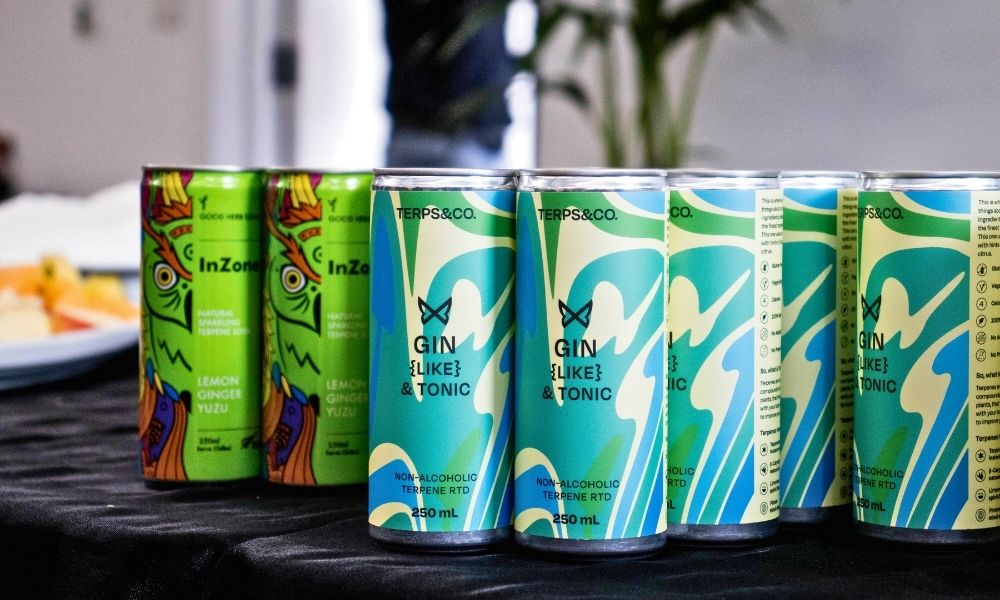
Event sponsor Terps & Co, a New Zealand beverage company that uses terpenes to power its functional sodas.

Sponsor Perspective

From a sponsor perspective, Arjun Bhargava, co-founder of innovative beverage brand Terps & Co, says the Industry Day reflected a broader shift in how the sector is thinking about cannabis formulation and patient experience.

“It was heartening to see that terpenes, beyond just THC and CBD, are finally getting the attention they deserve,” Bhargava says. “Across the value chain, from pharmacists to manufacturers, there is a growing appreciation for how pivotal they are and how profoundly they shape the cannabis experience.”

Looking Ahead

In reflecting on the day, Doran pointed to the connections formed across the room as the most meaningful outcome. “For me, the standout moment was seeing groups of people talking together after lunch who wouldn’t usually meet in their day-to-day work,” she says. “Being able to connect cultivators choosing which strains to commercialize with prescribing doctors who hear directly from patients about what works was incredibly powerful.”

Doran also noted that NZMCC held its AGM as part of the Industry Day, including the election of new board members intended to reflect the Council’s expanded membership base. Looking ahead, she said NZMCC plans to establish working groups in 2026 focused on priority areas for the sector, including export markets and patient access. “We’ll be diving into issues that shape the industry here at home, but also as we look to export markets and support patients in New Zealand and internationally,” she says.

As the peak representative organization for the medicinal cannabis sector focused on equitable and affordable access to cannabinoid-based medicines, the NZMCC Industry Day was the perfect opportunity to reinforce collaboration as the foundation for future progress.

The post Connection in Practice: Inside New Zealand’s Medicinal Cannabis Industry Day appeared first on Cannabis Now.
Las Vegas Vlasic Classic Marks First-Ever Legal Consumption Golf Tournament in the U.S.

3 December 2025 at 16:40

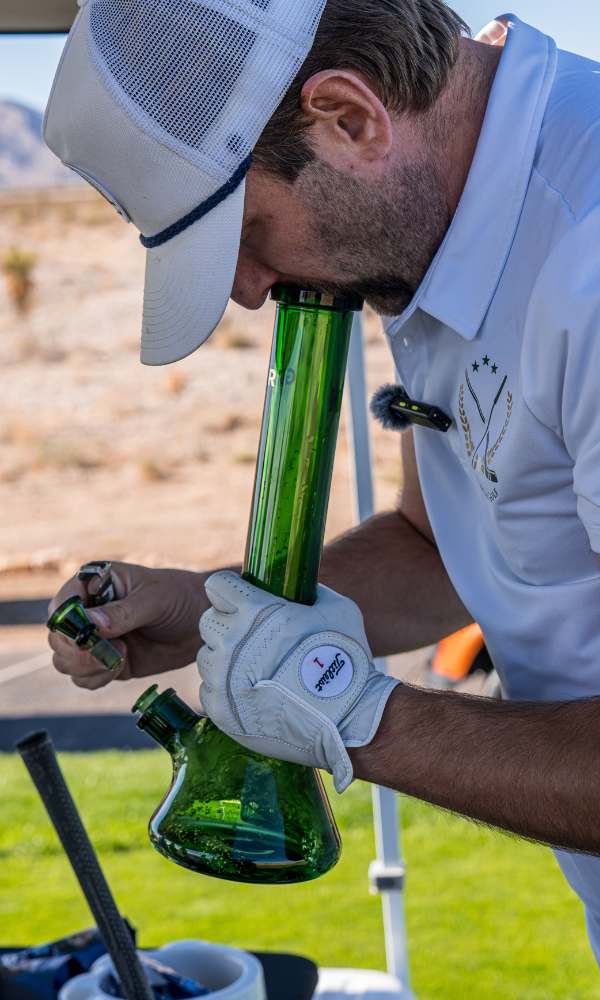
The inaugural Las Vegas Vlasic Classic kicked off on November 8 at the Las Vegas Paiute Golf Resort, in collaboration with the Paiute Tribe and NuWu Cannabis. This event marked the first golf tournament in Nevada designed to fully comply with cannabis regulations. The concept was simple yet effective, taking place on a course known for hosting major events, and the turnout demonstrated a clear interest in the initiative.

This Las Vegas stop marked a significant development for the growing tournament series, which began in the Midwest and has steadily expanded. Founder Willy Vlasic noted that the move westward was intentional, linking the Classic to a major cannabis market at a time when the industry seeks more open and well-organized events.

“Las Vegas represents the next chapter in our mission to blend sport, advocacy and cannabis culture positively,” Vlasic said. “Partnering with the Paiute Tribe and NuWu Cannabis to create Nevada’s first compliant golf tournament showcases how collaboration can advance national reform efforts.”

The charity golf tournament attracted golfers, industry operators, brand representatives, advocates and supporters from the cannabis community. 

While golfers competed for trophies and hole-in-one prizes, the day prioritized dialogue as much as competition. Sponsor tents provided a mixture of product showcases and casual hangouts. Participants varied in their pace of play; some rushed through, while others savored the experience, with no one seeming eager to finish quickly.

Because the event was held at the Las Vegas Paiute Golf Resort, owned and operated by the Paiute Tribe, on-site consumption was permitted. This was a unique twist for a cannabis industry event, which are typically limited by state and local restrictions on public use. It added a practical ease to the day and meant attendees could sample products, join activations, and move through the course without the usual workarounds that define most cannabis gatherings.

This relaxed pace suited the attendees well, allowing them to seamlessly transition between golfing, networking, advocacy and casual conversation without interruptions. The event felt like an educational field trip, filled with familiar faces, as well as new introductions and ample opportunities for discussion—all without the constraints of a hectic conference schedule.

A Fundraiser With Clear Outcomes

The Las Vegas Vlasic Classic raised over $17,500, which was distributed among three national organizations dedicated to cannabis justice. Freedom Grow Forever and the Last Prisoner Project each received $6,250, while The Weldon Project received $5,000. These funds support various initiatives, including commissary accounts, re-entry assistance, legal advocacy and clemency efforts for individuals affected by cannabis-related incarceration.

Each partner organization plays a unique role within the reform landscape. Freedom Grow Forever, led by Bill and Jeff Levers, directs funds to support individuals still incarcerated for cannabis offenses. The Last Prisoner Project focuses on providing resources for re-entry microgrants and support systems for those returning to society. The Weldon Project, founded by Weldon Angelos, is dedicated to federal clemency, sentencing policy, and high-level advocacy.

Bill Levers, CEO of Freedom Grow, expressed gratitude to the Vlasic brand and their family for their advocacy work for cannabis prisoners. “The Vlasic family has been incredible partners and true advocates for Freedom Grow’s mission. The Las Vegas Vlasic Classic has played a crucial role in helping us share prisoners’ stories with the public. More importantly, it has allowed us to directly support those on our outreach list thanks to their generous donations. We are deeply thankful to the Vlasic family and every sponsor who made this event possible.”

With Las Vegas now added to the series, the Vlasic Classic, which took place earlier this year in Michigan and Missouri, has raised over $140,000 for second-chance and reform efforts.

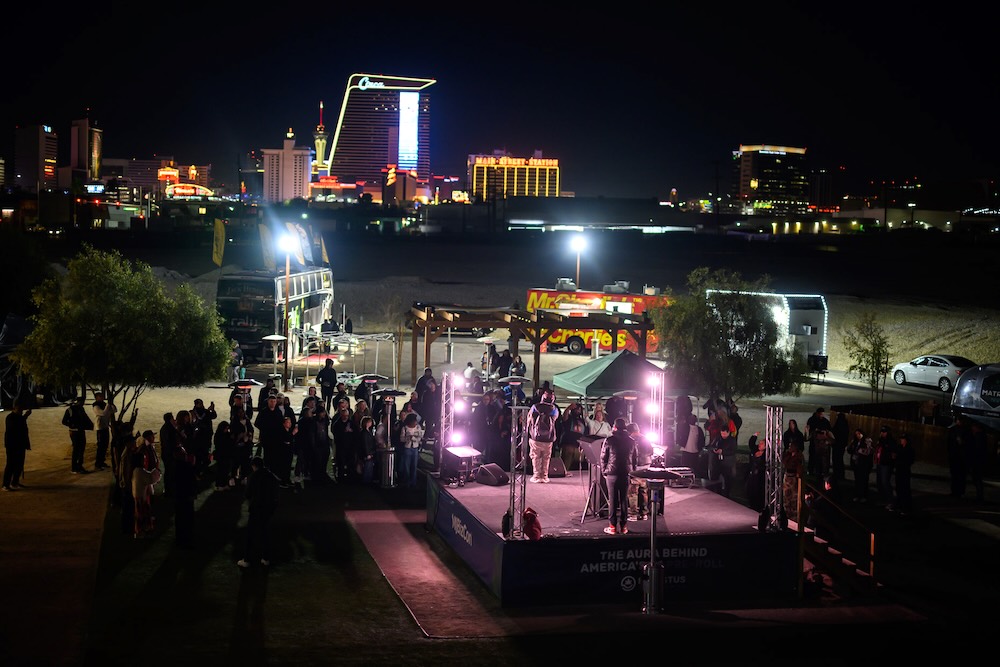
Willy Vlasic with Benny Tso, the former chair of the Las Vegas Paiute Nation, at the historic first-ever legal consumption golf tournament in the US.

Strong Support From Across the Industry

A diverse array of brands supported the Las Vegas Classic, including Cannabis Now, Mama J’s, Matrix, Verano, Curaleaf, STIIIZY, and Good Day Farm. Their participation helped anchor the event and attract attention from the broader region. The National Cannabis Industry Association (NCIA) also returned as the official trade association sponsor, offering discounted first-year memberships to attendees.

The next event in the series is the 2026 Missouri Vlasic Classic, scheduled for May 1–3 at Old Kinderhook Resort. Previous Missouri events experienced strong attendance and media coverage, and early indications for 2026 suggest continued momentum.

The post Las Vegas Vlasic Classic Marks First-Ever Legal Consumption Golf Tournament in the U.S. appeared first on Cannabis Now.
Event Recap: Business of Cannabis NY 2025

18 November 2025 at 16:59

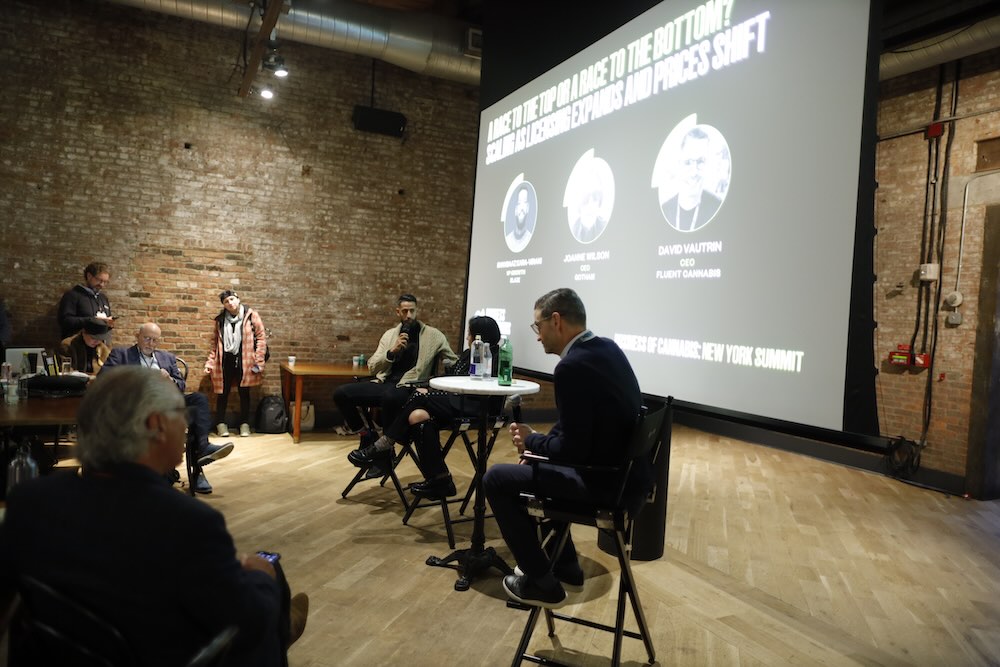
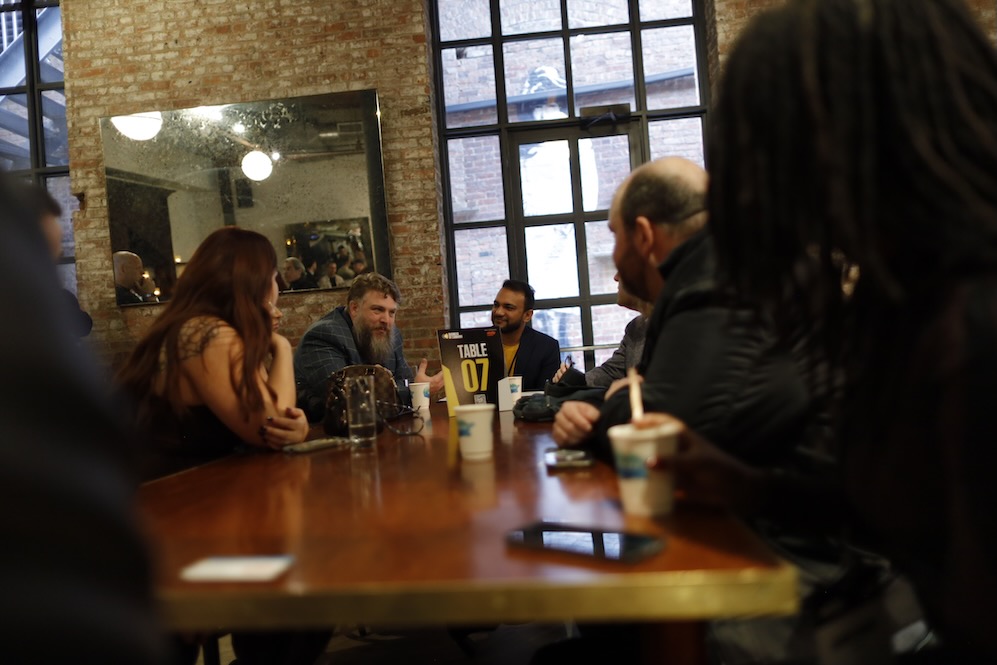
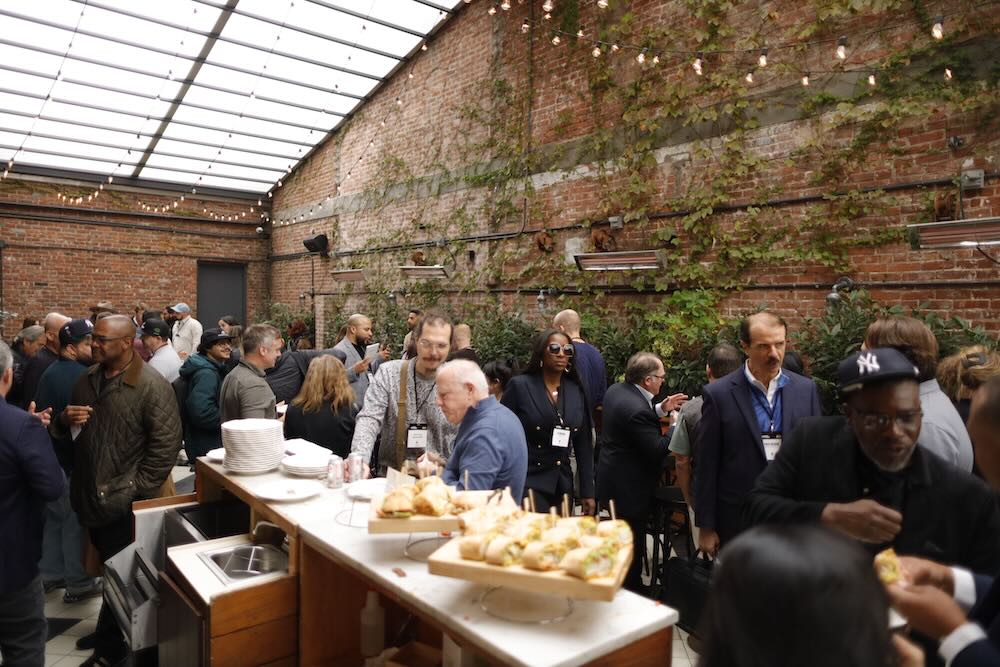
The Business of Cannabis: New York Summit took place earlier this month on November 6 at the Wythe Hotel in Williamsburg, New York. The crowd was composed of dispensary owners, growers, legal experts, marketing professionals, educators and brand leaders. The historic brick-walled space overlooking the East River was filled with conversation, cautious optimism, and shared curiosity about what the next chapter of New York’s legal cannabis market might bring.

The energy in the room was shaped by the industry’s complex moment. New York’s cannabis market has expanded rapidly since legalization, but the state’s industry has also been confronted with major challenges, including delayed licensing and confusion within the Office of Cannabis Management. For many entrepreneurs and advocates who gathered at the summit, the recent election of New York City Mayor Zohran Mamdani was viewed as the biggest variable in what might come next.

The Cannabis-Friendly Mayor

During a candidate debate, Mamdani was asked, “Have you ever purchased anything in a cannabis shop, and what did you buy?”

“I have, I have purchased marijuana at a legal cannabis shop,” Mamdani replied with a chuckle.

Laughter was heard from the audience at the debate, but the comment was received differently within the cannabis industry. Mamdani’s admission was regarded as more than a humorous moment; it was seen as a rare display of candor by an elected official when addressing cannabis. His words were quickly circulated across industry circles and social media feeds, prompting discussions about the type of administration he might lead and how open he might be to engaging with those who have built the city’s legal market from the ground up.

In the days following the election, curiosity was replaced by a mix of excitement and anxiety. Operators, brand founders and policy advocates questioned whether the new mayor might signal a more collaborative approach to regulation and enforcement.

The Mamdani Effect

When Mamdani’s potential impact on the New York market was discussed, CuraLeaf’s executive vice president and regional leader Robert Sciarrone offered his view. “It’s too early to tell in New York, to see what the new mayor is going to do here,” Sciarrone said. “I’m just happy to hear that he visited a shop in New York during the debates.”

Sciarrone’s remarks were met with nods and agreement from attendees. For many, the comment served as a reminder that even small signs of understanding from elected officials carry importance. A mayor who has stepped inside a licensed cannabis store, observed its operations, and spoken with its staff may have developed a deeper appreciation for the work behind compliance and community impact.

Rather than focusing on uncertainty, Sciarrone encouraged the community to take initiative and advocate whenever possible. “Like any regime change, everybody is on a menu for a hot topic for them to bite down on. It’s our responsibility as operators in the state to get out in front of it and have conversations with Mamdani and make sure he understands that we are fighting for our business. All we can do is hope he listens. I can’t predict what’s going to happen, but all I know is we have to talk about it or else…we’re on a menu. We’ve to get out there with urgency and have a good conversation.”

Taking Action

His call to action was echoed throughout the event. In smaller breakout sessions and hallway discussions, strategies were developed. Some participants concentrated on job creation, SKU analysis and tax revenue, while others discussed strategies for engagement with the Office of Cannabis Management. Many operators spoke about the need to humanize their stories so that the mayor and his team could better understand that behind every dispensary counter and cultivation license are individuals building legitimate businesses after years of prohibition. Above all, concern was expressed about the hemp market and the impact of illegal markets on cannabis. The event took place just days ahead of President Trump’s signing of the new federal budget bill, which bans hemp-derived THC and will surely bring additional challenges for those working in the hemp consumables space.

The Wythe’s atmosphere was described as a crossroads between celebration and vigilance. Attendees congratulated one another for surviving the turbulence of recent years but repeatedly returned to a shared theme: the urgent need for city and state cannabis operators in New York to form a cohesive coalition. The absence of such a coalition within the state was described as one of the most harmful issues facing the market today, hindering collaboration and collective political negotiation. A sense prevailed that New York’s cannabis market might either fragment or flourish depending on its engagement with new political leadership.

Collaboration Between Competitors

As the day concluded, sunlight streamed through the tall industrial windows, and attention shifted toward next steps. Contact information was exchanged, working groups were organized, and commitments were made to attend future events such as the upcoming MJBizCon in Las Vegas.

For those in attendance of the Business of Cannabis event, the takeaway was clear: New York’s cannabis industry cannot wait for clarity from above. Messaging must be created that both challenges and educates. The future of the market will depend not only on new regulations, but also on relationships, persistence and the willingness to continue discussions even when outcomes remain uncertain.

The post Event Recap: Business of Cannabis NY 2025 appeared first on Cannabis Now.

IgniteIt’s CA Market Spotlight Event Delivers High-Impact, Tangible Value

22 October 2025 at 15:44

Led by former Benzinga executives, the exclusive IgniteIt cannabis conference is a new kind of cannabis networking event. At its core, IgniteIt is a media and events platform built around emerging markets for investors, executives, advocates and enthusiasts in the cannabis space.

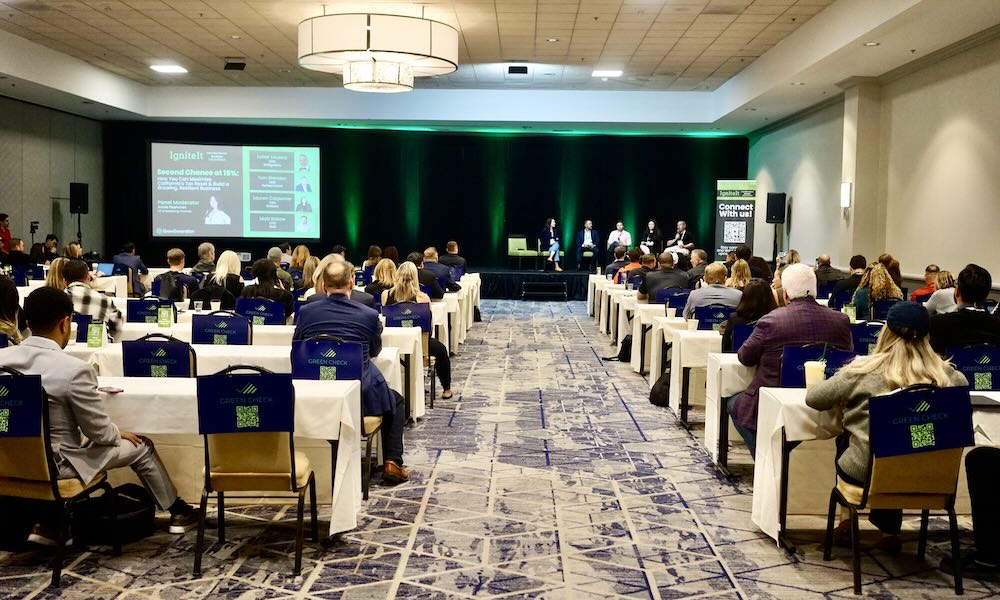
The most recent IgniteIt conference took place earlier this month in Anaheim, California, on Oct. 8 at the Delta Hotels by Marriott Anaheim Garden Grove. The Anaheim gathering is considered one of IgniteIt’s “Spotlight” events, where according to IgniteIt CEO Patrick Lane, “We have the capacity to be granularly focused on topics and partnership opportunities specific to a given market, i.e. California.”

The California Market Spotlight was IgniteIt’s third event in SoCal in the last two years, and according to Lane, it was the largest and most strategic to date. “I’ve collected feedback from many of our attendees on how hard-hitting and real our agenda topics were and how valuable the networking ended up being for deals that have already closed as a result of meetings at our conference.”

The single-day format prioritized substance over fluff, allowing attendees to focus on meaningful sessions and connections without any wasted time. Together, these elements made for an efficient, engaging and highly valuable conference experience, leaving participants with both actionable insights and new relationships to carry forward.

“By focusing primarily on bringing leaders and decisionmakers from the major players into the room, my conversations were uniquely impactful—I gained insights, strategies and connections with those who are running their businesses every day,” said Embarc CEO Lauren Carpenter, who spoke at the conference and sits on the Regional Advisory Board. “This event was the perfect size; it was diverse in bringing new voices to the table while simultaneously curated enough to ensure conversations were productive and targeted.”

Guests gathered across two main rooms: one designed for panels and presentations, the other for activations and brand showcases. The registration hall buzzed with conversation over coffee and lunch, while an outdoor patio offered a more casual space to connect. The event fostered a professional but approachable atmosphere that sparked high-value connections.

“The IgniteIt California Spotlight brought together key stakeholders across government and supply chain participants who genuinely care about the industry,” said Green Horizon’s Co-Founder and CEO Carlos “Los” Arias. “Kudos to Elliot and Patrick for putting in the work & making it happen.” 

A Dual Focus on Education and Networking

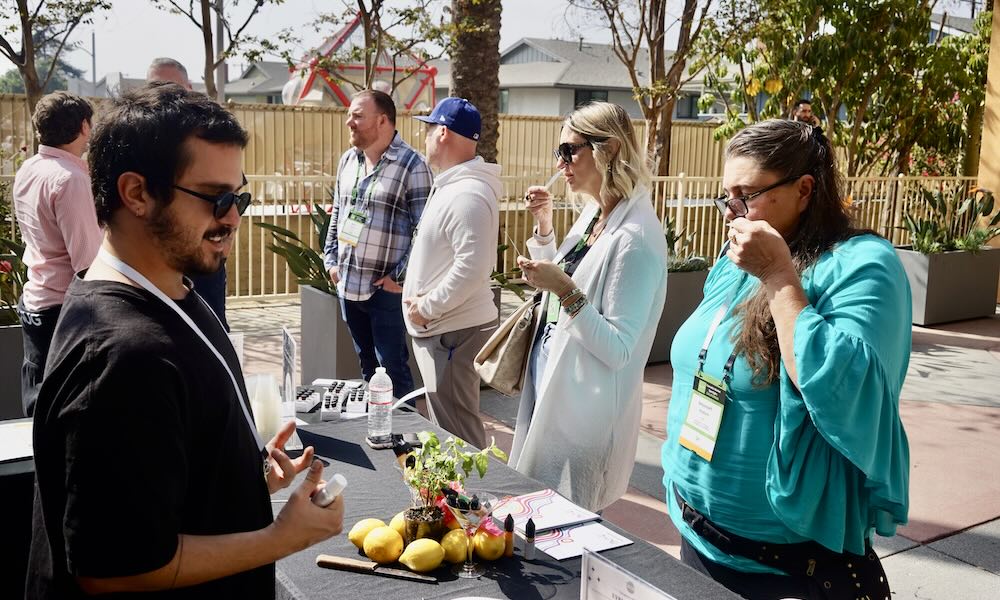
Attendees left the event with both actionable insights and new industry connections, reflecting IgniteIt’s dual focus on education and networking. PHOTO IgniteIt

Beyond meaningful handshakes, IgniteIt placed a strong emphasis on delivering education curated for its attendees. The Anaheim conference was tailored to California’s unique market, featuring sessions that addressed the state’s regulatory hurdles and offered practical guidance for navigating them. Experts also shared insights on how federal rescheduling could impact California businesses.

Angela Pih served as the moderator for a speaking panel called “Rooted and Rising: How You Can Expand Beyond California While Thriving at Home.” Pih spoke to the significance of the California cannabis market: “California remains the heartbeat of cannabis culture and brand innovation. Brands like Bloom, Jetty, Stiiizy, and MADE have shown how to thrive in California’s discerning market before expanding into new states. Their ability to translate authentic California origins into multi-state success proves that strong brand DNA travels. What starts in California often sets the tone for the rest of the U.S. market.”

Several team members from Grow Generation attended, with Jason Holland, GrowGen’s Vice President of Product Innovation & Commercial Solutions, participating in a panel discussion titled “Efficiency Equals Survival: How You Can Increase Yield and Stay Lean in a Compressed Cannabis Economy.”

“Ignite It was one of the most authentic gatherings in the industry. Being LA-focused made it even more relevant—bringing together the heart of West Coast cultivation, culture, and innovation,” said Michael Salaman, president of GrowGeneration. “It sparked real conversations around cultivation innovation and how we scale this industry the right way.”

Darren Lampert, Grow Generation’s CEO & co-founder added, “What made Ignite It stand out was the quality of operators, investors and thought leaders—all focused on execution, not hype. This conference is essential for serious cannabis businesses.”

PHOTO IgniteIt

Attendees left the event with both actionable insights and new industry connections, reflecting IgniteIt’s dual focus on education and networking. With a format that balanced expert-led sessions, interactive activations and opportunities for meaningful conversation, the conference demonstrated how a single day can deliver both knowledge and relationships that drive the California cannabis market forward.

“The IgniteIt team did a great job curating a thoughtful event targeted at providing tangible value for operators and those who work alongside them,” Carpenter from Embarc added. “The discussions were operational, not aspirational, which is exactly the type of insights we all need as we continue to weather the storms of this market together.”

The post IgniteIt’s CA Market Spotlight Event Delivers High-Impact, Tangible Value appeared first on Cannabis Now.
❌
❌