Normal view

There are new articles available, click to refresh the page.
Before yesterdayMain stream

Poondu Kuzhambu | Garlic Kulambu

17 November 2025 at 21:23

Poondu Kulambu is a spicy and flavorful curry made using garlic, tamarind, spice powders, herbs and spices. Poondu Kulambu is an excellent choice when we run out of vegetables and perfect to serve with rice, idli and dosa. Learn to make tasty Poondu Kuzhambu with step by step pictures and video.

poondu kuzhambu served with rice, sutta appalam and chow chow kootu

I've tried many versions of puli kuzhambu, each one different in its own way. But finally settled down with this one which is my keeper as its our family favorite. This is a very easy and quick recipe that you can prepare in just 20 minutes if you have all the ingredients in hand. I served it with rice, sutta appalam and sundakkai kootu. Do try and enjoy this poondu kuzhambu!

[feast_advanced_jump_to]

About Poondu Kuzhambu

'Poondu' in tamil means Garlic and 'Kuzhambu' means Curry so Poondu Kuzhambu translates to Garlic Curry. This Poondu Kuzhambu is a tangy spiced South Indian curry perfect to pair up with idli, dosa, rice, chapati etc. It is one of the easy and quick side dish that you can prepare for lunch to pair up with rice and use left overs for dinner with idli, dosa.

This South Indian curry is packed with flavors and keeps well for 2 days. It tastes best the next day with idli or dosa, pairs well with hot steamed rice too. I love it even with curd rice so delicious.

I love garlic in any form, so this kuzhambu is obviously my favorite. The spicy and tangy taste with a dash of sweetness is perfect for rice, idli or even dosa. This keeps well for 3-4 days. You can add any other vegetable of your choice like ladies finger, brinjal etc.

Trust me gugu loves this so much that he fondly tells amma I can have this daily, yes he likes it so very much that he asked me to pack it for lunchbox even after having it for 2 meals straight the previous day. If you like tangy garlic flavored dishes then this is a must try for you!

poondu kuzhambu served with rice, sutta appalam and chow chow kootu

Garlic Kuzhambu Video

Garlic Kuzhambu Ingredients

  • Garlic - Garlic is the main ingredient here which flavors the curry. You can use small garlic variety or big ones according to your liking.
  • Small Onion - Small Onion adds flavor to the curry.
  • Tamarind - Tamarind forms the base for this curry along with the grind paste.
  • Tempering - A basic tempering is done with mustard seeds, cumin seeds, fenugreek seeds, hing and curry leaves.
  • Spice powders - Turmeric powder, red chili powder and coriander powder is added to this curry.
  • Jaggery - Powdered jaggery is added at the last stage to balance the taste.
ingredients needed to make garlic kuzhambu

Similar Recipes

How to make Garlic Kuzhambu Step by Step

1.To a bowl add ¼ cup tamarind (tightly packed). Add around 1 and ½ cups water to it.

soak tamarind

2.Crush it well and set aside.

crush well

3.To a kadai add 3 tablespoon gingelly oil. Gingelly oil is best to use however you can use any cooking oil too.

heat oil

4.Add 1 teaspoon mustard seeds let it splutter. Add ½ teaspoon cumin seeds, ¼ teaspoon fenugreek seeds, few curry leaves and a pinch of hing. Let it crackle.

splutter the items

5.Add 10-15 small onion, 20-25 garlic cloves.

add onion, garlic

6.Fry until it turns slightly golden.

fry until it is golden

7.Add 1 and ½ tablespoon red chili powder and 3 tablespoon coriander powder. Spice powders give thickness to this curry.

add spice powders

8.Saute well for few seconds.

saute well

9.Strain and add tamarind extract.

strain and tamarind extract

10.Add ½ cup water.

add water

11.Cook covered for 15 minutes or until thick and oil separates. Stir in between to avoid sticking or burning at the bottom.

cook covered

12.Oil separates and the curry becomes thick. Add 1 teaspoon jaggery powder to it and mix well.

add jaggery powder

13.Switch off.

switch off

Serve it hot with rice and vegetable of your choice.

Expert Tips

  • Garlic - I have used the bigger variety as the small ones easily gets dissolves with the simmering for more time.
  • Tamarind - Soak tamarind in hot water then crush it which makes the task easier and yields more pulp.
  • Spice powders - The spice powders gives thickness to the curry so add as mentioned. Adjust spice level according to your preference.
  • Vegetables - You can also add vegetables like brinjal, ladies finger with garlic. Just sauté the veggies like we do for garlic and onion and follow the same procedure.
  • Jaggery - You can omit jaggery if you don't like sweet taste in your curry  but we love it as the tangy spicy taste compliments well with the sweetness.
  • Spice variation - This is medium spicy, if you like it more spicy add 2 tablespoon red chili powder and 4 tablespoon coriander powder.

Serving & Storage

Serve Poondu Kuzhambu with rice and any stir fried vegetables, tastes best when had fresh. Keeps well in room temperature for 5-6 hours, refrigerate it and it keeps well for 2 days in fridge.

FAQS

1.There is so much oil, Is it healthy?

We use gingelly oil for this curry and gingelly oil is a healthy addition to your diet. If you prefer to just have it for one meal then reduce oil and consume it soon. Adding more oil increases shelf life and taste too.

2.Can I replace gingelly oil?

Yes you can replace gingelly oil or sesame oil with regular cooking oil. But the taste varies as gingelly oil is best for this curry.

3.Can I add coconut?

Yes you can grind 3 tablespoon coconut to a fine paste and add it to get more volume.

4.Is jaggery mandatory?

No you can skip jaggery but I would recommend adding it for the perfect balance and to make this curry tangy.

5.Can we use small sized garlic?

Yes you can use but it may break or get dissolved easily. So I would recommend adding big or medium sized garlic.

poondu kuzhambu served with rice, sutta appalam and chow chow kootu

If you have any more questions about this Poondu Kuzhambu Recipe do mail me at sharmispassions@gmail.com. In addition, follow me on InstagramFacebookPinterest ,Youtube and Twitter .

Tried this  Poondu Kulambu Recipe? Do let me know how you liked it. Also tag us on Instagram @sharmispassions and hash tag it on #sharmispassions.

📖 Recipe Card

Print

Poondu Kulambu Recipe | Garlic Kuzhambu Recipe

Poondu Kulambu is a spicy and flavorful curry made using garlic, tamarind, spice powders, spices and herbs. Poondu Kulambu is an excellent choice when we run out of vegetables & perfect to have with rice, idli and dosa. Learn to make tasty Poondu Kuzhambu with step by step pictures and video.
Course Lunch, Side Dish
Cuisine Indian
Keyword curry, curry recipes, garlic recipes, healthy recipes, kuzhambu, kuzhambu recipes, lunch recipes, recipes, veg recipes
Prep Time 15 minutes
Cook Time 30 minutes
Total Time 45 minutes
Servings 2 people
Calories 286kcal
Author Sharmilee J

Ingredients

  • 10-15 small onion
  • 20-25 garlic
  • ¼ teaspoon turmeric powder
  • 1 and ½ tablespoon ed chili powder
  • 3 tablespoon coriander powder
  • 1 teaspoon jaggery powder
  • salt to taste

To temper

  • 3 tablespoon gingelly
  • 1 teaspoon mustard seeds
  • ½ teaspoon cumin seeds
  • ¼ teaspoon fenugreek seeds
  • a pinch hing
  • few curry leaves

For tamarind extract

  • ¼ cup tamarind
  • 1 and ½ cups water

Instructions

  • To a bowl add ¼ cup tamarind (tightly packed). Add around 1 and ½ cups water to it.
  • Crush it well and set aside.
  • To a kadai add 3 tablespoon gingelly oil.
  • Add 1 teaspoon mustard seeds let it splutter. Add ½ teaspoon cumin seeds, ¼ teaspoon fenugreek seeds, few curry leaves and a pinch of hing. Let it crackle.
  • Add 10-15 small onion, 20-25 garlic.
  • Fry until it turns slightly golden.
  • Add 1 and ½ tablespoon red chili powder and 3 tablespoon coriander powder.
  • Saute well for few seconds.
  • Strain and add tamarind extract.
  • Add ½ cup water.
  • Cook covered for 15 minutes or until thick and oil separates. Stir in between to avoid sticking or burning at the bottom.
  • Oil separates and the curry becomes thick. Add 1 teaspoon jaggery powder to it and mix well.
  • Switch off.

Video

Notes

  • You can omit jaggery if you don't like sweet taste in your curry  but we love it as the tangy spicy taste compliments well with the sweetness.
  • The spice powders gives thickness to the curry so add as mentioned. Adjust spice level according to your preference.
  • You can also add vegetables like brinjal, ladies finger with garlic. Just saute the veggies like we do for garlic and onion and follow the same procedure.
  • This is medium spicy, if you like it more spicy add 2 tablespoon red chili powder and 4 tablespoon coriander powder.

Nutrition

Serving: 75g | Calories: 286kcal | Carbohydrates: 42g | Protein: 6g | Fat: 12g | Saturated Fat: 1g | Polyunsaturated Fat: 3g | Monounsaturated Fat: 7g | Trans Fat: 0.04g | Sodium: 995mg | Potassium: 697mg | Fiber: 7g | Sugar: 18g | Vitamin A: 1419IU | Vitamin C: 289mg | Calcium: 167mg | Iron: 3mg

The post Poondu Kuzhambu | Garlic Kulambu appeared first on Sharmis Passions.

Cherupayar Thoran | Green Gram Stir Fry

31 October 2025 at 20:36

Cherupayar Thoran is a very humble Kerala style side dish made using green gram, coconut and few simple spices. It has that homely taste which you always find in Kerala meals. The soft cooked green gram blends so well with fresh coconut with a small hint of garlic and pepper.

cheru payaru thoran served

This dish is not fancy or rich but has deep comfort feel in it. The aroma of coconut oil, curry leaves and green chili itself is enough to make anyone hungry. It is one dish you can make any day, even when fridge is almost empty and you still want something warm and tasty to go with rice.

[feast_advanced_jump_to]

About Cherupayar Thoran

'Cherupayar' means whole green gram or moong bean in Malayalam, and 'thoran' means a simple dry stir fry with coconut. It is one of the very common dishes made daily in Kerala homes. The beauty of this dish is in its simplicity with no heavy masala, no strong spice, still it taste balanced and delicious.

The green gram is soaked overnight so that it cooks soft but not mushy. Then it is mixed with onion, garlic, fresh coconut and few tempering items. It is light, filling and gives nice satisfaction when had with hot rice. I always love such thoran because they come together quick and is healthy too.

There are few variations too. Some people add red chilli powder or tiny bit of cumin powder to make flavor little different. Few even add grated carrot with coconut for color. But honestly the classic version taste best with just minimal spices. You can serve it as side with rice, or even eat as evening snack with tea.

I make Cherupayar Thoran often when I am tired of heavy curries or fried dishes. It is filling but light on stomach. Sometimes I eat it with kanji or even roll inside chapati like dry filling. The taste never disappoints, it is always homely and satisfying.

cheru payaru thoran served

Cherupayar Thoran Ingredients

  • Green gram (Cherupayar) - I have used half cup whole green gram soaked overnight. It gives good protein, earthy flavor and soft texture. You can also use sprouted ones if you want more nutrition.
  • Small onion - I used small onion for mild sweetness and balance. If you do not have, just use regular onion sliced thin, it works same.
  • Garlic - I add few small garlic just for taste and aroma You can skip if you not like strong smell, but I feel it goes nice with green gram.
  • Coconut grated - I have used fresh grated coconut, it gives nice texture and little moisture. Frozen one also okay but fresh taste better always.
  • Green chilli - I add one or two slit green chilli for small heat and brightness. You can add more if you like more spicy side.
  • Turmeric powder - Just a small pinch I used for color. It also makes the dish look brighter.
  • Pepper powder - I have used a small sprinkle to give earthy and mild spice. It balances coconut sweetness very well.
  • Coconut oil - I always make thoran with coconut oil only. It gives that Kerala flavor. Try not to skip, it changes the taste.
  • Mustard seeds - I used for little crunch and nutty taste. Wait till it pop fully before adding next item.
  • Jeera (Cumin seeds) - I add a small pinch of jeera while tempering, it gives nice flavor and also helps for digestion.
  • Curry leaves - I always use fresh curry leaves, it gives freshness and lovely aroma to dish. If you not have, you can skip but flavor reduce little.

Similar Recipes

How to make Cheru Payaru Thoran Step by Step

1.Soak green gram over night. Rinse it well and then cook in pan with enough water and little salt. When it becomes soft but not mushy, switch off. If there is excess water, drain it. If there is only little then no need to drain it, Set aside.

how to make cheru payaru thoran step1

2.Heat oil in a pan - add the items listed under 'to temper', let it splutter. Add small onion, garlic, green chili, saute till it turns transparent.

how to make cheru payaru thoran step2

3.Add turmeric powder, pepper powder and salt. We have already added salt with green gram so adjust and accordingly. Mix well then add coconut.

how to make cheru payaru thoran step3

4.Saute for 2 minutes then add cooked green gram.

how to make cheru payaru thoran step4

Toss it well, cook covered for 2 minutes. Fluff it up and switch it off.

how to make cheru payaru thoran step5

Serve hot / warm with rice and sambar or with any variety rice.

Expert Tips

  • Soaking time - I always soak green gram overnight or at least for 6 hours. It cooks evenly and becomes soft but not break easily.
  • Cooking stage - Do not overcook, I usually stop cooking when it just turns soft when pressed. If overdone, it becomes mushy and will not taste good for thoran.
  • Tempering - I have noticed when mustard seeds and jeera splutter well in hot coconut oil before onion, it gives strong nice flavor. So do that patiently.
  • Coconut - I used fresh grated coconut here. It gives more taste and keeps the dish moist. If you use frozen, thaw well before adding.
  • Avoid extra water - Always drain cooked green gram well. If water stays, thoran will become soggy instead of dry and fluffy. I usually spread it few minutes before mixing.

Serving and Storage

Serve Cherupayar Thoran hot with steamed rice, sambar, rasam or even moru curry. It pairs very well with simple meals and kanji also.

Leftover thoran stays good in fridge for one day. Reheat gently or keep outside for some time before serving. Try not to keep it longer as coconut may turn sour after a day.

FAQS

1.Can I make thoran without soaking green gram?

You can, but it will take more time to cook and sometimes stays uneven. So soaking always better for good result.

2.Can I add red chili powder?

Yes, small pinch gives nice color and little spice. But traditional version mostly made without.

3.Can I skip garlic?

Yes can skip, though it gives lovely aroma and mild sharpness. Without it, dish taste more plain side.

4.Why my thoran turned too dry?

Maybe green gram was drained too much or less coconut used. Add some grated coconut or little coconut oil to fix it.

5.Can I make with sprouted green gram?

Yes, sprouted one tastes good and healthy too. But cook it very lightly so it stays crunchy and fresh.

cheru payaru thoran served

If you have any more questions about this Cherupayar Thoran Recipe do mail me at sharmispassions@gmail.com. In addition, follow me on Instagram, FacebookPinterest, Youtube and Twitter .

Tried this Cherupayar Thoran Recipe? Do let me know how you liked it. Also tag us on Instagram @sharmispassions and hash tag it on #sharmispassions.

📖 Recipe Card

28867733394 ee8ee99ef4 o
Print

Cherupayar Thoran Recipe | Green Gram Stir Fry Recipe

Cherupayar Thoran is a very humble Kerala style side dish made using green gram, coconut and few simple spices. It has that homely taste which you always find in Kerala meals. The soft cooked green gram blends so well with fresh coconut with a small hint of garlic and pepper.
Course Side Dish
Cuisine Indian
Keyword curry, curry recipes, Kerala Meal Sidedish, legumes recipes, lunch box menu, lunch box recipes, lunch recipes, lunchbox recipes, poriyal, poriyal recipes, Side Dish, stir fry recipes, veg recipes
Prep Time 10 minutes
Cook Time 15 minutes
Servings 2
Calories 298kcal
Author Sharmilee J

Ingredients

  • ½ cup green gram
  • 5 small onion sliced
  • 3 garlic sliced
  • ¼ cup coconut grated
  • 1 green chili slitted
  • 1 tiny pinch turmeric powder
  • ¼ teaspoon pepper powder
  • salt to taste

To Temper:

  • 2 teaspoon coconut oil
  • ½ teaspoon mustard seeds
  • ½ teaspoon jeera
  • small sprig curry leaves

Instructions

  • Soak green gram overnight. Rinse it well and then cook in pan with enough water and little salt. When it becomes soft but not mushy, switch off. If there is excess water, drain it. If there is only little then no need to drain it. Set aside.
  • Heat oil in a pan - add the items listed under 'to temper', let it splutter.
  • Add small onion, garlic, green chilli, saute till it turns transparent.
  • Add turmeric powder, pepper powder and salt. We have already added salt with green gram so adjust and accordingly.
  • Mix well then add coconut.
  • Saute for 2 minutes then add cooked green gram.
  • Toss it well, cook covered for 2 minutes. Fluff it up and switch it off.
  • Serve Cherupayar Thoran hot / warm with rice and sambar or with any variety rice.

Notes

  • Soaking time - I always soak green gram overnight or at least for 6 hours. It cooks evenly and becomes soft but not break easily.
  • Cooking stage - Do not overcook, I usually stop cooking when it just turns soft when pressed. If overdone, it becomes mushy and will not taste good for thoran.
  • Tempering - I have noticed when mustard seeds and jeera splutter well in hot coconut oil before onion, it gives strong nice flavor. So do that patiently.
  • Coconut - I used fresh grated coconut here. It gives more taste and keeps the dish moist. If you use frozen, thaw well before adding.
  • Avoid extra water - Always drain cooked green gram well. If water stays, thoran will become soggy instead of dry and fluffy. I usually spread it few minutes before mixing.

Nutrition

Serving: 75g | Calories: 298kcal | Carbohydrates: 45g | Protein: 14g | Fat: 8g | Saturated Fat: 7g | Polyunsaturated Fat: 0.4g | Monounsaturated Fat: 1g | Sodium: 89mg | Potassium: 827mg | Fiber: 12g | Sugar: 8g | Vitamin A: 172IU | Vitamin C: 13mg | Calcium: 102mg | Iron: 4mg

The post Cherupayar Thoran | Green Gram Stir Fry appeared first on Sharmis Passions.

Pineapple Pulissery Recipe

30 October 2025 at 20:24

Pineapple Pulissery is a Kerala style curry made with pineapple, coconut, curd and some basic spices. It is a simple side dish which has a nice mix of flavors that taste rich and refreshing at same time. The sweet taste of pineapple, the sour of the curd and little spice all comes together so nicely in this dish. Pulissery can be enjoyed as such or with rice meal and is simple to make.

pineapple pulissery served

This dish is something that makes you feel homely with every spoon. The coconut paste gives creamy texture and the curd makes it mild and cool. The smell of coconut oil and curry leaves at the end just fills the kitchen with nice aroma. Even if you don't like sweet curries, this one somehow you will enjoy as it is balanced well.

[feast_advanced_jump_to]

About Pineapple Pulissery

Pineapple Pulissery or Kaithachakka Pulissery is one of the classic Kerala dishes made with ripe pineapple cooked in curd and coconut base. It is a must in Onam Sadhya, but also made on normal days when pineapple is available. The curry tastes sweet, sour and little spicy all at once making it taste unique and good.

The texture is smooth and slightly thick, with soft pineapple bits here and there. The coconut paste gives rich body while the curd add a little tang. When you add the final tempering of mustard, red chilli and curry leaves in coconut oil, the flavor lifts so much and smell very nice.

There are many small changes people do in this dish. Some add a pinch of sugar, some grind coconut coarse for grainy texture, and some make it very smooth. Pineapple can be replaced with ripe mango or raw banana also for same style curry. But for me, this pineapple pulissery always stands out because of that sweet aroma it gives while cooking.

I usually make Pineapple Pulissery when fresh pineapple is available in the market. The color itself makes the meal look bright. Sometimes I serve it cold, it tastes even better after some resting time . When I make sadya style lunch at home, this one is always there on the menu.

pineapple pulissery served

Pineapple Pulissery Ingredients

  • Pineapple - I used ripe pineapple chopped into small cubes. It gives sweetness and fruity smell to the curry. You can use semi-ripe one also if you like less sweet taste.
  • Thick curd - I have used fresh thick curd for creamy base and little sourness. If curd is too sour, you can mix some water to balance.
  • Turmeric powder - It adds that bright yellow color. I always add pinch just for color and mild taste.
  • Small onion - I used small onions for frying, they add small crunch and nice flavor. If you do not have, regular onion works too.
  • Red chilli powder - For mild spice and color, I added little only. You can adjust if you want more heat.
  • Fresh grated coconut - I used fresh one, but frozen coconut also fine. It gives body and smoothness to the dish.
  • Green chili - Adds heat and freshness, gives good balance for sweet pineapple.
  • Jeera (Cumin) - I add little jeera for nice earthy aroma, it blends all the tastse so well together.
  • Garlic - I use just one small clove, it gives mild flavor and smell. You can skip if you not like.
  • Coconut oil - I always use coconut oil for frying and tempering, it gives that strong Kerala flavor which completes the dish.
  • Mustard seeds - I added few mustard seeds for small crunch and nutty taste when it splutters in hot oil.
  • Fenugreek seeds - I add very little, it gives that mild bitter hint that matches so well with sweet pineapple flavor.
  • Red chilli - I put one or two for light spice and color, fry till it turn slightly dark only.
  • Curry leaves - I love to finish with few fresh curry leaves, it gives that special aroma and nice finish to the dish.

Why This Recipe Works

  • This recipe gives nice balance between sweet, tangy and light spicy flavor.
  • Pineapple adds natural sweetness, so no need for extra sugar.
  • It is quick to make and uses all simple ingredients available easily.
  • The curd and coconut makes the curry rich, smooth and cooling.
  • It is a festive style dish but still easy enough for regular meal also.

Similar Recipes

How to make Pineapple Pulissery Step by Step

1.Clean pineapple trim the edges, scrap the sides and cut into half. Take one half, slice them thin.

how to make pineapple pulissery step1

2.Chop pineapple into small cubes. Take it in a pan along with salt, turmeric powder, red chili powder and 1 cup water.

how to make pineapple pulissery step2

3.Cook covered in the pan until they are slightly soft but not too mushy, Set aside. Remember they will be cooking again in coconut mixture so half cook it that is enough.

how to make pineapple pulissery step3

4.In a mixer jar add the ingredients listed under 'to grind', add little water and grind it to a smooth paste. Now add this coconut mixture to cooked pineapple.

how to make pineapple pulissery step4

5.Cook for few minutes until raw smell leaves may be for 3-5 minutes.

how to make pineapple pulissery step5

6.Give a pulse to the curd to make it smooth and creamy, you can just whisk it too. Now add this pineapple coconut mixture.

how to make pineapple pulissery step6

7.Bring it a boil in sim or when it starts to boil switch off else there are chances for curdling. Now in a tadka pan heat oil, add onions and fry until brown, Set aside.

how to make pineapple pulissery step7

8.In the same pan add the items listed under 'to temper' let it splutter. Add the fried onions and tadka to the curry, Mix well.

how to make pineapple pulissery step8

Garnish with fried onions and Serve chilled as a side dish.

Expert Tips

  • Beating curd - Always beat curd until smooth before adding, it helps mixing evenly and avoid splitting when hot.
  • Cooling step - Better cool down mixture little before adding curd, or just keep flame very low, else it may curdle.
  • Consistency - The pulissery should not be watery or too thick, I keep it semi thick like flowing texture.
  • Oil flavor - I always prefer coconut oil, it gives perfect smell and authentic Kerala touch. Other oil make it little flat.
  • Pineapple cook - Don't overcook pineapple, it should be soft but not mashed, else the curry loses its texture.

Serving and Storage

Serve Pineapple Pulissery with hot rice, pappadam and any spicy side curry. It taste sbest when served slightly cold also.

Keep leftover in fridge and use within one day. Mix once before serving again, you can add little water if it thickens after cooling.

FAQS

1.Can I skip coconut?

You can skip, but coconut gives main texture and flavor, without it the curry will feel thin and plain.

2.Can I make this with mango?

Yes, ripe mango also taste very nice in same recipe, just reduce chilli a bit.

3.Why curd getting split sometimes?

If you add curd when mixture too hot, it will split. Always cool it down slightly before adding.

4.Can I use store curd?

Yes can use, but beat it once to make smooth. Homemade curd also work very good.

5.Is Pineapple Pulissery sweet or spicy?

It is mostly sweet and tangy with very mild spice, not hot type curry.

pineapple pulissery served

If you have any more questions about this Pineapple Pulissery Recipe do mail me at sharmispassions@gmail.com. In addition, follow me on InstagramFacebookPinterest ,Youtube and Twitter .

Tried this Pineapple Pulissery Recipe? Do let me know how you liked it. Also tag us on Instagram @sharmispassions and hash tag it on #sharmispassions.

📖 Recipe Card

28896411214 5d6c7ec5ba o
Print

Pineapple Pulissery Recipe

Pineapple Pulissery is a Kerala style curry made with pineapple, coconut, curd and some basic spices. It is a simple side dish which has a nice mix of flavors that taste rich and refreshing at same time. The sweet taste of pineapple, the sour of the curd and little spice all comes together so nicely in this dish. Pulissery can be enjoyed as such or with rice meal and is simple to make.
Course Side Dish
Cuisine Indian
Keyword 30 mins recipes, curry, curry recipes, Kerala Meal Sidedish, lunch recipes, Side Dish, veg recipes, vegetable
Prep Time 10 minutes
Cook Time 20 minutes
Total Time 30 minutes
Servings 3
Calories 141kcal
Author Sharmilee J

Ingredients

TO GRIND TO A PASTE:

  • 3 tablespoon coconut fresh & grated
  • 1 green chilli chopped roughly
  • ¼ teaspoon jeera
  • 1 garlic

TO TEMPER:

  • 1 teaspoon coconut oil
  • ½ teaspoon mustard seeds
  • ¼ teaspoon fenugreek seeds
  • 2 small red chilli
  • 1 small sprig curry leaves

Instructions

  • Clean pineapple trim the edges, scrap the sides and cut into half. Take one half, slice them thin.
  • Chop pineapple into small cubes.
  • Take it in a pan along with salt, turmeric powder, red chilli powder and 1 cup water.
  • Cook covered in the pan until they are slightly soft but not too mushy. Set aside.
  • Remember they will be cooking again in coconut mixture so half cook it thats enough.
  • In a mixer jar add the ingredients listed under 'to grind', add little water and grind it to a smooth paste.
  • Now add this coconut mixture to cooked pineapple.
  • Cook for few mins until raw smell leaves may be for 3-5mins.
  • Give a pulse to the curd to make it smooth and creamy, you can just whisk it too.
  • Now add this pineapple coconut mixture.
  • Bring it a boil in sim or when it starts to boil switch off else there are chances for curdling.
  • Now in a tadka pan heat oil, add onions and fry until brown. Set aside.
  • In the same pan add the items listed under ' to temper' let it splutter.
  • Add the fried onions and tadka to the curry. Mix well.
  • Garnish with fried onions and Serve chilled as a side dish.

Notes

  • Beating curd - Always beat curd until smooth before adding, it helps mixing evenly and avoid splitting when hot.
  • Cooling step - Better cool down mixture little before adding curd, or just keep flame very low, else it may curdle.
  • Consistency - The pulissery should not be watery or too thick, I keep it semi thick like flowing texture.
  • Oil flavor - I always prefer coconut oil, it gives perfect smell and authentic Kerala touch. Other oil make it little flat.
  • Pineapple cook - Don't overcook pineapple, it should be soft but not mashed, else the curry loses its texture.

Nutrition

Serving: 75g | Calories: 141kcal | Carbohydrates: 19g | Protein: 5g | Fat: 6g | Saturated Fat: 4g | Polyunsaturated Fat: 0.3g | Monounsaturated Fat: 1g | Cholesterol: 11mg | Sodium: 99mg | Potassium: 364mg | Fiber: 3g | Sugar: 13g | Vitamin A: 500IU | Vitamin C: 74mg | Calcium: 124mg | Iron: 1mg

The post Pineapple Pulissery Recipe appeared first on Sharmis Passions.

Chena Vanpayar Erissery Recipe

29 October 2025 at 21:30

Chenna Vanpayar Erissery is a quite popular Kerala dish made often during special days. It's a rich curry made with vegetables, coconut and few spices. The mix of yam and cowpeas gives taste keeps you full for longer. It goes well with plain rice and papadam, feels so comforting to eat.

chena vanpayar erissery served

This erissery has mild flavor from coconut and roasted coconut on top gives lovely taste. It is not spicy or rich, just mild and homely food. It is one dish that everyone in the family can enjoy as it is light on stomach too. I like to make this with yam and cowpeas together, but it can also be made with pumpkin or raw banana.

[feast_advanced_jump_to]

About Chena Vanpayar Erissery

Chena Vanpayar Erissery is one of the traditional Kerala side dishes that is made during festivals and regular days also. It is a mix of cooked vegetables and legumes combined with coconut paste and tempered with coconut oil. The texture comes out slightly thick and creamy with small pieces of yam and soft cowpeas here and there.

There are many versions of erissery in Kerala homes. You can make it with pumpkin only, either with raw banana or even mix vegetables. You can add extra cowpeas for protein. It's not spicy at all, just simple and very comforting. The taste is mild with earthy flavor from yam and creamy touch from coconut.

Chena Vanpayar Eriserry is  one of the popular eriserry recipes which is included in Onam Sadya. Usually I don't like veggies when combined with other veggies but Kerala dishes changed my taste I should say, now I have started liking combination veggies more.  

You can make the coconut paste by grinding coconut, jeera, onion, garlic and green chili. Roasted coconut gives nice nutty flavor and make the dish smell really good. It should be semi fine, not very smooth. The slight texture of coconut is what gives erissery its special taste. It blends well with the mashed yam and cooked cowpeas.

I make erissery often with rice and papadam for lunch. It pairs so well with simple side dishes like thoran or even just plain pickle. The roasted coconut on top is the highlight, I always add extra for that nice crunch.

chena vanpayar erissery served

Chena Vanpayar Erissery Ingredients

  • Chena (Yam) - I have used elephant yam, peeled and chopped into small cubes. It gives nice earthy taste and soft texture when cooked. Better to grease hands with little oil before cutting to avoid itching.
  • Cowpeas (Vanpayar / Thattapayir) - I soaked and pressure cooked till it turn soft. It adds protein and give a chewy bite to the dish.
  • Coconut (Grated) - I used in both ground paste and roasted form. It gives body to curry and add rich flavor that makes it more tasty.
  • Jeera (Cumin Seeds) - I have added little jeera while grinding the coconut mix, it gives mild aroma and balance the sweetness of coconut. Without it, paste feel bit plain.
  • Green Chilli - I add few for slight spice, not too much, just enough to bring little kick. You can add more if you like spicy taste.
  • Small Onion & Garlic - I use them for flavor, they blend well with coconut and make the curry smell so homely and nice.
  • Coconut Oil - I have used it for tempering and roasting, it is must in Kerala dishes and gives that real homely flavor. The smell itself make the curry feel so nice and warm.
  • Mustard Seeds, Curry Leaves & Red Chili - I use these for tempering in the end, they give nice aroma and add that final tasty touch to curry.
  • Turmeric Powder - I add little for taste and color, it give mild flavor and make the curry look bright and fresh.
chena and vanpayar

Similar Recipes

How to make Erissery Step by Step

1.Scrape the skin of yam. Chop them into bite sized pieces,Set aside. Rinse it well to get rid of mud ad dirt.

how to make chena vanpayar erissery step1

2.After cutting soak in water so that it doesn't turn black. Make sure to grease your hands with oil so that it doesn't itch. Add turmeric powder along with salt required.

how to make chena vanpayar erissery step2

3.Meanwhile rinse cow peas, pressure cook for 4 whistles or until soft.

how to make chena vanpayar erissery step3

4.In a mixer add all the ingredients listed under 'to grind'. Add little water grind it to a semi fine paste. By now yam must have cooked, cook until soft enough to mash.

how to make chena vanpayar erissery step4

5.Mash it roughly with a ladle, Set aside. Dry roast coconut until golden brown, Set aside.

how to make chena vanpayar erissery step5

6.Now add coconut paste along with little water and let it to boil. Add required salt.

how to make chena vanpayar erissery step6

7.Cook until it starts to thicken, then add cooked cowpeas and cook in low flame. Prepare the tadka - Heat oil add the ingredients listed under 'to temper' add onion only after the items splutters. Fry till onions turn transparent.

how to make chena vanpayar erissery step7

8.One it becomes thick, add the tadka and roasted coconut, combine and let it cook for a minute. Then switch off.

how to make chena vanpayar erissery step8

Serve hot with rice and papadam.

vanpayar or cowpeas stored

Expert Tips

  • Roast - Roast the grated coconut till golden brown in low flame. It changes the taste completely and gives nutty flavor.
  • Right texture - Coconut paste should be semi fine, not watery and not very smooth. Little texture makes erissery more tasty.
  • Mash lightly - Mash yam roughly after cooking. Don't mash too much, small pieces should be seen in curry.
  • Adjust cowpeas - Cook the cowpeas soft but not mushy. It should hold the shape while mixing.
  • Use coconut oil - I always use coconut oil for authentic Kerala taste. It gives nice smell and flavor that no other oil can match.

Serving and Storage

Serve Erissery hot with plain rice and papadam. It also goes well with simple thoran or pickle on side. Store leftover erissery in fridge for a day. Reheat in pan with little water and coconut oil before serving. It thickens after cooling so adjust water slightly.

FAQS

1.Can I make this without cowpeas?

Yes, you can skip cowpeas and make only with yam or pumpkin.

2.Why my erissery became watery?

You may have added more water or ground paste too thin. It should be semi thick in texture.

3.Can I use red cowpeas instead of white?

Yes you can use any variety of cowpeas you have, both taste good.

4.Can I add more coconut?

Yes if you like richer taste, you can add little more coconut while grinding.

5.What other vegetables can I use?

You can make erissery with pumpkin, raw banana, or mixed veggies too. Method is same.

chena vanpayar erissery served

If you have any more questions about this Chena Vanpayar Erissery Recipe do mail me at sharmispassions@gmail.com. In addition, follow me on InstagramFacebookPinterest ,Youtube and Twitter .

Tried this Chena Vanpayar Erissery Recipe ? Do let me know how you liked it. Also tag us on Instagram @sharmispassions and hash tag it on #sharmispassions.

📖 Recipe Card

29006856884 8f96ec837b o
Print

Chena Vanpayar Erissery Recipe

Chenna Vanpayar Erissery is a quite popular Kerala dish made often during special days. It's a rich curry made with vegetables, coconut and few spices. The mix of yam and cowpeas gives taste keeps you full for longer. It goes well with plain rice and papadam, feels so comforting to eat.
Course Side Dish
Cuisine Indian, Kerala
Keyword 30 mins recipes, curry, curry recipes, Kerala Meal Sidedish, Onam, Onam Sadya, Side Dish, veg recipes, vegetable
Prep Time 10 minutes
Cook Time 20 minutes
Total Time 30 minutes
Servings 3
Calories 153kcal
Author Sharmilee J

Ingredients

  • 1 cup chena / yam chopped
  • ¼ cup cow peas / vanpayar /thattapayir
  • 1 tiny pinch turmeric powder
  • water as required
  • salt to taste

TO GRIND TO A PASTE:

  • 2 tablespoon coconut fresh & grated
  • ¼ teaspoon jeera
  • ½ green chilli
  • 2 small onion
  • 2 small garlic

TO TEMPER:

  • 1 teaspoon coconut oil
  • ½ teaspoon mustard seeds
  • 5 small onion sliced
  • 1 red chilli
  • 1 small sprig curry leaves

TO SEASON:

  • 2 tablespoon coconut

Instructions

  • Scrap the skin of yam. Chop them into bite sized pieces. Set aside. Rinse it well to get rid of mud and dirt.
  • After cutting soak in water sot hat it doesn't turn black. Make sure to grease your hands with oil so that it doesn't itch.
  • Add turmeric powder along with salt as required. Cook it.
  • Meanwhile rinse cow peas, pressure cook for 4 whistles or until soft.
  • In a mixer add all the ingredients listed under 'to grind'.
  • Add little water grind it to a semi fine paste.
  • By now yam must have cooked, cook until soft enough to mash.
  • Mash it roughly with a ladle. Set aside.
  • Dry roast coconut until golden brown. Set aside.
  • Now add coconut paste along with little water and let it to boil.
  • Add required salt.
  • Cook until it starts to thicken, then add cooked cowpeas and cook in low flame.
  • Prepare the tadka - Heat oil add the ingredients listed under 'to temper' add onion only after the items splutters.
  • Fry till onions turn transparent.
  • One it becomes thick, add the tadka and roasted coconut, combine and let it cook for a minute. Switch off.
  • Serve Erissery hot with rice and papadam.

Notes

  • Chena (Yam) - I have used elephant yam, peeled and chopped into small cubes. It gives nice earthy taste and soft texture when cooked. Better to grease hands with little oil before cutting to avoid itching.
  • Cowpeas (Vanpayar / Thattapayir) - I soaked and pressure cooked till it turn soft. It adds protein and give a chewy bite to the dish.
  • Coconut (Grated) - I used in both ground paste and roasted form. It gives body to curry and add rich flavor that makes it more tasty.
  • Jeera (Cumin Seeds) - I have added little jeera while grinding the coconut mix, it gives mild aroma and balance the sweetness of coconut. Without it, paste feel bit plain.
  • Green Chili - I add few for slight spice, not too much, just enough to bring little kick. You can add more if you like spicy taste.
  • Small Onion & Garlic - I use them for flavor, they blend well with coconut and make the curry smell so homely and nice.
  • Coconut Oil - I have used it for tempering and roasting, it is must in Kerala dishes and gives that real homely flavor. The smell itself make the curry feel so nice and warm.
  • Mustard Seeds, Curry Leaves & Red Chili - I use these for tempering in the end, they give nice aroma and add that final tasty touch to curry.
  • Turmeric Powder - I add little for taste and color, it give mild flavor and make the curry look bright and fresh.

Nutrition

Serving: 75g | Calories: 153kcal | Carbohydrates: 27g | Protein: 3g | Fat: 4g | Saturated Fat: 3g | Polyunsaturated Fat: 0.2g | Monounsaturated Fat: 0.3g | Sodium: 36mg | Potassium: 637mg | Fiber: 5g | Sugar: 5g | Vitamin A: 218IU | Vitamin C: 37mg | Calcium: 38mg | Iron: 1mg

The post Chena Vanpayar Erissery Recipe appeared first on Sharmis Passions.

Vendakka Kichadi (Pachadi) | Fried ladies finger (okra) in coconut yogurt sauce - Sadhya special

 Kichadi (Pachadi) is an integral part of a festive meal (Sadhya) in Kerala. Kerala style kichadi must not be confused with the North Indian Khichdi which is a rice based main course recipe. 

 Onam and Vishu Sadhya is incomplete without serving a kichadi . Kichadi also known as Pachadi in few regions of Kerala,is a yogurt based side dish often made from various vegetables like Okra/ladies finger ,ginger ,tomato, Cucumbers, ash gourd etc .

Kichadi pairs well with Sambar Rice and a coconut based vegetable stir fry . One can even make it as a part of day to day meal as well. Why wait for a special occasion to savor such a healthy delicacy ? 

Vendakkai Thayir Kichadi/Pachadi   is made from okra/ladies finger . Ladies finger is known as Vendakka or Vendakkai in Malayalam/ Tamil.

Chopped ladies finger is shallow fried in coconut oil and then added to the coconut chilli paste mixed in yogurt. The yogurt must not be spur, else it will ruin the taste of the kichadi /pachadi.

Some recipes call for cooking the coconut chilli paste + yogurt ,but in this recipe I am not cooking the yogurt mixture . I am going to just add the fried Okra to the yogurt mix along with the tempering. 

Some popular kichadi /pachadi served as part of Sadhya 

Inji (Ginger) Thayir  Kichadi 

Thakali (Tomato) Kichadi 

Vellarikai Inji (Cucumber Ginger )Thayir 

Vellarikai (Cucumber) kichadi


This month in our SHHH Secretly Cooking Challenge food group,we are celebrating Sadhya special hosted by me . My fellow bloggers have come up with amazing and authentic Kerala Sadhya recipes . My partner for this month ,Radha Rajagopalan has dished out the traditional Ada Pradhaman ,which is a classic dessert from Kerala. Do check out her recipe for Ada Pradhaman without fail .  

To know more about the dishes served in a typical Sadhya for Onam / Vishu, check out the list soon after the recipe of Vendakkai Kichadi. I am giving you a complete list of authentic recipes.


Preparation Time - 10mins
Cooking Time- 5 mins
Complexity - simple
Serves - 2 to 3 

Ingredients

1/4 cup fresh grated coconut 
2 green chillies
1/2 tsp jeera/cumin
8 to 10 tender ladies finger/okra/vendakkai
200ml  thick yogurt/dahi/thayir
Salt as needed
2 tsp coconut oil
1/2 tsp mustard seeds
1 dry red chilli
Few curry leaves 

Method

  • Wash and dry the ladies finger. Cut into medium sized roundels. 
  • Whisk the yogurt well and make it lump free and smooth. 
  • Grind the green chillies, coconut,jeera with 1tbsp yogurt and some water  into a smooth paste.
  • Add this paste to the yogurt and mix it well with adequate salt.
  • In a frying pan,heat 1tsp of coconut oil and roast the ladies finger until it crispy  ,add a little salt to the roasted ladies finger in the end .
  • Prepare a tempering of mustard seeds,red chilli and curry leaves in the remaining coconut oil .
  • Add the roasted ladies finger ,tempering to the yogurt mixture and mix it well .Delicious and tasty vendakkai kichadi is ready to be served .

Sadhya recipes on the blog. Click on the individual items below to get detailed recipe


Pin me up


Nei Payasam | Aravana Payasam

 Nei Payasam also known as Aravana Payasam is very popular as prasadam in Kerala Temples especially Bhagavathy (Devi) Temple and Ayyappa Temple . Sharkara Payasam ,Kadu Madhuram or just Aravanai are some other names for Nei Payasam.

Nei means ghee and payasam means kheer. This payasam gets it flavor and taste from just 3 ingredients; rice,ghee and jaggery. The payasam is either garnished with fried coconut bits or ghee fried cashews . A pinch of ginger powder at the end elevates the flavor profile manifold. 

Though we call this as Nei Payasam, the consistency of nei payasam isn't like the usual paysam (kheer). Consistency of nei payasam is gooey and thick similar to sakkarai pongal . 

Originally, Kerala Matta raw rice or red rice is used in the preparation of Nei Payasam,but if that us not available we can use any short grained rice, but a strict No to Basmati rice as it will alter the taste of Nei Payasam, because of the natural flavor that Basmati rice possesses


 In temples, nei payasam is made in huge bronze urulis and slow cooking method is followed. Ghee is poured at intervals until the ghee is completely absorbed into the rice and jaggery mixture.  Normally, dark colored jaggery is used for preparing nei payasam, hence the color will be dark and deep brown. 

Aravana / Nei Paysam shouldn't be confused with sakkarai pongal though they may sound similar. The quantity of ghee used in Nei payasam in more also there is no use of milk or lentils. Because the quantity of ghee is more ,we cannot eat this nei paysam like any other paysam for dessert . Just a small quantity can be savored and that itself will be very satiating and satisfying. 

Even to this day, Bhagavati Seva Pooja always has the offering of nei paysam and the same is distributed to all those partaking in the Pooja . 

I have very fond memories of enjoying piping hot Nei Payasam and crispy fried Medhu Vadai served as prasadam in leaf cups after Bhagavathy Seva Pooja.  The taste still lingers on my tongue and nothing can beat the taste and flavor of prasadam that is blessed with divine vibrations.

Holy month of Aashada or Aadi or Karikatam(July 15 to Aug 15 as per English calender) is known for Bhagavathy Seva ,many Brahmin families hailing from Kerala / Palakkad have the tradition of performing thus pooja at home on either Tuesdays or Fridays in this holy month .

So,whether or not you perform Bhagavthy Seva at home,you can always prepare Nei Payasam and offer as prasadam during auspicious pooja days or even on Tuesdays and Fridays during Aadi Maasam .


Preparation Time - 15 to 20 mins
Cooking Time - 45 mins
Complexity- medium 
Serves - 2 to 3

Ingredients 

3/4 cup raw rice (I have used Sona Masuri )
3/4 cup powdered organic jaggery 
1/2 cup ghee 
Few cashews 
Pinch of dry ginger powder 
Pinch of cardamom powder 

Method 

  • Wash the rice well and pressure cook it with 3 cups of water and let the pressure release naturally. 
  • The rice must be cooked well and soft but not mushy . With the back of ladle ,lightly mash the rice but don't make it mushy . 
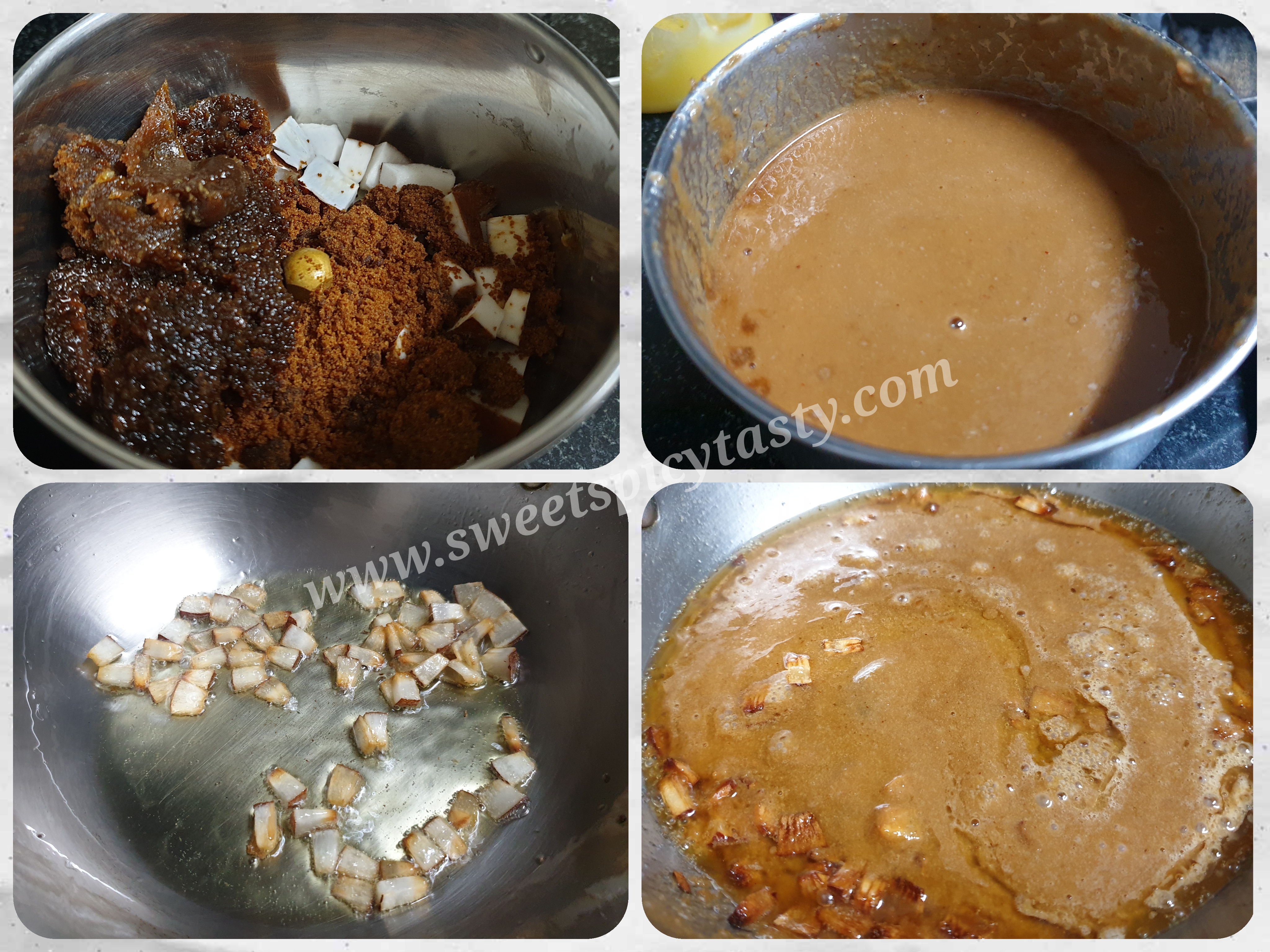
  • In a thick bottomed vessel , melt the jaggery with 1/2 cup water . We don't need any string consistency  just the jaggery needs to melt . Incase ,you see any impurities in the jaggery syrup,then filter it out and bring the syrup to a quick rolling boil.
  • Slowly add the mashed and cooked rice and mix it well without any lumps .Gradually add the ghee in parts and keep stirring until all the ghee is well absorbed into the nei payasam and the paysam looks glossy and well done .
  • If you are using coconut bits ,fry them in ghee until it turns golden brown and crisp ,likewise the same with cashewnuts as well.
  • Add this to the nei payasam along with cardamom powder and ginger powder and mix it well .
  • Offer it to the lord and distribute it among family and friends. 

Pin me up


Chakka Pradhaman using Chakkavaratti - Sadhya Special

8 September 2022 at 10:14

 Onam is the harvest festival of Kerala and also the day to comomerate and celebrate Vamana and King Mahabali .Whole of Kerala and Malayalees world over celebrate the day with a lot of joy and happiness. Onam is a ten day festival and as per gregorian Calender falls anyday between August - September which coincides with the  Chingam Month as per Malayalam Alamanac on the star of Thiruvonam or Sravanam which is the 22nd star or Nakshatra.


Mahabali was a very generous and powerful king who ruled Kerala and there was abundant prosperity and happiness during his reign. It is believed that on this day King Mahabali or Maaveli visits the land of Kerala and rejoices with the people of the land . To welcome the King ,an elaborate rangoli or kolam using flowers is decorated at every home , a lavish spread known as Sadhya is prepared and the annual boat race is held by the State .

ONAM is the annual state festival of Kerala.

I have already posted almost all recipes prepared for a Sadhya on my blog .I will post the link below which can be used as a ready recokner. 

Today we shall see a very traditional and authentic sweet chakka Pradhaman made using Jackfruit Jam known as Chakka Varatti . I have already posted how to make chakka varatti during jackfruit season .

This paysam is really easy to make if we have the chakka varatti ready on hand . The other  version to make Chakka Pradhaman from scratch can be found here. 

Without further delay,let me get to the recipe quickly .


Preparation Time - 10 mins
Cooking Time - 15 mins
Complexity - simple
Serves - 2 to 3

Ingredients 

1/2 cup chakka varatti / jackfruit jam
3/4 cup grated coconut 
3 tbsp jaggery 
1/2 cup thick coconut milk 
2 tbsp finely chopped coconut bits 
2 tsp ghee 

Method


  • Blend the chakka varatti, grated coconut and jaggery with 1/4 cup water to a very fine paste .
  • In a heavy pan ,heat the ghee and fry the coconut bits until they turn crisp and brown.
  • Pour the blended paste to this fried coconut and bring it to a quick boil .
  • Add the thick coconut milk in the end ,mix well and turn off the stove .Donot try to over cook or boil the Pradhaman after adding the coconut milk ..the Pradhaman will curdle .the heat is enough to cook the coconut milk and take away the raw smell.
  • Delicious chakka Pradhaman is ready. 

Pin it up 


Sadhya recipes on the blog. Click on the individual items below to get detailed recipe


Chakkavaratti | Chakkavaratiyadhu - Jackfruit Preserve

 Jackfruits are still available in plenty in most places in India and will surely be available for a few weeks more . If you are done with your quota of eating fresh , ripe and juicy jackfruits then I suggest you must make this delicious jackfruit jam /preserve a delicacy from Kerala known as Chakka Varatti or Chakka Varatiyadhu. 

Chakkai in Malayalam means Jackfruit and Varatiyadhu means reduction /simmering process .So basically we make a tasty relish or jam like preserve from jackfruit pulp and jaggery to relish all year long when fresh jackfruits aren't available. 

You can also use fresh ripe jackfruit to make delicious Chakka Pradhaman (Jackfruit Payasam) and Chakka Unniappams . (Fritters) 

I learnt this recipe from Chandra Muthukrishnan aunty, who is an expert in making traditional and complex dishes in a breeze .She guided me  over whatasapp while I was making this and gave a final approval when I shared the video of the finished product . 

Traditionally in olden times, making chakka varatti was a long drawn process and the ladies of the house had to toil a lot to prepare since modern day gadgets like gas stoves, food processors or pressure cookers were not available. 

The jackfruit pods had to be boiled over wooden or charcoal stoves and then using grinding stone the pulp had to me made and then further cooked in huge bronze vessel called Uruli with jaggery and  ghee for hours together to get the perfect taste and texture . Now making chakka varatti is a lot easier and we can prepare it effortlessly at the comfort of our homes .


Preparation Time -20 mins
Cooking Time - 35 to 45 mins
Complexity - complex 

Ingredients 

14 to 16 ripe jackfruit pods 
jaggery powder  (same measure as jackfruit pulp) 
2tsp of cardamom powder 
ghee as needed 

Method 


  • Deseed the jackfruit pods and pressure cook it with 1/4 cup water for 2 whistles on medium flame .
  • Let the pressure release naturally, strain the excess water and let the jackfruit cool down .
  • Blend the cooked jackfruit into a smooth pulpy puree in your blender.
  • Measure the pureed jackfruit and take the same quantity of  jaggery powder ..eg if you get 1 cup of puree, using the same cup measure 1 cup of powdered jaggery and 1/2 cup ghee .


  • Melt the jaggery in 1/4 cup water and strain it for impurities. 
  • In a heavy bottomed pan ,heat the strained jaggery syrup and let it come to a nice bubbling boil .
  • At this stage add the jackfruit pulp and mix it nicely till the jaggery and pulp blend in well.
  • Keep stirring on low flame and you can see the mixture begins to cook and starts giving out a good aroma . 
  • The key is in stirring without a break as there is a chance of the mixture getting burnt easily . 
  • The mixture begins to thicken and reduces in quantity after 10 mins,at this stage add some 3 to 4 tbsp of ghee and mix well . The entire ghee gets absorbed by the mixture and you can see a nice glossy look.
  • After some time you can see that the entire jam looks glossy and begins to leave the sides of the pan easily and resembles the texture of a jam .
  • Now add the balance ghee ,cardamom powder and continue to cook for sometime. When you drop a blob of the chakka varatti using the ladle, it should slide off and fall down easily . This is the correct texture .turn off the stove at this stage and let it cool . The  jam will slightly thicken more after cooling. Donot worry about that. Once cooled, transfer the chakka varatti to a dry container using a dry spoon and refrigerate it. (Check the video below for the consistency)


Note

To have a prolonged shelf life ,never thaw the entire preserve for a long time.  Take out the desired quantity and put it back into the refrigerator.  This way the chakka varatti stays for almost 1 year .


❌
❌