Normal view

There are new articles available, click to refresh the page.
Before yesterdayMain stream

Spicy Bean Soup Recipe

By: Aarthi
4 December 2025 at 00:06

Spicy bean soup is a warm and comforting soup perfect for chilled days. With just basic ingredients, the kidney bean soup can be made in no time. The kidney beans are simmered with onion, garlic, tomato puree, vegetable stock and results in an amazing flavour. This soup is perfect for those days when you want...

Read More

The post Spicy Bean Soup Recipe appeared first on Yummy Tummy.

46+ Fall Grilling Recipes

By: Charlie
25 November 2025 at 20:25

Who says grilling season ends when the leaves start falling? Not me. While everyone else is packing away their grill covers, I’m out there in a hoodie, tongs in hand, enjoying what’s honestly the best time of year to fire things up. No sweat dripping into my burgers, no bugs dive-bombing my plate—just crisp air, […]

The post 46+ Fall Grilling Recipes appeared first on Simply Meat Smoking.

Holiday Vegan Cheese Log

By: Richa
19 November 2025 at 07:00

A creamy vegan cheese log coated in crunchy pecans and fresh herbs is perfect for holiday parties served with crackers and veggies. This recipe is super easy, delicious, and versatile! (gluten-free, soy-free and nut-free options)

holiday cheese log on a party platter with veggies, chips, pita, and apple slices

This is a wow-worthy, super easy vegan cheese log that you can whip up for any party, potluck, or holiday gathering. It’s delicious, cheesy, and creamy with a fantastic pecan-herb crumb which adds wonderful texture and flavor. 

The holiday cheese log pairs beautifully with all kinds of veggies, crudites, crackers, fruit, or even spicy jams and chutneys. It’s perfect on a charcuterie board served with mango chutney and paired with one of my cheese balls, like my Jalapeno popper cheese ball.

close-up of holiday cheese log after taking out some of the spread

You can also use this creamy cheese as a spread for baguettes or bagels or even to make grilled cheese, quesadillas, or mac and cheese. For mac and cheese, just add some stock to a pan, heat it up with the cheese log to make a sauce, and toss in your cooked pasta of choice. 

This vegan cheese log recipe is flexible and easy to adapt to your flavor profile. Try adding paprika and jerk seasoning, Cajun spices, or extra red pepper flakes for a spicy version.

pita spread with holiday cheese log

Why You’ll Love this Vegan Cheese Log

  • creamy vegan cheese log coated in crunchy toasted pecans and fresh herbs
  • perfect for parties, potlucks, cheese boards, and charcuterie boards
  • easy to make and versatile! Try different base and seasoning options.
  • easy to make gluten-free, soy-free, and/or, nut-free

Continue reading: Holiday Vegan Cheese Log

The post Holiday Vegan Cheese Log appeared first on Vegan Richa.

Thirukarthigai - Recipes - Why & How do we celebrate Karthigai Deepam

8 November 2025 at 18:15

Thirukarthigai, also known as Karthigai Deepam, is one of the oldest and most sacred Tamil festivals, celebrated in the Tamil month of Karthigai on the auspicious Pournami (Full Moon) day. It is a festival of light, devotion, and divine protection, where homes are adorned with rows of glowing oil lamps symbolizing prosperity and spiritual awakening.

Throughout the entire month of Karthigai, families light lamps at the entrance of their homes. On the day of Thirukarthigai/Karthigai Deepam, the whole house is beautifully illuminated, creating a divine and uplifting atmosphere.

One of the most iconic places associated with this festival is Thiruvannamalai, world-renowned for its spectacular Karthigai Deepam celebrations.

Traditional oil lamps lit for Thirukarthigai festival during Karthigai Deepam.
Rows of glowing oil lamps lit for the auspicious Thirukarthigai / Karthigai Deepam festival.

The Legend Behind Thirukarthigai / Karthigai Deepam

According to Hindu scriptures, Lord Brahma and Lord Vishnu once fell into an ego-driven argument, each claiming superiority. To humble them and restore harmony, Lord Shiva appeared as an infinite pillar of fire (Jyothi Sthambam) and challenged them:

“Whoever finds the beginning or end of this fire is the greatest.”

  • Brahma transformed into a swan (Annam) and flew upward.
  • Vishnu took the form of Varaha (boar) and dug deep into the earth.

Despite their divine powers, neither could find the beginning nor end of Shiva’s fiery form. Realizing their mistake, they surrendered their ego and prayed with devotion. Lord Shiva then revealed himself to them.

This divine appearance as a pillar of endless fire is commemorated as Thirukarthigai / Karthigai Deepam.

Thiruvannamalai Deepam – The Holy Fire Hill

Thiruvannamalai in Tamil Nadu is the spiritual epicenter of Karthigai Deepam. Lord Shiva is believed to have manifested as Arunachala Hill, a form of Agni (fire).

  • Tiruvannamalai and Arunachala both mean “holy fire hill.”
  • The Shiva Linga here is the Agni Linga, representing the fire element.
  • Devotees light tiny oil lamps at home which symbolize miniature Jyothi Lingas.

Every year, lakhs of devotees gather to witness the Mahadeepam, lit atop the sacred hill—a mesmerizing sight symbolizing divine brilliance and protection.

Spiritual Significance of Thirukarthigai

Karthigai Deepam represents

  • The victory of light over darkness
  • Removal of ignorance and ego
  • Infinite nature of God (Ananta Jyothi)
  • Protection, prosperity & spiritual growth

Homes are decorated with rows of lamps to invoke Lord Shiva’s Jyothi Swarupam—the form of divine light.

Festival Days

  • Day 1: Appa Karthigai
  • Day 2: Vadai Karthigai

Devotees prepare and offer traditional neivedhyam such as Pori, Adhirasam, Vella Seedai, Vetrilai-Pakku, and fruits.

In South Tamil Nadu and Kerala, sisters light the sacred Gajalakshmi Vilakku (Elephant Lamp) to pray for the well-being and longevity of their brothers.

Why Do We Light the Elephant Lamp (Gajalakshmi Vilakku) on Karthigai?

A touching traditional story explains this practice:

A king once had a single daughter who grew up with a beloved elephant. She treated the elephant as her own brother. After marriage, she deeply missed him. Every Karthigai Deepam, she lit an elephant-shaped lamp, prayed for her brother, and offered:

  • Tender coconut
  • Milagu Adai (elephant-leg sized)
  • Pori
  • Adhirasam
  • Vella Seedai

This devotional practice later became part of the traditional Karthigai rituals. Today, lighting the Gajalakshmi Vilakku symbolizes:

  • Protection of brothers
  • Family prosperity
  • Blessings of Goddess Lakshmi
  • Removal of obstacles

Verses to Chant While Lighting the Lamp

கீட: பதங்கா மசகாஸ்ச வ்ருதா
ஜலே ஸ்த்யேயே விசரந்தி ஜீவா
தருஷ்டவா ப்ரதீபம் ந ச ஜன்ம பாகிந:
பவந்தி நித்யம் சவ பசா ஹி விப்ரா

Yaanai Vaazha
Arasan Vaazha
Penn Vaazha
Piranthagam Vaazha

After chanting, devotees place a piece of pori into the lamp and offer neivedhyam.

Thirukarthigai Neivedhyam Recipes

The post Thirukarthigai - Recipes - Why & How do we celebrate Karthigai Deepam appeared first on Subbus Kitchen.

Pori Urundai Recipe | Aval Pori Urundai Recipe | Nel Pori Urundai Recipe

7 November 2025 at 21:30

There’s something magical about the aroma of freshly melted jaggery and crispy puffed rice coming together during Karthigai Deepam. This Pori Urundai Recipe is rooted deeply in tradition, especially with the use of Aval Pori or Nel Pori as neivedhyam offerings for Thirukarthigai/Karthigaideepam. The combination of jaggery syrup, cardamom, and coconut pieces creates a nostalgic sweetness that families look forward to every year. While many prepare them as neatly shaped balls, some households—especially in Tirunelveli and Nagercoil—simply mix the pori with the jaggery syrup and offer it as is. Whether you follow the custom of making pori urundai alone or also prepare Milagu Adai, Vellai Appam, and Vella Seedai, this recipe carries the warmth, authenticity, and festive spirit of the season. Happy Karthigai Deepam to you and your family!

Nel Pori Urundai | Thirukarthigai Nel Pori Urundai
Nel Pori Urundai

Pori Urundai holds a cherished place in South Indian homes, especially during the auspicious festival of Karthigai Deepam (also known as Thirukarthigai). 

[feast_advanced_jump_to]

Ingredients

  • Aval Pori / Nel Pori (puffed rice)
  • Grated Jaggery
  • Finely sliced / chopped Coconut pieces
  • Cardamom powder

Each of these ingredients plays an essential role in creating the perfect Pori Urundai:

  • Puffed rice (Aval Pori / Nel Pori): This provides the light, airy base. Its delicate crunch contrasts beautifully with the sticky jaggery syrup, giving the urundai its signature texture.
  • Jaggery: This is the sweetener and binder — when boiled to just the right consistency, jaggery syrup coats the puffed rice and helps hold everything together. It also provides a warm, caramel-like depth of flavor that feels very traditional.
  • Coconut pieces: Lightly dry-fried coconut adds a toasty richness and a subtle chewiness. Frying removes moisture so that the coconut stays crisp even after mixing, which elevates both texture and flavor. 
  • Cardamom powder: This spice gives a fragrant, floral aroma that cuts through the sweetness and lifts the overall flavor profile. It’s a small but powerful ingredient that makes the urundai feel festive and aromatic.

See recipe card for quantities.

Instructions

Pori Undai_step1
  1. Heat a pan and add the finely chopped coconut pieces. Dry roast them on a low flame until they turn deep brown and all the moisture evaporates.
Pori Undai_step2
  1. Add the grated jaggery to a pan
Pori Undai_step3
  1. Add ½ cup of water and heat it on a low flame, allowing the jaggery to melt completely into the water.
Pori Undai_step4
  1. Once the jaggery has fully dissolved, strain the syrup to remove any impurities such as dirt or sand.
Pori Undai_step5
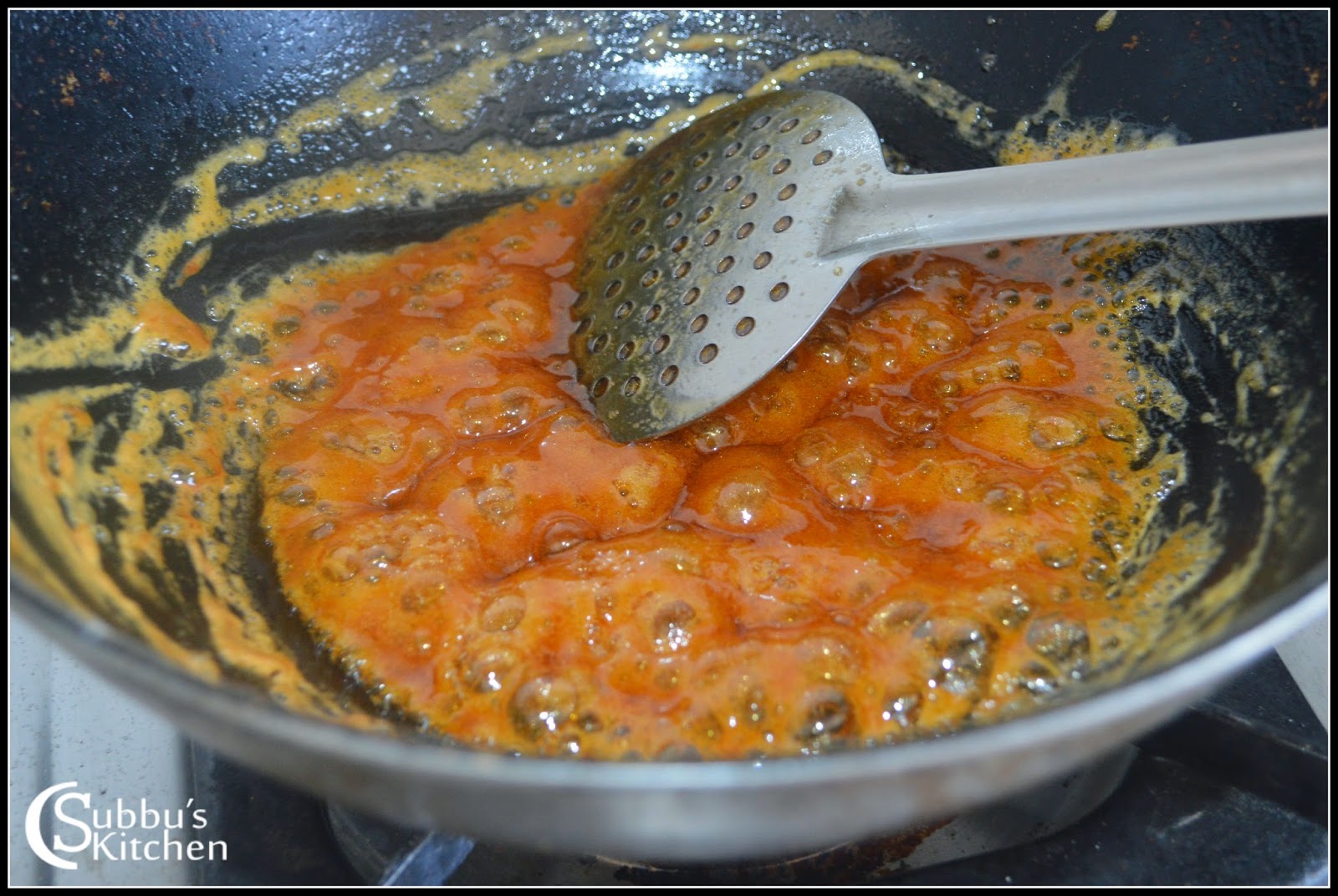
  1. Return the strained jaggery syrup to the pan and boil it again, stirring continuously until it reaches stone consistency.
Pori Undai_step6
  1. To check, drop a small amount of the syrup into a bowl of water—it should not dissolve, and you should be able to form a soft ball. The syrup should be firm enough to hold its shape but not too hard. When you drop this ball onto a steel plate, you should hear a distinct tapping sound, indicating the syrup has reached the perfect consistency.
Pori Undai_step7
  1. When you take a portion of the jaggery syrup from the bowl, you should be able to roll it into a soft ball. It should also produce a light tapping sound when dropped onto a plate or surface. This indicates that the jaggery syrup has reached the perfect consistency.
Pori Undai_step8
  1. Add the cardamom powder and the fried coconut pieces to the jaggery syrup, and stir well to combine. Remove the pan from the flame, then immediately add the Nel Pori or Aval Pori.
Pori Undai_step9
  1. Gently mix the Aval or Nel Pori with the jaggery syrup until well coated.
Pori Undai_step10
  1. Transfer the mixture onto a plate and spread it evenly.
Pori Urundai_step1
  1. Once the pori mixture has cooled enough to handle, start shaping it into balls with your hands. If the mixture feels too hot or sticky, lightly dust your palms with rice flour to make the process easier.
Pori Urundai_step12
  1. Alternatively, you can shape the mixture into paruppu thengai as shown in the picture below. Repeat the same procedure for the other variety of Pori.The delicious Aval & Nel Pori orundai is now ready for neivedhyam.

Hint: Make sure the jaggery syrup reaches the right stone consistency before mixing with the puffed rice—this ensures the Pori Urundai holds its shape. If the mixture is too sticky to handle, lightly dust your palms with rice flour for easy shaping.

Variations

  • Nutty – add roasted cashews, almonds, or pistachios along with the coconut pieces for a crunchy, festive twist.
  • Sesame – mix in roasted sesame seeds with the puffed rice and jaggery syrup for a nutty flavor and added health benefits.
  • Dry Fruit – include finely chopped raisins, dates, or dried figs to make the sweet richer and more indulgent.
  • Coconut Milk – replace part of the water in the jaggery syrup with coconut milk for a creamier, aromatic variation.
  • Healthy / Millet – swap puffed rice with puffed millets like foxtail millet or ragi for a fiber-rich and wholesome version.

Storage

Allow the Pori Urundai balls to cool completely before storing. Keep them in an airtight container at room temperature for up to 7–10 days. For longer shelf life, store in the refrigerator for up to 2 weeks, and bring to room temperature before serving to retain their crispness.

Top Tip

Ensure the jaggery syrup reaches the perfect stone consistency before mixing with the puffed rice—this is key for shaping the pori urundai without it falling apart. Test by dropping a small amount of syrup in water; it should form a soft ball that holds its shape.

FAQ

What is the difference between Aval Pori and Nel Pori?

Aval Pori is puffed rice made from flattened rice flakes, while Nel Pori is traditional puffed rice. Both can be used interchangeably in this recipe with the same method.

How do I know when the jaggery syrup is ready?

The syrup is ready when it reaches stone consistency. Drop a small amount in water—it should form a soft ball that holds its shape but is not too hard. You should also hear a light tapping sound if dropped on a plate.

Can I shape the pori mixture without rice flour?

Yes, if the mixture has cooled enough and isn’t too sticky, you can shape it with your hands. If it sticks, lightly dust your palms with rice flour for easier handling.

Can I use alternative sweeteners instead of jaggery?

Traditional jaggery gives the authentic taste and texture, but you can try palm sugar or brown sugar as a substitute. Note that the flavor will vary slightly, and the syrup consistency may require adjustment.

Related

Recipe Card

Aval Pori Urundai | Karthigai Deepam Pori Urundai
Print

Pori Urundai Recipe | Aval Pori Urundai Recipe | Nel Pori Urundai Recipe

Aval Pori and Nel Pori are the two traditional neivedhyam dishes prepared on the auspicious occasion of Thirukarthigai/Karthigaideepam. Puffed rice mixed with jaggery syrup along with cardamom and coconut pieces, is a wonderful sweet dish.
Course Festival Recipes, Sweet
Cuisine Indian, South Indian, Tamil Nadu
Prep Time 10 minutes
Cook Time 20 minutes
Total Time 30 minutes
Servings 6 people
Calories 70kcal
Author Sowmya Venkatachalam

Equipment

  • Heavy Bottomed Pan

Ingredients

  • 4 Cups Aval Pori / Nel Pori (Puffed Rice) 1 Cup - 250ml
  • 1 Cup Grated Jaggery
  • 2 tablespoon Finely Sliced Coconut
  • 1 teaspoon Cardamom Powder

Instructions

  • Heat a pan and add the finely chopped coconut pieces. Dry roast them on a low flame until they turn deep brown and all moisture has evaporated—this step is essential to ensure the crispness of the Pori Urundai. You’ll notice the coconut pieces start to crackle and burst slightly when perfectly roasted. Once done, set the fried coconut aside.
    2 tablespoon Finely Sliced Coconut
  • Add the grated jaggery to a pan and pour in ½ cup of water. Heat on low flame until the jaggery melts completely.
    1 Cup Grated Jaggery
  • Once dissolved, strain the jaggery syrup to remove any impurities like dirt or sand.
  • Return the strained jaggery syrup to the pan and boil it again, stirring continuously until it reaches stone consistency. To check, drop a small amount of syrup into water—it should not dissolve and should form a soft ball. The ball should be firm enough to hold its shape but not too hard. When dropped onto a steel plate, it should make a light tapping sound. This indicates the jaggery syrup has reached the perfect consistency for making Pori Urundai.
  • Add cardamom powder and the fried coconut pieces to the syrup and mix well. Remove from heat.
    1 teaspoon Cardamom Powder
  • Add the Aval or Nel Pori to the syrup and mix thoroughly until the puffed rice is well coated.
    4 Cups Aval Pori / Nel Pori (Puffed Rice)
  • Transfer the mixture to a plate and spread evenly. Allow it to cool slightly.
  • Once the pori mixture has cooled enough to handle, shape it into balls using your hands. If the mixture feels too hot or sticky, lightly dust your palms with rice flour to make shaping easier. Alternatively, you can shape the mixture into paruppu thengai cones.
  • Repeat the same procedure for the other variety of Pori. 
  • The delicious Aval & Nel Pori orundai is now ready for neivedhyam.

Video

Notes

You can lightly dust your hands with rice flour to easily shape the pori mixture into round ladoos. For easier binding, you can increase the jaggery to 2 cups for every 4 cups of puffed rice—this ratio helps the Pori Urundai hold its shape perfectly.

Nutrition

Serving: 1Pori Urundai | Calories: 70kcal | Carbohydrates: 18g | Protein: 4g | Fat: 1g
Pori Urundai Recipe | Aval Pori Urundai Recipe | Nel Pori Urundai Recipe

The post Pori Urundai Recipe | Aval Pori Urundai Recipe | Nel Pori Urundai Recipe appeared first on Subbus Kitchen.

Vella Seedai Recipe | Sweet Seedai Recipe

6 November 2025 at 06:47

Vella Seedai, also known as Sweet Seedai, holds a significant place as a neivedhyam dish during both the Krishna Jayanthi and Thirukarthigai festivals. This delectable treat is a deep-fried sweet creation crafted from a blend of rice flour, urad dal flour, and jaggery. What sets Vella Seedai apart is its delightful combination of a crispy outer shell and a melt-in-your-mouth interior, offering a truly unique flavor and texture.

During Krishna Jayanthi, alongside Vella Seedai, offerings like Uppu Seedai, Aval Puttu, and Nei Appam hold immense importance as Prasad offerings to Lord Krishna. In our quest for perfection in preparing Vella Seedai, we've gathered some invaluable tips to ensure your sweet seedai turns out just right.

Tips for making Vella Seedai:

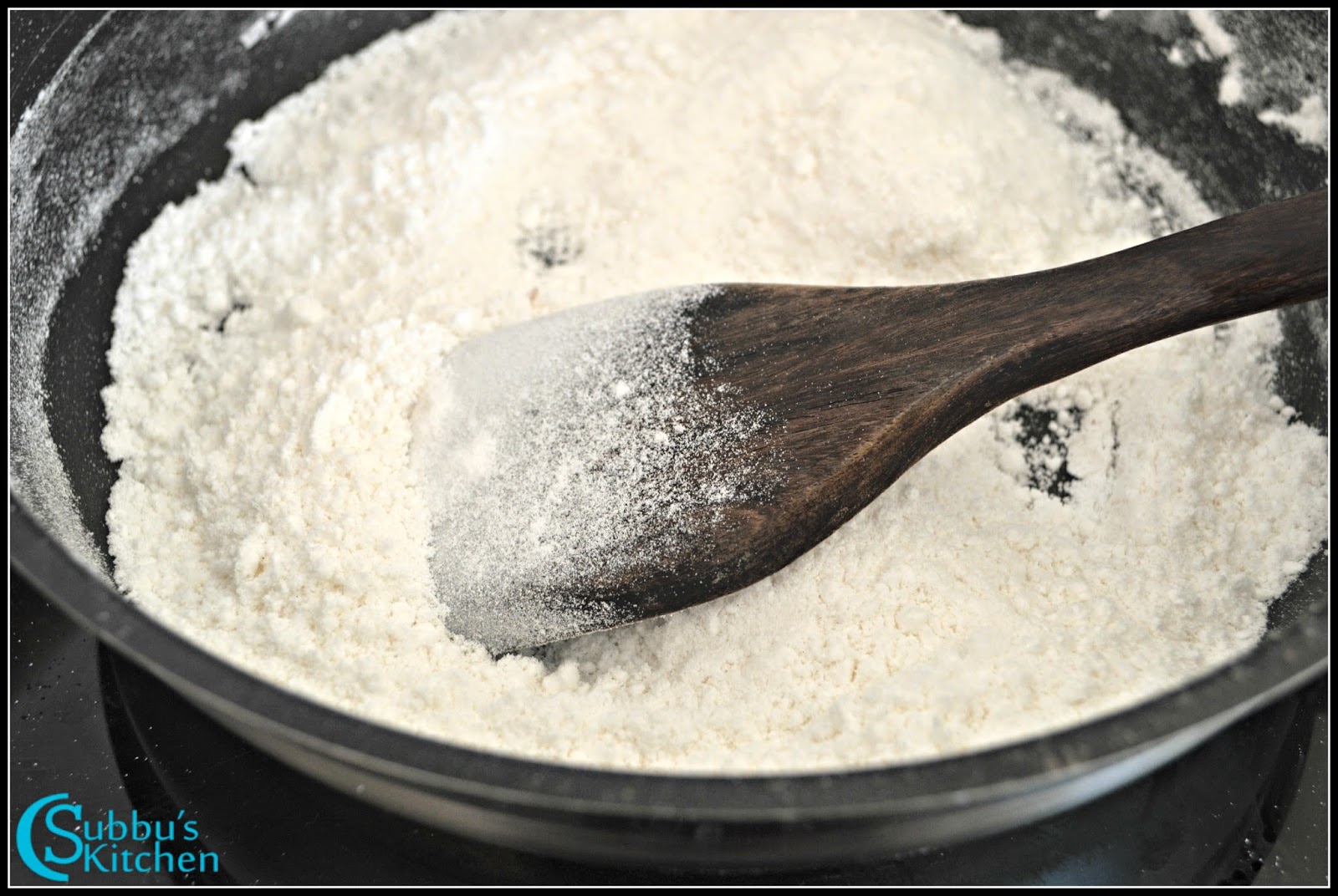
  1. Texture of flours: Rice flour and Urad dal flour should be smooth without any lumps. Pass the flours through the sieve twice to ensure there are no lumps in the flours.
  2. Homemade rice flour Vs Store bought rice flour: I have used store bought rice flour in this recipe. Usually for Prasad we prepare rice flour at home and use that. Follow the link to see how to prepare homemade Rice flour. We can also use store bought rice flour.
  3. Roasting Rice Flour: Whether its Store bought or home made rice flour, we need to dry roast the rice flour till its warm. We don't need to roast till it change to red. Just roast till the flour feels warm in your hands.
  4. Ratio of Flours: The ratio of rice flour to urad dal flour is 1 Cup : 1 tbsp. We just need 1 tablespoon of urad dal flour, but grinding 1 tablespoon of roasted urad dal in mixer grinder is hard. Lesser quantity doesn't get grind to smooth powder usually. So dry roast ½ cup of urad dal and grind it to smooth powder. Use only 1 tablespoon of urad dal for 1 cup of rice flour. Rest of the urad dal flour you can use it for making Uppu Seedai, thattai and thenkuzhal.
  5. Jaggery Syrup Consistency: There is not particular consistency like one-string for this Vella Seedai. We just need to melt the jaggery and bring it to rolling boil. Then strain the jaggery and add it to flours.
  6. Butter: Soften the butter at room temperature and add it to flours. Do not add cold butter or melted butter.
  7. Consistency of dough: While we prepare vella seedai dough, knead it to a smooth dough using the strained jaggery juice. If you feel the jaggery syrup is not enough to make a dough, try sprinkling water and knead it to dough.
  8. Allow the dough balls to dry for 5 mins before adding in hot oil.
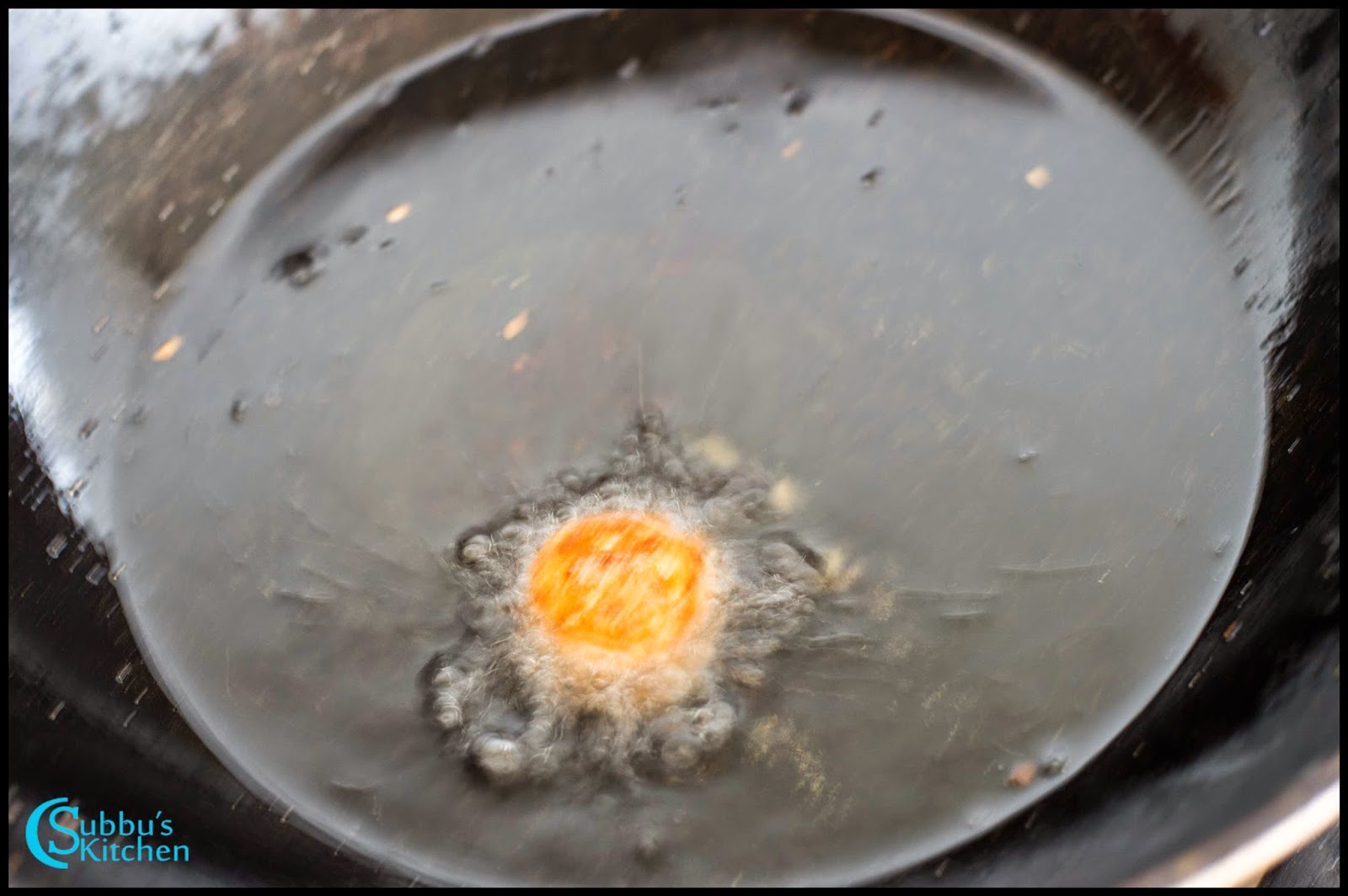
  9. Deep Frying: Ensure the oil is hot enough before dropping the vella seedai. Once the oil is hot, add 1 vella seedai ball and ensure its not splitting in oil. Do not panic if it splits, just adjust the dough by adding little roasted rice flour and then once again roll into ball and vella seedai will not split in oil.
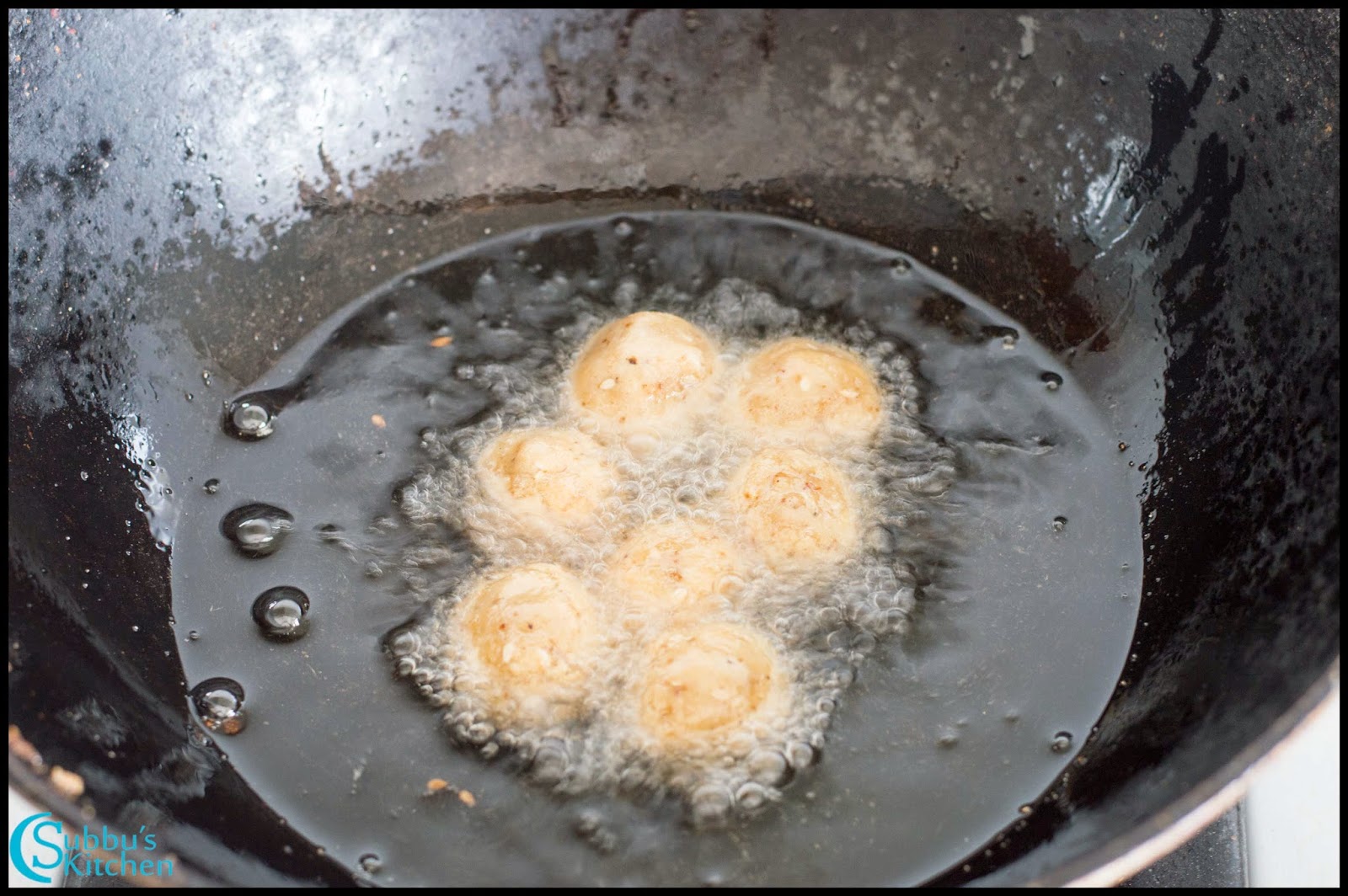
  10. Oil Temperature:  We need to maintain right temperature of oil while frying. After adding vella seedai balls in oil, keep the flame in low and fry till the vella seedai becomes golden brown color. Between the batches adjust the flame to medium to ensure the oil is at right temperature.

Other Gokulashtami Recipes:

  1. Uppu Seedai
  2. Aval Kesari
  3. Aval Puttu
  4. Nei Appam

Recipe Card for Vella Seedai

Vella Seedai
Print

Vella Seedai | Sweet Seedai | Gokulashtami Recipes

Discover the sweet magic of Vella Seedai, a cherished treat for Krishna Jayanthi and Thirukarthigai festivals. Crispy on the outside, melt-in-the-mouth inside – explore the secrets to perfecting this divine sweet delight. Learn tips for flawless Vella Seedai preparation and relish its unique flavor and texture
Course Festival, Sweet
Cuisine Indian, South Indian, Tamil Nadu
Prep Time 5 minutes
Cook Time 30 minutes
Total Time 35 minutes
Servings 1 Cup
Calories 400kcal
Author Sowmya Venkatachalam

Equipment

  • Heavy Bottomed Pan

Ingredients

  • 1 Cup Homemade Rice Flour
  • 1 tablespoon Urad Dal Flour
  • 1 tablespoon Butter at Room Temperature
  • ½ Cup Grated Jaggery
  • 1 teaspoon Sesame Seeds
  • 1 tablespoon Grated Coconut
  • ¼ teaspoon Cardamom Powder
  • 2 Cups Oil For Deep Frying

Instructions

Prepare the Flours

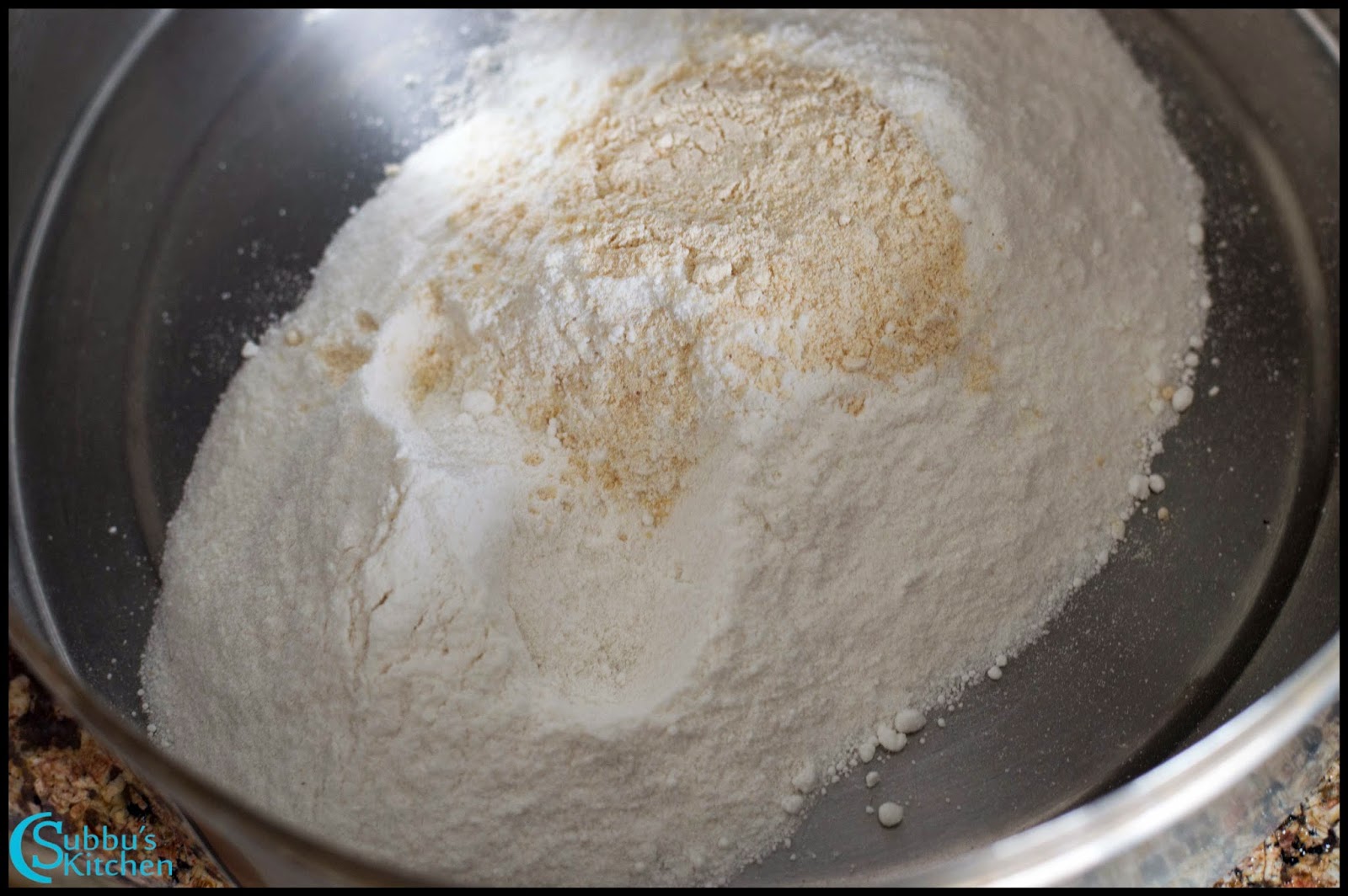
  • Prepare the rice flour as given in the link here. Heat a pan and dry roast the rice flour in low flame for couple of minutes. Do not fry the rice flour till they become over burnt. Just heat the flour till they are hot and if you take a pinch of rice flour you should be able to draw or put little kolam. Take the roasted rice flour in a mixing bowl along with uriddal flour. Dry roasting is an important step in vella sedai preparation. Do not use freshly ground rice flour as it contain some moisture which will make the seedai to burst. You can also use store bought rice flour. IF you are using store bought rice flour, then dry roast it for couple of minutes and then sieve it and again dry roast it for another couple of minutes without burning the rice flour. 

Prepare Sesame & Coconut

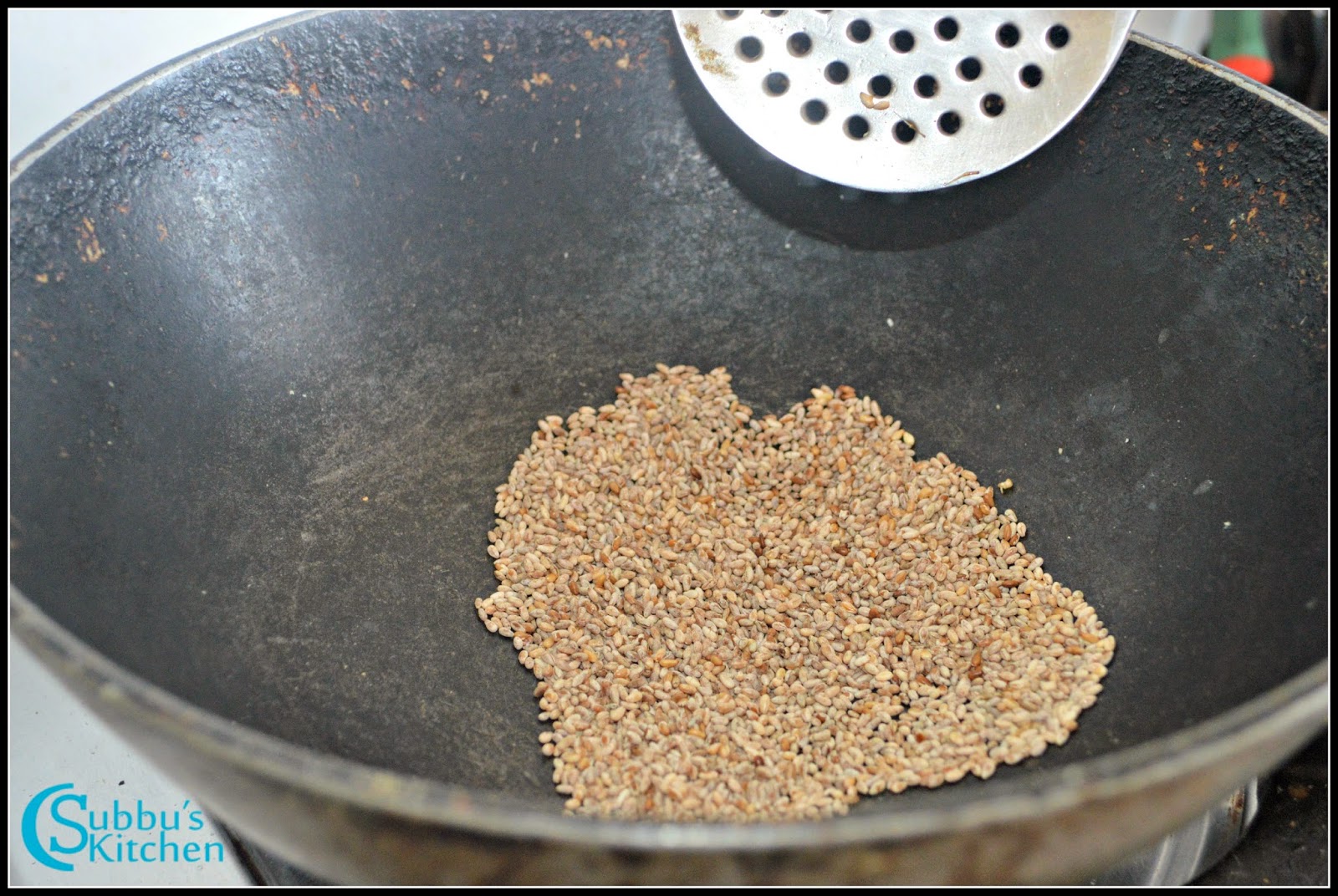
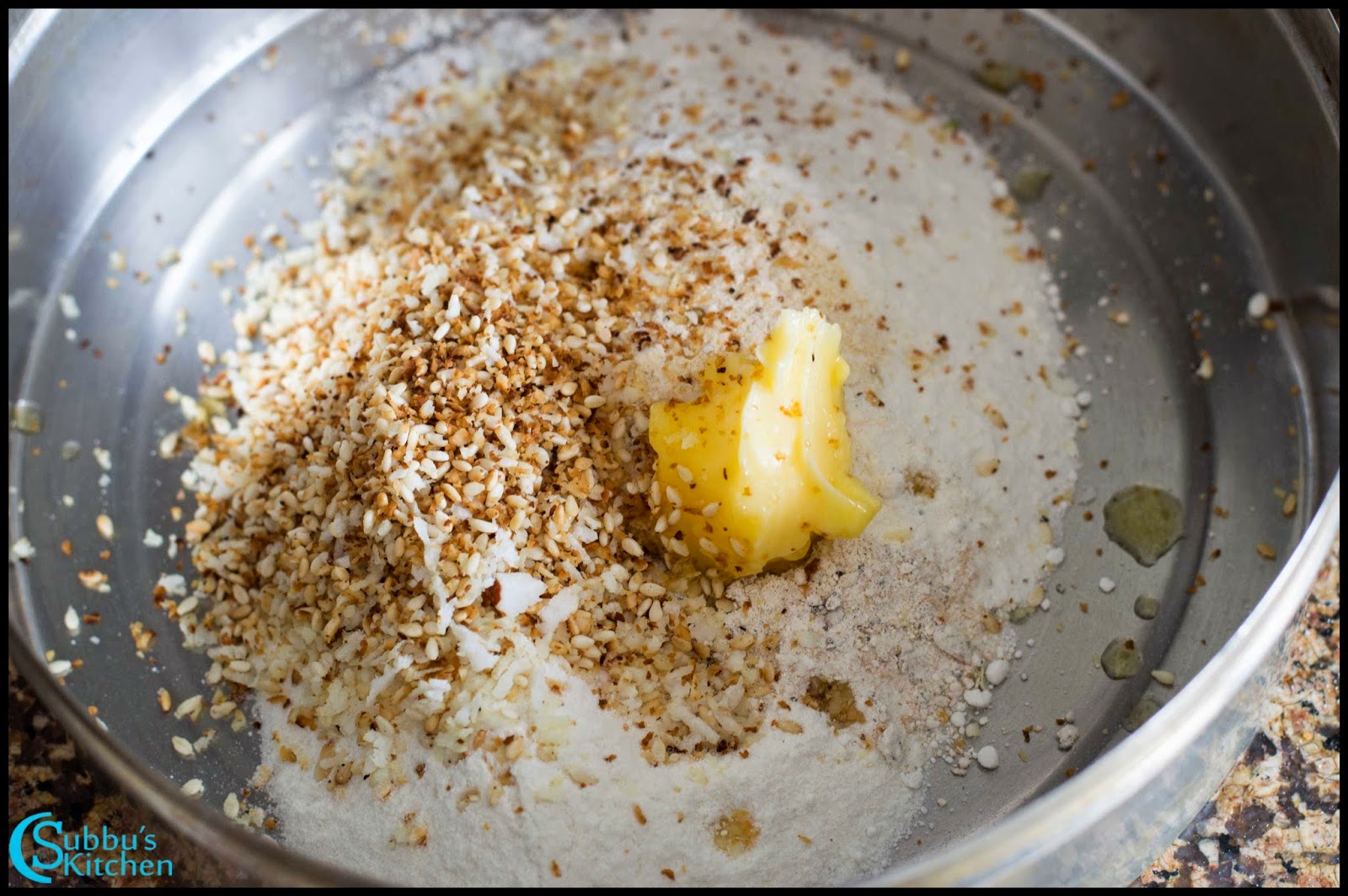
  • Take a pan, add sesame seeds and grated coconut and dry fry them till they become golden brown color. Add these fried sesame seeds and grated coconut to the rice flour along with butter. The butter should be in room temperature. Mix everything well.

Making Jaggery Syrup

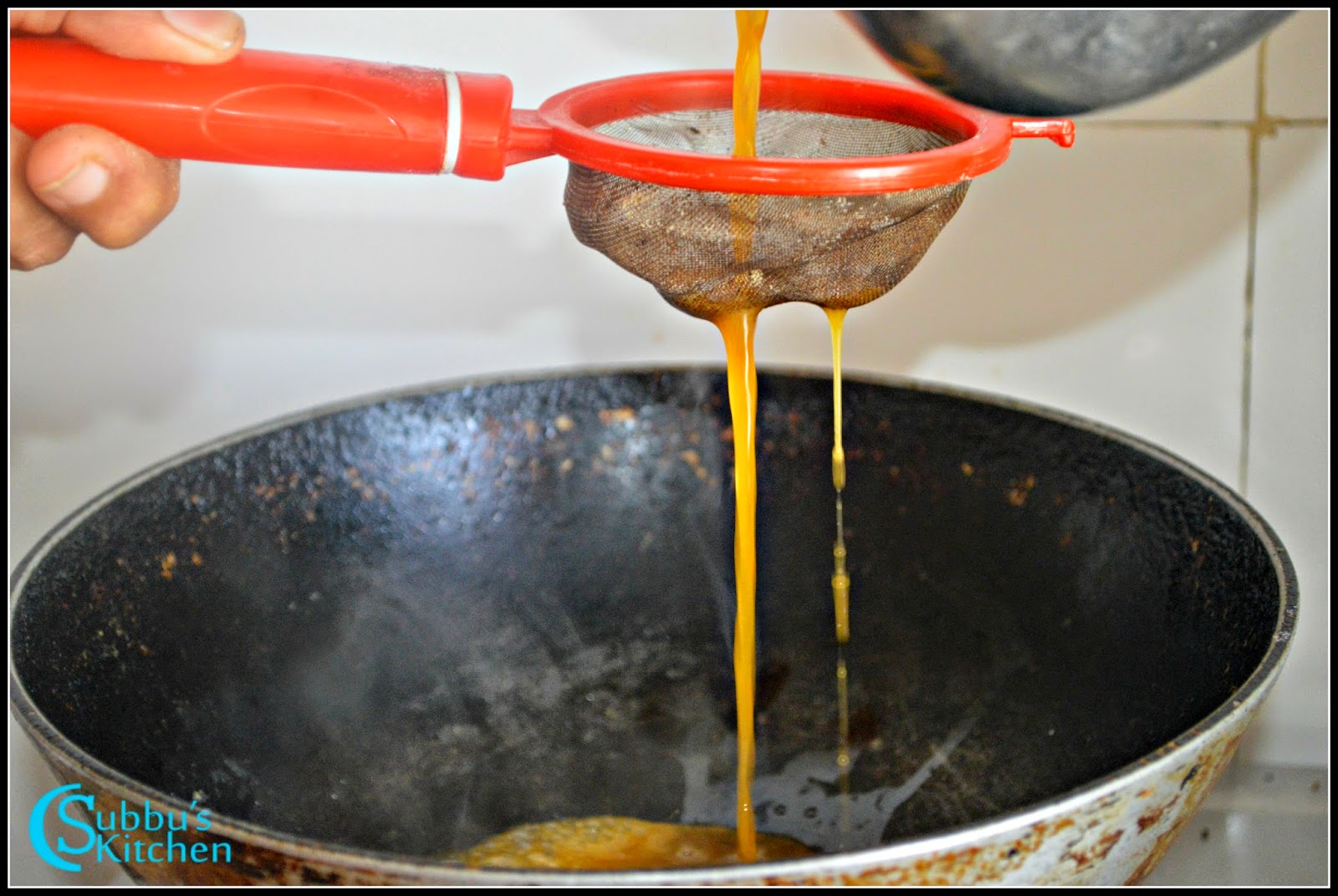
  • Take grated jaggery in a bowl and add water just to soak the jaggery. I have added 2 tablespoon of water. Allow the jaggery to boil till it is dissolved. Pass this jaggery juice through a strainer to get rid of sand and other impurities
  • Add the strained jaggery juice to a pan and keep in flame till it comes a rolling boil. We don’t need any string or solid consistency. Add this jaggery juice to the rice flour and mix the rice flour well with a ladle or spoon. Make it to a right dough. If the dough is loose and soft then the seedai will dissolve in hot oil. So when you get a tough pliable dough then stop adding the jaggery syrup. Sometimes we might end up with dry dough where we may need to again sprinkle warm water and make it little soft. If the dough is too dry, then also the seedai will start to dissolve in oil. I have add 2 teaspoon of water to make the dough little soft.

Deep Frying Process

  • Make gooseberry sized balls out of the seedai dough. Keep it aside for few minutes before dropping in hot oil. Heat oil in  a pan. When the oil is hot enough, just drop a single seedai ball into the oil and in low flame deep fry them. Check if the seedai is not getting dissolved or not getting burst in the oil. If it does we may need to alter the seedai mixture. 
  • When you are sure that the seedai is not getting dissolved or burst, then drop 4-5 seedai in one batch and in low flame deep fry them till the seedai are crispy and light golden brown color. 
  • Remove the crispy seedai from flame and place it in a paper towel to drain the excess oil
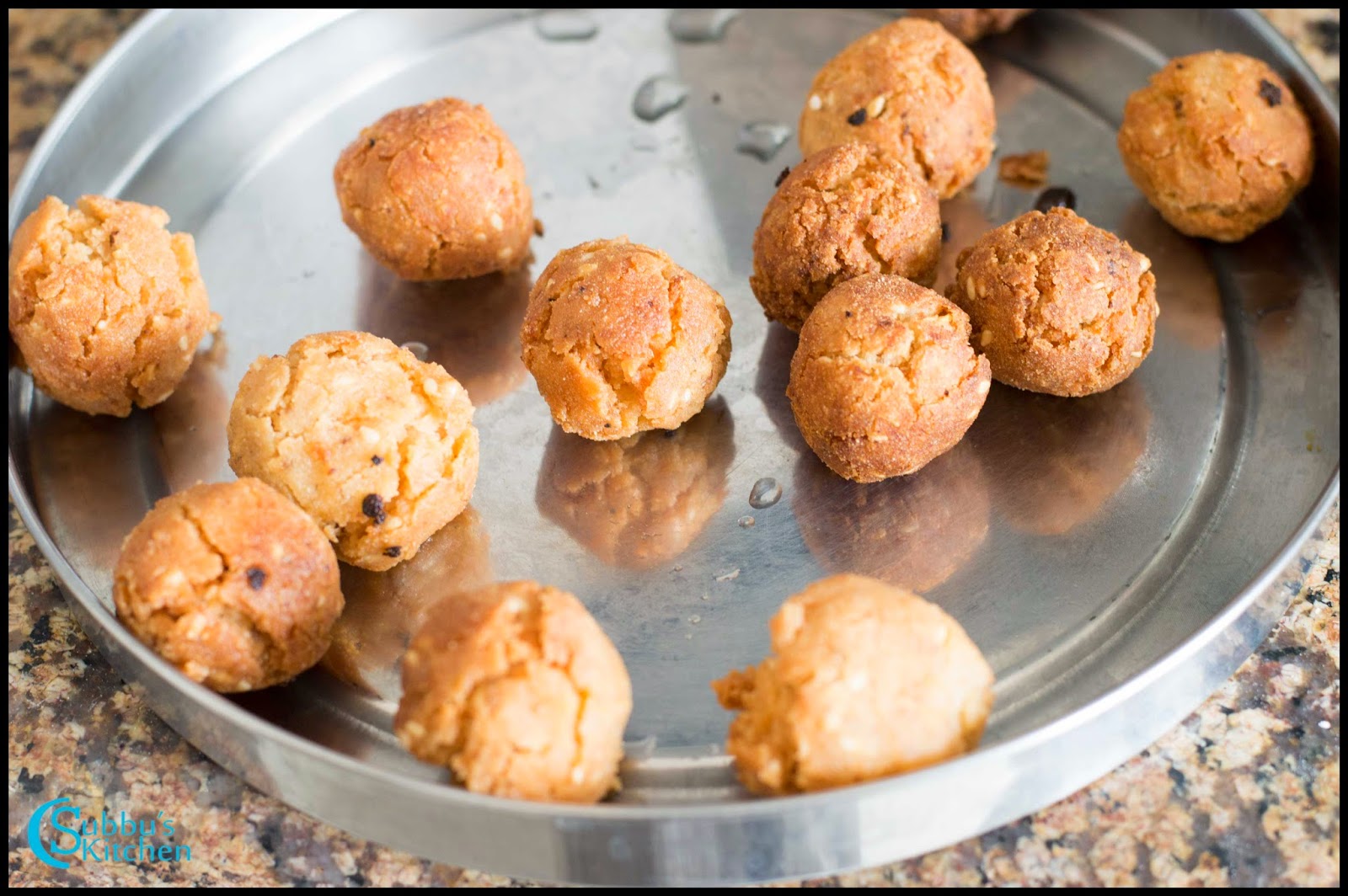
  • Yummy and crispy vella seedai is now ready for neivedhyam or for serving.

Video

Notes

  • If the seedai is getting dissolved, it may be because of very dry ball and in that case, we need to sprinkle warm water little by little and make the dough little soft
  • If the dough is already very soft, then sprinkle rice flour little by little and mix well. 
  • If the seedai is bursting, then it may be due to the very coarse  rice flour or uriddal flour. 

Nutrition

Serving: 1Cup | Calories: 400kcal | Carbohydrates: 62g | Protein: 7g | Fat: 28g

Method with Step by Step Pictures :

  • Prepare the rice flour as given in the link here. Heat a pan and dry roast the rice flour in low flame for couple of minutes. Do not fry the rice flour till they become over burnt. Just heat the flour till they are hot and if you take a pinch of rice flour you should be able to draw or put little kolam. Take the roasted rice flour in a mixing bowl along with uriddal flour. Dry roasting is an important step in vella sedai preparation. Do not use freshly ground rice flour as it contain some moisture which will make the seedai to burst. You can also use store bought rice flour. IF you are using store bought rice flour, then dry roast it for couple of minutes and then sieve it and again dry roast it for another couple of minutes without burning the rice flour.
  • Take a pan, add sesame seeds and grated coconut and dry fry them till they become golden brown color. Add these fried sesame seeds and grated coconut to the rice flour along with butter. The butter should be in room temperature. Mix everything well.
  • Take grated jaggery in a bowl and add water just to soak the jaggery. I have added 2 tablespoon of water. Allow the jaggery to boil till it is dissolved. Pass this jaggery juice through a strainer to get rid of sand and other impurities
  • Add the strained jaggery juice to a pan and keep in flame till it comes a rolling boil. We don't need any string or solid consistency. Add this jaggery juice to the rice flour and mix the rice flour well with a ladle or spoon. Make it to a right dough. If the dough is loose and soft then the seedai will dissolve in hot oil. So when you get a tough pliable dough then stop adding the jaggery syrup. Sometimes we might end up with dry dough where we may need to again sprinkle water and make it little soft. If the dough is too dry, then also the seedai will start to dissolve in oil. I have add 2 teaspoon of water to make the dough little soft.
  • Make gooseberry sized balls out of the seedai dough. Keep it aside for few minutes before dropping in hot oil. Heat oil in  a pan. When the oil is hot enough, just drop a single seedai ball into the oil and in low flame deep fry them. Check if the seedai is not getting dissolved or not getting burst in the oil. If it does we may need to alter the seedai mixture.
    • Seedai is getting dissolved, it may be because of very dry ball and in that case, we need to sprinkle warm water little by little and make the dough little soft
    • If the dough is already very soft, then sprinkle rice flour little by little and mix well.
    • Seedai is bursting, then it may be due to the very coarse  rice flour or uriddal flour.
  • When you are sure that the seedai is not getting dissolved or burst, then drop 4-5 seedai in one batch and in low flame deep fry them till the seedai are crispy and light golden brown color.
  • Remove the crispy seedai from flame and place it in a paper towel to drain the excess oil
  • Yummy and crispy vella seedai is now ready for neivedhyam or for serving.

Vella Seedai Recipe | Sweet Seedai Recipe


The post Vella Seedai Recipe | Sweet Seedai Recipe appeared first on Subbus Kitchen.

1-Pot Lemon White Bean Soup

By: Richa
5 November 2025 at 07:00

Lemon white bean soup is a creamy, vibrant one pot meal that’s perfect for busy weeknights. It’s hearty, filling, and uses simple, budget-friendly ingredients. (gluten-free with soy-free and nut-free options)

lemon white bean soup in the pan with garnishes

It’s soup season, and I am loving all the creamy, hearty, and budget-friendly soups — and this lemony white bean soup fits exactly into that category. It’s packed with tons of veggies, beans, and protein. 

The best part about this lemon white bean soup is that it’s flexible to your flavor profile. You can easily adjust the flavors and ingredients based on what you have on hand. It’s vibrant, lemony, and perfect for the whole family!

lemon white bean soup in a bowl with garlic bread

The soup gets its protein from beans, cashews or tofu, nutritional yeast, and the veggies. You also blend up some of the beans into a puree to create that creamy texture along with either cashews or tofu. You can even omit the cashews and tofu, if you need to, and use just the beans for the creamy base.

This creamy lemon white bean soup is wholesome, flexible, and easy to make. The perfect go-to for cozy soup season!!

spoon taking a bite of lemon white bean soup

Why You’ll Love Lemon White Bean Soup

  • creamy, vibrant soup with tons of veggies and protein
  • versatile recipe! Adjust seasoning and proteins to your taste.
  • 40-minute, 1-pot meal
  • naturally gluten-free with easy soy-free and nut-free options
lemon white bean soup in a bowl with garlic bread

Continue reading: 1-Pot Lemon White Bean Soup

The post 1-Pot Lemon White Bean Soup appeared first on Vegan Richa.

Chicken-Style Braised Tofu and Vegetables (1 pan!)

By: Richa
29 October 2025 at 07:00

Spice-Rubbed Braised Tofu with Vegetables in a Savory Umami Sauce. A unique delicious holiday entree that all cooks in one pan! (gluten-free and nut-free with soy-free options)

braised tofu and veggies in the pan

I wanted to make a vegan braised meat-style dish for the holidays, so I came up with this one-skillet meal that’s rich, hearty, and incredibly flavorful. It features an amazing, aromatic spice rub that smells so meaty you’ll be surprised it’s entirely plant-based. The spice rub coats tofu that’s been frozen, thawed, and pressed, giving it a dense, chewy texture perfect for braising.

The base for the braise starts with crisped-up potatoes and carrots. After searing the vegetables, we make a deeply flavorful sauce with caramelized onions, lots of aromatics, and fresh herbs, and flavor boosters. 

close-up of braised tofu and veggies in the pan

The tofu and vegetables braise together in this sauce, allowing the tofu to absorb all that flavor while developing a slightly crispy top and a tender, chicken-like interior.

We use an oven-safe pan to start the dish on the stovetop and finish it in the oven, where the vegetables become perfectly tender and the tofu gets a gorgeous golden top. 

braised tofu and veggies in a bowl with rice and herb sauce

It’s fantastic served with rice, couscous, mashed potatoes or other mashed vegetables, bean purée, some crusty bakery bread, or a side salad. 

A simple herb sauce adds a bright, fresh contrast, but you can enjoy it on its own, too. It’s full of amazing flavors with or without. The herb sauce just bumps up the flavor even more.

fork taking a bite of braised tofu and veggies with rice and herb sauce

Why You’ll Love Braised Tofu and Vegetables

  • 1-pan entree that’s perfect for the holiday table
  • flavorful braised vegetables in caramelized onion sauce
  • big pieces of crisp, herb-rubbed tofu
  • naturally gluten-free and nut-free with easy soy-free option

Continue reading: Chicken-Style Braised Tofu and Vegetables (1 pan!)

The post Chicken-Style Braised Tofu and Vegetables (1 pan!) appeared first on Vegan Richa.

1-Pan Mushroom Potato Casserole

By: Richa
22 October 2025 at 07:00

A cozy, hands-off, no sauté mushroom potato casserole that needs just 1 pan. Layers of rich mushroom gravy with beans and veggies, layered with crisp garlic herb potatoes that take only minutes to put together as the oven does all the work. (gluten-free with soy-free and nut-free options)

mushroom potato casserole in the pan after baking

It’s fall, and it’s time for some comfort food. And what’s more comforting than this casserole, which has a stewy mushroom gravy with beans and veggies, topped with potatoes smothered in garlic butter? There are lots of fall herbs, like fresh thyme and sage, and it all comes together really quickly. 

mushroom potato casserole in a bowl

This is a super easy one-pan casserole. No need to sauté or stand around the kitchen for long periods of time cooking the onions and mushrooms. Everything goes right into the baking dish, and the oven does all the work. 

Once the mushroom and onions are cooked, add the beans, herbs and stew ingredients and top them with some sliced potato and bake, and thats it. You get all the fall flavors and a dish that reminds of mashed potatoes and mushroom bourguignon w/o all the work.

It’s comforting, stewy, and perfect for a fall dinner with your family, served with a side salad, garlicky dinner rolls, or some crusty bakery bread. Or serve it however else you like!

mushroom potato casserole in the pan after baking

Why You’ll Love Mushroom Potato Casserole

  • cozy, hearty, stewy beans and veggies in a rich, mushroom gravy
  • 1-pan oven recipe, no standing at the stove!
  • very little active cooking time
  • No cooking the aromatics and potato separately
  • naturally nut-free with easy gluten-free and soy-free options
mushroom potato casserole in a bowl with garlic bread

Continue reading: 1-Pan Mushroom Potato Casserole

The post 1-Pan Mushroom Potato Casserole appeared first on Vegan Richa.

Fire Meets Oktoberfest – Our Fall Favorites on the Grill

Skip to the FAQ: brats, smoke woods, beer pairings

Have you ever started in one place and found yourself the next morning in another—without the faintest idea of how you got there?

That pretty much describes my first Oktoberfest in the festival’s birthplace, Munich.

Fresh out of college and traveling through Europe, I wanted to see what Oktoberfest was all about. So I took a seat on a bench under a huge tent in Munich’s die Wiesn district, surrounded by jovial men in feathered hats and lederhosen, singing at the top of their lungs.

A waitress in a dirndl set a Maßkrug, a gray one-liter stoneware mug filled with Munich’s finest brew.

One liter is a lot beer. Like 33.8 fluid ounces. But I didn’t just drink one liter. I didn’t just drink two liters. I drank three. And the Brezn (soft pretzels) and Wurstl (grilled bratwurst) that accompanied them weren’t enough to counterbalance the alcohol in the beer.

I woke the next morning in a cheap hotel, my clothes still on, my backpack by my side. How I got there, I still don’t know to this day. Someone must have been looking out for me.

I don’t suggest you drink three liters of beer at your next Oktoberfest party (although I’m living proof it’s possible).

I do suggest you drink a little less beer and eat a little more food. Actually, a lot more food. Like the following dishes—German-inspired, but perfectly adapted to the grill in your backyard.

We start with….

Oktoberfest Recipes

Bratwurst “Hot Tub”

Indirect grilling may not be the way your grandfather cooked brats, but it works wonders. The gentle heat crisps the casing, locks in moisture, and avoids the flare-ups that can scorch your sausages. Add a touch of wood smoke, and you’ve got a brat that’s smoky, juicy, and packed with flavor. Of course, in Wisconsin, the traditional approach is direct grilling. The secret is to keep the heat moderate, leave yourself a cool zone in case of flare-ups, and never pierce the casing so the juices stay where they belong. Once cooked, slide the brats into a simmering bath of beer and onions—the classic “hot tub” treatment that makes them ideal for tailgates or Oktoberfest gatherings.

Bratwurst "Hot Tub" Oktoberfest Recipes

Get The Recipe »

Pearl District Spiessbraten

South Texas cuisine owes much to its Mexican roots, but the influence of German immigrants runs just as deep. In 1883, a German brewmaster opened San Antonio’s City Brewery—now the heart of the trendy Pearl District. German sausage traditions evolved into Texas’ famed “hot guts” beef links, and dishes like Spiessbraten crossed the Atlantic with settlers from the Palatinate region. Spiessbraten—pork roasted on a spit with little more than onions, garlic, salt, and pepper—is one of the great classics of German grilling. Steven’s Pearl District version nods to that heritage while adding a Texas twist: mustard, ham, cheese, and poblano chiles. Slow roasting over wood smoke ties it all together with a flavor that’s nothing short of spectacular.

Pearl District Spiessbraten with Jicama Salad - Oktoberfest Recipes

Get The Recipe »

Texas Barbecued Beef Shoulder Clod

Like many of the original Texas barbecue joints, Kreuz Market began as a butcher shop and grocery. At week’s end, any leftover cuts went into the smoker, paired with simple accompaniments you’d find right off the shelves—crackers, cheddar, onions, pickled peppers. No sides simmered for hours, no barbecue sauce—just smoked beef and groceries. The first bite of shoulder clod was a revelation: pure, unadorned beef flavor.

This is Texas barbecue at its boldest. The clod, a 16-pound cut from the beef shoulder, is massive, meaty, and virtually unknown outside the Lone Star State. Most of the time it’s broken down for steaks or ground into burgers, but cooked whole, it becomes one of barbecue’s great unsung treasures. If your local supermarket doesn’t carry it, a good butcher can special order one for you.

Texas Shoulder Clod (Barbecued Beef Shoulder)

Get The Recipe »

German Whole Hog (Spanferkel)

The pinnacle of German barbecue is spanferkel—a whole hog spit-roasted over wood after being rubbed with a fragrant spice paste. As it turns on the fire, the pork is basted with a glaze that speaks to Germany’s culinary soul: dark malty beer, honey, and ginger, the same flavors that give Nuremberg’s famous lebkuchen (gingerbread) its signature taste.

Barbecued Hog - Oktoberfest Recipes

Get The Recipe »

Oktoberfest Recipes: Frequently Asked Questions

What are the best Oktoberfest recipes to grill at home?
Start with bratwurst, a pork loin Spiessbraten, and a simple rotisserie pork roast.
Add soft pretzels and a beer-and-onion “hot tub” for serving.
Is indirect or direct heat better for grilling bratwurst?
Indirect heat crisps the casing and keeps brats juicy while avoiding flare-ups.
Finish briefly over direct heat for color if you like.
What wood smoke works well with German-style grilling?
Mild to medium woods like apple, cherry, or oak complement pork and sausages
without overpowering classic Oktoberfest flavors.
How do I make a bratwurst beer-and-onion hot tub?
Simmer sliced onions in beer with a little butter and mustard. Hold grilled brats
in the hot mixture to keep them juicy for serving.
What sides pair well with Oktoberfest grilling?
Sauerkraut, pickled peppers, mustard, rye or pretzel rolls, plus simple grocery-ready
sides like crackers, cheddar, and onions.
What beer styles pair best with Oktoberfest recipes?
Festbier and Märzen are naturals. Helles or Vienna lagers also shine, balancing smoke
and pork richness without too much bitterness.

Back to top ↑

Oktoberfest may have started in Munich, but the flavors translate perfectly to your backyard grill. From brats soaking in a beer-and-onion hot tub to smoky Spiessbraten and pork roasted over wood, these dishes are as festive as the beers they pair with. So pour yourself a stein, fire up the grill, and raise a toast—Prost!—to good food, good friends, and a taste of Oktoberfest at home.

More Fall Blogs

Check out our 1000+ Recipes section here on Barbecue Bible.Com

Also, sign up for our Up in Smoke newsletter so you don't miss any blogs and receive some special offers! PLUS get Raichlen's Burgers! PDF for free!

Follow Steven on Facebook, Instagram, YouTube, TikTok, Reddit, and Pinterest!

Check out our store powered by BBQGuys!

The post Fire Meets Oktoberfest – Our Fall Favorites on the Grill appeared first on Barbecuebible.com.

Sweet Sundal | Mixed Dal Sweet Sundal

19 September 2025 at 21:30

This Mixed Dal Sweet Sundal is a traditional South Indian prasadam made with a wholesome blend of dals, jaggery, and a hint of ghee. It carries the perfect balance of nutrition and sweetness, making it both festive and satisfying. With its rich flavor, soft texture, and divine aroma, this sundal is a cherished recipe during Navratri and other special occasions—one that will instantly win hearts at the very first bite.

This Mixed Dal Sweet Sundal is a cherished South Indian prasadam, especially prepared during Navratri, Varalakshmi Viratham, and other festive occasions. Made with a wholesome blend of dals, jaggery, and a touch of ghee, it carries the perfect balance of nutrition and sweetness. With its rich flavor, soft texture, and divine aroma, this sundal brings a festive charm to any celebration—symbolizing abundance, devotion, and the joy of tradition in every bite.

[feast_advanced_jump_to]

Ingredients

  • Chana dal
  • Green Moong dal
  • Cow Peas
  • Jaggery
  • Grated coconut
  • Cardamom
  • Ghee

This recipe uses a blend of lentils—chana dal, green moong, cow peas —to create a protein-rich base that is hearty yet soft when cooked. Jaggery is added for natural sweetness, balancing the earthy flavors of the dals while keeping the dish wholesome. A touch of ghee enhances aroma and richness, while cardamom brings in a warm, festive fragrance. Finally, a sprinkle of fresh coconut ties it all together, giving the sundal its traditional South Indian character.

Instructions

Mixed Dal Sweet Sundal - Step 1
  1. Take Cowpeas, Green Moong and Chana dal in a pan.
Mixed Dal Sweet Sundal - Step 2
  1. Dry roast the dals in a pan until aromatic, then set them aside.
Mixed Dal Sweet Sundal - Step 3
  1. Transfer the roasted dals to a vessel and add fresh water to soak them.
Mixed Dal Sweet Sundal - Step 4
  1. Place the vessel inside the pressure cooker
Mixed Dal Sweet Sundal - Step 5
  1. Secure the pressure cooker lid with the whistle. Pressure cook the roasted dals for about three to five whistles, until soft.
Mixed Dal Sweet Sundal - Step 6
  1. Open the pressure cooker once the pressure is fully released. If excess water remains after cooking, strain it and keep the dals aside.
Mixed Dal Sweet Sundal - Step 7
  1. In a sauce pan, add grated jaggery with a little water and allow it to dissolve completely.
Mixed Dal Sweet Sundal - Step 8
  1. Strain the jaggery syrup into another pan and bring it to a boil.
Mixed Dal Sweet Sundal - Step 9
  1. Once the jaggery syrup is starts to boil, add the cooked dals and stir well.
Mixed Dal Sweet Sundal - Step 10
  1. Keep the flame on medium and cook, stirring gently, until the jaggery is fully incorporated into the dals.
Mixed Dal Sweet Sundal - Step 11
  1. Mix in ghee, cardamom powder, and grated coconut, blending everything evenly.
Mixed Dal Sweet Sundal - Step 12
  1. The delicious Mixed Dal Sweet Sundal is now ready to be offered as neivedhyam or served warm.

Substitutions

  • Dals: If some lentils aren’t available, you can swap with other split dals like masoor dal or green moong dal. Just ensure the total quantity remains similar.
  • Jaggery: Can be replaced with brown sugar or coconut sugar if jaggery is unavailable, though the flavor will be slightly different.
  • Ghee: For a lighter version, unsalted butter or coconut oil can be used.
  • Cardamom: If unavailable, a small pinch of cinnamon powder or nutmeg can give a warm, aromatic flavor.
  • Grated Coconut: Desiccated coconut or coconut flakes can be used as an alternative.

Variations

  • Dry Fruit Mix: Add chopped cashews, almonds, and raisins for extra texture and richness.
  • Single Dal Version: Use only one type of dal, like chana dal or moong dal, for a simpler, quicker version.
  • Cardamom-Free: Skip cardamom and use a pinch of nutmeg or cinnamon for a different flavor profile.
  • Coconut-Free: Omit grated coconut and drizzle a little ghee on top before serving for richness.
  • Mini Sundal Cups: Serve the sweet sundal in small, bite-sized cups or molds for festive offerings or kids’ treats.

Storage

  • Room Temperature: Store in an airtight container for up to 1 day.
  • Refrigerator: Keep in a sealed container for 2–3 days. Reheat gently on low flame or in the microwave before serving.
  • Freezer: Not recommended, as the texture may change after freezing.

Top Tip

If you're going to make this recipe, make sure to follow this top tip!

Dry roast the dals properly before cooking to enhance their flavor and aroma. While cooking with jaggery, keep the flame on medium and stir gently to prevent sticking or burning. This ensures the sundal has a smooth, cohesive texture and rich, balanced sweetness—perfect for neivedhyam or serving.

Related

Looking for other recipes like this? Try these:

Recipe Card

A bowl of Mixed Dal Sweet Sundal made with jaggery, ghee, and a blend of lentils, garnished for Navratri prasadam.
Print

Sweet Sundal | Mixed Dal Sweet Sundal

Mixed Dal Sweet Sundal is a traditional South Indian sweet prasadam made with a blend of protein-rich dals, jaggery, ghee, and aromatic cardamom. Soft, flavorful, and lightly sweet, this sundal is perfect for Navratri offerings, festive occasions, or as a wholesome dessert. Quick to prepare and rich in taste, it’s a must-try for anyone who loves authentic South Indian sweets.
Course Accompaniment, Festival Recipes, Snack, Sundal
Cuisine Indian, South Indian, Tamil Brahmin, Tamil Nadu
Prep Time 5 minutes
Cook Time 20 minutes
Total Time 25 minutes
Servings 4 people
Calories 105kcal
Author Sowmya Venkatachalam

Equipment

  • 1 Heavy Bottomed Pan
  • 1 Pressure Cooker
  • 1 Sauce Pan

Ingredients

  • ¼ cup Split Bengal Gram (Channa Dal / Kadalaparuppu)
  • ¼ cup Green Gram (Pachai Payiru)
  • ¼ cup Karamani (Black-eyed pea)
  • ¼ cup Grated Jaggery
  • 2 teaspoon Ghee (Clarified butter)
  • 2 teaspoon Grated Coconut
  • 1 pinch Cardamom Powder

Instructions

  • Take Cowpeas, Green Moong and Chana dal in a pan. Dry roast the dals in a pan until aromatic, then set them aside.
    ¼ cup Green Gram (Pachai Payiru), ¼ cup Karamani (Black-eyed pea), ¼ cup Split Bengal Gram (Channa Dal / Kadalaparuppu)
  • Dry roast the dals in a pan until aromatic, then set them aside.
  • Transfer the roasted dals to a vessel and add fresh water to soak them.
  • Place the vessel inside the pressure cooker, secure the lid with the whistle, and cook until done.
  • Pressure cook the roasted dals for about three whistles, until soft.If excess water remains after cooking, strain it and keep the dals aside.
  • If excess water remains after cooking, strain it and keep the dals aside.
  • In a sauce pan, add grated jaggery with a little water and allow it to dissolve completely.
    ¼ cup Grated Jaggery
  • Strain the jaggery syrup into another pan and bring it to a boil.
  • Once the jaggery syrup is starts to boil, add the cooked dals and stir well.
  • Keep the flame on medium and cook, stirring gently, until the jaggery is fully incorporated into the dals.
  • Mix in ghee, cardamom powder, and grated coconut, blending everything evenly.
    2 teaspoon Grated Coconut, 1 pinch Cardamom Powder, 2 teaspoon Ghee (Clarified butter)
  • The delicious Mixed Dal Sweet Sundal is now ready to be offered as neivedhyam or served warm.

Video

Notes

Tips for Perfect Mixed Dal Sweet Sundal:

  1. Roast the dals lightly before soaking to enhance their aroma and bring out a nutty flavor.
  2. Soak the dals adequately so they cook evenly and achieve a soft, melt-in-mouth texture.
  3. Use a pressure cooker to cook the dals until soft. After roasting and soaking, place the dals in the cooker with fresh water, secure the lid, and cook for 3–4 whistles on medium heat. This ensures the dals are tender and ready to absorb the jaggery syrup without becoming mushy.
  4. Dissolve jaggery completely in a little water before adding it to the cooked dals to prevent lumps.
  5. Cook on medium flame while mixing jaggery with the dals to avoid sticking or burning.
  6. Add ghee at the end to enrich the flavor and give the sundal a glossy, luscious finish.
  7. Use freshly grated coconut for authentic taste and texture; desiccated coconut can be used in a pinch.
  8. Serve warm or at room temperature for best taste; the flavors intensify if left for a few hours.

Nutrition

Serving: 100g | Calories: 105kcal | Carbohydrates: 19g | Protein: 7g | Potassium: 266mg | Vitamin A: 24IU | Vitamin C: 27mg | Calcium: 1mg | Iron: 1mg
A bowl of Mixed Dal Sweet Sundal made with jaggery, ghee, and a blend of lentils, garnished for Navratri prasadam.

The post Sweet Sundal | Mixed Dal Sweet Sundal appeared first on Subbus Kitchen.
Navratri Recipes | Sundal Recipes | Dasara Recipes | Golu Special Recipes

12 September 2025 at 21:30

Navratri, also known as Dasara, is one of the most vibrant and devotional festivals celebrated across India. Over nine days (culminating in Vijayadashami), devotees worship Goddess Durga in her various forms with prayers, rituals, and special food offerings (neivedhyam). In the southern states, especially Tamil Nadu, Andhra Pradesh, and Karnataka, the festival is marked by the tradition of Golu—beautifully arranged steps adorned with dolls and idols, where families welcome relatives, friends, and neighbors to celebrate together.

Beautiful Navratri Golu display with decorated steps arranged with traditional dolls and idols
Festive Navratri Golu setup with dolls and idols beautifully arranged on decorated steps.

Food plays a central role in Navratri, with each day featuring special dishes prepared for offering to the Goddess and then shared with guests. This collection brings together a wide variety of traditional Navratri recipes across different categories:

  • Sundal Recipes – A signature dish of Navratri, sundals are made with legumes, pulses, and lentils. A new variety is prepared each day for offering and then distributed as prasadam to guests visiting the Golu.
  • Sweet Recipes – Festive favorites like kheer (payasam)appamkesariputtu, and more are prepared to add sweetness and joy to the celebrations.
  • Snack & Tiffin Recipes – Crispy vada, festive poori, wholesome sabudana thalipeeth, and other special snacks are also made during Navratri to offer and enjoy with family.
  • Variety Rice Recipes – Traditional rice dishes such as lemon rice, coconut rice, puliyodharai, and other flavorful varieties are prepared without onion or garlic, keeping them pure for offering.

Each of these dishes carries the spirit of devotion, tradition, and togetherness. Explore the recipes below and celebrate this Navratri with authentic flavors and heartfelt offerings.

[feast_advanced_jump_to]

Navratri Sundal Recipes for Golu

Sundal is one of the most popular offerings during Navratri and Golu celebrations. Different varieties of sundal are prepared each day as neivedhyam (offering) to the Goddess, and then shared with friends, relatives, and neighbors who come to view the Golu display.

This special collection is dedicated to Navratri recipes, with a focus on sundals. Below, you will find a variety of traditional sundal recipes to prepare and enjoy during the festival.

Navratri Sweet Varieties

Sweets hold a special place in Navratri celebrations, adding joy and festivity to the occasion. Along with sundals, families prepare a variety of delicious sweets as neivedhyam for the Goddess and to share with guests. Traditional favorites include creamy kheer (payasam), soft and fluffy appam, melt-in-the-mouth kesari, festive puttu, and many more delightful treats.

This collection brings together popular Navratri sweet recipes that are simple to make and perfect for offering to the Goddess, as well as sharing with friends and family. Explore the recipes below and add sweetness to your Navratri celebrations

Navratri Snack & Tiffin Recipes

Apart from sundals and sweets, a variety of traditional snack and tiffin-style dishes are also prepared during Navratri. Crispy and flavorful vada, festive poori, wholesome sabudana thalipeeth, and many such recipes are commonly made as offerings to the Goddess and enjoyed with family and friends.

This collection brings together some of the most popular Navratri snack recipes that are both satisfying and festive, perfect for adding variety to your celebrations

Navratri Variety Rice Recipes

Variety rice dishes are another important part of Navratri offerings. Traditional favorites like lemon rice, coconut rice, puliyodharai (tamarind rice), and other classic rice varieties are prepared with devotion and offered to the Goddess. As these are meant for neivedhyam, they are made without onion or garlic, keeping them pure and satvik.

This collection brings together delicious and authentic Navratri rice recipes that are simple to prepare, flavorful, and perfect for sharing with family and friends during the festive season.

The post Navratri Recipes | Sundal Recipes | Dasara Recipes | Golu Special Recipes appeared first on Subbus Kitchen.
Peanut Sundal | Verkadalai Sundal

7 September 2025 at 22:52

Peanut Sundal is a wholesome, protein-rich South Indian snack that combines the nutty goodness of boiled peanuts with a flavorful tempering of spices and fresh coconut. Light, nutritious, and naturally delicious, it is a popular choice during Navratri as well as a guilt-free evening snack any time of the year. This quick and easy recipe is proof that simple ingredients can come together to create something fan-freaking-fantastic!

In South India, Peanut Sundal holds a special place during festivals, especially during Navratri when different varieties of sundal are prepared each day as offerings (neivedyam) to the Goddess. It’s one of the many sundal recipes that devotees enjoy sharing with friends and family after daily puja rituals. Beyond Navratri, peanut sundal is also made during temple festivals, community gatherings, and as a healthy evening snack at home. Thanks to its protein-rich peanuts and light seasoning, it’s both festive and everyday-friendly—a dish that beautifully blends tradition with wholesome eating.

[feast_advanced_jump_to]

Ingredients

Each component in this Peanut Sundal is carefully chosen to deliver a perfect balance of flavor, texture, tradition, and nutrition:

  • Raw peanuts anchor the recipe with heartiness and protein, making this snack both filling and nutritious.
  • Red chili adds just the right heat—bright, bold, and traditional—for a lively taste without overwhelming the other flavors. 
  • Salt brings overall depth and seasoning, ensuring every bite is balanced. 
  • Grated coconut (whether fresh or coarsely ground) brings a creamy sweetness and chewy texture that enhances the dish’s comforting character. 
  • Sundal powder, a spice blend often used in festival offerings, layers in an additional aromatic complexity and festive note, especially fitting for Navratri and celebratory occasions. 
  • Oilmustard seeds, and curry leaves—these form the quintessential South Indian tempering that infuses the dish with that signature fragrance and umami, creating a flavorful punch with minimal effort. 

Together, these ingredients converge to make a dish that’s visually appealing, spiritually meaningful, and a true celebration of South Indian culinary heritage.

  • Raw peanuts
  • Red chili
  • Salt
  • Grated coconut
  • Sundal powder
  • Oil
  • Mustard seeds
  • Curry leaves

See recipe card for quantities.

Instructions

  1. Wash the peanuts thoroughly and soak them overnight to soften. If you forget to soak them in advance, simply soak in hot water for a few hours as a quicker alternative.
  1. Drain the soaked water, add fresh water, and pressure cook the peanuts until they are tender yet firm, allowing for 3 whistles.
  1. Once the pressure has fully released, open the cooker and remove the peanuts. Drain any remaining water and set the cooked peanuts aside, ready for tempering.
  1. Heat a little oil in a pan until hot. Add the mustard seeds and let them crackle, releasing their nutty aroma. Toss in fresh curry leaves and red chili, stirring well to combine the flavors.
  1. Add the cooked peanuts to the tempering and sprinkle in a pinch of salt. Stir well so the spices coat each peanut evenly, turning the humble legume into a flavorful, festive dish.
  1. (Optional) Stir in a little sundal powder for warmth and spice. This special blend gives the sundal its traditional, celebratory touch and makes it distinct from an everyday peanut snack.
  1. Finally, fold in freshly grated coconut.
  1. Your protein-rich Peanut Sundal is now ready to serve!”

Variations

  • Spice Level: Adjust the number of red chilies or add a pinch of chili powder to suit your guests’ heat preference.
  • Nut Mix: Combine peanuts with roasted chickpeas or cashews for a richer texture and flavor.
  • Coconut Options: Use toasted coconut instead of fresh for a nutty aroma, or omit it for a lower-fat version.
  • Tempering Variations: Add a few curry leaves and dried red chilies crushed together for a more aromatic South Indian flavor, or a small pinch of asafoetida (hing) for a traditional temple-style taste.

Top Tip

Don’t overcook the peanuts! They should be tender yet still hold their shape, so they have a satisfying bite. Overcooking can make them mushy and affect the texture of the sundal.

Related

Looking for other recipes like this? Try these:

Recipe Card

South Indian Peanut Sundal served in a bowl, garnished with fresh coconut and curry leaves
Print

Peanut Sundal | Verkadalai Sundal

Peanut Sundal is a protein-packed South Indian snack made with tender boiled peanuts, aromatic spices, curry leaves, and fresh coconut. Quick to prepare and full of flavor, it’s perfect for Navratri, festive occasions, or a healthy anytime snack.
Course Accompaniment, Sundal
Cuisine South Indian, Tamil Brahmin, Tamil Nadu
Cook Time 30 minutes
Soaking Time 8 hours
Total Time 8 hours 30 minutes
Servings 4 people
Calories 318kcal
Author Sowmya Venkatachalam

Equipment

  • Pressure Cooker
  • Heavy Bottomed Pan

Ingredients

  • 1 cup Raw Peanuts 1 cup - 250 ml
  • 1 nos Red Chili
  • 1 teaspoon Salt (adjust to your taste)
  • 2 teaspoon Grated Coconut
  • 2 teaspoon Sundal Powder (Optional)

For Tempering

  • 1 teaspoon Oil
  • 1 teaspoon Mustard seeds
  • few Curry leaves

Instructions

Preparation

  • Wash the peanuts thoroughly and soak them overnight to soften. If you forget to soak them in advance, simply soak in hot water for a few hours as a quicker alternative.
    1 cup Raw Peanuts
  • Drain the soaked water, add fresh water, Salt and pressure cook the peanuts until they are tender yet firm, allowing for 3 whistles.
    1 teaspoon Salt
  • Once the pressure has fully released, open the cooker and remove the peanuts. Drain any remaining water and set the cooked peanuts aside, ready for tempering.
  • Heat a little oil in a pan until hot. Add the mustard seeds and let them crackle, releasing their nutty aroma. Toss in fresh curry leaves and red chili, stirring well to combine the flavors.
    1 teaspoon Oil, 1 teaspoon Mustard seeds, few Curry leaves, 1 nos Red Chili
  • Add the cooked peanuts to the tempering. Stir well so the spices coat each peanut evenly, turning the humble legume into a flavorful, festive dish.
  • (Optional) Stir in a little sundal powder for warmth and spice. This special blend gives the sundal its traditional, celebratory touch and makes it distinct from an everyday peanut snack.
    2 teaspoon Sundal Powder
  • Finally, fold in freshly grated coconut. The delicious Peanut sundal/Verkadalai Sundal is ready for neivedhyam on Navrathri festival as well as for a healthy evening snack
    2 teaspoon Grated Coconut

Video

Notes

  1. If you don't have sundal powder, you can just add chili powder or Sambar powder
  2. Soak the Peanuts Properly: Soak overnight for best results. If short on time, soak in hot water for a few hours to soften them.
  3. Don’t Overcook: Pressure cook just until tender but still firm. Overcooked peanuts can become mushy and affect the texture.
  4. Fresh Coconut: Use freshly grated coconut for the best flavor and subtle sweetness. Toasted coconut can be used for a nuttier aroma.
  5. Tempering is Key: Make sure the oil is hot before adding mustard seeds. The crackle is essential to release their flavor.
  6. Adjust Spice: Modify the number of red chilies or add a pinch of chili powder according to your heat preference.
  7. Enhance Flavor: Adding a pinch of hing (asafoetida) or a dash of lemon juice at the end can elevate the flavor profile.
  8. Serve Fresh: Sundal tastes best immediately after tempering. If storing, reheat lightly in a pan before serving.

Nutrition

Serving: 100grams | Calories: 318kcal | Carbohydrates: 21.26g | Protein: 13.5g | Fat: 22.01g | Saturated Fat: 3.055g | Polyunsaturated Fat: 6.956g | Monounsaturated Fat: 10.921g | Sodium: 751mg | Potassium: 180mg | Fiber: 8.8g | Sugar: 2.47g | Calcium: 55mg | Iron: 1.01mg

The post Peanut Sundal | Verkadalai Sundal appeared first on Subbus Kitchen.

Sundal Powder / Curry Powder

6 September 2025 at 21:30

Sundal Powder is a simple yet essential spice blend in a South Indian kitchen. Made with just a few ingredients – coriander seeds, Bengal gram dal (kadalai paruppu), and red chilies – this aromatic powder instantly elevates the taste of both poriyal and sundal varieties.

A spoonful of freshly ground Sundal Powder not only enhances flavor but also adds a warm, nutty aroma to everyday dishes. Since it has a good shelf life, many households prepare it in bulk, store it in an airtight container, and use it whenever required.

When cooking with Sundal Powder, remember to adjust the amount of additional spice, as this blend already contains red chilies. With this handy homemade powder, you can turn a simple poriyal or sundal into a flavorful and wholesome dish in minutes!

Homemade Sundal Powder in a bowl, made with roasted coriander seeds, channa dal, and red chilies, ready to use for South Indian sundal recipes
Aromatic and flavorful Sundal Powder, made with roasted coriander, dals, and red chilies – the perfect seasoning for traditional sundal dishes.

Sundal Powder is popular throughout the year, but it becomes especially significant during Navratri. Since sundal is a traditional prasadam offered on all nine days of Golu, having this spice mix ready makes festival cooking much easier and quicker. Instead of measuring and roasting spices each day, you can simply add a spoonful of Sundal Powder to instantly enhance the flavor of different sundal varieties.

Beyond Navratri, this powder is also handy for everyday cooking. It can be sprinkled into poriyals (vegetable stir-fries) or added to quick sundal preparations made for evening snacks, special poojas, or when unexpected guests arrive.

[feast_advanced_jump_to]

Ingredients

The ingredients for Sundal Powder are carefully chosen to balance flavor, aroma, and texture. Coriander seeds bring a fresh, earthy fragrance, while Bengal gram dal (Kadalai Paruppu) adds body, nuttiness, and a slightly roasted taste. Red chilies provide the right amount of heat and spice, making the powder vibrant and flavorful. Together, these three simple ingredients create a versatile spice mix that enhances any sundal or poriyal.

  • Coriander Seeds
  • Bengal Gram Dal (Kadalai Paruppu)
  • Red Chilies

See recipe card for quantities.

Instructions

  1. Heat a pan and dry roast the coriander seeds, channa dal, and red chilies on medium flame. Roast until the dal turns golden brown and gives off a nutty aroma.
  1. Transfer the roasted ingredients to a plate and allow them to cool completely.
  1. Once cooled, add them to a mixer jar and grind into a fine powder.
  1. Store the Sundal Powder in an airtight container. It stays fresh for weeks and can be used to enhance the flavor of any poriyal or sundal variety.

Substitution

  • Channa Dal (Bengal Gram Dal): You can replace it with toor dal (pigeon peas) or urad dal (black gram dal) for a slightly different flavor. Each gives a unique nuttiness.
  • Red Chilies: If you don’t have whole dried red chilies, substitute with red chili powder. Start with a small amount and adjust to taste.
  • Coriander Seeds: These are key to the aroma, but if unavailable, you can use a smaller quantity of cumin seeds as a backup (though the flavor will change slightly).
  • Milder Version: Reduce the red chilies or use byadgi chilies for color with less heat.
  • Spice Boost: Add a few black peppercorns or a pinch of hing (asafoetida) while roasting to deepen the flavor.

Variations

  • Sundal Powder with Coconut: Add a few tablespoons of dry grated coconut while roasting for a richer, slightly sweet flavor. This version pairs well with sweet corn sundal.
  • Spicy Sundal Powder: Increase the number of red chilies or include a few peppercorns for a bolder, spicier mix.
  • Aromatic Twist: Add a small piece of cinnamon or a couple of cloves along with the coriander seeds to give the powder a subtle festive aroma.
  • Urad Dal Sundal Powder: Replace channa dal with urad dal for a slightly different nuttiness and texture.
  • Multi-purpose Powder: Include a teaspoon of cumin seeds along with the coriander seeds—this makes the powder suitable not just for sundal, but also for poriyal and kootu.

Storage

  • Store the Sundal Powder in an airtight container to maintain its aroma and flavor.
  • Keep it in a cool, dry place, away from direct sunlight or moisture.
  • When stored properly, the powder can stay fresh for 4–6 weeks at room temperature.
  • For longer shelf life, you can store it in the refrigerator, which can extend freshness up to 3 months.
  • Always use a dry spoon to scoop out the powder to prevent clumping or spoilage.

Related Posts

Looking for other recipes like this? Try these:

Recipe Card

Homemade Sundal Powder in a bowl, made with roasted coriander seeds, channa dal, and red chilies, ready to use for South Indian sundal recipes
Print

Sundal Powder | Sundal Podi | Curry Powder

Bring the rich flavors of South Indian cuisine to your kitchen with this aromatic Tanjore-style spice powder. Roasted coriander seeds, chana dal, and red chilies are ground to a fine powder, creating a versatile mix that adds depth to curries, rasams, and rice dishes. Easy to make, store, and use anytime!
Course Home made Powders / Masala
Cuisine Indian, South Indian, Tamil Brahmin, Tamil Nadu
Prep Time 5 minutes
Cook Time 10 minutes
Total Time 15 minutes
Servings 100 grams
Calories 6.5kcal
Author Sowmya Venkatachalam

Equipment

  • Heavy Bottomed Pan

Ingredients

  • ¼ cup Coriander seeds
  • 2 tablespoon Split Bengal Gram (Channa Dal / Kadalaparuppu)
  • 6 nos Red Chili

Instructions

  • Heat a pan and dry roast the coriander seeds, channa dal, and red chilies on medium flame. Roast until the dal turns golden brown and gives off a nutty aroma.
  • Transfer the roasted ingredients to a plate and allow them to cool completely.
  • Once cooled, add them to a mixer jar and grind into a fine powder.
  • Store the Sundal Powder in an airtight container. It stays fresh for weeks and can be used to enhance the flavor of any poriyal or sundal variety.

Video

Notes

Tips for Making Sundal Powder

  1. Roast on Low to Medium Flame: Dry roast the coriander seeds, channa dal, and red chilies slowly to prevent burning and to release maximum aroma.
  2. Even Roasting: Stir continuously to ensure that the dal and spices are evenly roasted and get a uniform golden color.
  3. Cool Completely Before Grinding: Grinding while warm can cause the powder to become sticky. Let the roasted ingredients cool fully for a fine, smooth powder.
  4. Use Fresh Ingredients: Fresh coriander seeds and channa dal give the powder a stronger, nutty flavor. Avoid stale or old pulses.
  5. Adjust Spice Level: Since red chilies are already in the powder, taste before adding extra chili to your sundal or poriyal.
  6. Grind in Batches: For larger quantities, grind in small batches for a more even texture.
  7. Storage Matters: Always use an airtight container and keep it in a cool, dry place to maintain freshness and aroma.
  8. Optional Enhancements: For a subtle flavor twist, add a few peppercorns, a pinch of hing (asafoetida), or a tiny piece of cinnamon while roasting.
  9. Versatile Use: This powder isn’t just for sundal—sprinkle it on poriyals, kootus, or even roasted vegetables for an instant flavor boost.

Nutrition

Serving: 1teaspoon | Calories: 6.5kcal | Carbohydrates: 1.1g | Protein: 0.3g | Fat: 0.3g | Polyunsaturated Fat: 0.1g | Monounsaturated Fat: 0.2g | Sodium: 1mg | Potassium: 23mg | Fiber: 1.1g | Sugar: 0.1g | Calcium: 0.8mg | Iron: 2.1mg
Homemade Sundal Powder in a bowl, made with roasted coriander seeds, channa dal, and red chilies, ready to use for South Indian sundal recipes.

The post Sundal Powder / Curry Powder appeared first on Subbus Kitchen.

Jalapeño Popper Cheese Ball 

By: Richa
3 September 2025 at 07:03

This vegan jalapeño popper cheese ball is super easy: no soaking or blending required! Just 10 minutes of prep time, and it’s ready in about 30 minutes. Perfect for parties with veggies or crackers. (Gluten free, soy free option)

jalapeno popper cheese ball with scoops taken out, so you can see the inside texture

Five reasons you should make this jalapeño popper cheese ball:

  1. No soaking the nuts overnight.
  2. No blending the nuts.
  3. No straining a blended mixture.
  4. Just 10 minutes of active time in the kitchen.
  5. Uses just a few everyday ingredients.
jalapeno popper cheese ball on a serving tray with crackers and veggies

It is just mind-blowingly delicious for the small amount of effort this recipe needs. You just make this flavor mixture that’s like a jalapeño dip with non-dairy yogurt, some brine from pickled jalapeños, and some spices. Then, mix in some almond flour and fresh and pickled jalapeños to create a dough. Shape it into a ball, and bake. That’s it!

Baking this vegan cheese ball helps the flavors meld together and takes a little bit of the bite out of the jalapeños. It just enhances the overall flavor and texture. The result is this fantastically delicious vegan cheese ball to serve with some crackers, veggies, crudités, or however else you like. 

hand serving some jalapeño popper cheese ball onto a cracker

This is also such a versatile vegan cheese ball. There are lots of fun ways to serve it! You can make sandwiches with it by spreading it on some bread, and pairing it with some fresh tomatoes or other veggies or some crisp tofu. Or add dollops of this mixture to salads.

It also works great in mini quesadillas! Just spread some of the jalapeño popper cheese ball onto small tortillas with some grilled veggies, fold them over, and cook until crisp in the oven or on the stovetop.  If you’re going to use it to make quesadillas, you don’t even need to bake the cheese ball, because cooking the quesadillas will cook the cheese mixture then.

jalapeno popper cheese ball in the baking pan after baking

Continue reading: Jalapeño Popper Cheese Ball 

The post Jalapeño Popper Cheese Ball  appeared first on Vegan Richa.

Smoky Cajun Veggies & Smashed White Beans (All on One Sheet-Pan)

By: Richa
27 August 2025 at 08:09

Crispy smashed white beans and Cajun veggies roasted on one sheet pan, then tossed in a creamy, tangy chipotle-lime dressing. A versatile meal you can serve in bowls, tacos, or wraps.

cajun sheet pan beans veggies in a bowl

This is a super easy and absolutely delicious meal that comes together fairly quickly. You just chop up all of the vegetables and add them to a pan. Smash the beans using a bowl, and add them to the pan as well. Add some spices, oil, and lime juice, toss well, and then bake until the veggies are tender and the beans are lightly crisp.

Meanwhile, you make this creamy, delicious, spicy, lightly sweet, and tangy dressing. It goes amazingly well over these roasted veggies. I mean, this is a dressing you can use on any salad, wraps. burritos, or any which way. It’s just fantastic with all of that smoky chipotle spice flavor, the tang from the lime juice, the creaminess from the non-dairy yogurt, and some cheesiness from the nutritional yeast. It’s just fantastic.

tortilla stuffed with cajun sheet pan beans veggies

You can serve this roasted bean and veggie mixture as a bowl, in wraps, stuffed into pita bread, or over a baked potato or rice. There are so many ways to serve this! Do let me know in the comments how you served it as well, because I love hearing from you guys, and many times you surprise me with the creative ways you serve the recipes.

You want the beans to be sort of lightly flattened but not entirely smashed. You’re just trying to increase the surface area, so they can bake up nice and crispy in the oven.

spoon taking a bite of cajun sheet pan beans veggies

If you don’t want to smash them, that’s fine, too. Just add them directly to the veggies on the sheet pan and bake. The beans on the edges will still get crisp. If you want all of the unsmashed beans to get crisp and act like croutons, then bake them on a separate sheet so that they crisp up nicely.

This dish is spicy, smoky, creamy, and tangy. It’s just an amazing blend of flavors! It has protein from the beans, nutritional yeast, and yogurt.  You can up the protein by adding hemp seeds into the dressing or as a topping.

close-up of cajun sheet pan beans veggies in a bowl

Why You’ll Love these Smashed Bean Veggie Bowl

  • easy meal all cooks on one large or two small sheet pans
  • amazing textures from crispy smashed beans, tender roasted veggies, and creamy dressing
  • incredible tangy, smoky, savory, slightly sweet flavors
  • versatile! Serve as wraps, in pita, in bowls, or over rice, baked potato, or quinoa
  • naturally gluten-free, soy-free, and nut-free

Continue reading: Smoky Cajun Veggies & Smashed White Beans (All on One Sheet-Pan)

The post Smoky Cajun Veggies & Smashed White Beans (All on One Sheet-Pan) appeared first on Vegan Richa.

Nethi Beerakaya Pachadi Recipe

By: Pavani
25 April 2024 at 19:30

I have never cooked with Nethi beerakaya aka Silk Squash before. Nethi beerakaya bajji (fritters) are very famous in Andhra. I bought 2 squashes from the Indian store and made pachadi with one and bajji with the other. To make the bajjis, cut the veggie into thin circles. Dip them into bajji/ pakora batter (besan+chili powder+cumin powder+salt+water to make a thin batter) and deep fry till golden brown. Serve hot sprinkled with chaat masala along with ketchup. We gobbled down our bajjis before I could take the pictures, so all I have here is raw silk squash pieces. Here’s the...

The post Nethi Beerakaya Pachadi Recipe appeared first on Cook's Hideout.

Andhra Dosakaya Roti Pachadi

By: Pavani
24 April 2024 at 18:45

Blogging Marathon# 32: Letter D Theme: A-Z Vegetarian Dishes from Andhra Pradesh Dish: D for Dosakaya Pachadi Letter D stands for veggies like Dondakaya (ivy gourd), Dosakaya (cuke lemon). D also stands for dishes like Dappalam which is a spicy, tangy stew made with toor dal and an assortment of veggies. Daddojam, spiced curd rice or Dalcha, a Hyderabadi lentil dish and so on. I decided to make a traditional chutney recipe using dosakaya (cuke lemon). This is a very quick and simple chutney to make. Dosakaya is not cooked, it is finely chopped and mixed into ground tempering. A...

The post Andhra Dosakaya Roti Pachadi appeared first on Cook's Hideout.

Palakura Pesarapappu

By: Pavani
22 April 2024 at 20:00

This is one of the simplest and tastiest dal recipes. I usually make spinach dal with toor dal and add either tomato or tamarind to make it slightly tangy. But for this dal, I kept it simple and you can the leafy spinach and the slight sweetness of moong dal; tadka with garlic completes the dish. This is my entry Cooking For Kids-Leafy Greens being hosted on this blog. Don't forget to send in your entries before June 30th.

The post Palakura Pesarapappu appeared first on Cook's Hideout.

❌
❌