Normal view

There are new articles available, click to refresh the page.
Before yesterdayMain stream

25 Years in Orbit: Science, Innovation, and the Future of Exploration 
7 January 2026 at 16:05
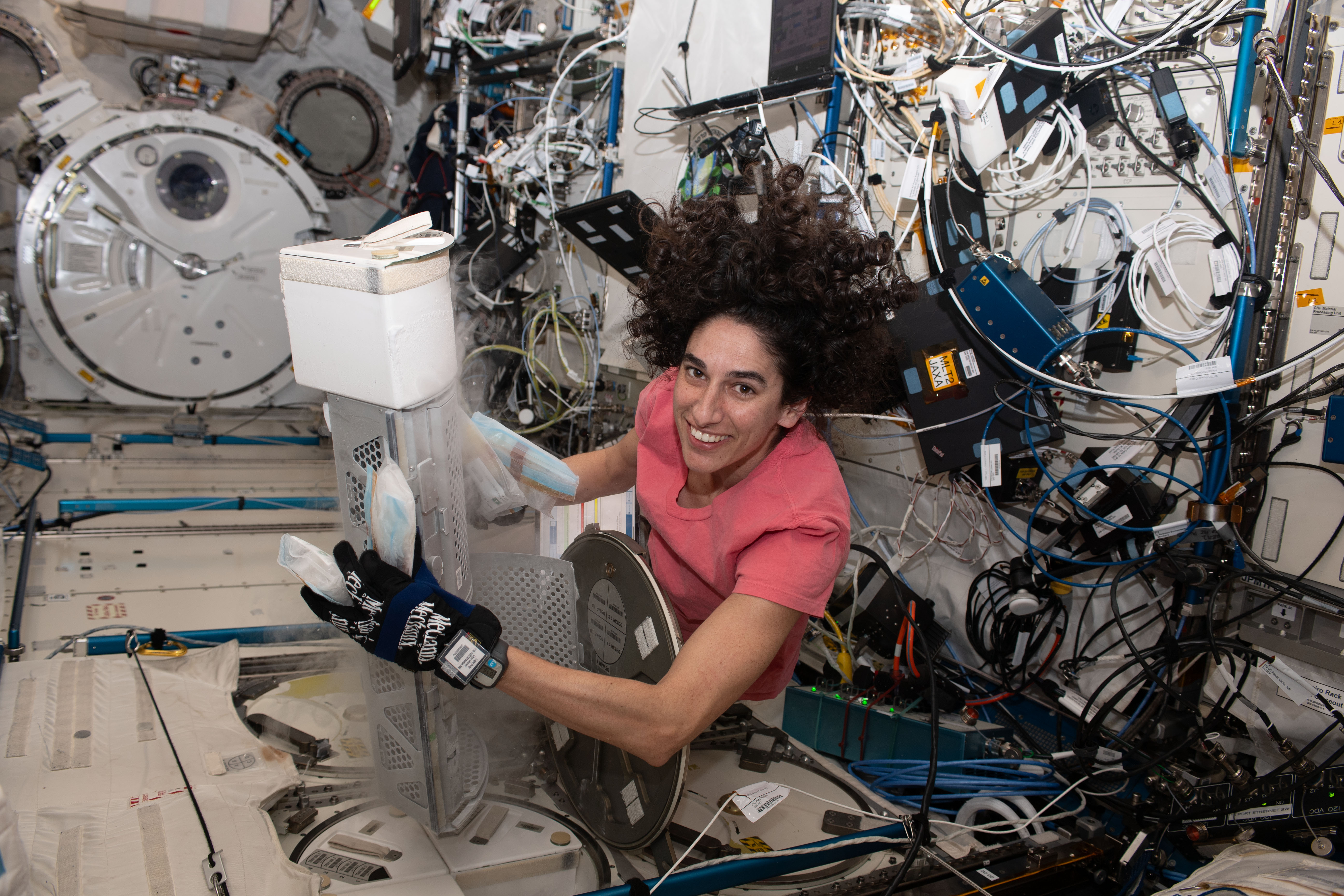
NASA astronaut Jasmin Moghbeli retrieves media bags inside the International Space Station’s Kibo laboratory module for Emory University’s Project EAGLE investigation.
NASA

NASA and its partners have supported humans continuously living and working in space since November 2000. A truly global endeavor, the International Space Station has been visited by more than 290 people from 26 countries and a variety of international and commercial spacecraft. The unique microgravity laboratory has hosted more than 4,000 experiments from over 5,000 researchers from 110 countries. The space station also is facilitating the growth of a commercial market in low Earth orbit for research, technology development, and crew and cargo transportation. 

After a quarter of century of human presence in orbit, the station remains a symbol of international cooperation and a proving ground for humanity’s next giant leaps to the Moon and, eventually, Mars.  

September's full Moon, the Harvest Moon, is photographed from the International Space Station, perfectly placed in between exterior station hardware
September’s full Moon, the Harvest Moon, is photographed from the space station, placed in between exterior station hardware.
NASA

The microgravity environments aboard the space station unlocks discoveries that benefit life on Earth and prepare humans for deep space missions. NASA’s Human Research Program (HRP) works to understand the changes astronauts face aboard the orbital outpost and to develop interventions to keep crews healthy before, during, and after flight.  

Astronauts aboard the station exercise for roughly two hours a day to protect bone density, muscle strength, and the cardiovascular system, but the longer they are in microgravity, the harder it can be for the brain and body to readapt to gravity’s pull. After months in orbit, returning astronauts often describe Earth as heavy, loud, and strangely still. Some reacclimate within days, while other astronauts take longer to fully recover. 

Through HRP-led studies, scientists track these changes and test solutions—from improved exercise regimens to medical monitoring and nutritional strategies. The results inspire new medical technologies, while teaching scientists how the human body adapts to long-duration spaceflights—knowledge that helps keep astronauts healthy on future missions.
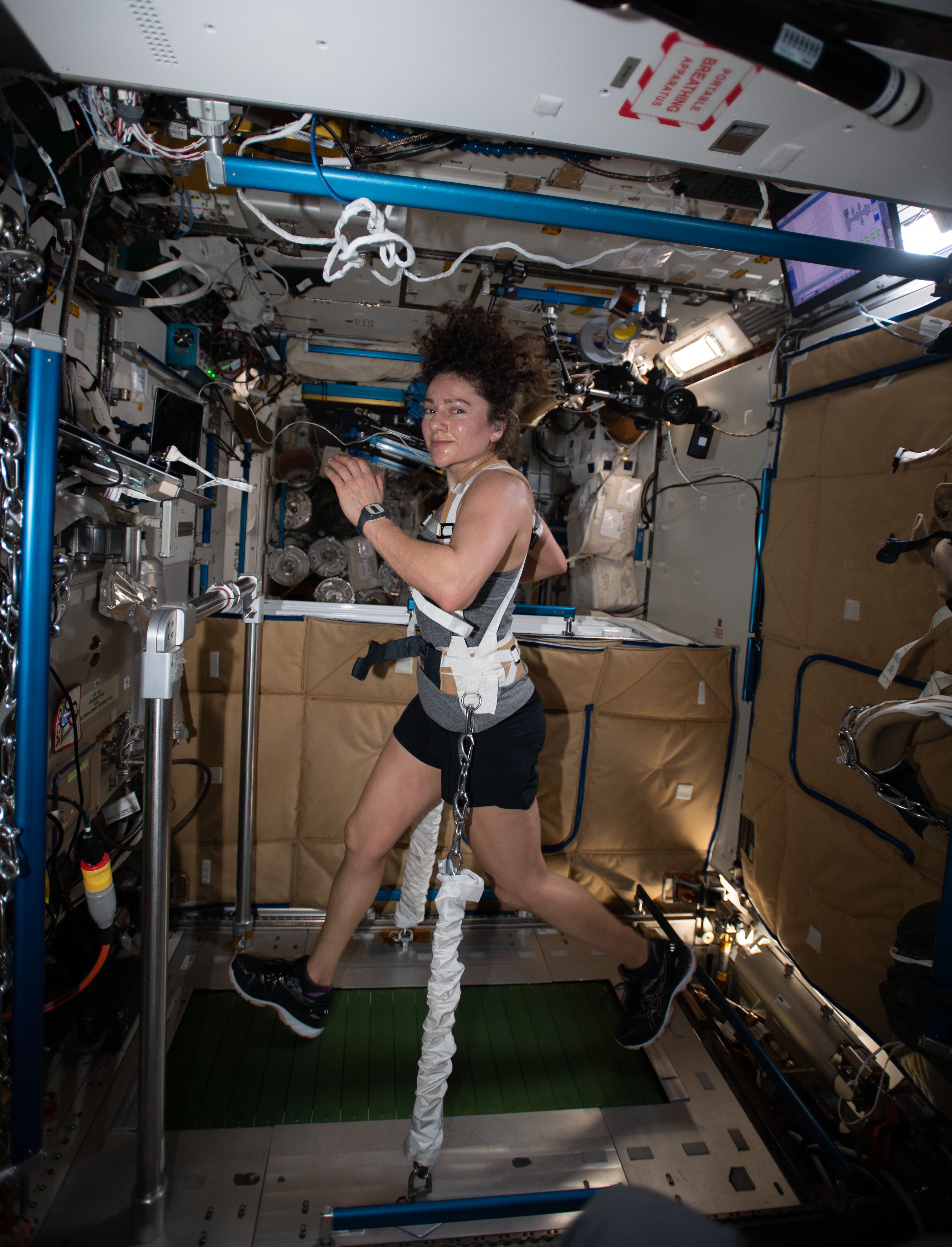
A woman runs on a treadmill in space.
In the Tranquility node of the orbiting laboratory, NASA astronaut Jessica Meir exercises on the Combined Operational Load Bearing External Resistance Treadmill (COLBERT), technically named the Treadmill 2 and abbreviated as T2.
NASA

The space station continues to be a critical platform for sharpening skills, technology, and understanding that will prepare humanity to return to the Moon with NASA’s Artemis campaign and journey on to Mars and beyond. 

Since space presents an entirely new physical environment with a distinct set of challenges, the orbiting laboratory is uniquely positioned to support research and preparations not possible on Earth. That includes: 

  • Mastering techniques for basic tasks like drinking water, sleeping, exercising, and handling various materials.  
  • Developing solutions to microgravity-induced changes to and challenges for the human body. 
  • Testing reliable technologies and self-sustaining ecosystems necessary for deep space travel, from life support systems to in-orbit agriculture and 3D printing of materials. 
  • Refining techniques and procedures for data and imagery collection and analysis.  

Read more about how the space station has enabled significant strides in our journey farther into the final frontier. 
The first decade of the space station was the decade of construction. The second decade moved from initial studies to fully using the orbiting laboratory. Now we are in the decade of results. 

With nearly 25 years of experiments conducted aboard the station, more breakthroughs are materializing than ever before. These scientific discoveries and technological advancements are benefiting humanity on the ground, contributing to the growing low Earth orbit economy, and helping to prepare for future exploration of the Moon and Mars.  

Innovations include: 

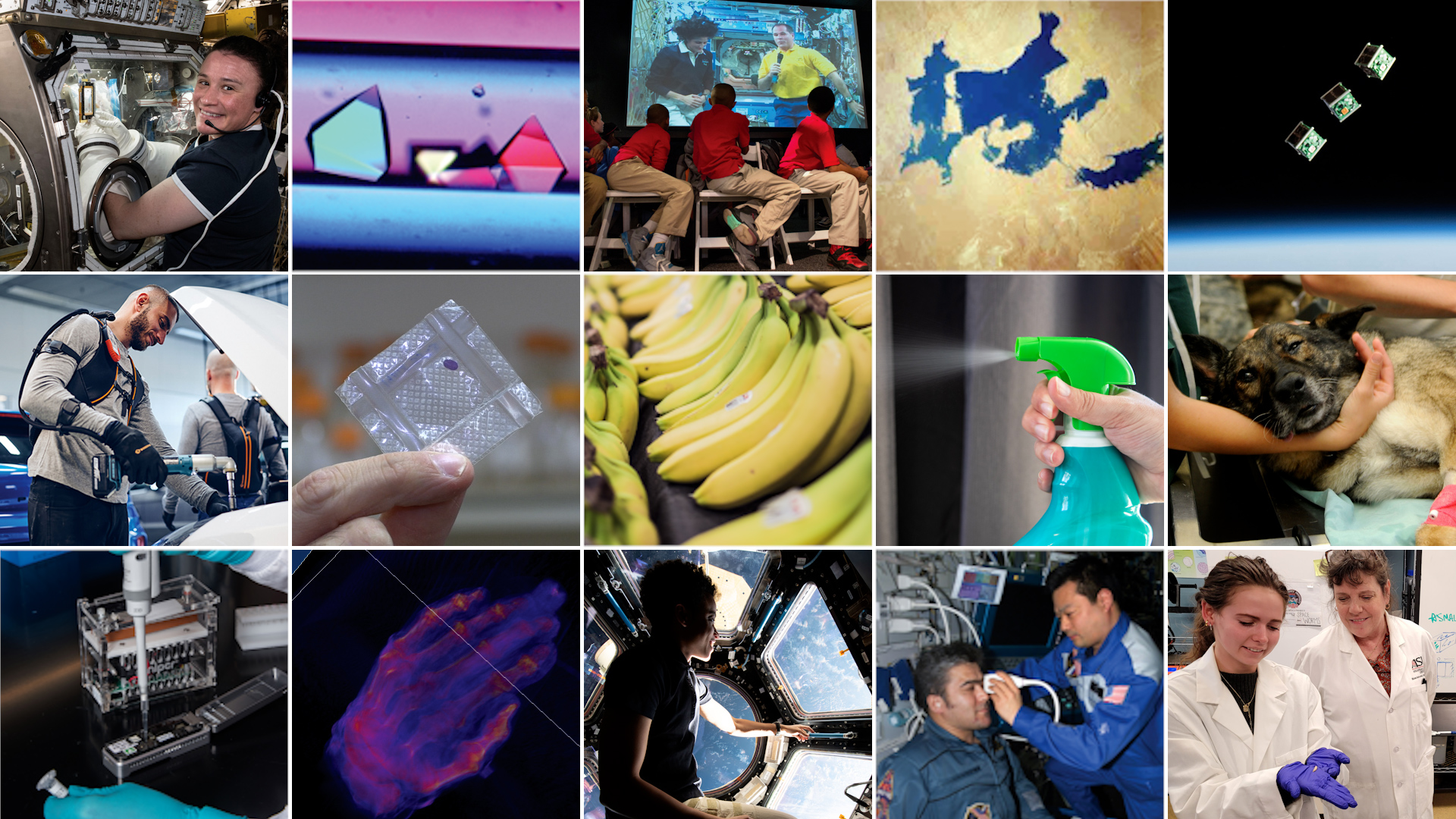
  • Advances in X-ray technologies, developed to create a space station telescope, are helping unravel the mysteries of our universe while improving medical devices on Earth. 
  • Temperature-change data that has been employed in efforts to reduce heat absorbed by city surfaces, reduce fire risk, and help farmers efficiently water their fields. 
  • Demonstrations of robotic technologies with the potential to relieve repetitive movement and other workplace-related stressors. 
  • Development of a small ultrasound unit for crew health monitoring that has since been adapted to provide diagnostic care in remote areas on Earth. 

Find more information about the space station’s benefits for humanity here

Diving Into Human Spaceflight Safety with NASA Johnson’s Craig Shannon

6 January 2026 at 04:39

Growing up in Houston, Craig Shannon was always inspired by NASA and the spirit of exploration the agency represents. Yet it was a passion for scuba diving that unexpectedly led to his more than 23-year career at NASA’s Johnson Space Center.

Shannon became a certified diver and scuba instructor while earning his bachelor’s degree in communications from Stephen F. Austin State University. He happened to meet divers from NASA’s Neutral Buoyancy Laboratory (NBL) at a local environmental cleanup event during his senior year. “The encounter planted a seed,” he said.

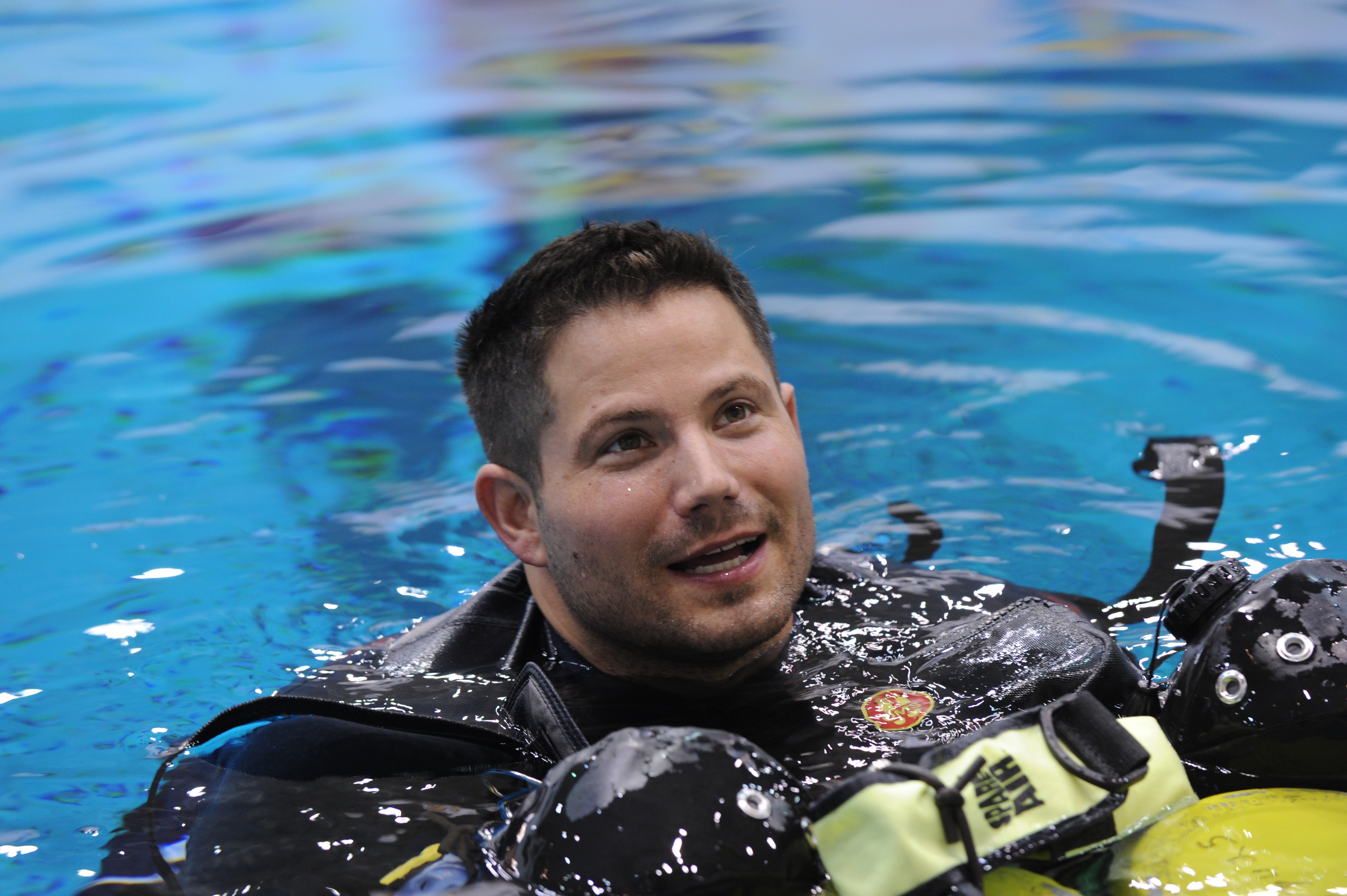
A man wearing a black wetsuit floats with his head above water in a large swimming pool.
Craig Shannon during a dive in the Neutral Buoyancy Laboratory pool at NASA’s Johnson Space Center.
Image courtesy of Craig Shannon

Shannon was hired as an NBL diver shortly after graduation, launching what would become a 19-year career in dive operations. He progressed through a variety of roles – from utility diver, instructor, and training officer, to dive operations lead, training group lead, and ultimately, dive operations manager. “Each role deepened my understanding of operational excellence, safety, and leadership in high-performance environments,” he said. Shannon added that becoming the dive operations manager was one of the defining points of his career. “I had the privilege of leading an exceptional team and contributing directly to astronaut training and operational excellence.”

Seeking new challenges and opportunities for professional growth, Shannon transitioned to a test safety officer position at Johnson for about four years, expanding his knowledge of technical risk management in different environments. He returned to the NBL in 2025, this time as a safety officer. In that role, Shannon works to protect employees’ well-being and the facility’s operational integrity. His responsibilities are a mix of proactive safety initiatives – such as facility inspections, safety training, and communication – and incident response, which involves investigating mishaps and close calls and developing corrective action plans to prevent recurrence. He also serves as an internal technical consultant, fielding safety-related questions from employees and visitors and providing guidance that complies with Occupational Safety and Health Administration and NASA safety standards.

“I work across functions with operations, engineering, medical, and training teams to integrate safety into all daily processes and long-term planning,” he said. “It brings full circle my commitment to the safety and success of human spaceflight training.”

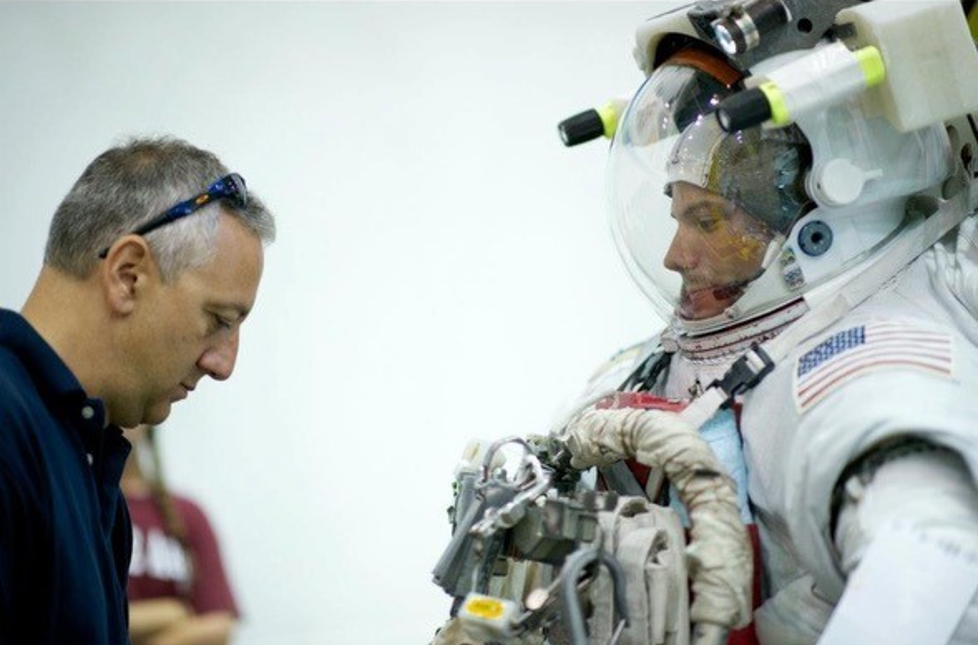
A man in a blue polo shirt inspects the spacesuit worn by another man.
Former NASA astronaut Mike Massimino helps Craig Shannon suit up for a suited test dive in the Neutral Buoyancy Laboratory pool.
Image courtesy of Craig Shannon

Shannon acknowledged that not having an engineering degree has made work more challenging at times, but it has not hindered his advancement. “I’ve earned key positions by committing myself to continuous learning, gaining in-depth knowledge of the technical areas I work in, and consistently demonstrating dedication to both my employers and my career,” he said. “My path has required hard work, adaptability, and a proactive approach to professional growth, which I view as strengths that have allowed me to contribute meaningfully in a highly technical setting.”

Shannon has also learned the importance of embracing change. “Change isn’t always easy, but it’s often where the most learning and development happen,” he said. “Whether it was stepping into leadership for the first time, shifting into a new field, or returning to a familiar place with a new purpose, each transition brought growth I never could have anticipated.” He added that patience, accountability, and empathy are important leadership qualities that help build stronger, more resilient teams.

While Shannon takes pride in his work, he said his family is his greatest achievement. “I’m most proud of raising three amazing children with my wife, Kimberley. They have been my grounding force and greatest inspiration,” he said.

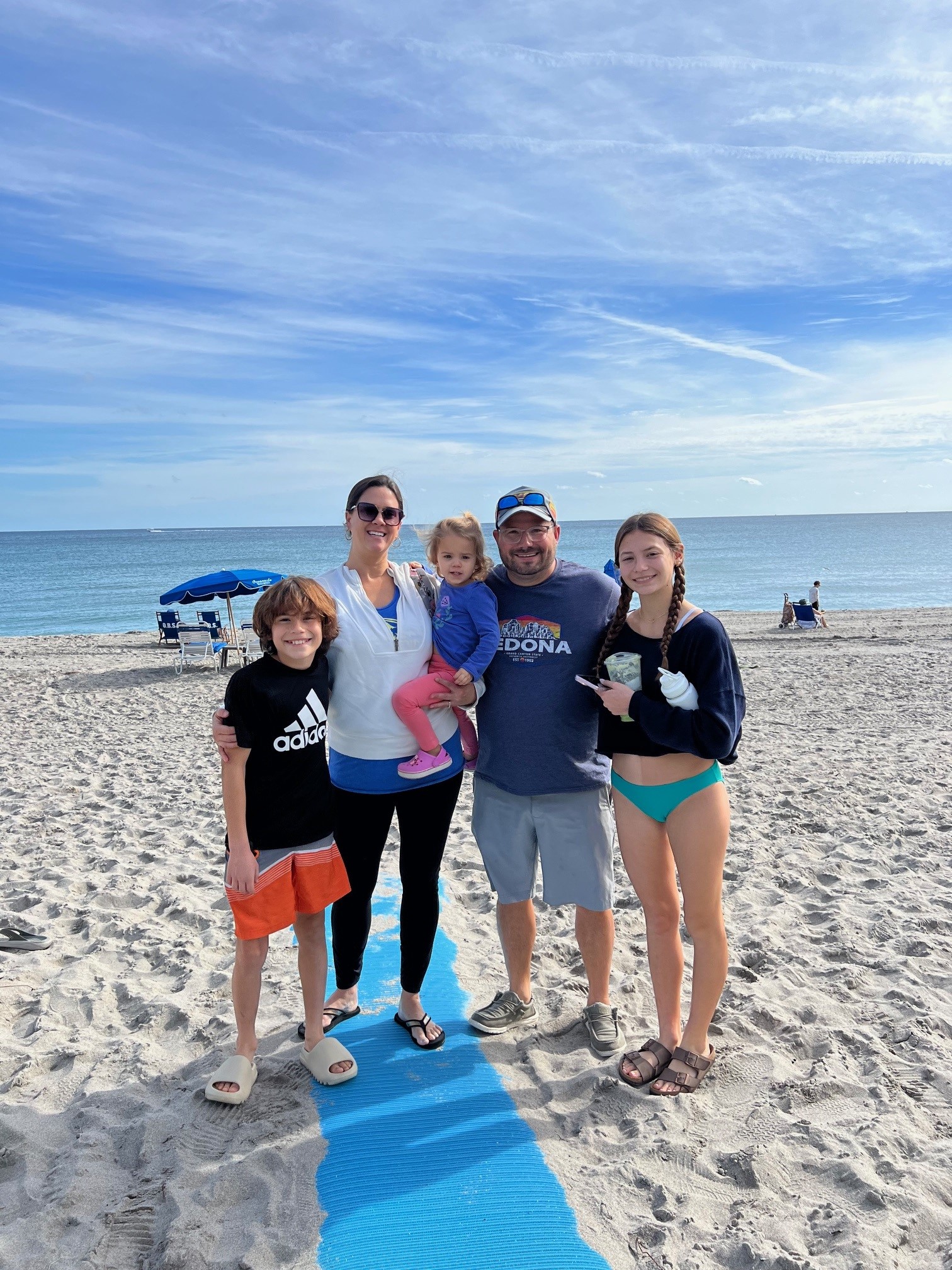
A family of five - a man, wife, and their three children - stand on the sand of a Florida beach on a sunny day.
Craig Shannon, his wife Kimberley, and their three children enjoy family time at the beach in Florida.
Image courtesy of Craig Shannon

He is also the proud co-owner of a local scuba diving company, which allows him to combine his love for diving, travel, and community. “I’ve had the privilege of leading dive trips around the world with groups of amazing people—sharing unforgettable underwater experiences and fostering a strong, adventurous dive community,” he said. “It’s a way for me to stay connected to the roots of my diving career and continue exploring the world through the lens of curiosity and connection.”

He encourages the next generation to find something they are passionate about. “It’s important to be genuinely excited about what you do and to face the challenges ahead with determination and curiosity,” he said. “That energy, paired with a willingness to adapt and grow, has carried me through each phase of my career. Challenges will come, but how you meet them defines your path.”

❌
❌