 Login
LoginFormer CEO of celeb fav gym Dogpound launches $5M fund to back wellness companies
22 January 2026 at 13:00
Jenny Liu is a solo first-time GP looking to back underrepresented wellness founders.


It's the season of New Year's resolutions again, and Americans are apparently more inclined to quit or reduce their use of alcohol and tobacco than to abstain from marijuana, according to a new poll.
The survey from Censuswide, which was commissioned by Northerner.com, asked 1,003 U.S. adults about their resolutions for 2026. Among the 15 options, respondents were least inclined to curb their cannabis use.
Just 8 percent of Americans said they wanted to reduce or cease their marijuana consumption. By contrast, 10 percent said they wanted to limit alcohol use, 12 percent said the same about tobacco, and 16 percent wanted to limit their social media use.
The most common New Year's resolution commitment was to improve physical health, at 35 percent.
Young people aged 21-24 were most likely (13 percent) to say they wanted to lower or quit their marijuana use, followed by those 25-34 (12 percent), 45-54 (5 percent), and 55+ (4 percent).
Men were twice as likely (12 percent) to say they wanted to cut out cannabis compared to women (6 percent). And among those who said they wanted to reduce marijuana use in 2026, 40 percent said they've tried and failed in the past.
Asked about the reasons they resolved to limit marijuana consumption, more than 50 percent said they feel it would “improve their independence and flexibility.” Forty-seven percent said they felt it would “make them feel more accomplished.” And 40 percent said they believe it “will help them lead a more active lifestyle and improve their mental and emotional well-being.”
The fact that fewer people intend to quit cannabis over alcohol and tobacco in the new year isn't especially surprising. While half of Americans report that they've tried marijuana, it's still not as commonly used as alcohol or tobacco. Public education campaigns have also proven effective at deterring some, particularly young people, from drinking or using tobacco products that are legal and regulated for adults at the federal level, unlike cannabis.
Recent polling shows that younger Americans are increasingly using cannabis-infused beverages as a substitute for alcohol — with one in three millennials and Gen Z workers choosing THC drinks over booze for after-work activities like happy hours.
Another survey released in October found that a majority of Americans believe marijuana represents a “healthier option” than alcohol — and most also expect cannabis to be legal in all 50 states within the next five years.
Smoking marijuana is also associated with “significantly” reduced rates of alcohol consumption, according to a recent federally funded study that involved adults smoking joints in a makeshift bar.
A study published last year found that adults who drink cannabis-infused beverages has found more evidence of a “substitution effect,” with a significant majority of participants reporting reduced alcohol use after incorporating cannabinoid drinks into their routines.
Another survey released last year also showed that four in five adults who drink cannabis-infused beverages say they've reduced their alcohol intake — and more than a fifth have quit drinking alcohol altogether.
Written by Kyle Jaeger for Marijuana Moment | Featured image by Gina Coleman/Weedmaps
The post More Americans Want To Quit Using Alcohol And Tobacco Than Marijuana In 2026, New Year's Resolution Poll Finds appeared first on Weedmaps News.
It’s time to design a morning routine that supports clarity, calm, and reconnection with the real world. The ... Read More
The post Renovate Your Day With a Peaceful Morning Routine Outside appeared first on Garden Therapy.
After the countdown and the New Year’s kiss comes the talk of resolutions and goals. Rather than get ... Read More
The post New Year, Fresh Start: Setting Gardening Goals for Emotional Well-Being appeared first on Garden Therapy.
Dry January has come a long way from being a month of white-knuckled willpower and awkward soda water orders. These days, it’s less about deprivation and more about rethinking how you can socialize and still have fun while committing to a month of sobriety.
This year, Beezy Snaps by Bee’s Knees Wellness are making it easier with portable THC and CBD beverage boosters designed for people who still want the hangout vibe without the hangover. Think of it as a modern alcohol alternative that lets you customize your experience by adding THC or CBD to any drink, from sparkling water to juice. All you have to do is bend, break, build and blend them to whatever you’re already sipping.
If you’re wondering what drinking looks like without giving up your social life, check out why Beezy Snaps are winning over Dry January drinkers.
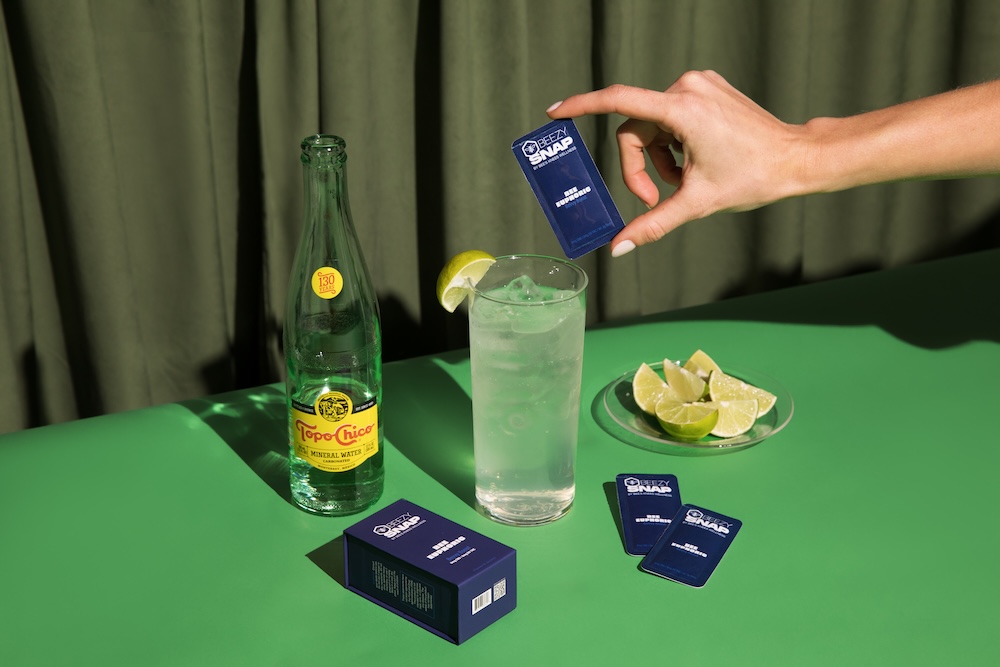
One of the biggest reasons people are turning to THC and CBD as an alcohol alternative during Dry January is control. Traditional drinks tend to lock you into a single experience from the first sip. Beezy Snaps flip that dynamic by letting you decide how much or how little THC or CBD you want in the moment. With options like 4 mg and 8 mg strengths, you can build your experience intentionally instead of letting the drink decide for you.
The promise of a hangover-free drink is what draws many people in, but it’s the consistency that keeps them there. Beezy Snaps are designed to support relaxation and connection without dehydration, headaches or the mental fog that often follows drinking. For people exploring alcohol alternatives, that predictability is a major shift.
For lots of people, Dry January can be just as much a physical reset as it is a financial one. Skipping alcohol often reveals how expensive traditional drinking habits really are. THC and CBD alternatives offer a different equation. Beezy Snaps allow one product to enhance multiple drinks, rather than paying per cocktail or per can. That flexibility makes social drinking feel more sustainable, both financially and personally.
One of the biggest barriers to alcohol alternatives is convenience. Beezy Snaps remove that friction entirely. Their small, portable format makes them easy to bring along without planning, packing or explanation. Whether it’s a concert, a dinner party, or a weekend trip, THC beverage boosters fit seamlessly into real-life social scenarios. That ease matters during Dry January, when people want alternatives that don’t draw attention or disrupt the moment.
Canned alternatives often limit choice. Beezy Snaps expand it. By working with virtually any beverage, they allow people to keep their preferences intact while exploring THC or CBD as an alcohol alternative. Instead of forcing new flavors or routines, they enhance what’s already there.
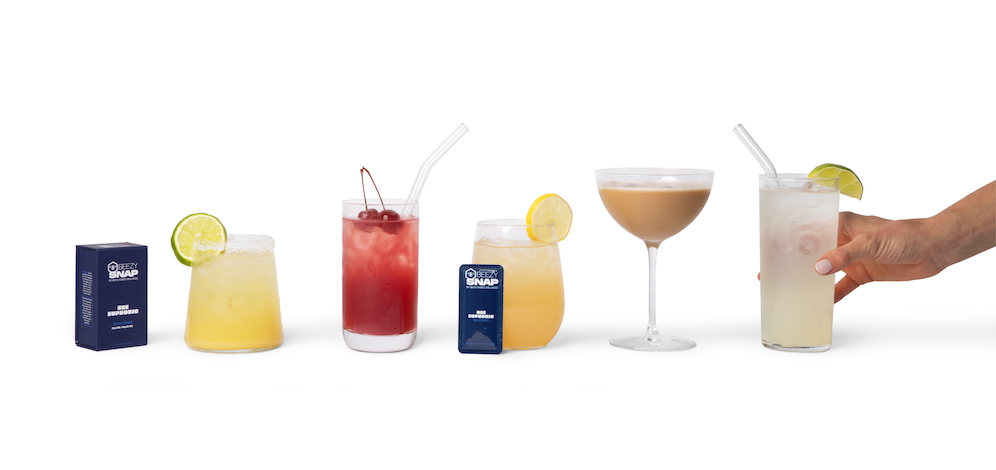
When it comes to modern alcohol alternatives, Beezy Snaps are setting the standard with a focus on customization, clean formulation and conscious consumption. The goal is simple: Help people feel uplifted and relaxed without the physical and mental downsides that often follow traditional drinking. Instead of chasing extremes, the experience is designed around balance. You’re not locked into a single experience and you’re never guessing where the night will end. You get options. You get personalization. And you get to have social experiences that don’t revolve around pushing limits.
At their core, these beverage boosters are built around transparency. From ingredient standards to dosage clarity, the emphasis is on helping people understand exactly what they’re consuming and why they work. That makes sense for a product designed by a passionate team spanning wellness, branding, product development and digital growth. They were united by a shared mission to redefine what it means to drink socially and guided by values of innovation to empower smarter choices without asking people to opt out of fun.
“We created Beezy Snaps to fuse wellness and simplicity with guilt-free enjoyment,” said Marilee Scruton, founder and chief product officer of Bee’s Knees Wellness.
“Both our 4 mg and 8 mg strengths of Beezy Snaps are a discrete and modern way to boost any beverage without the calories, cans, or hangover. Whether catching up with friends or savoring some downtime, these are a fun and easy option with wellness in mind.”
Ultimately, Beezy Snaps invites people to rethink what drinking can be. Whether you’re exploring Dry January, experimenting with functional beverages, or just looking for a more thoughtful way to drink socially, Bee’s Knees Wellness Beezy Snaps are here to show you what’s possible. You get to decide how much lift you want, so you can adjust your experience to match your plans, your energy and your company. By putting these choices in your hands, Beezy Snaps transform drinking into something personal, intentional and completely under your control.
Explore the full range and start customizing your experience at beezysnaps.com.
The post Beezy Snaps by Bee’s Knees Wellness Are Here to Save Your Dry January appeared first on Cannabis Now.
YANA Wellness, a women-owned and operated cannabis brand with a licensed dispensary in Washington, DC, officially makes history as the first hemp-derived THC beverage line in all Total Wine retail locations across Virginia. Their e-commerce platform also reaches consumers with their plant-based alternative drinks nationwide. This marks a major milestone not only for YANA as a small, women-owned business, but for all women pioneering plant-based wellness products for nationwide distribution.
The Founder and CEO of YANA, Ariana Fleishman, has made a blueprint for minority small business owners to create accessible, compliant and community-driven products. Fleishman utilizes her social media platforms to educate consumers and business owners alike.
“YANA stands for You Are Not Alone, and it is also the nickname my mom gave me as a kid. I’ve always wanted to create a community around this mission. Mental health issues are at an all-time with everything going on in the world today. I truly believe you can’t change the world until you change your own community,” Fleishman says. “Adderall and alcohol—these are so normalized in today’s society. My doctor would prescribe me Adderall for the workday to combat my ADHD. Then at night, bars and restaurants only have alcohol on the menu, which completely impairs my memory and makes me feel so sick the next day. Why is this lifestyle still so normalized? Why do we have to be so quiet when we choose to consume plants over poison?”
“Cannabis and Mushrooms are already clinically proven to be an effective medicine and provide so many life-changing benefits when purchased from lab-tested and credible sources,” she continues. “But still, the norm is to take highly addictive drugs prescribed by doctors and to drink alcohol to socialize with friends. My goal is to change this stigma by providing plant-based alternatives in mainstream settings.”

With cannabis still under federal prohibition, Fleishman purposely developed a variety of plant-based alternative blends so that at least one of their drinks on the product line would meet all jurisdictional regulations in every state. This was her strategy for expanding the brand and the plant-based alternatives culture into new markets while cannabis legalization is still uncertain nationwide.
If you find yourself in Virginia, be sure to look for YANA products at your nearest Total Wine. Beyond these stores, consumers can now also find YANA drinks on various restaurant menus in the DMV area and explore the benefits of cannabinoids, functional mushrooms and adaptogens without fear of the negative stigma.
YANA’s Rizzi Mushroom Elixir is a consumer favorite that contains no THC or CBD—just a federally legal blend of nootropic and adaptogenic mushrooms. Rizzi Elixir is featured at premiere social clubs in DC, like Ciel Rooftop at Marriott’s Downtown Hotel and Spark Social, DC’s first non-alcoholic social club for the LGBTQ+ community. These mainstream venues showcase how plant-based alternative drinks can be part of a holistic social wellness lifestyle—and it’s only the beginning. Virginia can now legally sell hemp-derived THC drinks in bars and restaurants with a hemp license as well. Learn more about their full product line and check out where you can buy YANA drinks near you here.
YANA’s success story symbolizes the perseverance of women who have navigated the cannabis industry’s challenging transition from prohibition to legitimacy. Fleishman and her team have emerged from the “gray market” era in DC after five years in the industry to now operating a fully legal, women-run cannabis dispensary. The Chief Strategy Officer of YANA Wellness Brands, Hannah Clarke, a longtime cannabis lobbyist and consultant, emphasizes the significance of their achievements: “Women are not just participating in the industry anymore—we’re building it,” Clarke says. “This is about changing perceptions, policy and the path forward for future generations of women in cannabis.”
YANA prioritizes education, research and inclusion, integrating science, advocacy and entrepreneurship opportunities for their team of young women entering the workforce. Through wellness program collaborations with clinical psychologist Dr. Vivid and university internship programs with American University and the University of Maryland, YANA Wellness offers students the rare opportunity to study the psychological effects of cannabis and mushrooms to properly sell and promote these alternative medicines to conscious consumers.
“I’ve been interested in psychology for a while, but I never imagined I’d find an internship that focuses on the psychological effects of cannabis and mushrooms, at least not so early in my career,” said Lucrezia Brody, a YANA psychology intern and student at American University. “The research we conduct isn’t just filed away—it directly informs our patients and wellness consultants to help improve our community.”

YANA is operated by a small team of 10 women, but their strategic partnerships with local, family-owned businesses in Virginia are how YANA is scaling effectively and stimulating the local economy. Fleishman knows that the cannabis market is already dominated by MSOs (multi-state operators) in healthcare, largely owned by publicly traded companies and pharmaceutical businesses, so she has devoted herself to working with local small businesses in all parts of the supply chain.
Pure Shenandoah is a family-owned hemp manufacturing business that provides high-quality cannabis extractions, and Brothers Craft Brewery is a family-owned brewery that YANA uses for canning their drinks. “It was very important to me to stimulate the local economy that I grew up in and keep my mission of building community through plant medicine alternatives,” Fleishman states.
YANA also just signed with Specialty Beverage, a family-owned beverage distribution company known for its large-scale deliveries to mainstream businesses. This partnership increases the accessibility of hemp-derived THC beverages to reach retail locations and restaurant menus that want to provide plant-based alternatives to alcohol.
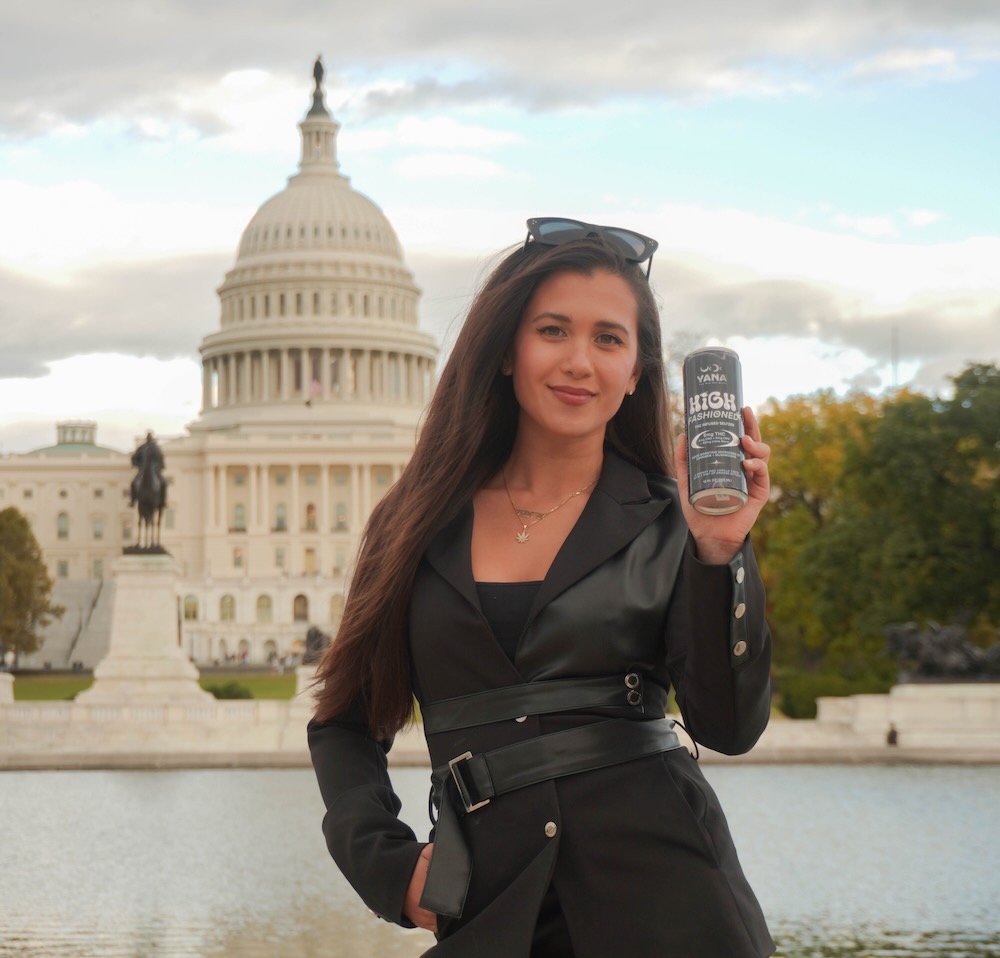
In 2019, Ariana Fleishman, also known as “Ari Tokes” on social media, founded YANA Wellness as Cannabis Creatives Collectives for the DC metropolitan area to connect with others through curated social experiences. As the laws changed in DC, YANA evolved into a Holistic Wellness Center and Licensed Cannabis Dispensary.
Fleishman simultaneously spent two years developing the YANA drink line while opening the retail location so she could reach people nationwide with a variety of plant-based alternative blends. Through their social media platforms, YANA continues to advocate for responsible, inclusive and research-backed cannabis culture nationwide. Stay tuned in on their social media for updates on community events, cannabis news, and the culture here.
The post YANA Wellness Becomes First Women-Owned and Operated THC Drink Line in All Virginia Total Wine Locations appeared first on Cannabis Now.
Do you grow witch hazel? It is a beautiful ornamental in the home garden, and it can be ... Read More
The post Witch Hazel Plant: A Gorgeous Ornamental With Skin Care Properties appeared first on Garden Therapy.
Distressed MSO Ayr Wellness sold off assets in seven states to its former creditors on Tuesday.
Distressed marijuana MSO Ayr Wellness sells off assets in foreclosure sale is a post from: MJBizDaily: Financial, Legal & Cannabusiness news for cannabis entrepreneurs
Sometimes hitting pause means staying present, not zoning out — and that’s where Urmawm comes in. Life can feel relentless, but finding balance doesn’t have to mean losing focus. Enter Urmawm (pronounced “Your Mom”), a brand of low-dose gummies, balms, and tinctures formulated with hemp-derived CBD, THC, and supportive botanicals for those looking for functional […]
The post Urmawm’s wellness: Low-dose cannabis for life on the go appeared first on Leafly.
Our bodies all have a network of cannabinoid receptors that is vital to the health of all mammals: the endocannabinoid system. The ECS is a vast network of chemical compounds and receptors (namely CB1 and CB2) that regulate our most basic functions – sleep, appetite, mood, the immune system, inflammatory response, aging and memory. Endocannabinoids even produce feelings of relaxation and euphoria similar to those which come from ingesting cannabis.
Aside from regulating essential everyday functions, the ECS maintains the body’s homeostasis down to the cell level by reversing damage in whatever way necessary. In cancer patients, for instance, cancer cells can be programmed to kill themselves when endocannabinoid levels increase.
But as with most things, balance within this system is key. An overly inhibited CB1 receptor may lead to moodiness, depression and a suppressed immune system. On the other hand, an over-activated CB1 can increase risk of psychoactivity, inflammation, diabetes, obesity and cardiovascular problems. One study found that a highly sensitive endocannabinoid system is linked to almost all chronic diseases. So, a balanced ECS is fundamental to good health.
Consuming cannabis is one fun and easy way to optimize the ECS. But not everyone has the freedom to enjoy this medicinal plant. Here are our top five simple ways to boost the endocannabinoid system without the aid of marijuana.
Martin Lee, director of Project CBD and author of “Smoke Signals: A Social History of Marijuana – Medical, Recreational and Scientific,” explained the problem with drinking:
“Alcohol is a poison that causes an acute stress response upon occasional consumption, which, in turn, provokes a temporary uptick of endocannabinoid activity as a protective response against stress,” Lee said. He added that while occasional drinking probably wouldn’t harm the ECS, “chronic alcoholism has the opposite effect, resulting in a depletion of endocannabinoid tone due to the wear and tear of too much stress. A low endocannabinoid baseline level makes a person more vulnerable to disease.”
A study by Auckland’s Unitec Institute of Technology showed that levels of anandamide — a cannabinoid responsible for feelings of bliss and joy — more than doubled after patients received osteopathic manipulative medicine treatments. This therapy can take various forms, including chiropractic, physical therapy and massage. Even acupuncture has a positive effect on the endocannabinoid system, so there’s never been a better excuse to take a spa day.
If smoking frosty greens is not an option, then eating leafy greens will suffice. Along with oregano and black pepper, leafy greens contain beta-caryophyllene, a terpene that activates the CB2 receptor and is believed to have high potential for combatting inflammatory conditions and autoimmune disorders.
Omega-3 fatty acids are essential for a well functioning ECS. Some scientists say that without them, CB1 receptors may not form correctly, which could lead to “impaired emotional behavior.” While fish oils are widely considered one of the best sources of omega-3s, hemp is an excellent alternative. Whether in seed, oil or protein form, hemp’s omega-3s can help keep your ECS functioning properly.
German researchers have shown that “runner’s high” is not actually caused by an endorphin rush, but instead is a result of an increase in endocannabinoid production. And running isn’t the only activity that produces this effect. Any exercise can lead to an increase in endocannabinoids, so long as the activity doesn’t feel forced. The body interprets forced exercise as a stressor, which can actually produce the opposite effect and decrease endocannabinoid receptor signaling. So, dust off the yoga mat, jump up and down on a trampoline or even go out dancing to maintain a healthy endocannabinoid system.
Originally published in the print edition of Cannabis Now. LEARN MORE
TELL US, how do you combine cannabis with other wellness techniques?
The post 5 Simple Ways to Boost Your Endocannabinoid System Without Cannabis appeared first on Cannabis Now.
Multistate cannabis operator Ayr Wellness is undergoing a restructuring that will cut its debt in half and streamline operations.
Cannabis operator Ayr Wellness restructures to cut debt by 50%, focus on growth is a post from: MJBizDaily: Financial, Legal & Cannabusiness news for cannabis entrepreneurs
Younger Americans are increasingly using cannabis-infused beverages as a substitute for alcohol — with one in three millennials and Gen Z workers choosing THC drinks over booze for after-work activities like happy hours, according to a new poll.
The survey from Drug Rehab USA assessed the recreational preferences of 1,000 employed adults, finding more evidence that as the marijuana legalization movement achieves greater success and as awareness of alcohol-related harms has spread, a significant portion of those generations are opting for cannabis over booze.
All told, 66 percent of American adults say they've tried alcohol alternatives over the past six months. And 24 percent of respondents said they've “at least partially” replaced alcohol with non-alcoholic or cannabis-based drinks.
Millennials and Gen Z are leading that trend, as one in three said they used THC beverages instead of alcohol drinks.
“To unwind after work, 45 percent drink alcohol, while 24 percent use nicotine, 20 percent turn to cannabis, and 16 percent choose alcohol alternatives like mocktails, non-alcoholic beer, or CBD,” the survey found.
“When it comes to winding down after a long day, Americans are reaching for a mix of familiar comforts and emerging alternatives,” Drug Rehab USA said. “While alcohol still dominates, the competition between nicotine and cannabis shows how habits are evolving across generations.”
“After-work rituals are no longer limited to a nightly drink — or even to alcohol at all. From THC-infused beverages to nicotine pouches and non-alcoholic alternatives, today's habits reflect a broader redefinition of what it means to unwind. While motivations vary — stress, routine, social connection — the through-line is clear: Americans are turning to consumable rituals to draw a line between work and rest. For many, those rituals begin within the hour and recur multiple times a week.”
The survey findings largely track with other research assessing emerging trends in cannabis and alcohol use.
For example, a recent rodent study determined that the cannabinoid CBD reduces rates of binge drinking and alcohol blood concentrations.
Results of a separate study published in the journal Molecular Psychiatry also indicated that a single, 800-milligram dose of CBD can help manage certain alcohol cravings among people with alcohol use disorder (AUD), supporting the use of the marijuana component as a potential treatment option for problem drinkers.
Federally funded research into the effects of cannabis on alcohol use that was published in May also found that people who used marijuana immediately before drinking subsequently consumed fewer alcoholic beverages and reported lower cravings for alcohol.
The study follows a separate survey analysis published in March that found that three in four young adults reported substituting cannabis for alcohol at least once per week — a “fast-emerging” trend that reflects the “rapid expansion” of the hemp product marketplace.
The report from Bloomberg Intelligence (BI) found that, across various demographics, cannabis is increasingly being used as an alternative to alcohol and even non-alcoholic beverages as more companies — including major multi-state marijuana operators (MSOs) — expand their offerings.
The findings were largely consistent with a growing body of studies indicating that cannabis — whether federally legal hemp or still-prohibited marijuana — is being utilized as a substitute for many Americans amid the reform movement.
An earlier survey from YouGov, for example, found that a majority of Americans believe regular alcohol consumption is more harmful than regular marijuana use. Even so, more adults said they personally prefer drinking alcohol to consuming cannabis despite the health risks.
A separate poll released in January determined that more than half of marijuana consumers say they drink less alcohol, or none at all, after using cannabis.
Yet another survey — which was supported by the National Institute on Drug Abuse (NIDA) and released in December — found that young adults are nearly three times more likely to use marijuana than alcohol on a daily or near-daily basis.
That poll provided more granular, age-specific findings than a similar report published last year, finding that more Americans overall smoke marijuana on a daily basis than drink alcohol every day — and that alcohol drinkers are more likely to say they would benefit from limiting their use than cannabis consumers are.
A separate study published in the journal Addiction last year similarly found that there are more U.S. adults who use marijuana daily than who drink alcohol every day.
In December, BI also published the results of a survey indicating that substitution of cannabis for alcohol is “soaring” as the state-level legalization movement expands and relative perceptions of harm shift. A significant portion of Americans also said in that poll that they substitute marijuana for cigarettes and painkillers.
Another BI analysis from last September projected that the expansion of the marijuana legalization movement will continue to pose a “significant threat” to the alcohol industry, citing survey data that suggests more people are using cannabis as a substitute for alcoholic beverages such as beer and wine.
Yet another study on the impact of marijuana consumption on people's use of other drugs that was released in December suggested that, for many, cannabis may act as a less-dangerous substitute, allowing people to reduce their intake of substances such as alcohol, methamphetamine, and opioids like morphine.
A study out of Canada, where marijuana is federally legal, found that legalization was “associated with a decline in beer sales,” suggesting a substitution effect.
The analyses are consistent with other recent survey data that more broadly looked at American views on marijuana versus alcohol. For example, a Gallup survey found that respondents view cannabis as less harmful than alcohol, tobacco, and nicotine vapes — and more adults now smoke cannabis than smoke cigarettes.
A separate survey released by the American Psychiatric Association (APA) and Morning Consult last June also found that Americans consider marijuana to be significantly less dangerous than cigarettes, alcohol, and opioids — and they say cannabis is less addictive than each of those substances, as well as technology.
Meanwhile, a leading alcohol industry association is calling on Congress to dial back language in a House committee-approved spending bill that would ban most consumable hemp products, instead proposing to maintain the legalization of naturally derived cannabinoids from the crop and only prohibit synthetic items.
Written by Kyle Jaeger for Marijuana Moment | Featured image by Gina Coleman/Weedmaps
The post Survey: Millennials and Gen Z Trading Cocktails for Cannabis Drinks appeared first on Weedmaps News.
A new study supported by AARP shows that marijuana use by older people in the U.S. has nearly doubled in the last three years—with most saying they use cannabis to relieve pain, help with sleep, improve mental health, and achieve other benefits.
More than 1 in 5 Americans aged 50 and older now say they've used marijuana at least once in the past year, according to the survey conducted by the University of Michigan, while more than 1 in 10 consumed cannabis at least monthly. Researchers say they expect use rates among older adults to continue to increase as more states legalize.
Gina Coleman/WeedmapsAmong respondents who did use cannabis within the past year, 81 percent said it was to relax, 68 percent reported using the drug as a sleep aid, and 64 percent said it was simply to enjoy marijuana's effects and feel good. Another 63 percent said they used cannabis for pain relief, while 53 percent said they used it to promote mental health.
AARP, which supported the study, noted that the 21 percent of Americans over 50 who now report using marijuana in the past year represents an increase in use among older adults nationally—nearly double the 12 percent who said in the prior edition of the poll in 2021 that they consumed cannabis in the past 12 months.
In the latest survey, 12 percent said they used cannabis at least once a month, and 9 percent of people nationally said they consumed marijuana on a weekly basis, while 5 percent said they were daily users.
According to the new survey, the younger segment of older adults—ages 50 to 64—were more likely to use on a monthly basis, as were people in fair or poor health and low-income households.
University of Michigan National Poll on Healthy Aging via Marijuana MomentIn Michigan, which opened adult-use cannabis sales in December 2019, use rates were notably higher, with 27 percent reporting past-year use, 14 percent reporting weekly use, and 9 percent using cannabis daily or almost daily.
The data from the Michigan Poll on Healthy Aging asked 1,079 older adults in Michigan and 3,012 non-Michigan adults about their cannabis habits, focusing on THC-containing products in particular.
Authors of the new report say their findings underscore the need for further cannabis education.
“Our findings, in Michigan and nationally, show the need for more education and awareness, especially among those who choose to use cannabis more frequently,” Erin E. Bonar, a researcher and addiction psychologist, said in a statement.
“With some form of cannabis use now legalized in 38 states and on the ballot this November in several others, and the federal rescheduling process underway, cannabis use is likely to grow,” she added. “But as this poll shows, it is not risk-free, and more attention is needed to identify and reduce those risks.”
More than half (56 percent) of regular cannabis consumers—those who reported using at least monthly—said they'd discussed cannabis use with a healthcare provider, and nearly 4 in 5 (79 percent) said they believe marijuana is stronger than it was in decades past.
Bonar, however, noted that those numbers mean that 21 percent of older adults may not be aware of increases in THC levels since the 1990s and earlier. She also emphasized that while 72 percent of people believe that cannabis can be addictive, that means more than a quarter are at least skeptical.
“We see more people using cannabis as it's legalized, and we don't have enough information yet to know: Are there safe ways of using? Are there recommended guidelines?” Bonar told AARP. “So seeing the number creep up like that in the absence of really good scientific data to help guide people's decisions with this, that's a little bit concerning.”
Jeffrey Kullgren, an internal medicine professor at the University of Michigan and a doctor at the Veterans Affairs Ann Arbor Healthcare system, directed the newly released poll. In a statement, he underscored the importance of people talking to healthcare providers about their cannabis use, which can help identify possibly risky drug interactions as well as signs of problem use.
“Even if your doctor, nurse practitioner or pharmacist doesn't ask if you're using cannabis products, it's important to offer this information, no matter whether you're using it to address a physical or mental health concern, or simply for pleasure,” says Kullgren, a primary care physician at the VA Ann Arbor Healthcare System and associate professor of internal medicine at U-M. “Many prescription medications and over-the-counter drugs, as well as alcohol, can interact with cannabis and cause unexpected or unwanted effects. And there are only a few conditions where we have good evidence of a medical benefit from cannabis, though this could change with time.”
The University of Michigan also noted in a description of the findings that federal rescheduling of cannabis to Schedule III under the Controlled Substances Act (CSA) “may free more researchers to do studies of cannabis-derived products in clinical trials involving human volunteers.”
“Right now,” it adds, “such research is very limited because of federal restrictions.”
The new findings come after a separate study earlier this year concluded that cannabis-based products may provide multiple therapeutic benefits for older adults, including for health, well-being, sleep and mood.
Authors of that study, published in the journal Drugs and Aging, also observed “sizable reductions in pain severity and pain interference among older aged patients [reporting] chronic pain as their primary condition.”
Gina Coleman/WeedmapsResearchers said that the investigation was meant to address “a general paucity of high-quality research” around cannabis and older adults “and a common methodological practice of excluding those aged over 65 years from clinical trials” at a time when older patients are increasingly turning to medical marijuana for relief.
“International evidence that older individuals may be the fastest-growing increase in the use of medical marijuana, coupled with their frequent exclusion from controlled trials, indicates a growing need for real-world evidence to assess the effectiveness and safety of these drugs for older individuals,” the paper said.
Meanwhile, U.S. officials at the National Institutes of Health (NIH) announced this spring that the agency will use $8.4 million to support clinical trials into the safety and efficacy of psychedelic-assisted therapy to treat chronic pain in older adults.
A government notice about the grant program says the research can include “classic” psychedelics—including psilocybin, DMT, LSD, and mescaline—as well as similar compounds such as MDMA. Cannabis and ketamine are not considered psychedelics for the purposes of the clinical trials.
A federally funded study last year found that among U.S. adults, cannabis and psychedelic use were both at “historic highs,” while teen marijuana use remained stable.
Written by Ben Adlin for Marijuana Moment | Featured image by Gina Coleman/Weedmaps
The post Marijuana Use By Older Americans Has Nearly Doubled In The Last Three Years, AARP-Backed Study Shows appeared first on Weedmaps News.
Building a wellness ritual is about creating sustainable habits that nurture your mind, body, and spirit over time.
The post Creating a Wellness Ritual That Sticks appeared first on F and B Recipes.
Food has an unparalleled ability to comfort, connect, and heal.
The post How Food Brings Healing in Uncertain Times appeared first on F and B Recipes.
With the right balance of nutrients and proper care, the gut can help regulate mood, reduce stress, and even improve cognitive function.
The post How Gut Health Influences Mental Wellness: Recipes That Support a Healthy Digestive System appeared first on F and B Recipes.
By adjusting your calorie intake, revamping your workouts, and staying motivated, you’ll be back on track in no time.
The post How to Beat Weight Loss Plateaus appeared first on F and B Recipes.
The therapy combines various techniques, including body awareness, movement, breathwork, and psychological processing, to address the root causes of trauma and encourage healing.
The post What is Trauma Release Therapy? appeared first on F and B Recipes.
Passing a drug test is a concern for many people, whether it’s for employment, legal obligations, or health purposes. Depending on the type of drug test and how often substances have been consumed, different strategies may be more or less effective. This guide explores common methods to pass a drug test, natural detoxification strategies, and […]
The post How to Pass a Drug Test: Effective Methods and Tips appeared first on The Weed Blog.
The Daily Hit is a recap of the top financial news stories for February 9, 2023.
Canopy Slashes 800 From Payroll After Revenues Slide
Canopy Growth Corp. (TSX: WEED) (Nasdaq: CGC) reported slumping revenues on Thursday and signaled a new cost-savings era that includes cutbacks on cultivation and 800 layoffs. The stock fell more than 8% in early trading on the news to lately sell at $2.52, a big drop from its year high of $9.61. Read more here.
Aurora Cannabis Revenue Boosted by Strong Euro
Aurora Cannabis Inc. (Nasdaq: ACB) (TSX: ACB) achieved positive adjusted EBITDA and reduced its debt even though it still recorded a net loss in its latest quarterly earnings. Aurora attributed the rising revenue to “growth across all cannabis business segments” as well as a full-quarter contribution of C$6.6 million from Bevo Farms. Read more here.
How Much Adult-Use Cannabis Has New York Sold? Who Knows?
While many other states quickly release sales figures for new cannabis markets, New York has been conspicuously silent. Inquiries to the New York Office of Cannabis Management and the existing stores regarding sales figures have been met with silence. Read more here.
Ayr Wellness to Exit Arizona, Expand to Ohio
Ayr Wellness Inc. (CSE: AYR.A) (OTCQX: AYRWF) is exiting Arizona and turning its attention to Ohio. The multistate cannabis operator signed a definitive agreement to sell its Arizona assets, Blue Camo LLC, to AZ Goat LLC. Read more here.
Cannabis Dispensary Deals Show How Prices Are Falling
The value of a cannabis dispensary just isn’t what it used to be. Six months ago, Planet 13 (OTC: PLNHF), a Las Vegas-based marijuana company, announced it would pull the trigger on its option to buy out its social-equity partner in an Illinois cannabis dispensary in a $2.9 million transaction. By the time the deal closed yesterday, the value had dropped by $1 million because of the steep downdraft in the stocks of cannabis companies. Read more here.
Pineapple Express Cannabis Co.
Minaro Corp. (OTC Pink: MNAO) (the “Company”), a publicly traded company, announced the execution of a share exchange, the change of its name to Pineapple Express Cannabis Company, and an application to change the company’s current ticker symbol. Read more here.
Halo Collective
Halo Collective Inc. (NEO: HALO) (OTCQB: HCANF) expanded the company’s cannabis genetics and strain portfolio within its Oregon operations. With the expansion, Halo Collective now offers a wide range of unique and rare strains, sourced from some of the top growers and breeders in the state. Read more here.
BioHarvest Sciences
BioHarvest Sciences Inc. (CSE: BHSC) (OTCQB: CNVCF) reported sales orders of $6.1 million in 2022 , representing a 160% increase over 2021. Fourth-quarter sales orders of $2.7 million were more than triple the sales orders from the same quarter in 2021. Read more here.
The post Daily Hit: February 9, 2023 appeared first on Green Market Report.
