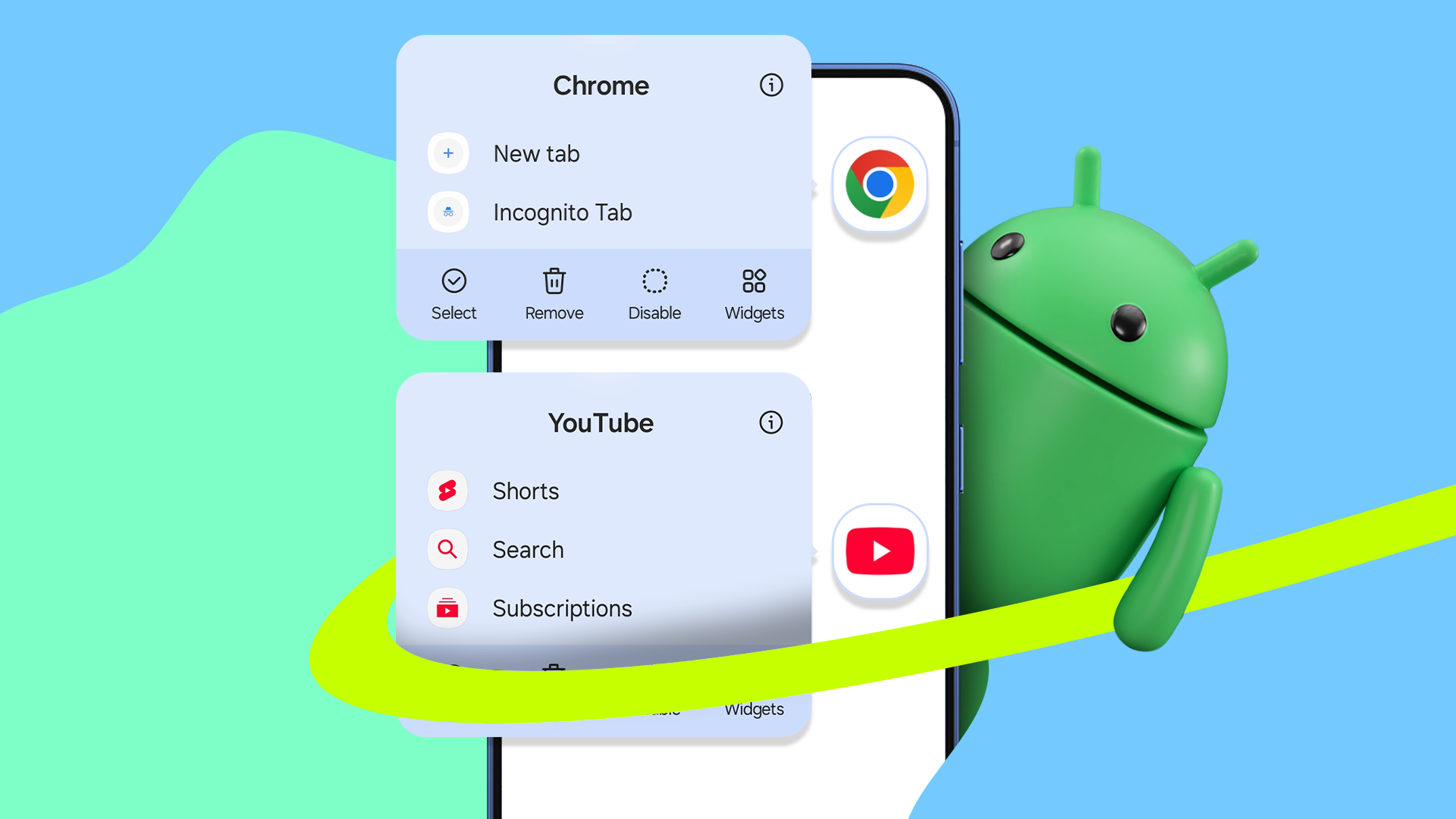
After more than a decade of flat, solid blocks of color, Android may be on the verge of yet another major design shift. According to a growing number of reports and leaks, a translucent, blurry look is coming with Android 17—and we have our first look at it.
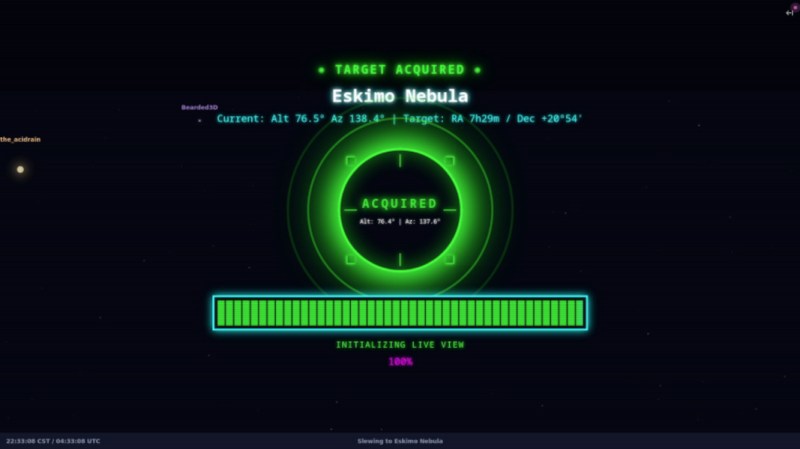
Although there are a few hobbies that have low-cost entry points, amateur astronomy is not generally among them. A tabletop Dobsonian might cost a few hundred dollars, and that is just the entry point for an ever-increasing set of telescopes, mounts, trackers, lasers, and other pieces of equipment that it’s possible to build or buy. [Thomas] is deep into astronomy now, has a high-quality, remotely controllable telescope, and wanted to make it more accessible to his friends and others, so he built a system that lets the telescope stream on Twitch and lets his Twitch viewers control what it’s looking at.
The project began with overcoming the $4000 telescope’s practical limitations, most notably an annoyingly short Wi-Fi range and closed software. [Thomas] built a wireless bridge with a Raspberry Pi to extend connectivity, and then built a headless streaming system using OBS Studio inside a Proxmox container. This was a major hurdle as OBS doesn’t have particularly good support for headless operation.
The next step was reverse engineering the proprietary software the telescope uses for control. [Thomas] was able to probe network traffic on the Android app and uncovered undocumented REST and WebSocket APIs. From there, he gained full control over targeting, parking, initialization, and image capture. This allowed him to automate telescope behavior through Python scripts rather than relying on the official Android app.
To make the telescope interactive, he built a Twitch-integrated control system that enables viewers to vote on celestial targets, issue commands, and view live telemetry, including stacking progress, exposure data, and target coordinates. A custom HTML/CSS/JavaScript overlay displays real-time status, and there’s a custom loading screen when the telescope is moving to a new target. He also added ambient music and atmospheric effects, so the stream isn’t silent.
If [Thomas]’s stream is your first entry point into astronomy and you find that you need to explore it more on your own, there are plenty of paths to build your way into the hobby, especially with Dobsonian telescopes, which can be built by hand, including the mirrors.
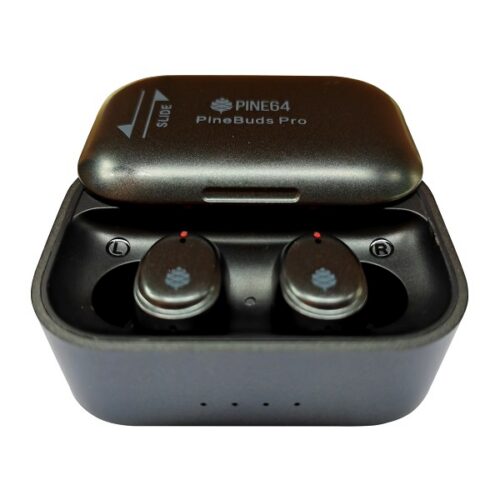
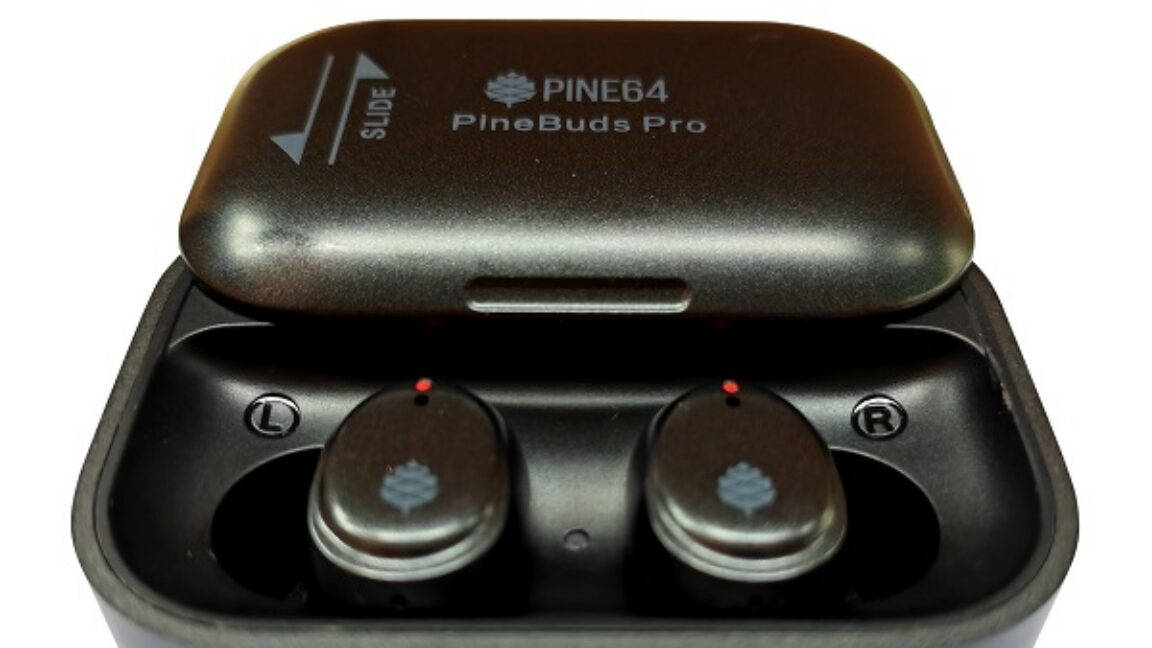
Over the years, hackers and modders at large have made it their mission to port classic first-person shooter Doom to practicallyanything with a display. Recently, though, coder Arin Sarkisan has taken the "Can it Run Doom?" idea in an unlikely direction: wireless earbuds that aren't designed to output graphics at all.
That means Sarkisan was able to code up a JavaScript interface that uses the earbuds' UART contact pads to send a heavily compressed MJPEG video stream to a web server (via a serial server). The 2.4 MB/s data stream from the UART connection can put out about 22 to 27 frames per second in this format, which is more than enough for a CPU that can only run the game at a maximum of 18 fps anyway.
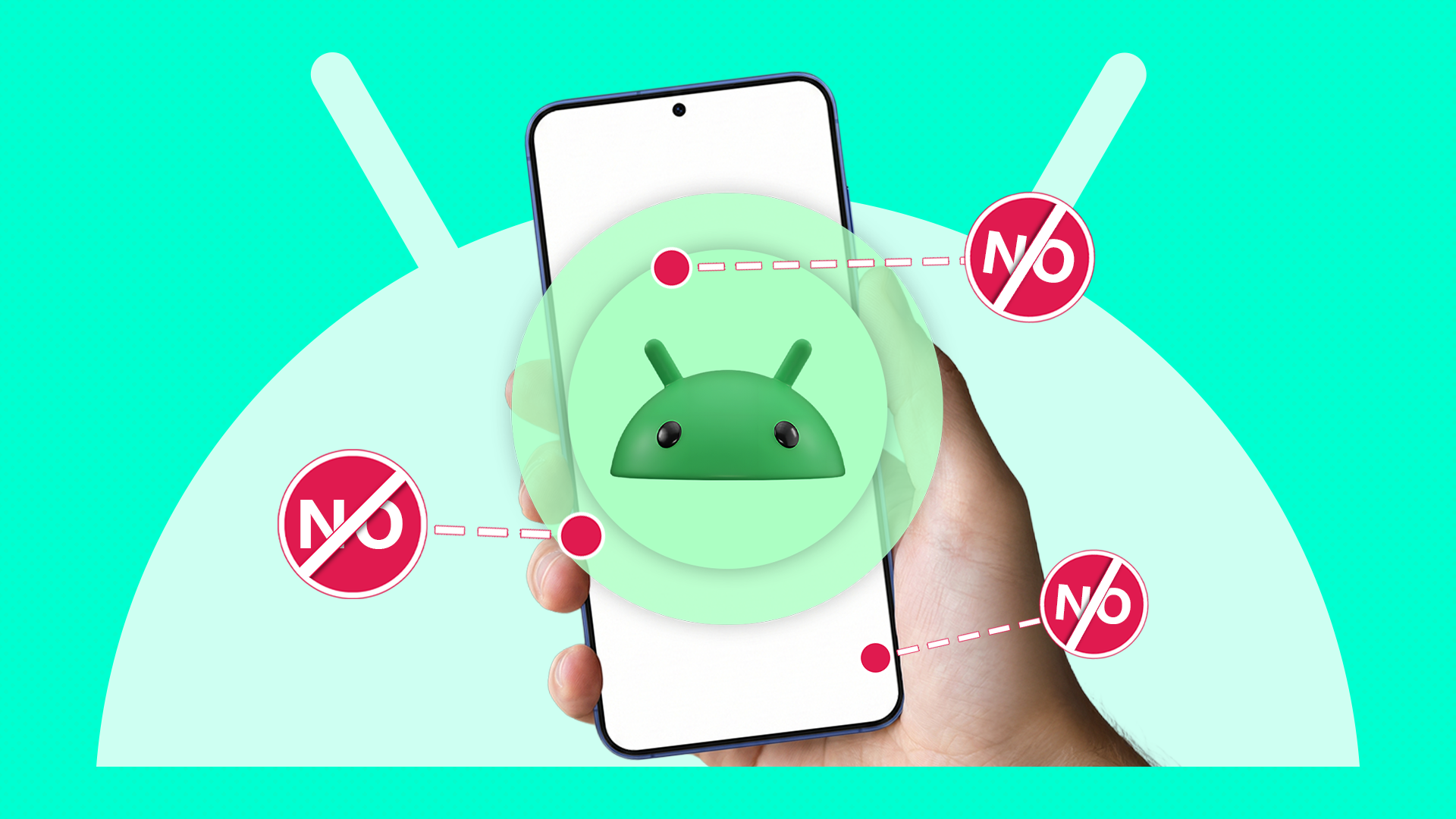
People have been using Android phones for nearly two decades, and some bad habits have been passed down over the years. Even some of the oldest myths persist today. The good news is that it’s really very easy to avoid these mistakes once you know about them.
WhatsApp's upcoming group chat history sharing feature aims to eliminate confusion for newly added members by letting admins share up to 100 recent messages.
Android has evolved by leaps and bounds since the early days, and as a result, dozens of helpful features are hiding all over the place. Whether you're a long-time user or just switched from the iPhone, here's a hidden feature I use daily that most people have forgotten even exists.
Brazilian researchers developed an AI system that analyzes WhatsApp audio messages to identify depression, showing high accuracy and potential for low-cost, real-world mental health screening.
I used to spend a lot of time commuting, but these days I’m lucky enough to work remotely. My wife isn’t. She drives about 20 miles each way on busy highways, and like a lot of people, I worry about her every time she pulls out of the driveway. Late last year, I bought her a dashcam. It’s nothing fancy, just something recording in the background, but she really likes it and says it gives her peace of mind. That alone made it feel worth it to me.
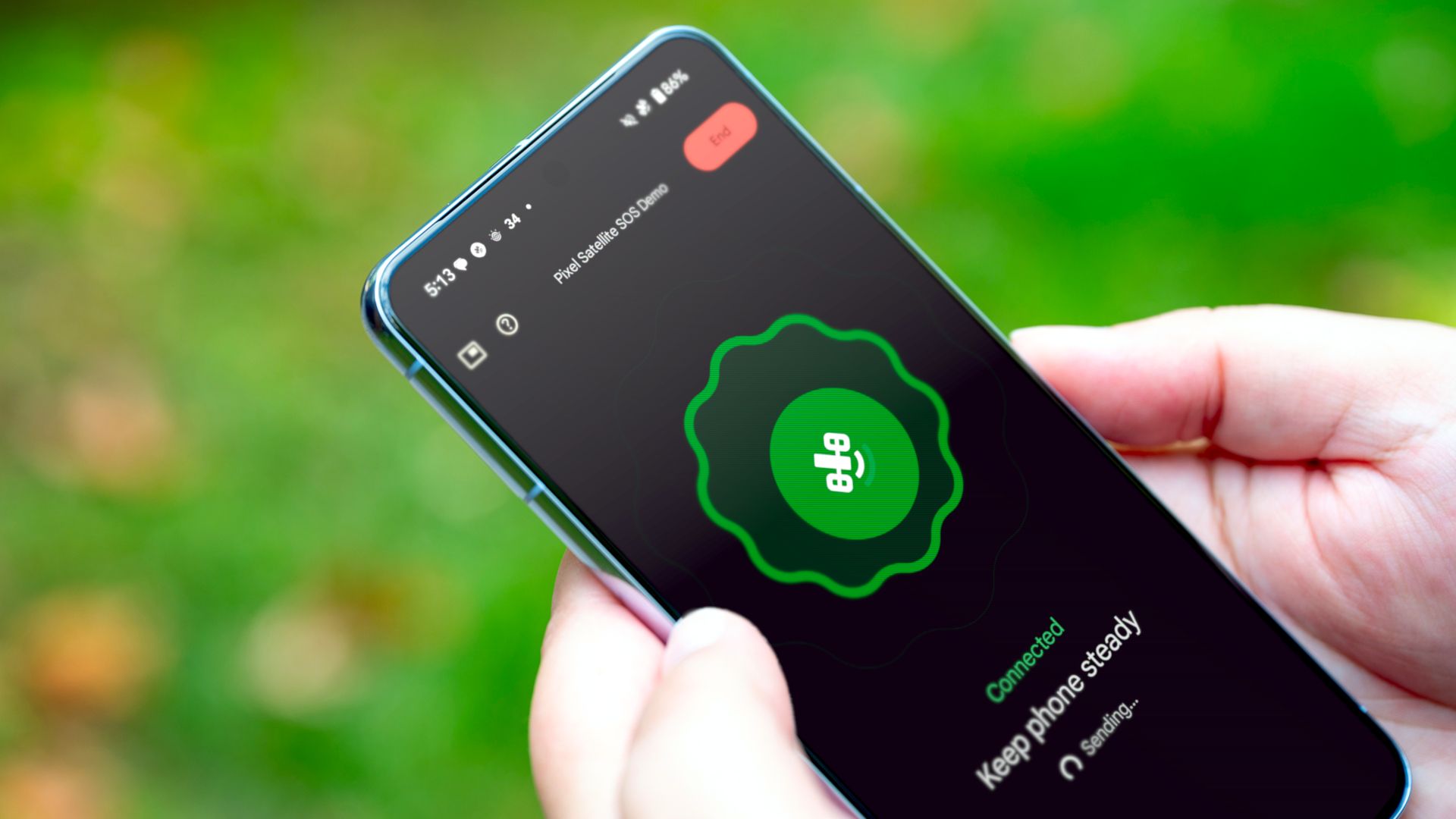
Imagine yourself lost in the wilderness, miles from civilization, with no cell signal or Wi-Fi. Your phone is pretty much a useless brick. But what if you could still send a text? While it's not always possible to text without any connection, your Google Pixel has a few tricks up its sleeve for when you're truly off the grid.
I don’t have to tell you that phones are really good now, and you can probably point to the areas where that’s obvious. Cameras, displays, processors, build materials, and so much more. However, phones have improved in sneaky ways, too.
One wrong choice between spot and perpetual trading can silently drain your capital — especially on a high-performance platform like Hyperliquid.
Hyperliquid has rapidly emerged as one of the most talked-about decentralized trading platforms in crypto. With lightning-fast execution, deep liquidity, and a fully on-chain order book, it attracts everyone from casual traders to highly leveraged professionals.
But here’s the uncomfortable truth most guides don’t tell you:
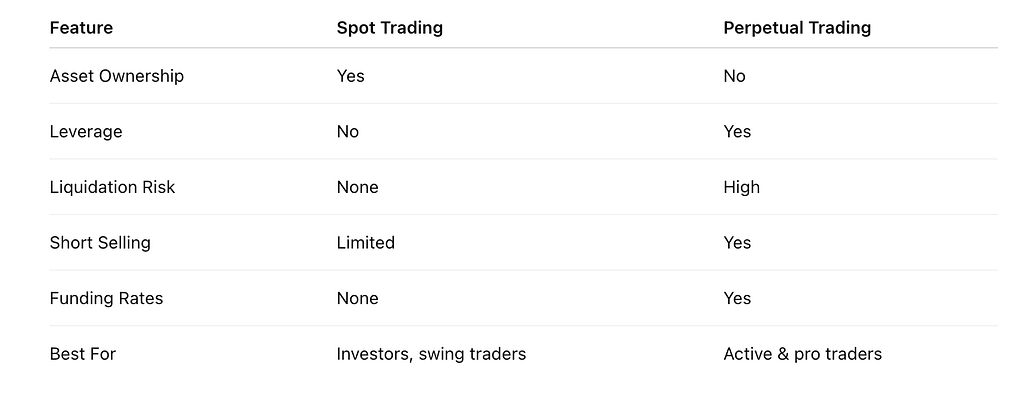
Spot and perpetual trading on Hyperliquid are not interchangeable.
They reward completely different mindsets, risk tolerances, and time horizons.
Choosing the wrong one can turn a profitable strategy into a liquidation event.
In this guide, you’ll learn exactly how spot trading and perpetual trading work on Hyperliquid, how they differ, and most importantly, which one aligns with your goals, capital structure, and psychology as a trader.
Whether you’re a long-term crypto holder, an active DeFi participant, or an advanced derivatives trader, this article will help you make smarter, safer, and more profitable decisions on Hyperliquid.
What Is Hyperliquid?
Hyperliquid is a decentralized exchange (DEX) optimized for high-performance spot and perpetual futures trading, built with a custom Layer-1 blockchain designed specifically for trading.
Unlike many DeFi platforms that rely on AMMs (automated market makers), Hyperliquid uses a fully on-chain central limit order book (CLOB) — similar to Binance or OKX, but decentralized.
Key Features of Hyperliquid
Fully on-chain order book
Ultra-low latency execution
Deep liquidity for major trading pairs
Spot trading and perpetual futures in one interface
No KYC required
Non-custodial (you control your funds)
This hybrid design makes Hyperliquid uniquely powerful — but also more complex than typical DeFi platforms.
Understanding spot vs perpetual trading is critical before using it seriously.
Are you servicing a high-interest debt or want better savings?
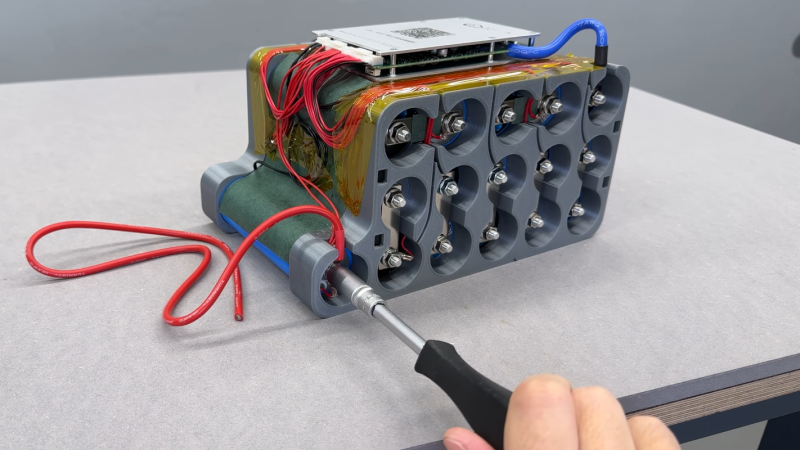
Lithium batteries have taken over as the primary battery chemistry from applications ranging from consumer electronics to electric vehicles and all kinds of other things in between. But the standard lithium ion battery has a few downsides, namely issues operating at temperature extremes. Lead acid solves some of these problems but has much lower energy density, and if you want to split the difference with your own battery you’ll need to build your own lithium iron phosphate (LiFePO4) pack.
[Well Done Tips] is building this specific type of battery because the lead acid battery in his electric ATV is on the decline. He’s using cylindrical cells that resemble an 18650 battery but are much larger. Beyond the size, though, many of the design principles from building 18650 battery packs are similar, with the exception that these have screw terminals so that bus bars can be easily attached and don’t require spot welding.
With the pack assembled using 3D printed parts, a battery management system is installed with the balance wires cleverly routed through the prints and attached to the bus bars. The only problem [Well Done Tips] had was not realizing that LiFePO4 batteries’ voltages settle a bit after being fully charged, which meant that he didn’t properly calculate the final voltage of his pack and had to add a cell, bringing his original 15S1P battery up to 16S1P and the correct 54V at full charge.
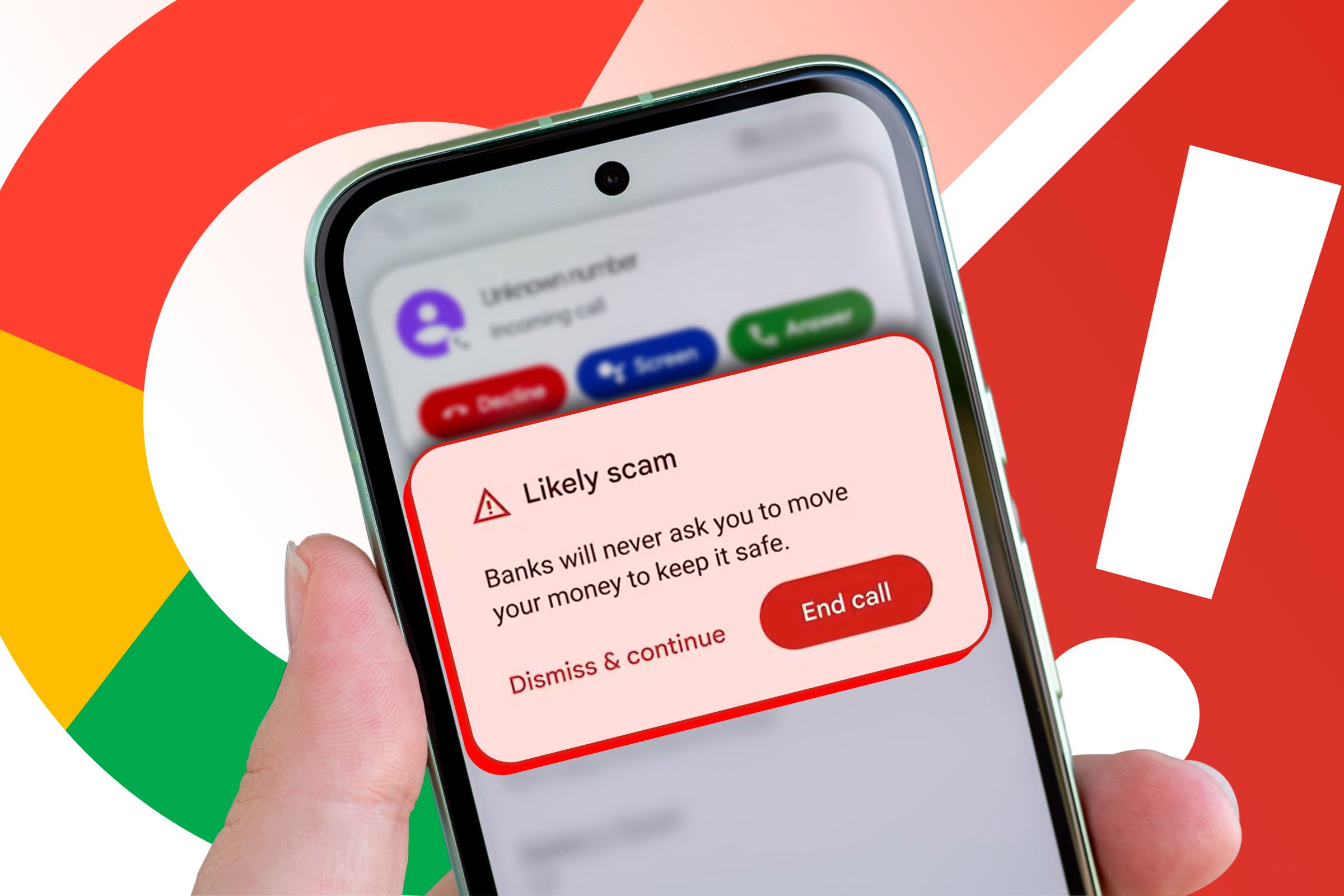
While Pixel phones may not be able to compete with Samsung Galaxy phones in sheer number of features, they do have some powerful exclusives. One example is the excellent Scam Detection feature, but it may not be exclusive for much longer.
Google Photos is one of my most-used apps, but I have to admit I don’t love everything about it. When an app tries to do as much as Google Photos does, there’s bound to be things that annoy you. Thankfully, most of these things can be simply disabled.
A sophisticated new Android malware family dubbed “Android.Phantom” that leverages artificial intelligence to automate ad-clicking fraud while establishing a persistent command-and-control infrastructure through dual-mode operation. The malware operates through two distinct modes “phantom” and “signaling” controlled from the hxxps://dllpgd[.]click command server. The ML model downloads from hxxps://app-download[.]cn-wlcb[.]ufileos[.]com and analyzes screenshots of virtual screens to identify and automatically click ad […]
Rokid has launched its AI Glasses Style at $299, positioning them as a lighter, screenless, and more affordable alternative to Meta Ray-Ban glasses while focusing on voice-first AI features like translation and assistance.
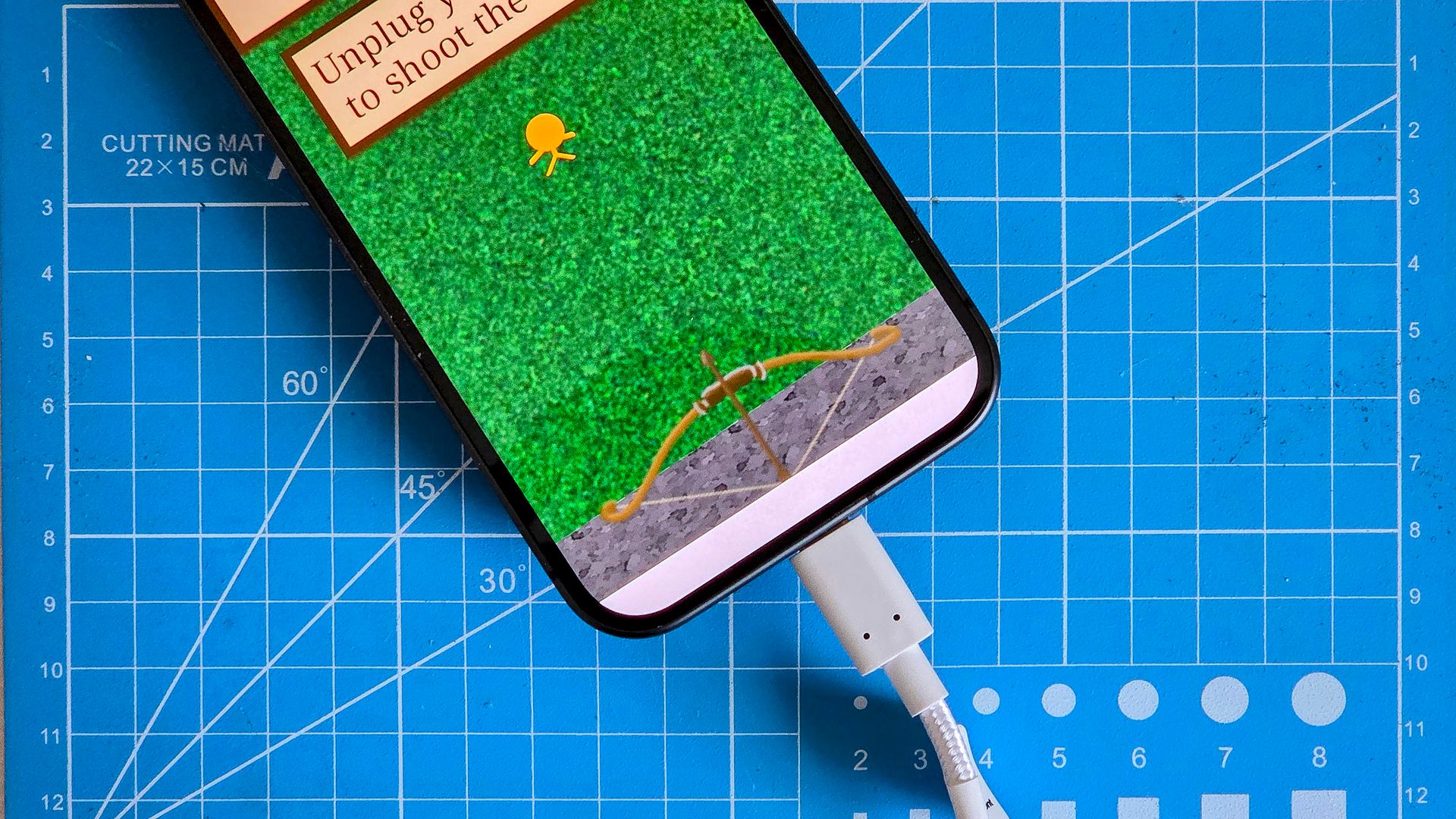
We’ve all played mobile games that rely on tapping, swiping, and tilting, but what about plugging and unplugging your charging cable? As strange as it sounds, that’s exactly what a clever web developer created, and you can play it on your Android phone without downloading anything.
Google’s hands-free voice search on Android is getting a major UI overhaul, replacing the bodyless face with a microphone, “Ask Anything,” and a colored arc.

 Login
Login