How Do Non-Human Identities (NHIs) Shape the Future of Cybersecurity? Have you ever considered the risks associated with the identities of machines in your network? With cybersecurity professionals continue to confront increasingly complex threats, a crucial, often overlooked area is the management of Non-Human Identities (NHIs) and their associated secrets. Integrating NHI management into an […]
How Do Non-Human Identities Revolutionize Cloud Security? What are Non-Human Identities (NHIs), and why do they hold the key to revolutionizing cloud security for organizations across various industries? Understanding Non-Human Identities and Their Importance Safeguarding sensitive data requires more than just securing human user accounts. Enter Non-Human Identities (NHIs), which are vital components of cybersecurity. […]
Explore key identity management challenges in pharma and biotech SaaS platforms and learn practical solutions for security, compliance, and scalability.
What Are Non-Human Identities and Why Are They Critical in Cybersecurity? The concept of managing non-human identities (NHIs) is increasingly gaining traction. But what exactly are these NHIs, and why are they pivotal in securing modern digital infrastructures? Let’s delve into AI-managed NHIs and uncover their crucial role in identity management. Understanding Non-Human Identities Non-Human […]
Delinea announces the acquisition of StrongDM to enhance its privileged access management platform, offering just-in-time access for IT infrastructure and improving cybersecurity for human and non-human identities.
From the airport to the DMV, government employees are required to provide efficient and accurate services while also verifying identities at several touchpoints with the public. Despite this need, many agencies still rely on physical identification materials, such as driver’s licenses, passports and Social Security cards. As the demand for faster, modernized services grows, this outdated approach limits agencies’ ability to keep pace with mission demands.
However, since the implementation of smartphones and a federal push toward customer experience, agencies are adopting digital identity and biometrics solutions through initiatives like the General Service Administration’s Login.gov, and the Department of Homeland Security and Transportation Security Administration’s REAL ID.
A digital ID is a collection of data that represents an individual or entity in the digital world, often including information like usernames, passwords and personal details. Used for authentication and access control in various online services and systems, a digital ID serves as identity in the palm of a user’s hand. Through initiatives like Login.gov, users have just one account to log in to several federal websites, requiring them to remember fewer passwords, streamlining data integrity, and improving mission efficiency.
Biometrics and digital identity technology utilize unique biological traits, such as fingerprints, facial features and iris patterns, to verify who a person claims to be. By linking a physical identifier to digital credentials, there’s an additional level of assurance and security that traditional identity tools can’t compete with.
However, for biometric technology adoption to be successful, federal agencies must align standards for compliance and interoperability while also focusing on building and maintaining public trust.
Compliance and transparency
As digital identity solutions are adopted, standards that govern the use and transparency of biometric data are not optional add-ons — they’re necessary at a foundational level.
Integrating security and privacy into all identity tools and solutions is equally as vital as standards compliance. Building security and privacy into systems from the beginning helps improve public trust and prevents costly redesigns or necessary additions after vulnerabilities appear. By creating a network of solutions that prioritize security- and privacy-by-design principles, agencies ensure that protections are integrated into every stage of the biometric lifecycle.
Despite these opportunities for increased security, efficiency and progress, much of the public has doubts about data collection, bias and privacy, creating barriers to implementation and adoption. For this reason, transparency is critical to building and maintaining public trust.
Federal agencies must clearly communicate the parameters of biometric technology use, including how biometric data is collected, stored and accessed. Establishing offices like DHS’ Office of Biometric Identity Management provides a centralized point for disseminating pertinent information, like new policies and procedures, or addressing questions about biometric data use and where the public might encounter the technology.
Another opportunity to increase transparency is mandating third-party audits and compliance reporting that align with approved, existing frameworks, like NIST’s Digital Identity Guidelines, to measure compliance.
The digital security landscape is constantly evolving, so federal agencies must prioritize transparency through continuous testing to gain public trust through demonstrated compliance, accuracy and responsible use.
Digital identity is transforming the way governments deliver public services. But technology can’t drive progress alone. Trust is critical for success.
Complying with recognized security standards and improving data transparency lay the groundwork for a thriving digital identity ecosystem in federal government, but its continued success relies on cross-agency and industry collaboration and third-party validation. When combined, these actions will transform operations, creating a unified and secure digital ID future.
Jesús Aragón is the CEO and cofounder of Identy.io.
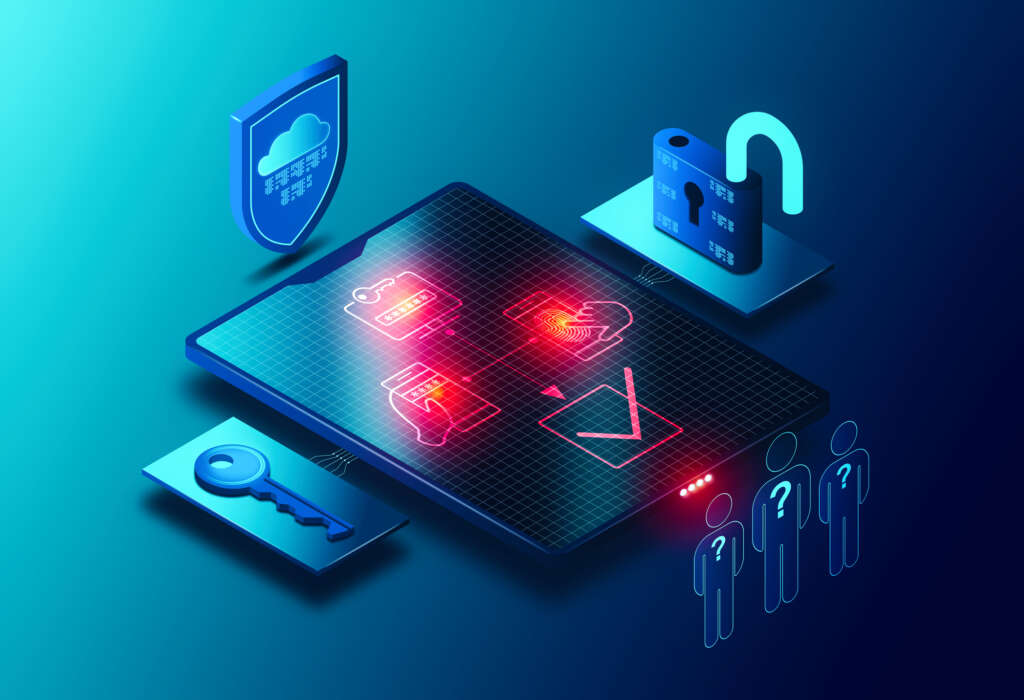
Multi-Factor Authentication Concept - MFA - Screen with Authentication Factors Surrounded by Digital Access and Identity Elements - Cybersecurity Solutions - 3D Illustration
Identity’s New Frontier: How CISOs Can Navigate the Complex Landscape of Modern Access Management The cybersecurity battlefield has shifted. No longer are perimeter defenses and traditional identity management sufficient to...
The week of August 4th, I had the opportunity to attend two exciting conferences in the cybersecurity world: Black Hat USA 2025 and Squadcon which were held in Las Vegas....

 Login
Login