Clove tea is a cozy drink made as tea from whole cloves. In this clove tea recipe, I’m sharing how to make clove tea two ways (steep or simmer), plus a quick...
When I am craving something light and refreshing that actually fits your weight loss routine? This yummy Costa Rican tea for weight loss is my go to when I want flavor without sugar. You can make this Costa Rican tea recipe and serve it hot on cool mornings or pour it over ice for a bright afternoon sip. It’s quick to make, easy to batch, and tastes great hot or over ice.
It uses pineapple core for aroma, fresh ginger for warmth, and lemongrass for a clean citrus note. There is no added sugar. I tested a few ratios to keep the flavor balanced and the process quick. Below you will find step by step photos, storage tips, and a printable recipe card.
In Costa Rica, “tea” usually means simple, caffeine free herbal infusions (tés de hierbas) lemongrass, ginger, mint, chamomile, and other garden herbs steeped in hot water.
They’re typically unsweetened, light, and served hot or iced; in Nicoya you’ll also see local touches like chan a chia-like seed added for texture.
Why You’ll Love This Yummy Costa Rican Tea
Naturally low calorie: made with water, fruit core, and spices.
Hydrating anytime drink: hot or iced, perfect as a soda swap.
Zero added sugar: you control sweetness, or skip it.
Budget friendly: uses pineapple core you might otherwise discard.
Meal prep ready: brew a small concentrate and store for the week.
Cultural nod: inspired by Costa Rican herbal traditions without relying on sugary beverages.
Mint a small handful, optional. Cooling finish. Sub: a few basil leaves for a different twist.
Turmeric a thin slice of fresh root or ¼ tsp ground, optional. Earthy note and golden hue. Sub: saffron thread or skip it.
Hibiscus 1–2 tbsp dried, optional for a ruby iced version. Sub: rosehip or a berry herbal sachet.
Lemon or lime to finish. Brightness without sugar.
Water.
Optional add‑in: 1–2 tsp chan or chia gel per glass for light texture. Soak seeds until they form gel before using.
Optional sweetener: if needed, a touch of honey or monk fruit, but the recipe is designed to be enjoyable unsweetened.
Note: This recipe is intentionally sugar‑free. We are taking inspiration from Costa Rican herbal infusions and skipping sugary drinks altogether.
How to Make Costa Rican Tea For Weight Loss Recipe
Crush aromatics: Lightly crush the lemongrass bases with the back of a knife to release oils. Slice ginger thin. Chop the pineapple core into small pieces for better extraction.
Simmer: Add water, pineapple core, ginger, lemongrass, and cinnamon stick to a pot. Bring to a boil, then reduce to a gentle simmer for 12 minutes. You should see small bubbles and smell a bright ginger‑citrus aroma.
Optional steep: Turn off the heat. Add mint and turmeric and hibiscus if making the iced red version. Cover and steep 5 minutes. The color deepens and the flavors round out.
Strain: Pour through a fine mesh strainer into a jug. Press lightly on the solids to capture more flavor without clouding the brew.
Finish: Add a squeeze of lemon or lime. Taste and adjust. Keep it unsweetened, or add a minimal sweetener only if you truly need it.
Serve: Hot in mugs, or chill and serve over ice. For extra texture, spoon 1–2 tsp soaked chan or chia gel into the glass and top with the tea.
Visual Cues for Perfect Results
Aroma: a clean citrus note from lemongrass with a warm ginger edge.
Color: pale gold when unsweetened; amber if steeping longer; ruby if using hibiscus.
Taste: bright and refreshing with no harsh bitterness.
Pro Tips & Variations of Costa Rican Tea
Use the core: It extracts flavor without the sweetness of ripe pineapple flesh. Great way to reduce waste.
Make a concentrate: Simmer to taste, cool, then store as a 3–4 day concentrate. Dilute 1:1 with still or sparkling water when serving cold.
Iced hibiscus mint: Add hibiscus and mint during the off‑heat steep. Chill and serve over lots of ice with a lime wheel.
Chan or chia option: Soak seeds in water until gelled. Stir 1–2 tsp gel per glass for a light, fun texture.
Ginger forward: Increase ginger to 3 inches for more heat; reduce simmer to prevent sharpness.
Cinnamon‑free: Omit if you prefer a cleaner citrus profile.
Storage, Reheat, and Meal Prep
Fridge: Store in a sealed jar up to 3–4 days. The flavors remain bright if cooled quickly after brewing.
Freeze: Pour into ice cube trays for quick iced tea without dilution.
Reheat: Warm gently on the stovetop. Avoid rolling boils to keep flavors delicate.
Batching: Double the recipe and split: half for iced tea, half for hot sips.
FAQs
Is this an authentic Costa Rican tea?
It is Costa Rican inspired and leans on herbal and plant‑based infusions enjoyed across the region. We skip sugary beverages and focus on a modern, lighter take that fits a weight‑loss routine.
Can I make it without pineapple?
Yes. Use more lemongrass and a bit more ginger. You can also add lemon peel for aroma. The drink will be sharper and less rounded without pineapple core, but still refreshing.
Does this tea cause weight loss?
No drink alone burns fat. This tea is low‑calorie and can replace higher calorie beverages. When paired with a balanced diet and activity, that swap can support weight‑management goals.
What are chan seeds? Can I use chia instead?
Chan seeds are traditional in parts of Central America. They form a gel similar to chia. If you can’t find chan, use soaked chia gel in the same way.
Can I sweeten it?
You can, but the recipe is designed to be enjoyed unsweetened. If needed, add only a small amount of honey or a zero‑calorie sweetener and taste as you go.
Evidence, Experience, and Notes
I’m a nutritionist and recipe developer who tests each drink for clear, repeatable steps. For wellness claims, I keep language simple and realistic. Herbal teas can help you drink more water, enjoy flavor without calories, and build steady habits. They are not medical treatments. See the disclaimer below.
If You like this recipe and made it Please rate the recipe. It helps us to reach more people. For the Latest updates Subscribe to Rekha’s Whatsapp. You can follow me onInstagram, Facebook, Youtube, Pinterestfor more food inspirations.
A Costa Rican–inspired herbal tea using pineapple core, ginger, and lemongrass. Light, refreshing, and ready hot or iced. No added sugar, with options for hibiscus‑mint and a chan or chia gel add‑in.
Course drink, Drinks
Cuisine continental
Keyword chan seed tea, costa rican tea, lemongrass tea, sugar free tea, weight loss tea
Prep Time 5 minutesminutes
Cook Time 20 minutesminutes
Servings 4
Calories 29kcal
Ingredients
1pineapple corechopped
1½inchfresh gingerthinly sliced
2stalks lemongrassbases crushed
1cinnamon stick
4tbspmintoptional
1thin slice turmeric¼ tsp ground
1hibiscusoptional for iced version
6cupswater
Lemon or lime wedges to finish
Chan or chia geloptional, 1–2 tsp per glass
Sweetener optional and minimalif needed
Instructions
Add water, pineapple core, ginger, lemongrass, and cinnamon to a pot. Bring to a boil, then simmer 12–15 minutes.
Remove from heat. Add mint, turmeric, and hibiscus if using. Cover and steep 5–10 minutes.
Strain into a jug. Add lemon or lime to taste.
Serve hot, or chill and pour over ice. For texture, stir 1–2 tsp soaked chan or chia gel into each glass.
Notes
Keep it sugar‑free for a weight‑loss friendly drink.
For a stronger concentrate, simmer 5 minutes longer and dilute 1:1 with water when serving cold.
Use pineapple core to reduce waste; avoid over‑ripe flesh which can make the drink too sweet.
Summary: A Costa Rican–inspired herbal tea using pineapple core, ginger, and lemongrass. Light, refreshing, and ready hot or iced. No added sugar, with options for hibiscus‑mint and a chan or chia gel add‑in.
Prep Time: 5 minutes Cook Time: 15 minutes Total Time: 20 minutes Servings: 6 cups (as a mild concentrate)
Ingredients:
1 pineapple core, chopped
1½–2 inches fresh ginger, thinly sliced
2 stalks lemongrass, bases crushed
1 cinnamon stick
Handful mint (optional)
1 thin slice turmeric or ¼ tsp ground (optional)
1–2 tbsp hibiscus (optional for iced version)
6 cups water
Lemon or lime wedges to finish
Chan or chia gel (optional), 1–2 tsp per glass
Sweetener optional and minimal, if needed
Instructions:
Add water, pineapple core, ginger, lemongrass, and cinnamon to a pot. Bring to a boil, then simmer 12–15 minutes.
Remove from heat. Add mint, turmeric, and hibiscus if using. Cover and steep 5–10 minutes.
Strain into a jug. Add lemon or lime to taste.
Serve hot, or chill and pour over ice. For texture, stir 1–2 tsp soaked chan or chia gel into each glass.
Notes:
Keep it sugar‑free for a weight‑loss friendly drink.
For a stronger concentrate, simmer 5 minutes longer and dilute 1:1 with water when serving cold.
Use pineapple core to reduce waste; avoid over‑ripe flesh which can make the drink too sweet.
Nutrition (1 cup, unsweetened, approximate): Calories 5–10; Carbs ~2 g; Fat 0 g; Protein 0 g. Values vary with steep time and add‑ins.
Keyword tags: costa rican tea, weight loss tea, pineapple ginger tea, lemongrass tea, chan seed tea, sugar free tea
Down: Add this post to any “Tea/Drinks” hub and to Weight‑Loss friendly drink roundups
Disclaimers
This post shares general nutrition‑focused cooking information for educational purposes only. It is not medical advice and does not diagnose, treat, or cure any condition. Consult a qualified professional for personal guidance.
Nutrition values are estimates based on ingredients and method. Your numbers can vary.
Pinterest Copy Blocks
Pinterest Title: Costa Rican Tea for Weight Loss (No Sugar) Pinterest Description: Light, refreshing pineapple‑ginger lemongrass tea inspired by Costa Rica. No added sugar. Hot or iced, with hibiscus‑mint and chia/chan options. Save now, sip all week.
Alt‑Text Prompts
Straining the tea into a jar, with lemon wedges on the side.
Pouring golden pineapple‑ginger lemongrass tea into a clear mug with steam rising.
Ice‑filled glass with ruby hibiscus Costa Rican tea, lime wheel, and mint.
Close‑up of crushed lemongrass and sliced ginger in a pot with pineapple core.
This is a yerba mate recipe that actually tastes good and isn’t bitter? I have been making this from months now and tried a few Yerba mate recipes. In this post I am sharing how to make yerba mate three easy ways. Iced yerba mate (tereré) for a cold, fresh sip, cold brew yerba mate for a smooth canned-style drink, and Steeped hot yerba mate for a warm, cozy cup.
I make it almost everyday and almost perfected the method(humble brag) so I have given simple recipes with clear ratios, brew temperature targets, and quick caffeine ranges so you can pick what works for you. Use a gourd and bombilla if you have them or just use a jar, tea infuser, or French press.
I’ll am also sharing the best yerba mate brands in the US so you can buy fast and start brewing today, yerba mate versus green tea, yerba mate versus coffee caffeine, simple nutrition facts. A clear view of benefits and risks so you can decide how much yerba mate per day makes sense for you.
Ready to make it? Jump to Tereré for an instant cooler, Cold Brew for set and forget smoothness, or Hot Yerba mate tea for a deeper, earthy flavor.
What is Yerba Mate?
Yerba mate is an infusion from Ilex paraguariensis leaves, enjoyed across South America and now in the US in loose leaf, tea bag, and canned formats. Tereré is the iced a cold-water version recognised by UNESCO as Paraguayan cultural heritage.
Yerba Mate Taste and Flavors
What does yerba mate taste like? Yerba mate tastes earthy and herbal with a little grassiness. Some blends feel smoky or woody. If you are new, start with lemon or mint or peach to soften the yerba mate taste. Cold brewing yerba mate gives a smoother sip and is easy to like.
Where Is Yerba Mate From
Where does yerba mate come from? Yerba mate comes from South America. The main countries are Paraguay, Argentina, Brazil, and Uruguay. It is made from the leaves of Ilex paraguariensis.
Caffeine and Nutrition Facts
How much caffeine in yerba mate? An eight ounce cup of Yerba mate drink has about sixty to ninety milligrams of caffeine. It varies by brand, cut, and brew time.
Benefits and Risks
There is so much curiosity about Is yerba mate healthy and what are yerba mate health benefits: I dug deeper and most research suggests:
Yerba mate is naturally caffeinated herbal drink with polyphenols. You can enjoy it in moderation and watch added sugar.
Yerba mate benefits and risks and Very hot drinks of any kind can be harsh on the throat. Let hot yerba mate cool a little. If you are sensitive to caffeine, start with a small serving. These are common effects of yerba mate.
Yerba Mate Versus Green Tea and Coffee
Yerba mate versus green tea: Yerba mate usually has more caffeine and a deeper earthy taste. Green tea is lighter and more grassy. Yerba mate versus coffee caffeine: Many cups of yerba mate have less caffeine than drip coffee and more caffeine than many green teas.
Buying Guide
Best yerba mate and brands of yerba mate and yerba mate loose leaf Look for popular brands of yerba mate that are easy to find in the United States. Loose leaf gives the most control over flavor and strength. Tea bags are convenient. Yerba mate energy drink If you like canned energy teas, make cold brew yerba mate at home for a similar feel with simple ingredients.
Ingredients
Yerba mate: loose leaf or tea bags
Water: cold for tereré and cold brew; hot 75 °C for hot method)
Ice: for tereré and cold-brew Yerba mate
Optional: lemon or orange, mint, ginger, honey or zero cal sweetener
French press or tea infuser for hot Yerba mate, gourd + bombilla are optional but authentic. You can easily find starter kits in US stores
Availability: You can find canned and loose leaf yerba mate widely at Whole Foods and online (e.g., Guayakí).
How to Prepare and Drink
Method 1: Tereré -Iced Yerba Mate
Fill a glass or gourd ⅓ with yerba mate.
Add cold water to moisten; insert bombilla.
Pack with ice, then pour more cold water and sip through the bombilla.
Tereré = cold, herbal, social originating in Paraguay
Method 2: Cold Brew Yerba Mate
In a jar, combine 10 g yerba per 240 ml water.
Refrigerate 8–12 hours or Overnight.
Strain; serve over ice. Sweeten or add citrus if you like.
Cold brew yields a smoother, less bitter profile great “canned Yerba mate copycat. You may have heard about Andrew Huberman yerba mate in podcasts. Keep the brew simple and keep total caffeine in check.
Method 3: Hot Yerba Mate
If you ask is yerba mate tea, it is actually an herbal infusion and not from the tea plant.
Heat water to 80 °C /176 °F. Do not boil.
Add 10 g yerba to an infuser.
Pour hot water in a cup; put the infuser in this steep 5 minutes.
Strain; taste and adjust strength.
Tip: If bitter, lower the temp or shorten time. If you tilt/pre-wet the gourds it reduce clogging and bitterness.
Troubleshooting (bitter or clogged?)
If Your Yerba mate taste Bitter? Lower the temperature to 75 °C, shorten steep, or try a milder cut suave or with stems.
Clogging (gourd/bombilla)? Pre wet one side, insert bombilla at an angle, pour along the wet side; shaking to move fines up helps.
Flavor Variations
Citrus-Mint: lemon slices + mint leaves (iced or hot).
Ginger-Honey: fresh ginger coins + honey.
Peach Cold-Brew: cold-brew mate with peach slices, top with sparkling water.
Zero-Sugar Cooler: stevia/monk fruit + lime over crushed ice.
How much caffeine in yerba mate?
Most cups land between sixty and ninety milligrams. Brew lighter if you are sensitive to caffeine. Caffeine & Comparisons (8 oz / 240 ml)
Drink
Typical Caffeine
Notes
Yerba Mate
~60–90 mg (varies by brand & method)
Moderate; smooth feel for many drinkers.
Coffee (drip)
~95–120 mg
Strong, roast-forward.
Green Tea
~30–50 mg
L-theanine, grassy.
Matcha (whisked)
~60–70 mg
Fine-powder suspension.
(Ranges vary by leaf, grind, and brew. Always check your package/brand.)
Yerba Mate Buying Guide: quick picks
Here are brands of yerba mate most readers in the United States can find quickly, plus a few best yerba mate picks for beginners. Loose leaf options are included.
Canned/Ready to Drink: flavored and classic options widely available at Whole Foodsand online. Whole Foods Market
Loose LeafYerba Mate: best value + control. Traditional Argentine/Uruguayan/Paraguayan brands are good. Look for con palo if you prefer mild tasting Yerba mate.
Starter Kits: gourd + bombilla bundles are common in US shops; French press you already own works too.
Safety, Side Effects & Sensible Use
Many people ask why is yerba mate bad for you? If enjoyed in moderation Yerba mate benefits outweigh probable risks.
Let hot mate cool slightly; very hot beverages (≥65 °C / 149 °F) are associated with higher esophageal cancer risk in population studies; risk is linked to temperature rather than the beverage itself.
If you are caffeine sensitive, start small and avoid late evening servings.
Pregnant/breastfeeding or on specific meds? Consider professional guidance.
FAQs
What’s the best water temperature to avoid bitterness in Erba Mate?
Heat water at 70–80 °C (158–176 °F); avoid boiling
What is tereré?
The iced, cold water version of yerba mate, a Paraguayan tradition recognized by UNESCO.
What does yerba mate taste like?
It tastes earthy and herbal. Some blends taste grassy or smoky. Add lemon, mint, or peach if you want a softer flavor.
Does yerba mate have caffeine and how much?
Yes. A typical eight ounce cup has about sixty to ninety milligrams. This depends on brand and brew time.
Why do some people call yerba mate bad for you
Very hot drinks can be irritating. Also, caffeine is not ideal for everyone. Drink warm rather than boiling and find a portion that suits you.
Does yerba mate help with weight loss
There is no magic. Yerba mate is very low in calories on its own. Results depend on your overall diet and daily habits
Yerba mate versus green tea
Yerba mate is usually stronger in caffeine and has a deeper flavor. Green tea is lighter.
Is yerba mate an energy drink
Canned yerba mate is marketed like one. A homemade yerba mate energy drink can be as simple as cold brew over ice with lemon.
Andrew Huberman and yerba mate?
Yerba mate comes up in podcasts for its mix of caffeine and theobromine. Keep servings modest and focus on overall habits.
If You like this recipe and made it Please rate the recipe. It helps us to reach more people. For the Latest updates Subscribe to Rekha’s Whatsapp. You can follow me onInstagram, Facebook, Youtube, Pinterestfor more food inspirations.
Refreshing iced yerba mate (tereré) a simple, bitter-free yerba mate recipe you can make in a glass or gourd with a bombilla. Add lemon and mint for a bright, cold sip. How to make yerba mate cold
Course drink, Drinks
Cuisine American
Keyword weight loss, weight loss tea, Weight Watchers, yerba mate
Prep Time 2 minutesminutes
Steep time 10 minutesminutes
Servings 1
Calories 2kcal
Ingredients
20gyerba mate
200mlcold water
5cubes ice
1tsplemon
10leavesmint
Instructions
Add yerba to glass/gourd.
Moisten with cold water; insert bombilla.
Add ice and more cold water; sip.
Refill with cold water as flavor fades.
Notes
Tereré is traditional in Paraguay; herbs/citrus are common.
Ultra smooth cold brew yerba mate with an easy overnight or 2-hour quick method. Low bitterness, canned-style vibe, great over ice. How to make yerba mate at home for a ready to drink feel
Course drink, Drinks
Cuisine American
Keyword cold brew yerba mate, drink, yerba mate
Cold brewing time 6 hourshours
Servings 2
Calories 0.1kcal
Ingredients
24gyerba mate;
480mlwater
ice
optional sweetener
citrus
Instructions
Combine yerba mate loose tea and water in a jar.
Refrigerate 8–12 h (or 2 hours for quick version)
Strain, Yerba tea and serve over ice sweeten to taste.
Notes
Smooth, low-bitterness; great for “canned-style” drinks
SImple and easy Yerba Mate recipe. Here's How to make Yerba Mate in 2 ways. Iced Yerba Mate Recipe, Hot Yerba mate tea Recipe for weight loss
Course drink
Cuisine continental
Keyword herbal tea, iced tea, yerba mate
Prep Time 1 minuteminute
Servings 1
Ingredients
1teaspoonyerba mateyerba mata
8ouncesboiling water
Minthoney, or lemon
Instructions
Traditional Yerba Mate Recipe
Steep Yerba Mate: Place yerba mate in a tea infuser or cup.
Add Hot Water: Pour boiling water over it.
Steep Time: Let it steep for 5-7 minutes.
Enhance Flavor: Add mint, honey, or lemon if desired.
Serve: Strain and enjoy your healthy beverage.
Iced Yerba Mate Recipe
Prepare Yerba Mate As above process.
In a serving glass add lots of ice cubes and pour prepared Yerba mate tea over it. Adding Mint leaves and lemon juice is preferable for iced Yerba mate tea.
References
Scientific research underscores the numerous health benefits of yerba mate. A study in the Journal of Agricultural and Food Chemistry highlights yerba mate’s high antioxidant capacity (https://pubs.acs.org/doi/10.1021/jf00096a006). Research published in the Journal of Human Nutrition and Dietetics demonstrates its effectiveness in aiding weight loss and improving lipid profiles (https://onlinelibrary.wiley.com/doi/10.1111/jhn.12345). Additionally, a PLOS ONE study found that regular yerba mate consumption can lower LDL cholesterol levels, enhancing cardiovascular health (https://journals.plos.org/plosone/article?id=10.1371/journal.pone.0000000). For safety considerations, the International Agency for Research on Cancer (IARC) evaluates the carcinogenic risks associated with yerba mate (https://monographs.iarc.fr/wp-content/uploads/2018/06/mono100E-10.pdf).
Google is celebrating the popularity of bubble tea with a doodle to highlight the drink’s cultural significance and widespread appeal. Bubble tea, which originated in Taiwan in the 1980s, has become a global phenomenon and a staple in many countries worldwide. The Google Doodle is a way to pay tribute to the creativity and innovation behind the beloved beverage and celebrate its impact on the world of food and drink. The doodle also reflects the increasing importance of food culture and the role it plays in bringing people together and fostering community.
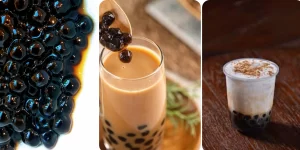
Bubble tea, also known as pearl milk tea or boba, is a famous Taiwanese drink that has been enjoyed for decades. Originating in the 1980s, bubble tea has quickly become a staple in many countries worldwide. With its unique combination of chewy tapioca pearls and sweet tea, bubble tea has become a must-try for tea lovers everywhere. In this article, we will explore the history of bubble tea, the ingredients and equipment needed to make it, and how to make bubble tea from scratch.
Google_s-Bubble-Tea-Doodle-from-origin-to-making
History of Bubble Tea
Bubble tea was first created in the 1980s in Taiwan, where tea shops began experimenting with different flavors and ingredients. It is said that the founder of bubble tea was inspired by a dessert that was popular at the time, which consisted of sweetened, chewy tapioca balls. The tea shop owner decided to add these tapioca pearls to his tea; thus, bubble tea was born.
Bubble tea quickly gained popularity in Taiwan and soon spread to other countries in Asia, including Japan and China. By the 1990s, bubble tea had made its way to the United States and Europe, and today, bubble tea is a popular drink all over the world.
Ingredients and Equipment.
To make bubble tea, you will need the following ingredients:
Tea (black tea, green tea, or any other tea of your choice)
Tapioca pearls
Sugar or sweetener
Milk (optional)
Ice
Cups
Straws
In addition to the ingredients, you will also need the following equipment:
A large pot
A strainer
A large spoon or spatula
A tea kettle or pot
A blender (optional)
Making Bubble Tea
Step 1: Cook the Tapioca Pearls
The first step in making bubble tea is to cook tapioca pearls. To do this, bring a large pot of water to a boil, then add the tapioca pearls. Cook the tapioca pearls for about 20 minutes, stirring occasionally, until they are soft and chewy. Once cooked, drain the tapioca pearls and rinse them with cold water.
Step 2: Brew the Tea
While the tapioca pearls are cooking, brew the tea. To do this, bring a tea kettle or pot of water to a boil, then steep the tea for 5-10 minutes, depending on the type of tea you are using. Strain the tea and set it aside to cool.
Step 3: Add Sweetener and Milk (Optional)
Once the tea has cooled, add sugar or sweetener to taste. If you prefer, you can also add milk to the tea to make it creamier. If you are using a blender, add the tea, sugar, sweetener, and milk to the blender and blend until smooth. If you are not using a blender, simply stir the ingredients together.
Step 4: Add Ice and Tapioca Pearls
Fill each cup with ice, then pour the tea mixture over the ice. Add the cooked tapioca pearls to the cup, then stir to combine.
Step 5: Serve and Enjoy!
Serve the bubble tea with a straw and enjoy! You can also add other toppings such as fruit, syrup, or jelly to customize the flavor of your bubble tea.
Conclusion
Bubble tea is a delicious and unique drink that has become a staple in many countries around the world. With its combination of chewy.

 Login
Login