Login
Login10 Clever Microsoft Excel Tricks to Use in 2026
These tricks show how AI tools, new import formulas, and classic features improve productivity.
The post 10 Clever Microsoft Excel Tricks to Use in 2026 appeared first on TechRepublic.

These tricks show how AI tools, new import formulas, and classic features improve productivity.
The post 10 Clever Microsoft Excel Tricks to Use in 2026 appeared first on TechRepublic.
These tricks show how AI tools, new import formulas, and classic features improve productivity.
The post 10 Clever Microsoft Excel Tricks to Use in 2026 appeared first on TechRepublic.
I remember staring at my position size one evening and thinking, something feels off, but I can’t name it.
The trade itself wasn’t dramatic. No big loss. No big win. Just one of those regular trades that quietly adds up over time. But when I looked at my journal later, I noticed something uncomfortable.
Two trades. Same setup quality. Same confidence. Very different emotional reactions.
That’s when the confusion really started for me — fixed risk versus fixed quantity.
Not as concepts. I already “knew” them.
But as lived decisions.
Most of us hear about these ideas early on. Fixed quantity sounds simple: buy the same number of shares or lots every time. Fixed risk sounds more mature: risk the same amount of money per trade.
On paper, both feel reasonable.
And that’s part of the problem. Nothing obviously screams wrong.
But trading doesn’t punish what’s obviously wrong.
It punishes what’s subtly inconsistent.
I didn’t realize this at first. I thought my confusion was technical. It wasn’t. It was emotional.
When I traded fixed quantity, everything looked clean. Same lot size. Same number. No extra math.
But the risk was never the same.
Some trades barely moved against me. Others went straight to the stop and felt heavy. Not because the loss was huge — but because I didn’t expect it to feel that way.
I started reacting differently to identical outcomes.
A loss on a tight stop felt “acceptable.”
A loss on a wider stop felt unfair — even though I chose both.
That inconsistency messed with my head more than I expected.
When I switched to fixed risk, I felt grown up. Disciplined. Responsible.
Same money risked every trade. No exceptions.
But then another thing happened.
My position sizes changed constantly.
Some traders felt tiny. Almost pointless.
Others felt uncomfortably large.
Again, nothing was technically wrong. But emotionally, I kept second-guessing myself.
I’d look at a trade and think, why does this one feel scarier?
Same risk. Different exposure.
It took me longer than I’d like to admit realizing that fear doesn’t respond to math. It responds to perception.
I’ve seen endless debates online.
“Fixed risk is the only professional way.”
“Fixed quantity is simpler and more consistent.”
“Just do what institutions do.”
None of that helped me.
Because the real issue wasn’t which method was correct.
It was whether the method matched how my brain processes uncertainty.
No one talks enough about that.
Here’s something I learned the slow way.
Your risk model shapes your behavior more than your strategy ever will.
With fixed quantity, I became lazy about stop placement.
With fixed risk, I became obsessed with position size.
Both distracted me — from the actual quality of the trade.
And worse, they influenced how long I stayed in losing trades, how quickly I booked winners, and how much confidence I carried into the next setup.
Same chart. Different mindset.
The change didn’t come from reading another thread or watching another video.
It came from journaling a streak of boring trades.
Not the big wins. Not the disasters.
The normal ones.
I noticed something simple:
I traded best when I stopped thinking about money during the trade.
Not before. During.
The moment I entered, the less aware I was of position size or loss amount, the calmer I was. The clearer my decisions became.
That’s when the question stopped being “fixed risk or fixed quantity?”
It became: Which approach lets me forget about money once I’m in the trade?
Risk consistency matters.
But emotional consistency matters more.
If fixed quantity keeps you calm and present, it’s not “wrong.”
If fixed risk keeps you detached and steady, it’s not automatically better — it’s just better for you.
The danger isn’t choosing the wrong model.
The danger is choosing one because it sounds right, not because it feels stable over time.
I wish someone had told me that earlier.
I don’t think of this as a solved problem anymore.
Markets change.
My psychology changes.
Life changes.
What works for me now might quietly stop working later.
And that’s okay.
I’m less interested in being correct.
More interested in being consistent — emotionally, not mathematically.
Because in the end, the account doesn’t blow up from bad formulas.
It blows up from tiny, repeated moments of internal conflict.
That’s the part I pay attention to now.
This piece is part of Quiet Trading Notes, where ideas are explored clearly — without hype, shortcuts, or promises.
Fixed Risk vs Fixed Quantity — why this kept bothering me was originally published in Coinmonks on Medium, where people are continuing the conversation by highlighting and responding to this story.
Create your own custom garden journal, adding your own personal touch using found materials. By putting creativity and ... Read More
The post Create a Wild & Free Garden Journal appeared first on Garden Therapy.

Markets change. Strategies decay. Indicators stop working. Volatility expands, contracts, and explodes without warning. What worked last…

Trading in financial markets — whether crypto, forex, or stocks — can feel like a relentless test of skill, patience, and mental endurance…

When it comes to trading, many beginners focus on finding the “perfect strategy” or the next big breakout. But the truth is that long-term…

Indicators are everywhere in trading. From moving averages to RSI, MACD, Bollinger Bands, and Fibonacci retracements, traders often…
Your zodiac signs can do more than rule your destiny. They can also control the outcome of your ... Read More
The post The Celestial Garden: A Guide to Planting by the Signs appeared first on Garden Therapy.
Two new studies point to a simple combo for better chatbot prompts, paste your request twice for straightforward tasks, then add a line of perspective taking so the AI can match your level, constraints, and preferred format.
The post Try this two-step trick for better chatbot prompts, repeat and empathize appeared first on Digital Trends.

You probably found indicators the same way I did. Maybe it was a flashy YouTube video, a Telegram group, or some online course promising you the “secret sauce.” At first glance, those lines and numbers on the charts look like hidden codes, ready to unlock the market. It’s easy to think that if you just learn the right indicator, you’ll finally have the upper hand. I believed it too, in the beginning.
What makes indicators so convincing is how neatly they organize chaos. The market is messy — prices jump around, news comes out, and everyone’s trying to guess what happens next. An indicator, though, is clean and precise. It gives you a number or a line that seems to say, “Buy here” or “Sell now.” But that clarity is an illusion.
Let’s strip away the jargon. An indicator is just a way of looking at what’s already happened in the market. It takes price and sometimes volume and rearranges them into something easier to read. For example, a moving average isn’t showing you the future. It’s just averaging out the last several prices so you can see the general direction more easily.
That’s the core of it. Indicators don’t see anything new. They only reorganize what price has already done. They don’t know tomorrow’s news, they don’t sense panic or greed, and they don’t predict the next move. They’re like a rearview mirror — helpful for seeing where you’ve been, not where you’re going.
So, if indicators can’t see the future, what good are they? Honestly, they do help — just not in the way most beginners think.
They can:
For a beginner, these are practical things. They can help you avoid jumping in at the very top of a rally, or getting scared out at the bottom of a dip. They can be a way to slow down emotional reactions, to have some structure when the market feels overwhelming. But they’re not magic — they just make the picture a little clearer.
Let’s be direct. Indicators do not predict the future. They can’t tell you with any certainty when to buy or sell. They can’t guarantee you’ll make money or avoid losses. And they don’t work on their own. If you put all your trust in an indicator, you’re still gambling — you’re just using a tool that’s based on yesterday’s data.
It’s tempting to think that if you find the right indicator, you’ve cracked the code. But every indicator has weaknesses. Sometimes they give false signals, sometimes they’re late, and sometimes they just get whipsawed by sudden news. The market doesn’t care about your indicator. It moves because of people, not because of math.
I did this too. I’d see one indicator not working, so I’d add another. Then another. Pretty soon, my chart looked like a Christmas tree, all colors and lines. I thought that if I just had the right combination, I’d get it right.
But the truth is, more indicators don’t make you smarter. They just make things more confusing. You start second-guessing every signal and you end up paralyzed by analysis. It’s not about finding the perfect indicator. It’s about not letting the search for perfection keep you from acting at all.
Sometimes, this happens because you’re afraid of being wrong. Maybe you lost money on a trade, and you think if you just had one more indicator, you’d get it right next time. But that’s not how it works. No indicator will take away the uncertainty of the market. That comes from understanding and accepting risk, not from more lines on a chart.
After a couple of years trading, most experienced traders settle on one or two indicators. They understand what those indicators do well, and what they don’t. They use them as a kind of background check, not as the main decision-maker.
For example, if I see the price moving up and my moving average is also rising, that’s a gentle nudge in the same direction. But if the market looks shaky and the indicator is flashing “overbought,” I might slow down or wait for confirmation from the price itself. Indicators help me see the bigger picture and keep my emotions in check, but the final call is always mine.
More important than any indicator is the structure of the trade — where you get in, where you plan to get out, and how much you’re willing to lose. Indicators are just one small part of that process.
Here’s something that took me a while to realize: indicators don’t take trades. You do. No indicator will save you from a bad decision, and no indicator will make money for you if you’re not paying attention. You’re the one who has to decide when to act, when to wait, and when to cut losses.
It’s easy to hand over responsibility to a tool, especially when you’re starting out and things feel overwhelming. But the market doesn’t reward passivity. You have to own your choices, good and bad. The indicator is just there to help you think, not to think for you.
Think of indicators as a flashlight in a dark room. They help you see a little better, but they don’t show you everything. You still have to move carefully, watch for obstacles, and decide where you want to go. Don’t expect the flashlight to lead you out by itself. Use it to see more clearly, but keep your own judgment close.
If you keep that in mind, indicators can be a useful part of your process. But they’re not the answer, and they’re not a shortcut. They’re just one piece of a much bigger picture.
This article is part of Practical Trading Education, where indicators, risk, and trading psychology are explained clearly — without hype or shortcuts.
What Indicators Really Do (Truth for Beginners) was originally published in Coinmonks on Medium, where people are continuing the conversation by highlighting and responding to this story.

The behind-the-scenes story of going from zero money, zero contacts, and zero excuses

Ten years ago, I entered the world of trading with excitement, ambition, and confidence. I had strategies, indicators, and charts…

Every trader dreams of financial freedom, consistent profits, and mastering the markets. But here’s the truth that most beginners never…
Jupiter is at its biggest and brightest all year, the Moon and Saturn pair up, and the Beehive Cluster buzzes into view.
Jupiter is at its biggest and brightest
The Moon and Saturn share the sky
And the beehive cluster makes an appearance
That’s what’s up, this January
January 10, Jupiter will be at its most brilliant of the entire year!
This night, Jupiter will be at what’s called “opposition,” meaning that Earth will be directly between Jupiter and the Sun.

In this alignment, Jupiter will appear bigger and brighter in the night sky than it will all year – talk about starting off the new year bright!
To see Jupiter at its best this year, look to the east and all evening long, you’ll be able to see the planet in the constellation Gemini. It will be one of the brightest objects in the night sky (only the moon and Venus will be brighter)
Saturn and the Moon will share the sky on January 23rd as part of a conjunction!

A conjunction is when objects in the sky look close together even though they’re actually far apart.
To spot the pair, look to the west and you’ll see Saturn just below the moon, sparkling in the night sky.
The beehive cluster will be visible in the night sky throughout January!
The beehive cluster, more formally known as Messier 44, or M44, is made of at least 1,000 stars
It’s an open star cluster, meaning it’s a loosely-bound group of stars. There are thousands of open star clusters like the beehive in the Milky Way Galaxy!
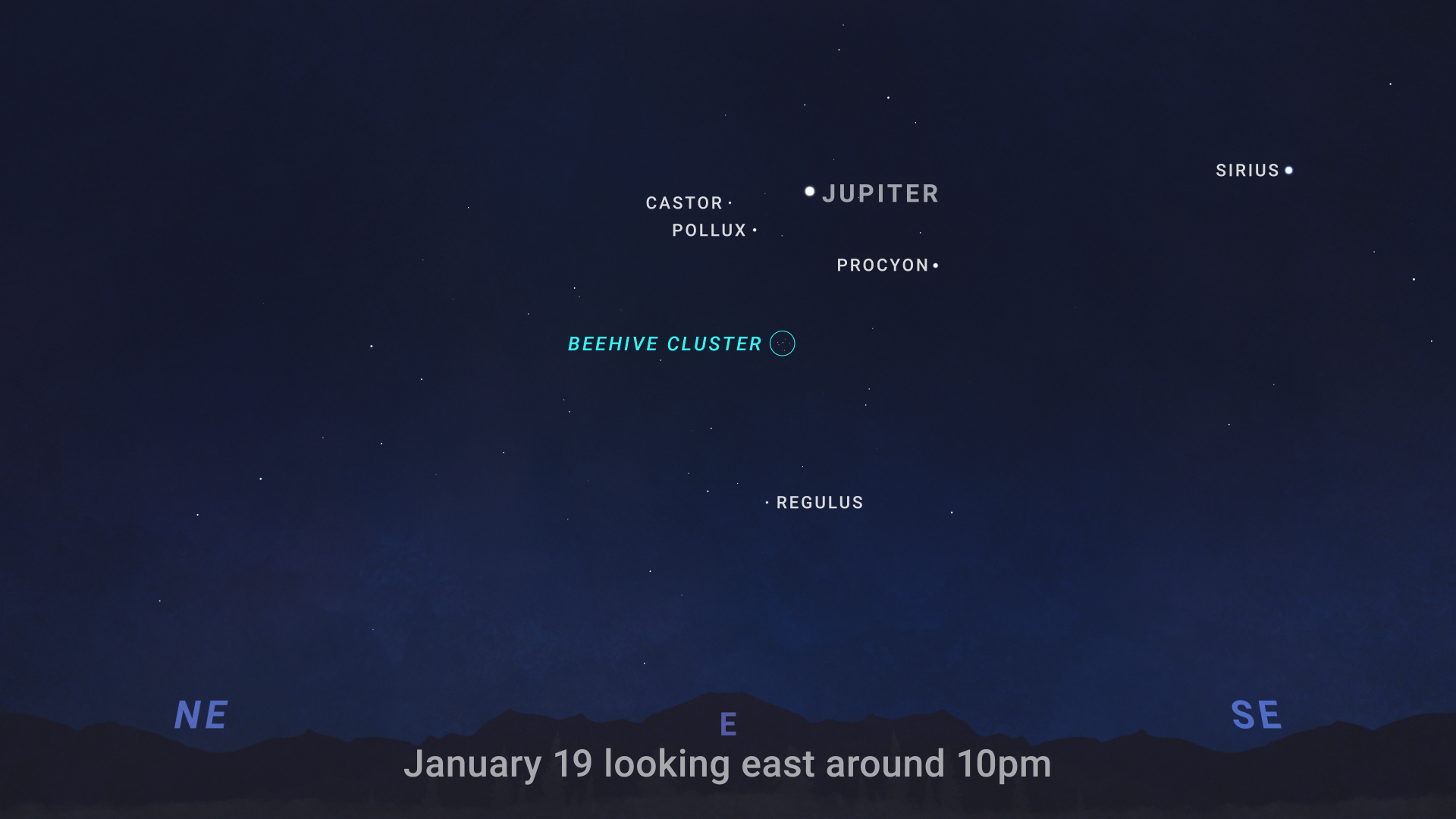
To see the beehive cluster, look to the eastern night sky after sunset and before midnight throughout the month – especially great nights to spot the cluster are around the middle of January when the cluster isn’t too high or low in the sky to see.
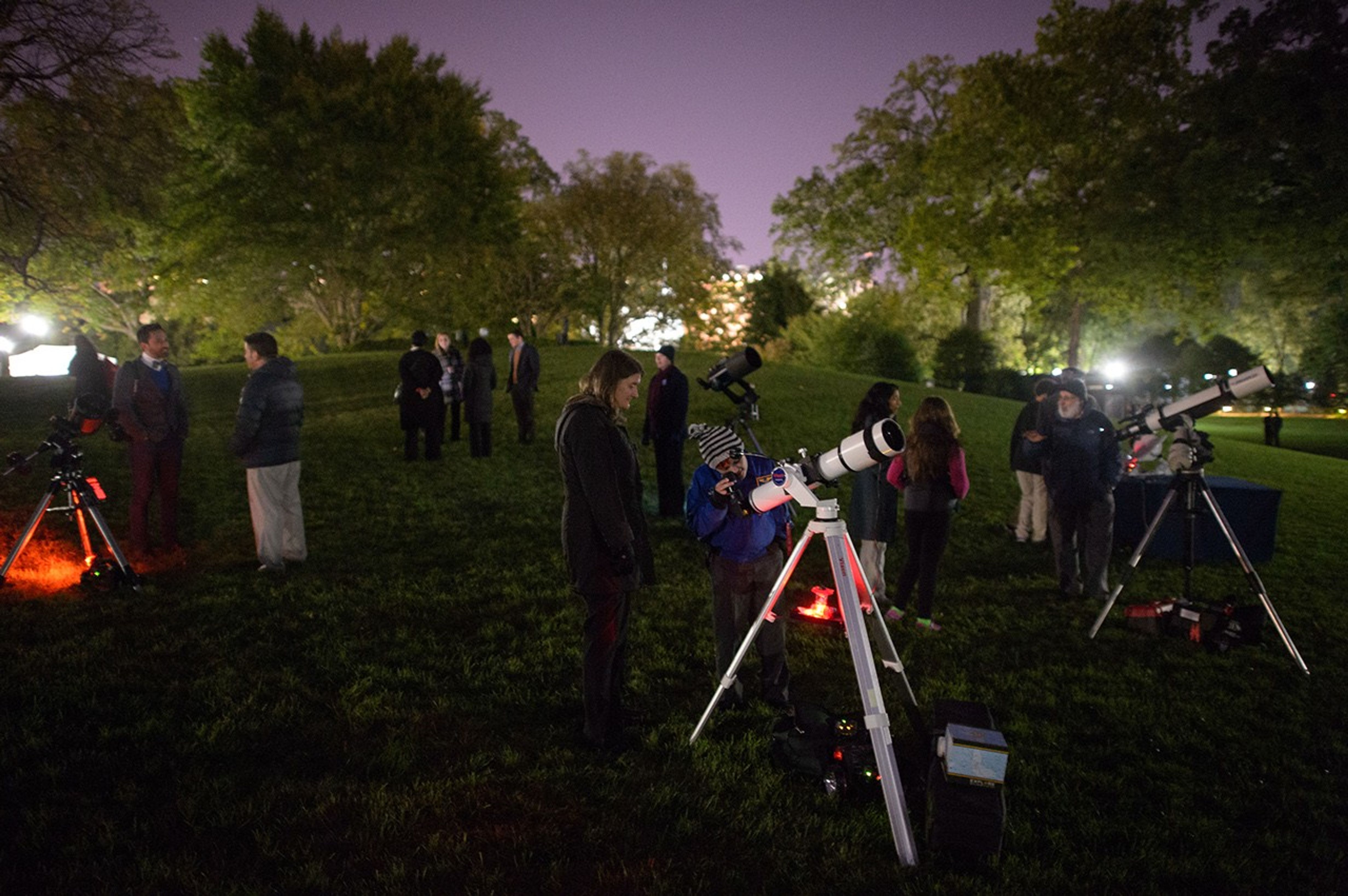
With dark skies you might be able to spot the beehive with just your eyes, but binoculars or a small telescope will help.
Here are the phases of the Moon for January.
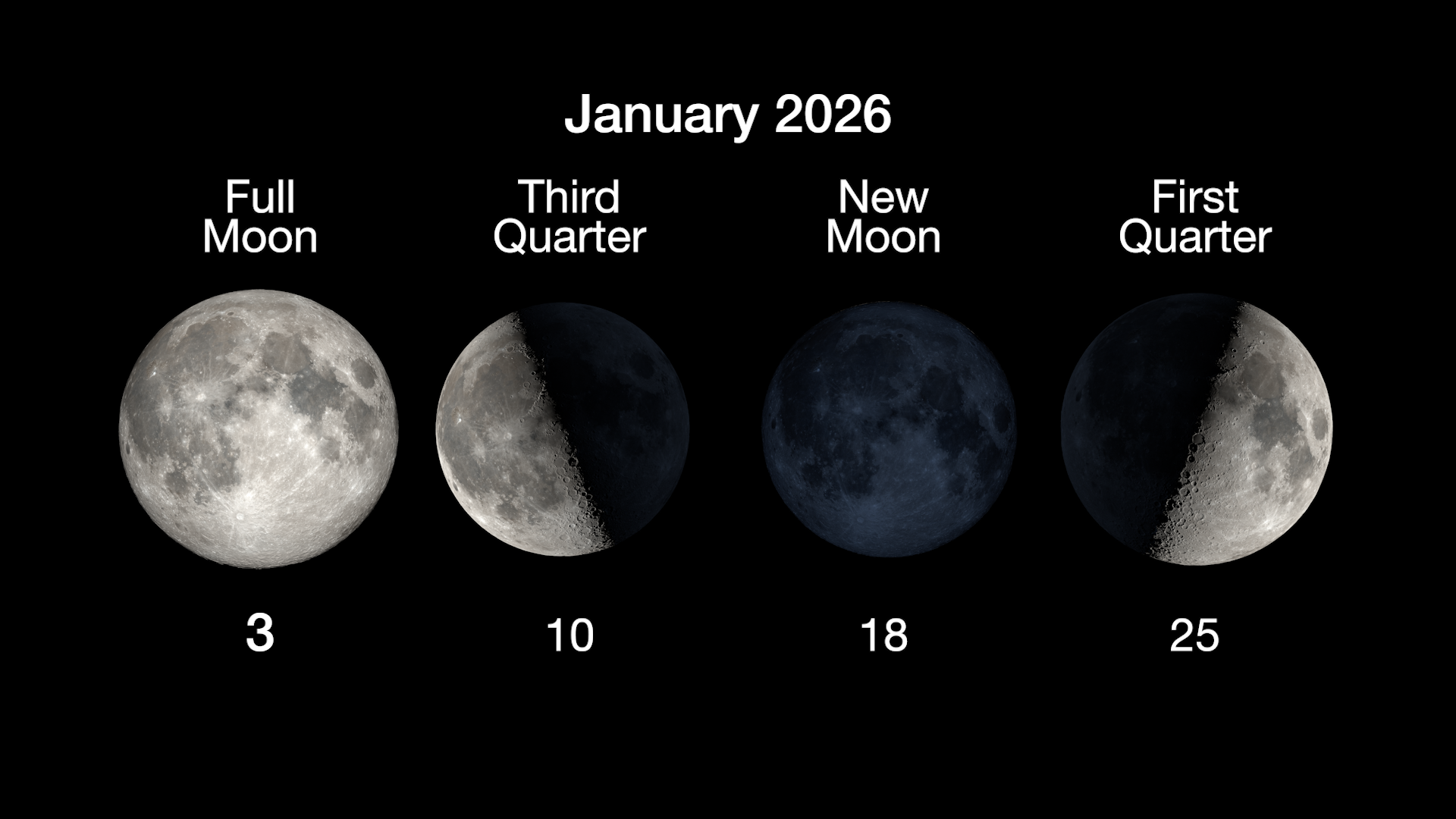
You can stay up to date on all of NASA’s missions exploring the solar system and beyond at science.nasa.gov.
I’m Chelsea Gohd from NASA’s Jet Propulsion Laboratory, and that’s What’s Up for this month.
Gardening is often seen as a solitary activity, but there’s also an incredible community to be found among ... Read More
The post Start a Gardening Club to Find Community and Connection appeared first on Garden Therapy.
Executive Summary: The Paradigm Shift TL;DR — The 30-Second Brief For nearly two decades, “Autoflower” was a dirty word in serious cultivation circles. If you were growing Cannabis ruderalis hybrids in 2010, you were likely hiding a stunted, leafy “Lowryder” in a PC tower case, hoping for a quarter-ounce of 12% THC flower. It was […]
The post The Modern Grower’s Guide to Autoflowering Cannabis (2025 Edition) appeared first on The Weed Blog.