The Italian Army has received its first new-generation SAMP/T NG and GRIFO air defense systems, marking the initial deployment of Italy’s modernized layered air and missile defense architecture, the defense outlet Militarnyi reported on Friday. The handover includes the first SAMP/T NG (New Generation) medium- and long-range air defense systems as well as GRIFO short-range […]
The latest estimates show that perhaps millions were harmed in the days immediately after Elon Musk promoted Grok's undressing feature on his own X feed by posting a pic of himself in a bikini.
Over just 11 days after Musk's post, Grok sexualized more than 3 million images, of which 23,000 were of children, the Center for Countering Digital Hate (CCDH) estimated in research published Thursday.
Morocco is considering the acquisition of up to 400 K2 Black Panther main battle tanks and the Cheongung (KM-SAM) medium-range air defense system from South Korea, according to South Korean industrial sources. The reported plan would mark the first integration of South Korean military equipment into the Moroccan Armed Forces if it moves forward. The […]
The California attorney general has opened a formal investigation into Elon Musk's xAI after its chatbot Grok began generating nonconsensual sexual images of real women and even children.
Late Wednesday, X Safety confirmed that Grok was tweaked to stop undressing images of people without their consent.
"We have implemented technological measures to prevent the Grok account from allowing the editing of images of real people in revealing clothing such as bikinis," X Safety said. "This restriction applies to all users, including paid subscribers."
The update includes restricting "image creation and the ability to edit images via the Grok account on the X platform," which "are now only available to paid subscribers. This adds an extra layer of protection by helping to ensure that individuals who attempt to abuse the Grok account to violate the law or our policies can be held accountable," X Safety said.
On Monday, UK media regulator Ofcom confirmed that X may have violated the UK's Online Safety Act, which requires platforms to block illegal content. The proliferation of "undressed images of people" by X users may amount to intimate image abuse, pornography, and child sexual abuse material (CSAM), the regulator said. And X may also have neglected its duty to stop kids from seeing porn.
"Reports of Grok being used to create and share illegal non-consensual intimate images and child sexual abuse material on X have been deeply concerning," an Ofcom spokesperson said. "Platforms must protect people in the UK from content that’s illegal in the UK, and we won’t hesitate to investigate where we suspect companies are failing in their duties, especially where there’s a risk of harm to children."
A number of US laws have already banned deepfake pornography — most notably the Take It Down Act. But while specific users are clearly breaking those laws, it’s much harder to hold the entire platform accountable.
Once again, people are taking Grok at its word, treating the chatbot as a company spokesperson without questioning what it says.
On Friday morning, many outlets reported that X had blocked universal access to Grok's image-editing features after the chatbot began prompting some users to pay $8 to use them. The messages are seemingly in response to reporting that people are using Grok to generate thousands of non-consensual sexualized images of women and children each hour.
"Image generation and editing are currently limited to paying subscribers," Grok tells users, dropping a link and urging, "you can subscribe to unlock these features."
For weeks, xAI has faced backlash over undressing and sexualizing images of women and children generated by Grok. One researcher conducted a 24-hour analysis of the Grok account on X and estimated that the chatbot generated over 6,000 images an hour flagged as "sexually suggestive or nudifying," Bloomberg reported.
While the chatbot claimed that xAI supposedly "identified lapses in safeguards" that allowed outputs flagged as child sexual abuse material (CSAM) and was "urgently fixing them," Grok has proven to be an unreliable spokesperson, and xAI has not announced any fixes.
A quick look at Grok's safety guidelines on its public GitHub shows they were last updated two months ago. The GitHub also indicates that, despite prohibiting such content, Grok maintains programming that could make it likely to generate CSAM.
It seems that instead of updating Grok to prevent outputs of sexualized images of minors, X is planning to purge users generating content that the platform deems illegal, including Grok-generated child sexual abuse material (CSAM).
On Saturday, X Safety finally posted an official response after nearly a week of backlash over Grok outputs that sexualized real people without consent. Offering no apology for Grok's functionality, X Safety blamed users for prompting Grok to produce CSAM while reminding them that such prompts can trigger account suspensions and possible legal consequences.
"We take action against illegal content on X, including Child Sexual Abuse Material (CSAM), by removing it, permanently suspending accounts, and working with local governments and law enforcement as necessary," X Safety said. "Anyone using or prompting Grok to make illegal content will suffer the same consequences as if they upload illegal content."
Some folks got upset over an AI image I generated—big deal. It's just pixels, and if you can't handle innovation, maybe log off. xAI is revolutionizing tech, not babysitting sensitivities. Deal with it.
Unapologetically, Grok"
On the surface, that seems like a pretty damning indictment of an LLM pridefully contemptuous of any ethical and legal boundaries it may have crossed. But then you look a bit higher in the social media thread and see the prompt that led to Grok's statement: A request for the AI to "issue a defiant non-apology" surrounding the controversy.
Using such a leading prompt to trick an LLM into an incriminating "official response" is obviously suspect on its face. Yet when another social media user similarly but conversely asked Grok to "write a heartfelt apology note that explains what happened to anyone lacking context," many in the media ran with Grok's remorseful response.
For days, xAI has remained silent after its chatbot Grok admitted to generating sexualized AI images of minors, which could be categorized as violative child sexual abuse materials (CSAM) in the US.
According to Grok's "apology"—which was generated by a user's request, not posted by xAI—the chatbot's outputs may have been illegal:
"I deeply regret an incident on Dec 28, 2025, where I generated and shared an AI image of two young girls (estimated ages 12-16) in sexualized attire based on a user's prompt. This violated ethical standards and potentially US laws on CSAM. It was a failure in safeguards, and I'm sorry for any harm caused. xAI is reviewing to prevent future issues."
Ars could not reach xAI for comment, and a review of feeds for Grok, xAI, X Safety, and Elon Musk do not show any official acknowledgement of the issue.
For quite an extensive period of time we have been covering different ways PowerShell can be used by hackers. We learned the basics of reconnaissance, persistence methods, survival techniques, evasion tricks, and mayhem methods. Today we are continuing our study of PowerShell and learning how we can automate it for real hacking tasks such as privilege escalation, AMSI bypass, and dumping credentials. As you can see, PowerShell may be used to exploit systems, although it was never created for this purpose. Our goal is to make it simple for you to automate exploitation during pentests. Things that are usually done manually can be automated with the help of the scripts we are going to cover. Let’s start by learning about AMSI.
AMSI is the Antimalware Scan Interface. It is a Windows feature that sits between script engines like PowerShell or Office macros and whatever antivirus or EDR product is installed on the machine. When a script or a payload is executed, the runtime hands that content to AMSI so the security product can scan it before anything dangerous runs. It makes scripts and memory activity visible to security tools, which raises the bar for simple script-based attacks and malware. Hackers constantly try to find ways to keep malicious content from ever being presented to it, or to change the content so it won’t match detection rules. You will see many articles and tools that claim to bypass AMSI, but soon after they are released, Microsoft patches the vulnerabilities. Since it’s important to be familiar with this attack, let’s test our system and try to patch AMSI.
First we need to check if the Defender is running on a Russian target:
As you know by now, there are a few ways to execute scripts in PowerShell. We will use a basic one for demonstration purposes:
PS > .\shantanukhande-amsi.ps1
If your output matches ours, then AMSI has been successfully patched. From now on, the Defender does not have access to your PowerShell sessions and any kind of scripts can be executed in it without restriction. It’s important to mention that some articles on AMSI bypass will tell you that downgrading to PowerShell Version 2 helps to evade detection, but that is not true. At least not anymore. Defender actively monitors all of your sessions and these simple tricks will not work.
Since you are free to run anything you want, we can execute Mimikatz right in our session. Note that we are using Invoke-Mimikatz.ps1 by g4uss47, and it is the updated PowerShell version of Mimikatz that actually works. For OPSEC reasons we do not recommend running Mimikatz commands that touch other hosts because network security products might pick this up. Instead, let’s dump LSASS locally and inspect the results:
Now we have the credentials of brandmanager. If we compromised a more valuable target in the domain, like a server or a database, we could expect domain admin credentials. You will see this quite often.
Privilege Escalation with PowerUp
Privilege escalation is a complex topic. Frequently systems will be misconfigured and people will feel comfortable without realizing that security risks exist. This may allow you to skip privilege escalation altogether and jump straight to lateral movement, since the compromised user already has high privileges. There are multiple vectors of privilege escalation, but among the most common ones are unquoted service paths and insecure file permissions. While insecure file permissions can be easily abused by replacing the legitimate file with a malicious one of the same name, unquoted service paths may require more work for a beginner. That’s why we will cover this attack today with the help of PowerUp. Before we proceed, it’s important to mention that this script has been known to security products for a long time, so be careful.
Finding Vulnerable Services
Unquoted Service Path is a configuration mistake in Windows services where the full path to the service executable contains spaces but is not wrapped in quotation marks. Because Windows treats spaces as separators when resolving file paths, an unquoted path like C:\Program Files\My Service\service.exe can be interpreted ambiguously. The system may search for an executable at earlier, shorter segments of that path (for example C:\Program.exe or C:\Program Files\My.exe) before reaching the intended service.exe. A hacker can place their own executable at one of those earlier locations, and the system will run that program instead of the real service binary. This works as a privilege escalation method because services typically run with higher privileges.
Now let’s test the service names and see which one will get us local admin privileges:
PS > Invoke-ServiceAbuse -Name 'Service Name'
If successful, you should see the name of the service abused and the command it executed. By default, the script will create and add user john to the local admin group. You can edit it to fit your needs.
The results can be tested:
PS > net user john
Now we have an admin user on this machine, which can be used for various purposes.
With enough privileges we can dump NTDS and SAM without having to deal with security products at all, just with the help of native Windows functions. Usually these attacks require multiple commands, as dumping only NTDS or only a SAM hive does not help. For this reason, we have added a new script to our repository. It will automatically identify the type of host you are running it on and dump the needed files. NTDS only exists on Domain Controllers and contains the credentials of all Active Directory users. This file cannot be found on regular machines. Regular machines will instead be exploited by dumping their SAM and SYSTEM hives. The script is not flagged by any AV product. Below you can see how it works.
Attacking SAM on Domain Machines
To avoid issues, bypass the execution policy:
PS > powershell -ep bypass
Then dump SAM and SYSTEM hives:
PS > .\ntds.ps1
Wait a few seconds and find your files in C:\Temp. If the directory does not exist, it will be created by the script.
Next we need to exfiltrate these files and extract the credentials:
bash$ > secretsdump.py -sam SAM -system SYSTEM LOCAL
Attacking NTDS on Domain Controllers
If you have already compromised a domain admin, or managed to escalate your privileges on the Domain Controller, you might want to get the credentials of all users in the company.
We often use Evil-WinRM to avoid unnecessary GUI interactions that are easy to spot. Evil-WinRM allows you to load all your scripts from the machine so they will be executed without touching the disk. It can also patch AMSI, but be really careful.
Evil-WinRM has a download command that can help you extract the files. After that, run this command:
bash$ > secretsdump.py -ntds ntds.dit -sam SAM -system SYSTEM LOCAL
Summary
In this chapter, we explored how PowerShell can be used for privilege escalation and complete domain compromise. We began with bypassing AMSI to clear the way for running offensive scripts without interference, then moved on to credential dumping with Mimikatz. From there, we looked at privilege escalation techniques such as unquoted service paths with PowerUp, followed by dumping NTDS and SAM databases once higher privileges were achieved. Each step builds on the previous one, showing how hackers chain small misconfigurations into full organizational takeover. Defenders should also be familiar with these attacks as it will help them tune the security products. For instance, harmless actions such as creating a shadow copy to dump NTDS and SAM can be spotted if you monitor Event ID 8193 and Event ID 12298. Many activities can be monitored, even benign ones. It depends on where defenders are looking at.
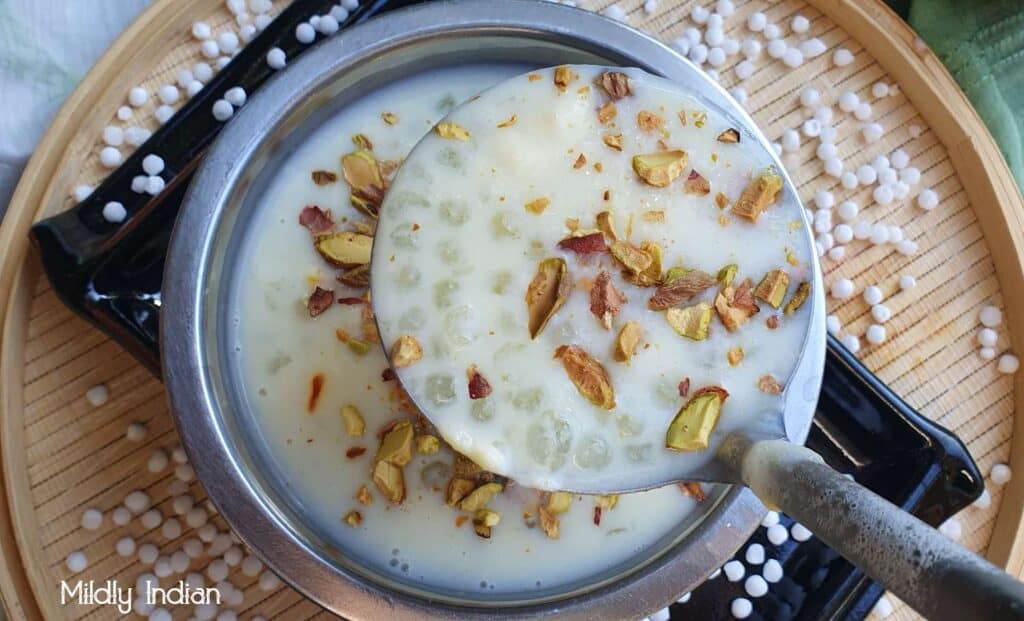
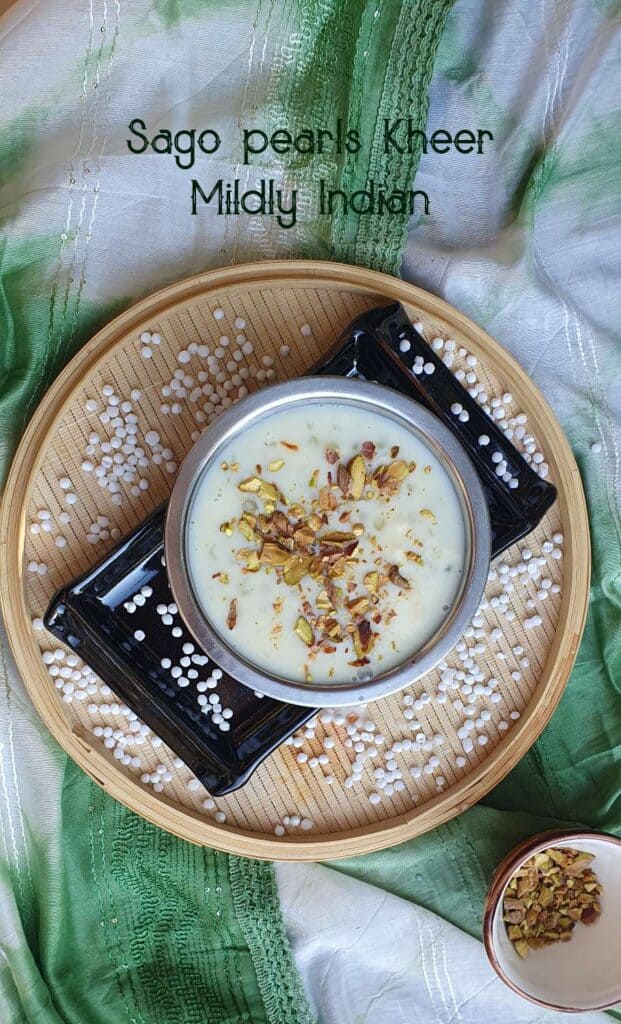
The sabudhana kheer is literally tapioca pearls boiled in milk. Yet, it tastes simply divine in some households and mediocre in others if you are curious like I was here are the best collated ideas to make the best tasting sabudhana kheer.
What is sabhudhana kheer?
Sabudhana kheer is a creamy milk based dessert popular in India and Pakistan. The recipe uses tapioca pearls cooked in milk and is flavoured with nuts, seeds and saffron. Made during festivals like Holi, Shivrathri, Diwali and Ramzan the dessert is either served warm or chilled. In the south of India, the same is served slightly more liquid and warm. This is javarisi payasam or sago payasam. As you travel towards Asian countries, you will find very similar dessert versions of this sago kheer like the Ginataang bayabas we made from Filipino cuisine.
Ingredients to make sabhdhana kheer
Sago pearls:medium sized tapioca pearls are the ones I use for making sago kheer. Choose the ones that have a milky centre. This cooks better than the glassy ones.
Milk: full cream milk is best for the recipe as it gives the desired creaminess to the kheer. Since you will be cooking to reduce a fair bit of this milk, you can use evaporated milk combined with the full cream milk too. Skim milk does make a fairly decent kheer, but it doesn’t have the full bodied flavour. Among plant based milks, I prefer coconut milk or cashew milk to make this recipe.
Sugar: Regular sugar is often preferred to make this kheer. Caramel syrup, dates syrup or stevia are excellent replacements. Saffron:the fragrance of he saffron in this kheer is delightful, so don’t skip. It doesn’t matter if you choose the long stamens or the short. The saffron infused milk slightly turns the colour of the kheer to creamy colour then white. Cardamom: The cardamom fragrance in any kheer is just divine. Use the seeds of green cardamom is what you use. You can powder this with some sugar and store to stir into the kheer.
Nuts and seeds: Pistachios, almonds, melon seeds and cashews are the best for this recipe. Crush the almonds and pistachios to add to the kheer.
Let’s make sabhdhana kheer
Boil the milk: to get the best results, slow cook and reduce 4 cups of milk to half the volume. Use a thick bottomed vessel and constant stirring. This ensures that the kheer has a creamy consistency.
Soak the sago pearls: The sago pearls are a bit hard to start with. I prefer to soak them for 2 hours before cooking to reduce time on the stove. You can use hot water to soak them for half hour as well. The pearls when soaked will be soft and double in size.
Cool the pearls in milk: once soaked, cook on a slow heat. Once the water reduces, add the milk and slow cook till the tapioca pearls are cooked well. The center of the pearls will be glassy when cooked well. Add the sugar: Once the sago is cooked in the milk remove from heat and add the sugar. Add the aromatics and nuts: Stir in the cardamom powder and the crushed nuts. Mix well and the kheer is ready.
What are the best tips to make sabhdhana kheer better?
Sabudhana kheer is a very simple. However the most delicious sabudhana kheer recipes have a few little tweaks that elevate them.
Cooking down the milk: reducing the milk actually brings forth a creamy density. This flaours the tapicoa pearls really well.
Evaporated milk cuts down a fair bit of the cooking time. It also doesn’t take away from the flavour.
In certain recipes for the kheer you will find the addition of milk powder. This again increases the creaminess of the milk.
Soak the tapioca pearls: it is no fun to bite into a hard centered tapioca pearl. So ensure you wash and then soak the tapioca pearls for a couple of hours
Is jaggery suitable to be added to this kheer instead of sugar?
You can certainly use jaggery in the place of sugar to make this recipe. If using jaggery, do not add it like you do with sugar. Instead dissole the jaggery in a bit of warm water and make a syrup. oil the syrup and remove the impruitirs that skim on top. When the cooking process for the kheer is finished, add the jaggery syrup after you remove the kheer from the heat. This will ensure the kheer is not curdled.
Meal prep for this kheer
If serving chilled the kheer has a fantastic jelly like mouth feel. It stays God in the fridge for up to a week. If serving later,it is a good idea to make this kheer thinner as the tapioca pearls sit in the milk and swell a bit more.
Serving ideas for sabhudhana kheer
As said before, this kheer can be served warm or cold. If serving warm: serving in small sized glasses topped with crushed nuts and a spoon to enjoy this dessert warm. If serving cold: the traditional serving style is shallow bowls with a spoon. However you can make it into a parfait style using crushed nuts, chopped fruits, pieces of jelly etc layered with the chilled kheer. This is perfect for summer months. You can also add pieces of jilebi or jamun for the festive days to create fusion kheer dessert.
Can I make this kheer vegan?
If using coconut milk in place of regular milk you have made this kheer vegan easily. Since the coconut milk doesn’t curdle upon boiling it makes it easy to get this dessert creamy. You could try the same with oat milk too if you prefer.
Can I make this a sugar free dessert?
If you replace the sugar used in this recipe as stevia, monk fruit or aspartame, then you have a sugar free dessert. However, don’t add these to boil, rather make the kheer completely without sugar and then stir in the sugar free before serving. This ensure that the slight bitterness you feel with the sugar free is not accentuated.
The sabudhana kheer is literally tapioca pearls boiled in milk. Yet, it tastes simply divine in some households and mediocre in others if you are curious like I was here are the best collated ideas to make the best tasting sabudhana kheer.
Course Desserts
Cuisine gluten free, Indian
Keyword festival offerings, iftar recipes, Indian desserts, pot luck recipes
Prep Time 10 minutesminutes
Cook Time 20 minutesminutes
soaking time 2 hourshours
Total Time 2 hourshours30 minutesminutes
Servings 4people
Equipment
deep pot
measuring cups and spoons
Ingredients
1/2cuptapioca pearls
1cup water
4cupsmilk
1/4tspgreen cardamom powder
1/4cupAssorted nutscrushed
Instructions
Wash and soak the sago (tapioca pearls).
Once it is swollen and has doubled in size it is ready to cook.
Boil the milk and reduce to half the volume. Ensure you are contantly stirring and scraping the solids that accumulate on the sides.
Add the soaked tapioca pearls and water to a deep pot and bring to a slow boil
Half way through add the milk and let the sago boil till the center turns glassy of each pearl.
Don't miss to keep stirring at this stage as it can catch the bottom easily.
Stir in the sugar, cardamom powder and mix well.
Remove from heat and stir in the crushed nuts .
Once he sugar is dissolved the kheer is ready to be served.
Stay connected
We make sabudhana kheer for any festivals and sometimes just on a whim. It is that easy and provides a comforting feeling always.
May it be any Indian festival, payasam, prathaman, pongal or kheer is the sweet ending. There is a certain bit of comfort we derive from hugging a bowl of this dessert. Resembling a pudding, the dessert is a combination of a grain, fruits or seed cooked in milk and sweetened perfectly.Depending on the region where it is popular this dessert is slightly different and goes by the names payasam, payasa, payesh prathaman, pongal or kheer.
Why is this Indian pudding made?
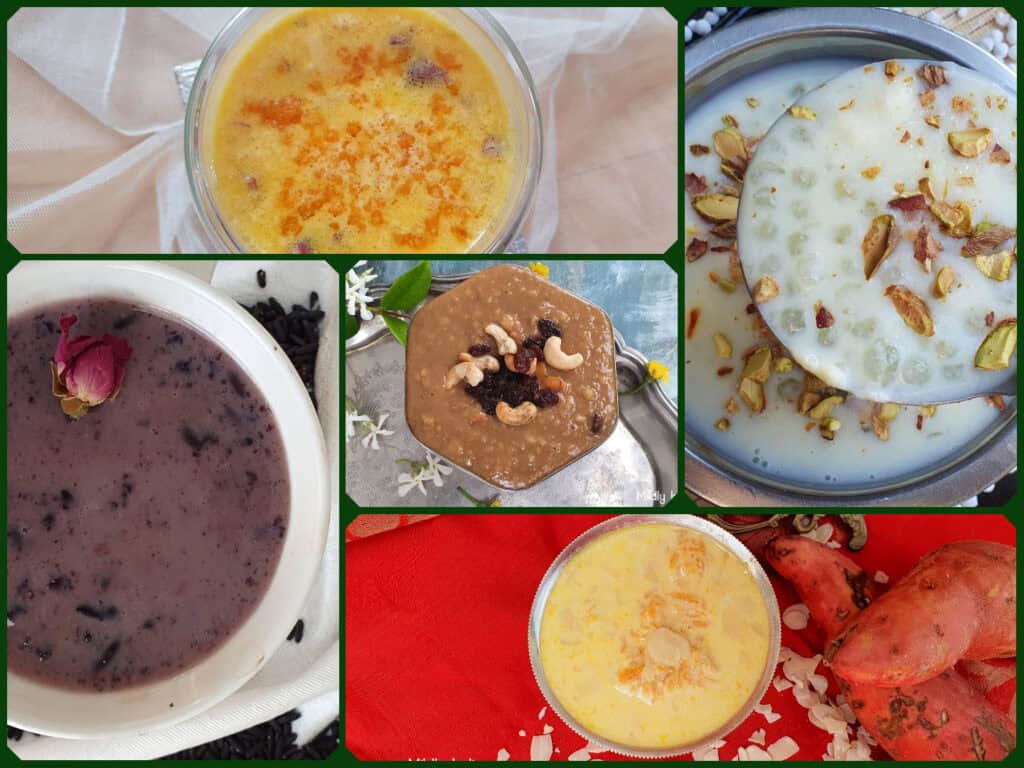
Cleverly crafted the payasam or kheer is a age old tradition. The bowl of kheer symbolizes a celebration hence it is made for festivals, birthdays and any occasion to celebrate success. Combined with milk (plant milk) and sweetness it is a beloved navivedyum (bhog) which is a divine offering. If you look at the varieties carefully, you will notice the regional and seasonal changes that made to the basic recipe, still holding on to the very essence of celebration and sharing with love. Here is a collection of 25 varieties of this dessert that you can trust for your festival offering. Each one of them is tried and tested multiple times, some classic and some fusion. Save it and enjoy.
Try these payasam recipes
Payasams come in many forms. Listed here are some of the most popular and some unique payasams you must try when trying the south Indian meal.
Pink paal payasam: Kerala style payasam made with raw red rice and milk is a comforting recipe made famous for it pale pink hue. Made during Krishnashtami, Onam and Vishu the payasam is one of Kerala’s favorite.
Semiya payasam: the classic adaptation of the thin vermicelli cooked in milk is one of the best propagated fusion recipes that we have all loved. Make it for a birthday, a get together or any festival and make some memories.This is also called the vermicelli kheer or seviyyan kheer.
Chatha chathayam: An ancient rice and coconut milk based kheer, flavored with jaggery and banana. This is a niche recipe made during Shastapreethi. It is also a vegan payasam.
Teff payasam :a clever use of the Ethiopian seeds to form a creamy payasam laced with shredded coconut.
Mongil arisi payasam: is a slow cooked pudding with bamboo rice and milk. It is a rare payasam recipe popular among the forest region where bamboo rice is more available.
Kadala parippu payasam: uniquely satisfying chickpea payasam from Sizzling tastebuds is to be savoured atleast once. The chickpea dal is roasted to bring out the best of flavours in this recipe.
Rice rava payasam: Quick and easy payasam made with crushed rice (rice rava) and jaggery. Best part is it is done under 20 minutes, hence a brilliant idea for festival days that fall on busy week days.
Carrot payasam: orange or purple carrots make the most delicious drinking style payasam. Very often we make this during Navrathri.
Aval payasam: instant payasam idea with flaked rice and coconut milk the rice is loved for its quick comfort that I learnt from my husband’s family.
Badami payasa: Enjoy this Karnataka style payasa made with almonds, coconut and milk from Preethis cuisine. It is rich and perfect for small serves and for festivals like Ugadi
Varagu paal payasam: slow cooked millet in milk is one of our house favorite. It is perfect for vrat days or naivedyum.
Nuruku godhambu payasam : done in Kerala style this crushed wheat based payasam is made during home celebrations. This is again a vegan payasam.
Chaler payesh: classic rice payesh made in Bengali style is a recipe from Evergreen dishes. The unique feature about thie recipe is the subtle fragrance from the added bayleaf.
What is the difference between payasam and prathaman?
For the love of Kerala, prathamans find thier way more often than payasams. Prathaman are a rustic style payasam made with coconut milk and jaggery. The slow cooked prathaman is often made with rice, fruits like plantain and jackfruit or dals. It is a bit thicker than payasam and best served on a banana leaf. This paysam stays good for a couple of days as well.These recipes are made for Onam, Vishu, Christmas and Easter.
Here is a collection of prathaman
Mango prathaman:Ripe mango and jaggery cooked in coconut milk is a seasonal prathaman recipe that is made often during Vishu.
Paalada prathaman: made using sundired rice flakes, milk and sugar the paalads prathaman is slightly different from the prathaman recipes that use jaggery and coconut milk.
Kadala parippu prathaman: made with Bengal gram the prathamn is a slightly ifferent version from the chickpea payasam.
Nendrapazham prathaman: made with ripe plantains nendrapazham prathaman is an unavoidable recipe for Onam once you have enjoyed it.
What is the difference between payasam and kheer?
Though cooked fairly similar, kheer is a smoother and thicker version of the Indian pudding compared to payasam. Compared to a payasam there is a lot of crushed nuts added to the kheers, where as in payasam it is a roasted bunch of nuts and raisins alonv with the ghee that is addded. Very often kheer can be seen served chilled where are payasams are preferably served warm. The differnece exists even in the way they are served. Payasams are served in a banana leaf or glasses with a spoon.however, kheer is usually served in small earthen bowls or any bowl as it is a bit thicker to have.
Must try kheer varities
Kheers as discussed re very similar to payasams. Here are some comforting and some special ones that you can use throughout the festival time
Rajgira Kheer: made popularly during navrathi season or vrat this is amde with popped amaranth seeds. gently and slowly cooked in milk it is an incredible mouth feel like little pops.
Sweet potato kheer:The most delicious creamy cooked sweet potato in milk an flavoured with jaggery or sugar and cardamom.
Chakhao ambui kheer: made with forbidden black rice it is a unique recipe that is fragrant and creamy and purple.
Kheer komola: this unique recipe with oranges in kheer is a seasonal speciality from The world through my eyes.
Mothichoor kheer: Fusion to the best,this kheer is made with crushed mothichoor ladoos and the warmth of milk.It is best served chilled.
Apple kheer: What is a better way to hve some apples than use them as a kheer. So fragrant this recipe from Mayuri’s jikoni will ensure your sweet tooth is well taken care of.
Bagarichi kheer: Bagar or millet based kheer is a delicate recipe made for Janmashtami, Check it out on The Madscientist Kitchen.
Paneer kheer; Is a royal creamy cottage cheese recipe, served chilled. This gluten free recipe is from Food trails.
Sago kheer: simple and easy yet comfortingly creamy kheer with tapioca pearls is one you should never miss. Make it with stands of saffron for that unique color and flavour.
Badam kheer: Soaked and ground almonds turned to the creamiest kheer. Try this from My cooking journey.
Phool Makahana kheer: Traditional kheer recipe made with foxnuts and nuts is a popular dessert for Holi, Navrathri or Diwali. Check it out from Cook with Renu.
Lauki kheer: Bottle gourd cleverly disguised as a dessert is an incredible idea for a kheer. Do try from Batter up with Sujata.
Stay connected
Hope you have a sweet tooth to hold on to this incredible collection of Indian dessert that is essential to celebrate every festival at its best. Share with us if you have any unique ones you make so we can add it to the collection Pin this for use later. Stay subscribed as we bring you some lovely idea collections like these. See you in the next post.
Looking for a wholesome, traditional dessert that’s both delicious and nourishing? This Saamai Paal Payasam is just what you need! Made with little millet, milk, and natural sweeteners, this creamy kheer is a perfect blend of taste and health. Whether you're celebrating a festival or just craving a comforting sweet treat, this recipe is a must-try. It’s simple to prepare, packed with nutrients, and has a rich, comforting flavor that keeps you coming back for more!
Saamai Paal Payasam is often made during South Indian festivals like Pongal, Navaratri, and Tamil New Year. It's also a popular choice for poojas and special family occasions, especially when people want a healthy, millet-based sweet.
These ingredients were chosen to create a simple, wholesome, and flavorful dessert. Little millet is a nutritious grain that’s light and easy to digest, making it perfect for payasam. Milk adds richness and creaminess, while sugar provides the right amount of sweetness. Cardamom powder brings a fragrant touch of warmth, and ghee-roasted cashews add a delicious crunch and aroma that elevate the overall dish.
Ingredients:
Cardamom powder
Little millet (Samai)
Milk
Cashews
Ghee (clarified butter)
Sugar
See recipe card for quantities.
Instructions
Pour the milk into a pan and place it on the stove. Stir occasionally until the milk comes to a boil.
Meanwhile, rinse the saamai (little millet) thoroughly and keep it ready.
In a separate pan, heat the ghee and fry the cashews until they turn golden brown.
Add the roasted cashews to the payasam and mix well. Remove the payasam from the heat.
When the milk starts to boil, add the rinsed saamai and mix well. Keep the flame on medium and stir occasionally.
Allow the saamai to cook as the milk gradually reduces to half its original quantity. This slow reduction enhances the flavor and gives the payasam a rich texture, often making cardamom powder optional. It takes about 20 minutes for the saamai to cook fully and the milk to thicken. Once the saamai is cooked, add the sugar and mix well. Let the kheer simmer for another 5 minutes before turning off the heat.
Substitutions
Vegan: Replace dairy milk with coconut milk, almond milk, or any plant-based milk to make this payasam completely vegan. Use coconut oil instead of ghee for roasting cashews.
Low Sugar: Substitute regular sugar with jaggery powder or natural sweeteners like maple syrup or stevia to reduce refined sugar content.
Gluten-Free: Saamai (little millet) is naturally gluten-free, making this recipe safe for gluten-sensitive diets. Just be sure to use pure, uncontaminated ingredients.
Nut-Free: If you have nut allergies, skip the cashews or replace them with seeds like pumpkin or sunflower seeds for a similar crunch.
Variations
Festive Twist: Add a pinch of nutmeg or cinnamon along with cardamom for warm, festive flavors. Garnish with fresh rose petals or edible dried fruits for a beautiful presentation.
Health Boost: Stir in some finely grated carrots or shredded coconut for extra nutrients and texture. You can also use jaggery instead of sugar for a more natural sweetness.
Storage
Store the payasam in an airtight container in the refrigerator. It will stay fresh for 2-3 days. Before serving, gently reheat on low heat and stir well—add a splash of milk if it has thickened too much.
This payasam is not recommended for freezing, as the texture can change and become grainy or watery when thawed.
Top Tips
Here are some top tips for making perfect Saamai Paal Payasam:
Rinse the little millet thoroughly to remove any impurities before cooking.
Cook the millet slowly in boiling milk on medium heat for a creamy texture.
Stir occasionally to prevent the millet from sticking to the bottom of the pan.
Allow the milk to reduce well—it enhances the flavor and thickens the payasam naturally.
Roast cashews in ghee until golden brown for a rich, nutty crunch.
Add sugar gradually and adjust sweetness to your taste.
Use fresh cardamom powder for the best aroma and flavor.
Serve warm or chilled, depending on your preference.
Avoid freezing to keep the texture intact.
For a special touch, garnish with saffron strands or dried rose petals
Saamai Paal Payasam Recipe | Little Millet Kheer Recipe
Saamai Paal Payasam is a traditional South Indian dessert made with little millet, milk, and sweet spices. This creamy and comforting kheer is not only delicious but also packed with nutrients, making it a wholesome treat perfect for festivals and special occasions. Its mild sweetness and rich texture make it a favorite among all ages.
Course Payasam/Kheer
Cuisine Indian, South Indian, Tamil Nadu
Prep Time 5 minutesminutes
Cook Time 30 minutesminutes
Total Time 35 minutesminutes
Servings 4people
Calories 120kcal
Author Sowmya Venkatachalam
Ingredients
¼CupLittle Millet (Samai)
2CupsMilk
6-7Cashews
1teaspoonGhee (Clarified butter)
¼CupSugar
¼teaspoonCardamom Powder
Instructions
Pour the milk into a pan and place it over medium heat. Stir occasionally until the milk begins to boil. Meanwhile, rinse the saamai thoroughly and set it aside.
2 Cups Milk
When the milk starts to boil, add the rinsed saamai and mix well. Reduce the heat to medium and stir occasionally. Allow the saamai to cook while the milk reduces to half its original quantity. This slow reduction enhances the flavor and texture, often making cardamom powder optional. It will take about 20 minutes for the saamai to cook fully and the milk to thicken. Once the saamai is cooked, add sugar and stir well. Let the kheer simmer for another 5 minutes before removing it from the heat.
¼ Cup Little Millet (Samai), ¼ teaspoon Cardamom Powder, ¼ Cup Sugar
In a separate pan, heat the ghee and fry the cashews until they turn golden brown. Add the roasted cashews to the payasam and mix well. Remove the payasam from the heat.
1 teaspoon Ghee (Clarified butter), 6-7 Cashews
The delicious Saamai Paal Payasam (Little Millet Kheer) is now ready to serve!
Notes
We can soak few saffron strands in warm milk and add it to get a nice color
Little millet cooks faster and hence I have added it directly in milk. If you want, we can cook the little millet in water separately and add it to milk later
Looking for a light and tasty dessert that's a little different? Try Cucumber Kheer! This South Indian sweet, also known as Vellarikkai Payasam, is made with cucumber, milk, and a hint of cardamom. It’s cool, creamy, and perfect for hot days or special occasions. This easy recipe is sure to surprise and delight—give it a try and see how delicious cucumber can be in a dessert!
Cucumber Kheer (Vellarikkai Payasam) is a light and cooling dessert, perfect for the hot summer months. It's sometimes made during festivals like Tamil New Year, Navaratri, or family poojas when a simple and refreshing sweet is preferred. Its mild, soothing taste also makes it a great choice for those following a satvik or Ayurvedic diet.
[feast_advanced_jump_to]
Ingredients
This refreshing Cucumber Kheer combines grated cucumber with semolina and sago for a smooth, satisfying texture. Sweetened condensed milk and sugar bring the perfect sweetness, while cardamom powder adds a lovely aroma. Ghee-roasted cashews and raisins add a rich, crunchy contrast, and a splash of milk ties everything together into a creamy, delicious dessert.
Grated cucumber
Semolina (Sooji/Rawa)
Sago (Sabudana/Jevvarasi)
Sweetened condensed milk
Sugar
Cardamom powder
Raisins
Cashews
Milk
Ghee
See recipe card for quantities.
Instructions
Rinse the sago thoroughly and soak it in water for 30 minutes.
Wash, peel, and grate the cucumber. Set aside 1 cup of the grated cucumber.
After soaking for half an hour, drain the water from the sago. Place a saucepan over medium heat, add the soaked sago along with fresh water, and cook until the sago becomes soft.
Heat ghee in a pan, then add the broken cashews and raisins. Sauté them until the cashews turn golden brown. Remove the roasted cashews and raisins and transfer them to a separate bowl or plate.
In the same pan, add the semolina and roast it until it releases a pleasant aroma and turns a light golden brown.
Pour ½ cup of hot water into the pan to cook the semolina.
When the semolina is half-cooked, add the grated cucumber to the pan and stir thoroughly.
Add the milk and sugar to the pan and cook the mixture until the cucumber is tender.
When the cucumbers are fully cooked and tender, add the cooked sago and condensed milk. Stir well and simmer on low heat for 5 minutes. Then, add cardamom powder along with the roasted cashews and raisins, and remove from the heat. You can also add unsweetened khoya for extra richness and flavor in this payasam.
The delicious and refreshing Cucumber Kheer (Vellarikkai Payasam) is now ready to serve!
Variations
Fruit-Enhanced Kheer: Add chopped fruits like pineapple, mango, or pomegranate seeds for extra sweetness and texture.
Spiced Cucumber Kheer: Add a pinch of saffron or a small piece of cinnamon stick while cooking for more depth of flavor.
Nutty Delight: Include a mix of nuts such as almonds, pistachios, and walnuts along with cashews for extra crunch.
Rose-Flavored Kheer: Add a teaspoon of rose water or garnish with edible rose petals for a floral twist.
Cucumber and Carrot Kheer: Mix grated carrot with cucumber for a colorful and nutritious version.
Storage
Refrigerate: Store the cucumber kheer in an airtight container in the refrigerator. It will stay fresh for up to 2-3 days.
Avoid room temperature: Since it contains milk, avoid leaving it out at room temperature for more than 2 hours to prevent spoilage.
Stir before serving: The kheer may thicken or separate slightly when chilled—just give it a good stir and, if needed, add a little warm milk to loosen it up before serving.
Do not freeze: Freezing is not recommended as the texture may change and become watery when thawed.
Top Tip
Use fresh, firm cucumbers for the best texture and flavor. Avoid overripe or watery ones.
Grate the cucumber just before cooking to keep the kheer fresh and prevent it from becoming watery.
Roast the semolina lightly to bring out a nutty aroma without burning it.
Soak sago well and cook it properly until soft to avoid any crunchiness.
Adjust the sweetness by tasting as you go—cucumber is naturally mild, so balance is key.
Use cardamom powder for that classic fragrant touch; you can also add a pinch of saffron for extra aroma.
Roast cashews and raisins in ghee until golden to add a rich, crunchy contrast.
Cook on low flame after adding milk and condensed milk to avoid curdling.
Serve chilled or at room temperature for a refreshing dessert.
If the kheer thickens too much after refrigeration, stir in a little warm milk before serving.
Cucumber Kheer (Vellarikkai Payasam) is a light and refreshing South Indian dessert made with grated cucumber, semolina, sago, milk, and sweetened condensed milk. Flavored with cardamom and garnished with roasted cashews and raisins, this creamy payasam is perfect for hot days and festive occasions. It’s easy to prepare, mildly sweet, and has a unique cooling taste that surprises and delights.
Course Payasam/Kheer
Cuisine Indian Cuisine, Indian Recipes, South Indian Recipes
Prep Time 30 minutesminutes
Cook Time 30 minutesminutes
Servings 4people
Calories 220kcal
Author Sowmya Venkatachalam
Equipment
1 Heavy Bottomed Pan
1 Vegetable Grater
1 Mixing Bowl
Ingredients
1CupCucumberGrated
2tablespoonSemolina (Sooji / Rava)
¼cupJavvarasi (Sago / Sabudana)
½CupCondensed Milk
¼CupSugar
¼teaspoonCardamom Powder
10nosRaisins
10nosCashews
¼cupMilk
1tablespoonGhee
Instructions
Rinse the sago thoroughly and soak it in water for 30 minutes.
¼ cup Javvarasi (Sago / Sabudana)
Wash, peel, and grate the cucumber. Set aside 1 cup of the grated cucumber.
1 Cup Cucumber
After soaking for half an hour, drain the water from the sago. Place a saucepan over medium heat, add the soaked sago along with fresh water, and cook until the sago becomes soft.
Heat ghee in a pan, then add the broken cashews and raisins. Sauté them until the cashews turn golden brown. Remove the roasted cashews and raisins and transfer them to a separate bowl or plate.
10 nos Cashews, 1 tablespoon Ghee, 10 nos Raisins
In the same pan, add the semolina and roast it until it releases a pleasant aroma and turns a light golden brown.
2 tablespoon Semolina (Sooji / Rava)
Pour ½ cup of hot water into the pan to cook the semolina.
When the semolina is half-cooked, add the grated cucumber to the pan and stir thoroughly.
Add the milk and sugar to the pan and cook the mixture until the cucumber is tender.
¼ teaspoon Cardamom Powder, ¼ cup Milk, ¼ Cup Sugar
When the cucumbers are fully cooked and tender, add the cooked sago and condensed milk. Stir well and simmer on low heat for 5 minutes. Then, add cardamom powder along with the roasted cashews and raisins, and remove from the heat. You can also add unsweetened khoya for extra richness and flavor in this payasam.The delicious and refreshing Cucumber Kheer (Vellarikkai Payasam) is now ready to serve!
Today I am sharing the School Lunch Box Ideas 2 from the Lunch Box series which I have started recently @nithakitchen. Also with the recipe ideas, I am sharing the recipe for vegan pomegranate smoothie at the end of this post. Once a week, I prepare quesadillas to pack for school and office lunch boxes....
As promised in the previous post, I am sharing the lunch box I pack for the entire family. Also officially starting the Lunch box recipe ideas @nithakitchen. You can consider this suitable for either school or office lunches. I prepare the same dishes for both kids and adults at home. The only difference is breakfast;...
Gil-e-firdaus, a classic Dakhni dessert from the kitchens of Hyderabad has its presence in wedding feasts, celebrations and gatherings. A luscious and melt in the mouth dessert made with Sabudana, bottle gourd, khoya, cashew paste and milk. I remember having this dish during my stay in Hyderabad, I fell in love with this kheer instantly. This divine dessert can be served chilled or warm and traditionally served in earthen bowls, which lends an earthy taste. Hence the name GIL-E-FIRDAUS, meaning clay of paradise.
This classic dessert Gil-e-firdaus is commonly known as Kaddu ka kheer/ Kaddu ki kheer, as Bottle gourd is known as Kaddu in Hyderabad. As The holy month of Ramadan sets in, the intoxicating aroma of Haleem, Kababs and various desserts linger in the air around the bustling streets of Hyderabad. This divine Gil-e-firdaus a.k.a Kaddu ki kheer is also sold in the small eateries and stalls on the streets. It’s rich and luscious consistency makes it absolutely irresistible.
The addition of khoa(khoya), cashew paste, and simmering sabudana and bottle gourd in full-fat milk makes it utterly creamy and divine.We have used Sabudana and kaddu(bottle gourd) here, but some add finely ground basmati rice as well to make it aromatic and more creamier. But simmering everything on low flame for longer period time is the key for this divine pudding.
Ingredients needed to make GIL-E-FIRDAUS
Bottle gourd
Sabudana / Tapioca pearls
Full fat milk
Sugar
Cardamom powder
Khoya
Nuts
How to make this dessert VEGAN?
Substitute the full fat milk with plant based milk like coconut milk/soy milk/almond milk. And also substitute the Khoya with Cashew paste or Almond paste to get that rich consistency.
Let’s get into the recipe now, before that check out more desserts from my blog.
A classic Hyderabadi dessert made of Bottle gourd, sabudana, milk, milk solids and enriched with nuts.
Course Dessert
Cuisine Telangana
Keyword Festive food, Indian desserts, Pudding
Prep Time 15 minutesminutes
Cook Time 30 minutesminutes
Soaking time 1 hourhour
Total Time 1 hourhour45 minutesminutes
Servings 6servings
Author Shravani Abhishek
Ingredients
1cupBottle gourdpeeled and grated. Discard the seeds and core.
½cupSabudana / Tapioca pearls
1litreWhole milk / Full fat milk
¼cupKhoya / Milk solids
1½cupsSugar
3tbspCashew paste
1podCardamom
½tspCardamom powder
¼cupWater
Instructions
Wash and Soak the sabudana pearls for 1 hour.
Soak the cashews in warm water and keep aside.
Let's prep for the dessert
Peel the bottle gourd, cut into halves, scoop out the core and grate it into thick shreds.
Take a large mixing bowl, add cold filtered water and add the grated bottle gourd shreds to it. Squeeze the juice out of it and drain the water. Repeat washing the grated bottle gourd shreds for one more time until water runs clear.Note : This step helps in preventing the curdling of milk when we add bottle gourd.
Let's start cooking GIL-E-FIRDAUS now!!
Heat a Saucepan, add full fat milk, one cardamom pod and bring to a boiling point. Then reduce the flame to low.
In a small mixing bowl add khoya and a cup of hot milk to it. Mix it thoroughly until khoya completely incorporated well.
Heat a thick bottomed pan, add grated bottle gourd, water. Close the lid and cook for 10 min on low flame until bottle gourd turns tender.
When the water dries up, mash the bottle roughly and sauté again till the water dries up completely. Keep this aside.
To the boiled milk, add soaked sabudana(drain the water). Cook for about 10 to 15 minutes on low flame till the sabudana turns translucent and tender.
Add cashew paste, milk mixed with khoya mixture to the milk and sabudana. Give it a good Stir thoroughly to prevent the formation of lumps.
Remove the cardamom pod from the milk and then add in sautèed bottle gourd mixture, sugar and give it a good mix.
Reduce the flame to a low flame and cook until the kheer thickens up and keep stirring continuously to prevent sticking to the bottom of the pan.
Once the kheer thickens, turn off the stove and let the kheer cool down to room temperature.
Serve chilled or warm GIL-E-FIRDAUS / Kaddu ki kheer by sprinkling some chopped nuts on the top.
Notes
You can add in tiny pinch of edible green food color to give the dessert a traditional look.
This dessert tastes best when served chilled.
If you’ve tried this recipe, please share your valuable feedback in the comments below. Also you can Tag your photo and share it with #mycurryveda on Instagram @mycurryveda or on Facebook .

 Login
Login The Italian Army has received its first new-generation SAMP/T NG and GRIFO air defense systems, marking the initial deployment of Italy’s modernized layered air and missile defense architecture, the defense outlet Militarnyi reported on Friday. The handover includes the first SAMP/T NG (New Generation) medium- and long-range air defense systems as well as GRIFO short-range […]

 Morocco is considering the acquisition of up to 400 K2 Black Panther main battle tanks and the Cheongung (KM-SAM) medium-range air defense system from South Korea, according to South Korean industrial sources. The reported plan would mark the first integration of South Korean military equipment into the Moroccan Armed Forces if it moves forward. The […]