People under 60 are losing it online. And by it, I mean money, due to digital identity theft.
In its simplest form, your digital identity consists of a set of attributes that can be traced back to you and your identity. That can range from photos you post online to online shopping accounts, email accounts, telephone numbers, bank accounts, and your tax ID.
In this way, your digital identity is like dozens upon dozens of puzzle pieces made up of different accounts, ID numbers, and so forth. When put together, they create a picture of you. And that’s why those little puzzle pieces of your identity are such attractive targets for hackers. If they get the right combination of them, you can end up a victim of theft or fraud.
In this article, we’ll look into the kinds of information that include your digital identity, tactics to protect you from identity theft, signs that your identity has been stolen, and the steps to take to reclaim your identity.
What is digital identity?
Your digital identity is much more comprehensive than a simple username or password. Think of it as your complete digital existence, a unique combination of your information, behaviors, and digital traces that collectively represent who you are online. Unlike a single account that you create for one website, your digital identity encompasses every piece of data connected to you across the entire digital landscape.
Information that comprises your digital identity
- Personal identifiers: The foundation of your digital identity includes personal data such as your full name, address, phone numbers, Social Security number, and date of birth. These are the pieces hackers need to impersonate you for financial gain, making you a prime target for identity theft.
- Digital identifiers: Your usernames, email addresses, and social media handles create your online presence. These identifiers link your various accounts together, so when one gets breached, criminals can often trace their way to your other accounts.
- Authentication factors: Your passwords, security questions, passkeys, and multi-factor authentication (MFA) settings are the locks that protect your digital doors. When these are weak or reused across multiple accounts, you’re essentially giving criminals a universal key to your digital life.
- Device and network data: Your computer’s IP address, device fingerprints, browser settings, and network connections help legitimate services recognize you, but they also help criminals track your movements online and potentially hijack your sessions or attack you. Your phone’s unique device ID and browser’s specific settings and installed plugins also contribute to your digital identity.
- Behavioral signals: Beyond personal data, your digital identity extends to your behavioral patterns, such as the websites you visit, shopping and banking habits, the times you’re typically online, and even how you type or move your mouse. Each day you access healthcare portals or interact with government services online, you add data that creates a picture of who you are.
- Biometric information: Your facial recognition data and fingerprints also create a unique digital signature. While these enhance your security when used properly, they also represent permanent identifiers that can’t be changed if compromised.
- Linked accounts and services: Your banking, shopping, healthcare, and government service accounts all connect to your core identity. Each account holds pieces of your identity that criminals can exploit. The more accounts you have, the more entry points exist for potential breaches.
The more aware you are of what makes up your digital identity, the better equipped you’ll be to keep those puzzle pieces secure and out of the wrong hands.
Applications of digital identity
Your digital identity is constantly at work in ways you don’t notice. Every time you log in to your bank, check your medical records, book a flight, or shop online, your digital identity verifies who you are and grants access to the services you need. With that convenience comes responsibility: the more places your identity appears, the more important it becomes to protect it.
- Banking and fintech: Your digital identity enables instant transfers, mobile check deposits, and personalized financial insights. While you gain convenience and speed, you’re sharing sensitive financial data and behavioral patterns online.
- Healthcare portals: Patient portals use your digital identity to provide secure access to medical records, prescription refills, and telehealth appointments. You benefit from coordinated care and easy access to your health information, but medical data breaches can have lasting consequences.
- Government services: Digital identity streamlines tax filing, driver’s license renewals, and benefit applications through secure government portals. You save time and reduce paperwork, but government databases are high-value targets for cybercriminals.
- Travel and transportation: Your digital identity powers everything from Transportation Security Administration (TSA) PreCheck to mobile boarding passes and hotel check-ins. This creates seamless travel experiences and reduces wait times, but travel data reveals your location patterns and personal habits.
- E-commerce and shopping: Online retailers use your digital identity to offer one-click purchasing, personalized recommendations, and targeted promotions. You get convenience and a tailored shopping experience, but companies collect extensive data on your preferences and spending habits.
- Social media and messaging platforms: Social networks leverage your digital identity to connect you with friends, share content, and build communities around shared interests. However, these platforms collect comprehensive data about your personal life and relationships.
People under 60 are major targets for fraud
Here’s what’s happening: People under 60 were twice as likely to report losing money to online scams, and more than four times more likely to report losing money to an investment scam, and the majority of those losses happened in scams involving some form of cryptocurrency investments.
It’s no surprise that younger adults get targeted this way. They’re far more likely than any other age group to use mobile apps for peer-to-peer payments, transferring money between accounts, depositing checks, and paying bills. In short, there’s a lot of money flowing through the palms of their hands thanks to their phones, as well as their computers.
Protecting yourself from hackers and fraud means safeguarding your digital identity. And that can feel like a significant task, given all the information your digital identity contains. It can be done, though, especially if you think about your identity like a puzzle. A piece here, another piece there, can complete the picture (or complete it just enough) to give a hacker what they need to separate you from your money. Thus, the way to stay safe is to keep those puzzle pieces out of other people’s hands.
Signs your identity has been stolen
As I mentioned, the quickest way to understand what’s happening with your identity is to check your credit report. Identity theft goes beyond money. Crooks will steal identities to rent apartments, access medical services, and even get jobs. Things like that can show up on a credit report, such as when an unknown address shows up in a list of your current and former residences or when a company you’ve never worked for shows up as an employer. If you spot anything strange, track it down right away. Many businesses have fraud departments with procedures in place that can help you clear your name if you find a charge or service wrongfully billed under your name.
Other signs are far more obvious. You may find collection agencies calling or even see tax notices appearing in your mailbox (yikes). Clearly, cases like those are telltale signs that something is really wrong. In that case, report it right away:
Likewise, many nations offer similar government services. A quick search will point you in the right direction.
Another step you can take is to ask each credit bureau to freeze your credit, which prevents crooks from using your personal information to open new lines of credit or accounts in your name. Fraud alerts offer another line of protection for you as well.
Ways to protect your digital identity from hackers and fraud
It’s actually not that tough. With a few new habits and a couple of apps to help you out, you can protect yourself from the headaches and flat-out pain of fraud. Here’s a list of straightforward things that you can get started on right away:
1. Start with the basics: security software
Protect yourself by protecting your stuff. Installing and using security software on your computers and phones can help prevent a range of attacks and keep you safer while you surf, bank, and shop online. I should emphasize it again: protect your phone. Only about half of people protect their phones even though they use them to hail rides, order food, send money to friends, and more. Going unprotected on your phone means you’re sending all that money on the internet in a way that’s far, far less safe than if you use online protection.
2. Create strong passwords
You hear this one all the time, and for good reason: strong, unique passwords offer one of your best defenses against hackers. Never reuse them (or slight alterations of them) across the different platforms and services you use. Don’t forget to update them regularly (at least every 60 days)! While that sounds like a lot of work, a password manager can keep on top of it all for you. If your platform or service supports two-factor authentication, enable it. It’s an additional layer of security that makes hacking more difficult for cybercriminals.
3. Keep up to date with your updates
Updates pop up on our phones and computers nearly every day. Resist the urge to put them off until later. In addition to improvements, updates often include important security fixes. So, when you receive an alert on your device, update the operating system or app. Think of it as adding another line of defense against hackers who are looking to exploit old flaws in your apps.
4. Think twice when you share
Social media is a common channel for hackers to harvest personal information because people sometimes share more than they should. With info like your birthday, the name of your first school, your mother’s maiden name, or even the make of your first car, they can answer common security questions that could hack into your accounts. Crank up the privacy settings on your accounts so only friends and family can see your posts—and realize the best defense here is not to post any potentially sensitive info in the first place. Also, steer clear of those “quizzes” that sometimes pop up in your social feeds. Those are other ways that hackers try to gain bits of info that can put your identity at risk.
5. Shred it
Even though so many of us have gone paperless with our bills, identity theft by digging through the trash or “dumpster diving” is still a thing. Items such as medical bills, tax documents, and checks may still arrive in your mailbox. You’ll want to dispose of them properly when you’re through with them.
First, invest in a paper shredder. Once you’ve deposited the check or paid the odd bill online, shred it so that any personal or account information on it can’t be read (and can be recycled securely).
Second, if you’re out of town for a bit, have a friend collect your mail or have the post office place a temporary hold on it. That’ll prevent thieves from lifting personal info right from your mailbox while you’re away.
6. Check your credit
Even if you don’t think there’s a problem, go ahead and check your credit. The issue is that someone could be charging expenses to your name without you even knowing it. Depending on where you live, different credit reporting agencies keep tabs on people’s credit. In the U.S., the big ones are Equifax, Experian, and TransUnion.
Also in the U.S., the Fair Credit Reporting Act requires these agencies to provide you with a free credit check at least once every 12 months. Canada, the UK, and other nations likewise offer ways to get a free credit report. Review your options; you may be surprised by what you find.
7. Audit your public profiles
Do an inventory of your online presence by searching for your name, email addresses, and phone numbers across major search engines and social platforms. Review what information appears publicly on your social media accounts, professional profiles, and any other online accounts. This is your chance to remove the information that’s not relevant to the account. The FTC recommends conducting these searches regularly to understand what personal information is visible to others online.
8. Remove old and unused accounts
Web technology changes so fast that some websites become outdated. If you have accounts on any such website, delete them, especially on platforms that may have obsolete security measures. This reduces the number of places where your personal information could be compromised. If you can’t remember all your accounts, check your email for old account creation confirmations. There might also be tools that identify forgotten accounts across various services.
9. Opt out of data brokers
Data brokers collect and sell your personal information to advertisers and other companies. You can opt out of major data brokers like Acxiom, LexisNexis, and Spokeo by visiting their websites and following their opt-out procedures. The FTC provides guidance on how consumers can limit data-broker activities, though this process requires ongoing effort as new brokers emerge.
10. Monitor data exposures
Set up Google Alerts for your name and other personal information to track when your data appears online. Consider using identity monitoring services that alert you to potential data breaches involving your information. Regularly check your credit reports and bank statements for unusual activity, as these can be early indicators that your digital footprint has been compromised.
Taking control of your digital footprint requires ongoing attention, but these steps significantly reduce your exposure to identity theft and online privacy violations. Start with the actions that feel most manageable, then gradually work through the complete checklist to build stronger protection for your online presence.
Final thoughts
Protecting your digital identity is an ongoing commitment that requires constant vigilance and smart habits. By regularly monitoring your credit reports, using strong authentication methods, maintaining your privacy on social media, keeping your software up to date, and responding promptly to any suspicious activity, you’re building a robust defense against identity theft. With consistency, these protective measures will become your second nature over time.
Safeguarding your identity becomes even easier with the right tools. Consider exploring comprehensive digital identity protection services that monitor your personal information across multiple platforms and alert you to potential threats in real time. With the combination of vigilant habits and reliable protection tools, you can confidently continue with your digital activities knowing your identity is secure.
The post How to Protect Your Digital Identity appeared first on McAfee Blog.

 Login
Login






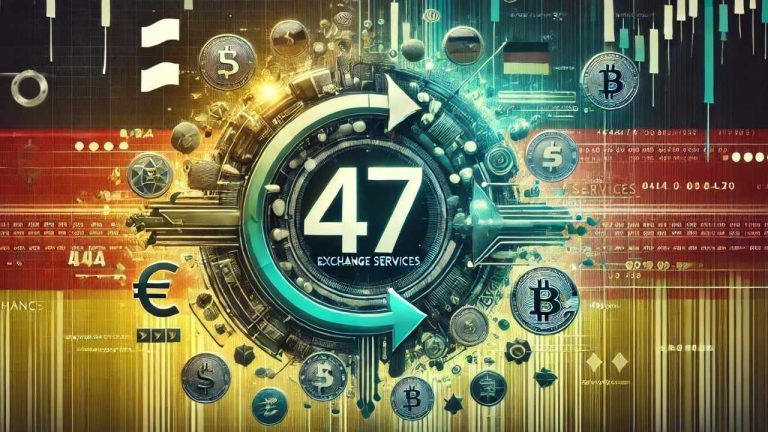 German authorities have dismantled 47 exchange services involved in facilitating anonymous crypto transactions for criminal activities. These platforms bypassed anti-money laundering protocols, enabling cybercriminals to exchange digital currencies without identity verification. The takedown follows a series of other operations targeting major cybercrime networks. With seized user and transaction data, authorities are set to pursue further […]
 architectureofdoom: Former Cold War bunker turned into a dark web cyberbunker, Traben-Trarbach, Germany