โŒ

Reading view

There are new articles available, click to refresh the page.

The best GPS running watches for 2026

Having the right GPS watch on your wrist whether youโ€™re going for your first ever run or your umpteenth run can make all the difference. The best GPS running watches not only keep track of how far youโ€™ve run, but they track pace and other real-time metrics, advanced training features to help you hit your goals and, of course, precise distance measurements. Some models even provide offline maps for navigation, sleep tracking, recovery insights, and smart features that โ€œregularโ€ smartwatches do.

For those who need extra durability and lasting battery life, higher-end sport watches โ€” like some of the best Garmin watches โ€” are built to handle intense workouts, harsh weather and long runs. If you're training for a marathon, triathlon or just want a multisport option that can keep up with your lifestyle, these watches have the tech to support you.

With so many options available, from entry-level models to the best running watches packed with advanced running metrics, it can be tricky to find the right fit. Thatโ€™s why weโ€™ve rounded up our top picks to help you choose the perfect GPS watch for your training needs.

Best GPS running watches for 2026

Other GPS running watches we tested

Polar Pacer Pro

The Polar Pacer Pro looked and felt quite similar to our top pick, and it mapped my outdoor runs accurately. However, Polarโ€™s companion app is leagues behind Garminโ€™s with a confusing interface and a design that feels very much stuck in the past. Itโ€™s also $100 more expensive than our top pick.

Amazfit Cheetah Pro

The Amazfit Cheetah Pro tracked my outdoor runs accurately and Zeppโ€™s companion app has a coaching feature much like Garminโ€™s adaptive training plans that can outline a routine for you to complete in preparation for a race or to achieve a specific goal. My biggest issue with it was that its touchscreen wasnโ€™t very responsive โ€” it took multiple hard taps on the display to wake it, and often the raise-to-wake feature didnโ€™t work, leaving me staring at a dark screen.

What to consider before buying a GPS running watch

GPS speed and accuracy

The most important thing for a GPS running watch to have is fast, accurate GPS tracking. That might seem obvious, but itโ€™s quite easy to get distracted by all of the other smart features most of these devices have. Since most of them can be worn all day long as standard sport watches, thereโ€™s a lot of (possibly unnecessary) fluff that looks good on paper but wonโ€™t mean much if the core purpose if the device is left unfulfilled. To that end, I paid particular attention to how long it took each deviceโ€™s built-in GPS tracking to grab my location before a run, if it ever lost my spot and the accuracy of the generated maps. Also, the device should be smart enough to let you start tracking a run while the GPS looks for your location.

Workout profiles and trackable metrics

You may not be able to suss out GPS accuracy just by looking at a spec sheet (thatโ€™s where this guide can help), but you can check for features like supported workout profiles. Thatโ€™s something youโ€™ll want to look into, even if your one and only activity is running. Check to make sure the best running watches youโ€™re considering support all the kinds of running activities you like to do (outdoor runs, treadmill runs, etc) and any other workouts you may want to track with it.

Most fitness wearables today arenโ€™t one-trick ponies; youโ€™ll find a healthy number of trackable exercise modes on any sport watch worth its salt. That said, the number of workout profiles can be directly proportional to a deviceโ€™s price: the higher-end the product, chances are the more specific, precise workouts it can monitor.

In a similar vein, youโ€™ll want to check the trackable metrics of any watch youโ€™re considering before you buy. Since weโ€™re talking about the best GPS running watches, most will be able to track the basics like distance, heart rate and pace, and those are bare minimums. Some watches can monitor additional stats like speed, cadence, stride length, advanced running dynamics, aerobic and anaerobic training effect, intensity minutes and more. If youโ€™re already a serious runner who trains for multiple races each year, or if you're a trail runner who needs elevation and navigation features, youโ€™ll want to dig into the spec sheet of the watch youโ€™re considering to make sure it can track all of your most necessary metrics.

Size and weight

Itโ€™s worth checking out a watchโ€™s case size and weight before going all-in on one. GPS running watches, and standard smartwatches as well, can have a few different sizes to choose from so youโ€™ll want to make sure youโ€™re getting the best fit for your wrist. I have a smaller wrist, so I tend to avoid extra-large cases (anything over 42mm or so), especially if I intend on wearing the device all day long as my main timepiece. Weight, on the other hand, is a little less controllable, but typically smaller case sizes will save you a few grams in overall weight.

For those who need durability, particularly trail runners or those tackling extreme conditions, devices like Garmin watches offer rugged builds that can handle rough terrain, impact, and extreme weather.

Battery life

Unlike regular smartwatches, GPS running watches have two types of battery life youโ€™ll need to consider: with GPS turned on and in โ€œsmartwatchโ€ mode. The former is more important than the latter because most GPS running watches have stellar battery life when used just as a smart timepiece. You can expect to get multiple days on a single charge, with some surviving more than two weeks (with all day and night wear) before they need a recharge.

Battery life with GPS turned on will be much shorter by comparison, but any GPS running watch worth its salt should give you at least 10-15 hours of life with the GPS being used continuously. The more youโ€™re willing to spend, the higher that number typically gets, with some GPS running watches lasting for 40 hours while tracking your location.

This article originally appeared on Engadget at https://www.engadget.com/wearables/best-gps-running-watch-141513957.html?src=rss

ยฉ

ยฉ Valentina Palladino for Engadget

Best GPS running watches

Spotifyโ€™s 3rd price hike in 2.5 years hints at potential new normal

After a dozen years of keeping subscription prices stable, Spotify has issued three price hikes in 2.5 years.

Spotify informed subscribers via email today that Premium monthly subscriptions would go from $12 to $13 per month as of users' February billing date. Spotify is already advertising the higher prices to new subscribers.

Although not explicitly mentioned in Spotify's correspondence, other plans are getting more expensive, too. Student monthly subscriptions are going from $6 to $7. Duo monthly plans, for two accounts in the same household, are going from $17 to $19, and Family plans, for up to six users, are moving from $20 to $22.

Read full article

Comments

ยฉ Spotify

Bandcamp bans purely AI-generated music from its platform

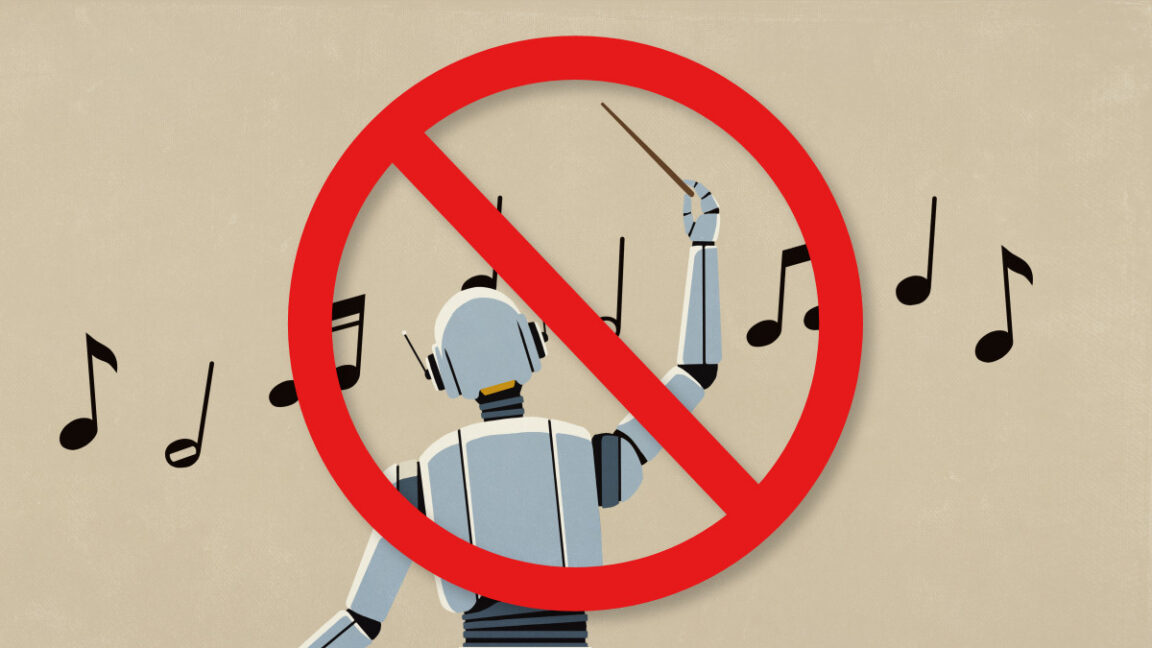
On Tuesday, Bandcamp announced on Reddit that it will no longer permit AI-generated music on its platform. "Music and audio that is generated wholly or in substantial part by AI is not permitted on Bandcamp," the company wrote in a post to the r/bandcamp subreddit. The new policy also prohibits "any use of AI tools to impersonate other artists or styles."

The policy draws a line that some in the music community have debated: Where does tool use end and full automation begin? AI models are not artists in themselves, since they lack personhood and creative intent. But people do use AI tools to make music, and the spectrum runs from using AI for minor assistance (cleaning up audio, suggesting chord progressions) to typing a prompt and letting a model generate an entire track. Bandcamp's policy targets the latter end of that spectrum while leaving room for human artists who incorporate AI tools into a larger creative process.

The announcement emphasized the platform's desire to protect its community of human artists. "The fact that Bandcamp is home to such a vibrant community of real people making incredible music is something we want to protect and maintain," the company wrote. Bandcamp asked users to flag suspected AI-generated content through its reporting tools, and the company said it reserves "the right to remove any music on suspicion of being AI generated."

Read full article

Comments

ยฉ Malte Mueller via Getty Images

Bandcamp prohibits music made โ€˜wholly or in substantial partโ€™ by AI

Bandcamp has addressed the AI slop problem vexing musicians and their fans of late. The company is banning any music or audio on its platform that is "wholly or in substantial part" made by generative AI, according to its blog. It also clarified that the use of AI tools to impersonate other artists or styles is โ€œstrictly prohibitedโ€ by policies already in place.

Any music suspected to be AI generated may be removed by the Bandcamp team and the company is giving users reporting tools to flag such content. "We believe that the human connection found through music is a vital part of our society and culture, and that music is much more than a product to be consumed," the company wrote.

The announcement makes Bandcamp one of the first music platforms to offer a clear policy on the use of AI tech. AI-generated music (aka โ€œslopโ€) has increasingly been invading music-streaming platforms, with Deezer for one recently saying that 50,000 AI-generated songs are uploaded to the app daily, or around 34 percent of its music.ย 

Platforms have been relatively slow to act against this trend. Spotify has taken some baby steps on the matter, having recently promised to develop an industry standard for AI disclosure in music credits and debut an impersonation policy. For its part, Deezer said it remains the only streaming platform to sign a global statement on AI artist training signed by numerous actors and songwriters.ย 

Bandcamp has a solid track record for artist support, having recently unveiled Bandcamp Fridays, a day that it gives 100 percent of streaming revenue to artists. That led to over $120 million going directly to musicians, and the company plans to continue that policy in 2026.

This article originally appeared on Engadget at https://www.engadget.com/entertainment/streaming/bandcamp-prohibits-music-made-wholly-or-in-substantial-part-by-ai-130050593.html?src=rss

ยฉ

ยฉ Bandcamp

Bandcamp AI rules

์œ ๋‹ˆ๋ฒ„์„ค ๋ฎค์ง-์—”๋น„๋””์•„, ์ˆ˜๋ฐฑ๋งŒ ๊ณก ์Œ์•… ์ž์‚ฐ ํ™œ์šฉํ•ด AI ๊ธฐ์ˆ  ํ˜‘๋ ฅ

์ด๋ฒˆ ํ˜‘์—…์œผ๋กœ ์—”๋น„๋””์•„๋Š” AI ์ธํ”„๋ผ๋ฅผ ์ œ๊ณตํ•˜๊ณ , ์œ ๋‹ˆ๋ฒ„์„ค ๋ฎค์ง์€ ์ˆ˜๋ฐฑ๋งŒ ๊ณก ๊ทœ๋ชจ์˜ ์Œ์•… ์ž์‚ฐ์„ ์ง€์›ํ•œ๋‹ค. ์–‘์‚ฌ๋Š” ์ด๋ฅผ ๋ฐ”ํƒ•์œผ๋กœ ๊ฒ€์ƒ‰๊ณผ ๊ฐœ์ธํ™”์— ํ•œ์ •๋๋˜ ๊ธฐ์กด ์Œ์•… ์„œ๋น„์Šค์˜ ๊ตฌ์กฐ๋ฅผ ๋„˜์–ด, ์Œ์•… ๋ฐœ๊ฒฌยท์ฐธ์—ฌยท์†Œ๋น„ ์ „๋ฐ˜์˜ ๊ฒฝํ—˜์„ ํ™•์žฅํ•˜๋Š” ๋ฐฉ์•ˆ์„ ๊ฒ€ํ† ํ•  ๊ณ„ํš์ด๋‹ค. ์•„์šธ๋Ÿฌ ์•„ํ‹ฐ์ŠคํŠธ์˜ ์ž‘ํ’ˆ์„ ๋ณดํ˜ธํ•˜๊ณ  ์Œ์•… ๊ธฐ๋ฐ˜ ์ฝ˜ํ…์ธ ์˜ ๊ถŒ๋ฆฌ ๊ด€๊ณ„๋ฅผ ๋ณด๋‹ค ๋ช…ํ™•ํžˆ ํ•˜๊ธฐ ์œ„ํ•œ AI ํ™œ์šฉ ๋ฐฉ์•ˆ๋„ ํ•จ๊ป˜ ๋…ผ์˜ํ•œ๋‹ค.

๊ธฐ์ˆ ์ ์œผ๋กœ๋Š” ์Œ์•… ํŠนํ™” AI ๋ชจ๋ธ โ€˜๋ฎค์ง ํ”Œ๋ผ๋ฐ๊ณ (Music Flamingo)โ€™๊ฐ€ ํ™œ์šฉ๋œ๋‹ค. ์—”๋น„๋””์•„๊ฐ€ ๋งŒ๋“  ๋ฎค์ง ํ”Œ๋ผ๋ฐ๊ณ ๋Š” ์ „์ฒด ๊ณก์„ ๋Œ€์ƒ์œผ๋กœ ์Œ์•…์˜ ๊ตฌ์กฐ, ๊ฐ์ •, ๋งฅ๋ฝ, ์˜๋ฏธ๋ฅผ ๋ถ„์„ํ•˜๊ณ  ์ด๋ฅผ ์„ค๋ช…ํ•˜๊ฑฐ๋‚˜ ์ถ”๋ก ํ•  ์ˆ˜ ์žˆ๋„๋ก ์„ค๊ณ„๋œ ๋ฉ€ํ‹ฐ๋ชจ๋‹ฌ AI ๋ชจ๋ธ์ด๋‹ค. ์ตœ๋Œ€ 15๋ถ„ ๊ธธ์ด์˜ ์Œ์•…์„ ๋ถ„์„ํ•  ์ˆ˜ ์žˆ์œผ๋ฉฐ, ํ™”์„ฑ ๊ตฌ์กฐ, ๊ณก์˜ ๊ตฌ์„ฑ, ์Œ์ƒ‰, ๊ฐ€์‚ฌ, ๋ฌธํ™”์  ๋งฅ๋ฝ ๋“ฑ ์—ฌ๋Ÿฌ ์š”์†Œ๋ฅผ ํ•จ๊ป˜ ๊ณ ๋ คํ•œ๋‹ค. ๋˜ํ•œ CoE(Chain-of-Thought) ์ถ”๋ก  ๋ฐฉ์‹์„ ์ ์šฉํ•ด ์ฝ”๋“œ ์ง„ํ–‰๊ณผ ๊ฐ์ •์˜ ๋ณ€ํ™” ๋“ฑ ์Œ์•…์  ํŠน์„ฑ์„ ๋‹จ๊ณ„์ ์œผ๋กœ ํ•ด์„ํ•œ๋‹ค. ์ด๋Ÿฌํ•œ ๋ถ„์„ ๊ฒฐ๊ณผ๋Š” ์Œ์•…์˜ ํŠน์„ฑ์„ ๋ณด๋‹ค ์„ธ๋ถ„ํ™”ํ•ด ํŒŒ์•…ํ•˜๊ฑฐ๋‚˜ ์ถ”์ฒœ ์‹œ์Šคํ…œ์— ํ™œ์šฉ๋  ์ˆ˜ ์žˆ๋‹ค.

์ด์™€ ๋ณ„๋„๋กœ ์—”๋น„๋””์•„์™€ ์œ ๋‹ˆ๋ฒ„์„ค ๋ฎค์ง์€ ์•„ํ‹ฐ์ŠคํŠธ, ์ž‘๊ณก๊ฐ€, ํ”„๋กœ๋“€์„œ๊ฐ€ ์ง์ ‘ ์ฐธ์—ฌํ•˜๋Š” ์ „์šฉ ์•„ํ‹ฐ์ŠคํŠธ ์œก์„ฑ ํ”„๋กœ์ ํŠธ๋ฅผ ์ถ”์ง„ํ•ด AI ๊ธฐ๋ฐ˜ ์ฐฝ์ž‘ ๋„๊ตฌ๋ฅผ ๊ณต๋™์œผ๋กœ ์„ค๊ณ„ํ•˜๊ณ  ๊ฒ€์ฆํ•  ๊ณ„ํš์ด๋‹ค. ํ•ด๋‹น ํ”„๋กœ์ ํŠธ์—์„œ๋Š” ํš์ผ์ ์ด๊ฑฐ๋‚˜ ๋ฌด๋ถ„๋ณ„ํ•œ โ€˜AI ์ƒ์„ฑ ์Œ์•…โ€™๊ณผ๋Š” ๊ตฌ๋ถ„๋˜๋Š” ์ ‘๊ทผ ๋ฐฉ์‹์„ ๊ฒ€ํ† ํ•˜๋ฉฐ, ์˜ˆ์ˆ ๊ฐ€์˜ ์ฐฝ์˜์„ฑ๊ณผ ๋…์ฐฝ์„ฑ์„ ๋ณด์™„ํ•˜๋Š” ๋ฐฉํ–ฅ์—์„œ AI ํ™œ์šฉ ๊ฐ€๋Šฅ์„ฑ์„ ์‚ดํŽด๋ณผ ์˜ˆ์ •์ด๋‹ค.

์ด๋ฒˆ ํ˜‘์—…์€ AI๋ฅผ ํ™œ์šฉํ•ด ๊ฒ€์ƒ‰๊ณผ ๊ฐœ์ธํ™”๋ผ๋Š” ๊ธฐ์กด์˜ ํ‹€์„ ๋„˜์–ด, ์Œ์•… ๋ฐœ๊ฒฌยท์ฐธ์—ฌยท์†Œ๋น„ ๊ฒฝํ—˜์„ ํ™•์žฅํ•˜๋Š” ์ƒˆ๋กœ์šด ๋ฐฉ์‹์„ ํƒ๊ตฌํ•œ๋‹ค. ๋˜ํ•œ ์•„ํ‹ฐ์ŠคํŠธ์˜ ์ž‘ํ’ˆ์„ ๋ณดํ˜ธํ•˜๊ณ  ์Œ์•… ๊ธฐ๋ฐ˜ ์ฝ˜ํ…์ธ ์˜ ์˜ฌ๋ฐ”๋ฅธ ๊ท€์†(attribution)์„ ๋ณด์žฅํ•˜๊ธฐ ์œ„ํ•œ AI ํ™œ์šฉ ๋ฐฉ์•ˆ๋„ ํ•จ๊ป˜ ๋ชจ์ƒ‰ํ•œ๋‹ค.

์œ ๋‹ˆ๋ฒ„์„ค ๋ฎค์ง ๊ทธ๋ฃน ํšŒ์žฅ ๋ฃจ์‹œ์•ˆ ๊ทธ๋ ˆ์ธ์ง€๋Š” ๊ณต์‹ ๋ณด๋„์ž๋ฃŒ๋ฅผ ํ†ตํ•ด โ€œ์ฐฝ์ž‘ ์ปค๋ฎค๋‹ˆํ‹ฐ์˜ ์ด์ต๊ณผ ๊ธ€๋กœ๋ฒŒ ๋ฌธํ™”์—์„œ ์Œ์•…์˜ ์—ญํ• ์„ ๋ฐœ์ „์‹œํ‚ค๊ฒ ๋‹ค๋Š” ๊ณต๋™์˜ ๋ชฉํ‘œ๋ฅผ ๊ณต์œ ํ•˜๊ฒŒ ๋ผ ๋œป๊นŠ๊ฒŒ ์ƒ๊ฐํ•œ๋‹คโ€๋ผ๋ฉฐ โ€œ์ €์ž‘๊ถŒ๊ณผ ์ธ๊ฐ„์˜ ์ฐฝ์˜์„ฑ์„ ๋ณดํ˜ธํ•˜๊ณ  ์กด์ค‘ํ•˜๋Š” ๊ฐ€์šด๋ฐ, ์•„ํ‹ฐ์ŠคํŠธ์™€ ํŒฌ์„ ์œ„ํ•ด AI์˜ ์ž ์žฌ๋ ฅ์„ ํ™œ์šฉํ•˜๊ณ  ์‚ฐ์—… ์ „๋ฐ˜์˜ ์ƒˆ๋กœ์šด ํ˜์‹  ๊ธฐ์ค€์„ ํ•จ๊ป˜ ๋งŒ๋“ค์–ด๊ฐˆ ๊ฒƒโ€์ด๋ผ๊ณ  ๋ฐํ˜”๋‹ค.

์—”๋น„๋””์•„์˜ ๋ฏธ๋””์–ด ๋ถ€๋ฌธ ๋ถ€์‚ฌ์žฅ ๋ฆฌ์ฒ˜๋“œ ์ผ€๋ฆฌ์Šค๋Š” โ€œ์—”๋น„๋””์•„์˜ ๋ฎค์ง ํ”Œ๋ผ๋ฐ๊ณ ๋ฅผ ์œ ๋‹ˆ๋ฒ„์„ค ๋ฎค์ง์˜ ๋ฐฉ๋Œ€ํ•œ ์Œ์•… ์ž์‚ฐ๊ณผ ํฌ๋ฆฌ์—์ดํ‹ฐ๋ธŒ ์ƒํƒœ๊ณ„์™€ ๊ฒฐํ•ฉํ•จ์œผ๋กœ์จ, ์ „ ์„ธ๊ณ„์ ์œผ๋กœ ํŒฌ๋“ค์ด ์Œ์•…์„ ๋ฐœ๊ฒฌํ•˜๊ณ  ์ดํ•ดํ•˜๋ฉฐ ์ฐธ์—ฌํ•˜๋Š” ๋ฐฉ์‹์— ๋ณ€ํ™”๋ฅผ ๊ฐ€์ ธ์˜ฌ ๊ฒƒโ€์ด๋ผ๋ฉฐ โ€œ์•„ํ‹ฐ์ŠคํŠธ์˜ ์ž‘ํ’ˆ์„ ๋ณดํ˜ธํ•˜๊ณ  ์ถœ์ฒ˜๋ฅผ ๋ช…ํ™•ํžˆ ํ•˜๋ฉฐ ์ €์ž‘๊ถŒ์„ ์กด์ค‘ํ•˜๋Š” ๋ณดํ˜ธ ์žฅ์น˜๋ฅผ ๊ฐ–์ถ˜ ์ฑ…์ž„ ์žˆ๋Š” ๋ฐฉ์‹์œผ๋กœ ์ด๋ฅผ ์ถ”์ง„ํ•˜๊ฒ ๋‹คโ€์ด๋ผ๊ณ  ์–ธ๊ธ‰ํ–ˆ๋‹ค.
jihyun.lee@foundryco.com

We Tracked Down the Forgotten Joint Behind Robert Earl Keenโ€™s Song โ€œBarbequeโ€

collage of robert earl keen on stage and archival photosโ€œBarbeque, sliced beef, and breadRibs and sausage and a cold Big Red . . .โ€If you know the barbecue anthem from Robert Earl Keenโ€™s fifth album, Gringo Honeymoon, you can probably finish the rest of the song in your head. For the uninitiated, it might sound like the perfect order at your favorite smoked-meat counter. Youโ€™ve got the Texas trinity, a Texas-born sugary drink, and the ubiquitous slice of fluffy white bread.The song โ€œBarbequeโ€ has been a longtime road trip companion of mine for obvious reasons. Itโ€™s also with me before Iโ€™m being interviewed, when I need to break the ice by belting out a few lines before theyโ€™ve had a chance to start recording. The first time I consciously sat with the meal inโ€ฆ

The post We Tracked Down the Forgotten Joint Behind Robert Earl Keenโ€™s Song โ€œBarbequeโ€ appeared first on Texas Monthly.

Detecting AI Music

I've spent the last few months evaluating different AI sound generation systems. My original question was whether I could detect AI speech. (Yup.) However, this exploration took me from AI voices to AI videos and eventually to AI music. The music aspect strikes me as really interesting because of the different required components that are combined. These include:
  • Score: The written music that conveys the tune, melody, harmony, instruments, etc. This is the documentation so that other musicians can try to replay the same music. But even with unwritten music, something has to come up with the melody, harmony, composition, etc.

  • Instrumentation: The score doesn't contain everything. For example, if the music says it is written for a piano, there are still lots of different types of pianos and they all have different sounds. The instrumentation is the selection of instruments and when they play.

  • Lyrics: The written words that are sung.

  • Vocals: The actual singing.
This is far from everything. I'm not a musician; real musicians have their own terminologies and additional breakdowns of these components.

Each of these components have their own gray levels between AI and human. For example, the vocals can be:
  • AI: Completely generated using AI.

  • Real: Completely human provided.

  • Augmented: A human voice that is adjusted, such as with autotune or other synthetic modulators. (Like Cher singing "Believe", or almost anything from Daft Punk.)

  • Synthetic: From a synthesizer -- artificially created, but not AI. This could be a drum machine, a full synthesizer, like Moog or Roland, or even a Yamaha hybrid piano with built-in background rhythm player like Rowlf the Dog uses. (The Eurythmics is a good example of a music group whose earlier works were heavily dependent on synthesizers.)

  • Human edited: Regardless of the source, a human may edit the vocals during post-production. For example, Imogen Heap's "Hide and Seek" loops the human's voice at different pitches to create a layered vocal harmony. And Billy Joel's "The Longest Time" features multiple singing voices that are all Billy Joel. He recorded himself singing each part, then combined them for the full song.

  • AI edited: Regardless of the source, an AI system may edit the vocals during post-production. Tools that can do this include Audimee and SoundID VoiceAI. (Not an endorsement of either product.) Both can generate harmonies from single voice recordings.
The same goes for the score, arrangement, and even the lyrics. There isn't a clear line between "human" and artificial creations. Unless it's a completely live performance (acoustic and unplugged), most music is a combination.

Detecting AI (Just Beat It!)

Detecting whether something is AI-generated, synthetic, or human -- and the degree of each combination -- can be really difficult. Currently, different AI systems have different 'tells' that can be detected. Each AI system seems to have different quirks. However, each generation changes the detectable artifacts and there may be a new generation every few months. In effect, detection is a moving target.

Because this is a rapidly changing field, I'm not too concerned about giving away anything by disclosing detection methods. Any artifacts that I can detect today are likely to change during the next iteration.

Having said that, it seems relatively easy to differentiate between AI, synthetic, and human these days. Just consider the music. An easy heuristic relies on the "beat":
  • No matter how good a human musician is, there are always micro-variations in the beat. The overall song may be at 140 bpm (beats per minute), but the tempo at any given moment may be +/- 5 bpm (or more).

    For example, I graphed the beats over time for the song "Istanbul (Not Constantinople)" from They Might Be Giants. This comes from their live album: Severe Tire Damage:


    The red lines at the bottom identifies each detected beat, while the blue line shows a ten-second running average to determine the beats per minute. This version of the song starts with a trumpet solo and then they bring in the drums. The trumpet appears as a very unsteady rhythm, while the drums are steadier, but show a continual waver due to the human element.

    As another example, here's Tears for Fears singing "Everybody Wants to Rule the World":


    Even though they use a lot of synthetic music elements, Tears for Fears combines the synthetic components with humans playing instruments. The human contribution causes the beats per minute to vary.

  • Synthetic music, or music on a loop, is incredibly consistent. The only times it changes is when a human changes up the loop or melody. For example, this is Rayelle singing "Good Thing Going":


    Even though the vocals are from a human, the music appears synthetic due to the consistency. There's a slight change-up around 2 minutes into the song, where the music switches to a different loop.

    Another incredible example is "Too High" by Neon Vines:


    The music is completely synthetic. You can see her creating the song in the YouTube video. Initially, she manually taps the beat, but then it loops for a consistent 109 bpm. At different points in the song, she manually adds to the rhythm (like at the 1 minute mark), adding in a human variation to the tempo.

    Many professional musicians often record to an electronic "click track" or digital metronome that can help lock-in the beat, which also makes the music's rhythm extremely consistent. The song "Bad Things" by Jace Everett is a perfect example:


    If you listen to the music, you can clearly hear the electronic percussion keeping time at 132 bpm. There may have also been some post-production alignment for the actual drums. (No offense to the drummer.)

  • AI music systems, like Suno or Udio, have a slow variation to the beat. It varies too much to be synthetic, but not enough to be human. For example, "MAYBE?!" by Around Once uses Suno's AI-generated music:


    The beat has a slow variation that doesn't change with the different parts of the song (verse, bridge, chorus, etc.). This is typical for AI generated music (not just Suno).
The distinction between "synthetic" and "AI" music is not always clear. Modern synthesizers often use embedded AI models for sound design or generative sequencing, which blurs the boundaries. Moreover, post-processing for beat alignment against a click-track can make a real performance appear as synthetic or AI.

By evaluating the beat over time, the music can be initially classified into human, synthetic, or AI-generated. (And now that I've pointed that out, I expect the next version of these AI systems to make it more difficult to detect.)

Lyrics and AI (Word Up!)

Lyrics are equally interesting because of how the different approaches combine words. For example:
  • ChatGPT can compose lyrics. However, the model I tested usually drops "g" from "ing" words (e.g., "drivin'" instead of "driving") and uses lots of m-dashes for pauses. (Real writers use m-dashes sparingly.) When mentioning women, it regularly uses "baby" or "honey". (Because those are the only two terms of endearment in the English language, right?) It also seems incapable of repeating a verse without changing words. As far as intricacy goes, ChatGPT is great at including subtle elements such as emotion or innuendo. (Note: I tested against ChatGPT 4. Version 5 came out a few days ago.)

  • Suno has two lyric modes: the user can provide their own lyrics, or it can generate lyrics from a prompt. When using the prompt-based system, the songs are usually short (six structures, like verses, bridge, and chorus). As for linguistics, it seems to prefer night/evening language over day/morning and uses the specific word "chaos" (or "chaotic") far too often.

    Unlike ChatGPT, Suno is great at repeating verses, but it sometimes ends the song with partial repetition of previous verses, weird sounds, or completely different musical compositions. The AI-generated score, instrumentation, and vocal components don't seem to known when to end the song, and may not follow the written lyrics to the letter. The free Suno version 3.5 does this often; the paid version 4.5 does it much less often, but still does it.

  • Microsoft Copilot? Just don't. It writes really primitive short songs with bad wording and inconsistent meter.

  • Gemini is a slight improvement over Copilot. The lyrics are often longer and have better rhyming structure, but lack any subtly or nuance.
In every case, the AI-generated lyrics often include poor word choices. This could be because the AI doesn't understand the full meaning of the word in context, or because it chose the word's sound over the meaning for a stronger rhyme. (If you're going to use AI to write a song, then I strongly suggest having a human act as a copy editor and fix up the lyrics.)

If you need a fast song, then try using ChatGPT to write the initial draft. However, be sure to use a human to edit the wordings and maybe replace the chorus. Then use Suno to put it to music and generate the AI vocals.

During my testing, I also evaluated songs from many many popular artists. From what I can tell, some recent pop songs appear to do just that: it sounds like ChatGPT followed by human edits. A few songs also seem to use some AI music to create the first draft of the song, then used humans and/or synthesizers to recreate the AI music so it becomes "human made". Basically, there are some composition choices that AI systems like to make that differ from human-scored music. (I'm not going to name names because the music industry is litigious.)

Ethics and AI (Should I Stay or Should I Go?)

I'm not sure how I feel about AI-generated music. On one hand, a lot of AI-generated music is really just bad. (Not 'bad' like 'I don't like that genre' or song, but 'bad' as in 'Turn it off', 'My ears are bleeding', and 'The lyrics make no sense'.) Even with AI assistance, it's hard to make good music.

On the other hand, not everyone is a musician or can afford a recording studio. Even if you have a good song in your head, you may not have the means to turn it into a recording. AI-generated music offers the ability for less-talented people (like me) to make songs.

The use of AI to make creative arts is very controversial and strong concerns are found in the AI-generated artwork field. However, copying an artist's style (e.g., "in the artistic style of Larry Elmore") is not the same as saying "in the musical genre of 80s Hair Metal". One impersonates a known artist and impedes on their artistic rights, while the other is a generalized artistic style. (In copyright and trademark law, there have been "sound-alike" disputes with style emulation. So it's not as simple as saying that it's fine to stick to a genre. A possible defense is to show that everyone copies everyone and then find a similar rift from a much older recording that is out of copyright.)

AI-generated music is also different from AI-books. I'm not seeing a flood of AI-created crap albums flooding online sellers. In contrast, some book sellers are drowning in AI-written junk novels. The difference is that you often can't tell the quality of a book's contents without reading it, while online music sellers often includes a preview option, making it relatively easy to spot the bad music before you buy it.

Unlike artwork or books, music often has cover performances, where one band plays a song that was originally written by someone else. For example:
  • They Might Be Giants' version of "Istanbul (Not Constantinople)" (1990) was a cover of a song originally made famous in 1953 by Jimmy Kennedy, but dates back to 1928's Paul Whiteman and His Orchestra.

  • Elvis Presley's "Hound Dog" (1956) is based on a 1952 version by Big Mama Thornton. (I prefer Big Mama's version.)

  • And let's not forget Hayseed Dixie's A Hillbilly Tribute to AC/DC. They recreated some of AC/DC's rock classics as country music -- same lyrics, similar melody, but different pace and instrumentation. (No offense to AC/DC, but I like the hillbilly version of "You Shook Me All Night Long" much more than the original.)
I don't see AI-music as "creating more competition for real musicians". Between cover bands and the wide range of current alterations permitted in music (autotune, beat machines, synthesizers, mashups, sampling, etc.), having completely AI-generated music and vocals seems like a logical next step. Rather, I view AI-music as way for amateurs, and the less musically talented, to create something that could pass for real music.

Bad Poetry and AI (Where Did My Rhythm Go?)

I was told by a friend who is a musician that songs often start with the melody and then they write lyrics to fit the music. However, many AI-music systems flip that around. They start with the lyrics and then fit the melody to the tempo of the lyrics. It's an interesting approach and sometimes works really well. This means: if you can write, then you can write a song. (Not necessarily a good song, but you can write a song.)

I'm definitely not a musician. I joke that I play a mean kazoo. (A kazoo doesn't have to be on key or play well with others.) As for lyrics, well, I tell people that I'm an award-winning professional poet. While that's all true, it's a little misleading:
  • I've entered two limerick contests and won both of them. (Thus, "award winning.")

  • One of my winning limericks was published in the Saturday Evening Post. (Thus, published.)

  • And the published poem paid me $25! (Paid for my poem? That makes me a professional!)
With these AI systems, I quickly learned that a formal poetic structure really doesn't sound good when put to music. The uniformity of syllables per line makes for a boring song. For a good song, you really need to introduce rhythm variations and half-rhymes. (In my opinion, a good song is really just a bad poem put to music.)

During my testing, I listened to lots of real music (from professional musicians) as well as AI-generated music (from amateurs). I also created a ton of test examples, using a variety of lyric generation methods and genres. (Yes, the beat detector holds up regardless of the genre, singing voice, etc.) Let me emphasize: most of my test songs were crap. But among them were a few lucky gems. (Well, at least I enjoyed them.) These include songs with some of my longer poems put to music. (I wrote the poems while creating controlled test samples for human vs AI lyric detection.)

Having said that, I put some of my favorite test songs together into two virtual albums: Thinning the Herd and Memory Leaks. One of my friends suggested that I needed a band name ("Don't do this as Hacker Factor"), so "Brain Dead Frogs" was born.


I have two albums on the web site. They span a variety of genres and techniques. All of them use AI-generated music and AI voices (because I can't play music and I can't sing on key); only the lyrics vary: some are completely human written, some are based on AI creations but human edited, a few use AI-editing a human's writings, and one is completely written by AI. If you listen to them, can you tell which is which?

Hint: When editing, even if I changed all of the lyrics, I tried to keep the original AI artifacts. I found it was easiest to use AI to create the first draft of the song -- because that creates the pacing and tempo. Then I'd rewrite the lyrics while retaining the same syllables per line, which kept the pacing and tempo.

Outro (Thank You For The Music)

As a virtual musician and amateur songwriter, I'd like to thank everyone who helped make these songs possible. That includes Suno, ChatGPT, Gemini, Audacity, the online Merriam-Webster dictionary (for help with rhyming and synonyms), and Madcat for temporarily suspending her devotion to Taylor Swift long enough to be my first fan and website developer.

I definitely must thank my critical reviewers, including Bob ("I had low expectations, so this was better than I thought."), Richard ("Have you thought about therapy?"), The Boss ("At least it's not another C2PA blog"), and Dave for his insights about music and pizza. I'd also like to thank my muses, including Todd (nerdcore genre) and Zach Weinersmith for his cartoon about the fourth little pig (genre: traditional ska; a calypso and jazz precursor to reggae).

Finally, I'd like to issue a preemptive apology. For my attempt at K-pop ("Jelly Button"), I thought it needed some Korean in the bridge, because you can't have K-pop without some Korean lyrics. I don't speak Korean, and I suspect that my translator (ChatGPT) and singer (Suno) also don't. So I'll apologize in advance if the words are wrong. (But if the words are funny or appropriate, I'll unapologize and claim it was intentional.)

Cannifest 2025 Community Event to Host String Cheese Incident in Humboldt

Humboldt Green Events, producers of Cannifest, are excited to announce the return of Humboldt Countyโ€™s signature cannabis culture festival this Labor Day Weekend, August 30โ€“31, 2025, at Halverson Waterfront Park. This yearโ€™s edition will mark Cannifestโ€™s 10th anniversary, promising an unforgettable weekend of world-class music, community connection, and celebration of the plant that has shaped [โ€ฆ]

The post Cannifest 2025 Community Event to Host String Cheese Incident in Humboldt appeared first on The Weed Blog.

Reefers by Sublime Cannabis Line Arrives with New Live Album

Two of three living members of legendary band Sublime, Bud Gaugh and Eric Wilson, vocalist Bradley Nowellโ€™s widow Troy Nowell, and others announced the bandโ€™s line of cannabis Reefers by Sublime. The cannabis line arrives in conjunction with a new live album and double LP $5 at the Door (Live at Tressel Tavern, 1994) featuring vocals from Bradley Nowell on April 21.

According to a Feb. 7 press release, itโ€™s the bandโ€™s official launch of high quality cannabis products in partnership with Costa Mesa-based The Healing Plant, a licensed manufacturer of cannabis products in California.ย 

Reefers by Sublime uses art based off the bandโ€™s first album 40 Oz to Freedom cover art originally designed by friend Opie Ortiz. The Sublime sun cover art iconography is now legendary. Sublime recorded the most popular version of โ€œSmoke Two Jointsโ€ on that album, originally recorded by The Toyes in 1983. The cannabis brandโ€™s first offerings are based on the lyrics.

Three initial two-joint products are available in 0.7 oz bags: Smoke Two Joints in the Morning (Sativa), Smoke Two Joints in the Afternoon (Hybrid), and Smoke Two Joints at Night (Indica). Products are exclusively available now at select Southern California licensed retail dispensaries including 420 Central in Orange County. Check the website for a full list and map of locations that sell Reefers by Sublime.

Smoke Two Joints in the Morning features Santeria, which is Moonbow (Do-Si-Do x Zkittles and White Tahoe Cookies (The White x Tahoe Og x Unknown GSC cut). Smoke Two Joints in the Afternoon is Sancho OG, which is OG Kush (Chemdawg x Lemon Thai x Hindu Kush x Northern California). Smoke Two Joints at Night is Whoa Si Whoa (The White x Do-Si-Do)โ€”testing at over 30% THC.

The strains are grown by Top Shelf Cultivation based in Long Beach, a family-owned and operated licensed cultivator renowned for its award-winning cannabis.

โ€œHolistic wellness. Medical necessity. Adult preference. Whatever your need or personal choice, Sublime has its own weed now and it is quality!โ€ said Bud Gaugh. โ€œVested and tested, by me, try โ€™em and see!โ€

Anyone familiar with Sublimeโ€™s music knows how much of a part cannabis plays.

โ€œCannabis culture has been a part of Sublime since the beginning, and Iโ€™m stoked that we now have our own line of products,โ€ said Eric Wilson. โ€œCannabis takes me to that place when we were kids in the garage, playing music for ourselves. Reefers is for anyone whether itโ€™s used for relief, creativity, alternative medicine, or to chill out.โ€

โ€œSublime has a legacy with cannabis that has spanned decades, steeped in positivity and its soulful importance to the reggae culture that was such an influence on their music and lifestyle,โ€ said Troy Nowell, representing Bradleyโ€™s legacy with their son Jakob Nowell. โ€œFor Jakob and I, this is an opportunity to continue nurturing the memory of Brad and his musical gifts with a global community of family and friends. We are extremely encouraged by the positive impacts shown by cannabis in helping recovering opioid addicts, its medicinal benefits for a host of debilitating conditions, and its ability to provide holistic relief for many using its properties to achieve mental wellness.โ€

Robert Taft, founder and CEO of The Healing Plant, and business partner Robert Knohl, managing partner at R2 Capital Holdings LLC, will develop, source, and fulfill products for the line. Taft called it a โ€œlabor of love.โ€

Brian Danaher, co-founder of Top Shelf Cultivation, said โ€œโ€ฆ Sublime is embedded in the DNA of our Long Beach cannabis culture and community. This is a family affair and all love for the plant and cultureโ€ฆโ€ย 

The band announced Feb. 7 that $5 at the Door (Live at Tressel Tavern, 1994) will be released on April 21, following the rollout of Reefers by Sublime.ย 

The post Reefers by Sublime Cannabis Line Arrives with New Live Album appeared first on High Times.

โŒ