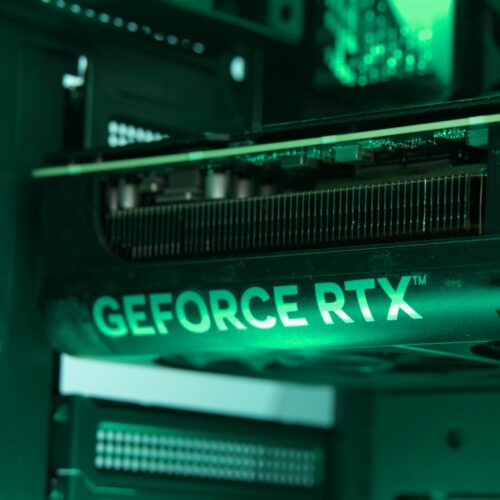
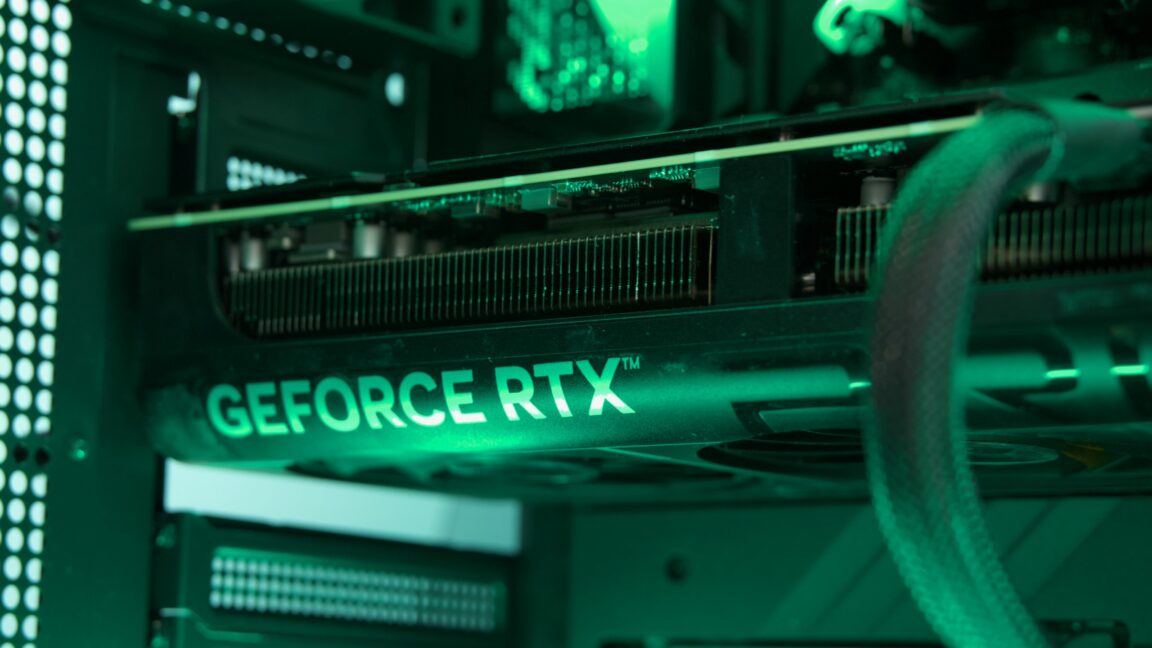
The RTX 5070 Ti is vanishing from shelves as ASUS moves its cards to end of life status and retailers report supply droughts. Prices are already rising in the US and Australia.
Big Tech's AI-fueled memory shortage is set to be the PC industry's defining story for 2026 and beyond. Standalone, direct-to-consumer RAM kits were some of the first products to feel the bite, with prices spiking by 300 or 400 percent by the end of 2025; prices for SSDs had also increased noticeably, albeit more modestly.
The rest of 2026 is going to be all about where, how, and to what extent those price spikes flow downstream into computers, phones, and other components that use RAM and NAND chips—areas where the existing supply of products and longer-term supply contracts negotiated by big companies have helped keep prices from surging too noticeably so far.
This week, we're seeing signs that the RAM crunch is starting to affect the GPU market—Asus made some waves when it inadvertently announced that it was discontinuing its GeForce RTX 5070 Ti.
For the first time in years, Nvidia declined to introduce new GeForce graphics card models at CES. CEO Jensen Huang's characteristically sprawling and under-rehearsed 90-minute keynote focused almost entirely on the company's dominant AI business, relegating the company's gaming-related announcements to a separate video posted later in the evening.
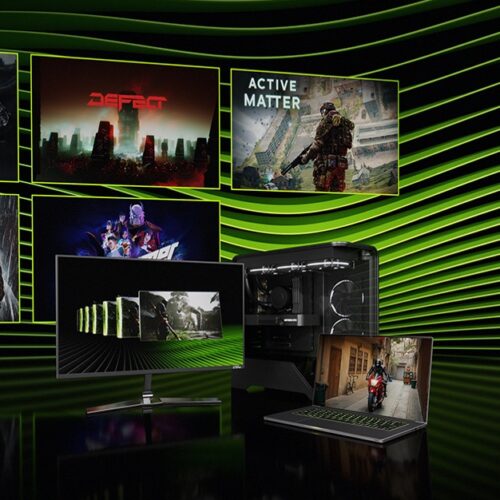
Instead, the company focused on software improvements for its existing hardware. The biggest announcement in this vein is DLSS 4.5, which adds a handful of new features to Nvidia's basket of upscaling and frame-generation technologies.
DLSS upscaling is being improved by a new "second-generation transformer model" that Nvidia says has been "trained on an expanded data set" to improve its predictions when generating new pixels. According to Nvidia's Bryan Catanzaro, this is particularly beneficial for image quality in the Performance and Ultra Performance modes, where the upscaler has to do more guessing because it's working from a lower-resolution source image.

 Login
Login