❌

Reading view

There are new articles available, click to refresh the page.

All sorts of interesting flags and artifacts will fly to the Moon on Artemis II

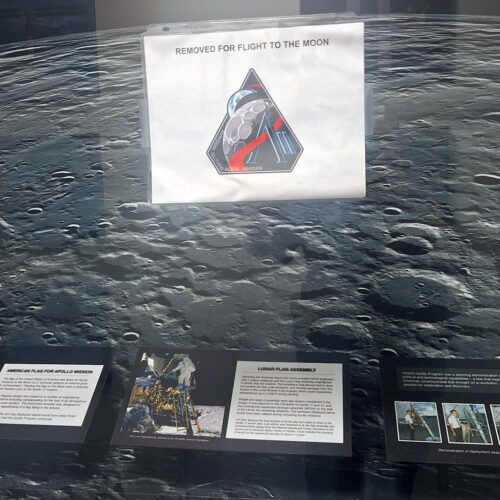
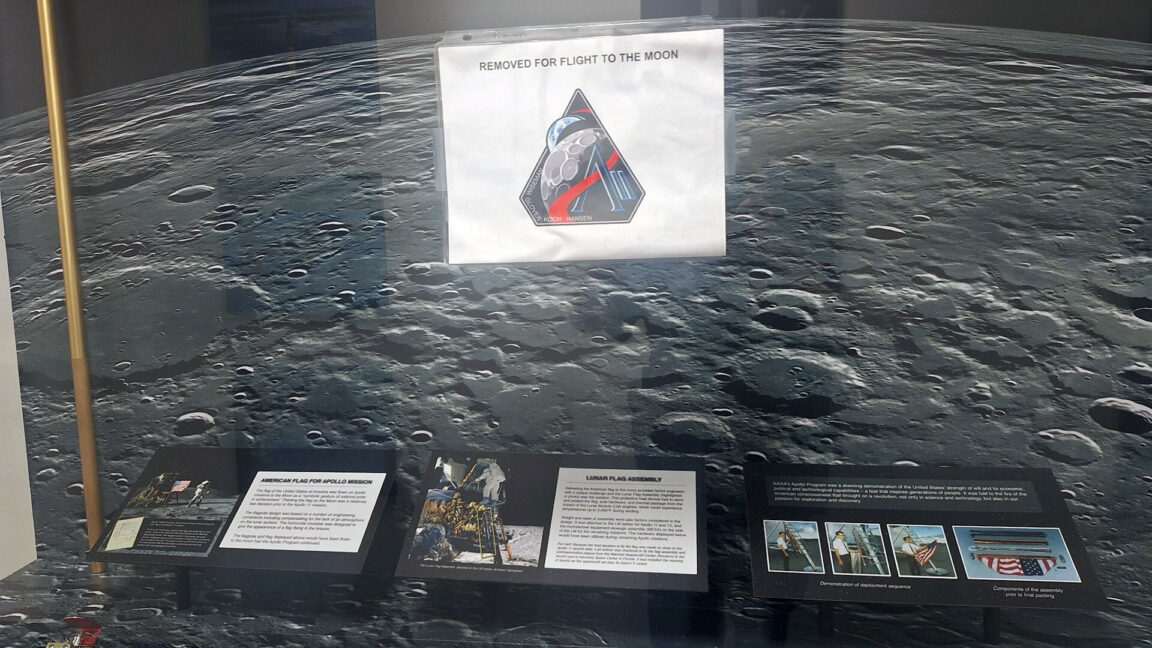
NASA's first astronauts to fly to the Moon in more than 50 years will pay tribute to the lunar and space exploration missions that preceded them, as well as aviation and American history, by taking with them artifacts and mementos representing those past accomplishments.

NASA, on Wednesday, January 21, revealed the contents of the Artemis II mission's Official Flight Kit (OFK), continuing a tradition dating back to the Apollo program of packing a duffel bag-sized pouch of symbolic and celebratory items to commemorate the flight and recognize the people behind it. The kit includes more than 2,300 items, including a handful of relics.

"This mission will bring together pieces of our earliest achievements in aviation, defining moments from human spaceflight and symbols of where we're headed next," Jared Isaacman, NASA's administrator, said in a statement. "Historical artifacts flying aboard Artemis II reflect the long arc of American exploration and the generations of innovators who made this moment possible."
Read full article

Comments

Β© Cole Simmons via collectSPACE.com

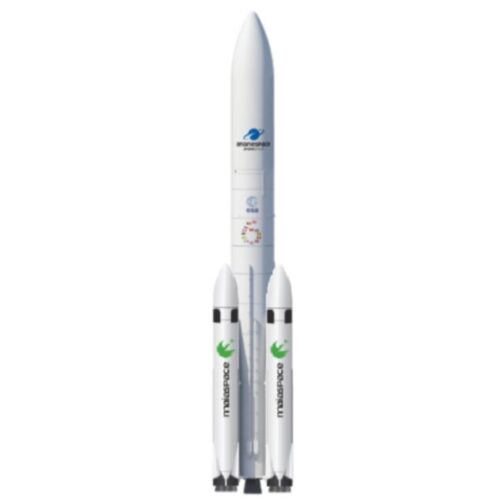
ESA considers righting the wrongs of Ariane 6 by turning it into a Franken-rocket

It took a while, but a consensus has emerged in Europe that the continent's space industry needs to develop reusable rockets. How to do it and how much to spend on it remain unresolved questions.

Much of the discourse around reusable rockets in Europe has focused on developing a brand-new rocket that might eventually replace the Ariane 6, which debuted less than two years ago but still uses the "use it and lose it" model embraced by the launch industry for most of the Space Age.

The European Space Agency (ESA) is offering money to emerging rocket companies in Europe to prove its small satellite launchers can do the job. ESA is also making money available to incentivize rocket upgrades to haul heavier cargo into orbit. ESA, the European Commission, and national governments are funding rocket hoppers to demonstrate vertical takeoff and vertical landing technologies. While there is significant money behind these efforts, the projects are not unified, and progress has been slow.

Read full article

Comments

Β© ArianeGroup

❌