Reading view

There are new articles available, click to refresh the page.

Telly’s "free" ad-based TVs make notable revenue—when they’re actually delivered

Telly, a company that accepts advertising data instead of cash for its TVs, has reportedly had a hard time getting its “free” TVs into people’s homes.

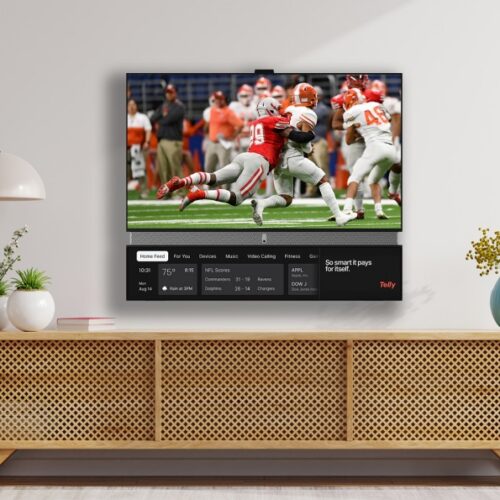
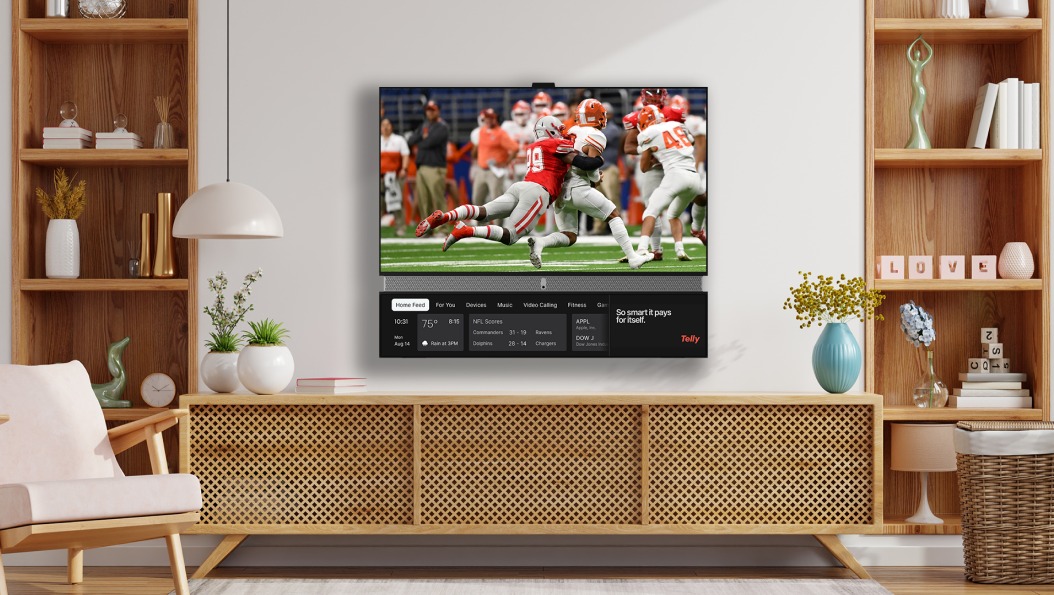
Telly debuted in May 2023. Its dual-screen design can show ads, even when people aren't watching. Although the smaller, secondary screen can be used for more helpful applications, like showing the weather or sports scores, its primary purpose is to serve as a billboard south of the 55-inch primary display. Owners cannot disable tracking or cover up the secondary screen (or they have to pay for the TV, which Telly claims is worth $1,000), and they must fill out a lengthy, detailed survey to get one.

When it debuted its TV, Telly said it expected to ship 500,000 devices that summer. In June 2023, the startup said 250,000 people signed up to get a Telly. In a 2024 press release, Telly said that it planned to ship “millions more in 2024.”
Read full article

Comments

© Telly

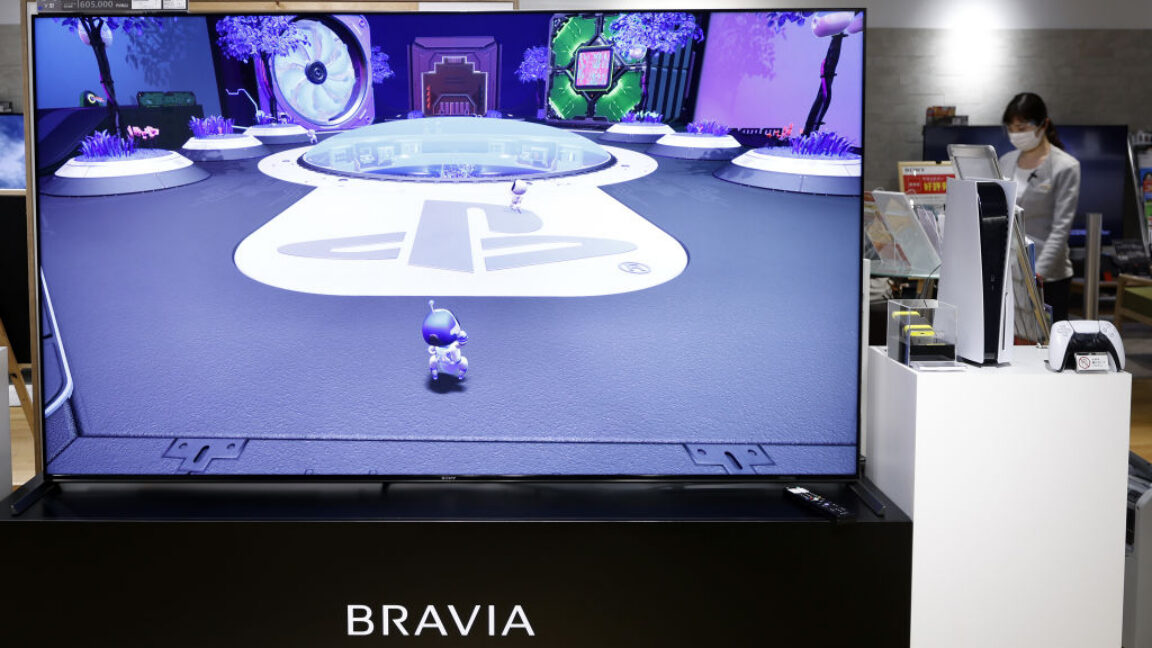
Sony is giving TCL control over its high-end Bravia TVs

TCL is taking majority ownership of Sony’s Bravia series of TVs, the two companies announced today.

The two firms said they have signed a memorandum of understanding and aim to sign binding agreements by the end of March. Pending “relevant regulatory approvals and other conditions,” the joint venture is expected to launch in April 2027.

Under a new joint venture, Huizhou, China-headquartered TCL will own 51 percent of Tokyo, Japan-headquartered Sony’s “home entertainment business,” and Sony will own 49 percent, per an announcement today, adding:

Read full article

Comments

© Kiyoshi Ota/Bloomberg via Getty Images

Rackspace customers grapple with “devastating” email hosting price hike

Rackspace’s new pricing for its email hosting services is “devastating,” according to a partner that has been using Rackspace as its email provider since 1999.

In recent weeks, Rackspace updated its email hosting pricing. Its standard plan is now $10 per mailbox per month. Businesses can also pay for the Rackspace Email Plus add-on for an extra $2/mailbox/month (for “file storage, mobile sync, Office-compatible apps, and messaging”), and the Archiving add-on for an extra $6/mailbox/month (for unlimited storage).

As recently as November 2025, Rackspace charged $3/mailbox/month for its Standard plan, and an extra $1/mailbox/month for the Email Plus add-on, and an additional $3/mailbox/month for the Archival add-on, according to the Internet Archive’s Wayback Machine.

Read full article

Comments

© Thomas Fuller/SOPA Images/LightRocket via Getty Images

Spotify’s 3rd price hike in 2.5 years hints at potential new normal

After a dozen years of keeping subscription prices stable, Spotify has issued three price hikes in 2.5 years.

Spotify informed subscribers via email today that Premium monthly subscriptions would go from $12 to $13 per month as of users' February billing date. Spotify is already advertising the higher prices to new subscribers.

Although not explicitly mentioned in Spotify's correspondence, other plans are getting more expensive, too. Student monthly subscriptions are going from $6 to $7. Duo monthly plans, for two accounts in the same household, are going from $17 to $19, and Family plans, for up to six users, are moving from $20 to $22.

Read full article

Comments

© Spotify

Federal data underscores meteoric rise of streaming subscription prices in 2025

The prices that Americans paid for subscription- and rental-based access to video streaming services and video games increased 29 percent from December 2024 to December 2025, according to data that the US Department of Labor’s Bureau of Labor Statistics (BLS) released on Tuesday.

According to the BLS, the Consumer Price Index for All Urban Consumers (CPI-U), which BLS says represents over 90 percent of the US population across the country, for all items “increased 2.7 percent before seasonal adjustment.”

The CPI-U for “subscription and rental of video and video games” includes subscription video-on-demand (SVOD) streaming services, like Netflix and Disney+, and "one-time rental of video and video game media. These may be rented or subscribed to through physical copy, streaming, or temporary download," BLS says. For comparison, "cable, satellite, and live streaming television service [such as YouTube TV and Sling]" saw 4.9 percent inflation last year.

Read full article

Comments

© Getty

The RAM shortage’s silver lining: Less talk about “AI PCs”

RAM prices have soared, which is bad news for people interested in buying, building, or upgrading a computer this year, but it's likely good news for people exasperated by talk of so-called AI PCs.

As Ars Technica has reported, the growing demands of data centers, fueled by the AI boom, have led to a shortage of RAM and flash memory chips, driving prices to skyrocket.

In an announcement today, Ben Yeh, principal analyst at technology research firm Omdia, said that in 2025, “mainstream PC memory and storage costs rose by 40 percent to 70 percent, resulting in cost increases being passed through to customers.”

Read full article

Comments

© Getty

Paramount sues WBD over Netflix deal. WBD says Paramount’s price is still inadequate.

Paramount Skydance escalated its hostile takeover bid of Warner Bros. Discovery (WBD) today by filing a lawsuit in Delaware Chancery Court against WBD, declaring its intention to fight Netflix’s acquisition.

In December, WBD agreed to sell its streaming and movie businesses to Netflix for $82.7 billion. The deal would see WBD’s Global Networks division, composed of WBD's legacy cable networks, spun out into a separate company called Discovery Global. But in December, Paramount submitted a hostile takeover bid and amended its bid for WBD. Subsequently, the company has aggressively tried to convince WBD’s shareholders that its $108.4 billion offer for all of WBD is superior to the Netflix deal.

Today, Paramount CEO David Ellison wrote a letter to WBD shareholders informing them of Paramount’s lawsuit. The lawsuit requests the court to force WBD to disclose “how it valued the Global Networks stub equity, how it valued the overall Netflix transaction, how the purchase price reduction for debt works in the Netflix transaction, or even what the basis is for its ‘risk adjustment’” of Paramount’s $30 per share all-cash offer. Netflix’s offer equates to $27.72 per share, including $23.25 in cash and shares of Netflix common stock. Paramount hopes the information will encourage more WBD shareholders to tender their shares under Paramount's offer by the January 21 deadline.

Read full article

Comments

© Getty

The most fascinating monitors at CES 2026

CES 2026 took place in Las Vegas last week, and as usual, we're looking at the most interesting monitors from the show. Not every display is a monitor in the strictest sense, but they all provide a display for computers and have a unique twist that make them worth exploring.

Dell’s massive UltraSharp

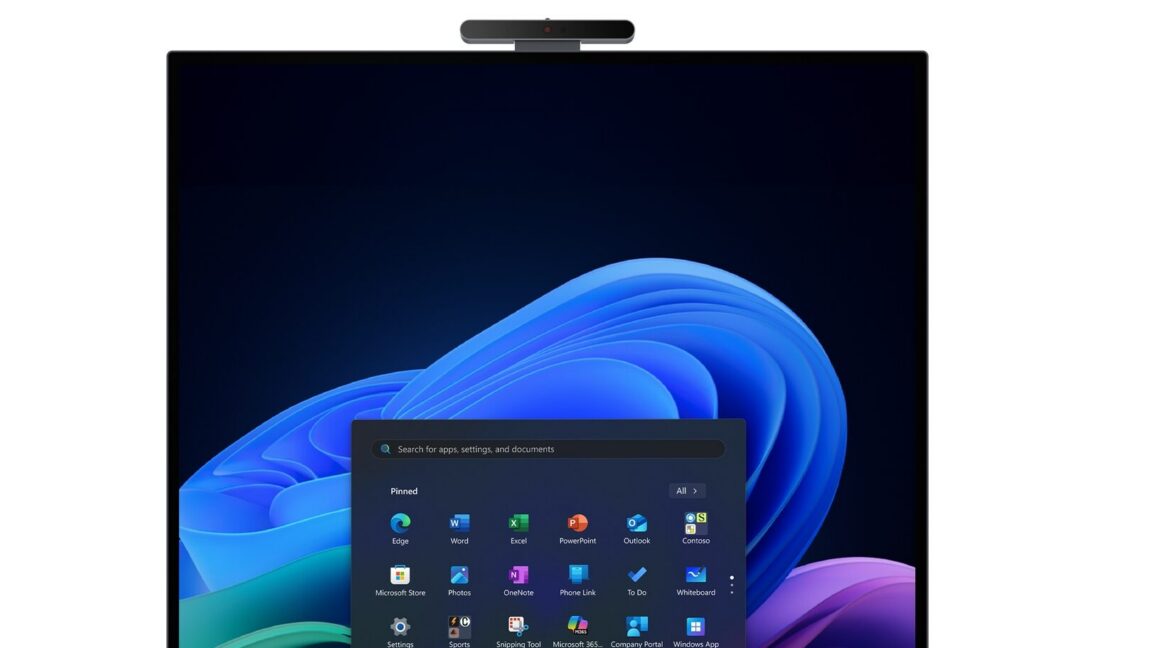
Dell UltraSharp 52 Thunderbolt Hub Monitor in an office Dell's biggest UltraSharp has a 21:9 aspect ratio. Credit: Dell

It was a pretty safe bet that Dell would announce new UltraSharp monitors at CES. The displays are a solid recommendation for reliable USB-C monitors, including for Mac users and people needing something polished for professional or creative work. In recent years, UltraSharp monitors have also boasted more modern features, including integrated web cameras and IPS Black tech.

This year, the strategy was clear: Bigger is better.

Read full article

Comments

© Lenovo

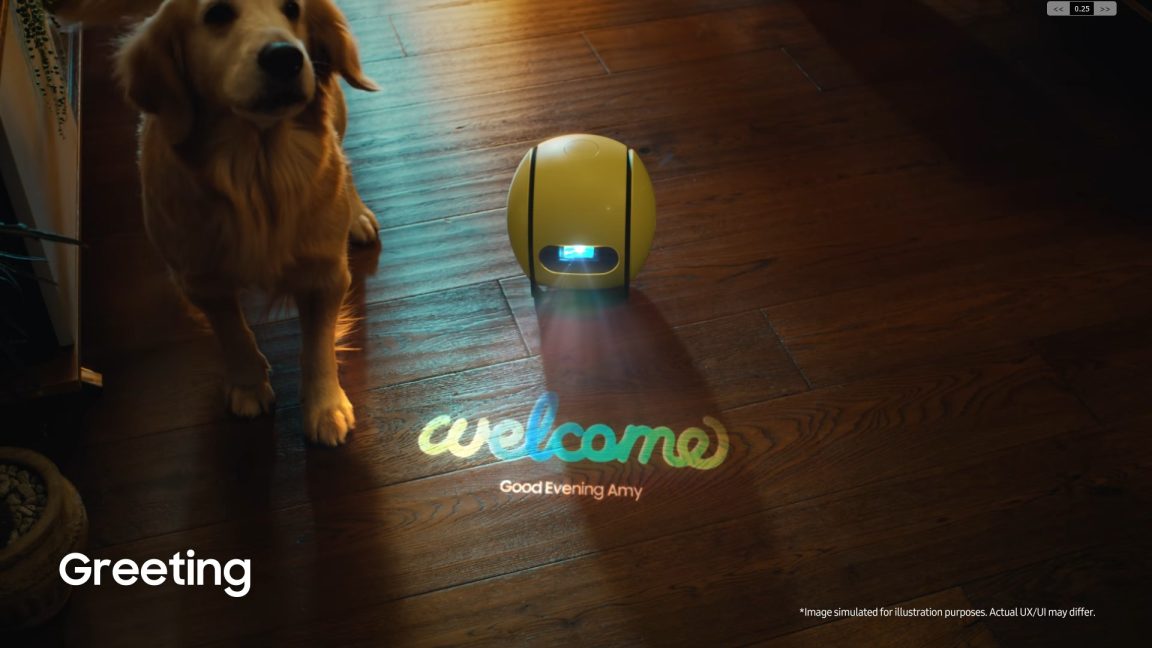
Samsung’s Ballie home robot, once promised for summer 2025, gets grim update

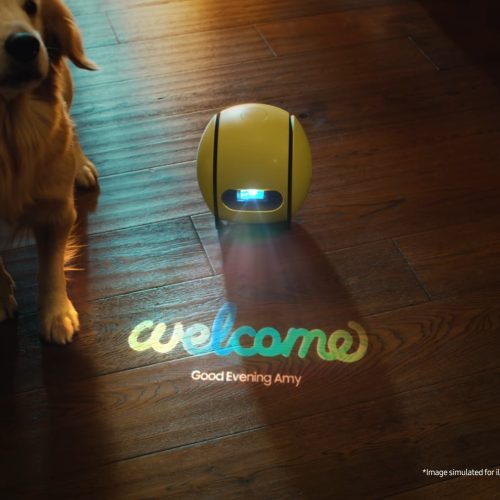
Since 2020, Samsung has been dangling a yellow ball in front of us. That sphere is a robot named Ballie that Samsung has teased and demoed for home use, including serving as a smart speaker. Today, Ballie is confirmed to be facing an eternity as vaporware.

At CES 2020, Ars Technica reported that Ballie was “the furthest-along concept” that Samsung demonstrated. At the time, we saw Ballie use facial recognition to follow its owner. A marketing video also portrayed the robot controlling smart home devices, including activating a smart vacuum when someone made a mess.

Ballie rolled back onto the trade show scene at CES 2024. This time, it had a new, more spherical and larger build rolling upon its three wheels. Ballie also sported a light ring, and Samsung showed a video of the robot being used as a projector. The South Korean firm claimed that Ballie would provide “two to three hours of continued projector use” before needing a charge. Samsung's video also demonstrated Ballie connecting with a smartphone.

Read full article

Comments

© Samsung

Bose open-sources its SoundTouch home theater smart speakers ahead of end-of-life

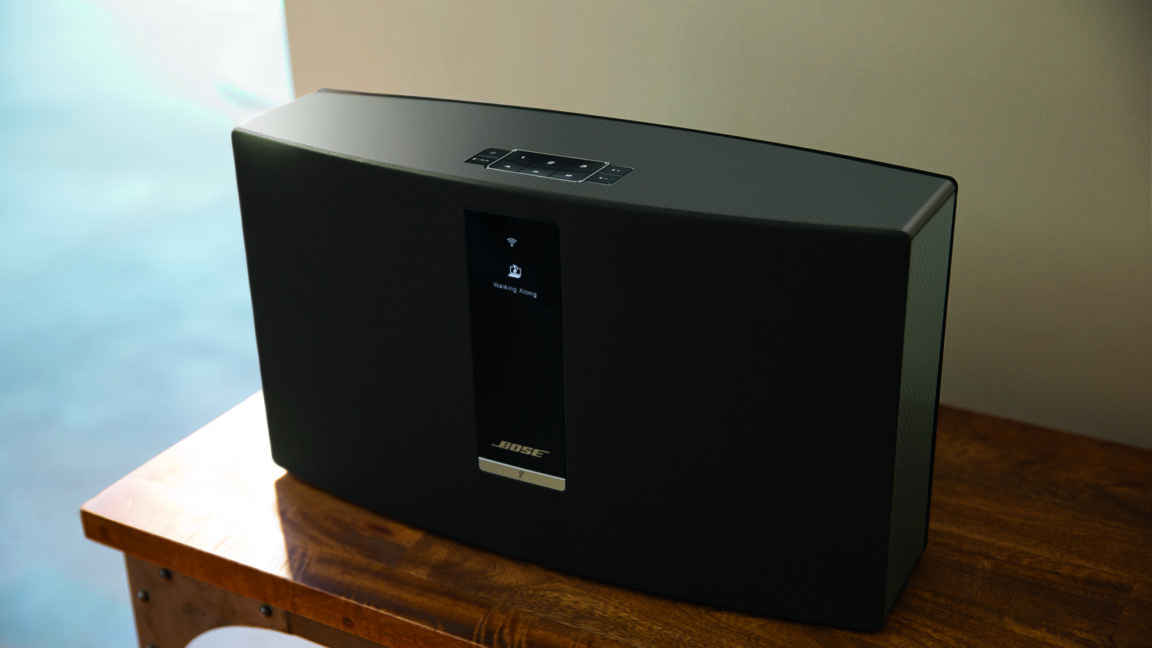
Bose released the Application Programming Interface (API) documentation for its SoundTouch speakers today, putting a silver lining around the impending end-of-life (EoL) of the expensive home theater devices.

In October, Bose announced that its SoundTouch Wi-Fi speakers and soundbars would become dumb speakers on February 18. At the time, Bose said that the speakers would only work if a device was connected via AUX, HDMI, or Bluetooth (which has higher latency than Wi-Fi).

After that date, the speakers would stop receiving security and software updates and lose cloud connectivity and their companion app, the Framingham, Massachusetts-based company said. Without the app, users would no longer be able to integrate the device with music services, such as Spotify, have multiple SoundTouch devices play the same audio simultaneously, or use or edit saved presets.

Read full article

Comments

© Bose

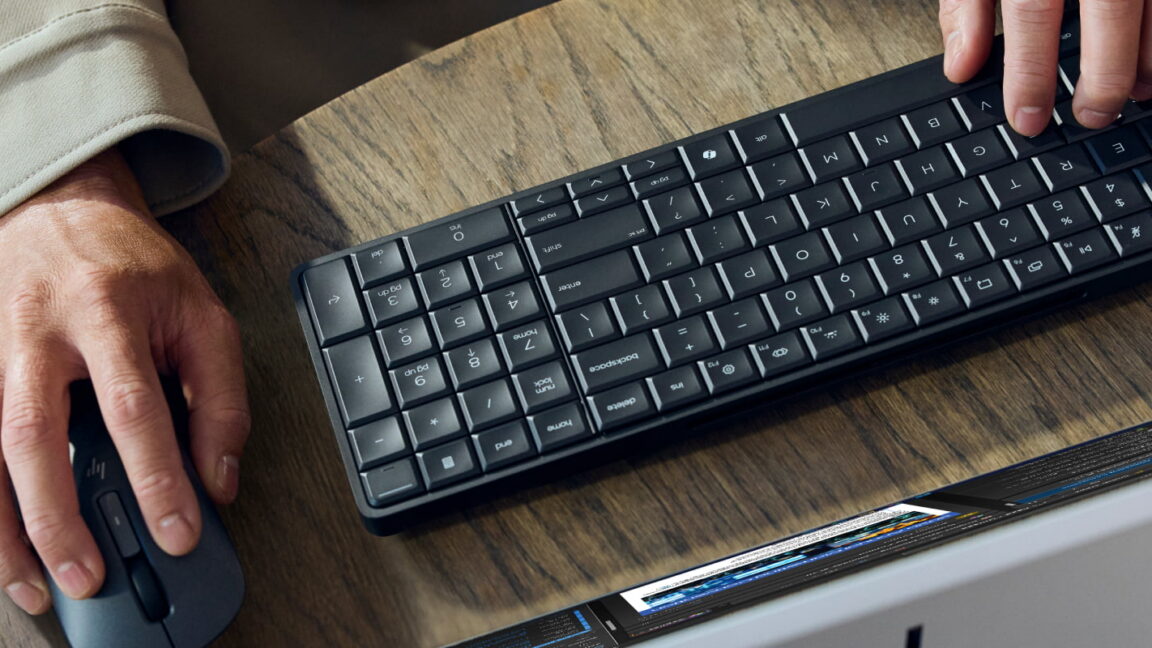
HP’s EliteBoard G1a is a Ryzen-powered Windows 11 PC in a membrane keyboard

As a Windows system built inside of a functioning membrane keyboard, the HP EliteBoard G1a announced today is a more accessible alternative to other keyboard-PCs.

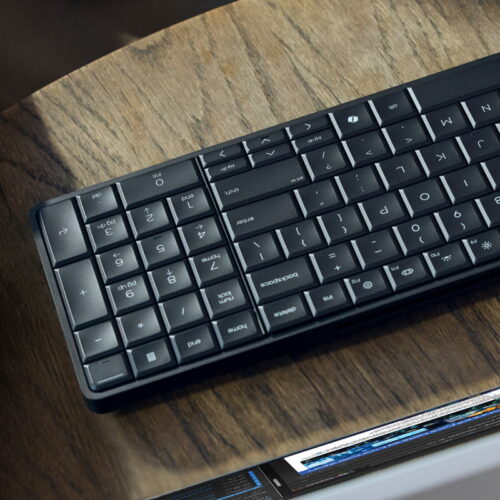
The Commodore 64 made the keyboard-PC famous in the 1980s, but the keyboard-PC space has been dominated by the Raspberry Pi. In 2019, the single-board computer (SBC) maker released the Raspberry Pi 400, which is essentially a Raspberry Pi 4 SBC inside a case that also functions as a keyboard for the system. USB, HDMI, and Ethernet ports, plus a GPIO header and native Raspberry Pi OS Linux distribution add up to a low-end desktop computer experience that only costs $100. It was followed by the Raspberry Pi 500, with a Pi 5 powered by a quad-core, 64-bit Arm Cortex-A76 inside; and the Pi 500+, which has an NVMe SSD, instead of microSD, storage and is built inside of a low-profile mechanical keyboard (it’s also twice as expensive at $200).

The Pi 500+ keyboard-PC using RGB. Credit: Raspberry Pi
But Raspberry Pis largely appeal to tinkerers, DIYers, and Linux fans, making Pi-as-a-desktop a niche product with a substantial learning curve for newcomers.

Read full article

Comments

© HP

Dell’s XPS revival is a welcome reprieve from the “AI PC” fad

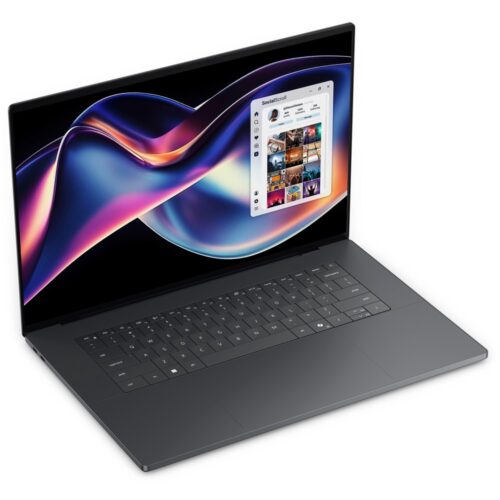
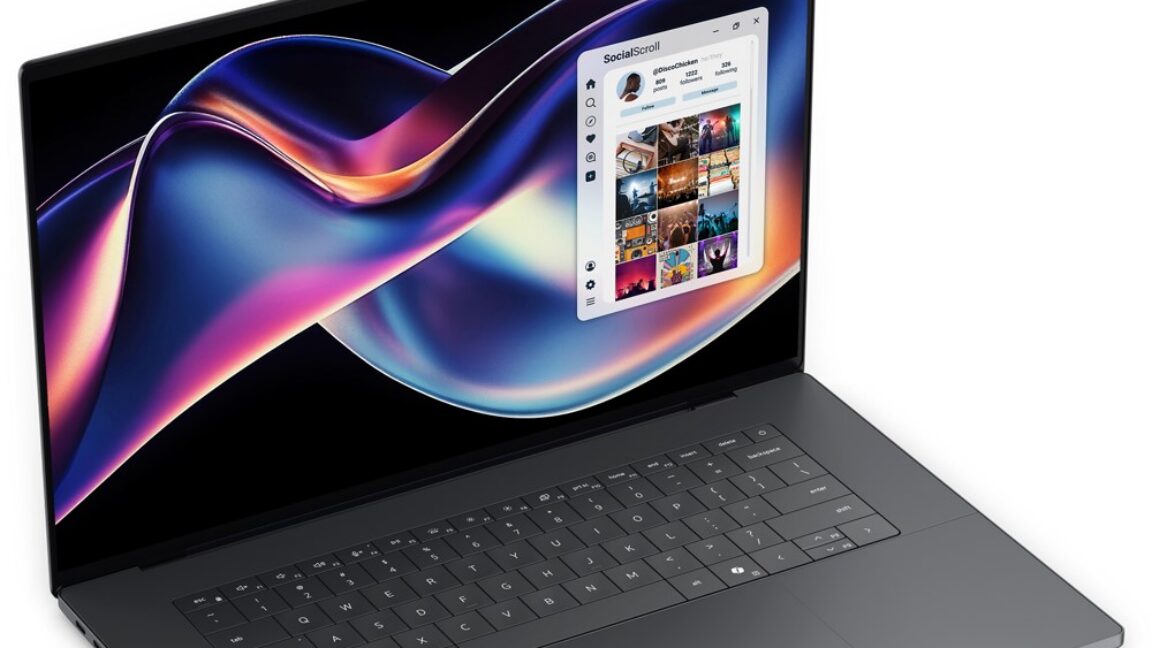
After making the obviously poor decision to kill its XPS laptops and desktops in January 2025, Dell started selling 16- and 14-inch XPS laptops again today.

“It was obvious we needed to change,” Jeff Clarke, vice chairman and COO at Dell Technologies, said at a press event in New York City previewing Dell's CES 2026 announcements.

A year ago, Dell abandoned XPS branding, as well as its Latitude, Inspiron, and Precision PC lineups. The company replaced the reputable brands with Dell Premium, Dell Pro, and Dell Pro Max. Each series included a base model, as well as “Plus” and “Premium.” Dell isn’t resurrecting its Latitude, Inspiron, or Precision series, and it will still sell “Dell Pro” models.

Read full article

Comments

© Dell

Amazon Alexa+ released to the general public via an early access website

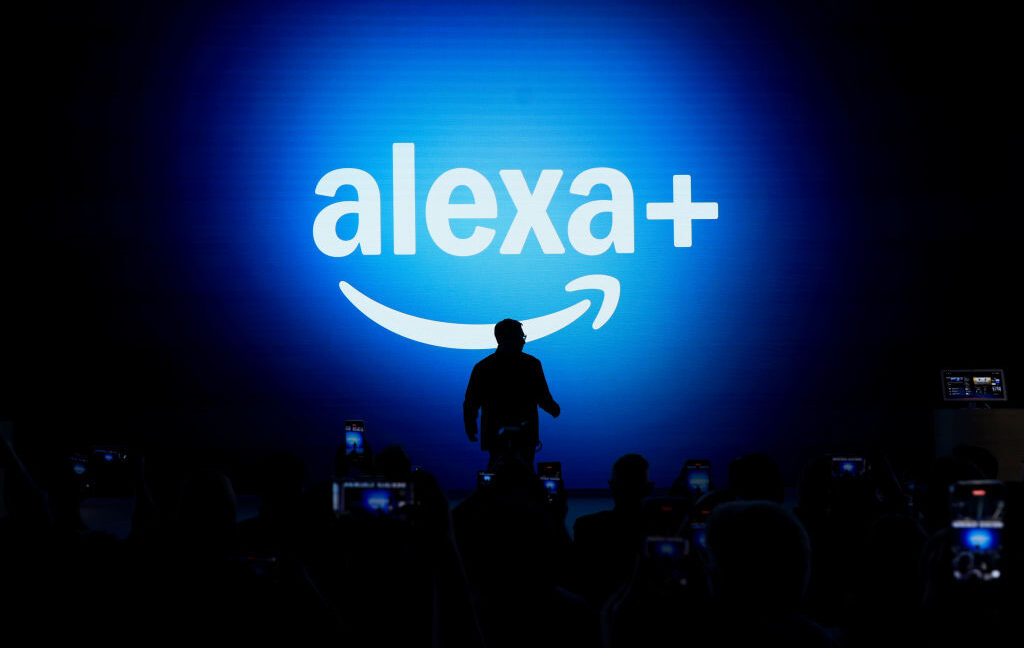
Anyone can now try Alexa+, Amazon’s generative AI assistant, through a free early access program at Alexa.com. The website frees the AI, which Amazon released via early access in February, from hardware and makes it as easily accessible as more established chatbots, like OpenAI's ChatGPT and Google's Gemini.

Until today, you needed a supporting device to access Alexa+. Amazon hasn’t said when the early access period will end, but when it does, Alexa+ will be included with Amazon Prime memberships, which start at $15 per month, or cost $20 per month on its own.

The above pricing suggests that Amazon wants Alexa+ to drive people toward Prime subscriptions. By being interwoven with Amazon’s shopping ecosystem, including Amazon's e-commerce platform, grocery delivery business, and Whole Foods, Alexa+ can make more money for Amazon.

Read full article

Comments

© Michael Nagle/Bloomberg via Getty Images

“Streaming stops feeling infinite”: What subscribers can expect in 2026

We’re far from streaming’s original promise: instant access to beloved and undiscovered titles without the burden of ads, bundled services, or price gouging that have long been associated with cable.

Still, every year we get more dependent on streaming for entertainment. Despite streaming services’ flaws, many of us are bound to keep subscribing to at least one service next year. Here’s what we can expect in 2026 and beyond.

Subscription prices keep rising, but perhaps not as expected

There’s virtually no hope of streaming subscription prices plateauing in 2026. Streaming companies continue to face challenges as content production and licensing costs rise, and it's often easier to get current customers to pay slightly more than to acquire new subscribers. Meanwhile, many streaming companies are still struggling with profitability and revenue after spending years focusing on winning subscribers with content.

Read full article

Comments

© Getty

❌