Elon Musk just took the stage at the World Economic Forum in Davos, Switzerland and announced that Tesla's Optimus humanoid robot will be sold to the public by the end of next year. Musk is the master of unrealistic timetables, but this may be the nuttiest one yet. These are humanoid robots that are supposed to be able to do just about any task a human can do.
Musk, as usual, gave himself an out if the robots don't start rolling off the assembly line in 2027, saying that they'll only be released when Tesla is "confident that it’s very high reliability, very high safety and the range of functionality is also very high."
He stated that the robots have already begun doing simple tasks in the Tesla factory, but there's no proof of this other than his word. In the real world, Optimus robots have continuously failed to live up to the marketing hype.
If there was any question that Optimus uses teleop for their robots. Here one clearly has a guy take the headset off and it falls over.
There have been plenty of reports suggesting that previous demos of the robots in action were actually smoke and mirrors, as they were being remotely piloted by human operators.
Tesla's stock jumped over three percent upon this announcement because company investors live in a world of magical rainbows, unicorns and robots mixing drinks at home in the year 2027. Musk also recently stated that the robots would be ready for commercial deployment in 2026. That's this year. It's worth noting that the program head for the project, Milan Kovac, recently left the company.
Again, these are autonomous robots that are supposed to be able to perform complex tasks across a wide variety of categories. That'll likely happen someday, but not by 2027. I'm just gonna go ahead and throw Musk's timeline in with "two years to AGI" and "five years until the singularity."
On a related note, the Tesla CEO also said that the long-awaited Cybercab will enter production in April, with a goal of two million vehicles manufactured each year. This isn't quite as far-fetched as the Optimus promise, but that two million number seems highly suspect. Just how many consumers does he think want a car without a steering wheel that only holds two people?
This article originally appeared on Engadget at https://www.engadget.com/big-tech/elon-musk-just-told-davos-that-tesla-will-sell-humanoid-robots-next-year-really-he-swears-192515568.html?src=rss
dpatop - 20 December 2025, Berlin: Tesla's humanoid robot "Optimus" distributes popcorn at a Christmas market stall during its presentation at the Mall of Berlin. Photo: Christoph Soeder/dpa (Photo by Christoph Soeder/picture alliance via Getty Images)
Looking to keep your home clean without having to vacuum and mop every day, pick up dirt, the dinner your child threw on the floor or your furry friend’s endless pet hair? Join the club. Smart home gadgets have come a long way over the years, and that includes robot vacuums. With newer technology including voice controls, object detection and more automation features, investing in a robot vacuum cleaner makes more sense now than ever before. Some of the best robot vacuum cleaners even have mopping capabilities, roller brush options and self-emptying bases, too, and there are plenty that don't cost a fortune either. If you’re ready to adopt a less hands-on approach and let a robot vacuum cleaner do the hard work for you, consider our recommendations below.
Best robot vacuums 2026
Latest robot vacuum news
CES is typically a time for robovac manufacturers to unveil new innovations and this year was no different. Companies like Eufy announced new models, many of which are on the higher end of the price spectrum. Those flagship announcements are often paired with more minor ones that usher in mildly upgraded versions of midrange and entry-level machines.
Now that robot vacuums are ubiquitous, the new models that make headlines tend to have some sort of gimmick like a built-in arm for picking up clothes, or offer (supposedly) top-tier suction power and a slew of extras. They also tend to be super expensive. However, most people will be served just fine with a robot vacuum that doesn’t choke at the first sign of dust bunnies or pet hair, and maybe has mopping capabilities if you want a machine that can tackle hard floors in addition to carpet. Those other innovations are nice-to-haves, not necessities.
Arguably even bigger than CES announcements is the fact that iRobot, a name synonymous with smart cleaning robots, filed for Chapter 11 bankruptcy at the end of 2025. What does that mean for Roomba owners? Not too much immediately, as the company stated that it will continue to operate with “no anticipated disruption to its app functionality, customer programs, global partners, supply chain relationships or ongoing product support." However, this also means that buying a new Roomba in 2026 is a questionable decision.
What to look for in the best robot vacuums
TLDR
Despite companies coming out with gimmicky extras and new software perks in their robot vacuum lineups, the core competency of these devices have remained the same for years: sucking up dirt without needing your attention. You want a robot vacuum with the strongest suction power you can afford. Those with tile and hardwood floors can consider robovacs with mopping capabilities, and those who want peak convenience should opt for a model with a self-emptying base. However, both of those extra features will cost extra.
Floor type
First and foremost, we recommend considering the floors in your home: Do you have carpet throughout, or tile and hardwood floors, or a mix? Robots with stronger suction power will do a better job picking up dirt on carpets as they can get into high piles more easily. Some machines have “max” modes as well, which ups suction power, but also typically eats battery life faster than the “normal” floor cleaning mode.
Vacuum suction
Suction power is an important factor to consider. Unfortunately, there isn’t a standard power scale that all robovacs adhere to, so it’s difficult to compare among a bunch of devices. Some companies provide Pascal (Pa) levels and generally the higher the Pa, the stronger the vacuum cleaner will be. But other companies don’t rely on Pa and simply say their robots have X-times more suction than other robots. If you’re looking for the best vacuum for your needs, it’s helpful to pay attention to real-world testing and how well the machine can pick up fine dust, crumbs and pet hair in an environment similar to that of your home.
Wi-Fi connectivity
Wi-Fi connectivity is a key feature for most robot vacuums. Some of the affordable devices aren’t Wi-Fi connected, so it’s best to double check before you buy something on the low end of affordable. Wi-Fi lets a robot vacuum cleaner do things like communicate with a mobile app, which then allows you to control the device from your phone.
Mapping features and object detection
Past a certain price threshold, you’ll find advanced perks like home mapping features and improved object detection. Home mapping is exactly what it sounds like: The vacuum uses sensors to map your home’s layout as it cleans, allowing you to send it to particular rooms or avoid no-go zones where you don’t want it to roam.
Most robo-vacs have object detection, but some will be better than others at actually avoiding things like chair legs and children’s toys. High-end models even go so far as to promise obstacle avoidance to steer clear of things like pet poop that can potentially ruin your machine.
Mopping capabilities
Mopping features are much more common now in robot vacuums than they were just five years ago. Machines that support this will have a water tank either built into the robot’s chassis, the auto-empty bin or as a separate piece that you swap in for the dustbin when you want to mop your floors. It makes the robo-vac more useful if you have hard floors in your home that you like to keep squeaky clean, but it does require more work on your part.
Filling and emptying the reservoir remains a human’s job for the most part (except on the most expensive machines), as does adding cleaning solutions if the mopping robot comes with this feature to ensure it uses clean water for every cycle.
Self-empty station inclusion
Finally, for peak convenience, consider a robot vacuum that comes with a self-empty station. These are basically garbage bins attached to the machine’s docking station. At the end of each job, the robo-vac automatically empties its small dustbin into the large clean base – that means you won’t have to empty the dustbin yourself and you’ll only have to tend to the base once every few weeks.
Just keep in mind that many self-emptying bins require proprietary garbage bags – another long-term expense you’ll have to factor in (look for mentions of “bagless” to avoid this all together). Also, any vac-and-mop robot with a water tank will not dump its dirty water into the clean base, so you’ll still have to clean up that yourself.
Robot vacuum maintenance tips
First and foremost, always empty your robot vacuum’s dustbin after every cleaning job. If you have a model with a self-emptying base, there’s less work for you to do yourself. If not, simply detach and empty the dustbin as soon as the robot is done cleaning. It’s also a good idea to take a dry cloth to the inside of the dustbin every once in a while to remove any small dust and dirt particles clinging to the insides.
In addition, you’ll want to regularly examine the machine’s brush roll to see if any hair has wrapped around them, or if any large debris is preventing them from working properly. Some brushes are better than others at not succumbing to tangled hair, but it’s a good idea to check your robot’s brushes regardless — both their main brush and any smaller roller brushes or corner brushes they have. These parts are often easy to pop off of the machine (because they do require replacements eventually) so we recommend removing each brush entirely, getting rid of any tangled hair or other debris attached to them and reinstalling them afterwards.
Robot vacuums also have filters that need replacing every couple of months. Check your machine’s user manual or the manufacturer’s website to see how long they recommend going in between filter replacements. Most of the time, these filters cannot be washed, so you will need to buy new ones either directly from the manufacturer or from other retailers like Amazon or Walmart.
How we test robot vacuums
We primarily test robot vacuums by using them as they are intended to be used: in a home, across different types of flooring and in the face of all sorts of messes including pet hair, spilt coffee grounds and other food debris, dust bunnies, stairs (gasp) and more. We set up all robot vacuums according to their provided instructions and run multiple cleaning jobs during a testing period of at least one to two weeks per machine.
If the robot has mopping capabilities, we also test those as well on hardwood and tile flooring. For models with self-emptying bases, we rely on those built-in trash cans for all post-job cleaning, and we make sure to test the robot vacuum's mobile app for usability and convenience. As we're testing, we make note of things like how loud the robot and its components are, how much human attention the robot needs on a regular basis, how the robot handles large messes and big dust bunnies, if the robot gets stuck on rugs, doormats or other furniture and more.
Robot vacuum FAQs
Are robot vacuums worth it?
We tackled this question when we reviewed budget robot vacuums and the answer is yes, especially if vacuuming is one of your least favorite chores. Robots take the hard work out of cleaning your floors – just turn the thing on and watch it go. Any robot vacuum cleaner worth buying is semi-autonomous in that it will suck up dirt around your home until its battery is low and then make its way back to its charging dock. Unlike a regular vacuum, you should only have to interact with it to turn it on, empty its dustbin and untangle it if it were to get stuck somewhere.
That’s not to say robot vacuums are perfect. They’re almost always less powerful and less flexible than traditional vacuums. Since most robo-vacs are much smaller than traditional models, they often don’t have the same level of suction you’ll get in an upright machine. Plus, their dustbins are smaller, so they will need to be emptied more frequently. While Wi-Fi-connected robot vacuums give you the flexibility to start a cleaning job from anywhere using an app, targeting a small area of your home can be more complicated. Some robo-vacs have spot-cleaning features that focus the machine’s attention on a specific area, which almost – but not quite – mimics the spot-cleaning you’d be able to do yourself with a regular or cordless vacuum.
How long do robot vacuums last?
Robot vacuums can last many years, if you take care of them properly. Check out our recommendations for robot vacuum maintenance above, but in a nutshell, you should make sure that you're emptying the machine's bin after every job and periodically cleaning the interior of the bin and the brushes. It's also a good idea to check the user manual to see how often your robot vacuum's filter needs changing.
Do robot vacuums work better than handheld vacuums?
There's no straight answer to this question. Robot vacuums offer more convenience than handheld vacuums, so for those who are looking to automate a chore, that could mean one of these devices works better for them than a standard vacuum. However, handheld vacuum cleaners often have stronger suction power, and they give the user a bit more control. It ultimately depends on how you intend to use your main vacuum cleaner and what you want to prioritize most.
How often do you have to clean a robot vacuum?
Cleaning a robot vacuum isn’t too much of a chore, but you’ll want to give it a little TLC every few weeks or so, depending on how often you’re running it and how much dirt it’s picking up. The dustbin usually needs to be emptied after each cleaning run, especially if you have pets or lots of carpet where dirt can hide. Many newer models have self-emptying docks, which means you won’t have to empty the dustbin yourself after every use, but the main bin will still need a good clean once a month or so. Also, it’s a good idea to check the side brushes and main brush for any hair tangles or debris every couple of weeks to keep things running smoothly.
What are the negatives of robot vacuums?
Robot vacuums won’t work for everyone. One of the biggest drawbacks is that they usually don’t have the same suction power as a full-sized upright vacuum or even a cordless stick vacuum, so they might struggle with deep-cleaning thick carpets. They’re also designed for floors only, so if you’re looking to clean furniture, stairs or other tricky spots, you’ll still need a traditional vacuum to do that. Plus, they can sometimes get stuck or miss spots, especially if you’ve got a lot of furniture or obstacles in the way. While their sensors help, they might still bump into things or need a little help getting out of tight spots. And while most have decent dirt detection features, they’re best for keeping things tidy rather than doing heavy-duty cleaning.
The idea of a humanoid robot building an airplane may sound far-fetched, but a new deal between the European aviation giant Airbus and Chinese robot specialist UBTech suggests that such a scenario could be on the cards. Airbus’s deal with UBTech involves the company’s Walker S2 humanoid robot, Bloomberg reported on Monday. Details are currently […]
A new video released by California-based tech firm Figure AI shows its humanoid robot out for a run with workers from the firm. The robot’s running style looks steady and natural as it jogs along with three guys (or four if you count the person recording it). It even raises the idea of one day […]
Apple and Google have confirmed that Gemini’s models power the new version of Siri and other generative AI features. CNBC broke the news, but Apple and Google soon followed up with a lengthy joint statement. Here’s part of it: “Apple determined that Google’s Al technology provides the most capable foundation for Apple Foundation Models… Apple Intelligence will continue to run on Apple devices and Private Cloud Compute, while maintaining Apple’s industry-leading privacy standards.”
In June, it was reported that Apple was considering partnerships with OpenAI and Anthropic for Siri (the voice assistant can currently tap ChatGPT for certain queries as part of Apple Intelligence). Two months later, Google emerged as a contender. Another report suggested Apple might build the new Siri using a custom version of Gemini — and that it would pay Google around $1 billion a year for the privilege. However, no official deal numbers were shared.
It’s also notable that current iPhones have direct access to OpenAI’s ChatGPT. But how long for?
Netflix’s hit show Adolescence received four awards, including best limited or anthology series. It also won best actor (Stephen Graham), supporting actor (Owen Cooper) and supporting actress (Erin Doherty) in a miniseries or television film.
KPop Demon Hunters — which my nieces refuse to stop talking about — won best animated feature and best original song. “I just want to say this award goes to people who have had doors closed on them, and I can confidently say rejection is redirection. So never give up.”
It’s not all good news. Netflix also won best performance in stand-up comedy on television for Ricky Gervais: Mortality. Apple and HBO Max each won three, and Hulu got one award on the night.
The agency is targeting a February launch date for Artemis 2.
A few years ago, NASA announced it was pushing the Artemis 2 mission back to April 2026. The agency now says it could launch as early as February. NASA is finalizing preparations for the mission and will soon roll out the Space Launch System (SLS) rocket and the Orion spacecraft to the launch pad at the Kennedy Space Center in Florida.
Artemis 2 is the first crewed mission to the moon since the Apollo program’s final flight in 1972. The 10-day mission will have four astronauts, who’ll test whether Orion’s critical life-support systems can sustain human passengers on future longer-duration missions. They will first orbit the Earth twice before making their way 4,700 miles beyond the far side of the moon.
Pre-orders for the first three Lego-Pokémon kits are open now. One of the debut pocket monsters is, of course, Pikachu. You can build the 2,050-piece kit to show Pikachu either at rest or leaping out of an open Poké Ball into battle. It costs $200.
There’s also a 587-piece model of Eevee, for $60. On the bigger side is a set featuring a trio of Pokémon: Venusaur, Charizard and Blastoise. This kit has 6,838 pieces and can show the group together in battle formation or separately in their own mini environments. It retails for $650 and is a bit much.
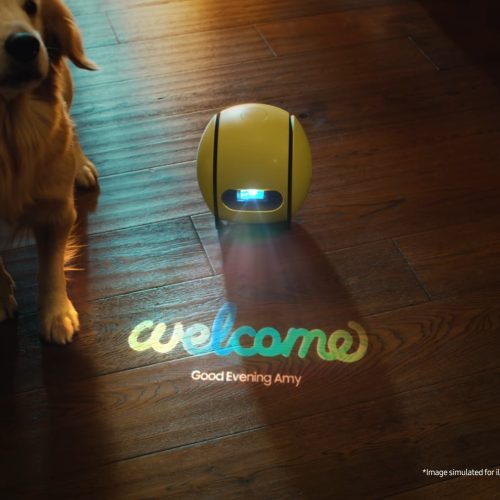
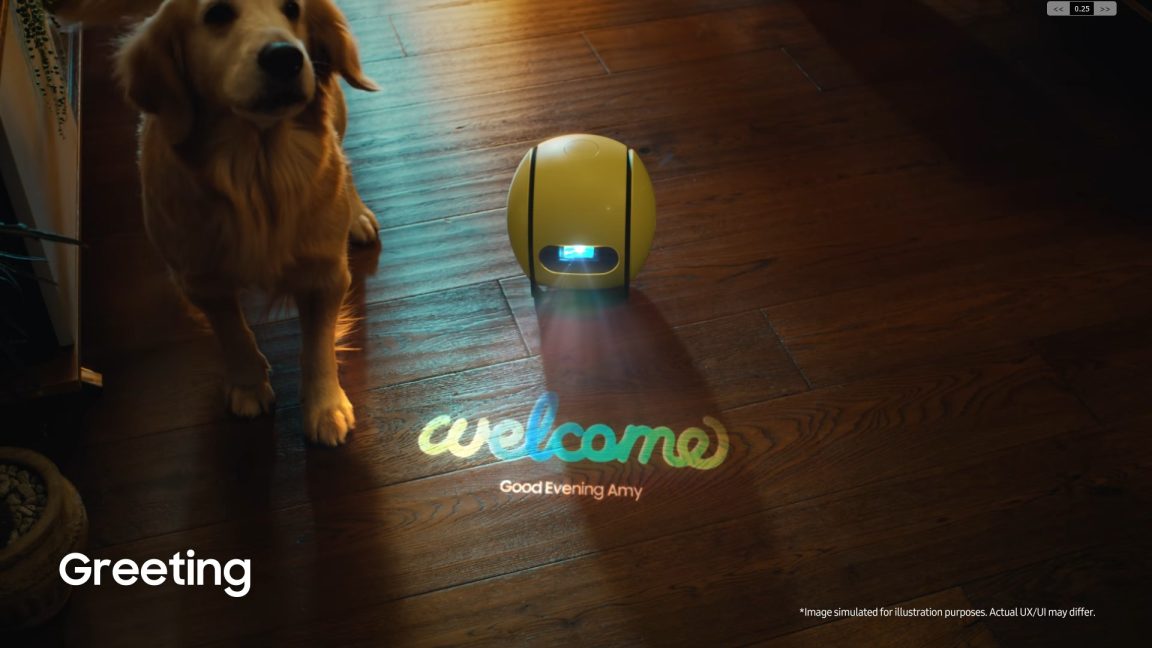
Since 2020, Samsung has been dangling a yellow ball in front of us. That sphere is a robot named Ballie that Samsung has teased and demoed for home use, including serving as a smart speaker. Today, Ballie is confirmed to be facing an eternity as vaporware.
At CES 2020, Ars Technica reported that Ballie was “the furthest-along concept” that Samsung demonstrated. At the time, we saw Ballie use facial recognition to follow its owner. A marketing video also portrayed the robot controlling smart home devices, including activating a smart vacuum when someone made a mess.
Ballie rolled back onto the trade show scene at CES 2024. This time, it had a new, more spherical and larger build rolling upon its three wheels. Ballie also sported a light ring, and Samsung showed a video of the robot being used as a projector. The South Korean firm claimed that Ballie would provide “two to three hours of continued projector use” before needing a charge. Samsung's video also demonstrated Ballie connecting with a smartphone.
Never mind the Apple Cup. Washington State University is focused on the apple grip and the apple pick.
Researchers in WSU’s School of Mechanical and Materials Engineering unveiled a low-cost robotic apple-picking arm designed to help offset labor shortages for tasks such as harvesting and pruning, according to a news release Wednesday.
The inflatable arm can see an apple, extend and retract to pick fruit in about 25 seconds (as demonstrated in the video above). Mounted on a metal base and weighing about 50 pounds, the 2-foot-long arm is made of a soft fabric filled with air.
Researchers published their work in the journal Smart Agricultural Technology. The team is collaborating with researchers at the Prosser Research Extension Center and with Manoj Karkee at Cornell University to adapt the arm to an automated moving platform that is also being developed to move through orchards.
Washington state leads the nation in apple and sweet cherry production, contributing more than $2 billion to the U.S. gross domestic product in 2023, according to WSU. Farms across the state employ hundreds of workers annually for orchard tasks such as pollination, pruning, flower thinning and harvesting. But an aging population and a decline in migrant farmworkers have made it harder for growers to meet labor needs during harvest season.
Compared to humans who can pick an apple every three seconds, the robotic arm is still slow. The researchers are refining some of the mechanical components as well as working to improve its rudimentary detection system, which hinders the picking more than the robotic arm’s movement, WSU Insider reported.
Deploying robots in fruit harvesting and other aspects of agriculture is not a new concept. Apple-picking technology is also being developed at Oregon State University, Michigan State University, and elsewhere. WSU says that some robotic harvesting systems can be large, expensive and complex to use in orchards.
“Having this very low-cost, safe robotic platform is ideal for the orchard environment,” said Ryan Dorosh, a PhD candidate and lead author on the work.
The researchers are working with WSU’s Office of Innovation and Entrepreneurship team for the intellectual property protection and commercialization of the technology. The work was funded by the National Science Foundation, the USDA National Institute of Food and Agriculture, and Washington Tree Fruit Research Commission and tested at Allan Brothers Fruit in Prosser, Washington.
You may think that when and if the robot apocalypse happens, we’ll be able to lock the robots up to keep humanity safe. Well, think again. A team of researchers from the Soft Machines Lab at Carnegie Mellon University have created a rudimentary robot that can become a liquid on demand, a capability the lead author compared to the T-1000 from Terminator 2: Judgment Day.
Most of the robots you’ve seen are of the “hard” variety. They’re made of solid metal, with unyielding graspers and ranges of motion dictated by the type and orientation of linear actuators. Soft robotics is an emerging field of study that seeks to build robots that are more flexible, allowing them to handle objects and navigate complex environments without the same risk of damage — to the robot as well as anyone or anything that might be nearby.
The liquid metal robot created at Carnegie Mellon, with assistance from Sun Yat-sen University and Zhejiang University, is based on gallium with embedded magnetic nanoparticles. Since Gallium has an unusually low melting point of just 85 degrees Fahrenheit (29 degrees Celsius), it’s possible to shift it between liquid and metal without any special equipment. The team calls this “magnetoactive phase transitional matter” or MPTM.
We’ve seen several soft robotics projects that use magnets for external control. But the MPTM work at Carnegie Mellon adds morphological adaptability to the equation. The magnetic nanoparticles allow the researchers to move the robots around and even generate enough heat to melt them on the spot. “When you have a metal that’s in the presence of an alternating magnetic field, we just know from fundamental principles of electromagnetism that causes basically electrical current to spontaneously flow through that metal,” lead author Carmel Majidi tells Vice.
The video above demonstrates how the tiny gallium figure is able to liquefy and squirm through the bars of its cage, just like that famous scene from Terminator 2 when the T-1000 walks through the bars. There’s one important caveat, though. While it looks like the robot returns to its original shape on its own, it had to be remolded by hand for that shot. There is currently no mechanism to control the shape of the robot with that much precision as it returns to its solid state. Maybe one day, though. The researchers see numerous potential applications for a meltable magnetic robot, including biomedicine, where it could deliver drugs or remove foreign objects from the body.

 Login
Login