Login
LoginTech CEOs boast and bicker about AI at Davos
There were times at this week’s meeting of the World Economic Forum when Davos seemed transformed into a high-powered tech conference.

We miss the slide rule. It isn’t so much that we liked getting an inexact answer using a physical moving object. But to successfully use a slide rule, you need to be able to roughly estimate the order of magnitude of your result. The slide rule’s computation of 2.2 divided by 8 is the same as it is for 22/8 or 220/0.08. You have to interpret the answer based on your sense of where the true answer lies. If you’ve ever had some kid at a fast food place enter the wrong numbers into a register and then hand you a ridiculous amount of change, you know what we mean.
Recent press reports highlighted a paper from Nvidia that claimed a data center consuming a gigawatt of power could require half a million tons of copper. If you aren’t an expert on datacenter power distribution and copper, you could take that number at face value. But as [Adam Button] reports, you should probably be suspicious of this number. It is almost certainly a typo. We wouldn’t be surprised if you click on the link and find it fixed, but it caused a big news splash before anyone noticed.
Best estimates of the total copper on the entire planet are about 6.3 billion metric tons. We’ve actually only found a fraction of that and mined even less. Of the 700 million metric tons of copper we actually have in circulation, there is a demand for about 28 million tons a year (some of which is met with recycling, so even less new copper is produced annually).
Simple math tells us that a single data center could, in a year, consume 1.7% of the global copper output. While that could be true, it seems suspicious on its face.
Digging further in, you’ll find the paper mentions 200kg per megawatt. So a gigawatt should be 200,000kg, which is, actually, only 200 metric tons. That’s a far cry from 500,000 tons. We suspect they were rounding up from the 440,000 pounds in 200 metric tons to “up to a half a million pounds,” and then flipped pounds to tons.
We get it. We are infamous for making typos. It is inevitable with any sort of writing at scale and on a tight schedule. After all, the Lincoln Memorial has a typo set in stone, and Webster’s dictionary misprinted an editor’s note that “D or d” could stand for density, and coined a new word: dord.
So we aren’t here to shame Nvidia. People in glass houses, and all that. But it is amazing that so much of the press took the numbers without any critical thinking about whether they made sense.
We’ve noticed many people glaze over numbers and take them at face value. The same goes for charts. We once saw a chart that was basically a straight line except for one point, which was way out of line. No one bothered to ask for a long time. Finally, someone spoke up and asked. Turns out it was a major issue, but no one wanted to be the one to ask “the dumb question.”
You don’t have to look far to find examples of innumeracy: a phrase coined by [Douglas Hofstadter] and made famous by [John Allen Paulos]. One of our favorites is when a hamburger chain rolled out a “1/3 pound hamburger,” which flopped because customers thought that since three is less than four, they were getting more meat with a “1/4 pound hamburger” at the competitor’s restaurant.
This is all part of the same issue. If you are an electronics or computer person, you probably have a good command of math. You may just not realize how much better your math is than the average person’s.

Even so, people who should know better still make mistakes with units and scale. NASA has had at least one famous case of unit issues losing an unmanned probe. In another famous incident, an Air Canada flight ran out of fuel in 1983. Why?
The plane’s fuel sensors were inoperative, so the ground crew manually checked the fuel load with a dipstick. The dipstick read in centimeters. The navigation computer expected fuel to be in kg. Unfortunately, the fuel’s datasheet posted density in pounds/liter. This incorrect conversion happened twice.
Unsurprisingly, the plane was out of fuel and had to glide to an emergency landing on a racetrack that had once been a Royal Canadian Air Force training base. Luckily, Captain Pearson was an experienced glider pilot. With reduced control and few instruments, the Captain brought the 767 down as if it were a huge glider with 61 people onboard. Although the landing gear collapsed and caused some damage, no one on the plane or the ground were seriously hurt.
Sadly, math answers are much easier to get than social answers. Kids routinely complain that they’ll never need math once they leave school. (OK, not kids like we were, but normal kids.) But we all know that is simply not true. Even if your job doesn’t directly involve math, understanding your own finances, making decisions about purchases, or even evaluating political positions often requires that you can see through math nonsense, both intentional and unintentional.
[Antoine de Saint-Exupéry] was a French author, and his 1948 book Citadelle has an interesting passage that may hold part of the answer. If you translate the French directly, it is a bit wordy, but the quote is commonly paraphrased: “If you want to build a ship, don’t herd people together to collect wood and don’t assign them tasks and work, but rather teach them to long for the endless immensity of the sea.”
We learned math because we understood it was the key to building radios, or rockets, or computer games, or whatever it was that you longed to build. We need to teach kids math in a way that makes them anxious to learn the math that will enable their dreams.
How do we do that? We don’t know. Great teachers help. Inspiring technology like moon landings helps. What do you think? Tell us in the comments. Now with 285% more comment goodness. Honest.
We still think slide rules made you better at math. Just like not having GPS made you better at navigation.
A new report suggests GPU prices may soon climb as NVIDIA and AMD partners face rising DDR6 and DDR7 costs, leaving consumers to spot changes through retail listings.
The post Brace yourself: Nvidia and AMD GPU prices may rise as top AIBs adjust costs appeared first on Digital Trends.

Trader Cryptollica (@Cryptollica) is arguing that an old relative-value signal is “back” in crypto markets, pointing to the DOGE/NVIDIA ratio and an unusually depressed Dogecoin RSI reading as evidence that capital could rotate from AI-linked equities into high-beta meme coins.
In a post on X, Cryptollica said the DOGE/NVIDIA chart has returned to a long-term support zone that previously preceded outsized Dogecoin outperformance versus Nvidia in prior cycles. “THE SIGNAL IS BACK. IT’S HAPPENING AGAIN (2017… 2021… NOW),” the trader wrote.
“The last two times this specific signal flashed on the DOGE/NVIDIA chart, we saw the biggest wealth transfer in history. The crowd is chasing the AI top. The algorithm is loading the Meme bottom. (Altcoin bottom).”
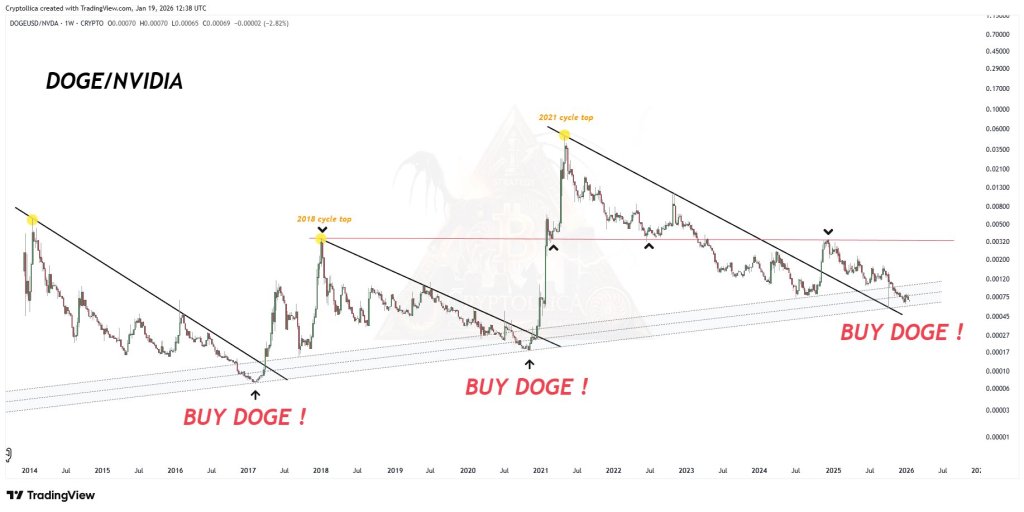
The core claim is less about Dogecoin in isolation and more about positioning on a ratio between what Cryptollica framed as two cultural extremes: “You are watching the wrong chart. This is the ratio of ‘The World’s Most Valuable Company’ (AI) vs. ‘The World’s Most Famous Meme’.” From that framing, the trader leans into a cycle-rhymes narrative, asserting that the ratio has repeatedly found channel support before a DOGE-led surge.
“Structure is repeating history,” Cryptollica wrote, attaching specific historical comparisons. “2017: Ratio hit channel support – DOGE outperformed NVDA by 100x. 2021: Ratio hit channel support – DOGE outperformed NVDA by 50x. NOW: We are back at the exact same support line.”
The posts also attach a broader liquidity-rotation story that has circulated in various forms across risk markets: when one trade stops working, capital seeks the next high-beta outlet: “When the AI Bubble exhales, that liquidity doesn’t vanish. It rotates into High-Beta Speculation,” the trader wrote. “The crowd is buying NVDA at the top. The algorithm is positioning for the DOGE reversal.”
In another post, Cryptollica shifted from the ratio to Dogecoin’s weekly momentum indicator, sharing a second chart highlighting RSI levels and labeling prior cycle lows. “Here you are witnessing an opportunity that only comes around once every 12 years,” the trader wrote. “Over the past 12 years (2014–2026), Dogecoin’s RSI has dropped this low only 4 times. Every single one was an epic buying opportunity.”
The post describes those four moments as a sequence of cycle bottoms, including an “all-time low” first cycle bottom, a “cycle bottom + COVID crash,” a “last cycle bottom,” and “RIGHT NOW!” Cryptollica concluded with a blunt decision frame: “Math or emotions — which one decides for you?”
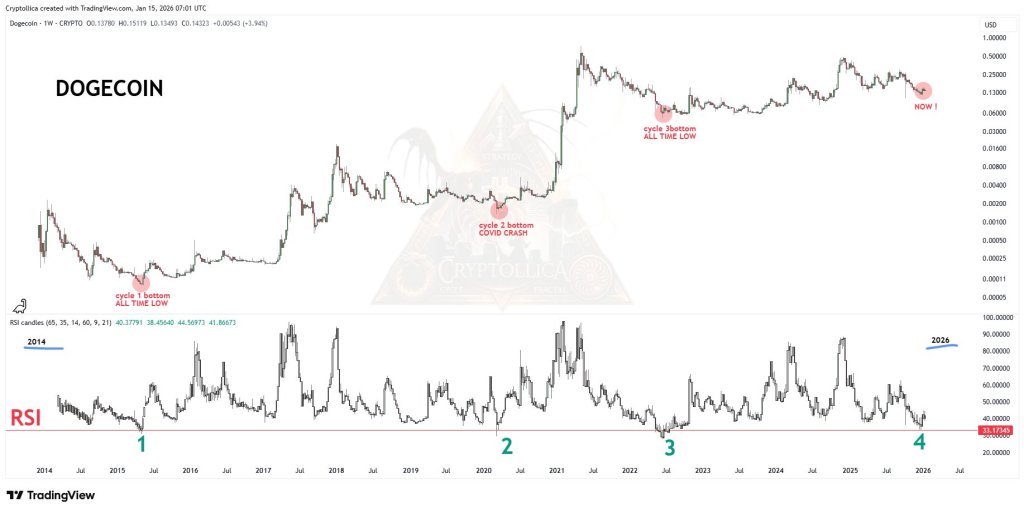
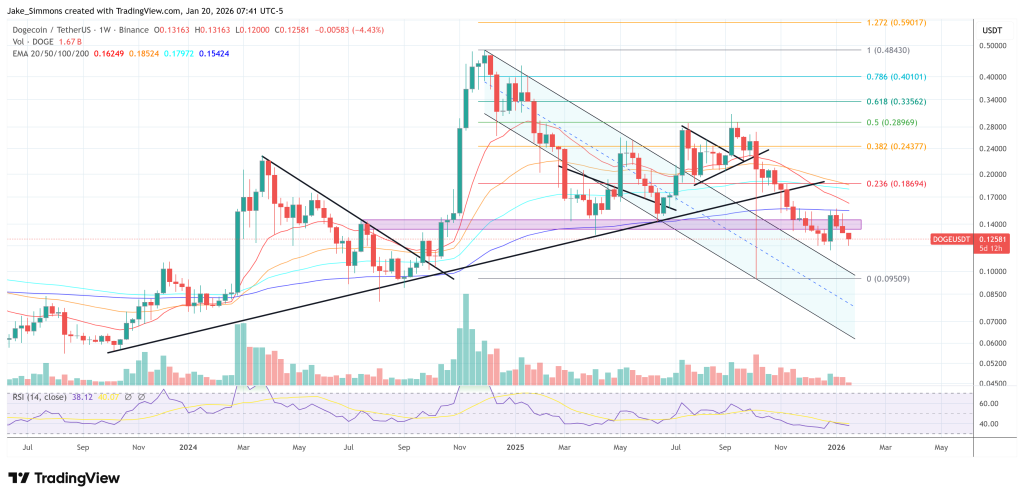
While neither post includes an explicit price target, the analyst said in early December that he expects Dogecoin to reach $1.30 over the medium term, citing a parallel channel top on the 3-day DOGE/USD chart.
At press time, DOGE traded at $0.12581.

Supply chain sources have revealed that Nvidia could debut the first laptops featuring its ARM-based N1 and N1X chips in Q1 2026.
The post Laptops featuring Nvidia’s ARM-based chips may finally hit stores near you in Q1 2026 appeared first on Digital Trends.

The RTX 5070 Ti is vanishing from shelves as ASUS moves its cards to end of life status and retailers report supply droughts. Prices are already rising in the US and Australia.
The post NVIDIA’S RTX 5070 Ti end of life may hit you now appeared first on Digital Trends.

AMD’s 2026 PC strategy focuses on incremental CPU updates, price-to-performance GPUs, and cautious AI upscaling.
The post AMD has new chips, but RAM prices are the real boss fight appeared first on Digital Trends.

Big Tech's AI-fueled memory shortage is set to be the PC industry's defining story for 2026 and beyond. Standalone, direct-to-consumer RAM kits were some of the first products to feel the bite, with prices spiking by 300 or 400 percent by the end of 2025; prices for SSDs had also increased noticeably, albeit more modestly.
The rest of 2026 is going to be all about where, how, and to what extent those price spikes flow downstream into computers, phones, and other components that use RAM and NAND chips—areas where the existing supply of products and longer-term supply contracts negotiated by big companies have helped keep prices from surging too noticeably so far.
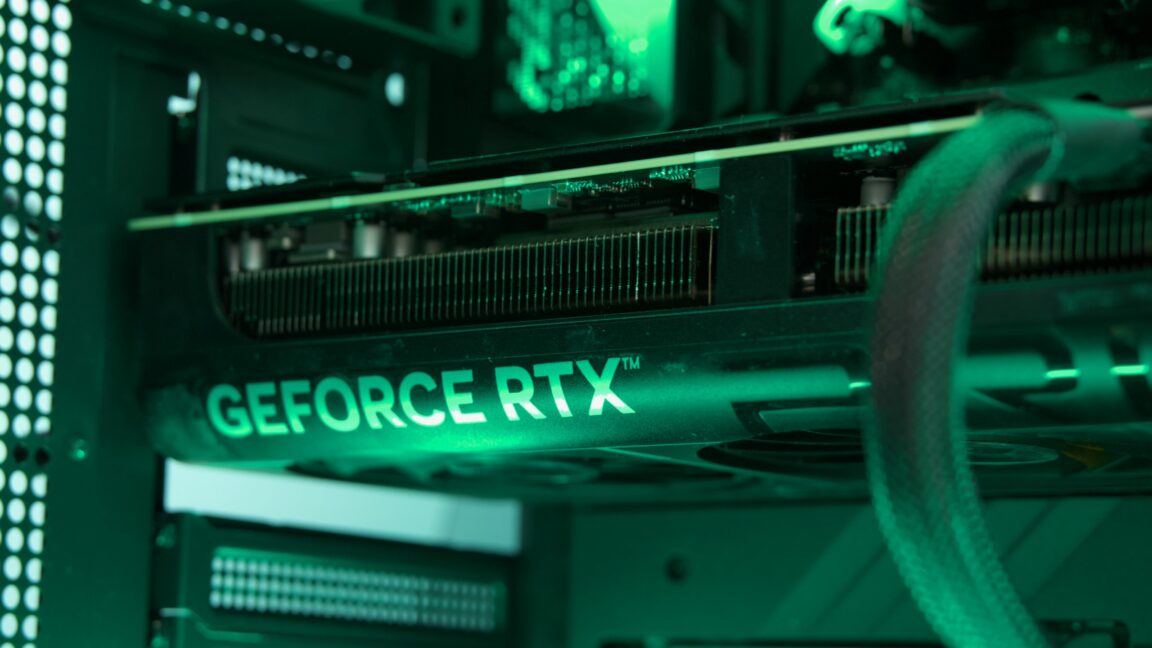
This week, we're seeing signs that the RAM crunch is starting to affect the GPU market—Asus made some waves when it inadvertently announced that it was discontinuing its GeForce RTX 5070 Ti.
© Andrew Cunningham
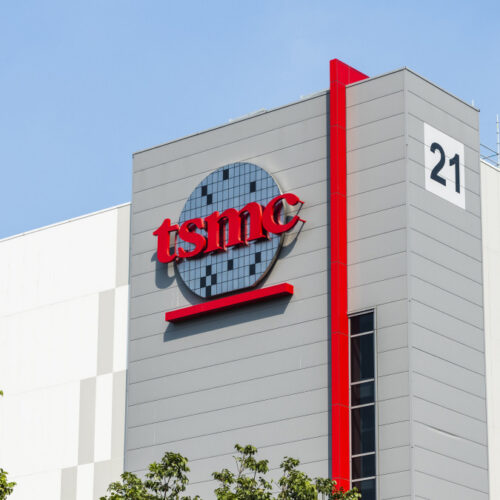
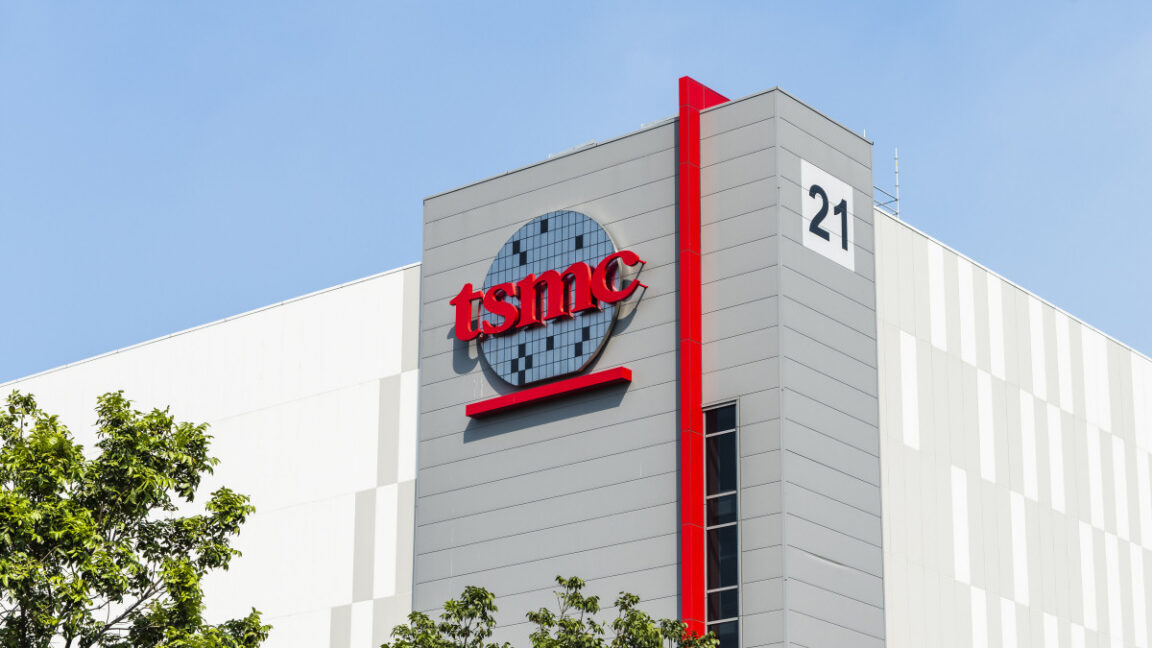
On Thursday, Taiwan Semiconductor Manufacturing Company (TSMC) reported record fourth-quarter earnings and said it expects AI chip demand to continue for years. During an earnings call, CEO C.C. Wei told investors that while he cannot predict the semiconductor industry's long-term trajectory, he remains bullish on AI.
TSMC manufactures chips for companies including Apple, Nvidia, AMD, and Qualcomm, making it a linchpin of the global electronics supply chain. The company produces the vast majority of the world's most advanced semiconductors, and its factories in Taiwan have become a focal point of US-China tensions over technology and trade. When TSMC reports strong demand and ramps up spending, it signals that the companies designing AI chips expect years of continued growth.
"All in all, I believe in my point of view, the AI is real—not only real, it's starting to grow into our daily life. And we believe that is kind of—we call it AI megatrend, we certainly would believe that," Wei said during the call. "So another question is 'can the semiconductor industry be good for three, four, five years in a row?' I'll tell you the truth, I don't know. But I look at the AI, it looks like it's going to be like an endless—I mean, that for many years to come."
© BING-JHEN HONG via Getty Images
In a statement on X, a crypto expert declared unwavering confidence that XRP will join the ranks of the world’s 10 largest assets by market capitalization within the next two years. Bird’s bold comment comes during a notable change in asset rankings, where silver recently overtook Nvidia in market cap.
At the time of writing, XRP’s market cap is around $127 billion, a fraction of the threshold needed to break into the top 10, where it needs to reach at least $2 trillion in market cap.
The prediction was shared by crypto analyst Bird, who stated that he is 100% confident that XRP will appear on the leaderboard of the top 10 global assets by market capitalization within the next 24 months. This comment was made in response to when silver, with a current market cap of $5.036 trillion, overtook NVIDIA, which has a current market cap of $4.458 trillion, as the second largest asset behind Bitcoin.
This statement of XRP becoming a top 10 asset by market cap comes with an ultra-bullish expectation where XRP provides more value than most top global assets and companies.
At the time of writing, XRP’s market capitalization is around $127 billion, which places it well outside the top 100 global assets by market cap. In fact, only Bitcoin and Ethereum currently occupy spots inside the top 100, with Bitcoin ranking eighth globally at around $1.929 trillion and Ethereum at rank 35 with a market cap of $402.09 billion.
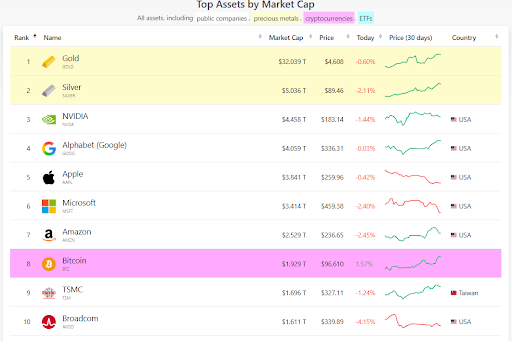
The tenth-largest asset on the list of top assets is Broadcom, which currently has a market cap of approximately $1.611 trillion. In order for XRP to realistically become one of the world’s ten most valuable assets by market cap, the cryptocurrency would need to see extraordinary growth in price, which would not be possible without a corresponding growth in utility.
XRP’s current valuation is around $2.10 per token, and its market cap falls far short of the $1.7 trillion that it needs to overtake Broadcom. Based on the current circulating supply of XRP, achieving a market cap of $1.7 trillion would require the cryptocurrency to trade at a price around $28 per XRP. This translates to an increase of about 1,220% from the current price level.
Interestingly, many bullish XRP enthusiasts and analysts put XRP trading at this price target one day, but these predictions are based on adoption in cross-border transfers and strong demand in both retail and institutional markets for XRP. However, whether XRP can realistically reach the $28 mark within the next two years is still an open question.
At the J.P. Morgan Healthcare Conference, Nvidia announced major AI partnerships with Lilly and Thermo Fisher Scientific to accelerate drug discovery and automate laboratory infrastructure globally.
The post Nvidia Expands AI Healthcare Push With Lilly, Thermo Fisher appeared first on TechRepublic.
At the J.P. Morgan Healthcare Conference, Nvidia announced major AI partnerships with Lilly and Thermo Fisher Scientific to accelerate drug discovery and automate laboratory infrastructure globally.
The post Nvidia Expands AI Healthcare Push With Lilly, Thermo Fisher appeared first on TechRepublic.
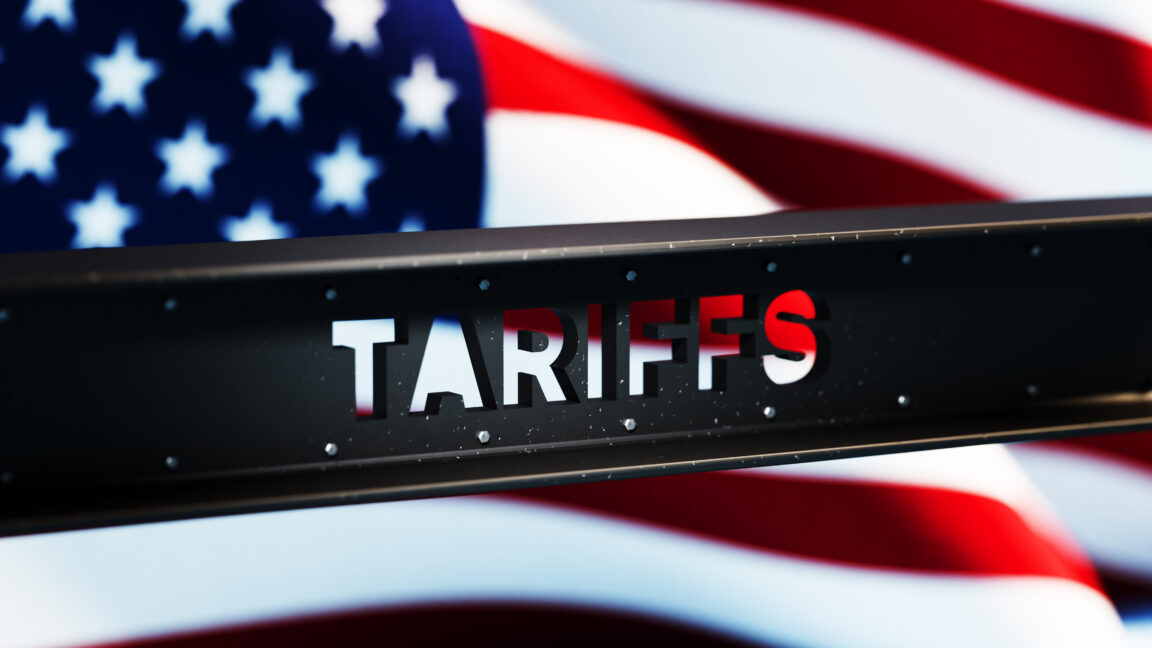
US President Donald Trump has announced new tariffs on Nvidia and AMD as part of a novel scheme to enact a deal with the technology giants to take a 25 percent cut of sales of their AI processors to China.
In December, the White House said it would allow Nvidia to start shipping its H200 chips to China, reversing a policy that prohibited the export of advanced AI hardware. However, it demanded a 25 percent cut of the sales.
The new US tariffs on certain chips, announced on Wednesday, were designed to implement these payments and protect the unusual arrangement from legal challenges, according to several industry executives.
© Getty Images
Jan. 5–9 recap: From stair-climbing vacuums to blue-collar humanoids, this week proves the machines aren't just coming — they've clocked in.
The post Daily Tech Insider Explores the New Era of Physical Intelligence appeared first on TechRepublic.
Jan. 5–9 recap: From stair-climbing vacuums to blue-collar humanoids, this week proves the machines aren't just coming — they've clocked in.
The post Daily Tech Insider Explores the New Era of Physical Intelligence appeared first on TechRepublic.
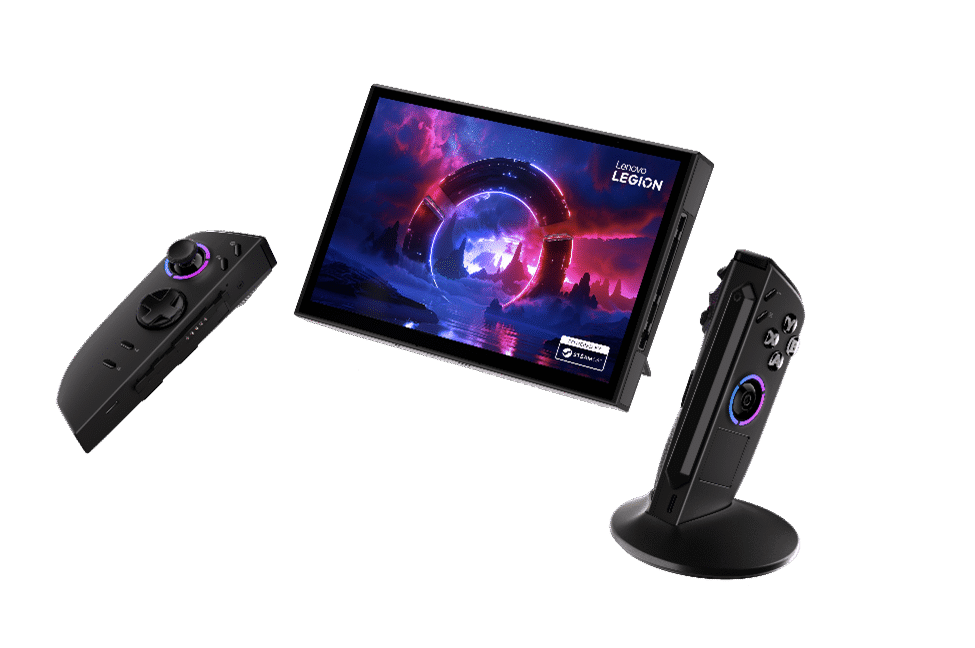
SteamOS's slow march across the Windows-dominated PC gaming landscape is continuing to creep along. At CES this week, Lenovo announced it will launch a version of last year's high-priced, high-powered Legion Go 2 handheld with Valve's gaming-focused, Linux-based OS pre-installed starting in June. And there are some intriguing signs from Valve that SteamOS could come to non-AMD devices in the not-too-distant future as well.
A new SteamOS-powered Legion Go 2 isn't exactly shocking news given how things have been going in the world of PC gaming handhelds. Lenovo became the first non-Valve hardware maker to embrace the Windows alternative when it announced a SteamOS-compatible version of the lower-end Legion Go S almost exactly a year ago. When that version hit the market last spring, Ars testing found it actually performed better than the Windows-based version of the same hardware on many popular games.
Valve has also been working behind the scenes to expand SteamOS's footprint beyond its own hardware. After rolling out the SteamOS Compatible software label last May, SteamOS version 3.7 offered support for manual installation on AMD-powered handhelds like the ROG Ally and the original Legion Go.