❌

Reading view

There are new articles available, click to refresh the page.

Tiny falcons are helping keep the food supply safe on cherry farms

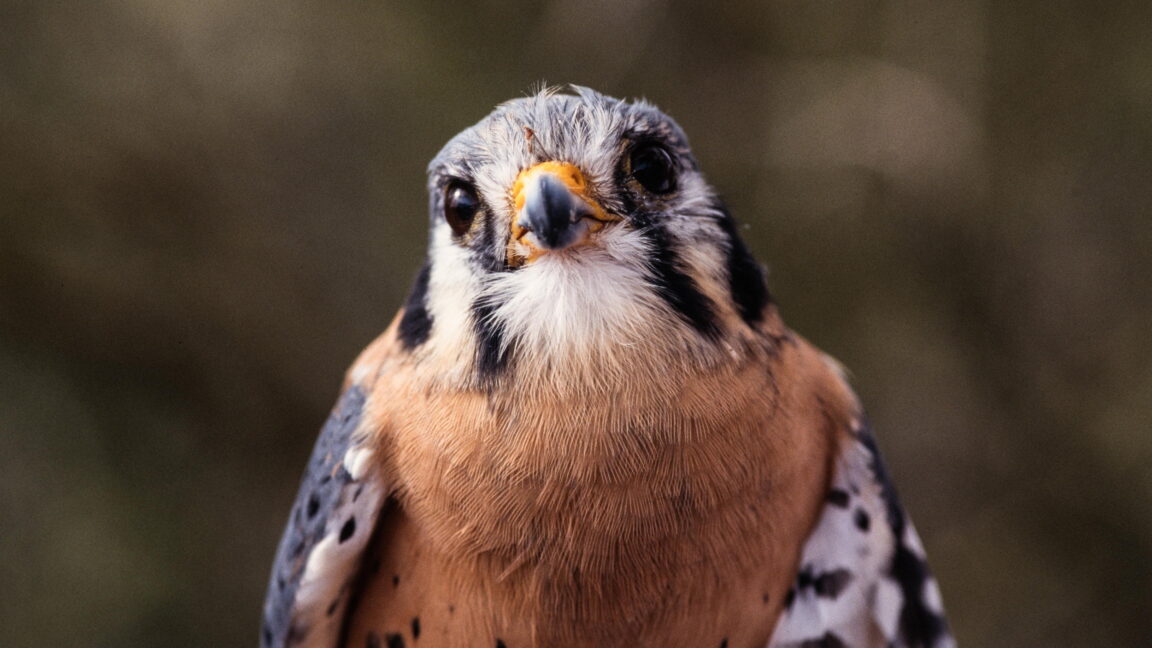
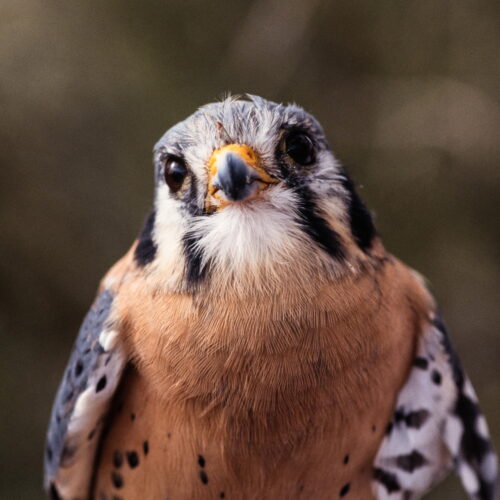
Every spring, raptors return to nesting sites across northern Michigan. The smallest of these birds of prey, a falcon called the American kestrel (Falco sparverius), flies through the region’s many cherry orchards and spends its days hunting for even tinier creatures to eat. This quest keeps the kestrels fed, but it also benefits the region’s cherry farmers.

Fruit farmers have been working symbiotically with kestrels for decades, adding nesting boxes and reaping the benefits of the birds eliminating the mice, voles, songbirds, and other pests that wreak havoc by feeding on not-yet-harvested crops. In addition to limiting the crop damage caused by hungry critters, new research suggests kestrels also lower the risk of food-borne illnesses.

The study, published in November in the Journal of Applied Ecology, suggests the kestrels help keep harmful pathogens off of fruit headed to consumers by eating and scaring off small birds that carry those pathogens. Orchards housing the birds in nest boxes saw fewer cherry-eating birds than orchards without kestrels on site. This translated to an 81 percent reduction in crop damageβ€”such as bite marks or missing fruitβ€”and a 66 percent decrease in branches contaminated with bird feces.
Read full article

Comments

Β© Jon G. Fuller/Universal Images Group via Getty Images

Ocean damage nearly doubles the cost of climate change

The global cost of greenhouse gas emissions is nearly double what scientists previously thought, according to a study published Thursday by researchers at the University of California, San Diego’s Scripps Institution of Oceanography.

It is the first time a social cost of carbon (SCC) assessmentβ€”a key measure of economic harm caused by climate changeβ€”has included damages to the ocean. Global coral loss, fisheries disruption, and coastal infrastructure destruction are estimated to cost nearly $2 trillion annually, fundamentally changing how we measure climate finance.

β€œFor decades, we’ve been estimating the economic cost of climate change while effectively assigning a value of zero to the ocean,” said Bernardo Bastien-Olvera, who led the study during his postdoctoral fellowship at Scripps. β€œOcean loss is not just an environmental issue, but a central part of the economic story of climate change.”

Read full article

Comments

Β© Magdalena Chodownik/Anadolu via Getty Images

Scientists sequence a woolly rhino genome from a 14,400-year-old wolf’s stomach

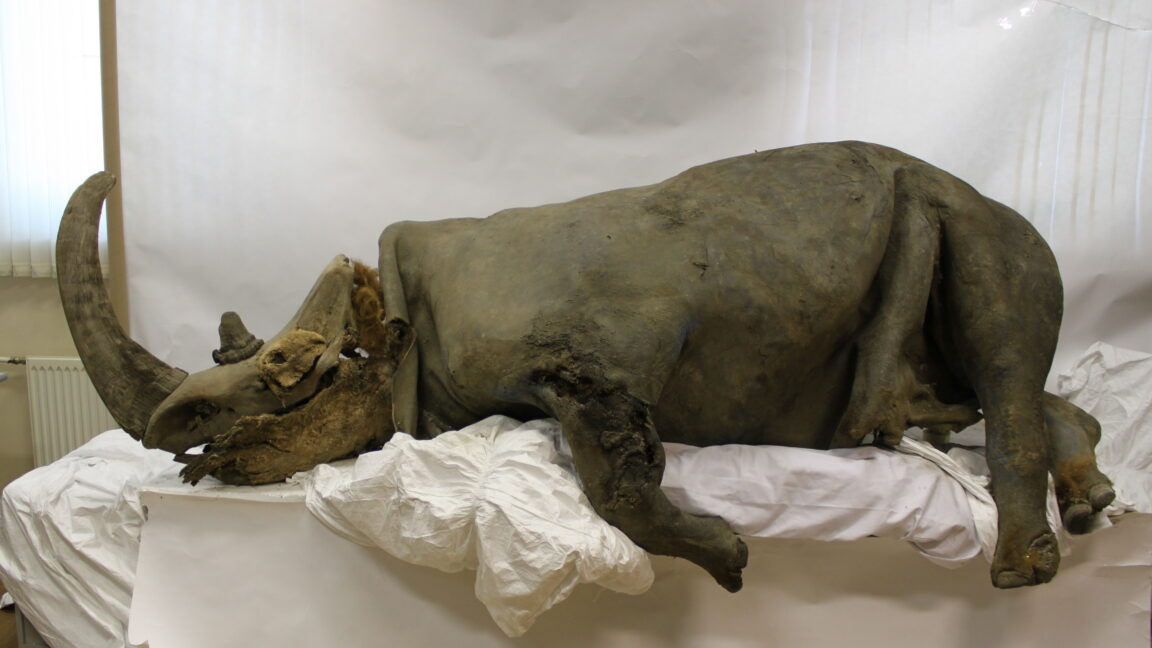
A 14,400-year-old wolf puppy’s last meal is shedding light on the last days of one of the Ice Age’s most iconic megafauna species, the woolly rhinoceros.

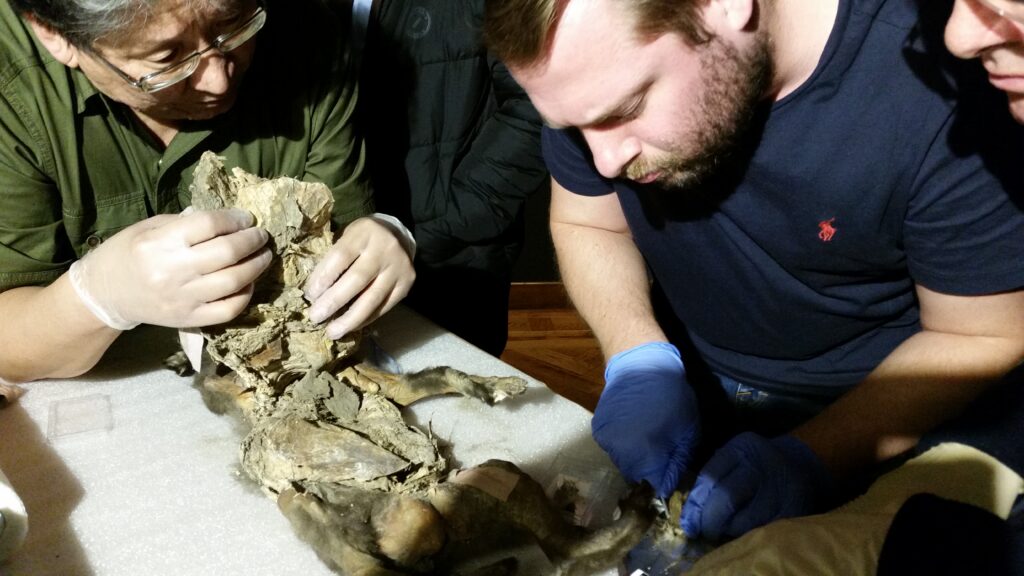
When researchers dissected the frozen mummified remains of an Ice Age wolf puppy, they found a partially digested chunk of meat in its stomach: the remnants of the puppy’s last meal 14,400 years ago. DNA testing revealed that the meat was a prime cut of woolly rhinoceros, a now-extinct 2-metric-ton behemoth that once stomped across the tundras of Europe and Asia. Stockholm University paleogeneticist SΓ³lveig GuΓ°jΓ³nsdΓ³ttir and her colleagues recently sequenced a full genome from the piece of meat, which reveals some secrets about woolly rhino populations in the centuries before their extinction.

photo of a mummified wolf corpse being dissected by two people. Scientists carefully autopsy the remains of a wolf puppy who lived and died 14,400 years ago near Tumat village in Siberia. Credit: GuΓ°jΓ³nsdΓ³ttir et al. 2026

One bad day for a rhino, one giant leap for paleogenomics

β€œSequencing the entire genome of an Ice Age animal found in the stomach of another animal has never been done before,” said Uppsala University paleogeneticist Camilo ChacΓ³n-Duque, a co-author of the study, in a recent press release.

Read full article

Comments

Β© GuΓ°jΓ³nsdΓ³ttir et al. 2026

The oceans just keep getting hotter

Since 2018, a group of researchers from around the world has crunched the numbers on how much heat the world’s oceans are absorbing each year. In 2025, their measurements broke records once again, making this the eighth year in a row that the world’s oceans have absorbed more heat than in the years before.

The study, which was published Friday in the journal Advances in Atmospheric Science, found that the world’s oceans absorbed an additional 23 zettajoules’ worth of heat in 2025, the most in any year since modern measurements began in the 1960s. That’s significantly higher than the 16 additional zettajoules they absorbed in 2024. The research comes from a team of more than 50 scientists across the United States, Europe, and China.

A joule is a common way to measure energy. A single joule is a relatively small unit of measurementβ€”it’s about enough to power a tiny lightbulb for a second, or slightly heat a gram of water. But a zettajoule is one sextillion joules; numerically, the 23 zettajoules the oceans absorbed this year can be written out as 23,000,000,000,000,000,000,000.

Read full article

Comments

Β© Pierre Longnus/Getty Images

❌