
❌

Reading view

There are new articles available, click to refresh the page.

What to expect at Samsung Galaxy Unpacked 2026

Samsung’s 2025 was filled with new foldables, an ultra-thin new form factor and the launch of Google's XR platform. After making some announcements at CES 2026, the company is expected to host its first Galaxy Unpacked of the year in February to introduce the Galaxy S26 lineup.

Engadget will be covering Galaxy Unpacked live, and we'll most likely have hands-on coverage of Samsung's new smartphones soon after they're announced. While we wait for an official invite, here's everything we expect Samsung will introduce at the first Galaxy Unpacked event of 2026.

Galaxy S26, S26+ and S26 Ultra
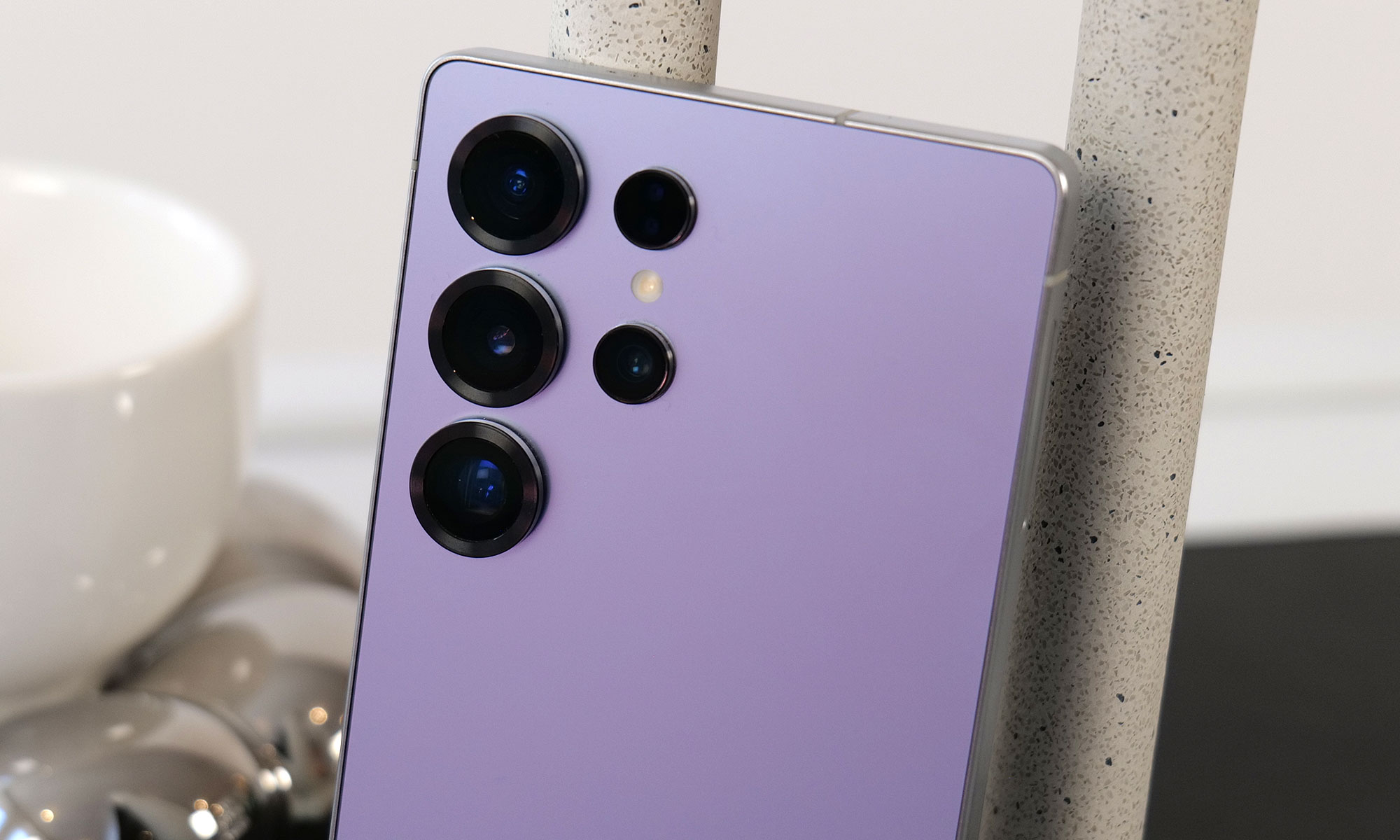
Samsung Galaxy S25 Ultra hands-on photo
Photo by Sam Rutherford/Engadget

Samsung's restrained approach to updating its phones will likely continue with the Galaxy S26. Based on leaked images of the new lineup, the company is not expected to radically reinvent the look of the Galaxy S26, Galaxy S26+ or Galaxy S26 Ultra, and instead will stick with a similar design to what it used on the Galaxy S25. The phones will have a flat front screen and frame, with rounded corners and cameras housed in a vertical pill-shaped plateau on the back. Unlike Apple's move from the iPhone 16 Pro to the iPhone 17 Pro, the biggest difference here will likely be internal components like the screens, chips and camera sensors Samsung uses.

Qualcomm's new Snapdragon 8 Elite Gen 5 chip is expected to be in all Samsung Galaxy S26 phones, though Korean news site Yonhap News reports Samsung's relatively new Exynos 2600 chip could be used in some phones in the lineup depending on the region, a strategy Samsung has deployed in the past. Either way the new phones should be more performant than the previous generation, and in the case of the models with the Snapdragon 8 Elite Gen 5, particularly good at on-device AI processing.

I have compiled the most accurate comprehensive parameter comparison of Galaxy S25, S25+ and Galaxy S26、 S26+. Which one do you want to buy? pic.twitter.com/aQpoSvYjOz

β€” Ice Universe (@UniverseIce) November 29, 2025

One notable difference between the Galaxy S26 and the Galaxy S25 could be the phone's screen. The new phone will reportedly feature a 6.3-inch FHD+ display according to specs shared by leaker Ice Universe, which makes it ever so slightly larger than the 6.2-inch display used on the Galaxy S25. The S26 will also allegedly come with 12GB of RAM, either 256GB or 512GB of storage and a slightly larger 4,300mAh battery. Samsung isn't changing the cameras on the entry-level phone, though: leaks suggest it'll feature the same 50-megapixel main camera, 12-megapixel ultrawide, 10-megapixel 3x telephoto and 12-megapixel selfie camera as the previous generation. Changes appear to be even more minor on the Galaxy S26+. Other than the new Snapdragon chip, the phone will reportedly feature the same 6.7-inch FHD+ screen, 4,900mAh battery, 12GB of RAM and the same camera array used on the base Galaxy S26.

The difference between the Galaxy S26 Ultra and Galaxy S25 Ultra is reportedly a bit clearer. According to Android Headlines, the new phone's cameras will be slightly more raised, and stand out thanks to a new metallic finish. Samsung may also switch back to using an aluminum frame on the Galaxy S26 Ultra, after using titanium frames on both the Galaxy S24 and S25 Ultras. Most importantly, to make the phone actually support Qi2 rather than only technically work with the standard when a case is attached, rumors suggest Samsung will remove the S Pen digitizer layer in the phone and adopt a new method for accepting stylus input. It's not clear what that new method will actually be, but it could let the Galaxy S26 Ultra more easily work with Qi2 accessories without losing its stylus.

Galaxy Buds 4

Galaxy Buds 3 Pro in case.
Engadget

Samsung released the Galaxy Buds 3 and 3 Pro in 2024, with a major redesign that brought them much more in line with Apple's AirPods. The Galaxy Buds 4 and Buds 4 Pro Samsung is rumored to be announcing soon won't necessarily change that, though they will feature a more compact case and less angular stems, according to leaked images from the Samsung Tips app.

Support for head gestures to accept and decline calls, a feature Apple includes on the AirPods Pro 3 and AirPods 4, is also rumored to work on both versions of the new Galaxy Buds. SamMobile reports the Galaxy Buds 4 and 4 Pro may also ship with a new Ultra Wideband chip that will make them easier to find with Google's Find Hub network.

Galaxy Z Trifold
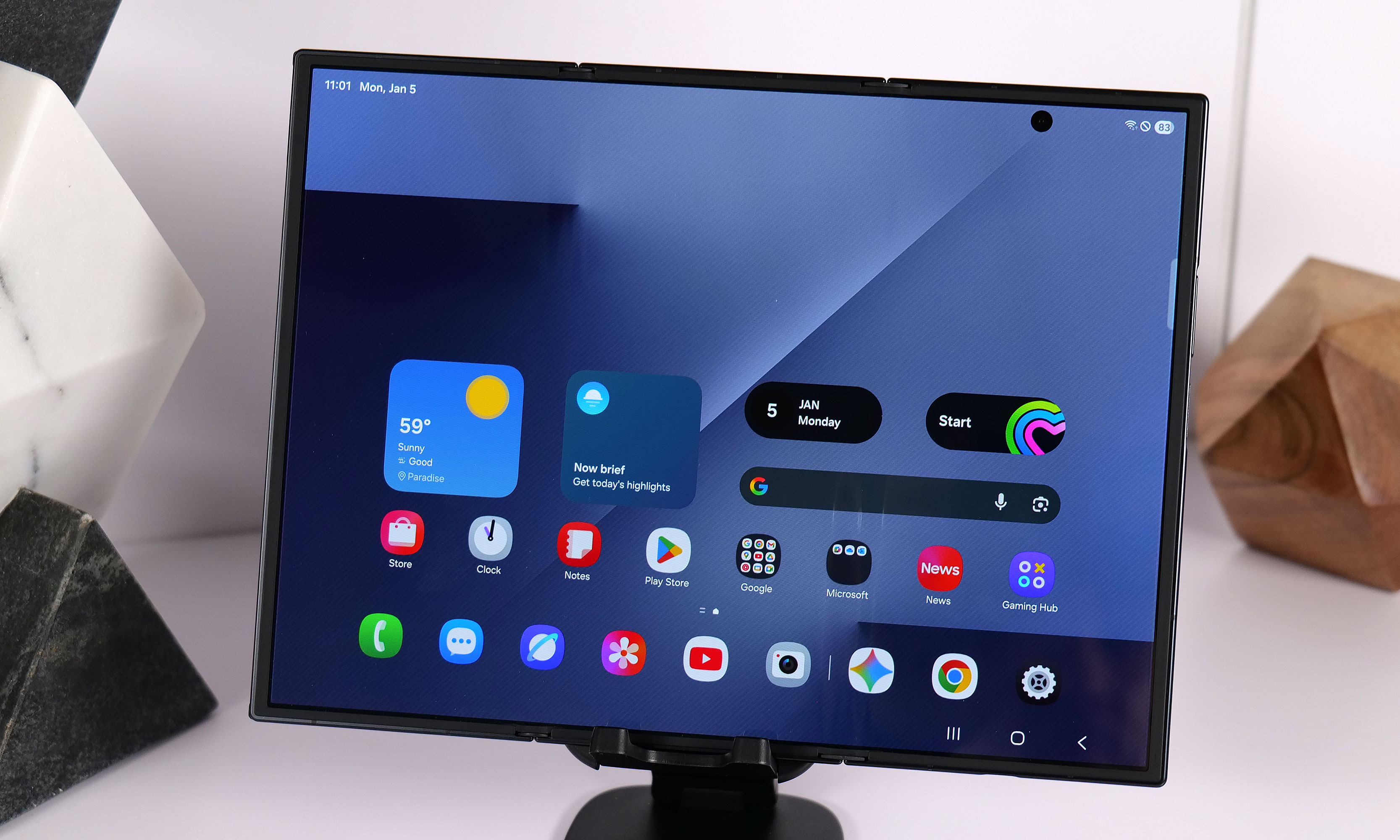
Yes, the TriFold has a crease, two in fact. But they still don't ruin the experience.
Sam Rutherford for Engadget

Samsung announced the Galaxy Z TriFold in late 2025 without firm details of when the new smartphone-that-folds-into-a-tablet would be available in North America. Considering the company had the new device available for hands-on demos at CES 2026, it seems possible it could share more information about when the Galaxy Z TriFold will be widely available at Galaxy Unpacked.

Galaxy S26 Edge
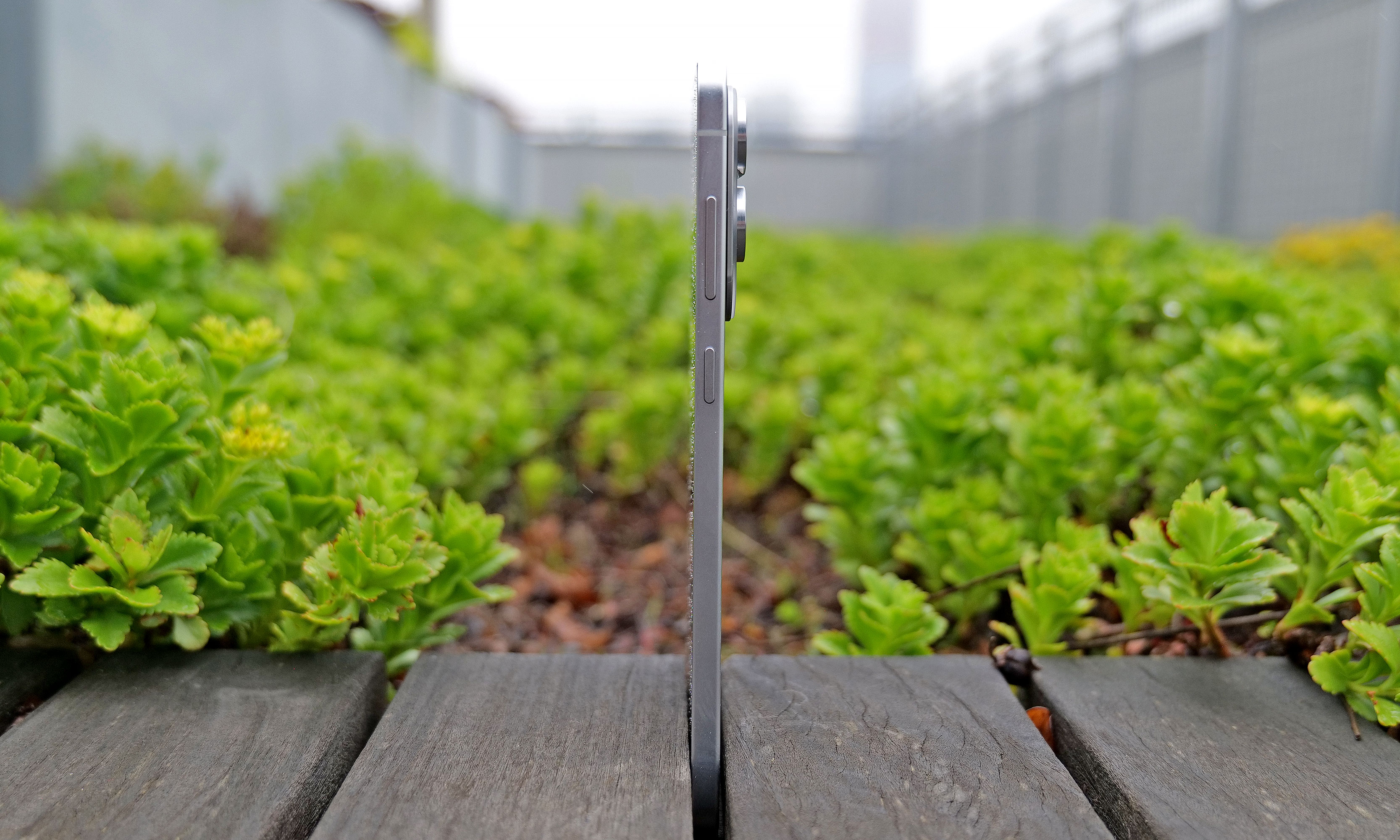
At just 5.8mm thick, the Samsung Galaxy S25 Edge is one of the thinnest smartphones ever made.
Sam Rutherford for Engadget

When the Galaxy S25 Edge was announced in 2025, it seemed possible that Samsung could replace its "Plus" smartphone with a unique form factor, just like Apple has opted to do with the iPhone Air. There have been conflicting reports on the matter, but it seems like Samsung will not be doing that with the Galaxy S26 Edge.

Instead, the smartphone will reportedly remain another option, much like foldables are for customers not swayed by Samsung's traditional smartphones. The Galaxy S26 Edge is rumored to feature a slightly different design than last year's model, according to Android Headlines, with a large rectangular camera plateau that's reminiscent of Google's Pixel phones, and the raised oval Apple used on the iPhone Air. Beyond that, the phone is also expected to be ever so slightly thinner at 5.5mm than the 5.8mm Galaxy S25 Edge.

Bixby and other AI features

A person testing out software features at a Bixby demo area.

Samsung already acts as a first place Google can show off new AI features for Android, but the company is reportedly exploring other AI partnerships, too. In June 2025, Bloomberg reported that Samsung was nearing a deal with Perplexity to integrate its AI-powered search engine across OneUI and its homegrown mobile browser. Perplexity already has a deal with Motorola on its Razr phones, so the only thing that would make a deal with Samsung unusual is the close relationship the company already has with Google.

The company also accidentally announced a new version of its Bixby AI assistant, which will likely also be integrated with Perplexity and could serve as an alternative to Google Gemini. Both a new Bixby and a deeper integration with Perplexity seem like natural new software features to show off at Galaxy Unpacked.

This article originally appeared on Engadget at https://www.engadget.com/mobile/smartphones/what-to-expect-at-samsung-galaxy-unpacked-2026-130000003.html?src=rss

Β©

The best midrange smartphone for 2026

Gone are the days in which you needed to spend a fortune to get a good smartphone. In 2026, features once exclusive to high-end smartphones – big batteries, multi-camera arrays, high refresh rate OLED displays and more – have made their way down to more affordable models. Yes, you’ll still need to buy a flagship smartphone to get the best camera or fastest processor, but you don't have to make nearly as many compromises as you once did if you have a strict budget to adhere to when you go shopping for your next smartphone. If you have less than $600 to spend, let us help you figure out what features to prioritize when trying to find the best midrange smartphone.

Table of contents

Best midrange phones for 2026

What is a midrange phone?

While the term frequently appears in articles and videos, there isn’t an agreed-upon definition for β€œmidrange” beyond a phone that isn’t a flagship or an entry-level option. Most of our recommendations cost between $400 and $600 β€” any less and you should expect significant compromises. If you have more to spend, you might as well consider flagships like the Apple iPhone 17 and the Samsung Galaxy S25 if you want the best smartphone experience. Devices like Pixel phones often sit in this price range too, offering some of the best value for Android buyers.

What to consider before buying a midrange smartphone

Buying a new device can be intimidating, but a few questions can help guide you through the process. First: what platform do you want to use? If the answer is iOS, that narrows your options down to exactly one phone. (Thankfully, it’s great.) And if you’re an Android fan, there’s no shortage of compelling options. Both platforms have their strengths, so you shouldn’t rule either out.

Of course, also consider how much you’re comfortable spending. Even increasing your budget by $100 more can get you a dramatically better product. Moreover, manufacturers tend to support their more expensive devices for longer with software updates and security updates, so it’s worth buying something toward the top limit of what you can afford.Β 

Having an idea of your priorities will help inform your budget. Do you want a long battery life or fast charging? Do you value speedy performance above all else? Or would you like the best possible cameras with high megapixel counts? While they continue to improve every year, even the best midrange smartphones still demand some compromises, and knowing what’s important to you will make choosing one easier.

What won’t you get from a midrange smartphone?

Every year, the line between midrange and flagship phones blurs as more upmarket features and functions trickle down to more affordable models. When Engadget first published this guide in 2020, it was tricky to find a $500 phone with waterproofing and 5G. In 2026, the biggest thing you might miss out on is wireless charging – and even then, that’s becoming less true.

One thing your new phone probably won’t come with is a power adapter; many companies have stopped including chargers with all of their smartphones. Performance has improved in recent years, but can still be hit or miss as most midrange phones use slower processors that can struggle with multitasking. Thankfully, their camera systems have improved dramatically, and you can typically expect at least a dual-lens system on most midrange smartphones below $600 with decent camera quality, selfie performance and software support to keep things running smoothly for years to come..

Midrange smartphone FAQs

How long do midrange phones get software updates?

Support varies by brand, but most midrange phones receive around three to five years of software and security updates. Apple tends to support iPhones longer while companies like Google and Samsung now promise several years of Android and security patches for their midrange models. Budget-focused brands might offer less so it’s worth checking the update policy before you buy.

Are midrange phones good for gaming?

Yes, many midrange phones handle gaming well, especially popular titles like Fortnite, Genshin Impact and Call of Duty Mobile. They usually include capable processors, though you won’t always get the smoothest performance in the most demanding mobile games or at max settings. If you play casually or stick to less graphically intensive titles a midrange phone will feel more than adequate.

Georgie Peru contributed to this report.

This article originally appeared on Engadget at https://www.engadget.com/mobile/smartphones/best-midrange-smartphone-183006463.html?src=rss

Β©

Β© Engadget

Best midrange smartphone

Taiwan issues arrest warrant for Pete Lau, CEO of OnePlus

Taiwanese officials have issued an arrest warrant for OnePlus CEO Pete Lau on allegations of illegally employing workers in Taiwan. Two Taiwanese citizens who worked for Lau have also been indicted. The China-based smartphone company has been accused of illegally recruiting more than 70 engineers from Taiwan.Β 

Members of the Shilin District Prosecutors Office claim that OnePlus reportedly set up a shell company in Hong Kong with a distinct name, then launched a branch in Taiwan in 2015 without government approval. The branch reportedly worked on research and development for OnePlus mobile phones. Taiwanese officials claim these actions by OnePlus violated the Cross-Strait Act, which is designed as a guide for relations between Taiwan and mainland China. One of the act’s provisions requires Chinese companies to obtain permission from the Taiwanese government to hire workers from Taiwan.

This article originally appeared on Engadget at https://www.engadget.com/mobile/smartphones/taiwan-issues-arrest-warrant-for-pete-lau-ceo-of-oneplus-185400997.html?src=rss

Β©

The kids have spoken: Teens’ holistic approach to school phone policies rivals adult rules

(BigStock Photo)

What happens if you let teens craft the rules that dictate their use of phones at school? You get policy ideas with a nuanced, holistic perspective that rival those being officially issued by the adults in leadership.

The University of Washington’s Youth Advisory Board, a group of approximately 20 teens from Seattle-area schools, recently published its first memo tackling this contentious issue. The memo weighs the pros and cons of phone bans and offers recommendations on how schools should draft and communicate their policies.

β€œThe whole point of the memo was to bring teen experiences into real policy conversations,” said Jaden Hong, a sophomore at Eastlake High School and board participant. β€œI think it matters that our ideas get into the hands of the principals, district leaders and even state-level decision makers or legislators who are actively shaping phone and tech rules.”

The Youth Advisory Board’s memo was informed by a UW study and questionnaires on the impacts of phone rules at middle and high schools in Washington. The regulations ranged from all-day bans to restrictions during lunch and passing periods. The board’s key suggestions for high school policies include:

  • Compromise: Preferred policies allow phone use during breaks between classes and lunch, but not during academic time, as opposed to all-day bans.
  • Reframing: Use neutral language around the policy, avoiding polarizing terms like β€œban” or β€œphone free.”
  • Inclusion/communication: Input is needed from students, parents and teachers, and should include polls and classroom discussions to get buy-in. Clearly communicate the policies.
  • Consistency: Make the rules school-wide and don’t vary them by teacher or class.
  • Diverse needs: Students with responsibilities outside of school (like some jobs) or with medical needs require leniency.
  • Social engagement: Educators need to foster social engagement during class lessons as well as structured social activities outside of academics.
  • Digital wellness: Beyond tech literacy, teens welcome classes on digital wellness and the healthy use of devices.

What the research showed

LucΓ­a Magis-Weinberg, a developmental psychologist and head of the International Adolescent Connection and Technology Laboratory at the UW, conducted the surveys that helped inform the students’ opinions. Roughly 4,400 students, teachers and parents responded to the initial inquiry.

In the answers to questionnaires, teachers emphasized that with limited phone access, there are fewer distractions in the classroom, more social engagement and less bullying. Teens said the restrictions reduced the amount of cheating.

On the downside, teens and parents were concerned that communications were more difficult, such as friends making plans, scheduling with family, or in the case of an emergency. Teens and teachers noted that phones had positive instructional uses and could aid students with specific academic or language challenges.

β€œAs a student, sometimes it’s hard to look outside of yourself,” said Abbie Huang, a board participant who also attends Eastlake. She said that reading teachers’ comments on student engagement and realizing that a lot of students are OK with phone restrictions broadened her opinion.

β€œIt was really cool to see other schools and the way they approached it, and just other people’s perspectives that I didn’t think about before,” she added.

Current policy landscape

The Washington Office of Superintendent of Public Instruction allows local districts to set their own phone policies. The office reported that 75% of the state’s districts were implementing restrictions β€” either banning phones during class time or throughout the school day.

Oregon, by contrast, took a statewide approach, prohibiting phone use during school hours in the state’s K-12 public schools.

Seattle Public Schools has not issued a district-wide policy, though at least three public middle schools in the district have banned phones at school, and at least one high school prohibits their use during classes.

UW researchers shared the Youth Advisory Board’s memo at last week’s Washington Educational Research Association conference in Tacoma.

Broader tech concerns: AI and social media

Board participants agreed that student input is equally crucial for other pressing tech issues, including rising teen use of artificial intelligence and chatbots, as well as ongoing concerns about social media’s impact on young people.

β€œI really want to highlight how important it is to get the youth voice in there,” said Rotem Landesman, a UW graduate student in the Information School helping lead the Youth Advisory Board. Teens need to be represented in drafting policies and guidelines, she added, as tech is being integrated into schools β€œat such a rapid pace.”

Recent data from the Pew Research Center highlights the challenge:

  • Some 64% of U.S. teens report having used an AI chatbot, and 31% do so daily.
  • The vast majority of teens are engaging with social media, with 92% using YouTube and 68% on TikTok.

For both AI and social media, experts worry about mental health harms, misinformation, privacy and other concerns β€” while regulating the technology’s use remains difficult.

Sirjana Kaur, a senior at Redmond High School and board participant, said that her AP literature course forbids the use of AI due to concerns about cheating, requiring students to do all of their writing longhand and in class. The year-end AP test, which potentially provides students with college credits, will be done on a computer.

β€œThere’s definitely a lot of work” to be done around AI regulations, she said. β€œI think there’s a balance that needs to be struck between avoiding AI, but also not making things even harder for students.”

❌