
Reading view

There are new articles available, click to refresh the page.

ISS Medical Emergency: An Orbital Ambulance Ride
By: Tom Nardi

Over the course of its nearly 30 years in orbit, the International Space Station has played host to more “firsts” than can possibly be counted. When you’re zipping around Earth at five miles per second, even the most mundane of events takes on a novel element. Arguably, that’s the point of a crewed orbital research complex in the first place — to study how humans can live and work in an environment that’s so unimaginably hostile that something as simple as eating lunch requires special equipment and training.

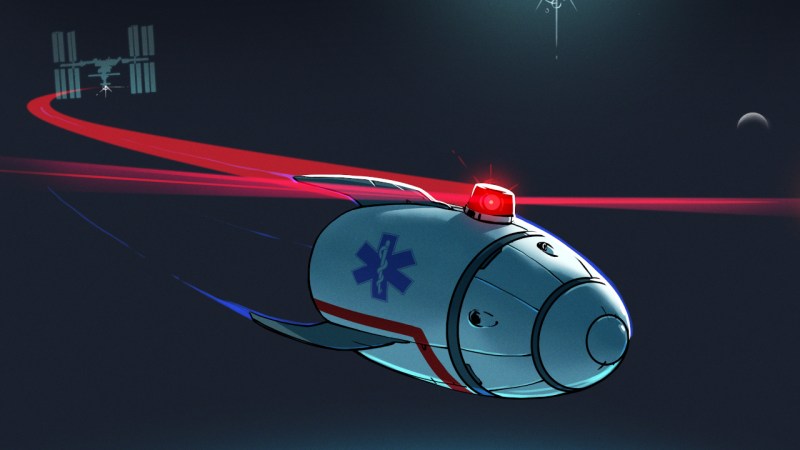
Today marks another unique milestone for the ISS program, albeit a bittersweet one. Just a few hours ago, NASA successfully completed the first medical evacuation from the Station, cutting the Crew-11 mission short by at least a month. By the time this article is released, the patient will be back on terra firma and having their condition assessed in California.  This leaves just three crew members on the ISS until NASA’s Crew-12 mission can launch in early February, though it’s possible that mission’s timeline will be moved up.

What We Know (And Don’t)

To respect the privacy of the individual involved, NASA has been very careful not to identify which member of the multi-nation Crew-11 mission is ill. All of the communications from the space agency have used vague language when discussing the specifics of the situation, and unless something gets leaked to the press, there’s an excellent chance that we’ll never really know what happened on the Station. But we can at least piece some of the facts together.
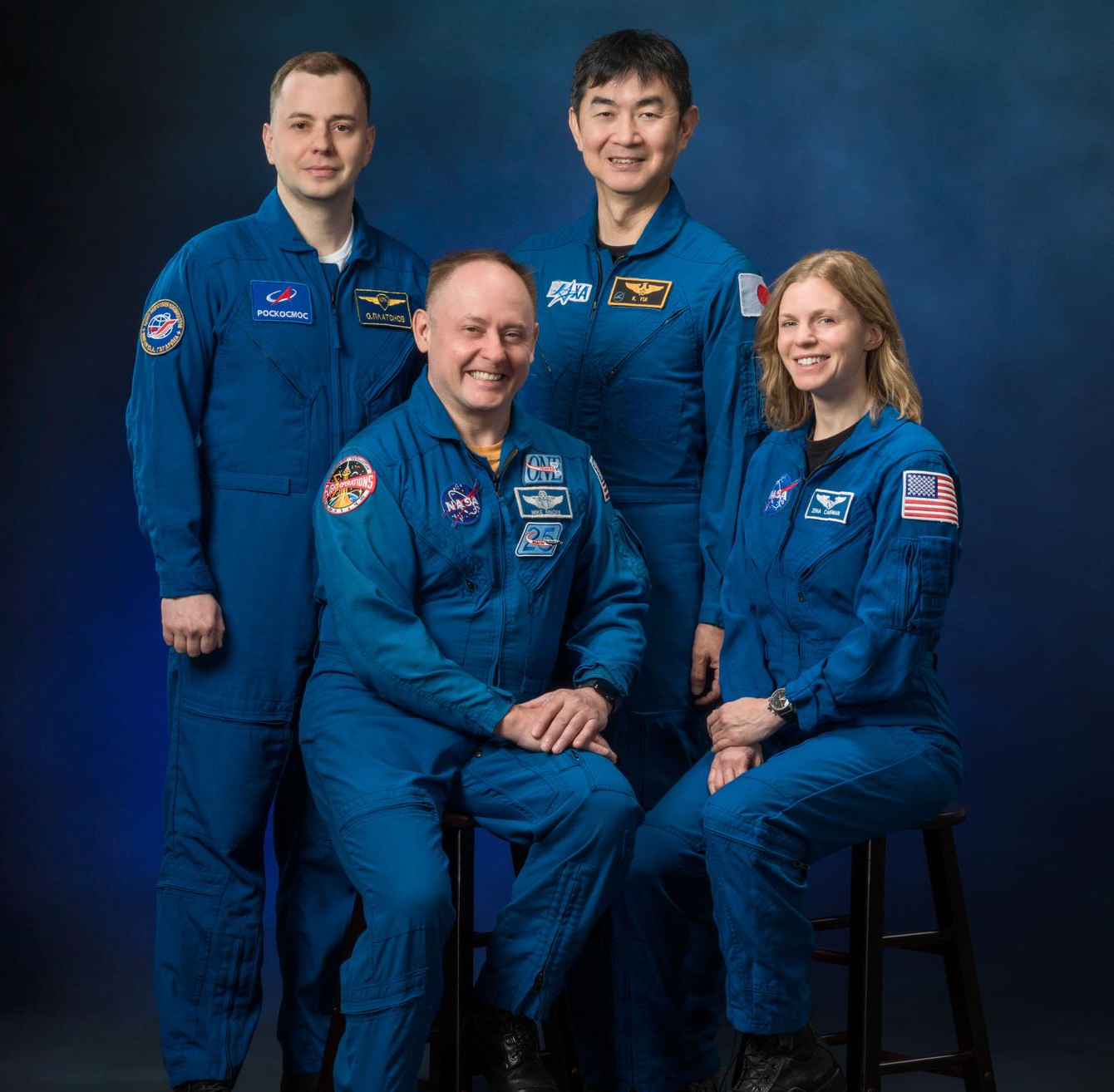
Crew-11: Oleg Platonov, Mike Fincke, Kimiya Yui, and Zena Cardman

On January 7th, Kimiya Yui of Japan was heard over the Station’s live audio feed requesting a private medical conference (PMC) with flight surgeons before the conversation switched over to a secure channel. At the time this was not considered particularly interesting, as PMCs are not uncommon and in the past have never involved anything serious. Life aboard the Station means documenting everything, so a PMC could be called to report a routine ailment that we wouldn’t give a second thought to here on Earth.

But when NASA later announced that the extravehicular activity (EVA) scheduled for the next day was being postponed due to a “medical concern”, the press started taking notice. Unlike what we see in the movies, conducting an EVA is a bit more complex than just opening a hatch. There are many hours of preparation, tests, and strenuous work before astronauts actually leave the confines of the Station, so the idea that a previously undetected medical issue could come to light during this process makes sense. That said, Kimiya Yui was not scheduled to take part in the EVA, which was part of a long-term project of upgrading the Station’s aging solar arrays. Adding to the mystery, a representative for Japan’s Aerospace Exploration Agency (JAXA) told Kyodo News that Yui “has no health issues.”

This has lead to speculation from armchair mission controllers that Yui could have requested to speak to the flight surgeons on behalf of one of the crew members that was preparing for the EVA — namely station commander Mike Fincke and flight engineer Zena Cardman — who may have been unable or unwilling to do so themselves.

Within 24 hours of postponing the EVA, NASA held a press conference and announced Crew-11 would be coming home ahead of schedule as teams “monitor a medical concern with a crew member”. The timing here is particularly noteworthy; the fact that such a monumental decision was made so quickly would seem to indicate the issue was serious, and yet the crew ultimately didn’t return to Earth for another week.

Work Left Unfinished

While the reusable rockets and spacecraft of SpaceX have made crew changes on the ISS faster and cheaper than they were during the Shuttle era, we’re still not at the point where NASA can simply hail a Dragon like they’re calling for an orbital taxi. Sending up a new vehicle to pickup the ailing astronaut, while not impossible, would have been expensive and  disruptive as one of the Dragon capsules in rotation would have had to be pulled from whatever mission it was assigned to.

So unfortunately, bringing one crew member home means everyone who rode up to the Station with them needs to leave as well. Given that each astronaut has a full schedule of experiments and maintenance tasks they are to work on while in orbit, one of them being out of commission represents a considerable hit to the Station’s operations. Losing all four of them at once is a big deal.

Granted, not everything the astronauts were scheduled to do is that critical. Tasks range form literal grade-school science projects performed as public outreach to long-term medical evaluations — some of the unfinished work will be important enough to get reassigned to another astronaut, while some tasks will likely be dropped altogether.

Work to install the Roll Out Solar Arrays (ROSAs) atop the Stations original solar panels started in 2021.

But the EVA that Crew-11 didn’t complete represents a fairly serious issue. The astronauts were set to do preparatory work on the outside of the Station to support the installation of upgraded roll-out solar panels during an EVA scheduled for the incoming Crew-12 to complete later on this year. It’s currently unclear if Crew-12 received the necessary training to complete this work, but even if they have, mission planners will now have to fit an unforeseen extra EVA into what’s already a packed schedule.

What Could Have Been

Having to bring the entirety of Crew-11 back because of what would appear to be a non-life-threatening medical situation with one individual not only represents a considerable logistical and monetary loss to the overall ISS program in the immediate sense, but will trigger a domino effect that delays future work. It was a difficult decision to make, but what if it didn’t have to be that way?

The X-38 CRV prototype during a test flight in 1999.

In other timeline, the ISS would have featured a dedicated “lifeboat” known as the Crew Return Vehicle (CRV). A sick or injured crew member could use the CRV to return to Earth, leaving the spacecraft they arrived in available for the remaining crew members. Such a capability was always intended to be part of the ISS design, with initial conceptual work for the CRV dating back to the early 1990s, back when the project was still called Space Station Freedom. Indeed, the idea that the ISS has been in continuous service since 2000 without such a failsafe in place is remarkable.

Unfortunately, despite a number of proposals for a CRV, none ever made it past the prototype stage. In practice, it’s a considerable engineering challenge. A space lifeboat needs to be cheap, since if everything goes according to plan, you’ll never actually use the thing. But at the same time, it must be reliable enough that it could remain attached to the Station for years and still be ready to go at a moment’s notice.

In practice, it was much easier to simply make sure there are never more crew members on the Station than there are seats in returning spacecraft. It does mean that there’s no backup ride to Earth in the event that one of the visiting vehicles suffers some sort of failure, but as we saw during the troubled test flight of Boeing’s CST-100 in 2024, even this issue can be resolved by modifications to the crew rotation schedule.

No Such Thing as Bad Data

Everything that happens aboard the International Space Station represents an opportunity to learn something new, and this is no different. When the dust settles, you can be sure NASA will commission a report to dives into every aspect of this event and tries to determine what the agency could have done better. While the ISS itself may not be around for much longer, the information can be applied to future commercial space stations or other long-duration missions.

Was ending the Crew-11 mission the right call? Will the loses and disruptions triggered by its early termination end up being substantial enough that NASA rethinks the CRV concept for future missions? There are many questions that will need answers before it’s all said and done, and we’re eager to see what lessons NASA takes away from today.
How to Combat Cold Symptoms With Cannabis

By: K. Astre

When the weather begins to change, it’s common for cold symptoms to start to pop up. It usually starts with a bit of congestion and little sneezing before blossoming into a full-blown mess of running or stuffy noses, high fevers, headaches and a sore throat. It can be difficult to avoid catching a cold, especially once it starts going around. It can easily spread through saliva (by sharing a drink or kissing), skin-to-skin contact (handshakes or hugs) and even through the air if someone with the virus coughs or sneezes without properly covering their mouth.

Thankfully, most people can recover from a cold in just a couple weeks with their own at-home or over-the-counter treatments. In the meantime, you can also include cannabis to help with managing symptoms. If you’re heavily congested, dealing with a sore throat or trying to avoid coughing, smoking is probably not the best option for improving your symptoms. In fact, it could exacerbate them and make you feel worse. For people who feel like they need to smoke out of preference or habit, vaping is the way to go. It will be easier on your lungs and will most likely not make you cough if you’re intentional about taking gentle, slows pulls.

You can experiment with different terpenes like pinene which can act as a powerful expectorant and antimicrobial that can improve airflow functioning in the lungs. Just look for strains that have a high pinene content to help ease respiratory issues. Just remember that during this time it is not a good idea to share any paraphernalia with another person, so you’ll need a pipe or vape that is exclusively for your own personal use during this time until your symptoms completely subside.

If necessary, you can skip smoking and vaping altogether and go for pre-packaged edibles or cannabis-infused foods and drinks made at home. Soups and hot drinks are helpful as the weather cools down and there are lots of great recipes like vegetable soup with medicated garlic croutonskief-infused chicken soup and cannabis-infused bone broth. You can also try making your own cannabis tea made with roots and stems or make canna-honey to add to herbal tea. Tinctures are an easy way to medicate as well by taking a dose underneath your tongue or adding it to tea, soup or something else. Don’t forget that edibles will take longer to feel the effects than smoking or vaping so be patient and don’t over do it in hopes of feeling better faster.

Some people find it unpleasant to feel high when they’re under the weather, so microdosing or CBD strains and products would be a good idea. For aches and pains, a topical or infused bath salts can help you feel better. Detox baths with Epsom salt and essential oils like peppermint and eucalyptus can help speed up your recovery and the added benefits of cannabis can reduce discomfort in your body so that you can rest and relax. You can also try rubbing an infused topical into any tense areas for some relief. Some studies have shown that cannabis can help reduce inflammation, which can be helpful if you’re experiencing uncomfortable nasal pressure or throat pain, so with topicals you can still experience some of the benefits without getting any kind of buzz at all.

Keep in mind that cannabis won’t help to make your cold go away but can help you feel a little better while you recover. Whether you decide to treat your cold naturally or with over-the-counter treatments from your local drugstore, remember to pay attention to how you feel, observe your symptoms and visit a doctor if needed.

TELL US, have you ever used cannabis to support you while kicking a cold?

The post How to Combat Cold Symptoms With Cannabis appeared first on Cannabis Now.

Don’t Knock a Strong Cannabis Tolerance, It Could Help You Heal

Cannabis has a bad reputation when it comes to building up a tolerance. Countless articles describe the problem: you start using cannabis and it works great, but after a few weeks you find you need more. You increase your dose, only to soon find that this new dose is also insufficient — it just doesn’t get you ‘high’ the same way.

The prescription for this problem is usually to go on a tolerance break, a few weeks where you stop using cannabis and let your system reset. When you go back to using cannabis again, your tolerance will be back down to where you started. The message being communicated is clear: tolerance isn’t something you want to have.

But developing a cannabis tolerance isn’t all bad. For many, especially medical patients, it is a crucial factor in their cannabis use. Many medical patients starting cannabis worry about side effects like difficulty thinking, problems with memory or lack of coordination.

One of the great benefits of developing a tolerance to cannabis is that many of these side effects go away: Studies show chronic cannabis users do not suffer from the same disorienting effects that leave occasional users unable to do everyday tasks, such as driving).

I saw this firsthand as a cannabis patient. For me, cannabis was always disorienting. It wasn’t a bad thing, but it did make it impossible to get much done while under the influence.

I remember marvelling at a close friend and classmate who could smoke throughout the day while remaining completely normal. He would go to class, have complex conversations about analytic philosophy, work on his doctorate — all while using cannabis.

When I asked him about it he explained that he had a high tolerance. He was just used it.

At that time, I was dealing with intense chronic pain and missing a lot of school and work due to these struggles. Cannabis helped, but I was only using it at night when I didn’t have any work to do. It was like a time-out from the pain, but it didn’t help me with the real problem — my inability to work when I was in pain.

My friend suggested something that ran counter to everything I had read  — I should build up my tolerance.

“Smoke right before you write that paper” he suggested. “It will be weird for a few days, but then you’ll be used to it”.

Time to Build Up a Cannabis Tolerance

To my surprise, he was right. Within a week of starting to use cannabis during my regular work and school activities, I was no longer feeling the disorienting side effects. I was free. While I still had relief from my pain and anxiety, I was thinking clearly and felt… normal.

While I worried my cannabis tolerance building would lead to continual increases in use, at a certain point my tolerance increases seemed to plateau: I have been on a relatively stable dose for the last five years. If I use the same strain of cannabis for too long, I develop a tolerance to that strain and need to switch it up to keep getting relief. Otherwise, I haven’t experienced any tolerance-related problems and always avoid taking tolerance breaks now.

While tolerance breaks are fantastic for recreational users or those with occasional medical needs, I never suggest them for medical patients who have chronic issues they are managing. Just like you would be unlikely to have a doctor suggest you take a few weeks off from an antidepressant or a heart medication if you are using cannabis for daily medical needs, interrupting this can be disruptive and confusing for your body. And of course, any symptoms you were managing will no longer be getting the help they need.

Still, last summer, I was forced to take a tolerance break: I got a lung infection (unrelated to the cannabis) which was aggravated by smoke, so I spent months unable to use my medicine.

When I started to smoke again a few months later, my cannabis tolerance was back at its starting point and I experienced tolerance free cannabis use again. I was totally useless! So, I spent the next few weeks building my tolerance back up. Only then was I able to again use cannabis effectively as medicine.

I thought I might be able to use a lower dose after such a long break, but I quickly found myself back at that stable dose I had been using for years. For all the discomfort of the break, it turned out that I did best on the dose I had already been on.

While tolerance breaks are great for some (and there are certainly medical and recreational users alike who swear by them), for others developing and keeping a certain level of tolerance may be the better route. This can vary drastically from person to person based on their needs and biochemistry.

As a patient consultant, I often work with clients to track their cannabis experiences in a journal. Looking back over a few weeks of entries, many of them are able to better understand what is working for them and what isn’t.

TELL US, has tolerance affected your cannabis experience?

The post Don’t Knock a Strong Cannabis Tolerance, It Could Help You Heal appeared first on Cannabis Now.

5 Simple Ways to Boost Your Endocannabinoid System Without Cannabis

Our bodies all have a network of cannabinoid receptors that is vital to the health of all mammals: the endocannabinoid system. The ECS is a vast network of chemical compounds and receptors (namely CB1 and CB2) that regulate our most basic functions – sleep, appetite, mood, the immune system, inflammatory response, aging and memory. Endocannabinoids even produce feelings of relaxation and euphoria similar to those which come from ingesting cannabis.

Aside from regulating essential everyday functions, the ECS maintains the body’s homeostasis down to the cell level by reversing damage in whatever way necessary. In cancer patients, for instance, cancer cells can be programmed to kill themselves when endocannabinoid levels increase.

boosting endocannabinoid system with omega 3s leafy greens no alcohol exercize

But as with most things, balance within this system is key. An overly inhibited CB1 receptor may lead to moodiness, depression and a suppressed immune system. On the other hand, an over-activated CB1 can increase risk of psychoactivity, inflammation, diabetes, obesity and cardiovascular problems. One study found that a highly sensitive endocannabinoid system is linked to almost all chronic diseases. So, a balanced ECS is fundamental to good health.

Consuming cannabis is one fun and easy way to optimize the ECS. But not everyone has the freedom to enjoy this medicinal plant. Here are our top five simple ways to boost the endocannabinoid system without the aid of marijuana.

Drink Less Alcohol

Martin Lee, director of Project CBD and author of “Smoke Signals: A Social History of Marijuana – Medical, Recreational and Scientific,” explained the problem with drinking:

“Alcohol is a poison that causes an acute stress response upon occasional consumption, which, in turn, provokes a temporary uptick of endocannabinoid activity as a protective response against stress,” Lee said. He added that while occasional drinking probably wouldn’t harm the ECS, “chronic alcoholism has the opposite effect, resulting in a depletion of endocannabinoid tone due to the wear and tear of too much stress. A low endocannabinoid baseline level makes a person more vulnerable to disease.”

Get Bodywork Treatments

A study by Auckland’s Unitec Institute of Technology showed that levels of anandamide —  a cannabinoid responsible for feelings of bliss and joy — more than doubled after patients received osteopathic manipulative medicine treatments. This therapy can take various forms, including chiropractic, physical therapy and massage. Even acupuncture has a positive effect on the endocannabinoid system, so there’s never been a better excuse to take a spa day.

Eat Leafy Greens

If smoking frosty greens is not an option, then eating leafy greens will suffice. Along with oregano and black pepper, leafy greens contain beta-caryophyllene, a terpene that activates the CB2 receptor and is believed to have high potential for combatting inflammatory conditions and autoimmune disorders.

Eat More Omega-3s

Omega-3 fatty acids are essential for a well functioning ECS. Some scientists say that without them, CB1 receptors may not form correctly, which could lead to “impaired emotional behavior.” While fish oils are widely considered one of the best sources of omega-3s, hemp is an excellent alternative. Whether in seed, oil or protein form, hemp’s omega-3s can help keep your ECS functioning properly.

Exercise

German researchers have shown that “runner’s high” is not actually caused by an endorphin rush, but instead is a result of an increase in endocannabinoid production. And running isn’t the only activity that produces this effect. Any exercise can lead to an increase in endocannabinoids, so long as the activity doesn’t feel forced. The body interprets forced exercise as a stressor, which can actually produce the opposite effect and decrease endocannabinoid receptor signaling. So, dust off the yoga mat, jump up and down on a trampoline or even go out dancing to maintain a healthy endocannabinoid system.

Originally published in the print edition of Cannabis Now. LEARN MORE

TELL US, how do you combine cannabis with other wellness techniques?

The post 5 Simple Ways to Boost Your Endocannabinoid System Without Cannabis appeared first on Cannabis Now.

Treating PTSD with Cannabis: Long-Awaited Study Gets FDA Green Light

After years of delays, researchers are set to move forward on a landmark clinical trial meant to evaluate the efficacy of smoked medical marijuana in treating post-traumatic stress disorder (PTSD) in military veterans. The study is being funded with tax revenue from legal cannabis sales in Michigan.

The Multidisciplinary Association for Psychedelic Studies, or MAPS, announced this week that the U.S. Food and Drug Administration (FDA) gave approval for Phase 2 of the research, which MAPS described in a press release as “a randomized, placebo-controlled study of 320 Veterans suffering from moderate to severe PTSD who have previously used cannabis.”

The group said the study “is designed to investigate the inhalation of high THC dried cannabis flower, versus placebo cannabis, with the daily dose being self-titrated by participants.” It's meant to reflect consumption patterns already happening across the country and study “the 'real-world' use of inhaled cannabis to understand its potential benefits and risks in treating PTSD.”

MAPS said the project is years in the making, noting that it faced several challenges in clearing the research with the FDA that were only recently resolved.

“After three years of negotiations with the FDA, this decision opens the door to future research into cannabis as a medical treatment, offering hope to millions,” the organization said.

“These data are critical to inform patients, medical providers, and adult-use consumers when considering cannabis in treatment plans for the management of PTSD, pain, and other serious health conditions,” the group's press release said, “yet regulatory obstacles have historically made it difficult or impossible to conduct meaningful research on the safety and effectiveness of cannabis products typically consumed in regulated markets.”

MAPS said that over the years, it responded to five partial clinical hold letters from the FDA that halted the study's progress.

“On August 23, 2024, MAPS responded to the FDA's fifth clinical hold letter by submitting a Formal Dispute Resolution Request (FDRR) to resolve the continued scientific and regulatory disagreement with the Division on four key issues,” according to the organization: “1) the proposed THC dose of the cannabis flower product, 2) smoking as a delivery method, 3) vaping as a delivery method, and 4) the enrollment of cannabis naïve participants.”

After more than three years of tireless effort and five rounds of pushback from FDA, MAPS has won a Formal Dispute Resolution Request (FDRR) with the FDA’s Division of Psychiatry — the same Division that rejected Lykos’ New Drug Application for MDMA-assisted therapy for PTSD.… pic.twitter.com/sUiTjAIV9F

— MAPS (@MAPS) November 20, 2024

Sue Sisley, a psychiatrist and the principal investigator for the study, said the trial will help shed more light on the scientific legitimacy of using smoked marijuana to treat PTSD. Despite the growing use of cannabis among patients with PTSD and the condition's inclusion in many state medical marijuana programs, she said there's a lack of rigorous data evaluating the treatment's efficacy.

“Within the United States, millions of Americans are smoking or vaporizing cannabis to manage or treat their symptoms,” Sisley said in a statement. “In the absence of high-quality data related to cannabis, much of the information available to patients and regulators is rooted in prohibition and focused only on potential risks, without consideration of potential benefits.”

“In my own practice, Veteran patients have shared how smoking cannabis helped them manage their PTSD symptoms more than traditional pharmaceuticals,” she continued. “Suicide among Veterans is an urgent public health crisis, but it's solvable if we invest in researching new treatments for life-threatening health conditions like PTSD.”

Phase 2 of the research, Sisley said, “will generate data that doctors, like myself, can use to develop treatment plans to help people manage their PTSD symptoms.”

Allison Coker, director of cannabis research at MAPS, said the resolution with the FDA came when the agency said it would allow Phase 2 to proceed with smoked cannabis at commercially available THC levels. Vaporization remains on hold, however, until the FDA can assess the safety of any particular delivery device.

In response to the FDA's separate concern around enrolling cannabis-naive participants in the study, MAPS updated the protocol to require that participants must have “prior experience inhaling (smoking or vaporizing) cannabis.”

FDA had also taken issue with the study's design of allowing self-titration — meaning participants can consume as much cannabis as they choose, up to a certain amount — but MAPS refused to relent on that point.

An FDA spokesperson told the New York Times, which first reported the Phase 2 approval, that she was unable to provide details about what led to the decision but said that the agency “recognizes that there is great need for additional treatment options for mental health conditions such as PTSD.”

The study is being funded by Michigan's Veteran Marijuana Research Grant Program, which uses state revenue from legal cannabis taxes to fund FDA-approved, nonprofit-sponsored clinical trials “researching the efficacy of marijuana in treating the medical conditions of United States armed services veterans and preventing veteran suicide.”

State officials announced $13 million in funding for the research back in 2021, part of a total $20 million grant funding round. Another $7 million that year went to Wayne State University's Bureau of Community Action and Economic Opportunity, which partnered with researchers to study how cannabis might treat a variety of mental health disorders, including PTSD, anxiety, sleep disorders, depression, and suicidality.

In 2022, meanwhile, the Michigan Cannabis Regulatory Agency recommended that year's $20 million go toward two universities: the University of Michigan, where researchers proposed looking at the use of CBD in pain management, and Wayne State University, which was awarded grants for two separate studies: one that billed itself as the “first randomized, controlled, large-scale clinical trial” to examine whether the use of cannabinoids could improve outcomes for veterans with PTSD who are undergoing prolonged exposure (PE) therapy and another into the effects of marijuana on “neuroinflammation and neurobiological underpinnings of suicide ideation in veterans with PTSD.”

The founder and president of MAPS, Rick Doblin, said in the group's announcement of the newly FDA-approved trial that veterans “are in dire need of treatments that can ease their challenging symptoms of PTSD.”

“MAPS takes pride in leading the way to open new research pathways by challenging the FDA to think differently,” he said. “Our cannabis work challenges FDA's typical approach to scheduled dosing and administration of drugs. MAPS refused to compromise the study design in order to fit into the standard box of FDA thinking in order to ensure that cannabis research reflects cannabis use.”

MAPS's past research has included not just cannabis but also, as the group's name suggests, psychedelics. It created a spinoff drug development company, Lykos Therapeutics (formerly MAPS Public Benefit Corporation), that sought FDA approval earlier this year of MDMA to treat PTSD.

But in August, the FDA declined to approve the MDMA-assisted therapy. Separate research, published in the Journal of Psychedelic Studies, found that while results of clinical trials have been “encouraging,” more robust research is needed before MDMA-assisted therapy (MDMA-AT) sees widespread adoption over currently available forms of treatment

Some health officials said afterward that the effort nevertheless reflected progress at the federal level.

“We all feel some type of way about the decision that came out some time ago, and that's OK,” said Leith J. States, chief medical officer at the Office of the Assistant Secretary for Health. “It's indicative of a fact that we're moving forward…and we're doing things in a way that marches us forward in an incremental way.”

Separately this month, a Drug Enforcement Administration (DEA) judge rejected a veterans group's petition to participate in an upcoming hearing on the Biden administration's marijuana rescheduling proposal, which the organization, the Veterans Action Council (VAC), called a “travesty of justice” that excludes key voices that would be affected by the potential policy change.

While DEA “devised a reasonably inclusive stakeholder assortment” of witnesses, VAC said it still “failed” to fulfill its mandate to allow testimony from interested parties. And the veterans organization said that's evidenced by the fact that Mulrooney has since delayed the formal hearing proceedings until early 2025 because DEA provided insufficient information about their selected witnesses' position on rescheduling or why they should be considered interested parties.

Meanwhile, in Congress, a new U.S. Senate bill introduced this month aims to ensure benefits for veterans exposed to potentially hazardous chemicals during the Cold War era — including psychedelics like LSD, nerve agents and mustard gas. The secret testing program, which ran from 1948 to 1975 at an Army base in Maryland, involved former Nazi scientists administering the substances to American military members.

More recently, the U.S. military has also invested millions in an effort to develop a new class of drugs that offers the same fast-acting mental health benefits as traditional psychedelics but without a psychedelic trip.

Veterans have taken a lead role in both medical marijuana legalization and the psychedelics reform movement currently unfolding at the state and federal levels. Earlier this year, for example, veterans service organizations (VSOs) pressed members of Congress to urgently pursue the potential benefits of psychedelic-assisted therapy and medical marijuana.

The requests from groups like the Iraq and Afghanistan Veterans of America, Veterans of Foreign Wars of the United States, Disabled American Veterans, and the Wounded Warrior Project came on the heels of organizations at last year's set of annual VSO hearings criticizing the Department of Veterans Affairs (VA) for “dragging their feet” on medical marijuana research.

Led largely by Republican politicians, efforts at reform have included a GOP-sponsored psychedelics bill in Congress that focused on veterans' access, various state-level changes, and a bevy of hearings on expanded access.

Rep. Derrick Van Orden (R-WI), who filed one congressional psychedelics bill that advanced through a committee, is also a co-sponsor of a bipartisan measure to provide funding to the Department of Defense (DOD) to conduct clinical trials into the therapeutic potential of certain psychedelics for active duty military members. That reform was signed into law by President Joe Biden under an amendment attached to the 2024 National Defense Authorization Act (NDAA).

In March, congressional appropriations leaders also unveiled a spending package that contains language providing $10 million to facilitate the psychedelics studies.

In January, the VA separately issued a request for applications to conduct in-depth research on the use of psychedelics to treat PTSD and depression. And last October, the department launched a new podcast about the future of veteran health care, with the first episode of the series focused on the healing potential of psychedelics.

At the state level, the governor of Massachusetts in August signed a military veterans-focused bill that includes provisions to create a psychedelics working group to study and make recommendations about the potential therapeutic benefits of substances like psilocybin and MDMA.

Meanwhile, in California, lawmakers in June pulled from consideration a bipartisan bill that would have authorized a pilot program to provide psilocybin treatment to military veterans and former first responders.

Correction: As the result of an editing error, an earlier version of this story attributed quotes to incorrect members of the MAPS team. Those attributions have been corrected.


Written by Ben Adlin for Marijuana Moment | Featured image by Anthony Brown/Weedmaps

The post Treating PTSD with Cannabis: Long-Awaited Study Gets FDA Green Light appeared first on Weedmaps News.

State Medical Cannabis Laws Graded by Patient Advocates in New Report from Americans for Safe Access (ASA)

Americans for Safe Access (ASA) has been working for the medical cannabis community and has been a huge voice in the cannabis movement overall for 20 years, which is something we should all be so grateful for.  ASA focuses specifically on access to medical cannabis for therapeutic and research purposes, and on the whole medical […]

The post State Medical Cannabis Laws Graded by Patient Advocates in New Report from Americans for Safe Access (ASA) appeared first on The Weed Blog.

❌