Login
LoginFrom Buds to Seeds: The Evolution of a Cannabis Pioneer
In an industry where many come and go, some names become synonymous with integrity and staying powerful. Aaron Justis is one of them. For over 15 years, he’s been at the helm of Buds & Roses, a Los Angeles dispensary renowned for its unwavering commitment to quality and community. As a pioneer in “veganic” cultivation and a tireless advocate for industry reform, he has faced down a host of challenges, from the persistent illegal market to the complexities of legalization.
But for a true entrepreneur, the journey never stops. Now, Justis is branching out with a new venture, Seeds and Clones, taking his decades of experience and passion for genetics to a global audience.
In this exclusive interview, Cannabis Now CEO and Founder Eugenio Garcia and the veteran operator discuss the highs and lows of his career, the motivation behind his latest business and his vision for the future of cannabis.
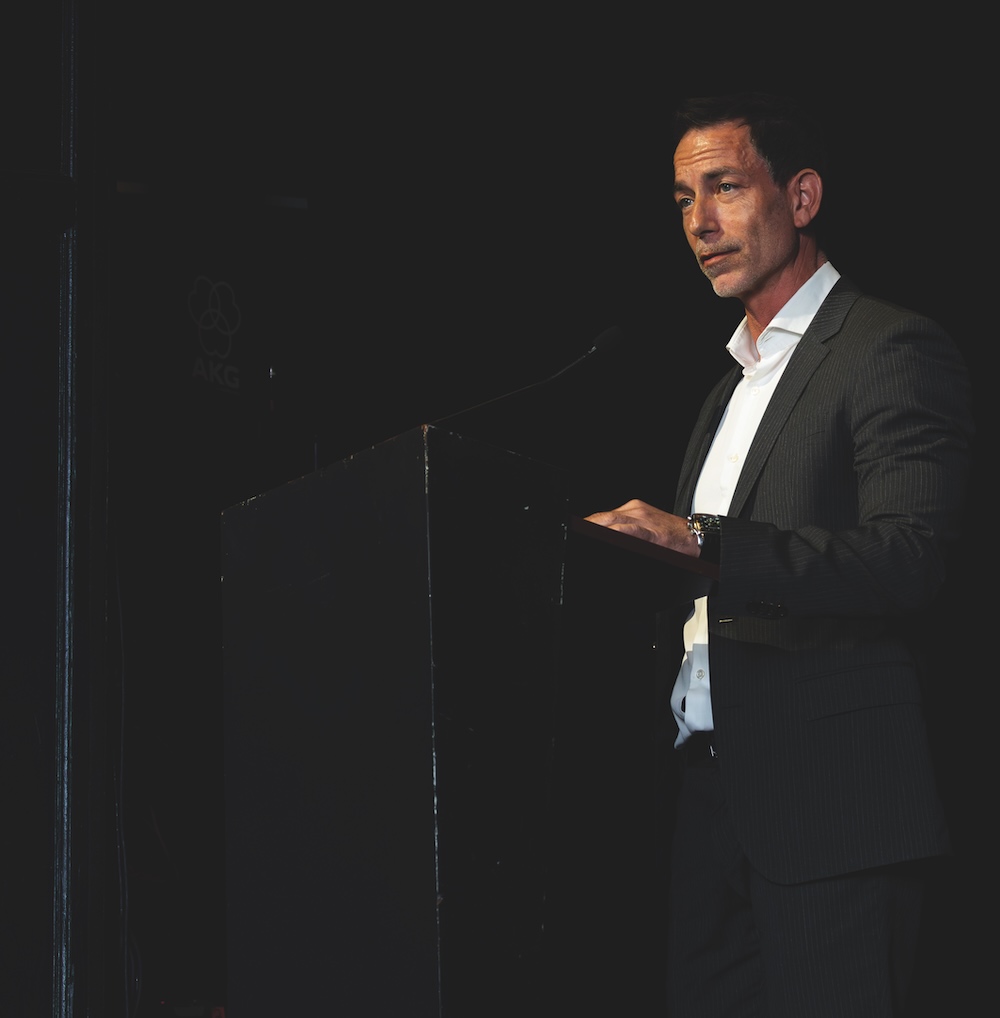
Cannabis Now: Aaron, thank you for joining me today. When did you get started in the cannabis industry?
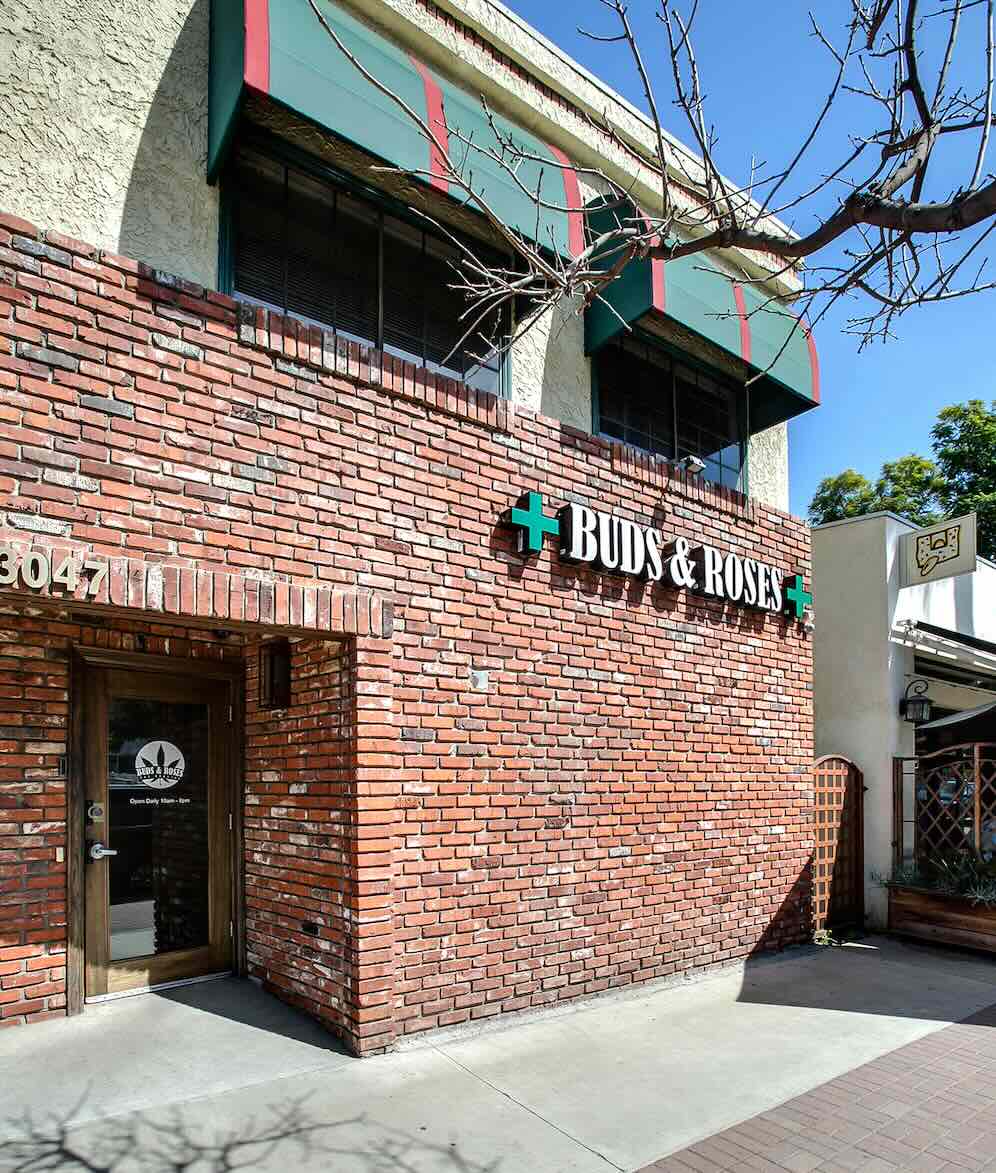
Aaron Justis: I’ve been involved with cannabis since I was a teenager. In 1998, I had a hemp clothing company and actually won a High Times Cannabis Cup award in Amsterdam for it. I purchased Buds and Roses in 2010. It wasn’t a well-known dispensary, but it had been registered in 2007, so it had a license and the potential to become a licensed dispensary. After many years of work, maybe six or seven years later, we got a license in the legal California market.
CN: Were you one of the first licensed dispensaries in Southern California?
AJ: Yes, we were.
CN: Give me and the readers a little bit of a recap. What have been the highs and lows of the last 15 years of running Buds & Roses?
AJ: The beginning was really exciting. My cultivation team and I pioneered “veganics,” a vegan organic cannabis, and won several awards, including “Best in the United States” and “Best Flower Overall.” We received a lot of media attention, and I was deeply involved in advocacy with groups like the National Cannabis Industry Association and the Greater Los Angeles Collectives Alliance.
At the same time, the journey has also had its challenges. The last six or seven years have been a difficult time to operate in the industry.
Even with legalization, we’ve had to compete against thousands of illegal operations that still thrive due to a lack of enforcement. Legalization brought new complexities and tremendously high taxes and regulatory costs, making the last several years particularly difficult. Despite these challenges, Buds & Roses is still here, and customers are still happy.
CN: What do you think has been a differentiator or a highlight that has kept your customer base committed to you?
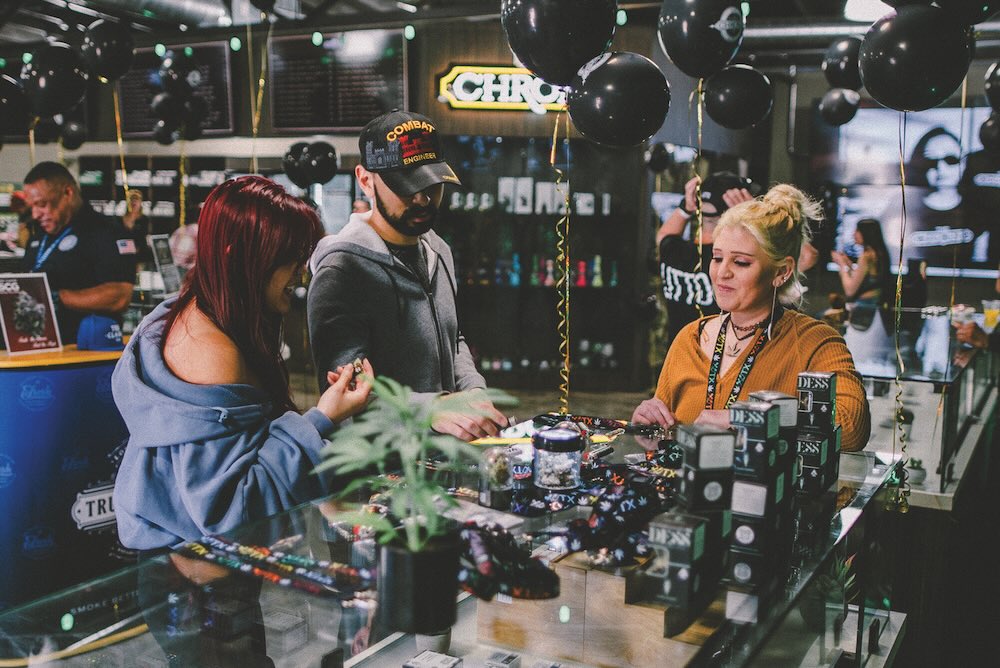
AJ: It sounds simple, but it’s all about quality products. Our customers are happy because we select products based on their quality, ensuring they get the best product for their price point. Unlike many retailers who focus on what’s popular or heavily marketed, we have a strict rule, especially with flower. My team and I—many of whom have been with me for over a decade—personally vet everything. The product has to be just right for the price. We’ve often pushed back against brands, telling them we can’t carry their entire line because it’s rare for companies to have more than one or two truly great strains. We’re a boutique in that way, bringing only the best to our customers.
CN: How do you build trust with your community, from long-time enthusiasts to first-time customers?
AJ: Our staff has always been a key part of our reputation. They’re knowledgeable, respectful and committed to educating our customers. I was lucky to have great mentors like Steve D’Angelo at Harborside and Eric Pearson at Spark who taught me how to build a well-respected, quality dispensary.
This approach has allowed us to become a positive force in our community. We have discerning customers who are true connoisseurs, but we also have plenty of elderly people—some in their 80s, and 90s—who shop with us because they feel comfortable and safe. We’re in a great location in an upscale neighborhood, and about a year and a half ago, we were honored with a hand-painted certificate of recognition from the City of Los Angeles. It thanked us for being a community staple and for helping to shape the culture in Studio City. That was a true honor.
CN: Wow. Good job on that. It takes a lot of hard work to be recognized in that capacity. If you look back at your history, you’ve received lots of awards and recognitions. You’ve shaken hands with politicians and celebrities and done collaborations. So, coming from that background and having a very good, established reputation in the industry and your community, what was the motivation to branch out and start this new venture, Seeds and Clones?
AJ: We’ve always sold seeds and clones at our dispensary, at least for the last 12 or 13 years. We also have a nursery license where we make our own clones and seeds. We’ve sold plenty of other operators—the best known in the industry in California—and have resold their seeds and even some of their clones. We took all clones in-house about five years ago because there were issues. A lot of those operators were in Northern California and there were issues with transport. So, we stopped reselling theirs at the store and just do our own in-house genetics. Going online was just a way to scale what we’ve already been doing and bring that to people outside of our area. It’s a natural evolution of things.
CN: Had you been sitting on the name “Seeds and Clones” for a while, or did you get lucky one night?
AJ: It’s a crazy story. One day I was meditating and the name “seeds and clones” popped into my head. It’s similar to “Buds & Roses,” so I thought it would be a great name. I wanted to get the website and someone else had owned it. It was available for rent for $8,000 a year, or for lease for about $700 a month. I still have this text message, I believe. I sent it to my graphic designer and said, “I want to get this, but it’s probably not worth leasing it. They could shut it down at any time after we build it up.” The next day, he messaged me and said, “I got the website.” And I said, “What do you mean? I didn’t say I wanted it. It’s $700 a month.” He said, “No, it’s $700.” He sent it to me. I don’t know what happened overnight, because I sent him a screenshot that said specifically “$700 a month.” The next day, he bought it for $700, and we got the site.
CN: That’s amazing. The universe was waiting for its rightful shepherd.
AJ: Exactly. It sure was.
CN: And from that time to launch, when did you formally launch the website?
AJ: About two years ago.
CN: So it’s been a couple of years, and now I bumped into you at Spannabis in Barcelona. This isn’t just a California play or a US play, but this website could be global. Have you intentionally set it as an international platform, or is this mainly for the US and North America?
AJ: It’s definitely international. With all these emerging markets around the world, I’m getting out there to figure out what’s legal, where it’s legal and building relationships. That is a key part of it—laying the groundwork and exploring different opportunities. I’m used to state-by-state regulations in the legal industry. With Seeds and Clones, we’ve been able to go nationwide, but now it’s back to a country-by-country opportunity. There are some countries where you can ship seeds within them and then there are some that are completely standalone. I’m just trying to figure out what’s happening in those different markets and setting up the foundation to be able to scale this on a global level.
CN: Since it’s been two years since launch, are the genetics that are being sold on the platform only genetics that you control or own? Or is it more of a marketplace?
AJ: It goes beyond what we control or own, just like with the store. You will find Buds & Roses seeds there; you will find clones branded Buds & Roses. But we are working with all the same leaders that we’ve been selling at the store for many years, like Humboldt Seed Company, Compound Genetics and Origin Seed Co. We are also expanding to operators who used to be in the market but didn’t make it to legalization, such as The Cali Connection and James Loud Genetics. So, we are reselling all the best genetics companies on our site. We plan on adding five to ten times more brands in the next few years. I am focused on companies that have a good reputation, where I know the owners and the breeders—people we can trust. I’m knocking those out one by one while still running my dispensary full-time and our operations there. It’s a place where you can find many different brands. I believe we have well over 20 different brands right now and over 1200 varieties available.
CN: Wow. Is it only available for business-to-consumer purchasing online and in your retail store? Do you also offer B2B seeds and clones, or is that a different game?
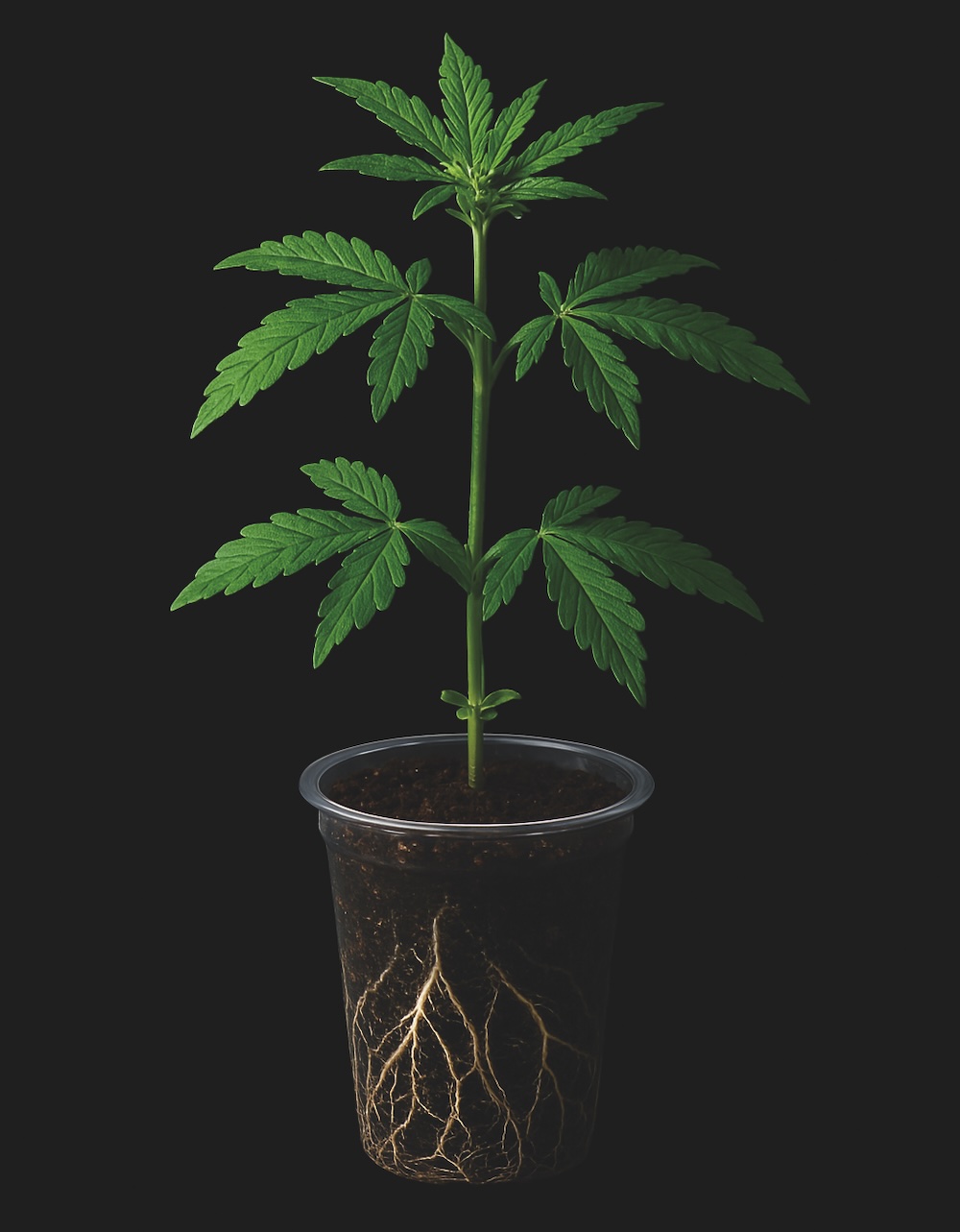
AJ: There are a lot of business operations that order from us, but there are also mom-and-pop cultivators. We are just bringing these genetics to whoever needs them. We do have options for people to buy trays of clones or 100-plus clones. A lot of these businesses only need one or two clones to get those genetics and then they’ll make a mother and make their own clones from it.
CN: And with Seeds and Clones, the end goal is home growing, either for a community, a household or an individual. Is there a greater demand for seeds on this platform or for clones? Or is it split down the middle?
AJ: Seeds are always in higher demand than clones. I think people are a little intimidated by clones and they’re not quite sure about that process. So seeds are the majority of our sales.
CN: I understand putting seeds in an envelope or box and shipping them. But clones seem like a more delicate scenario. How have you figured out how to ship those?
AJ: We have our system dialed in to where we have a 99% success rate with our clone shipping. We guarantee all our clones to arrive healthy and pest-free.
CN: Amazing. Give me two or three genetics that you are super proud of, or that are special and why.
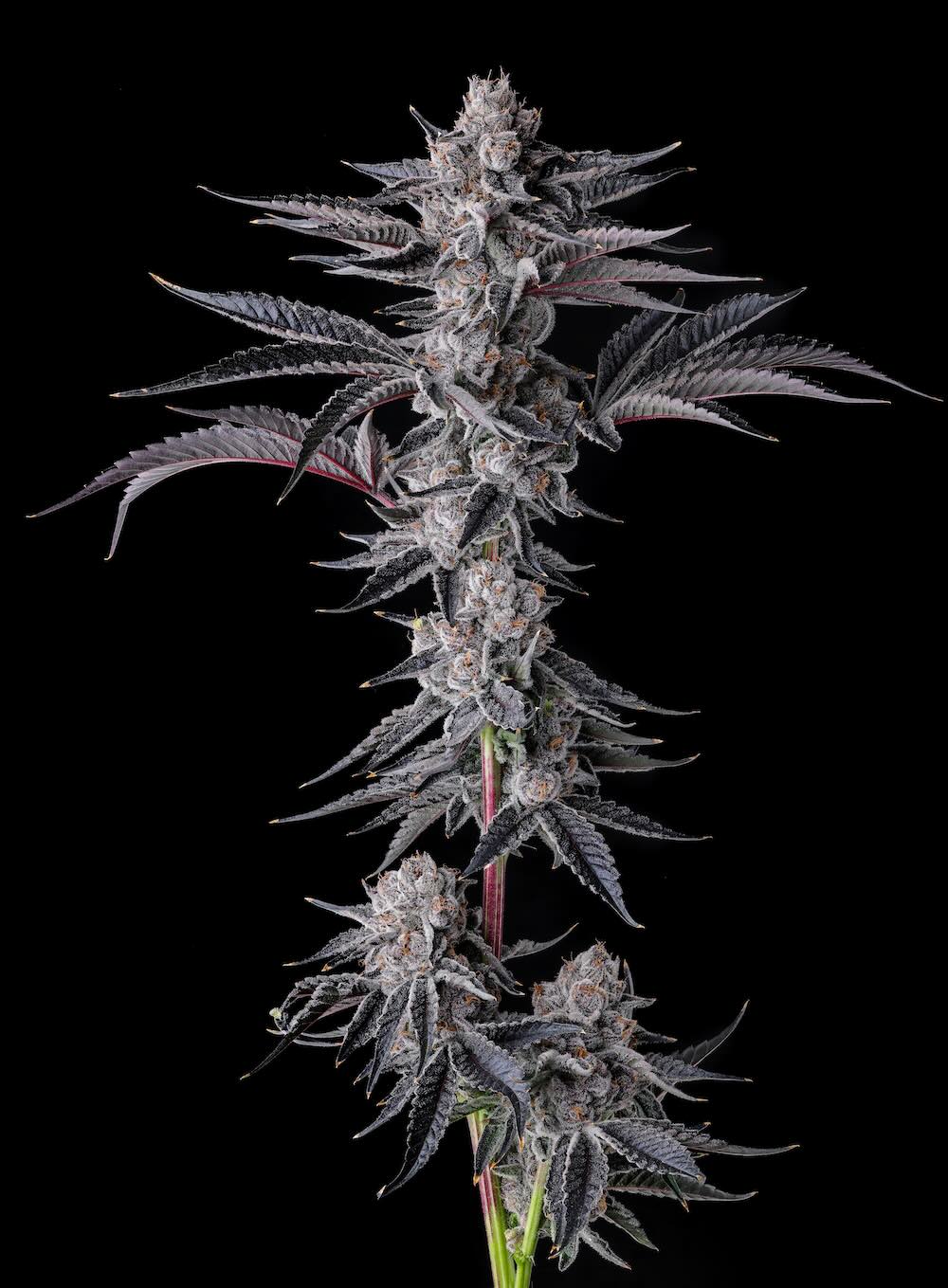
AJ: Our Strawberry Cough clone is probably the most special, although it has had some issues. It hasn’t been available for a little bit, but it’s about to be available again. We’ve won multiple High Times Cannabis Cups with it. It’s just an amazing strain that is always in high demand. It’s a great Sativa. It’s not the easiest strain to grow, but the end result is a great Sativa with a lot of medicinal properties. It has a wonderful high and it smells, looks and tastes good. So that’s very popular.
Also, our Platinum Cookies, which is a Girl Scout Cookie phenotype. It could be the original Girl Scout Cookies; we obtained it back in 2011 in Oakland. We’ve won at least three High Times Cannabis Cups with it, and it just has amazing flavor and taste. The effects are great. It looks amazing.
We also have a seed line, Origin Seed Co., that is very affordable for the average grower. They are classic, foundational strains for a good price. They are what we say they are and customers have been very happy with that seed brand for the strains available, the affordability, the germination rate and the finished product.
CN: Those sound like some exciting genetics. I can’t wait to see some of them in action. Do you offer customization? For example, a brand might come to you and say, “We would like this type of experience and or flavors.” Will you pheno-hunt and create genetics, or do you source them from artists and then make them available?
AJ: We do have some international opportunities in the works for that. We have a very long-standing seed company from Amsterdam looking to create all-new genetics here in the United States, using their genetics with ours.
We do pheno-hunting in-house. We are a retailer, and we resell other people’s products. We’ve acquired some amazing genetics over the years for the clones that we sell and we always give a shout-out to the source or the breeder. We’ve completed our third run for Buds & Roses seeds, where we’re finding a male and we’re selecting that through a rigorous process. Then we’re crossing it with about 20 of our best-selling clone varieties. We don’t actually name the strains; we just say what the cross is.
A lot of people have been very happy with pheno-hunting those seeds and coming out with real winners because we are crossing some of the best-selling strains, from Strawberry Cough to Platinum Cookies to AJ Sour Diesel and classics like Gelato 33 or Legend OG.
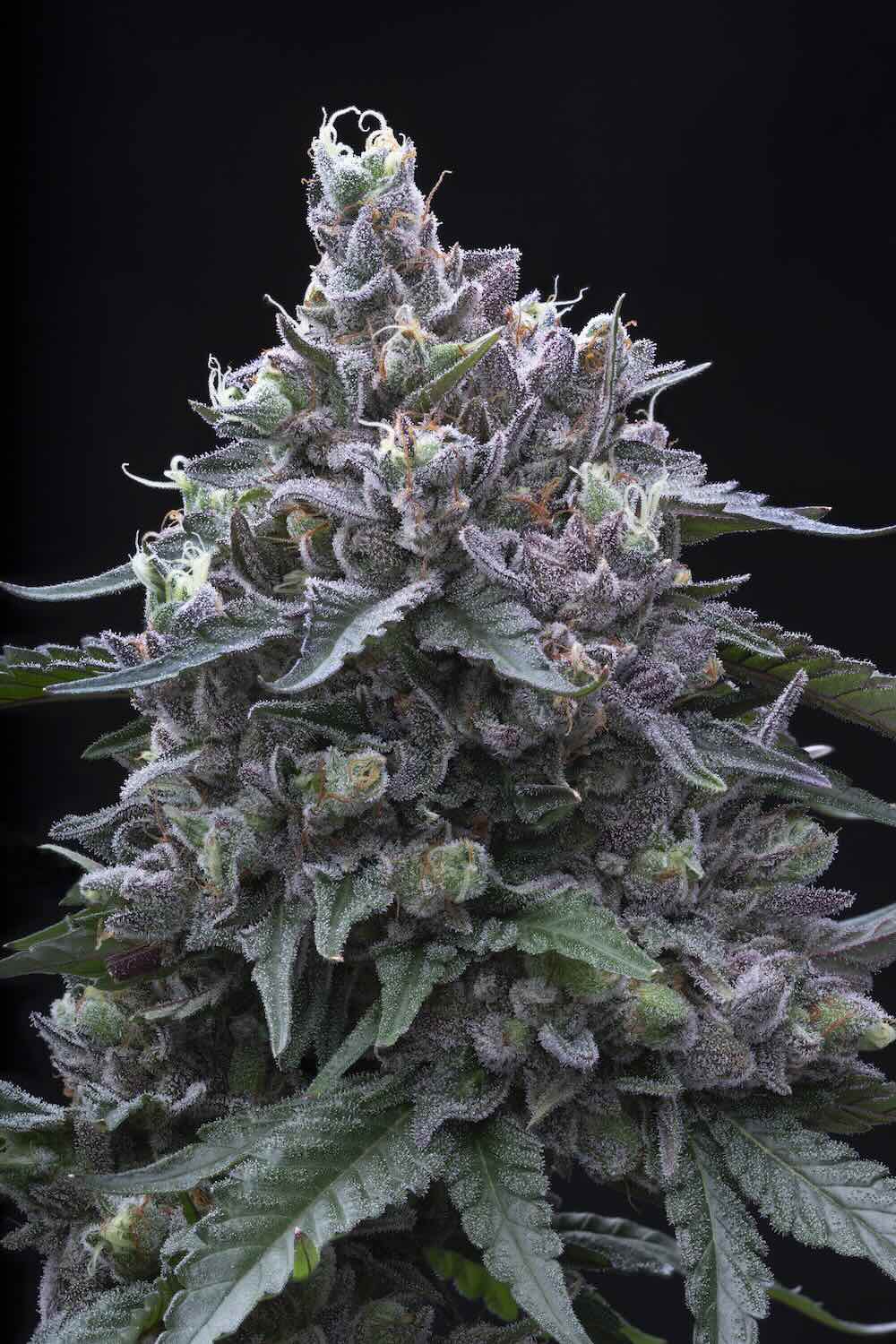
We also have a Mother Pucker strain, which we haven’t made available as a cutting yet. We pheno-hunted that from seeds from The Real Cannaado and came out with this amazing genetic.
CN: Mother Pucker, that sounds like a doozy.
AJ: It has an amazing flavor. It always has the strongest terpene profile of anything we have. It’s citrusy, but it’s also gassy and the high is amazing. It’s about a 50/50 hybrid. So that’s something that cultivators really like. We’ve had a lot of success with the Buds & Roses seeds. Again, we breed those using our best-selling genetics.
CN: Well, thank you very much for this first look at your new endeavor and a little look back at your past. My final question is, What’s your vision for yourself and this brand for the next year? Are you optimistic about the cannabis space in general?
AJ: With Buds & Roses, we’re doing our best to keep bringing the customer the best quality products we can, to give them the customer service they expect, and to stay true to the plant as we always have. For Seeds and Clones, the plan for the next year is to continue adding brands and to expand into other countries and markets by forming strong partnerships with reliable sources and operators. For myself, I’m focused on the international scene, by speaking at international conferences and seeing where I can best assist.
This story was originally published in issue 52 of the print edition of Cannabis Now.
The post From Buds to Seeds: The Evolution of a Cannabis Pioneer appeared first on Cannabis Now.