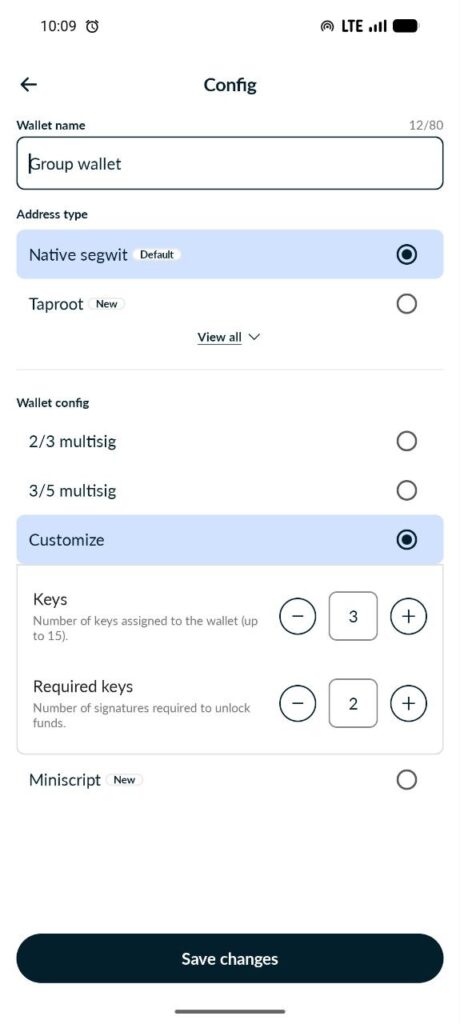
Private key management is the most critical aspect of security for enterprise-grade crypto wallets. Losing control of a private key can result in permanent financial loss, reputational harm, and regulatory penalties. In contrast to retail wallets, enterprise wallets must deal with large amounts of assets, multiple users, complicated workflows, and being in compliance with many regulations, meaning key management takes on an even greater importance.
The following are the recommended key management strategies for enterprise-grade crypto wallets.
1. Self-Custody and Non-Custodial Architecture
Enterprises should focus on self-management of private keys as opposed to using third-party custody solutions.
Advantages of self-custody:
Total ownership/control of digital assets
Decreased counterparty risk
Increased regulatory transparency
By using a self-custody model, enterprises avoid the risks associated with the potential failure of an exchange or service provider.
2. Use of Hardware Security Modules (HSMs)
HSMs provide a standard method of generating, storing, and securing cryptographic keys inside secure and tamper-evident environments.
Advantages for enterprises:
The keys will never be stored outside of the hardware environment
HSMs protect from both physical and remote attacks
HSMs meet security certification requirements (e.g., FIPS 140–2/3).
HSMs are in use by most banks and other financial institutions to provide cryptographic key management.
3. Multi-Signature (Multi-Sig) Wallets
Three types of wallets to consider are multi-signature, multi-party computation, and cold wallet/hot wallet segregation.
A Multi-signature wallet is another type of wallet that requires the approval of multiple private keys to execute a transaction.
Why do Businesses use Multi-Signature Wallets?
The reason is that they eliminate a single point of failure.
Prevent insider threats.
They enable businesses to implement role-based transaction approvals.
For example, if there is a 3 of 5 multi-signature wallet, this means the finance, security, and compliance teams must approve a transaction.
4. Multi-Party Computation (MPC)
A Multi-Party Computation (MPC) Wallet is a modern way to think of multi-signature wallet technology. Instead of having one key, it creates the key by splitting it up and distributing the shares across many encrypted systems.
The benefits of Multi-Party Computation are:
At no time do you have a single key.
They have a much greater ability to resist key theft.
They allow you to process transactions faster than multi-signature wallets.
They are designed for businesses that require high levels of daily volume.
Institutions that are in the business of storing Crypto are starting to prefer the use of multi-party computation.
5. Cold Wallet/Hot Wallet Segregation
The best practices for businesses when it comes to separating their wallets by how they will be used and how they will be exposed to risk are:
Cold wallets for long-term storage.
Hot wallets for operational liquidity (online).
Rebalance funds between wallets.
By doing so, businesses are able to limit their risk of exposure to the financial markets while also being able to continue to operate at optimal levels of efficiency by doing so as well.
6. Role-Based Access Control (RBAC)
Not all employees should have access to private keys or be able to sign transactions.
RBAC provides:
Separation of duties
Control over who can sign
Reduction of insider threat
Access should be granted based on roles rather than the individual.
7. Backup and Recovery Securely
Enterprises should be prepared for disaster recovery without sacrificing security.
Best Practices Include:
Encrypted backups of keys
Distributed storage in multiple geographic locations
Shamir’s secret sharing for recovery
Approval processes for recovery heavily regulated
Backups should not jeopardize the confidentiality of the key.
8. Audit Logging and Monitoring
Every action related to a key should be logged and monitored.
Audit logs should provide:
Created and used keys
Approved transactions
Attempts to access and change keys
This will facilitate compliance, forensic investigations, and audits within the organization.
9. Compliance and Regulatory Expectations
Regional and industry regulations dictate how enterprise wallets are to comply.
Key requirements include:
AML and transaction monitoring
Secure custody standards
Regular third-party security audits
Private key management regulatory compliance
10. Security Audits and Penetration Testing
The evolution of threats requires that private key management systems continuously evaluate the security of their systems.
Best Practices Include:
Independent security audits
Penetration testing
Code reviews for cryptographic logic
Continuous monitoring for vulnerabilities
As threats change, so must security systems.
Summary
The success of enterprise-grade cryptocurrency wallet development depends on robust private key management. The ability to protect digital asset portfolios at scale using self-custody models, Hardware Security Modules (HSMs), multi-signature or Multi-Party Computation (MPC), cold-storage solutions with strict physical access control, and other best practices for comprehensive remote management provides the opportunity to build a secure and scalable foundation for your organization’s digital assets.
Web3 wallets sit at the heart of the decentralized web. They act as your personal gateway to blockchain networks, cryptocurrencies, NFTs, and decentralized apps (dApps). Unlike traditional bank accounts controlled by banks, Web3 wallets give users direct control over their digital assets. Businesses entering the Web3 space need to grasp these tools to build secure, user-friendly products that attract customers.
What Exactly Is a Web3 Wallet?
A Web3 wallet is digital software or hardware that stores private keys — the secret codes that prove ownership of assets on a blockchain. These keys let you sign transactions, send crypto, or interact with dApps without relying on middlemen. Wallets come in forms like software apps on your phone (hot wallets), hardware devices (cold wallets), or browser extensions.
Think of a Web3 wallet as your house key in the physical world. It unlocks access to your property, but you hold the key. Lose it, and you lose access. Businesses developing these wallets must prioritize security features like multi-signature approvals, where multiple keys approve big transactions.
Web3 Wallet development Services play a key role here. Companies offer these services to create custom wallets that meet specific business needs, such as integration with enterprise systems or support for multiple blockchains.
How Web3 Wallets Differ from Traditional Wallets
Traditional wallets, like those from PayPal or bank apps, store account details on centralized servers. Banks manage your funds and handle security. Web3 wallets work differently — they hold your private keys locally on your device or hardware.
This shift means users bear full responsibility for their assets. No customer service resets your password if you forget it. For businesses, this opens doors to wallet development that emphasizes user education and recovery options, like social recovery where trusted contacts help regain access.
Wallet development requires attention to user experience. Developers build intuitive interfaces that hide blockchain complexities, such as gas fees or network congestion, while keeping core functions accessible.
The Core Components of a Web3 Wallet
Every Web3 wallet includes key building blocks. First, the seed phrase — a 12–24 word backup code generated when you create the wallet. Write it down offline and never share it. Second, private and public keys: the public one receives funds, like a bank account number; the private one signs transactions.
Wallets also support standards like ERC-20 for tokens on Ethereum or BEP-20 on Binance Smart Chain. Advanced wallets handle multiple chains via bridges, allowing asset transfers between networks.
Businesses benefit from wallets that integrate analytics. Track transaction history, portfolio value across chains, or even staking rewards in one dashboard.
Types of Web3 Wallets Available Today
Web3 wallets split into categories based on use case and security level.
Hot Wallets: Software-based, always online. Examples include MetaMask (browser extension) or Trust Wallet (mobile app). Ideal for daily transactions but riskier due to internet exposure.
Cold Wallets: Offline hardware like Ledger or Trezor. They sign transactions via USB without exposing keys online. Perfect for long-term storage.
Custodial vs. Non-Custodial: Custodial wallets (e.g., Coinbase Wallet in basic mode) hold your keys for you — convenient but less control. Non-custodial ones (most Web3 wallets) give you full ownership.
Smart Wallets: Next-gen options using account abstraction. They replace seed phrases with email logins or passkeys, simplifying onboarding.
For smart contract development services, businesses turn to experts who build programmable wallets. These execute rules automatically, like time-locked funds for payroll.
Why Web3 Wallets Matter for Businesses
Web3 wallets enable true ownership in a digital economy. Businesses use them to pay suppliers in stablecoins, avoiding bank fees and delays. E-commerce sites accept crypto payments directly into non-custodial wallets.
In supply chain, wallets track goods via NFTs. A manufacturer mints an NFT for a product batch; the wallet verifies authenticity at each step. This builds trust without third-party verification.
DeFi platforms rely on wallets for lending, borrowing, or yield farming. Users connect their wallet to protocols like Aave, deposit assets, and earn interest. Businesses launching DeFi products need wallets that support these interactions smoothly.
Real-World Use Cases Driving Adoption
Gaming studios integrate Web3 wallets for play-to-earn models. Players own in-game items as NFTs, trade them across games. Axie Infinity showed this potential, with wallets handling millions in daily transactions.
Enterprises use wallets for tokenized assets. Real estate firms fractionalize properties into tokens; investors buy shares via wallet. This democratizes access to high-value investments.
Freelance platforms like Braintrust pay creators in crypto. Wallets receive instant, borderless payments, cutting out intermediaries.
Non-profits distribute aid via wallets. Funds reach recipients directly, reducing corruption risks.
Security Challenges and Best Practices
Security remains a top concern. Hacks stole $3.7 billion in crypto in 2022 alone, per Chainalysis. Phishing attacks trick users into revealing seed phrases.
Businesses counter this with multi-factor authentication (MFA), biometric locks, and hardware integration. Wallets now scan for malicious dApps before connecting.
Best practices include:
Use hardware for large holdings.
Verify transactions twice.
Avoid public Wi-Fi for signing.
Enable transaction simulations to preview outcomes.
Developers add features like dust attack protection, which flags tiny suspicious deposits.
The Role of Interoperability in Web3 Wallets
Blockchains operate in silos — Ethereum, Solana, Polygon each have unique standards. Wallets bridge them with cross-chain support.
Tools like WalletConnect let one wallet interact with dApps on any chain. Bridges like Wormhole move assets between networks.
For businesses, interoperability means global reach. A wallet supporting 10+ chains attracts diverse users.
Regulatory Considerations for Web3 Wallets
Governments scrutinize Web3. The EU’s MiCA framework requires wallets to report suspicious activity. U.S. rules demand KYC for custodial services.
Non-custodial wallets face lighter rules but must comply with anti-money laundering (AML) if handling fiat ramps.
Businesses plan for compliance from day one. Build-in features like address screening or tax reporting tools.
Building Scalability into Web3 Wallets
As Web3 grows, wallets must handle high traffic. Layer-2 solutions like Optimism reduce fees and speed up Ethereum transactions.
Wallets optimize with batching — group multiple actions into one signature. Account abstraction (ERC-4337) allows gasless transactions, paid by sponsors.
Developers test for peak loads, ensuring wallets perform during market booms.
User Experience: Making Wallets Accessible
Complex interfaces deter mainstream users. Modern wallets simplify with one-click swaps, fiat on-ramps, and social logins.
Track metrics like daily active users (DAU), total value locked (TVL), and transaction volume. Retention rates show UX quality.
Businesses aim for 30% month-one retention.
Common Pitfalls to Avoid
Rushing launches without audits leads to exploits. Ignoring mobile users misses 70% of crypto holders.
Overcomplicating features confuses beginners.
Ready to Build Your Web3 Wallet?
Web3 wallets form the foundation of decentralized finance, gaming, and enterprise blockchain. They offer control, speed, and new revenue streams for businesses.
Partner with Codezeros for expert Web3 Wallet development Services. Our team delivers secure, scalable solutions customized to your needs. Contact Codezeros today to start your project and step into the future of digital assets.
Google is testing new Magic Cue upgrades for the Pixel 10 that could surface more useful information from apps like Wallet and Tasks, making everyday actions faster without users having to search manually.
Ever missed a 10x meme coin pump because your wallet lagged? Or paid insane fees just to move assets around? Yeah, we’ve all been there. In 2026, Solana is still the king of speed and low-cost chaos — but only if your wallet keeps up. That’s where HOT Wallet changes everything.
Why Solana Still Rules in 2026
Solana is built for speed: sub-second finality, dirt-cheap fees, and a massive ecosystem of DeFi and meme coins. After the insane 2024–2025 memecoin boom, it became the go-to chain for traders and builders. New to Solana? Check out our quick intro video — it explains exactly why everyone’s obsessed with this chain.
Meet HOT Wallet: Your Solana Powerhouse
HOT Wallet(developed by HOT Labs) is a non-custodial, chain-abstraction MPC wallet powered by HOT Protocol. No seed phrases to manage. Full control over your assets across chains. Available on mobile, browser extension, and Telegram Mini App — swap, bridge, stake SOL, claim airdrops, run missions, and trade wild meme coins like TRUMP, BONK, WIF, Fartcoin — all in one smooth interface.
How to Swap Tokens & Meme Coins on Solana (Super Fast)
Want the best prices every time? Here’s the 4-step flow: - Open the Swaps section in HOT Wallet - Select Solana network - Pick your token pair - On the Review screen — tweak and confirm
Quick settings breakdown: Provider — Powered by Jupiter, Solana’s top DEX aggregator. Always routes you the best rate across multiple DEXs. Slippage — Crank it up for volatile new meme coins so your trade doesn’t fail. Priority Fee — Add a small boost to jump the queue during crazy pumps. We show in our short tutorial video how HOT Walletconsistently beats other Solana wallets on price.
Bridging to Solana? Done in Seconds
Moving assets in? Follow these steps: - Go to the Bridge section - Pick your source network and token - Choose Solana as destination - Select provider on Review screen: HOT Bridge — our fast native cross-chain solution Li.Fi— one of the strongest cross-chain aggregators in crypto
Why HOT Wallet Is the #1 Choice for Solana in 2026
Here’s what sets us apart: - MPC security — military-grade with 2FA and rotatable seed phrases - Best-rate swaps — top liquidity, minimal slippage - Built-in bridges — widest cross-chain routes of any wallet - Storage cleanup — easily remove dust tokens and free space - Multi-platform — Android, iOS, browser, Telegram Mini App - SOL staking — earn rewards in-app, no lock-up - Web3 browser — jump into dApps without leaving the wallet - Multi-chain hub — EVM + non-EVM in one place - Custom gas — optimize for speed or savings - 24/7 human support — real people, not bots
Ready to Level Up on Solana?
HOT Wallet isn’t just another wallet — it’s your edge in the 2026 memecoin wars, airdrop seasons, and DeFi grind.
According to a senior White House crypto adviser, the Bitcoin tied to the Samourai Wallet forfeiture was not liquidated by federal authorities. The assets will remain held by the government under its strategic reserve plan, the adviser said on social media.
White House Advisor Confirms No Sale
Reports have disclosed that about 57.55 BTC — roughly $6.3 million at recent prices — moved through addresses that some observers tracked, which sparked claims the coins had been sold.
The White House adviser, Patrick Witt, stepped in to clear up the matter, saying the Department of Justice confirmed there was no sale.
The coins will be kept in the Strategic Bitcoin Reserve in line with Executive Order 14233, signed in March 2025 by US President Donald Trump. That order directs that seized Bitcoin be held rather than auctioned off.
UPDATE: we have received confirmation from DOJ that the digital assets forfeited by Samourai Wallet have not been liquidated and will not be liquidated, per EO 14233. They will remain on the USG balance sheet as part of the SBR. https://t.co/v2GchC3vk8
Based on reports from blockchain analysts, a transfer to a Coinbase Prime address led to speculation about a disposal. Market watchers noticed the trail and raised alarms because a sale could have put extra downward pressure on prices.
Some traders reacted quickly to the noise. But officials explain that transfers between custody systems do not always mean liquidation. In this case, the DOJ and related agencies say the transfer was an internal custody step and not a sale to private buyers.
Background On The Case
The legal action against the Samourai Wallet developers centered on charges tied to running an unlicensed money-transmitting service and aiding money laundering through mixer tools.
Those charged pleaded guilty. The forfeiture order followed those convictions, and the Bitcoin in question became part of the assets the government controls after the court rulings.
How the government manages such holdings has been a fast-moving policy issue since Executive Order 14233 was issued, which set new rules for seized crypto.
Policy And Market Effects
According to officials, holding seized Bitcoin in a national reserve is meant to avoid sudden market shocks that could follow large government sales.
Some critics argue the reserve gives the government a powerful financial tool, while supporters say it prevents volatile swings.
The announcement eased some short-term market worries because uncertainty about a possible sale had been cited as a potential pressure point for crypto prices.
Reactions From Industry Observers
Based on reports and social posts from crypto advocates, opinions remain split. Some welcomed the clarification as stabilizing.
Others want more transparency on how the Strategic Bitcoin Reserve will be run and when, if ever, coins might leave it.
Lawmakers on both sides of the aisle may ask for hearings or written briefings to get clearer answers about custody practices and future plans.
Featured image from Unsplash, chart from TradingView
Recent allegations regarding the Bitcoin (BTC) sale by the US Marshal Service (USMS) — operating under the Department of Justice (DOJ) — have been addressed by White House crypto advisor Patrick Witt, who confirmed that the digital assets forfeited by Samourai Wallet and its founders have not been liquidated.
DOJ Confirms Samourai Bitcoin Will Not Be Sold
In a post on social media platform X (formerly Twitter), Witt clarified that the DOJ has verified that the digital assets taken from the Samourai Wallet will not be sold, in accordance with Executive Order 14233. He emphasized that these assets will remain on the government’s balance sheet as part of the Strategic Bitcoin Reserve.
Earlier in the month, speculations suggested that the USMS, following directives from the DOJ, had sold approximately 57.55 Bitcoin forfeited in the Samourai Wallet case through Coinbase Prime on November 3, 2025.
The lack of confirmation until now had led experts to assert that such actions would violate EO 14233, signed by President Donald Trump. This order mandates that Bitcoin obtained through criminal or civil forfeiture be retained and added to the US Strategic Bitcoin Reserve, rather than being sold off.
The Bitcoin in question is valued at almost $6.4 million and was seized from the creators of Samourai Wallet. According to US authorities, the cryptocurrency mixer facilitated over $237 million worth of illicit transactions.
Samourai Wallet’s Co-Founders Face Justice
The DOJ had announced in November the sentencing of Keonne Rodriguez and William Lonergan Hill, the co-founders of Samourai Wallet.
Rodriguez, the company’s CEO, and Hill, its Chief Technology Officer, were implicated in a conspiracy involving the operation of a money transmitting business that “knowingly” transmitted proceeds from criminal activities.
The criminal proceeds laundered through their platform originated from various illegal activities, including drug trafficking, darknet marketplace operations, cyber intrusions, fraud, murder-for-hire schemes, and even a child pornography website. Rodriguez received a five-year prison sentence, while Hill was sentenced to four years.
At the time of writing, Bitcoin is trading at $95,300, marking an almost 6% increase over the past seven days. However, it is still unable to regain the key $100,000 level, which has eluded the cryptocurrency since November last year.
Featured image from DALL-E, chart from TradingView.com
Members of the U.S. government have denied reports that bitcoin forfeited by Samourai Wallet developers was liquidated in violation of President Trump’s executive order mandating the retention of government-held bitcoin.
In a brief statement on X on January 16, Patrick Witt, Executive Director of the President’s Council of Advisors for Digital Assets and Deputy Director at the Department of War’s Office of Strategic Capital, said the Department of Justice (DOJ) has confirmed that the forfeited digital assets “have not been liquidated and will not be liquidated” pursuant to Executive Order 14233.
According to Witt, the bitcoin will remain on the U.S. government’s balance sheet as part of the Strategic Bitcoin Reserve (SBR).
“We have received confirmation from DOJ that the digital assets forfeited by Samourai Wallet have not been liquidated and will not be liquidated,” Witt said. “They will remain on the USG balance sheet as part of the SBR.”
The clarification follows reporting by Bitcoin Magazine earlier this month that raised questions about whether the U.S. Marshals Service (USMS), acting under DOJ direction, had sold approximately 57.55 bitcoin — worth roughly $6.3 million at the time — using Coinbase Prime in November 2025.
That reporting cited an “Asset Liquidation Agreement” and on-chain data suggesting the forfeited bitcoin may have been transferred directly to a Coinbase Prime address that later showed a zero balance, fueling speculation that the assets had already been sold.
BREAKING: President Trump Executive Director says the government has not sold any bitcoin forfeited by Samourai Wallet and the bitcoin will NOT be sold.
The Samourai BTC will stay in the Strategic Bitcoin Reserve
If true, such a sale would have potentially violated EO 14233, which explicitly states that bitcoin acquired by the U.S. government through criminal or civil forfeiture “shall not be sold” and must instead be retained as part of the Strategic Bitcoin Reserve.
The executive order was designed to reverse the long-standing practice of liquidating seized bitcoin and to formally recognize bitcoin as a strategic reserve asset of the United States.
The Samourai Wallet case has been closely watched within Bitcoin and crypto policy circles, not only because of the forfeiture issue but also due to broader concerns about continued prosecutions of developers of noncustodial software.
Samourai developers Keonne Rodriguez and William Lonergan Hill pleaded guilty and were charged in 2025 to conspiracy to operate an unlicensed money transmitting business, a charge critics argue is incompatible with the noncustodial nature of the software.
Those concerns have been heightened by what many view as inconsistencies between DOJ actions and guidance issued under the Trump administration, including Deputy Attorney General Todd Blanche’s April 2025 memo calling for an end to “regulation by prosecution” of noncustodial crypto tools, according to Bitcoin journalist Frank Corva.
If true, the administration’s confirmation that the Samourai bitcoin remains intact and earmarked for the Strategic Bitcoin Reserve will likely be seen as a win for proponents of the bitcoin industry.
The shadow economy of FPC Morgantown runs on pouches of mackerel. Yes, the fish. Much like any fiat, or precious metal standard there is no intrinsic value to the currency, to the mackerel.
You might be a smart ass thinking to yourself that surely you can eat the mackerel if you wanted and there is some amount of protein that some prison economist has a model for deriving intrinsic value based on caloric density and protein richness. But alas, no.
If you have time to read this article, you have time to sign the petition to free Samourai Wallet developers Keonne Rodriguez and William Hill. Every signature counts. CLICK THE IMAGE ABOVE OR HERE.
Most of the mackerel in circulation is so old that eating it would most certainly result in a visit to the medical station or worse a nasty case of the runs. Trust me when I say the last place you want to have the runs is in a communal toilet block that 100 other guys make use of as well.
So no, the mackerel – also known as Macks – are certainly not for eating. But why mackerel? Why not chicken, salmon, tuna, or like other prisons, stamps? Stamps seem like a more logical choice, they have multiple face value denominations, they are a form of government tender, they have some value on the outside, they are hard to counterfeit, they do not go rancid after time, and in the words of the gentleman I met in the laundry room last night “doggon thangs smell like pussy that gon’ rotten”.
Before we can get into the reason for “The Mack Standard” at FPC Morgantown let us examine more deeply the grey market forces at play by first understanding what the white market looks like.
Each prisoner has two ways to earn dollars while incarcerated. A friend or family member on the outside can “add money to your books” – This means they deposit a sum of money into your prisoner trust fund account held by the BOP on your behalf.
The other way is by earning the dollars through your prison job. Each person in a Federal prison must have a job. The pay for these jobs range from $0.20 to $1.00 an hour, so needless to say if you’re relying on your prison job solely to earn money while inside there is going to need to be some creativity on your part.
What is money actually used for anyway? Where does one spend the money they earn or that friends and family send? Every week there is a designated day that you are allowed to “shop” at the commissary.
You fill out a sheet like you would have found in an old mail order catalog. You mark what item you want and then quantity you want. You then wait in line for over an hour while commissary employees gather the items to be distributed.
You can buy all sorts of items to make your stay in prison more comfortable. Your sentence goes much smoother with limited creature comforts on your side.
For example, you can buy what prisoners call “greys” which is a grey sweatshirt and grey sweatpants so that during off hours you can remove your stiff uncomfortable uniform you can change into something more comfortable.
They sell comfortable sneakers so that during recreation time you can wear something other than your heavy and mightily uncomfortable prison issued work boots. The commissary also sells shelf stable food items and snacks.
Of course, the most important shelf stable item they sell are pouches of mackerel. One pouch goes for $1.40 – They used to be a dollar, but that is inflation for you.
There are several other factors of the white market prison economy to be aware of. These factors really drive the grey market in a prison.
The first is each prisoner has a spending limit imposed on them of $360 per month. It isn’t too difficult to hit that limit.
A tablet for watching rented movies costs $148, a pair of sneakers $70, a pair of more comfortable work boots $100. A pouch of Chicken $4.00.
You have to be quite strategic about what you buy and when in order to make sure you do not run over your allocated spending amount too early in the month.
The second factor is the artificial limits placed on certain items. For example, you can only buy up to 10 pouches of tuna, or only 1 notebook at a time, or only 20 $0.78 stamps, or 10 $1.00 stamps.
Understanding these factors of artificial limits, inflated prices, and suppressed wages we can begin to discover why a grey market exists in every single prison institution, globally.
There exists two primary needs to prisoners participating in the economy. The ability to overcome the artificial limits imposed by the administration and the ability to earn more than is possible by their prison jobs alone.
Quite frankly, it is the same needs and motivations that were readily apparent and well studied by economists during the reign of the Soviet Union. It is the same factors and motivations that ensure a thriving black and grey market in communist Cuba today.
Whenever these types of limits and restrictions are imposed within the otherwise free and unencumbered market by top down administrators, market participants find a work-around.
That is why the black/grey market is the largest market on earth. It has nothing to do with criminality and everything to do with honest actors being pushed out of the permissioned system.
For the guys who don’t have help on the outside, they need to make money on the inside – to supplement the pittance they will earn from their prison job – as such, people run various hustles.
Some guys will do your laundry for you, running what essentially amounts to a wash, dry, and fold service with pickup and delivery. This usually runs for 1 mack per garment with some sort of volume discount for large orders.
Some guys are chefs and will prepare hot food to sell right from their cell like some sort of food stall in a third world bazaar.
You can often smell the (frankly delicious) scents radiating from the chefs makeshift kitchen (by the way, there is a sort of symbiotic relationship with the chef and the laundry man. The chef hoards the iron for use in cooking thereby limiting availability to iron your own clothes. The laundry man has the only other iron, so if you want pressed clothing you must engage his services).
The chef will often have runners that take the hot prepared food from cell to cell, collecting packets of mackerel as payment – a sort of prison equivalent of Uber Eats. I am sure they get some commission for this job they perform.
Of course some guys operate on the wrong side of the “law” and sell contraband items such as cell phones, cigarettes, and vapes though I haven’t seen this personally yet, I have heard of it within the prison.
Apparently the CO’s have heard about it too, as I have experienced two shakedowns (we all are required to leave our living area while a pair of CO’s search our cells and everywhere else in the room including air vents and lighting fixtures).
When sports games are on the TV there will be bookmakers and gamblers trying out their luck at a mackerel windfall. Just like on the outside people will do what they have to do to make a buck – or a mack.
For the guys who do have help on the outside and money flowing onto their books they have slightly different motivations.
Some just want to be able to purchase more than the artificial limits allow for. Some are required by their sentence to pay fines or restitution and if they place too much money on their books, the amount they will be required to repay each month will increase, so it makes financial sense for them to keep their books light on cash, and handle only mackerel. Sort of like the way on the outside a businessman will keep their taxable income as low as possible (think Jeff Bezos famously being paid a salary of $1.00).
And some just want to corner the Keebler Chocolate Cookie market (a very popular item, by the way) and become the go to market maker for that product.
Whatever the motivations or desires, humans make rational decisions in their own economic self interests, being institutionalized in a prison will not change that. In fact, it will amplify it.
Successful hustler will accrue a large amount of macks while in prison. What do they do with it? You may be wondering how they convert some of that to “real money”.
Like every other economy there are currency converters / money changers, and in a prison filled with highly educated white collar criminals, it appears to be a pretty sophisticated operation.
I really haven’t participated in the hustle and bustle. I have only been here long enough to shop at commissary once, and I was able to buy everything I needed without breaking the spending limits or item limits. So while I do not know exactly how this part works I have some inkling of an understanding.
From what I gather converting Macks to Dollars works by the buyer of the macks getting an associate on the outside to send the seller of the macks USD via Cash App or by depositing money onto their books directly using something like Western Union.
Like all economies there is some degree of barter that occurs in the prison system.
Some guys refuse to bother with Macks and instead will trade with higher value chicken, or soda, or flaming hot Cheetos, it all depends on who you are dealing with and what they want. Everything is always open to negotiation.
However, barter soon becomes ineffective at scale and currency must be utilized. Much like all economies, what is used as currency is generally worthless – be it paper, metal, or pukka shells – but there is a sort of shared acceptance (or delusion) that the thing we choose represents some sort of value that we all can agree on.
In FPC Morgantown, that is pouches of Mackerel, and they are worth roughly $1.00
As we close this letter let us return to our original question. Why Macks? Why not stamps?
The short answer is I don’t know. I have theories but I am not certain. My best theory so far is 1) Most people don’t actually want to eat the mackerel, so they stay in circulation longer than something desirable like chicken which more people want to eat; 2) There appears to be no limit on how many mackerel pouches you can buy from the commissary.
From what I gather, stamps are always limited – in fact, most things are – but not mackerel pouches. I think these two observations are what lead my forefather prisoners to found an entire shadow economy based on the Mackerel Standard.
As I write this it is December 26th, The day after Christmas. My 8th night as a prisoner. It hasn’t taken long to start seeing the way things really work, the way the real economy functions, the way humans will adapt to any situation we find ourselves in.
Just like on the outside there are winners and losers, moguls and paupers, blue collar and white collar.
But unlike the outside, there is a shared camaraderie between the classes and strata of prisoner, an “us versus them” undertone, prisoner versus cop.
Merry Christmas everyone. I wish I was there to celebrate with my family and with you.
Please note: You can only send letters (no more than 3 pages long). No packages or other items are allowed. Books, magazines, and newspapers must be sent directly from the publisher or an online retailer like Amazon. All letters must include a full return address and sender name to be delivered.
This is a guest post by Keonne Rodriguez. Opinions expressed are entirely their own and do not necessarily reflect those of BTC Inc or Bitcoin Magazine.
This letter is being syndicated from The Rage. It was originally posted here.
Hello Reader.
I am writing to you from the FPC Morgantown in West Virginia. I surrendered myself on December 19 to begin my 60 month (5 year) sentence.
Surrendering yourself to prison is a fundamentally confusing and unnatural experience. One the one hand you are grateful to have been given a little more time with your loved ones, and more time to prepare. You thankfully get to avoid the dreaded “diesel therapy” (This is when the BOP sends you all across the United States by bus or plane, spending a few weeks in different prison settings, with murderers, rapists, child molesters, and the like before arriving to your final designated institution. All the while because you are unable to take classes you are not earning the possible credits needed to reduce your sentence.) and come in on “your own terms”.
If you have time to read this article, you have time to sign the petition to free Samourai Wallet developers Keonne Rodriguez and William Hill. Every signature counts. CLICK THE IMAGE ABOVE OR HERE.
On the other hand turning yourself in to be incarcerated tugs against every fundamentally primal instinct we have as human beings. The absolutely surreal memory of driving myself to the prison, my wife as my trusted passenger, riding together like we have done so many times before. We both enjoy a banal conversation about the weather that day (snow, rain, and hail all in one drive) to try and mask the fact that I am on my way to give up my liberty, to say goodbye to our family, to begin a long period of incarceration. It is perverse.
At around 1:00 PM on December 19th I pulled into the visitors parking lot. I hugged and kissed my beautiful wife for the last time and walked in the freezing wind and rain to my new home for the foreseeable future.
The officer who met me at the gate was a kindly person. He offered to let me stand in the gatehouse to avoid the blistering cold. He performed a breathalyzer and tried to make me feel at ease with some friendly and casual conversation. A second officer eventually showed up. He searched me, counted the money I brought in with me (bringing in cash was a big mistake I would soon learn), and eventually escorted me into the intake section of the facility.
On the way to the intake section the guard stated matter of factly that it would take until after Christmas for my cash to appear ‘on my books’ – meaning no phone calls and no shopping for over a week. Ah, great. Overall the intake process was quick and efficient. The Corrections Officers (CO’s) and support staff were all professional, some were cordial, some others were even friendly.
I had worn in plain grey sweat pants and a plain grey sweatshirt in the small chance that the intake COs would let me bring those items inside the prison with me. Unfortunately they did not. I was instructed to strip off the clothes until I was fully naked. The clothes were thrown into a plastic bag to be discarded or destroyed. After inspecting my cock, balls, and asshole (sorry, but it is what happened) the CO handed me an oversized pair of khaki pants, a brown shirt with suspicious bleach stains across the front, and a pair of cheap blue slip on shoes.
After getting dressed in the uniform that would scream “newbie!” to everyone who encountered me I was instructed to meet several members of staff.
First on the carousel of rubber stamps was Psychology. I mistook the psychologist for another inmate going through intake. A big man, mean looking, a long scraggly beard down to his chest. If you told me he was on the last 5 years of a 30 year bid I would have said “of course he is”. Anyway he was the psychologist I was instructed to meet. His concern was primarily my mental health and if I was suicidal or not. Like every other member of staff he was respectful and professional.
I was then instructed to meet with the Physician’s Assistant to be medically cleared. Besides a TB test and DNA collection by use of a inner cheek swab, this was as average of a medical exam as one would find in a school nurses office. Once I was through the merry-go-round of clearances I needed to obtain before entering the general population I was introduced to the first inmate I had encountered today.
Shane is an orderly who helps introduce new inmates to their new home. Average height, average build, probably early 60’s, a very friendly Irish face and rosy cheeks. Frankly, he is the perfect person for this role. Shane had collected a jacket, hat, and gloves for me. He was carrying a pillow and bed roll for me, I was carrying a large plastic bag with two spare sets of Intake uniform, two sheets, two towels, two washcloths, two boxers, two pairs of socks, a toilet paper roll, and a small plastic bag filled with basic toiletries. It was explained to me that because I was ordered to surrender on a Friday, I would not get to Laundry for a proper uniform until Monday.
So, I would stick out like a sore thumb until then. Combined with the complications of depositing money onto my account due to a Friday + Holiday surrender it really felt like another farewell gift from Judge Cote who got to turn the screw against me one final time.
Shane pointed out each building on the campus while I tried to keep up with him and retain all this information. I was to be housed in the Bates Unit, apparently this is good fortune because Alexander Unit is filled with rowdy reprobates and has no air conditioning. I will be housed within the B Wing of Bates Unit, which is apparently where they put all the newcomers and younger guys. Older guys and more experienced inmates get assigned to A Wing which is a little quieter.
As we passed every inmate, unmistakable in their khaki uniform and green jacket Shane greeted them by name, they all returned the greeting earnestly. After what felt like 12 left turns we arrived in the B wing, to bunk 25. I was introduced to my cell mate, or “celly” Mike who I was told only arrived here a week ago from a camp in Lexington.
Mike is easily 280-290 lbs so he clearly had the bottom bunk. I would take the top bunk. Trying to take in the sights, sounds, and smells, I noted that I may have been lucky to get Mike as a celly, his cell was fairly tidy, he seemed mature and respectful. I felt at ease with Mike, which is a good thing to feel when you are going to be living with someone in such close quarters. Once Shane dropped me off at bunk 25 he was off. I was left standing like a deer in the headlights.
Nearly immediately Mike was handing me some Cup-O-Noodle Chicken Soups and a water bottle. I didn’t know if this was some sort of loan that would need to be paid back or what, but as I had literally nothing but the newbie uniform I took the handout and made a note to repay him when possible.
Then from across the aisle, Dave introduced himself, – on the outside a former family doctor, on the inside a jovial older man always cracking dry sarcastic jokes – and handed me a can of Coke, some Mrs.. Field’s Chocolate Chip Cookies, some more Cup-O-Noodles and some other goodies. This procession of introductions and offering of gifts continued for nearly half an hour. It became clear these weren’t loans to be repaid but acts of kindness by gentlemen who remembered what their first night in prison was like, and who presumably were helped by someone in a way they are now passing on to me.
Eventually word had got around the camp – they call the gossip network “inmate.com” – that a new guy arrived. Soon I had visitors from other Wings in the Bates Unit.
One gentleman had an entire collection of sweat shirts and sweat pants. He sized me up and handed me a pair as well as some short sleeve and long sleeve grey shirts. Finally he looked at my feet taking note of the cheap flat slip ons that they give you during intake, asked my shoe size, I told him 12.5, after some rummaging he found a pair of sneakers size 11 and handed them to me.
He explained that when someone leaves (either to go home or a transfer to a new institution) he collects the clothing they leave behind, he washes it, and then stores it to hand out to newbies with nothing – otherwise they will be scooped up by less altruistic characters and be sold in the underground economy.
Saying our goodbyes and expressing my sincere gratitude to be able to get out of the uncomfortable temporary uniform and into something way more comfortable I met another prisoner, Omar, a very friendly former pulmonary specialist in his 70s, one of several practicing Muslims and one of several highly skilled doctors. He provided me some toiletries, a bag of instant coffee, a bag of creamer, pens, paper, and his wisdom on navigating this new environment. Very importantly he offered to show me the ropes at dinner time which would be called momentarily.
While we waited to be called for dinner time Omar introduced me to several of his friends, mostly doctors and highly educated scientists. Once dinner was called we made the 10 minute walk from Bates Unit to the “Chow Hall”, they were serving lasagna which was surprisingly good and offered in a generous portion size. It was served with a side of iceberg lettuce and boiled spinach. The lettuce was fine with the bright orange colored (and expired) “French dressing” that was offered in small packets. The boiled spinach needed salt and was quite difficult to eat.
It seemed like I had just sat down to eat when they called over the intercom that dinner was now closed. I will need to eat much quicker than I am used to.
When I returned to my bunk I met another neighbor, Hasan, a young Muslim, well groomed, fit, tidy and friendly. He introduced himself, gifted me a white cotton t-shirt and a pair of grey gym shorts. I hung around on my bunk, not really knowing what to do. I knew there would be a final count – where we need to stand up silently by our beds and be counted by guards – at 9:00PM which would then be lights out until the morning.
I frankly was very tired and wished I could go to sleep right then, but I forced myself to stay awake until after the 9:00PM count occurred. Thankfully they turned the lights off right after the count, after brushing my teeth I climbed into the bunk, ready to call it a night. No one else was on that schedule however, and the housing unit was wide awake, loud, and buzzing with activity.
I would have to get used to the noise. Eventually I fell asleep. I slept fairly well, but woke up early around 2:30 AM. Thanking God that Omar had gifted me coffee, I enjoyed a hot cup when I woke up and throughout the morning.
Over the next several days I would meet new people, learn new tactics for surviving this very alien environment, and make several new friends along the way. While not at all comfortable, it is manageable. While I rather be at home with my wife and family, there are far worse places I could have ended up. I am thankful that all the prisoners here are respectful and downright friendly. I am thankful that the staff and CO’s seem to be also be respectful provided you don’t give them a reason not to be.
This letter recounts the first day on the inside, December 19th. As I write this it is December 24th, Christmas Eve.
Tomorrow will be the 7th day I have spent in FPC Morgantown. I will be having my first visitor, my wife. I am beyond excited to see her. I will continue writing the story as it happens and as I am able.
Please note: You can only send letters (no more than 3 pages long). No packages or other items are allowed. Books, magazines, and newspapers must be sent directly from the publisher or an online retailer like Amazon. All letters must include a full return address and sender name to be delivered.
This is a guest post by Keonne Rodriguez. Opinions expressed are entirely their own and do not necessarily reflect those of BTC Inc or Bitcoin Magazine.
If you consider the rapid evolution of the crypto world, it becomes clear why non-custodial wallet development is becoming a powerful business opportunity for startups. Unlike custodial wallets, where companies hold users’ funds, non-custodial wallets return complete control to the users. And that single difference changes everything — it builds trust, gives users confidence, and reassures them that their assets truly belong to them.
In today’s world, where security and transparency decide whether users stay or leave, this is a massive advantage. At the same time, startups also benefit from sustainable revenue models, scalable technology, and stronger positioning in the Web3 space.
When you clearly understand the ROI, monetization potential, regulatory landscape, development costs, and market execution strategy, a simple wallet idea can genuinely transform into a profitable crypto business.
What Exactly Is Non-Custodial Wallet Development?
To put it simply, non-custodial wallet development means creating a wallet where users truly own their crypto assets. There’s no third-party storage, no dependency on centralized control, and no “middleman” handling funds. Users manage their own private keys, which alone significantly changes their confidence level.
These wallets are built with strong security, backup options, multi-chain support, and an interface that doesn’t confuse users at every step. Unlike custodial wallets, where companies are responsible for storing funds, non-custodial wallets align beautifully with the core idea of Web3: privacy, ownership, and true independence.
Why Should Startups Even Care About Building These Wallets?
Because the mindset of users has changed, people are tired of relying fully on centralized platforms. They’ve seen hacks, fund freezes, regulations tightening, and uncertainty. Naturally, many users now prefer wallets that give them full control over their own money.
This growing demand creates a huge opportunity for startups. With non-custodial wallets, businesses can enter the crypto space with something meaningful — something people actually want. It also opens doors to recurring revenue, brand credibility, and worldwide adoption. Whether it’s DeFi, NFTs, gaming, trading, or Web3 applications, these wallets don’t limit startups to just one use case. Instead, they create multiple paths to grow.
Business Benefits Startups Can Actually Count On
Startups that develop a Non-Custodial Wallet will be able to not only create an opportunity for continued growth and trust but will also create additional space in the marketplace. By allowing full ownership through the decentralized platform, Startups can become innovators in the Blockchain Industry while continuing to provide security for their customers.
You Earn User Trust Naturally When users know they control their own private keys, they simply feel safer. They don’t have to keep worrying about whether a company might get hacked or go bankrupt and take their funds with them.
Growing Market Demand Works in Your Favor Interest in decentralization is increasing every single year. As more people understand crypto, adoption of non-custodial wallets keeps rising. Entering now gives startups a great advantage.
You Can Reach Users Globally Non-custodial wallets don’t rely on complicated banking systems. They work seamlessly worldwide, helping startups attract users from different countries without many barriers.
Perfect Fit for the Future of Web3 Whether it’s NFTs, DeFi platforms, or future blockchain use cases we haven’t even imagined yet, non-custodial wallets already fit right in.
Lower Regulatory Pressure Compared to Custodial Models Since businesses don’t directly hold user funds, there’s usually less legal stress compared to fully custodial financial platforms.
A Strong Competitive Edge Most centralized platforms still control user assets. Offering complete ownership helps startups stand out and attract serious crypto users.
A non-custodial wallet is a digital wallet that gives users complete control over their crypto assets without depending on third-party custody. For startups, this opens a strong business opportunity tobuild a crypto walletthat empowers users with true ownership. Along with scalability, sustainability, and competitiveness, developing a non-custodial wallet helps startups earn greater trust, credibility, and long-term user loyalty in the rapidly evolving crypto economy.
How Do These Wallets Actually Earn Money?
Non-custodial wallets offer startups various revenue opportunities while maintaining decentralization and user trust. Startups can monetize utilities, services, and premium features without custodial involvement.
1. Transaction Fees — Charging small fees for transactions, swaps, or gas services can yield significant profits from high transaction volumes.
2. In-App Purchases — Premium features like enhanced security, priority support, and advanced analytics can provide recurring income.
3. Integration Fees — Charging for user token swaps and cross-chain transactions through integrations with decentralized exchanges can create additional revenue.
4. Staking and Yield Fees — Offering staking and yield farming opportunities allows startups to charge a percentage of user earnings.
5. Advertising and Partnerships — Collaborating with exchanges and DeFi projects can generate income through partnership promotions.
6. White-Label and SaaS Licensing — Startups can create white-label or subscription-based SaaS products from their wallets to license to other businesses.
Non-custodial wallets present scalable and compliant monetization options without compromising user control. The next crucial step for startups is to assess the cost of developing a non-custodial crypto wallet for strategic investment planning.
Cost to Develop a Non-Custodial Crypto Wallet for Startups
There isn’t a one-size-fits-all answer because cost depends on what you want your wallet to be. Building from scratch offers complete customization but requires a higher budget, strong tech expertise, and more development time. White-label solutions, meanwhile, reduce cost and launch time while still delivering powerful features.
The Non-Custodial Wallet development cost may depend on various factors, such as… • security standards • number of blockchain integrations • features like staking, swapping, NFTs, analytics • quality of UI/UX • ongoing maintenance and updates
Overall, the cost of developing an innovative non-custodial cryptocurrency wallet application is dependent on several factors, including the scope of work required, the level of complexity involved with implementing and operating the application, and the business objectives of the company developing the application. However, with proper planning and a strategic approach to the development process, startups can maximize their investments while building a top-quality, future-proof product.
Key Challenges in Non-Custodial Wallet Development
Creating a non-custodial wallet has enormous business benefits but comes with technical and security issues, as well as the need to handle usability challenges correctly for success. Startups can solve many of their technical and security issues by turning them into strengths that foster an environment of trust and enable users to adopt their product and grow.
Maximizing Security
Security is crucial for users managing their own private keys and funds. Startups should implement multiple layers of encryption, conduct regular audits, and follow industry best practices to enhance user confidence.
Managing Seed Phrases & Private Keys
Users often struggle with securely storing their keys and seed phrases, leading to lost funds. By providing user-friendly backup options, secure recovery methods, biometric authentication, and guided onboarding, startups can help users manage their assets with ease.
Integrating Blockchain Technology
Supporting multiple blockchains and advanced features can complicate non-custodial wallet development. Utilizing scalable architecture, reliable APIs, and experienced blockchain developers can streamline integration and ensure smooth operations.
Regulatory & Compliance Uncertainty
While startups don’t hold consumer funds, they must comply with evolving cryptocurrency regulations. This can be achieved by aligning with global policies, obtaining legal guidance, and establishing compliance frameworks.
Delivering Smooth User Experiences
Non-custodial wallets can appear complex to new users, which may affect retention. A clean user interface, organized navigation, proper onboarding, and instructional tooltips can make the experience seamless.
Scalability and Performance Issues
As user growth increases, startups must address performance challenges with a scalable infrastructure, backend optimization, and regular system upgrades to maintain speed and reliability.
By leveraging the right technology, focusing on user experience, and implementing a solid execution plan, startups can overcome challenges in developing successful non-custodial wallets and create effective go-to-market strategies for growth and profitability.
Go-to-Market Strategy for Launching a Non-Custodial Wallet Startup
The quickest way for new businesses to enter the market successfully is to utilize a ready-made White Label Cryptocurrency Wallet solution. This type of wallet has already been thoroughly tested and features robust security measures. It can be easily customized to fit your brand, business model, and target audience.
A white label wallet provides built-in security, supports multiple chains, and meets compliance requirements right away. This means businesses don’t have to create a solution from scratch, saving them time, money, and risk. As a result, they can focus on building their brands, attracting new users, and increasing revenue instead of dealing with engineering challenges.
Benefits of Using a White Label Crypto Wallet Solution
Faster Time-to-Market — Launch your wallet quickly without long development cycles.
Cost-Efficient Development — Avoid heavy R&D, infrastructure, and engineering expenses.
Enterprise-Grade Security — Comes with pre-built encrypted security layers, audits, and tested reliability.
Full Customization & Branding — Customize UI/UX, features, themes, and functionalities to suit your startup vision.
Compliance-Friendly Architecture — Built keeping regional regulations and crypto policies in mind.
Scalability & Performance Stability — Designed to handle growing users, transactions, and features without disruptions.
Reduced Technical Risk — Avoid development failures, bugs, and architectural flaws seen in scratch-built products.
Country-wise Regulations to Consider Before Wallet Development
Startups aiming to provide non-custodial wallets must navigate global cryptocurrency regulations, as these impact product development, accessibility, functionality, and growth potential. Understanding compliance is crucial, especially when selecting a target market.
United States — Regulatory agencies like the SEC, FinCEN, and CFTC oversee the crypto industry. Non-custodial wallets face fewer restrictions but still need to comply with AML and KYC requirements for certain features.
European Union (MiCA Regulations) — The MiCA framework is developing standardized regulations. Generally, non-custodial wallets are interpreted liberally, but GDPR, transparency, and consumer protection laws are strictly enforced.
United Kingdom — The FCA expects transparency and adherence to AML standards from non-custodial wallets, while maintaining consumer protection amidst evolving regulations.
United Arab Emirates (UAE) — Dubai’s VARA authority has implemented supportive regulations to foster innovation, making it a friendly jurisdiction for crypto startups.
Singapore — Governed by the Monetary Authority of Singapore, startups benefit from a balanced regulatory platform but must adhere to high compliance standards.
Hong Kong — Emerging as a global crypto hub with progressive regulations, it attracts startups looking to enter the Asian market.
India — Regulations are evolving, but startups must navigate strict compliance and tax scrutiny, ensuring transparency.
Understanding country-wise regulations is crucial because one wrong compliance move can delay launches, restrict market entry, or even cause operational shutdowns — one of the biggest pain points for startups. To avoid uncertainties and build confidently, partnering with a leading crypto wallet development company can make a huge difference. With the right expertise, startups can build a secure, compliant, and future-ready non-custodial wallet that aligns with global regulations and business success.
Final Thoughts
Startups in the crypto space focusing on non-custodial wallets have significant opportunities as demand for true asset ownership, security, and decentralized systems grows. The rise of self-custodial wallets opens new revenue streams. Startups that develop secure, user-friendly, and compliant non-custodial wallets can drive widespread adoption and ensure long-term business stability. Success hinges on having skilled teams, being proactive about regulations, and using cutting-edge technology. Partnering with an experienced development company can help these startups turn their vision into reality and generate revenue.
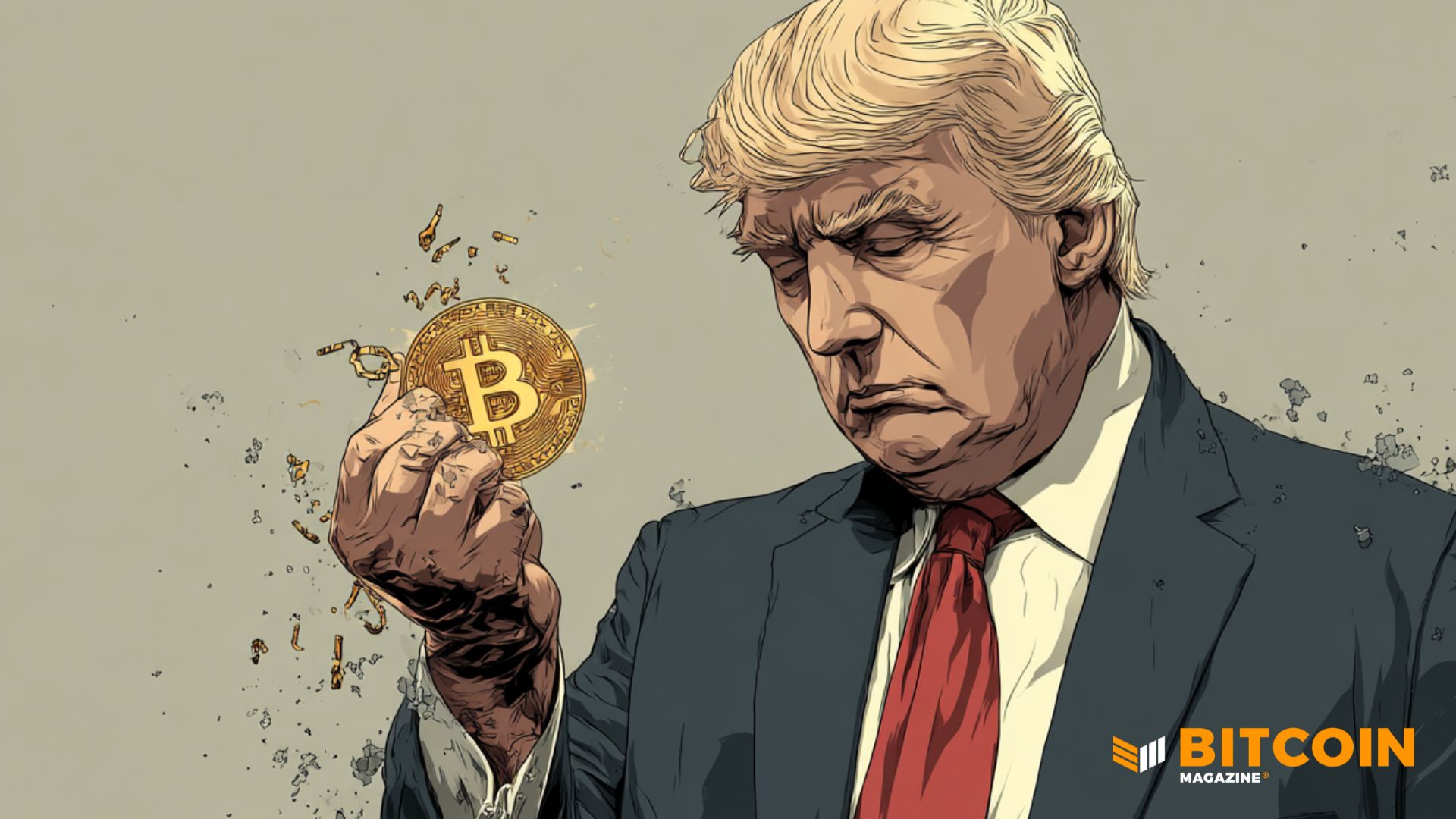
It seems that the U.S. Marshall Service (USMS) has sold the $6.3 million worth of bitcoin that Samourai Wallet developers Keonne Rodriguez and William Lonergan Hill paid the U.S. Department of Justice (DOJ) as a fee that was part of their guilty plea.
In doing so, it has potentially violated Executive Order (EO) 14233, which mandates that bitcoin acquired via criminal or civil asset forfeiture proceedings should be held as part of the United States’ Strategy Bitcoin Reserve (SBR).
If the Southern District of New York (SDNY), the federal judicial district in which the Samourai case was to be tried, did, in fact, violate EO 14233, it would not be the first time employees of the SDNY have acted in defiance of direction from the federal government.
What Happened to the Bitcoin?
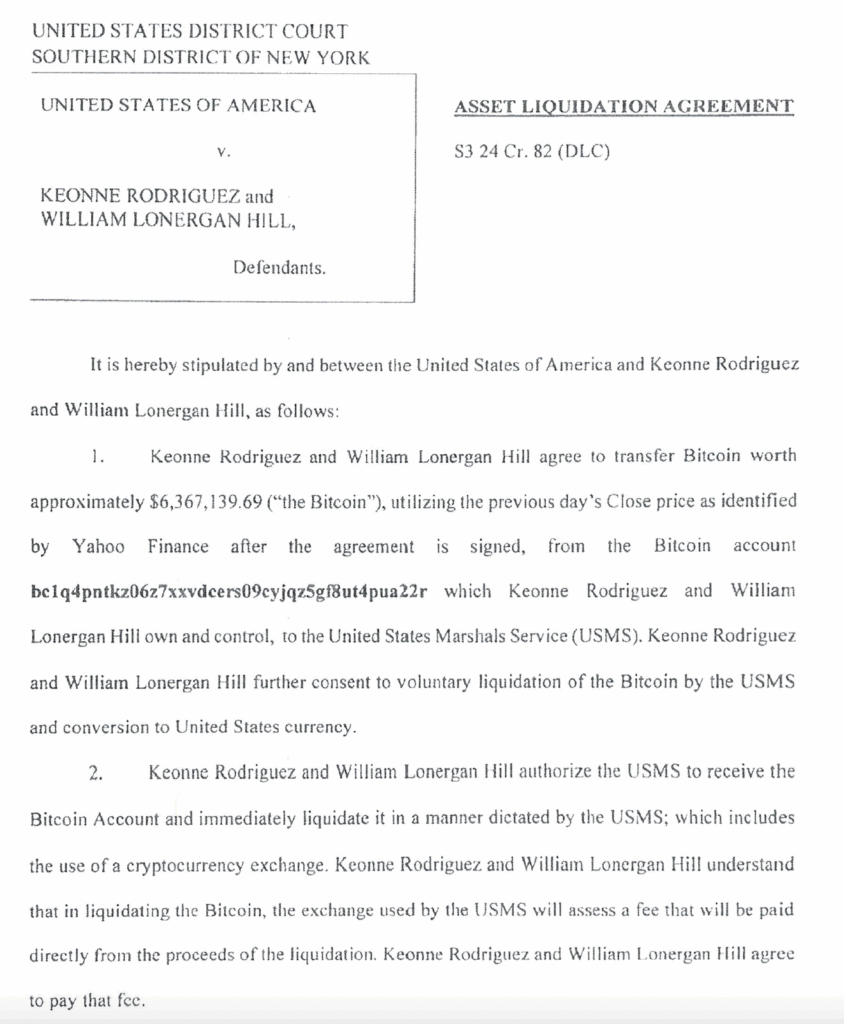
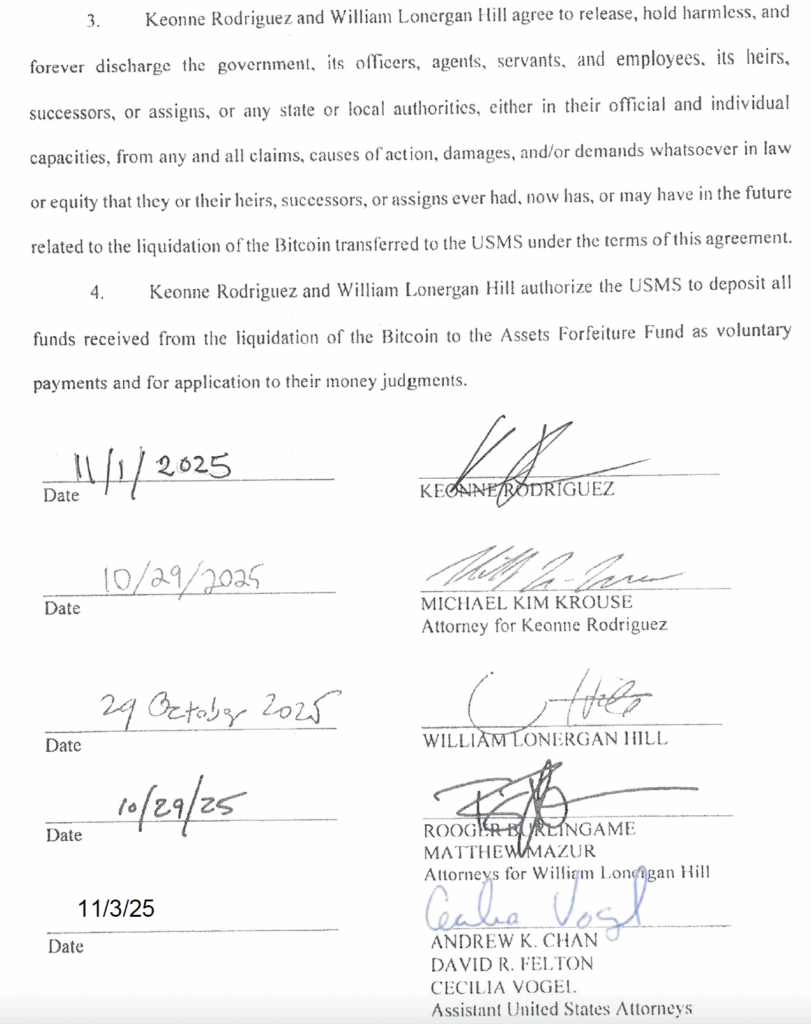
According to a document titled “Asset Liquidation Agreement”, which has been obtained exclusively by Bitcoin Magazine and has not until now been made public, the bitcoin that Rodriguez and Hill forfeited is to be sold — or already has been.
As per the document, the defendants agreed to transfer $6,367,139.69 worth of bitcoin — 57.55353033 bitcoin at the time the final party signed the agreement, which was Assistant United States Attorney Cecilia Vogelon November 3, 2025 — to the USMS.
The bitcoin, which was sent from address bc1q4pntkz06z7xxvdcers09cyjqz5gf8ut4pua22r on November 3, 2025, seems to have bypassed any direct custody by the USMS. Instead, it seems to have been sent directly to Coinbase Prime address 3Lz5ULL7nG7vv6nwc8kNnbjDmSnawKS3n8 (Arkham Intel attributes this address to the brokerage), presumably to be sold.
This Coinbase Prime address currently has a zero balance, indicating that the bitcoin may have already been sold.
Violating Executive Order 14233
If the USMS has sold the forfeited bitcoin, it likely contravened EO 14233, which orders that bitcoin acquired by the U.S. government via criminal forfeiture, termed “Government BTC” in the EO, “shall not be sold” and should be contributed into the U.S. SBR.
If the USMS sold the bitcoin, they did so at their own discretion and not as a legal mandate, which indicates that certain members of the DOJ may still view bitcoin as a taboo asset to be offloaded as opposed to a strategic asset that President Trump has directed government agencies to retain.
Given that the Samourai prosecution originated under the previous administration, which was notoriously hostile toward noncustodial crypto tools and their developers, the decision to ignore EO 14233 and sell the bitcoin despite a mandate from the executive branch fits a pattern of treating bitcoin as something that should be removed from government balance sheets as soon as possible.
Legal Details Regarding the Forfeiture and Liquidation
According to a legal source close to this matter, the Samourai developers’ forfeited their bitcoin under 18 U.S. Code § 982(a)(1), which stipulates that any offense that violates 18 U.S. Code § 1960, the statute that prohibits the operation of unlicensed money transmitting businesses, orders that person to forfeit to the United States any property involved in the offense.
Judging by § 982 and its incorporation of 21 U.S.C. § 853(c), a criminal forfeiture statute that stipulates that “property that is subsequently transferred to a person other than the defendant may be the subject of a special verdict of forfeiture and thereafter shall be ordered forfeited to the United States,” the bitcoin that Rodriguez and Hill forfeited fits the EO’s definition of “Government BTC”.
Neither § 982 nor the incorporated § 853 requires that property that is forfeited as part of a criminal offense be liquidated. Furthermore, the fund forfeiture statutes cited in section three of the EO — 31 U.S.C. § 9705 and 28 U.S.C. § 524(c) — regulate where forfeiture proceeds are deposited and how they may be used; they do not require that forfeited bitcoin be converted to cash rather than held in kind.
The EO also stipulates that “Government BTC” falls under the umbrella of “Government Digital Assets” and states that “the head of each agency shall not sell or otherwise dispose of any Government Digital Assets” except in certain scenarios, none of which apply in the Rodriguez or Hill cases and, in all of which, the U.S. attorney general would play a role in determining what should be done with the forfeited digital assets.
The Sovereign District of New York
When taking EO 14233 and the statutes cited in this article into account, the SDNY seems to have acted in a manner that defies the EO 14233’s mandate to transfer bitcoin obtained via criminal forfeiture to the U.S. SBR.
This would not mark the first time that the SDNY has acted in such a manner.
The judicial jurisdiction, sometimes colloquially referred to as “Sovereign District of New York,” has earned a reputation for operating independently and unilaterally, despite being part of a federal system.
On April 7, 2025, Deputy Attorney General Todd Blanche issued a memo entitled “Ending Regulation By Prosecution” in which he stated “the Department [of Justice] will no longer target virtual currency exchanges, mixing and tumbling services, and offline wallets for the acts of their end users…”
The SDNY seemed to disregard the language in this memo, though, as it proceeded with the Samourai Wallet or Tornado Cash cases.
And when the defense team for Hill and Rodrguez learned as per a Brady request that two high-ranking members of the U.S. Department of the Treasury’s Financial Crimes Enforcement Network (FinCEN) “strongly suggested” that Samourai Wallet wasn’t serving as a money transmitter due to the noncustodial nature of the service, the prosecution proceeded anyway.
Rodriguez was aware of these statistics, as well as the fact that Judge Denise Cote, the judge who presided over his and Hill’s cases, has a reputation for harsh sentencing.
He told me as much the morning before he pleaded guilty to the conspiracy to operate an unlicensed money transmitter business charge.
Is the War on Crypto Really Over?
Many Bitcoin and crypto proponents who voted for President Trump in 2024 as well as the crypto industry, which supported the president in his reelection, are now beginning to question whether or not President Trump really does want to see an end to the war on crypto.
For this to happen, the DOJ under President Trump must honor what is mandated in EO 14233 and follow Deputy Attorney General Blanche’s guidance to stop prosecuting developers of noncustodial crypto technology.
His pardoning Rodriguez as well having the DOJ look into why it sold the bitcoin that the Samourai developers forfeited would send a signal that the president is quite serious about his pro-Bitcoin and pro-crypto stance.
President Donald Trump said he’ll review the case of Keonne Rodriguez, co-founder of Samourai Wallet, as questions mount over the federal conviction of the Bitcoin privacy software developer.
When asked about Rodriguez’s upcoming prison sentence, Trump said, “I’ve heard about it. I’ll look at it.”
“I don’t know anything about it,” President Trump said. “But we’ll take a look.”
Rodriguez publicly acknowledged Trump’s sentiment, tweeting “Your continued noise is working. Thank you to everyone pushing @realDonaldTrump to pardon Bill and me. Let’s get this over the line. #pardonsamourai”
Rodriguez, along with co-founder William “Bill” Hill, was convicted of conspiracy to operate an unlicensed money transmitting business, a charge stemming from Samourai Wallet, a Bitcoin privacy tool that allowed users to mix coins and maintain financial anonymity without giving up custody of their funds.
JUST IN: President Trump says he will consider a pardon for the CEO of privacy-focused Bitcoin wallet Samourai.
The case, which began under the Biden administration and continued through the Trump Justice Department, culminated in Rodriguez receiving a five-year sentence and Hill four years, though Hill’s age and recent autism diagnosis led to a reduced sentence.
Critics of the prosecution argue the case represents a dangerous precedent for the cryptocurrency industry. The U.S. Department of Justice claimed that Samourai Wallet facilitated over $2 billion in unlawful transactions and laundered more than $100 million from criminal sources. However, only the “unlicensed money transmission” charge survived a high-profile trial, raising questions about the strength of the case.
Samourai Wallet’s mixing services, Whirlpool and Ricochet, were designed to obscure the origin of criminal proceeds from activities including drug trafficking, darknet marketplaces, fraud, cybercrime, and murder-for-hire operations.
Court documents reveal the developers actively encouraged criminal use, describing the service as “money laundering for bitcoin” and promoting its tools on darknet forums.
The Department of Justice framed the case as part of a broader crackdown on crypto mixing services. Rodriguez had requested a light sentence, but the court imposed the statutory five-year maximum.
Trump’s comments come amid his campaign promises to defend the right to self-custody and financial privacy. During the 2024 Bitcoin Conference in Nashville, he pledged to end what he described as the “anti-crypto crusade” of the prior administration.
With Rodriguez set to report to prison on December 18 and Hill already sentenced, the Trump administration faces a high-profile decision that could shape the future of financial privacy, software development, and cryptocurrency regulation in the United States.
On December 18th, days before Christmas, Keonne Rodriguez, co-founder of the Bitcoin Samourai Wallet, will have to surrender to prison. His crime? Creating a software tool that gave Bitcoin users comparable privacy to that which banks are expected to provide. Samourai Wallet, the brand and technology stack built by Rodriguez and William Lonergan Hill, was shut down by the U.S. Government in April 2024 on a variety of charges, including money laundering, but only one charge stuck after a high-profile trial, the weakest charge of all, “unlicensed money transmission”.
What does it mean to transmit money? According to prosecutors, custodial control over user funds is no longer a requirement to need an MSB license; “a USB cable transfers data from one device to another, and a frying pan transfers heat from a stove to the contents of the pan, although neither situation involves exercising ‘control’ over what is being transferred.” If the DoJ can indict a frying pan, then USB manufacturers better lawyer up!
While I’m no genius, the Supreme Court has emphasized that laws should be clear enough for an AVERAGE PERSON to understand
Let’s get into the minutiae of the specific subsection of the charge they pled to
Remarkably, even FinCEN disagrees with the DoJ’s novel legal interpretation of what constitutes a money transmitter, as guidance at the time said non-custodial services could not be money transmitters because they do not exert control over money flows. FinCEN reasserted this fact to the DoJ prosecutors in a written statement, but they went forward with the charges anyway. This critical fact was withheld from the defense for almost a year, when it was finally revealed, “the judge denied the motion to present this evidence in the hearings, without even any argument,” according to Rodriguez. Critics argue this misconduct by the DoJ prosecutors is a violation of Brady v. Maryland, denying access to material that could have undermined the unlicensed money transmission charges, or, as Donald J. Trump would put it, this prosecution was rigged.
Zack Shapiro, head of policy at the Bitcoin Policy Institute, warns the Trump administration and American software industry about the potential ramifications of this legal case, arguing that “collapsing the distinction between developing a tool and operating a service would introduce an untenable level of risk for anyone building privacy-enhancing or security-critical software.”
“Rodriguez and Hill ultimately accepted plea agreements in the face of substantial sentencing exposure, even though government records undermined the central regulatory theory of the case,” Shapiro added in a letter published on the BPI website, asking the Trump admin to pardon the Samourai Wallet devs.
Fundamentally, the prosecutorial approach in the Samourai Wallet case risks establishing an influential precedent that threatens the financial privacy of American citizens and stifles innovation in the U.S. crypto industry. It could shape future prosecutions and regulatory developments, potentially reclassifying non-custodial services as money transmitters under federal law—requiring national MSB registration with FinCEN—and prompting stricter state-level licensing in jurisdictions like New York or California.
Echoing the trial against Ross Ulbricht a decade earlier, this rigged case against Samourai Wallet was set up during the Biden administration with support from anti-crypto politicians whom Trump defeated in the 2025 elections with the popular mandate. During his campaign at the 2024 Bitcoin Nashville speech, Trump said, “I will always defend the right to self-custody,” and got major support from the Bitcoin and crypto industries through the shared vision of making the United States the crypto capital of the world.
“I pledge to the Bitcoin community that the day I take the oath of office, Joe Biden and Kamala Harris’ anti-crypto crusade will be over,” – Donald J. Trump, Nashville 2024.
David Sacks, the venture capitalist and White House A.I. & Crypto Czar, should also pay attention to this issue; otherwise, what does it even mean to be the Crypto Czar? If Bitcoin wallets end up regulated the same as banks, despite having no counterparty risk, then whose interests are really being served, Mainstreet’s or Wallstreet’s?
While the Trump admin has been very conservative during the DoJ’s prosecution and trial of the Samourai Wallet devs — and perhaps, understandably so — that stage of the legal battle is over.
It is time for the Trump administration to meet its promise to the American public and defend self-custody and the crypto industry in America. It is time for Trump to set the record straight and pardon Keonne Rodriguez and William Lonergan Hill, as well as the Tornado Cash devs, while we are at it, lest we have another Ross Ulbricht-style miscarriage of justice.
The Bitcoin and crypto industry is well behind this effort and has begun gathering signatures at Change.org, totaling over 5000 so far and growing, with the only official fundraising campaign at GiveSendGo.
Should Trump pardon the Samourai Wallet devs, he would be sending a clear signal to those who want surveillance-based, central bank digital currency systems to enslave Americans and the world that Americans will not stand for it. That the United States stands with the fundamental human right to privacy, dignity, due process, and the presumption of innocence, and not the tactics of intimidation developed by the likes of Joseph Gorbles, where privacy is a crime. Mass, indiscriminate surveillance, without a warrant, without due process, that is the real crime.
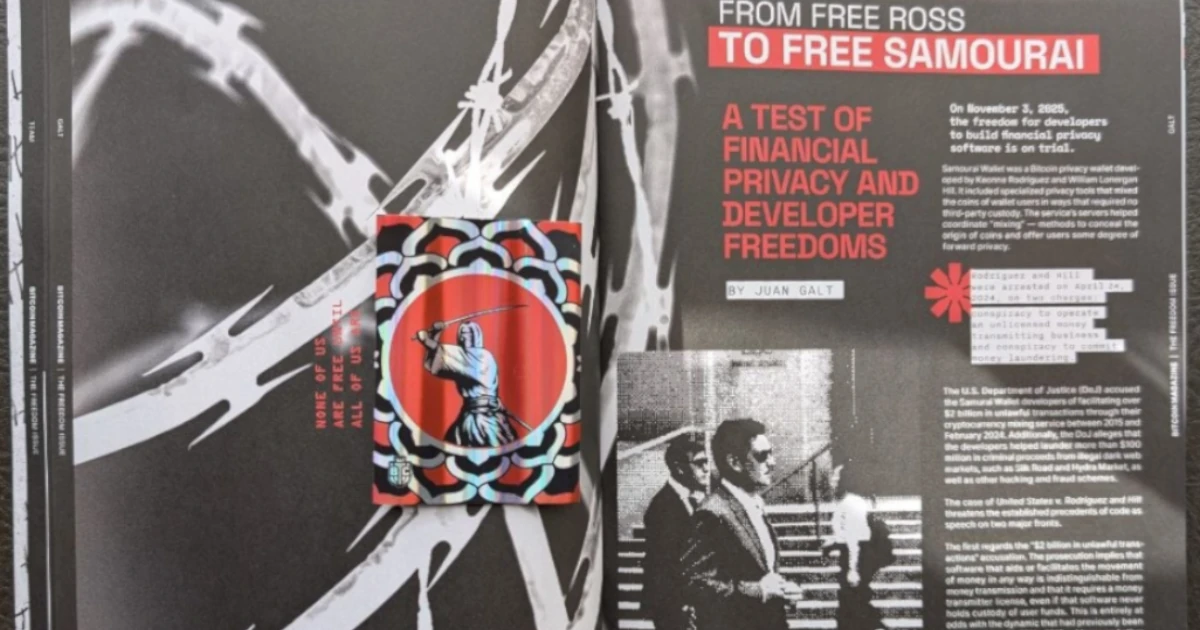
This piece is featured in the print edition of Bitcoin Magazine, The Freedom Issue. We’re sharing it here as a sample of the ideas explored throughout the full issue.
On November 3, 2025, the freedom for developers to build financial privacy software is on trial.
Samourai Wallet was a Bitcoin privacy wallet developed by Keonne Rodriguez and William Lonergan Hill. It included specialized privacy tools that mixed the coins of wallet users in ways that required no third-party custody. The service’s servers helped coordinate “mixing” — methods to conceal the origin of coins and offer users some degree of forward privacy.
Rodriguez and Hill were arrested on April 24, 2024, on two charges: conspiracy to operate an unlicensed money transmitting business and conspiracy to commit money laundering.
The U.S. Department of Justice (DoJ) accused the Samurai Wallet developers of facilitating over $2 billion in unlawful transactions through their cryptocurrency mixing service between 2015 and February 2024. Additionally, the DoJ alleges that the developers helped launder more than $100 million in criminal proceeds from illegal dark web markets, such as Silk Road and Hydra Market, as well as other hacking and fraud schemes.
The case of United States v. Rodriguez and Hill threatens the established precedents of code as speech on two major fronts.
The first regards the “$2 billion in unlawful transactions” accusation. The prosecution implies that software that aids or facilitates the movement of money in any way is indistinguishable from money transmission and that it requires a money transmitter license, even if that software never holds custody of user funds. This is entirely at odds with the dynamic that had previously been established by FinCEN’s 2019 guidance and other legacy financial regulations.
The second implication is that software that defends the privacy of communications or transfer of value is not protected speech under the United States’ First Amendment.
Code is Speech
The United States has a long and unique tradition of defending freedom of speech.
Over the years, many court cases have reinforced these values, creating precedents that let developers create great software and share it online. That kind of software has made the United States the technological epicenter of the world, from AI to cryptographic finance; the freedom to build software today is critical to the economic success of the nation.
Texas v. Johnson (1989), for example, established that burning the U.S. flag in protest was indeed protected speech even though the “speech” in this case was “functional”, i.e., expressed in the destruction of the flag.
In the 1990s, with the rise of the internet, landmark cases like Bernstein v. United States (1996-1999) established that discussions about cryptography — specifically the sharing of source code involving cryptographic algorithms — was not a “munition” governed and regulated by the Arms Export Control Act and the International Traffic in Arms Regulations. On the contrary, the publication of source code explaining how cryptography worked was expressive speech and thus fully protected under the First Amendment.
The Bernstein case marked a critical victory for the Cypherpunks of the ’90s, whose contributions to open source software laid the foundations for Bitcoin: Many of the technologies that Satoshi Nakamoto used in its construction were indeed invented in the internet forums of the time. It was there that the Cypherpunks discussed the application of cryptography to the defense of freedom of speech, digital privacy, and civil rights.
In the Universal City Studios v. Corley (2001) case, however, something shifted slightly. Jon Lech Johansen, a Norwegian teenager, wrote software that jail-broke copyrighted movies from software locks placed there by Universal Studios, making movies playable in Linux systems. Eric Corley, a U.S. journalist, published the software online, which led to a massive lawsuit spearheaded by Universal Studios.
This landmark case turned on the question of whether something is speech or conduct in the realm of software. It established that when speech in the form of software gained “function”, such as the breaking of a DVD encryption lock, it suddenly became a tool and could become subject to regulation.
While Corley’s free speech protections were eventually reaffirmed in the Second Circuit Court of Appeals, the distinction between source code publications as a form of expression and functional software as a tool that can be regulated was established.
Despite the rulings — Corley even removed the copy of the DeCSS piracy software from his website — the damage was done. Internet civil disobedience spread the software far and wide, and the piracy wars of the 2000s raged on for years. They demonstrated not just the limits of free speech protections but also the limits of trying to enforce digital censorship.
Information simply wants to be free.
The Samourai case could face a similar challenge, and it is unclear whether “code is speech” can be a sufficient defense for Rodriguez and Hill.
Chink in the Armor
A controversial project that created as many loyal superusers as it did haters and critics is now on the front lines of the Biden-era lawfare, and the principle that code is speech appears to be at stake once again.
As a result, it has forced critics — myself included — to rise to the defense of a wallet that, while quite successful in its adoption, made many design choices that were questionable and for which they may be judged harshly in the coming months.
One potential weak point in their defense is their alleged enabling of sanctioned parties to “launder money” through their coin-mixing service. The U.S. Attorney’s Office for the Southern District of New York (SDNY) went as far as to embed a screenshot of the Samourai wallet account welcoming sanctioned oligarchs:
Coin mixers are akin to the virtual private networks (VPNs) used by law-abiding citizens and criminals alike. For privacy to exist, one must be able to hide in a crowd, their choices and personal information shielded from prying eyes, and to be revealed or judged after due process.
With that, the Samourai Wallet founders did not make themselves a difficult target. If the allegations by the prosecution are true, and they knowingly helped dress up wolves in sheep’s clothing, then they likely will have to pay a price for violating sanctions doctrines. A deeply chilling legal precedent could then be set, shaping the future of digital finance and directly harming the proliferation of such technology in the United States.
However, there may be hope in the change to a more crypto-friendly administration under the leadership of President Trump.
“I Will Defend Your Right to Self Custody” – Trump
During his keynote speech at the Bitcoin Conference in Nashville in 2024, Trump made a promise, one that he still has the opportunity to keep.
He promised to “defend the right to self custody”.
Without financial privacy, self custody is dramatically weakened, as seen by the growing wave of physical attacks on Bitcoiners in recent years. The liberty previously enjoyed by software developers to build self-custodial Bitcoin tools like Samourai Wallet, is on trial.
The chilling effect
The U.S. government has, for the most part, learned not to attack an already hardened legal precedent like freedom of expression. However, by going after the developers and maintainers of Samourai Wallet directly, the DoJ had a net negative effect on financial privacy in the U.S., and it spread a chilling effect among Bitcoin software developers.
Immediately following the arrest of Rodriguez and Hill, Phoenix Wallet, arguably the best self-custodial Lightning wallet in the industry, exited the U.S. app stores — a decision made to protect their business from a U.S. government that appeared hostile to Bitcoin self-custody software. (As of April 2025, Phoenix is once more available in the U.S.) Wasabi Wallet, another financial privacy software company, stopped offering its noncustodial mixing services to the public. And wallets like Blink from El Salvador geofenced American users from their app entirely.
If Trump is going to really defend the right to self custody, and stop the eventual deployment of a central bank digital currency (CBDC) in the United States (another election promise), he will have to address the need for financial privacy in the digital era and reverse the injustices set in course by the Biden administration.
In one way or another, these cases will leave a mark on his presidential legacy.
Foundations of a CBDC
The Biden administration continued to sue, scrutinize, and debank the crypto industry — a policy that started under Obama with Operation Choke Point and ultimately resulted in Silicon Valley CEOs losing access to their bank accounts altogether.
A sharp example of permissioned financial rails being abused was also witnessed in Canada in 2022 when the bank accounts of truckers and donors were frozen during the Freedom Convoy COVID protests in Ottawa, following the invocation of the Emergencies Act by then-Prime Minister Justin Trudeau.
Furthermore, top U.S. officials from the Treasury have stated that central bank digital currencies (CBDCs) would need to have strong identity tracking, even while “balancing consumer privacy”, striking at a trade-off that’s sacrificing user privacy altogether:
“The Report notes that ‘a CBDC system could increase the amount of data generated on users and transactions,’ which would pose ‘privacy and cyber security risks, but … offer opportunities for proper … supervision and law enforcement efforts.’”
Among the ideals of justice and fairness laid out by the Constitution is one where the privacy of the individual is granted by default, where there is a presumption of innocence, and the prosecution must prove the accused’s guilt beyond a reasonable doubt.
The Fourth Amendment rights of innocent Americans who were using Samourai Wallet in particular are under attack by the kind of lawfare seen in the Samourai case:
“The right of the people to be secure in their persons, houses, papers, and effects, against unreasonable searches and seizures, shall not be violated, and no Warrants shall issue, but upon probable cause, supported by Oath or affirmation, and particularly describing the place to be searched, and the persons or things to be seized.”
Our homes are no longer just made of brick and stone, and our words no longer contained within those four walls. They are often digitized and transmitted, and so is the value they hold and move. Like cash in a sealed envelope, the use of financial privacy software naturally fits the protections of the Fourth Amendment, especially when no custody of funds is ever taken by the infrastructure facilitating its transit.
Yet the few tools that protect this default access to privacy have been systematically attacked and undermined in the digital age, akin to the government suing envelope manufacturers as money launderers for obfuscating the contents of a person’s exchanges.
It’s actually much worse. While developers of privacy software like Samourai Wallet are harassed, legacy financial institutions, in their attempt to be compliant with KYC and AML regulations — the same class of regulations used to prosecute Samourai Wallet today — are forced to gather excessive private information from their customers in order to report anything “suspicious” to the authorities.
These KYC data vaults are regularly hacked. Indeed, it’s impossible to keep them secure as they grow in size and become targets for cybercriminals, which exposes everyday people to organized crime in the form of identity theft and fraud. By 2012 in the U.S, identity fraud cost more than all other forms of theft combined, reaching over $21 billion, and this figure rose to $52 billion by the 2020s.
This surveillance infrastructure is doing profound and irreversible harm to U.S. citizens and the legacy financial system as a whole.
It is nevertheless sold as the necessary evil that stops money laundering by cartels and ends terrorist financing via sanctions through mechanisms like the OFAC list. And yet it is these same banks who are regularly busted laundering hundreds of millions of dollars for cartels, like TD Bank last year, which had to pay a record fine to U.S. regulators of $3 billion. It was accused of failing to surveil $18 trillion in transactions, of which close to $700 million was allegedly moved by drug cartels. Despite all the regulations and compliance, it turns out it was the banks that were doing the bulk of the money laundering.
When it comes to sanctions, meanwhile, Russia has received the worst lot of U.S. sanctions in recent memory, perhaps in history,including freezing its foreign treasury reserves. Despite that, Russia has run over major territories in Ukraine during the invasion and managed to survive long enough to be in a very strong negotiating position on the other side of the conflict — effectively marking the end of the sanctions foreign policy regime. It is no coincidence that the Trump administration is so focused on tariffs, overseeing the flow of goods across borders instead of the flow of money.
Also, let us not forget that when it comes to terrorist financing, it was the CIA that funded and trained the Afghan Mujaheddin in the ’80s, training guerrilla operatives like Osama bin Laden, who later on helped create Al Qaeda and carried out 9/11.
None of these crimes were done by Bitcoin or Bitcoiners. But the consequences of these laws weigh heavily on civilian populations. And the exponential growth of identity theft, the demoralizing ironies of the war on cash, the micromanagement overhead of the public’s finances, and the chilling effect on privacy-oriented software developers are the direct consequence of the KYC panopticon being constructed all around us.
All these policies can be summed up as flash points in the war on cash, a broad policy strategy of the pre-Trump era, that I believe was meant to set a foundation for the deployment of CBDCs, a state monstrosity that Trump specifically promised to protect us from.
Lesson Learned
The biggest concern I had with the Samourai Wallet’s mobile app was its backend design. Ambitious and commendable as it was to try and bring cutting-edge, self-custodial coin mixing to the masses, in order to achieve it, Samourai Wallet made some questionable compromises — compromises which competitors and critics doubted were worth the upside and which can be judged in the trial as well. The most obvious problem was the way the mobile client was said to handle the xpubs of their users.
Xpubs are very important cryptographic information in Bitcoin and crypto wallets. Similar to IP addresses in the world of VPNs, xpubs represent a key piece of identifying information for Bitcoin users. Anyone who has your xpub can deterministically recreate all public addresses you ever had or ever will have in that wallet, allowing them to know exactly what public Bitcoin addresses are within your control and which funds have moved through them.
In the marketing and debates about VPNs — which are in some sense the early web’s equivalent to Bitcoin mixers — IP addresses, and whether a service can or cannot keep IP logs, is critical to their credibility among a savvy user base. Services often boast about their processes and procedures around not keeping their users’ IP addresses, which, if shut down — as Samourai Wallet has been — could end up in the hands of prosecutors, compromising the browsing history of their users.
In the case of Samourai Wallet and xpubs, a similar rule of thumb should apply. Internet users throughout the decades have discovered that paranoia about the quality of the tools and implementations pays off in the end. This lesson has been learned the hard way as VPN services and privacy-oriented email providers have been hacked or seized by government prosecutors. If there’s user data accumulated, the service can become a juicy target.
We don’t yet know what data Samourai Wallet had in the 17 terabytes confiscated by the U.S. government. Most of it is likely on-chain analysis done by their research arm OXT. But if user data was kept, then the privacy of many of those users might be at risk as well.
The Trump Legacy?
It is fascinating that the future of software developers and their freedom to build private self-custody software will be judged and shaped in an age where Michael Saylor argues that the coin is not a currency and Trump, the self-branded crypto president, promises to protect your self-custody rights.
As Rodriguez and Hill stand trial, those wrapping themselves in the orange flag and those who can influence public policy about financial privacy will also be on trial in the court of public opinion; history will be their judge.
For us plebs who cannot influence public policy directly and can only judge the tools we use on their merit, there is a moral to this story. Compromising on privacy for convenience — to avoid the learning curve otherwise required — does not come without risk.
And on a long enough time frame, only the paranoid crypto-anarchists survive.
This piece is featured in the print edition of Bitcoin Magazine, The Freedom Issue. We’re sharing it here as a sample of the ideas explored throughout the full issue.
Nunchuk Inc. is an open source, multi-signature mobile wallet for advanced bitcoin security, self-custody, and inheritance. Launched in 2020, the app offers users a feature-rich toolkit to set up high-security bitcoin wallets, with little competition on the mobile app market, as most other mobile wallets do not support multi-signature functionality at all.
Most wallets require a single private key to sign a valid Bitcoin transaction. Multi-signature Bitcoin wallets, in turn, require more than one private key to sign a valid Bitcoin transaction, often a threshold, such as two of three or three of five. This lock, so to speak, is enforced by the full power of the Bitcoin network, making it one of the most secure ways to store wealth today and probably in history.
Nunchuk told Bitcoin Magazine they help secure over a billion dollars worth of bitcoin today, “it is our (paid) assisted services that have helped users secure +$1B in BTC thus far.”, but that was not always the case. Born out of Bitcoin idealism in the thick of the COVID pandemic, Nunchuk was built to facilitate advanced security wallets that use multi-signature in the defense of self-custody. In 2022, as a young start-up, these ideals were put to the test, as activists of the Canadian Freedom Convoy Protests decided to use Nunchuk to secure bitcoins donated to the protest against COVID repression.
The turmoil saw over a million dollars worth of Bitcoin donated to Honk Honk Hodl, a group of reputable activists in the country, to help fund the costs of Truckers who were gathering in Ottawa. The truckers were putting their lives on the line to protest the extreme restrictions put in place by the Canadian government in response to the pandemic, and were facing massive pressure to leave the capital.
Over 20 bitcoins were received into a Nunchuk multi-signature wallet under the banner of Honk Honk Hodl. Nunchuk multi-sig was chosen to mitigate the risk of putting all that money in the hands of just one person.
Hugo Nguyen, founder of Nunchuk, told Bitcoin Magazine that the Honk Honk Hodl wallet received so many individual donations that it actually broke the wallet. The app was not designed to sign transactions with so many bitcoin inputs, and the start-up had to push an update to let the activists easily move their funds.
The protests were so effective and gained such a positive reception internationally that Trudeau’s government panicked and invoked the Emergencies Act, a rare use of federal powers, which he used to try to shut down all sources of funding coming to the protesters, in an effort to scare them off the capital. This included 10 million dollars in donations from Canadians to a GoFundMe campaign, which were ultimately returned to contributors after the payment processor faced legal action from the Canadian government.
When it came to the bitcoin donations, the digital currency’s alleged censorship resistance was put to the test. Canada sent a Mareva injunction to Nunchuk Inc., demanding the company freeze user funds and disclose user data to the government. Nunchuk, as a privacy-oriented, non-custodial wallet, had no power to comply. Nunchuk was just two months old at the time, a self-funded startup. This was their response:
“Dear Ontario Superior Court of Justice,
Nunchuk is a self-custodial, collaborative multisig Bitcoin wallet. We are a software provider, not a custodial financial intermediary.
Our software is free to use. It allows people to eliminate single points of failure and store Bitcoin in the safest way possible, while preserving privacy.
We do not collect any user identification information beyond email addresses. We also do not hold any keys. Therefore:
– We cannot “freeze” our users’ assets.
– We cannot “prevent” them from being moved.
– We do not have knowledge of “the existence, nature, value and location” of our users’ assets. This is by design.
Please look up how self-custody and private keys work. When the Canadian dollar becomes worthless, we will be here to serve you, too.
Sincerely,
The Nunchuk team”
In a matter of hours, over 14 bitcoins were delivered to over 90 truckers by hand in envelopes, roughly 8000 Canadian dollars at the time, each. By the time the Canadian police raided Nicholas St. Louis’s home — the main activist behind the Honk Honk Hodl campaign — most of the bitcoin had been distributed. Only 0.28 BTC were reportedly seized in the raid. Up to 6 BTC in total were frozen from other truckers and protesters in the turmoil, resulting in a rough 70% success rate for the censorship-resistant currency.
These events had a deep impact on the Nunchuk team, some of whom quit out of fear of legal prosecution. Others who stayed and Nunchuk Inc. survived, its future design forged in the fires of the late COVID political turmoil.
The Nunchuk That Survived
Fast forward two years or so, and Nunchuk has carved itself a solid niche within the Bitcoin industry. It is the only open source, fully featured multi-signature mobile wallet for mobile devices. Where alternatives exist, they are often either antiquated, nearly abandoned, or closed-source and not functional without being a paid user.
Nunchuk is also the first significant implementation of miniscript, a high-level programming language for Bitcoin script, which lets developers build Bitcoin “smart contracts” with elegance and power not easily achieved using Bitcoin’s native scripting language. Miniscript was invented by Pieter Wullie, a legendary Bitcoin core developer with 14 years of experience contributing to the digital currency.
The wallet lets users create software and hardware keys based on a wide range of hardware signing devices, supporting the most advanced Bitcoin address types, like Segwit and Taproot. Users can then create a fully customizable range of wallets, from single key to advanced, to any combination of multiple keys the user deems useful.
Nunchuk even supports decaying multi-sigs, which are useful for inheritance and complex setups. For example, you might want a 3 of 5 multi-sig where you control all the keys but they are geographically distributed, this is a common model for high value inheritance accounts. One of those keys can be shared with an heir. After five years, the multi-sig degrades to a single-key wallet, letting your heir move the money. To prevent your heir from getting access to your Bitcoin before your time, you would need to move the coins to a fresh multi-sig 3 of 5 and reset the clock.
It’s important to note that creating your own complex security setups has risks; sometimes, users who become so sophisticated that they decide to use fully featured tools like Nunchuk end up creating mazes for their Bitcoin that they end up getting locked out of. It’s important to be careful and generally use best practices when creating self-custody Bitcoin wallets to avoid common pitfalls.
Nunchuk has standard templates and a complete inheritance feature set designed to help non-technical Bitcoin users benefit from the full power of Bitcoin self-custody. They even announced the inheritance solution for Bitcoiners that does not require a third-party intermediary to co-sign a transfer. Popular alternatives like Casa wallet offer inheritance solutions, but as a co-signer, they also get a full view into user data, and if the company fails, users must take an alternative key-signing path to recover funds. Nunchuk’s on-chain inheritance wallet leverages time locks and pre-designed multi-sig setups like the example above to give users maximum control and sovereignty in their inheritance setup.
Nunchuk nevertheless supports aided (off-chain) inheritance solutions as well, which use the co-signer model of inheritance and can be easier to use, offering similar features as other popular Bitcoin inheritance solutions.

 Login
Login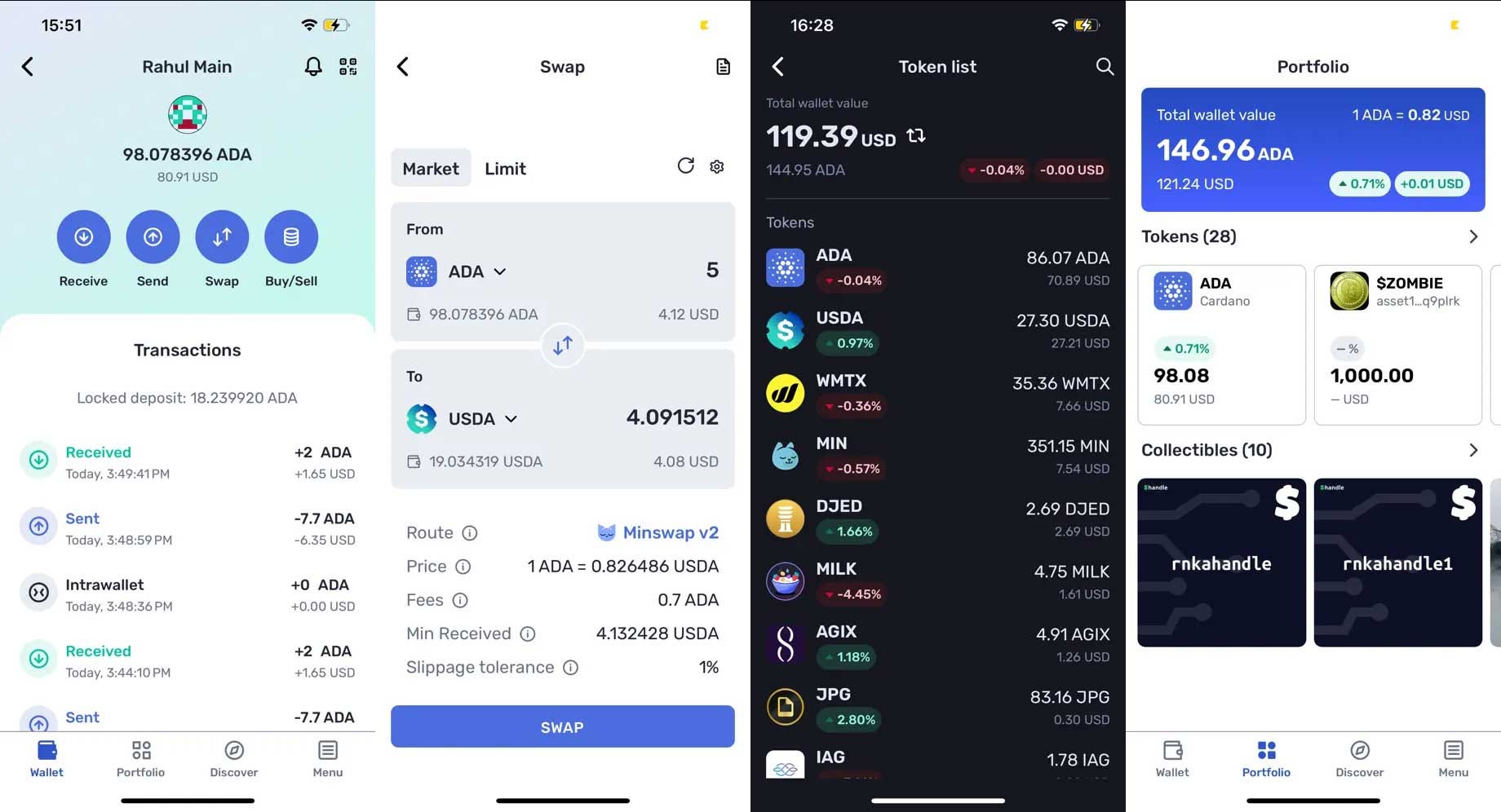

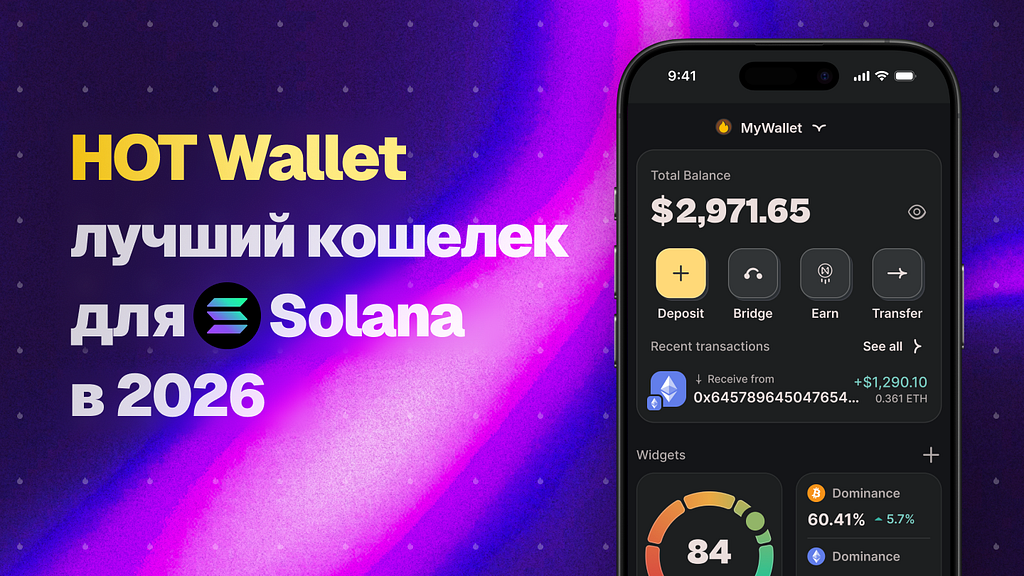


 President Trump Executive Director says the government has not sold any bitcoin forfeited by Samourai Wallet and the bitcoin will NOT be sold.