Login
Login‘Kiss My Grass’ Speaks Truth
Legal weed looks good on paper. Dispensaries that feel like Apple stores. Influencer product drops. Celebrities launching “wellness” brands from Manhattan to Malibu. But peel back the shiny packaging and the question hits hard: Who’s really cashing in on cannabis, and who’s still paying the price?
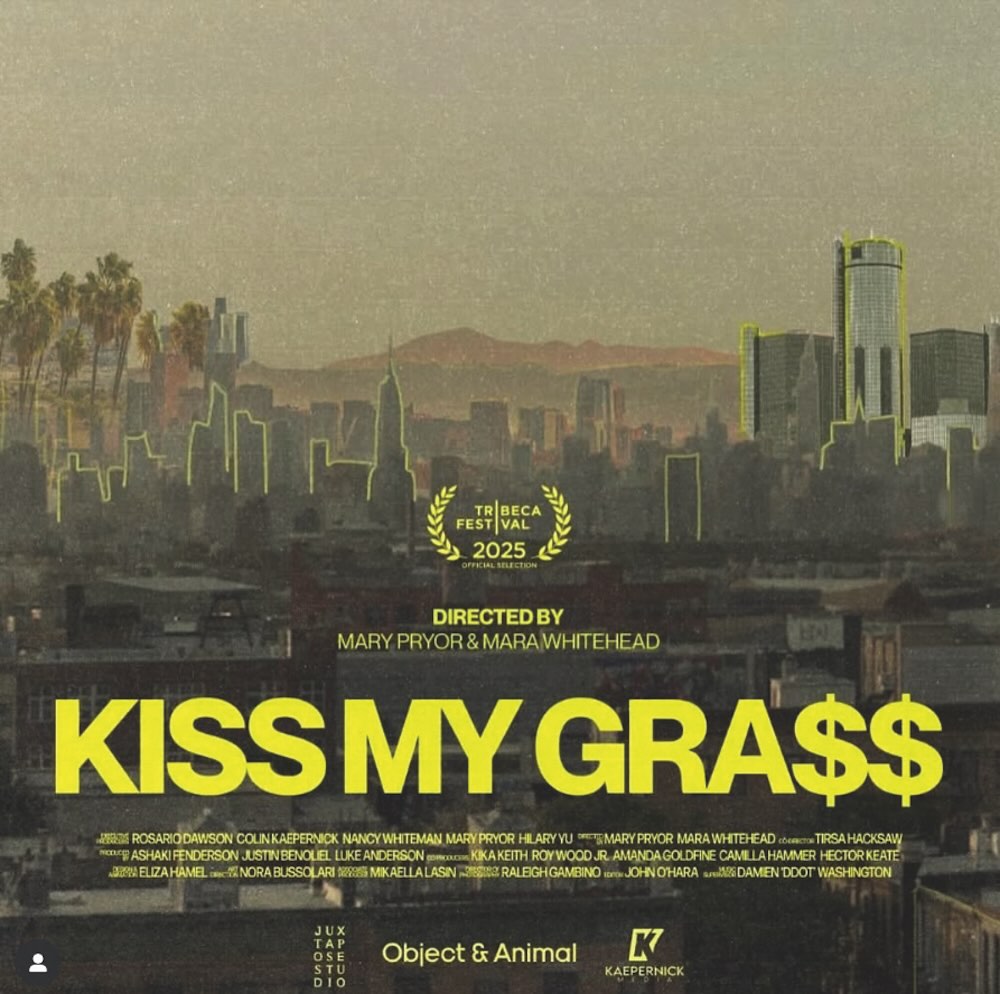
That’s the heartbeat of Kiss My Grass, a short documentary that refuses to let the industry off the hook. Written by Roy Wood, Jr., directed by Mary Pryor, Mara Whitehead, co-directed by Tirsa Hackshaw and narrated by actor and activist Rosario Dawson, the film doesn’t waste time glamorizing the Green Rush. Instead, it zooms in on the people of color, particularly Black women, who’ve had to fight their way into a market that was never built for them.
In less than 20 minutes, Kiss My Grass manages to hit every nerve with candid interviews that strip the false promises of legalization down to its bones. It’s in these raw, personal stories from trailblazers including Kim James, Matha Figaro, Jessica Jackson and Coss Martewhere the documentary hits hardest. Watching them, you’re forced to confront a painful reality: Legalization was sold as a new beginning, but the same old systems keep showing up with new branding.
After watching the film, I had a lot of questions about what it actually takes to make progress in such a complicated system and had the opportunity to ask some of the featured individuals about what’s changed, what hasn’t and what needs to happen.
“True equity requires structural repair,” says Jackson, director of social equity for Minnesota’s Office of Cannabis Management. “That means reinvestment into harmed communities; expungement and record repair; rules that prevent hidden ownership and monopolization; workforce protections; and readiness tools like technical assistance—all interventions Minnesota provided from the start in Chapter 342 legislation.”
While the cannabis industry is expected to hit $45 billion in 2025, equity programs meant to level the field often feel more like public relations stunts than progress in some states. The numbers from around the country tell the story: Only 0.35 percent of venture capital reaches Black women founders. Black people are still 3.7 times more likely to be arrested for possession.
“Access to capital, affordable real estate, and navigating complex regulations are major barriers,” says James, who leads Detroit’s Office of Cannabis Management. “Many equity programs don’t address the systemic economic disadvantages experienced by people who come from communities disproportionately impacted by the War on Drugs.”

It’s just even more of a reminder that legal doesn’t mean fair for the communities that got felonies instead of spots on the Forbes list for selling cannabis.
As Coss Marte, founder of fitness empire CONBODY, puts it, “If you’re making millions off cannabis, you have a moral obligation to invest in the communities that paid the price for prohibition,” he says. “That means jobs, ownership and capital—not charity optics. Repair starts when money, mentorship and opportunity flow directly to the people most impacted.”
Still, this isn’t a film that wallows in defeat. It’s about persistence. You feel the exhaustion, but also the refusal to give up. You see the discouragement, but also a spark of hope for the future. If there’s one message this film makes clear it’s that equity won’t grow on its own, but it can take root if we tend to it.
For Figaro, the founder behind ButACake and CannPowerment, the future of cannabis isn’t just about who gets in the door now, but what the next generation of women of color will inherit. When asked what needs to change to make that possible, she didn’t hold back. “My hope is that future generations inherit thriving cannabis businesses and the tools to bring underrepresented voices to market,” she says. “But to get there, we must dismantle the small-minded and misinformed policymakers writing rules they’ll never be forced to follow.”
After making its debut at the Tribeca Film Festival this past summer, Kiss My Grass is set for a wider digital release at a later date. Whether you work in cannabis or just care about justice, it’s essential viewing about what happens when an industry sells progress but delivers privilege. It leaves you moved. It leaves you mad. And, just maybe, that’s the point.
The post ‘Kiss My Grass’ Speaks Truth appeared first on Cannabis Now.