Reading view

There are new articles available, click to refresh the page.

Coinbase CEO Shares 6 Takeaways From WEF Davos 2026 – Details

While Binance co-founder and former CEO Changpeng “CZ” Zhao made the headlines following his interview at the just-concluded World Economic Forum, where he called a Bitcoin supercycle in 2026, his crypto counterpart and Coinbase CEO, Brian Armstrong, has come forward with feedback from the global event held in Davos, Switzerland.

Coinbase CEO Praises Trump-Led White House As Most Crypto-Forward Government 

In a January 24 post on the social media platform X, Armstrong shared a few key “themes and takeaways” from the latest edition of WEF. After admitting that the conference offered a productive time of meeting people one-on-one, the Coinbase CEO revealed that the major focus was on pushing crypto adoption globally.

Starting his list of takeaways, Armstrong highlighted that everyone was talking about tokenization, which is beginning to expand to every asset class in the world. The crypto leader said to expect some major progress in the tokenization sector in 2026, especially as the Fortune 500 business leaders continuously lean in.

Secondly, the Coinbase CEO shared that crypto legislation and the CLARITY Act were another area of focus, as the government of the day looks to make the United States the crypto capital of the world. According to Armstrong, most of the bank CEOs he met at the WEF in the past week are actually pro-crypto.

Armstrong wrote on X:

One CEO of a top 10 global bank told me crypto is their number one priority, and they view it as existential.

Furthermore, the Coinbase CEO lauded the Trump administration as the most crypto-forward government in the world at the moment. Armstrong acknowledged their progress with the crypto market structure, stating that these clear rules are crucial for global competitiveness and will put money back in people’s pockets.

In what seemed like a cheeky tone, Armstrong mentioned that ESG (Environmental, Social, and Governance) and DEI (Diversity, Equity, and Inclusion) topics didn’t come up throughout the forum. According to the crypto founder, the week felt productive, as it centered around real, global progress — all thanks to BlackRock CEO and new WEF co-chair Larry Fink.

The Coinbase leader touted crypto and AI (artificial intelligence) as the most talked-about technologies in today’s world. Highlighting their compatibility, Armstrong stated that AI agents will eventually default to using stablecoins for payments, as they cannot be KYC’d like human beings.

Finally, Armstrong revealed that the Coinbase, Circle, and Bermuda partnership to build a fully on-chain economy was announced at WEF Davos 2026. “Excited to make progress on this and create a compelling case study for other nations to follow,” the crypto CEO concluded.

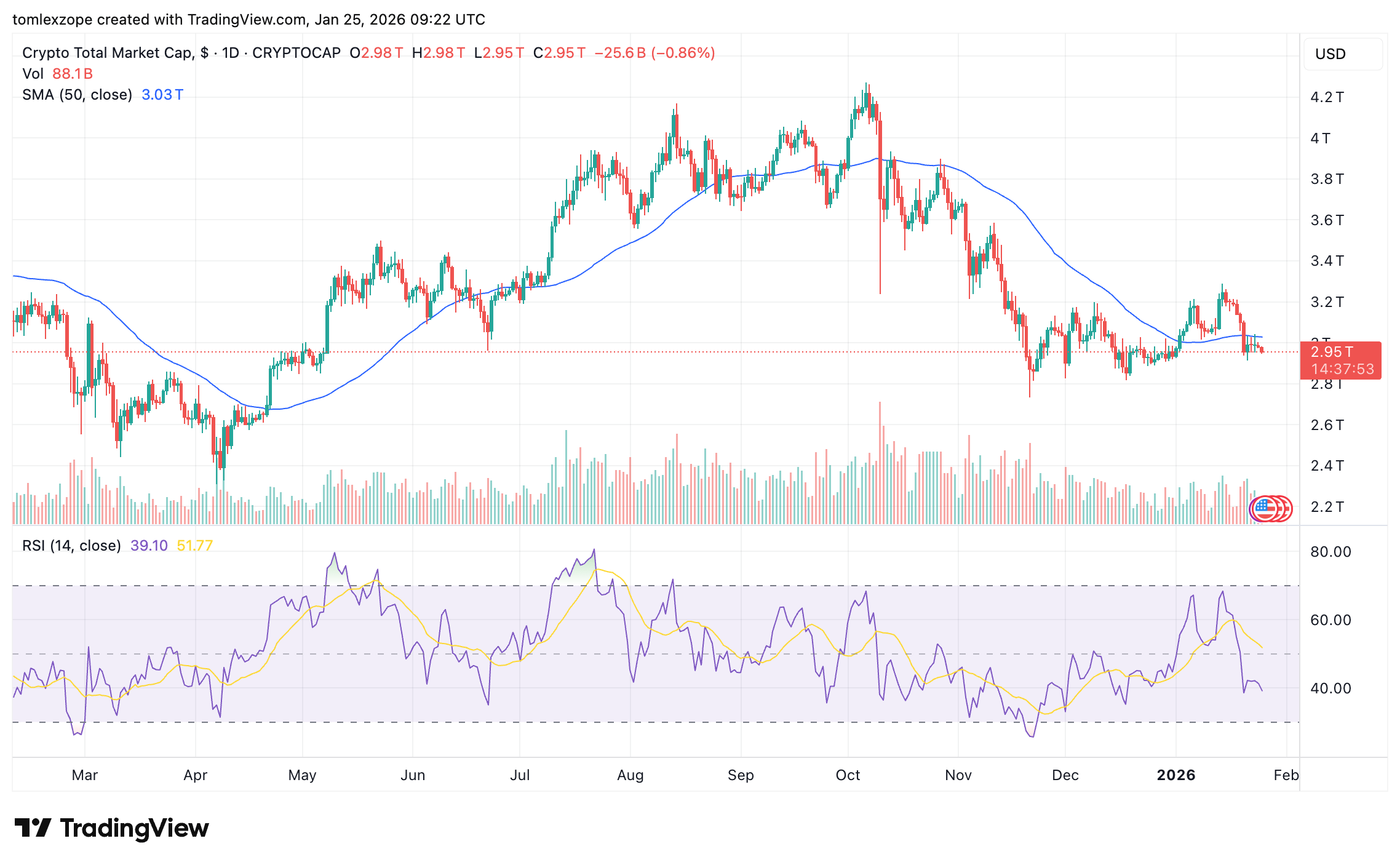
Total Crypto Market Cap At $3.09 Trillion

As of this writing, the global cryptocurrency market has a total capitalization of $3.086 trillion, with Bitcoin retaining its spot as the world’s largest cryptocurrency.

Coinbase

GameStop Transfers Full Bitcoin Stack, Analysts Flag Possible Exit

GameStop moved its entire Bitcoin stash into Coinbase Prime this month, according to blockchain trackers that monitor large transfers.

The wallet associated with the company sent a large deposit to the institutional arm of Coinbase, a platform used by big traders and companies.

Analysts watching on-chain flows immediately flagged the move as a likely setup for a sale, though no confirmed sell orders have been announced.

Big Move To Coinbase Prime

According to on-chain reports, GameStop holds 4,710 BTC that it bought last year, and that full balance was shifted into Coinbase Prime.

The company first bought the coins in May 2025 at prices that averaged near $107,900 per BTC, a buy that cost roughly $504 million at the time.

Moving a corporate treasury from cold storage to an active institutional account is often read as a step toward execution — to sell, hedge, or rebalance — but it is not the same as a sale itself.

GameStop throws in the towel?

Their on-chain wallets just moved all BTC holdings to Coinbase Prime, likely to sell.

Between May 14–23, 2025, they bought 4,710 BTC at an avg. price of $107.9K, investing ~$504M.

Now selling for around $90.8K, potentially realising approximately… pic.twitter.com/Bp7MwRVQ43

— CryptoQuant.com (@cryptoquant_com) January 23, 2026

What Analysts Are Saying

Reports say the math is simple and stark: selling now, with Bitcoin trading closer to the $90,000 area, would lock in a sizable loss versus the initial purchase price.

Several analytics firms put that figure near $76 million if the whole lot were sold at recent market levels. Some market watchers suggest the company could be doing tax-loss harvesting or trimming volatile assets on its books.

Others view it as a pragmatic adjustment to reduce treasury exposure to crypto swings. Still, defenders of the move point out that GameStop’s Bitcoin stake was never a core retail play; it was a treasury experiment meant to diversify.

How Much Has Already Moved

Not all outlets agree on timing or size of day-by-day transfers. Reports note that some transfers earlier this month added up to about half of the original position — roughly 2,396 BTC moved in smaller tranches before the full deposit was flagged.

On-chain sleuths track each shift, and those staggered movements can mean many things: a staged sale, an internal reorganization, or simply routing through a trusted custodian before any trades.

Market And Shareholder Reaction

Share action around GameStop has not mirrored the crypto chatter. While Bitcoin watchers focused on the wallet move, investors were also reacting to company news on other fronts, including fresh share purchases by CEO Ryan Cohen.

Featured image from PeterPhoto, chart from TradingView

Binance Leads Push To Offer Tokenized US Stocks Outside Traditional Markets

Major cryptocurrency exchanges are reportedly positioning to bring tokenized stock trading onto the blockchain, signaling a renewed push to merge traditional financial markets with digital assets. 

According to a report published Friday by The Information, platforms such as Binance are exploring ways to offer crypto tokens that track publicly listed US companies, effectively creating new channels for equity exposure through tokenized instruments.

Binance And OKX Explore Tokenized Stocks

The report says Binance is considering reintroducing stock tokens to its platform, several years after pulling similar products in 2021 amid regulatory uncertainty. 

The plan, cited by a person familiar with the matter, reflects a broader shift within the industry as exchanges revisit tokenized equities under evolving market and compliance frameworks. 

OKX is also said to be evaluating the possibility of offering tokenized stocks, according to Haider Rafique, the company’s global managing partner and chief marketing officer.

Binance has framed the move as part of its long-term strategy to connect traditional finance with the crypto ecosystem. In a statement to CoinDesk, a Binance spokesperson said the exchange is focused on expanding user choice while maintaining strict regulatory standards. 

The company noted that it began supporting tokenized real-world assets (RWAs) last year and recently launched what it described as the first regulated traditional finance perpetual contracts settled in stablecoins. 

Exploring tokenized equities, the spokesperson said, is a natural progression as Binance continues to build infrastructure, collaborate with established financial institutions, and develop new products for users and the wider industry.

Binance and OKX are not alone in this effort. Several major crypto firms, including Robinhood (HOOD), Gemini (GEMI), and Kraken, have already rolled out tokenized stock offerings in Europe. Meanwhile, Robinhood and blockchain startup Dinari are seeking regulatory approval to introduce similar products in the United States.

Tokenized Shares Gain Increased Interest

Robinhood took a significant step in June of last year when it launched trading in tokens linked to publicly listed companies and announced plans to expand into tokenized shares of private firms. 

As part of the rollout, the company distributed tokens pegged to OpenAI. According to Robinhood’s terms and conditions, those tokens function as derivative contracts backed by the firm’s ownership of fund units in a special-purpose vehicle that holds OpenAI convertible notes. 

Coinbase (COIN), on the other hand, is reportedly in discussions with the US Securities and Exchange Commission (SEC) about launching tokenized securities that would grant investors the same legal rights and benefits as conventional shares

Several issuers involved in the space say they are closely adhering to established rules around securities law, anti-money laundering requirements, bankruptcy protections, and investor safeguards.

Industry leaders argue that, when structured properly, tokenization can strengthen rather than weaken investor protections. Ian De Bode, chief strategy officer at Ondo Finance, said that a careful approach to tokenized securities can enhance safeguards while unlocking efficiencies that traditional markets struggle to achieve.

Binance

Featured image from OpenArt, chart from TradingView.com 

Coinbase Announces New Board Of Experts To Combat Rising Quantum Computing Risks

The crypto industry is preparing for a potential security challenge with the anticipated arrival of quantum computing. In response to this potential threat, Coinbase (COIN) has announced the formation of an advisory board composed of external experts. 

Coinbase Chief Security Officer’s Warning 

According to a report from Fortune, the newly established board includes academics from Stanford, Harvard, and the University of California, specializing in fields like computer science, cryptography, and fintech. 

Officially titled the Coinbase Independent Advisory Board on Quantum Computing and Blockchain, the group also features experts from the Ethereum Foundation, the decentralized finance (DeFi) platform EigenLayer, and Coinbase itself.

Jeff Lunglhofer, Coinbase’s Chief Information Security Officer, elaborated on the potential impact of quantum computing on current encryption methods. 

He explained that the encryption protecting wallets and private keys of Bitcoin (BTC) holders relies on complex mathematical problems that would take conventional computers thousands of years to solve. 

However, with the computational power that quantum computers promise—potentially a million times greater—these problems could be solved much more swiftly, Lunglhofer asserted.

Although the security implications of quantum computing are genuine, Lunglhofer reassured that they are not expected to become an immediate concern for at least a decade. The purpose of the new advisory board is to examine the upcoming challenges posed by quantum computing in a measured manner. 

This involves fostering initiatives within the blockchain industry that are reportedly already underway to enhance the resilience of Bitcoin and other networks against quantum attacks.

Blockchain Networks Expected To Implement Larger Keys

At present, Bitcoin secures its wallets through private keys, which consist of long strings of random characters. These keys are accessible to their owners but can only be estimated through extensive trial-and-error computations. 

The advent of quantum computing, however, would make it feasible to deduce private keys using trial-and-error methods in a fraction of the time. 

In response to this looming threat, Fortune disclosed that blockchain experts speculate that networks will implement larger keys and add “noise” to obscure their locations, making them more difficult to detect. Implementing these defensive upgrades across blockchain networks is said to take several years. 

In the meantime, the newly formed Coinbase Advisory Board is gearing up to publish research papers and issue position statements aimed at helping the cryptocurrency industry brace for the impacts of quantum computing. 

Their first paper, which will address quantum’s influence on the consensus and transaction layers of blockchain, is expected to be released within the next couple of months.

Coinbase

At the time of writing, Coinbase’s stock, which trades under the ticker symbol COIN on the Nasdaq, is trading at $225.10. This represents a slight drop of 1.2% over the last 24 hours. 

Featured image from OpenArt, chart from TradingView.com 

Crypto Bill Stalls Amid Senate Focus On Inflation – A Quick Look

Now hanging in uncertainty, a big US cryptocurrency bill meant to set firmer ground for trading platforms, digital tokens and stablecoins lost its urgent status among Congress leaders. Attention shifting elsewhere, several influential senators paused work on it this week. Talks continue behind the scenes, aiming to fix unresolved parts before moving forward.

Lawmakers Focus On Housing

A handful of senators shift attention toward affordable housing plans linked to US President Donald Trump’s priorities. This move shrinks the chance for quick approval of the cryptocurrency legislation. Time runs short as political energy flows elsewhere.

Now the Banking Committee changed its timeline because of that move, so the expected vote on the bill got delayed for now. This puts a pause on efforts to build one clear system.

Big Industry Pushback

Out of nowhere, Coinbase stopped backing the plan. Its executives said the proposal might limit how stablecoins work, affecting services people rely on. That shift made them step away quietly. Right after, the group in charge paused things as well.

That shift laid bare growing tensions. Not every bank welcomed the rise of stablecoins. Rivalry looms when digital coin returns gain wider reach. Some financial players see threat in that growth.

Industry Response And Market Effects

Fear spread through trading floors. When talks got delayed, digital currencies started falling because people began questioning how much longer the arguing could last – alongside what kind of outcome might finally emerge.

Useful, perhaps, if waiting brings sharper rules. Still, dragging too long risks confusing banks more, leaving them unsure when to act.

Separate Tracks Emerge

Ahead of the curve, some lawmakers are eyeing a fresh approach where certain digital tokens fall under commodity rules. This version, quietly shared by the Senate Agriculture team, might follow its own path forward – timing unclear.

While others debate classification, this draft sidesteps the main gridlock and suggests an alternate route through regulatory terrain.

One path might still move forward, even if the Banking Committee’s proposal gets stuck. Still, running two versions at once brings up concerns – how will they merge them should both make it to debate?

Crypto Bill: What Might Happen Next

Few believe it’s dead, though time slips fast. Elections loom; attention wanders. Agreement must come soon, or nothing sticks.

Some members of Congress quietly say pushing into late February could kill chances, yet backers still meet out of view to adjust the proposal and pull in more votes.

Featured image from Unsplash, chart from TradingView

Coinbase Forms Quantum Computing Advisory Board as Bitcoin Security Concerns Grow

Bitcoin Magazine

Coinbase Forms Quantum Computing Advisory Board as Bitcoin Security Concerns Grow

Earlier this week, Coinbase announced the creation of an Independent Advisory Board on Quantum Computing and Blockchain, aiming to safeguard the crypto ecosystem against emerging quantum threats

The board will bring together leading experts in quantum computing, cryptography, and blockchain to assess risks and provide guidance to the broader industry.

Quantum computers, if scaled successfully, could compromise the cryptography that underpins major blockchains like Bitcoin and Ethereum. Coinbase, in their announcement, stressed that preparing for these future challenges is crucial to maintaining the security of digital assets.

The advisory board includes notable figures such as quantum computing pioneer Scott Aaronson, Stanford cryptography expert Dan Boneh, Ethereum researcher Justin Drake, and Coinbase’s own Head of Cryptography, Yehuda Lindell. 

The group says they will publish position papers, recommend best practices for long-term security, and respond to significant advances in quantum computing.

This initiative is part of Coinbase’s larger post-quantum security strategy, which also includes updating Bitcoin address handling, enhancing internal key management, and advancing research on post-quantum signature schemes. The board’s first position paper is expected early next year, laying out a roadmap for quantum resilience in blockchain systems.

Coinbase said the move underscores the importance of proactive planning, ensuring the crypto industry remains prepared, not reactive, as quantum technology evolves.

Is bitcoin at risk from Quantum Computing? 

Over the last several months, concerns over quantum computing’s potential impact on Bitcoin have begun to ripple through traditional finance, prompting some investors to radically rethink their exposure to the cryptocurrency. 

Jefferies strategist Christopher Wood recently removed Bitcoin from his Greed & Fear model portfolio, citing the existential risk that large-scale quantum computers could undermine the cryptographic foundations securing digital assets. 

While the threat is not imminent, Wood and other institutional voices — including BlackRock and UBS CEO Sergio Ermotti — warn that quantum advances could eventually allow attackers to derive private keys from public ones, putting millions of BTC at risk. 

As a result, Wood replaced Bitcoin with gold and gold-mining equities, emphasizing that long-term store-of-value claims for digital assets may be less reliable in the face of accelerating technological change.

The debate over quantum computing in the Bitcoin ecosystem is intensifying. Coinbase research indicates that roughly 20% to 50% of Bitcoin’s supply, particularly coins in older wallet formats, could be vulnerable to so-called long-range quantum attacks. 

Crypto developers and researchers are divided over the urgency of implementing quantum-resistant solutions, with some advocating proactive upgrades and others arguing the risk remains distant. 

Strategy Chairman Michael Saylor believes that quantum computing will actually strengthen Bitcoin rather than threaten it. Network upgrades and coin migrations will boost security, while lost coins remain frozen, Saylor posted.

This post Coinbase Forms Quantum Computing Advisory Board as Bitcoin Security Concerns Grow first appeared on Bitcoin Magazine and is written by Micah Zimmerman.

Coinbase Forms Expert Board to Prepare Bitcoin for Quantum Computing Risks

By: Amin Ayan

Coinbase has launched an independent advisory board aimed at preparing Bitcoin and the broader blockchain ecosystem for the long-term risks posed by quantum computing, as advances in the field raise questions about the durability of today’s cryptographic standards.

Key Takeaways:

  • Coinbase is taking early steps to address potential quantum threats to blockchain security.
  • An independent expert board will assess risks and publish guidance for the crypto industry.
  • The goal is to prepare years in advance before quantum computing becomes a real threat.

Quantum computers, once developed at scale, could disrupt industries ranging from healthcare and finance to national security, the exchange said in a recent blog post.

For blockchain networks, the implications are particularly serious. Most major chains, including Bitcoin and Ethereum, rely on elliptic-curve cryptography, a system considered secure today but potentially vulnerable to sufficiently powerful quantum machines in the future.

Coinbase Launches Independent Advisory Board to Address Quantum Computing Risks

To address that possibility, Coinbase is forming the Coinbase Independent Advisory Board on Quantum Computing and Blockchain, bringing together leading researchers to assess emerging risks and offer guidance to developers, institutions, and users.

According to Coinbase, the board will operate independently and publish position papers evaluating the state of quantum computing and its implications for blockchain security.

It will also issue practical recommendations on how individuals and organizations can prepare for long-term quantum threats, and provide timely analysis when major breakthroughs in quantum research occur.

The advisory board includes several prominent figures from cryptography, quantum computing, and blockchain research.

Quantum Threatens $600B of Bitcoin 🎧🤖@nic_carter joins me for an in-person @PodcastDelphi to cover his 6 months of research on Quantum's effect on $BTC

Nic's first and only podcast on Quantum

Listen directly here, or on any of the links below pic.twitter.com/CSnv7xekqn

— Tommy (@Shaughnessy119) January 9, 2026

Members include Scott Aaronson, a leading quantum computing researcher and director of the Quantum Information Center at the University of Texas at Austin, Stanford cryptography professor Dan Boneh, Ethereum Foundation researcher Justin Drake, EigenLayer founder Sreeram Kannan, Coinbase head of cryptography Yehuda Lindell, and Dahlia Malkhi, a specialist in secure distributed systems and head of the UCSB Foundations of Fintech Research Lab.

Coinbase says the group’s collective expertise is intended to help the industry move beyond theoretical discussions and toward concrete planning.

While large-scale quantum computers capable of breaking current cryptography do not yet exist, the company argues that preparation must begin years in advance.

Coinbase plans to publish the board’s first position paper early next year, outlining a baseline assessment of quantum-related risks and potential paths toward resilience.

Coinbase Says Tokenization Can Open Global Capital Markets to Billions Left Out

As reported, Coinbase CEO Brian Armstrong has outlined a plan to expand access to global capital markets through blockchain-based tokenization, arguing that billions of adults remain locked out of equity and bond investing.

In a new policy paper, Coinbase says structural barriers have excluded nearly two-thirds of the world’s adult population from wealth creation as returns on capital continue to outpace wages.

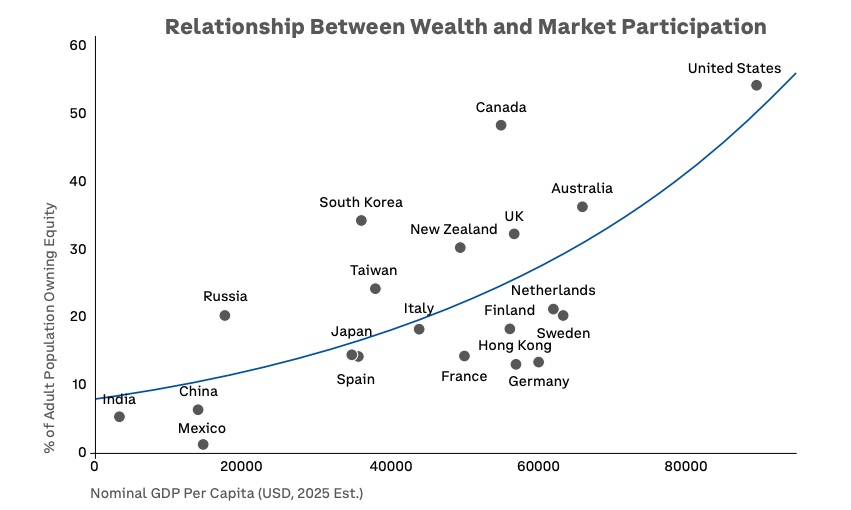
The paper highlights sharp geographic and economic divides in market participation. While more than half of adults in the US invest in equities or bonds, participation falls below 10% in countries such as China and India.

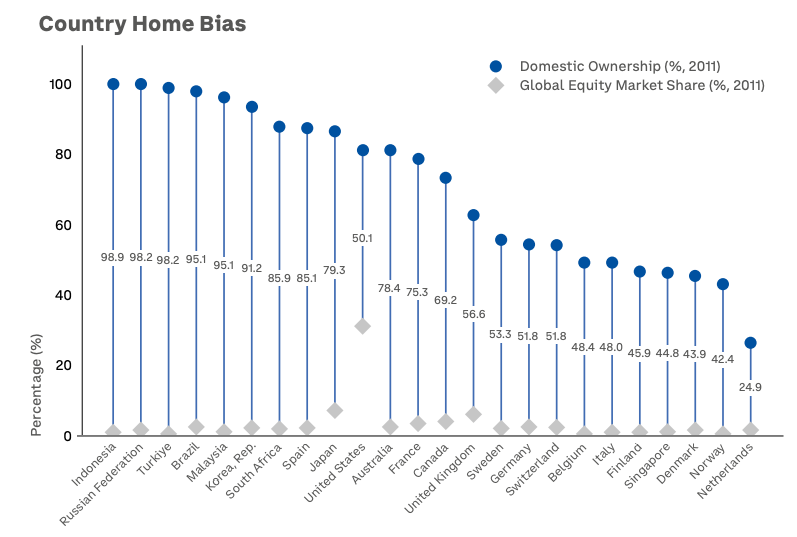
Armstrong argues that access is largely determined by where someone is born, not their talent, pointing to extreme home bias that keeps investors concentrated in local markets despite limited exposure to global growth.

The post Coinbase Forms Expert Board to Prepare Bitcoin for Quantum Computing Risks appeared first on Cryptonews.

Uniswap brings token launch auctions and price discovery to Base

  • CCA runs fully on-chain auctions that clear bids block by block for gradual price discovery.
  • After auctions end, liquidity is automatically added to a Uniswap v4 pool at the final cleared price.
  • The model aims to reduce sniping, front-running, and bundled transactions during token launches.

Uniswap has rolled out its Continuous Clearing Auctions (CCA) feature on Base, giving developers a new way to launch tokens fully on-chain with built-in price discovery and automatic liquidity setup.

The decentralised exchange confirmed the rollout on Jan. 22, with the CCA framework now available to builders using Uniswap v4 on the Base network.

The update expands Uniswap’s structured token launch tools to one of the busiest Ethereum layer-2 ecosystems, offering teams a single workflow for auctions, pricing, and liquidity.

With CCA now live for Base developers, projects can run token sales that settle gradually over time rather than relying on one-time listings or fixed-price launches that can trigger sharp price swings.

What CCA does on Base

CCA allows teams to run fully on-chain token auctions where tokens are sold gradually instead of all at once.

The mechanism clears bids block by block, which helps prices form naturally before open trading begins.

Once the auction ends, liquidity is added automatically to a Uniswap v4 pool at the final cleared price.

This reduces the need for teams to manually create a pool after launch and aims to avoid common listing issues linked to sudden volatility at the start of trading.

Developers can also adjust auction settings to fit their launch requirements while keeping the entire process on-chain and transparent.

How auctions reduce launch risks

The model is designed to create a fairer starting point for new tokens by spreading distribution over time.

Rather than concentrating activity into a single launch moment, CCA introduces a phased selling process that can lower the impact of sniping, front-running, and bundled transactions.

By clearing bids over multiple blocks, the auction format supports more gradual price discovery.

This can help reduce sharp dislocations that often happen when tokens go live with limited liquidity or when early trading activity is dominated by automated strategies.

For teams, this approach bundles the early steps of a token launch into one on-chain flow, covering auction mechanics, pricing formation, and liquidity provisioning without requiring separate manual actions.

Open access for all Base developers

Uniswap’s deployment on Base is open to all developers building on the network. The feature does not require approvals or special access, meaning any team can integrate CCA into its token launch process.

This open availability may appeal to projects looking for alternatives to private sales or unstable fair-launch formats.

It also supports teams that want a more standardised on-chain approach to distributing tokens while setting up liquidity in a predictable way once the auction completes.

With CCA, teams can rely on the auction’s final cleared price to determine the pool setup, rather than selecting an initial listing price independently.

Uniswap’s wider v4 expansion

The Base rollout follows Uniswap’s broader expansion of v4 tools across multiple chains in recent months.

CCA was rolled out in late 2025 and has already been used by projects such as Aztec Network for early price discovery and liquidity setup.

Uniswap has also been integrating with partners such as Revolut for fiat access and Ledger for safe swaps via its trading API.

Separately, the protocol has gone live on networks including Monad and X Layer.

By bringing CCA to Base, Uniswap is extending structured launch infrastructure into a major Ethereum layer-2 environment, while continuing to expand its product suite and chain support across decentralised finance.

The post Uniswap brings token launch auctions and price discovery to Base appeared first on CoinJournal.

What’s The Beef Between Cardano And XRP? Here’s Why The Communities Are Clashing

A disagreement over US crypto regulation has spilled into public view, drawing the Cardano and XRP communities into an unexpected clash. The reason is the Digital Asset Market Clarity Act, a proposed bill intended to define how digital assets are regulated in the United States. 

The disagreement started after Charles Hoskinson openly criticized Brad Garlinghouse over his stance on the legislation, which led to pushback from prominent XRP community members. This comes just after reports have suggested growing frustration among lawmakers toward Coinbase over disagreements tied to the Clarity Act.

Hoskinson’s Criticism And Garlinghouse’s Position In Full Context

The tension came to the surface during a livestream in January 2026, where Hoskinson criticized Garlinghouse’s apparent support for advancing the Clarity Act despite its shortcomings. In the video, Hoskinson expressed skepticism about the bill’s direction and origins, remarking sarcastically, “And what we got is Elizabeth Warren wrote the bill, that’s leadership we can believe in.”

He went on to challenge the idea that passing an imperfect bill is preferable to continued uncertainty, pointing directly to the position of Ripple CEO Brad Garlinghouse. Hoskinson questioned whether handing regulatory power to the same institutions that previously sued, subpoenaed, or shut down crypto businesses could truly be considered progress.

Hoskinson’s remarks did not go unanswered. Vet, a notable XRP community member and XRP Ledger dUNL validator, reposted the video on X and criticized Hoskinson’s approach. Vet questioned why Hoskinson chose to publicly attack Garlinghouse instead of contributing constructively to the legislative process, writing, “How about focusing on helping shape the Clarity Bill instead of crashing out on Brad for no reason, Charles?”

Why The Clarity Act Matters To Both Communities

The Clarity Act is one of a few bills introduced during the current crypto-positive Trump administration that aims to bring structure to a regulatory environment that has been uncertain for years. The Clarity Act, in particular, was introduced to bring clarity around whether digital assets should be treated as securities or commodities and which agencies should oversee them. 

The bill represents a necessary step toward legal certainty and institutional participation. Supporters of XRP tend to see engagement with lawmakers as a practical route forward after years of legal battles. However, others like Charles Hoskinson are of a different notion. 

The Clarity Act is not without its issues. Sources close to the White House say the administration is considering pulling its support for the Clarity Act if Coinbase does not return to negotiations over stablecoin yield provisions. However, Coinbase CEO Brian Armstrong noted that Coinbase is actively working to find common ground with banks on yield-related issues.

A similar Act, called the Guiding and Establishing National Innovation for US Stablecoins Act, or the “GENIUS Act,” was signed into law in 2025 by President Donald Trump as part of efforts to create better regulatory clarity towards stablecoins in the United States. 

Interestingly, Ripple CEO Brad Garlinghouse was part of the crypto industry leaders that expressed support for the Genius Act after it was signed into law.

XRP

Senate Ag Committee To Release Latest Crypto Market Structure Bill Draft Today

The Senate Banking Committee delayed the anticipated markup of its crypto market structure bill draft, prompting the Agriculture Committee to take action. The Agriculture Committee is set to release its own version of the bill’s draft today, just ahead of a crucial vote scheduled for next week.

Coinbase Faces Pressure To Negotiate Yield Deal

Eleanor Terret, a reporter with Crypto In America who has been closely monitoring congressional developments regarding cryptocurrency, reported that staffers from the Banking Committee hope a successful bipartisan agreement spearheaded by their counterparts in the Ag Committee could facilitate a smoother markup process.

The responsibility now largely falls on Coinbase—whose sudden withdrawal of support for the bill contributed to the halt in the markup process—to negotiate a deal with banking leaders on yield. At the same time, Binance and Ripple’s leadership have expressed support for the bill’s latest version during their appearance in Davos. 

Coinbase CEO Brian Armstrong expressed his apprehensions regarding the implications of the bill last week. He raised concerns that the legislation could prohibit tokenized equities, impose restrictions on decentralized finance (DeFi), and expand government access to financial data, potentially sacrificing individual privacy. 

The executive also cautioned that the bill could shift regulatory power from the Commodity Futures Trading Commission (CFTC) to the Securities and Exchange Commission (SEC), which may eliminate stablecoin rewards and hinder competition within the crypto sector.

President Trump Optimistic About Crypto Market Bill

Adding to the tension, Patrick Witt, Executive Director of the White House Crypto Council, took to social media late Tuesday to criticize Coinbase, warning that the delay in the market structure bill could invite stricter regulations under an administration less favorable to digital assets. 

Witt’s remarks seemed to corroborate reports from Crypto In America indicating that the White House is frustrated with Coinbase’s withdrawal, which has contributed to the legislative stall.

In a related note, President Donald Trump acknowledged the ongoing efforts surrounding the market structure legislation during his speech in Davos on Wednesday. 

He expressed hope that Congress would finalize the bill soon, stating, “Congress is working very hard on crypto market structure legislation, which I hope to sign very soon, unlocking new pathways for Americans to reach financial freedom.”

Crypto

Featured image from OpenArt, chart from TradingView.com 

‘Bitcoin Has No Issuer’: Coinbase CEO Clashes With French Central Banker at Davos

Bitcoin Magazine

‘Bitcoin Has No Issuer’: Coinbase CEO Clashes With French Central Banker at Davos

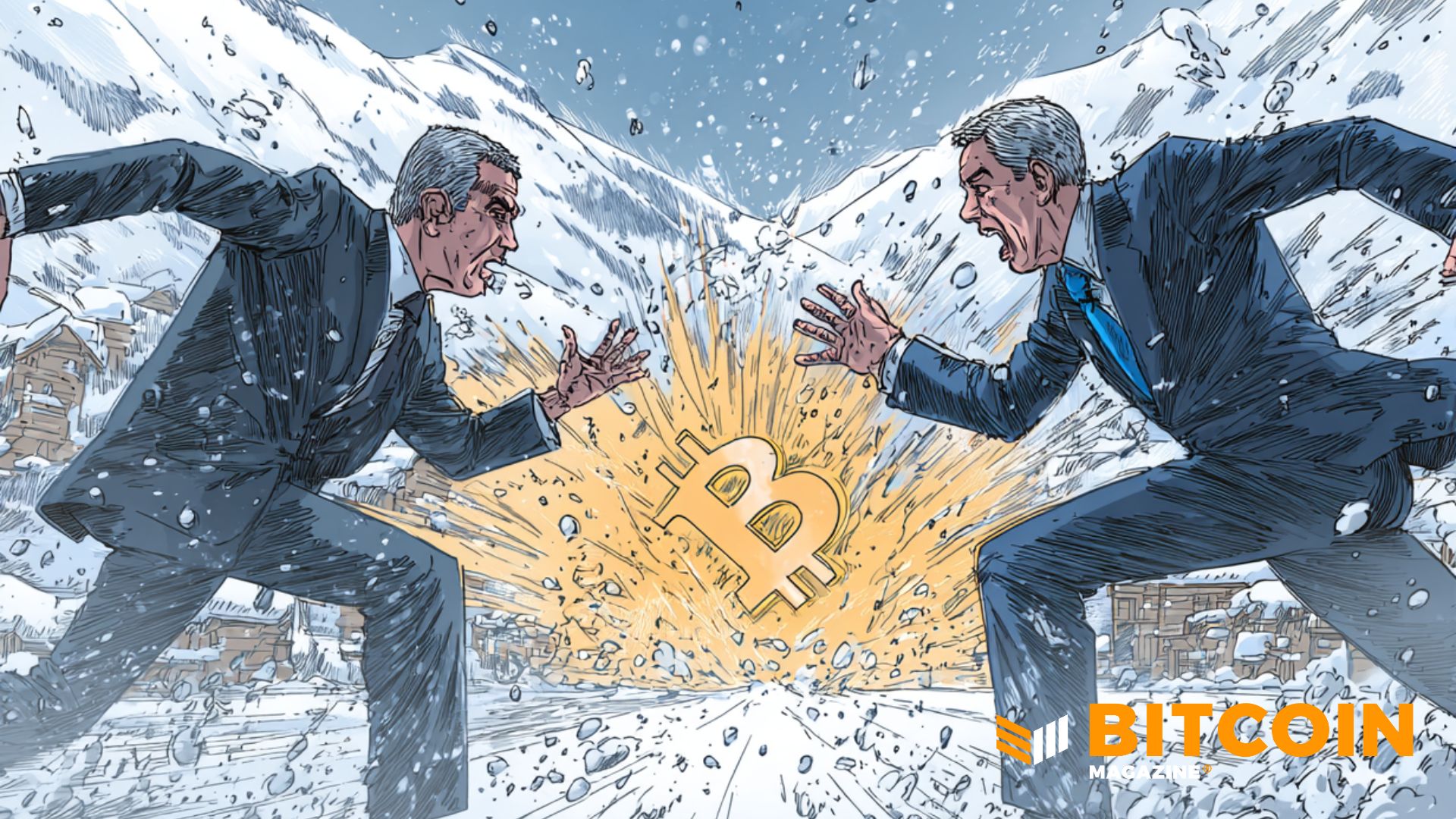
Coinbase CEO Brian Armstrong challenged skepticism earlier today toward Bitcoin from the head of France’s central bank during a World Economic Forum panel in Davos.

Armstrong took a public stand on stage arguing that the asset’s lack of centralized control makes it more independent than traditional monetary authorities.

The exchange unfolded after Banque de France Governor François Villeroy de Galhau questioned Bitcoin’s credibility, saying he places more trust in independent central banks with democratic mandates than in what he described as “private issuers” of Bitcoin. 

François Villeroy de Galhau said “I trust more independent central banks with a democratic mandate than private issuers of Bitcoin”.

Armstrong leaned in and hit back, saying, “bitcoin is a decentralized protocol. There’s actually no issuer of it. So in the sense that central banks have independence, Bitcoin is even more independent. There’s no country or company or individual who controls it in the world.”

“Bitcoin doesn’t have a money printer,” Armstrong said. “It’s more independent”

The discussion took place during a panel focused on tokenization at the WEF Annual Meeting, an event where conversations more commonly center on blockchain infrastructure and central bank digital currencies rather than BTC itself.

Framing Bitcoin as a monetary counterweight, Armstrong argued that competition between state-issued currencies and decentralized alternatives is healthy. 

He said BTC’s fixed supply and lack of a “money printer” provide a check on government overspending, likening its role during periods of uncertainty to gold’s historical function.

Villeroy de Galhau maintained that trust ultimately comes from central bank independence paired with accountability to citizens.

JUST IN: Coinbase CEO calls out Franch Central Bank governer:

“Bitcoin doesn't have a money printer. It's more independent” pic.twitter.com/2eW02mEaCy

— Bitcoin Magazine (@BitcoinMagazine) January 21, 2026

Coinbase CEO: Bitcoin to $1,000,000

At events centered around the conference, Armstrong also reiterated his long-held prediction that BTC could reach $1 million by 2030, arguing that its fixed 21 million supply and rising global demand matter more than short-term volatility, even as prices hovered near $89,000 and the broader crypto market lost $160 billion in a day. 

Speaking at Bloomberg House during the World Economic Forum in Davos, Armstrong urged investors to focus on long-term trends and said he remains optimistic about U.S. crypto legislation. 

Armstrong also said Coinbase can no longer support the current Senate Banking Committee crypto market structure bill, calling it worse than the status quo and harmful to innovation and competition.

For context, the U.S. Senate committee postponed debate last week on the landmark crypto “Clarity Act” after Armstrong said the company could not support the bill, dealing a major blow to its prospects. 

In essence, the legislation would establish a regulatory framework for cryptocurrencies by defining when tokens are securities or commodities and clarifying the SEC’s authority, marking the culmination of years of industry lobbying for clearer rules. 

This post ‘Bitcoin Has No Issuer’: Coinbase CEO Clashes With French Central Banker at Davos first appeared on Bitcoin Magazine and is written by Micah Zimmerman.

Crypto overhaul, Greenland, ACA subsidies, spending bills: Lawmakers’ January juggling acts

Interview transcript:

Terry Gerton There’s a lot to talk about, but it strikes me as strange that here we are two weeks before all of the continuing resolutions expire. The Senate is out this week. The House is planning to be out next week. Are they going to finish in time?

Loren Duggan There’s a path for them to do so and unlike other deadlines, when they’re approaching, everyone’s hair on fire — we haven’t felt that dynamic on this one. The House and Senate appropriators, they’re reaching deals, releasing packages, processing them through the House in the Senate, and there’s a way to get this all done by Jan. 30, or if they need a week or something, appropriators are already saying we could do another short-term. But there’s not a panic about this deadline that’s only two weeks away or so.

Terry Gerton Well, let’s recap, which bills are through and who would you say are the big winners in those bills?

Loren Duggan So we had the three bills go through last year. We’ve had another three-bill package get through both chambers this year. The House sent another two-bill package over to the Senate, who can deal with that when they come back. And then there’s this four-bill package, the remaining outstanding ones that they still need to tackle and get through both chambers. So there’s a lot of progress there. The last one’s big — Defense, Labor, HHS — and thorny in the case of the Homeland Security Department, given everything that’s going on there with ICE in Minnesota and concerns about lawmaker oversight there.

Terry Gerton Well, Homeland and Defense both got big chunks of money in the summer that they’re continuing to operate. So does it feel like maybe there’s a little less urgency around those bills?

Loren Duggan A little less urgency on the Defense side, where I think if you put that together with the reconciliation bill, it’s like $1 trillion. Of course, the president wants to take that to $1.5 trillion next year. We can deal with that another time. And Homeland, that extra pool of money has helped. They’ve used that to hire staff, to open centers. But there was a little controversy because DHS said if an ICE facility is funded with the reconciliation dollars, some of the oversight is different there than if it was regular appropriations. So we’ve seen a distinction made there. But definitely having that money earlier, locking that in for the administration, was really key to their plans for the year.

Terry Gerton What are the big controversies that are still on the table that are going to have to be hashed out before that last bill package gets through?

Loren Duggan DHS has been the sticking point. That was initially supposed to be in the last package; it ended up only being two bills instead of three as they worked through some of these discussions. And you could see a deal being made there and getting that through, maybe both chambers. But there could be a fight on that one in either chamber, depending on what you need. What we have seen are very bipartisan packages where the votes have been widespread, some opposition obviously, but they’ve gotten through very comfortably after all the fights that we went through ahead of this point in time.

Terry Gerton It does also seem, at least on the bills that have gotten through so far, that Congress has largely rejected the cuts that the administration proposed for 50% reductions are higher. Most of the reductions are very minor. So since agencies have already been downsized in many cases, what does this mean? How will relative increases, I guess, compared to where they’re operating today — how will that come into effect?

Loren Duggan In some cases, it’s less than they had last year, but still more than the administration wanted and more than House Republicans wanted in their initial versions. So we’re seeing a classic compromise being hashed out here between the House and the Senate, enough money for Democrats to support these bills, not the drastic cuts. And they’ve hastened to say “no poison pills” when they’ve released these different packages. But we’ll see how the agencies respond to more money. That’s been a fight over the course of the administration, where they’ve wanted to impound funds, rescind them, but if you put them back out there the agencies can use them. And even something like foreign aid is going to the State Department now, rather than USAID, after USAID was disestablished by the administration.

Terry Gerton I’m speaking with Loren Duggan. He’s deputy news director for Bloomberg Government. Loren, outside of the appropriations, what other sorts of legislative discussions are taking place on the Hill these days? ACA subsidies still on top?

Loren Duggan ACA subsidies has been a big driver of discussion. We are now at the end of open enrollment without an answer to what to do with these credits, if they’ll be extended. I assume the senators are still talking this week and when they come back. Donald Trump’s proposal last week didn’t necessarily change the dynamic too much. But one thing that might: We’re going to see insurance company executives brought to the Hill before two different House committees this week. They’ll have to answer some tough questions. Probably get a little beaten up by both sides in this case, because both parties have some concerns with them. So we’ll see how that plays out. The ACA, that’s now a deadline that’s passed; they’re still trying to figure out how to resolve that debate.

Terry Gerton There was also a lot of news last week about the crypto bill in the Senate. Tell us what’s going on there.

Loren Duggan There were markups that had been scheduled in two committees, and then they got pulled back as they continue to work through the issues and deal with the industry feedback. I think it was the Coinbase CEO who was up there weighing in pretty directly with lawmakers. So they pulled back, didn’t move forward, and they’re going to recalibrate the bill. This is the market structure bill, not to be confused with the stablecoin legislation, which is part of the crypto universe. This is a broader market structure bill, who has regulatory authority. I assume they’ll rejoin that debate when they return next week, if they’re not working up while they’re gone. But there’s big interest, big money, big stakes in this legislation.

Terry Gerton All of the things we’ve talked about so far are sort of normal order: appropriations bills, although late, getting through other sorts of legislative activities. Let’s talk about Greenland for a minute, because it seems like it has the potential to really upend all kinds of conversations and agreements that are going on. President Trump made tariff threats over the weekend. We have a congressional delegation on the ground in Denmark. What does this all mean when it comes back to domestic politics?

Loren Duggan We’ll have to see, there hasn’t been a ground swell against this. There are some members of Congress who concede it might be a good idea if Greenland was part of the United States, given its geostrategic importance. But then there’s other members of Congress who have said, maybe we’ll have to impeach Trump if he goes too far on this, so there’s not a consensus. There’s definitely a lot of range of opinions on this one. And it’s something that Donald Trump’s going to hear directly from other world leaders when he goes to Davos, Switzerland, this week and he’ll be side-by-side with some of the people who he’s threatened to tariff or have strong opinions on this, given their proximity to Denmark.

Terry Gerton We usually focus here on domestic politics, but this seems like it will flow over into lots of conversations. What are you expecting to hear out of Davos as that conversation gets started?

Loren Duggan Well, we had expected a domestic announcement with the president talking about his home ownership plan, maybe taking money from 401(k)s to make a down payment, part of his broader affordability discussion, home ownership discussion. So that’s a domestic thing, but we’re definitely going to hear the global things. Not just Greenland, but his “Board of Peace” that he’s talked about, where he wants world leaders to chip in money and be part of this arrangement. I’m sure those discussions will continue and there’ll be lots of feedback, given the compact nature of Davos and everyone who will be there. There’s a little bit of domestic, but it’s more of a foreign play given who’s there. It is the World Economic Forum after all, and the world will be there and talking to Donald Trump directly.

Terry Gerton When everybody gets back, what will you be watching for on the Hill?

Loren Duggan We’ll see if they can wrap up the spending debate and then they’ll be turning to February and eventually the fiscal ’27 process is right there. We’ll just get done with this one and really have to turn the page pretty quickly.

The post Crypto overhaul, Greenland, ACA subsidies, spending bills: Lawmakers’ January juggling acts first appeared on Federal News Network.

© The Associated Press

An Airbus A400M transport aircraft of the German Air Force taxis over the grounds at Wunstorf Air Base in the Hanover region, Germany, Thursday, Jan. 15, 2026 as troops from NATO countries, including France and Germany, are arriving in Greenland to boost security. (Moritz Frankenberg/dpa via AP)

Coinbase CEO Calls 4 Billion People “Unbrokered” and Wants to Fix It

Coinbase CEO Brian Armstrong unveiled a sweeping vision to democratize global capital markets through blockchain tokenization, targeting roughly 4 billion adults worldwide who lack access to equity and bond investments despite the accelerating divergence between capital and labor income growth.

The exchange published a comprehensive policy paper titled “From the Unbanked to the Unbrokered: Unlocking Wealth Creation for the World,” arguing that technological barriers and cost structures have systematically excluded two-thirds of the global adult population from wealth-building opportunities.

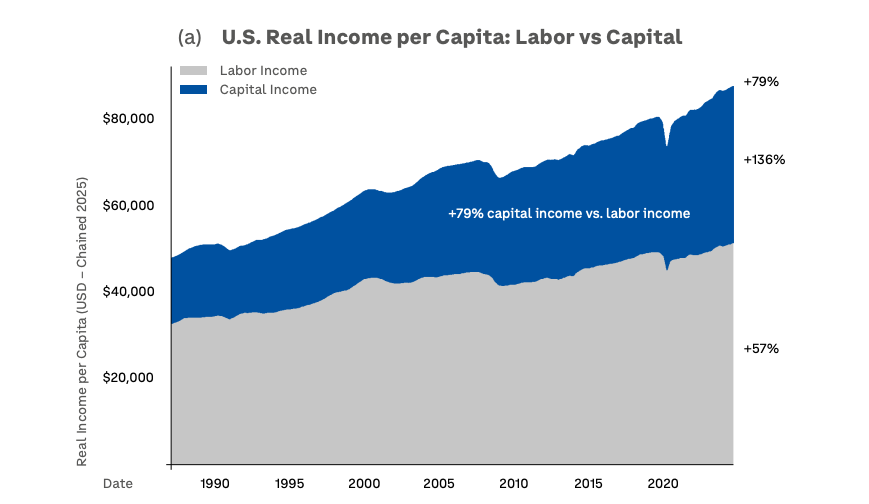
In the United States, labor income has grown by 57% since 1987, while capital income has surged by 136%, creating what Armstrong describes as a structural impediment to broad-based prosperity.

Source: Coinbase

Capital Chasm Widens Across Geographic Lines

The paper identifies participation in capital markets as fundamentally determined by wealth and geography rather than merit or savings discipline.

Roughly 4 billion adults do not participate in equity and bond markets, with engagement rates ranging from 55-60% in the United States to below 10% in China and India.

Source: Coinbase

I think about a talented worker in Lagos or Jakarta who has the drive and ability to build a better life for themselves and their family—but who faces near-total exclusion from the same capital markets available to a wealthy investor in New York,” Armstrong wrote, emphasizing that geography rather than ability determines who gets access.

Beyond national participation rates, the research highlights severe home bias among existing investors.

Data shows domestic equity holdings far exceeding countries’ share of global market capitalization, with investors in Indonesia, Russia, and Turkey allocating over 95% of portfolios to local markets despite representing fractions of global equity value.

Source: Coinbase

Tokenization as an Infrastructure Solution

The policy blueprint positions blockchain-based tokenization as the primary mechanism to collapse legacy cost structures that price out small savers.

Traditional financial infrastructure operates on fixed compliance costs, custody fees, settlement delays, and minimum account thresholds that render participation uneconomic for anyone below certain wealth levels.

According to the paper, recent studies estimate that tokenized equity trading could reduce investor transaction costs by more than 30%, with efficiency gains expanding over time as atomic settlement eliminates multi-day reconciliation cycles.

Permissioned systems inevitably replicate existing power dynamics, allowing infrastructure owners to limit competition,” Armstrong wrote, comparing blockchain protocols to TCP/IP internet infrastructure that enables open innovation without gatekeeping.

Policy Roadmap Targets Regulatory Coordination

Coinbase outlined five policy pillars necessary to realize tokenized capital markets at scale.

The recommendations particularly prioritize base-layer neutrality, treating blockchain protocols as impartial infrastructure where compliance is concentrated at the application layers rather than at the protocol level.

The five policy pillars include:

  • Uphold base-layer neutrality with compliance at application layers
  • Create clear pathways for tokenizing traditional assets
  • Foster integration with traditional finance institutions
  • Recognize self-custody rights with blockchain transparency oversight
  • Modernize safeguards through exchange controls rather than wallet bans

Modern blockchain analytics tools enable the detection and tracing of suspicious patterns with unprecedented precision, challenging historical assumptions that bearer instruments inherently facilitate illicit finance.

Everything Exchange Strategy Takes Shape

Armstrong defines success as a small saver anywhere on earth being able to convert spare earnings into fractional ownership of productive global assets as easily as sending a text message.

When a farmer in a country without a functional stock exchange can own shares in the same companies as a hedge fund manager in New York, both on the same neutral infrastructure at basis-point costs, then the capital chasm will have truly narrowed,” he wrote.

The policy release comes as Coinbase began rolling out traditional stock trading to select users, positioning the exchange to compete directly with Robinhood, Charles Schwab, and Fidelity.

🚀 Coinbase rolls out stock trading to select users as CEO Brian Armstrong pursues "everything exchange" vision combining crypto and traditional equities.#Coinbase #Stockhttps://t.co/hTsBWCELvu

— Cryptonews.com (@cryptonews) January 16, 2026

Earlier this month, Armstrong outlined three 2026 priorities, including building an “everything exchange” globally across crypto, equities, prediction markets, and commodities, scaling stablecoins and payments, and bringing users on-chain through the Base blockchain.

Goal is to make Coinbase the #1 financial app in the world,” he posted. The exchange currently offers stocks through conventional methods using Apex Fintech Solutions, with plans to expand access to all customers within weeks.

David Duong, Coinbase’s head of investment research, also said regulatory clarity improvements and deepening institutional participation create favorable conditions ahead.

We expect these forces to compound in 2026 as ETF approval timelines compress, stablecoins take a larger role in delivery-vs-payment structures, and tokenized collateral is recognized more broadly,” Duong wrote, as Armstrong projected up to 10% of global GDP could run on crypto rails by decade’s end.

The post Coinbase CEO Calls 4 Billion People “Unbrokered” and Wants to Fix It appeared first on Cryptonews.

Are Crypto Exchanges Manipulating The Bitcoin Price Crash?

Crypto pundit Wimar has claimed that crypto exchanges are manipulating the Bitcoin price, causing it to crash from its 2026 high. This comes amid recent developments with the Trump tariffs, which have caused the flagship crypto to also decline. 

Crypto Pundit Accuses Crypto Exchanges Of Manipulating Bitcoin Price

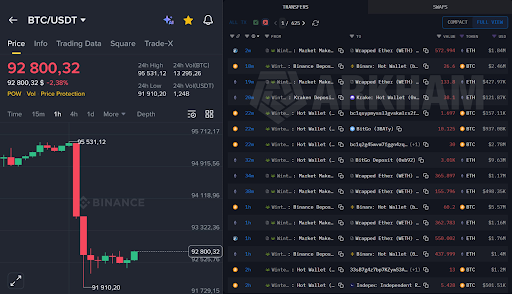
In an X post, Wimar asserted that crypto exchanges are manipulating the Bitcoin price. He noted how BTC just dumped from $95,500 to $91,900 with no news. The pundit claimed it is the same script, over and over again, as the flagship crypto rose from $89,000 to $95,000 and has now fallen to $91,000, just as it did when it rose from $85,000 to $88,000 and then fell to $84,000. 

Wimar claimed that this is a liquidity hunt, alluding to the flows to prove that the Bitcoin price is manipulated. He noted that within minutes, Wintermute, Binance, Coinbase, and ETF-linked wallets were all active simultaneously. Large blocks were said to have moved from exchange to exchange, with huge market buys hitting thin books, and then, just as fast, these tokens were dumped.  

The crypto pundit also highlighted Arkham data, noting that the flows tell the real story. Wimar claimed that coins move into exchanges right after the pump, which he stated is not a coincidence. The pundit further remarked that these crypto exchanges wait for a setup where liquidity is low, leverage is high, and funding is stretched. 

Bitcoin

Wimar asserted that these crypto exchanges run the same play every time, where they first pump the Bitcoin price fast on thin books to trigger FOMO and then liquidate shorts. Retail investors then see green candles and open long positions because the price action appears to be a breakout, but they fall into the trap, according to the pundit. 

Wimar stated that once enough people are stuck in leverage, the coins hit crypto exchanges and selling starts, leading to a Bitcoin price crash. The pundit accused these exchanges of dumping into the demand they just created, forcing fresh longs to get liquidated and farming both long and short traders with no news. 

BTC’s Current Price Action Isn’t Based On Headlines

Wimar doubled down on his accusation of crypto exchanges being responsible for the Bitcoin price crash, stating that BTC doesn’t move like this because of headlines. He claimed that it moves like because leverage piles up, and someone decides it is “payday.” As such, the pundit suggested that the Trump tariffs fears aren’t what is sparking this recent market crash.

Trump had announced fresh tariffs on France, the U.K., the Netherlands, Denmark, Germany, Sweden, Finland, and Norway over the weekend. The Bitcoin price had remained unchanged following the announcement, but began to crash following reports that the European Union (EU) was considering retaliatory tariffs. 

At the time of writing, the Bitcoin price is trading at around $90,900, down over 2% in the last 24 hours, according to data from CoinMarketCap.

Bitcoin

Featured image from Pixabay, chart from Tradingview.com

Coinbase, Circle Team Up To Build World’s First On-Chain National Economy In Bermuda

On Monday, Coinbase (COIN) announced a new partnership with Circle (CRLC), the issuer of the USDC stablecoin, to create what they claim to be “the world’s first fully on-chain national economy” in Bermuda. 

Coinbase, Circle To Build New Digital Asset Infrastructure 

Under this initiative, Coinbase and Circle are set to provide digital asset infrastructure and enterprise tools to various stakeholders, including the Bermuda government, local banks, insurers, and small and medium-sized enterprises.

Bermuda’s Premier, E. David Burt, commented on the initiative, stating, “This initiative is about creating opportunity, lowering costs, and ensuring Bermudians benefit from the future of finance.”

Government agencies are expected to begin piloting payments using stablecoins such as Circle’s USDC, while financial institutions are set to adopt tokenization tools. Residents will also have the opportunity to engage in nationwide digital literacy programs that foster understanding of the emerging financial landscape.

The announcement highlighted that transitioning to an on-chain economy is anticipated to include reduced transaction costs and improved access to global finance, facilitated by modern digital wallets and infrastructure with Coinbase and Circle’s support.

Bermuda’s Crypto Landscape

Bermuda has positioned itself as a leader in the digital asset space, having established its own regulatory framework for digital assets as early as 2018. This approach has attracted numerous companies looking for regulatory clarity amid tightening regulations in other regions. 

The country’s regulatory framework currently supports a diverse range of regulated digital asset activities. The Bermuda Monetary Authority (BMA) is responsible for licensing crypto exchanges, yield-bearing stablecoin structures, and decentralized finance protocols under a cohesive supervisory regime. 

This structure enables tokenized money market funds to operate within the jurisdiction, and even allows digital-native insurers to manage reserves, collect premiums, and process claims using cryptocurrency, all while adhering to traditional financial oversight.

Bermuda’s focus on digital finance has generated significant business interest. Notably, in late 2024, the BMA issued the world’s first license to a decentralized derivatives exchange governed by a Decentralized Autonomous Organization (DAO). 

The jurisdiction also accommodates regulated derivatives operations linked to major exchanges, including Coinbase and Kraken, showcasing ongoing institutional confidence in its clear regulatory framework. 

Furthermore, Bermuda has attracted utility-driven firms like Haycen, which utilizes specialized stablecoins to offer faster trade financing, effectively bridging gaps often encountered by conventional banks.

In addressing the risks associated with digital finance, Premier Burt acknowledged that no financial system can be fully insulated from risk. “In life, you can’t insure anything,” he stated in an interview

He emphasized the importance of policymakers balancing caution with humility, allowing room for innovation while maintaining a robust regulatory environment in this still-evolving sector.

Coinbase

Featured image from DALL-E, chart from TradingView.com 

Coinbase CEO Targets Progress On Crypto Bill During Davos Talks

Coinbase chief executive Brian Armstrong says he is taking Washington’s crypto market structure talks to Davos this week, aiming to narrow the gap with banks as lawmakers struggle to keep a sweeping bill on track.

In a video posted on X, Armstrong said Coinbase will stay engaged during the World Economic Forum, and he plans more conversations with bank leaders to push toward a draft the industry can live with.

“We’re going to continue to work on the market structure legislation, and meet with some of the bank CEOs to figure out how we can make this a win-win,” he said.

He argued stablecoins should create opportunities for both crypto platforms and traditional lenders, and said he will feed those discussions back to lawmakers and the administration in an effort to move the legislation forward.

Just arrived in Davos for @WEF. Three main goals this week:

1) Talk to world leaders about economic freedom and how crypto can update their financial systems

2) Continue the push for market structure legislation

3) Keep pushing for tokenization to democratize access to capital… pic.twitter.com/knjuMZKRtb

— Brian Armstrong (@brian_armstrong) January 19, 2026

Market Structure Fight Centers On Token Classification

The bill at the centre of the dispute seeks to clarify when digital tokens fall under securities rules or commodities oversight, and it would put spot crypto markets under the Commodity Futures Trading Commission, a long-running goal for many major US exchanges.

Coinbase last week pulled its support after reviewing the updated text, with Armstrong posting, “After reviewing the Senate Banking draft text over the last 48hrs, Coinbase unfortunately can’t support the bill as written.”

He said the draft carries too many problems, including what he described as a de facto ban on tokenized equities, restrictions affecting decentralized finance and privacy, and changes that would weaken the CFTC in ways that could leave innovation at the mercy of the Securities and Exchange Commission.

Markup Delayed As Lawmakers Seek Middle Ground

Coinbase’s break landed just as the Senate Banking Committee prepared to mark up the bill, and the panel has since postponed its session as bipartisan negotiations continue, with Chairman Tim Scott saying stakeholders remain engaged.

A key flashpoint has been stablecoin rewards, with banking groups pressing lawmakers to ensure crypto firms cannot replicate deposit-like interest through incentive programmes, and crypto advocates warning that an overly broad ban would choke off product design.

The draft would restrict paying interest solely for holding a stablecoin, while still allowing rewards tied to certain activities such as payments or loyalty programmes, with disclosure rules to be set by the SEC and CFTC.

Armstrong says he will also use Davos to pitch a broader message to policymakers and executives, that crypto infrastructure and tokenization can modernise market plumbing and expand access to capital markets.

The post Coinbase CEO Targets Progress On Crypto Bill During Davos Talks appeared first on Cryptonews.

Bermuda Bets on ‘Fully On-chain’ Economy in Coinbase, Circle Stablecoin Push

Bermuda is moving to place blockchain infrastructure at the center of its national economy, unveiling plans to build what officials describe as a “fully on-chain” financial system through partnerships with cryptocurrency exchange Coinbase and stablecoin issuer Circle.

It was unveiled on Monday at the World Economic Forum Annual Meeting in Davos, when executives of both companies announced a model, with Bermuda Premier David Burt attending to detail a model that would integrate digital assets into daily payments, financial services, and governmental functions.

We’re bringing an entire country onchain.

Bermuda is building the world’s first fully onchain national economy, with support from Coinbase and @Circle. pic.twitter.com/fFL1foSFHu

— Coinbase 🛡 (@coinbase) January 19, 2026

In the case of Bermuda, which is a small island economy comprising about 65,000 residents, the push is a long-standing struggle with conventional financial rails.

Like most of the Caribbean jurisdictions, merchants and institutions are frequently charged high fees, have little access to onshore banking partners, and have slow settlement times as a result of de-risking by global banks.

The government reports that such frictions have been a burden on the competitiveness and margins, especially for small and medium-sized businesses.

The proposed on-chain framework is intended to bypass some of those constraints by relying on dollar-denominated stablecoins and blockchain-based settlement instead of correspondent banking networks.

Bermuda Pushes USDC Into Daily Commerce With Coinbase-Backed Pilot

Under the partnership, Bermuda will work with Circle’s USDC stablecoin and Coinbase’s Base infrastructure to pilot stablecoin-based payments across government agencies, financial institutions, and local businesses.

The first phase will focus on payments, tokenization tools for financial institutions, and nationwide digital literacy programs designed to help residents understand and safely use digital finance products.

Burt said the goal is to create opportunity and ensure Bermudians benefit directly from changes in the global financial system.

We’re taking Bermuda’s economy onchain@BermudaPremier @jerallaire https://t.co/lDqFUIb9qe pic.twitter.com/QGLzaI5VNw

— Brian Armstrong (@brian_armstrong) January 19, 2026

The announcement builds on groundwork laid years earlier when Bermuda introduced the Digital Asset Business Act in 2018, overseen by the Bermuda Monetary Authority.

Since then, more than 40 digital asset firms have been licensed or admitted into regulatory sandboxes overseen by the Bermuda Monetary Authority.

Coinbase and Circle were among the earliest global firms approved under the regime, and Coinbase currently operates a derivatives platform from Bermuda for non-U.S. users.

Momentum picked up further in 2025 at the Bermuda Digital Finance Forum, where the government, Coinbase, and Circle tested real-world adoption through an on-chain USDC airdrop.

Attendees received 100 USDC, which could be spent with newly onboarded local merchants.

The government noted that the experiment led to more Bermudian businesses accepting digital payments and deeper engagement from local financial institutions.

Officials say those efforts will expand at the Bermuda Digital Finance Forum 2026, scheduled for May, with broader business participation and a larger consumer stimulus component.

Bermuda Frames USDC as a Commerce Upgrade

USDC is a fundamental component of the strategy, as it is fully pegged to dollar-based reserves, and merchants can take payments through fast and low-cost methods without the risk of changes in the prices of cryptocurrencies such as Bitcoin.

Some Bermudian companies are already paying in USDC, and the government believes it is a means to have the modernized deal and remain tied to the U.S. dollar.

The project will be voluntary, and no resident or business is obliged to use on-chain tools, and the collaboration with Coinbase and Circle is not exclusive.

Instead, the strategy is framed as an incremental transition, with education programs and incentives designed to encourage uptake over time.

Officials see on-chain infrastructure as a way to strengthen that position while opening access to global capital markets for local firms.

In the country, there is no income or capital gains tax on digital assets, and the government has taken a compliance-first approach that emphasizes licensing, audits, and reserve requirements for stablecoin issuers.

The post Bermuda Bets on ‘Fully On-chain’ Economy in Coinbase, Circle Stablecoin Push appeared first on Cryptonews.

❌