Reading view

There are new articles available, click to refresh the page.

Did Edison accidentally make graphene in 1879?

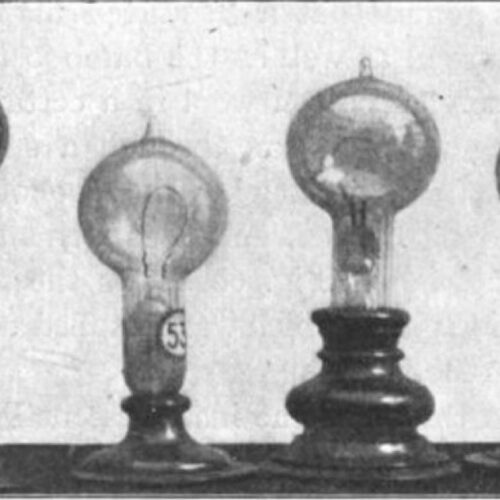
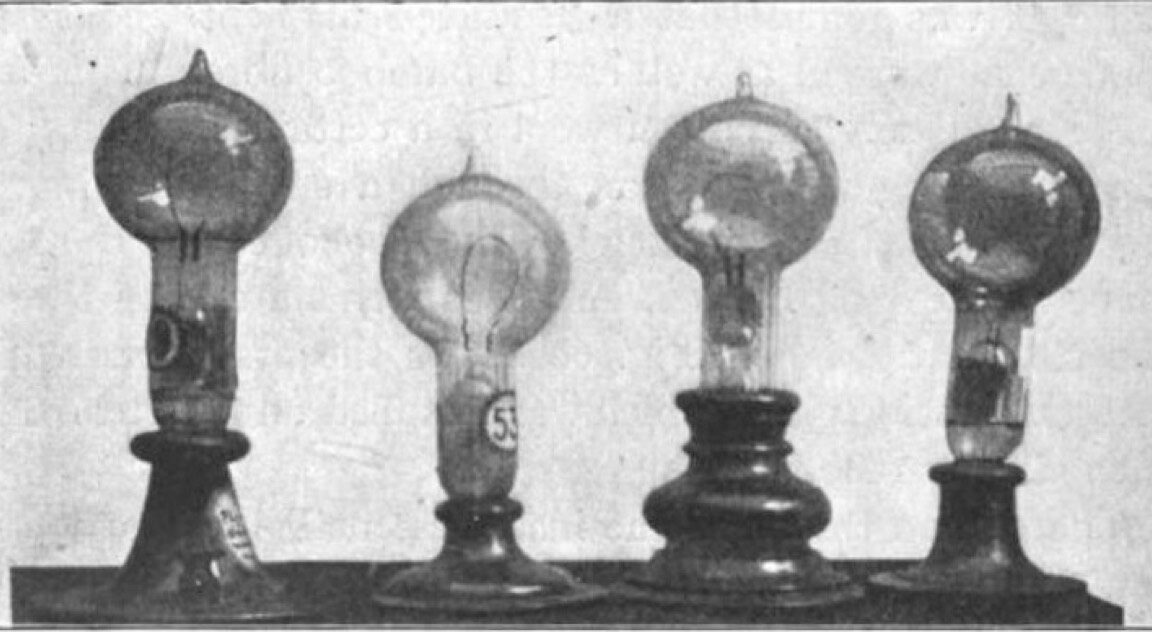
Graphene is the thinnest material yet known, composed of a single layer of carbon atoms arranged in a hexagonal lattice. That structure gives it many unusual properties that hold great promise for real-world applications: batteries, super capacitors, antennas, water filters, transistors, solar cells, and touchscreens, just to name a few. The physicists who first synthesized graphene in the lab won the 2010 Nobel Prize in Physics. But 19th century inventor Thomas Edison may have unknowingly created graphene as a byproduct of his original experiments on incandescent bulbs over a century earlier, according to a new paper published in the journal ACS Nano.

“To reproduce what Thomas Edison did, with the tools and knowledge we have now, is very exciting,” said co-author James Tour, a chemist at Rice University. “Finding that he could have produced graphene inspires curiosity about what other information lies buried in historical experiments. What questions would our scientific forefathers ask if they could join us in the lab today? What questions can we answer when we revisit their work through a modern lens?”

Edison didn't invent the concept of incandescent lamps; there were several versions predating his efforts. However, they generally had a a very short life span and required high electric current, so they weren't well suited to Edison's vision of large-scale commercialization. He experimented with different filament materials starting with carbonized cardboard and compressed lampblack. This, too, quickly burnt out, as did filaments made with various grasses and canes, like hemp and palmetto. Eventually Edison discovered that carbonized bamboo made for the best filament, with life spans over 1200 hours using a 110 volt power source.
Read full article

Comments

© Public domain

Check out the first trailer for Masters of the Universe

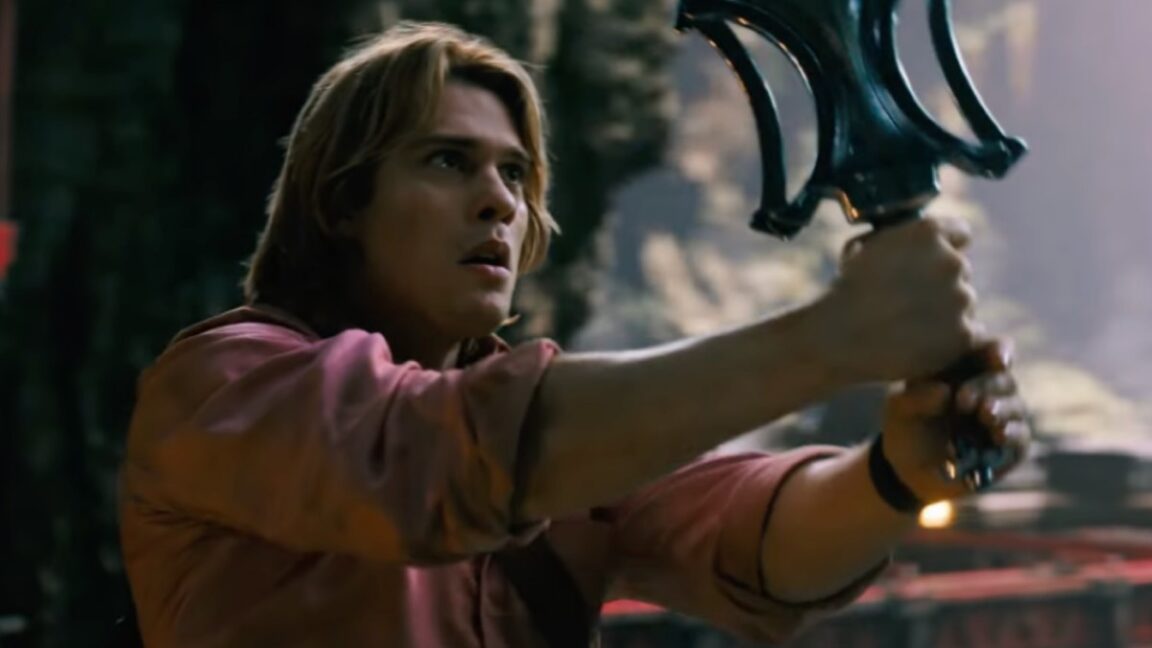
Ars readers of a certain age no doubt remember the 1980s He-Man and the Masters of the Universe series (and its spinoff, She-Ra: Princess of Powers) and the many, many offshoots of this hugely popular Mattel franchise, including an extensive line of action figures. Amazon MGM Studios no doubt hopes to cash in on any lingering nostalgia with its forthcoming film, Masters of the Universe. Judging by the extended teaser trailer, we're getting an origin story for He-Man.

It's not the first time someone has turned He-Man into a feature film: Dolph Lundgren starred in 1987's Masters of the Universe, a critical and box office bomb that also featured Frank Langella as arch-villain Skeletor. Its poor reception might have stemmed from the 1987 film deviating significantly from the original cartoon, angering fans. But frankly, it was just a bad, cheesy movie, though it still has its share of cult fans today.

This latest big-screen live-action adaptation has been languishing in development hell for nearly two decades. There were rumors in 2007 that John Woo would direct a He-Man feature for Warner Bros., but the project never got the green light. Sony Pictures gained the rights in 2009, and there were multiple script rewrites and much shuffling of possible directors (with John Chu, McG, and David S. Goyer among the candidates).

Read full article

Comments

© YouTube/Amazon MGM Studios

Watch a robot swarm "bloom" like a garden

Researchers at Princeton University have built a swarm of interconnected mini-robots that "bloom" like flowers in response to changing light levels in an office. According to their new paper published in the journal Science Robotics, such robotic swarms could one day be used as dynamic facades in architectural designs, enabling buildings to adapt to changing climate conditions as well as interact with humans in creative ways.

The authors drew inspiration from so-called "living architectures," such as beehives. Fire ants provide a textbook example of this kind of collective behavior. A few ants spaced well apart behave like individual ants. But pack enough of them closely together, and they behave more like a single unit, exhibiting both solid and liquid properties. You can pour them from a teapot like ants, as Goldman’s lab demonstrated several years ago, or they can link together to build towers or floating rafts—a handy survival skill when, say, a hurricane floods Houston. They also excel at regulating their own traffic flow. You almost never see an ant traffic jam.

Naturally scientists are keen to mimic such systems. For instance, in 2018, Georgia Tech researchers built ant-like robots and programmed them to dig through 3D-printed magnetic plastic balls designed to simulate moist soil. Robot swarms capable of efficiently digging underground without jamming would be super beneficial for mining or disaster recovery efforts, where using human beings might not be feasible.

Read full article

Comments

© Merihan Alhafnawi

Meet Veronika, the tool-using cow

Far Side fans might recall a classic 1982 cartoon called "Cow Tools," featuring a cow standing next to a jumble of strange objects—the joke being that cows don't use tools. That's why a pet Swiss brown cow in Austria named Veronika has caused a bit of a sensation: she likes to pick up random sticks and use them to scratch herself. According to a new paper published in the journal Current Biology, this is a form of multipurpose tool use and suggests that the cognitive capabilities of cows have been underestimated by scientists.

As previously reported, tool use was once thought to be one of the defining features of humans, but examples of it were eventually observed in primates and other mammals. Dolphins can toss objects as a form of play, which some scientists consider to be a type of tool use, particularly when it involves another member of the same species. Potential purposes include a means of communication, social bonding, or aggressiveness. (Octopuses have also been observed engaging in similar throwing behavior.)

But the biggest surprise came when birds were observed using tools in the wild. After all, birds are the only surviving dinosaurs, and mammals and dinosaurs hadn’t shared a common ancestor for hundreds of millions of years. In the wild, observed tool use has been limited to the corvids (crows and jays), which show a variety of other complex behaviors—they’ll remember your face and recognize the passing of their dead.

Read full article

Comments

© Antonio J. Osuna Mascaró/CC BY-SA

A British redcoat’s lost memoir resurfaces

History buffs are no doubt familiar with the story of Shadrack Byfield, a rank-and-file British redcoat who fought during the War of 1812 and lost his left arm to a musket ball for his trouble. Byfield has been featured in numerous popular histories—including a children's book and a 2011 PBS documentary—as a shining example of a disabled soldier's stoic perseverance. But a newly rediscovered memoir that Byfield published in his later years is complicating that idealized picture of his post-military life, according to a new paper published in the Journal of British Studies.

Historian Eamonn O'Keeffe of Memorial University of Newfoundland in St. John's, Canada, has been a Byfield fan ever since he read the 1985 children's novel, Redcoat, by Gregory Sass. His interest grew when he was working at Fort York, a War of 1812-era fort and museum, in Toronto. "There are dozens of memoirs written by British rank-and-file veterans of the Napoleonic Wars, but only a handful from the War of 1812, which was much smaller in scale," O'Keeffe told Ars. "Byfield's autobiography seemed to offer an authentic, ground-level view of the fighting in North America, helping us look beyond the generals and politicians and grapple with the implications of this conflict for ordinary people.

Born in 1789 in Wiltshire's Bradford-on-Avon suburbs, Byfield's parents intended him to follow in his weaver father's footsteps. He enlisted in the county militia when he turned 18 instead, joining the regular army the following year. When the War of 1812 broke out, Byfield was stationed at Fort George along the Niagara River, participating in the successful siege of Fort Detroit. At the Battle of Frenchtown in January 1813, he was shot in the neck, but he recovered sufficiently to join the campaigns against Fort Meigs and Fort Stephenson in Ohio.

Read full article

Comments

© Tom Fournier

A new Titan emerges in Monarch: Legacy of Monsters S2 teaser

It's looking to be a solid year for kaiju fans. Not only are we getting Godzilla Minus Zero in November—sequel to the critically acclaimed Godzilla Minus One (2023)—but Apple TV just released a teaser for the second season of Monarch: Legacy of Monsters, part of Legendary Entertainment’s MonsterVerse, which brought Godzilla, King Kong, and various other monsters (kaiju) created by Toho Co., Ltd into the same fold.

(Spoilers for S1 below.)

The first season picked up where 2014's Godzilla left off, specifically the introduction of Project Monarch, a secret organization established in the 1950s to study Godzilla and other kaiju—after attempts to kill Godzilla with nuclear weapons failed. The plot spans three generations and takes place in the 1950s and half a century later. In the first season, two siblings (Kate and Kentaro Randa) follow in their father’s footsteps to uncover their family’s connection to the secretive organization known as Monarch. Naturally, they find themselves in the world of monsters and discover Army officer Lee Shaw (Kurt Russell), a longtime family ally.

Read full article

Comments

© YouTube/Apple TV

Switching water sources improved hygiene of Pompeii’s public baths

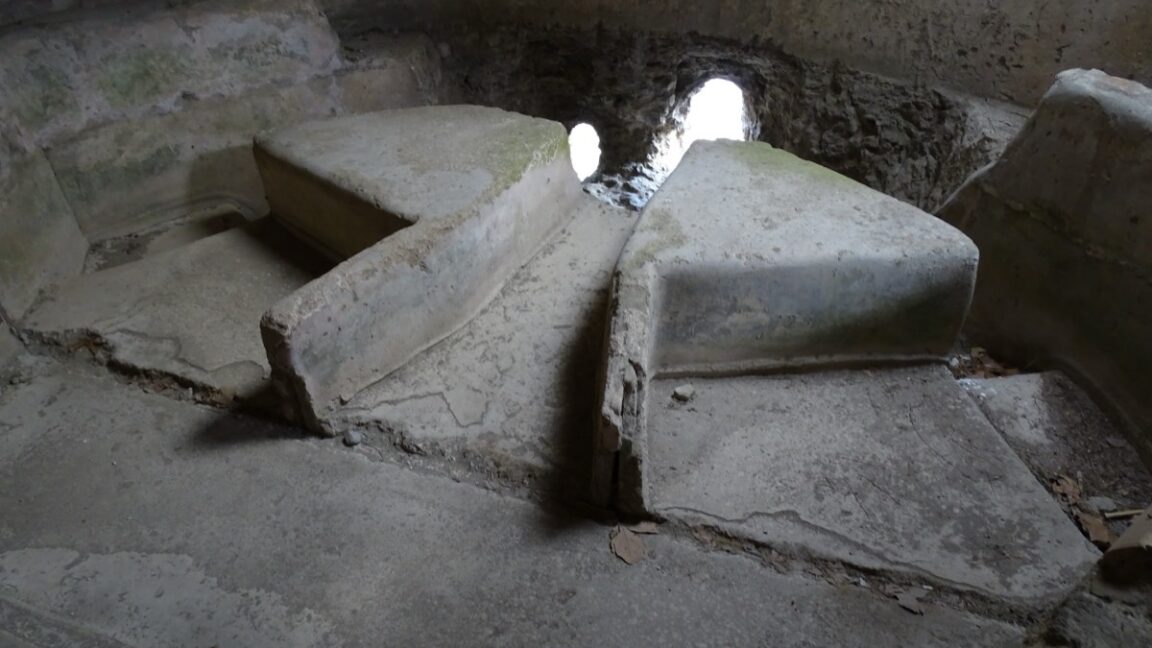
The eruption of Mount Vesuvius in 79 CE released thermal energy roughly equivalent to 100,000 times the atomic bombs dropped on Hiroshima and Nagasaki at the end of World War II, spewing molten rock, pumice, and hot ash over Pompeii. Pompeii's public baths, aqueduct, and water towers were among the preserved structures frozen in time. A new paper published in the Proceedings of the National Academy of Sciences analyzed calcium carbonate deposits from those structures to learn more about the city's water supply and how it changed over time.

Pompeii was founded in the sixth century BCE. Prior research revealed that, early on, the city relied on rainwater stored in cisterns and wells for its water supply. The public baths used weight-lifting machinery to lift water up well shafts that were as deep as 40 meters. As the city developed, so did the complexity of its water supply system, most notably with the construction of an aqueduct between 27 BCE and 14 CE.

The authors of this latest paper were interested in the calcium carbonate deposits left by water in well shafts as well as the baths and aqueduct. The different layers have "different chemical and isotope composition, calcite crystal size, and shape," which in turn could reveal information about seasonal changes in temperature, as well as changes over time in the chemical composition of the water. Analyzing those properties would enable them to "reconstruct the history of such systems—particularly public baths—revealing aspects of their maintenance and the adaptations made during their period of use," the authors wrote.

Read full article

Comments

© Cees Passchier

That time Will Smith helped discover new species of anaconda

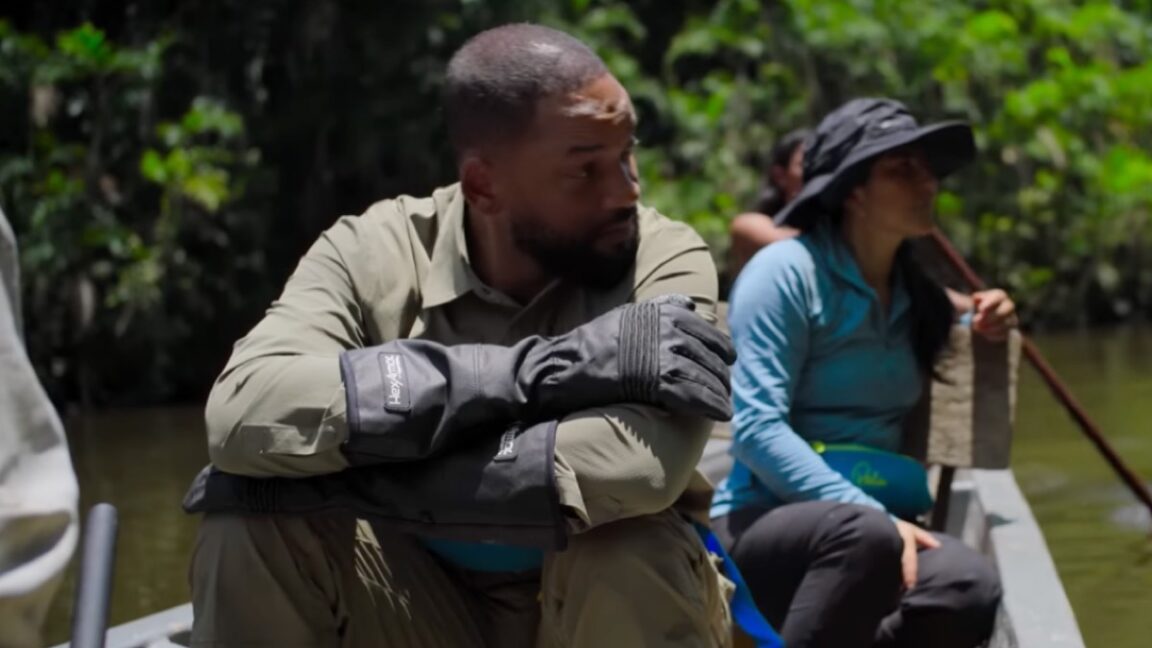
In 2024, scientists announced the discovery of a new species of giant anaconda in South America. A National Geographic camera crew was on hand for the 2022 expedition that documented the new species—and so was actor Will Smith, since they were filming for NatGeo's new documentary series, Pole to Pole with Will Smith. Now we can all share in Smith's Amazon experience, courtesy of the three-minute clip above.

Along with venom expert Bryan Fry, we follow Smith's journey by boat with a team of indigenous Waorani guides, scouring the river banks for anacondas. And they find one: a female green anaconda about 16 to 17 feet long, "pure muscle." The Waorani secure the giant snake—anacondas aren't venomous but they do bite—so that Fry (with Smith's understandably reluctant help) can collect a scale sample for further analysis. Fry says that this will enable him to determine the accumulation of pollutants in the water.

That and other collected samples also enabled scientists to conduct the genetic analysis that resulted in the declaration of a new species: the northern green anaconda (Eunectes akayama, which roughly translates to "the great snake"). It is genetically distinct from the southern green anaconda (Eunectes murinus); the two species likely diverged some 10 million years ago. The northern green anaconda's turf includes Venezuela, Colombia, Suriname, French Guyana, and the northern part of Brazil.

Read full article

Comments

© YouTube/National Geographic

These 60,000-year-old poison arrows are oldest yet found

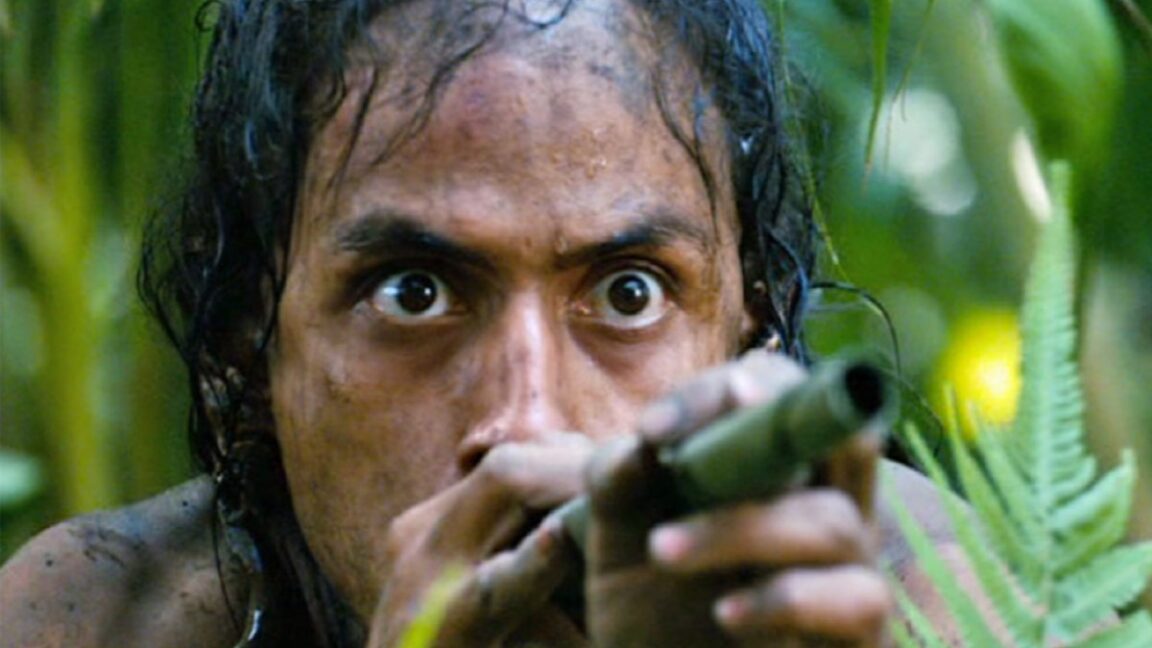
Poisoned arrows or darts have long been used by cultures all over the world for hunting or warfare. For example, there are recipes for poisoning projective weapons, and deploying them in battle, in Greek and Roman historical documents, as well as references in Greek mythology and Homer's Iliad and Odyssey. Chinese warriors over the ages did the same, as did the Gauls and Scythians, and some Native American populations.

Archaeologists have now found traces of a plant-based poison on several 60,000-year-old quartz Stone Age arrowheads found in South Africa, according to a new paper published in the journal Science Advances. That would make this the oldest direct evidence of using poisons on projectiles—a cognitively complex hunting strategy—and pushes the timeline for using poison arrows back into the Pleistocene.

The poisons commonly used could be derived from plants or animals (frogs, beetles, venomous lizards). Plant-based examples include curare, a muscle relaxant that paralyzes the victim's respiratory system, causing death by asphyxiation. Oleander, milkweeds, or inee (onaye) contain cardiac glucosides. In Southeast Asia, the sap or juice of seeds from the ancar tree is smeared on arrowheads, which causes paralysis, convulsions, and cardiac arrest due to the presence of toxins like strychnine. Several species of aconite are known for their use as arrow poisons in Siberia and northern Japan.

Read full article

Comments

© Touchstone Pictures

These dogs eavesdrop on their owners to learn new words

When it comes to cognitive ability, not all dogs are created equal. Most dogs can learn simple action cues like “sit” or “down." But so-called “gifted word learner” (GWL) dogs exhibit a remarkable ability to learn the names of objects—for example, learning the names of specific toys so well that they can retrieve them from a large pile of toys on command. And according to a new study published in the journal Science, they can even learn labels for new toys just by overhearing their owners talking about those toys. Per the authors, this suggests that GWL dogs have sociocognitive skills that are functionally comparable to those of 18-month-old human toddlers.

Co-author Claudia Fugazza of Eötvös Loránd University in Budapest, Hungary, has been studying canine behavior and cognition for several years as part of the Genius Dog Challenge. For instance, the group’s 2022 study discovered that dogs store key sensory features about their toys—notably what they look like and how they smell—and recall those features when searching for the named toy. Prior studies had suggested that dogs typically rely on vision, or a combination of sight and smell, to locate target objects. GWL dogs can also identify objects based on verbal labels.

In that 2022 study, all the dogs—regardless of whether they were GWL dogs or typical dogs—successfully picked out the target toys in both light and dark conditions, though it took them longer to locate the toys in the dark. Most relied on visual cues, even though dogs possess an excellent sense of smell. However, the dogs sniffed more frequently and longer when searching for the toy in the dark.

Read full article

Comments

© Helen Morgan

Review: Stranger Things’ frustrating finale didn’t quite stick the landing

Stranger Things has finally come to an end and left us with some big complicated feels about how it all went down. Both of us (Jennifer and Beth) are bona fide fans who have seen prior seasons multiple times, and we had remarkably similar reactions to the fifth season, especially the series finale. So we decided to co-write a review, discussing everything we liked about it as well as kvetching about the things we definitely didn't like—a shared "airing of grievances."

(WARNING: Many, many spoilers below in the interest of a thorough analysis.)

Season 4 ended with Vecna (Jamie Campbell Bower) opening the fourth gate that allowed the Upside Down to leak into Hawkins. We got an 18-month time jump for S5, Vol. 1, but in a way, we came full circle, since those events coincided with the third anniversary of Will’s (Noah Schnapp) original disappearance in S1.

Read full article

Comments

© Netflix

Magneto, Xavier reunite in new Avengers: Doomsday teaser

Marvel Studios continues to dribble out brief teasers promoting Avengers: Doomsday, which is slated for a December 2026 release—first playing in cinemas prior to Avatar: Fire and Ash screenings before becoming publicly available.

We reported previously on the first, which featured Steve Rogers (Chris Evans), the former Captain America. Over the holidays, a second teaser highlighting Chris Hemsworth's Thor was released. Both are familiar faces in the MCU, but we now have a third teaser that brings in some new players. No, not Robert Downey Jr.'s Doctor Doom as rumored. Instead, we've got Magneto (Ian McKellen), Charles Xavier (Patrick Stewart), and Cyclops (James Marsden) from the X-Men franchise.

The film takes place 14 months after the events of this year’s Thunderbolts*. In addition to Thor, we have the new Captain America (Anthony Mackie), Bucky Barnes (Sebastian Stan), Ant-Man (Paul Rudd), Falcon (Danny Ramirez), and Loki (Tom Hiddleston). Then there’s the Wakandan contingent: Shuri as the new Black Panther (Letitia Wright), M’Baku (Winston Duke), and Namor (Tenoch Huerta Mejia).

Read full article

Comments

© YouTube/Marvel Studios

Earliest African cremation was 9,500 years ago

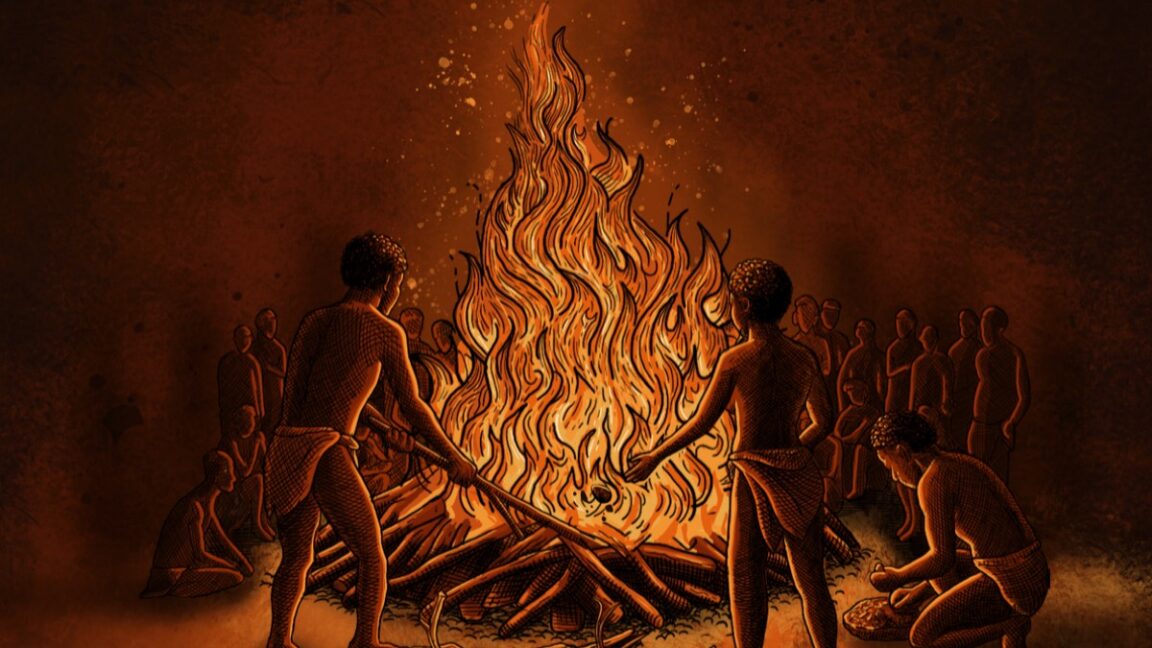
Archaeologists have discovered Africa's oldest known cremation pyre at the base of Mount Hora in Malawi. According to a paper published in the journal Science Advances, radiocarbon testing dates the site to about 9,500 years ago, prompting a rethinking of group labor and ritual in such ancient hunter-gatherer communities.

Many cultures have practiced some form of cremation. There is a Viking cremation site known as Kalvestene on the small island of Hjarnø in Denmark, for instance. And back in 2023, we reported on an unusual Roman burial site where cremated remains had not been transported to a separate final resting place but remained in place, covered in brick tiles and a layer of lime and surrounded by several dozen bent and twisted nails—possibly an attempt to prevent the deceased from rising from the grave to haunt the living.)

But the practice was extremely rare among hunter-gatherer societies, since building a pyre is labor-intensive and requires a great deal of communal resources. There is very little evidence of cremation predating the mid-Holocene (between 5,000 and 7,000 years ago). According to the authors of this latest paper, the earliest known concentration of burnt human remains was found at Lake Mungo in Australia and dates back 40,000 years, but there is no evidence of a pyre, making it challenging to determine specific details.

Read full article

Comments

© Patrick Fahy

Marvel rings in new year with Wonder Man trailer

Marvel Studios decided to ring in the new year with a fresh trailer for Wonder Man, its eight-episode miniseries premiering later this month on Disney+. Part of the MCU’s Phase Six, the miniseries was created by Destin Daniel Cretton (Shang-Chi and the Legend of Five Rings) and Andrew Guest (Hawkeye), with Guest serving as showrunner.

As previously reported, Yahya Abdul-Mateen II stars as Simon Williams, aka Wonder Man, an actor and stunt person with actual superpowers who decides to audition for the lead role in a superhero TV series—a reboot of an earlier Wonder Man incarnation. Demetrius Grosse plays Simon’s brother, Eric, aka Grim Reaper; Ed Harris plays Simon’s agent, Neal Saroyan; and Arian Moayed plays P. Clearly, an agent with the Department of Damage Control. Lauren Glazier, Josh Gad, Byron Bowers, Bechir Sylvain, and Manny McCord will also appear in as-yet-undisclosed roles

Rounding out the cast is Ben Kingsley, reprising his MCU role as failed actor Trevor Slattery. You may recall Slattery from 2013’s Iron Man 3, hired by the villain of that film to pretend to be the leader of an international terrorist organization called the Ten Rings.Slattery showed up again in 2021’s Shang-Chi and the Legend of the Ten Rings,rehabilitated after a stint in prison; he helped the titular Shang-Chi (Simu Liu) on his journey to the mythical village of Ta Lo.

Read full article

Comments

© Marvel Studios

Research roundup: 7 cool science stories we almost missed

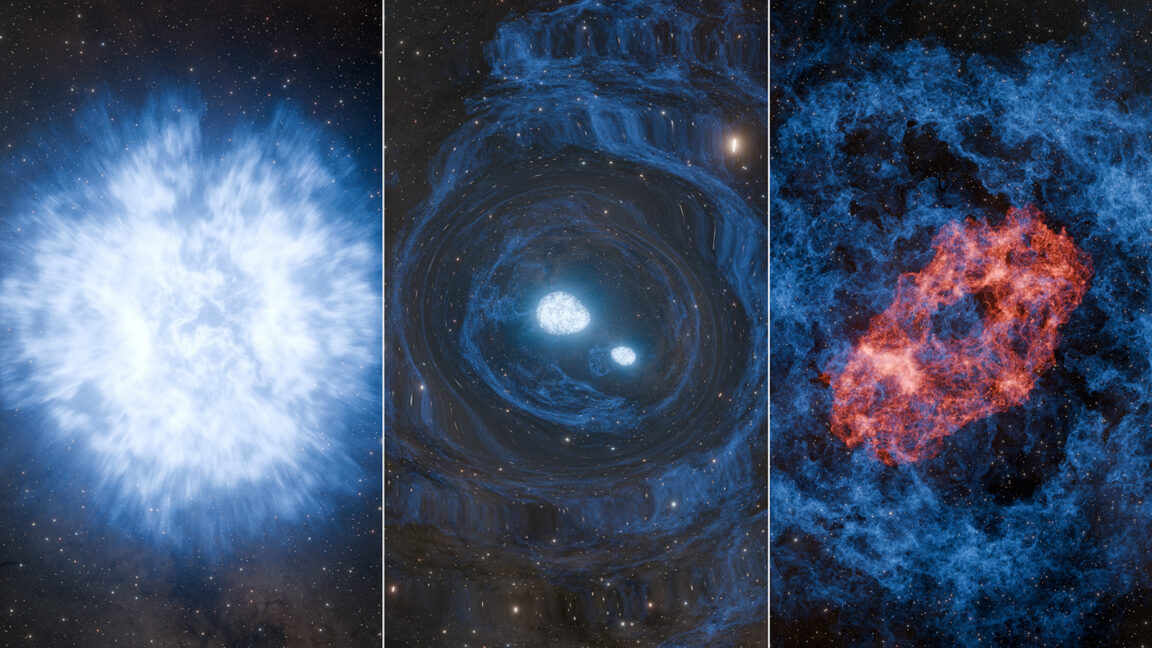
It’s a regrettable reality that there is never enough time to cover all the interesting scientific stories we come across each month. In the past, we’ve featured year-end roundups of cool science stories we (almost) missed. This year, we’ve experimented with a monthly collection. December’s list includes a fossilized bird that choked to death on rocks; a double-detonating "superkilonova"; recovering an ancient seafarer's fingerprint; the biomechanics of kangaroo movement; and cracking a dark matter puzzle that stumped fictional physicists on The Big Bang Theory, among other tantalizing tidbits

Secrets of kangaroo posture

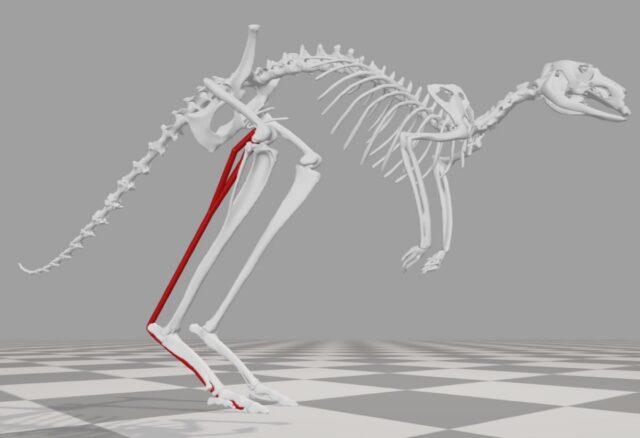
An illustration of the 3D musculoskeletal model of a kangaroo, developed by Lauren Thornton and colleagues. Credit: Thornton et al., 2025/CC BY 4.0

Kangaroos and wallabies belong to a class of animals called macropods, with unique form and style of movement. Their four limbs and tail all contact the ground at slow speeds, while they use a hopping gait at higher speeds. Typically, high-speed movements are more energy-intensive than slow-speed motion, but the opposite is true for macropods like kangaroos; somehow the hopping speed and energy cost become uncoupled. According to a paper published in the journal eLife, this may be due to changes in a kangaroo's posture at higher hopping speeds.

Read full article

Comments

© Caltech/K. Miller and R. Hurt (IPAC)

Film Technica: Our top picks for the best films of 2025

Editor’s note: Warning: Although we’ve done our best to avoid spoiling anything too major, please note this list does include a few specific references that some might consider spoiler-y.

It's been a strange year for movies. Most of the big, splashy tentpole projects proved disappointing, while several more modest films either produced or acquired by streaming platforms—and only briefly released in theaters—wound up making our year-end list. This pattern was not intentional. But streaming platforms have been increasingly moving into the film space with small to medium-sized budgets—i.e., the kind of fare that used to be commonplace but has struggled to compete over the last two decades as blockbusters and elaborate superhero franchises dominated the box office.

Add in lingering superhero fatigue—only one superhero saga made our final list this year—plus Netflix's controversial bid to acquire Warner Bros., and we just might be approaching a sea change in how movies are made and distributed, and by whom. How this all plays out in the coming year is anybody's guess.

Read full article

Comments

© Collage by Aurich Lawson

❌