❌

Reading view

There are new articles available, click to refresh the page.

NASA Conducts Hot Fire of RS-25 Engine
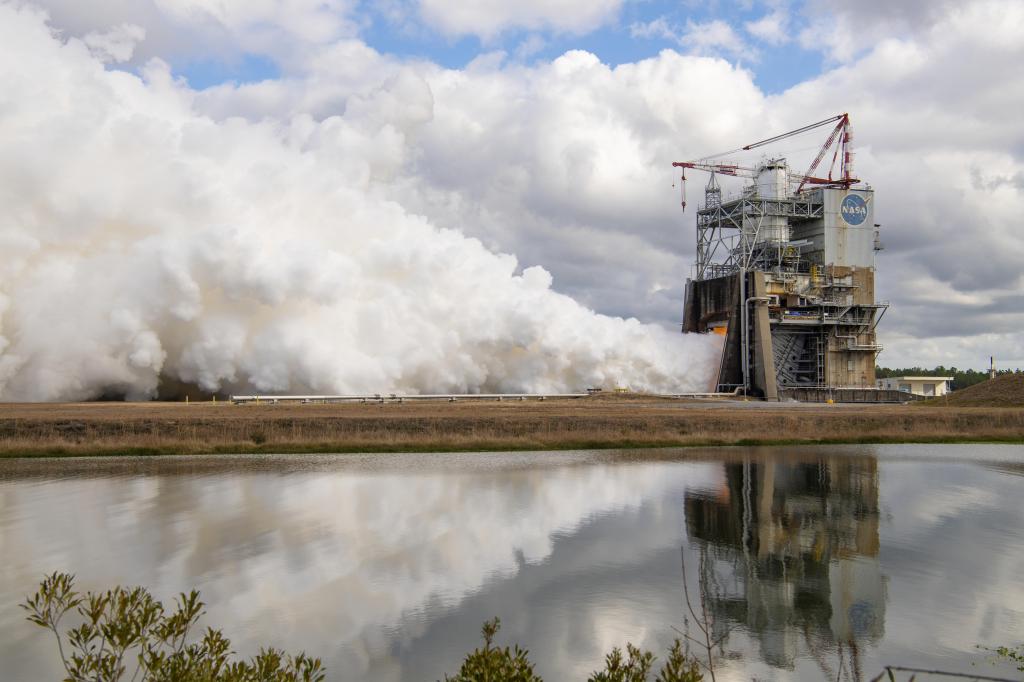
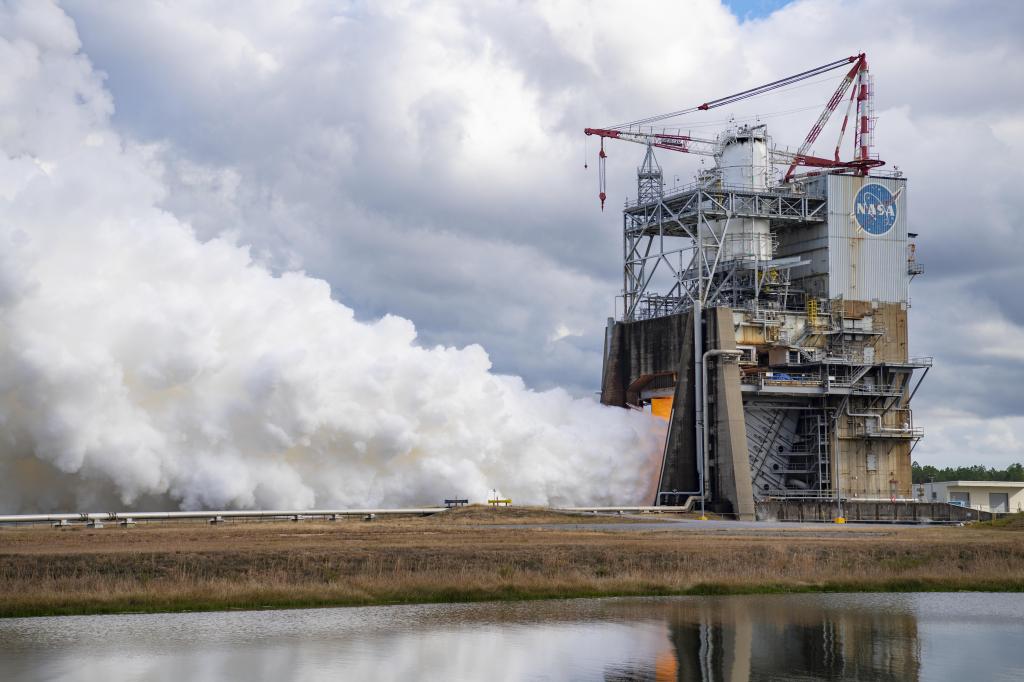
a closer look at vapor clouds escaping towards the sky during hot fire on the Fred Haise Test Stand
NASA conducts a hot fire of RS-25 engine No. 2063 on the Fred Haise Test Stand at NASA’s Stennis Space Center near Bay St. Louis, Mississippi, on Jan. 22, 2026.
NASA/Chris Russell
a closer look at vapor clouds escaping towards the sky during hot fire on the Fred Haise Test Stand
NASA conducts a hot fire of RS-25 engine No. 2063 on the Fred Haise Test Stand at NASA’s Stennis Space Center near Bay St. Louis, Mississippi, on Jan. 22, 2026.
NASA/Chris Russell
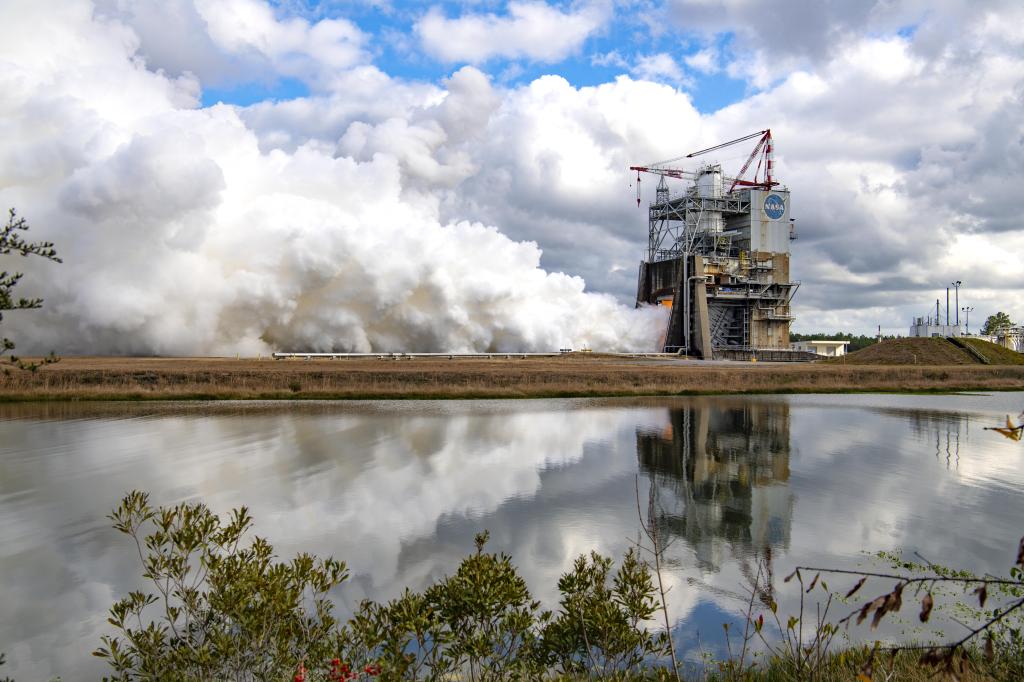
a reflection of the Fred Haise Test Stand during a hot fire test is captured on nearby body of water
NASA conducts a hot fire of RS-25 engine No. 2063 on the Fred Haise Test Stand at NASA’s Stennis Space Center near Bay St. Louis, Mississippi, on Jan. 22, 2026.
NASA/Chris Russell
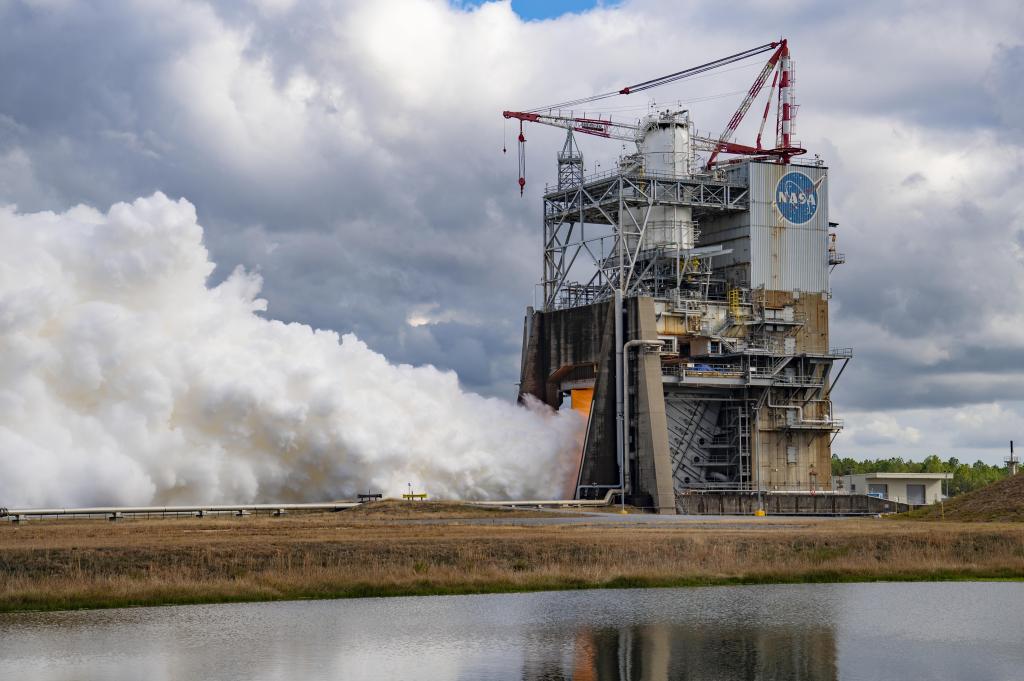
a hot fire of RS-25 engine No. 2063 on the Fred Haise Test Stand
NASA conducts a hot fire of RS-25 engine No. 2063 on the Fred Haise Test Stand at NASA’s Stennis Space Center near Bay St. Louis, Mississippi, on Jan. 22, 2026.
NASA/Chris Russell

NASA successfully conducted a hot fire of RS-25 engine No. 2063 on Jan. 22 at the Fred Haise Test Stand at NASA’s Stennis Space Center near Bay St. Louis, Mississippi, clearing the way for the engine to be installed for the agency’s Artemis IV mission. Β 

The RS-25 engines help power NASA’s SLS (Space Launch System) rocket that will carry astronauts to the Moon under the Artemis campaign.

Engine No. 2063 originally was installed on the SLS core stage for the Artemis II mission but was removed in 2025 after engineers discovered a hydraulic leak on the engine’s main oxidizer valve actuator, which controls propellant flow into the engine combustion chamber.

Following standard NASA procedures, teams removed the engine from the core stage and replaced the actuator.

Because NASA requires any significantly modified or repaired engine to undergo hot fire testing before flight, teams at NASA Stennis fired the engine for five minutes (300 seconds), at up to 109% of its rated power level in a test known as a confidence test that demonstrates the engine is ready for flight.

The test was conducted by a team of operators from NASA, L3Harris Technologies, and Sierra Lobo, Inc., the NASA Stennis test operations contractor. NASA Stennis provides critical data to L3Harris, the prime engines contractor for the SLS rocket.

With the successful test complete, engine No. 2063 is scheduled to be installed on the SLS core stage for Artemis IV. All RS-25 engines for NASA’s Artemis missions are tested and proven flightworthy at NASA Stennis before flight.

NASAΒ is targeting as soon as February to send four astronauts around the Moon and back on Artemis II, the first crewed mission under the Artemis campaign. During launch, the SLS rocket will use four RS-25 engines, along with a pair of solid rocket boosters, to help lift the Orion spacecraft and the crew away from Earth using more than 8.8 million pounds of thrust.

Under the Artemis campaign, NASA is returning humans to the Moon for economic benefits, scientific discovery, and to prepare for crewed missions to Mars.
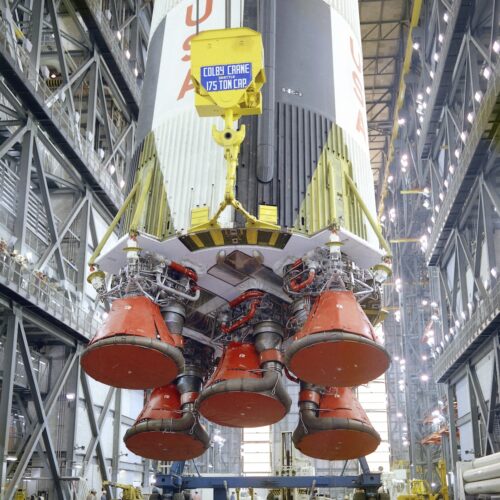
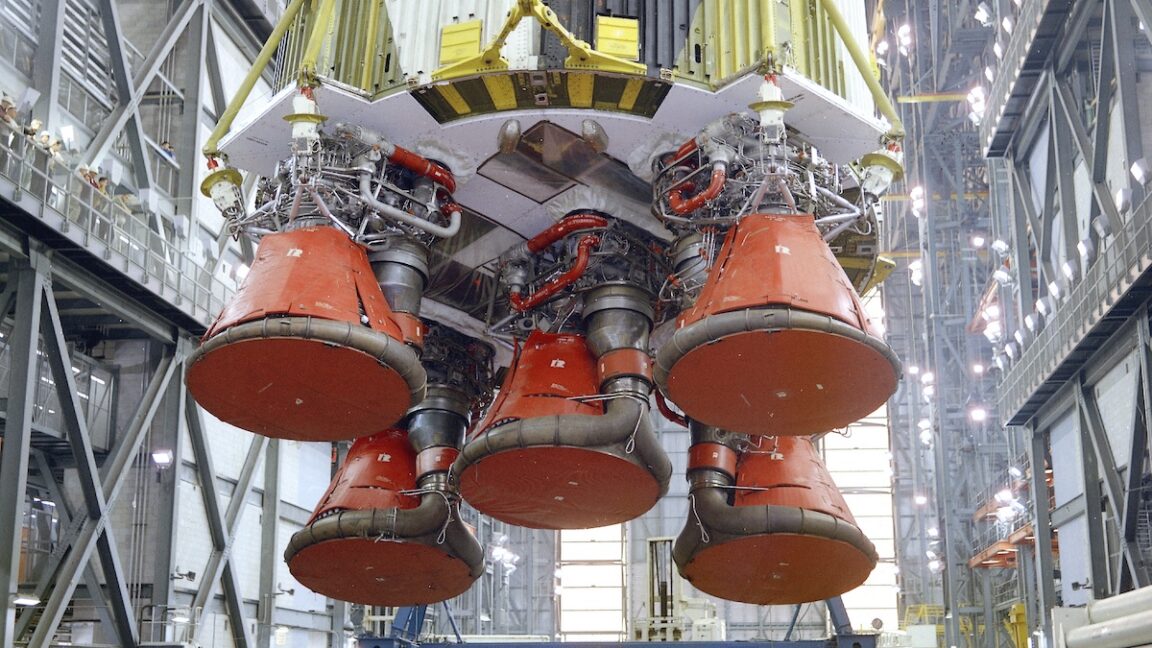
Private equity deal shows just how far America’s legacy rocket industry has fallen

If you are a student of space history or tracked the space industry before billionaires and venture capital changed it forever, you probably know the name Rocketdyne.

A half-century ago, Rocketdyne manufactured almost all of the large liquid-fueled rocket engines in the United States. The Saturn V rocket that boosted astronauts toward the Moon relied on powerful engines developed by Rocketdyne, as did the Space Shuttle, the Atlas, Thor, and Delta rockets, and the US military's earliest ballistic missiles.

Rocketdyne's dominance began to erode after the end of the Cold War. The company started in 1955 as a division of North American Aviation, then became part of Rockwell International until Boeing acquired Rockwell's aerospace division in 1996. Rocketdyne continually designed and tested large new rocket engines from the 1950s through the 1980s. Since then, Rocketdyne has developed and qualified just one large engine design from scratchβ€”the RS-68β€”and it retired from service in 2024.

Read full article

Comments

Β© NASA

❌