Reading view

There are new articles available, click to refresh the page.

I Am Artemis: Dustin Gohmert

3 Min Read

I Am Artemis: Dustin Gohmert

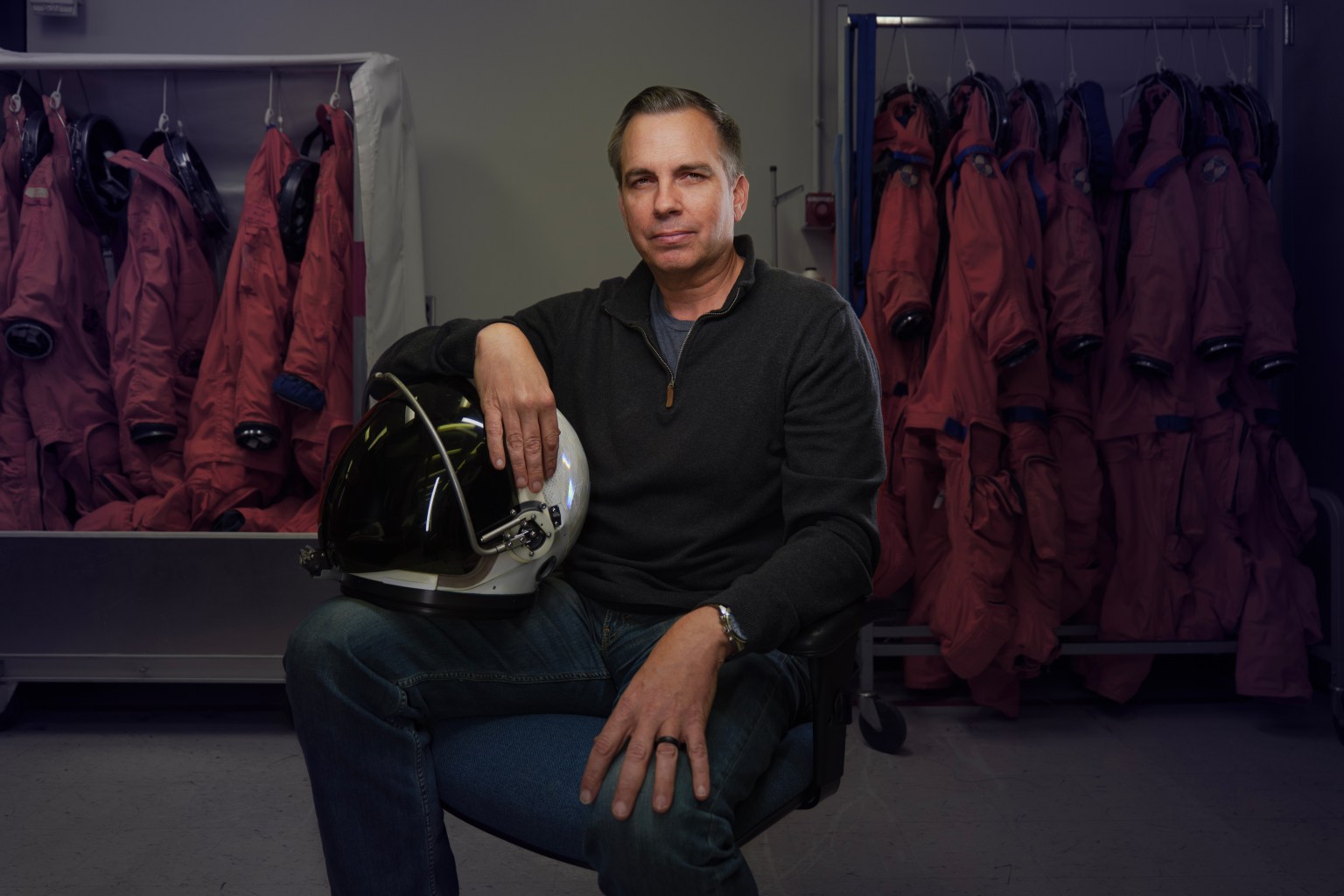
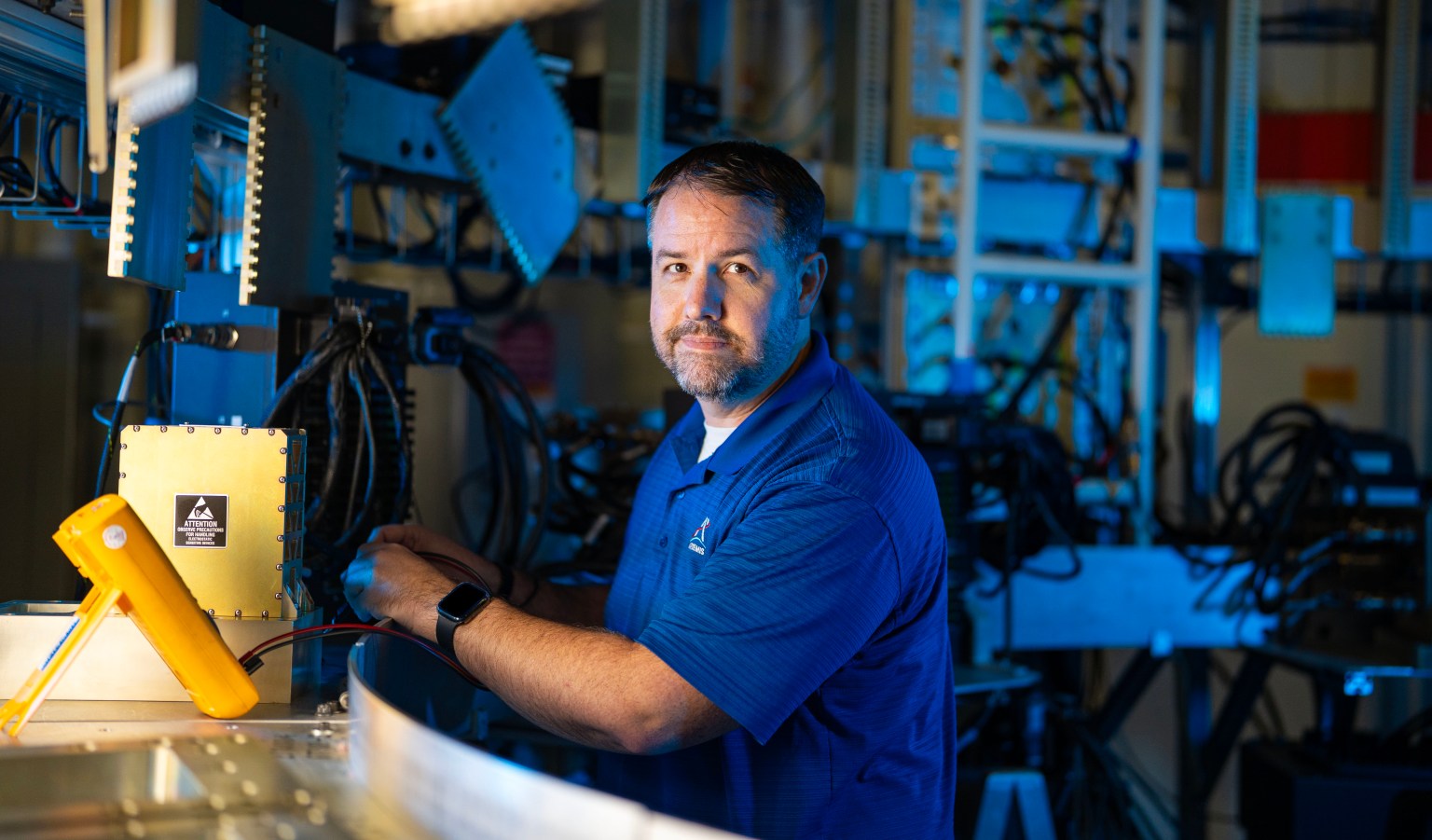
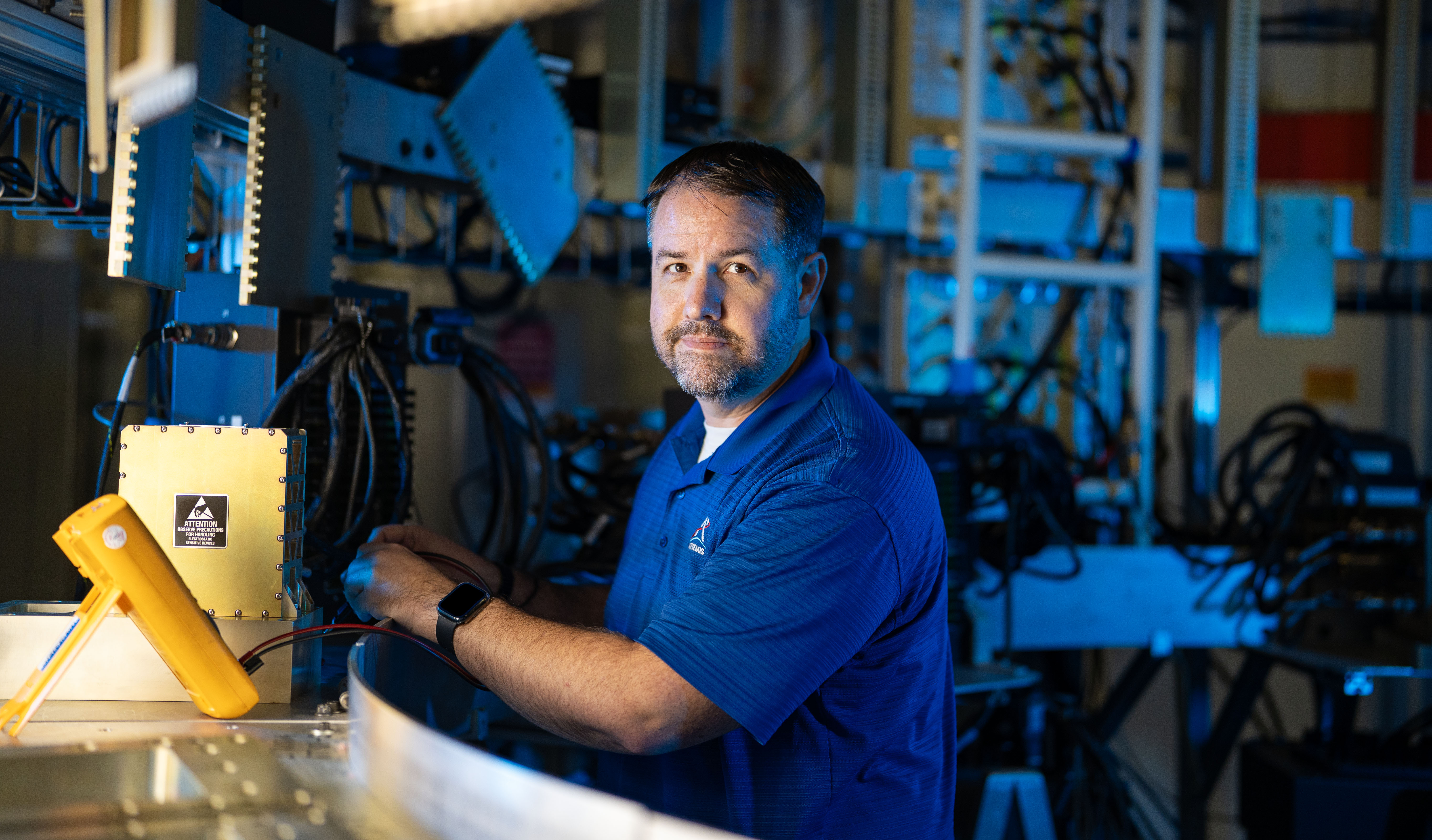
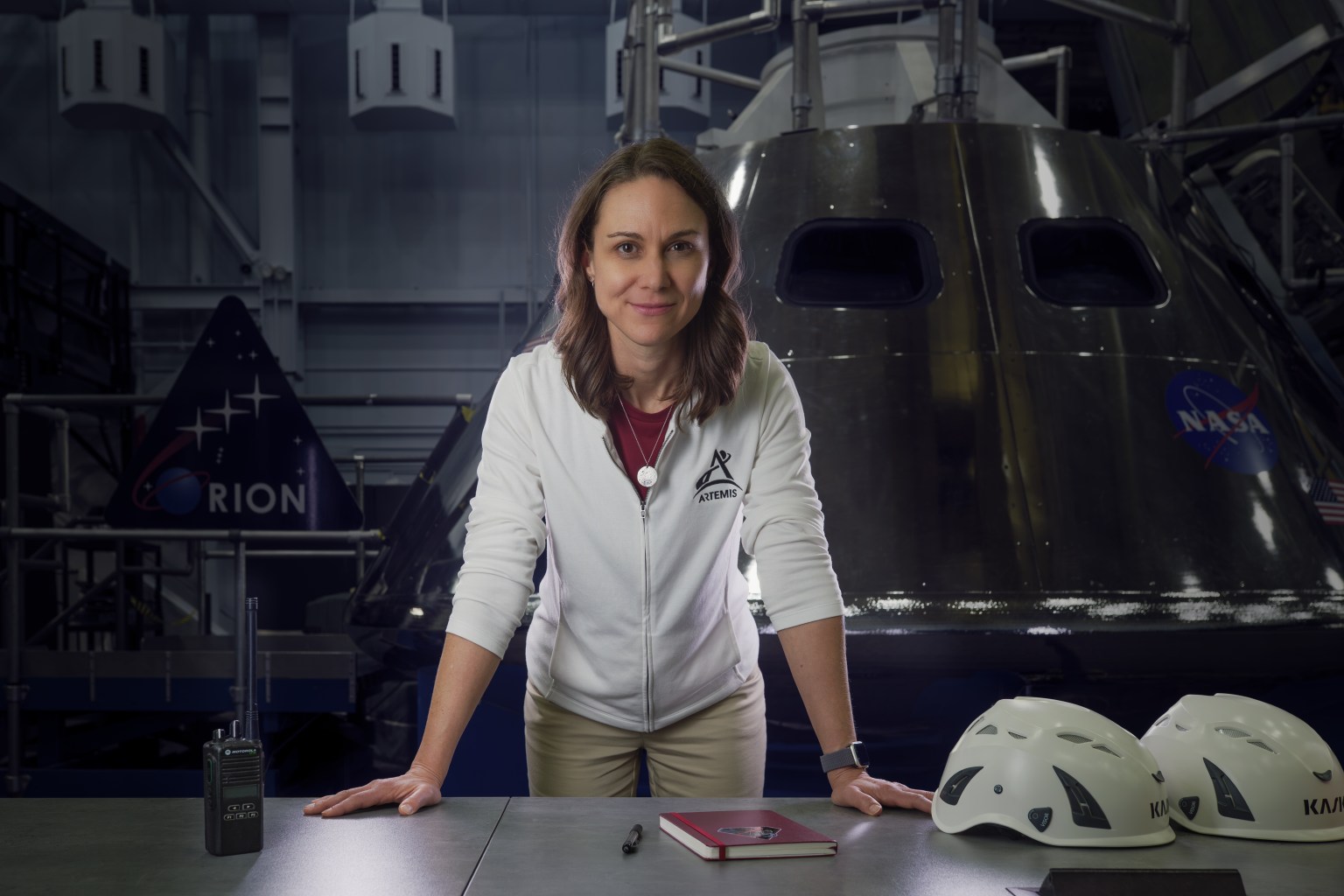
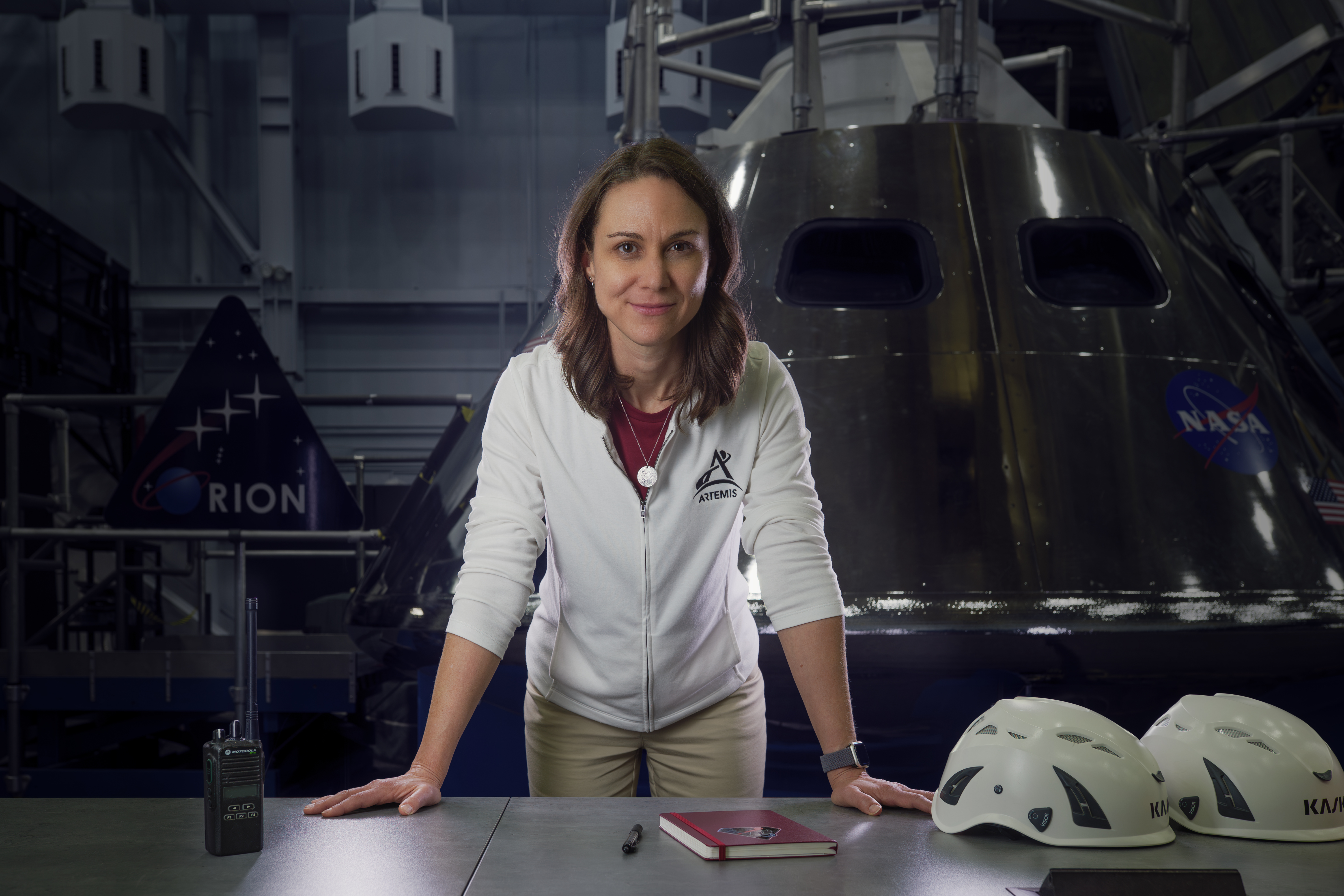
Dustin Gohmert, Orion Crew Survival System (OCSS) manager, sits in the OCSS Lab at NASA’s Johnson Space Center in Houston.
Credits: NASA/Rad Sinyak

Listen to this audio excerpt from Dustin Gohmert, Orion Crew Survival System (OCSS) manager:

0:00 / 0:00

During NASA’s Artemis II mission around the Moon, the astronauts inside the Orion spacecraft will be wearing specialized pressure suits designed to protect them throughout their journey. At NASA’s Johnson Space Center in Houston, Dustin Gohmert leads the team responsible for these suits, known as the Orion Crew Survival System (OCSS).

“We work with the crew to say, ‘Here’s this design concept we have. How does this really work in the spaceflight environment?’” Gohmert said. “As we evolve the design, we take the crew’s input and we adapt the suit over time to take into account not only the desire we have for safety, but the real-world impacts that it has.”

The suits will protect astronauts on launch day, throughout high-risk parts of missions near the Moon, during the high-speed return to Earth, and in emergency situations if such events arise. The OCSS suits are engineered to sustain life for up to six days in the event of an emergency, and can provide the astronauts oxygen, hydration, food, and waste management needed on their way back to Earth.
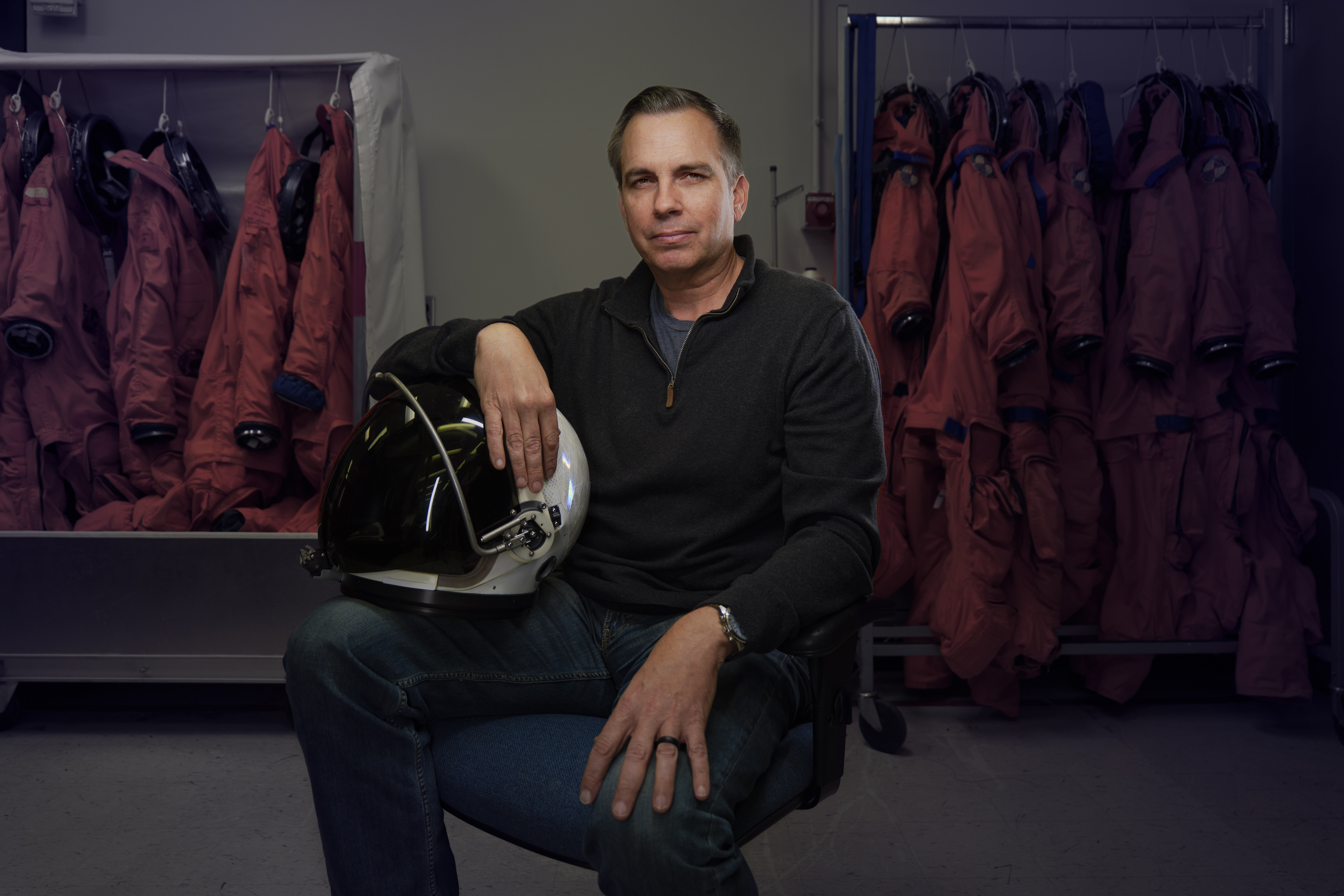
Dustin Gohmert, Orion Crew Survival System (OCSS) manager, sits in the OCSS Lab at NASA’s Johnson Space Center in Houston.
Credits: NASA/Rad Sinyak

“In an emergency, you’re essentially living in a personal spacecraft that’s only an inch bigger than your body,” Gohmert said. “That’s the reality of survival in space.”

Gohmert’s team in the Orion Crew Survival Systems Lab manages every phase of the suits, including processing, designing, qualifying, and testing them for the mission, as well as integrating them with the Orion spacecraft. Their work addresses engineering challenges, such as how much internal pressure the suit can safely maintain and for how long.

The team custom-builds each suit to fit the anatomy of the astronauts. Crew members undergo detailed sizing and multiple fit checks to ensure precision, and their feedback is a key part of the design evolution and refinement of the suit.
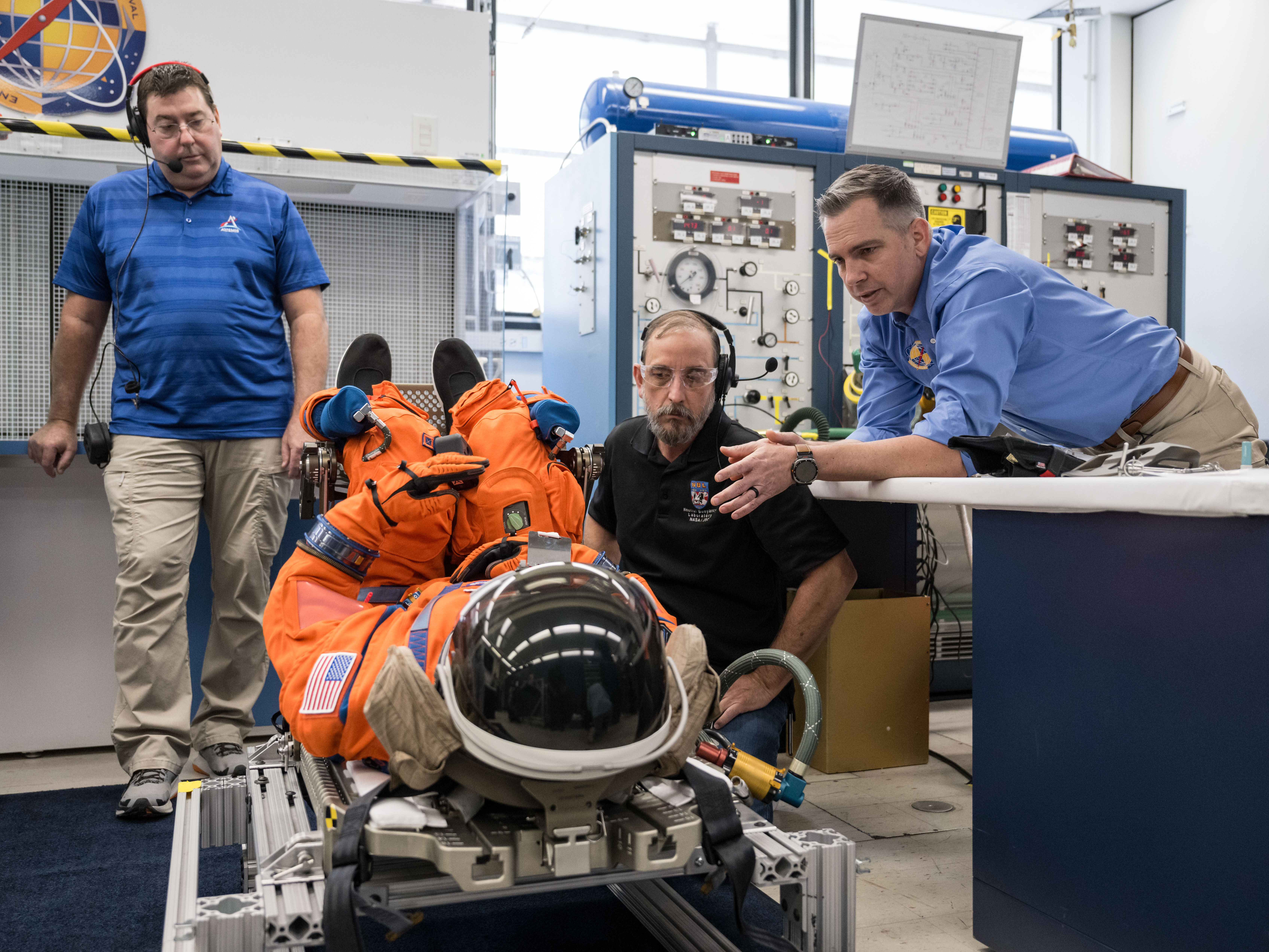
Orion Crew Survival System (OCSS) Manager Dustin Gohmert and his team perform a flight suit long duration fit check with Artemis II crew member Christina Koch in the OCSS Lab at NASA’s Johnson Space Center in Houston.
Credit: NASA/Josh Valcarcel

After earning his bachelor’s in mechanical engineering from the University of Texas at San Antonio and his master’s in engineering from the University of Texas at Austin, Gohmert joined United Space Alliance before becoming a NASA civil servant. He worked through the end of the Space Shuttle Program and later transitioned to Orion. Working on the suit throughout his career has been both technically challenging and a deeply personal responsibility.

The weight of it is incredible; knowing the ultimate responsibility you and the team share in the safety of the crew and the mission. Every thought we have, every piece of paper we write — crew is the number one priority.

dustin Gohmert

dustin Gohmert

Orion Crew Survival Systems (OCSS) Manager

As NASA prepares to explore deep space with Artemis II, Gohmert’s role will play a part in safely sending crew members around the Moon and returning them home.

“I was born after the last Moon landing,” he said. “To actually be a part of the next round is kind of overwhelming. It’s awe-inspiring in every possible way.”

About the Author
Erika Peters

Erika Peters

Share

Details

Last Updated
Jan 23, 2026
Keep Exploring

Discover More Topics From NASA

I Am Artemis: Dave Reynolds

By: Lee Mohon
3 Min Read

I Am Artemis: Dave Reynolds

Dave Reynolds, the booster manager for SLS (Space Launch System), works inside the Next Generation Booster Avionics Mockup at NASA’s Marshall Space Flight Center in Huntsville, Alabama. Reynolds is responsible for the design, development, and flight of the boosters for the rocket that carry NASA’s Orion spacecraft and astronauts to the Moon as part of the Artemis II mission.
Credits: NASA

As booster manager for NASA’s SLS (Space Launch System), Dave Reynolds’ path to NASA is embodied by his childhood poster of the space shuttle’s Return to Flight initiative, which hangs in his office, serving as a constant reminder that his journey to the agency began decades ago.

Growing up in Roy, Utah, Reynolds remembers standing outside to watch the billowing smoke rise from booster tests at Northrop Grumman’s Promontory facility. Rockets were the backdrop of his childhood, and growing up during the shuttle missions sparked his fascination for space exploration.

As the booster manager for the SLS, Dave is responsible for the design, development, and flight of the boosters—work that echoes the sense of significance that inspired him as a child to study spaceflight.

“I couldn’t quite verbalize what I felt then, but as I’ve matured over time, I now realize I want to be a part of the team sending astronauts to the Moon, and I have a personal desire to ensure the safety of those individuals,” Reynolds said.

Dave Reynolds, the booster manager for SLS (Space Launch System), works inside the Next Generation Booster Avionics Mockup at NASA’s Marshall Space Flight Center in Huntsville, Alabama. Reynolds is responsible for the design, development, and flight of the boosters for the rocket that carry NASA’s Orion spacecraft and astronauts to the Moon as part of the Artemis II mission.
NASA

Early in his career at NASA’s Marshall Space Flight Center in Huntsville, Alabama, Reynolds worked on the J-2X — a liquid-cryogenic engine that was once slated as a candidate to power the SLS upper stage. In 2012, he made a jump to solid rocket motors when he became the subsystem manager for the SLS boosters office. Reynolds spent his days managing and testing motor cases, seals, igniters, and separation motors.

He was promoted to deputy manager for the SLS office where he helped oversee development of the solid rocket boosters. He also was given the task of developing and managing the evolved composite boosters that would be used for future Artemis missions.

With the launch of Artemis II on the horizon, Reynolds is thrilled to be part of the team preparing to send a crew of four astronauts around the Moon.

Deep down, I’m really excited about Artemis II. The eight-year-old me is still in there, eager to watch the smoke rising from those booster tests at a distance. He wouldn’t believe the things I’ve seen and what I’m about to see.

Dave Reynolds

Dave Reynolds

Booster Manager for Space Launch System

“Deep down, I’m really excited about Artemis II. The eight-year-old me is still in there, eager to watch the smoke rising from those booster tests at a distance. He wouldn’t believe the things I’ve seen and what I’m about to see,” Reynolds said.

Reynolds witnessed moments that would have stunned his eight-year-old self. In 2022, he watched as the SLS illuminated the morning sky during the launch of Artemis I. More recently, the evolved booster he helped develop performed its first full-scale test. Reynolds watched as the booster roared to life – just miles from his hometown in Utah.

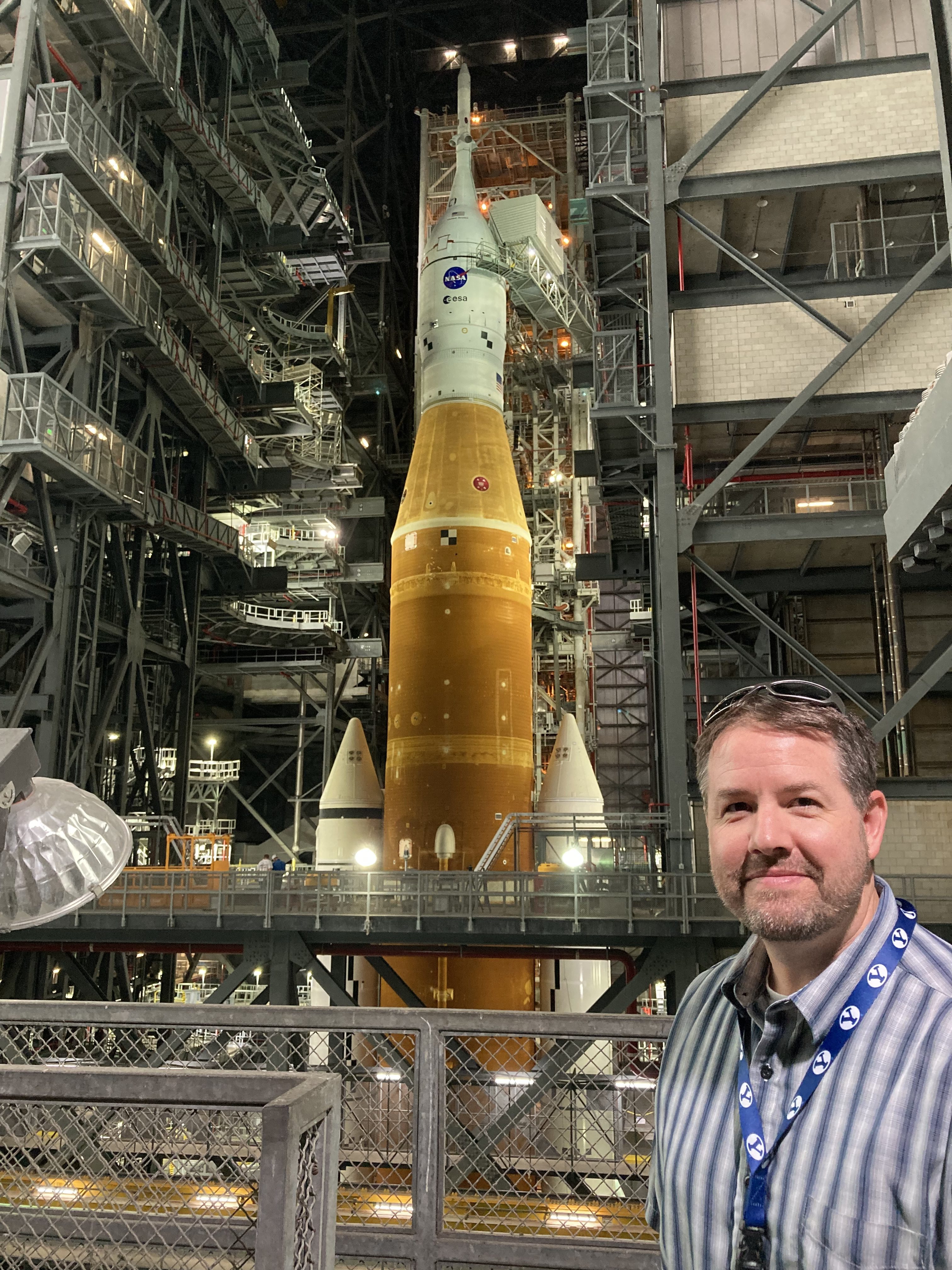
Dave Reynolds, at NASA’s Kennedy Space Center’s Vehicle Assembly Building in front of the SLS rocket that powered the Artemis I mission. Through Artemis, NASA will send astronauts to explore the Moon for scientific discovery, economic benefits, and build the foundation for the first crewed missions to Mars.
Reynolds, at NASA’s Kennedy Space Center’s Vehicle Assembly Building in front of the SLS rocket that powered the Artemis I mission. Through Artemis, NASA will send astronauts to explore the Moon for scientific discovery, economic benefits, and build the foundation for the first crewed missions to Mars.
NASA

From his driveway to the test site, Reynolds’ curiosity grew into a career shaped by purpose, responsibility, and respect for the work ahead. The poster hanging on Reynolds’ wall isn’t just a souvenir from the past – it’s a reminder of where his interest took root and how far that curiosity has carried him.

As the team moves closer to the launch of Artemis II which will take astronauts around the Moon, Reynolds feels a familiar sense of exhilaration. The questions that once drew him toward space are still guiding him today, except this time he is one of the individuals helping to shape the answers.

Learn more about NASA’s Space Launch System at:

https://www.nasa.gov/sls

About the Author

Lane Polak

Lane Polak

I Am Artemis: Jacki Mahaffey

4 Min Read

I Am Artemis: Jacki Mahaffey

Jacki Mahaffey, Artemis II chief training officer at NASA’s Johnson Space Center in Houston, stands in front of the Orion mockup in Johnson's Space Vehicle Mockup Center.
Credits: NASA/Rad Sinyak

Listen to this audio excerpt from Jacki Mahaffey, Artemis II chief training officer:

0:00 / 0:00

When the Artemis II crew travels around the Moon aboard the Orion spacecraft, they will have spent countless hours training for their lunar mission, and Jacki Mahaffey will have played a role in preparing them for their journey.

As the Artemis II chief training officer at NASA’s Johnson Space Center in Houston, Mahaffey manages the planning, development, and implementation of the astronauts’ training and integrated simulations. Her job is to ensure that when the Artemis II crew travels around the Moon inside Orion, the astronauts and flight controllers are ready for every moment — expected and unexpected.

Training is all risk mitigation for the mission. By preparing the astronauts and flight controllers for what they might encounter, we enable mission success.

Jacki Mahaffey

Jacki Mahaffey

Artemis II Chief Training Officer

The Artemis II crew began their rigorous training in 2023, but the work of Mahaffey and her team started long before that. Years before the training began, her team gathered the experts on how to operate the different aspects of Orion, and what the crew will need to know to execute their mission.

“One of my favorite moments from that process was when we all got together in one room, and everyone brought a piece of paper for every single lesson or training event that they expected to do with the crew,” Mahaffey said. “And we laid the entire thing out to figure out what’s the most logical order to put all of this training in, to help build that big picture for the crew.”

Training for Artemis II began shortly after the crew was announced, with Mahaffey and her team introducing the astronauts to Orion’s systems and operational basics. Once the necessary simulators and mockups were ready, the crew transitioned into hands-on training to build familiarity with their spacecraft.

At Johnson, Mahaffey’s team utilizes a range of specialized facilities, including the Space Vehicle Mockup Facility, where astronauts rehearse living and working inside the Orion mockup; the Orion Mission Simulator, which replicates flight software and displays; and the Neutral Buoyancy Laboratory, where the crew practices water survival techniques for post-splashdown scenarios.

Jacki Mahaffey, Artemis II Chief Training Officer at NASA’s Johnson Space Center in Houston, stands in front of the Orion mockup in Johnson’s Space Vehicle Mockup Facility.
NASA/Rad Sinyak

“We try to simulate as much as we can here on Earth,” said Mahaffey. “But we still have gravity, so we rely on the crew’s experience to imagine how they’ll use the space in microgravity”

Three of the four Artemis II astronauts have flown in space before, and Mahaffey sees their experience as a powerful asset. They bring insights that shape procedures and training plans, and they learn from each other’s unique problem-solving styles.

“They are teaching us back about how to have that crew perspective of working in space and the things that are going to matter most,” she said.

Mahaffey’s journey began with a love for engineering and a role as a flight controller in Johnson’s Mission Control Center. She found joy in training others and eventually transitioned into a full-time training role. Now, she leads a team of about 100 contributors, all working to prepare the crew for their historic mission.

“I didn’t start out wanting to be a trainer — I studied engineering because I loved physics and math,” she said. “But as the job shifted toward applying that engineering knowledge, communicating, and planning how to operate a spacecraft, the natural next step was teaching others.”

In our organization, once you’ve learned to fish, you teach someone else to fish.

Jacki Mahaffey

Jacki Mahaffey

Artemis II Chief Training Officer

For Mahaffey, Artemis is a bridge connecting her family’s legacy with the future of space exploration. Her grandfather worked on control systems for Apollo, and she sees her work as a continuation of that story, now with more advanced technology and new frontiers. 

“We’re doing some of the same things Apollo did, but expanding on them,” she said. “We’re learning more about the Moon, our Earth’s history, and how we’ll get to Mars.” 

Her role during Artemis II also includes serving as an Artemis capcom, short for capsule communicator, the position in mission control that directly communicates with the crew members. Mahaffey plans to work the entry shift for Artemis II — helping to guide the crew to splashdown and ensuring their safe recovery. The moment will be a culmination of her entire team’s hard work. 

“I’ll feel good when the recovery forces report that the hatch is open,” Mahaffey said. “That moment will be incredible.” 

 The Artemis II crew’s Chief Training Officer Jacki Mahaffey smiles during Post Insertion and Deorbit Preparation training at the Space Vehicle Mockup Facility in Houston, Texas. The crew practiced getting the Orion spacecraft configured once in orbit, how to make it habitable, and suited up in their entry pressure suits to prepare for their return from the Moon.
 The Artemis II crew’s Chief Training Officer Jacki Mahaffey smiles during post insertion and deorbit preparation training at Johnson’s Space Vehicle Mockup Facility in Houston, Texas. The crew practiced getting the Orion spacecraft configured once in orbit, how to make it habitable, and suited up in their entry pressure suits to prepare for their return from the Moon.
Credit: NASA/Mark Sowa

About the Author

Erika Peters

Erika Peters

Keep Exploring

Discover More Topics From NASA

I Am Artemis: Jen Madsen and Trey Perryman

3 Min Read

I Am Artemis: Jen Madsen and Trey Perryman

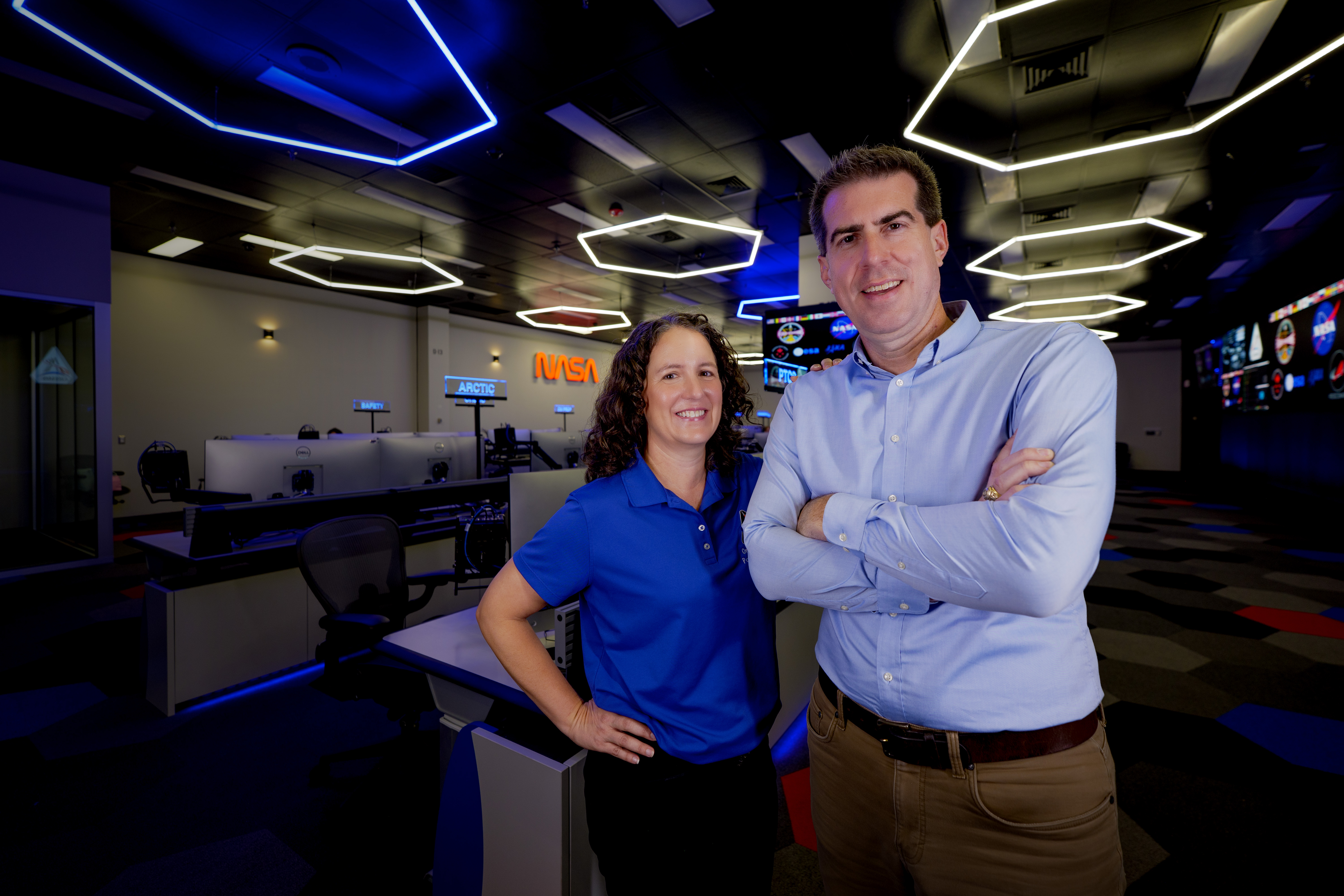
Artemis II Orion Mission Evaluation Room Leads Jen Madsen and Trey Perryman stand in the Orion Mission Evaluation Room in the Mission Control Center at NASA's Johnson Space Center in Houston.
Credits: NASA/Rad Sinyak

Listen to this audio excerpt from Jen Madsen and Trey Perryman, leads of the Orion Mission Evaluation Room for the Artemis II mission:

0:00 / 0:00

During NASA’s Artemis II mission, Jen Madsen and Trey Perryman will be leading a team monitoring the Orion spacecraft as it carries four astronauts around the Moon. The team works in the Orion Mission Evaluation Room where they will monitor and analyze Orion’s systems and performance in real time to help ensure crew safety and mission success.

As the leaders of the Orion Mission Evaluation Room located inside the Mission Control Center at NASA’s Johnson Space Center in Houston, Madsen and Perryman are responsible for ensuring that the dozens of NASA, Lockheed Martin, ESA (European Space Agency), and Airbus expert engineers that staff the room’s consoles are ready for Artemis II.

Jen and I are responsible for the organization, training, and execution of the entire team. We’ll also play a key role in communicating the findings of the Mission Evaluation Room to our program and agency leadership.

Trey Perryman

Trey Perryman

Lead for Orion Mission and Systems Integration

The flight control team operating Orion from mission control’s White Flight Control Room will rely on the Mission Evaluation Room’s crucial findings to help with unexpected spacecraft behaviors that may arise and help analyze Orion’s performance data during the mission.

With crew aboard Orion, Artemis II brings new challenges, new opportunities, and a new space in mission control for the Orion Mission Evaluation Room. More spacecraft systems will be put to the test, requiring more evaluation room expertise and new consoles to monitor systems not previously flown, like life support.

“There’s loads of excitement — for the new capabilities, the mission, and having a new, wonderful space to operate in,” said Perryman.

Besides leading the Mission Evaluation Room, Perryman is also the lead for Orion Mission and Systems Integration, and Madsen is deputy manager for Orion’s Avionics, Power, and Software. Their co-leadership styles complement each other — Perryman leads with energy and team spirit, while Madsen brings a steadiness and structure.

Artemis II Orion Mission Evaluation Room Leads Jen Madsen and Trey Perryman stand in the Orion Mission Evaluation Room in the Mission Control Center at NASA’s Johnson Space Center in Houston.
NASA/Rad Sinyak

“We balance each other out,” Madsen said. “And that balance is reflected in our team.”

For Perryman, a former flight controller with a background in space shuttle and space station operations, the MER represents the culmination of a career in human spaceflight that’s personal.

“I couldn’t imagine being anywhere else right now,” Perryman said. “My wife and I have four boys, and my boys are very excited about Artemis…that’s meaningful to me. And they like seeing a father who’s really connected to this mission.”

Madsen began her NASA career in engineering, designing and simulating Orion’s guidance, navigation, and control systems early on in the program.

I spent many years doing computer simulations, writing code, doing analysis… we designed, built, and tested Orion. So now it's amazing to me to get to be a part of the legacy of operating the vehicle.

Jen Madsen

Jen Madsen

Deputy Manager for Orion’s Avionics, Power, and Software

For both leaders, the Artemis II mission is more than technical. With crew flying aboard the spacecraft, it’s deeply human.

“I do feel an extra sense of importance and mindfulness about what we’re doing in this building,” Perryman said,  “making sure — specifically in the Orion MER — that we understand how the vehicle supports the crew, because it is so important to return them home safely.”

“We all feel like Reid, Victor, Christina, and Jeremy are part of the Orion family,” Madsen said. “When we have discussions about risk, from design all the way through operations, we’re thinking about our friends aboard the spacecraft.”

About the Author

Erika Peters

Erika Peters

Share

Details

Last Updated
Dec 29, 2025
Keep Exploring

Discover More Topics From NASA

I Am Artemis: Grace Lauderdale

3 Min Read

I Am Artemis: Grace Lauderdale

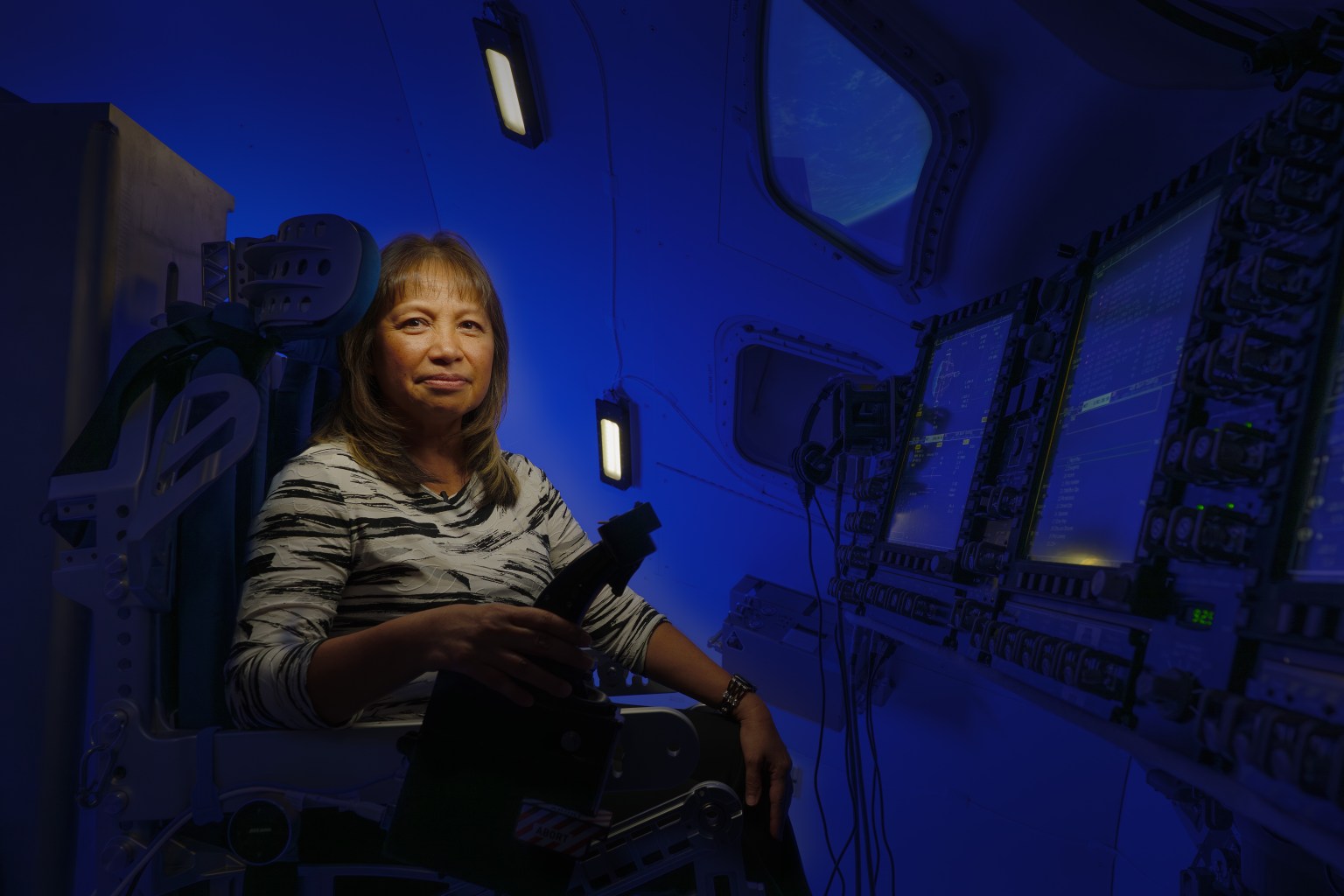
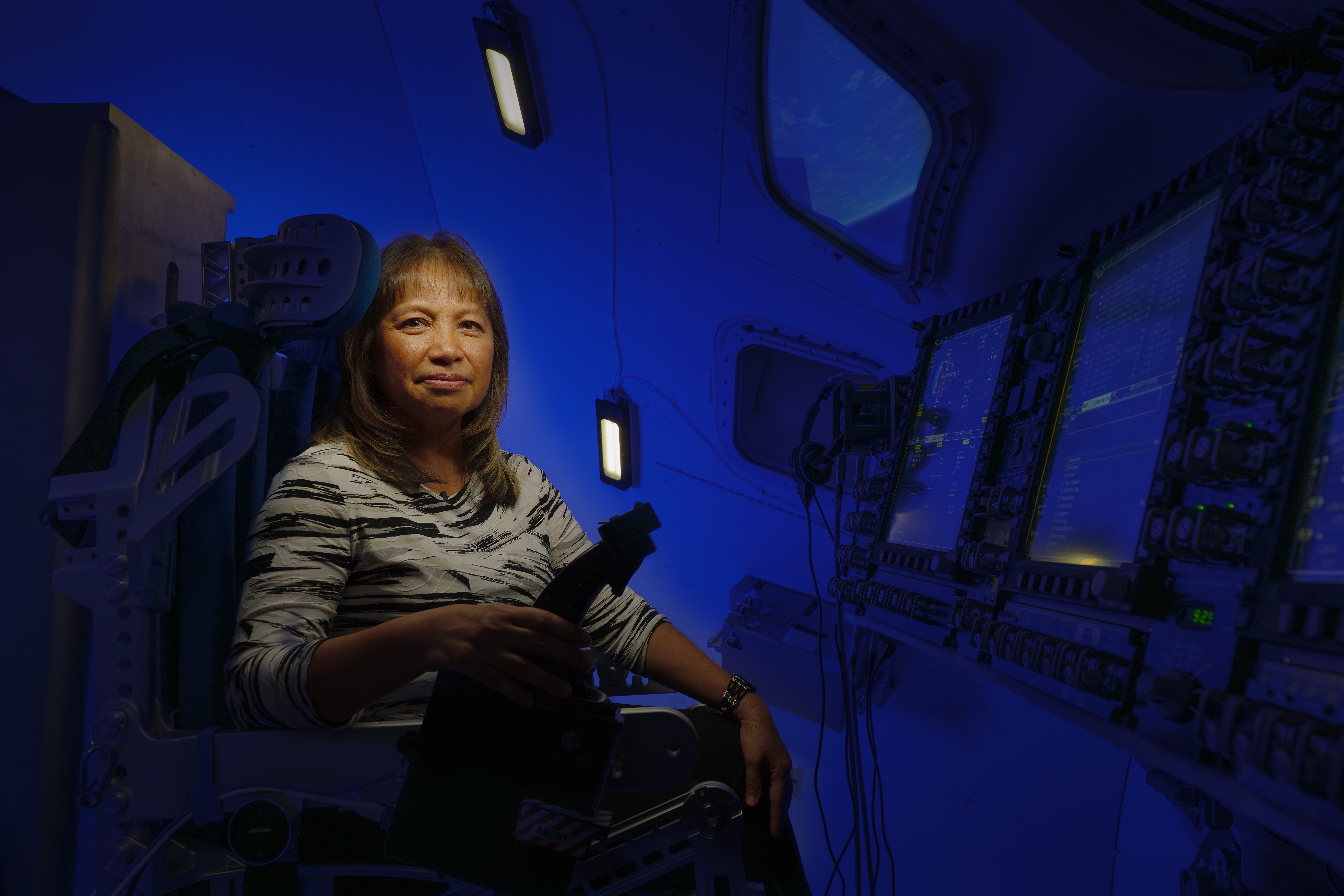
Grace Lauderdale, exploration project manager for the Training Systems Office at NASA's Johnson Space Center in Houston, sits inside the Orion Mission Simulator used for training the Artemis II crew and flight control team.
Credits: NASA/Rad Sinyak

Listen to this audio excerpt from Grace Lauderdale, exploration project manager for the Training Systems Office at NASA Johnson:

0:00 / 0:00

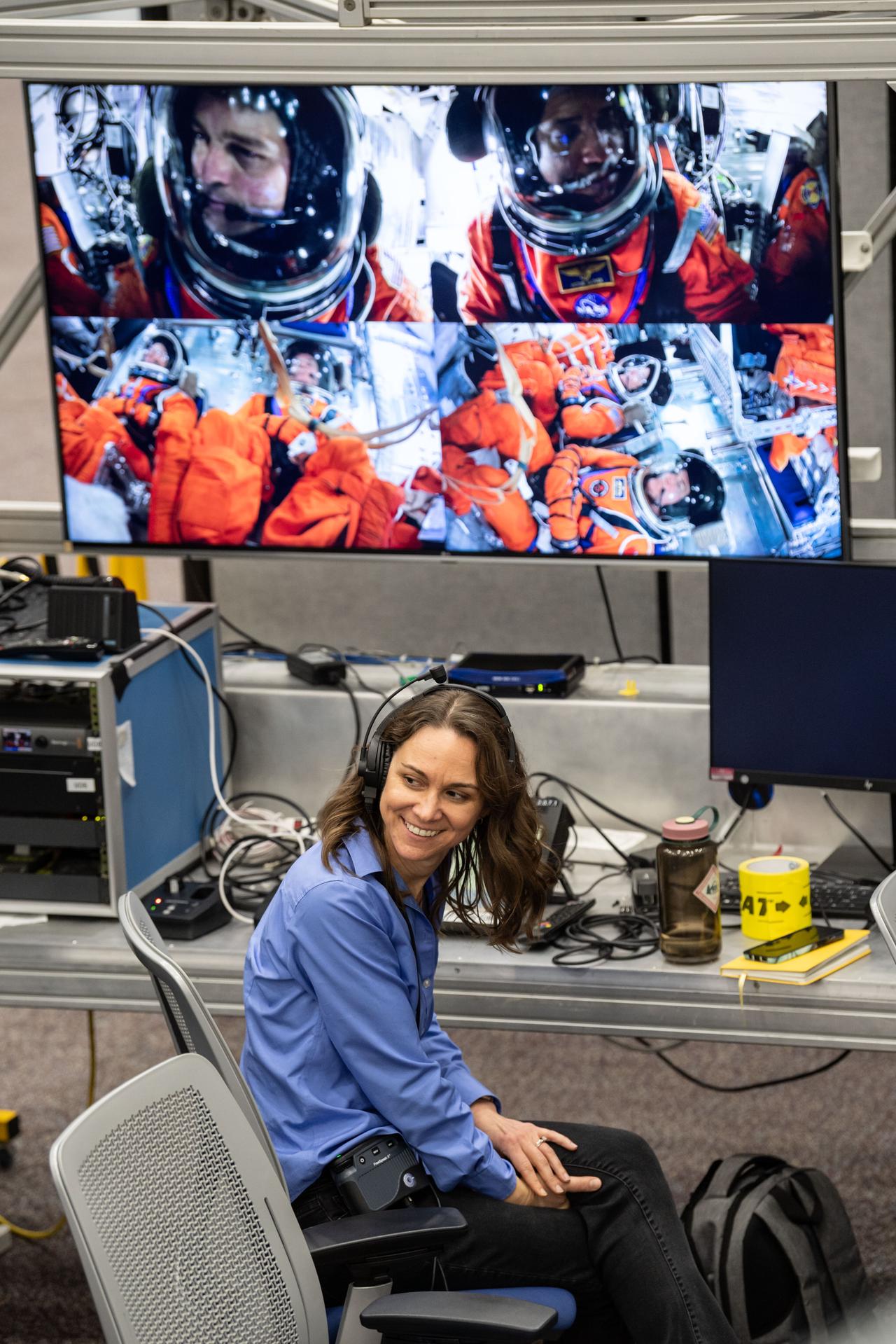
In preparation for their mission around the Moon inside NASA’s Orion spacecraft, the Artemis II crew will spend countless hours training inside the Orion Mission Simulator. The simulator replicates what the crew will experience inside the spacecraft and allows the astronauts and flight controllers to rehearse every phase of the mission.

As the exploration project manager for the Training Systems Office at Johnson, Grace Lauderdale leads the team that develops and operates the Orion Mission Simulator at NASA’s Johnson Space Center in Houston, playing a key role in making sure astronauts and flight control teams are ready for the first crewed mission of the Artemis campaign.

"This simulator trains the flight control team and the crew all the way from launch to splashdown. Every button, every display, every view out the window is as lifelike as possible.”

Grace Lauderdale

Grace Lauderdale

Exploration Project Manager for the Training Systems Office at NASA Johnson

The simulator is more than a mock-up. It connects directly to Johnson’s Mission Control Center, sending real-time data, audio, and video — just like the spacecraft will during flight. That means the flight control team trains in parallel, seeing and hearing exactly what they would throughout the mission.

“One of our major goals is to make the data they see on their displays look like the real vehicle,” Lauderdale said. “We also simulate the near space and deep space networks, including all the communication delays. It’s all about realism.”

That realism is powered by a complex software system developed in collaboration with partners like Lockheed Martin. Lauderdale’s team works behind the scenes to ensure the simulator runs smoothly — writing code, troubleshooting issues, and even creating custom malfunctions to challenge the crew during training.

Grace Lauderdale, exploration project manager for the Training Systems Office at NASA’s Johnson Space Center in Houston, sits inside the Orion Mission Simulator used for training the Artemis II crew and flight control team.
Credits: NASA/Rad Sinyak

To prepare astronauts for the unexpected, instructors work with Lauderdale’s team to simulate problems that could occur during the mission, some of which require creative solutions.

“There are times when the instructors will ask for malfunctions or capabilities that the sim doesn’t automatically do,” she said. “Part of our role is to come up with ways to make that happen.”

Her team plans, develops, and executes training scenarios in the Orion Mission Simulator across multiple Artemis missions, often simultaneously. “Currently, we’re planning for future crewed missions, developing Artemis III, and executing Artemis II,” she said.

The work is demanding, but deeply personal, according to Lauderdale.

“I’ve known I wanted to work at NASA since the seventh grade. Every class I took, the degree I earned — it was all to get here.”

Grace Lauderdale

Grace Lauderdale

Exploration Project Manager for the Training Systems Office at NASA Johnson

That passion shows in her leadership. Her team often works nights, weekends, and holidays to ensure the simulator is ready. During a recent 30-hour simulation, they spent days preparing, fixing memory issues, and ensuring the system wouldn’t crash. It didn’t.

“I’m very proud of my team,” she said. “They’ve put in countless hours of work to make sure this simulator reacts exactly as it would in the real mission.”

For Lauderdale, helping send astronauts around the Moon isn’t just a job—it’s a dream realized.

“Being part of getting us back to the Moon is very personal to me,” she said. “And I’m proud to be part of the team that will help get our astronauts there.”

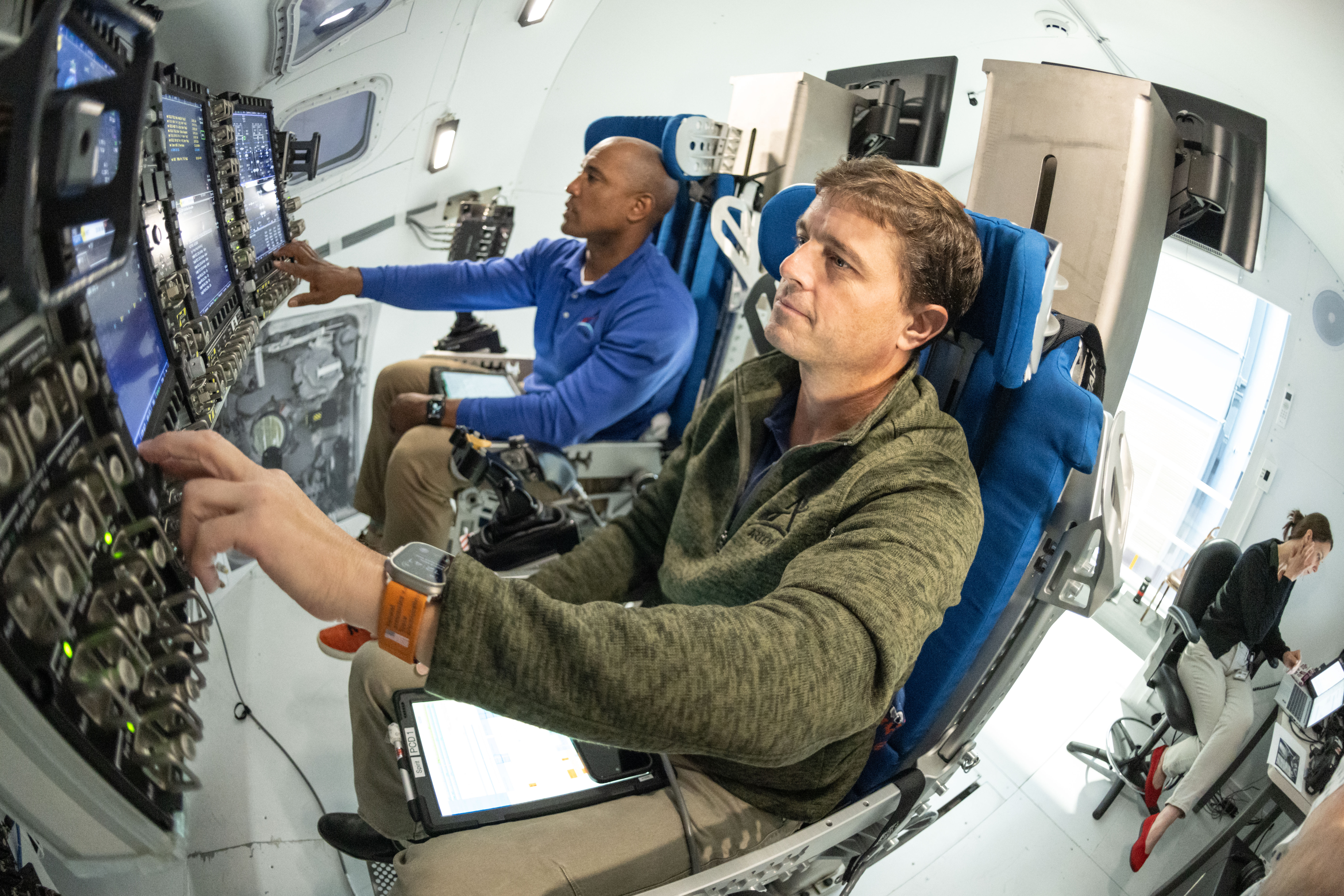
Reid Wiseman and Victor Glover train for the Artemis II mission inside the Orion Mission Simulator at NASA’s Johnson Space Center in Houston.
NASA/Bill Stafford

About the Author
Erika Peters

Erika Peters

Share

Details

Last Updated
Dec 22, 2025
Keep Exploring

Discover More Topics From NASA

❌