As CEO and co-founder of Innexo, Dominique van Gruisen leads one of Europe’s most advanced cannabis research and development facilities, where cultivation science meets pharmaceutical precision. Innexo is a Dutch cannabis contract research organization that designs and conducts cultivation and technology trials for clients across the cannabis sector, helping companies test innovations under controlled, data-rich conditions.
His impressive career in cannabis spans two decades and encompasses Belgian patient advocacy and clinician networks, as well as European biotech lobbying and cultivation consulting on both sides of the Atlantic. Van Gruisen’s goal is ambitious: to take cannabis beyond cultivation and into a world of validated data, reproducible genetics and true pharmaceutical reliability, which demands consistency. So, how do you do that?
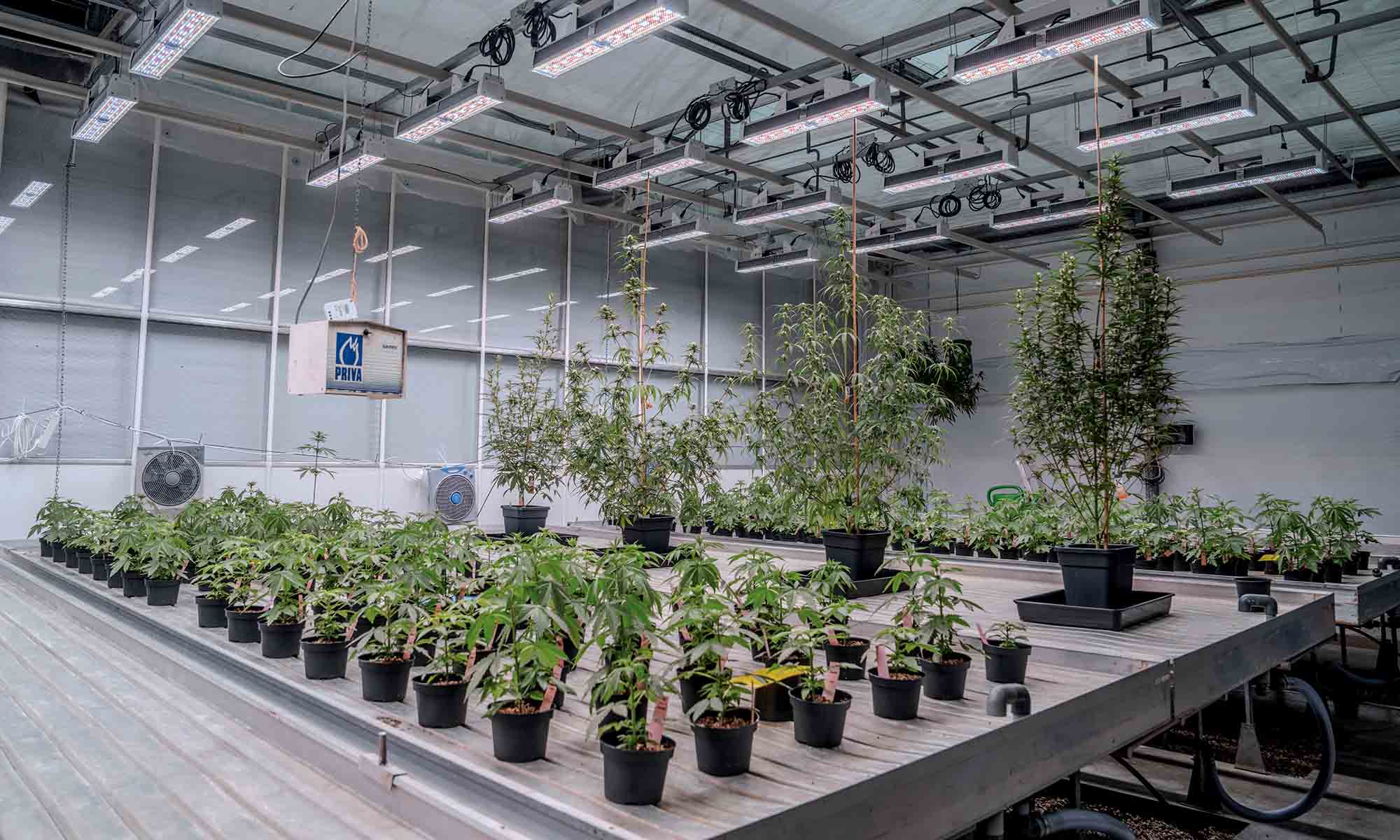
Innexo’s indoor grow facility at work.
Based in Meterik, a village in The Netherlands, Innexo is conducting independent trials on lighting, nutrients and genetics in an effort to generate measurable, reproducible data that brings cultivation closer to pharmaceutical standards. And through some key partnerships, they’ve come up with some profound techniques. The research center is currently working with Las Vegas-based lighting company Fohse, examining how precision lighting from their Cobra LED system affects plant structure, cannabinoid expression and energy efficiency.
“We’re using the Cobra Pros, and soon we’ll have tunable-spectrum models from Fohse,” van Gruisen says. “They have sensors that constantly read the natural light in the greenhouse and adjust automatically. If we can work with a dynamic spectrum that mirrors the sun, we can replicate the same conditions anywhere on Earth, in any season.”
The study benchmarks a range of metrics—from cannabinoid and terpene expression to morphology and energy use—to quantify how light affects consistency. “Their system fills your stack with data,” van Gruisen says. “That’s what we’re after: information that lets us build validated cultivation models rather than assumptions.”
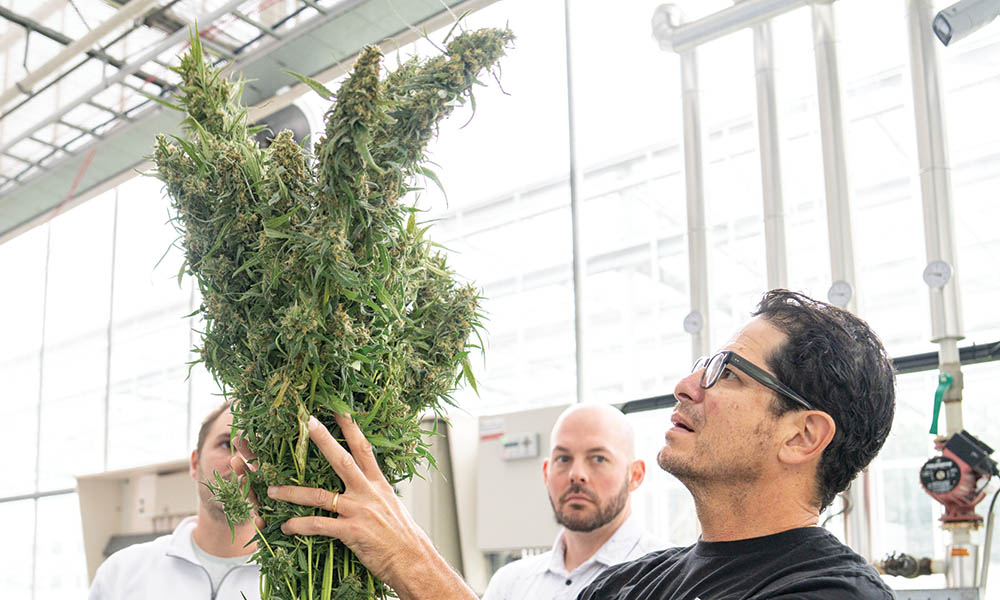
Fohse’s Michael Rosenfeld admires the latest grow.
Lighting defines the environment; genetics define the foundation. To address that, Innexo partnered with sister companies Innoveins Seed Solutions and SeQso to develop—wait for it—the world’s first AI-driven seed-sorting system for cannabis.
“They collect the spectral data of each seed in a non-destructive way,” van Gruisen says. “Then they grow that seed, record its traits, feed those traits back into the system and the algorithm learns which spectral patterns predict which plant characteristics.”
When he first heard of the technology, van Gruisen says, “I literally pulled my car over to call people.” Tests confirmed it worked for cannabis, opening the door to non-destructive quality-control certification at the seed level. “If there’s something you can distinguish, you can design a seed-sorting algorithm and push a batch through to separate the good from the bad,” he says.
The implications of this technology stretch beyond yield. AI analysis can detect pathogens such as hop latent viroid and certify genetic quality before cultivation begins. “Companies are developing F1 hybrids—stabilized lines,” van Gruisen says. “By scanning the seeds, you can fine-tune even further so your starting material is as robust as it can be.”
“By scanning seeds, you can fine-tune even further so your starting material is as robust as it can be,” van Gruisen says.
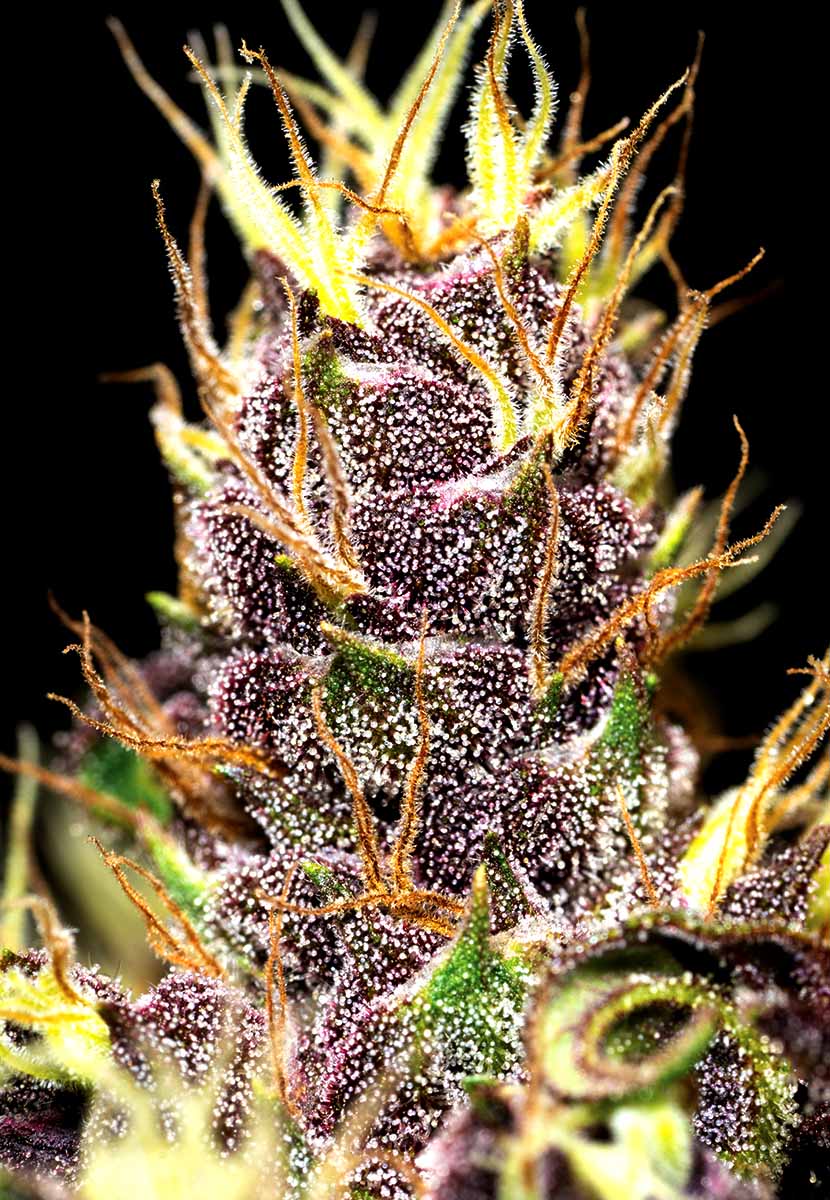
Van Gruisen believes AI-based seed fingerprinting could also reduce the industry’s dependence on cloning. “Even when you use clones, you still find big deviations in secondary metabolites depending on the season or humidity,” he says. “It’s very difficult to provide a consistent product in flower form.” Regulatory frameworks, he notes, demand pharmaceutical precision.
“When regulators say cannabis has to be a medicine, they mean it should be 98 to 102 percent consistent with what’s on the label,” he says. “That’s almost impossible with a natural product. But with solid F1 hybrid genetics that start from seed, you add another quality-control checkpoint.”
For cultivators, F1 seeds offer cleaner starts, lower costs and easier scalability. For patients, they promise reliability—the same genetics, the same relief—every time.
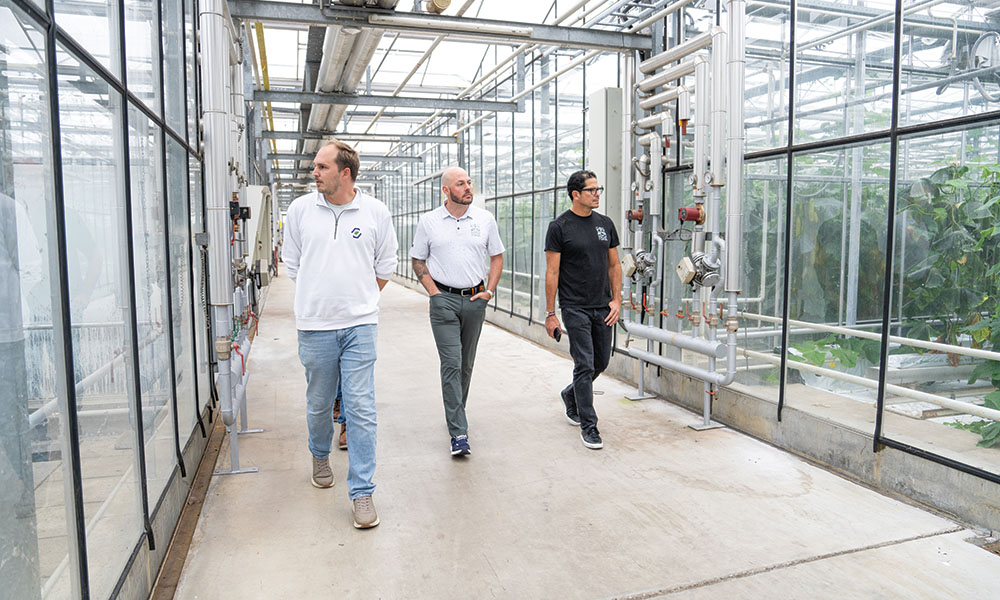
walk this way. Innexo Co-Founder and CEO Dominique van Gruisen, Tom Stanchfield, Fohse’s Senior Vice President and Michael Rosenfeld, Fohse’s Chief Marketing Officer admire the impressive Innexo complex in the village of Meterik in The Netherlands.
Van Gruisen describes Innexo as a link between two sectors that rarely speak the same language. “Growers talk in grams per square meter,” he says. “Pharma talks in validated datasets and deviation tolerances. We sit in the middle, making those conversations possible.”
That bridge extends beyond technology. Innexo is also reviving iconic legacy cannabis genetics—long-flowering, terpene-rich cultivars—and reintroducing them through advanced lighting and AI-guided cultivation. He aims to right some of the wrongs the industry has made. “We took a lot of wrong turns with cannabis in the last 20 years,” he says. “It’s time to rediscover what made this plant valuable in the first place and do it with proper science.”
Freshly baked gingerbread cookies are an integral part of Christmas. I love anything flavored with ginger—it’s one of my go-to spices. Just another reason why the so-called silly season is my favorite time of year. Speaking of being freshly baked, this year, I decided to add a little extra sprinkle of marijuana magic to my Christmas cookies. So, I reached out to my good friend—and highly regarded cannabis chef— Cheri Sicard for some inspiration. She recommended I try making her famous Ganja Gingerbread.
In Sicard’s recipe, these traditional cookies are given an extra helping of festive fun with her homemade cannabutter. Sweet and lightly spiced, the cannabutter ratio in this recipe means they aren’t overpowered by that tell-tale weedy taste you often get with edibles. Instead, it allows the ginger to shine bright like Rudolf’s nose (figuratively speaking.)
“Each of the 36 cookies in this cannabis-infused gingerbread cookie recipe will have about 15 mg THC, if you made your marijuana butter from average cannabis (10% THC) and used 1/2 ounce of marijuana to make one cup butter,” Sicard states on her website.
As with all edibles, start low and slow and build up, especially since you might forget that these delicious treats are infused, as you can’t really taste the bud butter.
Why You’ll Love These Ganja Gingerbread Cookies
Quintessentially Christmas: Gingerbread cookies are the essence of the holidays and are deeply flavored with aromatic spices including nutmeg, cloves, cinnamon and ginger and sweetened with molasses and brown sugar.
Fun to Decorate: Get creative with the decorating! You can use cannabis leaf cookie cutters as I did, or you can use traditional gingerbread person shapes, stars or whatever you like. Bear in mind that using the cannabis leaf shape will help remove the potential risk of people not knowing that these cookies are infused. Pro tip: Use store-bought colored icing pens to decorate.
Freezer-Friendly: These delicious Ganja Gingerbread cookies will keep for up to three months in an airtight container or freezer bag—not that you’ll have any leftovers.
In the recipe, you’ll have to chill the cookie dough for at least two hours. Trust me, you need the dough to be chilled so it’s manageable to roll out, and it also helps the cookies maintain their shape. If you don’t have chilled cookie dough, you won’t have either!
After rolling out my chilled dough, I used the same cannabis leaf cookie cutters on Sicard’s recommendation. Once they were out of the oven, I let them cool before decorating them, which was super fun.
I’ll have to wait until Christmas morning to see if these Ganja Gingerbread cookies are Santa-approved, but I do know that these fun and festive treats are a delicious way to enjoy cannabis during the holiday season. They also make excellent gifts for your edible-loving friends and family.
Let’s get baked!
Ganja Gingerbread
Servings: 36 Cookies
Ingredients
5 1/2 cups all-purpose flour
1 teaspoon baking soda
3/4 teaspoon salt
2 teaspoons dried ground ginger
1 tablespoon ground cinnamon
1/2 teaspoon ground nutmeg
1/2 teaspoon ground cloves
1/2 cup cannabis-infused butter
1/2 cup butter
1 cup dark brown sugar
1 large egg at room temperature
1 cup unsulfured molasses
1 teaspoon vanilla extract
Tubes of store-bought decorator’s icing (optional)
Instructions
Stir together the flour, baking soda, salt, ginger, cinnamon, nutmeg, and cloves; set aside.
Use an electric mixer on medium-high speed to beat the cannabis butter, butter, brown sugar, and egg until smooth.
Beat in the molasses and vanilla.
Lower the mixer speed and stir in the dry ingredients until smooth. Do not over mix. The dough should be firm but not crumbly.
Divide the dough into thirds and flatten each piece into a disk and wrap in plastic. Refrigerate for at least 2 hours.
Preheat oven to 350° F.
Roll a refrigerated disk to 1/8 inch thick on a lightly floured surface.
Use cookie cutters to make shapes and transfer to a large greased baking sheet, about 1 inch apart.
Bake for about 10 minutes or until firm to the touch. Cool slightly before transferring to a rack.
Cool completely before using the decorator’s icing to embellish your Ganja Gingerbread Christmas cookies.
The New Zealand Medicinal Cannabis Council (NZMCC) hosted its Industry Day on Oct. 29, 2025 at the EMA in Auckland, bringing together patients, clinicians, researchers, cultivators, advocates and policymakers for a full-day program centered on connection. The agenda was designed to strengthen links across a sector spanning prescribing, cultivation, compliance, research, and policy, with sessions focused on practical collaboration and knowledge sharing.
NZMCC Chair Carmen Doran opened the day and positioned connection as a deliberate focus for the Council, particularly as NZMCC’s membership has expanded to include clinicians, emerging cultivators and the wider support system around the sector, including government, suppliers and academics. The program moved from a Leaders’ Roundtable on the state of medicinal cannabis in New Zealand into regulatory and policy briefings, before splitting into clinical and industry breakout session pathways in the afternoon.
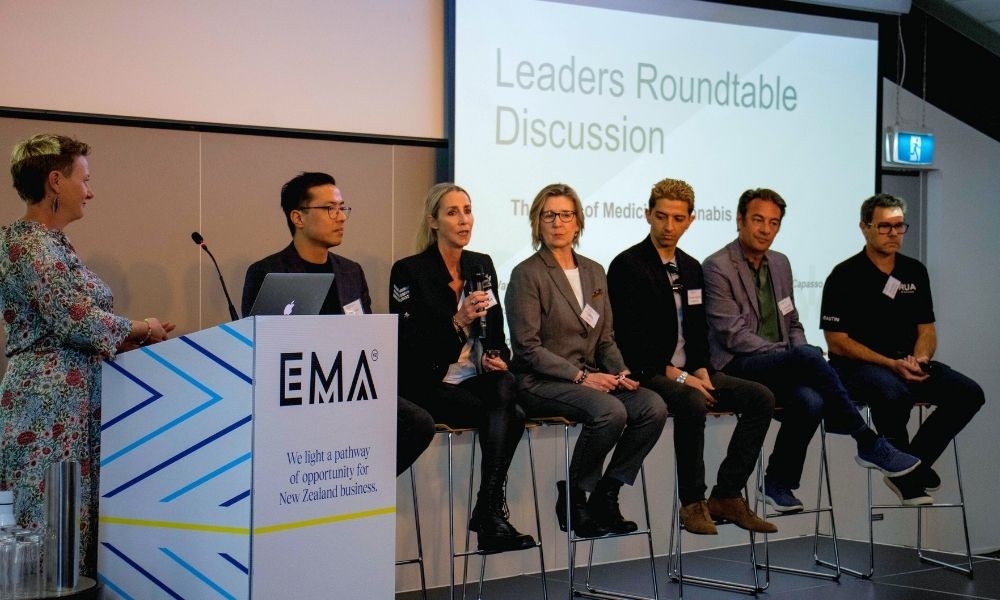
The Industry Day began with a Leaders’ Roundtable discussion examining where the medicinal cannabis sector currently stands.
Leaders’ Roundtable: The State of Medicinal Cannabis in New Zealand
Following a Mihi Whakatau, a Māori welcoming ceremony, the Industry Day began with a Leaders’ Roundtable discussion examining where the medicinal cannabis sector currently stands. The panel brought together senior figures from across healthcare, regulation and business, including Terry Teoh, business growth partner at New Zealand Trade and Enterprise (NZTE); Tara Creaven-Capasso, director of regulatory affairs ANZ at MedReleaf Australia; Paul Naske, CEO at Rua Bioscience, a Māori-founded pharmaceutical company that specializes in the research, development and sale of medicinal cannabis products both domestically and internationally; and Natalie Lowe, CEO of Green Doctors, a New Zealand medicinal cannabis clinic network.
The discussion covered regulatory maturity, patient access, prescribing trends and the challenges of operating in a tightly regulated environment. Teoh described the Industry Day as “a great connection point, particularly given NZMCC’s recent broadening of membership.” He also reflected on New Zealand’s presence at European Medicinal Cannabis Week earlier in the year. “From conversations with the NZ attendees and partners, themes that resonated particularly well included a responsible and ethical ecosystem that puts people first, NZ’s agricultural leadership heritage, and companies that are responsive and scalable,” he says.
Regulatory and Policy Briefings: Roles, Responsibilities and Reform
The morning continued with a session called Inside the Regulatory Framework: Roles, Responsibilities and Compliance, presented by Tania Jones from the Medicinal Cannabis Agency. Jones outlined how the Agency oversees New Zealand’s medicinal cannabis system, walking through licensing requirements, compliance obligations and the responsibilities of operators across cultivation, manufacture and supply.
Tara Creaven-Capasso of MedReleaf Australia discusses market alignment, product pathways and future opportunities.
This was followed by TGA Consultation Underway in Australia: Implications for the New Zealand Market, led by Tara Creaven-Capasso, director of regulatory affairs for ANZ of MedReleaf Australia. Drawing on her regulatory experience across the Tasman, Creaven-Capasso explained the scope of the Therapeutic Goods Administration’s consultation process and discussed what potential changes could mean for market alignment, product pathways and future opportunities for New Zealand companies.
The final morning session was delivered by Dr Jacek Kolodziej, policy director at the New Zealand Drug Foundation, who examined safer drug laws, lived experience and alternative policy approaches. His presentation placed medicinal cannabis within a broader public health and drug policy context.
Afternoon Breakouts: Clinical and Industry Pathways
After lunch, delegates chose between two breakout streams, with many moving between sessions as discussions progressed.
Clinical Pathway
The clinical stream opened with James Yu, pharmacist and co-founder of Ngā Hua Pharmacy, New Zealand’s leading independent specialist pharmacy focused on medicinal cannabis, who presented The Importance of Terpene Tailoring. Yu shared patient case studies drawn from dispensing practice, highlighting how different terpene profiles and chemovar selection can influence treatment outcomes.
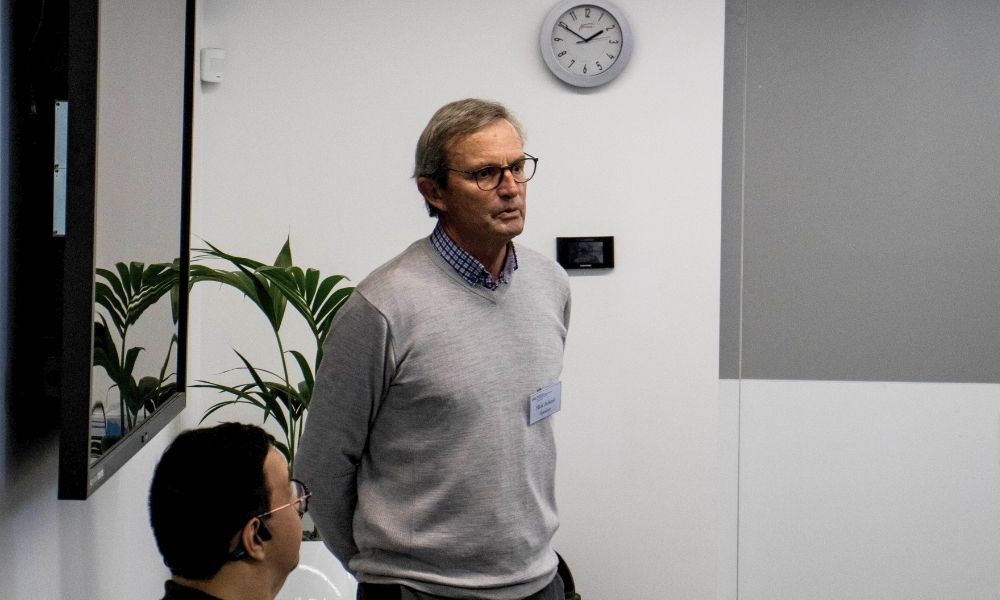
This was followed by a panel discussion titled Cannabis Challenges in Practice, moderated by Dr Rick Acland. The panel included Dr William Parkyn, Dr Afram Adam, and James Yu, and focused on prescribing confidence, clinical responsibility and real-world barriers to access.
“I was impressed with the level of knowledge and understanding of appropriate prescription amongst delegates,” Acland says. “Sadly, the wider medical fraternity struggles to understand this complex pharmacology and its wide-ranging effects through modulation of the Endocannabinoid System (ECS). Hopefully, the pool of advocates continues to grow and hence enhances patient wellbeing. There is a good understanding of the adverse effects that always need to be appreciated.”
Acland also highlighted agreement within the panel on professional standards. “I was impressed with the consensus regarding the need to adhere to agreed prescription protocols,” he says. He noted concern about the future regulatory environment, referencing legal expertise present in the room. “I was also impressed that we had a barrister, Adam Holloway, in the audience who works in the area of medical discipline. There is concern that specific prescribers may get ‘targeted’ by Registration bodies or Colleges in the future.”
The clinical pathway concluded with Dr Michael Murphy, Medical Advisor at CannaPlus+ and Board Member of the ANZCCP, presenting The ANZCCP Prescribing Guidelines, an update on current best practice and emerging evidence.
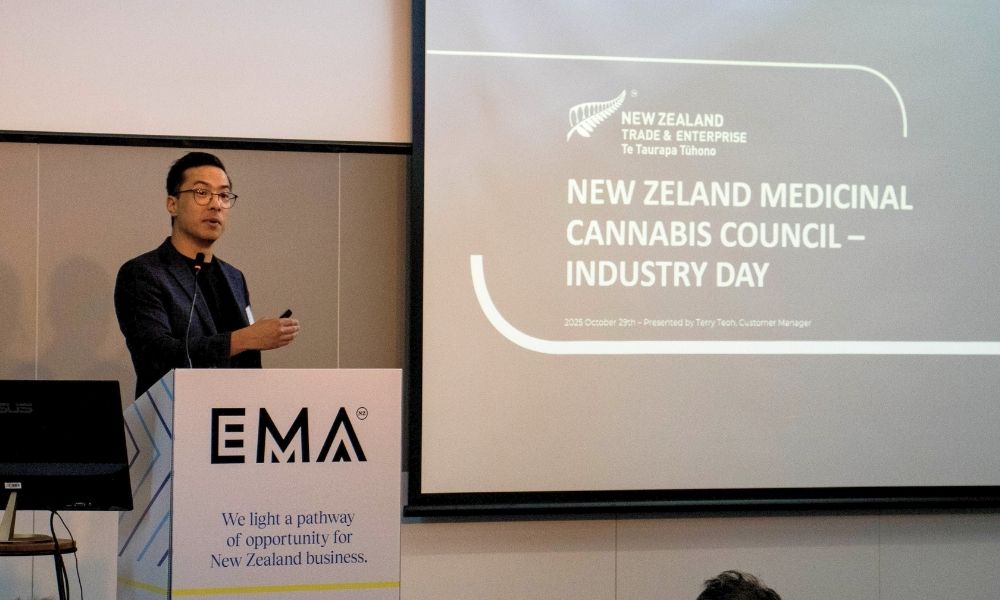
Terry Teoh of New Zealand Trade and Enterprise doscussed international market expectations.
Industry Pathway
The industry stream focused on innovation, sustainability and long-term planning.
Tua Waaku of Bluelab opened the pathway with Research and New Knowledge for Cultivation, presenting findings on light spectrum and plant development. Drawing on Bluelab’s experience designing monitoring and control tools for growers, the session explored how precision measurement can support consistent outcomes.
Dr Sam Baldwin of the Bioresource Institute followed with Indoor Crops 30 Years in the Future, examining how advances in technology, environmental constraints and resource efficiency may reshape cultivation models over the coming decades.
Energy considerations were addressed by Karan Tikku of Genesis Energy in Electricity: Challenges and Opportunities, where he outlined cost pressures facing cultivators and practical pathways to reduce energy use.
The industry pathway concluded with Terry Teoh of New Zealand Trade and Enterprise presenting Building an Export-Ready Business, focusing on scalability, regulatory preparedness and international market expectations.
As the clinician who championed the introduction of Sativex in 2006, Dr Rick Acland has played a central role in New Zealand’s medicinal cannabis sector for nearly two decades.
Sector Reflections: Experience From the Early Days
Although now retired from clinical practice, Dr Rick Acland says he remains closely connected to the medicinal cannabis sector. His involvement dates back to the early 2000s.“Despite being a retired practitioner, I still feel very much connected with this industry,” he says. “My history with medicinal cannabis goes back to the early 2000s when I was a member of the Medicines Assessment Advisory Committee (MAAC) of the Ministry of Health.”
Acland described his role in assessing Sativex in 2006. “At my last meeting (2006), I was responsible for the assessment of Sativex for registration,” he says. “I managed to persuade my fellow committee members that there was enough convincing data to approve it for spasticity of MS. There were a number of sceptics who did take some cajoling to get Sativex ‘across the line’.”
Looking back nearly two decades later, he said the decision had held up. “I think that with the passage of almost 20 years, our decision was correct, and pleasingly, any fears that had been raised at that meeting have not eventuated, apart from the prohibitive cost of the agent,” he says.
Acland also reflected on his clinical background. “Throughout my medical career, I have worked in pain and latterly in spinal cord injury rehabilitation,” he says. “Frequently, I noted the many patients who gained useful symptom relief from recreational use.”
He described the shift that followed legal prescribing. “Interestingly, once medicinal cannabis became available through prescription, I was ‘banned’ by one of the organizations I consulted for from having any conversation regarding cannabis,” Acland says. “It has concerned me that the Pain Society has taken such a negative approach, probably because of the opioid epidemic in the USA, despite there being a growing level of evidence showing a reduction in opioid use with the introduction of prescription cannabis.”
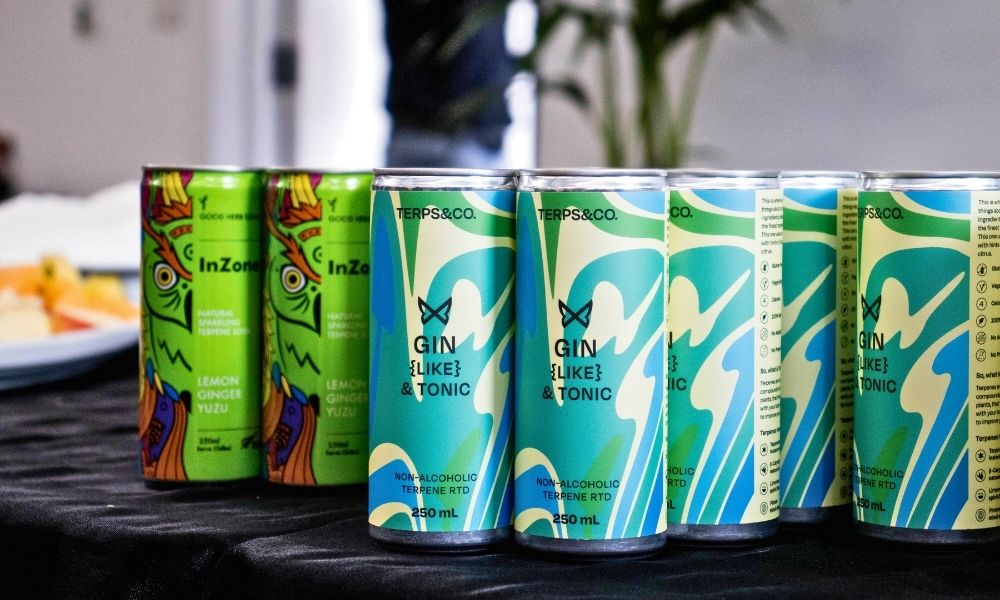
Event sponsor Terps & Co, a New Zealand beverage company that uses terpenes to power its functional sodas.
Sponsor Perspective
From a sponsor perspective, Arjun Bhargava, co-founder of innovative beverage brand Terps & Co, says the Industry Day reflected a broader shift in how the sector is thinking about cannabis formulation and patient experience.
“It was heartening to see that terpenes, beyond just THC and CBD, are finally getting the attention they deserve,” Bhargava says. “Across the value chain, from pharmacists to manufacturers, there is a growing appreciation for how pivotal they are and how profoundly they shape the cannabis experience.”
Looking Ahead
In reflecting on the day, Doran pointed to the connections formed across the room as the most meaningful outcome. “For me, the standout moment was seeing groups of people talking together after lunch who wouldn’t usually meet in their day-to-day work,” she says. “Being able to connect cultivators choosing which strains to commercialize with prescribing doctors who hear directly from patients about what works was incredibly powerful.”
Doran also noted that NZMCC held its AGM as part of the Industry Day, including the election of new board members intended to reflect the Council’s expanded membership base. Looking ahead, she said NZMCC plans to establish working groups in 2026 focused on priority areas for the sector, including export markets and patient access. “We’ll be diving into issues that shape the industry here at home, but also as we look to export markets and support patients in New Zealand and internationally,” she says.
As the peak representative organization for the medicinal cannabis sector focused on equitable and affordable access to cannabinoid-based medicines, the NZMCC Industry Day was the perfect opportunity to reinforce collaboration as the foundation for future progress.
The inaugural Las Vegas Vlasic Classic kicked off on November 8 at the Las Vegas Paiute Golf Resort, in collaboration with the Paiute Tribe and NuWu Cannabis. This event marked the first golf tournament in Nevada designed to fully comply with cannabis regulations. The concept was simple yet effective, taking place on a course known for hosting major events, and the turnout demonstrated a clear interest in the initiative.
This Las Vegas stop marked a significant development for the growing tournament series, which began in the Midwest and has steadily expanded. Founder Willy Vlasic noted that the move westward was intentional, linking the Classic to a major cannabis market at a time when the industry seeks more open and well-organized events.
“Las Vegas represents the next chapter in our mission to blend sport, advocacy and cannabis culture positively,” Vlasic said. “Partnering with the Paiute Tribe and NuWu Cannabis to create Nevada’s first compliant golf tournament showcases how collaboration can advance national reform efforts.”
The charity golf tournament attracted golfers, industry operators, brand representatives, advocates and supporters from the cannabis community.
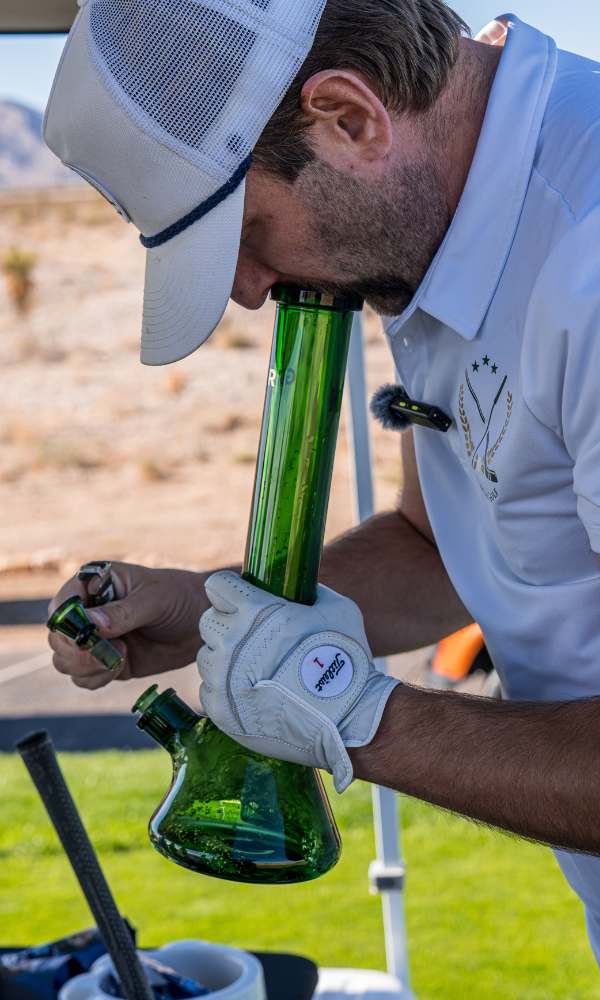
While golfers competed for trophies and hole-in-one prizes, the day prioritized dialogue as much as competition. Sponsor tents provided a mixture of product showcases and casual hangouts. Participants varied in their pace of play; some rushed through, while others savored the experience, with no one seeming eager to finish quickly.
Because the event was held at the Las Vegas Paiute Golf Resort, owned and operated by the Paiute Tribe, on-site consumption was permitted. This was a unique twist for a cannabis industry event, which are typically limited by state and local restrictions on public use. It added a practical ease to the day and meant attendees could sample products, join activations, and move through the course without the usual workarounds that define most cannabis gatherings.
This relaxed pace suited the attendees well, allowing them to seamlessly transition between golfing, networking, advocacy and casual conversation without interruptions. The event felt like an educational field trip, filled with familiar faces, as well as new introductions and ample opportunities for discussion—all without the constraints of a hectic conference schedule.
A Fundraiser With Clear Outcomes
The Las Vegas Vlasic Classic raised over $17,500, which was distributed among three national organizations dedicated to cannabis justice. Freedom Grow Forever and the Last Prisoner Project each received $6,250, while The Weldon Project received $5,000. These funds support various initiatives, including commissary accounts, re-entry assistance, legal advocacy and clemency efforts for individuals affected by cannabis-related incarceration.
Each partner organization plays a unique role within the reform landscape. Freedom Grow Forever, led by Bill and Jeff Levers, directs funds to support individuals still incarcerated for cannabis offenses. The Last Prisoner Project focuses on providing resources for re-entry microgrants and support systems for those returning to society. The Weldon Project, founded by Weldon Angelos, is dedicated to federal clemency, sentencing policy, and high-level advocacy.
Bill Levers, CEO of Freedom Grow, expressed gratitude to the Vlasic brand and their family for their advocacy work for cannabis prisoners. “The Vlasic family has been incredible partners and true advocates for Freedom Grow’s mission. The Las Vegas Vlasic Classic has played a crucial role in helping us share prisoners’ stories with the public. More importantly, it has allowed us to directly support those on our outreach list thanks to their generous donations. We are deeply thankful to the Vlasic family and every sponsor who made this event possible.”
With Las Vegas now added to the series, the Vlasic Classic, which took place earlier this year in Michigan and Missouri, has raised over $140,000 for second-chance and reform efforts.
Willy Vlasic with Benny Tso, the former chair of the Las Vegas Paiute Nation, at the historic first-ever legal consumption golf tournament in the US.
Strong Support From Across the Industry
A diverse array of brands supported the Las Vegas Classic, including Cannabis Now, Mama J’s, Matrix, Verano, Curaleaf, STIIIZY, and Good Day Farm. Their participation helped anchor the event and attract attention from the broader region. The National Cannabis Industry Association (NCIA) also returned as the official trade association sponsor, offering discounted first-year memberships to attendees.
The next event in the series is the 2026 Missouri Vlasic Classic, scheduled for May 1–3 at Old Kinderhook Resort. Previous Missouri events experienced strong attendance and media coverage, and early indications for 2026 suggest continued momentum.
Halloween for cannabis lovers has outgrown novelty gummies and glow-in-the-dark pipes. For this year’s Halloweed products round-up, we’ve wandered into the darker side of all that is dank. These products are all treats and no tricks, from dibles that enchant, tools sharp enough to raise spirits and bewitching accessories for stylish witches and warlocks.
Our 10 Halloweed product picks have something for everyone who knows that good taste is its own kind of magic.
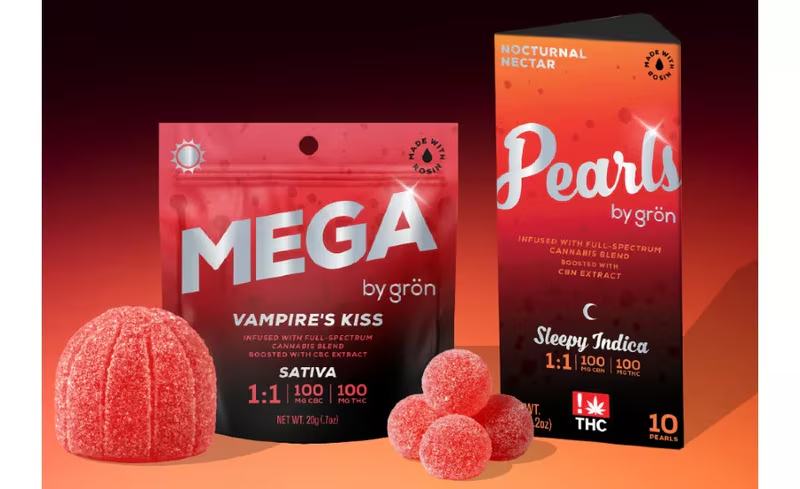
Bite Club by Grön
Grön’s Bite Club gummies are edibles for people who like their Halloween with a little bite. This limited-edition release comes in two spooky flavors: Nocturnal Nectar and Vampire’s Kiss. Each piece has 10 mg of THC balanced with 10 mg of CBN or CBC, giving you a smooth, mellow high. CBN helps you wind down after a long night, while CBC keeps the mood light.
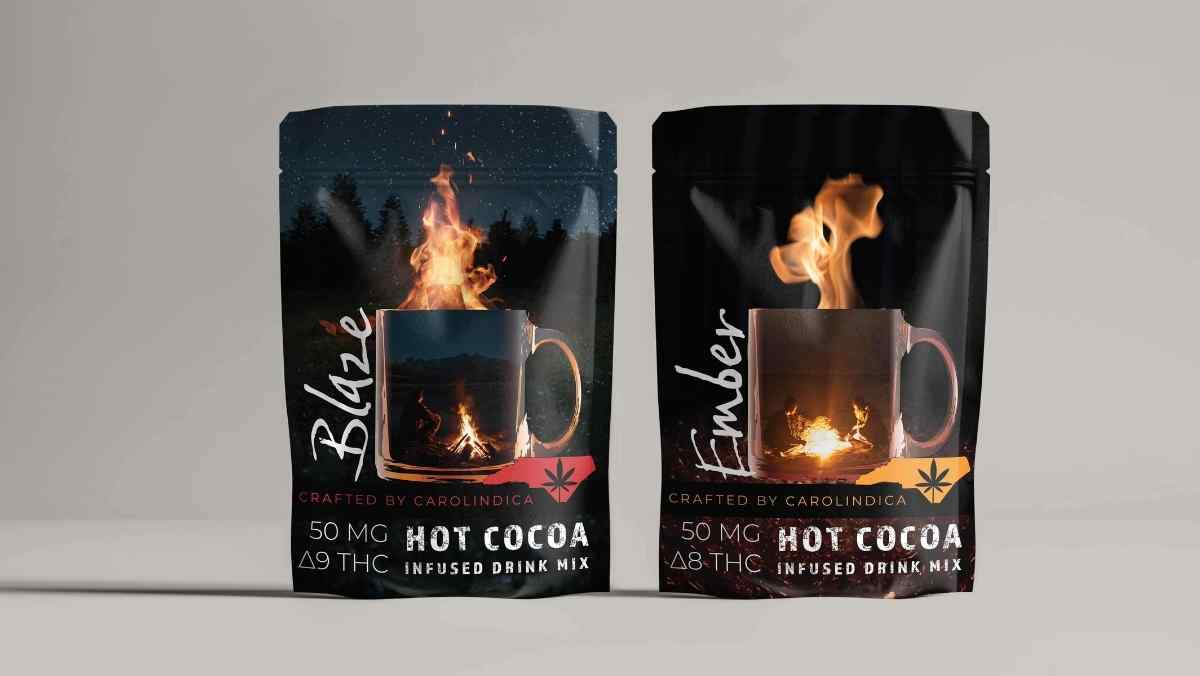
Carolindica Delta-8 Hot Chocolate
Cool weather calls for cocoa, and Carolindica’s Delta-8 Hot Chocolate might be the coziest way to enjoy a high. Each packet includes 50 mg of Delta-8 THC, or if you prefer something lighter, there’s a 10 mg Delta-9 THC + 20 mg CBD version. The mix dissolves easily in milk or oat milk and hits in about 45 minutes. Expect a warm body buzz that feels as comforting as the drink itself. It’s great for a horror movie marathon night.
Coast Cannabis Co. Cookies & Scream Bar
The limited-edition Cookies & Scream bar from Coast is pure Halloween indulgence. Think smooth organic white chocolate layered with crispy wafer cookies and splattered with red cocoa for dramatic flair. The bar contains 100 mg of full-spectrum THC, split into twenty 5 mg pieces so you can control your dose. Made in small batches with organic ingredients, it’s a rich but not overwhelming treat that looks spooky but tastes sophisticated.
DaySavers Smoke Temple Halloween Bundle
If you love a little ritual with your smoke, DaySavers’ SmokeTemple bundle makes every session feel like an event. Inside you’ll find a 1 g mini cross-cone and a 3 g original cross-cone, plus a Halloween-themed tray, packing stick, and ashtray. The cones are made from unbleached, slow-burning paper for an even burn. The 3-gram size is perfect for group sessions or when you’re feeling bold.
High on Plants Neon Orange Leaf Earrings
These bright orange earrings from High on Plants are proof that cannabis-inspired fashion can be high-end. Lazser cut from Italian leather and hand-finished with silver hooks, they’re light and comfortable and perfect for showing your love for weed. Whether you’re heading to a Halloween party or just want to show your plant pride in style, these make the perfect finishing touch.
HØJ Klip Grinder by VITAE Glass
Think of the Klip grinder from HØJ as more of a precision tool than an accessory. Instead of grinding your flower into dust, it uses sharp, suspended blades to slice through it, keeping the trichomes intact and the aroma full. The magnetic design clicks together smoothly, and the anodized aluminum body has a solid, balanced weight that feels good in the hand. Cleanup is quick, and the cut is always consistent. It’s a smart design built for smokers who appreciate good engineering but don’t want their gear to overcomplicate the rolling ritual.
Juāna Bergamot Sativa Uplift Candle
Juāna’s Bergamot Sativa Uplift candle sets the mood for a relaxed session or helps clear the air afterward. It’s made with vegan coco-apricot wax and a clean cotton wick, giving it a long, even burn. The scent combines citrus and soft herbal notes for a refreshing, energizing vibe, like a morning sativa in candle form. There’s no THC here, but the atmosphere it creates is just as mellow. Simple, sustainable and elegant, you’ll burn this candle long after Halloween ends.
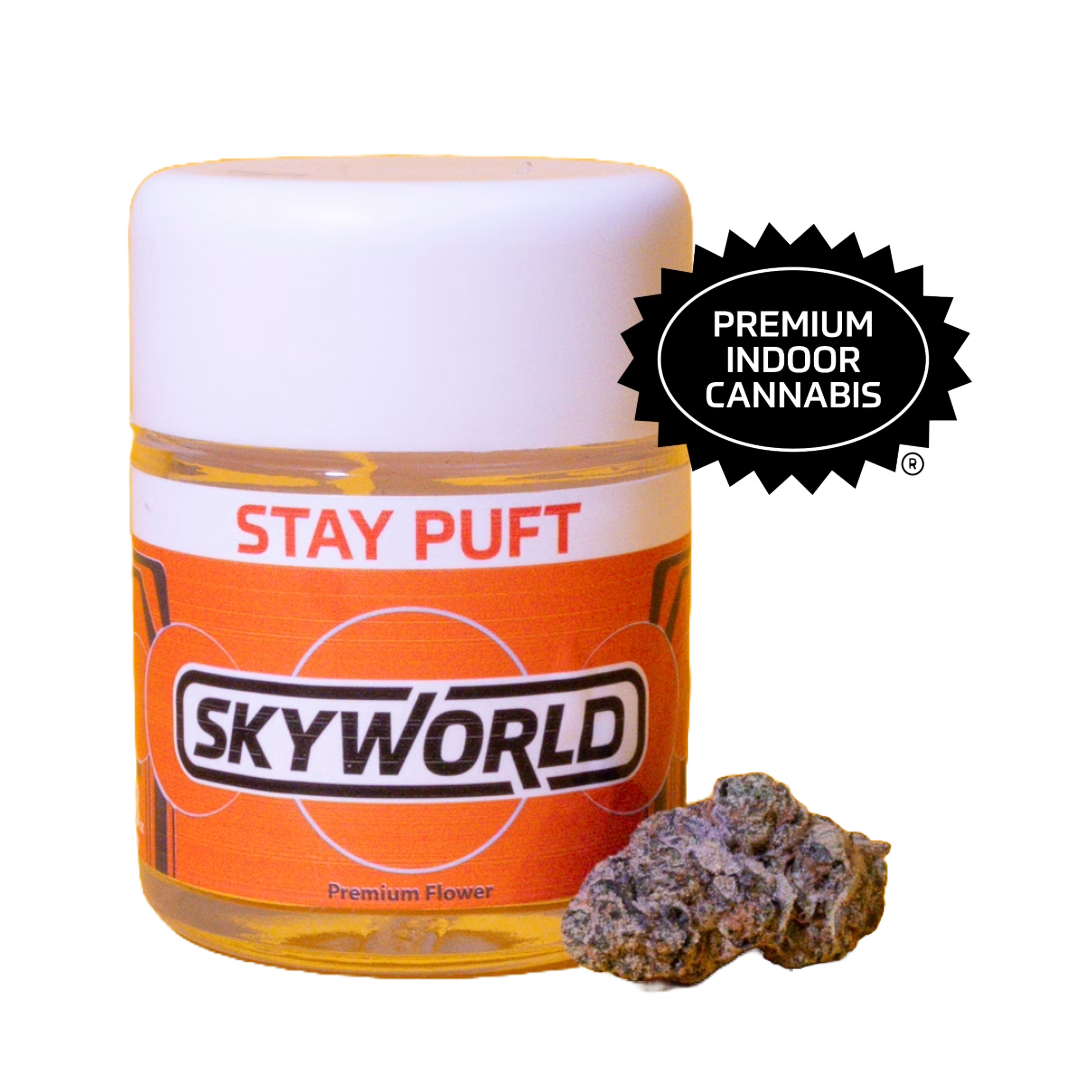
Skyworld Cannabis Stay Puft Flower
Skyworld’s Stay Puft is the kind of strain that turns a haunted house into a happy one. This hybrid sits at 28.38% THC, with 1.5% CBG and 2.44% terpenes dominated by β-Myrcene and Limonene. Named after the Stay-Puft Marshmallow Man from the Ghostbusters franchise, this flower smells like toasted marshmallow with a hint of grape and hits smooth and a high that’s relaxing without being heavy; half a gram is enough to ease tension and keep your focus soft. This sweet, balanced high is perfect for creative nights or lazy afternoons when you just want to float.
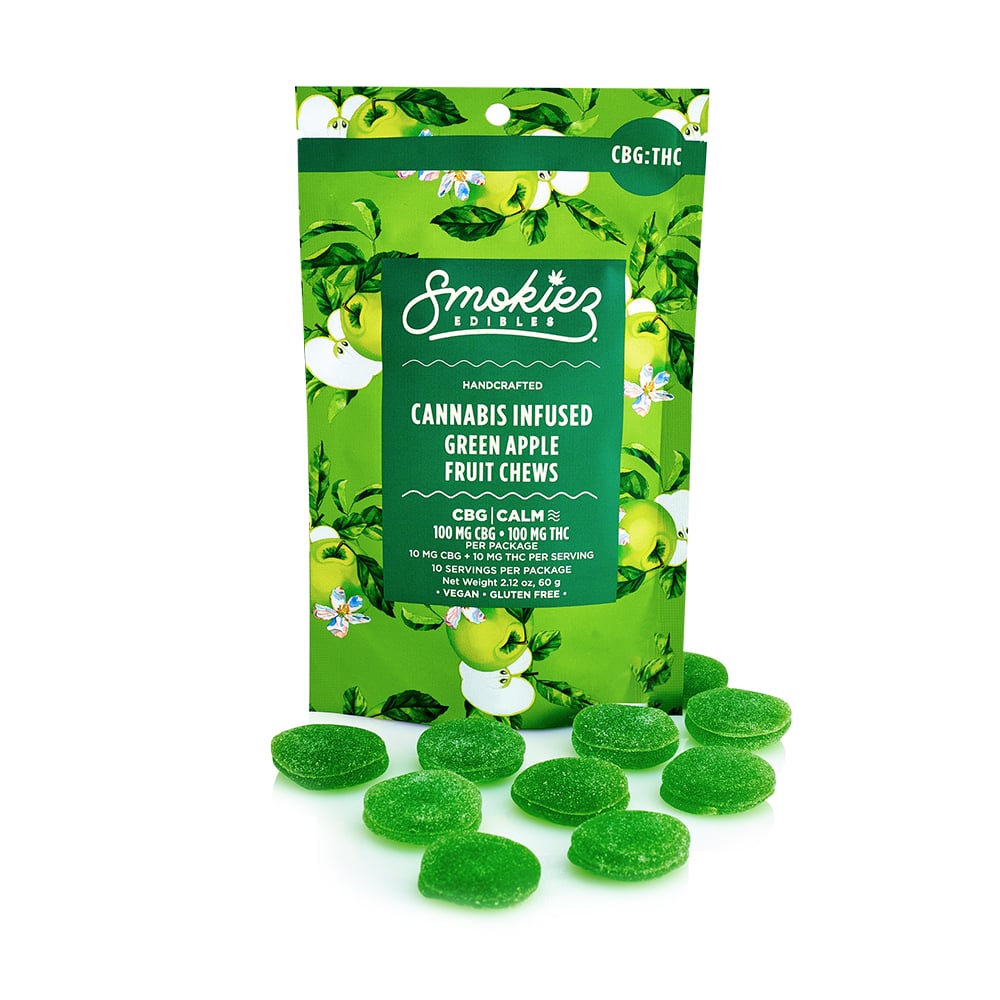
Smokiez Green Apple Fruit Chews & Infused Apple Cider
Smokiez brings a fresh crunch to Halloweed with their Green Apple and Sour Green Apple Fruit Chews. Both flavors capture that tart, juicy bite of fall apples and come in two formulations: a 1:1 THC/CBG blend (100 mg THC / 100 mg CBG per pack) and a Hybrid version (100 mg THC total). Each chewy bite delivers a balanced lift — enough to boost your mood without stealing your clarity. The texture is soft, the flavor bright, and the effect smooth and social.
If you want to get creative, you can make an infused apple cider that uses the chews as the base. Melt one into warm cider, and you’ll have a cozy, lightly dosed drink that’s perfect for sweater weather.
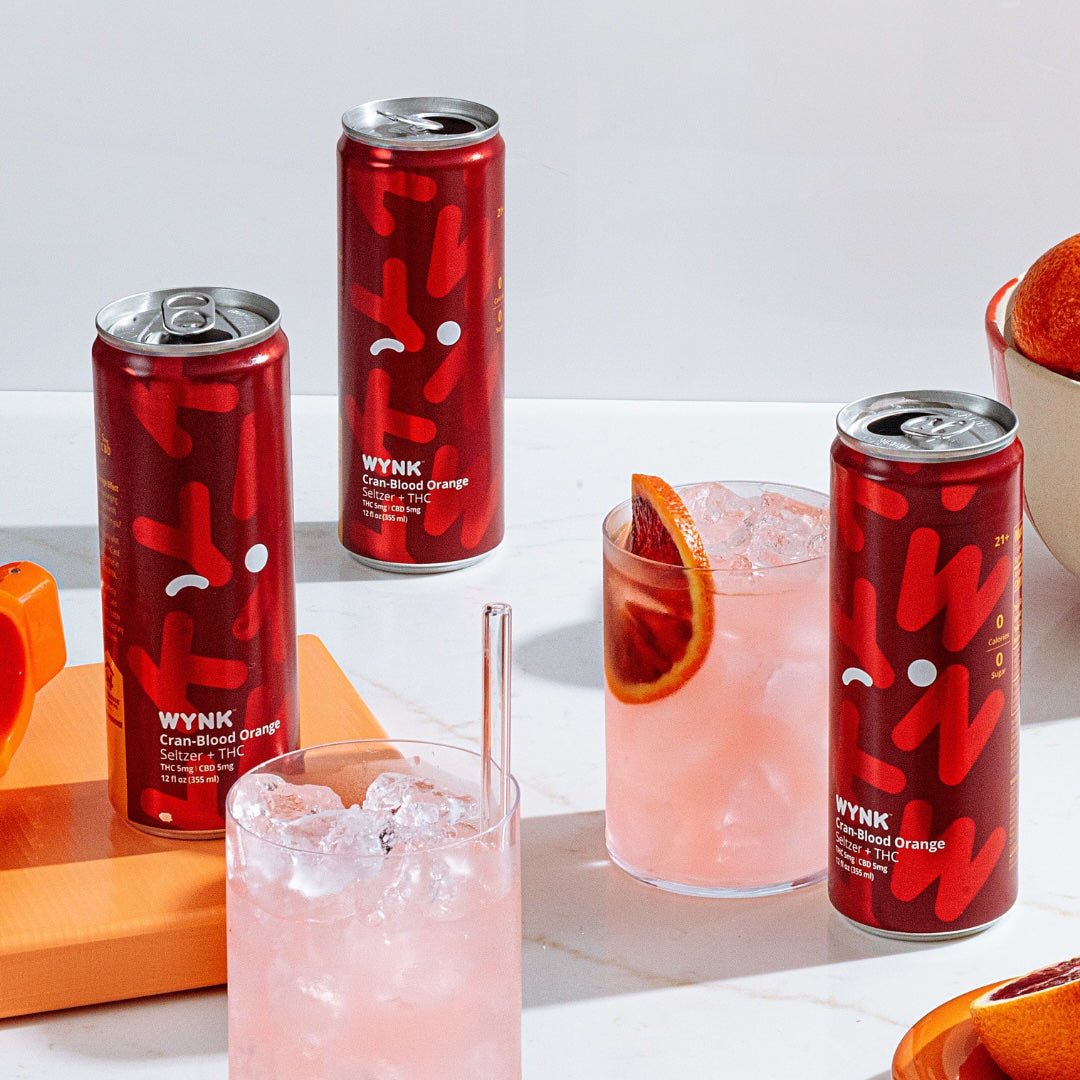
WYNK Cran Blood Orange THC Seltzer
If you’d rather sip your cannabis than smoke it, WYNK Cran Blood Orange is the drink for you. Each 12-ounce can has 5 mg THC and 5 mg CBD, creating a gentle, balanced buzz that kicks in within 15 minutes. The tart cranberry and citrus flavor feels refreshing, not sugary, and it’s light enough to enjoy more than one. With zero sugar and no hangover, it’s the perfect option for social smokers or anyone who wants a subtle lift at the Halloween party.

 Login
Login