AI coding work is rising fast, but the biggest payoff isn’t evenly shared. A Science analysis suggests seasoned developers get stronger gains than newcomers, which could reshape how you learn, interview, and prove value.
Despite unprecedented investment in artificial intelligence, most enterprises have hit an integration wall. The technology works in isolation. The proofs of concept impress.
But when it comes time to deploy AI into production that touches real customers, impacts revenue and introduces legitimate risk, organizations balk–for valid reasons: AI systems are fundamentally non-deterministic.
Unlike traditional software that behaves predictably, large language models can produce unexpected results. They risk providing confidently wrong answers, hallucinated facts and off-brand responses. For risk-conscious enterprises, this uncertainty creates a barrier that no amount of technical sophistication can overcome.
This pattern is common across industries. In my years helping enterprises deploy AI technology, I’ve watched many organizations build impressive AI demos that never made it past the integration wall. The technology was ready. The business case was sound. But the organizational risk tolerance wasn’t there, and nobody knew how to bridge the gap between what AI could do in a sandbox and what the enterprise was willing to deploy in production. At that point, I came to believe that the bottleneck wasn’t the technology. It was the talent deploying it.
A few months ago, I joined Andela, which provides technical talent to enterprises for short or long-term assignments. From this vantage point, it remains clearer than ever that the capability that enterprises need has a name: the forward-deployed engineer (FDE). Palantir originally coined the term to describe customer-centric technologists essential to deploying their platform inside government agencies and enterprises. More recently, frontier labs, hyperscalers and startups have adopted the model. OpenAI, for example, will assign senior FDEs to high-value customers as investments to unlock platform adoption.
But here’s what CIOs need to understand: this capability has been concentrated with AI platform companies to drive their own growth. For enterprises to break through the integration wall, they need to develop FDEs internally.
What makes a forward-deployed engineer
The defining characteristic of an FDE is the ability to bridge technical solutions with business outcomes in ways traditional engineers simply don’t. FDEs are not just builders. They’re translators operating at the intersection of engineering, architecture and business strategy.
They are what I think of as “expedition leaders” guiding organizations through the uncharted terrain of generative AI. Critically, they understand that deploying AI into production is more than a technical challenge. It’s also a risk management challenge that requires earning organizational trust through proper guardrails, monitoring and containment strategies.
In 15 years at Google Cloud and now at Andela, I’ve met only a handful of individuals who embody this archetype. What sets them apart isn’t a single skill but a combination of four working in concert.
The first is problem-solving and judgment. AI output is often 80% to 90% correct, which makes the remaining 10% to 20% dangerously deceptive (or maddeningly overcomplicated). Effective FDEs possess the contextual understanding to catch what the model gets wrong. They spot AI workslop or the recommendation that ignores a critical business constraint. More importantly, they know how to design systems that contain this risk: output validation, human-in-the-loop checkpoints and deterministic fallback responses when the model is uncertain. This is what makes the difference between a demo that impresses and a production system that executives will sign off on.
The second competency is solutions engineering and design. FDEs must translate business requirements into technical architectures while navigating real trade-offs: cost, performance, latency and scalability. They know when a small language model (with lower inference cost) will outperform a frontier model for a specific use case, and they can justify that decision in terms of economics rather than technical elegance. Critically, they prioritize simplicity. The fastest path through the integration wall almost always begins with the minimum viable product (MVP) that solves 80% of the problem with appropriate guardrails. The solution will not be the elegant system that addresses every edge case but introduces uncontainable risk.
Third is client and stakeholder management. The FDE serves as the primary technical interface with business stakeholders, which means explaining technical mechanics to executives who often lack significant experience with AI. Instead, these leaders care about risk, timeline and business impact. This is where FDEs earn the organizational trust that allows AI to move into production. They translate non-deterministic behavior into risk frameworks that executives understand: what’s the blast radius if something goes wrong, what monitoring is in place and what’s the rollback plan? This makes AI’s uncertainty legible and manageable to risk-conscious decision makers.
The fourth competency is strategic alignment. FDEs connect AI implementations to measurable business outcomes. They advise on which opportunities will move the needle versus which are technically interesting but carry disproportionate risk relative to value. They think about operational costs and long-term maintainability, as well as initial deployment. This commercial orientation—paired with an honest assessment of risk—is what separates an FDE from even the most talented software engineer.
The individuals who possess all of these competencies share a common profile. They typically started their careers as developers or in another deeply technical function. They likely studied computer science. Over time, they developed expertise in a specific industry and cultivated unusual adaptability and the willingness to stay curious as the landscape shifts beneath them. Because of this rare combination, they’re concentrated at the largest technology companies and command high compensation.
The CIO’s dilemma
If FDEs are as scarce as I’m suggesting, what options do CIOs have?
Waiting for the talent market to produce more of them will take time. Every month that AI initiatives stall at the integration wall, the gap widens between organizations capturing real value and those still showcasing demos to their boards. The non-deterministic nature of AI isn’t going away. If anything, as models become more capable, their potential for unexpected behavior increases. The enterprises that thrive will be those that develop the internal capability to deploy AI responsibly and confidently, not those waiting for the technology to become risk-free.
The alternative is to grow FDEs from within. This is harder than hiring, but it’s the only path that scales. The good news: FDE capability can be developed. It requires the right raw material and an intensive, structured approach. At Andela, we’ve built a curriculum that takes experienced engineers and trains them to operate as FDEs. Here’s what we’ve learned about what works.
Building your FDE bench
Start by identifying the right candidates. Not every strong engineer will make the transition. Look for experienced software engineers who demonstrate curiosity beyond their technical domain. You want people with foundational strength in core development practices and exposure to data science and cloud architecture. Prior industry expertise is a significant accelerant. Someone who understands healthcare compliance or financial services risk frameworks will ramp faster than someone learning the domain from scratch.
The technical development path has three layers. The foundation is AI and ML literacy: LLM concepts, prompting techniques, Python proficiency, understanding of tokens and basic agent architectures. These are table stakes.
The middle layer is the applied toolkit. Engineers need working competency in three areas that map to the “three hats” an FDE wears.
First is RAG, or retrieval-augmented generation, knowing how to connect models to enterprise data sources reliably and accurately.
Second is agentic AI, orchestrating multi-step reasoning and action sequences with appropriate checkpoints and controls.
Third is production operations, ensuring solutions can be deployed with proper monitoring, guardrails and incident response capabilities.
These skills are developed through building and shipping actual systems that have to survive contact with real-world risk requirements.
The advanced layer is deep expertise: model internals, fine-tuning, the kind of knowledge that allows an FDE to troubleshoot when standard approaches fail. This is what separates someone who can follow a playbook from someone who can improvise when the playbook doesn’t cover the situation. It is also someone who can explain to a skeptical CISO why a particular approach is safe to deploy.
Professional capabilities are equally as important as technical training and can be harder to develop. FDEs must learn to reframe conversations, to stop talking about technical agents and start discussing business problems and risk mitigation. They must manage high-stakes stakeholder relationships, including difficult conversations around scope changes, timeline slips and the inherent uncertainties of non-deterministic systems. Most importantly, they must develop judgment: the ability to make good decisions under ambiguity and to inspire confidence in executives who are being asked to accept a new kind of technology risk.
Set realistic expectations with your leadership and your candidates. Even with a strong program, not everyone will complete the transition. But even a small cohort of FDE-capable talent can dramatically accelerate your path to overcoming the integration wall. One effective FDE embedded with a business unit can accomplish more than a dozen traditional engineers working in isolation from the business context. That’s because the FDE understands that the barrier was never primarily technical.
The stakes
The enterprises that develop FDE capability will break through the integration wall. They’ll move from impressive demos to production systems that generate real value. Each successful deployment will build organizational confidence for the next. Those that don’t will remain stuck, unable to convert AI investment into AI returns, watching more risk-tolerant competitors pull ahead.
My bet when I joined Andela was that AI would not outpace human brilliance. I still believe that. But humans have to evolve. The FDE represents that evolution: technically deep, commercially minded, fluent in risk and adaptive enough to lead through continuous change. This is the archetype for the AI era. CIOs who invest in building this capability now won’t just keep pace with AI advancement; they’ll be the ones who finally capture the enterprise value that has remained stubbornly hard to reach.
This article is published as part of the Foundry Expert Contributor Network. Want to join?
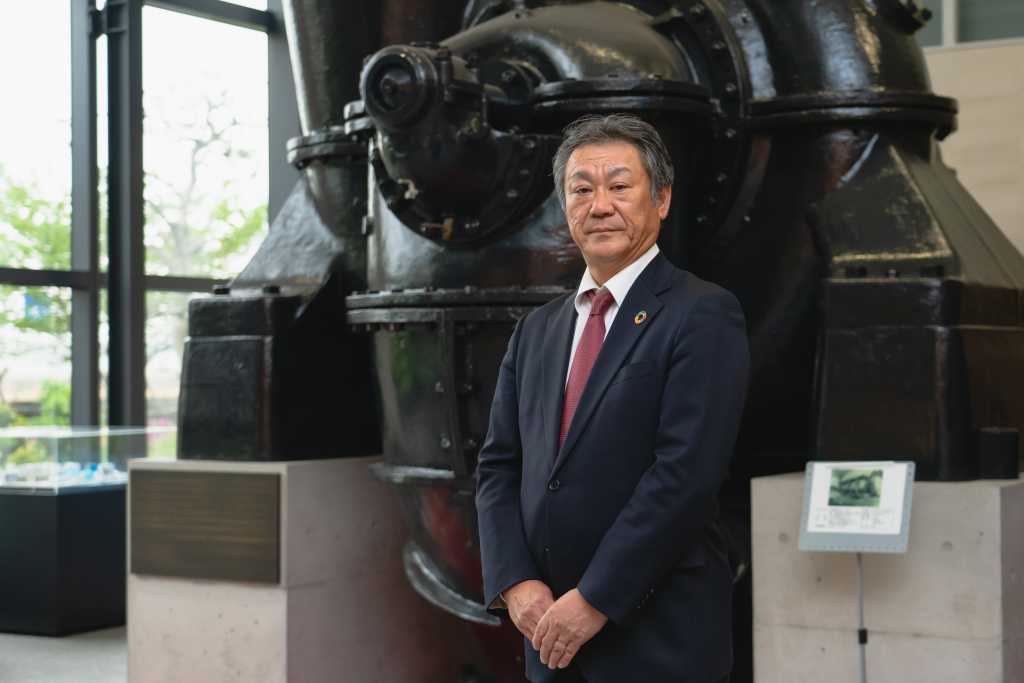
우동 브랜드 마루가메제면 등을 운영하는 일본 외식 기업 트리도르홀딩스는 글로벌 시장 확장을 목표로 디지털과 IT 기반의 경영 혁신에 속도를 내고 있다. 이 과정에서 시스템 전면 현대화와 조직 개편, SaaS·AI 활용까지 직접 이끌어 온 CIO 이소무라 야스노리(磯村康典)가 벤더 경험과 경영 시각을 바탕으로 변화에 강한 기업 기반을 구축하는 전략과 철학을 제시했다.
Q(CIO재팬) : 지금까지의 경력에 대해 설명해 달라. A(이소무라 야스노리) : 커리어는 후지쓰에서 시작했다. 약 7년 동안 주로 공공 부문 시스템을 담당하는 시스템 엔지니어로 일하며 현장에서 기술 역량을 다져왔다.
이후 2000년 소프트뱅크(현 소프트뱅크그룹)로 이직했다. 당시 손정의 회장이 “앞으로는 인터넷 시대”라고 강조하던 시기로, 사내에서는 인터넷 관련 벤처가 잇따라 출범하고 있었다. 그중 하나가 전자상거래 사업으로, 현재의 세븐넷쇼핑이다. 나는 시스템 책임자로 사업 출범에 참여해 약 8년 동안 사업 성장을 뒷받침하는 역할을 맡았다.
다음으로 도전한 곳은 외식 IT 벤처 갈프넷이다. 트리도르홀딩스를 비롯한 주요 외식 체인을 고객으로 둔 회사로, 이곳에서 4년 동안 개발 책임자로 시스템을 이끌었을 뿐 아니라 영업 책임자 역할도 경험했다. 기술뿐 아니라 비즈니스 현장을 직접 움직이는 어려움과 재미를 체감할 수 있었던 점은 큰 수확이었다.
이후 투자회사 오크캐피탈(현 UNIVA·오크홀딩스)로 자리를 옮겨 약 8년간 투자 기업에 핸즈온으로 관여했다. 경영 재건과 기업 가치 제고를 추진했고, 경우에 따라서는 직접 대표이사를 맡는 등 경영 전반에 깊이 관여하는 경험을 쌓았다. 이 시기에 형성된 ‘사업을 어떻게 재정비하고 성장으로 이끌 것인가’라는 관점은 지금의 중요한 자산이 되고 있다.
그리고 2019년 트리도르홀딩스 CIO로 부임했다. 어느덧 6년이 지난 현재, 벤더로서 축적한 지식과 사업회사에서의 경험, 경영자로서의 시각을 모두 활용해 사업 성장을 견인하는 CIO로서 도전을 이어가고 있다.
Q : 지금까지의 경력 가운데 특히 인상에 남는 일은 무엇인가. A : 돌아보면 각 업종과 역할마다 큰 도전이 있었다. 처음 SI 업무를 맡았을 때는 얼마나 큰 규모의 프로젝트를 운영할 수 있는지가 성장의 기준이었다. 당시 20대에 800인월(人月, 여러 인력이 수개월 이상 투입돼, 인력 수×투입 개월 수를 합산하면 800에 이르는) 규모의 프로젝트를 맡았는데, 지금 생각해 보면 젊은 시절에 상당히 큰 책임을 맡길 만큼 기회를 주던 회사였다고 느낀다.
소프트뱅크에서는 처음으로 ‘비즈니스를 만든다’는 일에 도전했다. 담당한 것은 현재의 세븐넷쇼핑으로 이어지는 전자상거래 사업이다. 매출이 전혀 없는 상태에서 출발해, 시스템 책임자로서 사업이 약 200억 엔 규모로 성장하는 과정을 뒷받침했다. 단순한 시스템 개발이 아니라, 비즈니스 성장과 직접적으로 연결된 경험이었다는 점에서 커리어 전반에 매우 큰 의미를 남겼다.
현직인 트리도르홀딩스 CIO로서 처음 맡은 큰 과제는 전사 시스템의 전면적인 현대화였다. 부임 이후 약 6년에 걸쳐 추진해 왔고, 이제 모든 교체 작업이 마무리 단계에 이르고 있다.
당초에는 3년 내 완료를 목표로 했지만, 사내 사정과 기존 구조를 세심하게 고려하며 진행할 필요가 있었다. 그 결과, 속도보다 완성도를 택해 시간이 걸리더라도 확실히 끝내는 방향으로 추진하게 됐다.
프로젝트의 출발점은 ‘시스템이 몇 개나 있는지를 파악하는 것’이었다. 처음 점검했을 때 약 180개의 시스템이 존재했고, 이후 업무 목적에 따라 재정리하며 통합을 진행했다. 그 결과 현재는 약 40개 수준까지 대폭 줄일 수 있었다.
이 과정을 돌아보면, 시스템 자산 정리부터 현대화까지 전 과정을 직접 이끌어 온 경험은 CIO로서 가장 처음에 도전하기에 걸맞은 과제였다고 생각한다.
Q : 가장 어려웠던 경험은 무엇인가. A : 가장 신경을 많이 쓴 일은 트리도르홀딩스에서 추진한 업무 조직 개편이었다. 구체적으로는 트리도르그룹의 본사 업무를 지주회사와 쉐어드서비스 회사(그룹 공통 관리·운영 업무를 통합 수행하는 조직)로 역할을 나눠 재구성했다. 이후 회계·인사·IT 운영 등 반복적인 관리 업무를 내부 조직이 아닌 외부 전문 위탁업체(Business Process Outsourcing, BPO)에 맡기는 방식으로 운영 구조를 바꿨다.
사내에서 수행하던 업무를 외부로 옮기는 과정은 대담하면서도 매우 섬세한 조정이 필요한 프로젝트였다. 우선 IT 부문부터 착수했는데, 이 과정이 가장 어려웠다.
당시 나는 쉐어드서비스 회사의 대표를 겸임하며 최대 약 180명의 인력을 이끌고 있었다. 이 조직에는 IT 운영팀뿐 아니라 회계 기장을 담당하는 재무 조직, 급여 계산을 맡은 인사 조직 등 이른바 오퍼레이션 기능이 집약돼 있었다. 전략 수립은 지주회사가 맡고, 일상적인 오퍼레이션은 하나로 묶어 관리하는 체제를 갖추고 있었으며, 이 가운데 일부 업무를 단계적으로 분리해 외부로 이전하는 것이 당시 맡은 역할이었다.
당연히 기존 업무를 수행하던 인력의 다음 커리어를 어떻게 설계할지가 큰 과제가 됐다. 트리도르는 효고현 가코가와시에서 창업해 이후 고베시에 본사를 두고 있었고, 당시 쉐어드서비스 회사의 거점 역시 고베에 있었다.
시부야 본사로 이동이 가능한 인력에게는 지주회사 업무를 제안했지만, 가정 사정 등으로 전근이 어려운 경우도 적지 않았다. 이런 경우에는 BPO 벤더로 전적해 기존과 같은 업무를 이어가도록 하거나, 트리도르그룹 매장으로 활동 무대를 옮기는 방안을 제시했다. 나는 구성원 한 사람 한 사람과 면담을 거듭하며 다음 진로를 함께 결정해 나갔다.
물론 이 과정은 혼자서 감당할 수 있는 일이 아니었다. 부장과 관리직의 협조를 얻어 직원들과 진지하게 대화를 이어가며 추진했다. 최종적인 목표는 각자가 새로운 환경에서도 장기간 역량을 발휘할 수 있도록 하는 것이었다. 회사 차원의 방침은 분명했지만, 최대한 구성원들이 납득할 수 있는 결론에 이르는 것이 당시 스스로에게 주어진 가장 큰 책임이었다고 본다.
Q : 특히 기억에 남는 말이나 사건이 있는가. A : 크게 두 가지가 있다. 첫 번째는 세븐넷쇼핑 출범에 관여하던 시기의 경험이다. 당시 세븐&아이홀딩스 회장이었던 스즈키 도시후미의 말을, 당시 상사이자 회장의 아들인 스즈키 야스히로로부터 전해 들은 적이 있다.
한 번은 “사람들 앞에서 이야기할 때 어떻게 하면 긴장하지 않을 수 있느냐”고 물었는데, “무리해서 잘난 척하지 말고, 모르는 것은 이야기하지 않으며, 알고 있는 것만 말하면 긴장하지 않는다”는 답을 들었다. 모르는 것은 모른다고 말하면 된다는 이야기였다. 있는 그대로, 과장하지 않고 말하는 사람이야말로 결국 성과를 만들어 간다는 점을 강하게 느꼈다.
두 번째는 같은 시기, 세븐넷쇼핑이 야후의 자회사 사업이었을 때의 경험이다. 당시에는 인터넷이 아직 본격적인 비즈니스로 자리 잡기 전이었고, 일본에서는 야후가 앞서 있었으며 구글이 막 진입하던 시기였다.
이용자가 급증하면서 서버가 혼잡해지고 시스템이 한계에 부딪히는 상황이 자주 발생했는데, 그때 당시 야후 대표였던 이노우에 마사히로로부터 “인터넷 비즈니스에서는 사용자가 늘어나면 서버를 증설하는 것이 기본 원칙”이라는 말을 들었다. 그 한마디에 큰 깨달음을 얻었다.
기존 엔터프라이즈 환경에서는 값비싼 자원을 어떻게 최적화해 끝까지 활용할 것인가가 기본적인 사고방식이었다. 나는 역시 제한된 자원을 효율적으로 쓰는 것이 당연하다고 여겨 왔다.
하지만 인터넷의 세계에서는 저렴한 서버를 추가해 확장하는 것이 자연스러운 선택이었다. 투자를 전제로 한 스케일아웃 문화가 뿌리내려 있었고, 추가 투자가 불가능하다면 인터넷 비즈니스 자체가 성립하지 않는다는 인식이 자리 잡고 있었다.
이러한 사고방식의 차이는 매우 충격적이었다. 엔터프라이즈 기술과 인터넷 기술 사이의 본질적인 차이를 분명하게 체감한 순간이었고, 그 간극은 지금도 완전히 메워지지 않은 채 남아 있다고 느끼고 있다.
Q : CIO로서 어떨 때 보람을 느끼는가. A: 회사의 방향성을 빠르게 실현할 수 있는 기반을 마련할 때 CIO로서의 보람을 느낀다. 그런 면에서 트리도르의 목표는 고객에게 감동적인 경험을 제공하는 것이다. 그 최전선에는 매장에서 일하는 직원과 이를 뒷받침하는 매니지먼트가 있다. 다만 사람의 힘에만 의존하는 데에는 한계가 있기 때문에, 이들을 뒤에서 어떻게 지원할지가 중요하다. 변화에 신속히 대응할 수 있는 비즈니스 기반을 갖추는 것이야말로 CIO로서의 가장 큰 보람이다.
IT 부서가 자체 논리만으로 움직여서는 의미가 없다. 중요한 것은 IT가 비즈니스에 얼마나 기여하고 있는지, 그리고 변화에 얼마나 유연하게 대응할 수 있는 기반을 구축했는지다.
예를 들어 사업 확장을 고민할 때는 업태가 늘어날 경우 하나의 구조로 대응할지, 여러 구조를 조합할지에 대한 설계 판단이 필요하다. 서버를 늘릴 것인지, 한 대를 대형화할 것인지와 같은 스케일아웃과 스케일업 선택도 마찬가지다. 이런 아키텍처를 검토하는 과정 자체가 매우 흥미로운 영역이다.
또 지금처럼 변화가 잦은 시대에는 경영진이 기존 방침을 바꾸는 일도 발생한다. 이때 대규모 투자를 이유로 시스템을 포기하지 못하는 상황은 바람직하지 않다. 그래서 가능한 한 구독형 서비스, 즉 SaaS를 적극 활용하고 있다. 특히 유연성이 요구되는 백오피스 영역은 SaaS를 조합하는 편이 리스크를 줄일 수 있다.
이러한 판단을 뒷받침하는 것은 엔지니어로서의 경험과 사업 경영에 직접 관여했던 경험이다. 기술을 충분히 이해하지 못하면 최적의 선택을 할 수 없고, 경영 관점이 없으면 비즈니스를 어떻게 지원할지에 대한 답도 나오지 않는다. 이 두 가지를 함께 활용해 사고할 수 있다는 점이 CIO 역할의 가장 큰 즐거움이다.
사실 IT 벤더 시절부터 앞으로는 SaaS가 필수가 될 것이라고 생각해 왔다. 당시에는 제안하더라도 사용자 기업이 채택하지 않으면 실행으로 이어지지 않았지만, CIO가 된 이후에는 스스로 결정해 실행할 수 있다는 점을 실감했다. 이는 매우 큰 차이이며, 사업회사로 자리를 옮겼기에 가능해진 도전이다.
트리도르그룹은 변화를 두려워하지 않고 진화를 거듭해 온 기업이다. 그 덕분에 급성장을 이뤘고, 격변하는 환경 속에서도 대응해 올 수 있었다. 이 강점은 반드시 지켜야 한다고 보고, 시스템 기반을 전면적으로 SaaS 중심으로 전환하는 작업을 추진해 왔다.
SaaS 벤더의 제품 뒤에는 수많은 뛰어난 엔지니어가 존재한다. 관점에 따라서는 이들이 모두 회사를 뒷받침하는 외부 인력이라고도 볼 수 있다. 자사 역량에만 의존하지 않고 외부의 힘을 어떻게 조합할지 설계하는 것, 그것이 CIO의 역할이며 나에게 가장 큰 보람이다.
Q : AI 활용에 대해서는 어떻게 보고 있는가. A: 최근 생성형 AI에 대한 관심이 높아지고 있지만, 트리도르그룹이 집중하고 있는 것은 현장의 생산성을 높이는 AI 활용이다. 생성형 AI는 화이트칼라 업무의 효율화에는 효과적이다. 다만 사업과 직접 맞닿아 있는 현장 업무에서는 즉시 실행 가능하고 실효성이 분명한 AI 활용이 필요한 것 같다.
그 대표적인 사례가 수요 예측이다. 매출과 방문객 수를 AI로 예측함으로써 다음 날 필요한 인력 규모나 식자재 발주량을 보다 효율적으로 산정할 수 있다. 이를 통해 매장 운영 계획이 한층 수월해졌고, 현장의 부담도 크게 줄었다.
또 하나는 얼굴 인식을 활용한 근태 관리다. 트리도르그룹에는 파트타임과 아르바이트 직원이 많아 출퇴근 기록 관리가 중요한 과제였다. 기존의 지문이나 정맥 인식 방식은 물을 자주 사용하는 환경이나 추운 날씨로 인해 예외가 발생하는 경우가 많았지만, 얼굴 인식으로 전환한 이후에는 예외가 거의 발생하지 않고 있다. 인식 속도도 빠르고 마스크를 착용한 상태에서도 즉시 인식할 수 있어, 현장에서는 근태 관리가 훨씬 수월해졌다는 반응이 나온다.
화려해 보이는 기술은 아닐지 모르지만, 이런 접근이 현장의 생산성을 꾸준히 끌어올리고 있다. 이것이 트리도르그룹이 지향하는 AI 활용의 본질이라고 본다.
Q : CIO에게 필요한 자질은 무엇이라고 보는가. A : 가장 중요하다고 생각하는 것은 ‘각오’다. 물론 한 번 정한 일을 끝까지 해내는 것도 중요하지만, 그에 앞서 무엇을 목표로 하는지 분명히 제시해야 한다. 미래의 모습을 그린 뒤 “이 방향으로 회사를 이끌겠다”고 선언하는 것 자체가 CIO에게는 각오의 표현이라고 본다.
나 역시 DX 비전을 외부에 공개하면서 “이제는 반드시 해내야 한다”는 결심이 섰다. 그렇게 해야 직원과 벤더 모두가 트리도르그룹이 어떤 모습을 지향하는지 이해하고, 같은 방향을 바라보게 된다. 이는 매우 큰 의미를 가진다.
CIO에게는 목표로 하는 모습을 하나의 그림으로 제시하고, 그 비전을 향해 흔들림 없이 나아가는 추진력이 필요하다. 이때 중요한 것이 백캐스트(backcast) 사고, 즉 최종 목표에 도달하기 위해 지금 무엇을 해야 하는지를 거꾸로 계산해 나가는 방식이다. 포어캐스트(forecast) 방식, 다시 말해 현재 상태를 출발점으로 삼아 과제를 하나씩 해결하는 방식만으로는 새로운 가치를 만들어내기 어렵다.
물론 일정 수준의 안정기에 들어서면 포어캐스트 방식의 개선으로 충분한 경우도 있다. 하지만 큰 변화를 만들어야 할 때는 백캐스트 관점에서 과감하게 방향과 경로를 그려야 한다.
그리고 그 과정에서 예상과 현실 사이에 큰 간극이 생긴다면, “이건 아니다”라고 판단하고 과감하게 방향을 전환할 수 있는 결단력까지 갖추는 것, 이것이 CIO에게 요구되는 핵심 자질이라고 본다.
Q : CIO를 꿈꾸는 직원에게 필요한 역량은 무엇인가. A : 나는 팀원들에게 늘 “장차 CIO나 CTO, 혹은 CDO 같은 역할을 맡을 수 있는 인재로 성장하길 바란다”고 이야기하고 있다. 일본에는 아직 그런 인재가 충분히 많지 않다. 그렇기 때문에 디지털을 비즈니스와 연결하는 가교 역할을 할 수 있는 사람을 더 늘려야 한다고 본다. 젊은 시절부터 이 역할을 목표로 커리어를 쌓아 가길 바란다.
이를 위해 필요한 역량은 크게 세 가지다. 첫 번째는 기초적인 기술 역량이다. 코드를 직접 작성하지 않는 IT 리더도 있지만, 할 수 있다면 그 편이 훨씬 낫다. 나 역시 중학생 때부터 코드를 써 왔다. 프로그래밍 언어도 하나만 아는 것보다 두 가지 이상을 익히면 비교가 가능해지고 이해의 깊이도 달라진다. 이는 이직을 통해 새로운 시야가 열리는 것과 비슷하며, 여러 관점을 갖는 것이 중요하다고 생각한다.
두 번째는 아키텍트로서의 역량이다. 사용자 기업의 CIO는 기존 기술을 어떻게 조합해 자사 비즈니스에 가장 적합한 구조를 만들 것인지를 끊임없이 고민해야 한다. CTO의 역할과 맞닿아 있는 부분도 있지만, 네트워크나 인프라, 클라우드 같은 기초를 이해하지 못하면 최적의 조합을 판단할 수 없다. 시스템 아키텍트로서의 지식과 사고는 필수적이다.
마지막은 커뮤니케이션 역량이다. 프로젝트가 실패하는 이유는 기술 부족보다 소통 부족에서 비롯되는 경우가 훨씬 많다. 나는 평소 일대일 대화를 자주 하는데, 대화 상대는 대표부터 그룹사 임원, 사업회사 경영진까지 다양하다. 이들이 무엇을 하고 싶은지 이해하지 못하면 장기적인 관점의 시스템 설계는 불가능하고, 신뢰할 수 있는 조언자가 되지 못하면 성과도 나오기 어렵다. 이런 역량은 나뿐 아니라 부장급 구성원에게도 요구하고 있다.
기초적인 기술 역량, 아키텍트로서의 설계 역량, 그리고 커뮤니케이션 역량. 이 세 가지는 CIO를 목표로 할 때 반드시 갖춰야 할 자질이다. 특히 B2B 기업일수록 파트너 기업과의 관계가 중요하기 때문에, 젊은 시절부터 이를 강하게 의식하길 권하고 싶다.
Q : 앞으로의 목표는? A: 우리는 ‘글로벌 푸드 컴퍼니’를 기업 비전으로 내세우고 있다. 목표는 유명한 햄버거 체인이나 커피 체인과 어깨를 나란히 하는, 일본 최초의 ‘세계에서 통하는 외식 기업’이 되는 것이다.
트리도르그룹은 이미 30개국 이상에 진출해 있지만, 모든 국가에서 일본과 동일한 품질을 구현하고 있느냐고 하면 아직 과제가 남아 있다. 이 수준을 어떻게 끌어올릴지가 앞으로의 큰 과제다. 디지털의 힘으로 기준을 맞추고, 새로운 국가로도 보다 쉽게 확장할 수 있는 환경을 만드는 것이 사업 가속으로 이어진다고 본다.
지금까지는 일본 시장에 집중해 왔지만, 앞으로는 글로벌 자회사와 프랜차이즈 파트너에 대해서도 보다 적극적으로 지원해 나갈 생각이다.
물론 모든 것을 일률적인 구조로 적용하는 것은 현실적이지 않다. 제조업처럼 전 세계에 동일한 시스템을 적용하는 방식도 있지만, 외식 산업은 현지 소비자가 실제로 먹어야 가치가 생긴다. 일정한 자율성을 유지하면서도, 트리도르그룹으로서 반드시 지켜야 할 기준을 어떻게 정착시킬지가 중요하다.
이 과정에서 효과적인 수단이 디지털 기반이다. 기준을 시스템에 녹여 두면, 의식하지 않아도 자연스럽게 품질과 운영 기준이 유지된다. 이런 구조를 앞으로 더 늘려 가고자 한다.
다만 과도하게 적용하면 ‘손으로 만들고 갓 조리한다’는 우리의 운영 철학이 약해질 위험도 있다. 그 균형을 어디에 둘 것인지는 쉽지 않은 과제지만, 오히려 그 지점에 재미가 있다고 느낀다.
본사 경영진과 각 사업 책임자들과 지속적으로 논의하며, 각 지역에 맞는 최적의 균형점을 찾아가는 작업을 전 세계로 확대해 나가고 싶다. dl-ciokorea@foundryco.com
*이 기사는 CIO 재팬에 게재된 원문을 바탕으로 재구성한 것입니다. 원문은 여기서 확인할 수 있습니다.
Project managers are doing exactly what they were taught to do. They build plans, chase team members for updates, and report status. Despite all the activity, your leadership team is wondering why projects take so long and cost so much.
When projects don’t seem to move fast enough or deliver the ROI you expected, it usually has less to do with effort and more with a set of common mistakes your project managers make because of how they were trained, and what that training left out. Most project teams operate like order takers instead of the business-focused leaders you need to deliver your organization’s strategy.
To accelerate strategy delivery in your organization, something has to change. The way projects are led needs to shift, and traditional project management approaches and mindsets won’t get you there.
Here are the most common project management mistakes we see holding teams back, and what you can do to help your project leaders shift from being order takers to drivers of IMPACT: instilling focus, measuring outcomes, performing, adapting, communicating, and transforming.
Mistake #1: Solving project problems instead of business problems
Project managers are trained to solve project problems. Scope creep. Missed deadlines. Resource bottlenecks. They spend their days managing tasks and chasing status updates, but most of them have no idea whether the work they manage is solving a real business problem.
That’s not their fault. They’ve been taught to stay in their lane in formal training and by many executives. Keep the project moving. Don’t ask questions. Focus on delivery.
But no one is talking to them about the purpose of these projects and what success looks like from a business perspective, so how can they help you achieve it?
You don’t need another project checked off the list. You need the business problem solved.
IMPACT driver mindset: Instill focus
Start by helping your teams understand the business context behind the work. What problem are we trying to solve? Why does this project matter to the organization? What outcome are we aiming for?
Your teams can’t answer those questions unless you bring them into the strategy conversation. When they understand the business goals, not just the project goals, they can start making decisions differently. Their conversations change to ensure everyone knows why their work matters. The entire team begins choosing priorities, tradeoffs, and solutions that are aligned with solving that business problem instead of just checking tasks off the list.
Mistake #2: Tracking progress instead of measuring business value
Your teams are taught to track progress toward delivering outputs. On time, on scope, and on budget are the metrics they hear repeatedly. But those metrics only tell you if deliverables will be created as planned, not if that work will deliver the results the business expects.
Most project managers are taught to measure how busy the team is. Everyone walks around wearing their busy badge of honor as if that proves value. They give updates about what’s done, what’s in progress, and what’s late. But the metrics they use show how busy everyone is at creating outputs, not how they’re tracking toward achieving outcomes.
All of that busyness can look impressive on paper, but it’s not the same as being productive. In fact, busy gets in the way of being productive.
IMPACT driver mindset: Measure outcomes
Now that the team understands what they’re doing and why, the next question to answer is how will we know we’re successful.
Right from the start of the project, you need to define not just the business goal but how you’ll measure it was successful in business terms. Did the project reduce cost, increase revenue, improve the customer experience? That’s what you and your peers care about, but often that’s not the focus you ask the project people to drive toward.
Think about a project that’s intended to drive revenue but ends up costing you twice as much to deliver. If the revenue target stays the same, the project may no longer make sense. Or they might come up with a way to drive even higher revenue because they understood the way you measure success.
Shift how you measure project success from outputs to outcomes and watch how quickly your projects start creating real business value.
Mistake #3: Perfecting process instead of streamlining it
If your teams spend more time tweaking templates, building frameworks, or debating methodology than actually delivering results, processes become inefficient.
Often project managers are hired for their certifications, which leads many of them to believe their value is tied to how much of and how perfectly they create and follow that process. They work hard to make sure every box is checked, every template is filled out, and every report is delivered on time. But if the process becomes the goal, they’re missing the point.
You invested in project management to get business results, not build a deliverable machine, and the faster you achieve those results, the higher your return on your project investments.
IMPACT driver mindset: Perform relentlessly
With a clear plan to drive business value, now we need to show them how to accelerate. That means relentlessly evaluating, streamlining, and optimizing the delivery process so it helps the team achieve the project goals faster.
Give them permission to simplify. When the process slows them down or adds work that doesn’t add value, they should be able to call it out.
This isn’t an excuse to have no process or claim you’re being agile just to skip the necessary steps. It’s about right-sizing the process, simplifying where you can, and being thoughtful about what’s truly needed to deliver the outcome. Do you really need a 30-page document no one will read, or would two pages that people actually use be enough? You don’t need perfection. You need progress.
Mistake #4: Blaming people instead of leading them through change
A lot of leaders start from the belief that people are naturally resistant to change. When projects stall or results fall short, it’s easy to assume someone just didn’t want to change. Project teams blame people, then layer on more governance, more process, and more pressure. Most of the time, it’s not a people problem. It’s how the changes are being done to people instead of with them.
People don’t resist because they’re lazy or difficult. They resist because they don’t understand why it’s happening or what it means for them. And no amount of process will fix that.
IMPACT driver mindset: Adapt to thrive
With an accelerated delivery plan designed to drive business value, your project teams can now turn their attention to bringing people with them through the change process.
Change management is everyone’s job, not something you outsource to HR or a change team. Projects fail without good change management and everyone needs to be involved. Your teams must understand that people aren’t resistant to change. They’re resistant to having change done to them. You have to teach them how to bring others through the change process instead of pushing change at them.
Teach your project teams how to engage stakeholders early and often so they feel part of the change journey. When people are included, feel heard, and involved in shaping the solution, resistance starts to fade and you create a united force that supports your accelerated delivery plan.
Mistake #5: Communicating for compliance instead of engagement
The reason most project communication fails is because it’s treated like a one-way path. Status reports people don’t understand. Steering committee slides read to a room full of executives who aren’t engaged. Unread emails. The information goes out because it’s required, not because it’s helping people make better decisions or take the right action.
But that kind of communication doesn’t create clarity, build engagement, or drive alignment. And it doesn’t inspire anyone to lean in and help solve the real problems.
IMPACT driver mindset: Communicate with purpose
To keep people engaged in the project and help it keep accelerating toward business goals, you need purpose-driven communication designed to drive actions and decisions. Your teams shouldn’t just push information but enable action. That means getting the right people and the right message at the right time, with a clear next step.
If you want your projects to move faster, communication can’t be a formality. When teams, sponsors, and stakeholders know what’s happening and why it matters, they make decisions faster. You don’t need more status reports. You need communication that drives actions and decisions.
Mistake #6: Driving project goals instead of business outcomes
Most organizations still define the project leadership role around task-focused delivery. Get the project done. Hit the date. Stay on budget. Project managers have been trained to believe that finishing the project as planned is the definition of success. But that’s not how you define project success.
If you keep project managers out of the conversations about strategy and business goals, they’ll naturally focus on project outputs instead of business outcomes. This leaves you in the same place you are today. Projects are completed, outputs are delivered, but the business doesn’t always see the impact expected.
IMPACT driver mindset: Transform mindset
When you help your teams instill focus, measure outcomes, perform relentlessly, adapt to thrive, and communicate with purpose, you do more than improve project delivery. You build the foundation for a different kind of leadership.
Shift how you and your organization see the project leadership role. Your project managers are no longer just running projects. You’re developing strategy navigators who partner with you to guide how strategy gets delivered, and help you see around corners, connect initiatives, and decide where to invest next.
When project managers are trusted to think this way and given visibility into the strategy, they learn how the business really works. They stop chasing project success and start driving business success.
AI won’t replace people. But leaders who ignore workforce redesign will begin to fail and be replaced by leaders who adapt and quickly.
For the last decade or so, digital transformation has been framed as a technology challenge. New platforms. Cloud migrations. Data lakes. APIs. Automation. Security layered on top. It was complex, often messy and rarely finished — but the underlying assumption stayed the same: Humans remained at the center of work, with technology enabling them.
AI breaks that assumption.
Not because it is magical or sentient — it isn’t — but because it behaves in ways that feel human. It writes, reasons, summarizes, analyzes and decides at speeds that humans simply cannot match. That creates a very different emotional and organizational response to any technology that has come before it.
I was recently at a breakfast session with HR leaders where the topic was simple enough on paper: AI and how to implement it in organizations. In reality, the conversation quickly moved away from tools and vendors and landed squarely on people — fear, confusion, opportunity, resistance and fatigue. That is where the real challenge sits.
AI feels human and that changes everything
AI is just technology. But it feels human because it has been designed to interact with us in human ways. Large language models combined with domain data create the illusion that AI can do anything. Maybe one day it will. Right now, what it can do is expose how unprepared most organizations are for the scale and pace of change it brings.
We are all chasing competitive advantages — revenue growth, margin improvement, improving resilience — and AI is being positioned as the shortcut. But unlike previous waves of automation, this one does not sit neatly inside a single function.
Earlier this year I made what I thought was an obvious statement on a panel: “AI is not your colleague. AI is not your friend. It is just technology.” After the session, someone told me — completely seriously — that AI was their colleague. It was listed on their Teams org chart. It was an agent with tasks allocated to it.
That blurring of boundaries should make leaders pause.
Perception becomes reality very quickly inside organizations. If people believe AI is a colleague, what does that mean for accountability, trust and decision-making? Who owns outcomes when work is split between humans and machines? These are not abstract questions — they show up in performance, morale and risk.
When I spoke to younger employees outside that HR audience, the picture was even more stark. They understood what AI was. They were already using it. But many believed it would reduce the number of jobs available to their generation. Nearly half saw AI as a net negative force. None saw it as purely positive.
That sentiment matters. Because engagement is not driven by strategy decks — it is driven by how people feel about their future.
Roles, skills and org design are already out of date
One of the biggest problems organizations face is that work is changing faster than their structures can keep up.
As Zoe Johnson, HR director at 1st Central, put it: “The biggest mismatch is in how fast the technology is evolving and how possible it is to redesign systems, processes and people impacts to keep pace with how fast work is changing. We are seeing fast progress in our customer-facing areas, where efficiencies can clearly be made.”
Job frameworks, skills models and career paths are struggling to keep up with reality. This mirrors what we are now seeing publicly, with BBC reporting that many large organizations expect HR and IT responsibilities to converge as AI reshapes how work actually flows through the enterprise.
AI does not neatly replace a role — it reshapes tasks across multiple roles simultaneously. That shift is already forcing leadership teams to rethink whether work should be organized by function at all or instead designed end‑to‑end around outcomes. That makes traditional workforce planning dangerously slow.
Organizations are also hitting change saturation. We have spent years telling ourselves that “the only constant is change,” but AI feels relentless. It lands on top of digital transformation, cloud, cyber, regulation and cost pressure.
Johnson is clear-eyed about this tension: “This is a constant battle, to keep on top of technology development but also ensure performance is consistent and doesn’t dip. I’m not sure anyone has all the answers, but focusing change resource on where the biggest impact can be made has been a key focus area for us.”
That focus is critical. Because indiscriminate AI adoption does not create advantages — it creates noise.
This is no longer an IT problem
For years, organizations have layered technology on top of broken processes. Sometimes that was a conscious trade-off to move faster. Sometimes it was avoidance. Either way, humans could usually compensate.
Put AI on top of a poor process and you get faster failure. Put it on top of bad data and you scale mistakes at speed. This is not something a CIO can “fix” alone — and it never really was.
The value chain — how people, process, systems and data interact to create outcomes — is the invisible thread most organizations barely understand. AI pulls on that thread hard.
That is why the relationship between CIOs and people leaders has moved from important to existential.
Johnson describes what effective partnership actually looks like in practice: “Constant communication and connection is key. We have an AI governance forum and an AI working group where we regularly discuss how AI interventions are being developed in the business.”
That shared ownership matters. Not governance theatre, but real, ongoing collaboration where trade-offs are explicit and consequences understood.
Culture plays a decisive role here. As Johnson notes, “Culture and trust is at the heart of keeping colleagues engaged during technological change. Open and honest communication is key and finding more interesting and value-adding work for colleagues.”
AI changes what work is. People leaders are the ones who understand how that lands emotionally.
The CEO view: Speed, restraint and cultural expectations
From the CEO seat, AI is both opportunity and risk. Hayley Roberts, CEO of Distology, is pragmatic about how leadership teams get this wrong.
“All new tech developments should be seen as an opportunity,” she said. “Leadership is misaligned when the needs of each department are not congruent with the business’s overall strategy. With AI it has to be bought in by the whole organization, with clear understanding of the benefits and ethical use.”
Some teams want to move fast. Others hesitate — because of regulation, fear or lack of confidence. Knowing when to accelerate and when to hold back is a leadership skill.
“We love new tech at Distology,” Roberts explains, “but that doesn’t mean it is all going to have a business benefit. We use AI in different teams but it is not yet a business strategy. It will become part of our roadmap, but we are using what makes sense — not what we think we should be using.”
That restraint is often missing. AI is not a race to deploy tools — it is a race to build sustainable advantage.
Roberts is also clear that organizations must reset cultural expectations: “Businesses are still very much people, not machines. Comprehensive internal assessment helps allay fear of job losses and assists in retaining positive culture.”
There is no finished AI product. Just constant evolution. And that places a new burden on leadership coherence.
“I trust what we are doing with our AI awareness and strategy,” Roberts says. “There is no silver bullet. Making rash decisions would be catastrophic. I am excited about what AI might do for us as a growing business over time.”
Accountability doesn’t disappear — it concentrates
One uncomfortable truth sits underneath all of this: AI does not remove accountability. It concentrates it. Recent coverage in The HR Director on AI‑driven restructuring, role redesign and burnout reinforces that outcomes are shaped less by the technology itself and more by the leadership choices made around design, data and pace of change.
When decisions are automated or augmented, the responsibility still sits with humans — across the entire C-suite. You cannot outsource judgement to an algorithm and then blame IT when it goes wrong.
This is why workforce redesign is not optional. Skills, org design and leadership behaviors must evolve together. CIOs bring the technical understanding. CPOs and HRDs bring insight into capability, culture and trust. CEOs set the tone and pace.
Ignore that partnership and AI will magnify every weakness you already have.
Get it right and it becomes a powerful force for growth, resilience and better work.
The workforce shift is already underway. The question is whether leaders are redesigning for it — or reacting too late.
This article is published as part of the Foundry Expert Contributor Network. Want to join?
Modern CIOs and tech leaders carry responsibility not only for an organization’s technology but, as key partners, for its entire business success. So having access to readily transferable lessons is critical in order to solve real business challenges, and lead with clarity, confidence, and purpose.
As a jumping off point, I’ve distilled here some of my favourite maxims from different business functions.
Maxim 2: Try to be human
You’re more interesting than you think. Try to be human. I realize this is a tough ask for us classic IT introvert types, but with many interactions now conducted remotely, it’s even more important to find opportunities to meet in person.
Letting people know what makes you tick personally is of more interest than you could probably imagine. Colleagues are interested in you as a whole person, not simply as the person they work with. So don’t be afraid to bring yourself to work, as the phrase goes. This allows others to do the same, and to talk about their own feelings and circumstances.
As an INTP (an introverted, intuitive, thinking, and perceiving type from the Myers-Briggs personality assessment), social events aren’t my natural environment. And we’ve probably all experienced how work and socializing sometimes don’t mix. Is an orchestrated corporate event all that comfortable for anyone? But try to show up and meet people, relax a bit, and have some fun.
Maxim 6: Beware the IT cultural cringe
IT people often prefer to vent about the technology-ignorant business rather than stand up and explain the tech. Instead of declaring something’s bad for the company or a dead-end, they shrug and say the business just doesn’t get it.
No matter how great your strategy is, your plans will fail without a company culture that encourages people to implement it. I know from speaking to other CIOs that a frequent role for them is standing up for IT and defending their teams in a culture where the business blames IT for its failures.
It’s therefore vital to coach your teams to deal on equal terms with their internal business customers. Key to this is talking in business terms, not IT jargon. The reason for not adopting a nonstandard piece of tech is it’ll inflate future company running costs, not that it doesn’t neatly fit the IT estate.So stand up and be counted on a matter of tech principle, and win the debate.
Maxim 8: There are no IT projects, only business projects.
When IT projects fail, it’s often because of a lack of ownership by the business.
The entire purpose of your IT department is to move the organization forward. So any investment must deliver on quantifiable financial targets or defined business objectives. If it doesn’t, move on. This is fundamental. Forgetting to do so is easy when under pressure, as others press you with their own agendas, but dangerous for you and the business.
Everything I’ve learned and seen reinforces this. Without this focus, you’re just an IT supplier taking orders, not the executive IT partner of the business. Question any actions by your team that can’t be linked back to the company’s core objectives.
It all comes down to building relationships based on trust with your business colleagues who recognize that you understand what the business needs and can afford, so challenge projects not owned by the business leaders.
Maxim 10: The CIO as the personification of IT
Be vocal about your team’s successes and be honest about your mistakes. As CIO, you’re the face of the IT function in your organization, and you set the tone for everyone in IT.
Try not to talk about the business and IT as separate entities. You and your team are just as integral to the company as sales, operations, or finance. Always talk about our business needs and what we should do.
Remember, you’re accountable for all the IT. These days, we talk about being authentic, so being honest about your slip-ups, and how you feel about them, is important in establishing your reputation, both internally and externally.
Explain a success to others in the organization and why it worked. Bring out how collaboration between their teams and IT, working to aligned plans and objectives, made good things happen for everyone involved.
Maxim 36: Join up digital and IT
Digital natives need to work together with old techies. Advances of the last decade have been delivered by fast-moving digital startups, financed by deep-pocketed investors. Unsurprisingly, this has spawned organizational impatience with the costs and time taken by traditional or legacy IT functions. This frustration can then translate into setting up a completely separate digital department under a CDO, charged with implementing the new and faster-moving business.
Your current business is built on long-established ways of working, and processes that remain necessary, unless you’re going to build them all a second time for the new digital channel. If not, then new components, including services and products, will have to interface with existing systems, as well as firmly established and mission-critical business processes. So with this dynamic, ensure that both traditional IT and new digital report to you.
Maxim 56: AI is a tech-driven business revolution
AI is the most overhyped bandwagon in technology, more than bitcoin, big data, and augmented and virtual reality. Nevertheless, it’s the most far-reaching tech-driven change since the advent of the internet. In a matter of months, AI and AI agents are doing to white-collar jobs what production line robots did to blue-collar jobs 20 years ago.
AI is transforming the world and we’re just at the beginning of this revolution. So what are you doing about it?
Your challenge as CIO is that AI has cut through to your board and executive leadership like nothing before. Furthermore, all your partners and suppliers are building AI agents into their software and services. Plus, all your best digital innovators in the business, and definitely all your recent grad hires, are using Chat GPT and bespoke AI tools in their day jobs. As CIO, you hold the keys to AI working well by effectively wielding the data in your systems. After all, you and your team are the ones who best understand how the AI works as the means to achieve business value.
Movers & Shakers is where you can keep up with new CIO appointments and gain valuable insight into the job market and CIO hiring trends. As every company becomes a technology company, CEOs and corporate boards are seeking multi-dimensional CIOs and IT leaders with superior skills in technology, communications, business strategy, and digital innovation. The role is more challenging than ever before — but even more exciting and rewarding! If you have CIO job news to share, please email me!
Nationwide provides a full range of insurance and financial services products across the US. Its insurance portfolio includes car, motorcycle, homeowners, pet, farm, life, and commercial policies. The company also offers annuities, mutual funds, retirement, plans and specialty health services. Carrel brings more than 30 years of experience within Nationwide Technology. Most recently, he served as SVP and CTO for Nationwide Financial where he was responsible for all tech solutions supporting Nationwide’s financial services businesses. He earned a BS from Bowling Green State University and an MBA from the University of Dayton.
Starbucks Coffee Company is a roaster and retailer of specialty coffee, and an American multinational chain, with cafes and stores around the globe. Varadarajan was most recently with Amazon, where he led technology and supply chain efforts for the Worldwide Grocery Stores business. Earlier in his career, he held software engineering roles at Oracle and contributed to several early-stage tech companies. Varadarajan earned a B. Tech from the Indian Institute of Technology and an MS from Purdue and from the University of Washington.
The Goodyear Tire & Rubber Company, together with its subsidiaries, develops, manufactures, distributes, and sells tires, and related products and services worldwide. Most recently, Mehta served as SVP and CIO at Johnson Electric, where he led enterprise-wide transformation across ERP, PLM, smart manufacturing, analytics, and AI. His prior leadership experience includes CIO roles at Visteon Corporation, Fabrinet, Fiat Chrysler Automobiles, and a senior role at Oracle where he drove large-scale IT modernization, software-led transformation, and operational resilience across global automotive and manufacturing ecosystems.
Lumen Technologies is a global tech company providing network, cloud, security, and IT services.Fowler joins from Nationwide Insurance, where he served as EVP and CTO, responsible for modernizing core tech capabilities, driving digital transformation of business operations, and scaling intelligent automation across the enterprise. Prior to Nationwide, Fowler held senior tech leadership roles at GE, including Global CIO, where he led the internal digital transformation strategy and operations. Fowler holds a BS from Miami University and an MBA from Xavier University.
DXC Technology is an enterprise tech and innovation partner delivering software, services, and solutions to global enterprises and public sector organizations. Jukes joined in 2017 and has played a pivotal role in shaping DXC’s digital strategy and global technology capabilities. Before joining, he held senior roles across global tech organizations at HP and HPE, where he led modernization, enterprise engineering, and digital operations programs.
Emory University, in Atlanta, Georgia, is a private research university founded in 1836 and offers a wide range of undergraduate, graduate, and professional programs. Haggas joined as an application developer and has served in various IT leadership positions there, including manager of PeopleSoft applications, senior director, interim deputy CIO, and associate CIO in enterprise applications. She received a BS from the University of Georgia.
Associa appoints Michelle Johnson as chief information and transformation officer
Associa is a community association management firm, serving more than five million members. Most recently, Johnson served as a senior partner at Fortium Partners. Before that, she was EVP and CIO at Freeman Company, leading global technology strategy and teams of more than 200 employees and partners. Johnson has also held tech and business leadership positions at FedEx Office, Deloitte Consulting, and JCPenney. She earned a BA from St. Ambrose University and an MBA from the University of Kansas School of Business.
Laura Fultz announced as CDIO for Emory Healthcare
Emory Healthcare is a comprehensive healthcare system that offers 11 hospitals, the Emory Clinic, more than 250 provider locations, and more than 2,800 physicians specializing in 70 different medical subspecialties. Fultz joined as an application solution analyst and held several leadership roles as manager and corporate director, associate CIO and VP of applications and digital experience for Emory Healthcare. Fultz holds a BBA from the University of Georgia.
1-800-FLOWERS.COM, Inc. taps Alex Zelikovsky as CIO
Founded in 1976, 1-800-FLOWERS.COM provides gifts for various occasions. The company’s portfolio includes more than 18 premium brands, such as 1-800-Flowers.com, Harry & David, PersonalizationMall.com, and Things Remembered. Most recently, Zelikovsky served as EVP and Global CIO at Pitney Bowes. Before that, he held divisional CIO and head of digital tech roles at Kimberly-Clark for both EMEA and Latin America, where he executed IT transformation strategies that drove business turnarounds and operating profit growth. He holds a bachelor’s degree from Brooklyn College, and an MBA from the University of Chicago’s Booth School of Business.
Westfield is a property and casualty insurance company that underwrites commercial, personal, surety, and specialty lines of coverage. Most recently, Scholz served as senior managing director and CTO at Markel, where he led global teams supporting business operations across North America, Europe, the Middle East, and Asia-Pacific. Prior to that, he held progressive leadership roles focused on data engineering, analytics platforms, cloud strategy, and enterprise technology transformation at Capital One.
Christopher Mackie promoted to CIO at McGuireWoods
McGuireWoods represents financial services institutions, fintech company investment advisers, broker-dealers in litigation, and transactional and regulatory matters. Mackie was previously CTO at McGuireWoods, and managed a team of 70 professionals, oversaw the firm’s IT budget, collaborated with the firm’s AI and innovation team, and led a data governance initiative that reduced high-risk file exposures, and helped scale the firm’s remote work capabilities during the COVID-19 pandemic. Before coming to McGuireWoods, Mackie held senior roles at Winston & Strawn LLP and Huron Consulting Group, leading IT teams in the legal, healthcare and higher education sectors.
Kendall Knight joins Intermodal Tank Transport as CIO
Intermodal Tank Transport (ITT) is a global tank container logistics and transportation company. Knight arrives at Intermodal from Loomis where he served as CIO. His prior roles include CTO at Ceva Logistics, senior director enterprise applications at Hertz, and senior director of IT at Johnson Controls. Knight earned a BBA from the University of Kentucky and an MS from Houston Baptist University – Archie W. Dunham College of Business.
New CIO appointments, December 2025
Intel appoints Cindy Stoddard as CIO
John Hancock names Kartik Sakthivel CIO
Ameet Shetty joins RaceTrac as CIO
Guidehouse taps Ron White as CIO
AmeriLife names Sulabh Srivastava CIO
Tim Farris joins Clancy & Theys Construction Company as CIO
Ronald McDonald House Charities welcomes Jarrod Bell as CIO
Devang Patel joins Devereux as CIO
MIB promotes Daniel Gortze to CIO
New CIO appointments, November 2025
New York Life appoints Deepa Soni as CIO
Rohit Kapoor joins Whataburger as CDTTO
A.O. Smith taps Chris Howe as CDIO
Soma Venkat named CITAIO for Cooper Standard
Wella Company welcomes Julia Anderson as CDIO
Anthony Spangenberg joins MSPCA-Angell as CIO
Cengage Group welcomes Ken Grady as CIO
Marc Rubel joins Mirion as CIO
Smith names Mike Mercado CIO
Gregg Cottage promoted to CIO and CISO at NN, Inc.
CFA Institute taps Eliot Pikoulis as CIO
New CIO appointments, October 2025
State Farm names Joe Park as CDIO
Steve Bronson announced as CIO for Southern Glazer’s Wine & Spirits
Bridge Specialty Group appoints Steve Emmons as CIO
Dawn-Marie Hutchinson joins Reynolds American as CIO
Amway welcomes Ryan Talbott as CTO
Randy Dougherty promoted to CIO for Trellix
Shayne Mehringer joins Redwood Services as CIO
Kratos promotes Brian Shepard to CIO
Ravi Soin named CIO and CISO for Smartsheet
Infoblox appoints Justin Kappers as CIO
Manu Narayan named CIO for GitLab
Boomi appoints Keyur Ajmera as CIO
Eric Skinner promoted to CIO for Citadel Credit Union
CONA Services appoints Francesco Quinterno as CIO
New CIO appointments, September 2025
Bank of America names Hari Gopalkrishnan CTIO
Vishal Talwar appointed CDIO for FedEx
Highmark Health announces Alistair Erskine as CIDO
Steven Dee joins Kohl’s as CTO
AI Fire welcomes Mike Marchetti as CIO
Ted Doering joins Ball Corporation as CIO
SpartanNash names Ed Rybicki as CIO
Tara Long named CIO for FM
Trimble announces Jim Palermo as CIO
Bradley Lontz named CIO for CSAA Insurance Group
EchoStor Technologies welcomes Cale Anjoorian as CIO
Corey Farrell joins Peloton as CIO
AWP Safety appoints Craig Young as CIO
Georgeo Pulikkathara joins iMerit as CIO and CISO
Pathward appoints Charles Ingram as CIOO
Ardent Mills appoints Ryan Kelley as CIO
New CIO appointments, August 2025
Neal Sample joins Best Buy as CDTO
Southern Company names Hans Brown CITO
Tim Langley-Hawthorne named CTO of Love’s Travel Stops
QXO appoints Eric Nelson as CIO
Gaspare LoDuca named CIO for MIT
University of Wisconsin-Madison welcomes Didier Contis as CIO
Matt Keen joins Old National Bancorp as CIO
CHG Healthcare names Theresa O’Leary as CIO
Bill Poirier named CIO at the University of Central Florida
Waiting on replacement parts can be more than just an inconvenience. It can be a matter of sharp loss of income and opportunity. This is especially true for those who depend on industrial tools and equipment for agriculture and construction. So to keep things run as efficiently as possible, Parts ASAP CIO John Fraser makes sure end customer satisfaction is the highest motivation to get the tech implementation and distribution right.
“What it comes down to, in order to achieve that, is the team,” he says. “I came into this organization because of the culture, and the listen first, act later mentality. It’s something I believe in and I’m going to continue that culture.”
Bringing in talent and new products has been instrumental in creating a stable e-commerce model, so Fraser and his team can help digitally advertise to customers, establish the right partnerships to drive traffic, and provide the right amount of data.
“Once you’re a customer of ours, we have to make sure we’re a needs-based business,” he says. “We have to be the first thing that sticks in their mind because it’s not about a track on a Bobcat that just broke. It’s $1,000 a day someone’s not going to make due to a piece of equipment that’s down.”
Ultimately, this strategy helps and supports customers with a collection of highly-integrated tools to create an immersive experience. But the biggest challenge, says Fraser, is the variety of marketplace channels customers are on.
“Some people prefer our website,” he says. “But some are on Walmart or about 20 other commercial channels we sell on. Each has unique requirements, ways to purchase, and product descriptions. On a single product, we might have 20 variations to meet the character limits of eBay, for instance, or the brand limitations of Amazon. So we’ve built out our own product information management platform. It takes the right talent to use that technology and a feedback loop to refine the process.”
Of course, AI is always in the conversation since people can’t write updated descriptions for 250,000 SKUs.
“AI will fundamentally change what everybody’s job is,” he says. “I know I have to prepare for it and be forward thinking. We have to embrace it. If you don’t, you’re going to get left behind.”
Fraser also details practical AI adoption in terms of pricing, product data enhancement, and customer experience, while stressing experimentation without over-dependence. Watch the full video below for more insights, and be sure to subscribe to the monthly Center Stage newsletter by clicking here.
On consolidating disparate systems: You certainly run into challenges. People are on the same ERP system so they have some familiarity. But even within that, you have massive amounts of customization. Sometimes that’s very purpose-built for the type of process an organization is running, or that unique sales process, or whatever. But in other cases, it’s very hard. We’ve acquired companies with their own custom built ERP platform, where they spent 20 years curating it down to eliminate every button click. Those don’t go quite as well, but you start with a good culture, and being transparent with employees and customers about what’s happening, and you work through it together. The good news is it starts with putting the customer first and doing it in a consistent way. Tell people change is coming and build a rapport before you bring in massive changes. There are some quick wins and efficiencies, and so people begin to trust. Then, you’re not just dragging them along but bringing them along on the journey.
On AI: Everybody’s talking it, but there’s a danger to that, just like there was a danger with blockchain and other kinds of immersive technologies. You have to make sure you know why you’re going after AI. You can’t just use it because it’s a buzzword. You have to bake it into your strategy and existing use cases, and then leverage it. We’re doing it in a way that allows us to augment our existing strategy rather than completely and fundamentally change it. So for example, we’re going to use AI to help influence what our product pricing should be. We have great competitive data, and a great idea of what our margins need to be and where the market is for pricing. Some companies are in the news because they’ve gone all in on AI, and AI is doing some things that are maybe not so appropriate in terms of automation. But if you can go in and have it be a contributing factor to a human still deciding on pricing, that’s where we are rather than completely handing everything over to AI.
On pooling data: We have a 360-degree view of all of our customers. We know when they’re buying online and in person. If they’re buying construction equipment and material handling equipment, we’ll see that. But when somebody’s buying a custom fork for a forklift, that’s very different than someone needing a new water pump for a John Deere tractor. And having a manufacturing platform that allows us to predict a two and a half day lead time on that custom fork is a different system to making sure that water pump is at your door the next day. Trying to do all that in one platform just hasn’t been successful in my experience in the past. So we’ve chosen to take a bit of a hybrid approach where you combine the data but still have best in breed operational platforms for different segments of the business.
On scaling IT systems: The key is we’re not afraid to have more than one operational platform. Today, in our ecosystem of 23 different companies, we’re manufacturing parts in our material handling business, and that’s a very different operational platform than, say, purchasing overseas parts, bringing them in, and finding a way to sell them to people in need, where you need to be able to distribute them fast. It’s an entirely different model. So we’re not establishing one core platform in that case, but the right amount of platforms. It’s not 23, but it’s also not one. So as we think about being able to scale, it’s also saying that if you try to be all things to all people, you’re going to be a jack of all trades and an expert in none. So we want to make sure when we have disparate segments that have some operational efficiency in the back end — same finance team, same IT teams — we’ll have more than one operational platform. Then through different technologies, including AI, ensure we have one view of the customer, even if they’re purchasing out of two or three different systems.
On tech deployment: Experiment early and then make certain not to be too dependent on it immediately. We have 250,000 SKUs, and more than two million parts that we can special order for our customers, and you can’t possibly augment that data with a world-class description with humans. So we selectively choose how to make the best product listing for something on Amazon or eBay. But we’re using AI to build enhanced product descriptions for us, and instead of having, say, 10 people curating and creating custom descriptions for these products, we’re leveraging AI and using agents in a way that allow people to build the content. Now humans are simply approving, rejecting, or editing that content, so we’re leveraging them for the knowledge they need to have, and if this going to be a good product listing or not. We know there are thousands of AI companies, and for us to be able to pick a winner or loser is a gamble. Our approach is to make it a bit of a commoditized service. But we’re also pulling in that data and putting it back into our core operational platform, and there it rests. So if we’re with the wrong partner, or they get acquired, or go out of business, we can switch quickly without having to rewrite our entire set of systems because we take it in, use it a bit as a commoditized service, get the data, set it at rest, and then we can exchange that AI engine. We’ve already changed it five times and we’re okay to change it another five until we find the best possible partner so we can stay bleeding edge without having all the expense of building it too deeply into our core platforms.
No es nada raro que los profesionales de TI se sientan en los grupos empresariales como poco más que “receptores de pedidos”: se les indica qué sistemas implementar o solucionar, en lugar de preguntar cómo la tecnología puede resolver problemas empresariales más importantes. No obstante, dar el salto de técnico de soporte a asesor estratégico lleva su tiempo. Quienes lo hacen bien no se centran sólo en solucionar problemas, sino que aprenden el negocio, hablan en un lenguaje sencillo, se enfocan en resultados en lugar de tareas, y miran hacia el futuro para prevenir problemas en lugar de reaccionar únicamente ante ellos.
Poro, a continuación detallamos siete pasos para pasar de ser personal de soporte reactivo a asesor de confianza.
1. Dejar de esperar a que nos digan qué hacer
Eric Johnson, director de TI de PagerDuty, proveedor de software de gestión de operaciones digitales, considera que el mayor obstáculo que frena a los profesionales de TI es la mentalidad pasiva. Quedarse sentado esperando instrucciones impide que los equipos de TI alcancen el nivel de asociación estratégica que desean.
De ahí que señales que “muchas organizaciones de TI caen en esa trampa. Es como decir: ‘Bueno, no podemos hacer nada a menos que nos digan qué hacer’. Y yo les pregunto: ‘¿Han propuesto algo? ¿Han dado ideas sobre lo que se podría hacer?’. Y muchas veces la respuesta es no. Nunca se alcanzará el nivel deseado si no se aporta algo”.
Mientras, Bill Young, director de tecnología y socio operativo de la empresa de selección de personal de TI RightClick, prefiere ser más directo: los profesionales de TI deben pasar de pensar “mi trabajo es arreglar cosas” a “mi trabajo es mejorar el negocio”.
Por su parte, Dana Stocking, directora de TI de la startup de selección de personal de IA Mercor, destaca que uno de los mayores errores que cometen los responsables de TI es tratar las solicitudes de la empresa como casillas a marcar en lugar de oportunidades para identificar causas fundamentales. Y dice: “Cuando alguien solicita acceso a un software o quiere comprar una nueva herramienta, no se limite a satisfacer la solicitud. Indague en el “porqué”. ¿Qué problema subyacente intentan resolver? A menudo descubrirá que la solución propuesta no es la más adecuada y, al comprender la causa raíz, podrá resolver problemas organizativos más amplios”.
Noe Ramos, vicepresidenta de operaciones de IA de Agiloft, destaca que los buenos líderes de TI ven su trabajo como parte de un ecosistema más amplio, que funciona mejor cuando las personas son abiertas, comparten información y colaboran. De ahí que afirme: “Pasar de “mi sistema” a “nuestro resultado” es un cambio sutil, pero transformador”.
2. Comprender el negocio, no sólo los problemas
Para Johson, los profesionales de TI deben mostrarse como socios comprendiendo realmente lo que ocurre en el negocio, en lugar de esperar a que las partes interesadas acudan a ellos con problemas que resolver. Por eso considera que “cuando interactúas con tus socios comerciales, aportas ideas y soluciones proactivas. No esperas a que te expongan sus problemas y los pongan en tu lista de tareas pendientes; de lo contrario, te conviertes en nada más que una organización que se limita a tomar nota”.
¿Cómo desarrollar esa comprensión? Muy sencillo: asistiendo a reuniones de negocio, haciendo preguntas y escuchando. Por eso Joe Locandro, vicepresidente ejecutivo y director de informática global de Rimini Street, anima a su equipo a asistir regularmente a reuniones departamentales. “Para adquirir ese lenguaje empresarial hay que asistir a reuniones de ejecutivos y ser invitado, ya sea una vez al mes o al trimestre. Eso permite comprender la jerga empresarial y lo que realmente importa”.
Adrienne DeTray, vicepresidenta sénior y directora de informática de Universal Technical Institute, coincide en el argumento: “Acérquese al negocio, tanto física como estratégicamente. Asista a revisiones de la cadena de valor, comprenda la estrategia y los objetivos, participe en reuniones operativas fuera del ámbito técnico. No se pueden alinear los objetivos si no se comprende de dónde viene el negocio y hacia dónde se dirige”.
Para profesionales que dan soporte a departamentos específicos, esto significa pasar tiempo con esos equipos a diario. Por ejemplo, si da soporte a ventas, comprenda cómo funciona el proceso, los puntos débiles a los que se enfrentan los vendedores y cómo miden su éxito trimestral.
3. Liderar con el objetivo, no con las peticiones
En lugar de mantener una mentalidad de “tomar nota”, los profesionales de TI deben hacer preguntas profundas sobre lo que necesitan sus socios y qué impulsa esa necesidad, lo que fomenta la resolución de problemas y el enfoque en resultados en lugar de limitarse a implementar soluciones, afirma DeTray.
El equipo de Johnson sigue un enfoque estructurado. Cada mes realizan reuniones de alineación de cartera, donde discuten iniciativas clave con los socios comerciales. “De hecho, hacemos esas preguntas del estilo cuál es el estado objetivo (es decir, el resultado deseado). Y si conocemos ese estado objetivo, podemos mantener conversaciones con ellos sobre lo que se puede hacer de forma proactiva para ayudarles a alcanzarlo”, explica.
Para un equipo financiero que quiere cerrar los libros más rápido, esto podría significar explorar oportunidades de automatización. Para equipos de ventas que luchan con trabajo administrativo, podría implicar crear herramientas que eliminen la introducción repetitiva de datos. La clave es comprender los objetivos empresariales antes de proponer soluciones técnicas. ¿Cómo se define el éxito para este equipo este trimestre? ¿Cómo miden el progreso? ¿Qué obstáculos se interponen en su camino?
El equipo de datos de Johnson lo ha demostrado al pasar de un enfoque reactivo a proactivo. Al mantener distintas conversaciones con la empresa sobre sus objetivos, el equipo comenzó a sugerir programas para atraer nuevos clientes, identificar oportunidades de expansión y crear copilotos de IA que redujeran el trabajo administrativo del equipo de ventas.
4. Centrarse en los resultados, no en las tareas
Uno de los cambios más efectivos que pueden hacer los profesionales de TI para pasar de “tomadores de pedidos” a asesores estratégicos es modificar la forma en que comunican su trabajo. En lugar de describir lo que hicieron, deben describir lo que ese trabajo permitió lograr.
Locandro, de Rimini Street, observa de manera repetida el antiguo estilo de comunicación basado en tareas en su organización. “Muchos de los informes que se enviaban a la empresa se centraban en actividades: lo ocupados que estaban todos, o “hemos actualizado esto”, o “hemos entregado aquello”… Nadie informaba: “Este es el valor que se ha generado como resultado de esta tarea. Este es el resultado que se ha entregado o se ha podido lograr gracias a esta tarea”. ¿La solución? Pasar de informes basados en actividades a informes basados en valor y resultados. Eliminar jerga técnica y siglas.
“Uno de los cambios más eficaces es pasar de describir la actividad a describir el impacto. Por ejemplo, en lugar de decir “hemos automatizado este proceso”, diga “hemos liberado 200 horas al mes para que el equipo de ventas se concentre en trabajo que genera ingresos”. Este cambio de enfoque, de los insumos a los resultados, replantea el papel de TI como facilitador de la estrategia vinculada a los objetivos empresariales”, afirma Ramos, de Agiloft.
A los líderes de la empresa no les preocupan los detalles técnicos, afirma Christopher Daden, director tecnológico de Criteria Corp. Quieren comprender el propósito del trabajo y el impacto que tendrá. “Los profesionales de TI deben enmarcar cada iniciativa en términos del problema empresarial que resuelve, el riesgo que reduce o la oportunidad que abre”, añade. “Un lenguaje enfocado en resultados, como cómo una solución mejora la experiencia del cliente, acelera los ingresos o refuerza la escalabilidad, ofrece a los ejecutivos una visión clara del valor”.
5. Buscar pequeñas victorias que sumen
Los profesionales de TI no siempre necesitan grandes proyectos de transformación para marcar una diferencia real. A veces, la decisión más inteligente es centrarse en unas pocas victorias rápidas que ofrezcan resultados inmediatos. “Las pequeñas cosas pueden sumar algo grande. Si identificas cosas pequeñas, victorias rápidas que puedan beneficiar a la organización con la que colaboran, a veces se trata de un proceso que podría automatizarse. Si haces esto para varios pasos de un proceso, de repente habrás automatizado una buena parte del mismo”.
Johnson advierte contra la búsqueda constante de grandes logros. En su opinión, “son más difíciles de encontrar y más difíciles de ejecutar. En un plazo de 30 a 60 días, los profesionales de TI pueden comprender las métricas y los estados objetivo, y luego buscar oportunidades para ayudar, aunque empiecen con cosas pequeñas”.
Ese mismo enfoque de pequeñas victorias también se aplica cuando los equipos de TI miran más allá de los procesos y centran su atención en las herramientas y licencias cotidianas de las que dependen los empleados. Meg Donovan, directora de personal de Nexthink, empresa que desarrolla software de gestión de la experiencia digital del empleado, explica cómo su equipo de TI proporciona datos sobre el uso real de las herramientas de software en la empresa —y cuáles no se utilizan. “Creemos que necesitamos esta herramienta. Pero, ¿realmente la necesitamos? ¿Y necesitamos 2.500 licencias? Porque puede mostrarme que sólo están utilizando 10”, admite.
6. Medir el impacto, no sólo la finalización
Demasiados profesionales de TI implementan un proyecto y siguen adelante sin comprobar si realmente ha funcionado. Los profesionales de TI estratégicos se aseguran de hacer un seguimiento completo. Después de implementar una solución, los equipos de TI deben medir la diferencia entre el estado “antes” y “después” para determinar el impacto real, afirma Johnson. “Veo que muchas empresas no hacen todo lo que deberían en este sentido. Son muy rápidas a la hora de identificar el problema y poner en marcha la solución, pero no dan el paso final, que probablemente es el más importante: ¿ha tenido el impacto que esperaban y están [realmente] midiendo eso?”, añade.
Cuando el impacto no alcanza lo esperado, los profesionales de TI estratégicos no se dan por vencidos. Investigan por qué no se han materializado los resultados esperados y realizan correcciones. A veces, esto significa refinar la solución. Otras veces, significa encontrar un enfoque completamente distinto.
7. Utilizar la IA para liberar capacidad estratégica
La IA no es la estrella del cambio estratégico de TI, pero sin duda puede impulsar el trabajo. El valor real proviene del uso de la IA para manejar tareas repetitivas, de modo que los profesionales de TI tengan más tiempo para abordar problemas de mayor valor. Según Johnson, muchas áreas de TI están implementando soluciones basadas en agentes para gestionar el soporte de nivel uno, lo que libera tiempo del personal para proyectos que la empresa consideraría de mayor impacto que responder tickets de soporte.
El equipo de Daden en Criteria ha logrado resultados sorprendentes: “Más del 80% de nuestro código de producción ahora es creado por sistemas de IA, lo que ha aumentado la productividad de ingeniería en al menos un 30%. “Al rediseñar los flujos de trabajo e integrar la automatización inteligente, el equipo logró una desviación de tickets superior al 94%, manteniendo e incluso mejorando la satisfacción de los candidatos”. Los tiempos de respuesta y resolución han mejorado, y el propio trabajo evolucionado, con varios miembros del equipo pasando a desempeñar roles de mayor valor en otras partes de la empresa. “Los que se quedaron pasaron del soporte transaccional a crear activos de alto rendimiento que hacen que nuestros modelos de IA sean más precisos y más sensibles al contexto”, dice Daden, para añadir: “Pasaron de responder tickets a mejorar la inteligencia del propio sistema, lo que supone una contribución fundamentalmente más estratégica”.
Young, de RightClick, señala un ejemplo de cómo las herramientas de toma de notas con IA pueden facilitar el trabajo del equipo de TI y hacerlo más estratégico. Estas herramientas liberan a los profesionales de TI de la distracción de capturar cada detalle durante las reuniones. En lugar de detenerse a escribir, pueden mantenerse concentrados en la conversación y en las decisiones que se toman. Esto significa que dedican menos tiempo al trabajo administrativo y más tiempo a pensar, resolver problemas y planificar los siguientes pasos, el tipo de trabajo que realmente impulsa el negocio.
“No hay nada peor que estar concentrado y tener que interrumpir ese flujo para tomar notas sobre lo que se está diciendo”, afirma, para concluir: “Estas herramientas de toma de notas con IA permiten que las reuniones fluyan a un ritmo normal y pueden proporcionar al equipo un resumen de acciones y puntos de debate. Son muy valiosas”.
보고서에 따르면, 2025년 한 해 동안 전 세계 기술 업계에서 약 24만 4,851개의 일자리가 사라진 것으로 나타났다. 영국에 본사를 둔 금융 서비스 기업 래셔널FX는 전 세계 기업이 효율성과 수익성, AI 기반 생산성에 초점을 맞추기 위해 운영 방식을 재편한 결과라고 분석했다.
트루업(TrueUp), 테크크런치(TechCrunch), 미국 여러 주의 WARN 데이터베이스에 보고된 감원 사례를 분석한 래셔널FX는 경제적 불확실성과 고금리 환경, AI와 자동화 도입을 주요 배경으로 지목했다. 보고서는 이 같은 요인으로 인해 2025년이 “2022년 팬데믹 이후 조정 국면에 이어 또 한번 지속적인 구조조정이 이어진 시기”라고 진단했다.
기업은 2025년 감원의 가장 빈번한 원인으로 AI와 자동화를 꼽았다. 래셔널FX에 따르면 일부 기업은 새로운 기술에 대응해 직원 재교육을 진행했지만, 상당수는 직무를 완전히 대체하는 방식으로 인력 구조를 조정했다.
래셔널FX의 애널리스트 앨런 코언은 성명을 통해 “2025년 기술업계 감원은 단기적인 비용 절감이 아니라 구조적 재편을 가속화하는 과정에서 전 세계 수십만 명의 근로자를 일터에서 밀어냈다”라고 설명했다. 그는 “고금리, 무역 제한, 지정학적 불확실성 같은 거시경제적 압박이 기업 신뢰에 계속 부담으로 작용했지만, 지난해 일자리 감소의 가장 지배적인 요인은 자동화와 인공지능의 빠른 확산이었다”라고 분석했다.
이번 분석에서는 미국 기술 기업이 전체 글로벌 기술업계 감원의 대부분을 차지한 사실도 드러났다. 이들 기업은 전 세계 기술업계 감원의 약 69.7%를 차지했으며, 이에 따라 미국 기술 기업의 국내외 사업장에서 17만 명이 넘는 인력이 감축된 것으로 나타났다.
미국 내 기술업계 감원, 캘리포니아가 최다
래셔널FX 보고서에 따르면, 2025년 미국 기술 업계에서 최다 감원을 기록한 곳은 캘리포니아주였다. 캘리포니아에서는 올해 7만 3,499개의 일자리가 줄어들며, 이는 미국 전체 기술업계 감원의 약 43.08%를 차지했다. 보고서는 워싱턴주에서도 연초 이후 4만 2,221개의 기술 관련 일자리가 사라졌으며, 이는 전체의 24.74%에 해당한다고 밝혔다.
래셔널FX에 의하면 2025년 미국에서 기술업계 감원이 가장 많았던 주는 다음과 같다.
캘리포니아: 7만 3,499개(43.08%)
워싱턴: 4만 2,221개(24.74%)
뉴욕: 2만 6,900개(15.8%)
텍사스: 9,816개(6%)
매사추세츠: 3,477개
“2025년 최다 인력 감축 기업은 인텔”
래셔널FX 보고서에 따르면 2025년 한 해 동안 가장 많은 인력 감축을 단행한 기업은 인텔이었다.
보고서는 2024년 말 기준 약 10만 9,000명을 고용하고 있던 인텔이 2025년 말까지 인력을 약 7만 5,000명 수준으로, 약 3만 4,000개의 직무를 줄일 계획을 발표했다고 밝혔다. 보고서는 2025년 대규모 감원을 겪은 다른 주요 미국 기술 기업으로 아마존, 마이크로소프트(MS), 버라이즌, 타타컨설턴시서비스, 액센추어, IBM, HP를 꼽았다.
코언은 “과거 과잉 채용에 따른 감원과 달리, 2025년의 인력 감축 상당수는 일시적인 조정이 아닌 영구적인 변화였다. 기업이 AI 중심 운영 모델로 재편되는 과정에서 직무 자체가 사라진 경우가 많았다”라고 설명했다. 그는 이어 “자동화에 대규모 투자가 이뤄졌음에도 이런 구조조정이 즉각적인 효율성 개선으로 이어지지 않은 경우도 적지 않다. 이는 AI 기반 생산성에 대한 기대와 대규모 인력 전환의 현실 사이의 괴리가 점점 커지고 있음을 시사한다”라고 분석했다.
AI와 자동화, 일자리 축소의 핵심 요인
래셔널FX는 2025년 인력 감원의 가장 빈번한 원인으로 AI와 자동화를 지목했다. 보고서에 따르면 일부 기업은 직원 재교육을 선택했지만, 일부는 직무 자체를 대체하는 방향으로 대응했다. 특히 데이터 처리, 고객 지원, 인사, 행정 부문에서 변화가 두드러졌다.
아마존은 지난해 10월 28일 1만 4,000명 감원을 확정하며, 회사의 전략적 초점이 AI에 맞춰져 있고 해당 기술이 가져올 변화에 적응하고 있다고 밝혔다. 앞서 2023년 영국 통신사 BT는 2030년까지 직원과 계약직을 포함해 5만 5,000개의 일자리를 감축할 계획이라고 발표했다. 보고서에 따르면, 2025년 3월 말 기준 BT의 직원 수는 약 8만 5,300명으로, 2024년 같은 시점보다 약 6,400명 줄어든 것으로 나타났다.
전문 서비스 기업 액센추어는 AI 역량 재교육 전략의 일환으로 불과 3개월 만에 1만 1,000명의 인력을 감축했다고 밝혔다. HP 역시 2025년 11월, 전사적인 AI 통합을 추진하는 과정에서 6,000개 직무를 줄이겠다고 발표했다. 세일즈포스의 CEO 마크 베니오프도 AI가 세일즈포스 운영 전반에 미치는 영향을 이유로 고객 지원 인력을 4,000명 감축했다고 설명했다.
코언은 “자동화와 전략적 전환, 경제적 불확실성 등 구조적인 압박 요인이 지속되고 있어 2026년에도 감원이 끝나지는 않을 가능성이 크다. 적어도 1분기까지는 이 흐름이 이어질 것”이라고 전망했다. 그는 이어 “일부 세부 산업은 위축이 계속되겠지만, AI 관련 직무를 중심으로 다른 영역에서는 비교적 활발한 채용이 나타날 수 있다”라고 내다봤다. dl-ciokorea@foundryco.com
楽天グループでは、蓄積された各ドメインの膨大なデータを、当社独自の AI エージェントにより 70 以上のサービスに連携させ、お客様一人ひとりに最適化された体験を提供していくことで、「楽天エコシステム(経済圏)」の進化を目指しています。顧客体験を AI テクノロジーで再構築し、より便利で安全なサービスを提供できるよう、今後も努めてまいります。
Es una evidencia: las organizaciones no cejan de invertir con fuerza en soluciones en la nube de cara a 2026. El objetivo es claro según el informe 2025 CIO Cloud Computing Study de Foundry: mejorar la productividad de los empleados en el 31% de los casos, mejorar la seguridad y la gobernanza en la organización en el 30%, y acelerar la adopción de la IA y el machine learning en el 13%.
La encuesta revela que el 70% de los responsables de la toma de decisiones de TI está de acuerdo en que su organización ha acelerado la migración a la nube en los últimos 12 meses, en comparación con el 62% en 2024 y el 57% en 2023. Además, el 70% reconoce que su organización opta por defecto por los servicios basados en la nube cuando actualiza o adquiere nueva tecnología, y el 71% afirma que las inversiones en la nube han ayudado a su organización a mantener un aumento de los ingresos en los últimos 12 meses.
Este crecimiento en la adopción de la nube también ha provocado un aumento de la demanda de determinados puestos relacionados con la nube. A continuación, y sirviéndonos de la investigación de Foundry, le detallamos algunos de los que las empresas probablemente hayan añadido para respaldar sus inversiones en la nube.
Arquitecto de seguridad
Los arquitectos de seguridad se encargan de crear, diseñar e implementar soluciones de seguridad en la organización para mantener la seguridad de la infraestructura de TI. Para los que trabajan en un entorno de nube, el objetivo es diseñar e implementar soluciones de seguridad que protejan la infraestructura, los datos y las aplicaciones basados en dicho entorno.
Habilidades: diseño de arquitectura de seguridad, seguridad de redes, cumplimiento y gobernanza de la seguridad, respuesta a incidentes y análisis forense, cifrado de datos, gestión de identidades y accesos (IAM), automatización y DevSecOps.
Crecimiento del puesto: el 22% de las empresas ha añadido puestos de arquitecto de seguridad como parte de sus inversiones en la nube.
Administrador de sistemas en la nube
Los administradores de sistemas en la nube se encargan de supervisar el mantenimiento y la gestión general de la infraestructura en la nube. Estos profesionales de TI son expertos en navegar por entornos virtualizados ya sea implementando políticas basadas en la nube, desplegando parches y actualizaciones o analizando el rendimiento de la red.
Habilidades: conocimiento de la implementación e integración, la seguridad y la configuración, así como de las herramientas de software en la nube más populares, como Azure, AWS, GCP, Exchange y Office 365.
Crecimiento del puesto: el 22% de las empresas cuenta con nuevos puestos de administrador de sistemas en la nube como parte de sus inversiones en la nube.
Arquitecto de datos
La función de un arquitecto de datos es asegurarse de que los datos de una organización estén estructurados de manera que se pueda acceder a ellos fácilmente, estén protegidos y se almacenen de manera eficiente, y satisfagan las necesidades empresariales. Los datos se han convertido en la principal forma en que las empresas realizan análisis y ayudan en la toma de decisiones empresariales, y la mayor parte de esos datos se almacenan ahora en la nube.
Habilidades: almacenamiento de datos, escalabilidad y optimización del rendimiento, automatización y virtualización, gobernanza de datos y seguridad en la nube, migración de datos y conocimiento de soluciones de nube híbrida.
Crecimiento del puesto: el 22% de las empresas ha incorporado puestos de arquitecto de datos como parte de sus inversiones en la nube.
Gerente de gobernanza y cumplimiento normativo en la nube
Los gestores de gobernanza y cumplimiento normativo en la nube ayudan a las empresas a navegar por las complejidades de la seguridad, la gobernanza, la normativa internacional y las políticas internas. Se encargan de identificar los riesgos potenciales, implementan herramientas automatizadas para supervisar la seguridad y el cumplimiento normativo, y ayudan a las empresas a mantener operaciones seguras en la nube.
Habilidades: sólidos conocimientos de políticas normativas como el RGPD, la HIPAA, el PCI DSS y otras leyes internacionales de protección de datos. Otras habilidades adicionales incluyen el conocimiento de herramientas como CSPM, Azure, AWS, Microsoft Purview Compliance Manager y otras herramientas de gobernanza de TI.
Crecimiento del puesto: el 20% de las empresas ha incorporado puestos de gestor de cumplimiento normativo y gobernanza en la nube como parte de sus inversiones en la nube.
Ingeniero de seguridad
Los ingenieros de seguridad se encargan de supervisar la seguridad de los sistemas, las redes y los datos de una organización para garantizar que estén protegidos contra las amenazas de ciberseguridad. Se trata de perfiles que pueden ayudar a las organizaciones que invierten en la nube a garantizar que los servicios, las aplicaciones y los datos que se ejecutan en plataformas en la nube sean seguros y cumplan con cualquier normativa gubernamental.
Habilidades: seguridad de redes, IAM, cifrado, gestión de vulnerabilidades, arquitectura de seguridad, seguridad en la nube, automatización y diseño y optimización de infraestructuras.
Crecimiento del puesto: el 19% de las empresas ha añadido puestos de ingeniero de seguridad como parte de sus inversiones en la nube.
Gerente de productos en la nube
La adopción de la nube suele ir acompañada de un aumento del desarrollo interno de servicios basados en la nube. Un gerente de productos en la nube puede ayudar a los equipos de la nube a desarrollar soluciones eficaces destinadas a cumplir los objetivos empresariales. También se encargan de utilizar su profundo conocimiento de la gestión de productos en el entorno de la nube para trabajar en estrecha colaboración con las partes interesadas que son clave en el negocio, identificar y definir los requisitos de los usuarios o clientes, desarrollar hojas de ruta de productos y supervisar el proceso de control de calidad para obtener comentarios sobre cómo mejorar la oferta de productos.
Habilidades: gestión de productos, diseño de UX, comunicación y colaboración, y una sólida formación técnica.
Crecimiento del puesto: el 19% de las organizaciones dispone de nuevos puestos de gestor de productos en la nube como parte de sus inversiones en la nube.
Consultor de nube
Con la rápida adopción y migración a la nube, las organizaciones buscan profesionales que puedan aprovechar las tecnologías de nube para satisfacer las necesidades empresariales, hacer crecer el negocio y mejorar la eficiencia. Estos profesionales son expertos en nube y se mantienen al día de las últimas innovaciones en tecnología de nube para asesorar mejor a los líderes empresariales.
Habilidades: conocimientos de arquitectura y diseño de soluciones, DevOps, automatización, gestión de proyectos, seguridad en la nube, cumplimiento normativo, migración a la nube y conocimientos de las plataformas de nube más populares.
Crecimiento del puesto: el 18% de las empresas ha incorporado consultores de nube como parte de sus inversiones en nube.
Ingeniero de DevOps
DevOps se centra en combinar las operaciones de TI con el proceso de desarrollo para mejorar los sistemas de TI y actuar como intermediario en el mantenimiento del flujo de comunicación entre los equipos de codificación e ingeniería. Es un puesto que se centra en la implementación de aplicaciones automatizadas, el mantenimiento de la infraestructura de TI y nube, y la identificación de los posibles riesgos y beneficios de los nuevos programas y sistemas.
Habilidades: automatización, Linux, pruebas de control de calidad, seguridad, contenedorización y conocimientos de lenguajes de programación como Java y Ruby.
Crecimiento del puesto: el 17% de las empresas cuenta ya con nuevos puestos de ingeniero DevOps como parte de sus inversiones en la nube.
Profesional de FinOps/optimización de costes en la nube
Los profesionales de FinOps y optimización de costes en la nube combinan conocimientos de finanzas, tecnología y negocios para ayudar a supervisar el panorama cada vez más complejo de las inversiones en la nube. La computación en la nube es parte integral de la IA, por lo que, a medida que más organizaciones invierten en ella, también están revisando sus inversiones en infraestructura en la nube. Los profesionales de FinOps y optimización de costes en la nube pueden ayudar a las organizaciones a tomar las decisiones financieras adecuadas en torno a las inversiones en tecnología que afectarán al negocio.
Habilidades: conocimientos de finanzas, negocios y tecnología, junto con habilidades en el uso de herramientas y plataformas como AWS, Azure, GCP y plataformas FinOps nativas de la nube.
Crecimiento del puesto: el 16% de las empresas ha incorporado puestos de profesional de FinOps y optimización de costes en la nube como parte de sus inversiones en la nube.
Responsable de FinOps/gerente de FinOps
Los responsables y gerentes de FinOps se encargan de supervisar la intersección entre la ingeniería, las finanzas y los negocios. A medida que más organizaciones crean servicios y herramientas en la nube, buscan profesionales de FinOps con conocimientos técnicos que les ayuden a salvar la brecha entre las finanzas y la tecnología, que aporten mejores ideas sobre cómo reducir costes y ajustarse al presupuesto, al tiempo que se implementan tecnologías innovadoras.
Habilidades: sólidos conocimientos de ingeniería, finanzas y tecnología. Otras habilidades adicionales incluyen conocimientos de plataformas en la nube, habilidades básicas de codificación y análisis de datos.
Crecimiento del puesto: el 15% de las empresas ha incorporado puestos de responsable de FinOps y director de FinOps como parte de sus inversiones en la nube.
Ingeniero de fiabilidad del sitio (SRE)
Cualquier organización que implemente estrategias en la nube presta especial atención a la fiabilidad y la escalabilidad, con lo que se garantizan el acceso a los datos desde la nube y bajo demanda, según sea necesario. Los ingenieros de fiabilidad del sitio son responsables de supervisar la automatización de la infraestructura de TI, la supervisión de aplicaciones y la gestión de sistemas. La infraestructura en la nube requiere actualizaciones frecuentes de software, y los servicios deben poder escalarse con el crecimiento de la organización.
Habilidades: gestión del cambio, gestión de la infraestructura de TI, respuesta a incidentes de emergencia, mejora de procesos y supervisión de aplicaciones.
Crecimiento del puesto: el 10% de las empresas ha añadido puestos de ingeniero de fiabilidad del sitio como parte de sus inversiones en la nube.
Legacy manufacturing environments are inherently complex. Deep technical expertise, global operations, and precision processes create a level of interdependence that makes transformation challenging to orchestrate. For CIOs, the task isn’t just about deploying new technologies, but untangling that complexity and evolving from old and deeply embedded ways of working.
When Aroon Sehgal joined Videojet Technologies as CIO last year, he became part of an organization with decades of technical excellence and a proud engineering culture. Videojet, a global leader in coding, marking, and printing solutions for product traceability, had long operated as part of healthcare company Danaher. Now, as a key business within Veralto, a $5 billion global tech leader focused on environmental and product quality solutions, Sehgal saw an opportunity to position technology as a source of differentiation and growth.
“When we were part of Danaher, Videojet was a rounding error,” Sehgal says. “Now under Veralto, we’re a meaningful part of the portfolio. That creates both visibility and accountability, and leadership is laser-focused on using technology to drive business outcomes.”
Tech moves to the center of strategy
Following Videojet’s most recent strategic planning cycle, one of the company’s top enterprise-wide initiatives focused on commercial excellence is being led by Sehgal himself. It marks the first time in company history that a technology executive has been chosen to lead one of its most critical strategic programs.
“Historically, these initiatives were owned by product or operations leaders,” Sehgal says. “The fact that technology is now seen as a primary driver of growth says everything about how the organization’s mindset has shifted.”
When he arrived, IT was viewed largely as a service provider. His first move was to rebrand the organization, both in name and purpose. IT became digital and technology solutions, or DTS, a deliberate signal that the function would no longer operate in the background. “We needed to recast technology,” he adds. “That meant aligning to our three most important outcomes: growth, margin expansion, and productivity.”
Embedding tech in the business
To make that shift real, Sehgal restructured how technology partners with the business. His team introduced geography-based business engagement leads, each embedded with regional leadership to ensure direct input into business decisions instead of hearing technology needs second or third hand. He also elevated leaders to run new centers of excellence around Videojet’s most strategic capabilities, including data and AI, e-commerce and web, and ERP transformation.
“It’s about being deliberate,” Sehgal says. “You can’t extract long-term value from AI or automation without first fixing your data strategy and governance. We’re laying the foundation for what I call the multi-agentic future, where workflows are increasingly autonomous.”
Laying the foundation for AI and automation
That foundation is already producing results. In partnership with Sehgal’s team, Videojet is piloting AI and ML applications across multiple fronts. In operations, they’re deploying ML to optimize production scheduling, and improve inventory forecasting and planning. The goal is to digitize their sales and operations planning process using a unified data set.
On the commercial side, Videojet has implemented AI-powered translation tools to create marketing content at scale across global markets, and is working with a startup to design an AI-first ERP system that automates order intake. At the same time, tools like Microsoft Copilot and ChatGPT Enterprise are being deployed widely to improve productivity across the organization.
“We’re not limiting experimentation,” Sehgal says. “Teams across R&D and operations are exploring large language models, and our job is to make sure they have the right data and governance in place to scale.”
Speaking the language of business
Still, Sehgal knows that even the most elegant technology story won’t land unless it’s translated into business terms. “You can’t walk into a leadership meeting and talk about APIs and architectures,” he said. “You have to talk about how technology contributes to growth and profitability.”
Every initiative under his watch is evaluated through a commercial lens, with clear visibility into how it supports both the customer and the company’s strategic and financial goals. Sehgal and his team also forecast how their programs will translate to earnings per share, giving leadership a tangible measure of technology’s targeted contribution to enterprise value. “When we model the impact of our initiatives, we express that impact in business terms that everyone in the organization understands,” he says. “That’s how technology earns its credibility.”
Lessons for tech leaders in legacy industries
For Sehgal, Videojet’s vision for technology holds lessons for every CIO navigating a legacy environment. His advice, shaped by leadership roles held at manufacturing giants Terex, ESAB, and ITT Inc., begins with identifying the business pain points where tech can drive the greatest impact. “In manufacturing, you have to know what holds the business back: labor intensity, asset dependency, supply chain complexity,” he says. “Then, pinpoint where technology can make a difference.”
Building credibility early is equally essential. “The business has to see you as a peer, not a service provider,” he adds. “And you can’t have your CFO reading about a breakthrough before you do.”
Above all, Sehgal believes technology leaders have to be willing to take risks. “In manufacturing or any legacy organization, you have to put skin in the game,” he says. “If you want to drive change, you need to be willing to take on the tough initiatives, own them, and deliver results.” In an industry where efficiency often surpasses innovation, Sehgal is positioning technology to be at the core of a strategy that blends Videojet’s track record of operational rigor with forward-looking ambition, grounded in the language of the business, and aimed squarely at customer growth and innovation. “Ultimately, our success will be measured not by how digital we are, but by how much we move the business forward,” he says.
① シード・アーリー期(創業〜シリーズA前後) このフェーズの正解は、シンプルに「税制適格ストックオプション」の一択です。 企業価値がまだ低く、将来のアップサイド(伸び代)が大きいため、ストックオプションの「レバレッジ効果」が最大化します。従業員にお金を払わせる有償SOや、株価計算が複雑なRSなどは時期尚早です。まずは税制適格の枠を最大限活用し、初期メンバーに夢を見せることが最優先です。
② ミドル・レイター期(シリーズB〜IPO直前) 組織が拡大し、多様な人材が入ってくるこの時期は、「税制適格SO」+「有償SO」のハイブリッド型が有効です。 基本的には税制適格SOを使いつつ、年間限度額を超えるような高額報酬が必要なCFOや、アドバイザーなどの社外協力者には有償SOを組み合わせて提供します。また、上場が見えてくると株価も上がってくるため、ストックオプションの行使価額が高くなりすぎ、魅力が薄れる場合があります。その場合は、入社時の株価に左右されず価値を提供できるRSUの導入検討を始めると良いでしょう。
③ IPO後・上場企業 上場後は、株価のボラティリティ(変動)が安定してくるため、ストックオプションの魅力が相対的に低下します。代わって主役となるのが「RS(譲渡制限付株式)」や「RSU」です。 既存社員に対して、「長く働き続ければ確実に株がもらえる」という安定的な報酬を提供することで、離職を防ぎます。また、役員報酬の一部を株式報酬(RS)に置き換えることで、株主との利害一致(同じ船に乗る)をアピールすることも一般的です。

 Login
Login