Reading view

There are new articles available, click to refresh the page.

A weird, itchy rash is linked to the keto diet—but no one knows why

By: Beth Mole

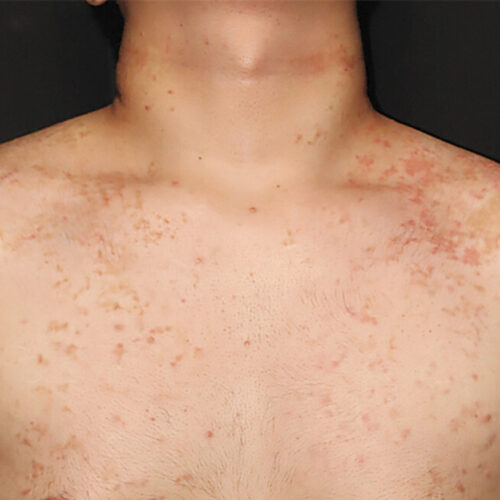
A 20-year old man in Taiwan went to a dermatology clinic for a strange rash that had developed across his shoulders and chest. The raised, red, and itchy condition had been bothering him for a full month. By this point, he had also developed patches of pigmented skin interlaced with the red rash.

According to a case report in the New England Journal of Medicine, a skin biopsy showed swelling between his skin cells and inflammation around blood vessels, but testing came up negative for other common signs of skin conditions, leaving doctors with few leads. The doctors ultimately came to a diagnosis not by analyzing his skin further but by hearing about his diet.

The man's chest and shoulders, showing his rash and hyperpigmentation. Credit: New England Journal of Medicine, 2026

The man told doctors that two months prior to his clinic appointment—a month before his rash developed—he had switched to a ketogenic diet, which is a high-fat but very low-carbohydrate eating pattern. This diet forces the body to shift from using glucose (sugar derived from carbohydrates) as an energy source to fat instead.

Read full article

Comments

© New England Journal of Medicine, 2026

Smartwatches Help Detect Abnormal Heart Rhythms 4x More Often In Clinical Trial

By: BeauHD
A clinical trial found that seniors at high stroke risk who wore an Apple Watch were four times more likely to have hidden heart rhythm disorders detected than those receiving standard care. The researchers noted that over half the time, these smartwatch wearers with heart rhythm problems hadn't shown any symptoms prior to diagnosis. From U.S. News & World Report: Later editions of Apple Watches are equipped with two functions that can help monitor heart health -- photoplethysmography (PPG), which tracks heart rate, and a single-lead electrocardiogram (ECG) that monitors heart rhythm. "Using smartwatches with PPG and ECG functions aids doctors in diagnosing individuals unaware of their arrhythmia, thereby expediting the diagnostic process," said senior researcher Dr. Michiel Winter, a cardiologist at Amsterdam University Medical Center in The Netherlands. "Our findings suggest a potential reduction in the risk of stroke, benefiting both patients and the health care system by reducing costs," Winter said in a news release. [...] Smartwatches are much easier than other wearable devices for detecting irregular heart rhythms [...]. These other means require people to wear sticky leads, carry around bulky monitors or even receive short-term implants. Lead researcher Nicole van Steijn, a doctoral candidate at Amsterdam UMC, noted that wearables that track both the pulse and electrical activity have been around for a while. "However, how well this technology works for the screening of patients at elevated risk for atrial fibrillation had not yet been investigated in a real-world setting,"she said in a news release. The findings have been published in the Journal of the American College of Cardiology.

Read more of this story at Slashdot.

US Formally Withdraws From WHO

By: msmash
The United States formally withdrew from the World Health Organization on Thursday, making good on an executive order that President Trump issued on his first day in office pledging to leave the international organization that coordinates global responses to public health threats. The New York Times: While the United States is walking away from the organization, a senior official with the Department of Health and Human Services told reporters on Thursday that the Trump administration was considering some type of narrow, limited engagement with W.H.O. global networks that track infectious diseases, including influenza. As a W.H.O. member, the United States long sent scientists from the Centers for Disease Control and Prevention to participate in international decision-making about which strains to include in the flu vaccine. A W.H.O. meeting on next year's vaccine is scheduled for February. The official said the Trump administration would soon disclose how or whether it will participate. On Thursday, the administration said that all U.S. government funding to the organization had been terminated, and that all assigned federal employees and contractors had been recalled from its Geneva headquarters and its offices worldwide.

Read more of this story at Slashdot.

'Active' Sitting Is Better For Brain Health

By: BeauHD
alternative_right shares a report from ScienceAlert: A systematic review of 85 studies has now found good reason to differentiate between 'active' sitting, like playing cards or reading, and 'passive' sitting, like watching TV. [...] "Total sitting time has been shown to be related to brain health; however, sitting is often treated as a single entity, without considering the specific type of activity," explains public health researcher Paul Gardiner from the University of Queensland in Australia. "Most people spend many hours sitting each day, so the type of sitting really matters ... These findings show that small everyday choices -- like reading instead of watching television -- may help keep your brain healthier as you age." Across numerous studies, Gardiner and colleagues found that active sitting activities, like reading, playing card games, and using a computer, showed "overwhelmingly positive associations with cognitive health, enhancing cognitive functions such as executive function, situational memory, and working memory." Meanwhile, passive sitting was most consistently associated with negative cognitive outcomes, including increased risk of dementia. The study was published in the Journal of Alzheimer's Disease.

Read more of this story at Slashdot.

Moderna Curbing Investments in Vaccine Trials Due To US Backlash, CEO Says

By: msmash
An anonymous reader shares a report: Moderna does not plan to invest in new late-stage vaccine trials because of growing opposition to immunizations from U.S. officials, CEO Stephane Bancel said in an interview with Bloomberg TV on Thursday. "You cannot make a return on investment if you don't have access to the U.S. market," Bancel told Bloomberg TV on the sidelines of the World Economic Forum in Davos. Bancel said regulatory delays and little support from the authorities make the market size "much smaller."

Read more of this story at Slashdot.

Weight-Loss Drugs Could Save US Airlines $580 Million Per Year

By: BeauHD
An anonymous reader quotes a report from the New York Times: Weight-loss drugs like Ozempic have transformed millions of lives with easily administered treatments and quick results. Now it turns out the dropped pounds may have a surprising perk for airlines, too: lower fuel costs, as slimmer passengers lighten their aircraft's loads. According to a study published last week by Jefferies, a financial services firm, the four largest U.S. carriers -- American Airlines, Delta Air Lines, Southwest Airlines and United Airlines -- could together save as much as $580 million per year on fuel thanks to weight-loss drugs, known as GLP-1s. One in eight U.S. adults said they were taking a GLP-1 in a November survey published by KFF, a nonprofit health research group. Fuel is among airlines' largest expenses. The Jefferies study estimates that the four airlines will together consume 16 billion gallons of fuel in 2026 at a total cost of $38.6 billion, nearly 20 percent of their total expenses. The savings from skinnier passengers would amount to just 1.5 percent of fuel costs. But airlines and pilots must scrutinize even the smallest changes to a plane's weight and balance, and a lighter payload means each jet burns less fuel to generate the thrust necessary to fly. Investors could also stand to benefit: The researchers estimated that a 2 percent reduction in aircraft weight could boost earnings per share by about 4 percent. "Please note savings are before any lost snack sales," the Jefferies analysts added.

Read more of this story at Slashdot.

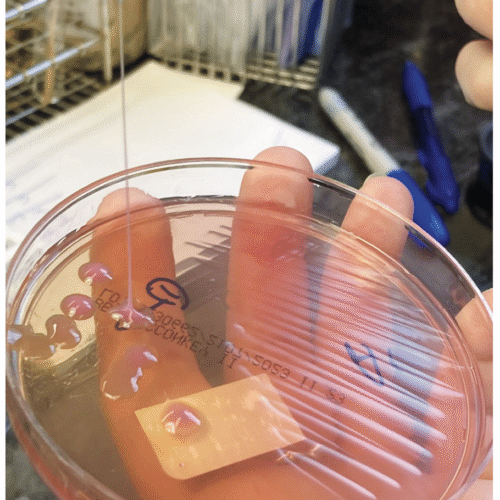
This may be the grossest eye pic ever—but the cause is what’s truly horrifying

By: Beth Mole

A generally healthy 63-year-old man in the New England area went to the hospital with a fever, cough, and vision problems in his right eye. His doctors eventually determined that a dreaded hypervirulent bacteria—which is rising globally—was ravaging several of his organs, including his brain.

According to the man, the problems started three weeks before his hospital visit, when he said he ate some bad meat and started vomiting and having diarrhea. Those symptoms faded after about two weeks, but then new problems began—he started coughing and having chills and a fever. His cough only worsened from there.

At the hospital, doctors took X-rays and computed tomography (CT) scans of his chest and abdomen. The images revealed over 15 nodules and masses in his lungs. But that's not all they found. The imaging also revealed a mass in his liver that was 8.6 cm in diameter (about 3.4 inches). Lab work pointed toward an infection, so doctors admitted him to the hospital and provided oxygen to help with his breathing, as well as antibiotics. But his chills and cough continued.

Read full article

Comments

© NEJM 2026

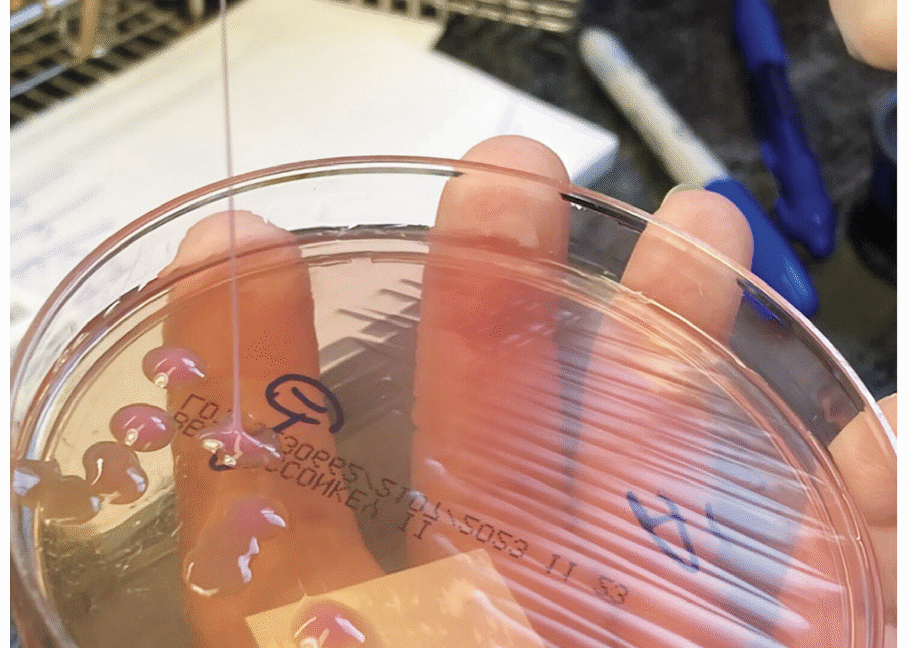
This may be the grossest eye pic ever—but the cause is what’s truly horrifying

By: Beth Mole

A generally healthy 63-year-old man in the New England area went to the hospital with a fever, cough, and vision problems in his right eye. What his doctors eventually figured out was that a dreaded hypervirulent bacteria—which is rising globally—was ravaging several of his organs, including his brain.

According to the man, the problems had started three weeks before his hospital visit, when he said he ate some bad meat and started having vomiting and diarrhea. Those symptoms faded after about two weeks, but then new problems began; he started coughing and having chills and a fever. His cough only worsened from there.

At the hospital, doctors took X-rays and computed tomography (CT) scans of his chest and abdomen. The images revealed over 15 nodules and masses in his lungs. But, that's not all they found. The imaging also revealed a mass in his liver that was 8.6 cm in diameter (about 3.4 inches). Lab work pointed toward an infection. So, doctors admitted him to the hospital and provided oxygen to help with his breathing, as well as antibiotics. But his chills and cough continued.

Read full article

Comments

© NEJM 2026

Many People Who Come Off GLP-1 Drugs Regain Weight Within 2 Years, Review Suggests

By: msmash
Many people who stop using weight loss drugs will return to their previous weight within two years, a new review of existing research has found. CNN adds: This rate of weight regain is significantly faster than that seen in those who have lost weight by changing other lifestyle factors, such as diet and exercise, rather than relying on GLP-1 medications, researchers from the University of Oxford report in a paper published Wednesday in The BMJ journal. GLP-1, which stands for glucagon-like peptide-1, is a hormone naturally made by the body that helps signal to the brain and the gut that it's full and doesn't need to eat any more. Weight loss drugs mimic the action of this hormone by increasing the secretion of insulin to lower blood sugar. They also slow the movement of food through the digestive tract, which helps people feel full more quickly and for longer, and they work in the brain to reduce appetite.

Read more of this story at Slashdot.

The Swedish Start-Up Aiming To Conquer America's Full-Body-Scan Craze

By: BeauHD
An anonymous reader quotes a report from DealBook: Fifteen years ago, Daniel Ek broke into America's digital-content wars with his streaming music start-up, Spotify, which has turned into a publicly traded company with a $110 billion market value. Now he and his business partner, the Swedish entrepreneur Hjalmar Nilsonne, aim to crack a higher-stakes consumer market: American health care. The pair plan to bring Neko Health, the health tech start-up they founded in 2018, to New York this spring, DealBook is first to report. Mr. Ek and Mr. Nilsonne hope to capitalize on the growing number of prevention-minded Americans who are hungry to track their biometric data. Whether through wearables like Oura rings or more intensive screenings, consumers are turning to technology to improve their health and help spot the early onset of some big killers, including cardiovascular and metabolic diseases. The United States will be the third market, after Sweden and Britain, for Neko Health, which offers full-body diagnostic scans and is valued at roughly $1.7 billion. [...] Mr. Nilsonne and Mr. Ek said Neko Health's big aim was to change the health care model, in which spending across much of the developed world skyrockets but longevity gains have stalled. They want to make their noninvasive scans as routine as an annual checkup. The company, which advertises its service as "a health check for your future self," did not say what the U.S. scans would cost. But in Stockholm, an hourlong visit at one of its clinics costs 2,750 Swedish krona (about $300). Prenuvo's and Ezra's most comprehensive scans can cost $3,999. [...] Neko Health's technology differs from that of many of its U.S. rivals. It does not use M.R.I. or X-rays, instead relying on scores of sensors and cameras and a mix of proprietary and off-the-shelf technologies to measure heart function and circulation, and to photograph and map every inch of a patient's body looking for cancerous lesions. At the moment, the company's biggest challenge is scaling. [...] Mr. Nilsonne said Neko Health scans have detected the early onset of diseases or serious medical conditions for thousands of its patients. But the medical community is divided on the need for proactive screening technologies. The fear is that mass adoption could spur a wave of false positives and send healthy people to seek follow-up medical advice, overwhelming an already swamped health care system. Mr. Ek and Mr. Nilsonne believe they have built a better solution. And now they're ready to test it in the U.S. market.

Read more of this story at Slashdot.

‘Designed to be addictive’: Study finds teens spend more than an hour per day on phones at school

(BigStock Photo)

New research tied to the University of Washington School of Medicine adds to mounting concerns among educators about smartphone use in schools.

U.S. adolescents between the ages of 13–18 spend more than one hour per day on phones during school hours, with “addictive” social media apps accounting for the largest share of use, according to new research published in JAMA.

The findings add to the ongoing argument made by teachers, parents and policymakers that has led schools and districts around the country, including some in Seattle, to ban phones during school hours. 

The Adolescent Brain Cognitive Development Study tracked 640 teens whose parents consented to passive monitoring software on their Android smartphones from September 2022 to May 2024, according to UW Medicine.

  • Adolescents spent an average of 1.16 hours per day on smartphones during school hours.
  • Social media apps Instagram, TikTok and Snapchat accounted for most use, followed by YouTube and games.
  • Older adolescents (16–18) and teens from lower-income households reported higher smartphone use than their peers.

“These apps are designed to be addictive,” said Dr. Dimitri Christakis, the paper’s senior author. “They deprive students of the opportunity to be fully engaged in class and to hone their social skills with classmates and teachers.”

Christakis is a professor of pediatrics at the University of Washington School of Medicine and practices at Seattle Children’s Hospital. 

Based on a national sample of students, the results build on findings published last year in JAMA Pediatrics. That study had fewer participants but also included iPhone users.

At least 32 states and the District of Columbia require school districts to ban or restrict students’ use of cell phones in schools. The effect of those policies “remains to be seen,” Christakis said.  

“To date they’ve been very poorly enforced, if at all. I think the U.S. has to recognize the generational implications of depriving children of opportunities to learn in school,” he added.

A majority of school districts in Washington state planned to have policies in place at the start of the school year last fall to limit students’ use of cellphones and other devices such as smart watches.

Seattle Public Schools has not issued a district-wide policy, though at least three public middle schools in the district have banned phones at school, and at least one high school prohibits their use during classes.

The UW’s Youth Advisory Board, a group of approximately 20 teens from Seattle-area schools, recently published its first memo tackling the contentious issue of phones in school. The memo weighs the pros and cons of phone bans and offers recommendations on how schools should draft and communicate their policies. 

Related:

Medical Marijuana Reduces Anxiety And Depression, New Federally Funded Study Shows

Medical marijuana was associated with “significant decreases in self-reported anxiety and depression” compared to before patients began treatment with cannabis, according to a new study funded in part by the National Institute on Drug Abuse (NIDA).

The observational study, published this month in the Journal of Affective Disorders, looked at 33 adults in Maryland with “clinically significant” anxiety and/or depression over a six-month period, evaluating them at baseline, and then again after one, three, and six months from when patients began using medical cannabis.

“Significant decreases from baseline in anxiety and depression were observed, with mean scores dropping below clinically significant levels within three months of initiation,” the study says. Participants also reported sustained reductions in anxiety and/or depression symptoms over the six-month study period.

Most patients chose THC-dominant cannabis products. In addition to self-reported benefits to mental health, they also reported a decline in their perceived driving ability and an increase in feeling high.

“Acute effects were dose-dependent,” authors wrote: “10–15 mg of oral THC and at least 3 puffs of vaporized cannabis yielded the most robust reductions in anxiety and depression.”

Among participants, three-quarters said they had previously used marijuana. Just over a third (37 percent) said they'd used cannabis within the past year.

At the time of the study, medical marijuana was legal in Maryland, but the substance remained illegal for nonmedical use.

The six-person team behind the new study represents the Johns Hopkins University School of Medicine, the Johns Hopkins School of Public Health, the university's Sidney Kimmel Comprehensive Cancer Center, and the Centre for Alcohol Policy Research in Melbourne, Australia.

A conflict of interest section of the report notes that some members have received funding or currently work for companies involved in medical marijuana.

In addition to NIDA funding, the project also received support for a pilot grant from the Lambert Center for the Study of Medicinal Cannabis and Hemp at Thomas Jefferson University.

Authors said that while the findings of the new study were promising, “controlled clinical trials are needed to further investigate the efficacy and safety of medicinal cannabis for acute anxiety and depression symptom management.”

While psychedelics have in recent years shown increasing promise to treat mental health conditions such as anxiety, depression, and PTSD, some cannabis users have long reported that the substance helps manage anxiety and depression. A number of other recent studies also support the idea.

One recent study, for example, found that legalizing marijuana at the state level led to fewer filled prescriptions for anti-anxiety medications, including benzodiazepines, antipsychotics, and antidepressants.

Other research late last year found “accumulating” evidence that the marijuana component CBD “has antidepressant properties in humans and animals with few side effects” and may also aid in the reduction of inflammation and formation of new brain cells.

“In summary,” that study said, “there is growing evidence that CBD may be a promising candidate for the treatment of depression.”

Separate, industry-backed research into the potential anti-anxiety effects of CBD last year found that an oral CBD solution effectively treated mild to moderate anxiety, as well as associated depression and poor sleep quality, with no serious adverse events observed.

As for cannabis more broadly, another study last year into medical marijuana for chronic pain and mental health found that participants overwhelmingly reported that cannabis reduced the severity of their depression, anxiety, and sleep issues to at least some degree.


Written by Ben Adlin for Marijuana Moment | Featured image by Gina Coleman/Weedmaps

The post Medical Marijuana Reduces Anxiety And Depression, New Federally Funded Study Shows appeared first on Weedmaps News.

Medical Marijuana Could Increase Efficacy Of Chemotherapy To Fight Cancer While Reducing Side Effects, Study Suggests

Cannabinoids in medical marijuana can both increase the efficacy of chemotherapy drugs and also minimize the often uncomfortable side effects of conventional cancer treatment, according to a new scientific review of available evidence.

The 23-page paper, published online this month in the journal Pharmacology & Therapeutics, assesses a range of clinical and preclinical findings that “mainly relate to combination treatments for glioblastoma, hematological malignancies and breast cancer, but also for other cancer types.”

“To summarize,” says the report, “the data available to date raise the prospect that cannabinoids may increase the efficacy of chemotherapeutic agents while reducing their side effects.”

It notes that preclinical studies on specific anticancer effects of cannabinoids are limited, looking mostly at whether those compounds are toxic to cancer cells. Other research, authors point out—including into the immune system and cannabinoids' effects on angiogenesis (the formation of new blood vessels), invasion, and cancer metastasis—” is still pending.”

Overall, while the interactions between cannabinoids and chemotherapeutics “constitute a complex subject with many yet unknown variables,” the study says, there are “two important therapy-relevant aspects of the interaction between cannabinoids and chemotherapeutic agents that could potentially benefit cancer patients: firstly, the systemic potentiation of chemotherapeutics by cannabinoids, primarily leading to an extension of life by overcoming therapy resistance and secondly, the reduction of chemotherapy-induced side effects.”

The new paper was authored by a pair of researchers at the Institute of Pharmacology and Toxicology at Rostock University Medical Center, in Germany.

The first portion of the review, focusing on efficacy of chemotherapeutics in combination with cannabinoids, looks in large part at a 2021 Phase 1b clinical study involving a combined THC–CBD oral spray, which showed that patients had a longer survival time when the spray was combined with the drug temozolomide.

It also discusses a variety cannabis of other cancers, including blood and bone marrow cancers, leukemia, breast cancer, skin cancers, bladder and pancreatic cancers, gynecological cancers, colorectal cancers, and numerous others.

The second portion examines cannabinoid therapy as a treatment for chemotherapy side effects, primarily nausea.

“In addition to this well-known antiemetic effect of cannabinoids,” the report adds, “an increasing number of preclinical studies discussed in this review have shown in recent years that cannabinoids can also have a positive effect on other side effects of chemotherapy, such as chemotherapy-induced peripheral neuropathy (CIPN), nephrotoxicity, cardiotoxicity, cystitis, and mucositis.”

While the report deals in less depth with other cancer-related symptoms, it notes that cannabinoids are also administered to relieve cancer-related chronic pain.

“Taken together, the interaction of cannabinoids with currently used chemotherapeutic agents in the context of tumor therapies is of considerable clinical importance, as there are several reasons for the use of cannabinoids in tumor therapies,” it says.

One matter that authors said needs further investigation is the potential for negative interactions between cannabinoids and chemotherapy drugs, noting that there are “several interactions…that are theoretically possible but have not yet been sufficiently investigated” as well as “further findings that give rise to speculation about possible interactions between cannabinoids and chemotherapeutic agents.”

“However,” they added, “it is also possible that cannabinoids trigger yet unknown interactions that benefit the patient.”

Questions also remain around “the extent to which the route of administration influences the interaction with chemotherapeutic agents, particularly in the case of cannabinoids, where the widespread practice of smoking is a major influencing factor.”

“Overall, well-controlled clinical trials are urgently needed for various types of tumors in order to establish cannabinoids as an additional medication against cancer in existing chemotherapies,” the report concludes. “Likewise, the extensive preclinical data available on the interaction of cannabinoids and chemotherapeutic agents at the level of tumor cell death should be extended to include studies on the effects of these combinations at levels of tumor progression, such as angiogenesis, invasion, and metastasis.”

The paper closes with a reminder that while humans have used cannabis for millennia, our ability to scientifically study the plant's effects on the body is only decades old.

“Although cannabinoids have been used in various forms for thousands of years,” it says, “it has only been possible to systematically study their pharmacological mechanisms of action since the discovery of the endocannabinoid system in the early 1990s. Accordingly, they may still hold some as yet undiscovered therapeutically relevant effects on tumor development and progression.”

Separately, U.S.-based researchers last month published what they described as the “largest meta-analysis ever conducted on medical cannabis and its effects on cancer-related symptoms,” finding “overwhelming scientific consensus” on marijuana's therapeutic effects.

The study, published in the journal Frontiers in Oncology, analyzed data from 10,641 peer-reviewed studies—what authors say is more than ten times the number in the next-largest review on the topic. Results “indicate a strong and growing consensus within the scientific community regarding the therapeutic benefits of cannabis,” it says, “particularly in the context of cancer.”

Given what the report calls a “scattered and heterogenous” state of research into the therapeutic potential of marijuana, the authors aimed to “systematically assess the existing literature on medical cannabis, focusing on its therapeutic potential, safety profiles, and role in cancer treatment.”

“We expected controversy. What we found was overwhelming scientific consensus,” lead author Ryan Castle, head of research at Whole Health Oncology Institute, said in a statement. “This is one of the clearest, most dramatic validations of medical cannabis in cancer care that the scientific community has ever seen.”

The meta-analysis “showed that for every one study that showed cannabis was ineffective, there were three that showed it worked,” the Whole Health Oncology Institute said in a press release. “That 3:1 ratio—especially in a field as rigorous as biomedical research—isn't just unusual, it's extraordinary.”

The institute added that the “level of consensus found here rivals or exceeds that for many [Food and Drug Administration]-approved medications.”

Also, last month, government and university researchers from South Korea reported that they had successfully identified a new cannabinoid—cannabielsoxa—produced by the cannabis plant, as well as a number of other compounds “reported for the first time from the flowers of C. sativa.” The team then evaluated 11 isolated compounds in cannabis for antitumor effects in neuroblastoma cells, finding that seven of them “revealed strong inhibitory activity.”

A separate study of medical marijuana patients in Minnesota, published in February, found that people with cancer who used cannabis reported “significant improvements in cancer-related symptoms.” But it also noted that the high cost of marijuana can be burdensome to less financially stable patients and raise “questions about affordability of and access to this therapy.”

The National Cancer Institute (NCI) late last year estimated that between about 20 percent and 40 percent of people being treated for cancer are using cannabis products to manage side effects from the condition and associated treatment.

“The growing popularity of cannabis products among people with cancer has tracked with the increasing number of states that have legalized cannabis for medical use,” the agency said. “But research has lagged on whether and which cannabis products are a safe or effective way to help with cancer-related symptoms and treatment-related side effects.”

The research cited in the NCI post included a series of scientific reports published in the journal JNCI Monographs. That package of 14 articles detailed the results of broad, federally funded cannabis surveys of cancer patients from a dozen agency-designated cancer centers across the country—including in areas where marijuana is legal, permitted only for medical purposes, or still outlawed.

In all, just under a third (32.9 percent) of patients reported using cannabis, with respondents reporting that they used marijuana primarily to treat cancer- and treatment-related symptoms such as difficulty sleeping, pain, and mood changes. The most common perceived benefits were for pain, sleep, stress, and anxiety, and treatment side effects,” the report says.

Separately, another recent study, in the journal Discover Oncology, concluded that a variety of cannabinoids—including delta-9 THC, CBD, and cannabigerol (CBG)—“show promising potential as anticancer agents through various mechanisms,” for example, by limiting the growth and spread of tumors. Authors acknowledged that obstacles to incorporating cannabis into cancer treatment remain, however, such as regulatory barriers and the need to determine optimal dosing.

Other recent research on the possible therapeutic value of lesser-known compounds in cannabis found that a number of minor cannabinoids may have anticancer effects on blood cancer that warrant further study.

While cannabis is widely used to treat certain symptoms of cancer and some side-effects of cancer treatment, there has long been interest in the possible effects of cannabinoids on cancer itself.

A 2019 literature review found that the majority of studies have been based on in vitro experiments, meaning they did not involve human subjects but rather isolated cancer cells from humans, while some of the research used mice. Consistent with the latest findings, that study found cannabis showed potential in slowing the growth of cancer cells and even killing cancer cells in certain cases.

A separate study found that in some cases, different types of cancer cells affecting the same part of the body appeared to respond differently to various cannabis extracts.

A scientific review of CBD last year also touched on “the diverse anticancer properties of cannabinoids” that the authors said present “promising opportunities for future therapeutic interventions in cancer treatment.”

Research from 2023 also found that marijuana use was associated with improved cognition and reduced pain among cancer patients and people receiving chemotherapy

While cannabis produces intoxicating effects, and that initial “high” can temporarily impair cognition, patients who used marijuana products from state-licensed dispensaries over two weeks actually started reporting clearer thinking, the study from the University of Colorado found.

The National Institutes of Health in 2023 awarded researchers $3.2 million to study the effects of using cannabis while receiving immunotherapy for cancer treatment, as well as whether access to marijuana helps reduce health disparities.

On the political side, President Donald Trump's recent choice to serve as the next White House drug czar has called medical marijuana a “fantastic” treatment option for seriously ill patients and said she doesn't have a “problem” with legalization, even if she might not personally agree with the policy.

Under the Trump administration, “marijuana” is also now one of nearly two dozen “controversial or high-profile topics” that staff and researchers at the National Cancer Institute (NCI) are required to clear with higher-ups before writing about.

A leaked agency memo put marijuana and opioids on a list along with vaccines, COVID-19, fluoride, measles, abortion, autism, diversity and gender ideology, and other issues that are believed to be personal priorities of Health and Human Services Secretary Robert F. Kennedy Jr. and President Trump.

NCI is part of the National Institutes of Health (NIH), which itself is part of the Department of Health and Human Services (HHS).

The new memo, first reported by ProPublica, states that NCI staff are required to send the materials to an agency clearance team before publishing on the specified topics.

“Depending on the nature of the information, additional review and clearance by the NCI director, deputy directors, NIH, and HHS may be required,” it advises staff. “In some cases, the material will not need further review, but the NCI Clearance Team will share it with NCI leadership, NIH, and/or HHS for their awareness.”


Written by Ben Adlin for Marijuana Moment | Featured image by Gina Coleman/Weedmaps

The post Medical Marijuana Could Increase Efficacy Of Chemotherapy To Fight Cancer While Reducing Side Effects, Study Suggests appeared first on Weedmaps News.

Marijuana Use Is Tied To 'Significantly Higher Sexual Desire And Arousal,' New Study Shows

Marijuana use is associated with increased sexual desire and arousal, as well as lower levels of sexual distress, new research shows.

The report, a doctoral thesis out of Queen's University in Canada, includes two separate studies: an online survey of 1,547 cannabis users as well as a 28-day diary analysis of 115 individuals, 87 of whom were marijuana users, while 28 were infrequent users or nonusers.

“More frequent cannabis use was linked with greater daily sexual desire,” wrote author Kayla M. Mooney. “On sexual activity days, participants reported significantly higher sexual desire and arousal on days they used cannabis compared to non-use days.”

“Across all study days (regardless of sexual activity), participants reported significantly higher sexual desire and lower sexual distress on days they used cannabis compared to non-use days,” the study continues, noting the findings could help inform both sex therapy and general psychotherapy.

As for the online survey, “Approximately half of the sample reported sexual motivations for cannabis use, most commonly to enhance aspects of the sexual response,” according to the abstract.

The new report — which itself calls the relationship between cannabis and sexual functioning “complicated” — adds to a growing body of research about the subject.

For example, late last year, a study found that cannabis-infused vaginal suppositories seemed to reduce sexual pain in women after treatment for gynecological cancer. Combining the suppositories with online exercises in “mindful compassion” offered patients even more substantial benefits.

“The outcomes favoured the [combined] group,” that research said “in which sexual function, levels of sexual arousal, lubrication, and orgasm increased, and the levels of sexual pain decreased.”

Earlier research also found that administration of a broad-spectrum, high-CBD vaginal suppository was associated with “significantly reduced frequency and severity of menstrual-related symptoms” as well as the symptoms' negative impacts on daily life.

As for sexual fulfillment, a separate study last year found that while alcohol might be effective to “facilitate” sex, marijuana is better at enhancing sexual sensitivity and satisfaction.

While alcohol increased some elements of sexual attraction — including making people feel more attractive, more extroverted, and more desirous — people who used marijuana “have more sensitivity and they are more sexually satisfied than when they consume alcohol,” the authors wrote.

A broad scientific review of academic research on cannabis and human sexuality published last year concluded that while the relationship between marijuana and sex is a complicated one, use of cannabis is generally associated with more frequent sexual activity as well as increased sexual desire and enjoyment.

That article, published in the journal Psychopharmacology, also suggested that lower doses of marijuana may actually be best suited for sexual satisfaction, while higher doses could in fact lead to decreases in desire and performance. And it suggested effects may differ between men and women.

Some advocates have cited the potential for cannabis to improve sexual function in women as a reason to add conditions such as female orgasmic disorder (FOD) as a qualifying condition for medical marijuana.

As for men, the Psychopharmacology article noted that studies' findings “are conflicting — some suggest that cannabis causes erectile dysfunction, premature ejaculation, and postponed ejaculation, while others claim the opposite.”

A 2020 study in the journal Sexual Medicine, meanwhile, found that women who used cannabis more often had better sex.

Numerous online surveys have also reported positive associations between marijuana and sex. One study even found a connection between the passage of marijuana laws and increased sexual activity.

Yet another study, however, cautions that more marijuana doesn't necessarily mean better sex. A literature review published in 2019 found that cannabis's impact on libido may depend on dosage, with lower amounts of THC correlating with the highest levels of arousal and satisfaction. Most studies showed that marijuana has a positive effect on women's sexual function, the study found, but too much THC can actually backfire.

Separately, a paper last year in the journal Nature Scientific Reports that purported to be the first scientific study to formally explore the effects of psychedelics on sexual functioning found that drugs such as psilocybin mushrooms and LSD could have beneficial effects on sexual functioning, even months after use.

“On the surface, this type of research may seem 'quirky,'” one of the authors of that study said, “but the psychological aspects of sexual function — including how we think about our own bodies, our attraction to our partners, and our ability to connect to people intimately — are all important to psychological wellbeing in sexually active adults.”


Written by Ben Adlin for Marijuana Moment | Featured image by Gina Coleman/Weedmaps

The post Marijuana Use Is Tied To 'Significantly Higher Sexual Desire And Arousal,' New Study Shows appeared first on Weedmaps News.

Treating PTSD with Cannabis: Long-Awaited Study Gets FDA Green Light

After years of delays, researchers are set to move forward on a landmark clinical trial meant to evaluate the efficacy of smoked medical marijuana in treating post-traumatic stress disorder (PTSD) in military veterans. The study is being funded with tax revenue from legal cannabis sales in Michigan.

The Multidisciplinary Association for Psychedelic Studies, or MAPS, announced this week that the U.S. Food and Drug Administration (FDA) gave approval for Phase 2 of the research, which MAPS described in a press release as “a randomized, placebo-controlled study of 320 Veterans suffering from moderate to severe PTSD who have previously used cannabis.”

The group said the study “is designed to investigate the inhalation of high THC dried cannabis flower, versus placebo cannabis, with the daily dose being self-titrated by participants.” It's meant to reflect consumption patterns already happening across the country and study “the 'real-world' use of inhaled cannabis to understand its potential benefits and risks in treating PTSD.”

MAPS said the project is years in the making, noting that it faced several challenges in clearing the research with the FDA that were only recently resolved.

“After three years of negotiations with the FDA, this decision opens the door to future research into cannabis as a medical treatment, offering hope to millions,” the organization said.

“These data are critical to inform patients, medical providers, and adult-use consumers when considering cannabis in treatment plans for the management of PTSD, pain, and other serious health conditions,” the group's press release said, “yet regulatory obstacles have historically made it difficult or impossible to conduct meaningful research on the safety and effectiveness of cannabis products typically consumed in regulated markets.”

MAPS said that over the years, it responded to five partial clinical hold letters from the FDA that halted the study's progress.

“On August 23, 2024, MAPS responded to the FDA's fifth clinical hold letter by submitting a Formal Dispute Resolution Request (FDRR) to resolve the continued scientific and regulatory disagreement with the Division on four key issues,” according to the organization: “1) the proposed THC dose of the cannabis flower product, 2) smoking as a delivery method, 3) vaping as a delivery method, and 4) the enrollment of cannabis naïve participants.”

After more than three years of tireless effort and five rounds of pushback from FDA, MAPS has won a Formal Dispute Resolution Request (FDRR) with the FDA’s Division of Psychiatry — the same Division that rejected Lykos’ New Drug Application for MDMA-assisted therapy for PTSD.… pic.twitter.com/sUiTjAIV9F

— MAPS (@MAPS) November 20, 2024

Sue Sisley, a psychiatrist and the principal investigator for the study, said the trial will help shed more light on the scientific legitimacy of using smoked marijuana to treat PTSD. Despite the growing use of cannabis among patients with PTSD and the condition's inclusion in many state medical marijuana programs, she said there's a lack of rigorous data evaluating the treatment's efficacy.

“Within the United States, millions of Americans are smoking or vaporizing cannabis to manage or treat their symptoms,” Sisley said in a statement. “In the absence of high-quality data related to cannabis, much of the information available to patients and regulators is rooted in prohibition and focused only on potential risks, without consideration of potential benefits.”

“In my own practice, Veteran patients have shared how smoking cannabis helped them manage their PTSD symptoms more than traditional pharmaceuticals,” she continued. “Suicide among Veterans is an urgent public health crisis, but it's solvable if we invest in researching new treatments for life-threatening health conditions like PTSD.”

Phase 2 of the research, Sisley said, “will generate data that doctors, like myself, can use to develop treatment plans to help people manage their PTSD symptoms.”

Allison Coker, director of cannabis research at MAPS, said the resolution with the FDA came when the agency said it would allow Phase 2 to proceed with smoked cannabis at commercially available THC levels. Vaporization remains on hold, however, until the FDA can assess the safety of any particular delivery device.

In response to the FDA's separate concern around enrolling cannabis-naive participants in the study, MAPS updated the protocol to require that participants must have “prior experience inhaling (smoking or vaporizing) cannabis.”

FDA had also taken issue with the study's design of allowing self-titration — meaning participants can consume as much cannabis as they choose, up to a certain amount — but MAPS refused to relent on that point.

An FDA spokesperson told the New York Times, which first reported the Phase 2 approval, that she was unable to provide details about what led to the decision but said that the agency “recognizes that there is great need for additional treatment options for mental health conditions such as PTSD.”

The study is being funded by Michigan's Veteran Marijuana Research Grant Program, which uses state revenue from legal cannabis taxes to fund FDA-approved, nonprofit-sponsored clinical trials “researching the efficacy of marijuana in treating the medical conditions of United States armed services veterans and preventing veteran suicide.”

State officials announced $13 million in funding for the research back in 2021, part of a total $20 million grant funding round. Another $7 million that year went to Wayne State University's Bureau of Community Action and Economic Opportunity, which partnered with researchers to study how cannabis might treat a variety of mental health disorders, including PTSD, anxiety, sleep disorders, depression, and suicidality.

In 2022, meanwhile, the Michigan Cannabis Regulatory Agency recommended that year's $20 million go toward two universities: the University of Michigan, where researchers proposed looking at the use of CBD in pain management, and Wayne State University, which was awarded grants for two separate studies: one that billed itself as the “first randomized, controlled, large-scale clinical trial” to examine whether the use of cannabinoids could improve outcomes for veterans with PTSD who are undergoing prolonged exposure (PE) therapy and another into the effects of marijuana on “neuroinflammation and neurobiological underpinnings of suicide ideation in veterans with PTSD.”

The founder and president of MAPS, Rick Doblin, said in the group's announcement of the newly FDA-approved trial that veterans “are in dire need of treatments that can ease their challenging symptoms of PTSD.”

“MAPS takes pride in leading the way to open new research pathways by challenging the FDA to think differently,” he said. “Our cannabis work challenges FDA's typical approach to scheduled dosing and administration of drugs. MAPS refused to compromise the study design in order to fit into the standard box of FDA thinking in order to ensure that cannabis research reflects cannabis use.”

MAPS's past research has included not just cannabis but also, as the group's name suggests, psychedelics. It created a spinoff drug development company, Lykos Therapeutics (formerly MAPS Public Benefit Corporation), that sought FDA approval earlier this year of MDMA to treat PTSD.

But in August, the FDA declined to approve the MDMA-assisted therapy. Separate research, published in the Journal of Psychedelic Studies, found that while results of clinical trials have been “encouraging,” more robust research is needed before MDMA-assisted therapy (MDMA-AT) sees widespread adoption over currently available forms of treatment

Some health officials said afterward that the effort nevertheless reflected progress at the federal level.

“We all feel some type of way about the decision that came out some time ago, and that's OK,” said Leith J. States, chief medical officer at the Office of the Assistant Secretary for Health. “It's indicative of a fact that we're moving forward…and we're doing things in a way that marches us forward in an incremental way.”

Separately this month, a Drug Enforcement Administration (DEA) judge rejected a veterans group's petition to participate in an upcoming hearing on the Biden administration's marijuana rescheduling proposal, which the organization, the Veterans Action Council (VAC), called a “travesty of justice” that excludes key voices that would be affected by the potential policy change.

While DEA “devised a reasonably inclusive stakeholder assortment” of witnesses, VAC said it still “failed” to fulfill its mandate to allow testimony from interested parties. And the veterans organization said that's evidenced by the fact that Mulrooney has since delayed the formal hearing proceedings until early 2025 because DEA provided insufficient information about their selected witnesses' position on rescheduling or why they should be considered interested parties.

Meanwhile, in Congress, a new U.S. Senate bill introduced this month aims to ensure benefits for veterans exposed to potentially hazardous chemicals during the Cold War era — including psychedelics like LSD, nerve agents and mustard gas. The secret testing program, which ran from 1948 to 1975 at an Army base in Maryland, involved former Nazi scientists administering the substances to American military members.

More recently, the U.S. military has also invested millions in an effort to develop a new class of drugs that offers the same fast-acting mental health benefits as traditional psychedelics but without a psychedelic trip.

Veterans have taken a lead role in both medical marijuana legalization and the psychedelics reform movement currently unfolding at the state and federal levels. Earlier this year, for example, veterans service organizations (VSOs) pressed members of Congress to urgently pursue the potential benefits of psychedelic-assisted therapy and medical marijuana.

The requests from groups like the Iraq and Afghanistan Veterans of America, Veterans of Foreign Wars of the United States, Disabled American Veterans, and the Wounded Warrior Project came on the heels of organizations at last year's set of annual VSO hearings criticizing the Department of Veterans Affairs (VA) for “dragging their feet” on medical marijuana research.

Led largely by Republican politicians, efforts at reform have included a GOP-sponsored psychedelics bill in Congress that focused on veterans' access, various state-level changes, and a bevy of hearings on expanded access.

Rep. Derrick Van Orden (R-WI), who filed one congressional psychedelics bill that advanced through a committee, is also a co-sponsor of a bipartisan measure to provide funding to the Department of Defense (DOD) to conduct clinical trials into the therapeutic potential of certain psychedelics for active duty military members. That reform was signed into law by President Joe Biden under an amendment attached to the 2024 National Defense Authorization Act (NDAA).

In March, congressional appropriations leaders also unveiled a spending package that contains language providing $10 million to facilitate the psychedelics studies.

In January, the VA separately issued a request for applications to conduct in-depth research on the use of psychedelics to treat PTSD and depression. And last October, the department launched a new podcast about the future of veteran health care, with the first episode of the series focused on the healing potential of psychedelics.

At the state level, the governor of Massachusetts in August signed a military veterans-focused bill that includes provisions to create a psychedelics working group to study and make recommendations about the potential therapeutic benefits of substances like psilocybin and MDMA.

Meanwhile, in California, lawmakers in June pulled from consideration a bipartisan bill that would have authorized a pilot program to provide psilocybin treatment to military veterans and former first responders.

Correction: As the result of an editing error, an earlier version of this story attributed quotes to incorrect members of the MAPS team. Those attributions have been corrected.


Written by Ben Adlin for Marijuana Moment | Featured image by Anthony Brown/Weedmaps

The post Treating PTSD with Cannabis: Long-Awaited Study Gets FDA Green Light appeared first on Weedmaps News.

New research on breeding cannabis for unique aroma

The cannabis market is continuously evolving with the emergence of new varieties. The creation of a new cultivar or strain involves the selective breeding of parent strains, with the goal of discovering unique traits in the offspring. 

Traditional breeding: The art of pheno hunting

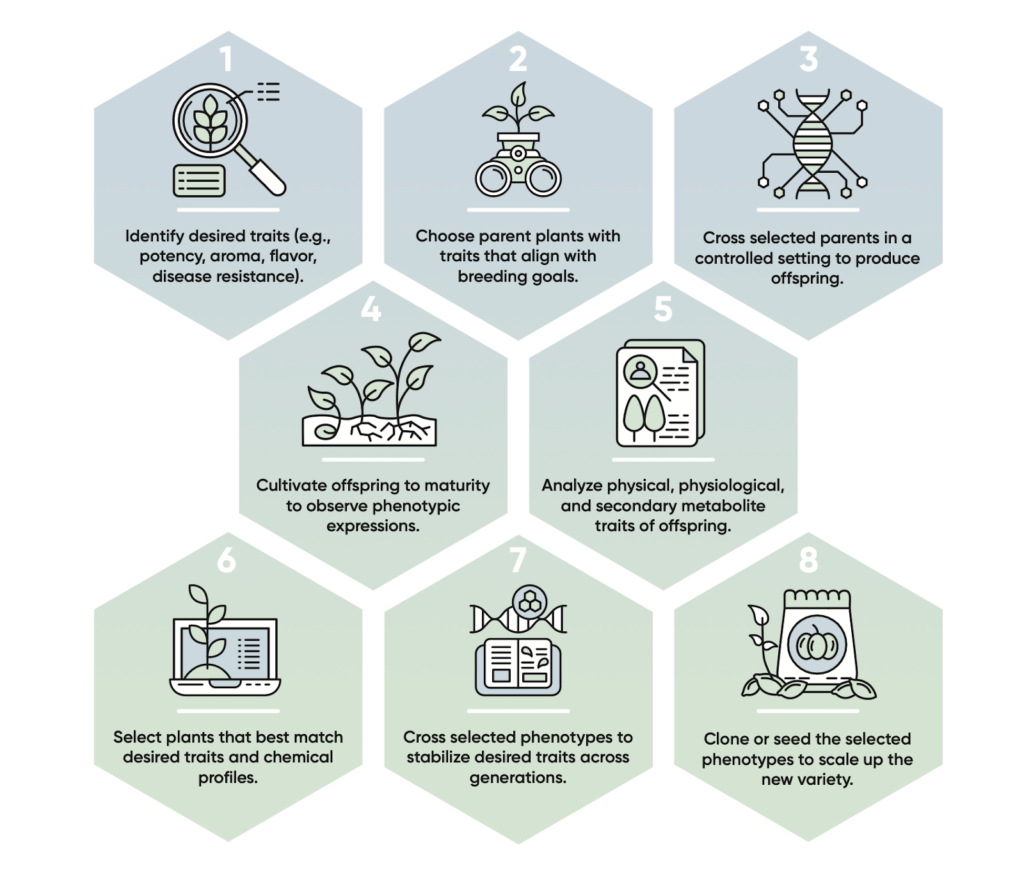
Breeders typically cross two desirable varieties and assess the resulting plants based on a range of observable traits such as bud color, plant size, leaf shape, and aroma. This process of identifying distinctive varieties, or phenotypes, based on their physical and olfactory characteristics is known as pheno hunting.

However, with recent advances in cannabis science, the art of pheno hunting may evolve into a scientific journey of aroma exploration and quantification, beginning an era of breeding for diverse aromatic compounds, or chemo hunting to supplement other pheno hunting practices.

Graphic depicting the steps of hunting for phenotypes. Courtesy of Abstrax Tech

Beyond terpenes: The complex world of cannabis aroma

The unique aroma of cannabis is typically attributed to the plant's terpene profile, with testing labs reporting anywhere from three to twenty terpenes that are present in the plant. However, a plant's aroma is a diverse blend of smelly compounds including terpenes as well as other small organic molecules. 

Breeders and cannabis enthusiasts have long recognized that there is more to cannabis aroma than simply terpenes. This was clear when smelling exotic varieties that exhibit more complex scents, such as gassy, skunky, poopy, or tropical notes. These nuanced aromas are the result of a different class of compounds, identified in 2023 by Abstrax Tech, known as flavorants.

Flavorants differ from terpenes in that they are constructed by the plant using different biochemical pathways and building blocks, making them a unique class of aromatic molecules that contribute significantly to cannabis's overall aroma. 

Terpenes act more as the blueprint of the smell or the base, then flavorants add the pizazz or the unique notes that differentiate it from other cultivars and make you take that second sniff.

Research: Exploring aroma inheritance

New research by Abstrax Tech has added to our understanding of flavorants, especially in how the aromatic traits of the parents are distributed from parent plants to offspring. In this study, researchers cultivated a strain called Starburst 36, noted for its complex sweet aroma, to determine the distribution of smell in the next generation. They then grew the resulting plants equitably from seed, produced ice hash rosin, and analyzed the chemistry of the final product as well as presented the hash to a panel of people to describe and rate the smells. 

The panel participants who evaluate the smell of the daughter crosses are very important, because the human nose can pick up on flavorant molecules whereas the routine testing labs cannot. You will often hear the saying “the nose knows” in cannabis, meaning to trust your nose to find the varieties that work best for you. The nose has over 400 smell receptors and can ascertain small differences in complex aroma cocktails. The researchers used a combined approach of sensitive, state-of-the-art analytical machines combined with the power of the human nose. 

Key findings: Aroma diversity among offspring

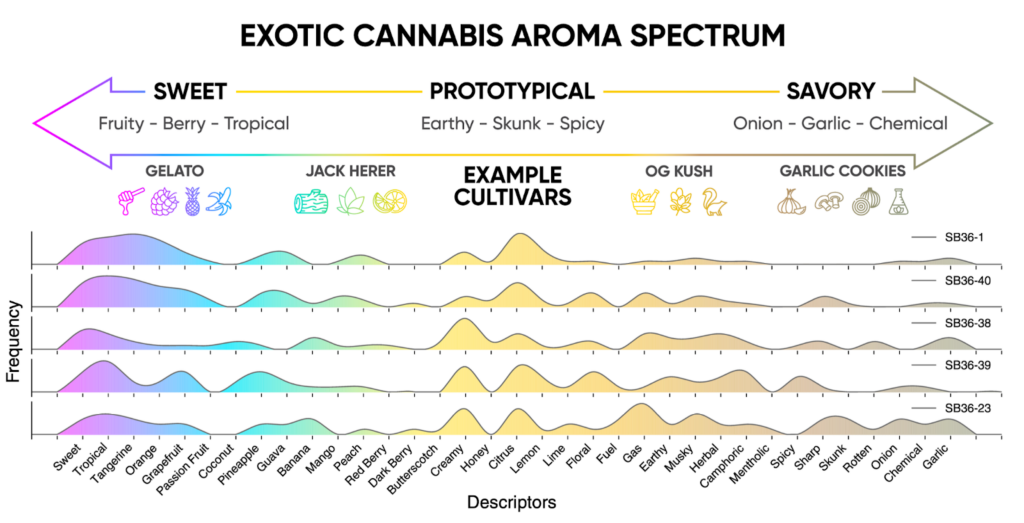
Interestingly, in this study both human sensory tests and chemical analyses revealed significant differences in the aroma profile among the daughter plants, despite the phenotypes having similar terpene profiles. 

Graphic showing cannabis aroma spectrum from sweet to savory.Courtesy of Abstrax Tech

The human sensory panel detected notable distinctions in aroma, including a pronounced cheesy scent in some plants, which was absent in others. This cheesy note led to the identification, for the first time in cannabis flower, of free fatty acids like those found in blue cheese. They were present in some but not all of the daughter plants. 

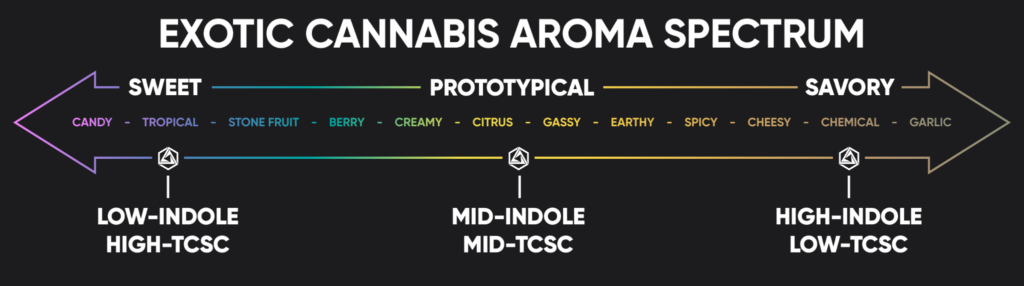
Another key difference was the level of sweetness perceived by the sensory panel — the varieties that smelled the sweetest had the highest level of a specific type of flavorant called tropicannasulfur compounds (TCSCs). These TCSCs are so pungent and sweet smelling that they often can overpower other scents in the plant, especially if the other aromatic compounds are at low levels. 

The researchers found an inverse relationship between these sweet TCSCs and another savory flavorant called indole. It appears that the more indole is produced, the lesser presence of TCSCs there is. This is important because if breeders wanted to showcase other smells from the plant, indole could be a chemical marker for low TCSCs and therefore express some of the more unique aromas. 

Graphic showing cannabis aroma spectrum.Courtesy of Abstrax Tech

Implications for cannabis breeders

This research has significant implications for cannabis breeders, highlighting that terpene testing alone is not sufficient to detect unique aromatic notes in exotic cannabis varieties. Due to the recent discovery of these compounds, and the lack of standardized testing methods, flavorants are not currently analyzed in cannabis compliance testing laboratories. Therefore breeders need to rely on their nose for detection, resulting in a downstream effect for end users, especially those shopping in states where they can't smell the product before they buy it. 

The human nose can pick up on low levels of smelly flavorant compounds that play a crucial role in the complex picture of aroma. However, the nose can't quantify the levels of smell. 

Understanding the complexity, concentration, and distribution of aroma may allow breeders to take pheno hunting to the next level and implement another layer beyond what we can see from the plant. They can more adequately evaluate the chemistry of smell, or chemo hunt, for more unique cannabis varieties.


Featured image by Gina Coleman/Weedmaps. Graphics courtesy of Abstrax Tech.

The post New research on breeding cannabis for unique aroma appeared first on Weedmaps News.

❌