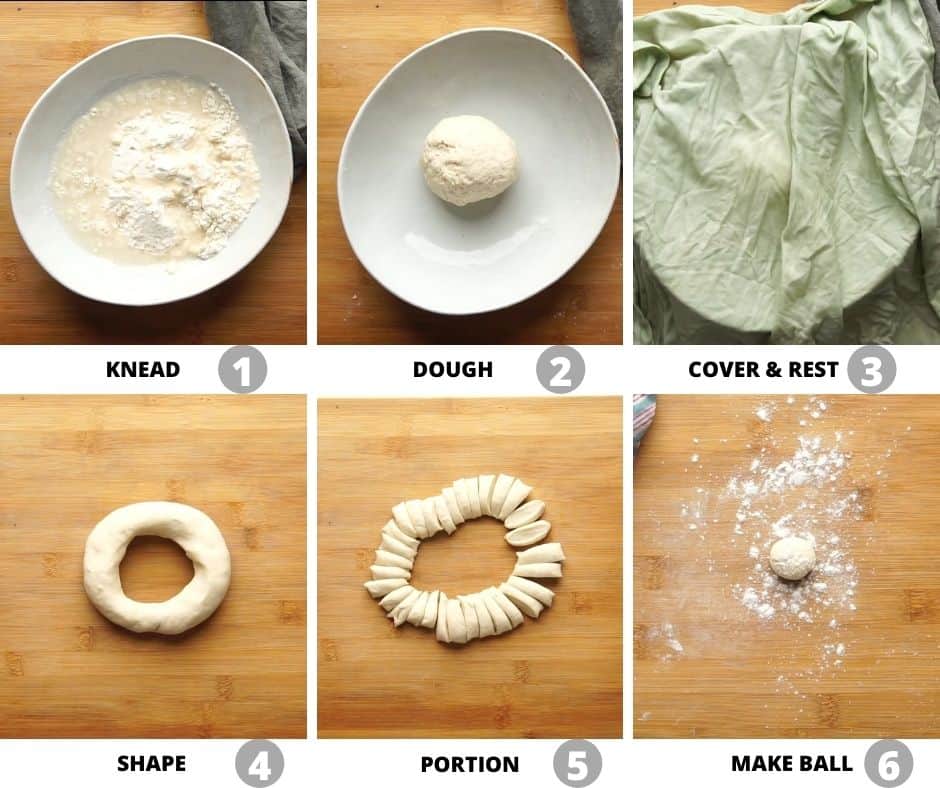
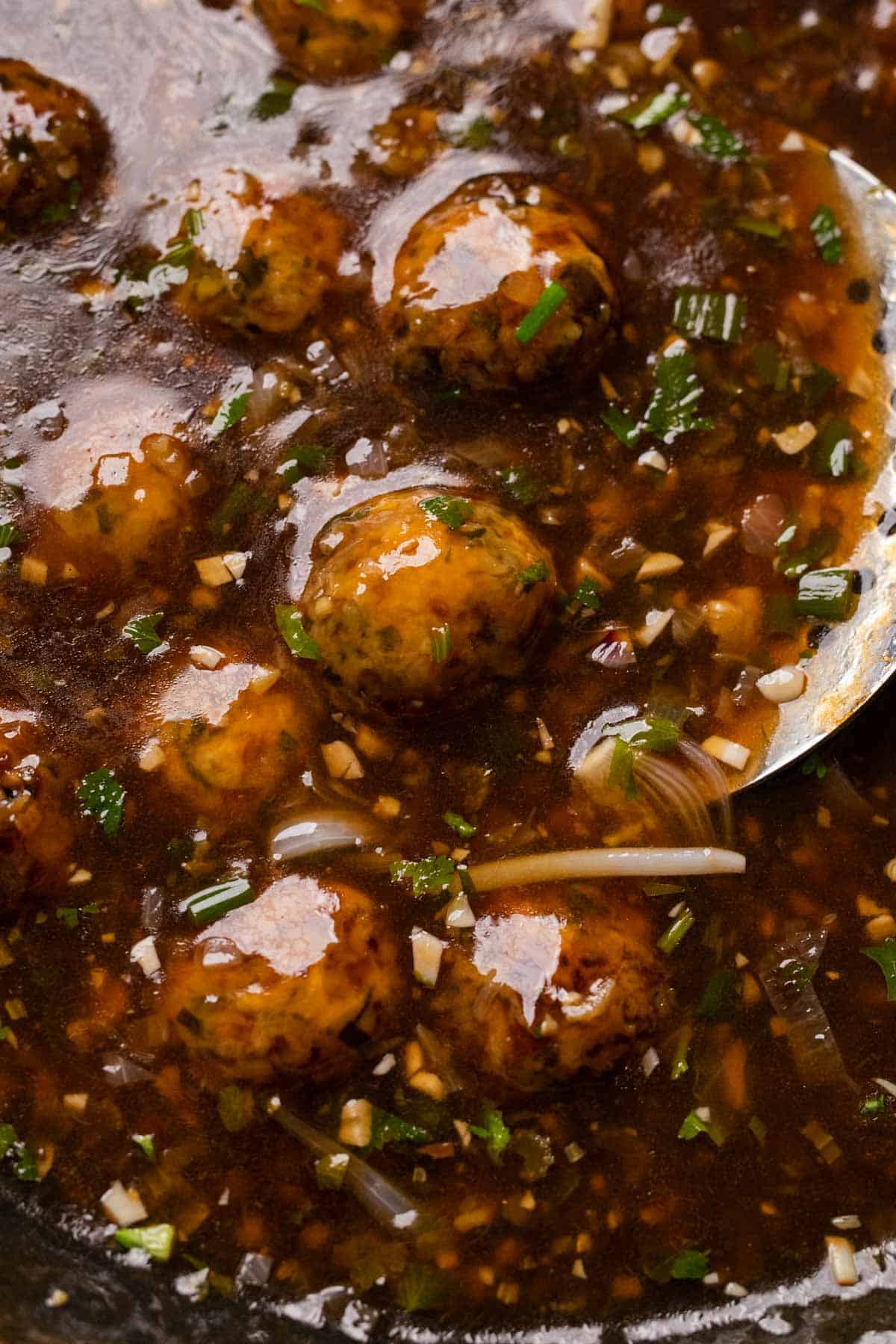
❌

Reading view

There are new articles available, click to refresh the page.

Sarson ka Saag – Punjabi Style

By: Richa

Sarson ka Saag is not just a North Indian winter dish, it is an emotion. Made with fresh winter greens this curry is bursting with warm, rustic flavours and nutrition. Serve it with a generous dollop of homemade butter, hot makki roti and jaggery for a heart-warming meal.
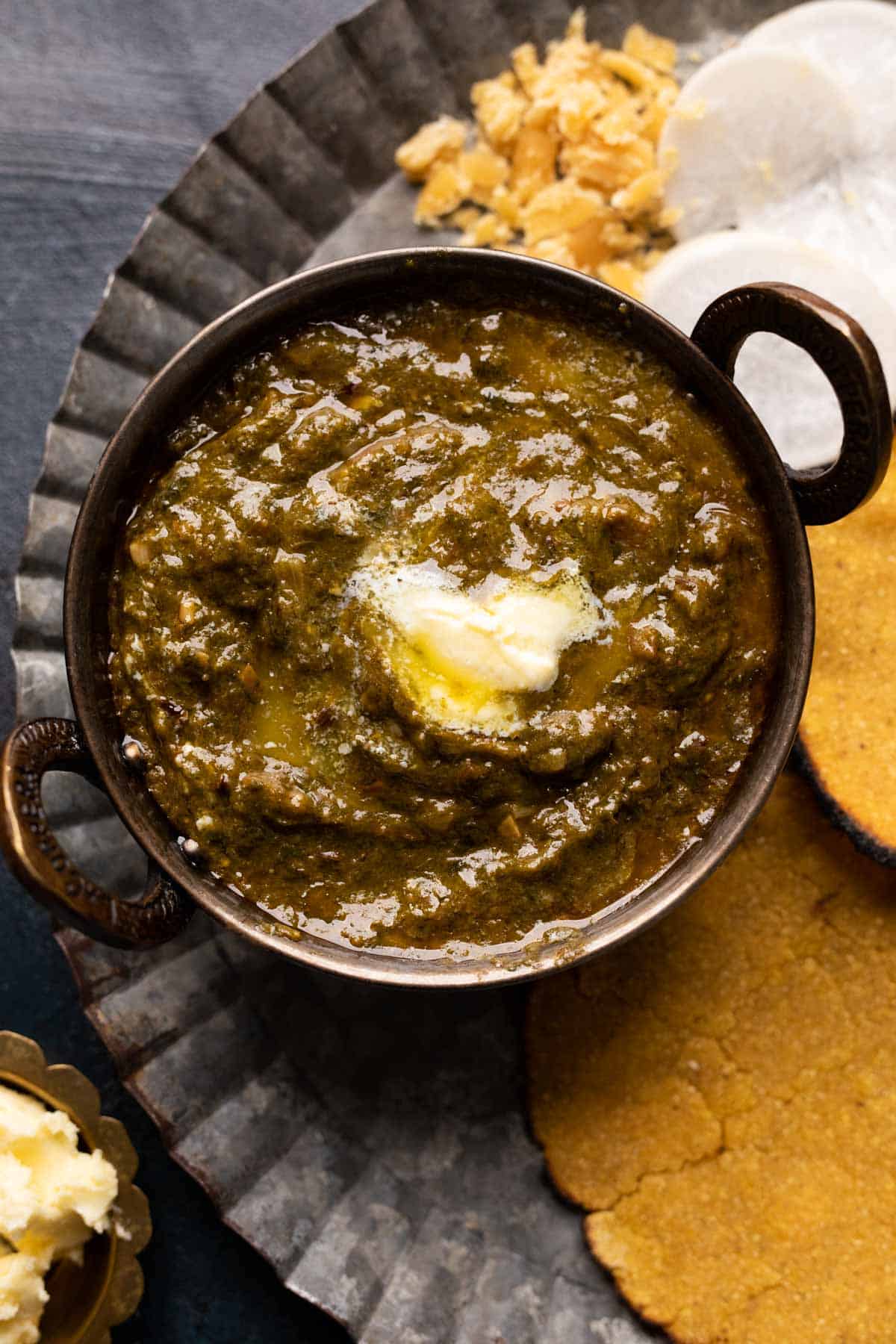
Picture of sarson ka saag served in a small copper kadhai with makki roti on the side

Come winters, making sarson da saag and makki roti is an absolute must. But traditionally, making sarson ka saag is quite a lengthy process that involves cooking the leafy greens in a large earthen pot until they’re soft and mushy. It is then ground to a coarse paste using a wooden whisk, before finally tempering it with ghee, onions, tomatoes and a few spices.

But my sarson ka saag recipe is simpler and a whole lot quicker. We use a pressure cooker to cook the greens a lot faster, before tempering it as usual. But don’t worry, using a pressure cooker doesn’t affect the taste or texture in way.

Why You’ll Love This Recipe

  • By pressure cooking the greens, the cooking time is reduced to nearly half and the entire dish comes together in less than an hour.Β 
  • It is the perfect way to include greens and other fresh winter produce in your family’s diet.Β 
  • Despite its long list of ingredients, this dish is surprisingly easy to make.
  • Can be made in a large batch and frozen for future use.
  • Can be made ahead as this dish tastes a lot better the next day.
  • The combination of leafy greens makes this dish a rich source of fibre, antioxidants and vitamins.
  • This recipe is naturally gluten free and can be easily made vegan by excluding ghee and curd.Β 

Ingredient you Need

Here are the main ingredients you’ll need to make some delicious sarson ka saag this winter:

  • Sarson/mustard leaves: Sarson or mustard leaves have a dark green colour and a sharp, pungent taste. This winter produce is the star ingredient of this recipe. While it is best to use fresh leaves, you can easily replace them with pre-cut, cleaned and even frozen mustard leaves.
  • Other greens: This recipe uses spinach and bathua leaves to balance out the sharp taste of sarson and add a dash of earthiness. If you don’t have access to bathua, you can easily replace it with methi (fresh fenugreek leaves), kale, collard greens or arugula.
  • Radish and radish greens: Radish and radish greens enhance the flavour of mustard.
  • Ginger and garlic: For flavour, balance and aroma
  • Green garlic: Optional but adding a dash of green garlic when cooking the greens makes this more garlicky
  • Makki atta: Makki atta or maize flour is used to thicken and make the saag creamy
  • Ghee: Ghee is used along with mustard oil in the tempering process
  • White butter: A must in my opinion for a well rounded flavour

How to make Sarson ka Saag
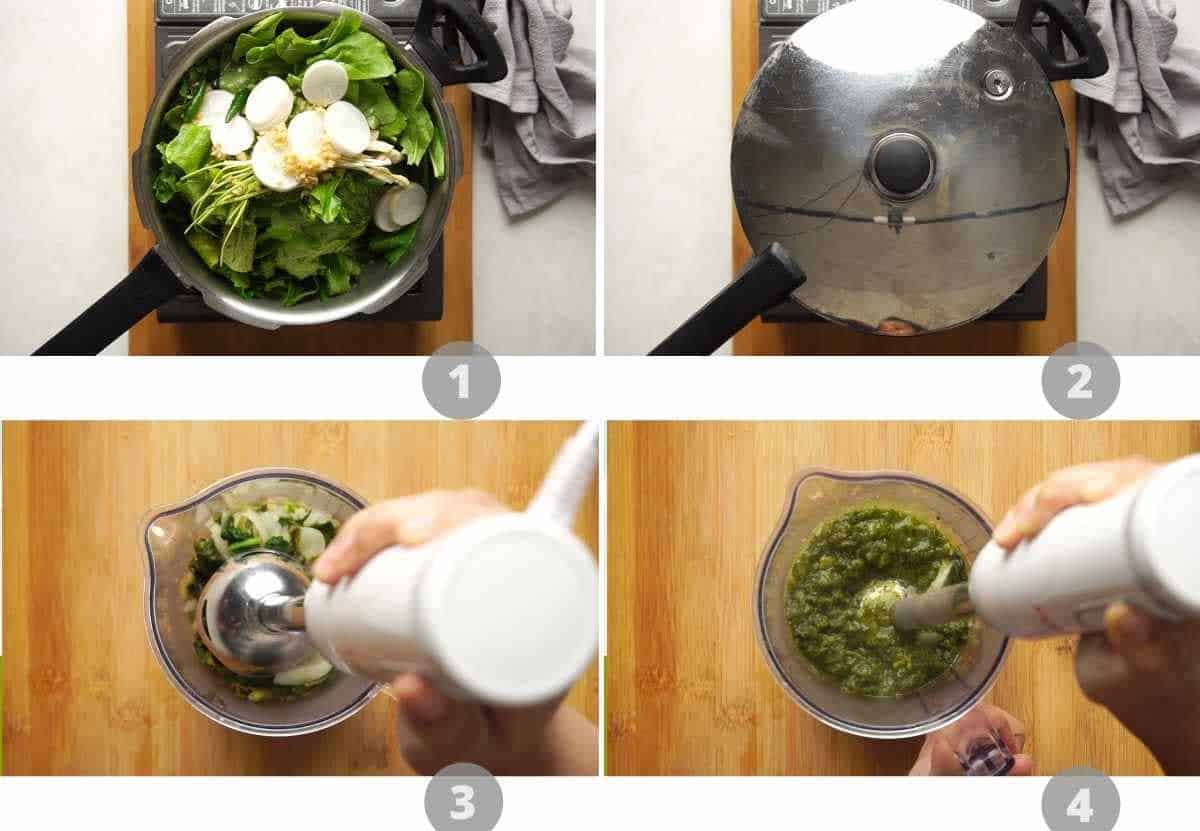
Step by step picture collage showing how to pressure cook greens for saag and coarsely grind them
  1. Pressure cook mustard leaves, bathua, spinach, radish leaves, radish, green garlic, ginger, garlic, green chillies with a cup of water for 2-3 whistles or approx 10-15 minutes
  2. Let the steam escape completely before opening the pressure cooker
  3. Let this cool and grind only the greens to a coarse paste, while reserving any water in the pressure cooker.
  4. I prefer using a stick blender so I can control the blending. The consistency should be coarse and it should look like the greens were chopped finely. If you don’t have a stick blender, pulse the mixture in a mixture grinder and check every few seconds
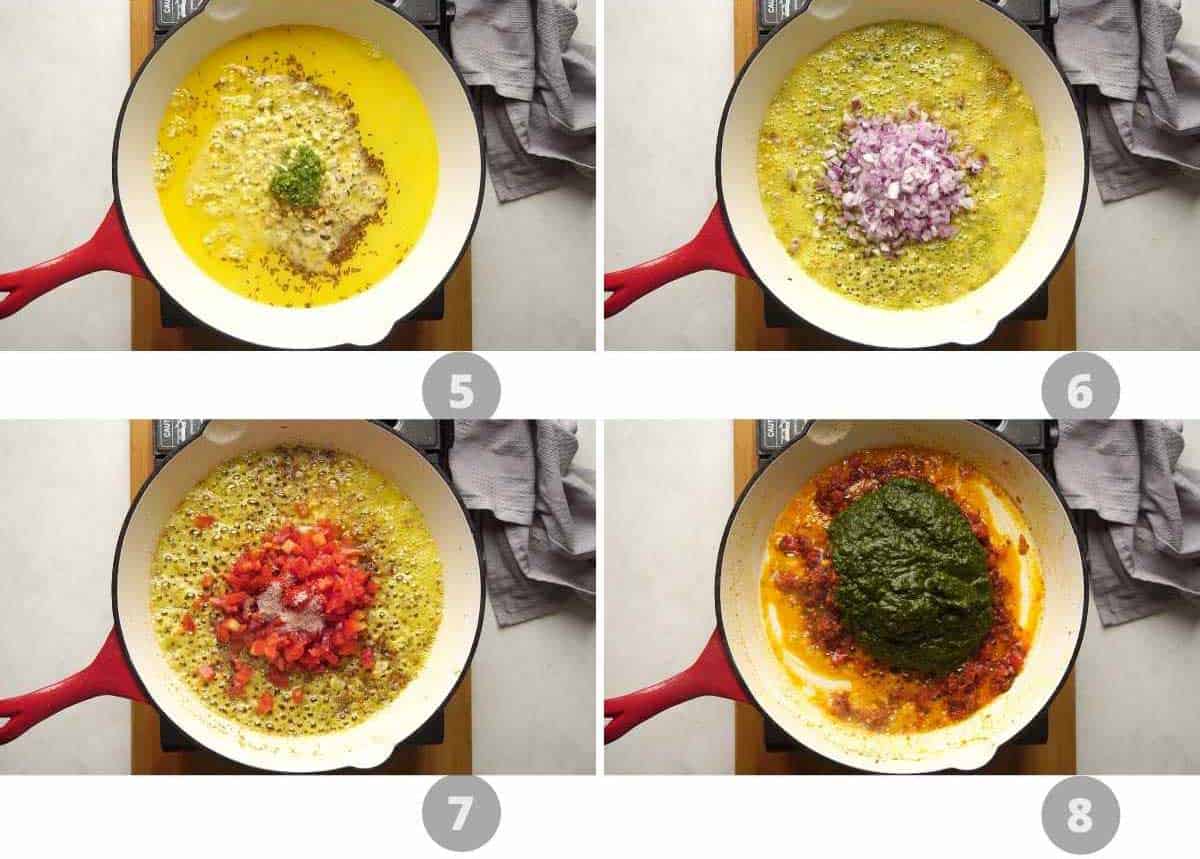
Step by step picture collage showing how to cook sarson ka saag

5. Heat mustard oil and ghee and add jeera, ginger, garlic, green chilli paste.

6. Saute for a minute and add onions. Cook till translucent

7. Add tomatoes, chilli powder and salt and cook till mushy.

8. Add the greens mixture to the onion tomato paste
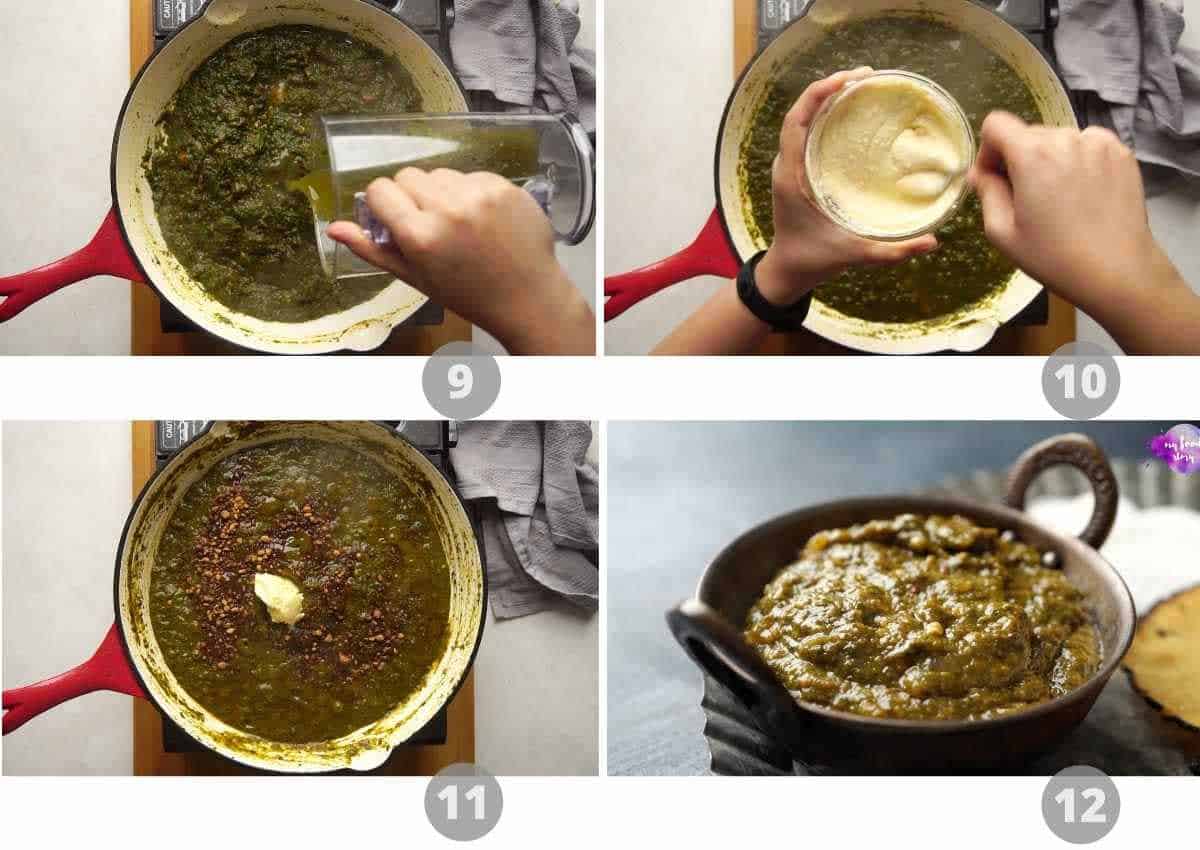
Step by step picture collage showing how to cook sarson ka saag

8. Also add the reserved water plus an additional half cup of water and cook for 5-10 minutes till you start seeing some oil on top.

9. Whisk together curd and makki atta and add the mixture along with jaggery to the pan. Bring this to a quick boil while stirring continuously to avoid any lumps.

10. Once it starts boiling; reduce the flame, adjust water if required and cook covered for 5-10 minutes or till you start seeing specks of fat float on top. Add a big dollop of makhan on top.

11. Serve hot with makki ki rotis

Frequently Asked Questions

1. How to wash the greens?

After separating the leaves from the stem, place the leaves in a large bowl. Fill it up with water and swish the leaves around. Remove the leaves and you’ll notice all the dirt settling in the water at the bottom. Throw the water and repeat the process a few times till there is no more dirt. Always wash the leaves just before using so that they don’t rot from the moisture.

2. Can I freeze sarson ka saag?

Absolutely! Sarson ka saag is freezer-friendly and stays well for up to a month both with or without the tadka. I usually cook a large batch of the greens, allow them to cool down completely and then store them in zip lock bags in the freezer. When I want to eat it, I simply allow it defrost on the counter, reheat and add the tadka. It tastes absolutely delicious every time.

3. Why is my Sarson Ka Saag bitter?

Sarson or mustard leaves naturally have a slightly bitter and pungent taste. But if your greens taste excessively bitter, you can simply reduce their quantity and add more spinach and/or other greens. The tempering process and using green garlic, ginger and tomatoes will further help reduce the bitterness.

Richa’s Top Tips

  • Leafy greens are usually covered in dirt and mud. Thoroughly wash the leaves under running water to get rid of all the impurities before cooking them.
  • Since we are grinding the greens in this recipe, there’s no need to chop them. But if you want to try the traditional method of using a wooden whisk to mash the greens, make sure to finely chop all the greens before adding them to the pressure cooker.
  • Sarson da saag usually has a coarse, creamy texture. I like to achieve this using a stick blender in place of the usual mixture-grinder. A stick blender allows for better control and helps me attain that beautiful coarse texture every time.Β 
  • If you don’t have a stick blender, pulse the mixture in a mixture grinder and check every few seconds.
  • This recipe can even be prepared with frozen greens. Just thaw and squeeze out any excess liquid before cooking it.

Storage Tips

  • If you are making a large batch, refrigerate the extra saag in an airtight container without tempering. This saag recipe stays good in the refrigerator for up to 4 days.
  • It’s also very freezer-friendly and can be frozen for up to a month.Β 

Customisation Tips

  • For a more wholesome dish, you can always add paneer or chicken to the saag. Check out my recipes for authentic saag paneer and saag chicken for some inspiration.
  • If you don’t have access to any greens mentioned in the recipe (except sarson), feel free to replace it with methi (fresh fenugreek leaves), kale, collard greens or arugula.

Serving Ideas

  • Serve hot sarson ka saag with makki di roti and a generous dollop of white butter or homemade makhan on top.
  • Pair it with steamed basmati rice for a comforting, everyday meal.
  • Add a side of jaggery or gur to balance the earthy bitterness of the greens.
  • Serve alongside cucumber raita and sliced onions with lemon and green chillies for freshness and crunch.
  • Turn leftovers into a fuller spread by pairing the saag with plain parathas or rotis for an easy next-day lunch.

Sarson ka saag is the perfect dish to celebrate winters and the bountiful fresh produce. The creamy texture and the garlic-y rustic flavours are sure to leave you craving for more.

If you make this recipe, don’t forget to tag me on stories and send me your recreations over in my DMs @my_foodstory.

Watch Sarson Ka Saag Recipe Video

LOVE THIS RECIPE? Subscribe to my newsletter and be the first to receive all new recipes!
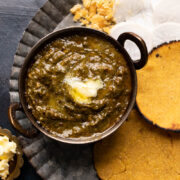
Picture of sarson ka saag served in a small copper kadhai with makki roti on the side
Print

Punjabi Style Sarson ka Saag

Make the most amazing creamy, spicy sarson ka saag that hits all the right notes when eaten with makki di roti and a big dollop of makhan or white butter. This recipe is bursting with flavour and really celebrates winter greens!
Course Main Course
Cuisine North Indian, Punjabi
Diet Gluten Free, Vegetarian
Prep Time 15 minutes
Cook Time 40 minutes
Total Time 55 minutes
Servings 6 people
Calories 289kcal
Author Richa

Ingredients

Pressure Cook

  • 2 bunches Mustard Leaves approx 200g, washed and stems removed
  • 1 packed cup Bathua leaves approx 65g, washed and stems removed
  • 1 packed cup Spinach Leaves approx 50g, washed and stems removed
  • 1 packed cup Radish Leaves leaves for 1-2 radishes
  • 1 small Radish diced, approx 70g
  • 10 g Green Garlic Scapes if unavailable use 1 tablespoon chopped Garlic instead
  • 1 tablespoon chopped Ginger
  • 2 Green Chillies

Other Ingredients

  • 1/4 cup Mustard Oil
  • 2 tablespoons Ghee
  • 1 teaspoon Cumin Seeds
  • 2 tablespoons finely chopped Garlic
  • 1 teaspoon chopped Ginger
  • 1 teaspoon Green Chilli Paste
  • 3/4 cup chopped Onions approx 90g
  • 1 cup chopped Tomatoes
  • 1 teaspoon Chilli Powder or paprika
  • 1-1.5 tsp Salt
  • 1/2 cup Curds or yoghurt
  • 3 tablespoons Makki Atta
  • 1/4 cup grated Jaggery
  • 2-3 tablespoons White Butter for serving

Instructions

  • Pressure cook mustard leaves, bathua, spinach, radish leaves, radish, green garlic, ginger, garlic, green chillies with a cup of water for 2-3 whistles or approx 10-15 minutes
  • Let this cool and grind only the greens to a coarse paste, while reserving any water in the pressure cooker. I prefer using a stick blender so I can control the blending
  • Heat mustard oil and ghee and add jeera, ginger, garlic, green chilli paste and onions. Cook till translucent and add tomatoes, chilli powder and salt and cook till mushy.
  • Meanwhile, whisk together yoghurt and makki atta and keep aside.
  • Add the greens mixture to the onion tomato paste along with the reserved water plus an additional half cup of water and cook for 5-10 minutes till you start seeing some oil on top.
  • Add the curd mixture along with jaggery. Bring this to a quick boil while stirring continuously. Once it starts boiling, reduce the flame, adjust water if required and cook covered for 5-10 minutes or till you start seeing specks of fat float on top. Serve hot with makki ki rotis

Video

Notes

  • Leafy greens are usually covered in dirt and mud. Thoroughly wash the leaves under running water to get rid of all the impurities before cooking them.
  • Since we are grinding the greens in this recipe, there’s no need to chop them. But if you want to try the traditional method of using a wooden whisk, make sure to finely chop all the greens before adding them to the pressure cooker.
  • Sarson da saag usually has a coarse, creamy texture. I like to achieve this using a stick blender in place of the usual mixture-grinder. A stick blender allows for better control and helps me attain that beautiful coarse texture every time.Β 
  • This recipe can even be prepared with frozen greens. Just thaw and squeeze out any excess liquid before cooking it.
  • If you are making a large batch, refrigerate the extra saag in an airtight container without tempering. This saag recipe stays good in the refrigerator for up to 4 days and can be frozen for up to a month.

Nutrition

Calories: 289kcal | Carbohydrates: 21g | Protein: 4g | Fat: 21g | Saturated Fat: 8g | Polyunsaturated Fat: 2g | Monounsaturated Fat: 8g | Trans Fat: 1g | Cholesterol: 33mg | Sodium: 609mg | Potassium: 283mg | Fiber: 3g | Sugar: 12g | Vitamin A: 374IU | Vitamin C: 22mg | Calcium: 118mg | Iron: 1mg

This article has been researched and written byΒ Urvi Dalal

The post Sarson ka Saag – Punjabi Style appeared first on My Food Story.

Veg Momos | With Soya Filling

I bet you haven’t tried momos this way! These veg momos with a soya filling are tender, juicy, and absolutely delicious. Even my non-veg momo friends can’t help but love these ❀️‍πŸ”₯

an image of veg momos served with a dipping chutney

I love momos in every form, shape, and style, but those veg momos with the cabbage filling used to be a big no-no. Just something about veg filling felt incomplete, tasteless, and left an unpleasant feeling in my mouth, due to which I have been team chicken momos for a long time.

And that’s exactly why this veg momo recipe is different. It’s got a delicious veggie + soya granules filling that delivers a perfect bite and loads of flavor. Adding soya granules actually keeps the filling insanely juicy and sneaks in some extra protein as well. I love serving these veg momos with my homemade schezwan sauce and chilli oil for the perfect spicy kick. Believe me, once you try making vegetarian momos this way, there is no way you’ll go back to those veggie-only ones ever again!

Ingredients For Momos

Here’s everything that you’ll need:

For the dough

  • Flour: All purpose flour or maida forms the base of the dough. You can use whole wheat flour but the wrapper will be really dense and chewy. All purpose flour or maida also adds more gluten and makes the wrapper easier to roll and pleat
  • Oil: Helps make the dough moist and pliable. I have used sunflower oil, but any neutral-flavored oil like canola or rice bran will also work
  • Lukewarm water: This is important to make the dough soft, pliable, and easy to work with. Hot water can make the dough tough and stringy, while cold water can make the wrappers dense, chewy and difficult to roll out
  • Salt: For seasoning
  • Corn flour:Β For dusting (if needed)

Veggie filling:

  • Veggies: Finely chopped carrots, mushrooms, onions, cabbage, and celery form the base of the filling
  • Soya granules:Β Add texture and a boost of protein
  • Soy sauce:Β For umami and saltiness
  • Other ingredients:Β Salt, sugar, pepper, ginger, and garlicΒ for flavor, aroma, and balance

Making the Dough

The dough is a simple mix of all purpose flour, sunflower oil, salt, and lukewarm water.Β Kneading with lukewarm water creates some steam and a really pliable doughΒ which is perfect for making momos. Once you finish kneading the dough, cover it with a damp towel and allow it to rest for 10 minutes before cutting it into small pieces – each pieceΒ should be approx 7 grams.

Step by step pictures to show how to make the dough for momos

How to Wrap Momos

  1. Once the dough has rested, divide the dough into 2 parts & roll one portion into a cylinder roll on the counter top. Cut out small pieces of dough, each weighing 9 grams. This is about Β½ tablespoon of dough.Β 
  2. Prepare a greased plate or parchment paper and damp towel.
  3. Take each piece of dough and roll it into a ball. Using the fleshy part of your palm, flatten each ball of dough into a disc. Using a rolling pin, roll out each individual piece into a very thin round wrapper. They need to be thin enough such that they appear to be slightly translucent. Thicker wrappers tend to taste very doughy so make it as thin as you can.
  4. Place about a tablespoon of the prepared filling in the centre of the rolled out wrapper. Shape and seal the wrappers as shown in the video. In order to ensure that it is properly sealed, apply a little bit of water along the edges with your fingertip.
  5. Place the stuffed momo on the greased plate and cover with the damp cloth.

Richa’s Top Tips

  • Make sure to roll the dough thin to prevent thick and chewy momos.
  • Feel free to customise the stuffing based on what you like and have available. Just avoid adding really water-y veggies like cucumber and tomatoes as those will break the momos during the steaming process.
  • Do not overcrowd the pan when steaming the momos. These tend to expand on steaming and overcrowding the pan will make the momos stick to each other.
  • To check for doneness, check the skin. It should be transparent-ish and non-sticky. If it feels sticky, steam for another minute or two.

Storage Tips

  • Fridge:Β If the momos are cooked, allow them to come to room temperature and store in anΒ air-tight boxΒ and refrigerate for up to a day. Cooked momos tend to dry out fast, so it’s best to eat them as quickly as possible.
  • Reheat: Steam for 3–5 minutes to soften and refresh. Avoid microwaving as they can turn chewy.

Serving Tips

freshly steamed chicken momos placed in the steamer

I bet everyones going to get super excited when you set the table with these homemade momos that taste street style!!

If you happen to make these veg momos at home, do DM me in your pictures over at @my_foodstory. It’s always so nice to hear from you guys ❀️

Watch Veg Momos Recipe Video

freshly steamed chicken momos placed in the steamer
Print

Veg Momos

These veg momos with soya filling are easy to make, delicious, and will give the momos from your favorite joint a serious run for their money
Course Snacks & Appetisers
Cuisine Indian Chinese
Diet Vegetarian
Prep Time 15 minutes
Cook Time 25 minutes
Rest Time 20 minutes
Total Time 1 hour
Servings 22 momos
Calories 42kcal
Author Richa

Equipment

  • 1 steamer

Ingredients

Momo Wrapper

  • 1 cup all purpose flour maida
  • Β½ teaspoon salt
  • 2 teaspoons sunflower oil or any neutral flavoured oil like canola or rice bran
  • ΒΌ cup + 4 teaspoons lukewarm water we’ve measured this accurately so please stick to this water measurement
  • 1-2 tablespoons cornflour for dusting if needed

Vegetarian Filling

  • 1 tablespoon oil
  • 2 teaspoons finely chopped garlic
  • 1 teaspoon finely chopped ginger
  • 2 tablespoons finely chopped celery
  • Β½ cup finely chopped onion
  • Β½ cup finely chopped cabbage
  • Β½ cup finely chopped carrot
  • ΒΌ cup finely chopped mushrooms
  • Β½ cup hydrated soya granules see note 1
  • 1 teaspoon soy sauce
  • ΒΌ teaspoon sugar
  • Β½ teaspoon salt
  • ΒΌ teaspoon pepper

Instructions

Momo Wrapper

  • Add the flour, salt and oil to a mixing bowl. And lukewarm water and stir using a wooden spoon or your hands to combine. Do not over knead at the stage, just bring the dough together till you don’t see any dry spots & set aside for 5 minutes covered with a damp towel.
    1 cup all purpose flour, Β½ teaspoon salt, 2 teaspoons sunflower oil, ΒΌ cup + 4 teaspoons lukewarm water, 1-2 tablespoons cornflour for dusting
  • After 5 minutes, remove and place the dough on a counter and knead for 2 to 3 minutes to a smooth dough. You do not need to dust the surface with flour unless the dough is very sticky. The dough is supposed to be slightly tacky, but not sticky.
  • Place the dough back into the bowl and cover with a damp towel to rest for 10 minutes.

Vegetarian Filling

  • Heat oil in a wok or heavy bottomed pan on a high flame. Add ginger, garlic, celery, onions and sautΓ© till onions turn translucent. Add cabbage, carrot and mushrooms, reduce flame to medium high and sautΓ© for 3 minutes. Add soya granules and saute for a minute. Add soy sauce and sugar and stir to combine. Season with salt and pepper. Remove from flame and keep aside to cool before placing it inside the wrapper.
    1 tablespoon oil, 2 teaspoons finely chopped garlic, 1 teaspoon finely chopped ginger, 2 tablespoons finely chopped celery, Β½ cup finely chopped onion, Β½ cup finely chopped cabbage, Β½ cup finely chopped carrot, ΒΌ cup finely chopped mushrooms, Β½ cup hydrated soya granules, 1 teaspoon soy sauce, ΒΌ teaspoon sugar, Β½ teaspoon salt, ΒΌ teaspoon pepper

Wrapping and Pleating Momo

  • Once the dough has rested, divide the dough into 2 parts & roll one portion into a cylinder roll on the counter top. Cut out small pieces of dough, each weighing 9 grams. This is about Β½ tablespoon of dough.
  • Prepare a greased plate or parchment paper and damp towel.
  • Take each piece of dough and roll it into a ball. Using the fleshy part of your palm, flatten each ball of dough into a disc. Using a rolling pin, roll out each individual piece into a very thin round wrapper. They need to be thin enough such that they appear to be slightly translucent. Thicker wrappers tend to taste very doughy so make it as thin as you can.
  • Place about a tablespoon of the prepared filling in the centre of the rolled out wrapper. Shape and seal the wrappers as shown in the video. In order to ensure that it is properly sealed, apply a little bit of water along the edges with your fingertip.
  • Place the stuffed momo on the greased plate and cover with the damp cloth.

Steaming Momo

  • Bring the water in the steamer to a boil and grease the steamer plate. Place the stuffed momo on the greased steamer plate. Ensure that they are not sticking to each other. Brush each momo with oil so they cook to be soft. Cover the lid of the steamer and cook for 14 minutes on medium flame. Rest for 5 minutes, remove from the steamer and serve immediately.

Video

Notes

  1. To hydrate soya granules: Soak the soya granules in 1 cup of boiling water for 10-15 minutes, drain & squeeze out water & use.Β Β 
  2. Let the dough rest for 10 minutes for best results.
  3. It’s best to roll each momo wrapper, stuff them with the filling & roll the next momo wrapper.Β 
  4. If you roll all the wrapper at once, they dry out very fast, and it will not be possible to shape momo.
  5. Wrapped momo (uncooked) can be kept frozen for up to 2 weeks in an airtight container, separated by parchment paper.

Nutrition

Calories: 42kcal | Carbohydrates: 6g | Protein: 2g | Fat: 1g | Saturated Fat: 0.1g | Polyunsaturated Fat: 0.2g | Monounsaturated Fat: 1g | Trans Fat: 0.003g | Sodium: 117mg | Potassium: 32mg | Fiber: 1g | Sugar: 1g | Vitamin A: 491IU | Vitamin C: 1mg | Calcium: 12mg | Iron: 1mg

This article was researched and written by Urvi Dalal.

The post Veg Momos | With Soya Filling appeared first on My Food Story.

Quinoa Vegetable Soup, Healthy Comforting One Pot Meal

Print

Quinoa Vegetable Soup, Healthy Comforting One Pot Meal

A warm bowl of this quinoa vegetable soup is comfortable, nutrition, and simplicity all in one. It’s perfect for busy days when you want something homemade, light, and wholesome without spending too much time in the kitchen.
I love this recipe because quinoa and pasta together make the soup hearty, while the vegetables add color and freshness. It’s simple, satisfying, and comes together with ingredients most of us already have.
Prep Time 10 minutes
Cook Time 30 minutes
Total Time 40 minutes
Servings 4

Ingredients

  • 1/2 cup of quinoa
  • 1/4 cup elbow pasta (or any small pasta of your choice)
  • 2 cups of mixed vegetables (I’m using frozen mixed veggies β€” carrots, corn, green

    peas, green beans, and lima beans)

  • 1 cup chopped tomato
  • 2 tbsp oil
  • 1/2 tsp cumin seeds (jeera)
  • 1/8 tsp asafetida (hing)
  • 1/4 tsp turmeric (haldi)
  • 1 tsp grated ginger
  • 6 cloves (laung)
  • 6 black peppercorns
  • 3 cups of water
  • 1 tsp fresh lemon juice
  • 1 tsp of salt

Instructions

  • Wash the quinoa in a fine strainer under running water. Set aside.
  • Heat oil in a saucepan over medium-high heat. When moderately hot, add cumin seeds and asafetida.
  • Once the cumin seeds crackle, add the mixed vegetables. Stir for a minute.
  • Add quinoa, pasta, tomatoes, ginger, cloves, black peppercorns, and water.
  • Add salt to taste.
  • Bring the mixture to a boil, then reduce the heat to low-medium.
  • Cover and cook for 25–30 minutes, or until the quinoa, pasta, and vegetables are tender.
  • Finish the soup
  • Add lemon juice. Taste and adjust salt and pepper as needed.

Notes

  • Always rinse quinoa well to remove bitterness.
  • Keep the soup consistency adjustable-add more water if you prefer a thinner soup.
  • Lemon juice should be added at the end to keep the flavors fresh.
  • This soup thickens slightly as it rests, so adjust water while reheating.
  • Works great as a light meal, detox-friendly option, or comfort food during cold days.

Serving Suggestion

Serve hot. This soup is paired well with toast, or even a simple paratha.
It’s light, flavorful, and perfect for lunch, dinner, or a late-evening warm
snack.

Frequently Asked Questions (FAQs)

1. Can I skip pasta in this soup?

Yes, you can skip the pasta if you want a gluten-free or lighter version. You may slightly reduce the water quantity in that case.

2. Can I use fresh vegetables instead of frozen?

Absolutely. Fresh vegetables like carrots, beans, peas, and corn work very well. Just chop them evenly for uniform cooking.

3. Can I make this soup vegan?

Yes, this soup is naturally vegan as it contains no dairy or animal-based ingredients.

4. Can I prepare this soup in advance?

Yes. You can store it in the refrigerator for up to 2 days. Reheat gently on the stovetop, adding a little water if needed.

5. Is quinoa necessary for this recipe?

Quinoa adds protein and makes the soup hearty. However, you can substitute it with rice, millet, or just increase the vegetables if preferred.

6. Can I make it spicy?

Yes. You can add green chili, chili flakes, or black pepper powder to adjust the spice level.

The post Quinoa Vegetable Soup, Healthy Comforting One Pot Meal appeared first on Manjula's Kitchen.

Stuffed Parathas Made Easy Aloo Potato Gobhi Cauliflower

Print

Stuffed Parathas Made Easy Aloo Potato Gobhi Cauliflower

I am truly excited! Stuffed parathas sound difficult to make and time consuming and
honestly, they are. They’re one of the most loved Indian breads, but making the dough
and rolling the parathas is the part that creates the most work, the most mess, and the
most cleanup.
That’s why I’ve been experimenting with easier ways to make them while keeping the
taste true to the original. You can even call it semi-homemade because I’m using store-
bought uncooked rotis. I was so happy and surprised when I came up with this quick,
simple method. In the end, your own finishing touch makes all the difference!
Today, I am sharing recipes for two different parathas:
Aloo (Potato) Paratha β€” my favorite classic
Gobhi (Cauliflower) Paratha β€” my husband’s favorite
This recipe will make 2 parathas β€” one of each.
Prep Time 15 minutes
Cook Time 15 minutes
Servings 2 parathas

Ingredients

Aloo Paratha

Ingredients

2 Uncooked Rotis (available at Indian stores)

For filling

  • Β½ cup boiled and mashed potatoes
  • ΒΌ teaspoon cumin seeds
  • 1/2 teaspoon coriander powder
  • ΒΌ teaspoon dry mango powder

A pinch of asafetida

  • ΒΌ teaspoon salt
  • ΒΌ teaspoon finely grated ginger
  • Β½ teaspoon finely chopped green chili (adjust to taste), or ΒΌ teaspoon red chili powder
  • 1 tablespoon finely chopped cilantro
  • 2 teaspoons oil to cook the paratha

Gobhi (cauliflower) Paratha

Ingredients

  • 2 Uncooked Rotis (available at Indian stores)
  • Β½ cup grated cauliflower (Gobhi)
  • 2 tablespoons of boiled mashed potatoes (to help hold the filling)
  • Β½ teaspoon cumin seeds
  • 1 teaspoon coriander powder
  • ΒΌ teaspoon dry mango powder

A pinch of asafetida

  • ΒΌ teaspoon salt
  • ΒΌ teaspoon finely chopped ginger
  • Β½ teaspoon finely chopped green chili (adjust to taste), or ΒΌ teaspoon red chili powder
  • 1 tablespoon finely chopped cilantro
  • 2 teaspoons oil

Instructions

  • Prepare the filling:
  • Mix all the ingredients together. Taste and adjust the salt. If filling seems too dry add 1spoon of water.
  • Lightly cook the rotis:
  • Heat a flat skillet over medium heat. Cook each roti on one side only for about 30 seconds.
    Place them on a plate.
  • Assemble the paratha:
  • On one roti (cooked side up), spread the potato filling evenly. The filling should not be too thick. Place the second roti on top with the cooked side facing down.
  • Cook the paratha:
  • Heat the skillet to medium-high. Transfer the prepared paratha to the skillet. Cook on both sides using about 1 teaspoon oil per side.
    Press gently with a spatula and cook until golden brown and crispy. These come out looking just like traditional aloo parathas β€” crispy, hot, and delicious.
    They taste best when served hot!

Gobhi (cauliflower) Paratha

  • Prepare the filling:
  • Grate the cauliflower finely. Add the mashed potatoes and mix well, this helps bind the loose cauliflower.
  • Mix in all remaining ingredients. Taste and adjust the salt.
  • If filling seems too dry add 1 spoon of water
  • Lightly cook the rotis:
  • Heat a flat skillet over medium heat. Cook each roti on one side only for about 30 seconds.
    Remove and set aside.
  • Assemble the paratha:
  • Place one roti on a plate with the cooked side facing up.
    Spread the cauliflower-potato filling evenly in a thin layer.
    Place the second roti on top with the cooked side facing down.
  • Cook the paratha:
  • Heat the skillet on medium high. Gently place the stuffed paratha on the skillet.
  • Cook both sides using about 1 teaspoon oil per side.
  • Press lightly with a spatula and cook until both sides are golden brown and crisp.
  • These semi-homemade Gobhi Parathas turn out wonderfully β€” flavorful, easy to handle, and so much simpler to prepare than the traditional method. Serve hot for the best taste!

Notes

  • Keep the filling layer thin to prevent tearing.
  • Prick the paratha lightly while cooking to avoid puffing and separation.
  • Always cook on medium to medium-high heat for even browning.
  • These parathas stay crisp and reheat well on a skillet.

I like to serve paratha spiced yogurt or pickle or just enjoy, with hot cup of tea.
Thank you! Enjoy!

Frequently Asked Questions (FAQs)

1. Can I use frozen rotis?

Yes. Thaw them completely before cooking to ensure even heating and proper texture.

2. Why add potatoes to gobhi filling?

Cauliflower releases moisture while cooking. Adding potatoes helps bind the filling and prevents the paratha from separating.

3. Can I make these ahead of time?

Yes. Cook them slightly less if you plan to reheat later on a skillet.

4. Can I make them oil-free?

A small amount of oil helps create a crisp texture, but you can reduce the quantity if needed.

5. What can I serve with parathas?

Parathas pair well with spiced yogurt, pickle, butter, or simply enjoy them with a hot cup of tea.

The post Stuffed Parathas Made Easy Aloo Potato Gobhi Cauliflower appeared first on Manjula's Kitchen.

Methi Aloo

Fresh methi in winter is hard to resist. This methi aloo is simple, homely, and exactly the kind of thing you want to cook when methi is at its best.

Methi aloo is a simple, everyday sabzi that lets fresh methi do most of the work. Fresh fenugreek brings a gentle earthiness, the potatoes add comfort, and when cooked right, the dish stays balanced without turning bitter.

Alongside recipes like methi thepla, this is another easy way to use fresh methi through the winter. Simple ingredients that need easy quick steps, it will fit easily into your home meals without feeling heavy or complicated to cook.

Ingredients for Methi Aloo

  • Methi (Fenugreek Leaves): Fresh methi is the heart of this dish and adds earthiness and a slight bitternessΒ 
  • Potatoes: Add comfort and balance, and soften the bitterness of the methi
  • Aromatics: Ginger, garlic, green chilli, cumin seeds, and dried red chilli for warmth and flavorΒ 
  • Spices & Seasoning: Coriander powder, cumin powder, turmeric, amchur, salt, and a small amount of asafoetida keep the flavours balanced and prevent bitternessΒ 
  • Tomatoes: Add mild acidity and help bring the sabzi together
  • Cooking Oil: Groundnut oil or any neutral oil works for this dish

Why You’ll Love This Sabzi

Potatoes are often paired with methi for a reason. Their natural starch balances methi’s sharpness, making the dish feel more rounded and comforting. Fresh methi is rich in fibre, iron, and antioxidants, which support digestion and overall gut health, while potatoes provide energy and help make the meal more filling. Together, they create a simple, well-balanced sabzi that’s nourishing without being heavy, especially suited to winter meals.

Frequently Asked Questions

Can I use kasuri methi instead of fresh methi?

Fresh methi works best for this recipe and gives aloo methi its characteristic flavour and texture. Kasuri methi can’t fully replace fresh leaves, but you can add a small pinch at the end if fresh methi isn’t available, keeping in mind the flavour will be different.

Can I add other vegetables to this recipe?

Aloo methi is traditionally kept simple. While you can add vegetables like carrots or peas, doing so will change the flavour and balance of the dish. If you do add anything, keep the quantities small so the methi remains the focus.

Why is my methi aloo too bitter?

Bitterness usually comes from skipping the soaking step or not squeezing out enough water from the methi. Overcooking methi or adding it too early can also intensify bitterness.

How do I reduce the bitterness of methi?

Soaking methi leaves in salted water for about 30 minutes, then squeezing them well before cooking, helps reduce bitterness significantly. Cooking the methi uncovered also allows excess moisture and bitterness to evaporate.

Richa’s Top Tips

  • Soak the methi first: Soaking methi in salted water and squeezing it well is key to reducing bitterness without losing flavour. Don’t skip this step.
  • Cut potatoes evenly: Small, evenly sized cubes cook faster and ensure the potatoes soften properly before the methi goes in.
  • Cook methi uncovered: Once added, cook the methi without covering the pan so excess moisture evaporates and the sabzi doesn’t turn soggy.
  • Keep the spices gentle: Aloo methi sabji works best when the spices support the methi instead of overpowering it, so measure lightly and avoid over-roasting.

Storage Tips

  • In the fridge: Store cooled methi aloo sabji in an airtight container for up to 2 days.Β 
  • At room temperature: This sabzi is best eaten fresh and should not be left out for more than a few hours, especially in warm weather.
  • Freezing: Freezing is not recommended, as methi tends to lose texture and develop bitterness once thawed.
  • Reheating tip: Reheat on low heat and stir occasionally. If the sabzi feels dry, add a small splash of water while reheating.

Serving Ideas

Aloo methi is comforting on its own, but pairs easily with a few staples to make a satisfying meal.

  • With Roti or Phulka: Soft rotis are the most natural pairing that let flavours of the sabzi shine without distraction.
  • With Paratha: A plain paratha adds a little richness and makes the meal feel more filling, especially for lunch.
  • With Dal and Rice: Serve methi aloo alongside a simple dal and steamed rice for a complete, homely meal.
  • With Curd or Raita: A spoon of plain curd or a light raita balances the warmth of the methi and keeps the meal light.
  • With Cucumber Salad: You can also add fresh onion and tomato salad for a crunchy and fresh bite.

Customisation Ideas

  • Add a garlic finish: Lightly crush and sautΓ© an extra clove of garlic at the end and mix it in for a stronger, more rustic garlic flavour.
  • Turn it into a one-pan meal: Add the potatoes a little earlier and let them brown slightly before adding the rest. This gives the sabzi more depth and makes it hearty enough to eat on its own.
  • Finish with ghee instead of oil: Swapping the final bit of oil for ghee adds a subtle richness that works especially well for winter meals.

This is everyday food at its best, easy to cook, easy to enjoy, and perfect for winter. If you give it a go, share it with me on Instagram @my_foodstory, I always love seeing your home-style meals.

Print

Methi Aloo

The best way to use fresh winter methi, this methi aloo sabzi is a warm, delicious, homestyle dish that's best served with hot rotis.
Course Main Course
Cuisine Indian
Diet Vegetarian
Prep Time 5 minutes
Cook Time 20 minutes
Total Time 25 minutes
Servings 4 servings
Calories 234kcal
Author Richa

Ingredients

  • 3 Β½ cups methi 140 grams
  • 3 cups water
  • 2 teaspoons salt divided
  • 1 tablespoon groundnut or any neutral flavored oil
  • Β½ teaspoon cumin seeds
  • β…› teaspoon asafoetida hing
  • 1 red chilli broken into 2
  • 2 potatoes 220 grams/1 cup, chopped into ΒΌ inch cubes
  • Β½ teaspoon finely chopped ginger
  • 1 teaspoon finely chopped garlic
  • 1 green chilli finely chopped
  • 1 large tomato finely chopped, ΒΌ cup + 2 tablespoons, 100 gms
  • 1 teaspoon coriander powder
  • ΒΌ teaspoon cumin powder
  • ΒΌ teaspoon turmeric powder
  • Β½ teaspoon amchur powder

Instructions

  • Take 3 cups of water & 1 Β½ teaspoons of salt in a bowl and soak methi for 30 minutes. After 30 minutes, squeeze water from the leaves and finely chop them. This will reduce the bitterness of methi leaves.
    3 Β½ cups methi, 3 cups water, 2 teaspoons salt
  • Heat oil in a pan or kadai, add jeera and after it crackles, add hing & red chilli and saute till fragrant. Add potato cubes and cook on low for 7-8 minutes till they are 75% cooked.
    1 tablespoon groundnut or any neutral flavored oil, Β½ teaspoon cumin seeds, β…› teaspoon asafoetida, 1 red chilli, 2 potatoes
  • Add ginger, garlic and saute till fragrant. Add tomatoes, spice powders, Β½ teaspoon salt and cook covered for 3-4 minutes until tomatoes turn mushy.
    Β½ teaspoon finely chopped ginger, 1 teaspoon finely chopped garlic, 1 green chilli, 1 large tomato, 1 teaspoon coriander powder, ΒΌ teaspoon cumin powder, ΒΌ teaspoon turmeric powder, Β½ teaspoon amchur powder
  • Add chopped methi and cook without covering for 5-7 minutes till they get roasted well. Serve.

Nutrition

Calories: 234kcal | Carbohydrates: 35g | Protein: 11g | Fat: 6g | Saturated Fat: 1g | Polyunsaturated Fat: 1g | Monounsaturated Fat: 2g | Sodium: 1219mg | Potassium: 578mg | Fiber: 6g | Sugar: 3g | Vitamin A: 370IU | Vitamin C: 43mg | Calcium: 33mg | Iron: 6mg

This article was researched and written by Harita Odedra.

The post Methi Aloo appeared first on My Food Story.

Chinese Steamed Bao | Gua Bao

Steamed Bao Buns or Gua Bao is one of those recipes that look complicated but is actually really easy. Made with a milk-based dough and steamed to perfection, these Chinese steamed buns are delicious and healthy!

freshly steamed bao buns still in the steamer

Every time we visit an Asian restaurant, we always order a plate of Steamed Bao Buns. There’s something about its slightly sweet taste and that pillow-y soft texture that makes them impossible to resist. But while working on my Indo-Chinese Ebook last year, I tested these Chinese steamed buns at home, and it was such a game changer!

It’s an easy, straight-forward recipe that calls for just a few ingredients, and the result is INSANE! These steamed baos are soft, fluffy, and taste exactly like the ones at your favorite restaurant.Β 

I usually pair these baos with a spiced paneer filling, but honestly, once you master the dough, you can pair it with just about anything!Β 

Chinese Bao Bun IngredientsΒ 

All-purpose flour (maida) – the base of the steamed buns. I don’t recommend using any other type of flour for this recipeΒ 

Instant yeast – helps the dough rise and creates that airy, fluffy texture

Baking powder – adds extra lightness to the buns

Sugar – feeds the yeast and gives the bao a subtle sweetness

Salt – for seasoning and balance

Milk (cold or room temperature) – makes the dough soft and rich

Cooking oil – used for brushing to prevent sticking during steaming

Richa’s Top Tips

  • Measure flour carefully. Too much flour can make the dough dense. Spoon flour into your measuring cup and level it off for best results.
  • Let the dough rise until visibly puffy in a warm place, not just by the clock. Under-proofed dough leads to tight, heavy baos.Β 
  • Keep the dough covered at all times. Bao dough dries out quickly. A damp cloth makes a noticeable difference while shaping and resting.
  • A thin brush of oil is enough to prevent sticking without weighing the dough down.
  • Steam the buns over medium heat. Aggressive boiling can cause uneven cooking and wrinkled baos.
  • Always rest before opening the lid. That final 5-minute rest inside the steamer helps the baos hold their shape and stay fluffy.
close up image of steamed bao buns served with paneer filling

Frequently Asked Questions

Can I make this recipe without yeast?

Yeast is an important ingredient that adds flavor and structure to the baos. I would not recommend skipping it.Β 

Can I use water instead of milk?

Yes, but the bao will be slightly less soft and rich compared to milk-based dough.

Why did my bao deflate after steaming?

This usually happens if the lid is opened immediately. Resting them in the steamer for 5 minutes helps stabilise the structure.

Do I need a bamboo steamer?

No. Any steamer that traps steam well will work.

Storage Tips

  • Store steamed baos in an airtight container in the fridge for up to 4 days.
  • Reheat by steaming for 2 minutes, or microwave with a cup of water to prevent drying.
  • Avoid freezing after filling; freeze plain baos instead if needed.

Serving Ideas

  • Stir-fried paneer tossed with your favorite sauces and crunchy veggies makes for a delicious and wholesome dish.Β 
  • You can even eat these steamed buns with a non-veg protein like crispy chicken along with veggies.Β 
  • Add in some falafel, a spoonful of homemade hummus, and your favorite julienned veggies for a fun fusion meal.Β 
close up image of steamed bao buns to showcase their texture

Once you make steamed buns at home with this simple recipe, you’ll think twice before ordering them outside. They’re soooo easy to make endlessly customisable! Plus, that pillow-y soft texture will make you reach for seconds, and thirds, and then some more πŸ˜‚

If you try this Gua Bao recipe at home then send me pictures of your recreations over in my Instagram DMs @my_foodstory.

Watch Steamed Buns Recipe Video

close up image of steamed bao buns to showcase their texture
Print

Chinese Steamed Buns

Steamed Bao Buns or Gua Bao is one of those recipes that look complicated but is actually really easy. Made with a milk-based dough and steamed to perfection, these Chinese steamed buns are delicious and healthy!
Course Snacks & Appetisers
Cuisine Indian Chinese
Diet Vegetarian
Prep Time 10 minutes
Cook Time 20 minutes
Resting Time 1 hour 15 minutes
Total Time 1 hour 45 minutes
Servings 11 Buns
Calories 106kcal
Author Richa

Equipment

  • 1 steamer

Ingredients

  • 2 cups all-purpose flour maida
  • 1 teaspoon instant yeast
  • 1 teaspoon baking powder
  • 2 teaspoons sugar
  • β…› teaspoon salt
  • 1 cup milk cold or at room temperature
  • 1 teaspoon cooking oil for brushing

Instructions

Kneading the dough

  • Add flour, yeast, baking powder, sugar, salt to the bowl or a stand mixer. Slowly pour in the milk and mix with a spatula. Knead for 10 minutes until you get a smooth dough.
    2 cups all-purpose flour, 1 teaspoon instant yeast, 1 teaspoon baking powder, 2 teaspoons sugar, β…› teaspoon salt, 1 cup milk

Proofing the dough

  • Cover the bowl with plastic wrap or damp cloth and rest the dough until it doubles in size, about 1 hour.

Rolling bao

  • Cut 10 pieces of square parchment paper approx 7cm X 7cm, to be used while steaming the baos.
  • Once the dough has doubled in size, punch the dough down with your hand to release the air and knead for a minute.
  • Cut the dough into 2 equal pieces, and divide each piece into 5 smaller pieces.
  • Work on the dough pieces one at a time shaping them into a ball. Place the dough balls on a large plate and keep them covered with a damp cloth to prevent drying.
  • Working on one dough ball at a time, use a rolling pin to roll the ball into a ΒΌβ€³ (Β½ cm) thick oval. Flip the dough oval over and lightly roll again to smooth it out.
  • Brush the top of the dough oval with a thin layer of oil (refer note 1), fold the oval in half, and place on a piece of parchment paper prepared earlier.
    1 teaspoon cooking oil for brushing
  • Place the shaped baos on the parchment paper pieces & keep on a steamer plate, leaving some gap between the baos. Do not overcrowd the plate as they expand & stick together. Cover with damp cloth and let rise for 15 to 30 minutes before cooking, or until the size is 1.5 times bigger.

Steaming bao

  • Bring the steamer to a boil. Before steaming the baos, brush them lightly with oil. Place the steamer plate with the risen baos in the steamer. Place a kitchen towel between the steamer plate and the lid to prevent water from dripping on the baos. Cook over medium heat for 10 – 12 minutes.
  • After 10 minutes, turn the heat off but leave the lid on for another 5 minutes. The baos might deflate slightly if you don’t rest them for 5 minutes before opening the lid.
  • Remove the baos on a wire rack to cool. Then you can use the same steamer to steam the rest of the baos.
  • Steam the baos in batches depending on the size of your steamer. While you’re steaming the first batch of the baos, transfer the rest of the baos to a greased plate and cover them with damp cloth.
  • Stuff the baos with a filling of your choice and serve.

Video

Notes

  1. The oil will prevent the baos from sticking togetherΒ 
  2. You can store the steamed baos in an airtight container in the fridge for up to 4 days.
  3. To reheat the refrigerated baos, you can either steam them for 2 minutes or heat in microwave with a cup of water.

Nutrition

Calories: 106kcal | Carbohydrates: 20g | Protein: 4g | Fat: 1g | Saturated Fat: 0.5g | Polyunsaturated Fat: 0.2g | Monounsaturated Fat: 0.4g | Trans Fat: 0.002g | Cholesterol: 3mg | Sodium: 74mg | Potassium: 68mg | Fiber: 1g | Sugar: 2g | Vitamin A: 36IU | Vitamin C: 0.004mg | Calcium: 52mg | Iron: 1mg

This article was researched and written by Urvi Dalal.

The post Chinese Steamed Bao | Gua Bao appeared first on My Food Story.

Soya Manchurian

By: Richa

Soya Manchurian is a delicious Asian recipe where soya chunks are tossed in a sweet and spicy Chinese sauce that’s perfect for vegetarians! Goes best with hakka noodles and fried rice.

an image of soya manchurian in the pan ready to be served

I have to be honest, I can eat Chinese for breakfast, lunch and dinner. Especially Indian Chinese, which is always packed with flavor and so easy to make! I tried these soya hara bhara kebabs which were such a hit. That’s when I thought about combining my two loves – soya chunks and manchurian to make this soya manchurian! And the result is this dish we’ve been having on repeat at least twice a month!

What I love about this recipe is that the soya chunks add a nice, meaty texture which is sometimes even better than vegetarian manchurian balls.

Why You’ll Love This Dish

  • A quick and easy vegetarian starter that’s as delicious as it’s healthy
  • Perfect for when you want a protein-packed meal, but with an Indo-Chinese flavor
  • Requires very little prep time, since you don’t have to chop veggies and make the manchurian balls
  • The entire dish is ready in under 30 minutes
Soya Manchurian is a delicious Asian recipe where soya chunks are tossed in a sweet and spicy Chinese sauce. Goes best with hakka noodles and fried rice.

Benefits of Eating Soya Chunks

Have you ever calculated your protein intake for the day? Recently the Indian Dietician Association (IDA) has revealed that the Indian diet has 50% inadequate protein pattern. Which should be an eye opener, as a protein deficiency can lead to some other health issues. Soya is one of the highest sources of protein (higher than even eggs, dal and paneer), and can really help you meet your protein intake. Here are some more benefits of eating soya:

  1. Supports heart health: Apart from being high in protein, soya chunks are also high in fiber and omega 6 fatty acids, while being low fat. All of this things help keep your heart younger and healthier.
  2. Aids digestion: Soya chunks are a rich source of dietary fiber to help strengthen your gut. It reduces constipation, promotes regular bowel movement, and improves the growth of good bacteria to keep the digestive system healthy.
  3. Reduces inflammation: The high fiber content, coupled with the presence of Omega 6 fatty acids, calcium, essential vitamins and nutrients helps soya chunks in reducing inflammation.
  4. Aids in weight loss: The protein helps you full longer, while the fiber boosts healthy digestion, making soya chunks a great addition to a weight loss diet.

Frequently Asked Questions

1. What are soya chunks made of?

Soya chunks are made up of soy flour, and is a by product of the soy oil extraction process. They have a similar protein content as well as a slightly chewy meat-like texture, making it an excellent source of vegetarian protein.

Can I make this recipe vegan?

Yes, it’s naturally vegan as long as you use plant-based sauces.

Is soya manchurian healthy?

It can be. Using less oil, adding vegetables, and opting for air-frying or shallow-frying makes it a more balanced dish.

Can I make soya manchurian ahead of time?

You can prep and fry the soya chunks in advance, but toss them in the sauce just before serving to keep them from turning soggy.

Richa’s Top Tips

  • You can make this dish even more wholesome by adding in a few more veggies like red and yellow bell peppers, mushrooms and cabbage.
  • I use my homemade tomato ketchup to help add a slight sweetness to the dish. You can easily swap it with a store-bought one.
  • Make sure to thoroughly squeeze all the excess water from the soya chunks before you cook them to maintain the texture and flavor of the dish.
an image of soya manchurian in the pan ready to be served

Storage Tips

  • Store leftover soya manchurian in an airtight container in the refrigerator for up to 2 days.
  • If possible, store the fried soya chunks and the sauce separately to retain texture and prevent a soggy dish.
  • Reheat gently in a pan over low heat, adding a splash of water if needed to loosen the sauce. Avoid reheating multiple times as it affects both taste and texture.
  • Freezing is not recommended once the dish is fully assembled, as the sauce can change texture. However, you can freeze the fried soya chunks alone and use them later in a fresh batch of sauce.

Customisation Ideas

  • Make it drier or saucier: Prefer a starter-style dish? Keep the sauce minimal and let it coat the soya chunks lightly. For a main-course version, add a little water or stock and simmer for a few minutes to get a thicker gravy.
  • Adjust the spice level: Increase or decrease the amount of green chillies depending on your spice tolerance.
  • Add more vegetables: Finely chopped capsicum, spring onions, carrots, or even mushrooms work really well and add extra texture and nutrition.
  • Try different proteins: Not a fan of soya chunks? You can use cauliflower florets, paneer cubes, or mushrooms and follow the same sauce base.

Serving Ideas

  • My favorite way to eat soya manchurian is with fried rice or hakka noodles. You can even pair it with egg fried rice for an extra boost of flavor and protein.
  • Enjoy the gravy version with steamed rice for a comforting, fuss-free lunch or dinner.
  • Turn leftovers into a wrap or roll, stuffing them into rotis or parathas with some crunchy onions and a little extra sauce.
an image of soya manchurian in the pan ready to be served

I’m serving this soya manchurian with some egg fried rice because I have a strong love for egg fried rice that no noodles can beat. But feel free to serve these with both noodles and rice if that’s what you like. In fact, if you prefer your manchurian slightly dry, you can even tweak the gravy a little bit to make it less runny. Use this recipe as a guide and make this soya manchurian your own!

Watch Soya Manchurian Recipe Video

an image of soya manchurian in the pan ready to be served
Print

Soya Manchurian

Soya Manchurian is a delicious Asian recipe where soya chunks are tossed in a sweet and spicy Chinese sauce. Goes best with hakka noodles and fried rice.
Course Main Course
Cuisine Chinese, Indian
Prep Time 10 minutes
Cook Time 20 minutes
Total Time 30 minutes
Servings 4 Portions
Calories 282kcal
Author Richa

Ingredients

  • 2 cups Soya Chunks
  • 2 tablespoons Oil
  • 1 teaspoon Garlic minced
  • 1 teaspoon Ginger minced
  • 3 Green Chillies slit in half
  • 1 Onion cubed (large)
  • 1 Bell Pepper cubed
  • 3 tablespoons Corn Flour divided
  • 3 tablespoons Light Soy Sauce
  • 1 tablespoon Chilli Sauce / hot sauce
  • 2 tablespoons Tomato Ketchup
  • Chopped green onions for topping

Instructions

  • Soak soya chunks in enough hot water to cover them and set aside for 15 minutes. Once soaked for 15 minutes, drain and squeeze excess water.
  • Toss the soya chunks in a tablespoon of corn flour.
  • Heat a tablespoon oil in a large pan and add the soya chunks. Fry them on all sides for 3-4 minutes and remove from pan. In the same pan, add remaining oil and stir fry garlic, ginger, green chillies and onion on high heat for 2-3 minutes.
  • Add the bell peppers and soya chunks in the pan and toss well.
  • In a bowl, whisk together soy sauce, chilli sauce, ketchup, remaining cornflour and 3/4th cup water and add this mixture to the pan. Keep stirring till the sauce comes to a boil and thickens. Turn off the flame, top with sliced green onions and serve hot.

Video

Nutrition

Calories: 282kcal | Carbohydrates: 28g | Protein: 25g | Fat: 7g | Saturated Fat: 1g | Sodium: 1027mg | Potassium: 155mg | Fiber: 10g | Sugar: 11g | Vitamin A: 970IU | Vitamin C: 47mg | Calcium: 158mg | Iron: 6mg

This article was researched and written by Urvi Dalal.

The post Soya Manchurian appeared first on My Food Story.

Spicy Noodle Soup

This is the kind of soup I make when I’m hungry late at night but don’t want anything too heavy. Warm, a little spicy, and comforting in the best, no-effort way.

Delicious spicy ramen noodles with tofu, green onions, and chili oil, served in a rustic bowl. Perfect for comforting Asian-inspired meals.

Late nights are usually when I want something quick, warming, and full of flavour without feeling like I’m cooking a full meal. This spicy noodle soup is exactly that kind of fix. It’s warm, a little spicy, and comes together really fast, which is exactly what I want at that hour.

If you’ve tried my chicken manchow soup, you really should give this one a go too. Same kind of base, lots of garlic, a bit of heat, and that comforting Indo-Chinese flavour, just with noodles added in. It’s surprisingly easy to tweak, and before you know it, you’ll have your own version of it.Β 

Why You’ll Love This SoupΒ 

This soup works well as a light, nourishing meal because it combines hydration, vegetables, and protein in one bowl. The broth helps keep you hydrated, while ingredients like garlic, ginger, cabbage, carrots, and mushrooms provide fibre and essential micronutrients. Tofu adds plant-based protein, making the soup more filling without being heavy. Using homemade chilli oil allows you to control the amount of fat and spice, which makes this a cleaner, more balanced option compared to instant noodle soups or takeout.

Ingredients for Spicy Noodle Soup

  • Aromatics: Garlic, ginger, celery, spring onion whites, and onions add depth, warmth, and that familiar Indo-Chinese flavour.
  • Spice & Seasoning: Gochugaru or red chilli flakes, five spice powder, white pepper, salt, and a pinch of sugar for balance, heat, and lots of flavor.Β 
  • Vegetables & Protein: Shredded cabbage, mushrooms, carrots, and tofu add texture nutrition, and make the soup filling.
  • Broth & Noodles: Water is used as the base for the soup, while cooked noodles make it hearty and comforting. Hakka noodles or any noodles you prefer work well.
  • Finishing Touches: Chilli oil and spring onion greens are added at the end for extra heat, aroma, and freshness.

Frequently Asked Questions

Can I add a non-veg protein to this soup?

Yes, absolutely. You can add shredded chicken, prawns, or even thinly sliced chicken breast. Add it after the broth comes to a boil and cook just until done so it stays tender.

Which noodles work best in this recipe?

Hakka noodles work really well, but you can use any noodles you like. Ramen, egg noodles, or even flat wheat noodles are all good options. Just cook them separately and add while serving so they don’t overcook in the soup.

Can I make this soup less spicy?

Yes. Reduce the amount of gochugaru or chilli flakes and go lighter on the chilli oil while serving. The soup should be warming, not overwhelming.

Can I make this soup vegan?

It already is. Just make sure your noodles and chilli oil are vegan-friendly, and you’re good to go.

Can I make the soup ahead of time?

You can prepare the soup base in advance and store it in the fridge for 2–3 days. Add freshly cooked noodles and toppings only when you’re ready to eat for the best texture.

a close up image of spicy noodle soup to show it's consistency and texture

Richa’s Top Tips

  • Don’t rush the aromatics: Cook the aromatics on medium heat until they soften but don’t brown. Overcooking or browning the aromatics will change the flavor of the dish, so keep an eye on it.Β 
  • Adjust the heat: We like this noodle soup to be a little spicy. But feel-free to adjust the heat by adding more or less gochugaru, chilli flakes, and chilli oil to suit your tolerance.Β 
  • Assemble just before serving: Add noodles, chilli oil, and spring onion greens at the end so everything stays fresh and doesn’t turn soggy.

Storage Tips

  • In the fridge: Store the soup base (without noodles) in an airtight container for up to 2–3 days. Reheat gently on the stove until hot.
  • Store noodles separately: Keep cooked noodles in a separate container to prevent them from soaking up the broth and turning soft.
  • Freezing: Freezing is not recommended, as the vegetables and tofu can change texture once thawed.
  • Reheating tip: Always reheat the soup until piping hot, then add noodles, chilli oil, and spring onion greens just before serving for the best flavour.

Serving Ideas

This spicy noodle soup is comforting and filling on its own, especially for late nights, but it also works really well as part of a simple Indo-Chinese meal. Here are a few easy combinations:Β 

  • With Burnt Garlic Fried Rice: If you want something more substantial, this is a great rice option. The bold garlic flavours work beautifully with the heat of the soup without overpowering it.
  • With Chilli Paneer (Dry): A small plate of chilli paneer adds texture and spice, making the meal feel more complete while still staying in the same flavour zone.
  • With Vegetable Spring Rolls: Something crispy on the side balances the warmth and brothiness of the soup and makes it feel more like a proper spread.
  • With Stir-Fried Vegetables or Mushrooms: A quick veggie stir-fry keeps things light while adding variety and crunch to the meal.

Customisation Ideas

  • Add more vegetables: Feel free to bulk it up with bok choy, spinach, baby corn, or bell peppers. Add quick-cooking greens right at the end so they stay fresh and vibrant.
  • Change the broth depth: Replace part of the water with a light vegetable stock for a deeper, more savoury base without making the soup heavy.
  • Play with aromatics: Add a small amount of grated lemongrass or a splash of soy sauce while simmering for a slightly different flavour profile.
  • Switch up the spice profile: If you don’t have five spice, try a pinch of toasted sesame powder or a dash of vinegar for a subtle twist.
  • Finish differently: Top with crispy garlic, sesame seeds, or a soft-boiled egg (if it fits your diet) to change the texture and make each bowl feel a little different.
spicy noodle soup scooped up in a ladle to show the consistency and texture

Now it’s your turn to give this a go. Play around with the spice, adjust the toppings, and make it work for your kind of night. If you do end up making it, tag me on Instagram @my_foodstory, I’d love to see how you put your own spin on it.

Watch Spicy Noodle Soup Recipe Video

a close up image of spicy noodle soup to show it's consistency and texture
Print

Spicy Noodle Soup

This soup is a wholesome, complete meal that tastes delicious! Spicy, warming, and full of interesting textures, you're going to want to make this on repeat.
Course Main Course, Soups
Cuisine Indian Chinese
Diet Vegan, Vegetarian
Prep Time 5 minutes
Cook Time 25 minutes
Total Time 30 minutes
Servings 4 servings
Calories 457kcal
Author Richa

Ingredients

  • 1 Β½ tablespoon oil
  • 2 tablespoons finely chopped garlic
  • 1 teaspoon finely chopped ginger
  • 2 tablespoons finely chopped celery
  • 1 tablespoon finely chopped spring onion whites
  • 2 tablespoons finely chopped onions
  • 2 teaspoons gochugaru korean chilli powder or red chilli flakes
  • ΒΌ cup shredded cabbage
  • ΒΌ cup quartered mushrooms
  • ΒΌ cup julienned carrots
  • β…“ teaspoon five spice powder refer note 1
  • 4 cups water
  • ΒΌ teaspoon sugar
  • ΒΎ – 1 teaspoon salt
  • Β½ teaspoon white pepper powder
  • Β½ cup cubed tofu chopped into Β½ inch cubes
  • 300 gms cooked noodles approx. 3 cups, hakka or any, approx. raw noodles (200 gms)
  • 4-6 teaspoons chilli oil mfs link, divided
  • 2-3 tablespoons finely chopped spring onion greens divided

Instructions

  • Heat oil in a wok or pan, add garlic, ginger celery, spring onion whites, onions & saute on medium for 1-2 minutes until the onions turn translucent.
    1 Β½ tablespoon oil, 2 tablespoons finely chopped garlic, 1 teaspoon finely chopped ginger, 2 tablespoons finely chopped celery, 1 tablespoon finely chopped spring onion whites, 2 tablespoons finely chopped onions
  • Add gochugaru, fry for a few seconds, add veggies, five spice powder and saute for 1-2 minutes.
    2 teaspoons gochugaru, ΒΌ cup shredded cabbage, ΒΌ cup quartered mushrooms, ΒΌ cup julienned carrots, β…“ teaspoon five spice powder
  • Add water, sugar, salt, white pepper powder and once it boils, cook on low for 15 minutes. Add tofu cubes and cook for 1-2 minutes. Take off the heat and add 2 teaspoons of spring onion greens.
    4 cups water, ΒΌ teaspoon sugar, ΒΎ – 1 teaspoon salt, Β½ teaspoon white pepper powder, Β½ cup cubed tofu, 2-3 tablespoons finely chopped spring onion greens
  • For each serving, take ΒΎ cup (70gms) of noodles in a soup bowl, add 2-3 ladles of hot soup, drizzle 1-2 teaspoons of chilli oil, garnish with some spring onion greens and serve.
    300 gms cooked noodles, 4-6 teaspoons chilli oil

Video

Notes

  1. Five spice powder substitute: in step 1, heat oil, add 1 inch cinnamon, 2 star anise and 2-3 cloves and once it sizzles for a few seconds, add garlic, ginger & continue with the rest of the steps. Just before serving, pick out the whole spices and discard them.
  2. Heat the soup to a piping hot just before serving for the best flavour.Β 
  3. Can be stored for 2-3 days when refrigerated in an air-tight container.

Nutrition

Calories: 457kcal | Carbohydrates: 53g | Protein: 12g | Fat: 23g | Saturated Fat: 7g | Polyunsaturated Fat: 4g | Monounsaturated Fat: 12g | Trans Fat: 0.02g | Sodium: 2149mg | Potassium: 259mg | Fiber: 3g | Sugar: 3g | Vitamin A: 1711IU | Vitamin C: 5mg | Calcium: 92mg | Iron: 4mg

This article was researched and written by Harita Odedra.

The post Spicy Noodle Soup appeared first on My Food Story.

Creamy Methi Matar Malai Recipe(White Gravy)

Rich and creamy, this methi matar malai is the dish of the winter season! Fresh methi leaves, plump green peas, and a creamy onion cashew paste ensure every bite is bursting with flavor!Β 

Methi Matar Malai served in a white bowl with lachha paratha, fenugreek leaves, matar etc strewn about

Come winters, I really start to crave my green sabzis like palak paneer, sarson ka saag, and this Methi Matar Malai. It’s a luscious, white gravy curry that’s loaded with flavor and texture, and is the best way to eat all the fresh methi of the season.Β 

A lot of people either make it too sweet or are wary of trying methi malai matar because they think it’s going to be too bitter. But I am here to tell you that you can achieve a perfectly balanced and delicious dish with a simple trick – sauteeing the methi leaves first.

The result is a rich, creamy, and flavorful dish that’s neither sweet nor bitter – it’s simply delicious! Serve it with some lachha paratha for a meal you’ll be craving very often this winter! So let’s find out how to make methi matar malai…  

Methi Matar Malai Ingredients

  • Methi & Peas: Fresh methi leaves and green peas form the heart of the dish, bringing earthy bitterness and natural sweetness together.
  • Aromatics: Onions, ginger, garlic, green chillies, add lots of flavor and aroma.Β 
  • Cashews: Blended in to give the gravy its rich, silky texture.
  • Cooking Oil: A mix of butter and a neutral-flavored oil add flavor and richnessΒ 
  • Whole Spices: Cumin seeds, green and black cardamom, cinnamon, and peppercorns add aroma, warmth, flavor.Β 
  • Β Ground Spices: Coriander powder, roasted cumin powder, and garam masala for flavor and balanceΒ 
  • Curd (Yogurt): Adds a light tang and keeps the gravy smooth and rich.
  • Fresh Cream: Stirred in at the end for that classic malai finish.
  • Kasuri Methi: Boosts aroma, deepens flavor, and adds that perfect finishing touch. A little goes a long way.Β 
  • Salt & Sugar: For seasoning and balance.Β 

Frequently Asked Questions

Can I make methi matar malai with kasuri methi?

Even though it’s technically possible to use kasuri methi, I would highly recommend using fresh methi or fenugreek leaves for the best flavor. However you can use frozen methi leaves in a pinch.Β 

How to reduce bitterness of methi in methi matar malai?

The secret to achieving non-bitter methi matar malai is to first saute it in some oil and butter before adding it to the onion cashew paste. This step helps cut down on bitterness and balance out the flavors beautifully.Β 
Alternatively, if your methi is too bitter then add the leaves to a bowl of water with some salt and let it sit for 20 minutes. Squeeze out the water before following the rest of the recipe as is. This should help take away some of that excess bitterness.Β 

How to make vegan methi matar malai?Β 

You can easily make the recipe vegan by replacing the butter with oil, and cream with coconut milk/cream.Β 

Close up of the texture and creaminess of methi matar malai

Richa’s Top TipsΒ 

  • I have used fresh green peas for this recipe as it’s in season in India. But you can easily use frozen matar as well.Β 
  • Don’t skip sauteeing the methi leaves in some butter and oil. This helps to cut down on the bitterness and add balance of flavor in every bite.Β 
  • You can use almonds instead of cashews for this recipe, but this will change the flavor slightly.Β 
  • You can adjust the quantity of methi according to your preference.Β 

Storage Tips

  • At room temperature: This dish is best enjoyed fresh and should not be left out for more than 2 hours, especially because it contains dairy.
  • In the fridge: Store cooled methi matar malai in an airtight container for up to 2 days. Reheat gently on low heat, stirring in a splash of water or milk to loosen the gravy.
  • In the freezer: You can freeze the curry for a maximum of 2 weeks. Thaw overnight in the fridge and reheat slowly to maintain the creamy texture.
  • Reheating tip: Always reheat on low heat and avoid boiling, as the curd and cream can split if overheated.

Serving Ideas

Methi Matar Malai is rich yet mild, which makes it incredibly versatile to serve across meals. Here are some easy and comforting ways to enjoy it:

  • With Lachha Paratha: Soft, flaky parathas are a classic pairing and perfect for scooping up the creamy white gravy.
  • With Butter Naan: The slightly crisp, buttery naan balances the richness of the dish beautifully.
  • With Steamed Basmati Rice: A simple bowl of rice lets the flavours of the gravy shine without overpowering them.
  • With Jeera Rice: Lightly spiced cumin rice adds warmth and makes the meal feel a little more special.
  • With Dal Tadka: Pairing it with a simple dal creates a well-rounded, comforting Indian meal.Β 

Customisation Ideas

  • Boost the richness: Add a tablespoon of melon seeds (magaz) or extra cashews to the paste for a more luxurious, restaurant-style gravy.
  • Make it lighter: Swap fresh cream with a little milk or low-fat cream to keep the gravy creamy but less heavy.
  • Turn up the warmth: Add a pinch of nutmeg or mace (javitri) along with garam masala for deeper, wintery flavours.
  • Add more veggies: Stir in lightly sautΓ©ed mushrooms or blanched cauliflower florets to make the dish more hearty and filling.
Close up of a spoonful of methi matar malai being taken out of a bowl

With the season of fresh leafy greens here, you need to make this methi matar malai ASAP. Believe me, it’s super easy and you’ll love the warming, hearty flavors.Β 

If you enjoy this recipe, be sure to leave me a comment below. Don’t forget to send pictures of your recreations over on my IG @myfoodstory.

Watch How To Make Methi Matar Malai

Methi Matar Malai served in a white bowl with lachha paratha, fenugreek leaves, matar etc strewn about
Print

Methi Matar Malai (White Gravy)

Creamy, rich, delicious, and a total textural delight – this methi matar malai is the dish you need to try this winter!
Course Main Course
Cuisine Indian
Diet Gluten Free, Vegetarian
Prep Time 10 minutes
Cook Time 30 minutes
Total Time 40 minutes
Servings 4 people
Calories 365kcal
Author Richa

Ingredients

For onion cashew paste

  • 2 Β½ cups water divided
  • 3 medium onions cut into large cubes approx 1 cup
  • 2 green chillies
  • 1 tablespoon roughly chopped ginger
  • 1 tablespoon roughly chopped garlic
  • β…› cup broken cashew nuts 8 whole cashew nuts

For cooking peas

  • 1 cup green peas 150 gms
  • 1 cup water
  • Β½ teaspoon salt
  • Β½ teaspoon sugar

For malai gravy

  • 1 Β½ tablespoon cooking oil divided
  • 1 Β½ tablespoons butter divided
  • Β½ teaspoon cumin seeds
  • 1 black cardamom
  • 4 green cardamoms
  • 1 inch cinnamon
  • 10 peppercorns
  • 2 teaspoons coriander powder
  • 1/4 teaspoon jeera powder roasted cumin powder
  • ΒΎ cup whisked curds sub with greek yogurt
  • ΒΎ teaspoon salt
  • 1 cup water
  • 2 cups fresh methi leaves only, stems removed approx 50 gms
  • Β½ teaspoon garam masala
  • 2 tablespoons fresh cream
  • 1 tablespoon kasuri methi roasted

Instructions

Sauteeing methi and matar

  • Wash & rinse methi leaves well to remove any dirt. Squeeze out water, finely chop and set aside.
    2 cups fresh methi leaves only, stems removed
  • Boil 1 cup of water with Β½ teaspoon salt & sugar, add matar and cook for 10 minutes. Drain and set aside.
    1 cup water, Β½ teaspoon salt, Β½ teaspoon sugar, 1 cup green peas
  • Heat Β½ tablespoon oil & butter, add the chopped methi leaves and matar with ΒΌ teaspoon salt and fry for 3 minutes on low heat just until they are dry & coated with oil & butter. Take care that they do not get browned.
    1 Β½ tablespoon cooking oil, 1 Β½ tablespoons butter

Making onion cashew paste

  • Boil 2 cups of water, add onions, green chillies, ginger, garlic, cashew nuts and cook for 20-25 minutes till the onions and cashews turn soft.
    2 Β½ cups water, 3 medium onions cut into large cubes, 2 green chillies, 1 tablespoon roughly chopped ginger, 1 tablespoon roughly chopped garlic, β…› cup broken cashew nuts
  • Strain the mixture, discard any liquid, and set aside to cool. Once cool, add the ingredients to a mixie & grind to a smooth paste.

Making gravy

  • Heat 1 tablespoon of oil & butter in a pan, add cumin seeds, black & green cardamoms, cinnamon, peppercorns and let them sizzle for 30 seconds.
    Β½ teaspoon cumin seeds, 1 black cardamom, 4 green cardamoms, 1 inch cinnamon, 10 peppercorns
  • Add the onion cashew paste and curds and cook it for 10 minutes, stirring occasionally till oil separates from the sides of the pan or floats on top. Add coriander powder, cumin powder and salt and saute for a minute.
    2 teaspoons coriander powder, 1/4 teaspoon jeera powder
  • Add 1 to 1 1/2 cups water, sauteed methi & matar & cook for 5 minutes.
    1 cup water
  • Stir in the fresh cream, garam masala, kasuri methi, bring it to a quick boil and turn off the flame.
    Β½ teaspoon garam masala, 2 tablespoons fresh cream, 1 tablespoon kasuri methi

Video

Notes

  1. Fresh or frozen matar works equally well in this recipe.
  2. Any cooking oil may be used as per your preference.Β 
  3. Make sure to use the freshest methi or fenugreek leaves available to you for the best flavour

Nutrition

Calories: 365kcal | Carbohydrates: 28g | Protein: 15g | Fat: 23g | Saturated Fat: 9g | Polyunsaturated Fat: 2g | Monounsaturated Fat: 6g | Trans Fat: 0.2g | Cholesterol: 42mg | Sodium: 995mg | Potassium: 312mg | Fiber: 7g | Sugar: 7g | Vitamin A: 528IU | Vitamin C: 25mg | Calcium: 693mg | Iron: 4mg

The post Creamy Methi Matar Malai Recipe(White Gravy) appeared first on My Food Story.

Veg Manchurian | Air Fried & Deep Fried

By: Richa

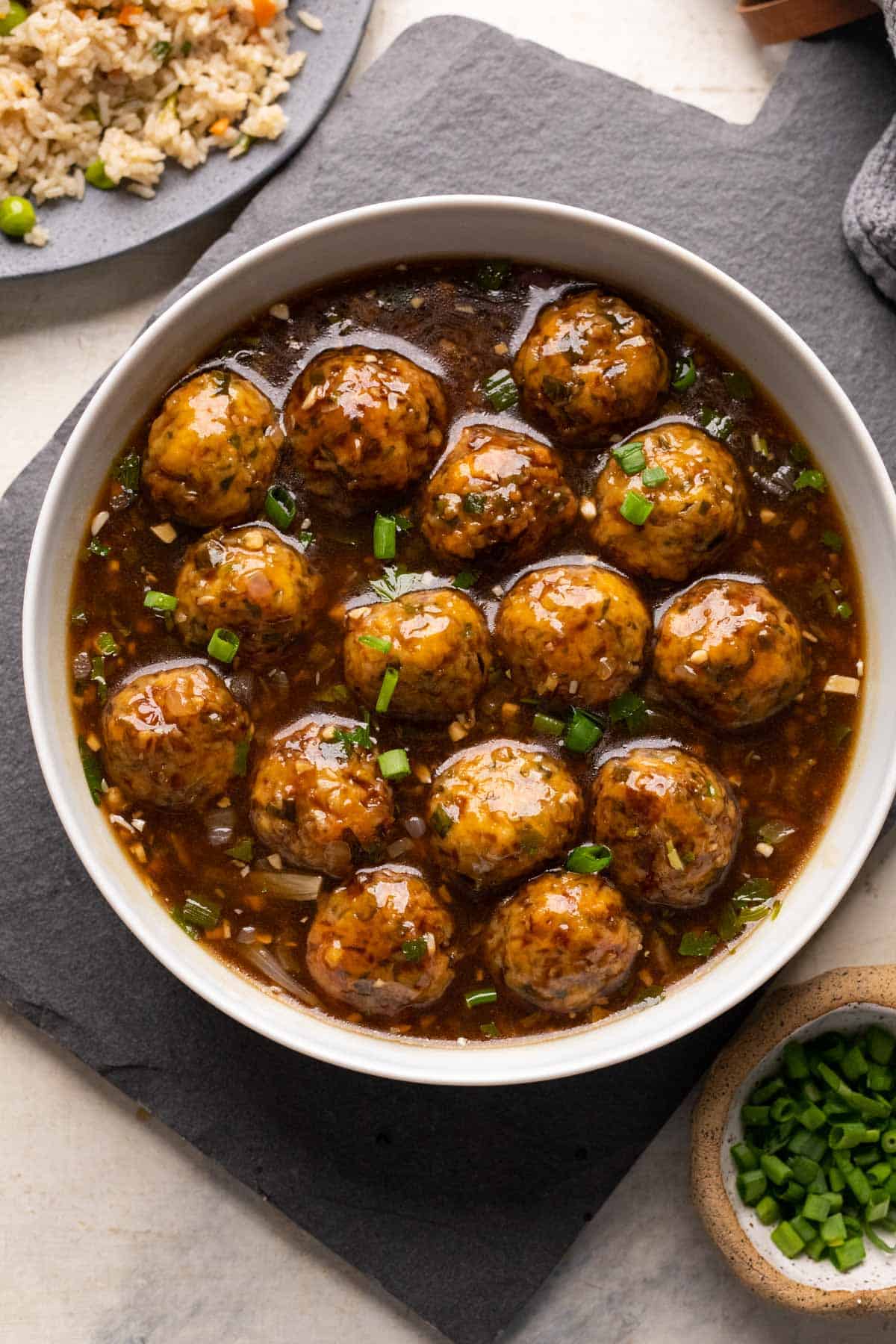
Veg Manchurian is a really popular Indo Chinese dish thats ready in 35 minutes, where fried vegetable balls are dunked and simmered in Manchurian sauce. The result is a sweet, sour, spicy dish thats saucy and full of umami!

Veg manchurian served in a white bowl with fried rice and spring onions on the side

Veg Manchurian or Veg balls in Manchurian sauce is probably on every Indian restaurants menu! And for good reason! Deep fried vegetable balls that are crunchy and packed with flavour are simmered in an intense, spicy, sour, tangy, umami rich, aromatic sauce till they soak up all that flavour and become even better!

Traditionally, manchurian balls are deep fried. But in this recipe, I am showing you how to make this dish healthier manchurian balls in the air fryer, so they’re healthier and lighter, but still as crispy and delicious as it’s deep fried counterpart.

Who invented Manchurian?

Like a lot of Indian Chinese dishes, manchurian originated in Kolkata in the 1970’s and was born in Indo Chinese restaurants there. It is inspired by dishes in Manchuria, which is a region in North East China. Originally it was made with chicken in manchurian sauce, but since India has so many vegetarians, this vegetarian manchurian was born!

Manchurian is heavy on soy sauce and usually has a deep brown colour. The Indian influence added things like green chillies and coriander, which weren’t originally added to the dish. But we aren’t complaining because this Indianised version is so so good!

Now we have a ton of variations to this recipe like gobi manchurian, soya manchurian, paneer manchurian and even mushroom manchurian.

There are generally two ways Manchurian is made:

  • Veg Manchurian with gravy usually served with fried rice or hakka noodles
  • Veg Manchurian dry which is usually served as an appetizer: To make veg manchurian dry, follow all the steps in this recipe as mentioned, but only add 1/4 cup water while making the sauce. The result will be a sauce that just coats the veg balls and you’ll have a tasty veg manchurian dry

Ingredients for Manchurian Balls

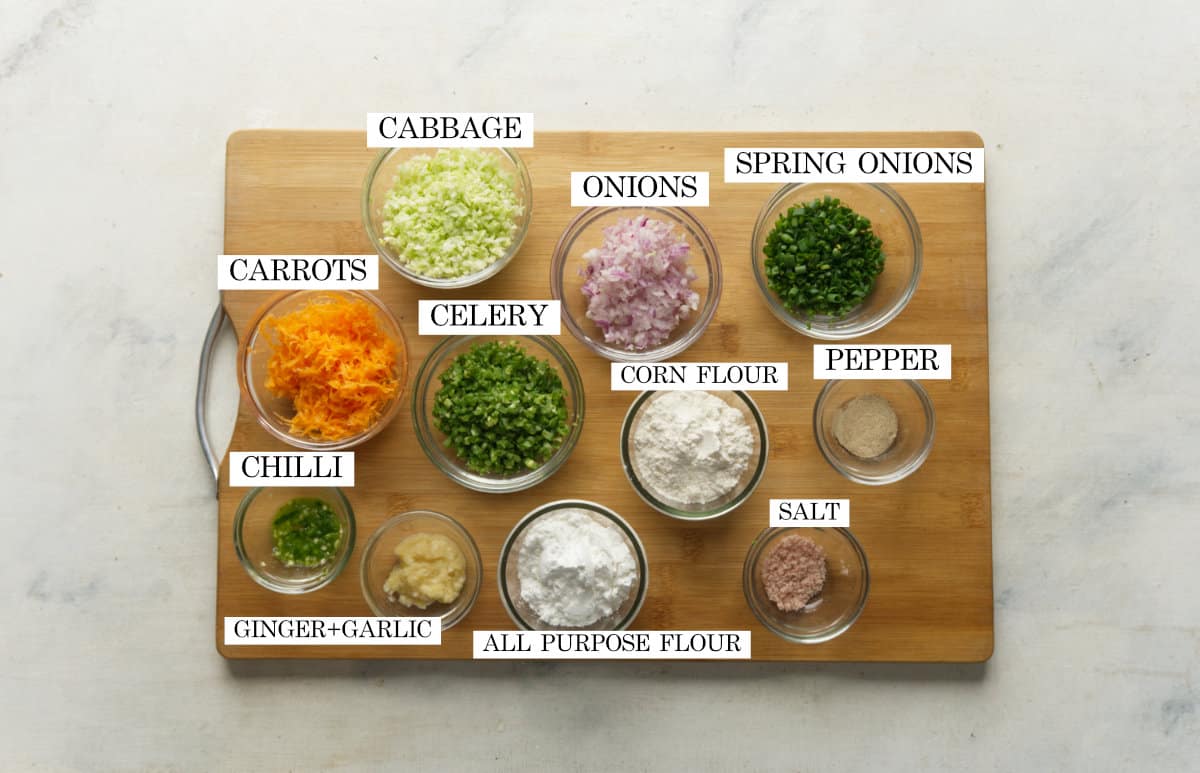
Here’s what you’ll need for the veg balls:

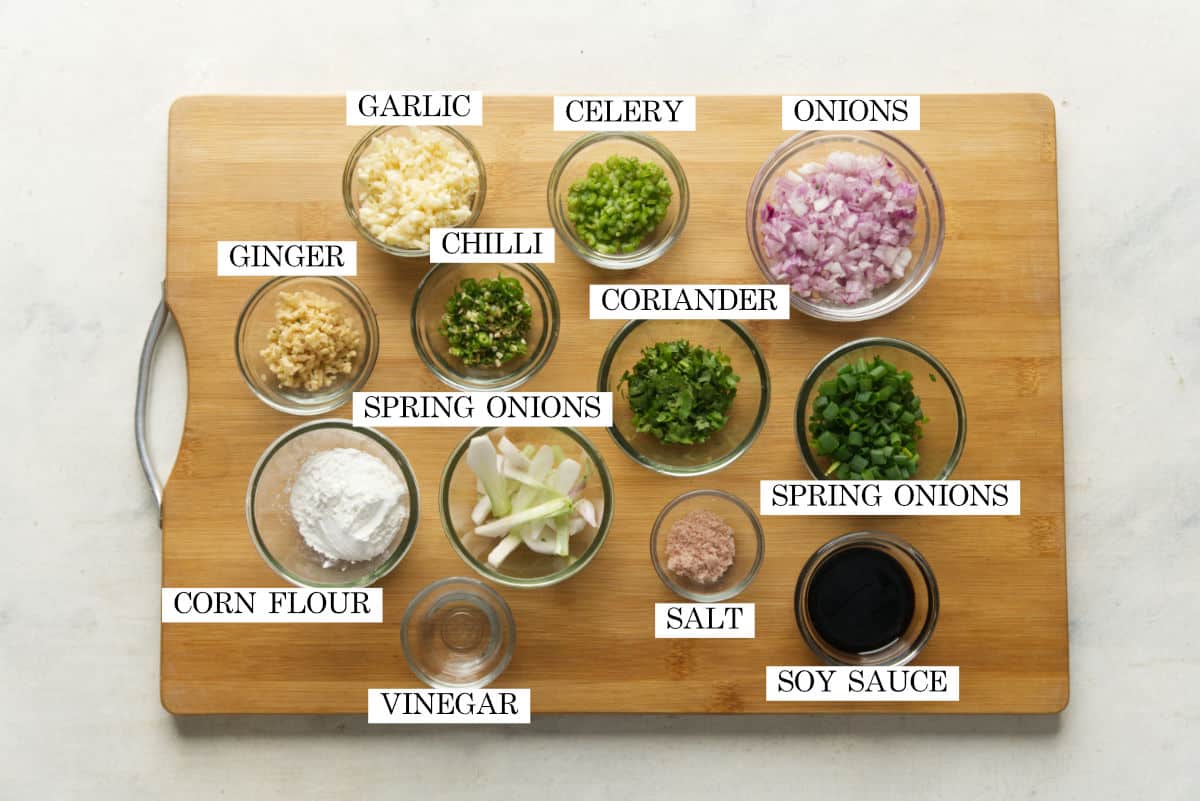
All the ingredients required for veg balls pictured on a wooden chopping board with text to identify them

Finely chopped vegetables: Finely chopped vegetables such as cabbage, carrots, onions, celery, spring onions are used to make the balls. Use a food processor or chopper for best results. I do not like to use vegetables like capsicum because they leave too much water and make the mixture too wet and gluggy

Ginger Garlic Paste: Ginger garlic paste is simple, ginger and garlic minced together or ground into a paste. Add flavour and a punch. You can also grate equal amounts of each and use

Green Chillies: Not traditional, but adds a nice heat and flavour to the balls. If living outside India, use serrano peppers. Skip if you don’t want extra heat

All Purpose Flour and Cornflour: Binding agents mixed with vegetables to form the balls and keep the shape intact as they fry

Ingredients for Manchurian Gravy

Here’s what you’ll need for the manchurian gravy or sauce:

All the ingredients required for manchurian sauce pictured on a wooden chopping board with text to identify them

Aromatics: The sauce starts with stir frying all the aromatics – garlic, ginger, green chillies, celery and onions on high heat. All finely chopped to add punchiness and spiciness to the gravy

Sauces: Only dark soy sauce and vinegar. The gravy for this manchurian is soy sauce heavy but has a perfect balance of sweet, sour, spicy and umami when all the other ingredients

Cornflour: For thickening. You can replace it with potato starch.

Herbs: Non traditional again, but herbs such as spring onions (white and green part) and coriander bring freshness and flavour. Add them right towards the end.

How to Make Manchurian Balls – Deep Fried

Step by step picture collage showing how to make deep fried veg balls for manchurian
  1. Add all the ingredients for the veg balls to a bowl
  2. Mix them together till it comes together. Don’t knead or overmix or the balls can become dense and gluggy. There is not need to add water either as the vegetables will release enough water
  3. Shape them into gooseberry sized balls. You can add a little oil or water to your palm to help you shape them
  4. Deep fry in medium hot oil. It’s important that the oil is not too hot or the balls will only become golden from outside and will not cook from the inside
  5. Once evenly golden brown on all sides, remove them with a perforated or slotted spoon on a tissue lined plate to absorb any extra oil. Set these aside

How to Make Manchurian in Air Fryer

Step by step images of how to make veg manchurian in the air fryer
  1. Preheat the airfryer at 180C and brush the airfryer basket with oil.
  2. Place the manchurian balls and brush some oil over them. Avoid overcrowding and make sure that there is some gap between the balls.
  3. Air fry the balls for 7 minutes at 180C, brush with oil and air fry for 7 more minutes.
  4. Air fry for 2 minutes at 200 C for them to turn golden and crisp. They need to cool a bit before they can be removed from the airfryer as they stick to the basket & break, if forced out. Transfer them to a plate and set aside. Repeat the same for all the remaining balls.Β 

How to Make Manchurian Sauce

Once you’re done frying the manchurian balls, it’s time to make the manchurian sauce and finish the gravy. Don’t forget to keep all the ingredients prepped and ready because all the cooking will be done on high heat, and the dish comes together in a few minutes.

Step by step picture collage showing how to make the sauce for manchurian
  1. To start making the manchurian sauce, saute ginger, garlic, celery and green chillies in hot oil in a wok
  2. Add onions and saute on high heat again till onions are translucent
  3. Add all the sauces and give this a quick mix
  4. Once the sauce starts bubbling, add cornflour slurry to thicken the sauce
Step by step picture collage showing how to cook the veg balls in manchurian sauce

5. Add manchurian balls to the sauce

6. Simmer for 2-3 minutes to help the manchurian balls absorb the sauce

7. Finally add herbs like spring onions (green and white) and chopped coriander and give it a mix

8. Serve immediately with fried rice or noodles

Richa’s Top Tips & Notes

  • Prep ahead and keep all your ingredients ready to go because once you start cooking, the recipe for the sauce comes together in minutes
  • Use a chopper or food processor to chop all your vegetables for fast, even prep
  • Don’t add any water while making the manchurian balls or the mixture will becomes too wet. The vegetables will leave enough water as you mix
  • If using frozen veggies, make sure to thaw them and squeeze out any excess water before using
  • Always deep fry the balls on medium high heat. This ensures they cook evenly from inside as well as outside
  • For the same smoky, restaurant style flavour, use a cast iron or carbon steel wok. Cook the manchurian gravy on high heat
  • To make veg manchurian dry, only add 1/4 cup water while making the sauce. All the other steps remain the same
  • To make this recipe gluten free, replace the all purpose flour with rice flour or besan, and the corn flour with tapioca starch or potato starch

Serving Ideas

Veg Manchurian gravy tastes fantastic with

Closeup of veg manchurian in a wok with a perforated spoon on the side

This veg manchurian gravy is the true essence of the Indo-Chinese cuisine. It’s one of those recipes that look complicated but are actually quite easy to make. And now thanks to the air fryer, you can also make it a whole lot healthier!

If you do try this recipe, don’t forget to DM the pictures over on my Instagram @my_foodstory. I love seeing your recreations!

Watch Veg Manchurian Recipe Video

Veg manchurian served in a white bowl with fried rice and spring onions on the side
Print

Veg Manchurian Recipe

Veg Manchurian is an easy indo chinese recipe that's saucy, spicy, sour, tangy and full of umami. It's a popular indo chinese recipe that goes really well with fried rice or hakka noodles.
Course Main Course
Cuisine Indian Chinese
Diet Vegan, Vegetarian
Prep Time 15 minutes
Cook Time 20 minutes
Total Time 35 minutes
Servings 6 people
Calories 193kcal
Author Richa

Ingredients

Vegetable Balls

  • Β½ Cup Grated Carrot
  • Β½ Cup finely chopped Cabbage or shredded
  • ΒΌ Cup finely chopped Spring Onion green part only
  • ΒΌ Cup finely chopped Onion
  • ΒΌ Cup finely chopped Green Beans
  • 1 Teaspoon Ginger Garlic Paste
  • 1 Teaspoon Green Chilli Paste green chillies ground to a paste
  • Β½ – ΒΎ Teaspoon Salt
  • 3 Tablespoons Corn Flour
  • 3 Tablespoons All Purpose Flour
  • 1/4 cup Oil for frying

Manchurian Gravy

  • 2 Tablespoons Oil
  • 1 Β½ Tablespoons finely chopped Ginger or minced
  • 3 Tablespoons finely chopped Garlic or minced
  • 1 Β½ Tablespoons finely chopped Celery
  • ΒΌ Cup finely chopped Onion
  • 2-3 Green Chillies finely chopped
  • 2 Β½ – 3 Cups Vegetable Stock or Water hot
  • 1 Β½ Tablespoons Soy Sauce
  • 1 Β½ Teaspoons Vinegar
  • 1 – 1 Β½ Teaspoons Salt
  • 2 Tablespoons Corn Flour
  • 3 Tablespoons Water
  • 2 Tablespoons Chopped Coriander
  • 2 Tablespoons Chopped Spring Onion white and green parts

Instructions

Vegetable Balls

  • Add all the ingredients into a bowl. Mix to combine all the ingredients, being careful to mix just enough to bring them together. Don't add any extra water – the vegetables will release enough water. Shape into small balls (approx 1-1 Β½ tablespoons per ball). Keep aside.
  • Heat 1.5 inches oil in a kadai or a deep frying pan. Once the oil is hot, carefully add the balls into it one at a time. Fry on medium high heat for 4-5 minutes or until golden brown.
  • Remove the vegetable balls using a skimmer and transfer to a kitchen towel lined plate. Keep aside.

Manchurian Gravy

  • Heat oil in a wok. Add chopped garlic and ginger and sautΓ© until fragrant. Add celery, onions and green chilli and sautΓ© for 1 – 2 minutes on high flame.
  • Add water/stock, soy sauce, vinegar and salt. Mix well to combine. Allow to simmer.
  • Combine corn flour and water in a small bowl and add it to the wok. Stir continuously to ensure the sauce does not become lumpy. Simmer till the sauce thickens and has a glossy look
  • Once thickened, add the fried vegetable balls and stir to combine. Add chopped coriander, spring onion greens and whites. Serve hot along with fried rice or hakka noodles.

Video

Notes

  • Prep ahead and keep all your ingredients ready to go because once you start cooking, the recipe for the sauce comes together in minutes
  • Use a chopper or food processor to chop all your vegetables for fast, even chopping. If the vegetables are too big in size, the balls will not hold shape well and can also take longer to cook
  • Don’t add any water while making the manchurian balls or the mixture will becomes too wet. The vegetables will leave enough water as you mix
  • If using frozen veggies, make sure to thaw them and squeeze out any excess water before using
  • Always deep fry the balls on medium high heat. This ensures they cook evenly from inside as well as outside
  • For the same smoky, restaurant style flavour, use a cast iron or carbon steel wok. Cook the manchurian gravy on high heat
  • To make veg manchurian dry, only add 1/4 cup water while making the sauce. All the other steps remain the same
  • To make this recipe gluten free, replace the all purpose flour with rice flour or besan, and the corn flour with tapioca starch or potato starch

Nutrition

Calories: 193kcal | Carbohydrates: 15g | Protein: 2g | Fat: 14g | Saturated Fat: 1g | Polyunsaturated Fat: 4g | Monounsaturated Fat: 9g | Trans Fat: 1g | Sodium: 1495mg | Potassium: 133mg | Fiber: 2g | Sugar: 2g | Vitamin A: 1899IU | Vitamin C: 9mg | Calcium: 33mg | Iron: 1mg

This article was researched and written by Urvi Dalal.

The post Veg Manchurian | Air Fried & Deep Fried appeared first on My Food Story.

Gond Ke Laddu | Pinni | Dink Laddu

Gond ke Laddu, a cozy and nourishing treat, is a traditional winter staple in a lot of Indian homes. These wholesome and delicious laddoos are loaded with immunity boosting and warming properties.Β 

gond ke laddu served on a copper platter

There’s something special and nostalgic about making Gond ke Laddu at home. Growing up, my mum and granny would make it and now I make it for my kids. For those of you who don’t know, gond ke laddu is a traditional Indian winter sweet made using gond (edible gum), jaggery, nuts, and whole wheat flour. It’s a simple little treat but one that’s packed with a lot of benefits.Β 

These laddoos are called by a lot of names – gond ke laddu, pinni, dinkache laddu, etc. – depending on the state. This gond laddu recipe is from North India, and it’s the one I have grown up eating.Β And it’s an absolute must-have winter recipe for me right along with gajar halwa and methi matar malai. Β 

What is gond and how is it helpfulΒ 

Gond is one of the oldest natural superfoods in Indian cooking. It’s extracted from the sap of the babool tree and is amazing for generating warmth in the body, boosting stamina, and supporting postpartum recovery. Traditional Indian households have relied on gond for centuries during winter because it helps keep joints strong, improves immunity, and provides slow, steady energy when the weather gets cold.

Ingredients for Gond Ke Laddu

  • Gond (Edible Gum): The star ingredient that gives these laddoos their signature crunch and strength-boosting benefits.
  • Ghee: Used for frying the gond and roasting the flour. It adds warmth, flavour, and richness to the laddus.
  • Nuts & Seeds: A mix of cashews, almonds, melon seeds, and khus khus for crunch, nutrition, and that classic laddoo texture.
  • Copra (Dried Coconut): Adds sweetness and a lovely nutty aroma when lightly roasted.
  • Atta (Whole Wheat Flour): Gives the laddus body and helps bind everything together once roasted.
  • Jaggery: The natural sweetener that melts into a sticky syrup and brings all the ingredients together.

Richa’s Top Tips

  • Fry gond on low heat: It should puff up slowly, not brown too fast. This keeps it light and crunchy instead of hard and chewy.
  • Roast everything separately: Nuts, atta, and copra all roast at different speeds. Doing them one by one keeps each ingredient perfectly golden and prevents burning.
  • Jaggery just needs to melt: No string consistency needed. As soon as it melts, turn off the heat so the laddoos stay soft and easy to shape.
  • Shape the laddus while warm: Once the mixture cools too much, it becomes harder to bind. If that happens, warm it slightly to loosen it again.
  • Use good-quality ghee: Since ghee is the main flavour here, I prefer to use fresh, homemade ghee as it makes a huge difference to the flavor and texture..Β 

Frequently Asked Questions

What is the difference between pinni and gond laddu?

Pinni and Gond Laddu are both winter sweets from North India made with ghee, gond, nuts, and flour from North India.

Why do my gond ke laddu turn hard, and how can I fix that?

They usually turn hard if the atta or gond gets over-roasted, or if the jaggery cooks for too long. To fix the mixture, warm it gently and add a spoon of melted ghee, then reshape.

I’m vegan. Can I make these laddus without ghee?

Yes! Replace ghee with coconut oil. The flavour will be slightly different, but the laddus will still bind well and taste delicious.

Storage Tips

  • Room Temperature: Store in an airtight container for 2 to 3 weeks as we roast everything well so it stays fresh quite easily.
  • Fridge: Not necessary, but you can refrigerate them in very warm climates. Bring to room temperature before eating so the ghee softens.
  • Freezer: They freeze well for up to 2 months. Thaw a few laddus overnight on the counter and they’ll taste just as good.
  • Avoid Moisture: Always use a dry spoon or dry hands to pick them up. Any moisture shortens shelf life.

Serving Ideas

These laddus pair beautifully with other warming winter dishes. Here are some great serving combinations:

Customisation Ideas

Here are some fun, actually useful ways to switch things up:

  • Add edible gum varieties: If you find Babul gond or Mahua gond, mix a small portion with the regular gond for added texture and different health benefits.
  • Make a chocolate version: Add 1 tablespoon unsweetened cocoa powder to the roasted atta for a kid-friendly twist.
  • Spice it up: A pinch of nutmeg or dry ginger powder makes these laddus even more warming during winter.
  • Add seeds for crunch: Toss in toasted flaxseeds, sunflower seeds, or chia to make the laddus even more nutritious.
  • Make mini laddus: Roll bite-sized ones for gifting or festive platters. They stay neater and are great for portion control.
close up image of gond ke laddu to showcase their texture

Gond ke Laddu is like winter wrapped up in a small bite. It’s warm, nutty, wholesome, and familiar in the best way. Whether you’re making them for the season, for someone who needs the extra strength, or simply because you love homemade sweets, this recipe will always hit the spot.Β 

If you end up making a batch, tag me on Instagram @my_foodstory, I’d love to see your winter kitchen magic!

Watch Gond Laddu Recipe Video

close up image of gond ke laddu to showcase their texture
Print

Gond Ke Laddu

An Indian winter staple, Gond ke Laddu is a cozy and nourishing treat loaded with immunity-boosting and warming properties.
Course Desserts
Cuisine Indian
Diet Vegetarian
Prep Time 5 minutes
Cook Time 20 minutes
Total Time 25 minutes
Servings 18 laddus
Calories 151kcal
Author Richa

Ingredients

  • Β½ cup +1 tsp ghee divided
  • β…” cup gond 50 gms
  • Β½ cup + 2 tablespoons chopped cashews 50 gms
  • ΒΌ cup + 1 tablespoon chopped almonds 50 gms
  • ΒΌ cup + 2 tablespoons melon seeds 50 gms
  • 1 cup atta / wheat flour
  • 1 tablespoon khus khus
  • ΒΌ cup grated khopra 25 gms
  • 1 cup jaggery 180 gms
  • 2 tablespoons water

Instructions

  • Take 3 tablespoons of ghee in a kadai, add gond in small batches & fry on low till they puff up. Transfer to a plate.
    Β½ cup +1 tsp ghee, β…” cup gond
  • To the same kadai, add cashews and fry on low for 2-3 minutes till they turn light golden and transfer to the plate. Add melon seeds and fry for 1-2 minutes till they turn light golden. Add almonds and fry for a few seconds till golden and transfer to the plate. Crush the fried gond lightly with hand or using a pestle.
    Β½ cup + 2 tablespoons chopped cashews, ΒΌ cup + 1 tablespoon chopped almonds, ΒΌ cup + 2 tablespoons melon seeds
  • Add the remaining 1 tablespoon of ghee, atta and fry on low for 3-4 minutes till it’s well roasted and golden brown. Fry khuskhus, khopra, mix well and roast for a minute. Add to the plate and give it a good toss to mix with fried dry fruits, gond etc.
    1 cup atta / wheat flour, 1 tablespoon khus khus, ΒΌ cup grated khopra
  • Add 1 teaspoon of ghee to the kadai, add jaggery with 2 tablespoons of water and once it melts, add to the rest of the ingredients. Mix, make lemon size laddoos and serve. This will yield approx. 16-18 laddoos.
    1 cup jaggery, 2 tablespoons water

Video

Notes

  • The nutrition information below does not include the caloric count for gond and melon seeds, but it will be approximately 30-50 kcal.Β 

Nutrition

Calories: 151kcal | Carbohydrates: 18g | Protein: 2g | Fat: 8g | Saturated Fat: 4g | Polyunsaturated Fat: 1g | Monounsaturated Fat: 3g | Trans Fat: 0.001g | Cholesterol: 13mg | Sodium: 1mg | Potassium: 70mg | Fiber: 1g | Sugar: 12g | Vitamin A: 1IU | Vitamin C: 0.1mg | Calcium: 20mg | Iron: 1mg

This article was researched and written by Harita Odedra.

The post Gond Ke Laddu | Pinni | Dink Laddu appeared first on My Food Story.

Shortcut Undhiyu

When winter vegetables are at their peak, all Gujarati kitchens turn to the classic undhiyu. And this shortcut version brings together all those familiar winter flavours without needing hours in the kitchen.

an image of shortcut undhiyu still in a pan with accompaniments

As soon as winter vegetables start filling the markets, this is the kind of dish I want to cook at home. It’s packed with seasonal produce and slow, comforting flavours.,This Surti-style shortcut version keeps the essence of a traditional Gujarati undhiyu intact, but makes it far more doable for regular cooking, especially when you don’t want to spend the entire day in the kitchen.

I know undhiyu can feel a little overwhelming to make though. With so many vegetables and steps involved, it’s often reserved for special occasions or big family meals. But if you already enjoy cooking winter favourites like Methi Thepla, this will feel just as familiar.Β 

Ingredients for Undhiyu

  • Winter Vegetables: raw banana, shakarkand (sweet potatoes), baby potatoes, and brinjalΒ  bring a mix of earthy, sweet, and soft textures that define a good Gujarati undhiyu.
  • Papdi Beans: a key ingredient in Surti undhiyo, surti papdi along with their tender green outer parts add freshness and texture. Soaking them helps keep them green and cook evenly.
  • Fresh Pigeon Peas (Tuvar / Lilva): Add sweetness and softness, making the undhiyo more seasonal and traditional.
  • Fresh (Coriander): finely chopped coriander forms the backbone of the green masala. It adds freshness and ties all the vegetables together.
  • Fresh Grated Coconut: adds richness, texture, and nuttiness that softens theΒ  spicesΒ 
  • Green Garlic:adds a unique pungent freshness that’s typical to authentic undhiyu. You can use garlic pods if that’s more easily available.Β 
  • Green Chillies: For heat. Feel free to adjust according to your tolerance.Β 
  • Ginger: for aroma and flavorΒ 
  • PowderedΒ  spices: Turmeric, coriander powder, ajwain, hing and cumin powder for flavor and color.Β 
  • Sugar & Lemon Juice: Used in small amounts for freshness and brightnessΒ 
  • Cooking Oil: I have used groundnut oil, but sesame oil works beautifully too.Β 
  • Salt: for seasoning and balance.Β 

Richa’s Top Tips

  • Cook vegetables in stages: Roasting the root vegetables first and cooking brinjals separately helps everything cook evenly and keeps the textures intact in the final dish.
  • Don’t rush the green masala: Mixing the dhaniya, coconut, and spices well ensures the flavours are evenly distributed when everything comes together.
  • Check doneness before combining: Pierce the vegetables with a fork to make sure it’s roasted through before adding it back to the kadhai.
  • Mix gently at the end: Once all the vegetables are combined, stir carefully to avoid breaking them and to keep the undhiyu well-textured and balanced.

Frequently Asked Questions

Why did my undhiyo turn mushy?

This usually happens when vegetables are overcooked or added together too early. Roasting the root vegetables first and cooking brinjals separately helps each one hold its shape when everything comes together.

Do I have to roast the vegetables or can I skip that step?

Roasting adds flavour and helps with texture, which is important in Surti undhiyu. Skipping this step can make the vegetables softer too quickly and affect the final taste.

Can I reduce the oil in this recipe?

Undhiyo traditionally uses a fair amount of oil, especially Surti style. You can reduce it slightly, but too little oil can affect both flavour and texture.

Why does my undhiyo taste slightly bitter?

Bitterness can come from undercooked papdi beans or raw masala. Make sure the beans are cooked through and the coconut–dhaniya mixture is well mixed and heated properly.

Can I make this without coconut?

Coconut is a core part of undhiyu ingredients, especially in Surti undhiyo. Leaving it out will change the flavour significantly, so it’s best not to skip it.

Storage Tips

  • At room temperature: Undhiyo is best eaten fresh and should not be left out for more than 2 hours, especially in warmer weather.
  • In the fridge: Store cooled undhiyu in an airtight container for up to 2 days. Reheat gently in a pan on low heat, stirring carefully so the vegetables don’t break.
  • In the freezer: Freezing is not recommended, as the vegetables tend to lose their texture once thawed.
  • Reheating tip: Reheat slowly on low heat and avoid excessive stirring to keep the vegetables intact and the flavours balanced.

Serving Ideas

Surti undhiyo is hearty and full of flavour, which makes it perfect to build a simple winter meal around. Here are a few traditional and comforting ways to enjoy it:

  • With Poori: This is the classic pairing, where the soft, puffed pooris soak up all the flavours of the undhiyo beautifully.
  • With Gujarati Kadhi: The light sweetness and tang of kadhi balances the richness of the vegetables.
  • With Rotli: Soft rotlis keep the meal simple and let the flavours of the undhiyo shine.
  • As part of a Gujarati thali: Pair it with rice, dal, shrikhand, and a salad for a festive, well-rounded meal.

Customisation Ideas

  • Add more winter vegetables: If available, include purple yam (kand) or extra surti papdi to make the undhiyu more seasonal and traditional.
  • Adjust the sweetness: Increase or reduce the sugar slightly depending on how sweet your shakarkand is and your personal preference.
  • Make it spicier: Add extra green chillies or a pinch of crushed black pepper for more heat without overpowering the vegetables.
  • Richer flavour finish: Drizzle a little groundnut oil or add a spoon of extra grated coconut at the end to enhance aroma and depth.
a close up image of shortcut undhiyu to show it's texture

With winter vegetables at their peak, this shortcut surti-style undhiyo is a lovely dish to add to your seasonal cooking.

I hope you give it a try and enjoy making it at home as much as I do. If you do, don’t forget to share your creations with me on Instagram @my_foodstory. I’d love to see how your undhiyo turns out!

Watch Shortcut Undhiyu Recipe Video

a close up image of shortcut undhiyu to show it's texture
Print

Shortcut Undhiyu

This shortcut undhiyu recipe is the quickest, easiest way to enjoy fresh winter produce without spending hours in the kitchen. Serve with kadhi and hot puris for a satisfying meal.
Course Main Course
Cuisine Indian
Diet Vegan, Vegetarian
Prep Time 5 minutes
Cook Time 30 minutes
Total Time 35 minutes
Servings 4 servings
Calories 918kcal
Author Richa

Ingredients

  • 5 – 6 tablespoons sesame or groundnut oil
  • 2 raw bananas peeled & cut into 1 Β½ inch cubes
  • 2 sweet potatoes peeled & cut into 1 Β½ inch cubes
  • 6 baby potatoes peeled
  • 6 small brinjals / baby egg plants halved
  • 1 teaspoon ajwain
  • Β½ teaspoon hing asafoetida
  • 200 gms surti papdi / hyacinth beans de-string, wash and soak in 1 cup of water +Β½ teaspoon baking soda refer note 1
  • Β½ cup fresh pigeon peas / fresh tuvar lilva, parboiled for 4-5 minutes
  • 1-2 tablespoons water

Coriander mix

  • 1 Β½ cups finely chopped coriander leaves
  • 1 cup grated coconut
  • 1 Β½ tablespoons coriander powder
  • 2 teaspoons cumin powder
  • 1 Β½ – 2 teaspoons salt
  • Juice of 1 lemon
  • 1 Β½ teaspoons sugar
  • 1 teaspoon turmeric powder
  • 2 inches ginger crushed
  • 8 green chillies crushed
  • ΒΌ cup finely chopped green garlic shoots or 6 finely chopped garlic cloves

Instructions

  • Take all the ingredients for Coriander mix in a bowl, mix well and set aside.
    1 Β½ cups finely chopped coriander leaves, 1 cup grated coconut, 1 Β½ tablespoons coriander powder, 2 teaspoons cumin powder, 1 Β½ – 2 teaspoons salt, Juice of 1 lemon, 1 Β½ teaspoons sugar, 1 teaspoon turmeric powder, 2 inches ginger, 8 green chillies, ΒΌ cup finely chopped green garlic shoots or 6 finely chopped garlic cloves
  • Heat oil in a pan or kadai, add raw bananas, sweet potatoes, baby potatoes and roast for 3 minutes on low. Cook covered with a lid for 8-10 minutes just until they are tender but not mushy. Transfer them to a plate.
    5 – 6 tablespoons sesame or groundnut oil, 2 raw bananas, 2 sweet potatoes, 6 baby potatoes
  • To the same oil in kadai, add halved brinjals, roast on low for 2-3 minutes till they are tender and transfer to the plate.
    6 small brinjals / baby egg plants
  • Add ajwain to the oil in the kadai and once it sizzles for a few seconds, add hing, papdi and saute for 5 minutes till they are tender. Add pigeon peas, roasted veggies – banana, potatoes, brinjals, coriander mix to the kadai. mix everything well and cook covered for 15-20 minutes. gently mix 2-3 times in between to ensure it does not stick to the bottom of the pan. You may also sprinkle a few drops of water if it gets too dry. Take off the heat and serve.
    1 teaspoon ajwain, Β½ teaspoon hing, 200 gms surti papdi / hyacinth beans, Β½ cup fresh pigeon peas / fresh tuvar, 1-2 tablespoons water

Video

Notes

  1. This ensures the papdi stays green & crisp and hence do not skip this step.
  2. 100 gms purple yam or kand may also be added along with potatoes, if you prefer.
  3. Only a few drops of water is added while cooking undhiyo to make sure that it cooks in its own juices which enhances the taste of the dish.

Nutrition

Calories: 918kcal | Carbohydrates: 150g | Protein: 21g | Fat: 35g | Saturated Fat: 15g | Polyunsaturated Fat: 8g | Monounsaturated Fat: 8g | Sodium: 999mg | Potassium: 3622mg | Fiber: 45g | Sugar: 61g | Vitamin A: 19519IU | Vitamin C: 102mg | Calcium: 276mg | Iron: 9mg

This article was researched and written by Harita Odedra.

The post Shortcut Undhiyu appeared first on My Food Story.

Dal Dhokli

Ever want a meal that feels complete without needing anything on the side? This dal dhokli recipe is exactly that. Soft, wheat dhoklis simmered in a gently spiced dal, this one pot dish from Gujarat is filling and so comforting.

dal dhokli served in a bowl with onion rings and lemon wedges

In many Gujarati homes, dal dhokli is cooked as a full meal rather than part of a larger spread. It’s usually made on regular days, especially when you want something filling and balanced without thinking too hard about what else to cook.

If you enjoy simple, home-style Gujarati meals like kadhi or khichdi, dal dhokli will feel instantly familiar. It comes together quickly, uses everyday ingredients, and works well for lunch or dinner when you want something wholesome and comforting.

Ingredients for Dal Dhokli

  • Whole Wheat Flour (Atta): Used to make the dhoklis
  • Spices for Dhokli Dough: Turmeric, coriander powder, jeera powder, red chilli powder, and a little oil to season the dough lightly so the dhoklis have flavour of their own
  • Toor Dal (Arhar Dal or split pigeon peas): The base of the dish. Pressure cooked until soft and mashed while hot
  • Whole Spices: Mustard seeds, cumin seeds, fenugreek seeds, cinnamon, cloves, and dried red chillies form the tempering and add warmth and depth to the dal
  • Aromatics: Crushed ginger, garlic, green chilli, and curry leaves for depth of flavor and aromaΒ 
  • Tomatoes: Chopped and cooked down to add mild tang, texture, and balance
  • Spice Powders: Basic Indian spices like coriander, jeera, turmeric, Kashmiri red chilli powders, and salt for flavor, color, and seasoningΒ 
  • Tamarind Pulp: Adds gentle tanginess that keeps the dal bright and balanced
  • Jaggery: Just a small amount to bring that subtle Gujarati sweetness and round out the flavours
  • Fresh Coriander Leaves: Used as garnish for freshnessΒ 

Richa’s Top Tips

  • Rest the dough: Let the dhokli dough rest for 10–15 minutes before rolling. This relaxes the gluten and makes the dhoklis easier to roll and cut without shrinking back.
  • Roll evenly, not too thin: Keep the dhoklis neither paper-thin nor too thick. Even thickness helps them cook through and prevents them from turning mushy or staying raw in the centre.
  • Mash the dal while hot: Always mash the cooked toor dal while it’s still hot. This gives you a smoother, more cohesive dal and prevents lumps later.
  • Add dhoklis to boiling dal: Make sure the dal is gently boiling before adding the dhoklis. This helps them cook evenly and stops them from sticking together.

Frequently Asked Questions

Which dal is best for making dal dhokli?

Toor dal (arhar dal) works best for dal dhokli. It cooks down soft, mashes easily, and gives the dish its characteristic thick, slightly creamy base. Other dals won’t give you the same texture.

How do I know the dhokli is fully cooked?

The dhoklis will swell slightly and turn soft but hold their shape. Cut one in half, it should be cooked through with no raw dough in the centre.

My dhokli sticks together while cooking. What went wrong?

This usually happens if the dal isn’t boiling when the dhoklis are added or if they’re stirred too little. Add them to gently boiling dal and stir lightly once or twice to keep them separate.

Can I add vegetables to dal dhokli?

You can. Bottle gourd (dudhi), carrots, or a little spinach work well. Add them to the dal before the dhoklis so they cook through properly without affecting the texture.

Storage Tips

  • Fridge: Store leftover dal dhokli in an airtight container for up to 2 days. It thickens as it sits, which is normal for this dish.
  • Reheating: Reheat gently on the stovetop with a splash of water to loosen the consistency. Stir carefully while warming so the dhoklis don’t break. Microwave reheating works too, but stir once halfway through for even heating.
  • Freezing: Dal dhokli isn’t ideal for freezing. The dhoklis tend to soften too much once thawed, which changes the texture of the dish.

Serving Ideas

Dal dhokli is a filling meal on its own, but adding a simple side or two can round your plates nicely. Here are combinations that work without overpowering the dish:

  • With Cucumber Raita: A plain cucumber raita or boondi raita adds a cool, creamy contrast to the warm, spiced dal and balances the slight sweetness beautifully.
  • With Kachumber Salad: A fresh onion, tomato, and cucumber salad with lemon juice and salt adds crunch and freshness, and keeps the meal light.
  • With Chaas (Buttermilk): A glass of lightly spiced chaas on the side makes the meal feel complete, especially on warmer days. It also helps cut through the richness of the dal.
  • With Papad: Roasted or fried papad adds that much-needed crunch and texture alongside the soft dhoklis and dal.

Customisation Ideas

  • Use ghee for the tempering: Swapping oil for ghee gives the dal a deeper, rounder flavour and makes the dish feel richer without changing anything else.
  • Add roasted peanuts: Stir in a small handful at the end for crunch and a nutty contrast to the soft dhoklis.
  • Add sesame seeds to the tadka: A pinch of white sesame seeds in the tempering adds subtle nuttiness and works especially well with the slight sweetness of the dal.
  • Make it extra garlicky: Lightly fry a few sliced garlic cloves separately in ghee and spoon them over the dal dhokli before serving for added depth.
close up dal dhokli to show it's texture

Why You’ll Love This CurryΒ Β 

Dal dhokli is a well-balanced meal in a very literal sense. Toor dal provides plant-based protein and fibre, while the whole wheat dhoklis add complex carbohydrates that digest slowly and keep you full for longer. Traditionally, this dish was meant to be eaten on its own, which is why the dal is seasoned with jaggery and tamarind to cover sweet, sour, and savoury notes in one pot. It’s practical food built around nutrition and balance.

Dal dhokli will fit easily into your everyday meals because it’s reliable, satisfying, and made from ingredients you probably already have. It works just as well for a lunch fix as it does for an easy dinner, and often tastes even better as the flavours settle. If you do make it, I’d love to see how it turns out, tag me on Instagram @my_foodstory!

Watch Dal Dhokli Recipe Video

dal dhokli served in a bowl with onion rings and lemon wedges
Print

Dal Dhokli

Dal Dhokli is a Gujarati one-pot dish that's easy to make, filling, and very comforting. Serve as is or with papad and salad and on the side for extra texture.
Course Main Course
Cuisine Indian
Diet Vegetarian
Prep Time 5 minutes
Cook Time 12 minutes
Total Time 17 minutes
Servings 4 servings
Calories 201kcal
Author Richa

Ingredients

For dhokli (approx. 45 dhoklis)

  • Β½ cup atta
  • A pinch of turmeric
  • Β½ teaspoon coriander powder
  • ΒΌ teaspoon red chilli powder
  • ΒΌ teaspoon salt
  • 1 teaspoon oil
  • 2-3 tablespoons water

For cooking dal

  • Β½ cup tur dal
  • ΒΌ teaspoon turmeric powder
  • 1 Β½ cups water

For dal dhokli

  • 1 Β½ tablespoons cooking oil
  • Β½ teaspoon mustard seeds rai
  • Β½ teaspoon cumin seeds jeera
  • ΒΌ teaspoon fenugreek seeds methi
  • Β½ inch dalchini
  • 4 cloves
  • 2 dry red chillies whole
  • Β½ teaspoon asafoetida hing
  • 1 green chilli crushed
  • 1 teaspoon ginger crushed
  • 6-7 garlic cloves crushed
  • 15-20 curry leaves
  • Β½ cup chopped tomatoes
  • Β½ teaspoon coriander powder
  • ΒΌ teaspoon jeera powder
  • β…› teaspoon turmeric powder
  • 1 teaspoon kashmiri chilli powder
  • ΒΎ teaspoon salt
  • 2 Β½ – 3 cups water divided
  • 2 tablespoons roasted peanuts
  • 1 tablespoon tamarind pulp
  • 1 teaspoon jaggery
  • 1 tablespoon coriander leaves

Instructions

dhokli

  • Add all the ingredients to a bowl & mix everything well. add water as required to make a semi-soft dough, the dough should be of the same stiffness as a chapati dough. Cover with a damp cloth & set aside for 10-15 minutes.
    Β½ cup atta, A pinch of turmeric, Β½ teaspoon coriander powder, ΒΌ teaspoon red chilli powder, ΒΌ teaspoon salt, 1 teaspoon oil, 2-3 tablespoons water
  • Divide the dough into 3 portions & form round balls. coat one ball with dry flour & roll into a large chapati/roti, it shouldn’t be too thick nor too thin. Cut the chapati into squares, diamonds or strips using a knife (I have cut them into diamonds). Set aside on a plate covered with a damp cloth to avoid drying.
  • Repeat the same for rest of the dough.

dal dhokli

  • Wash the toor dal & soak it in water for 30 minutes. Once soaked, add dal into a pressure cooker with 1 Β½ cups of water & cook dal for 3-4 whistles or approx. 10 minutes and let it de-pressurize by itself. Open the cooker lid & while the dal is still hot, mash well and set aside.
    Β½ cup tur dal, ΒΌ teaspoon turmeric powder, 1 Β½ cups water
  • Heat oil in a kadai or pan, add the cumin seeds, mustard seeds, cloves, cinnamon, red chillies, fenugreek seeds, asafoetida and saute for a few seconds. Add crushed green chilli, ginger & garlic, curry leaves and saute for a minute on medium. Add tomatoes, spice powders – coriander, cumin, turmeric, kashmiri chilli & salt, stir & cook over medium flame for 2-3 minutes till the tomatoes get slightly mushy.
    1 Β½ tablespoons cooking oil, Β½ teaspoon mustard seeds, Β½ teaspoon cumin seeds, ΒΌ teaspoon fenugreek seeds, Β½ inch dalchini, 4 cloves, 2 dry red chillies, Β½ teaspoon asafoetida, 1 green chilli, 1 teaspoon ginger, 6-7 garlic cloves, 15-20 curry leaves, Β½ cup chopped tomatoes, Β½ teaspoon coriander powder, ΒΌ teaspoon jeera powder, β…› teaspoon turmeric powder, 1 teaspoon kashmiri chilli powder, ΒΎ teaspoon salt
  • Add cooked dal, 2 Β½ cups of water to adjust the consistency of the dal. Add jaggery & tamarind pulp, stir well & boil for a minute. While the dal is boiling, add the dhoklis & gently stir them. Cook for 12-14 minutes on low till the dhoklis are cooked while stirring gently 2-3 times in between to ensure the dal does not stick to the bottom of the kadai. If the dal gets too thick, you may add ΒΌ – Β½ cup of water to adjust the consistency to be that of soup. Garnish with coriander leaves and serve.
    2 Β½ – 3 cups water, 2 tablespoons roasted peanuts, 1 tablespoon tamarind pulp, 1 teaspoon jaggery, 1 tablespoon coriander leaves

Video

Notes

  1. Dal has to be mashed while it is still hot to get a smooth consistency.
  2. Keep dhoklis covered with a damp kitchen towel till using as they dry out.Β 
  3. After adding dhoklis, stir gently as they tend to break.
  4. While serving, dal dhokli should be of the consistency of a soup.

Nutrition

Calories: 201kcal | Carbohydrates: 25g | Protein: 6g | Fat: 10g | Saturated Fat: 1g | Polyunsaturated Fat: 3g | Monounsaturated Fat: 5g | Trans Fat: 0.03g | Sodium: 706mg | Potassium: 282mg | Fiber: 5g | Sugar: 4g | Vitamin A: 444IU | Vitamin C: 81mg | Calcium: 81mg | Iron: 2mg

This article was researched and written by Harita Odedra.

The post Dal Dhokli appeared first on My Food Story.

Bread Dipping Oil

A few slices of crusty bread and this dipping oil bread dipping oil is a combo you need on your Holiday food tables. It comes together quickly and with simple ingredients, but will become your new favorite way to eat bread!

bread dipping oil served in a white bowl with spoon and accompaniments

Ever since I tried a version of this bread dipping oil at a friend’s place a few months ago, I have been hooked! I have made this for every single gathering I have hosted since, and it’s been wiped clean each time!

This dipping oil is a quick and simple recipe that comes together in under 15 minutes. But it’s got tonnes of flavor from the roasted bell pepper, garlic, and seasonings. And my favorite part? It’s got a long shelf life! Especially helpful if you’re hosting as that’s one less thing to make on the day.

While it’s great for parties, this olive oil dip for bread is the kind of thing I would also make for a gossip session with a friend over chai or for myself on an evening when I want a fancy but easy snack. The options are truly endless.

Jump to section: Bread DIpping Oil

Ingredients for Dipping Oil

  • Olive oil – forms the rich base of the dip. I would recommend using a quality one for the best flavor
  • Bell pepper – roasted until charred. Delivers body and a sweet, smoky flavor to the dish
  • Walnuts – bring lots of texture and a nutty flavor
  • Black olives – adds salty, savory flavor and texture
  • Balsamic vinegar – for a touch of tang and sweetness to add balance
  • Honey – the sweetness help soften the acidity and softens the acidity and rounds out the flavours.
  • Garlic – freshly grated for flavor and aroma. I would not recommend subbing for garlic powder as it won’t give the same flavor.
  • Orange peel – finely chopped for that beautiful citrusy brightness and lift. it’s an unexpected ingredient, but one I highly recommend
  • Seasonings – parsley and Italian seasoning for fresh, herby flavors
  • Salt

Customisation Ideas

  • Skip walnuts or replace them with almonds or pine nuts for a different texture
  • Add a pinch of chilli flakes if you like a little warmth
  • Replace honey with maple syrup for a deeper sweetness
  • Stir in a spoon of sun-dried tomatoes for extra intensity
  • Make it smoother by pulsing briefly in a mixer for a more spread-like texture

Serving Ideas

  • Serve with toasted bread cubes, sourdough, or focaccia
  • Spoon over grilled vegetables or roasted potatoes
  • Use it as a finishing drizzle for burrata or fresh mozzarella
  • Add to a grazing board with cheese, fruit, and nuts for an easy centrepiece
bread dipping oil served in a white bowl with spoon and accompaniments

This roasted red pepper dipping oil is one of those recipes that is loved by every single person that tries it. Make it for your holiday party and watch it disappear in minutes!

bread dipping oil served in a white bowl with spoon and accompaniments
Print

Bread Dipping Oil

This bread dipping oil will be the star of your Holiday food table. It comes together quickly and with simple ingredients, but every bite feels like a flavor explosion.
Course Side Dishes, Snacks & Appetisers
Cuisine international
Diet Vegetarian
Prep Time 2 minutes
Cook Time 10 minutes
Total Time 12 minutes
Servings 4 persons
Calories 326kcal
Author Richa

Ingredients

For the dip

  • 1 medium red bell pepper
  • ΒΌ cup olive oil
  • ΒΌ cup sliced black olives
  • β…› cup chopped walnuts
  • 1 teaspoon balsamic vinegar
  • 1 teaspoon honey
  • 2-3 garlic cloves grated
  • 1 teaspoon finely chopped orange peel
  • Β½ teaspoon parsley
  • Β½ teaspoon italian seasoning
  • β…› teaspoon salt

To serve

  • 8 Bread slices cut into cubes

Instructions

  • Set a wire mesh or jaali on the stove flame, place red bell pepper and roast on very low heat for 8-10 minutes. Keep turning as blisters are formed and roast until it is charred on all sides. Transfer to a bowl and keep covered for 5 minutes so they soften and can be peeled easily. Peel off the skin from the roasted peppers and finely chop them.
    1 medium red bell pepper
  • Take oil in a bowl, add olives, walnuts, balsamic vinegar, honey, garlic, orange peel & chopped bell pepper. Season with parsley, italian seasoning and salt and mix well till all the ingredients come together.
    ΒΌ cup olive oil, ΒΌ cup sliced black olives, β…› cup chopped walnuts, 1 teaspoon balsamic vinegar, 1 teaspoon honey, 2-3 garlic cloves, 1 teaspoon finely chopped orange peel, Β½ teaspoon parsley, Β½ teaspoon italian seasoning, β…› teaspoon salt
  • Serve with bread cubes.
    8 Bread slices cut into cubes

Notes

  1. Dip can be made in advance and will stay good for 4-5 days when refrigerated in an airtight container.

Nutrition

Calories: 326kcal | Carbohydrates: 32g | Protein: 7g | Fat: 20g | Saturated Fat: 3g | Polyunsaturated Fat: 4g | Monounsaturated Fat: 11g | Trans Fat: 0.01g | Sodium: 471mg | Potassium: 174mg | Fiber: 4g | Sugar: 6g | Vitamin A: 974IU | Vitamin C: 39mg | Calcium: 88mg | Iron: 3mg

This article was researched and written by Urvi Dalal.

The post Bread Dipping Oil appeared first on My Food Story.

Drumstick Soup (Moringa Soup)

This drumstick soup is light, nourishing, and deeply comforting. Made from a mix of drumstick and lentils, it’s the kind of recipe that feels both restorative and familiar, and will make even a non-drumstick person reach for seconds.

drumstick soup served in a wooden bowl and garnished with boiled drumsticks and coriander leaves

I have a tried a lot of variations of this drumstick soup, but somehow most of them fell short of that beautiful, earthy flavors of drumstick. They were either too watery or too garlick-y; almost like those soups were trying hard to eliminate any drumstick flavor. But this one’s different – it’s warming, nourishing, incredibly delicious, while still holding onto the flavor of it’s main ingredient – drumsticks or moringa, or Murungakkai.

What I love most about this soup is how gently it comes together. You cook everything down, extract all the goodness from the drumsticks, strain it smooth, and suddenly you have this beautiful, peppery broth that tastes far more thoughtful than the effort it takes. It’s the kind of food I’d make for a friend who’s under the weather, or for myself on a quiet evening when I want something simple, wholesome, and comforting in a bowl.

Drumstick Soup Ingredients

Drumstick: The star ingredient; cooked and ground to extract the nutrients and flavour

Moong dal: Adds body, creaminess, and an added layer of nutrition and flavor to the moringa soup

Aromatics: Garlic, curry leaves, onions, and tomatoes build flavor, aroma, and make the foundation of this soup

Spices and seasonings: This soup that’s lightly tempered with jeera, and seasoned with salt and pepper powder to keep it light and hearty

Coriander leaves: Used as a garnish to add a little freshness

Frequently Asked Questions

Can I make this without a pressure cooker?

Yes. Cook everything covered on low heat until the drumsticks and dal are very soft, then proceed as usual.

Is this soup vegan?

Yes, the recipe is naturally vegan

Can I skip straining the soup?

Straining is recommended for a smooth texture, but you can skip it if you don’t mind some fibre.

How long does it keep?

It keeps well in the fridge for up to 24 hours. Reheat gently before serving.

Can I add other veggies to this?

Yes, why not! Diced potato, carrots, sweet corn, broccoli, mushrooms, zucchini, are some veggies that taste incredible and add extra texture and nutrition.

Richa’s Top Tips

  • Soak the moong dal to ensure it cooks soft and blends smoothly into the soup.
  • Cook drumsticks till just tender as overcooking can dull the flavour.
  • Strain thoroughly after grinding to get a smooth, fibre-free soup.
  • Let the soup rest covered for a few minutes before serving so flavours settle.

Storage Ideas

  • Refrigeration: This flavors of this murungakkai soup stay fresh in the fridge for up to a day when stored in an airtight container.
  • Separate the garnish: If possible, store the cooked drumstick pieces for garnish separately and add them only while serving.
  • Reheating: Reheat gently on low heat, stirring occasionally. Avoid a rolling boil to preserve the delicate flavour.
  • Consistency adjustment: The soup may thicken slightly as it rests. If that happens, adding a little hot water while reheating will help bring it back to the desired consistency.

Serving Ideas

  • Serve hot as a light meal or starter, especially during cooler weather.
  • Pair with steamed rice and a drizzle of ghee for a simple, nourishing lunch.
  • Crusty garlic bread also makes for an excellent side with this drumstick soup.

Customisation Ideas

  • Add a pinch of turmeric while cooking for extra warmth and colour.
  • Swap pepper with crushed black peppercorns for a more rustic texture.
  • Stir in a little coconut milk for a richer, creamier version.
  • Make it thinner and sip-able by adding more hot water while reheating.
a close up image of drumstick soup garnished with boiled drumsticks and coriander leaves

This drumstick soup is simple, thoughtful cooking featuring minimal ingredients, gentle spices, and maximum comfort. It’s the kind of recipe you return to when your body asks for warmth and nourishment, without fuss or heaviness.

You need to try this recipe at least once this winter, and then I promise you will keep coming back to it. If you make this, don’t forget to DM me pictures of your recreations over on my IG @my_foodstory. It’s always so nice to see you guys trying my recipes.

Watch Drumstick Soup Recipe Video

a close up image of drumstick soup garnished with boiled drumsticks and coriander leaves
Print

Drumstick Soup | Moringa Soup

Gently spiced, naturally thick, yet super light and nourishing, this drumstick soup is deeply comforting and feels both restorative and familiar at once.
Course Snacks & Appetisers, Soups
Cuisine Indian
Diet Gluten Free, Vegan, Vegetarian
Prep Time 5 minutes
Cook Time 20 minutes
Total Time 25 minutes
Servings 4 servings
Calories 244kcal
Author Richa

Equipment

Ingredients

  • 2 teaspoons groundnut or any neutral flavored oil
  • Β½ teaspoon jeera
  • 4 garlic cloves
  • Β½ cup curry leaves
  • Β½ cup sliced onions
  • Β½ cup sliced tomatoes
  • Β½ teaspoon salt
  • 4 drumsticks cut into 2 Β½ inch long pieces, 230 grams
  • 2 tablespoons moong dal soaked for 30 minutes
  • 3 Β½ cups water
  • Β½ teaspoon pepper ground
  • 1 drumstick cut into 2 Β½ inch long pieces, for garnish (optional)
  • 2 sprigs of coriander leaves

Instructions

  • Heat oil in a pressure cooker, add jeera & once it crackles, add garlic cloves and saute on medium for a few seconds till fragrant.
    2 teaspoons groundnut or any neutral flavored oil, Β½ teaspoon jeera, 4 garlic cloves
  • Add curry leaves, sliced onions & saute for 2 minutes on low till fragrant.
    Β½ cup curry leaves, Β½ cup sliced onions
  • Add tomatoes, salt and cook for 2-3 minutes on low till they soften a bit. Add drumsticks and saute for a few seconds. Add soaked moong dal, 2 Β½ cups of water and close the lid of the pressure cooker. After the first whistle, cook for 10 minutes and let it depressurise by itself.
    Β½ cup sliced tomatoes, Β½ teaspoon salt, 4 drumsticks, 2 tablespoons moong dal, 3 Β½ cups water
  • Add 1 cup of water to a pot, add the drumstick pieces for garnish and cook for 3-4 minutes just until tender and set aside.
    3 Β½ cups water, 1 drumstick
  • Open the cooker. Add the drumsticks & aromatics to a mixer grinder and grind to extract the pulp. Pour in a strainer and separate the fibre & other solids from the pulp. Transfer the drumstick pulp to a pot, add pepper powder and boil for 1-2 minutes. Take off the heat, add 2 sprigs of coriander leaves and keep covered until serving.
    Β½ teaspoon pepper, 2 sprigs of coriander leaves
  • To serve, add 2-3 cooked drumstick pieces to a bowl, add the soup & serve hot.

Video

Nutrition

Calories: 244kcal | Carbohydrates: 14g | Protein: 21g | Fat: 11g | Saturated Fat: 3g | Polyunsaturated Fat: 3g | Monounsaturated Fat: 4g | Trans Fat: 0.04g | Cholesterol: 87mg | Sodium: 405mg | Potassium: 309mg | Fiber: 3g | Sugar: 2g | Vitamin A: 2522IU | Vitamin C: 1188mg | Calcium: 280mg | Iron: 1mg

This article was researched and written by Urvi Dalal.

The post Drumstick Soup (Moringa Soup) appeared first on My Food Story.

Veg CanapΓ©s Recipe

This creamy veg canapΓ©s recipe is my go-to when I need something that looks fancy but is actually very easy to pull together. These look great on the holiday party food table, but are just as delicious and easy for those random snack cravings.

veg canapes sered on a black board ready to be eaten

If there’s one thing I always want at a party, it’s snacks that look impressive but don’t leave me stressed in the kitchen. These creamy Veg CanapΓ©s are exactly that kind of recipe. They feel special enough for festive tables and get-togethers, but are insanely easy to put together. This is definitely a canapes recipe worth trying.

I love that this filling is packed with vegetables, held together by a soft, garlicky, creamy sauce that’s a total flavorbomb. You can make the mixture ahead of time, tweak the veggies based on what’s in your fridge, and assemble everything right before serving. It’s the kind of canapes recipe you make once and then quietly keep coming back to whenever you need an easy win.

Jump to section: Veg canapΓ©s

Ingredients for Veg CanapΓ©s

Butter: Adds richness and creaminess to the filling; can be replaced with olive oil or a neutral nut butter for a vegan version.

Aromatics: Garlic and onions builds a sweet-savoury, aromatic base

Veggies: Carrots, beans, mushrooms, and broccoli for flavor, texture, and nutrition

Milk: Helps create that creamy sauce; you can use any unsweetened plant-based milk if you’re vegan

Salt: For seasoning

Italian seasoning: Adds a herby, well-rounded flavour. You can experiment and use any seasoning you like. Oregano, mixed herbs, chilli flakes, also taste great. mixed dried herbs or oregano alone work too

Mustard paste: Brings a slight heat and sharpness of flavor. A little goes a long way

Cream cheese: Makes the filling rich and smooth. Feel free to replace with hung curd for a lighter version

CanapΓ© shells – Provide the crisp base for the filling

Black olive slices – Add a salty finish and visual contrast

Customisation Ideas

  • Change the veggies: Swap broccoli for corn, baby spinach, or zucchini. Just make sure everything is finely chopped so the filling stays creamy.
  • Make it cheesier: Add grated mozzarella, cheddar, or parmesan along with the cream cheese for a richer filling. This makes the canapes recipe even more indulgent.
  • Add a kick: Stir in chilli flakes, cracked black pepper, or a little paprika for gentle heat.
  • Herb twist: Fresh parsley, chives, or basil stirred in at the end add a lovely fresh note.
  • Make it vegan: Use olive oil instead of butter, plant-based milk, and vegan cream cheese for a vegan version.
veg canapes sered on a black board ready to be eaten

Assemble these veg canapΓ©s right before serving to make sure they stay crisp until the end. This tip is a critical part of any canapes recipe.

If you try this recipe, be sure to send me pictures over on my IG @my_foodstory.com.

a close up of veg canapes to show it's texture
Print

Veg CanapΓ©s

Crisp canapΓ© shells filled with a soft, garlicky vegetable mixture make these Veg CanapΓ©s perfect for parties, festive spreads, or last-minute entertaining.
Course Snacks & Appetisers
Cuisine international
Diet Vegetarian
Prep Time 5 minutes
Cook Time 12 minutes
Total Time 17 minutes
Servings 4 people
Calories 154kcal
Author Richa

Ingredients

  • 1 Β½ tablespoons butter
  • 1 tablespoon finely chopped garlic
  • Β½ cup chopped onions
  • Β½ cup chopped carrots ΒΌ inch cubes
  • Β½ cup chopped beans ΒΌ inch pieces
  • 200 gms mushrooms quartered
  • Β½ cup tiny broccoli florets
  • 1 tablespoon all purpose flour maida
  • 1 cup milk
  • ΒΌ teaspoon salt
  • 1 teaspoon italian seasoning
  • 1 teaspoon mustard paste
  • 1 tablespoon cream cheese
  • 15-20 canape shells
  • 15-20 black olive slices

Instructions

  • Heat butter in a wide pan, add garlic and onions and saute for 2 minutes on low till they turn translucent. Add carrots, beans, mushrooms, mix well and cook covered on low for 3 minutes till they are cooked to tender but not mushy. Add broccoli & saute for only a minute just until they are tender.
    1 Β½ tablespoons butter, 1 tablespoon finely chopped garlic, Β½ cup chopped onions, Β½ cup chopped carrots, Β½ cup chopped beans, 200 gms mushrooms, Β½ cup tiny broccoli florets
  • Add all purpose flour and saute for 2-3 minutes on low till the flour is cooked and smells slightly nutty. Add milk in parts and keep whisking into flour till it thickens, adding more milk as you go. This prevents the sauce from getting lumpy. Simmer on low whisking frequently for 2-3 minutes till the sauce thickens.
    1 tablespoon all purpose flour, 1 cup milk
  • Season with salt, italian seasoning, mustard paste, mix well and cook for a minute. Add cream cheese, mix well and take off the heat. Transfer to a bowl and let it cool down.
    ΒΌ teaspoon salt, 1 teaspoon italian seasoning, 1 teaspoon mustard paste, 1 tablespoon cream cheese
  • At the time of serving, fill 1 Β½ tablespoons of the veggie mix in each canape shell, place an olive slice on top and serve immediately.
    15-20 black olive slices

Notes

  1. Assemble the canapes just before serving to ensure they stay crisp.
  2. The nutritional info below is for the filling only because different canape shells have different nutritional values.Β 

Nutrition

Calories: 154kcal | Carbohydrates: 13g | Protein: 5g | Fat: 10g | Saturated Fat: 5g | Polyunsaturated Fat: 1g | Monounsaturated Fat: 4g | Trans Fat: 0.2g | Cholesterol: 22mg | Sodium: 481mg | Potassium: 425mg | Fiber: 3g | Sugar: 6g | Vitamin A: 3184IU | Vitamin C: 16mg | Calcium: 122mg | Iron: 1mg

This article was researched and written by Urvi Dalal.

The post Veg CanapΓ©s Recipe appeared first on My Food Story.

Instant Pot Garlic Mashed Potatoes (Pressure Cooker Recipe)

These Instant Pot Garlic Mashed Potatoes are super creamy, take 30 minutes and one electric pressure cooker from start to finish. They should be called melt-in-your-mouth mashed potatoes, because they are THAT good!

Mashed potatoes flavored with garlic and served in a wooden bowl.

You are just 20 minutes from the most amazingly soft and creamy mashed potatoes of your life! My goal was to make these the easiest garlic mashed potatoes you will ever make, and I think I have totally nailed the brief! Mess free, one pot and ready in 30 minutes; these Instant Pot Garlic Mashed Potatoes is the only recipe you’ll ever use once you try it.

If you have never tried to cook mashed potatoes in an instant pot or pressure cooker, you’re missing out! The double action of steam and high pressure makes sure the potatoes cook evenly and give you a fantastic texture and great tasting potatoes.

Blending the mashed potatoes.

Why Make Mashed Potatoes In An Instant Pot

  • Everything is one pot so you have only one pot to clean
  • It takes 30 minutes from start to finish when you are cooking with 1 kg/2 pounds potatoes including the prep time to peel and chop potatoes
  • The garlic cooks with the potatoes, infuses them and becomes really soft so that it gets mashed easily
  • No fancy ingredients – just simple staples that are available in your pantry

Don’t have an Instant Pot? Try these Slow Cooker Mashed Potatoes or Stovetop Garlic Mashed Potatoes

Ingredients for Garlic Mashed Potatoes

Here’s what you’ll need. Really short ingredient list I promise!

Picture of all the ingredients for garlic mashed potatoes made in the instant pot with text to identify them

Potatoes: Yukon Gold is the best choice for mashed potatoes thanks to their creamy texture and lower starch content, but russet potatoes work too. However, since they’re not easily available in India, you can opt for older potatoes. Avoid using new potatoes as they leave more water and don’t cook evenly, which also makes them harder to mash.

Seasoning: Salt, freshly ground pepper, and garlic add lots of flavor.

Butter and milk: For richness, flavor, and that silky smooth mashed potato texture

Cream cheese and sour cream: Cream cheese adds body and a rich, slightly tangy creaminess that help make mashed potatoes extra smooth and luxurious, while sour cream brings a lighter tang that balances the starch and keeps the mash soft and moist.

Water: To add to the instant pot or pressure cooker

How to Make Instant Pot Mashed Potatoes – Step by Step

This is the quickest mashed potatoes you’ll ever make and you’ll never go back.

Step by step picture collage showing how to make mashed potatoes in the instant pot

1. In the inner pot of the Instant Pot add potatoes, garlic, water, salt and one and a half tablespoons butter.

2. Put the lid on, turn the valve to sealing and cook on high pressure for 8 minutes. (My Instant Pot took 10 minutes to come to pressure, so the total time taken was 18 minutes). Release pressure immediately by turning the knob to β€˜vent’, and open the lid once the pressure is released.

3. Using a potato masher, mash the potatoes in the Instant Pot for really creamy potatoes. For fluffier mashed potatoes, you can drain the water and then mash the potatoes.

4. Once the potatoes are mashed, mix in the remaining butter, sour cream and cream cheese.

Step by step picture collage showing how to make mashed potatoes in the instant pot

5. Mix well while the potatoes are still steaming hot.

6. Pour in 1/4 cup hot milk. Don’t worry if it looks like too much – the potatoes will just soak it up

7. Mix well again – taste and add more salt if required. Top with more butter and chives and serve.

8. This is an optional step – if you see lumps in your mashed potatoes, you can run them through a sieve for really smooth and creamy mashed potatoes

The One Pot Mashed Potato Technique

The technique that we are using with these instant pot garlic mashed potatoes may seem a bit weird, because we are adding only 1/2 cup water to about 1 kilogram/ 2 pounds potatoes and then mashing the potatoes with a potato masher right in there with the remaining water, without draining them. We like our potatoes really creamy and smooth which is why this works really well for us. In the beginning, things may look a bit runny, but just keep going and as you finish mashing, the consistency will thicken and everything comes together. Add the sour cream, cream cheese, milk and butter and you have potatoes that are the perfect creamy consistency and almost feel like soft pillows of whipped cream.

Mashed Potatoes Customisation & Toppings

We like keeping things simple with just some more butter and chopped chives but here are some ideas for other toppings that can take any mashed potatoes to superstar levels:

  • Add-ins such as cheddar, ranch and parmesan can add a lot of subtle flavors to mashed potatoes. For cheese, mix in 1/4 cup while the potatoes are still hot. For ranch, mix in a teaspoon or two
  • Herbs like rosemary and thyme or even sage add more earthiness and bold flavors
  • You can also top your mashed potatoes with cooked chicken, steamed broccoli, bacon or if you feel super fancy – some browned butter

Serving Ideas

Mashed potatoes flavored with garlic and served in a wooden bowl.

I have now tried these garlic mashed potatoes multiple ways – by infusing the garlic in oil and mixing it in, by roasting the garlic in the oven and then mixing it in and by just straight up adding them to the Instant Pot. Also always with my favourite Roast Chicken with Crispy Skin or if I’m in a hurry a Spatchcock Chicken Roast

I hope you enjoyed this handy dandy post which seems to have become a tutorial on how to make mashed potatoes in an Instant Pot/ Pressure cooker and trust me, the day you attempt these – you will never look back!

Watch Instant Pot Garlic Mashed Potatoes Recipe Video

LOVE THIS RECIPE? Subscribe to my newsletter and be the first to receive all new recipes!

Mashed potatoes flavored with garlic and served in a wooden bowl.
Print

Instant Pot Garlic Mashed Potatoes (Pressure Cooker Recipe)

These Instant Pot Garlic Mashed Potatoes are super creamy and take 30 minutes and one electric pressure cooker from start to finish. They should be called melt-in-your-mouth mashed potatoes because they are sooo good! Watch recipe video ABOVE
Course Side Dishes
Cuisine American
Diet Vegetarian
Prep Time 10 minutes
Cook Time 20 minutes
Total Time 30 minutes
Servings 4 Portions
Calories 454kcal
Author Richa

Ingredients

  • 1 kg Potatoes peeled and cut into even 1 inch pieces
  • 6 Garlic Cloves peeled and smashed
  • 2/3 cup Water or Chicken Stock with no added salt
  • 3/4 teaspoon Salt
  • 3 tablespoons Butter divided
  • 1/4 cup Sour Cream
  • 1/4 cup Cream Cheese
  • 1/4 cup Hot Milk
  • More butter and chopped chives for topping

Instructions

  • In an Instant Pot add potatoes, garlic, water, salt and one and a half tablespoons butter. Put the lid on, turn the valve to sealing and cook on manual high pressure for 8 minutes. (My Instant Pot took 10 minutes to come to pressure, so the total time taken was 18 minutes). Release pressure immediately by turning the knob to 'vent', and open the lid once the pressure is released.
  • Using a potato masher, mash the potatoes in the Instant Pot for really creamy potatoes. For fluffier mashed potatoes, you can drain the water and then mash the potatoes. Once the potatoes are mashed, mix in the remaining butter, sour cream and cream cheese. Mix well while the potatoes are still steaming hot. Taste and add more salt if required. Top with more butter and chives and serve.
  • Pour in 1/4 cup hot milk. Don't worry if it looks like too much – the potatoes will just soak it up. Mix well again – taste and add more salt if required. Top with more butter and chives and serve.
  • This is an optional step – if you see lumps in your mashed potatoes, you can run them through a sieve for really smooth and creamy mashed potatoes

Video

Notes

  1. For fluffier potatoes use starchy potatoes like Russet or Yukon Gold. Those are not available here in India though but these mashed potatoes are still awesome!
  2. To prep potatoes in advance, you can peel and cut them and keep them soaked in water for a couple of hours in the refrigerator. This helps avoid oxidization and keeps them from turning brown.
  3. You can also substitute with baby potatoes, in which case you don’t need to cut them. You can also avoid peeling them, if you are okay with the texture, but make sure you wash them really well.
  4. Chicken Stock or even bone broth adds a ton of flavour to mashed potatoes so feel free to use that instead of water. It’s important to use stock/broth that doesn’t have any added salt or you may need to adjust the amount of salt used in the recipe.
  5. Feel free to add any of your favourite herbs like rosemary or thyme. You can sprinkle dry herbs right on top once the dish is ready to serve.Β 

Nutrition

Calories: 454kcal | Carbohydrates: 65g | Protein: 12g | Fat: 18g | Saturated Fat: 7g | Cholesterol: 31mg | Sodium: 681mg | Potassium: 1456mg | Fiber: 7g | Sugar: 4g | Vitamin A: 373IU | Vitamin C: 67mg | Calcium: 103mg | Iron: 3mg

The post Instant Pot Garlic Mashed Potatoes (Pressure Cooker Recipe) appeared first on My Food Story.

❌