Substack’s new TV app expands the platform beyond newsletters, offering subscribers an easier way to watch video posts and livestreams on Apple TV and Google TV.
Lithium batteries have taken over as the primary battery chemistry from applications ranging from consumer electronics to electric vehicles and all kinds of other things in between. But the standard lithium ion battery has a few downsides, namely issues operating at temperature extremes. Lead acid solves some of these problems but has much lower energy density, and if you want to split the difference with your own battery you’ll need to build your own lithium iron phosphate (LiFePO4) pack.
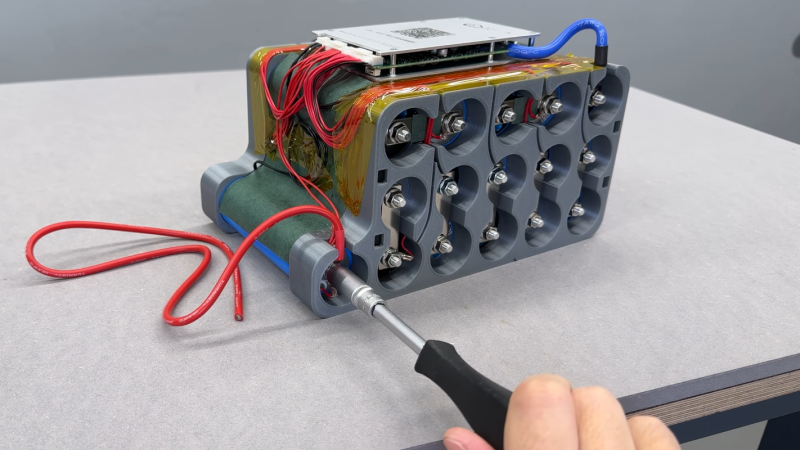
[Well Done Tips] is building this specific type of battery because the lead acid battery in his electric ATV is on the decline. He’s using cylindrical cells that resemble an 18650 battery but are much larger. Beyond the size, though, many of the design principles from building 18650 battery packs are similar, with the exception that these have screw terminals so that bus bars can be easily attached and don’t require spot welding.
With the pack assembled using 3D printed parts, a battery management system is installed with the balance wires cleverly routed through the prints and attached to the bus bars. The only problem [Well Done Tips] had was not realizing that LiFePO4 batteries’ voltages settle a bit after being fully charged, which meant that he didn’t properly calculate the final voltage of his pack and had to add a cell, bringing his original 15S1P battery up to 16S1P and the correct 54V at full charge.
Sling TV remains one of the most popular and affordable streaming services in the U.S., but we have some bad news. In a move that should surprise no one, Sling TV is raising prices on some of its plans. If there's a silver lining, not everyone will get hit with the price hike, at least not yet.
How would Sony ceding control of its TV hardware business change the industry? The Verge has an optimistic take: [...] As of today, Sony already relies on different manufacturing partners to create its TV lineup. While display panel manufacturers never reveal who they sell panels to, Sony is likely already using panels for its LCD TVs from TCL China Star Optoelectronics Technology (CSOT), in addition to OLED panels from LG Display and Samsung Display. With this deal, a relationship between Sony and TCL CSOT LCD panels is guaranteed (although I doubt this would affect CSOT selling panels to other manufacturers). And with TCL CSOT building a new OLED facility, there's a potential future in which Sony OLEDs will also get panels from TCL. Although I should point out that we're not sure yet if the new facility will have the ability to make TV-sized OLED panels, at least to start.
[...] There's some concern from fans that this could lead to a Sharp, Toshiba, or Pioneer situation where the names are licensed and the TVs produced are a shell of what the brands used to represent. I don't see this happening with Sony. While the electronics side of the business hasn't been as strong as in the past, Sony -- and Bravia -- is still a storied brand. It would take a lot for Sony to completely step aside and allow another company to slap its name on an inferior product. And based on TCL's growth and technological improvements over the past few years, and the shrinking gap between premium and midrange TVs, I don't expect Sony TVs will suffer from a partnership with TCL.
Sennheiser's RS 275 bundle pairs lightweight TV-focused headphones with a clever Auracast transmitter to fix weak TV audio, without disturbing others or upgrading your entire setup.
Unidentified hackers disrupted Iranian state television to broadcast messages from exiled Crown Prince Reza Pahlavi. Read about the economic crisis, the internet blackout, and the latest reports on the protest death toll.
YouTube TV is kicking off the new year with a couple of features that are long overdue. The first is a much-needed expansion of the excellent “Multiview” feature, and the second marks a return to the original promise of streaming live TV services.
Sony is spinning off its Bravia TV business to TCL through a 51% stake sale, marking a major industry shift as Sony pivots toward entertainment IP and TCL gains a premium global brand.
Most big TVs are basically a black rectangle you tolerate until it’s turned on. The Frame is built for people who don’t want to tolerate it. When you’re not watching, it’s meant to blend into the room with Art Mode, so your living space looks finished instead of “TV-centric.” The Samsung 65-inch LS03FA The Frame […]
Netflix has begun asking filmmakers to adjust their storytelling approach to account for viewers who are scrolling through their phones while watching, according to Matt Damon. The traditional action movie formula involves three major set pieces distributed across the first, second, and third acts. Netflix now wants a large action sequence in the opening five minutes to hook viewers.
The streamer has also suggested that filmmakers reiterate plot points "three or four times in the dialogue" to accommodate distracted audiences, he said. "It's going to really start to infringe on how we're telling these stories," Damon said.
Rhea Seehorn has recently been awarded a Golden Globe for Best Actress in a TV Drama Series, as well as a Critics' Choice Television Award for Best Actress in a Drama Series, for her portrayal of Carol Sturka in the Apple TV show Pluribus.
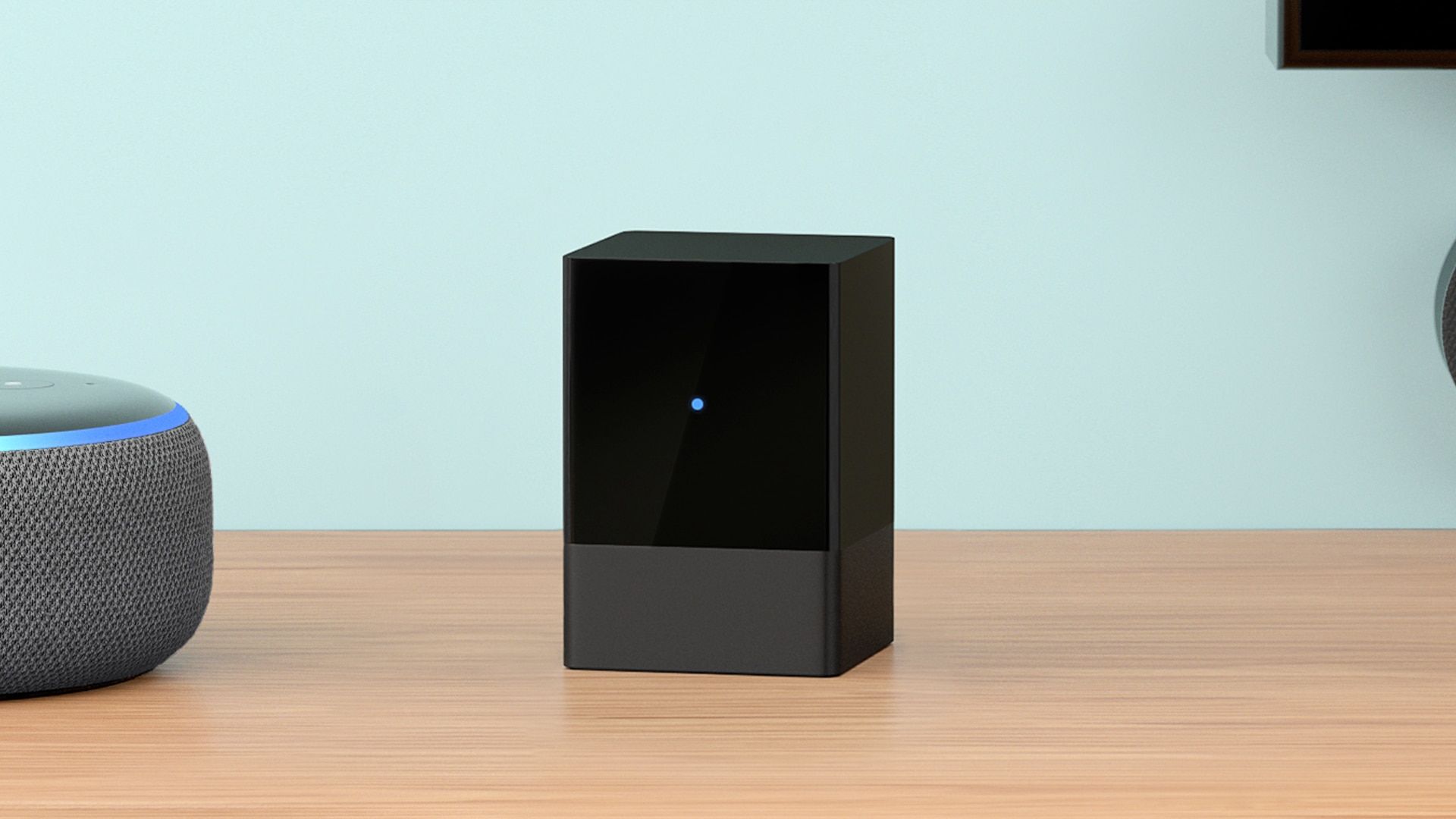
Smart home devices being discontinued and turned into bricks is a common occurrence, but larger companies like Google and Amazon usually keep their devices running for a long time. That's not true for the Fire TV Blaster, which is getting killed only a year after Amazon stopped selling it.
Amazon is expanding the Fallout universe with Fallout Shelter, a ten-episode reality competition show where contestants face survival-style challenges and moral dilemmas for a cash prize. Engadget reports: Prime Video has greenlit a unscripted reality show titled Fallout Shelter. It will be a ten-episode run with Studio Lambert, the team behind reality projects including Squid Game: The Challenge and The Traitors, as its primary producer. Bethesda Game Studios' head honcho Todd Howard is attached as an executive producer. Amazon's description of Fallout Shelter is: "Across a series of escalating challenges, strategic dilemmas and moral crossroads, contestants must prove their ingenuity, teamwork and resilience as they compete for safety, power and ultimately a huge cash prize."
[...] The name echos the free-to-play mobile game Bethesda released in 2015. Fallout Shelter lets people build and improve their out Vault-Tec residence, managing the resources for a growing cadre of underground survivors. It seems pretty likely that there will be some type of tie-in between the game and the show, but any details about that might pop up closer to when the program is ready to air. It's currently casting, and no release timeline has been shared.
It's looking to be a solid year for kaiju fans. Not only are we getting Godzilla Minus Zero in November—sequel to the critically acclaimed Godzilla Minus One (2023)—but Apple TV just released a teaser for the second season of Monarch: Legacy of Monsters, part of Legendary Entertainment’s MonsterVerse, which brought Godzilla, King Kong, and various other monsters (kaiju) created by Toho Co., Ltd into the same fold.
(Spoilers for S1 below.)
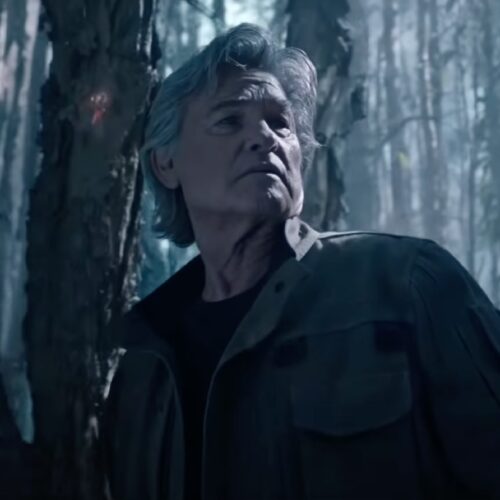
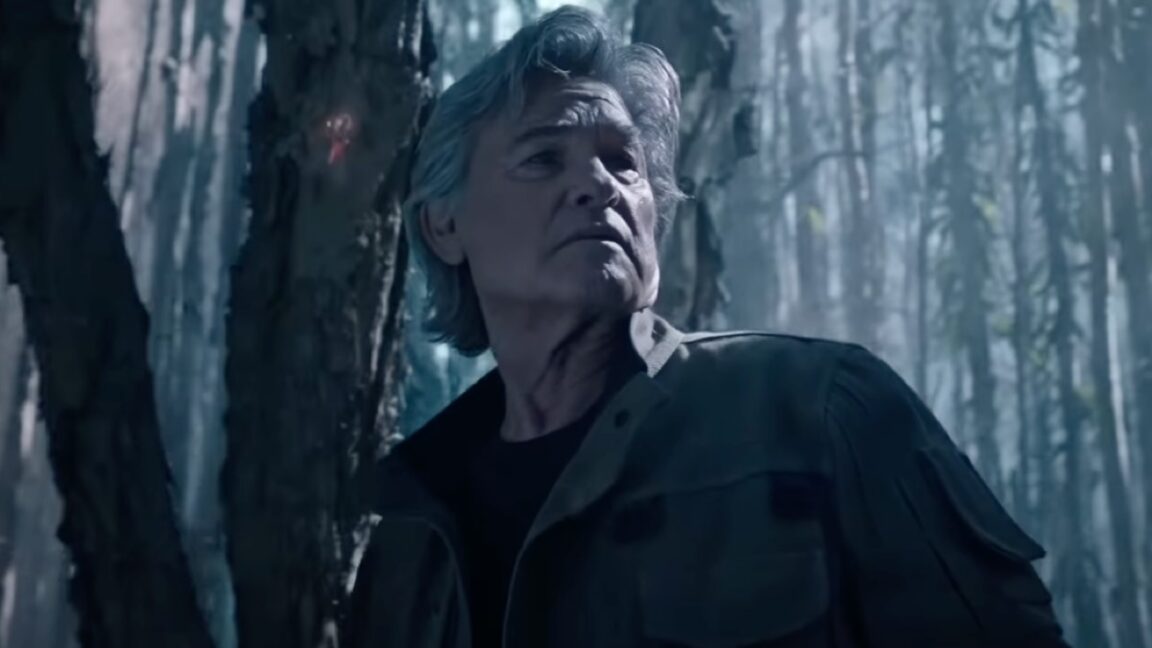
The first season picked up where 2014's Godzilla left off, specifically the introduction of Project Monarch, a secret organization established in the 1950s to study Godzilla and other kaiju—after attempts to kill Godzilla with nuclear weapons failed. The plot spans three generations and takes place in the 1950s and half a century later. In the first season, two siblings (Kate and Kentaro Randa) follow in their father’s footsteps to uncover their family’s connection to the secretive organization known as Monarch. Naturally, they find themselves in the world of monsters and discover Army officer Lee Shaw (Kurt Russell), a longtime family ally.

 Login
Login





.jpg)
.jpg)