Are you trying to eat more protein and fiber?? You’ve come to the right place! Here are 20+ high-protein and high-fiber vegan recipes made with whole food ingredients like beans, tofu, whole grains, seeds, and veggies.
Whether you’re meal-prepping or just looking for crowd-pleasing options, there’s something here for every day of the week. You’ll find curries, stews, sheet-pan dinners, and salads.
This is where plant-based eating really shines. Beans, lentils, and chickpeas are the best of both worlds, naturally high in protein and fiber, all in one affordable ingredient. They are also an excellent source of complex carbohydrates, iron, magnesium, folate, and antioxidants!
You can add even more fiber and protein to these dishes by including whole grains like brown rice and quinoa, nuts and seeds such as pumpkin seeds and almonds, and protein-rich foods like tofu, tempeh, and seitan.
These recipes are everyday meals that are nourishing, delicious and easy to make.
When I ask this question in my cookery classes, people often laugh first — and then admit their worries. I recognise those fears, because although I grew up with Indian food, I didn’t grow up Read More ...
Fresh methi in winter is hard to resist. This methi aloo is simple, homely, and exactly the kind of thing you want to cook when methi is at its best.
Methi aloo is a simple, everyday sabzi that lets fresh methi do most of the work. Fresh fenugreek brings a gentle earthiness, the potatoes add comfort, and when cooked right, the dish stays balanced without turning bitter.
Alongside recipes like methi thepla, this is another easy way to use fresh methi through the winter. Simple ingredients that need easy quick steps, it will fit easily into your home meals without feeling heavy or complicated to cook.
Methi (Fenugreek Leaves): Fresh methi is the heart of this dish and adds earthiness and a slight bitterness
Potatoes: Add comfort and balance, and soften the bitterness of the methi
Aromatics: Ginger, garlic, green chilli, cumin seeds, and dried red chilli for warmth and flavor
Spices & Seasoning: Coriander powder, cumin powder, turmeric, amchur, salt, and a small amount of asafoetida keep the flavours balanced and prevent bitterness
Tomatoes: Add mild acidity and help bring the sabzi together
Cooking Oil: Groundnut oil or any neutral oil works for this dish
Why You’ll Love This Sabzi
Potatoes are often paired with methi for a reason. Their natural starch balances methi’s sharpness, making the dish feel more rounded and comforting. Fresh methi is rich in fibre, iron, and antioxidants, which support digestion and overall gut health, while potatoes provide energy and help make the meal more filling. Together, they create a simple, well-balanced sabzi that’s nourishing without being heavy, especially suited to winter meals.
Frequently Asked Questions
Can I use kasuri methi instead of fresh methi?
Fresh methi works best for this recipe and gives aloo methi its characteristic flavour and texture. Kasuri methi can’t fully replace fresh leaves, but you can add a small pinch at the end if fresh methi isn’t available, keeping in mind the flavour will be different.
Can I add other vegetables to this recipe?
Aloo methi is traditionally kept simple. While you can add vegetables like carrots or peas, doing so will change the flavour and balance of the dish. If you do add anything, keep the quantities small so the methi remains the focus.
Why is my methi aloo too bitter?
Bitterness usually comes from skipping the soaking step or not squeezing out enough water from the methi. Overcooking methi or adding it too early can also intensify bitterness.
How do I reduce the bitterness of methi?
Soaking methi leaves in salted water for about 30 minutes, then squeezing them well before cooking, helps reduce bitterness significantly. Cooking the methi uncovered also allows excess moisture and bitterness to evaporate.
Richa’s Top Tips
Soak the methi first: Soaking methi in salted water and squeezing it well is key to reducing bitterness without losing flavour. Don’t skip this step.
Cut potatoes evenly: Small, evenly sized cubes cook faster and ensure the potatoes soften properly before the methi goes in.
Cook methi uncovered: Once added, cook the methi without covering the pan so excess moisture evaporates and the sabzi doesn’t turn soggy.
Keep the spices gentle: Aloo methi sabji works best when the spices support the methi instead of overpowering it, so measure lightly and avoid over-roasting.
Storage Tips
In the fridge: Store cooled methi aloo sabji in an airtight container for up to 2 days.
At room temperature: This sabzi is best eaten fresh and should not be left out for more than a few hours, especially in warm weather.
Freezing: Freezing is not recommended, as methi tends to lose texture and develop bitterness once thawed.
Reheating tip: Reheat on low heat and stir occasionally. If the sabzi feels dry, add a small splash of water while reheating.
Serving Ideas
Aloo methi is comforting on its own, but pairs easily with a few staples to make a satisfying meal.
With Roti or Phulka: Soft rotis are the most natural pairing that let flavours of the sabzi shine without distraction.
With Paratha: A plain paratha adds a little richness and makes the meal feel more filling, especially for lunch.
With Dal and Rice:Serve methi aloo alongside a simple dal and steamed rice for a complete, homely meal.
With Curd or Raita: A spoon of plain curd or a light raita balances the warmth of the methi and keeps the meal light.
With Cucumber Salad: You can also add fresh onion and tomato salad for a crunchy and fresh bite.
Customisation Ideas
Add a garlic finish: Lightly crush and sauté an extra clove of garlic at the end and mix it in for a stronger, more rustic garlic flavour.
Turn it into a one-pan meal: Add the potatoes a little earlier and let them brown slightly before adding the rest. This gives the sabzi more depth and makes it hearty enough to eat on its own.
Finish with ghee instead of oil: Swapping the final bit of oil for ghee adds a subtle richness that works especially well for winter meals.
This is everyday food at its best, easy to cook, easy to enjoy, and perfect for winter. If you give it a go, share it with me on Instagram @my_foodstory, I always love seeing your home-style meals.
2potatoes220 grams/1 cup, chopped into ¼ inch cubes
½teaspoonfinely chopped ginger
1teaspoonfinely chopped garlic
1green chillifinely chopped
1large tomatofinely chopped, ¼ cup + 2 tablespoons, 100 gms
1teaspooncoriander powder
¼teaspooncumin powder
¼teaspoonturmeric powder
½teaspoonamchur powder
Instructions
Take 3 cups of water & 1 ½ teaspoons of salt in a bowl and soak methi for 30 minutes. After 30 minutes, squeeze water from the leaves and finely chop them. This will reduce the bitterness of methi leaves.
3 ½ cups methi, 3 cups water, 2 teaspoons salt
Heat oil in a pan or kadai, add jeera and after it crackles, add hing & red chilli and saute till fragrant. Add potato cubes and cook on low for 7-8 minutes till they are 75% cooked.
1 tablespoon groundnut or any neutral flavored oil, ½ teaspoon cumin seeds, ⅛ teaspoon asafoetida, 1 red chilli, 2 potatoes
Add ginger, garlic and saute till fragrant. Add tomatoes, spice powders, ½ teaspoon salt and cook covered for 3-4 minutes until tomatoes turn mushy.
½ teaspoon finely chopped ginger, 1 teaspoon finely chopped garlic, 1 green chilli, 1 large tomato, 1 teaspoon coriander powder, ¼ teaspoon cumin powder, ¼ teaspoon turmeric powder, ½ teaspoon amchur powder
Add chopped methi and cook without covering for 5-7 minutes till they get roasted well. Serve.
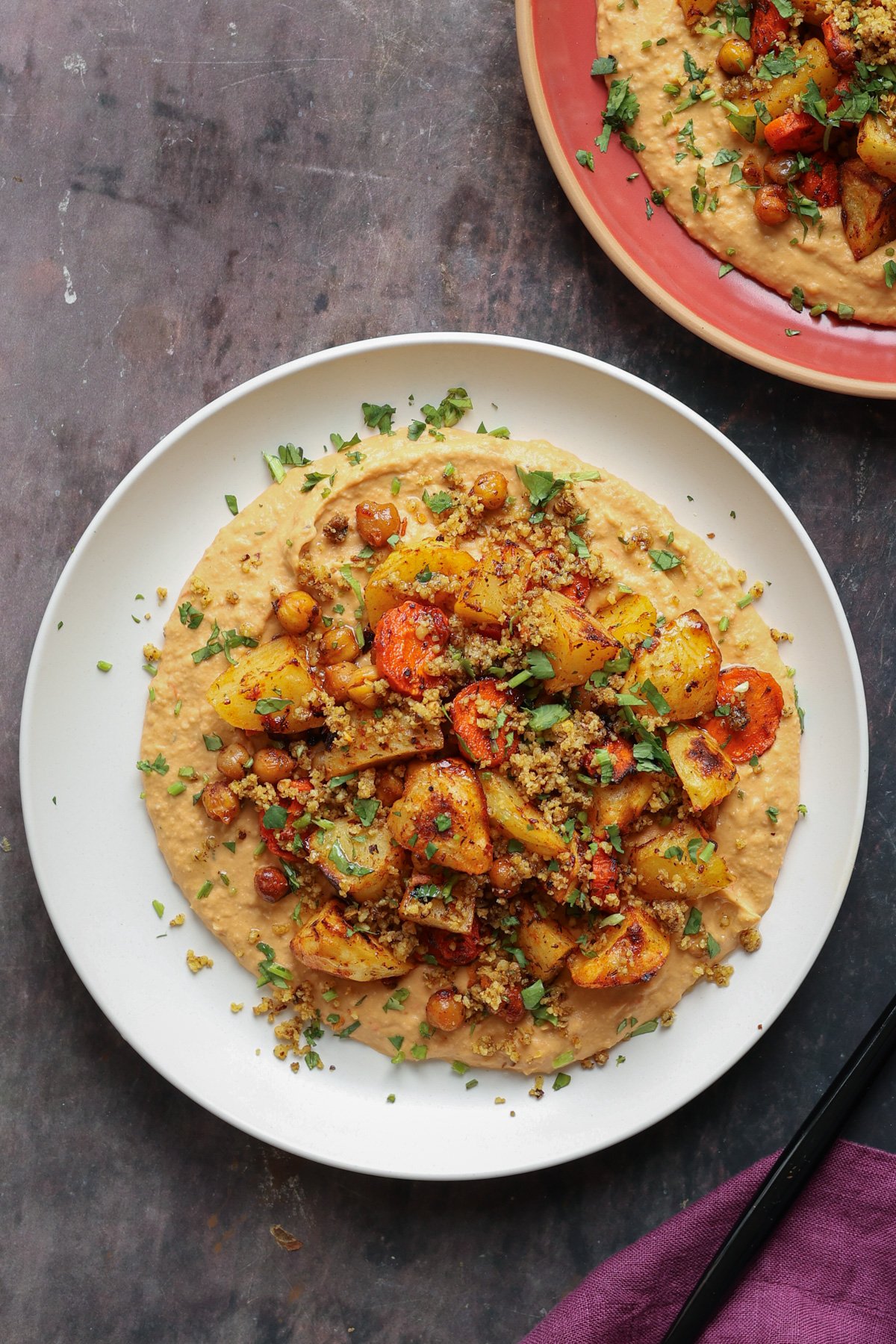
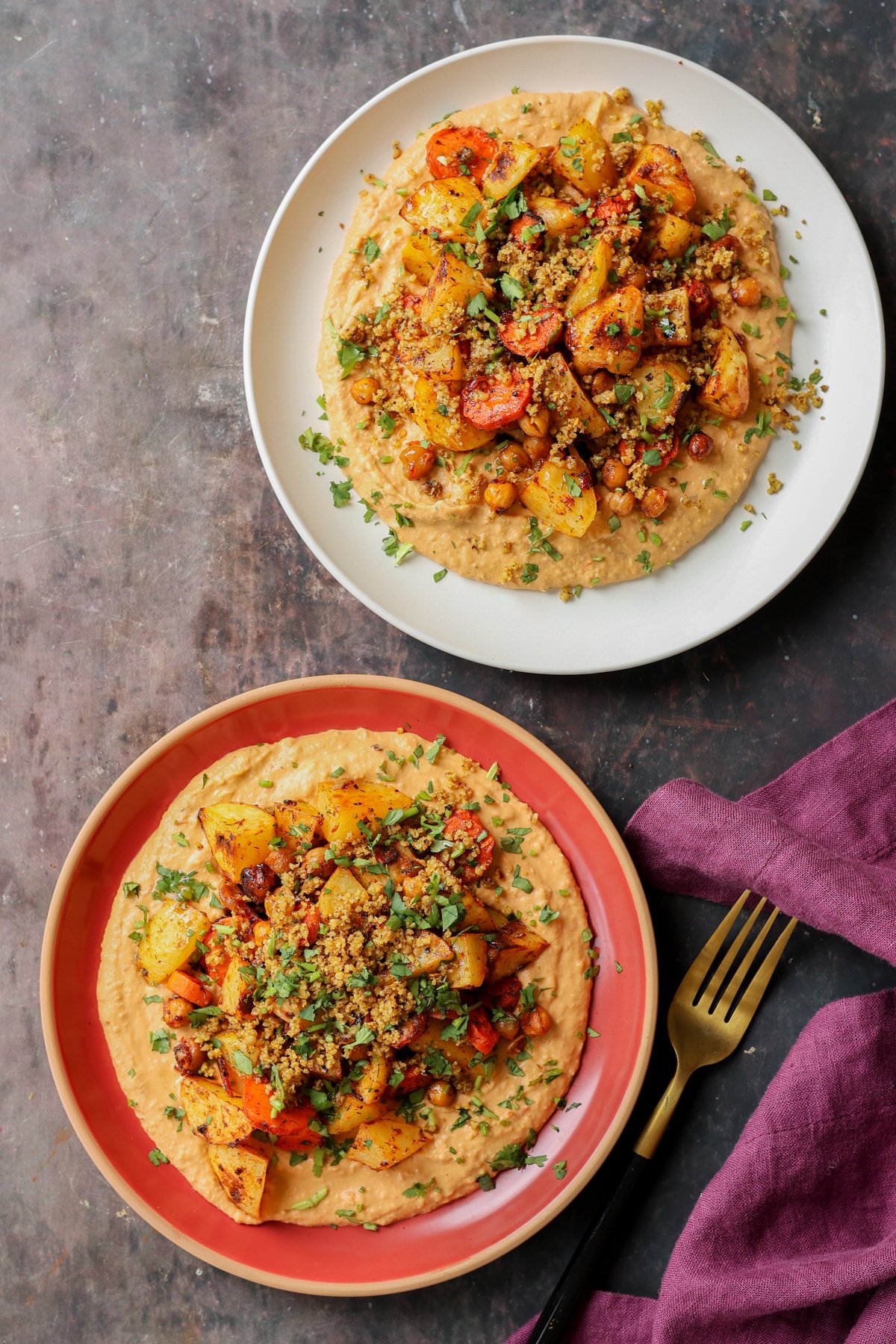
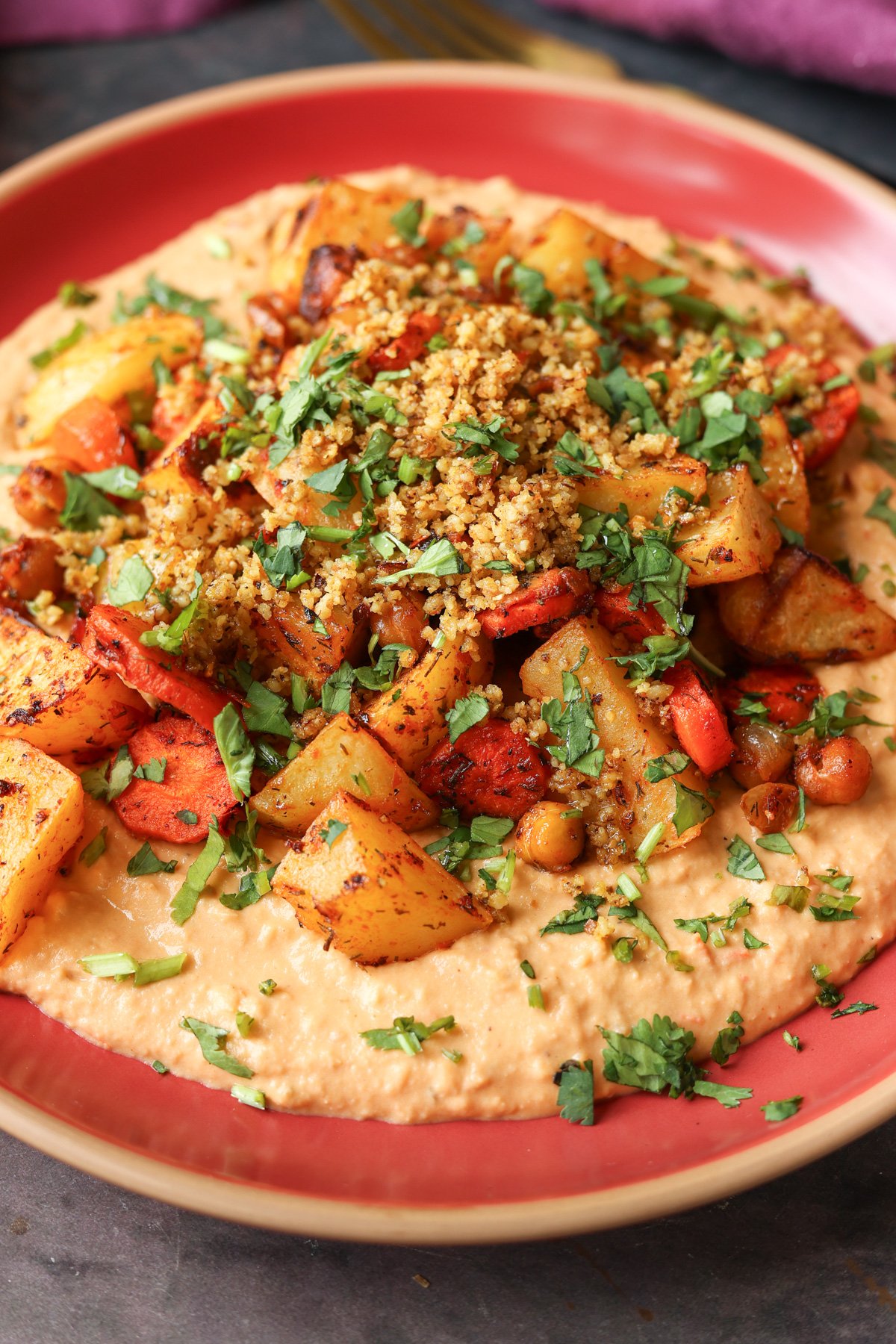
Creamy harissa spiced bean puree topped with harissa roasted vegetables and a crunchy, baharat walnut crumble. Protein (24g) and Fiber (18g) rich easy meal that feels super fancy! Gluten free, Soy free, Option for nut free.
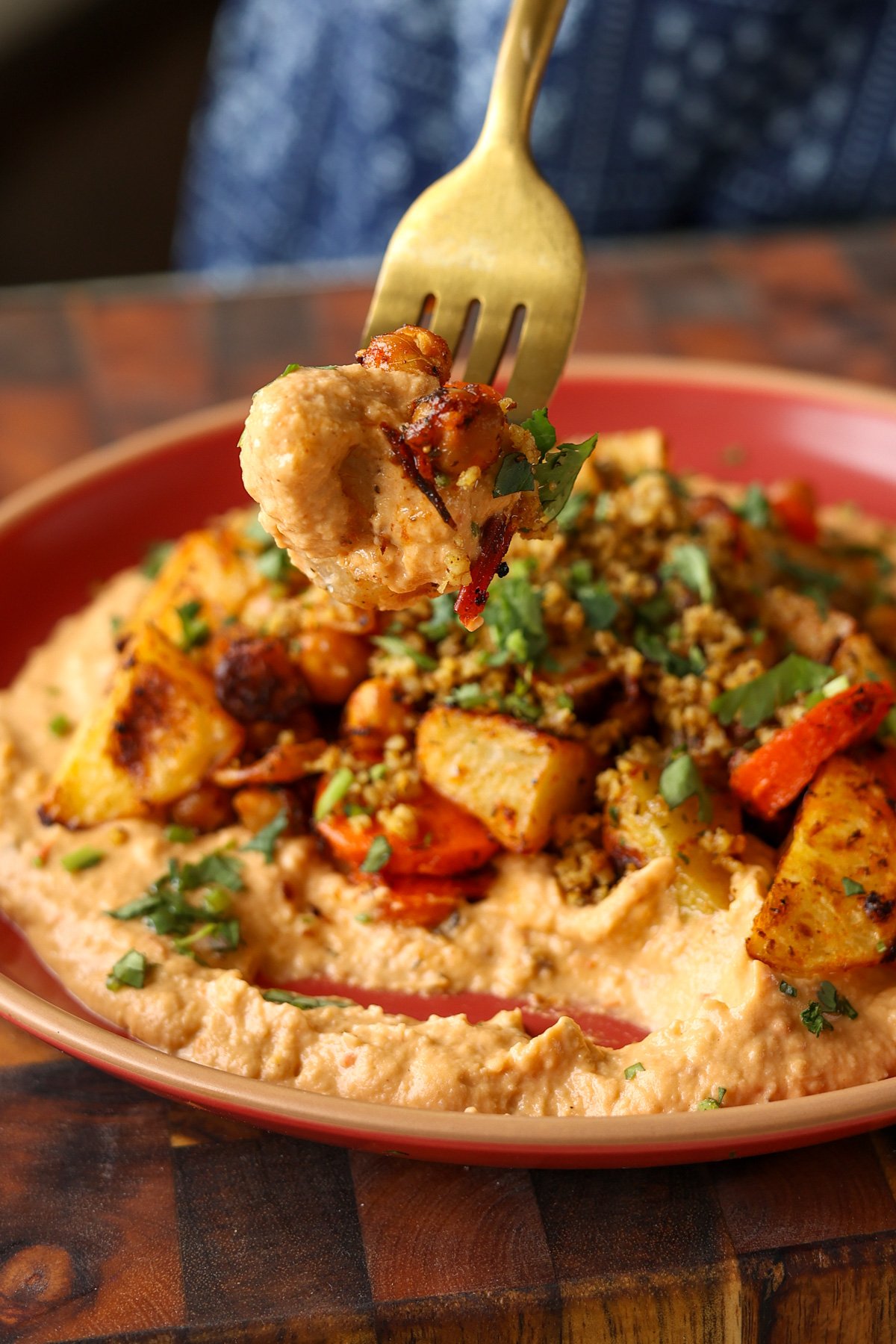
This harissa bean puree dish has an amazing texture and flavor! It’s creamy from the bean mixture, crispy from the veggies, with extra crunch from the walnuts and optional fresh vegetables.
It’s also full of protein and fiber. There are four sources of protein: white beans, chickpeas, nutritional yeast, and walnuts. And you get lots of fiber from the veggies, beans, and nuts.
If you’re not familiar with harissa, it’s a North African chili paste that a smoky-sweet-spicy flavor that’s delicious with beans and veggies. It can come in various heat levels, so choose based on your heat preference.
Baharat is a Middle Eastern spice blend with flavors from allspice, cardamom, cloves, cumin, and more! We are using that to season some crunchy walnuts. It’s delicious paired with the harissa bean puree in this dish!
You can pair these components in various ways. For a gluten-free meal, spread some harissa bean puree on a plate, top it with roasted veggies, walnut crumble, and fresh crunchy veggies. Or, you can make a wrap.
This recipe works any way you want, so definitely try it. You can use whatever vegetables you like and adjust the flavor to be more or less spicy. Harissa comes in various spice levels, from mild to hot. Use mild if you prefer, or go hotter if you like. Adjust the amount based on your taste, as well.
While you are here, do check out this amazing video of 10 breakfast ideas with just 1 lentil batter on my YouTube.
Why You’ll Love Harissa Roasted Vegetable Bowls
high protein, high fiber
creamy, savory harissa bean puree
tender-crisp harissa roasted vegetables
crunchy baharat walnut topping that can be made nut-free
versatile! Serve as bowls or wraps or any which way you like!
If you are not pleased with the chilly winter, this high protein vegan tofu noodle soup might change your mind after you try this! The warm, savory and fulfilling tofu noodle soup is the best of winter that you can pamper yourself with!
In my quest to find light dinners, soups & stews are on top of my list of preferred dishes and I keep hunting for hearty soup recipes which are not only delicious but also season-appropriate!
Hence comes my high protein vegan tofu noodle soup which is only the perfect 10 on 10 soup in itself but also the most relevant soup for the season!
Winter doesn’t mean boring & bland soups which only warm you up with the hot broth; the winter special soups must also be hearty, filling and work as one-pot meals!
Which is exactly what my tofu noodle soup does!
What is Vegan Tofu Noodle Soup?
This high protein tofu noodle soup is a vegan dish made with all plant-based ingredients while being high in protein from the best source of plant-based protein that is none other than tofu!
The broth of the tofu noodle soup is light yet filling with a savory & umami-rich flavor. I made the broth of my soup lightly creamy by adding coconut milk as we love its flavor.
This tofu noodle soup is also packed with winter fresh veggies which makes it a one-pot meal giving you the best of both worlds - good protein and loads of fiber!
This is the kind of soup I make when I’m hungry late at night but don’t want anything too heavy. Warm, a little spicy, and comforting in the best, no-effort way.
Late nights are usually when I want something quick, warming, and full of flavour without feeling like I’m cooking a full meal. This spicy noodle soup is exactly that kind of fix. It’s warm, a little spicy, and comes together really fast, which is exactly what I want at that hour.
If you’ve tried my chicken manchow soup, you really should give this one a go too. Same kind of base, lots of garlic, a bit of heat, and that comforting Indo-Chinese flavour, just with noodles added in. It’s surprisingly easy to tweak, and before you know it, you’ll have your own version of it.
This soup works well as a light, nourishing meal because it combines hydration, vegetables, and protein in one bowl. The broth helps keep you hydrated, while ingredients like garlic, ginger, cabbage, carrots, and mushrooms provide fibre and essential micronutrients. Tofu adds plant-based protein, making the soup more filling without being heavy. Using homemade chilli oil allows you to control the amount of fat and spice, which makes this a cleaner, more balanced option compared to instant noodle soups or takeout.
Ingredients for Spicy Noodle Soup
Aromatics: Garlic, ginger, celery, spring onion whites, and onions add depth, warmth, and that familiar Indo-Chinese flavour.
Spice & Seasoning: Gochugaru or red chilli flakes, five spice powder, white pepper, salt, and a pinch of sugar for balance, heat, and lots of flavor.
Vegetables & Protein: Shredded cabbage, mushrooms, carrots, and tofu add texture nutrition, and make the soup filling.
Broth & Noodles: Water is used as the base for the soup, while cooked noodles make it hearty and comforting. Hakka noodles or any noodles you prefer work well.
Finishing Touches:Chilli oil and spring onion greens are added at the end for extra heat, aroma, and freshness.
Frequently Asked Questions
Can I add a non-veg protein to this soup?
Yes, absolutely. You can add shredded chicken, prawns, or even thinly sliced chicken breast. Add it after the broth comes to a boil and cook just until done so it stays tender.
Which noodles work best in this recipe?
Hakka noodles work really well, but you can use any noodles you like. Ramen, egg noodles, or even flat wheat noodles are all good options. Just cook them separately and add while serving so they don’t overcook in the soup.
Can I make this soup less spicy?
Yes. Reduce the amount of gochugaru or chilli flakes and go lighter on the chilli oil while serving. The soup should be warming, not overwhelming.
Can I make this soup vegan?
It already is. Just make sure your noodles and chilli oil are vegan-friendly, and you’re good to go.
Can I make the soup ahead of time?
You can prepare the soup base in advance and store it in the fridge for 2–3 days. Add freshly cooked noodles and toppings only when you’re ready to eat for the best texture.
Richa’s Top Tips
Don’t rush the aromatics: Cook the aromatics on medium heat until they soften but don’t brown. Overcooking or browning the aromatics will change the flavor of the dish, so keep an eye on it.
Adjust the heat: We like this noodle soup to be a little spicy. But feel-free to adjust the heat by adding more or less gochugaru, chilli flakes, and chilli oil to suit your tolerance.
Assemble just before serving: Add noodles, chilli oil, and spring onion greens at the end so everything stays fresh and doesn’t turn soggy.
Storage Tips
In the fridge: Store the soup base (without noodles) in an airtight container for up to 2–3 days. Reheat gently on the stove until hot.
Store noodles separately: Keep cooked noodles in a separate container to prevent them from soaking up the broth and turning soft.
Freezing: Freezing is not recommended, as the vegetables and tofu can change texture once thawed.
Reheating tip: Always reheat the soup until piping hot, then add noodles, chilli oil, and spring onion greens just before serving for the best flavour.
Serving Ideas
This spicy noodle soup is comforting and filling on its own, especially for late nights, but it also works really well as part of a simple Indo-Chinese meal. Here are a few easy combinations:
With Burnt Garlic Fried Rice:If you want something more substantial, this is a great rice option. The bold garlic flavours work beautifully with the heat of the soup without overpowering it.
With Chilli Paneer (Dry):A small plate of chilli paneer adds texture and spice, making the meal feel more complete while still staying in the same flavour zone.
With Vegetable Spring Rolls:Something crispy on the side balances the warmth and brothiness of the soup and makes it feel more like a proper spread.
Add more vegetables: Feel free to bulk it up with bok choy, spinach, baby corn, or bell peppers. Add quick-cooking greens right at the end so they stay fresh and vibrant.
Change the broth depth: Replace part of the water with a light vegetable stock for a deeper, more savoury base without making the soup heavy.
Play with aromatics: Add a small amount of grated lemongrass or a splash of soy sauce while simmering for a slightly different flavour profile.
Switch up the spice profile: If you don’t have five spice, try a pinch of toasted sesame powder or a dash of vinegar for a subtle twist.
Finish differently: Top with crispy garlic, sesame seeds, or a soft-boiled egg (if it fits your diet) to change the texture and make each bowl feel a little different.
Now it’s your turn to give this a go. Play around with the spice, adjust the toppings, and make it work for your kind of night. If you do end up making it, tag me on Instagram @my_foodstory, I’d love to see how you put your own spin on it.
This soup is a wholesome, complete meal that tastes delicious! Spicy, warming, and full of interesting textures, you're going to want to make this on repeat.
Add gochugaru, fry for a few seconds, add veggies, five spice powder and saute for 1-2 minutes.
2 teaspoons gochugaru, ¼ cup shredded cabbage, ¼ cup quartered mushrooms, ¼ cup julienned carrots, ⅓ teaspoon five spice powder
Add water, sugar, salt, white pepper powder and once it boils, cook on low for 15 minutes. Add tofu cubes and cook for 1-2 minutes. Take off the heat and add 2 teaspoons of spring onion greens.
4 cups water, ¼ teaspoon sugar, ¾ – 1 teaspoon salt, ½ teaspoon white pepper powder, ½ cup cubed tofu, 2-3 tablespoons finely chopped spring onion greens
For each serving, take ¾ cup (70gms) of noodles in a soup bowl, add 2-3 ladles of hot soup, drizzle 1-2 teaspoons of chilli oil, garnish with some spring onion greens and serve.
300 gms cooked noodles, 4-6 teaspoons chilli oil
Video
Notes
Five spice powder substitute: in step 1, heat oil, add 1 inch cinnamon, 2 star anise and 2-3 cloves and once it sizzles for a few seconds, add garlic, ginger & continue with the rest of the steps. Just before serving, pick out the whole spices and discard them.
Heat the soup to a piping hot just before serving for the best flavour.
Can be stored for 2-3 days when refrigerated in an air-tight container.
From 2010, Give Me Some Spice was all about blogging; creating recipes, styling food, taking photos, and sharing them online. I loved that phase of my life, and I’m incredibly grateful for everything blogging gave Read More ...
Super garlicky Indo-Chinese garlic pepper chicken has deep flavors from black pepper, green chili, and ginger and garlic in the sauce! It’s a 1-pan dinner that you can make using your protein of choice. For this vegan version, we are using tofu. (nut-free with gluten-free and soy-free options)
This garlic pepper chicken is another one of my favorite recipe. Indo-Chinese cuisine is a fusion cuisine which came about when Chinese migrants as well as the Indians in the region adjusted Chinese recipes to use Indian spices and more Indian flavors.
There are some similar recipes to Chinese cuisine, as well as a lot of new and different flavors and textures. Often the names of the similar recipes have different spellings, and that is an indicator that it is an Indo-Chinese recipe and not a Chinese recipe.
This garlic pepper chicken uses this amazing sauce with a ton of garlic. You chop the garlic into small pieces, but do not mince it, because you want that garlic to show up in the sauce. Then you also add a lot of black pepper to the sauce, as well as to the protein that you plan to use.
Traditionally, you toss the chicken in the garlic, black pepper, and a lot of cornstarch. Then, fry it up until crisp, and fold it into the sauce. You can make it saucier, or you can make it more like a starter with a thicker sauce by adding extra cornstarch. Either way, it has this delicious garlicky flavor that is absolutely addictive!
You can use other plant-based proteins instead of the tofu, such as chickpea flour tofu, pumpkin seed tofu, seitan, soy curls, or white beans or chickpeas.
To coat the tofu, like to use a mixture of cornstarch and white rice flour to make the coating on the tofu, and then pan fry it. The rice flour gives it this nice crispy texture, as if you deep fried the tofu, and it is perfect in this Indo-Chinese garlic pepper chicken recipe! If you are planning to bake it, omit the rice flour, and use more cornstarch instead.
Why You’ll Love Indo-Chinese Garlic Pepper Chicken
crispy tofu in garlicky sauce with flavors of ginger, green chili, and bell pepper
easy 1-pan dish that works as an appetizer or an entree
versatile! Thicken the sauce to your liking, and use your protein of choice.
Naturally nut-free with easy gluten-free and soy-free options.
First of all, well done to everyone taking part in Veganuary — you’re doing great. If you’re finding it a bit challenging rather than just “what to eat”. Here are some gentle, realistic tips I Read More ...
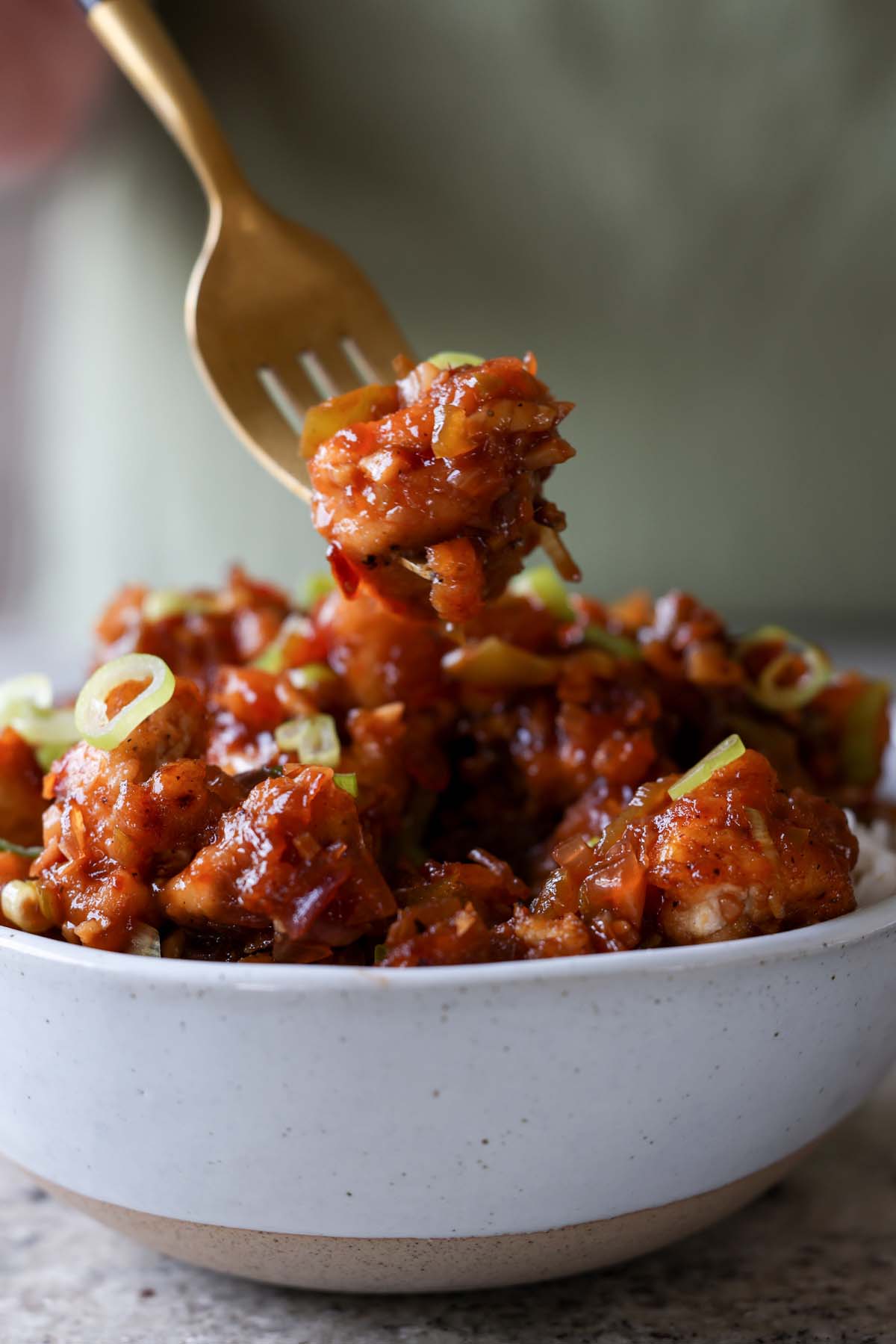
Veg Manchurian is a really popular Indo Chinese dish thats ready in 35 minutes, where fried vegetable balls are dunked and simmered in Manchurian sauce. The result is a sweet, sour, spicy dish thats saucy and full of umami!
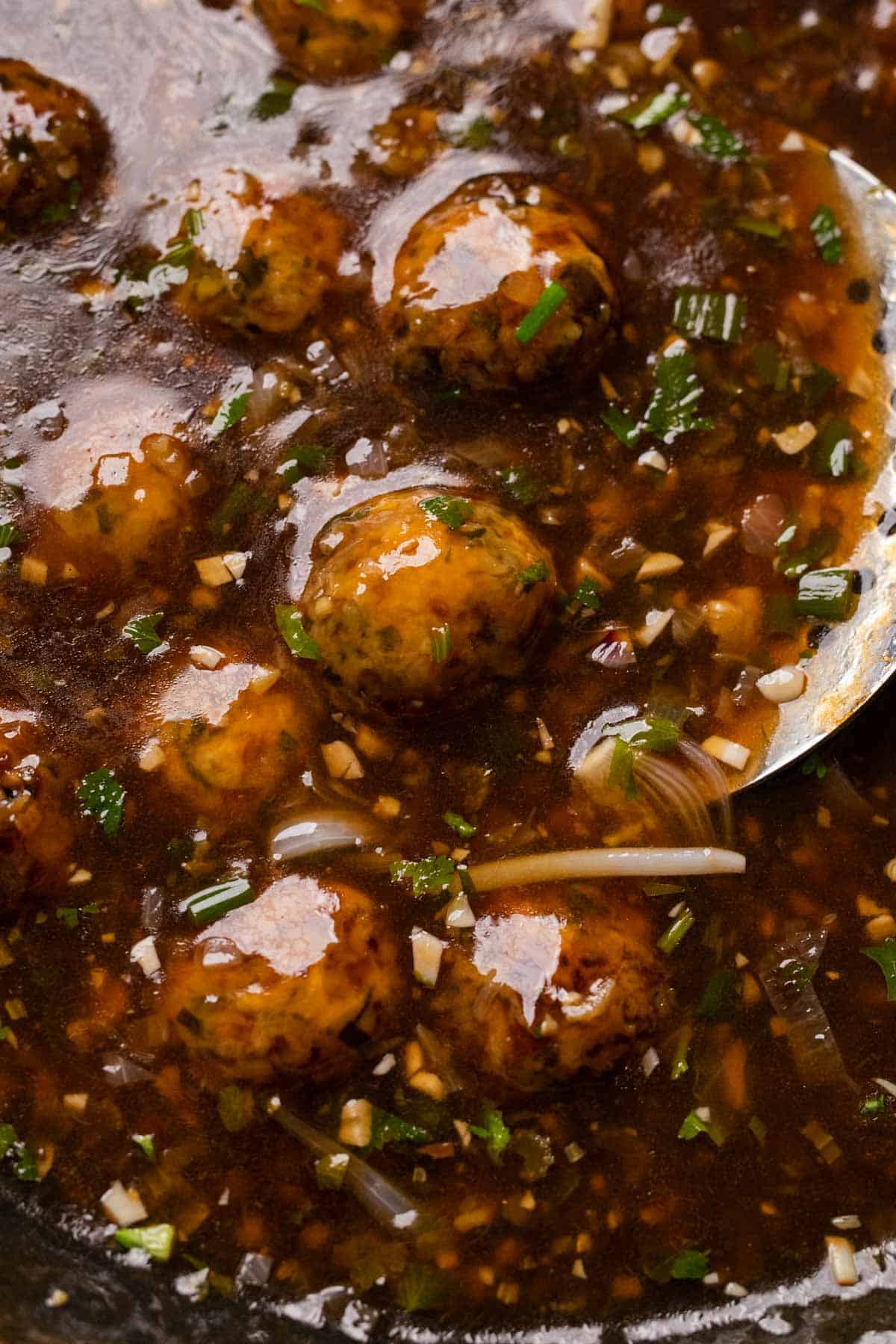
Veg Manchurian or Veg balls in Manchurian sauce is probably on every Indian restaurants menu! And for good reason! Deep fried vegetable balls that are crunchy and packed with flavour are simmered in an intense, spicy, sour, tangy, umami rich, aromatic sauce till they soak up all that flavour and become even better!
Traditionally, manchurian balls are deep fried. But in this recipe, I am showing you how to make this dish healthier manchurian balls in the air fryer, so they’re healthier and lighter, but still as crispy and delicious as it’s deep fried counterpart.
Jump to section: Veg Manchurian | Air fried & deep fried
Like a lot of Indian Chinese dishes, manchurian originated in Kolkata in the 1970’s and was born in Indo Chinese restaurants there. It is inspired by dishes in Manchuria, which is a region in North East China. Originally it was made with chicken in manchurian sauce, but since India has so many vegetarians, this vegetarian manchurian was born!
Manchurian is heavy on soy sauce and usually has a deep brown colour. The Indian influence added things like green chillies and coriander, which weren’t originally added to the dish. But we aren’t complaining because this Indianised version is so so good!
Now we have a ton of variations to this recipe like gobi manchurian, soya manchurian, paneer manchurian and even mushroom manchurian.
Veg Manchurian dry which is usually served as an appetizer: To make veg manchurian dry, follow all the steps in this recipe as mentioned, but only add 1/4 cup water while making the sauce. The result will be a sauce that just coats the veg balls and you’ll have a tasty veg manchurian dry
Ingredients for Manchurian Balls
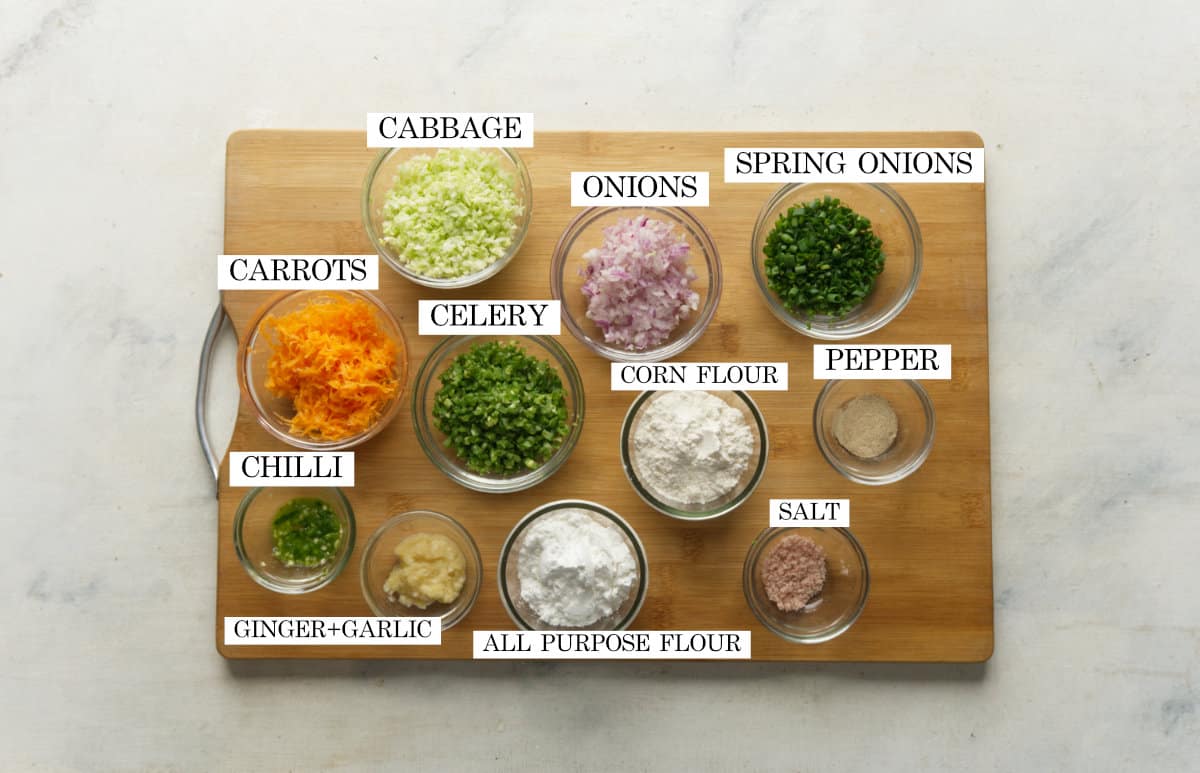
Here’s what you’ll need for the veg balls:
Finely chopped vegetables: Finely chopped vegetables such as cabbage, carrots, onions, celery, spring onions are used to make the balls. Use a food processor or chopper for best results. I do not like to use vegetables like capsicum because they leave too much water and make the mixture too wet and gluggy
Ginger Garlic Paste: Ginger garlic paste is simple, ginger and garlic minced together or ground into a paste. Add flavour and a punch. You can also grate equal amounts of each and use
Green Chillies: Not traditional, but adds a nice heat and flavour to the balls. If living outside India, use serrano peppers. Skip if you don’t want extra heat
All Purpose Flour and Cornflour: Binding agents mixed with vegetables to form the balls and keep the shape intact as they fry
Ingredients for Manchurian Gravy
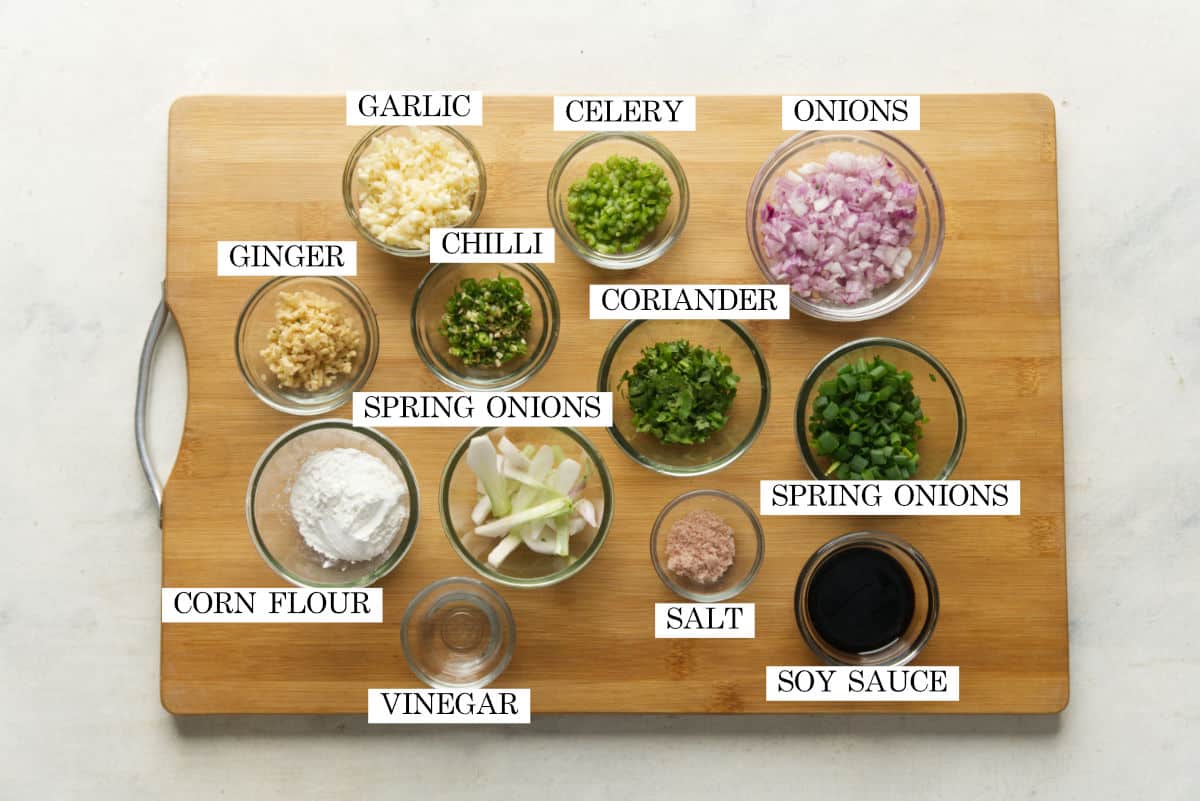
Here’s what you’ll need for the manchurian gravy or sauce:
Aromatics: The sauce starts with stir frying all the aromatics – garlic, ginger, green chillies, celery and onions on high heat. All finely chopped to add punchiness and spiciness to the gravy
Sauces: Only dark soy sauce and vinegar. The gravy for this manchurian is soy sauce heavy but has a perfect balance of sweet, sour, spicy and umami when all the other ingredients
Cornflour: For thickening. You can replace it with potato starch.
Herbs: Non traditional again, but herbs such as spring onions (white and green part) and coriander bring freshness and flavour. Add them right towards the end.
How to Make Manchurian Balls – Deep Fried
Add all the ingredients for the veg balls to a bowl
Mix them together till it comes together. Don’t knead or overmix or the balls can become dense and gluggy. There is not need to add water either as the vegetables will release enough water
Shape them into gooseberry sized balls. You can add a little oil or water to your palm to help you shape them
Deep fry in medium hot oil. It’s important that the oil is not too hot or the balls will only become golden from outside and will not cook from the inside
Once evenly golden brown on all sides, remove them with a perforated or slotted spoon on a tissue lined plate to absorb any extra oil. Set these aside
How to Make Manchurian in Air Fryer
Preheat the airfryer at 180C and brush the airfryer basket with oil.
Place the manchurian balls and brush some oil over them. Avoid overcrowding and make sure that there is some gap between the balls.
Air fry the balls for 7 minutes at 180C, brush with oil and air fry for 7 more minutes.
Air fry for 2 minutes at 200 C for them to turn golden and crisp. They need to cool a bit before they can be removed from the airfryer as they stick to the basket & break, if forced out. Transfer them to a plate and set aside. Repeat the same for all the remaining balls.
How to Make Manchurian Sauce
Once you’re done frying the manchurian balls, it’s time to make the manchurian sauce and finish the gravy. Don’t forget to keep all the ingredients prepped and ready because all the cooking will be done on high heat, and the dish comes together in a few minutes.
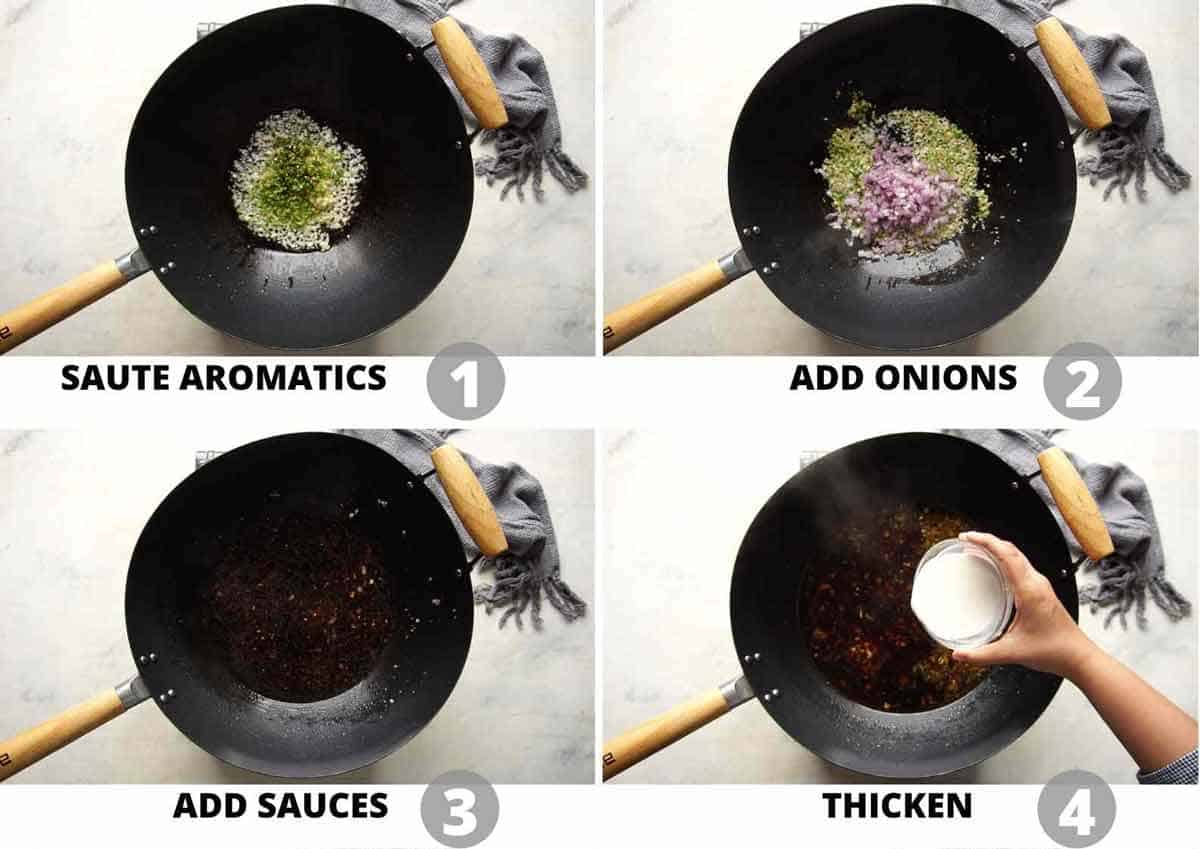
To start making the manchurian sauce, saute ginger, garlic, celery and green chillies in hot oil in a wok
Add onions and saute on high heat again till onions are translucent
Add all the sauces and give this a quick mix
Once the sauce starts bubbling, add cornflour slurry to thicken the sauce
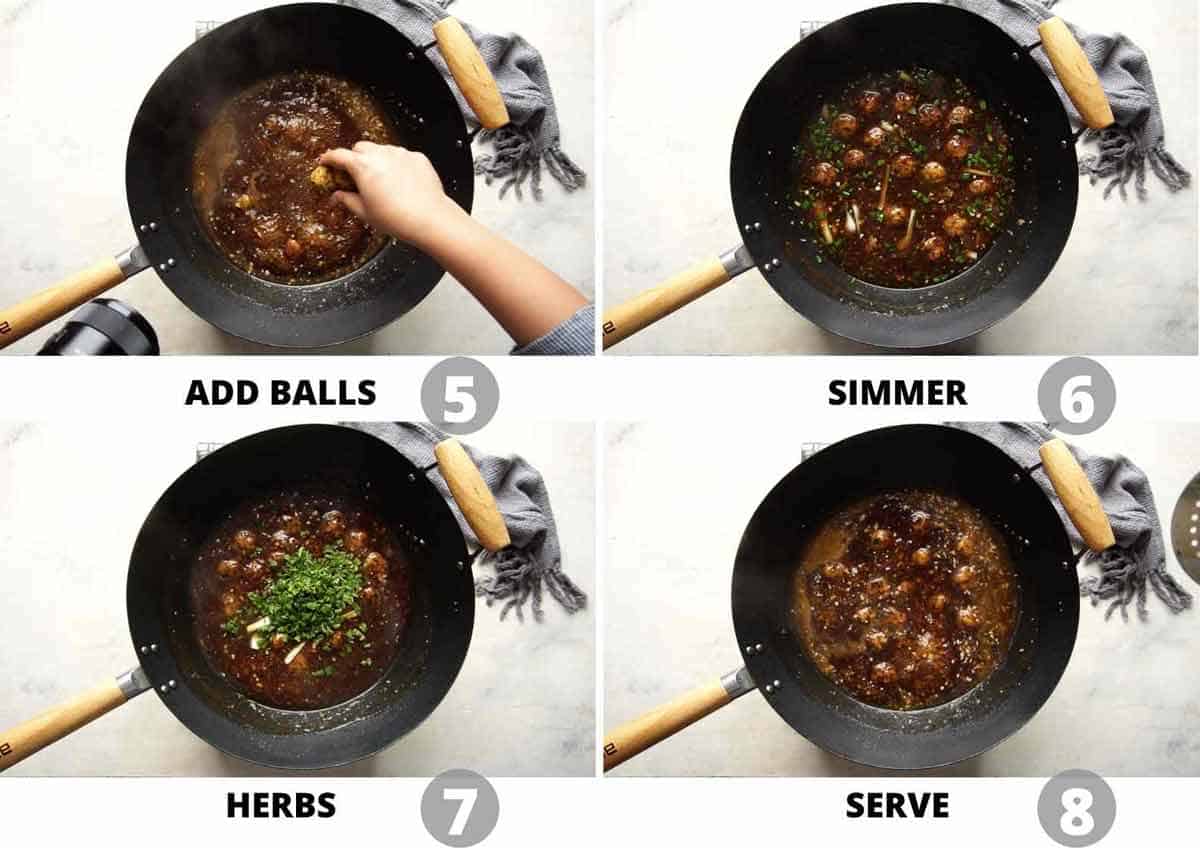
5. Add manchurian balls to the sauce
6. Simmer for 2-3 minutes to help the manchurian balls absorb the sauce
7. Finally add herbs like spring onions (green and white) and chopped coriander and give it a mix
8. Serve immediately with fried rice or noodles
Richa’s Top Tips & Notes
Prep ahead and keep all your ingredients ready to go because once you start cooking, the recipe for the sauce comes together in minutes
Use a chopper or food processor to chop all your vegetables for fast, even prep
Don’t add any water while making the manchurian balls or the mixture will becomes too wet. The vegetables will leave enough water as you mix
If using frozen veggies, make sure to thaw them and squeeze out any excess water before using
Always deep fry the balls on medium high heat. This ensures they cook evenly from inside as well as outside
For the same smoky, restaurant style flavour, use a cast iron or carbon steel wok. Cook the manchurian gravy on high heat
To make veg manchurian dry, only add 1/4 cup water while making the sauce. All the other steps remain the same
To make this recipe gluten free, replace the all purpose flour with rice flour or besan, and the corn flour with tapioca starch or potato starch
If you don’t want to take the extra effort, just serve it with steamed rice because the flavours in the gravy are big and bold and the rice will just soak them all up!
This veg manchurian gravy is the true essence of the Indo-Chinese cuisine. It’s one of those recipes that look complicated but are actually quite easy to make. And now thanks to the air fryer, you can also make it a whole lot healthier!
If you do try this recipe, don’t forget to DM the pictures over on my Instagram @my_foodstory. I love seeing your recreations!
Veg Manchurian is an easy indo chinese recipe that's saucy, spicy, sour, tangy and full of umami. It's a popular indo chinese recipe that goes really well with fried rice or hakka noodles.
1TeaspoonGreen Chilli Pastegreen chillies ground to a paste
½ – ¾TeaspoonSalt
3TablespoonsCorn Flour
3TablespoonsAll Purpose Flour
1/4cupOilfor frying
Manchurian Gravy
2TablespoonsOil
1 ½Tablespoonsfinely chopped Gingeror minced
3Tablespoonsfinely chopped Garlicor minced
1 ½Tablespoonsfinely chopped Celery
¼Cupfinely chopped Onion
2-3Green Chilliesfinely chopped
2 ½ – 3CupsVegetable Stock or Waterhot
1 ½TablespoonsSoy Sauce
1 ½TeaspoonsVinegar
1 – 1 ½TeaspoonsSalt
2TablespoonsCorn Flour
3TablespoonsWater
2TablespoonsChopped Coriander
2TablespoonsChopped Spring Onionwhite and green parts
Instructions
Vegetable Balls
Add all the ingredients into a bowl. Mix to combine all the ingredients, being careful to mix just enough to bring them together. Don't add any extra water – the vegetables will release enough water. Shape into small balls (approx 1-1 ½ tablespoons per ball). Keep aside.
Heat 1.5 inches oil in a kadai or a deep frying pan. Once the oil is hot, carefully add the balls into it one at a time. Fry on medium high heat for 4-5 minutes or until golden brown.
Remove the vegetable balls using a skimmer and transfer to a kitchen towel lined plate. Keep aside.
Manchurian Gravy
Heat oil in a wok. Add chopped garlic and ginger and sauté until fragrant. Add celery, onions and green chilli and sauté for 1 – 2 minutes on high flame.
Add water/stock, soy sauce, vinegar and salt. Mix well to combine. Allow to simmer.
Combine corn flour and water in a small bowl and add it to the wok. Stir continuously to ensure the sauce does not become lumpy. Simmer till the sauce thickens and has a glossy look
Once thickened, add the fried vegetable balls and stir to combine. Add chopped coriander, spring onion greens and whites. Serve hot along with fried rice or hakka noodles.
Video
Notes
Prep ahead and keep all your ingredients ready to go because once you start cooking, the recipe for the sauce comes together in minutes
Use a chopper or food processor to chop all your vegetables for fast, even chopping. If the vegetables are too big in size, the balls will not hold shape well and can also take longer to cook
Don’t add any water while making the manchurian balls or the mixture will becomes too wet. The vegetables will leave enough water as you mix
If using frozen veggies, make sure to thaw them and squeeze out any excess water before using
Always deep fry the balls on medium high heat. This ensures they cook evenly from inside as well as outside
For the same smoky, restaurant style flavour, use a cast iron or carbon steel wok. Cook the manchurian gravy on high heat
To make veg manchurian dry, only add 1/4 cup water while making the sauce. All the other steps remain the same
To make this recipe gluten free, replace the all purpose flour with rice flour or besan, and the corn flour with tapioca starch or potato starch
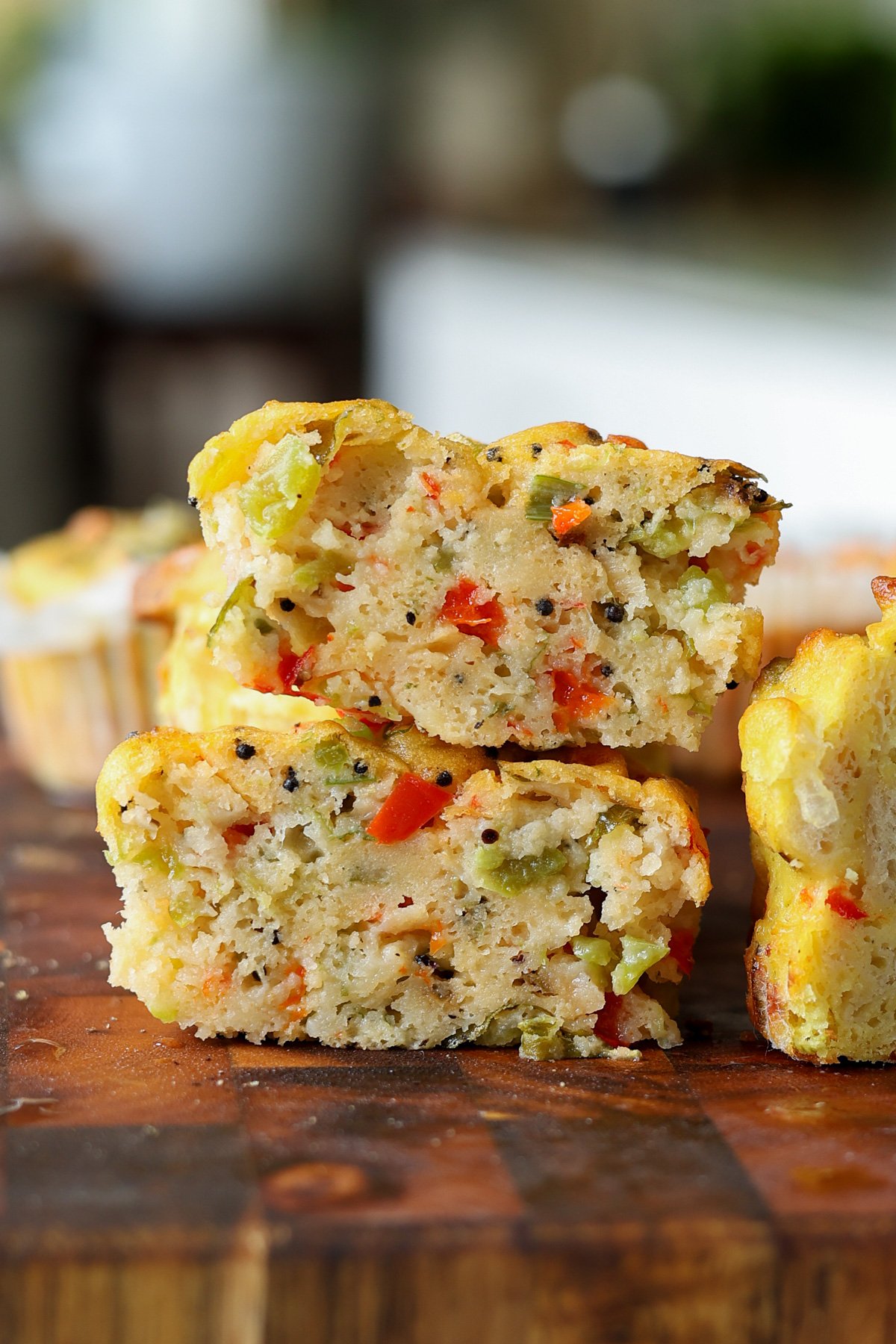
Fluffy, soft moong egg muffins are a perfect savory grab-and-go breakfast or snack. Learn how to make the moong egg batter and 3 delicious ways to use it! Pizza egg muffins, Bagel and cream cheese muffins and Indian spiced vegan egg muffins. (gluten-free, soy-free, option for nut-free)
Moong dal – split mung beans – is the base for Just Egg, and today we are making a homemade version of that eggy base. You can use the base batter just like you’d use whipped eggs, in scrambles, frittatas, and more.
Today, we are going to take this versatile moong egg batter and add different ingredients to it to make savory breakfast vegan egg muffins. We make pizza egg muffins, bagel and cream cheese egg bites and Indian spiced bites. You can also use this batter to make savory waffles, which are even faster and come out nicely crispy! This batter can be used in many ways, check out 10 different ways to use it on my YouTube.
For the batter, we need moong dal, which is petite yellow lentils (split and skinned mung beans). Green mung beans won’t work here, because they make the batter gritty instead of smooth.
Why You’ll Love Moong Egg Muffins
fluffy, soft muffins stuffed with your fillings of choice
super easy make-ahead breakfast
batter keeps well in the fridge or freezer for quick breakfasts
Favourite Holiday Vegan Eggnog ... Creamy, festive, refreshing and ever so simple, this eggfree eggnog is a winner this holiday season, actually all year round. This eggless recipe is gentle & addictive, uses a clutch of basic ingredients and is ready before you know it.
When winter vegetables are at their peak, all Gujarati kitchens turn to the classic undhiyu. And this shortcut version brings together all those familiar winter flavours without needing hours in the kitchen.
As soon as winter vegetables start filling the markets, this is the kind of dish I want to cook at home. It’s packed with seasonal produce and slow, comforting flavours.,This Surti-style shortcut version keeps the essence of a traditional Gujarati undhiyu intact, but makes it far more doable for regular cooking, especially when you don’t want to spend the entire day in the kitchen.
I know undhiyu can feel a little overwhelming to make though. With so many vegetables and steps involved, it’s often reserved for special occasions or big family meals. But if you already enjoy cooking winter favourites like Methi Thepla, this will feel just as familiar.
Winter Vegetables: raw banana, shakarkand (sweet potatoes), baby potatoes, and brinjal bring a mix of earthy, sweet, and soft textures that define a good Gujarati undhiyu.
Papdi Beans: a key ingredient in Surti undhiyo, surti papdi along with their tender green outer parts add freshness and texture. Soaking them helps keep them green and cook evenly.
Fresh Pigeon Peas (Tuvar / Lilva): Add sweetness and softness, making the undhiyo more seasonal and traditional.
Fresh (Coriander): finely chopped coriander forms the backbone of the green masala. It adds freshness and ties all the vegetables together.
Fresh Grated Coconut: adds richness, texture, and nuttiness that softens the spices
Green Garlic:adds a unique pungent freshness that’s typical to authentic undhiyu. You can use garlic pods if that’s more easily available.
Green Chillies: For heat. Feel free to adjust according to your tolerance.
Ginger: for aroma and flavor
Powdered spices: Turmeric, coriander powder, ajwain, hing and cumin powder for flavor and color.
Sugar & Lemon Juice: Used in small amounts for freshness and brightness
Cooking Oil: I have used groundnut oil, but sesame oil works beautifully too.
Salt: for seasoning and balance.
Richa’s Top Tips
Cook vegetables in stages: Roasting the root vegetables first and cooking brinjals separately helps everything cook evenly and keeps the textures intact in the final dish.
Don’t rush the green masala: Mixing the dhaniya, coconut, and spices well ensures the flavours are evenly distributed when everything comes together.
Check doneness before combining: Pierce the vegetables with a fork to make sure it’s roasted through before adding it back to the kadhai.
Mix gently at the end: Once all the vegetables are combined, stir carefully to avoid breaking them and to keep the undhiyu well-textured and balanced.
Frequently Asked Questions
Why did my undhiyo turn mushy?
This usually happens when vegetables are overcooked or added together too early. Roasting the root vegetables first and cooking brinjals separately helps each one hold its shape when everything comes together.
Do I have to roast the vegetables or can I skip that step?
Roasting adds flavour and helps with texture, which is important in Surti undhiyu. Skipping this step can make the vegetables softer too quickly and affect the final taste.
Can I reduce the oil in this recipe?
Undhiyo traditionally uses a fair amount of oil, especially Surti style. You can reduce it slightly, but too little oil can affect both flavour and texture.
Why does my undhiyo taste slightly bitter?
Bitterness can come from undercooked papdi beans or raw masala. Make sure the beans are cooked through and the coconut–dhaniya mixture is well mixed and heated properly.
Can I make this without coconut?
Coconut is a core part of undhiyu ingredients, especially in Surti undhiyo. Leaving it out will change the flavour significantly, so it’s best not to skip it.
Storage Tips
At room temperature: Undhiyo is best eaten fresh and should not be left out for more than 2 hours, especially in warmer weather.
In the fridge: Store cooled undhiyu in an airtight container for up to 2 days. Reheat gently in a pan on low heat, stirring carefully so the vegetables don’t break.
In the freezer: Freezing is not recommended, as the vegetables tend to lose their texture once thawed.
Reheating tip: Reheat slowly on low heat and avoid excessive stirring to keep the vegetables intact and the flavours balanced.
Serving Ideas
Surti undhiyo is hearty and full of flavour, which makes it perfect to build a simple winter meal around. Here are a few traditional and comforting ways to enjoy it:
With Poori: This is the classic pairing, where the soft, puffed pooris soak up all the flavours of the undhiyo beautifully.
With Gujarati Kadhi: The light sweetness and tang of kadhi balances the richness of the vegetables.
With Rotli: Soft rotlis keep the meal simple and let the flavours of the undhiyo shine.
As part of a Gujarati thali: Pair it with rice, dal, shrikhand, and a salad for a festive, well-rounded meal.
Customisation Ideas
Add more winter vegetables: If available, include purple yam (kand) or extra surti papdi to make the undhiyu more seasonal and traditional.
Adjust the sweetness: Increase or reduce the sugar slightly depending on how sweet your shakarkand is and your personal preference.
Make it spicier: Add extra green chillies or a pinch of crushed black pepper for more heat without overpowering the vegetables.
Richer flavour finish: Drizzle a little groundnut oil or add a spoon of extra grated coconut at the end to enhance aroma and depth.
With winter vegetables at their peak, this shortcut surti-style undhiyo is a lovely dish to add to your seasonal cooking.
I hope you give it a try and enjoy making it at home as much as I do. If you do, don’t forget to share your creations with me on Instagram @my_foodstory. I’d love to see how your undhiyo turns out!
This shortcut undhiyu recipe is the quickest, easiest way to enjoy fresh winter produce without spending hours in the kitchen. Serve with kadhi and hot puris for a satisfying meal.
200gms surti papdi / hyacinth beansde-string, wash and soak in 1 cup of water +½ teaspoon baking soda refer note 1
½cupfresh pigeon peas / fresh tuvarlilva, parboiled for 4-5 minutes
1-2tablespoonswater
Coriander mix
1 ½cupsfinely chopped coriander leaves
1cupgrated coconut
1 ½tablespoonscoriander powder
2teaspoonscumin powder
1 ½ – 2teaspoonssalt
Juice of 1 lemon
1 ½teaspoonssugar
1teaspoonturmeric powder
2inchesgingercrushed
8green chilliescrushed
¼cupfinely chopped green garlic shoots or 6 finely chopped garlic cloves
Instructions
Take all the ingredients for Coriander mix in a bowl, mix well and set aside.
1 ½ cups finely chopped coriander leaves, 1 cup grated coconut, 1 ½ tablespoons coriander powder, 2 teaspoons cumin powder, 1 ½ – 2 teaspoons salt, Juice of 1 lemon, 1 ½ teaspoons sugar, 1 teaspoon turmeric powder, 2 inches ginger, 8 green chillies, ¼ cup finely chopped green garlic shoots or 6 finely chopped garlic cloves
Heat oil in a pan or kadai, add raw bananas, sweet potatoes, baby potatoes and roast for 3 minutes on low. Cook covered with a lid for 8-10 minutes just until they are tender but not mushy. Transfer them to a plate.
5 – 6 tablespoons sesame or groundnut oil, 2 raw bananas, 2 sweet potatoes, 6 baby potatoes
To the same oil in kadai, add halved brinjals, roast on low for 2-3 minutes till they are tender and transfer to the plate.
6 small brinjals / baby egg plants
Add ajwain to the oil in the kadai and once it sizzles for a few seconds, add hing, papdi and saute for 5 minutes till they are tender. Add pigeon peas, roasted veggies – banana, potatoes, brinjals, coriander mix to the kadai. mix everything well and cook covered for 15-20 minutes. gently mix 2-3 times in between to ensure it does not stick to the bottom of the pan. You may also sprinkle a few drops of water if it gets too dry. Take off the heat and serve.
1 teaspoon ajwain, ½ teaspoon hing, 200 gms surti papdi / hyacinth beans, ½ cup fresh pigeon peas / fresh tuvar, 1-2 tablespoons water
Video
Notes
This ensures the papdi stays green & crisp and hence do not skip this step.
100 gms purple yam or kand may also be added along with potatoes, if you prefer.
Only a few drops of water is added while cooking undhiyo to make sure that it cooks in its own juices which enhances the taste of the dish.
When recurring sinus infections back in 2016 forced TribeTokes co-founder Degelis Pilla to cut back on smoking and vaping cannabis, she began searching for an alternative consumption method that would work just as well as inhalation for long-term use. She explored the market but found nothing that checked all the boxes. She wanted something plant-based, vegan, free of artificial colors or additives, and with a precise dose that left no room for error.
“My whole life, I loved smoking. Chronic sinus infections, surgeries and losing my voice made me realize that there needed to be an alternative way of utilizing the product and making sure dosing is on point,” Pilla explains. When her hunt came up short, Pilla decided to team up with her friend Kymberly Byrnes in 2017 to create a range of products of their very own—they called it TribeTokes.
It’s a clean, luxury cannabis brand built on transparency, intention and enhancing the user experience. Tribetokes offers a variety of products, such as pre-rolls and vapes. Their flagship product, their gummies, are fully vegan, flavored with real fruit extract, and carefully formulated for specific effects. Whether you need support sleeping, increasing libido or getting a good buzz, each gummy delivers exactly that while providing a real fruit-like flavor, thanks to natural ingredients.
TribeTokes understands what customers need because the founders, Pilla and Byrnes, experienced the challenges themselves. Many people can’t consume artificial colors or additives, which means most edibles on the market don’t work for them. TribeTokes uses pectin instead of gelatin to achieve that gummy texture. And all of their products use only natural, high-quality ingredients paired with a high standard of processes to maintain product integrity. They also know that people want a more discreet way of consuming cannabis. As Pilla says, “Maybe you’re at your in-laws’ house and you need to microdose your way through dinner without pulling out a vape pen.”
Pilla and Byrnes have a community-first approach to customer service, doing everything in their power to show up for customers. “We specialize in answering questions about dosing, explaining how different cannabinoids work, and helping people find the right product for their specific needs,” Pilla explains. If their product line seems daunting, don’t be afraid to reach out for guidance. The team is more than happy to help you choose the product that suits you best.
While TribeTokes is praised for their range of products, including flower, pre-rolls, tinctures, vapes, topicals, and even remedies for your furry friends, we’re impressed by their five gummy offerings, which we take a deeper look into below.
Good Things Come In Small Packages
Every one of TribeTokes gummies is a tailored sensory experience. Dege designed the gummies to have specific effects that she needed and wanted. Using natural ingredients and precision dosing, every recipe combines a unique profile of cannabinoids—carefully formulated to support distinct effects and purposeful moments. Because of the specialized nature of each member of the portfolio, it only makes sense to dive in deep and review them one by one to fully appreciate what TribeTokes has to offer.
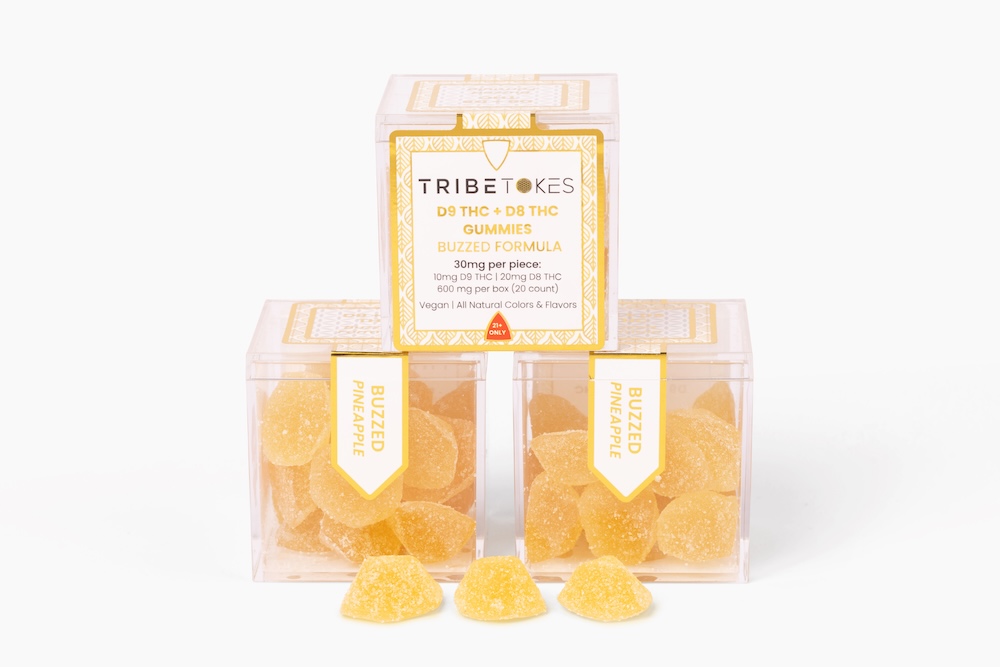
Formula:This specific edible was designed for experienced cannabis consumers committed to the journey. Buzzed delivers 10 mg Delta‑9 THC along with 20 mg Delta‑8 THC per gummy. This is a more potent combination than other edibles within the TribeTokes product portfolio.
Flavor & Effect: Pineapple tastes like pineapple! Vibrant tropical flavors are bursting as you chew. Onset is faster: effects begin as early as 35–40 minutes as opposed to the typical one hour-and-asses mark. It’s a swift trip into a clear, euphoric high with relaxing effects on the body. The peak intensity of the experience lasts about three hours. We recommend pairing this with nighttime rituals because, sometimes, there’s a lingering effect towards the end of the experience.
Suggested Use: This is a “clear your calendar” gummy—great for parties, movies or late-night creativity. Not for beginners, and not for mid-day tasks.
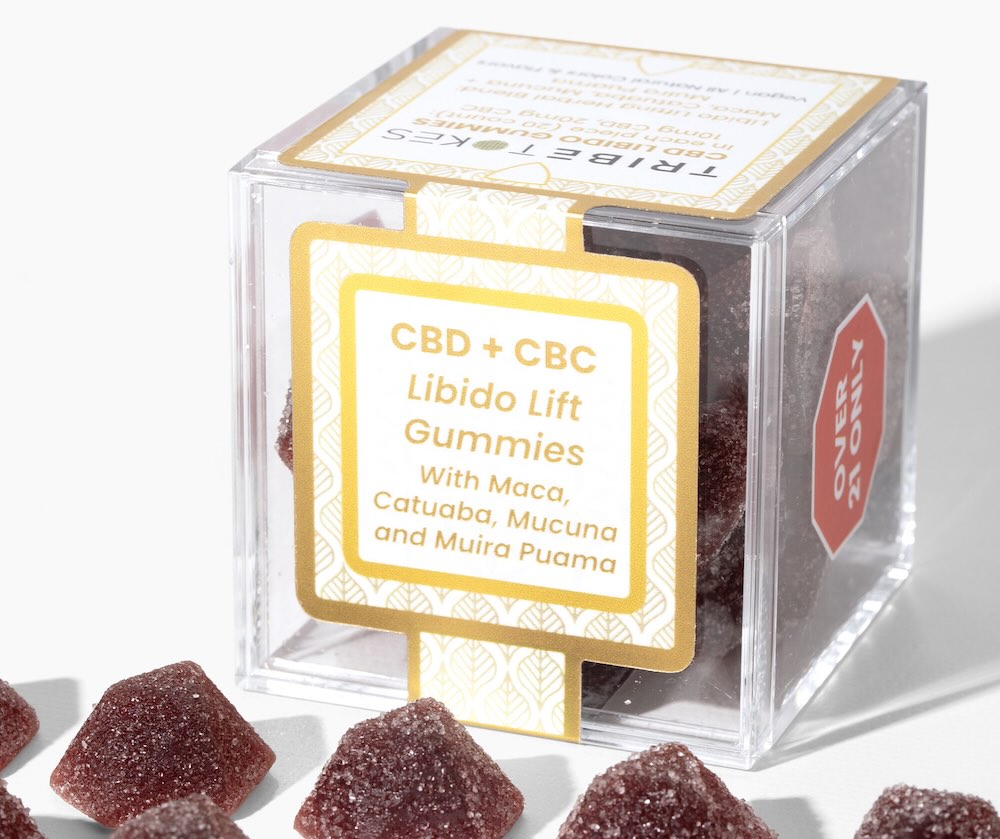
Formula: This functional gummy includes 10mg of CBD, 20mg of CBC and a proprietary blend of Maca, Muira Puama, Catuaba and Mucuna. This is a mixture of traditional aphrodisiacs to target mood, blood flow and body awareness.
Flavor & Effect: The dark fruit flavor of cherry dominates the palette, layered with botanical and herb undercurrents. The body effects took about 90 minutes to appear, starting with a subtle body heat and mild euphoria, like a tickle behind the eyes and consciousness. Peak sensations hovered in the 2 to 3-hour window, with increased tactile sensitivity and mood elevation, though more subtle than traditional buzz-forward gummies. This was not just a libido-based use case. After a terrible headache, this specific gummy lifted the pain and pressure without the psychoactive effects. It felt good to just be.
Suggested Use: This gummy sets the tone for intimacy, like pregaming for a fun-filled evening. It’s helpful for unwinding in a sensual way, getting in touch with the body and breathwork. This edible is less about intensity and more about a subtle, soft and embodied presence.
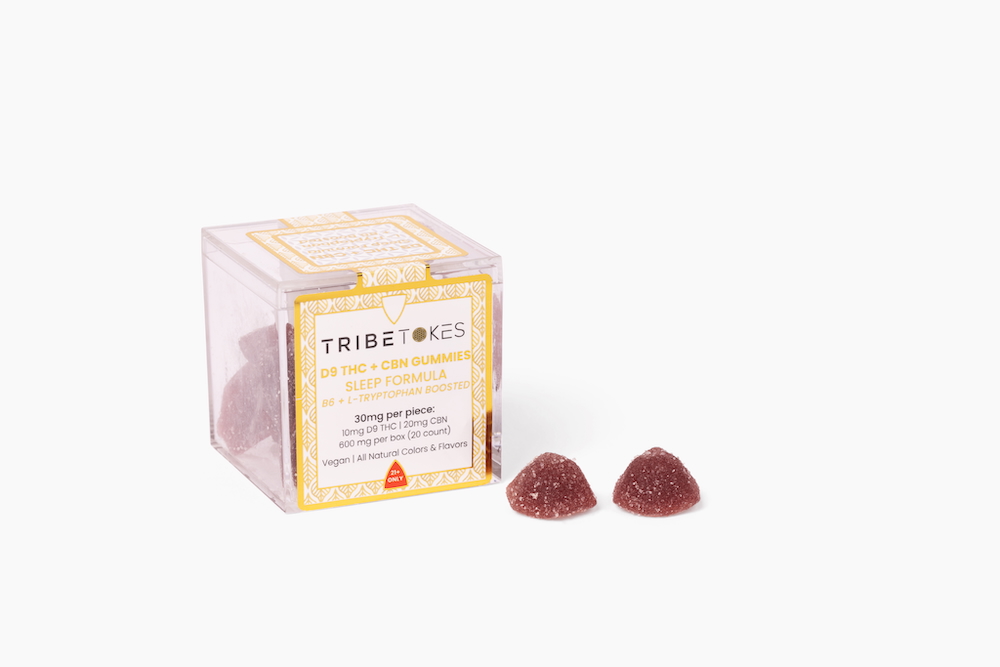
Formula: Each gummy is composed of 10 mg Delta‑9 THC, 20 mg CBN, 1 mg B6 and 250 mg L‑Tryptophan. When thinking of edibles as medicine with curated effects, this is one of TribeTokes’ most targeted blends. It was created specifically to ease users into restful slumber. Figuring out dosage over a month-long period is key here, as you test the specific amount your body needs for restful sleep while still being able to wake up feeling up refreshed and unfogged.
Flavor & Effect: The mixed berry flavor is rich and herbalicious. Around 60–75 minutes post-consumption, the effects of this journey are built with a heady buzz followed by full-body relaxation. The blend doesn’t knock the user out abruptly, but rather guides them gently into sleep. Most users will sleep 6-8 hours with minimal disruption; however, it takes a little bit of experimentation around dosage to prevent waking up groggy.
Suggested Use:This gummy is perfect for winding down after a long day, or when traditional sleep aids like Melatonin aren’t quite enough. This blend is strong and highly effective.
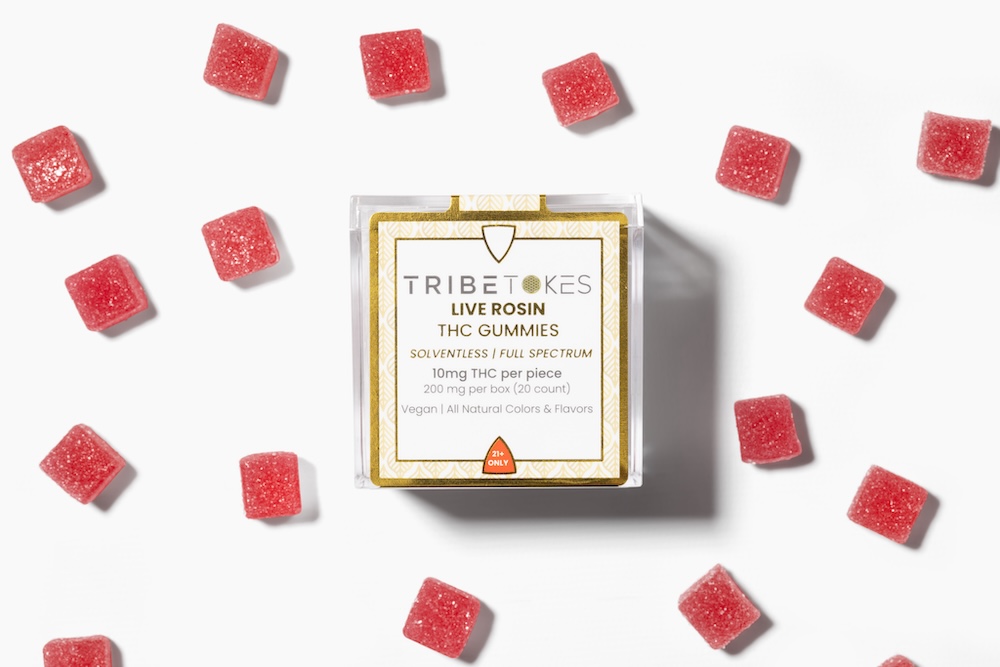
Formula: Each gummy contains 10 mg of live rosin THC, extracted via heat and pressure (without solvents), to preserve the terpene profile in addition to the minor cannabinoids. According to their website, “rosin is considered the champagne of cannabis extracts because it is all-natural, incredibly pure, and delivers a full-spectrum experience.” It’s a curious process as the cannabis is flash frozen to access the full spectrum of both cannabinoids and terpenes that are expertly extracted in a way that distillate is unable to deliver on.
Flavor & Effect: The watermelon flavor is juicy with potent herb undertones. Effects set in about one hour later and bring about a warm body sensation followed by a light euphoric head high. Peak intensity was reached by the second hour, maintaining a comfortable plateau through the fifth hour, and tapering gently over the next few. Of course, timing will vary from person to person.
Suggested Use: Best suited for deep creative work, mellowing out, or early evening unwinding after work. The effect is present but not in the same way as the Buzzed: Pineapple. This is a portfolio piece that captures the mythos of what solventless “clean cannabis” highs can achieve.
Formula: Each mango gummy blends 10mg Delta‑9 THC with 20mg CBD, using live resin extract to access the full-spectrum qualities while simultaneously softening the THC’s psychoactive effects. According to the TribeTokes website, this live resin extract gummies developed a following among cannabis enthusiasts because of their unique effects, including deep relaxation and staying asleep throughout the night.
Flavor & Effect: A rich, mango flavor leads the experience. The journey leans both introspective and cerebral, setting in around 45 minutes with a notable mental shift. The added CBD grounds the trip, keeping anxiety and overstimulation at bay by focusing on the body effects. The peak experience holds steady between hours two and three, with a soft fade by hour six. Unlike the other gummies in the portfolio, it’s suggested that you start with smaller dosing before working up to the ideal dose. This is a trip that can get intense quick.
Suggested Use: This is a great option for those solo evenings like out of a Kid Cudi song, deep introspection, or media immersion. This doesn’t inspire the same couch lock as other formulas. Like goldilocks, we would describe this experience as not too intense, hitting a balanced middle ground between intensity and calm.
TribeTokes Leads The Clean Cannabis Movement
TribeTokes’ mission to deliver premium quality to their customers carries on beyond the consumption experience. This is a female-owned brand that you partner with for long-term sustainable use; it’s a relationship you can grow and perform with. We know processes are key for accessing both major and minor cannabinoids. Additionally, Pilla and Byrnes are spearheading the Clean Cannabis Movement, and you can help be a part of this paradigm shift while enjoying a luxury cannabis high that tastes as good as it feels.
Interested in joining the tribe? Get 20% off your purchase with code FEELGOOD20.
This drumstick soup is light, nourishing, and deeply comforting. Made from a mix of drumstick and lentils, it’s the kind of recipe that feels both restorative and familiar, and will make even a non-drumstick person reach for seconds.
I have a tried a lot of variations of this drumstick soup, but somehow most of them fell short of that beautiful, earthy flavors of drumstick. They were either too watery or too garlick-y; almost like those soups were trying hard to eliminate any drumstick flavor. But this one’s different – it’s warming, nourishing, incredibly delicious, while still holding onto the flavor of it’s main ingredient – drumsticks or moringa, or Murungakkai.
What I love most about this soup is how gently it comes together. You cook everything down, extract all the goodness from the drumsticks, strain it smooth, and suddenly you have this beautiful, peppery broth that tastes far more thoughtful than the effort it takes. It’s the kind of food I’d make for a friend who’s under the weather, or for myself on a quiet evening when I want something simple, wholesome, and comforting in a bowl.
Drumstick: The star ingredient; cooked and ground to extract the nutrients and flavour
Moong dal: Adds body, creaminess, and an added layer of nutrition and flavor to the moringa soup
Aromatics: Garlic, curry leaves, onions, and tomatoes build flavor, aroma, and make the foundation of this soup
Spices and seasonings: This soup that’s lightly tempered with jeera, and seasoned with salt and pepper powder to keep it light and hearty
Coriander leaves: Used as a garnish to add a little freshness
Frequently Asked Questions
Can I make this without a pressure cooker?
Yes. Cook everything covered on low heat until the drumsticks and dal are very soft, then proceed as usual.
Is this soup vegan?
Yes, the recipe is naturally vegan
Can I skip straining the soup?
Straining is recommended for a smooth texture, but you can skip it if you don’t mind some fibre.
How long does it keep?
It keeps well in the fridge for up to 24 hours. Reheat gently before serving.
Can I add other veggies to this?
Yes, why not! Diced potato, carrots, sweet corn, broccoli, mushrooms, zucchini, are some veggies that taste incredible and add extra texture and nutrition.
Richa’s Top Tips
Soak the moong dal to ensure it cooks soft and blends smoothly into the soup.
Cook drumsticks till just tender as overcooking can dull the flavour.
Strain thoroughly after grinding to get a smooth, fibre-free soup.
Let the soup rest covered for a few minutes before serving so flavours settle.
Storage Ideas
Refrigeration: This flavors of this murungakkai soup stay fresh in the fridge for up to a day when stored in an airtight container.
Separate the garnish: If possible, store the cooked drumstick pieces for garnish separately and add them only while serving.
Reheating: Reheat gently on low heat, stirring occasionally. Avoid a rolling boil to preserve the delicate flavour.
Consistency adjustment: The soup may thicken slightly as it rests. If that happens, adding a little hot water while reheating will help bring it back to the desired consistency.
Serving Ideas
Serve hot as a light meal or starter, especially during cooler weather.
Pair with steamed rice and a drizzle of ghee for a simple, nourishing lunch.
Crusty garlic bread also makes for an excellent side with this drumstick soup.
Customisation Ideas
Add a pinch of turmeric while cooking for extra warmth and colour.
Swap pepper with crushed black peppercorns for a more rustic texture.
Stir in a little coconut milk for a richer, creamier version.
Make it thinner and sip-able by adding more hot water while reheating.
This drumstick soup is simple, thoughtful cooking featuring minimal ingredients, gentle spices, and maximum comfort. It’s the kind of recipe you return to when your body asks for warmth and nourishment, without fuss or heaviness.
You need to try this recipe at least once this winter, and then I promise you will keep coming back to it. If you make this, don’t forget to DM me pictures of your recreations over on my IG @my_foodstory. It’s always so nice to see you guys trying my recipes.
Gently spiced, naturally thick, yet super light and nourishing, this drumstick soup is deeply comforting and feels both restorative and familiar at once.
4drumstickscut into 2 ½ inch long pieces, 230 grams
2tablespoonsmoong dalsoaked for 30 minutes
3 ½cupswater
½teaspoonpepperground
1drumstickcut into 2 ½ inch long pieces, for garnish (optional)
2sprigs of coriander leaves
Instructions
Heat oil in a pressure cooker, add jeera & once it crackles, add garlic cloves and saute on medium for a few seconds till fragrant.
2 teaspoons groundnut or any neutral flavored oil, ½ teaspoon jeera, 4 garlic cloves
Add curry leaves, sliced onions & saute for 2 minutes on low till fragrant.
½ cup curry leaves, ½ cup sliced onions
Add tomatoes, salt and cook for 2-3 minutes on low till they soften a bit. Add drumsticks and saute for a few seconds. Add soaked moong dal, 2 ½ cups of water and close the lid of the pressure cooker. After the first whistle, cook for 10 minutes and let it depressurise by itself.
½ cup sliced tomatoes, ½ teaspoon salt, 4 drumsticks, 2 tablespoons moong dal, 3 ½ cups water
Add 1 cup of water to a pot, add the drumstick pieces for garnish and cook for 3-4 minutes just until tender and set aside.
3 ½ cups water, 1 drumstick
Open the cooker. Add the drumsticks & aromatics to a mixer grinder and grind to extract the pulp. Pour in a strainer and separate the fibre & other solids from the pulp. Transfer the drumstick pulp to a pot, add pepper powder and boil for 1-2 minutes. Take off the heat, add 2 sprigs of coriander leaves and keep covered until serving.
½ teaspoon pepper, 2 sprigs of coriander leaves
To serve, add 2-3 cooked drumstick pieces to a bowl, add the soup & serve hot.
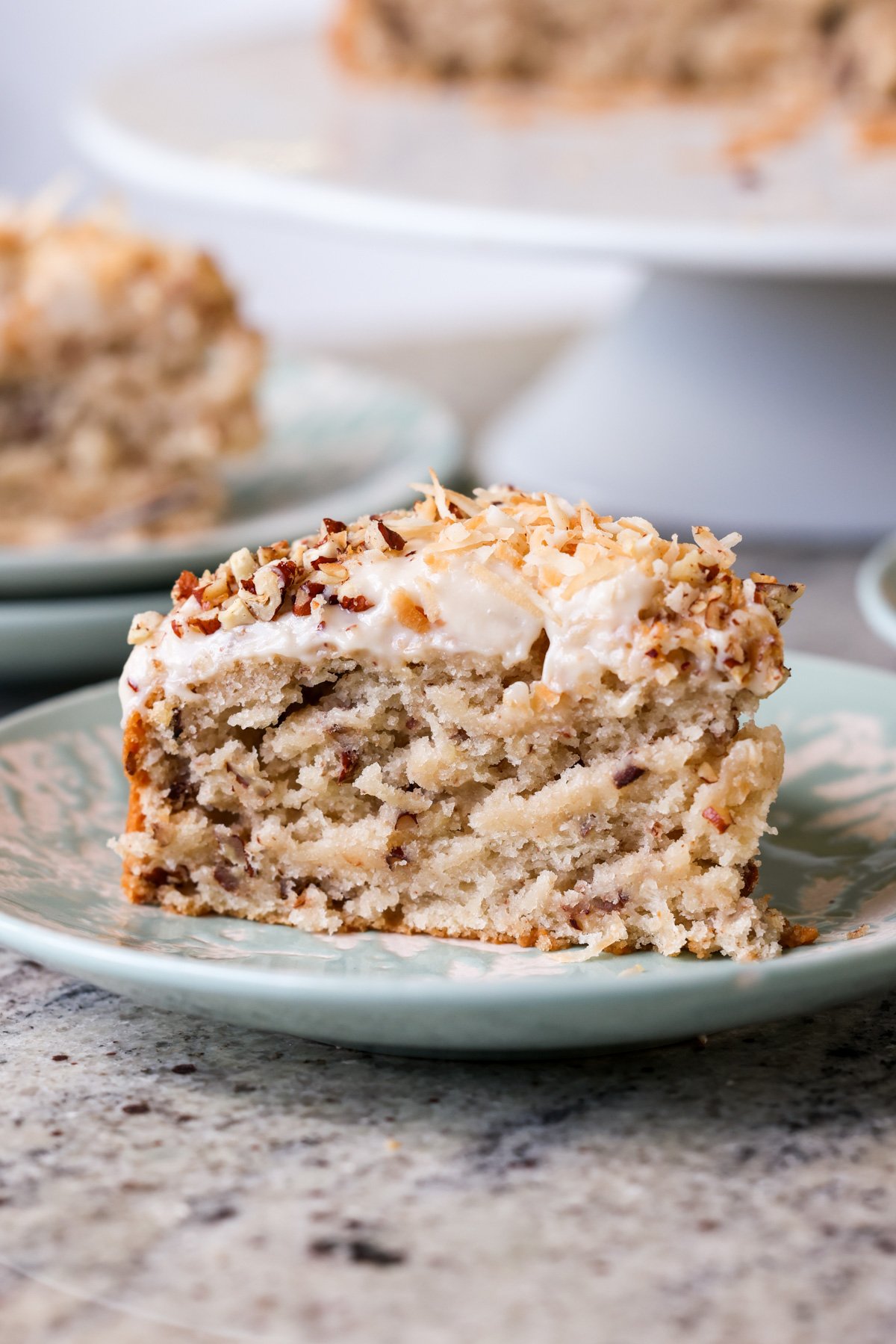
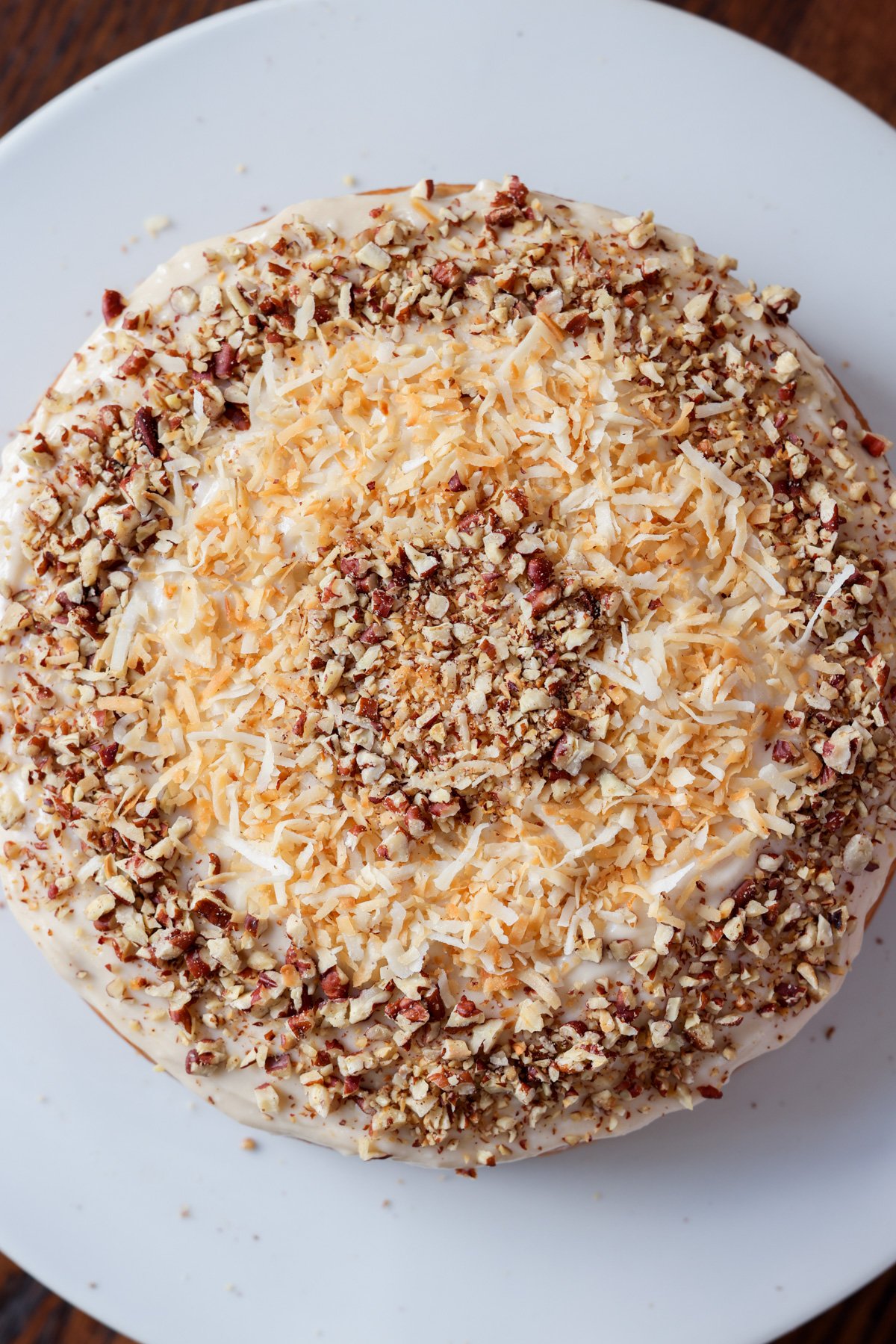
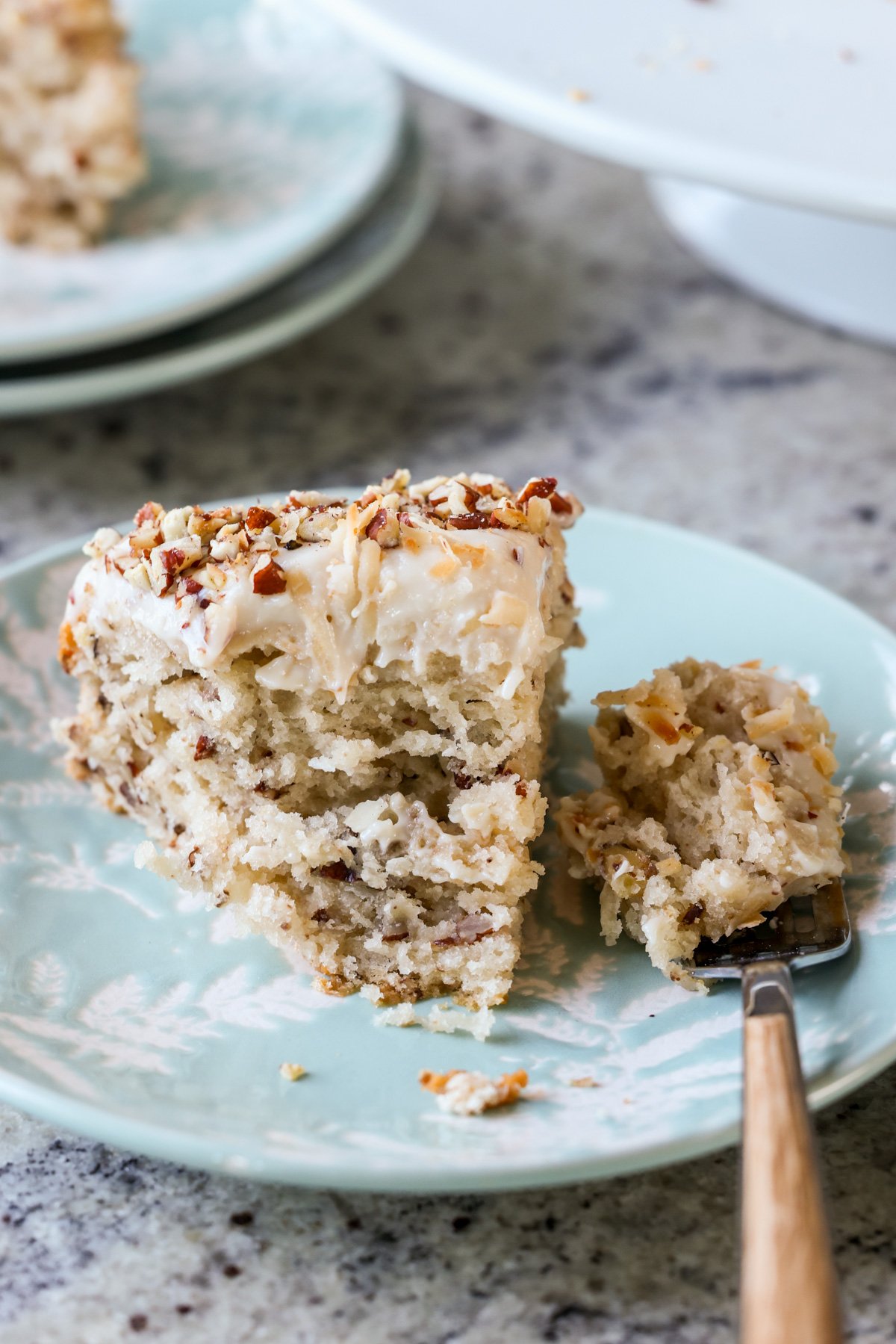
Italian cream cake, also called Italian wedding cake, is a fabulously moist cake with flavors of coconut, pecans, and almond. It’s slathered with cream cheese frosting, and all the flavors come together beautifully. (soy-free and gluten-free options)
Italian wedding cake is normally much more decadent, with a cream cheese buttercream frosting with tons of sugar. I converted it into a lighter, vegan version.
Traditionally, Italian cream cake is supposed to be dense, but I aimed for a texture that’s still moist and fudgy, but with a little airiness. For the cream cheese frosting, I kept it less sweet, but you can always add more sugar if you prefer.
This cake it absolutely delicious and perfect for special occasions! It’s moist and fluffy with a rich texture and tangy, sweet cream cheese frosting. The toasted coconut and pecan toppings add texture and an incredible flavor.
The cake comes together quickly with everyday ingredients. If you don’t have almond extract, you can omit it. There’s still plenty of flavor without it!
Why You’ll Love Italian Wedding Cake
lightened up version of the traditional recipe, but still moist and decadent-tasting
delicious combination of textures and flavors – fluffy cake, creamy frosting, and toasty coconut and pecans on top
If there’s one dish that instantly reminds me of simple, satisfying, everyday Indian cooking, it’s aloo matar. Soft potatoes, sweet green peas, a tomato-based masala that comes together in minutes, this one’s pure comfort food!
This aloo matar recipe is the kind of sabzi you make when you want something quick, hearty, and reassuring without too much effort. It’s also a classic for a reason: minimal ingredients, pantry-friendly, and it pairs beautifully with everything from roti and paratha to jeera rice.
This is such a common Indian recipe that every house has their own version, and here’s mine. A simple, fuss-free aloo mutter recipe that’s cooked entirely in the pressure cooker, yet tastes like something straight out of your mum’s kitchen. You need to try it ASAP ❤️
Potatoes: Gold and Russet potatoes, cut into small cubes. If you’re in India, try to use new potatoes as they have a lower starch content that works better for this recipe.
Peas: I have used fresh peas here as they’re in season, but frozen work just as well
Tomatoes: finely chopped to form the base of this potato peas curry.
Whole spices: cumin seeds, mustard seeds, kalonji (nigella seeds) add a subtle nutty warmth and aroma.
Powdered spices: turmeric, coriander, cumin, and red chilli powder for flavor and color.
Aromatics: finely chopped ginger and green chillies deliver flavor, aroma, and subtle heat.
Oil: I have used groundnut oil, but any neutral-flavored oil such as vegetable, canola, rice bran, etc. will work.
Salt: for seasoning
Coriander leaves: to garnish
Frequently Asked Questions
Is aloo matar vegan?
Yes! This version of aloo mutter is naturally vegan and gluten free.
Can I use frozen peas?
Absolutely. Frozen peas work perfectly and don’t require extra cooking time.
Can I skip kalonji seeds?
Yep you can. Kalonji or black sesame seeds adds a mild earthy flavor that we really enjoy, but feel free to skip if it’s not available or if you don’t enjoy the flavor.
Can I make this without a pressure cooker?
Yes, why not! Follow the recipe as is, but simply cook it covered in a pan with a little extra water until the potatoes are soft and cooked through.
Richa’s Top Tips
Dice potatoes to the same size so they cook nice and even without breaking down
Use ripe, juicy tomatoes for the best flavor and natural sweetness. You can even blend them if you prefer a smoother gravy
Add a touch more water if you want a runnier matar aloo; keep it less for a thicker sabzi that pairs with rotis.
Let the pressure drop naturally. This extra few minutes helps the potatoes soften perfectly without turning mushy.
Storage Tips
Refrigerator: Store leftovers in an airtight container for up to 3 days.
Freezer: You can freeze aloo matar for up to 2 months. Let it cool completely and store in portioned containers.
Reheating: Reheat gently on the stovetop or microwave. Add a tablespoon of water if it looks too thick to freshen it up.
Customisation Ideas
Make it without a pressure cooker: Simply cook covered in a kadai. It takes a bit longer, but the result is just as delicious.
Add onions: I have grown up eating this curry without onions and garlic, but if you prefer an onion-tomato base, sauté finely chopped onions before the tomatoes.
Make it richer: I love adding a splash of cream or a spoonful of cashew paste at the end when I want something a little more indulgent.
Serving Ideas
With rotis: The classic combo. A simple roti + warm aloo matar is the kind of everyday meal that just hits the spot.
Pair with jeera rice or plain steamed rice: The light gravy from the potato peas curry coats each grain beautifully and makes for a cozy, no-fuss lunch.
As part of a full Indian thali: Add dal, rice, a quick salad, papad, and some achar. Aloo mutter fits effortlessly into any thali-style meal.
With pooris on weekends: This is a nostalgic favourite. Hot puffed pooris and matar aloo is a combination that never disappoints.
Alongside raita: Whether it’s boondi raita, onion raita, or plain curd with some chaat masala, the creamy coolness balances the warmth of the sabzi really well.
Aloo matar is one of those dishes that proves how comforting simple food can be. With just a handful of everyday ingredients, you get a warm, homely curry that works for quick weeknight dinners, lunchbox days, and everything in between.
Homely and delicious, this aloo matar recipe is epitome of simple, everyday Indian cooking. This version is without onion, garlic and comes together quickly in the pressure cooker.
1tablespoongroundnut oil or any neutral flavoured oil
¼teaspooncumin seedsjeera
¼teaspoonmustard seedsrai
¼teaspoonkalonjinigella seeds
1tablespoonfinely chopped ginger
2green chilliesfinely chopped
1cupchopped tomatoes2 large / 200 gms
½teaspoonturmeric powder
1teaspooncoriander powder
½teaspooncumin powder
1teaspoonred chilli powder
2potatoes / aloocut into ¼ inch cubes, 220 gms
½cupgreen peas / matar
½ – ¾teaspoonsalt
1cupwater
2tablespoonsfinely chopped coriander leaves
Instructions
Heat oil in a pressure cooker, add cumin, mustard, nigella seeds and once they splutter, add ginger, green chillies and saute for a few seconds till fragrant.
1 tablespoon groundnut oil or any neutral flavoured oil, ¼ teaspoon cumin seeds, ¼ teaspoon mustard seeds, ¼ teaspoon kalonji, 1 tablespoon finely chopped ginger, 2 green chillies
Add tomatoes and spice powders – turmeric, coriander, cumin, red chilli, saute for 2 minutes. Cook covered with the lid for 5 minutes till the tomatoes turn mushy.
1 cup chopped tomatoes, ½ teaspoon turmeric powder, 1 teaspoon coriander powder, ½ teaspoon cumin powder, 1 teaspoon red chilli powder
Add potato cubes, green peas, salt, stir well, add water and close the lid of the pressure cooker. cook on high till the first whistle and on low for 3 whistles till the potatoes and peas are cooked well. Let the cooker depressurize by itself, add coriander leaves, mix and serve.
2 potatoes / aloo, ½ cup green peas / matar, ½ – ¾ teaspoon salt, 1 cup water, 2 tablespoons finely chopped coriander leaves
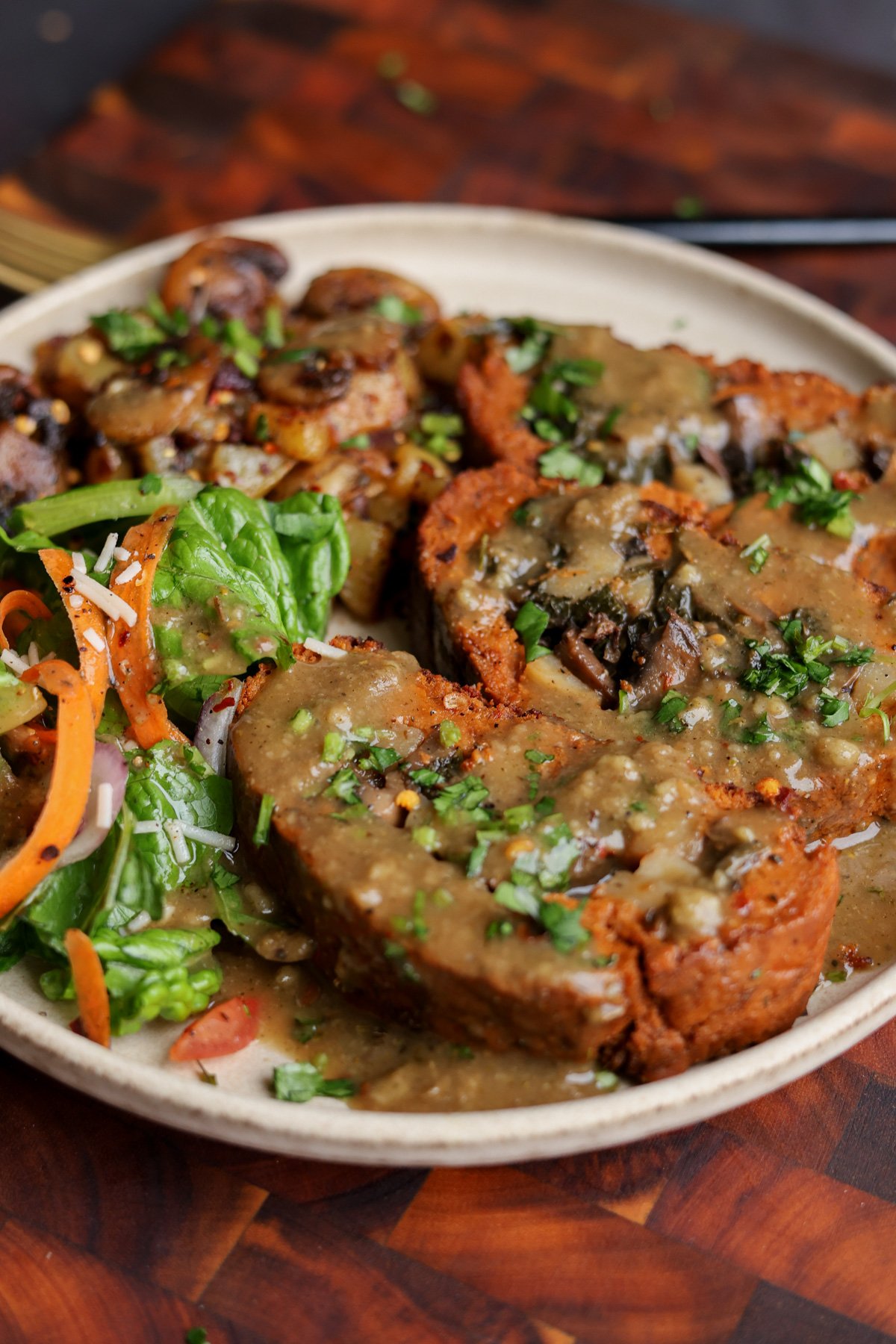
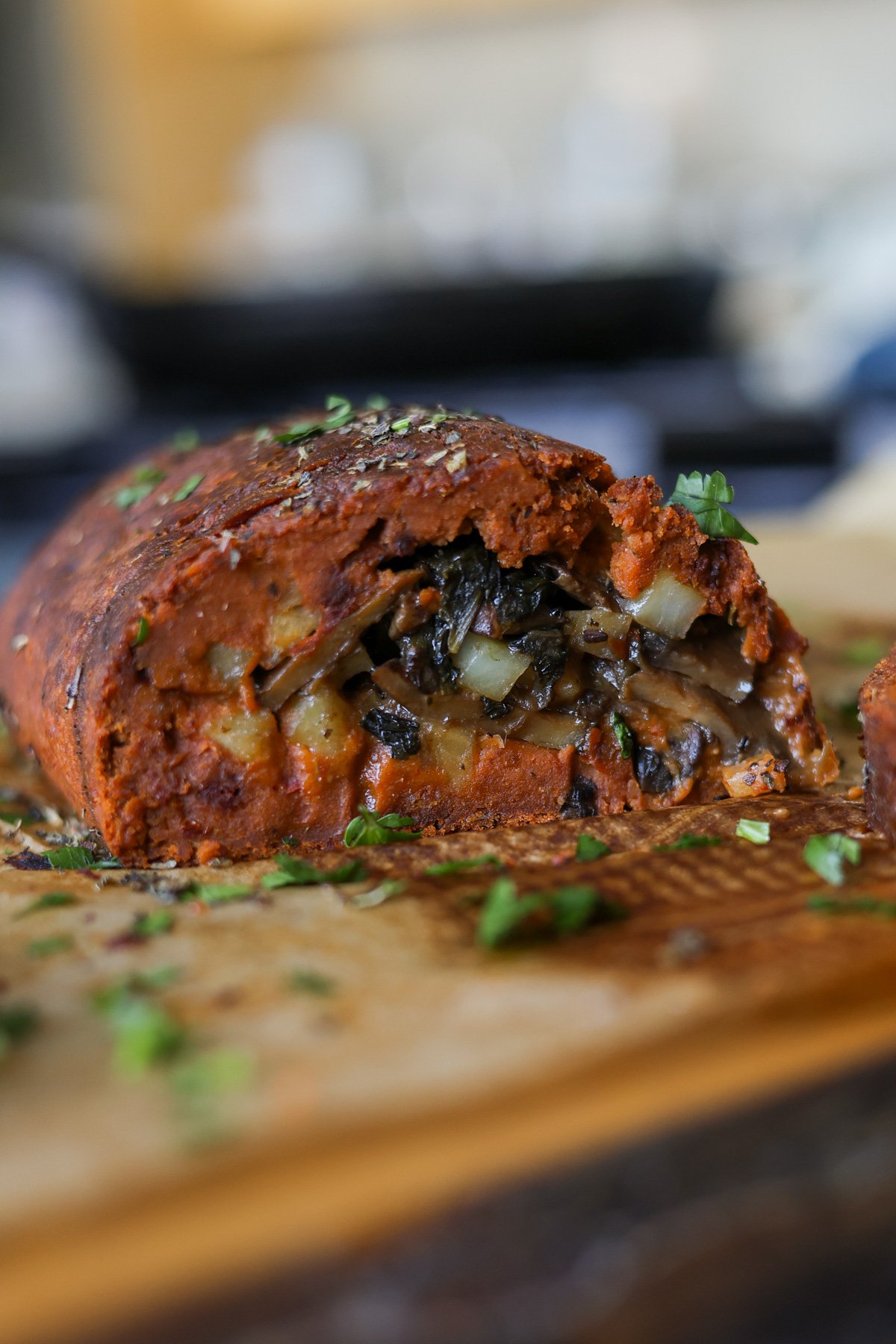
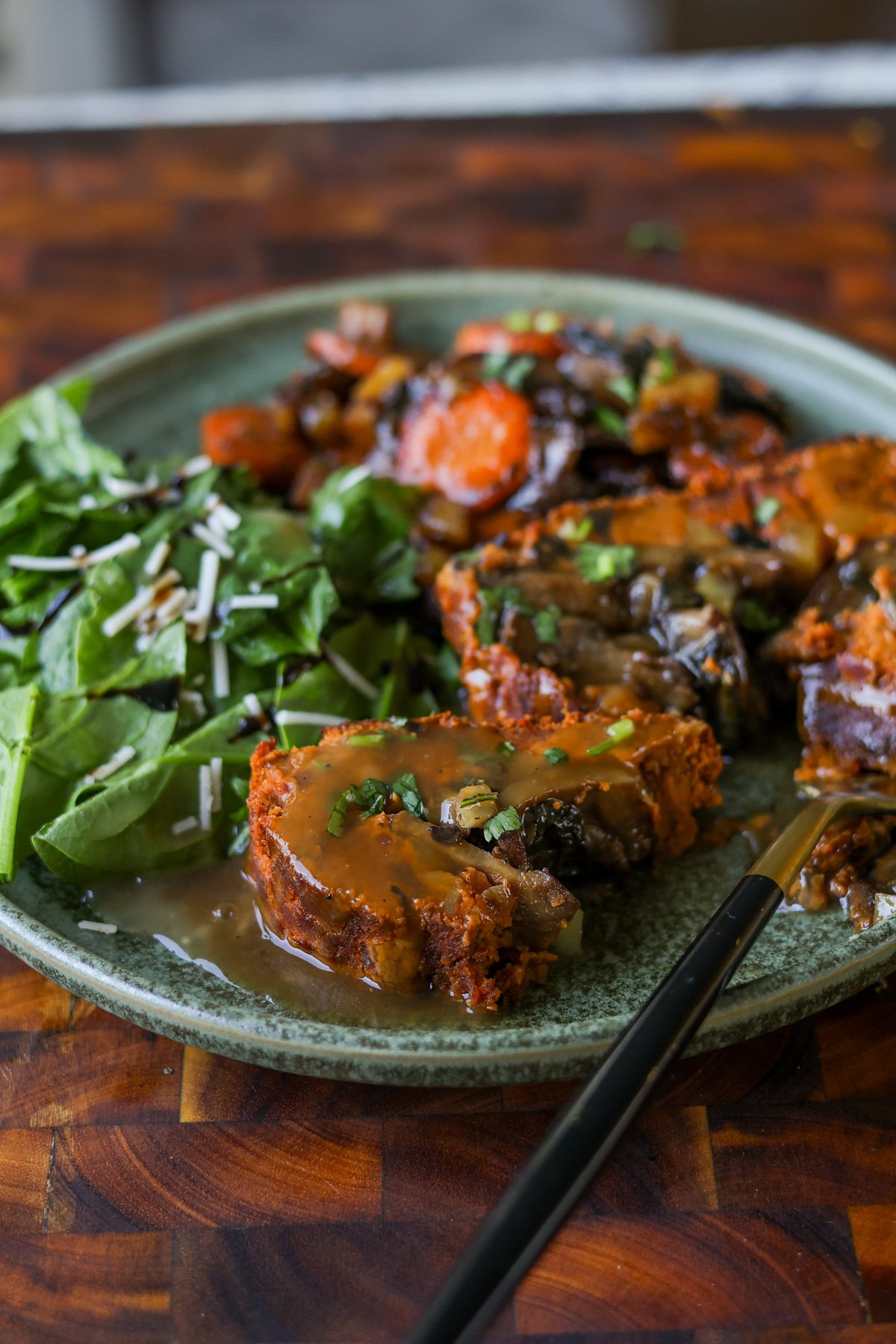
This sun-dried tomato roast makes a stunning centerpiece for any holiday table. Packed with umami and filled with a hearty blend of mushrooms and potatoes, it delivers deep flavor and satisfying texture in every slice. Completely vegan, gluten-free, and soy-free with an easy nut-free option.
This is my version of a vegan holiday roast. We make this “meat” mixture with some white beans and almond flour, and process it until smooth. I also add some sun dried tomatoes for that rich, umami flavor.
The mixture becomes like a pâté in the food processor, then we spread that onto parchment paper.
Next, make the stuffing with cooked mushrooms, potatoes, and herbs. Place that on top of the bean mixture, roll it up using the parchment, and bake it.
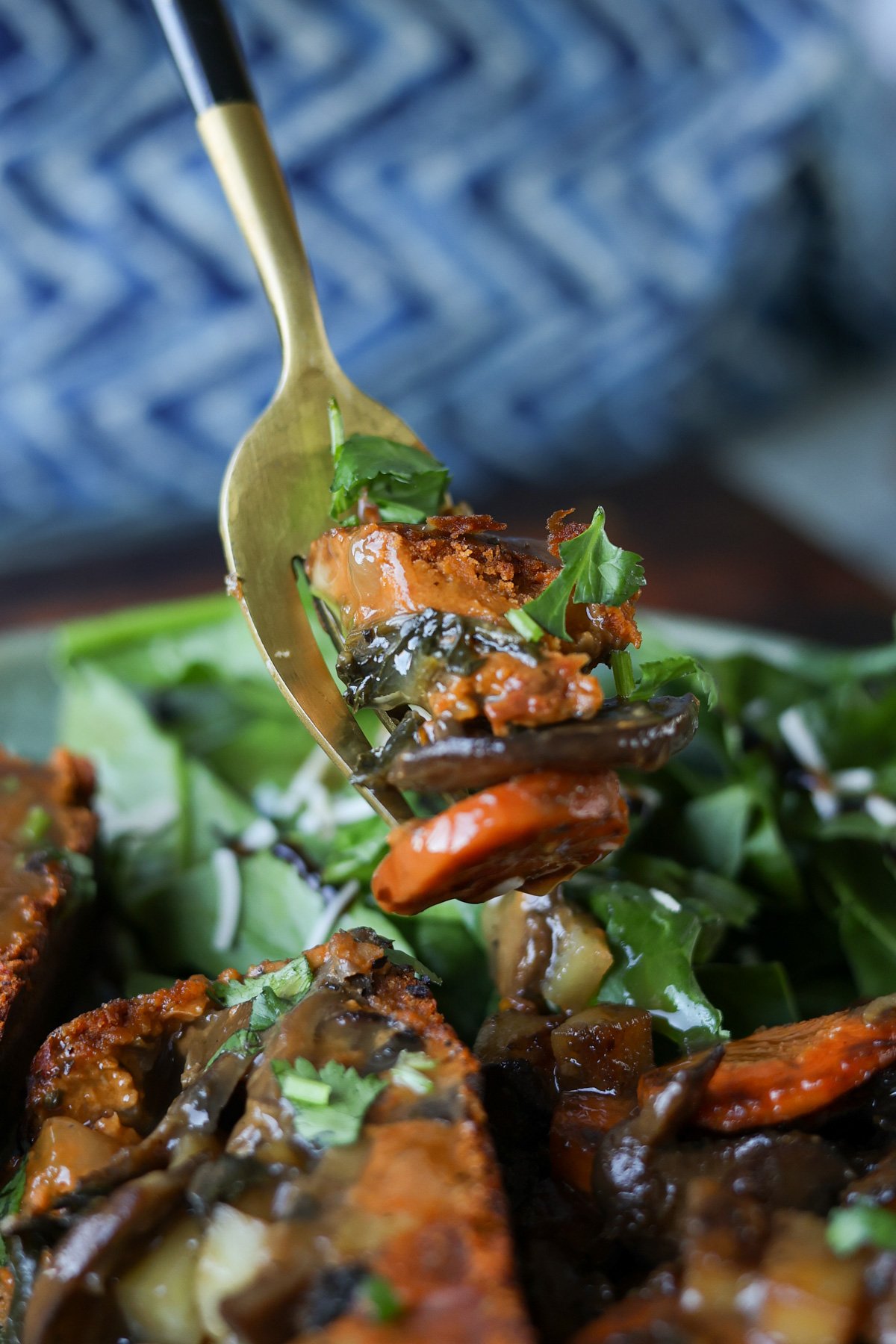
It turns into this delicious, amazing-smelling roast that’s full of herbs and deep umami flavor from the sun dried tomatoes. It’s just perfect!
It’s completely gluten-free, but if you prefer, you can use all-purpose flour instead of tapioca starch. It’s also soy-free, since many of you asked for a soy-free option after I made that very popular tofu holiday roast a few years ago.
You can easily adjust the flavors to your taste! Use fewer sun-dried tomatoes or different herbs, if you like. I usually serve it with a side salad, my simple vegan gravy, and some roasted vegetables for a perfect holiday or dinner plate.
Why You’ll Love Sun Dried Tomato Roast
umami-packed vegan holiday roast
savory mushroom-potato stuffing
make-ahead friendly vegan holiday entree
naturally gluten-free and soy-free with nut-free option
I bet you’ve never had chole this way before! It combines the comfort of chole with the goodness of spinach to make this delicious Spinach and Chickpea Curry or Chole Palak that will make you want to lick your bowl clean!
Eating your winter greens has never been this delicious and this Spinach and Chickpea Curry aka chole palak is so delicious that it will make even non palak lovers fall in love! I was so excited when testing this recipe, because believe me, it’s amazing how much flavor this curry packs in just 25 minutes!
Save this for when you’re too tired to think, meal prep for the week ahead, or even when you want to feel like you’re eating something nourishing without sacrificing taste. If you love the classic Pindi Chole, it’s time you give this variation a shot.
Chickpeas (Chana): The star of the dish. Soaked overnight or at least 8 hours
Oil: Any neutral oil works; sunflower, canola, or vegetable oil
Whole Spices: Jeera (cumin seeds), bay leaf, black and green cardamoms, cinnamon, and cloves bring warmth and depth to the base.
Aromatics: Finely chopped ginger, garlic, onions, and green chilli add layers of flavour and that essential punch.
Spice Powders: Coriander powder, cumin powder, turmeric, red chilli powder, chole masala, and salt create the masala base that makes this curry so deeply flavourful.
Tomatoes: Finely chopped and cooked down until mushy, they add tanginess and body to the gravy.
Spinach (Palak) and Coriander Leaves: Blanched and blended into a bright green puree that keeps the curry fresh, vibrant, and packed with nutrients.
Finishing Touches: Garam masala and roasted kasuri methi (dried fenugreek leaves) go in at the end for an extra layer of aroma.
Richa’s Top Tips
Soak your chickpeas properly: Overnight soaking is best, but if you’re short on time, at least give them 8 hours. Well-soaked chickpeas cook evenly and turn soft without falling apart.
Don’t skip the ice bath for spinach: Blanching the spinach and immediately dunking it in ice water locks in that bright green colour. It’s the difference between a dull, brownish curry and one that looks as good as it tastes.
Cook the masala well: Let the tomatoes break down completely and until the oil starts to separate from the spices before adding the chickpeas. This step builds the flavour base, so don’t rush it.
Adjust the consistency at the end: The curry thickens as it sits, so add a splash of water if it looks too thick. You want a gravy that coats the back of a spoon but still flows nicely.
Frequently Asked Questions
Can I use frozen spinach instead of fresh?
Yes, you can! Thaw it completely, squeeze out the excess water, and blend it into a puree. Fresh spinach gives you a brighter colour and flavour, but frozen works in a pinch and saves you the blanching step.
Why does my spinach turn dark when cooking?
Spinach turns dark when it’s overcooked or not cooled quickly enough after blanching. The ice bath is key, it stops the cooking process immediately and locks in that vibrant green colour. Skip it, and you’ll end up with a dull, olive-toned curry.
Can I substitute spinach with other greens like methi or kale?
Absolutely! Methi (fenugreek leaves) will give you a slightly bitter, earthy flavour that’s delicious with chole. Kale works too, though it’s a bit tougher, so blanch it a little longer. Amaranth leaves or mustard greens are also great options if you want to switch things up.
How do I prevent the curry from becoming too watery?
Cook the spinach puree for a good 3-4 minutes after adding it so it absorbs all the masala and thickens up. If it’s still too thin, let it simmer uncovered for a bit longer. The curry should have a thick, coating consistency, not a soupy one.
Storage Tips
Fridge: Store leftover chickpea spinach curry in an airtight container for up to 3 days. The flavours actually deepen over time, so day-two chole palak often tastes even better than freshly made.
Freezer: This curry freezes beautifully for up to 2 weeks. Let it cool completely before transferring to freezer-safe containers. Thaw overnight in the fridge before reheating.
Reheating: Warm it gently on the stovetop with a splash of water to loosen the gravy. You can also microwave it, but stovetop reheating keeps the texture better and lets you adjust the consistency as needed.
Serving Ideas
This chickpea and spinach curry is delicious on its own, but it really shines when you pair it with the right sides. Here are some easy combinations that work beautifully:
With Jeera Rice: The mild, aromatic rice lets the curry take center stage and soaks up all that delicious gravy.
With Rotis or Parathas: Perfect for mopping up every last bit of that spinach gravy. Nothing beats tearing off a piece of warm roti and scooping up the chole.
With Naan: Soft, pillowy naan is great if you want something a little richer to go with the curry.
With Pulao: A lightly spiced pulao complements the earthy, spiced flavours of the chole palak without overwhelming it.
With Raita: A cooling cucumber or boondi raita on the side balances out the warmth of the spices.
With Pickles and Papad: Add some pickles and crispy papad for that full Indian meal experience.
Customisation Ideas
Add paneer for extra protein: Toss in some cubed paneer at the end for a richer, more filling curry. It soaks up the gravy beautifully and adds a creamy texture.
Make it creamier: Stir in a tablespoon or two of cream or coconut milk right before serving for a silkier, more indulgent gravy.
Dial down the heat: Skip the green chilli or use less red chilli powder if you prefer a milder curry. You’ll still get all the flavour without the fire.
Try it with other greens: Swap spinach for methi (fenugreek), amaranth, or even a mix of greens for a different flavour profile that’s just as delicious.
Why You’ll Love This Curry
Spinach and chickpeas are a powerhouse combination when it comes to nutrition. Spinach is packed with iron, and chickpeas are loaded with protein and fiber, making this curry a complete, balanced meal in one bowl. The best part? The vitamin C from the tomatoes actually helps your body absorb the iron from the spinach more effectively. So not only does this chole palak taste comforting, it’s also working behind the scenes to nourish you in all the right ways.
This chole palak is comfort food at its best, and I hope it becomes a regular in your kitchen. If you make it, I’d love to see how it turns out, tag me on Instagram @my_foodstory!
The comfort of chole along with goodness of spinach come together to make this delicious and heartwarming, winter special Spinach and Chickpea Curry that tastes delicious with garlic naan!
Heat oil in a pressure cooker, add jeera and once it crackles, add bay leaf, black & green cardamoms, cinnamon, cloves & saute for 8-10 seconds.
3 tablespoons oil, 1 teaspoon jeera, 1 bay leaf, 1 black cardamom, 1 inch cinnamon, 2 cloves, 2 green cardamoms
Add ginger, garlic and saute on high for a few seconds till fragrant. Add onions & fry till they turn golden brown.
2 teaspoons finely chopped ginger, 1 tablespoon finely chopped garlic, ¾ cup finely chopped onions, 1 green chilli
Add spice powders – coriander, cumin, turmeric, red chilli, chole masala, salt, tomatoes and cook on low for 3-4 minutes till the tomatoes are mushy.
1 tablespoon coriander powder, 1 teaspoon cumin powder, ½ teaspoon turmeric powder, 1 teaspoon chole masala, 1 teaspoon red chilli powder, 1 teaspoon salt, ½ cup + 2 tablespoons finely chopped tomatoes
Add soaked chick peas, give a good mix, add 1 ¼ cups of water, cover the lid of the pressure cooker and cook on high till the first whistle, on low for 20 minutes or 4-5 whistles till the chick peas are cooked well.
½ cup white chick peas, 3 ¼ cups + 2 tablespoons water
Making palak puree:
Heat a pot with 2 cups of water, bring to a boil, add palak, coriander leaves. Immediately switch off the flame, and cover the pot. Let this sit for 2 minutes. In the meanwhile, prepare a bowl with water and ice cubes in it. Strain the palak & coriander leaves and dump them in the ice water. The leaves will immediately get a bright green color. Let them sit for half a minute, strain, and grind to a fine paste.
3 cups tightly packed palak, ½ cup coriander leaves & stems
Making chole palak:
Open the pressure cooker, Add garam masala, kasuri methi, mix and cook for 2-3 minutes.
½ teaspoon garam masala, ½ teaspoon roasted & crushed kasuri methi
Add palak puree and cook for 3-4 minutes till the puree absorbs all the masalas. You may add 1-2 tablespoons of water to adjust the consistency to a thick gravy and serve.
Video
Notes
½ cup of soaked chick peas yields approx. 1 ⅓ cups.
Leftovers will stay good for 2-3 days when refrigerated in an airtight container.
These decadently delicious chocolate lava cookies use my soft, chewy, almond flour cookie dough and a flowy, chocolate ganache filling that oozes out when you break them in half! (gluten-free and soy-free with nut-free options)
It’s cookie season, and I wanted to make a decadent, chocolatey cookie. And what better idea than to convert molten lava cake into cookie form!
My motto is that baking should be super easy and flexible, so that even if you make a few measuring errors, things still turn out great. Nobody has time to whip up butter and sugar and all that, so I use my trusty almond flour cookie dough, which works every time.
To make this simple dough, you just add all the dry ingredients to a bowl, mix really well, add some melted coconut oil and maple syrup, mix again, and that’s it! You have a dough!
For this recipe, we’ll add cocoa powder to make a chocolate cookie dough. Then, we make a molten chocolate “lava bomb,” which is a melted chocolate ganache that goes inside the cookie. As the cookie bakes, it spreads and traps the chocolate ganache inside. When you break it open, it’s oozy, melty, and so delicious.

 Login
Login