❌

Reading view

There are new articles available, click to refresh the page.

FLOSS Weekly Episode 861: Big Databases with OpenRiak

This week Jonathan chats with Nicholas Adams about OpenRiak! Why is there a Riak and an OpenRiak, which side of the CAP theorem does OpenRiak land on, and why is it so blazingly fast for some operations? Listen to find out!

Did you know you can watch the live recording of the show right on our YouTube Channel? Have someone you’d like us to interview? Let us know, or have the guest contact us! Take a look at the schedule here.

Direct Download in DRM-free MP3.

If you’d rather read along, here’s the transcript for this week’s episode.

Places to follow the FLOSS Weekly Podcast:


Theme music: β€œNewer Wave” Kevin MacLeod (incompetech.com)

Licensed under Creative Commons: By Attribution 4.0 License
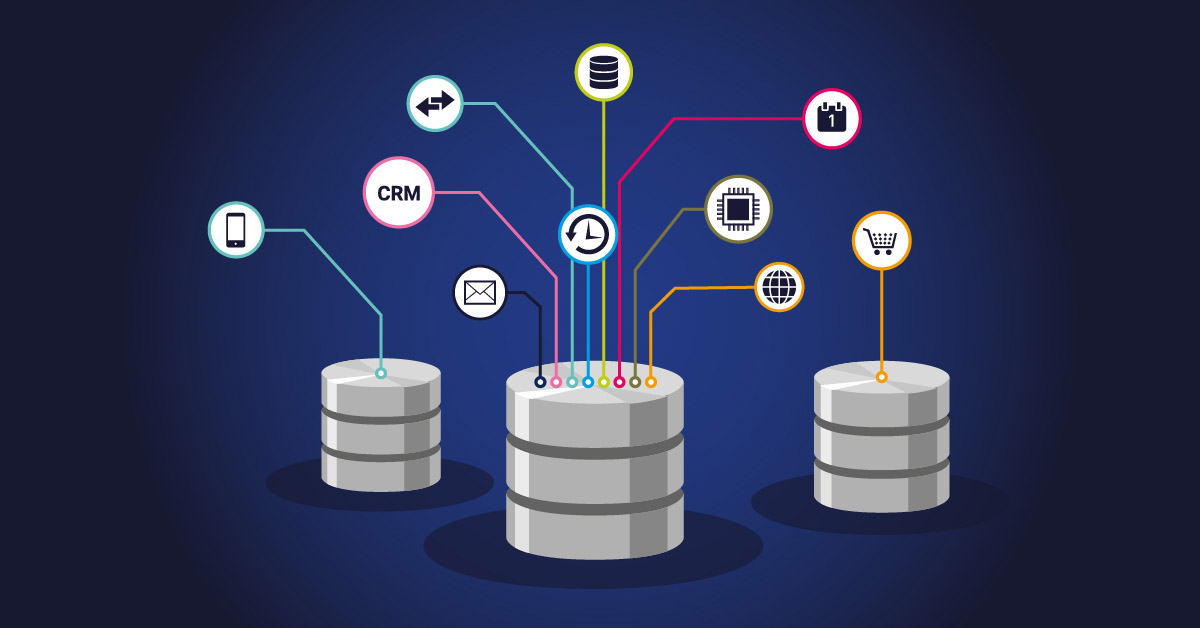
SQL Server Performance Monitoring: Essential Tools and Best Practices for Database Optimization

Microsoft SQL Server databases power many applications that are the lifeblood of businesses in today’s data-driven world. Whether your servers are on-premises or hosted in Azure, your company relies on the availability of your SQL Server instances to power your applications. However, poorly performing databases can have a negative impact on user experience and revenue generation and slow productivity throughout your business.

Cloud Database Management: How Modern Businesses Optimize Performance, Scalability, and Cost-Effectiveness

A significant shift has occurred in the data storage landscape over the last 10 years. Legacy environments saw data centers full of physical servers on racks, all taking up space in climate-controlled rooms with teams of database administrators overseeing operations 24x7. Cloud database management, by contrast, is at the heart of next-generation digital infrastructure. Businesses are processing workloads as never before and cloud database management is what allows them to do this while scaling down maintenance and increasing business agility.

Were 85,000 databases dumped on the dark web?

By: slandau

EXECUTIVE SUMMARY:

Cyber criminals amplified their efforts in 2020 and amassed a large volume of information to sell on the dark web. Right now, the dark web shows many MySQL databases for sale, with each one fetching roughly $550. More than 85,000 MySQL databases have been compromised.

As ZDNet reports, β€œHackers have been breaking into MySQL databases, downloading tables, deleting the originals, and leaving ransom notes behind, telling server owners to contact the attackers to get their data back.”

Initially, the server owners were able to contact the attackers. However, as the attackers expanded their operations, they eventually grew to automate responses for data requests. Automation is becoming as popular with hackers as it is with everyone else.

How can victims retrieve the stolen MySQL data?

Victims must access the hackers’ website, enter a unique ID embedded within the ransom note, and follow the instructions presented on the screen.

Unless victims pay in Bitcoin within a nine-day window of time, their data will be released for sale on the dark web.

Researchers contend that the entire process in these instances -from intrusion to auction- is likely automated. Each victim appears to have a near identical set of experiences.

How can organizations deal with the fallout from these attacks?

Victims or forensics teams can report the Bitcoin addresses utilized within the ransom demands on BitcoinAbuse.com.

In addition, ensure that your organization has a strong cyber security strategy and an incident response plan in place.

For more on this story, visit ZDNet.com.

The post Were 85,000 databases dumped on the dark web? appeared first on CyberTalk.

❌