Reading view

There are new articles available, click to refresh the page.

Russia is about to do the most Russia thing ever with its next space station

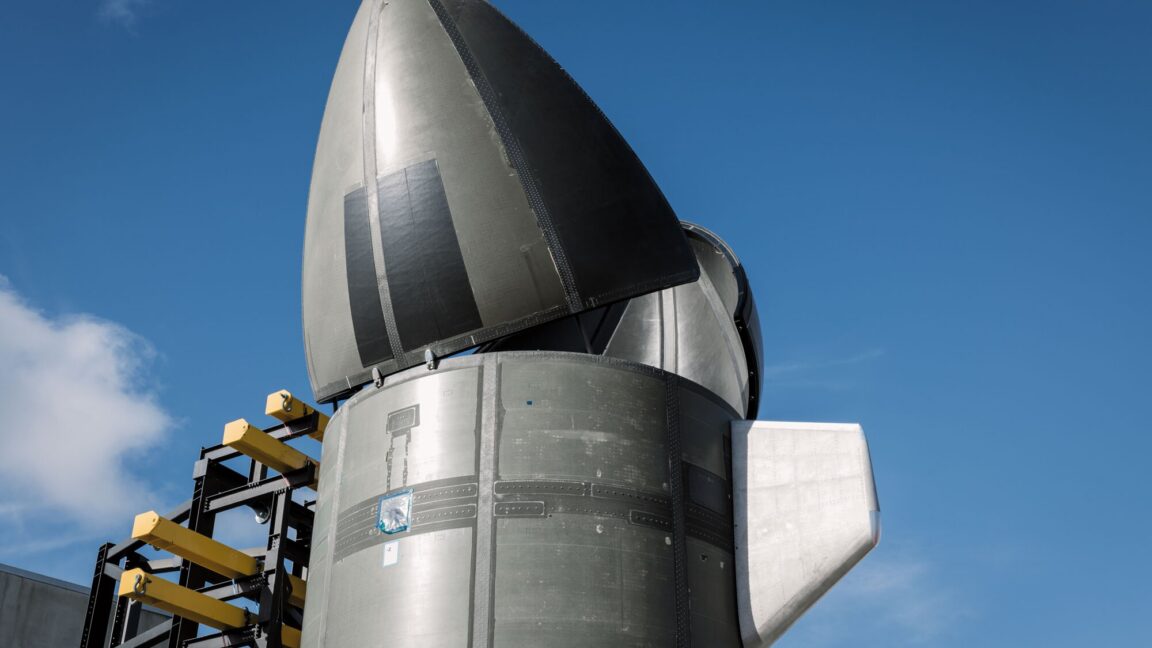
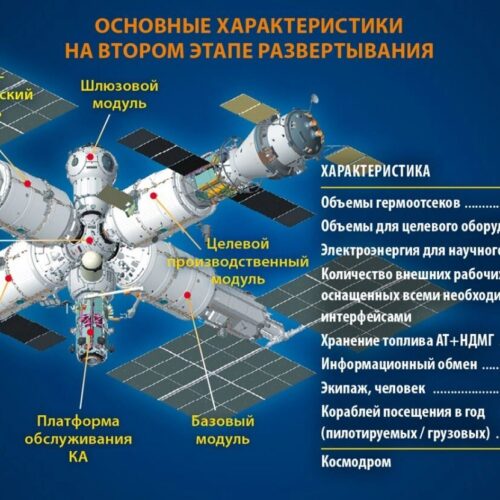
For several years now, in discussing plans for its human spaceflight program beyond the International Space Station, Russian officials would proudly bring up the Russian Orbital Station, or ROS.

The first elements of ROS were to launch in 2027 so it would be ready for human habitation in 2028. Upon completion in the mid-2030s, the station would encompass seven shiny new modules, potentially including a private habitat for space tourists. It would be so sophisticated that the station could fly autonomously for months if needed.

Importantly, the Russian station was also to fly in a polar orbit at about 400 km. This would allow the station to fly over the entirety of Russia, observing the whole country. It would be important for national pride because cosmonauts would not need to launch from Kazakhstan anymore. Rather, rockets launching from the country’s new spaceport in eastern Russia, the Vostochny Cosmodrome, would easily reach the ROS in its polar orbit.
Read full article

Comments

© Roscosmos

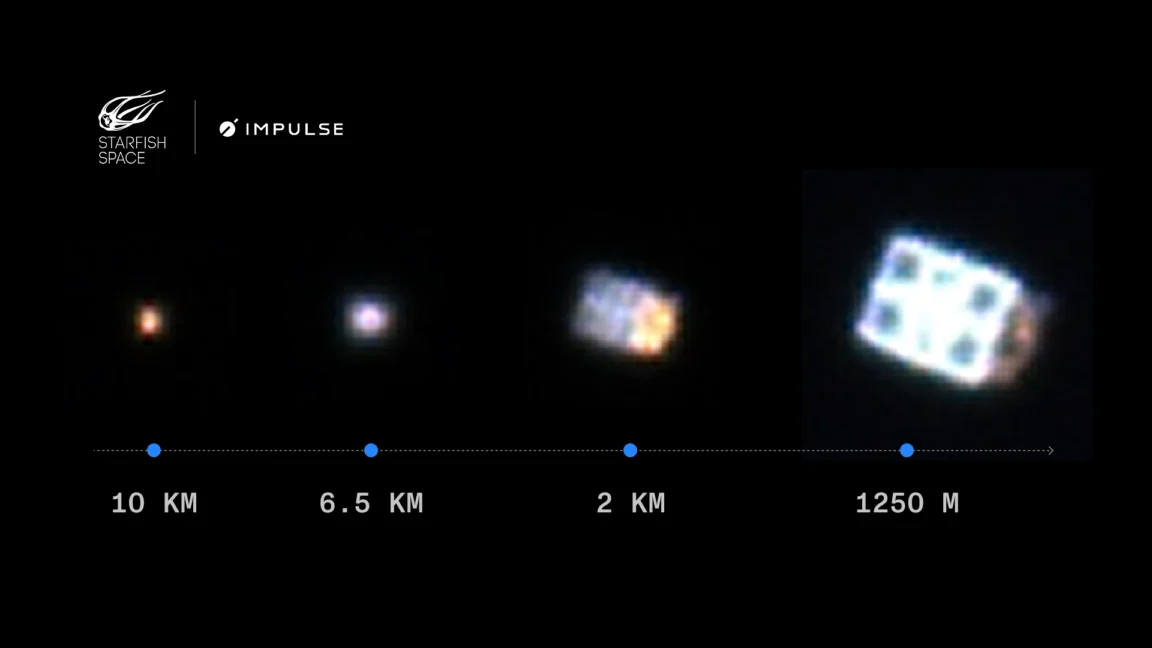
Two space startups prove you don’t need to break the bank to rendezvous in space

It may be happening quietly, but there is a revolution taking place with in-space transportation, and it opens up a world of possibilities.

In January, a small spacecraft built by a California-based company called Impulse Space launched along with a stack of other satellites on a Falcon 9 rocket. Upon reaching orbit, the rocket’s upper stage sent the satellites zipping off on their various missions.

And so it went with the Mira spacecraft built by Impulse, which is known as an orbital transfer vehicle. Mira dropped off several small CubeSats and then performed a number of high-thrust maneuvers to demonstrate its capabilities. This was the second flight by a Mira spacecraft, so Impulse Space was eager to continue testing the vehicle in flight.

Read full article

Comments

© Starfish Space/Impulse Space

Trump commits to Moon landing by 2028, followed by a lunar outpost two years later

A couple of hours after a judge formally swore in private astronaut Jared Isaacman as the next administrator of NASA on Thursday, President Donald Trump signed an executive order outlining his space policy objectives for the next three years.

The executive order, titled “Ensuring American Space Superiority,” states that the country must “pursue a space policy that will extend the reach of human discovery, secure the nation’s vital economic and security interests, unleash commercial development, and lay the foundation for a new space age.”

White House sets priorities

There is nothing Earth-shattering in the new executive order, as much of it builds on previously announced policies that span multiple administrations. There are some notable points in the document that clearly reflect the White House’s priorities, though, and Isaacman’s leadership of NASA.

Read full article

Comments

© NASA/Bill Ingalls

The inside story of SpaceX’s historic rocket landing that changed launch forever

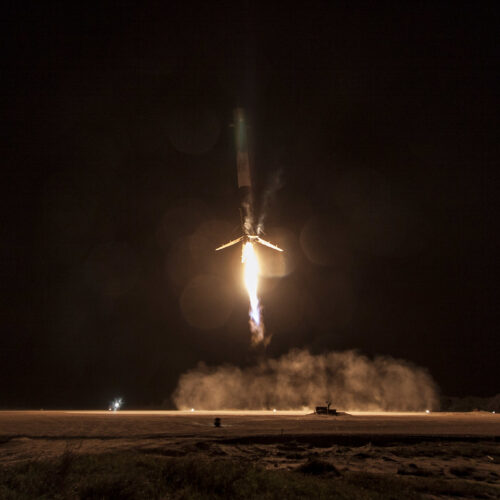
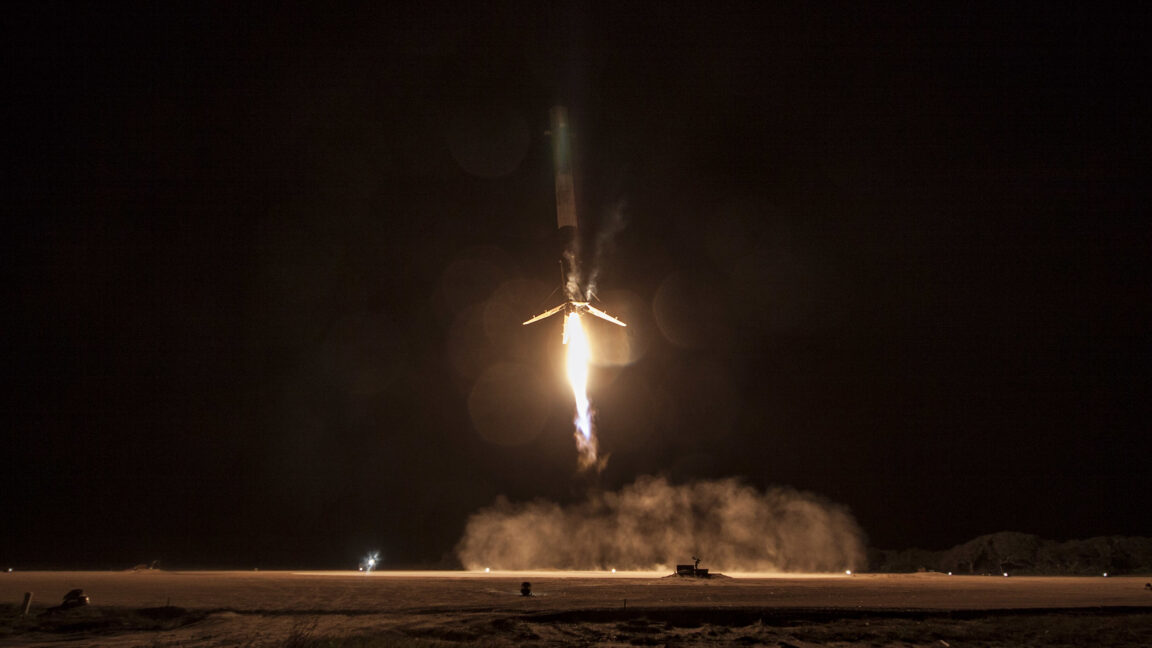
On Dec. 21, 2015, SpaceX launched the Orbcomm-2 mission on an upgraded version of its Falcon 9 rocket. That night, just days before Christmas, the company successfully landed the first stage for the first time. The story behind this remarkable achievement is nowhere more fully told than in the book Reentry, authored by Ars Technica Senior Space Editor Eric Berger and published in 2024. To mark the tenth anniversary, Ars is reprinting a slightly condensed chapter from the book that tells the inside story of this landing. The chapter begins in June 2015 with a tragedy, the disintegration of a Falcon 9 rocket carrying the CRS-7 cargo supply mission for NASA. It was the first time a Falcon 9 had been lost in flight.

Seconds after the Dragon-bearing Falcon 9 rocket broke apart over the Atlantic Ocean, David Giger shouted into his headset, “Dragon is alive!”

In the decade since he joined the company straight out of graduate school, Giger had taken on management of the entire Dragon program, reporting directly to Elon Musk. He watched the CRS-7 launch from mission control in Hawthorne not with a particular role, but rather providing a leadership presence. Giger could sense the Dragon mission team, mostly younger engineers, freeze up as video showed debris from the rocket showering back to Earth. A lot of the people involved in the hairy early flights of Dragon, including the C2 mission in 2012, had moved on to other positions at SpaceX or departed.

Read full article

Comments

© SpaceX

NASA finally—and we really do mean it this time—has a full-time leader

Jared Isaacman, a pilot and financial tech billionaire, has commanded two groundbreaking spaceflights, including leading the first private spacewalk.

But his most remarkable flying has occurred over the last year. And on Wednesday, he stuck the landing by earning formal Senate approval to become NASA’s 15th administrator.

With a final tally of 67 to 30, Wednesday’s Senate confirmation came 377 days after President Trump first nominated Isaacman to serve as NASA administrator. Since that time, Isaacman had to navigate the following issues:

Read full article

Comments

© Graeme Sloan/Bloomberg via Getty Images

Oh look, yet another Starship clone has popped up in China

Every other week, it seems, a new Chinese launch company pops up with a rocket design and a plan to reach orbit within a few years. For a long time, the majority of these companies revealed designs that looked a lot like SpaceX’s Falcon 9 rocket.

The first of these copy cats, the medium-lift Zhuque-3 rocket built by LandSpace, launched earlier this month. Its primary mission was nominal, but the Zhuque-3 rocket failed its landing attempt, which is understandable for a first flight. Doubtless there will be more Chinese Falcon 9-like rockets making their debut in the near future.

However, over the last year, there has been a distinct change in announcements from China when it comes to new launch technology. Just as SpaceX is seeking to transition from its workhorse Falcon 9 rocket—which has now been flying for a decade and a half—to the fully reusable Starship design, so too are Chinese companies modifying their visions.

Read full article

Comments

© Beijing Leading Rocket Technology Co.

Rocket Report: Neutron’s Hungry Hippo is deemed ready, whither Orbex?

Welcome to Edition 8.22 of the Rocket Report! The big news this week concerns the decision by SpaceX founder Elon Musk to take the company public, via IPO, sometime within the next 12 to 18 months. Musk confirmed this after Ars published a story on Wednesday evening. This understandably raises questions about whether a future SpaceX will be committed more to AI data centers in space or Mars settlement. However, one of the company’s founding employees, Tom Mueller, said this could benefit the company’s Mars plans. Clearly this is something we’ll be following closely.

As always, we welcome reader submissions, and if you don’t want to miss an issue, please subscribe using the box below (the form will not appear on AMP-enabled versions of the site). Each report will include information on small-, medium-, and heavy-lift rockets as well as a quick look ahead at the next three launches on the calendar.

Avio will build solid rocket motors in Virginia. The governor of Virginia, Glenn Youngkin, announced Wednesday that Avio USA has selected his state to produce solid rocket motors for defense and commercial space propulsion purposes. Avio USA’s investment, which will be up to $500 million, is supported by its Italian parent Avio. The company’s factory will encompass 860,000 sq. feet.

Read full article

Comments

© Rocket Lab

After years of resisting it, SpaceX now plans to go public. Why?

SpaceX is planning to raise tens of billions of dollars through an initial public offering next year, multiple outlets have reported, and Ars can confirm. This represents a major change in thinking from the world’s leading space company and its founder, Elon Musk.

The Wall Street Journal and The Information first reported about a possible IPO last Friday, and Bloomberg followed that up on Tuesday evening with a report suggesting the company would target a $1.5 trillion valuation. This would allow SpaceX to raise in excess of $30 billion.

This is an enormous amount of funding. The largest IPO in history occurred in 2019, when the state-owned Saudi Arabian oil company began public trading as Aramco and raised $29 billion. In terms of revenue, Aramco is a top-five company in the world.

Read full article

Comments

© JIM WATSON/AFP via Getty Images

After key Russian launch site is damaged, NASA accelerates Dragon supply missions

With a key Russian launch pad out of service, NASA is accelerating the launch of two Cargo Dragon spaceships in order to ensure that astronauts on board the International Space Station have all the supplies they need next year.

According to the space agency’s internal schedule, the next Dragon supply mission, CRS-34, is moving forward one month from June 2026 to May. And the next Dragon supply mission after this, CRS-35, has been advanced three months from November to August.

A source indicated that the changing schedules are a “direct result” of a launch pad incident on Thanksgiving Day at the Russian spaceport in Baikonur, Kazakhstan.

Read full article

Comments

© NASA

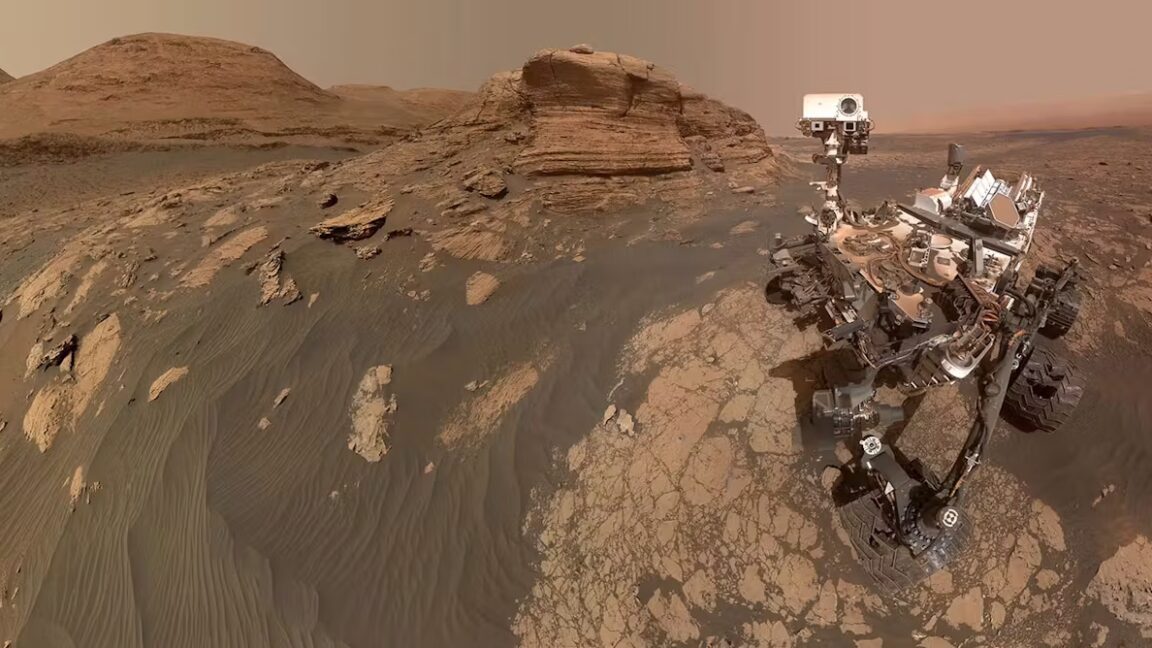
In a major new report, scientists build rationale for sending astronauts to Mars

Sending astronauts to the red planet will be a decades-long activity and cost many billions of dollars. So why should NASA undertake such a bold mission?

A new report published Tuesday, titled “A Science Strategy for the Human Exploration of Mars,” represents the answer from leading scientists and engineers in the United States: finding whether life exists, or once did, beyond Earth.

“We’re searching for life on Mars,” said Dava Newman, a professor in the Department of Aeronautics and Astronautics at Massachusetts Institute of Technology and co-chair of the committee that wrote the report, in an interview with Ars. “The answer to the question ‘are we alone is always going to be ‘maybe,’ unless it becomes yes.”

Read full article

Comments

© NASA/JPL-Caltech/MSSS

Congress warned that NASA’s current plan for Artemis “cannot work”

In recent months, it has begun dawning on US lawmakers that, absent significant intervention, China will land humans on the Moon before the United States can return there with the Artemis Program.

So far, legislators have yet to take meaningful action on this—a $10 billion infusion into NASA’s budget this summer essentially provided zero funding for efforts needed to land humans on the Moon this decade. But now a subcommittee of the House Committee on Space, Science, and Technology has begun reviewing the space agency’s policy, expressing concerns about Chinese competition in civil spaceflight.

During a hearing on Thursday in Washington, DC, the subcommittee members asked a panel of experts how NASA could maintain its global leadership in space over China in general, and more specifically, how to improve the Artemis Program to reach the Moon more quickly.

Read full article

Comments

© Liu Guoxing/VCG via Getty Images

NASA nominee appears before Congress, defends plans to revamp space agency

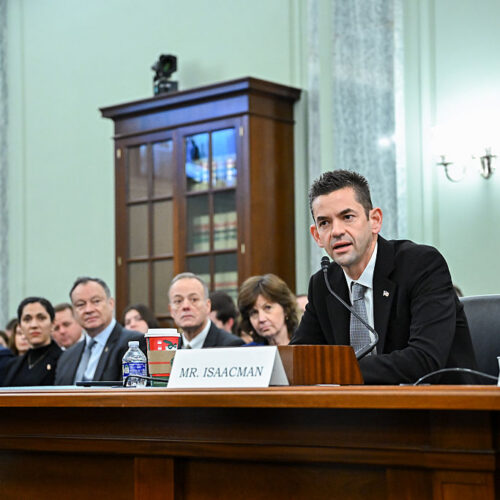
Private astronaut Jared Isaacman returned to Congress on Wednesday for a second confirmation hearing to become NASA administrator before the US Senate Committee on Commerce, Science, and Transportation in Washington, DC.

There appeared to be no showstoppers during the hearing, in which Isaacman reiterated his commitment to the space agency’s Artemis Program and defended his draft plan for NASA, “Project Athena,” which calls for an assessment of how NASA should adapt to meet the modern space age.

During his testimony, Isaacman expressed urgency as NASA faces a growing threat from China to its supremacy in spaceflight.

Read full article

Comments

© Graeme Sloan/Bloomberg via Getty Images

NASA seeks a “warm backup” option as key decision on lunar rover nears

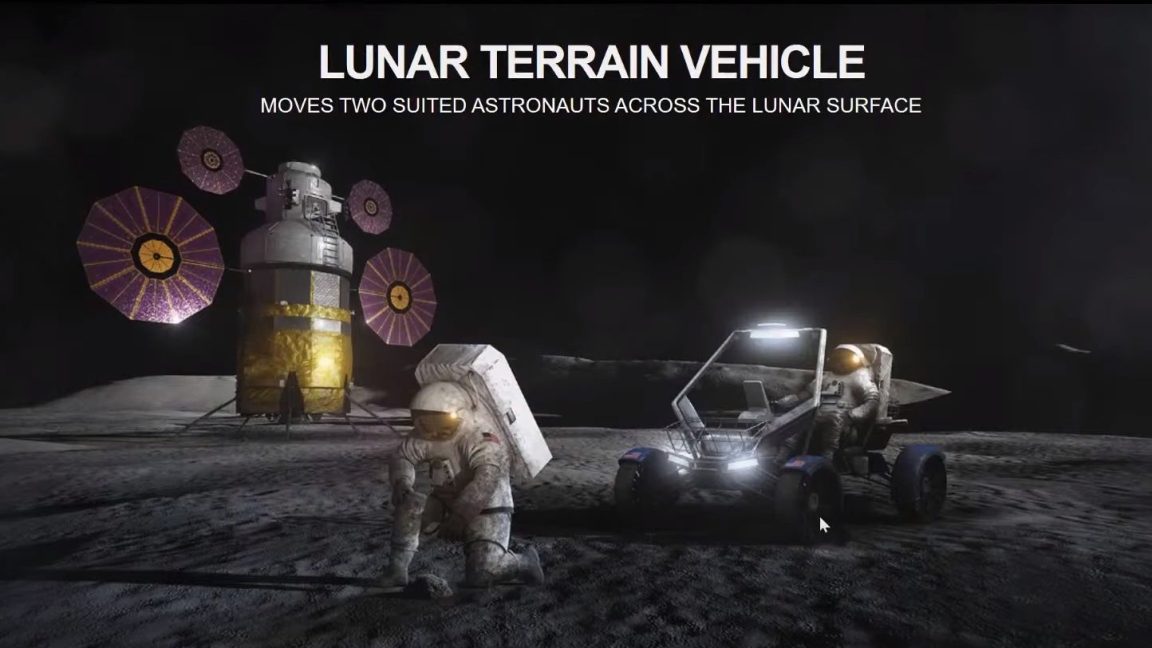
By the time the second group of NASA astronauts reach the Moon later this decade, the space agency would like to have a lunar rover waiting for them. But as the space agency nears a key selection, some government officials are seeking an insurance policy of sorts to increase the program’s chance of success.

At issue is the agency’s “Lunar Terrain Vehicle” (LTV) contract. In April 2024, the space agency awarded a few tens of millions of dollars to three companies—Intuitive Machines, Lunar Outpost, and Astrolab—to complete preliminary design work on vehicle concepts. NASA then planned to down-select to one company to construct one or more rovers, land on the Moon, and provide rover services for a decade beginning in 2029. Over the lifetime of the fixed-price services contract, there was a combined maximum potential value of $4.6 billion.

The companies have since completed their design work, including the construction of prototypes, and submitted their final bids for the much larger services contract in August. According to two sources, NASA has since been weighing those bids and is prepared to announce a final selection before the end of this month.

Read full article

Comments

© NASA

Space CEO explains why he believes private space stations are a viable business

It’s a critical time for companies competing to develop a commercial successor to the International Space Station. NASA is working with several companies, including Axiom Space, Voyager Technologies, Blue Origin, and Vast, to develop concepts for private stations where it can lease time for its astronauts.

The space agency awarded Phase One contracts several years ago and is now in the final stages of writing requirements for Phase Two after asking for feedback from industry partners in September. This program is known as Commercial LEO Destinations, or CLDs in industry parlance.

Time is running out for NASA if it wants to establish continuity from the International Space Station, which will reach its end of life in 2030, with a follow-on station ready to go before then.

Read full article

Comments

© Michael Nagle/Bloomberg via Getty Images

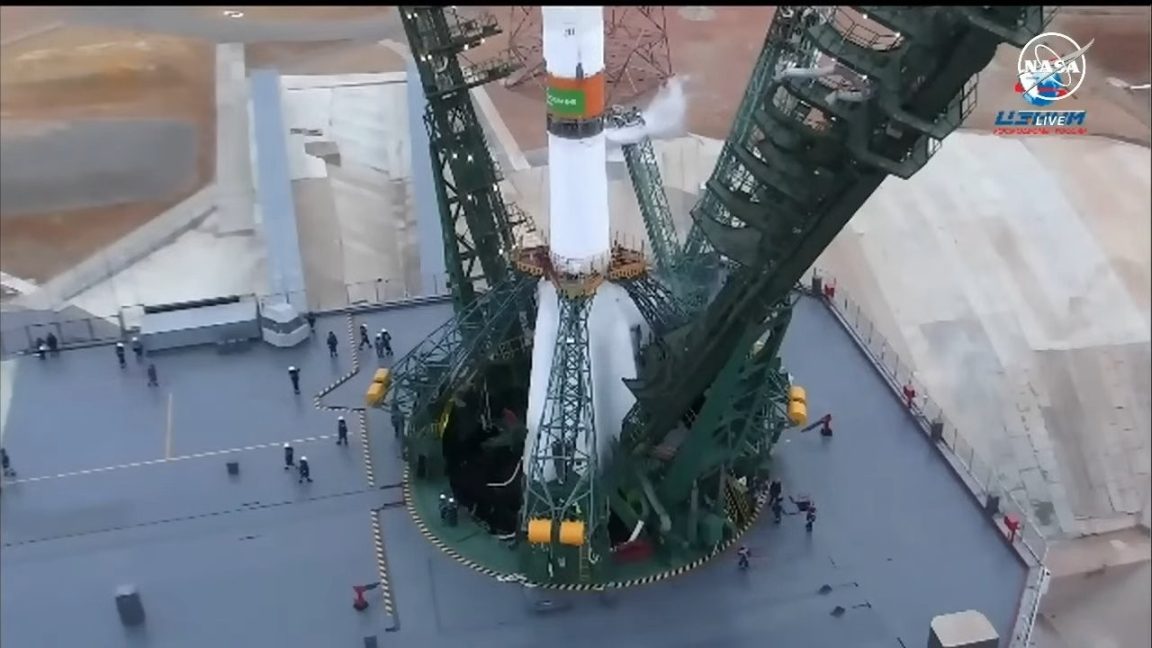
Before a Soyuz launch Thursday someone forgot to secure a 20-ton service platform

A Soyuz rocket launched on Thursday carrying Roscosmos cosmonauts Sergei Kud-Sverchkov and Sergei Mikayev, as well as NASA astronaut Christopher Williams, for an eight-month mission to the International Space Station. The trio of astronauts arrived at the orbiting laboratory without incident.

However, on the ground, there was a serious problem during the launch with the ground systems that support processing of the vehicle before liftoff at Site 31, located at the Baikonur Cosmodrome in Kazakhstan.

In a terse statement issued Thursday night on the social media site Telegram, the Russian space corporation that operates Soyuz appeared to downplay the incident: “The launch pad was inspected, as is done every time a rocket is launched. Damage to several launch pad components was identified. Damage can occur after launch, so such inspections are mandatory worldwide. The launch pad’s condition is currently being assessed.”

Read full article

Comments

© NASA TV

Russia’s Soyuz 5 will soon come alive. But will anyone want to fly on it?

After nearly a decade of development, Russia’s newest launch vehicle is close to its debut flight. The medium-lift Soyuz 5 rocket is expected to launch from the Baikonur Cosmodrome before the end of the year.

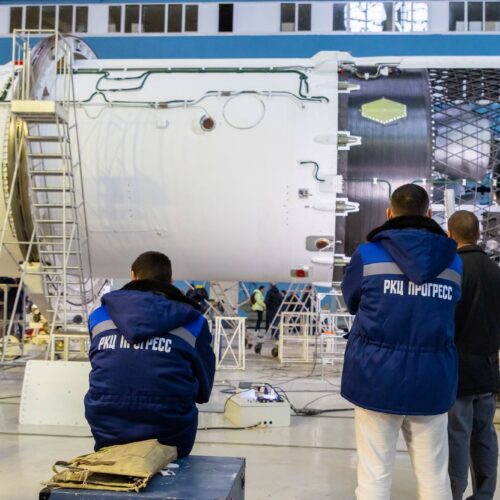
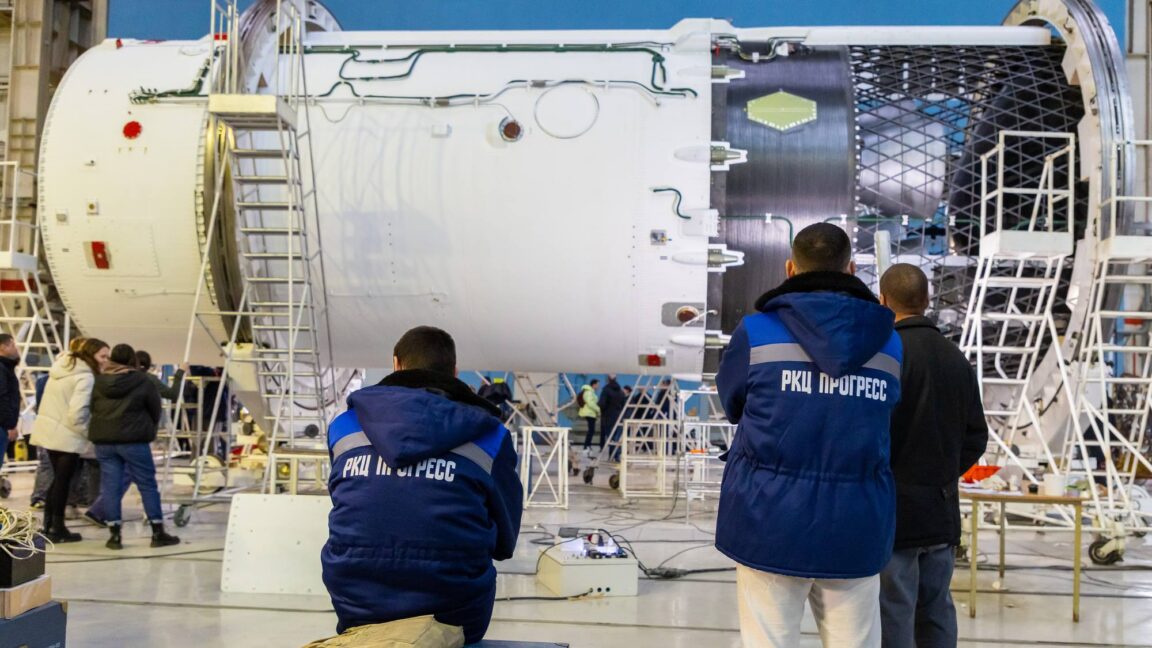
The Russian space corporation, Roscosmos, has released images of final processing of the Soyuz 5 rocket at the Progress Rocket and Space Center in Samara, Russia, earlier this month before the booster was shipped to the launch site in Kazakhstan. It arrived there on November 12.

Although the Soyuz 5 is a new vehicle, it does not represent a major leap forward in technology. Rather it is, in many ways, a conventional reaction to commercial boosters developed in the West as well as the country’s prolonged war against Ukraine. Whether this strategy will be successful remains to be seen.

Read full article

Comments

© Roscosmos

It’s official: Boeing’s next flight of Starliner will be allowed to carry cargo only

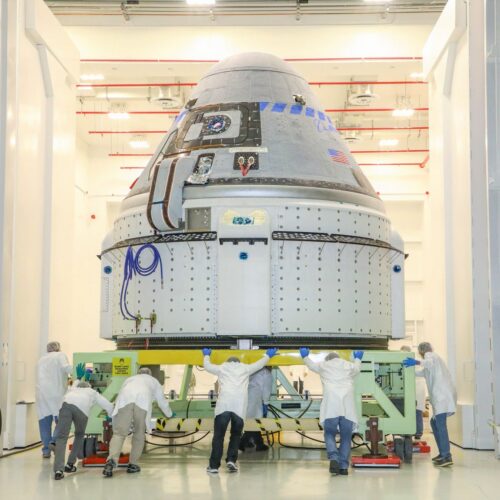
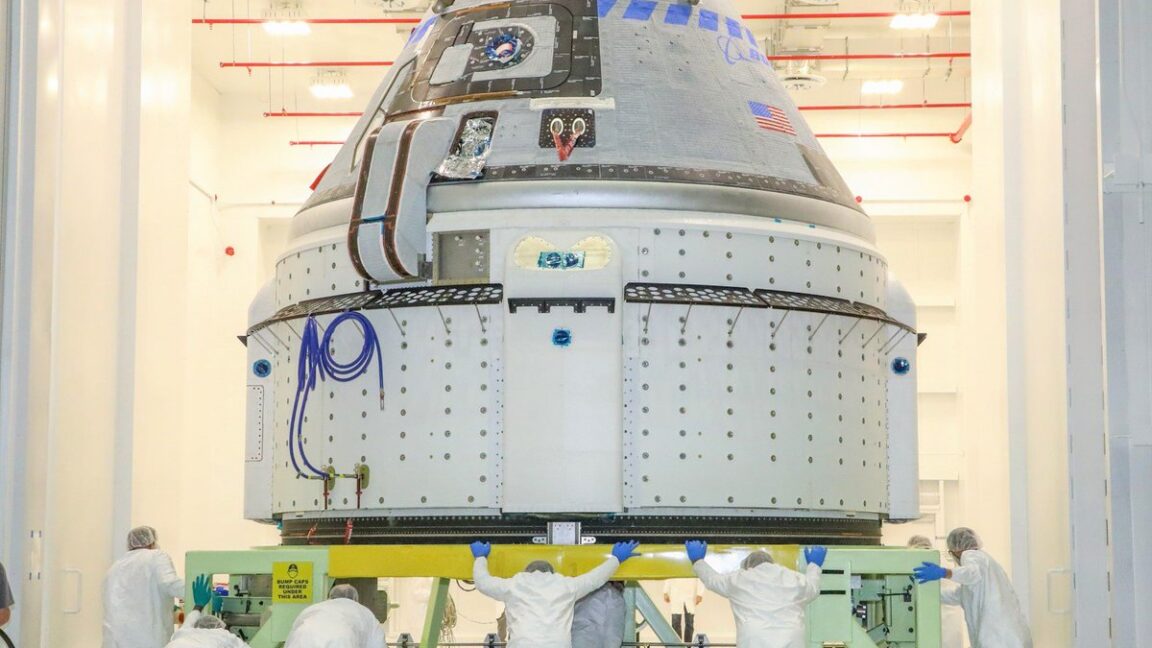
The US space agency ended months of speculation about the next flight of Boeing’s Starliner spacecraft, confirming Monday that the vehicle will carry only cargo to the International Space Station.

NASA and Boeing are now targeting no earlier than April 2026 to fly the uncrewed Starliner-1 mission, the space agency said. Launching by next April will require completion of rigorous test, certification, and mission readiness activities, NASA added in a statement.

“NASA and Boeing are continuing to rigorously test the Starliner propulsion system in preparation for two potential flights next year,” said Steve Stich, manager of NASA’s Commercial Crew Program, in a statement.

Read full article

Comments

© Boeing

Rocket Lab chief opens up about Neutron delays, New Glenn’s success, and NASA science

The company that pioneered small launch has had a big year.

Rocket Lab broke its annual launch record with the Electron booster—17 successful missions this year, and counting—and is close to bringing its much larger Neutron rocket to the launch pad.

The company also expanded its in-space business, including playing a key role in supporting the landing of Firefly’s Blue Ghost mission on the Moon and building two small satellites just launched to Mars.

Read full article

Comments

© David Paul Morris/Bloomberg via Getty Images

Newest Starship booster is significantly damaged during testing early Friday

During the pre-dawn hours in South Texas on Friday morning, SpaceX’s next-generation Starship first stage suffered some sort of major damage during pre-launch testing.

The company had only rolled the massive rocket out of the factory a day earlier, noting the beginning of its test campaign, it said on the social media site X: “The first operations will test the booster’s redesigned propellant systems and its structural strength.”

That testing commenced on Thursday night at the Massey’s Test Site a couple of miles down the road from the company’s main production site at Starbase Texas. However an independent video showed the rocket’s lower half undergo an explosive (or possibly implosive) event at 4:04 am CT (10:04 UTC) Friday.

Read full article

Comments

© SpaceX

❌