Login
LoginPlease stop using Cat5 cables (do this instead)
Ethernet has been around for a long time. Invented in the '70s, commercialized in the early '80s, and it's still the fastest and most reliable network technology you can have in your home.
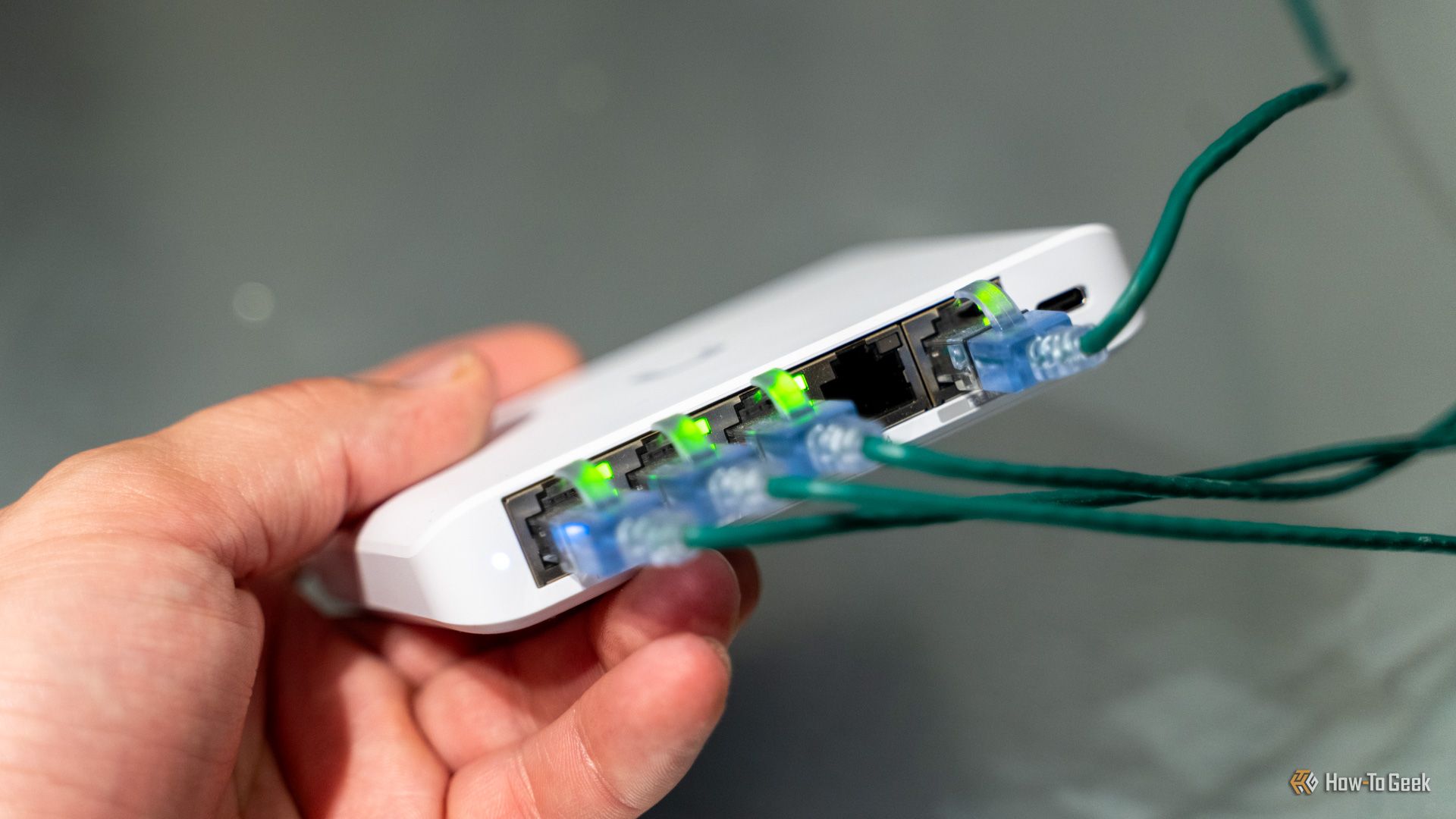

Ethernet has been around for a long time. Invented in the '70s, commercialized in the early '80s, and it's still the fastest and most reliable network technology you can have in your home.
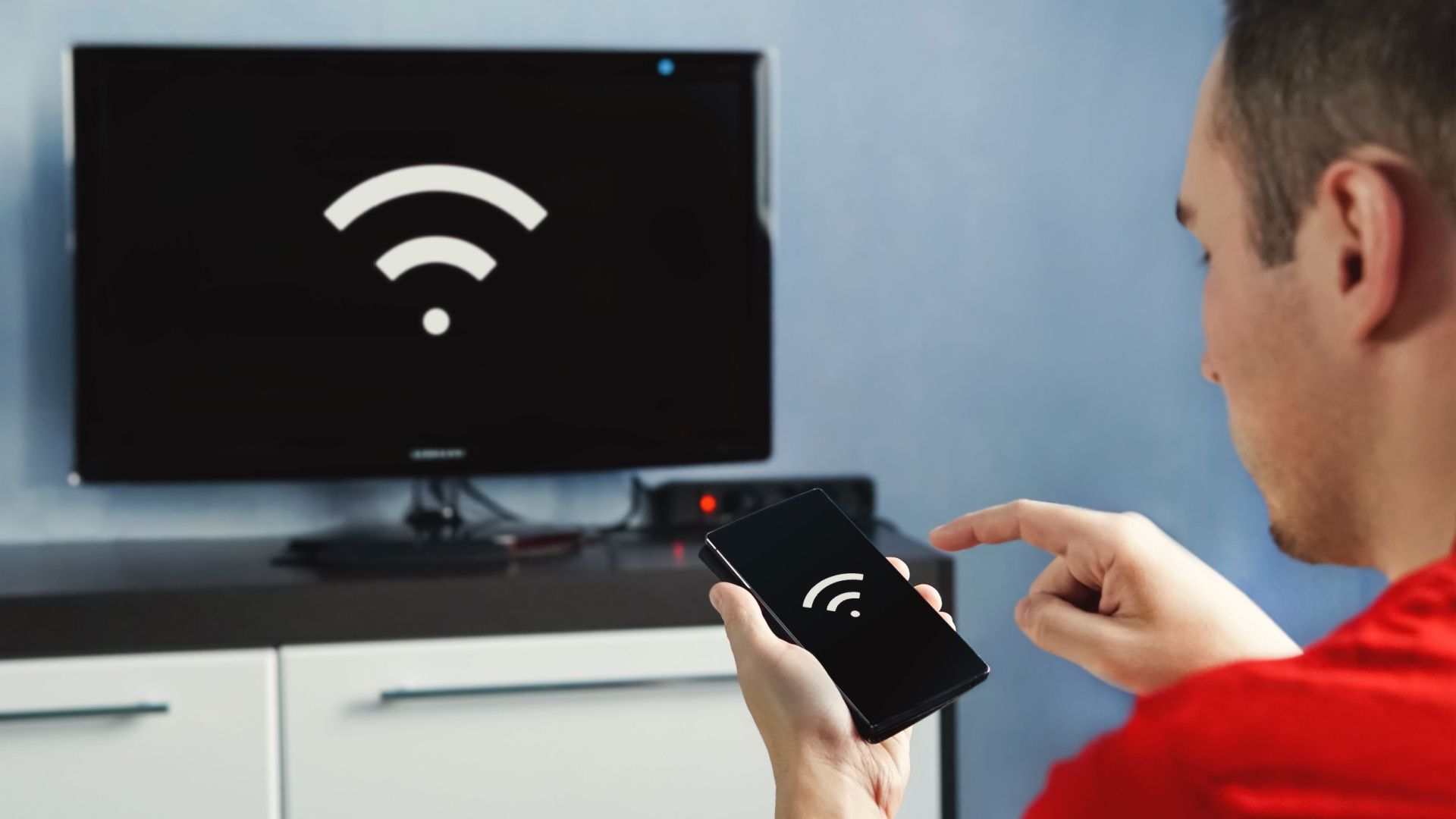
If your smart TV's performance seems off, and you keep getting worse quality streams, frequent buffering, stuttering and other signs of a slow network, then there's a good chance your TV is simply connected to the wrong network.
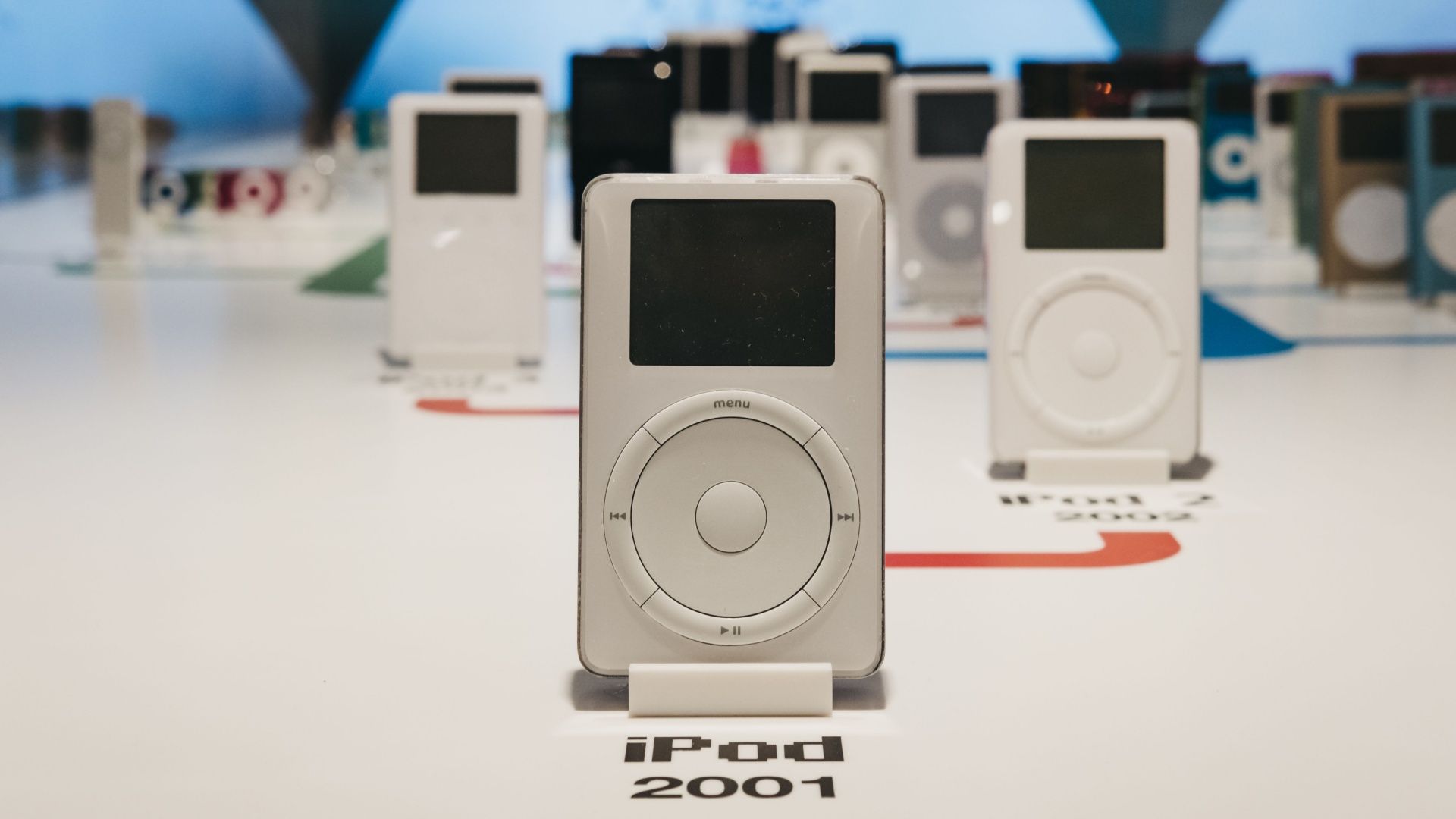
I clearly remember getting my first MP3 player, which replaced my aging portable CD player in the mid 2000s. It was some no-name device with the build quality of a wet matchbox, but it was small and sounded just as good to my ear. The only problem was the storage space—it only held 1GB of data. That's still a decent number of MP3s, but a lack of storage was a problem that plagued virtually all MP3 players up to that point—until Apple solved the issue in a novel way: a teeny-tiny hard drive!
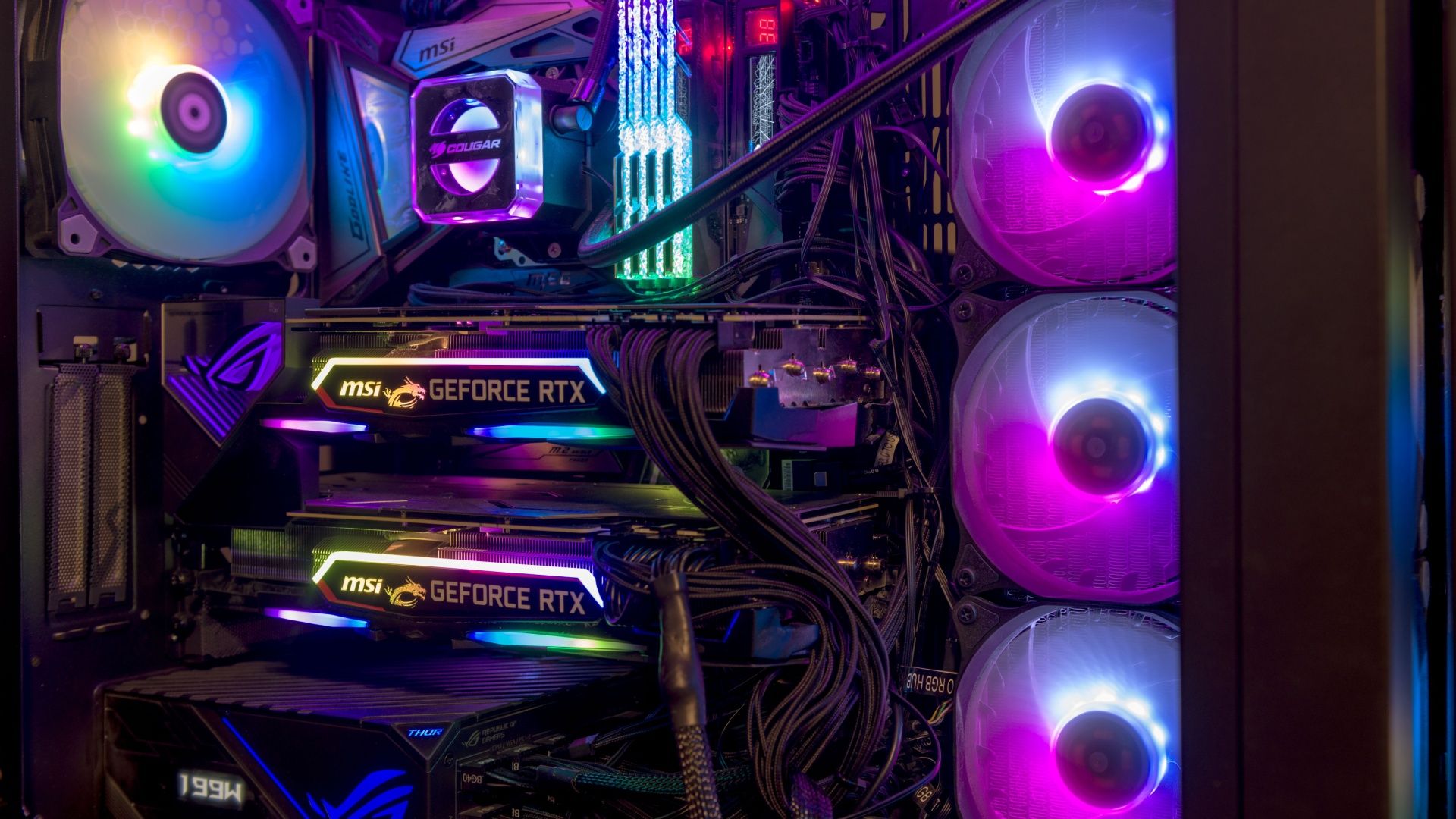
At one point, the absolute pinnacle of a high-performance computer was one with multiple GPU sockets, and two or more graphics cards. Today, multicore CPUs have eliminated the need for multiple sockets outside the server industry, and multi-GPU setups are pretty useless for modern gaming—which was the main driver of this trend.
I can't count how many times I've seen articles titled "The X Best Linux Distros for Beginners" or some variation on that theme. That sounds appealing on the surface, especially for someone like me who once tried to compile a Linux kernel as a teenager in the early 2000s and just gave up after a few days!
So, you've decided to use Linux for your studies? That's a great choice! Linux got me through four years of post-grad studies and it should serve you well. But, an operating system is only as good as the applications it can run. So if you're rolling with Linux for your studies, here are some of the best apps to download and install today.

While I've tried the alternatives, I always seem to come back to good old Plex, but as the years have gone by, the pressure to pay has increased. I managed to resist, but recently, out of pure frustration, I put down for a month of premium Plex, and there's no going back.
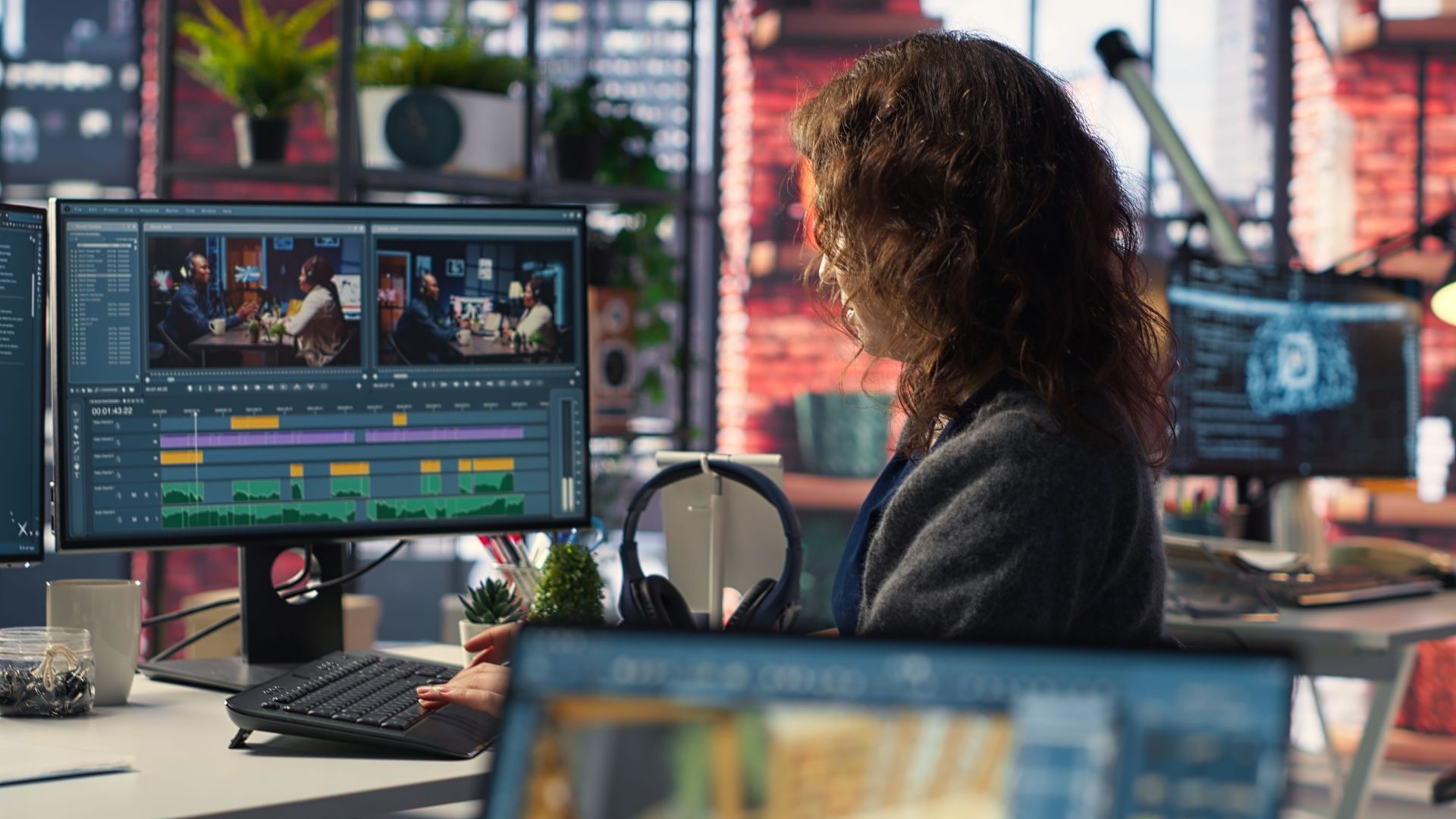
I can't be too hard on Adobe Creative Cloud. It gave us an affordable and legal way to access tools like Premiere and Photoshop with ongoing support and updates. Before, the upfront cost for these apps was enormous, and you had to pay up all over again when a new version shipped anyway. If you use Creative Cloud to make money, it's also a legitimate business expense–and a fairly-priced one at that.
If you're like me, you're probably properly sick of everything being a subscription. I recently started purging subscriptions from my life, Microsoft 365 being prime among them. But, if you get rid of apps that you need when you cancel your subscription, how can you keep doing what you were before? These apps are just the ticket to replace key paid services.

I recently purchased a TCL CM6K mini-LED TV, and I've been extremely happy with it. This is basically a regional variant of the excellent TCL QM6K, and as such it also comes with a built-in Google TV that serves as the operating system for the set.
It might be hard to imagine now, but not too long ago the idea of free software with source code that anyone can modify wasn't one with much enthusiasm behind it. How could that be safe? What about support? Could you trust mission-critical stuff to this software?
When's the last time you visited Google Earth? It's not exactly as popular as Google Maps when it comes to exploring our planet, and most people who do visit the site probably just spin the globe a few times and move on to something else. However, there are quite a few very cool features—such as Voyager.

I clearly remember how happy I was when we finally got rid of the clacky keyboard that came with our original IBM PC clone in the early 90s and switched over to a quiet modern membrane keyboard. To me, this felt like the future, but then mechanical keyboards have made a massive comeback, and now carry the reputation that they're simply better than the alternatives.