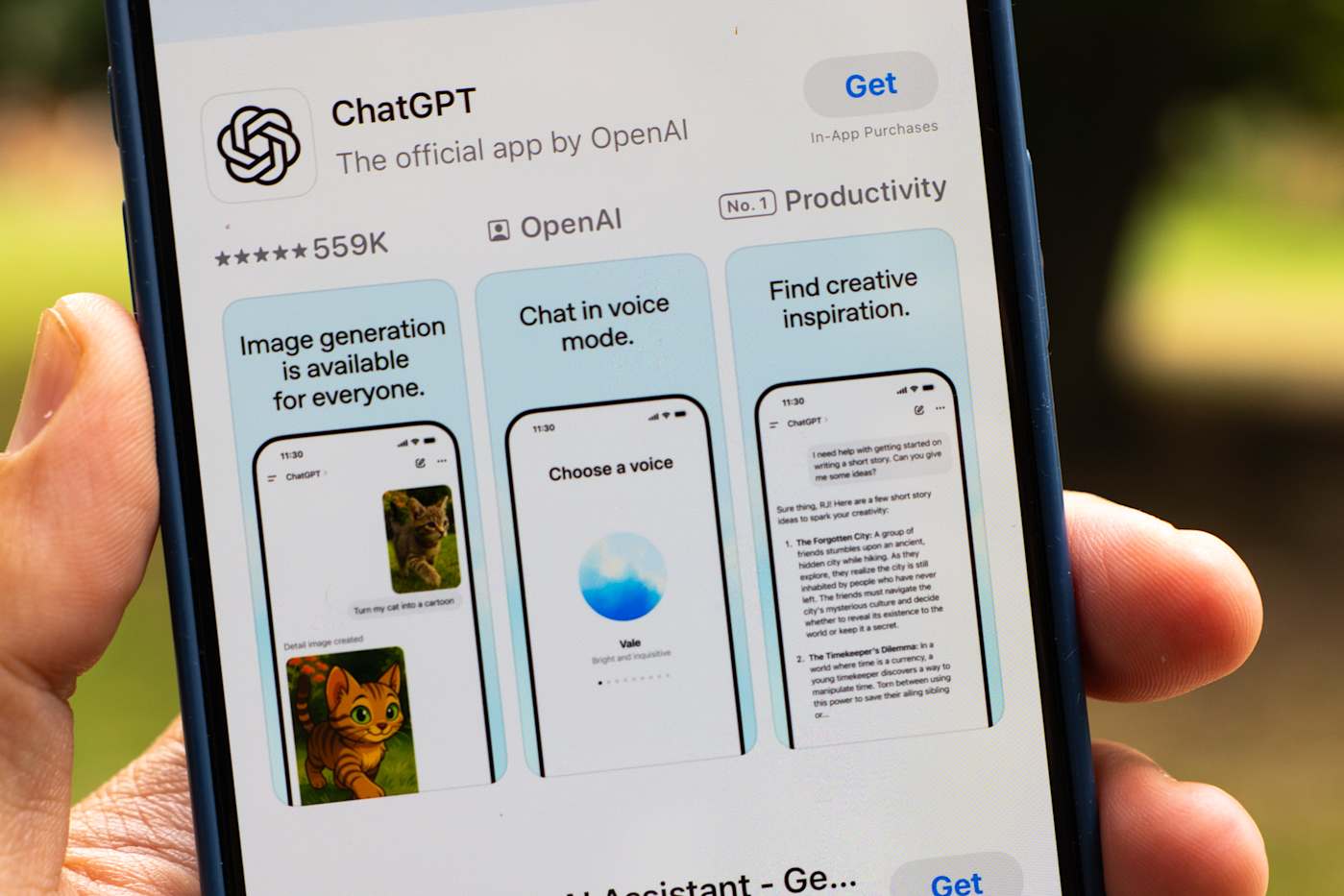
OpenAI has introduced an app directory that's now available right inside ChatGPT, the company announced. "Apps extend ChatGPT conversations by bringing in new context and letting users take action like order groceries, turn an outline into a slide deck or search for an apartment," the company wrote in a blog post. OpenAI also noted in a help document that "connector" apps like Google Drive are now simply called "apps."
The new apps section (on iOS, Android and web) is divided into Feature, Lifestyle and Productivity categories, letting you connect to commonly used apps and sites like Booking.com, Spotify and Dropbox. To use an app, simply click on it, hit "Connect" then authorize the app to access ChatGPT. With that done, you can then start a chat related to that app. In the case of Dropbox, for instance, you'll be able to "gather insights, prepare briefs and summarize reports or internal documents," according to the description. Once connected, any app can be accessed by doing an @ mention of it.
A new addition that came along with the store is an Apple Music app that, like Spotify, helps users find music, create playlists and manage their libraries through a chat interface. Another is DoorDash, which lets you transform recipes, meal planning and staples into "an actionable shopping cart."
Along with the app directory, OpenAI is now allowing developers to submit apps for review and publication in ChatGPT according to the company's app submission guidelines. It also published resources to help developers build such apps, including best practices, open-source example apps, an open-sourced UI library for chat-native interfaces and a step-by-step quickstart guide. That's on top of the software developer kit (SDK) that OpenAI introduced in October.
OpenAI noted that for now, developers can only monetize apps by linking out from the ChatGPT app to the native app or website — but the company is exploring internal monetization options as well. Privacy was also emphasized, with companies required to provide "clear" policies.
The new feature is a big part of Sam Altman's promises to make ChatGPT more versatile with the addition of custom "GPT" bots. "Over time, we want apps in ChatGPT to feel like a natural extension of the conversation, helping people move from ideas to action, while building a thriving ecosystem for developers," the company wrote.
This article originally appeared on Engadget at https://www.engadget.com/ai/openai-just-launched-an-app-store-inside-chatgpt-133049586.html?src=rss
Earlier this year Sony sued Tencent for copyright infringement over its Light of Motiram game, calling it a "slavish clone" of Horizon Zero Dawn. Then, earlier this month, Tencent agreed to stop promoting and publicly testing the game. Now, the two companies have reached a "confidential settlement" and the case has been dismissed, according to court documents seen by The Verge. Light of Motiram has also disappeared from Steam and Epic's game stores.
"SIE and Tencent are pleased to have reached a confidential resolution and will have no further public comment on this matter," Tencent's spokesperson told The Verge.
When Sony first filed its lawsuit in July 2025, it said that Tencent's game appeared to copy aspects of not just Horizon Zero Dawn, but other franchise games including Horizon Forbidden West and Lego Horizon Adventures. That included the post-apocalyptic setting with humans and machines coexisting, the visual appearance of characters and even the marketing materials — something Engadget certainly noticed when Tencent first announced the game.
This article originally appeared on Engadget at https://www.engadget.com/gaming/sony-settles-with-tencent-over-slavish-horizon-clone-120042886.html?src=rss
Last year at CES, Samsung debuted its first mainstream Micro RGB TV, a 115-inch model that surprised us with its rich, vivid colors and $30,000 price tag. Now, the company has announced that it will be showing off an entire lineup of Micro RGB TVs at CES 2026 ranging from 55- to 115-inch models, promising to set "a new standard for premium home viewing."
As a reminder, Micro RGB is a unique new technology similar to Mini LED displays. Unlike the white backlights used on Mini LEDs, though, it uses tiny red, green and blue LEDs that produce more accurate colors and offer smaller and more controllable dimming zones. However, because pixels can't be turned on and off individually like Micro LED or OLED, Micro RGB contrast ratios aren't as high. They promise to be brighter and more color accurate than other technologies, though, hence the high prices and "premium" branding.
Samsung's upcoming Micro RGB lineup will be available in 55-, 65-, 75-, 85-, 100- and 115-inch models and use the next evolution of the company's technology. The main claim to fame is near broadcast monitor-like color accuracy, covering 100 percent of the demanding BT.2020 HDR standard. That new standard now has a name and VDE certification: Micro RGB Precision Color 100.
Other key features include Samsung's "Micro RGB AI Engine Pro" for more precise frame-by-frame clarity and realism, new color enhancement functions, Samsung's glare free tech and enhanced audio features including Dolby Atmos and Adaptive Sound Pro.
Yesterday, LG announced that it would also show off new televisions using Micro RGB technology, with 75-, 86- and 100-inch models coming next year. What remains to be seen, however, is pricing. Given the $30,000 cost of the 115-inch model, you can likely expect the first Micro RGB televisions to be among the most expensive in the lineups of both LG and Samsung.
This article originally appeared on Engadget at https://www.engadget.com/home/home-theater/samsung-will-show-off-its-expanded-micro-rgb-tv-series-at-ces-141716449.html?src=rss
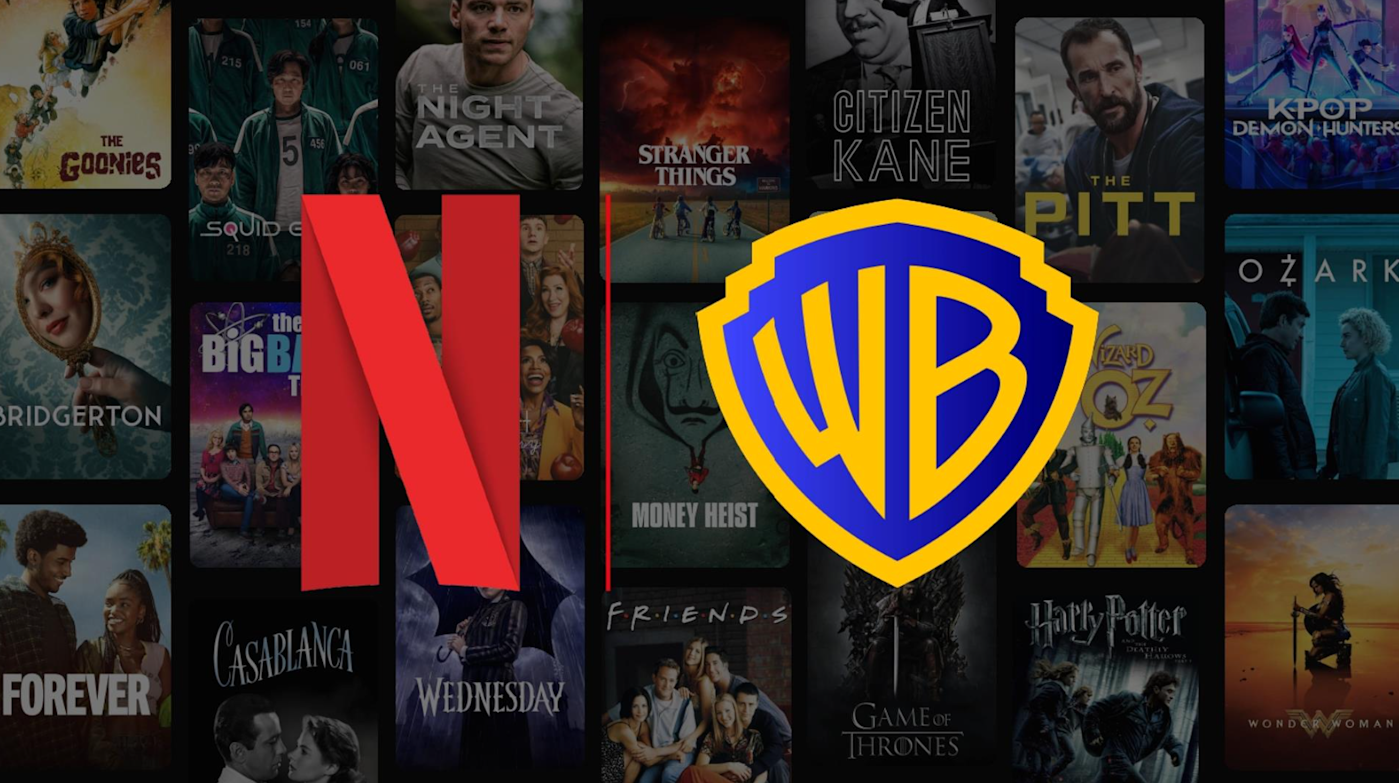
Warner Bros. Discovery's board has formally rejected the $108 billion takeover bid from Paramount Skydance, the company announced. WBD said it remains committed to its $82.7 billion deal with Netflix, which would close some time next year, pending regulatory approval.
"[The board] has unanimously determined that the tender offer launched by Paramount Skydance on December 8, 2025 is not in the best interests of WBD and its shareholders and does not meet the criteria of a "Superior Proposal" under the terms of WBD's merger agreement with Netflix announced on December 5, 2025," the studio said in the press release.
Paramount's offer was funded in part by sovereign wealth funds from Saudi Arabia, Qatar and Abu Dhabi, so it could have triggered a national security review by the US government. However, Paramount said that even if those entities dropped out, the company's owners (the Ellisons) would "backstop the full amount of the bid."
However, the board said that Paramount "has consistently misled WBD shareholders that its proposed transaction has a 'full backstop' from the Ellison family. It does not, and never has," adding that "the terms of the Netflix merger are superior." WBD explained that Paramount is relying on an "opaque revocable trust" for said backstop which is "no replacement for a secured commitment by a controlling shareholder." WBD's board also noted that Paramount expects to achieve $9 billion in cost synergies from the merger, and that "would make Hollywood weaker, not stronger."
In a statement, Netflix co-CEO Ted Sarandos said that "the Warner Bros. Discovery board reinforced that Netflix's merger agreement is superior and that our acquisition is in the best interest of stockholders. This was a competitive process that delivered the best outcome for consumers, creators, stockholders and the broader entertainment industry."
Paramount has yet to comment, but the company has previously said that its $30 per share offer is a better deal, due to the all-cash nature (compared to 84 percent cash for Netflix) and fact that it would have a clearer path to regulatory approval due to the Ellison's supposedly tight relationship with President Trump.
This article originally appeared on Engadget at https://www.engadget.com/entertainment/warner-bros-discovery-rejects-paramounts-hostile-bid-131055882.html?src=rss
Amazon is in discussions with OpenAI to invest $10 billion in the company while supplying more of its AI chips and cloud computing services, according to The Financial Times. The deal would push OpenAI's valuation over $500 billion but is likely to raise more questions about the company's circular investment agreements involving chips and data centers.
The two companies are also in talks about the possibility of OpenAI helping Amazon with its online marketplace, similar to deals it has made with Etsy, Shopify and Instacart. However, any agreement still wouldn't allow Amazon to market OpenAI's most advanced models on its developer cloud platform, as Microsoft holds the exclusive rights to those until the 2030s.
OpenAI recently restructured its agreement with Microsoft to allow it to use data center capacity from other suppliers. Around the same time, it made a string of deals with NVIDIA, Oracle, AMD and others to build out data center capacity and acquire or rent AI chips.
The new deal would require OpenAI to use Amazon's Trainium AI chips and rent more data center capacity from Amazon Web Services (AWS). That's on top of the $38 billion that OpenAI has already committed to renting servers from AWS over the next seven years.
These deals have sounded alarms among investors considering their circular nature. In many of those, including this latest Amazon deal, OpenAI is taking investment money and then sending that cash back to the same company for infrastructure or chips. And the amounts are staggering, with just two companies, Softbank and Oracle, spending a combined $400 billion on new data centers for OpenAI's compute needs. And so far, OpenAI has lost more money than it makes.
This article originally appeared on Engadget at https://www.engadget.com/ai/amazon-in-talks-to-invest-10-billion-in-openai-and-supply-its-trainium-chips-103653151.html?src=rss
CHONGQING, CHINA - NOVEMBER 03: In this photo illustration, an Amazon logo is displayed on a smartphone screen with an OpenAI logo in the background on November 3, 2025 in Chongqing, China. OpenAI and Amazon have signed a $38 billion deal to run OpenAI's systems on Amazon's cloud services. (Photo by Li Hongbo/VCG via Getty Images)
Ambiguity isn't just a challenge. It's a leadership test - and most fail it.
I want to start with something that feels true but gets ignored way too often.
Most of us in leadership roles have a love hate relationship with ambiguity. We say we embrace it... until it shows up for real. Then we freeze, hedge our words, or pretend we have a plan. Cybersecurity teams deal with ambiguity all the time. Its in threat intel you cant quite trust, in stakeholder demands that swing faster than markets, in patch rollouts that go sideways. But ambiguity isnt a bug to be fixed. Its a condition to be led through.
[Image: A leader facing a foggy maze of digital paths - ambiguity as environment.]
Lets break this down the way I see it, without jazz hands or buzzwords.
Ambiguity isn't uncertainty. Its broader.
Uncertainty is when you lack enough data to decide. Ambiguity is when even the terms of the problem are in dispute. Its not just what we don't know. Its what we cant define yet. In leadership terms, that feels like being handed a puzzle where some pieces aren't even shaped yet. This is classic VUCA territory - volatility, uncertainty, complexity and ambiguity make up the modern landscape leaders sit in every day.
[Image: The dual nature of ambiguity - logic on one side, uncertainty on the other.]
Here is the blunt truth. Great leaders don't eliminate ambiguity. They engage with it. They treat ambiguity like a partner you've gotta dance with, not a foe to crush.
Ambiguity is a leadership signal
When a situation is ambiguous, its telling you something. Its saying your models are incomplete, or your language isn't shared, or your team has gaps in context. Stanford researchers and communication experts have been talking about this recently: ambiguity often reflects a gap in the shared mental model across the team. If you're confused, your team probably is too.
A lot of leadership texts treat ambiguity like an enemy of clarity. But thats backward. Ambiguity is the condition that demands sensemaking. Sensemaking is the real work. Its the pattern of dialogue and iteration that leads to shared understanding amid chaos. That means asking the hard questions out loud, not silently wishing for clarity.
If your team seems paralyzed, unclear, or checked out - it might not be them. It might be you.
Leaders model calm confusion
Think about that phrase. Calm confusion. Leaders rarely say, "I don't know." Instead they hedge, hide, or overcommit. But leaders who effectively navigate ambiguity do speak up about what they don't know. Not to sound vulnerable in a soft way, but to anchor the discussion in reality. That model gives permission for others to explore unknowns without fear.
I once watched a director hold a 45-minute meeting to "gain alignment" without once stating the problem. Everyone left more confused than when they walked in. That’s not leadership. That's cover.
There is a delicate balance here. You don't turn every ambiguous situation into a therapy session. Instead, you create boundaries around confusion so the team knows where exploration stops and action begins. Good leaders hold this tension.
Move through ambiguity with frameworks, not polish
Here is a practical bit. One common way to get stuck is treating decisions as if they're singular. But ambiguous situations usually contain clusters of decisions wrapped together. A good framework is to break the big, foggy problem into smaller, more combinable decisions. Clarify what is known, identify the assumptions you are making, and make provisional calls on the rest. Treat them like hypotheses to test, not laws of motion.
In cybersecurity, this looks like mapping your threat intel to scenarios where you know the facts, then isolating the areas of guesswork where your team can experiment or prepare contingencies. Its not clean. But it beats paralysis.
Teams learn differently under ambiguity
If you have ever noticed that your best team members step up in times of clear crises, but shut down when the goals are vague, you're observing humans responding to ambiguity differently. Some thirst for structure. Others thrive in gray zones. As a leader, you want both. You shape the context so self starters can self start, and then you steward alignment so the whole group isnt pulling in four directions.
Theres a counterintuitive finding in team research: under certain conditions, ambiguity enables better collaborative decision making because the absence of a single voice forces people to share and integrate knowledge more deeply. But this only works when there is a shared understanding of the task and a culture of open exchange.
Lead ambiguity, don't manage it
Managing ambiguity sounds like you're trying to tighten it up, reduce it, or push it into a box. Leading ambiguity is different. It's about moving with the uncertainty. Encouraging experiments. Turning unknowns into learning loops. Recognizing iterative decision processes rather than linear ones.
And yes, that approach feels messy. Good. Leadership is messy. The only thing worse than ambiguity is false certainty. I've been in too many rooms where leaders pretended to know the answer, only to cost time, credibility, or talent. You can be confident without being certain. That's leadership.
But there's a flip side no one talks about.
Sometimes leaders use ambiguity as a shield. They stay vague, push decisions down the org, and let someone else take the hit if it goes sideways. I've seen this pattern more than once. Leaders who pass the fog downstream and call it empowerment. Except it's not. It's evasion. And it sets people up to fail.
Real leaders see ambiguity for what it is: a moment to step up and mentor. To frame the unknowns, offer scaffolding, and help others think through it with some air cover. The fog is a chance to teach — not disappear.
But the hard truth? Some leaders can't handle the ambiguity themselves. So they deflect. They repackage their own discomfort as a test of independence, when really they're just dodging responsibility. And sometimes, yeah, it feels intentional. They act like ambiguity builds character... but only because they're too insecure or inexperienced to lead through it.
The result is the same: good people get whiplash. Goals shift. Ownership blurs. Trust erodes. And the fog thickens.
There's research on this, too. It's called role ambiguity — when you're not clear on what's expected, what your job even is, or how success gets measured. People in those situations don't just get frustrated. They burn out. They overcompensate for silence. They stop trusting. And productivity tanks. It's not about needing a five-year plan. It's about needing a shared frame to work from. Leadership sets that tone.
Leading ambiguity means owning the fog, not outsourcing it.
Ambiguity isn't a one-off problem. It's a perpetual condition, especially in cybersecurity and executive realms where signals are weak and stakes are high. The real skill isn't clarity. It's resilience. The real job isn't prediction. It's navigation.
Lead through ambiguity by embracing the fog, not burying it. And definitely not dumping it on someone else.
When the fog rolls in, what kind of leader are you really?
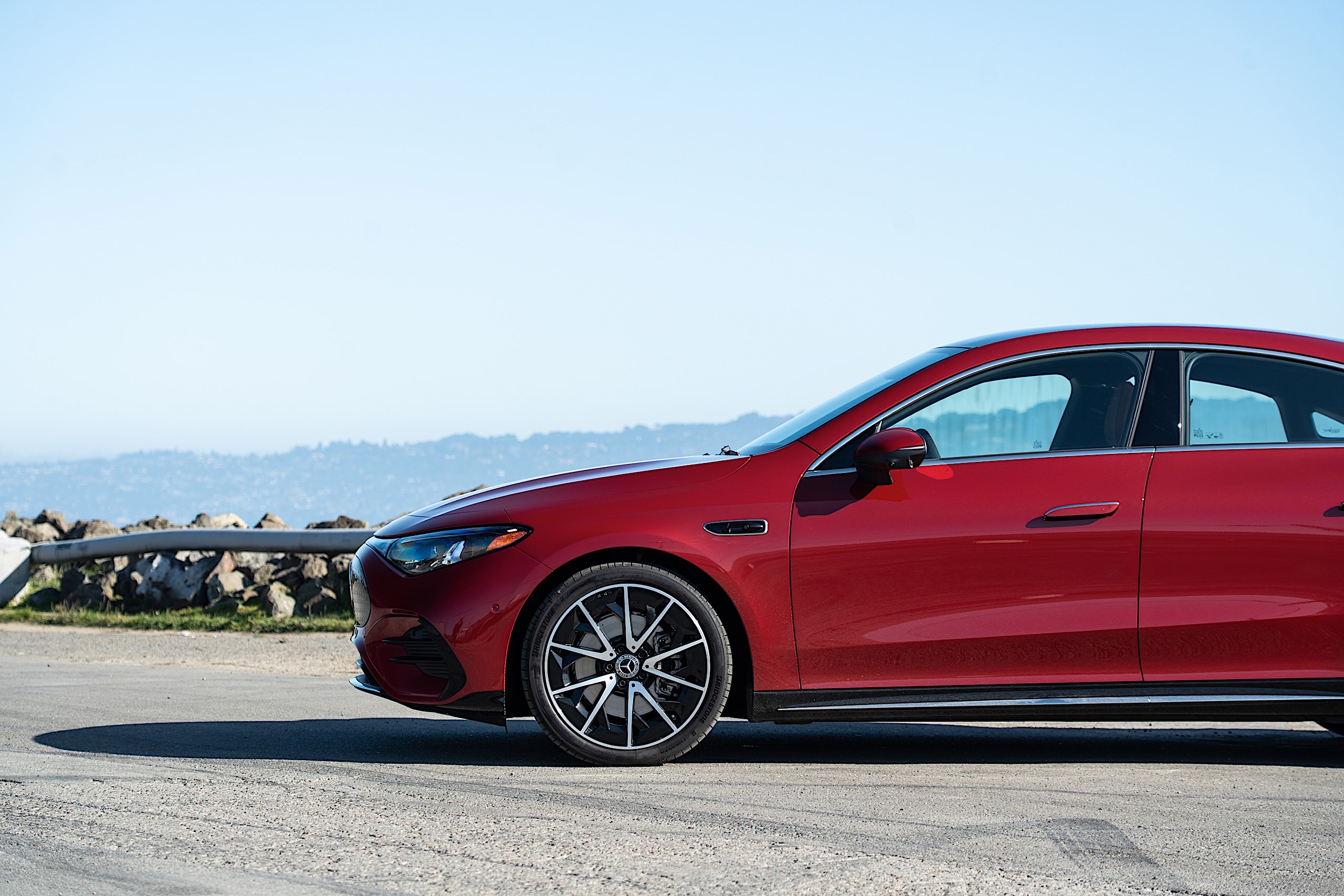
This one's been a long time coming. Mercedes-Benz has been researching, refining and even reshaping the car that would ultimately be the CLA for years now, teasing us with technical briefings and even showing off a sultry crimson concept car a full two years ago.
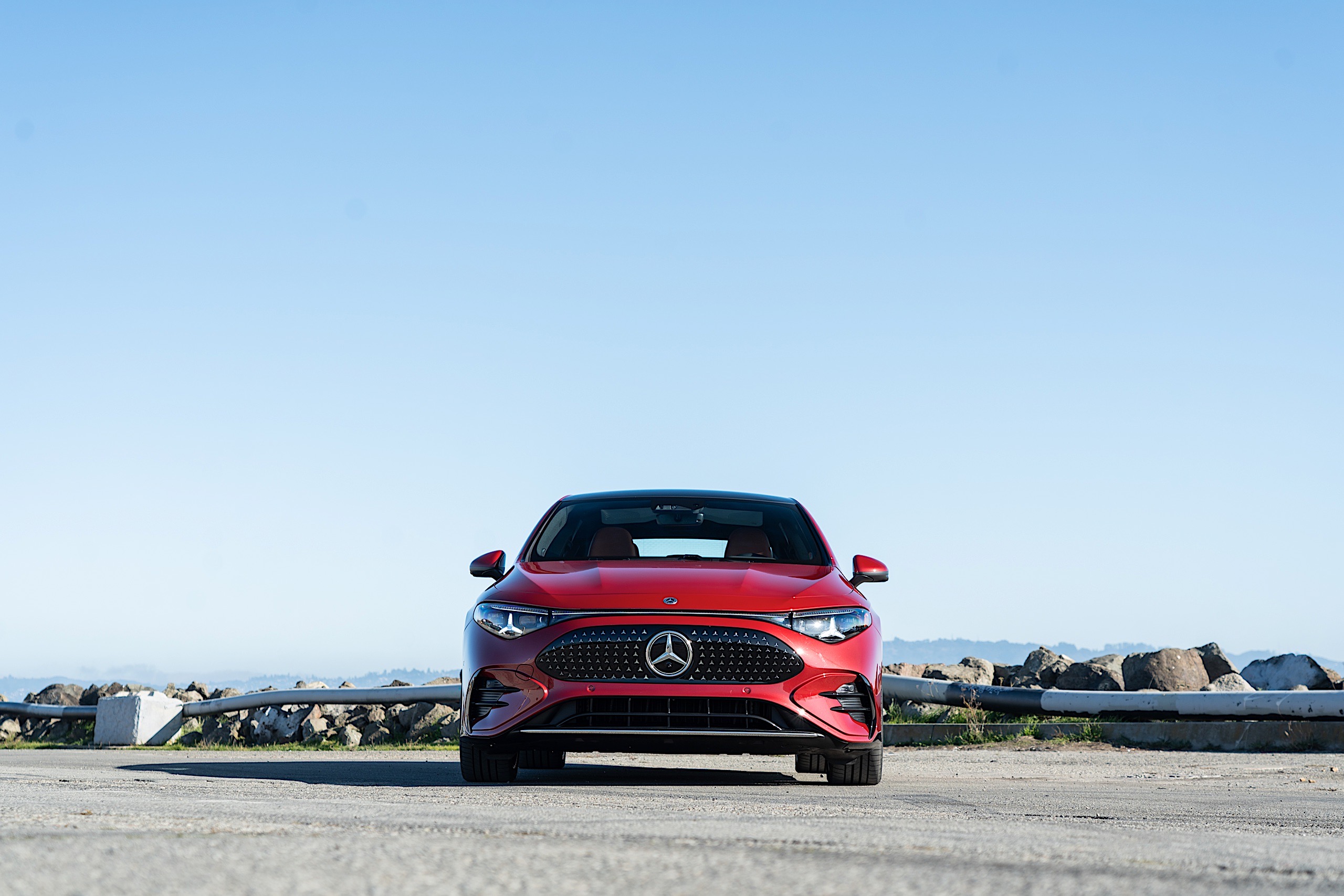
That was the Concept CLA, and while the production CLA you see here doesn't look quite that good, it is a fine-looking little electric sedan. More importantly, it goes as far as you'd think its slippery, 0.21-coefficient-of-drag body would carry it: up to 374 miles on a charge.
With a $47,250 starting price, is this electric CLA the complete package? After spending a day behind the wheel of one, I think it might just be.
Higher density
2026 Mercedes-Benz CLA 250+ EQ
Tim Stevens for Engadget
The CLA has long been Mercedes-Benz's most attainable sedan, a machine for those wanting something fun and stylish that offers a taste of the M-B lifestyle without breaking the bank.Attainability is still a big focus of this newly rebooted CLA, which serves as the debut venue for the company's latest generation of electrification. While most luxury auto makers would have you swing for their top-tier models to get the newest tech, Mercedes is actually bringing it to the lower end first.
The new CLA is built around a new battery pack that offers 20 percent more energy density than the company's previous EVs. There's a big boost in efficiency, too. Where the EQS, the company's current range meister, does up to 390 miles on a charge from roughly 110 kilowatt-hours, the CLA manages 374 miles from just 85. It's a much smaller car, sure, and lighter too at about 4,500 pounds versus 5,500 and up for the EQS, but there are bigger efficiencies at play here thanks to advanced motors and the aforementioned aerodynamics.
The CLA’s 0.21 coefficient of drag slots it right in between the 0.20 rating for the EQS sedan and 0.22 for the EQE. Crucially, though, despite being just as slippery as those cars, Mercedes-Benz's designers also managed to make the CLS stylish, a big step up from the efficient but amorphous profiles of its previous EVs.
That aerodynamic efficiency is a big part of what delivers the 374-mile range for the single-motor CLA 250+ with EQ Technology model, the formal and long-winded designation for what I drove. It delivers 268 horsepower through the rear wheels. Those wanting a bit more oomph can step up to the 349-hp, dual-motor, all-wheel-drive 350 4MATIC model. That extra power and low-grip surety costs an extra $2,550, but the bigger penalty is range: the dual-motor model maxes out at 312 miles on a charge. (There is a hybrid version of the new CLA coming as well, but we'll cover that on its own later.)
When it comes to charging, the new CLA impresses there, too. Charging at up to 320 kilowatts via the company's first NACS plug, the CLA adds a whopping 200 miles of range in 10 minutes. Weirdly, the car also has a separate, older-style J1772 plug for slower, level-two charging.
Accessible, not basic
The interior displays of the 2026 Mercedes-Benz CLA 250+ EQ
Tim Stevens for Engadget
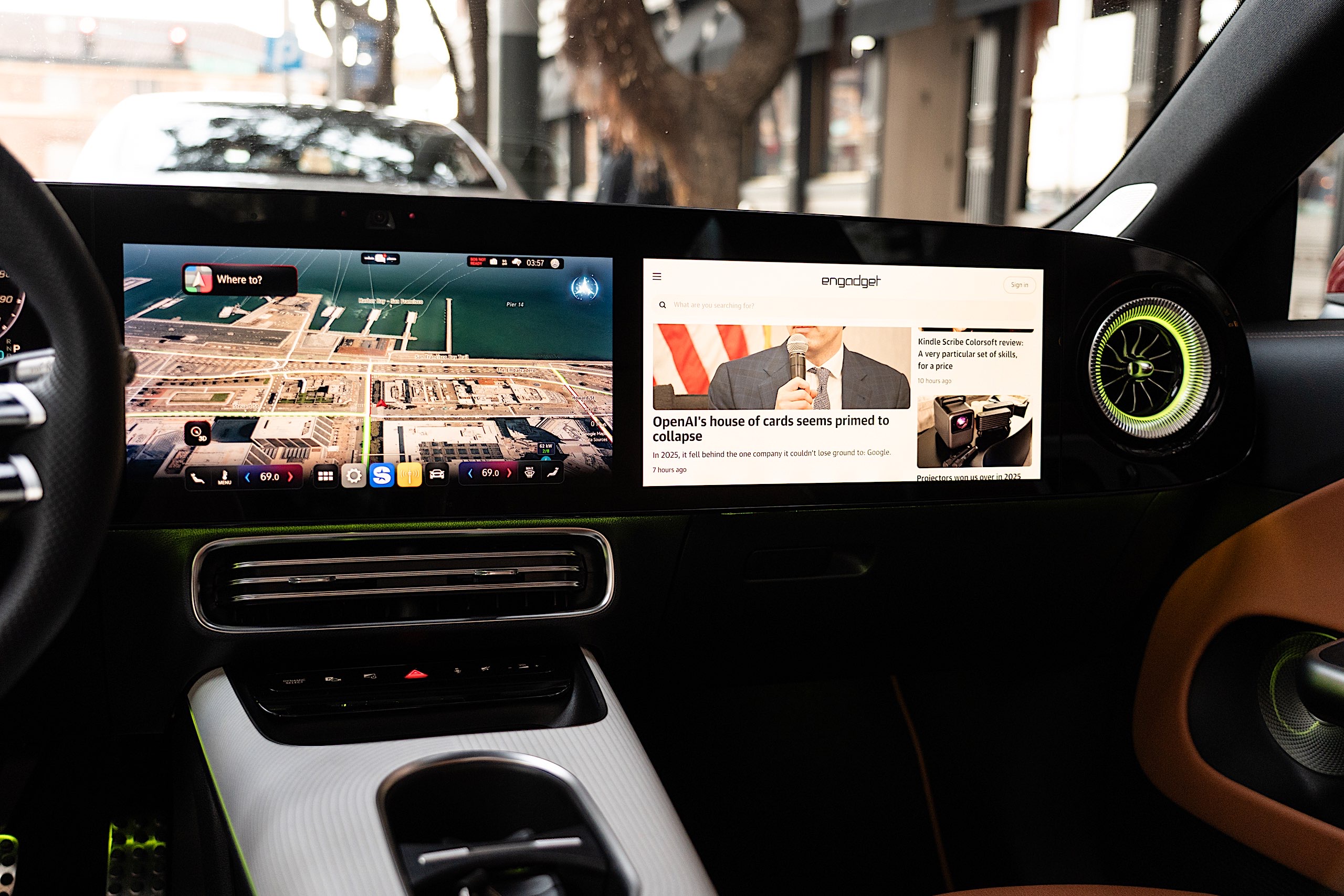
As a more attainable machine, you wouldn't necessarily expect the CLA to be completely loaded with features. Still, tick enough boxes and you can definitely get it there. While it doesn't have the luscious, curving Hyperscreen display as the EQS, it does offer a similar experience called Superscreen. You can get up to three displays spread across the dashboard: a 10.25-inch gauge cluster on the left, a 14-inch touchscreen in the center and an optional third display (also 14 inches) on the right for the passenger to play Angry Birds or stream videos. If, for some reason, they wouldn't rather just look at their phone.
All those displays run the latest version of the MBUX user interface, similar to what we've seen in the company's other EVs, but it’s a bit simpler and easier to use here. That's backed by a wholly new system-level operating system called MB.OS running on NVIDIA silicon, also making its debut on the CLA. Mercedes says this not only has far more capability but can also be more comprehensively updated via the car's 5G connection.
One of the features in the latest Mercedes software is baked-in AI. Say "Hey, Mercedes," and you can not only change just about any setting in the car, but also engage in any number of inane conversations. I asked for a weather update for my next trip to Chicago, the latest releases from a few of my forgotten bands and even got an explanation of why the lyrics in the song "Water's Edge" by Seven Mary Three are so very creepy. (Don't go down there, friends.)
It's all reasonably snappy and quite useful, but not perfect. When I said "I'm hungry," I got a quick listing of restaurants and offers for quick routing. When I said, "I need a hospital," the system, flummoxed, just stopped talking to me. Thankfully, I did not need a hospital. I was actually feeling pretty okay.
That extensive software upgradability is also opening the door to a new era of car upgrades. Yes, the automotive DLC era is here, and you can pay extra to unlock additional active features like automated parking, navigation, a dashcam function and whatever else Mercedes-Benz's product planners can dream up in the future. Hopefully, there's no horse armor involved.
We'll see how that shakes out, but my only real complaint about the interior was that it felt a bit cramped. It's a sedan on the small side, sure, but the layout feels a bit claustrophobic. That dashboard with all the displays is situated nearly vertically, as are the sides of the center console. Sitting in the passenger seat felt like being tucked in a box.
Mind you, it was a very comfortable box, well-upholstered and featuring a lovely interior trim made of recycled paper, grooved to give the effect of a Zen garden. Headroom up front is generous and actually isn't too bad in the rear, but ducking under that sweeping roofline to get into the back seats requires a bit of flexibility.
Drive time
2026 Mercedes-Benz CLA 250+ EQ
Tim Stevens for Engadget
Despite being the slowest electric CLA, this little sedan gets off the line quickly. A 6.6-second 0-to-60 time under-sells the feeling of instant acceleration and throttle response that make EVs so very compelling. You only start to feel the CLA's relative lack of horsepower at higher speeds, but even there, it's hardly lacking.
That made it a blast to scoot from light to light as I was escaping from San Francisco, but it was much more fun in the foothills of Mt. Tamalpais. The CLA's steering is light yet has good feedback. I could really feel the road beneath the front tires, making for a more engaging machine than I was expecting.
That battery pack in the floor keeps body roll in check, but a positively pliant suspension makes for a relaxed affair. The CLA did a great job of soaking up the countless imperfections in and around San Francisco, making for an extremely comfortable commuter, if one that felt a bit floaty at times.
It'll be a safe commuter, too. The car is festooned with sensors, including 10 cameras of various resolutions and focal lengths, five radar sensors firing in every direction and 12 ultrasonic sensors. You'll need to pay extra for the digital keys to unlock their full functionality, though, like advanced lane-keeping and automated lane changes. There's even an advanced, point-to-point driver assistance system coming called MB.DRIVE Assist Pro that'll let the car handle most of the steering — even on secondary roads. More details on that to come.
For now, the car did great at managing itself on the highway, changing lanes with enough initiative to get through commuter traffic without issue, and not only bringing itself to a complete stop in traffic, but resuming again as soon as the cars ahead moved.
It even delivered good efficiency. I saw 3.9 miles per kWh, which would equate to a theoretical 331 miles from the 85 kWh battery pack. That's despite my driving with a good amount of enthusiasm and a heavy right foot. Edmunds, driving more conservatively, got 434 miles from a single charge,
Wrap-up
2026 Mercedes-Benz CLA 250+ EQ
Tim Stevens for Engadget
So the CLA looks great, drives well, has plenty of range and again, starting at $47,250, feels well-priced. Yes, you'll need to pay extra if you want to get all the toys, like the epic Dolby Atmos-capable Burmester sound system or the lovely Natural Fiber Zen interior trim. But when I ticked all the boxes I wanted, I still came out under $60,000. That put me about $5,000 below the base price of the company's next-bigger EV, the EQE.
The CLA really is a big step forward on the EV front, and it’s a car that's hard to fault. The new CLA is hitting dealerships presently, and I have a feeling you'll be seeing plenty of them on the road soon.
This article originally appeared on Engadget at https://www.engadget.com/transportation/evs/mercedes-benz-cla-first-drive-head-of-the-ev-class-140000562.html?src=rss
One of 2025's splashiest games, Hollow Knight: Silksong, is getting its first major DLC expansion, developer Team Cherry announced in a blog post. The nautically-themed Sea of Sorrow update will come to the moody Metroidvania some time in 2026, and better still, it will be free for all players.
The DLC will include "new areas, bosses, tools and more," the developer wrote. There aren't a lot of clues to the gameplay in the short trailer below, but the four shots definitely relay the vibe. The first shows what looks like fishing tackle, then we see something (or someone) on a tomb-like wooden platform tied under a canvas sheet. Next an orb-like structure crackling with electricity looms and finally the game's protagonist, Hornet, appears.
In related news, Team Cherry gave updates on its Nintendo Switch 2 version of the original Hollow Knight that will bring it up to visual parity with the the Hollow Knight: Silksong Switch 2 edition. As part of that, the studio also released a beta update to the Steam and GOG PC versions of the original Hollow Knight.
This article originally appeared on Engadget at https://www.engadget.com/gaming/hollow-knight-silksongs-upcoming-dlc-pack-will-be-free-for-all-players-123055729.html?src=rss
There's a strange thing that happens when a person you once knew as your child seems, over years, to forget the sound of your voice, the feel of your laugh, or the way your presence once grounded them. It isnt just loss - it's an internal inversion: your love becomes a shadow. Something haunting, familiar, yet painful to face.
I know this because I lived it - decade after decade - as the father of two sons, now ages 28 and 26. What has stayed with me isn't just the external stripping away of connection, but the internal fracture it caused in myself.
Some days I felt like the person I was before alienation didn't exist anymore. Not because I lost my identity, but because I was forced to confront parts of myself I never knew were there - deep fears, hidden hopes, unexamined beliefs about love, worth, and attachment.
This isn't a story of blame. It's a story of honesty with the inner terrain - the emotional geography that alienation carved into my heart.
The Silent Pull: Love and Loss Intertwined
Love doesn't disappear when a child's affection is withdrawn. Instead, it changes shape. It becomes more subtle, less spoken, but no less alive.
When your kids are little, love shows up in bedtime stories, laughter, scraped knees, and easy smiles. When they're adults and distant, love shows up in the quiet hurt - the way you notice an empty chair, or a text that never came, or the echo of a memory that still makes your heart ache.
This kind of love doesn't vanish. It becomes a quiet force pulling you inward - toward reflection instead of reaction, toward steadiness instead of collapse.
Unmasking Attachment: What the Mind Holds Onto
There's a psychological reality at play here that goes beyond custody schedules, angry words, or fractured holidays. When a person - especially a young person - bonds with one attachment figure and rejects another, something profound is happening in the architecture of their emotional brain.
In some dynamics of parental influence, children form a hyper‑focused attachment to one caregiver and turn away from the other. That pattern isn't about rational choice but emotional survival. Attachment drives us to protect what feels safe and to fear what feels unsafe - even when the fear isn't grounded in reality. High Conflict Institute
When my sons leaned with all their emotional weight toward their mother - even to the point of believing impossible things about me - it was never just "obedience." It was attachment in overdrive: a neural pull toward what felt like safety, acceptance, or approval. And when that sense of safety was threatened by even a hint of disapproval, the defensive system in their psyche kicked into high gear.
This isn't a moral judgment. It's the brain trying to survive.
The Paradox of Love: Holding Two Realities at Once
Here's the part no one talks about in polite conversation:
You can love someone deeply and grieve their absence just as deeply - at the same time.
It's one of the paradoxes that stays with you long after the world expects you to "move on."
You can hope that the door will open someday
and you can also acknowledge it may never open in this lifetime.
You can forgive the emotional wounds that were inflicted
and also mourn the lost years that you'll never get back.
You can love someone unconditionally
and still refuse to let that love turn into self‑erosion.
This tension - this bittersweet coexistence - becomes a part of your inner life.
This is where the real work lives.
When Attachment Becomes Overcorrection
When children grow up in an environment where one caregiver's approval feels like survival, the attachment system can begin to over‑regulate itself. Instead of trust being distributed across relationships, it narrows. The safe figure becomes everything. The other becomes threatening by association, even when there's no rational basis for fear. Men and Families
For my sons, that meant years of believing narratives that didn't fit reality - like refusing to consider documented proof of child support, or assigning malicious intent to benign situations. When confronted with facts, they didn't question the narrative - they rationalized it to preserve the internal emotional logic they had built around attachment and fear.
That's not weakness. That's how emotional survival systems work.
The Inner Terrain: Learning to Live With Ambivalence
One of the hardest lessons is learning to hold ambivalence without distortion. In healthy relational development, people can feel both love and disappointment, both closeness and distance, both gratitude and grief - all without collapsing into one extreme or the other.
But in severe attachment distortion, the emotional brain tries to eliminate complexity - because complexity feels dangerous. It feels unstable. It feels like uncertainty. And the emotional brain prefers certainty, even if that certainty is painful. Karen Woodall
Learning to tolerate ambiguity - that strange space where love and loss coexist - becomes a form of inner strength.
What I've Learned - Without Naming Names
I write this not to indict, accuse, or vilify anyone. The human psyche is far more complicated than simple cause‑and‑effect. What I've learned - through years of quiet reflection - is that:
Attachment wounds run deep, and they can overshadow logic and memory.
People don't reject love lightly. They reject fear and threat.
Healing isn't an event. It's a series of small acts of awareness and presence.
Your internal world is the only place you can truly govern. External reality is negotiable - inner life is not.
Hope Without Guarantee
I have a quiet hope - not a loud demand - that one day my sons will look back and see the patterns that were invisible to them before. Not to blame. Not to re‑assign guilt. But to understand.
Hope isn't a promise. It's a stance of openness - a willingness to stay emotionally available without collapsing into desperation.
Living With the Shadow - and the Light
Healing isn't about winning back what was lost. It's about cultivating a life that holds the loss with compassion and still knows how to turn toward joy when it appears - quietly, softly, unexpectedly.
Your heart doesn't have to choose between love and grief. It can carry both.
And in that carrying, something deeper begins to grow.
#
Sources & Resources
Parental Alienation & Emotional Impact
International Society for the New Definition of Abuse & Family Violence - overview on parental alienation as child abuse: https://isnaf.info/our-mission-2/
In cybersecurity, being “always on” is often treated like a badge of honor.
We celebrate the leaders who respond at all hours, who jump into every incident, who never seem to unplug. Availability gets confused with commitment. Urgency gets mistaken for effectiveness. And somewhere along the way, exhaustion becomes normalized—if not quietly admired.
But here’s the uncomfortable truth:
Always-on leadership doesn’t scale. And over time, it becomes a liability.
I’ve seen it firsthand, and if you’ve spent any real time in high-pressure security environments, you probably have too.
The Myth of Constant Availability
Cybersecurity is unforgiving. Threats don’t wait for business hours. Incidents don’t respect calendars. That reality creates a subtle but dangerous expectation: real leaders are always reachable.
The problem isn’t short-term intensity. The problem is when intensity becomes an identity.
When leaders feel compelled to be everywhere, all the time, a few things start to happen:
Decision quality quietly degrades
Teams become dependent instead of empowered
Strategic thinking gets crowded out by reactive work
From the outside, it can look like dedication. From the inside, it often feels like survival mode.
And survival mode is a terrible place to lead from.
What Burnout Actually Costs
Burnout isn’t just about being tired. It’s about losing margin—mental, emotional, and strategic margin.
Leaders without margin:
Default to familiar solutions instead of better ones
React instead of anticipate
Solve today’s problem at the expense of tomorrow’s resilience
In cybersecurity, that’s especially dangerous. This field demands clarity under pressure, judgment amid noise, and the ability to zoom out when everything is screaming “zoom in.”
When leaders are depleted, those skills are the first to go.
Strong Leaders Don’t Do Everything—They Design Systems
One of the biggest mindset shifts I’ve seen in effective leaders is this:
They stop trying to be the system and start building one.
That means:
Creating clear decision boundaries so teams don’t need constant escalation
Trusting people with ownership, not just tasks
Designing escalation paths that protect focus instead of destroying it
This isn’t about disengaging. It’s about leading intentionally.
Ironically, the leaders who are least available at all times are often the ones whose teams perform best—because the system works even when they step away.
Presence Beats Availability
There’s a difference between being reachable and being present.
Presence is about:
Showing up fully when it matters
Making thoughtful decisions instead of fast ones
Modeling sustainable behavior for teams that are already under pressure
When leaders never disconnect, they send a message—even if unintentionally—that rest is optional and boundaries are weakness. Over time, that culture burns people out long before the threat landscape does.
Good leaders protect their teams.
Great leaders also protect their own capacity to lead.
A Different Measure of Leadership
In a field obsessed with uptime, response times, and coverage, it’s worth asking a harder question:
If I stepped away for a week, would things fall apart—or function as designed?
If the answer is “fall apart,” that’s not a personal failure. It’s a leadership signal. One that points to opportunity, not inadequacy.
The strongest leaders I know aren’t always on.
They’re intentional. They’re disciplined. And they understand that long-term effectiveness requires more than endurance—it requires self-mastery.
In cybersecurity especially, that might be the most underrated leadership skill of all.
#
References & Resources
World Health Organization (WHO) — Burn-out an “occupational phenomenon” (ICD-11 overview)
iRobot, which brought robotic vacuum cleaners to the masses with its iconic Roomba models, has filed for Chapter 11 bankruptcy. The Massachusetts-based company plans to sell all assets to its primary supplier, a Chinese company known as Picea Robotics. If approved by a bankruptcy court, the move would allow iRobot to "continue operating in the ordinary course, pursue its product development roadmap, and maintain its global footprint," iRobot wrote in a press release.
The company expects the deal to close in February 2026, but says it will continue to operate "with no anticipated disruption to its app functionality, customer programs, global partners, supply chain relationships or ongoing product support." That means your Roomba should continue to clean normally and you'll be able to get consumables and replacement parts.
However, investors of common stock "will experience a total loss and not receive recovery on their investment" if the deal is approved, iRobot stated. The company didn't discuss how the move might affect its employees in the US or elsewhere.
Bankruptcy seemed a likely outcome for iRobot after Amazon dropped its $1.7 billion acquisition of the company last year following a veto threat by European regulators. The company's fortunes continued to decline and it issued a statement to investors in March 2025 that it had "substantial doubt about [its] ability to continue."
It's a sad turn of events for the company that invented the robotic vacuum niche and launched its first product, the Roomba, back in 2002. It dominated that space for more than a decade, but its market size has steadily shrunk more recently, particularly since Covid, due to competition from rivals like Roborock and Dreame.
Though iRobot retooled its product lineup earlier this year with new models like the Roomba 105 Vac Robot series and Roomba Plus 505 Combo Robot + AutoWash Dock, but they failed to move the sales needle enough. The company was reportedly hit hard by Trump's 46 percent tariff in Vietnam where it manufactures products for the US market.
If the sale is approved, iRobot says it will return in force. "Today's announcement marks a pivotal milestone in securing iRobot's long-term future," said CEO Gary Cohen. "The transaction will strengthen our financial position and will help deliver continuity for our consumers, customers, and partners."
This article originally appeared on Engadget at https://www.engadget.com/home/irobot-has-filed-for-bankruptcy-and-may-be-taken-over-by-its-primary-supplier-091602257.html?src=rss
As we’re getting closer to winding down the NFL regular season, we’ve had several months of fresh NFL All Day drops and nearly another season with the product, so how do we think they’re doing this year? Certainly, there has been less controversy, not a ton of complaints, but is that because there is less activity? I thought I’d change the format up a bit with this one and let’s give NFL All Day a progress report for the season so far.
Consistency: A Let’s start out with a positive. If nothing else, the team has been consistent this year. They’ve kept the actual sets consistent, Playbook consistent, drop strategy consistent, communications consistent and quality of moments consistent. There is something to be said for this as it shows a stability and maturity in the platform that we aren’t bouncing all over the place here. As far as the individual components they’re consistent on, we will touch on how well I think they’ve executed them later on, but as a collector I appreciate the strategy they’re trying to execute so far.
Playbook: B This one has so much potential. I like that they’re doing the multiple different paths of the free modes, game picks, classic and pro; which along with the Huddle concept pushes this above the average C range. The average here was based on the expectation they’d do Playbook again and it would be fun in some way, shape or form. The Huddle concept was absolutely top tier. I really enjoyed this concept, it was innovative, brought people together and had us all vested in on Sundays. That to me is what Playbook should be driving to. A way to want to engage with the platform on game days. That is also where the individual game modes of Playbook leave me wanting a little more. Conceptually, I am ok with where they are at, but I feel like I miss some of the original Playbook. I miss the individual new moments as rewards and I miss the progress of games throughout the day. We can kind of set it and forget it, which is certainly fine, but I do miss some of the elements of the specific night game challenges and allowing another crack at things if you had a slow Sunday slate. Overall, I think what they’re doing is heading in the right direction and I am glad to see the team investing in this area.
Economics: D+ Here is a downer that pulls down our overall vibe. There are just too many moments still. Either the mint counts or the number of players per drop, it is 1) overwhelming and 2) flooding the marketplace. Rares don’t feel as Rare outside of MGLE, the historical drop during Thanksgiving I understand but really had too many marginal players and dropping commons without a play assigned feels like a mis-step using the rookie strategy that doesn’t get you excited the same way about veterans. The floors on Rookie Debuts and Regal Rookies are at a very buyer friendly price point (NFA of course), but it feels like they’re losing a battle for the buyer dollar which keeps getting stretched with every new drop because there is so much new stuff to consume. Pack drop buy backs have been a nice safety net to encourage ripping. Team collecting feels like it has no real purpose this season and is one of the big opportunities I’d love to see the product lean into more. Overall, this is a bit of a rant, but it is one of the few true negatives to an otherwise fairly solid season.
Actual Product: A This is always a standout for any of the Dapper products. The moments themselves are always excellent. While yes, there may be a lot of them per my above comment, the product itself is really well done. Let’s start at the top — I love the addition of the digital autograph. This to me is such a huge plus on a digital collectible that makes them stand out in a crowded market; I was glad to see All Day add this to the moments. Parallels I thought were done well with the 3 color tiers and clear identification on the marketplace. I feel like something is slightly missing with them, but I can’t my finger on what. I like them, but nothing is driving me to want to level up to the scarcer versions yet. In general though, a nice addition and brought in fairly well. The videos themselves are obviously well cut and well edited as always. I wish the thumbnails were a touch bigger though if I am nit picking. Rookies were done in a consistent way and in general I like the rookie strategy they ran back this year. I’m not sure if I love or hate the rare sets being based on position yet, but for now I think I like it, so I left that as a positive. I like that there is a concept — the best plays from the position all year, but I miss some of the bigger stories that can be told in blended sets. All in all, I’ve thoroughly enjoyed watching the moments this season.
Challenges: C- I thought about going lower here, but challenges are one of the bigger let downs to me of the year so far. The challenge rewards of some sets being the same mint count as the regular moments of the drop, some of them are instant, some are not instant, some challenges are minted to completion and then having them run all season is a confusing mix for me. Plus we now have so many challenges, including the parallel challenges, it takes an eternity to scroll around through the challenge page. There also doesn’t seem to be a consistent organization of them either. I left this up in the average C range though, because things like the mint to completion, Thanksgiving day specific challenges and the rumored master challenge rewards are all positives to me that I think are in the right direction.
Product Rollout: B This one is more of a blended average. On one hand, the team does a solid job communicating drops and I also appreciate the tweets that show the moment and have the context. I think that helps hype the drop up and show the curation. The team does a nice job tweeting out the big plays and being active on X during games, but I wish we had a little deeper dive into product, the drop stories and overall platform. I like what Top Shot is doing highlight the moments that are selling weekly and the players selling. I also wish we had more content beyond just drops. Give us some more reasons to engage with the product beyond drops, beyond Playbook and keep us on the site longer. I do like what they’ve done with pack discount codes during Monday Night Football. I think that is a great concept to try to push packs during the prime time games. It connects the product to the game more and provides another element to the experience of ripping packs. Overall, I think the product is meeting the mark here, but leaves me wanting a little more.
Collector Experience: A- I’ve found myself spending a lot of time this year engaging with the NFL All Day product for various reasons. I have Ravens season tickets (what a nightmare), so I have been trying to collect every moment from the Ravens and also the away teams from games I attended this year. I enjoy piecing together my collection through the various paths the NFL season takes me that I want to collect. I loved the Jaxson Dart and Cam Skattebo emergence, the long game story of Shedeur and being able to rip packs during games with a buy back floor. I loved the Huddle concept, appreciate the options Playbook gives me to use my collection and browse the marketplace extremely easy to find what I want. Collecting video highlights of my favorite players and memorable plays from games I’ve watched is always fun. I bought a Justin Fields Fresh Threads because I was so hyped up on his early season performance after watching the game against Pittsburgh. I want a Rome Odunze rookie debut because he was my keeper in fantasy and for at least a few weeks, we proved all our doubters wrong. There’s a strong catalog of previous release moments I have my eye on, waiting for the right time and serial number I can easily browse. The app makes watching moments incredibly easy. Overall, we have a strong collector’s foundation here.
Comments: Some general report card comments — I’d like to see some more collection organizing tools. This was a long standing item (and still is) with Top Shot as well. Give us more ways to organize and engage with out digital collections. Also, I really wish we had the wishlist feature like Top Shot (pun intended). I am still confused and lost on the purpose of the draft pick moments we got earlier this year (maybe I’m the idiot). Great job on Huddle this year, it was unique and innovative, keep it coming and expand on it. Leverage crafting more for parallels or unique parallels (thinking like a “white” parallel for example if you collect the rainbow or various tiers — similar to what Panini does for challenges). I complained the number of challenges and types made it confusing, but thank you for really pushing challenges for collectors; we like them.
I’ll save the overall grade for the end of the year, but NFL All Day has been trending on the right path this season. They’re executing a solid plan, trying out some new things here and there without blowing up the whole thing. There is an appreciation in stability as a collector. I think they need to get more ways to get collectors onboard, back in and engaged longer to an incredibly strong product with a lot of upside. At the end of the day, this season has been a fun ride and I’m looking forward to the next wave of Playoff moments (hopefully with the Ravens eligible for the sets!)
Until next time, watch more moments, tell more stories, Go Ravens and we ride at dawn…
To transform cyber risk into economic advantage, leaders must treat cyber as a board-level business risk and rehearse cross-border incidents with partners to build trust.
Guide to top U.S. real estate tokenization development companies for 2026.
I’ve been following real estate tokenization for years. I believed in the promise. I trusted the technology. But 2025 hit the market like a sudden strom.
The hype, the excitement, the idea that blockchain would completely revolutionize property investment it all felt like it was suddenly being put to the test.
Here’s the part nobody talks about. Tokenization was supposed to be the next big thing. Fractional ownership, instant global access, liquid property markets it was meant to outpace traditional real estate in every way. Then reality stepped in. Traditional real estate markets, carefully managed rental portfolios, and hybrid digital-property platforms started holding their own and in some cases, outperforming early tokenization projects.
While blockchain platforms were rolling out fractional ownership, investors began noticing companies that combined tokenization with practical tech solutions like AI, smart contracts, and digital marketplaces. Those projects drew more attention and adoption than pure tokenized offerings. Even some small, focused platforms saw faster growth than the heavily hyped tokenization startups. Let that sink in: the “future of property investment” everyone was talking about was still learning how to compete with conventional approaches.
So what’s really happening behind the scenes? Tokenization isn’t failing it’s evolving. The market is separating hype from substance, and the companies that blend innovation with real-world practicality are the ones that will dominate in 2026 and beyond.
Top Real Estate Tokenization Development Company in the USA
What Is Real Estate Tokenization?
Real estate tokenization is the process of converting physical property rights into digital tokens stored on a blockchain network. These tokens represent a share or fraction of the property, allowing individuals and institutions to invest in real estate without needing to purchase an entire asset. By digitizing ownership, tokenization enhances liquidity in an industry traditionally defined by high entry barriers and long transaction timelines. Blockchain ensures that every transaction is recorded immutably, reducing the need for intermediaries and creating a transparent, secure system for managing ownership records. As tokenized real estate becomes more mainstream, both developers and investors benefit from simplified processes, improved capital efficiency, and broader investment reach.
Beleaf Technologies
Beleaf Technologies stands out as one of the leading real estate tokenization development companies in the USA for 2026. Renowned for its technical expertise and industry-focused approach, the company specializes in building fully customized tokenization platforms for property developers, enterprises, and investment firms. Beleaf offers comprehensive solutions that include smart contract creation, investor onboarding modules, compliance integration, digital wallet setup, and secondary market features. Their platforms are designed with scalability and regulatory alignment in mind, ensuring compatibility with SEC frameworks such as Reg A+, Reg D, and Reg S.
What sets Beleaf Technologies apart is its commitment to client-centered development, guiding businesses through every stage of the tokenization journey. From conceptual planning to platform deployment and long-term support, Beleaf ensures that each project is secure, efficient, and tailored to real-world operational needs. Their strong understanding of the U.S. real estate market, combined with modern blockchain infrastructure, makes them a trusted choice for organizations wanting to embrace tokenized property investment in 2026.
Tokeny
Tokeny remains a consistent leader in the asset tokenization industry, offering advanced digital securities infrastructure that supports companies across multiple sectors, including real estate. Known for its strong emphasis on compliance and identity verification, Tokeny provides platforms that simplify the creation, distribution, and management of tokenized real estate assets. Their technology features automated investor onboarding, secure ownership tracking, and seamless lifecycle management. While Tokeny serves clients globally, its solutions have been increasingly adopted in the United States by companies prioritizing transparency and regulatory security.
RealFund
RealFund continues to gain momentum as a reliable tokenization partner for property developers aiming to expand their investment reach. Their platform focuses on tokenizing both residential and commercial properties while offering an intuitive investor experience. RealFund’s approach simplifies participation in real estate markets by allowing fractional ownership and enabling global investors to engage with digital property assets effortlessly. The company’s dedication to security and regulatory compliance helps businesses navigate the complexities of digital asset issuance while maintaining investor trust.
RealT
RealT has earned a strong reputation for pioneering tokenized rental income in the United States. The platform allows investors to buy fractional shares of rental properties and receive income distributed directly through blockchain. This model offers a modern, efficient approach to real estate income generation and has opened doors for both retail and international investors. RealT’s tokens can be traded on secondary markets, allowing investors to enjoy liquidity something difficult to achieve with traditional real estate assets. Their accessible and transparent investment framework continues to appeal to those exploring digital property ownership.
Synodus
Synodus is emerging as a versatile technology provider specializing in blockchain and digital transformation for enterprises. The company offers tailored real estate tokenization solutions designed to support fractional ownership, digital asset management, and investor engagement. With an emphasis on security and scalable architecture, Synodus helps businesses integrate blockchain technology into their operations smoothly. Their solutions focus on enhancing transparency and operational efficiency, making them a valuable partner for organizations exploring tokenization as part of their long-term digital strategy.
Conclusion
Real estate tokenization is rapidly reshaping the way property investments are made, offering greater flexibility, security, and access to global opportunities. The companies highlighted in this guide Beleaf Technologies, Tokeny, RealFund, RealT, and Synodus are playing key roles in driving this transformation across the United States. As blockchain adoption accelerates, businesses and investors will continue to seek solutions that simplify asset management and expand investment potential. Choosing an experienced and trusted Real Estate Tokenization Development Company is essential for navigating this evolving landscape and unlocking the full benefits of tokenized real estate in 2026 and beyond.
Reddit has filed a lawsuit in Australia's High Court aiming to overturn the country's under-16 social media ban, Reuters reported. The forum platform called the law contrary to Australia's constitution as it intrudes on free political discourse. It also argued that Reddit shouldn't have been included in the ban since it isn't a social media site, based on the law's definition. The action is likely to set in motion a protracted legal battle, given Reddit's resources and its popularity in Australia
Australia's minimum age social media ban, the first of its kind in the world, went into effect on December 10. The ten platforms affected, including Reddit, must bar underage users or face a fine of up to A$49.5 million ($33 million). Platforms are using a variety of means to determine age, including age inference based on activity and selfies.
However Reddit argued that the law comes with some "serious privacy and political expression issues" for users. "Australian citizens under the age of 16 will, within years if not months, become electors. The choices to be made by those citizens will be informed by political communication in which they engage prior to the age of 18," it wrote in the filing.
The government disagreed, noting that Reddit filed the lawsuit to protect is profits, not children's right to free expression. "It is action we saw time and time again by Big Tobacco against tobacco control and we are seeing it now by some social media or big tech giants," said Health Minister Mark Butler.
With a market capitalization of $44 billion, Reddit certainly has the means to sustain a long fight. It would be motivated to do so as well, given that Australia is its fourth-largest market after Canada, the UK and the United States.
This article originally appeared on Engadget at https://www.engadget.com/social-media/reddit-sues-australia-over-underage-social-media-ban-143018208.html?src=rss
SYDNEY, AUSTRALIA - DECEMBER 07: In this photo illustration, the Reddit app is displayed on a phone with the Australian flag displayed in the background on December 7, 2025 in Sydney, Australia. The Online Safety Amendment (Social Media Minimum Age) Act 2024 requires social media platforms, including TikTok, Instagram, Facebook, YouTube, Snapchat, X, Reddit, Threads, Twitch, and Kick to implement age-verification systems and take reasonable steps to prevent account creation by users under 16, with non-compliant platforms facing penalties of up to A$50 million. (Photo Illustration by George Chan/Getty Images)
The convergence of physical and digital security is driving a shift toward software-driven, open-architecture edge computing. Access control has typically been treated as a physical domain problem — managing who can open which doors, using specialized systems largely isolated from broader enterprise IT. However, the boundary between physical and digital security is increasingly blurring. With..
After rolling it out on desktop and Android earlier in 2025, Google is finally bringing its built-in Gemini AI experience to iPhone and iPad. It offers new features like summarizing pages and helping you test your knowledge about a subject you're learning. As with any AI tool, though, it shouldn't be trusted for anything important given the possibility of hallucinations and other errors.
When it arrives on your iOS device, tapping the spark icon at the left of the address bar (in place of the Google Lens camera) brings up a "Pages tool" that offers Lens and the new feature, "Ask Gemini." You can then chat with Gemini about the current web page (by default) or any other topic. It may then offer suggestions that appear in the chat box like:
Summarize page: Tap to get key takeaways and insights that help you understand any topic.
Create FAQ about this topic: Tap to get FAQs based on info from this page and similar sites.
If you elect to just type in the chat window, here are some examples of what you can do:
Summarize key takeaways from an article
Explain a complex topic in a different way
Help you test your knowledge of a new subject you’re learning
Modify a recipe to meet dietary needs
Compare information or make recommendations based on your preferences
The response to your chat questions will float over the web page that then shifts to the background. A new chat can be started from the top right corner, and you'll see a Liquid Glass overflow menu.
For now, Gemini in Chrome on iPhone and iPad is only supported in the US with the browser language set to English. You need to be signed into Chrome and the feature doesn't work in incognito mode. Google also noted that the feature is only available to users 18 and older and may not roll out to your device immediately.
This article originally appeared on Engadget at https://www.engadget.com/ai/googles-gemini-ai-comes-to-chrome-on-iphone-and-ipad-130003432.html?src=rss
A smartphone displays the Gemini 3 logo in front of a laptop screen showing the Gemini branding during a demonstration in San Ferdinando di Puglia, Italy, on December 4, 2025. The image depicts Google's AI system showcased across multiple digital devices. (Photo by Matteo Della Torre/NurPhoto via Getty Images)
Tourists from Europe and other regions could be asked to provide a five-year social media history before given entry to the United States, according to a new proposal from the US Customs and Border Protection service (CBP). The new rule would affect visitors from countries who normally enjoy relatively easy entry to the US via the Electronic System for Travel Authorization (ESTA).
The new proposal cites an executive order issued by President Trump from January titled "Protecting the United States From Foreign Terrorists and Other National Security and Public Safety Threats." In his first year in office, Trump has been hyper-focused on strengthening US borders and reducing what he calls illegal immigration.
The US state department will conduct "online presence" reviews for applicants and their dependents and require privacy settings on social media profiles to be made "public." Applicants must list all the social media handles they've used over the last five years and if any information is omitted, it could lead to the denial of current and future visas. The CBP didn't say what information they were looking for or what could be disqualifying.
On top of the social media information, CBP may require applicant's telephone numbers and email addresses used over the last five and 10 years respectively, along with information about family members.
The new conditions are liable to increase ESTA wait times and drastically boost the cost of enforcing it. The CPB's document suggests that an additional 5,598,115 man-hours would be required per year, or around 3,000 full-time jobs plus all the costs that entails. Right now, the ESTA application costs $40, allows people to visit the US for 90 days at a time and is valid for a two-year period.
The mandatory social media reporting and other requirements could discourage travelers. Some Australian tourists who were coming to the US for the upcoming World Cup have now said that they've abandoned those plans, according to The Guardian, with one person calling the new rules "horrifying."
However, when asked if the proposal could lead to a tourism decline in the US, Trump said he wasn't concerned. "No. We're doing so well," he told a reporter. "We want to make sure we're not letting the wrong people come enter our country."
The CPB emphasized that the new conditions were only a proposal for now. "Nothing has changed on this front for those coming to the United States [currently]," a spokesperson told the BBC. "This is not a final rule, it is simply the first step in starting a discussion to have new policy options to keep the American people safe."
If implemented, the rule would affect people from 40 countries, including the UK, Ireland, France, Germany, Italy, Australia and Japan. The largest number of tourists to the US come from Canada and Mexico, accounting for nearly half of the total — however, visitors with passports from those two countries don't require a visa or ESTA approval. Travel to the US was down three percent this year compared to 2024 as of August 2025, according to the National Travel and Tourism Office.
This article originally appeared on Engadget at https://www.engadget.com/social-media/us-could-demand-five-year-social-media-history-from-tourists-before-allowing-entry-102751243.html?src=rss
U.S. Customs and Border Protection CBP sign, inscription and symbol in yellow background in Newark Liberty International Airport EWR serving the New York Metropolitan area with arriving passenger walking in the terminal towards the immigration passport control. United States Customs and Border Protection is the largest federal law enforcement agency of the United States Department of Homeland Security with agents and officers, it's the primary border control organization. Newark, United States of America on November 2024 (Photo by Nicolas Economou/NurPhoto via Getty Images)
Not long ago, you may have thought of projectors as complicated, unreliable or just too expensive. In 2025, though, consumer sentiment started to flip. Companies like Anker and Valerion made the projector experience more practical and immersive, helping drive consumer interest and, ultimately, sales.
This shift has been quite a few years in the making. LG helped kickstart the projector renaissance back at CES 2018 when it introduced its unusual-looking CineBeam HU80K projector that could provide a 150-inch image. The next year at CES saw the dawn of the ultra short-throw (UST) laser projector that could create a similarly large display while sitting just inches from your wall. Another big technological upgrade over the following years was the bright and long-lasting laser light engines that replaced weaker, more fragile bulbs.
The timing couldn’t have been better for projector manufacturers. When COVID shut down theaters in 2020, consumers were forced to get their entertainment at home. Many wanted something akin to a movie theater experience — both indoors and out — and thus interest in projectors started to take off.
In 2025, though, projectors really entered the zeitgeist thanks to two new products. The first was Anker’s SoundCore Nebula X1, the highest-rated home theater product Engadget reviewed this year. It comes with a triple-laser engine that allows for 3,500 lumens of brightness — enough that you can watch it during the day. It also uses liquid cooling to reduce annoying fan noise and offers color-accurate picture quality with support for Dolby Vision HDR.
Even better, it can be carried outside easily via the retractable handle and used for movie nights under the stars. If you splurge for the Soundcore Nebula X1 Pro version that comes with huge party speakers, you can even expect excellent sound quality. It also looks sleek and modern, unlike the plasticky models normally aimed at mid-range buyers.
However, the most interesting feature — which is new for a projector in this price range — is the motorized tilting lens that automatically fits the picture to your screen or surface. That allows buyers to set up the Nebula X1 themselves in just a few minutes, rather than hours. That also makes it easy to move the projector around and use in another location.
Valerion
The other model that captured our imagination was the Valerion VisionMaster Max. This projector shares many traits of the Nebula X1, like Dolby Vision, a triple laser system and automatic setup. It’s also a nice-looking, modern product.
However, it has two other innovations that made it extra interesting. The first is the dynamic iris and its Enhanced Black Level technology. That had reviewers raving about its deep black levels that were comparable to projectors like JVC’s NZ8 that cost twice as much. The other is the so-called anti-rainbow technology, which eliminates most of the rainbow-hued strobing that appears with models using Texas Instruments DLP chips. This resolves a common complaint with mid-range projectors.
For a similar price as a good quality TV ($1,500 - $3,000), these models can beam an image double the size. And to install one, you just need to position the projector in front of the screen, roughly center it and hit “calibrate” to get a perfect image.
Both the X1 and VisionMaster Max were first announced on Kickstarter and became the top two projectors ever sold on the site. Plus, several projector models, particularly from Anker/Soundcore, appeared on Google’s gadget search trends. All of that is helping the home projector market increase to the point that it’s, well, projected to nearly double by 2030.
As people researched these products, they may have noticed the other advantages. Along with movies, they’re also great for gaming and sports, particularly if you have a big group of people. In fact, they actually take up less room than a TV if both the projector and screen are ceiling mounted. And many models are portable, battery-powered and bright enough to use outside for parties and camping.
Steve Dent for Engadget
A prime example of a recent projector convert is Engadget editor and cinema podcaster Devindra Hardawar, who explained why he decided to make the leap. “I know big TVs have gotten cheaper, but they still can't reach the massive 120-inch screen size of my Formovie ultra-short throw projector,” he said. “It makes watching anything feel truly cinematic, and not like I'm just staring at another screen.”
Even though projectors are gaining some ground, they won’t replace TVs for most people. Mid-range televisions still cost less at around $1,000. TVs are obviously easier to install and more convenient to use, as all projectors need time to warm up. TVs are much brighter, too: even dim models put out at least 500 nits of brightness, compared to 200 to 300 nits max for very bright projectors. However, even though projector setups are less tricky than before, you still need to buy and install a screen for optimal performance, which adds cost and complexity.
How much more can projectors improve? I think they’ll continue to get brighter, more color accurate and even easier to install. Another piece of technology with potential to reduce complexity and improve image quality is the roll-up screen. If those come down in price enough, they may convince some buyers to replace their TVs with a projector. They’re still likely to remain a niche product, but for cinephiles who want a theater-like experience, projectors are now a more compelling option.
This article originally appeared on Engadget at https://www.engadget.com/home/home-theater/projectors-won-us-over-in-2025-143655492.html?src=rss

 Login
Login