Login
LoginFormula 1 is deploying new jargon for 2026
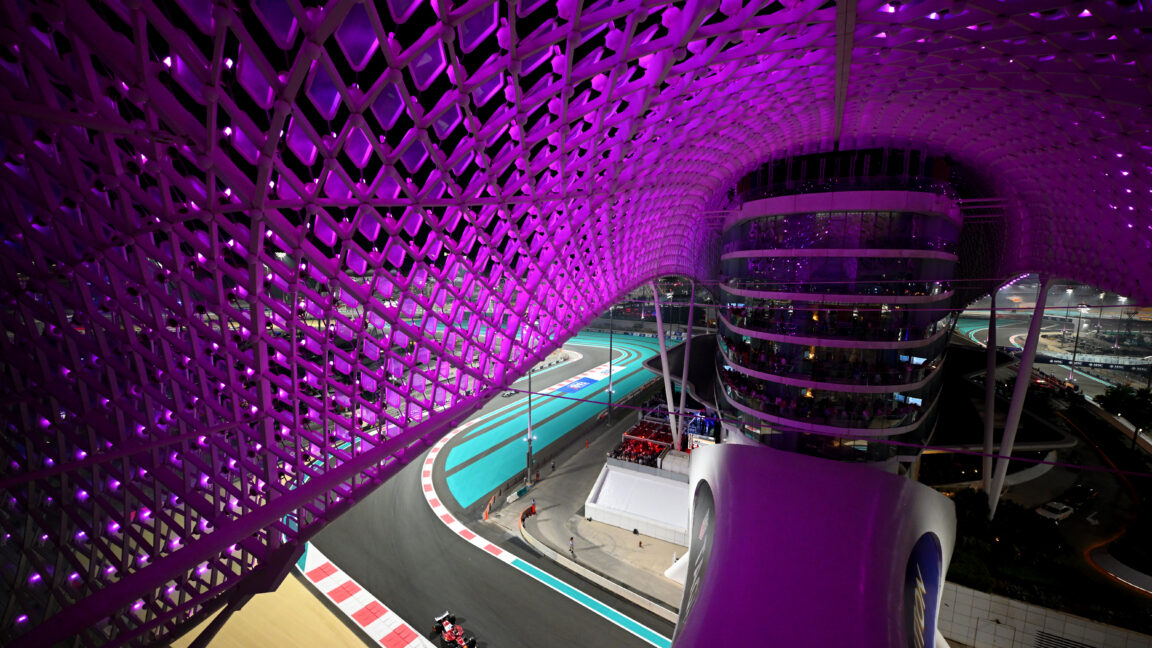
While not quite a separate dialect, Formula 1-speak can be heavy on the jargon at times. They say “box” instead of pit, “power unit” to describe the engine and hybrid system, and that’s before we get into all the aerodynamics-related expressions like “outwash” and “dirty air.” Next year is a big technical shakeup for the sport, and it seems we’re getting some new terminology to go with it. So forget your DRS and get ready to talk about Boost mode instead.
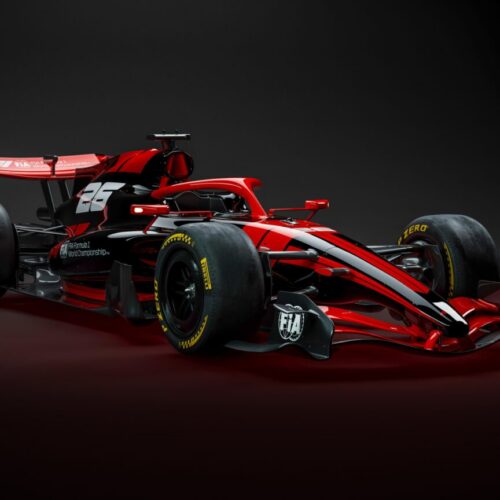
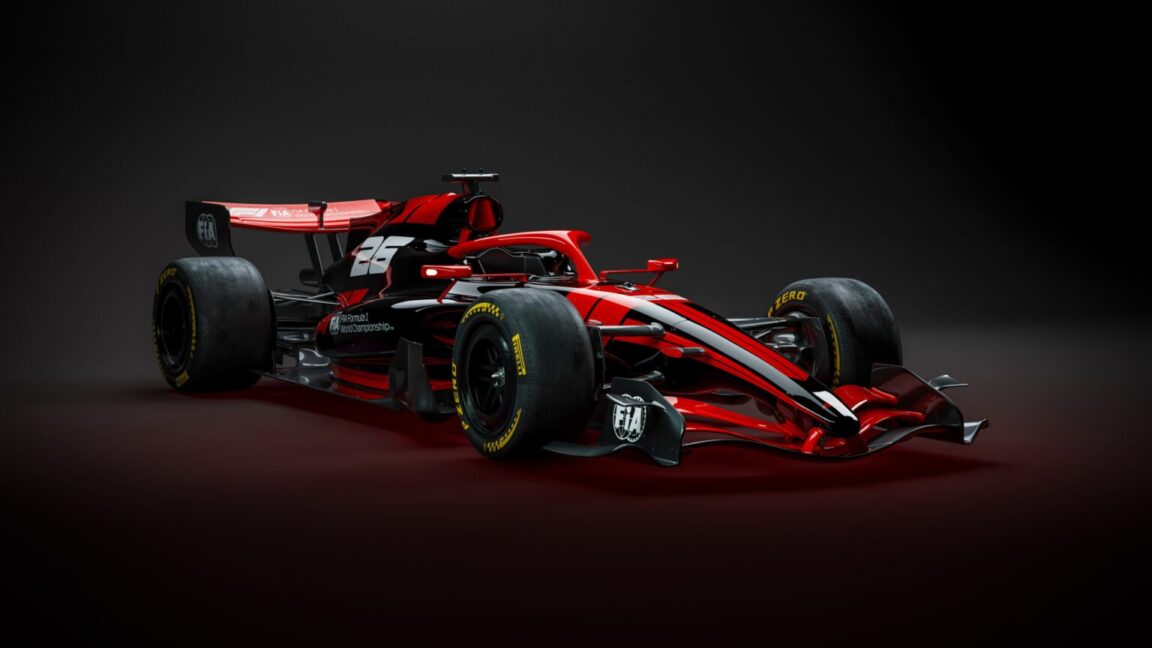
The F1 car of 2026 will be slightly narrower and slightly lighter than the machines that raced for the last time earlier this month. But not by a huge amount: minimum weight is decreased by 30 kg to 724 kg, the wheelbase is 200 mm shorter at 3,400 mm, and the car’s underfloor is 150 mm narrower than before.
The front wing is 100 mm narrower and has just two elements to it, although for the first time in F1 history, this is now an active wing, which works in conjunction with the three-element active rear wing. Active rear wings have been a thing in F1 since the introduction of DRS—the drag reduction system—in 2011, but now there’s a philosophical change to how they’ll work.
© Formula 1











 I was <a href="https://arstechnica.com/cars/2023/11/f1-succeeds-in-making-its-las-vegas-debut-a-spectacular-one/">a huge skeptic of the idea</a> when the Las Vegas race was announced, but the first two events put on a good show. Year 3 was a little more dull, however.
Credit:
Clive Mason/Getty Images
I was <a href="https://arstechnica.com/cars/2023/11/f1-succeeds-in-making-its-las-vegas-debut-a-spectacular-one/">a huge skeptic of the idea</a> when the Las Vegas race was announced, but the first two events put on a good show. Year 3 was a little more dull, however.
Credit:
Clive Mason/Getty Images