Login
LoginHow Can Asset Tokenization Unlock Capital for Small and Medium Enterprises Globally?
Unlocking Global Capital for SMEs Through Asset Tokenization

Small and medium enterprises (SMEs) form the backbone of economies worldwide, driving innovation, employment, and economic growth. Despite their vital role, SMEs often face significant challenges in accessing capital, particularly from traditional financial institutions that impose stringent requirements or favor larger corporations. In this context, asset tokenization the process of converting real-world or financial assets into digital tokens on a blockchain has emerged as a transformative mechanism to unlock new sources of funding. By enabling fractional ownership, improving liquidity, and expanding investor access, asset tokenization offers SMEs an innovative way to raise capital globally. This article explores the mechanics, benefits, challenges, and best practices of leveraging asset tokenization for SME financing.
What is Asset Tokenization?
Asset tokenization is the representation of ownership rights of an underlying real-world or financial asset in the form of digital tokens on a blockchain. These tokens can represent physical assets like real estate, machinery, inventory, or intangible assets such as intellectual property, receivables, or future revenue streams.
Key Features of Tokenized Assets
- Fractional Ownership: One asset can be divided into multiple tokens, allowing multiple investors to participate in a single investment.
- Programmable Compliance: Smart contracts can automate regulatory compliance, investor verification, and dividend or interest payments.
- Transparency and Security: Blockchain records are immutable, providing transparent ownership and transaction history.
- Global Accessibility: Digital tokens can be transferred across borders, expanding the pool of potential investors.
- Liquidity: Tokenized assets can be traded on digital exchanges, reducing traditional barriers to entry and exit.
By digitizing assets, SMEs can leverage their existing resources to attract capital without relying solely on loans or equity dilution.
Types of Assets SMEs Can Tokenize
SMEs can leverage a wide variety of assets for tokenization:
- Equity Tokens: Represent ownership stakes in the company, allowing fractional equity investment from multiple investors.
- Real Estate Tokens: Convert property or facilities owned by SMEs into tradable tokens to unlock capital tied in real estate.
- Revenue-Backed Tokens: Represent a claim on a percentage of future revenue or cash flows.
- Invoice and Receivables Tokenization: SMEs can convert unpaid invoices into tokenized assets, enabling immediate liquidity.
- Intellectual Property Tokens: Patents, trademarks, or proprietary technology can be tokenized, providing funding without diluting equity.
By strategically selecting the right asset for tokenization, SMEs can optimize both capital inflow and investor appeal.
How Asset Tokenization Facilitates Capital Access for SMEs
Small and medium enterprises (SMEs) often face significant barriers when seeking capital for growth, operational expansion, or modernization. Traditional financing options, such as bank loans or venture capital, are often restrictive, expensive, and slow. Asset tokenization offers an innovative solution by converting tangible and intangible assets into tradable digital tokens using blockchain technology, creating new funding pathways, improving liquidity, and providing access to a global investor base.
Fractional Ownership and Investment Access
Asset tokenization allows SMEs to divide high-value assets into smaller, tradable units, enabling partial monetization without relinquishing full ownership. By issuing tokens representing fractional ownership, businesses can attract retail and institutional investors. For instance, a manufacturing SME could tokenize a production machine valued at $500,000, issuing 5,000 tokens priced at $100 each. Investors worldwide can purchase these tokens, providing liquidity to the SME while retaining partial ownership. Fractionalization lowers entry barriers for investors and diversifies funding sources, reducing dependency on a single investor or lender.
Enhanced Liquidity
Illiquid assets such as machinery, property, or long-term contracts often limit SME financing options. Tokenization converts these assets into digital tokens that can be traded on secondary markets, unlocking liquidity previously unavailable. Investors can buy and sell tokens independently of the SME, creating continuous capital flow and reducing reliance on one-off funding rounds. Improved liquidity allows SMEs to reinvest in research, operations, or strategic expansion while enhancing investor confidence and facilitating future fundraising.
Global Investor Reach
Traditional SME financing is typically constrained by geography, regulatory frameworks, and limited networks. Tokenization removes these boundaries, providing access to a global pool of investors seeking fractionalized, asset-backed opportunities. SMEs in emerging markets, in particular, benefit from international capital that bypasses local scarcity and currency restrictions. Blockchain-based tokenization enables cross-border investment while adhering to regulatory standards, allowing SMEs to secure competitive funding and diversify risk across multiple geographies.
Transparency and Trust
Blockchain technology ensures every transaction, token issuance, and ownership transfer is permanently recorded, enhancing transparency and reducing information asymmetry. Investors can monitor performance, token circulation, and dividend payouts in real-time, which builds confidence in their investment. For SMEs, this transparency strengthens credibility with investors, lenders, and regulators while improving corporate governance. A verifiable record of asset activity mitigates concerns about fraud or mismanagement, making tokenization a reliable tool for sustainable growth.
Cost-Effective Capital Raising
Raising capital through traditional methods often involves intermediaries such as lawyers, underwriters, and brokers, which increases costs and delays funding. Tokenization automates these functions via smart contracts, including dividend distribution, voting rights, and regulatory compliance, reducing administrative overhead. This efficiency enables SMEs to access working capital faster, allocate more funds to operations, and minimize errors. By streamlining fundraising and lowering costs, tokenization enhances financial agility and empowers SMEs to seize timely growth opportunities.
Strategic Steps for SMEs to Leverage Asset Tokenization
1. Identify Suitable Assets
Not all assets are ideal for tokenization. SMEs should identify high-value, illiquid, or revenue-generating assets that can be fractionalized and traded. Examples include commercial real estate, specialized machinery, intellectual property, or trade receivables. A thorough asset assessment helps in selecting candidates with strong investment appeal.
Develop a Tokenization Plan
A comprehensive tokenization plan should outline the type of token (equity, revenue-sharing, utility), tokenomics (supply, allocation, distribution), fundraising objectives, and investor rights. Strategic planning ensures alignment with business goals and investor expectations.
Ensure Legal and Regulatory Compliance
SMEs must engage legal advisors to structure compliant token offerings. This includes drafting smart contract terms, adhering to securities regulations, implementing KYC/AML protocols, and managing cross-border legal requirements. Compliance is essential for investor protection and regulatory approval.
Partner with Technology Providers
Implementing tokenization requires robust blockchain infrastructure. SMEs should collaborate with blockchain developers, tokenization platforms, and digital exchanges to ensure secure token issuance, smart contract execution, and investor onboarding.
Engage Investors and Build Market Confidence
Investor engagement is critical for successful capital raising. SMEs should leverage marketing strategies, investor education, and transparent reporting to build trust. Demonstrating asset value, revenue potential, and governance standards enhances investor confidence and market adoption.
Monitor and Manage Tokenized Assets
Post-issuance, SMEs must manage tokenized assets, facilitate trading, distribute returns, and maintain compliance. Ongoing monitoring ensures liquidity, investor satisfaction, and the long-term success of tokenized offerings.
Use Cases of Asset Tokenization for SMEs
Real Estate Tokenization
SMEs that own commercial or residential properties can tokenize these assets to raise capital without selling the entire property. Fractional ownership allows multiple investors to participate, generating a steady flow of funds while retaining operational control. Real estate tokenization is particularly relevant for SMEs in urban centers or industrial zones seeking expansion funding.
Equipment and Machinery Tokenization
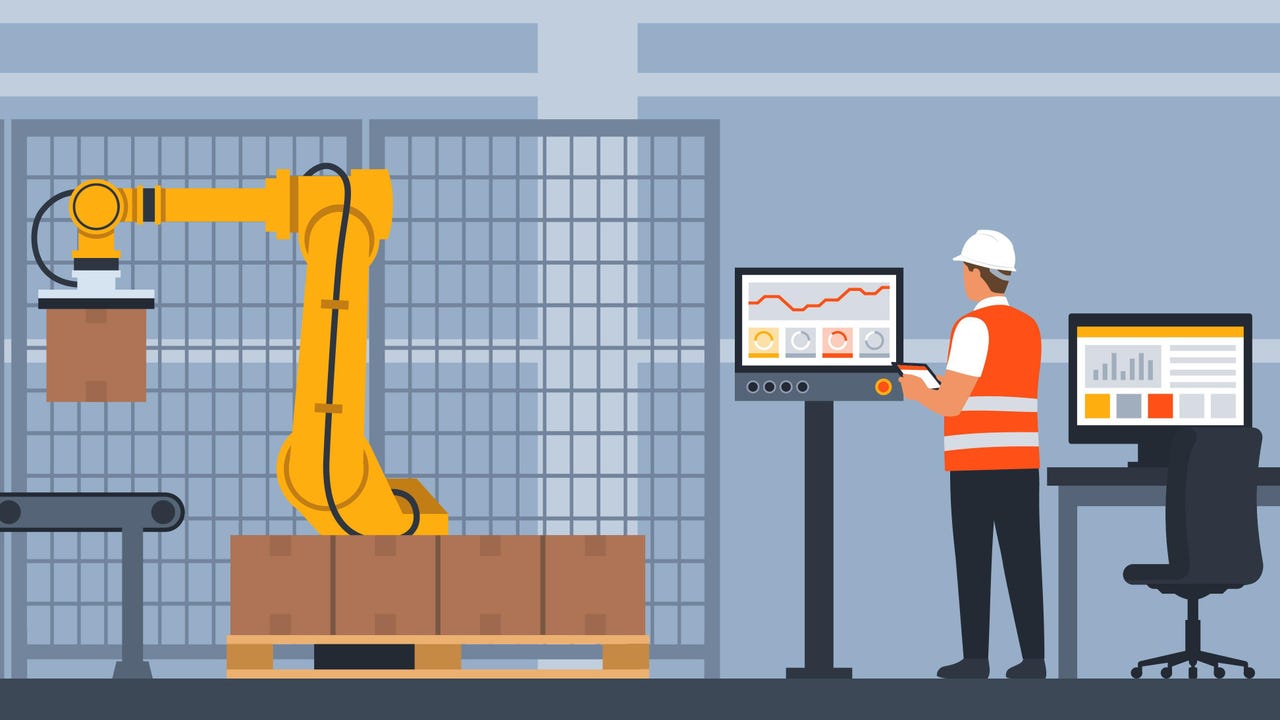
Manufacturing SMEs often require expensive machinery for operations but may lack sufficient working capital. By tokenizing machinery or equipment, these enterprises can raise funds from investors interested in owning a stake in high-value assets. Tokenization also allows SMEs to structure innovative financing models, such as revenue-sharing agreements, which align investor interests with business performance.
Intellectual Property Tokenization
SMEs in technology, media, and biotech sectors possess valuable intellectual property (IP) assets, including patents, trademarks, and copyrights. Tokenizing IP can unlock capital by allowing investors to purchase fractional rights or revenue-sharing tokens linked to the IP’s commercial success. This approach not only provides funding but also incentivizes innovation by creating a market-driven valuation of intellectual property.
Invoice and Trade Finance Tokenization
SMEs involved in international trade often face cash flow constraints due to delayed payments. Tokenizing invoices and trade receivables enables SMEs to sell these assets on a secondary market, accelerating liquidity and reducing financing costs. Investors benefit from predictable returns, while SMEs gain immediate access to funds for operational and expansion needs.
Benefits for Investors
Asset tokenization is equally advantageous for investors. Fractional ownership allows diversification across multiple SMEs and industries. Investors gain access to previously illiquid or geographically restricted opportunities, often with lower minimum investment thresholds. Real-time transparency, automated dividends, and smart contract enforcement enhance security and trust.
By connecting SMEs with a broad investor base, tokenization fosters a more inclusive investment ecosystem that benefits both capital seekers and providers.
Future Outlook
The future of asset tokenization for SMEs is promising. Advances in blockchain infrastructure, regulatory frameworks, and tokenized asset marketplaces are accelerating adoption. Platforms dedicated to SME tokenization are emerging, facilitating compliance, investor onboarding, and secure trading of tokenized assets.
Furthermore, integration with decentralized finance (DeFi) protocols could allow SMEs to leverage tokenized assets as collateral for loans, enabling even more flexible and accessible financing options. As awareness grows and technology matures, asset tokenization has the potential to redefine SME financing on a global scale.
Challenges and Considerations
Despite its potential, SMEs must navigate several challenges:
- Technological Expertise: Implementing tokenization requires blockchain knowledge and technical infrastructure.
- Market Volatility: Token values may fluctuate, exposing SMEs and investors to risk.
- Regulatory Uncertainty: Ambiguous or evolving regulations can delay or complicate fundraising.
- Investor Education: Many investors may be unfamiliar with digital assets, requiring SMEs to invest in education and awareness initiatives.
By proactively addressing these challenges, SMEs can maximize the benefits of tokenization while mitigating associated risks.
Conclusion
Asset tokenization represents a revolutionary approach to SME financing, unlocking access to capital, liquidity, and global investor networks. By fractionalizing ownership and leveraging blockchain transparency, SMEs can overcome traditional barriers to funding, optimize asset utilization, and secure growth capital efficiently.
While challenges such as regulatory compliance, technical requirements, and market education exist, the potential for global impact is profound. Tokenization not only empowers SMEs to secure funding but also fosters a more inclusive, transparent, and efficient global financial ecosystem. As technology and regulations evolve, asset tokenization may well become a standard tool for SMEs seeking to unlock capital and expand their business horizons worldwide.
How Can Asset Tokenization Unlock Capital for Small and Medium Enterprises Globally? was originally published in Coinmonks on Medium, where people are continuing the conversation by highlighting and responding to this story.