
Reading view

There are new articles available, click to refresh the page.

Kalakand

Print

Kalakand – A Delicious Festive Sweet

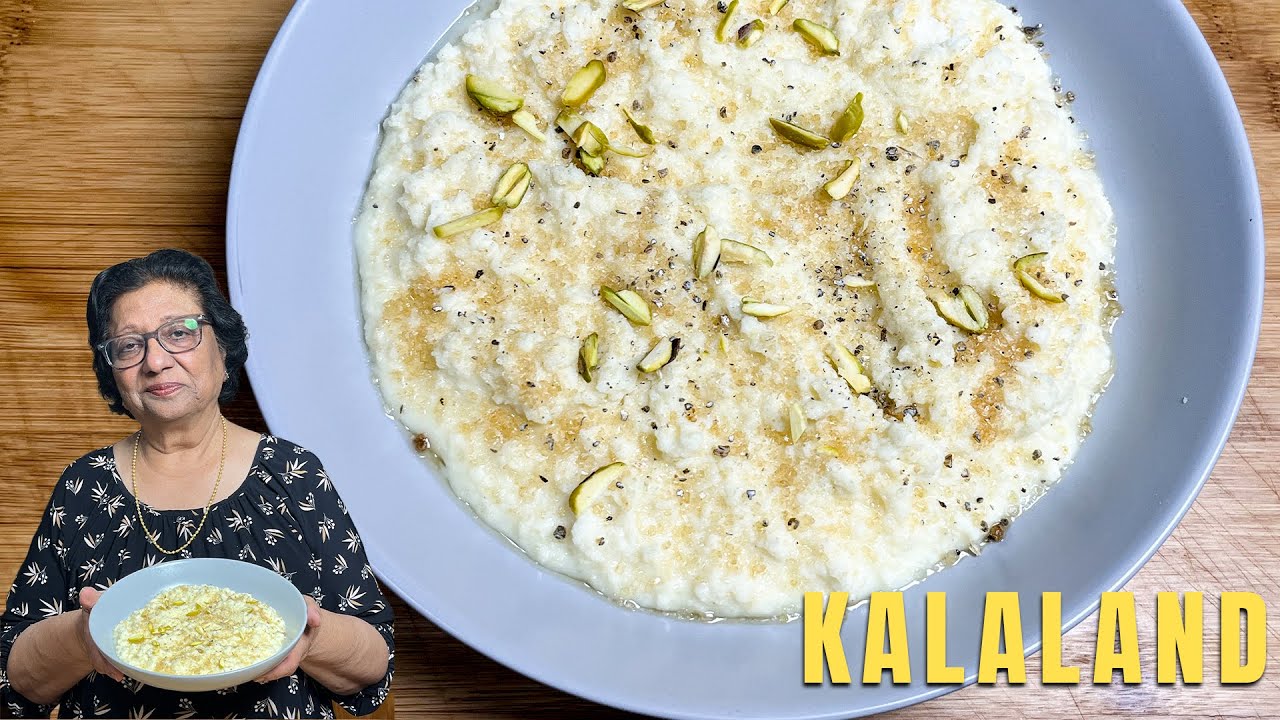
Kalakand is a simple yet delightful, sweet that's perfect for any holiday celebration or festive occasion. Known for its moist and grainy texture, this milk-based dessert is delicately flavored with cardamom, making it irresistible.
Traditionally, Kalakand is made with just three ingredients—milk, sugar, and cardamom. While most Indian sweets, such as burfi, have a fudge-like consistency, Kalakand stands out with its moistness. Although it doesn't typically require garnishing, I decided to add pistachios for a touch of color and presentation. I also used ricotta cheese to make it simple and the results were just as delicious.
Kalakand is a must-try treat, whether you're celebrating a festival or simply want to enjoy something sweet!
Prep Time 5 minutes
Cook Time 30 minutes
Servings 8 people

Ingredients

  • 3 cups full fat milk
  • cups ricotta cheese
  • ¼ cup sugar
  • ¼ tsp cardamom powder
  • tbs crystal sugar, for garnishing
  • ¼ tsp crushed cardamom for garnishing
  • 1 tbs sliced pistachio for garnishing

Instructions

  • Boil the milk over low to medium heat. Before adding the milk, wet the pan with water to prevent it from sticking to the surface.
  • Boil the milk for about fifteen minutes, allowing it to reduce to almost half its original quantity. Stir the milk occasionally and scrape the sides to prevent the milk from sticking and browning.
  • Add the ricotta cheese and sugar mix well. Keep stirring and scraping the sides of the pan until the mixture is very soft but it has come together, I do not want to cut them into pieces. Then, add the cardamom powder and mix it in before turning off the heat.
  • As the Kalakand cools to room temperature, it will thicken slightly. I prefer to keep it soft so that it can be served with a spoon, similar to thick yogurt. Kalakand should be moist and have a grainy texture.
  • Before serving, garnish with crystal sugar, crushed cardamom, and, if desired, sliced pistachios. I used slightly less sugar in the Kalakand, and sprinkling crystal sugar adds a pleasant mild crunch, while the crushed cardamom enhances the flavor.

Notes

Kalakand is ready, can’t wait to try
Enjoy!

Introduction to Kalakand

Kalakand is a beloved Indian sweet that is often enjoyed during festivals, special occasions, or anytime you want to indulge in something rich and satisfying. Known for its moist and grainy texture, this milk-based dessert is delicately flavored with cardamom and garnished with pistachios for a touch of elegance. Unlike other Indian sweets such as burfi, which have a fudge-like consistency, Kalakand stands out because of its soft, creamy texture. This delightful sweet is easy to make and irresistibly delicious, making it a perfect addition to your festive celebrations.

Cultural and Traditional Importance

Kalakand holds a special place in Indian households during festivals like Diwali, Holi, and Raksha Bandhan. It is one of those sweets that brings a sense of joy and celebration. Traditionally, Kalakand is made with just a few simple ingredients—milk, sugar, and cardamom—but its slow-cooking process brings out rich flavors that make it unique. In many Indian homes, making Kalakand is not only about the sweet itself, but also about the shared moments of celebration with family and friends.

Though Kalakand doesn’t require garnishing, I like to add sliced pistachios for a burst of color and texture, enhancing both its presentation and taste. It’s a treat that brings back nostalgic memories of festive occasions, and now, with this simplified version using ricotta cheese, you can enjoy it with minimal effort.

Recipe Variations from Manjula’s Kitchen

While Kalakand is a delightful dessert on its own, you can explore other similar milk-based sweets from Manjula’s Kitchen that offer unique flavors and textures:

  • Burfi: A classic fudge-like sweet made with condensed milk and nuts like cashews or almonds.
  • Rasgulla: A spongy, syrup-soaked dessert made from paneer, offering a light and juicy contrast to Kalakand.
  • Rasmalai: Soft paneer dumplings soaked in sweetened, flavored milk, with cardamom and saffron.
  • Peda: A simple and elegant sweet made from condensed milk and flavored with cardamom.

Health Benefits and Dietary Considerations

Kalakand is a rich, indulgent dessert, but it also offers some nutritional benefits due to its milk base. Full-fat milk is a good source of calcium, protein, and essential vitamins. Using ricotta cheese in this recipe simplifies the cooking process while keeping the dessert creamy and delicious. If you’re looking for a lighter version, you can reduce the sugar or substitute it with a natural sweetener like honey.

This version of Kalakand is naturally gluten-free, making it suitable for those with gluten sensitivities. For a vegan alternative, you can experiment with plant-based milks and vegan ricotta, though it may slightly alter the texture.

Serving Suggestions

Kalakand is best served at room temperature, allowing its soft, grainy texture to shine. Garnish it with crushed cardamom, crystal sugar, and sliced pistachios for added flavor and visual appeal. This sweet treat can be enjoyed on its own or as part of a larger dessert spread during festivals or family gatherings.

For a more complete festive meal, consider serving Kalakand alongside other Indian sweets like Gulab Jamun or Jalebi to create a dessert platter that showcases a variety of textures and flavors.

Conclusion Kalakand is a simple yet irresistible sweet that’s perfect for celebrating any special occasion. Its creamy, moist texture combined with the subtle flavor of cardamom makes it a dessert that everyone will love. With this easy-to-follow recipe using ricotta cheese, you can recreate the traditional taste of Kalakand in less time, making it an ideal treat for festivals, parties, or even as a special indulgence after dinner. Try this recipe today and enjoy the rich flavors of Kalakand with your loved ones.

Frequently Asked Questions (FAQs)

  1. What is Kalakand made of?
    • Traditionally, Kalakand is made with milk, sugar, and cardamom. In this simplified version, ricotta cheese is used to reduce the cooking time while maintaining the rich texture.
  2. How is Kalakand different from Burfi?
    • Kalakand has a moist and grainy texture, while Burfi is firmer and more fudge-like. Both are milk-based sweets, but Kalakand is known for its soft, melt-in-your-mouth consistency.
  3. Can I make Kalakand vegan?
    • While this recipe uses full-fat milk and ricotta cheese, you can experiment with plant-based milks and vegan ricotta to make a vegan version. However, the texture may differ slightly.
  4. What are some similar desserts to Kalakand?
    • Similar milk-based sweets include Burfi, Rasgulla, Rasmalai, and Peda.
  5. How should I serve Kalakand?
    • Serve Kalakand at room temperature, garnished with crystal sugar, crushed cardamom, and pistachios for added flavor and texture.

The post Kalakand appeared first on Manjula's Kitchen.
💾

https://www.youtube.com/watch?v=6LBwb4m_NVM Kalakand – A Delicious Festive Sweet Kalakand is a simple yet delightful, sweet that's perfect for any

GIL-E-FIRDAUS

               Gil-e-firdaus, a classic Dakhni dessert from the kitchens of Hyderabad has its presence in wedding feasts, celebrations and gatherings. A luscious and melt in the mouth dessert made with Sabudana, bottle gourd, khoya, cashew paste and milk. I remember having this dish during my stay in Hyderabad, I fell in love with this kheer instantly. This divine dessert can be served chilled or warm and traditionally served in earthen bowls, which lends an earthy taste. Hence the name GIL-E-FIRDAUS, meaning clay of paradise. 

         This classic dessert Gil-e-firdaus is commonly known as Kaddu ka kheer/ Kaddu ki kheer, as Bottle gourd is known as Kaddu in Hyderabad. As The holy month of Ramadan sets in, the intoxicating aroma of Haleem, Kababs and various desserts linger in the air around the bustling streets of Hyderabad. This divine Gil-e-firdaus a.k.a Kaddu ki kheer is also sold in the small eateries and stalls on the streets. It’s rich and luscious consistency makes it absolutely irresistible. 

The addition of khoa(khoya), cashew paste, and simmering sabudana and bottle gourd in full-fat milk makes it utterly creamy and divine.We have used Sabudana and kaddu(bottle gourd) here, but some add finely ground basmati rice as well to make it aromatic and more creamier. But simmering everything on low flame for longer period time is the key for this divine pudding. 

Ingredients needed to make GIL-E-FIRDAUS

  • Bottle gourd
  • Sabudana / Tapioca pearls
  • Full fat milk
  • Sugar
  • Cardamom powder
  • Khoya
  • Nuts

How to make this dessert VEGAN?

Substitute the full fat milk with plant based milk like coconut milk/soy milk/almond milk. And also substitute the Khoya with Cashew paste or Almond paste to get that rich consistency. 

Let’s get into the recipe now, before that check out more desserts from my blog.

Basava Kajjam

Kanda gadda Bakshalu

Pappu Bakshalu

Badusha

Pala poorilu

Godhuma thalikala paasham

Aanapakaya shegala paasham

Kesar mewa phirni

Gajar ka halwa

Healthy Sabudana payasam

Print

GIL-E-FIRDAUS

A classic Hyderabadi dessert made of Bottle gourd, sabudana, milk, milk solids and enriched with nuts.
Course Dessert
Cuisine Telangana
Keyword Festive food, Indian desserts, Pudding
Prep Time 15 minutes
Cook Time 30 minutes
Soaking time 1 hour
Total Time 1 hour 45 minutes
Servings 6 servings
Author Shravani Abhishek

Ingredients

  • 1 cup Bottle gourd peeled and grated. Discard the seeds and core.
  • ½ cup Sabudana / Tapioca pearls
  • 1 litre Whole milk / Full fat milk
  • ¼ cup Khoya / Milk solids
  • cups Sugar
  • 3 tbsp Cashew paste
  • 1 pod Cardamom
  • ½ tsp Cardamom powder
  • ¼ cup Water

Instructions

  • Wash and Soak the sabudana pearls for 1 hour.
  • Soak the cashews in warm water and keep aside.

Let's prep for the dessert

  • Peel the bottle gourd, cut into halves, scoop out the core and grate it into thick shreds.
  • Take a large mixing bowl, add cold filtered water and add the grated bottle gourd shreds to it. Squeeze the juice out of it and drain the water.
    Repeat washing the grated bottle gourd shreds for one more time until water runs clear.
    Note : This step helps in preventing the curdling of milk when we add bottle gourd.

Let's start cooking GIL-E-FIRDAUS now!!

  • Heat a Saucepan, add full fat milk, one cardamom pod and bring to a boiling point. Then reduce the flame to low.
  • In a small mixing bowl add khoya and a cup of hot milk to it. Mix it thoroughly until khoya completely incorporated well.
  • Heat a thick bottomed pan, add grated bottle gourd, water. Close the lid and cook for 10 min on low flame until bottle gourd turns tender.
  • When the water dries up, mash the bottle roughly and sauté again till the water dries up completely. Keep this aside.
  • To the boiled milk, add soaked sabudana(drain the water). Cook for about 10 to 15 minutes on low flame till the sabudana turns translucent and tender.
  • Add cashew paste, milk mixed with khoya mixture to the milk and sabudana. Give it a good Stir thoroughly to prevent the formation of lumps.
  • Remove the cardamom pod from the milk and then add in sautèed bottle gourd mixture, sugar and give it a good mix.
  • Reduce the flame to a low flame and cook until the kheer thickens up and keep stirring continuously to prevent sticking to the bottom of the pan.
  • Once the kheer thickens, turn off the stove and let the kheer cool down to room temperature.
  • Serve chilled or warm GIL-E-FIRDAUS / Kaddu ki kheer by sprinkling some chopped nuts on the top.

Notes

  • You can add in tiny pinch of edible green food color to give the dessert a traditional look.
  • This dessert tastes best when served chilled. 

If you’ve tried this recipe, please share your valuable feedback in the comments below. Also you can Tag your photo and share it with #mycurryveda on Instagram @mycurryveda  or on Facebook . 

The post GIL-E-FIRDAUS appeared first on mycurryveda.

BANKA LADDU

Banka laddu, made using edible gum resin (banka/gond), cashews, almonds, khajoor, and all the wintery goodness. A quintessential winter food, which is utmost divine, delicious and nourishing which keeps you warm in chilly winters. These energy balls are rich in calories and nutrients and hence ideal for kids and the elderly. Also, these are given to Lactating or postpartum mothers to regain strength, helps in speedy recovery and provides nutrition. Hence these laddus are more of a medicinal confection than indulgent food.

What is Banka or Gond ?

Banka or Gond is an edible gum collected from hardened sap sourced from wild-growing acacia plants. Banka is a Telugu(more in Telangana) term for glue or gum substances, hence the name. 

Edible gum has a lot of medicinal value. It not only cures heat-stroke yet it even combats constipation, improves the health of skin and hair along with increasing our overall immunity. My grandmother used to say that winter is the perfect time when your body has the maximum capacity in absorbing calcium. And this edible gum helps in soothing inflammation, lubricates joints, and reduces joint stiffness caused by arthritis. Besides protecting against cold, gond is used to heal wounds. It is also known to treat cardiovascular ailments and chronic kidney diseases. 

More about Banka laddu

 Banka laddu or Dinkache ladoo or Gond Ke laddu, as the name suggests are prepared with Gond or Edible Gum. It is a popular sweet, that is made in Many regions across India during winters. 

The recipe I’m sharing here is an heirloom recipe that has been passed down from many generations. And our version of Edible gum laddu calls Dry Fruits, Nuts, Seeds, and lots of ghee. This laddu is usually looked at and served as a medicinal food rather than a delicacy. Hence it is mostly served with a glass of warm milk first thing in the morning. 

These nourishing energy balls are considered very healthy to consume in Winters due to their rich ingredients which are warm and keeps our body protected from the chilly winters. Also, these are made for postpartum mothers or lactating mothers, which helps to keep the body warm and helps in lactation. These Banka laddus are great nutritious snacks for kids and toddlers, as they are rich in iron, calcium, and protein.

Ingredients needed for Banka laddu

  • Banka / Gond –  Edible gum sourced from the Acacia plant. It is quite odorless and tasteless. 
  • Nuts – Nuts are the essential part of these laddus and I have used Cashews, marking nut, Pistachios, and walnuts here. 
  • Dried fruits – Traditionally we use khajoor powder(dried dates powder), as I could not find the dried dates here, I used Medjool dates instead.
  • Ghee – Ghee acts as the binding agent here, so do not skip on the ghee. It adds richness, flavor, and essential nutrition to the ladoo.
  • Seeds – I have used Almonds and Melon seeds here. You can also add poppy seeds for extra nuttiness and richness. 
  • Dry Coconut – We add a little amount of dried coconut here, which adds a lovely coconut flavor and nutrition.
  • Spices – We are going to add Ginger powder(sonti podi/ saunth), pepper powder, and Nutmeg. They provide flavor and helps in providing warmth to our bodies. 
  • Sugar / Jaggery 

How to make these Banka laddus?

 With diverse cultures and cuisines across India, the foods have regional influence and hence it varies with each region. You can see many Gond ke laddu recipes on the internet, where some add whole wheat flour, and some just use dried fruits and nuts. Unlike many recipes of Gond ke laddu you find on the internet, we don’t roast or puff of gond crystals. Instead, we just grind them as is, and we do not roast any ingredient too, just powder up everything and add piping hot ghee to shape the laddus. 

Check out more delicious desserts and Indian sweets from my blog.

Sunnundalu

Shakkarpara

Motichoor laddu

Shegala payasam

Sabudana payasam

Palm jaggery whole wheat biscuits

Penilu

Badusha

Print

BANKA LADDU

A quintessential winter laddu made of edible gum, dry fruits, nuts, seeds, ghee and jaggery.
Course Dessert, Snack
Cuisine Indian, Telangana
Keyword Laddu, Vegetarian, Winter special
Prep Time 15 minutes
Cook Time 10 minutes
Total Time 20 minutes
Servings 25 Laddus
Author Shravani Abhishek

Equipment

  • Blender
  • Saucepan

Ingredients

  • ¾ cup Banka or Edible Gum
  • 1 cup Cashews
  • ½ cup Almonds
  • ½ cup Khajoor or Dried dates or use medjool dates
  • ¼ cup Dried coconut
  • ¼ cup Pistachios
  • ¼ cup Walnuts optional
  • ¼ cup Jeedi palukulu or Marking nuts optional
  • ¼ cup Melon seeds optional
  • 1 cup Jaggery powder Or use powdered sugar
  • 1 cup Ghee

Spices

  • 1 tsp Pepper powder
  • 1 tbsp Sonti podi or ginger powder
  • 2 pinches Nutmeg powder

Instructions

Preparing laddu base

  • Grind the cashews, almonds, pistachios, walnuts to a fine powder and add it a large mixing bowl.
  • Now grind the dried dates to a fine powder and add it to the mixing bowl.
    Notes : If using medjool dates, just chop them up, grind to a smooth paste and fry the date paste in ghee for 4-5 mins until it loses its raw smell and turns into a lump.
  • Now grind the dried coconut, marking nuts, melon seeds separately and add it to the mixing bowl.
  • Now the crucial ingredient, Banka or Gond or edible gum Add it to the blending jar and grind to a fine powder. And transfer this powder to the mixing bowl.
  • Time to add in pepper powder, sonti podi or ginger powder, ground nutmeg, jaggery powder to the mixing bowl with all ground nuts and seeds. Give everything a really good mix.

Heating the ghee

  • Now heat a saucepan, add ghee and bring it to a smoking hot point. Turn off the heat.

Let's roll some BANKA LADDUS now!!

  • Take 3 cups of laddu base ie., all the powders to a smaller mixing bowl, make a well in the center and add few tbsps of piping hot ghee.
  • Start bringing the laddu mixture and ghee together, and try to bring everything together to a tight sticky dough consistency.
  • When the laddu mixture is still hot and pliable, take a heaped size portion of it in a spoon or in your palms. Roll the mixture and Shape in a round laddu. 
    Note : In case the laddu mixture is too hot intolerable, then do wait for some minutes. Avoid burning your hands. If the mixture does not hold shape, then add 1 to 2 tablespoons of hot ghee.
  • Place the rolled laddus onto a wide plate, and repeat the process for the remaining laddu mixture.
  • Leave the rolled laddus to dry overnight or 4-5 hours at room temperature.

Storage instructions

  • Transfer the dried banka laddus to a clean and dry Airtight container. These laddus stay good upto 6 weeks.

Serving suggestions

  • Serve laddu with a warm glass of milk or just as is.

Notes

  • If you cannot find dried dates, use medjool dates instead, just chop them up, grind to a smooth paste and fry the date paste in ghee for 4-5 mins until it loses its raw smell and turns into a lump.

 If you’ve tried this recipe, please share your valuable feedback in the comments below. Also you can Tag your photo and share it with #mycurryveda on Instagram @mycurryveda  or on Facebook . Also follow @taste.of.telangana on Instagram for more traditional recipes, culture and stories.

The post BANKA LADDU appeared first on mycurryveda.

Tilachi Vadi | Sesame Burfi

By: Archana

A traditional Maharashtrian dessert Tilachi Vadi is specially made to celebrate the Makar Sankrant festival. With earthy roasted sesame seeds, peanuts, and buttery-rich jaggery these sweet treats are laced with cardamom and nutmeg and are easy to make. What is Tilachi Vadi Til(sesame seeds)-Vadi(small squares) are earthy sweet treats made with sesame seeds and jaggery...

Read On →

The post Tilachi Vadi | Sesame Burfi appeared first on Ministry of Curry.

❌