Chinese robotics company Unitree has revealed its much larger humanoid robot, the H2, can fight. We dig into all the hidden details in the company's latest demo videos.
At CES 2026, Lenovo going all-in on AI (like every other company), but it’s hiding all the fun goodies in the back, and I’m excited about what might be coming.
If you work with PDFs a lot, you often have to choose between expensive proprietary software or free alternatives that have lackluster features or questionable privacy and security. But what if I told you that you can have the best of both worlds? It's called BentoPDF.
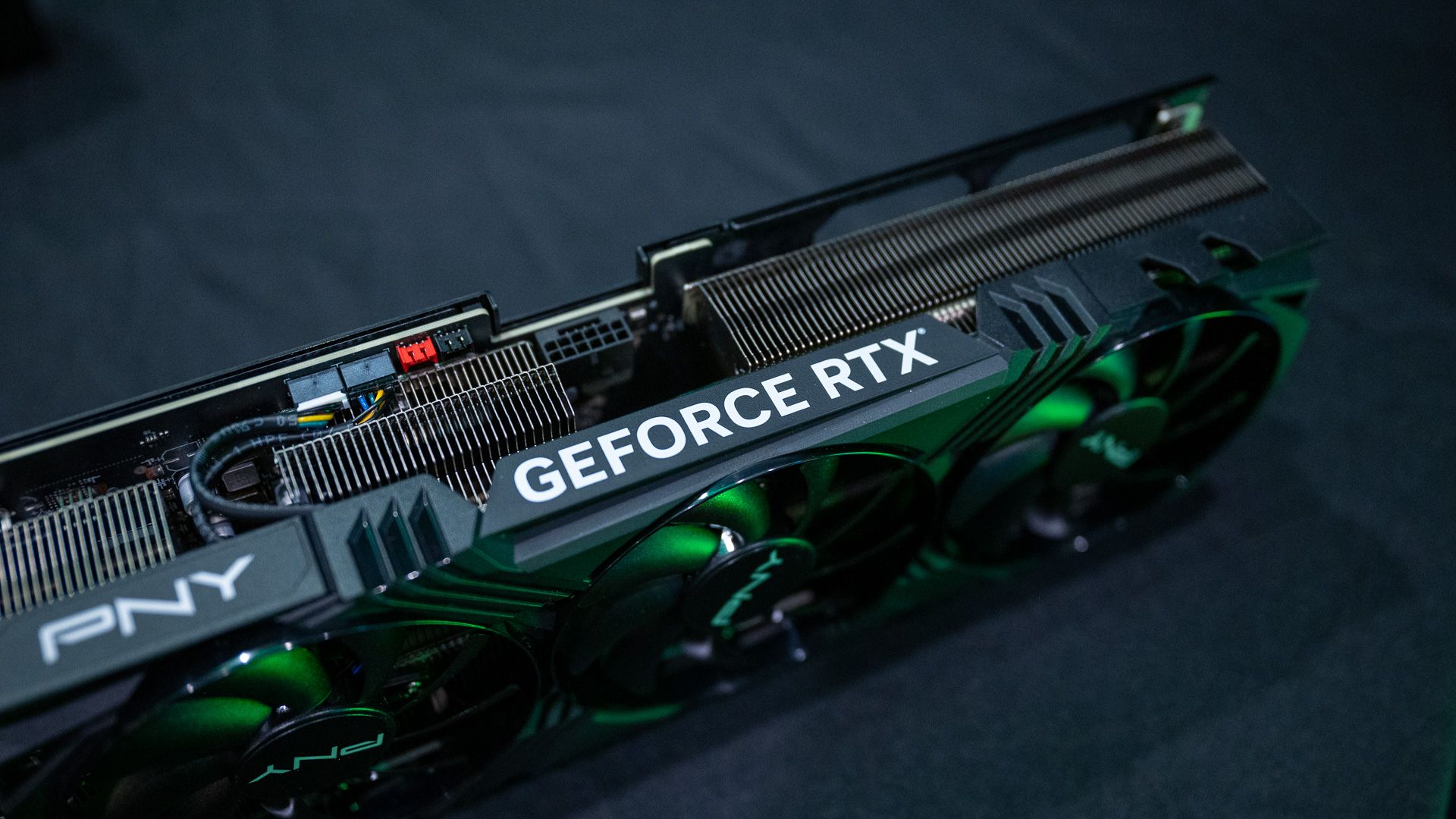
Whether you're looking to download a GPU-specific driver, trying to determine whether you'll be able to play a new game at a reasonable frame rate, or checking the specs on an unfamiliar PC, knowing exactly what GPU you're dealing with is an important piece of information. Here are a few ways you can do it.
I've always struggled to concentrate on work. When I should be working, my mind starts to wander, or I end up falling down a tech rabbit hole trying to fix something that takes far longer than I expect. I've tried Pomodoro timer apps, but they never worked for me, so I decided to build my own using Home Assistant.
I recently realized that my phone's chaos didn't come from the apps—it came from a lack of direction. It was powerful enough to do anything, so it ended up distracting me with everything. To fix this, I decided to give it a dedicated purpose—turning it into my personal project management system!
The Bitcoin price continues its descent deep into red territory, as investors increasingly tread the capitulation path. Interestingly, a recent on-chain analysis has been carried out, which dives into the underlying factors that typically control Bitcoin’s December price action.
Coinbase Premium Suddenly Flips Into Negative Territory: Why This Is Important
In a QuickTake post on the CryptoQuant platform, crypto education institution XWIN Research Japan reported that the Coinbase Premium Index metric has recently seen a sharp nosedive. For context, this metric measures the price difference between Bitcoin on the Coinbase (USD) market and Bitcoin on other major global exchanges (such as Binance), or the USDT market. By doing so, it reflects the buying or selling biases of US investors and helps derive insights regarding their behavior.
According to the crypto research institute, the decline started around the late period of November, into early December. Because this decline correlates with an also sharp fall in the Bitcoin price, the apparent sentiment shift among investors from the US appears to be the source of the bearish pressure seen early in the month.
Interestingly, there are historical events that parallel the aforementioned scenario. Typically, December witnesses weaker readings from the Premium when compared to its performance throughout the year. The readings are often near or below zero “largely due to year-end rebalancing and tax-loss harvesting by US institutions and individuals,” XWIN Research highlights.
However, there have been slight deviations from this recurrent pattern. In 2018 and 2022, the Premium saw deep dives into negative zones, as the market was under significant stress in these periods. On another hand, 2020 and 2023 saw positive readings from the Premium, positively correlating with the ongoing bull-market momentum at the time.
‘December 2025 Appears To Be Unique’ — Research Group
XWIN Research Japan, however, made it worthy of note that this year’s scenario has its own “unique twist.” Notably, although the Coinbase Premium began in December with a negative, it has refused to maintain this state. Instead, the analytics platform reports that there was an almost immediate rebound not just into neutral levels, but back into positive territory.
Because this sharp reversal took place within just a few days, it becomes apparent that the Bitcoin market may have seen the last strengths of extant bearish pressure. Interestingly, historical data reveal that such moves as the market has seen often precede price stabilization, or even short-term recoveries. Thus, if history is anything to go by, the Bitcoin price could be close to a local bottom, after which its recovery might follow.
Ultimately, XWIN Research points out that the stabilization, or sustained downturn, of the Bitcoin price depends mostly on “upcoming US capital flows, derivatives positioning, and premium trends.” At press time, Bitcoin holds a valuation of $89,321, with no significant movement since the past day.
 Login
Login