❌

Reading view

There are new articles available, click to refresh the page.

First revealed in spy photos, a Bronze Age city emerges from the steppe

Today all that’s left of the ancient city of Semiyarka are a few low earthen mounds and some scattered artifacts, nearly hidden beneath the waving grasses of the Kazakh Steppe, a vast swath of grassland that stretches across northern Kazakhstan and into Russia. But recent surveys and excavations reveal that 3,500 years ago, this empty plain was a bustling city with a thriving metalworking industry, where nomadic herders and traders might have mingled with settled metalworkers and merchants.
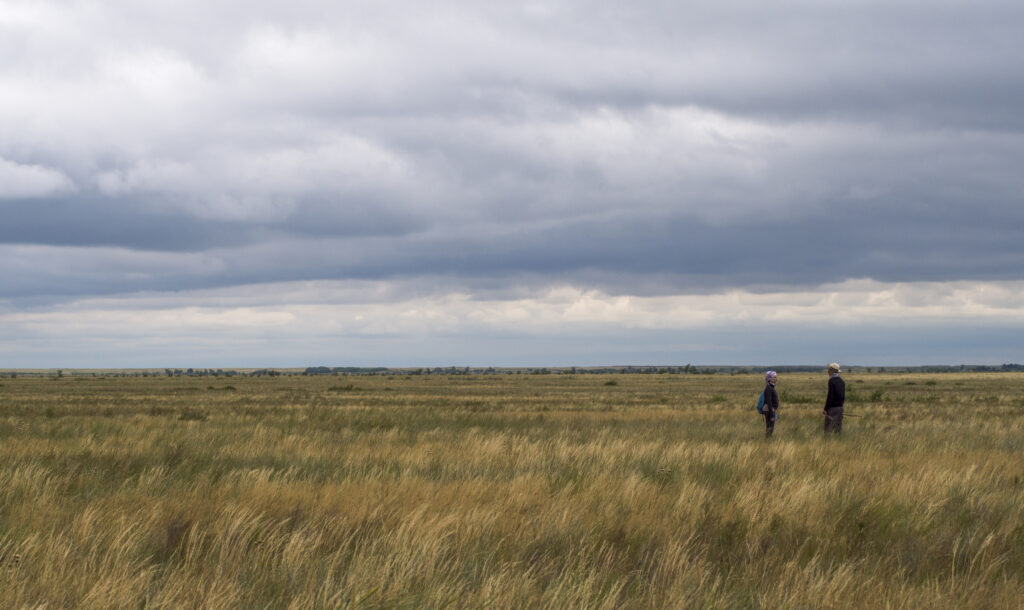
Photo of two people standing on a grassy plain under a gray sky Radivojevic and Lawrence stand on the site of Semiyarka. Credit: Peter J. Brown

Welcome to the City of Seven Ravines

University College of London archaeologist Miljana Radivojevic and her colleagues recently mapped the site with drones and geophysical surveys (like ground-penetrating radar, for example), tracing the layout of a 140-hectare city on the steppe in what’s now Kazakhstan.

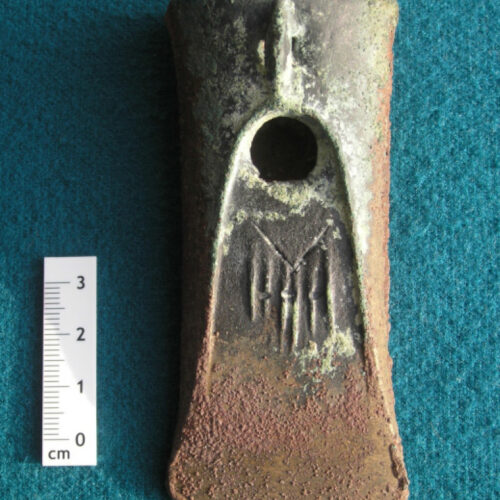
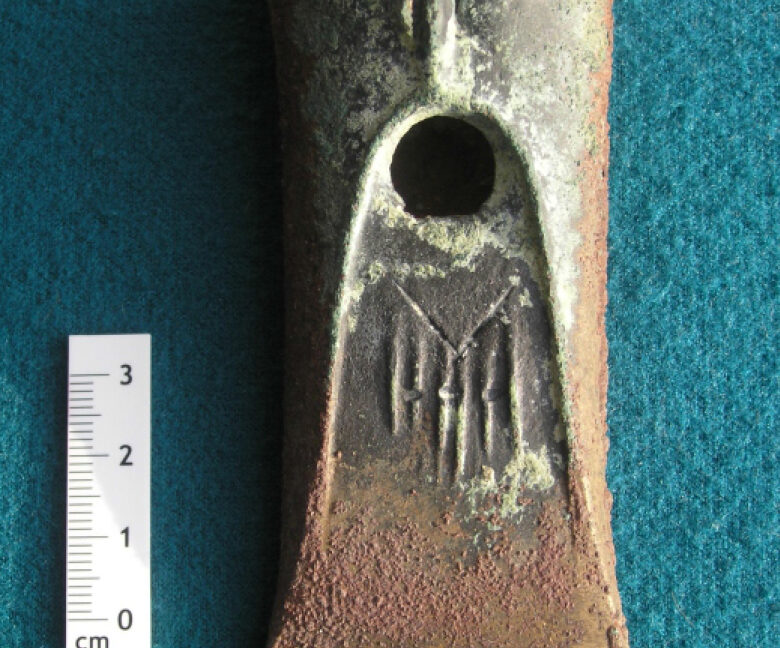
The Bronze Age city once boasted rows of houses built on earthworks, a large central building, and a neighborhood of workshops where artisans smelted and cast bronze. From its windswept promontory, it held a commanding view of a narrow point in the Irtysh River valley, a strategic location that may have offered the city β€œcontrol over movement along the river and valley bottom,” according to Radivojevic and her colleagues. That view inspired archaeologists’ name for the city: Semiyarka, or City of Seven Ravines.
Read full article

Comments

Β© Radivojevic et al. 2025

Dogs came in a wide range of sizes and shapes long before modern breeds

Our best friends come in a fantastic array of shapes and sizes; a Borzoi looks nothing like a Boston terrier, except for a certain fundamental, ineffable (except to taxonomists) doggyness about them. And it’s been that way almost from the beginning. A recent study of dog and wolf skulls from the last 50,000 years found that dogs living just after the last Ice Age were already about half as varied in their shape and size as modern dogs.

β€œShaped like a friend” means a lot of different things

Biologist and archaeologist Allowen Evin, of CNRS, and her colleagues compared the size and shape of 643 skulls from dogs and wolves: 158 from modern dogs, 86 from modern wolves, and 391 from archaeological sites around the world spanning the last 50,000 years. By comparing the locations and sizes of certain skeletal landmarks, such as bony protrusions where muscles attached, the researchers could quantify how different one skull was from another. That suggested a few things about how dogs, or at least the shapes of their heads, have evolved over time.

The team’s results suggest that dogs that lived during the Mesolithic (before settled farming life came into fashion in the Middle East) and the Neolithic (after farming took off but before the heyday of copper smelting; 10,000 BCE is a general starting point) were a surprisingly diverse bunch, at least in terms of the size and shape of their skulls.

Read full article

Comments

Β© Kiona Smith

❌