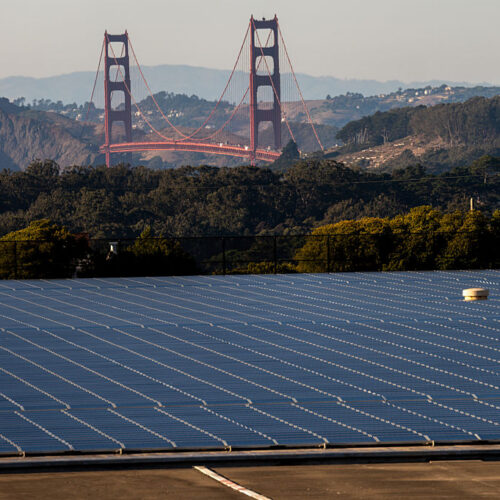
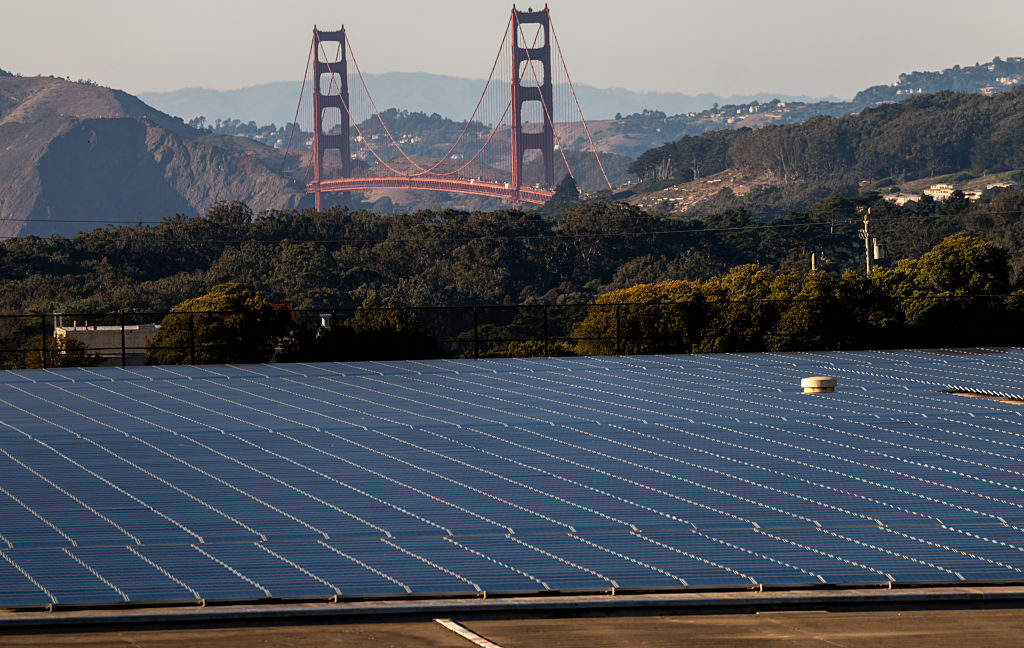
The battery storage industry in the U.S. has grown in leaps and bounds in recent years, surpassing its most aggressive targets to become one of the largest new sources of power on the grid.
Growing energy demand means the U.S. will almost certainly have to expand its electricity grid in coming years. What’s the best way to do this? A new study by MIT researchers examines legislation introduced in Congress and identifies relative tradeoffs involving reliability, cost, and emissions, depending on the proposed approach.
New planned data centers promise to consume even more energy than expected. Meanwhile, a grid monitor is blaming such growth for high electricity prices.
Worries about the US grid’s ability to handle the surge in demand due to data center growth have made headlines repeatedly over the course of 2025. And, early in the year, demand for electricity had surged by nearly 5 percent compared to the year prior, suggesting the grid might truly be facing a data center apocalypse. And that rise in demand had a very unfortunate effect: Coal use rose for the first time since its recent collapse began.
But since the first-quarter data was released, demand has steadily eroded. As of yesterday’s data release by the Energy Information Administration (EIA), which covers the first nine months of 2025, total electricity demand has risen by 2.3 percent. That slowdown means that most of the increased demand could have been met by the astonishing growth of solar power.
Better than feared
If you look over data on the first quarter of 2025, the numbers are pretty grim, with total demand rising by 4.8 percent compared to the same period in the year prior. While solar power continued its remarkable surge, growing by an astonishing 44 percent, it was only able to cover a third of the demand growth. As a result of that and a drop in natural gas usage, coal use grew by 23 percent.
Data centers are driving record electricity demand, and the North American Electric Reliability Corporation is warning that a severe winter storm could push the grid over the edge.
Not everything about the future sucks. Like electric cars. Sure, there’s one thing that dinosaur-burners do better—short refueling stops—but even the least efficient EV is still multiple times better than its gas equivalent. So much better in fact that it offsets all the extra energy needed to make the battery within a year or two. They’re quieter, and easy to drive. And in a pinch, they can power your house from the garage. Or how about an airport?
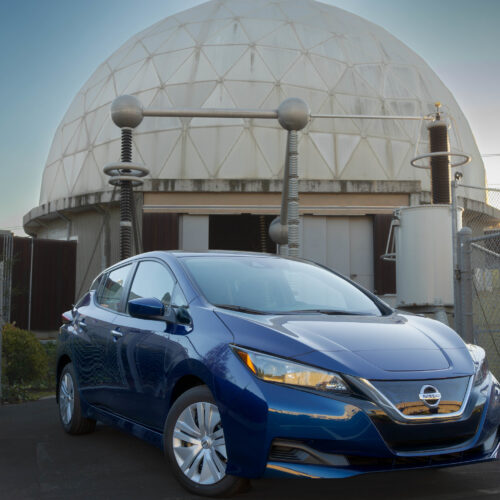
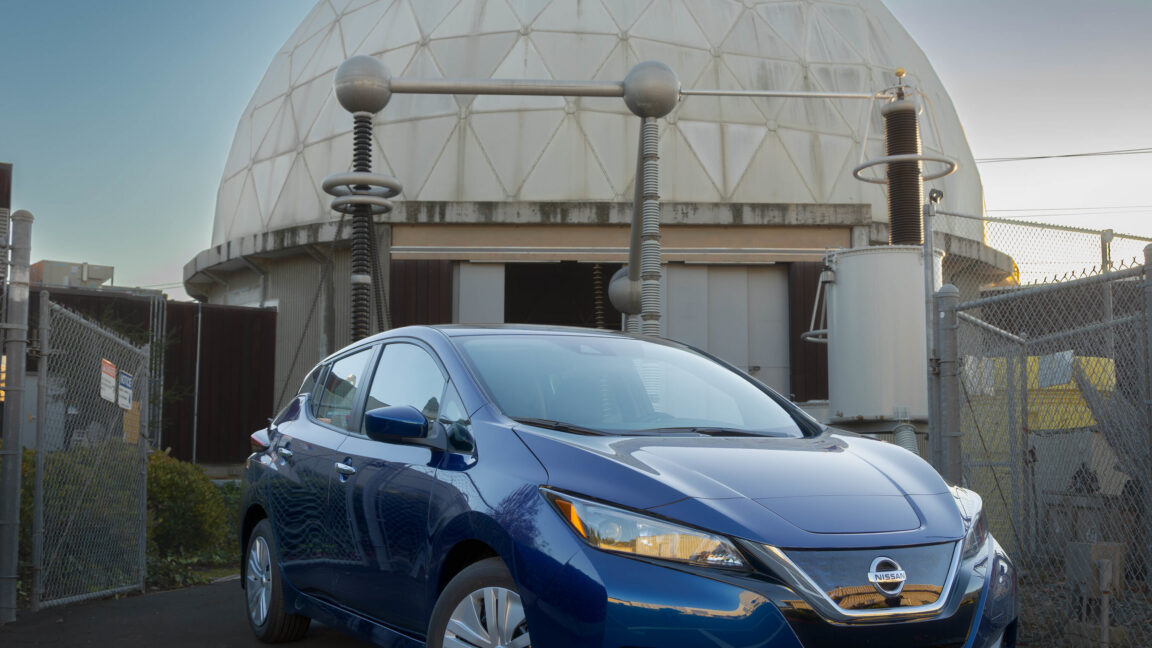
OK, we’re not talking about a major international airport (although I really need to talk to someone at Dulles International Airport about my idea to electrify those Space 1999-esque mobile lounges at some point). But up in Humboldt County, California, there’s a microgrid at the Redwood Coast Airport that has now integrated bidirectional charging, and a pair of Nissan Leaf EVs, into its operation.
The microgrid has been operating since 2021 with a 2.2 MW solar array, 8.9 MWh of battery storage, and a 300 KW net-metered solar system. It can feed excess power back into PG&E’s local grid and draw power from the same, but in an outage, the microgrid can keep the airport up and operational.

 Login
Login