South Korea is moving to impose bank-level liability standards on crypto exchanges following a $30.1 million hack at Upbit last month, shifting toward treating major platforms with the same regulatory rigor as traditional financial institutions.
According to The Korea Times, the Financial Services Commission is reviewing provisions that would require crypto exchanges to compensate users for losses caused by hacking or system failures, regardless of fault, mirroring rules currently applied only to banks and electronic payment firms under the country’s electronic financial transactions law.
The push follows a Nov. 27 breach at Upbit that saw over 104 billion Solana-based tokens worth 44.5 billion won ($36M) transferred to external wallets in just 54 minutes.
Despite the incident, the exchange faced minimal penalties since regulators cannot order compensation under existing laws.
South Korea’s largest crypto exchange Upbit @Official_Upbit reported a $36m Solana network hack on Thursday, halting withdrawals on the spot and pledging to fully reimburse affected customers.
Mounting System Failures Drive Regulatory Overhaul
The planned reforms come amid a pattern of platform instability across Korea’s crypto sector.
Financial Supervisory Service data shows the five major exchanges, Upbit, Bithumb, Coinone, Korbit, and Gopax, recorded 20 system failures between 2023 and September this year, affecting over 900 users with combined losses of 5 billion won.
Upbit alone accounted for six incidents, with more than 600 victims suffering 3 billion won in damages.
Draft legislation is expected to mandate IT security infrastructure plans, upgraded system standards, and significantly stronger penalties.
Lawmakers are considering revisions that would allow fines of up to 3 percent of annual revenue for hacking incidents, matching standards for traditional financial institutions and replacing the current 5 billion won cap.
The shift would fundamentally reshape accountability in Korea’s crypto industry by making exchanges liable to compensate victims, as banks must respond to security breaches or system failures.
The Upbit breach also exposed reporting failures, with the exchange waiting over six hours after detecting the hack at 5 a.m. to notify regulators at 10:58 a.m.
Ruling party lawmakers alleged that Dunamu deliberately delayed disclosure until after its scheduled merger with Naver Financial, which concluded at 10:50 a.m.
Broader Compliance Crackdown Intensifies Across Industry
The regulatory tightening extends beyond security requirements into comprehensive anti-money laundering enforcement.
The unit has already disciplined Dunamu with a three-month suspension on new customer activity and a 35.2 billion won fine, setting a precedent for penalties expected to reach hundreds of billions of won across the sector.
“We will crack down on crypto money laundering, expanding the Travel Rule to transactions under 1 million won,” Financial Services Commission Chairman Lee Eok-won said during a National Assembly briefing.
The Financial Intelligence Unit will gain pre-emptive account-freezing powers in serious cases, while new rules will bar individuals with convictions for tax crimes or drug offenses from becoming major shareholders in licensed platforms.
Legislative amendments are expected in the first half of 2026 as Korea aligns with global standards through expanded coordination with the Financial Action Task Force.
The enforcement drive unfolds as Korea’s long-delayed crypto tax regime faces potential postponement beyond its January 2027 start date due to persistent infrastructure gaps, with no significant updates to the framework despite multiple deferrals since its 2020 approval.
Financial Supervisory Service Gov. Lee Chan-jin acknowledged the limits of current oversight despite the seriousness of the Upbit incident, stating that “regulatory oversight clearly has limits in imposing penalties” under existing law.
However, with the planned reforms, it aims to close these gaps as Korea positions itself to compete with major economies that have already formalized comprehensive digital asset frameworks.
Ukrainian military intelligence has reported a new series of drone strikes targeting Russian assets in occupied Crimea, including the destruction of a Su-24 frontline bomber and an Orion (Inokhodets-type) tactical unmanned aerial vehicle. According to a statement from the Main Intelligence Directorate (GUR) of Ukraine’s Ministry of Defense, the operations were carried out by the […]
Welcome to Edition 8.21 of the Rocket Report! We’re back after the Thanksgiving holiday with more launch news. Most of the big stories over the last couple of weeks came from abroad. Russian rockets and launch pads didn’t fare so well. China’s launch industry celebrated several key missions. SpaceX was busy, too, with seven launches over the last two weeks, six of them carrying more Starlink Internet satellites into orbit. We expect between 15 and 20 more orbital launch attempts worldwide before the end of the year.
As always, we welcome reader submissions. If you don’t want to miss an issue, please subscribe using the box below (the form will not appear on AMP-enabled versions of the site). Each report will include information on small-, medium-, and heavy-lift rockets, as well as a quick look ahead at the next three launches on the calendar.
Another Sarmat failure. A Russian intercontinental ballistic missile (ICBM) fired from an underground silo on the country’s southern steppe on November 28 on a scheduled test to deliver a dummy warhead to a remote impact zone nearly 4,000 miles away. The missile didn’t even make it 4,000 feet, Ars reports. Russia’s military has been silent on the accident, but the missile’s crash was seen and heard for miles around the Dombarovsky air base in Orenburg Oblast near the Russian-Kazakh border. A video posted by the Russian blog site MilitaryRussia.ru on Telegram and widely shared on other social media platforms showed the missile veering off course immediately after launch before cartwheeling upside down, losing power, and then crashing a short distance from the launch site.
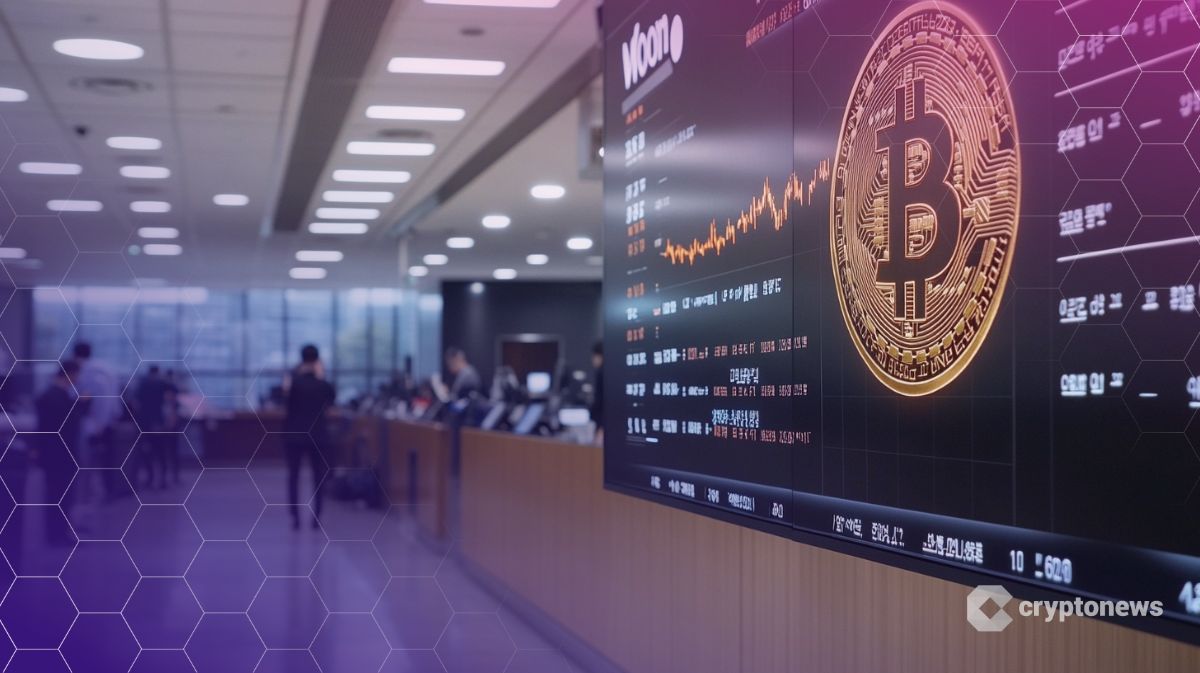
Woori Bank has begun displaying Bitcoin prices inside its main trading room in Seoul, placing the cryptocurrency alongside core financial indicators such as the won–dollar exchange rate and stock market data.
Key Takeaways:
Woori Bank is the first Korean commercial bank to display Bitcoin prices in its main trading room.
The move reflects Bitcoin’s rising role in global market sentiment as Korean banks expand deeper into digital asset infrastructure.
Upcoming regulations could position major banks like Woori as central players in South Korea’s future digital finance landscape.
The move marks the first time a commercial bank in South Korea has integrated a crypto price feed directly into its frontline dealing environment, the space where traders handle foreign exchange, bonds and derivatives.
Bitcoin Now Seen as Market Signal, Says Woori Bank Official
A Woori Bank official said the decision reflects the growing weight of digital assets in global finance, noting that Bitcoin has increasingly become a signal for broader market sentiment.
“As digital assets continue to grow in prominence and influence in global financial markets, we determined that they should be monitored as a key indicator to better read overall market trends,” the official said.
The update comes as Korean banks step deeper into digital asset infrastructure.
Hana Financial Group this week signed a partnership with Dunamu, operator of the Upbit exchange, to incorporate blockchain tools into services ranging from overseas remittances to financial data systems.
While Woori has yet to announce a formal partnership with a crypto exchange, senior executives have repeatedly indicated that the bank intends to expand into digital asset services.
CEO Jung Jin-wan said in October that payments and digital asset ecosystems are “increasingly interconnected,” suggesting the sector could open new revenue avenues for banks.
SOUTH KOREAN BANKING GIANT WOORI BANK JUST STARTED DISPLAYING #BITCOIN PRICE IN THEIR DEALING ROOM
Regulators are also shaping a clearer path. The government and ruling Democratic Party are examining a proposal that would restrict issuance of won-based stablecoins to bank-led consortia with majority bank ownership.
If enacted, the framework could position major lenders like Woori as central players in future stablecoin markets.
The frenzy was led by leveraged ETFs and high-growth stocks, as traders sought to ride Wall Street’s momentum amid optimism surrounding US tech resilience and domestic stimulus hopes.
South Korea to Extend Crypto Travel Rule to Sub-$700 Transactions
Last week, South Korea revealed that it is preparing one of its most aggressive crackdowns on cryptocurrency-related financial crime by expanding its travel rule requirements.
The new threshold covers transactions under 1 million won ($680), which until now allowed users to bypass identity checks by breaking transfers into smaller amounts
The Financial Intelligence Unit (FIU) will also introduce pre-emptive account-freezing powers in serious cases, allowing investigators to lock suspicious accounts before funds can be moved beyond recovery.
Officials said legislative amendments are expected to be submitted to the National Assembly in the first half of 2026, with South Korea also expanding coordination with global regulators such as the Financial Action Task Force to align with international standards.
Starbucks medicine ball recipe is my cozy copycat Starbucks recipe for the viral honey citrus mint tea everyone orders when cold and flu season hits. It’s a soothing mix of mint and peach tea, hot lemonade, and honey that you can easily customize for sweetness, caffeine and comfort at home.
If you’ve spent any time on TikTok or Instagram this cold and flu season, you’ve probably seen people clutching a warm cup of Starbucks Medicine Ball and swearing by it. This cozy honey citrus mint tea started as a secret menu hack and became so popular that Starbucks officially added it to the menu as Honey Citrus Mint Tea.
As a nutritionist and recipe developer, I had to recreate this viral drink at home – with a version that still tastes like your favorite Starbucks Medicine Ball tea, but lets you control the sugar, caffeine and ingredients.
In this post, I’ll walk you through:
What exactly Starbucks Medicine Ball / Honey Citrus Mint Tea is
What’s really in it and how much sugar & caffeine it has
Whether it actually helps when you’re feeling under the weather
My easy Starbucks Medicine Ball tea recipe
Lower-sugar, caffeine-free and vegan variations
Iced Medicine Ball and make-ahead options
How to order a Medicine Ball at Starbucks or on the app
What Is Starbucks Medicine Ball | Honey Citrus Mint Tea
Starbucks Medicine Ball is a hot tea drink made with:
A minty green tea
A peach herbal tea
Hot water + steamed lemonade
A spoonful of honey
The result is a warm, lemony, minty drink that tastes like a hug in a mug. Sweet, citrusy, with a hint of peach and that refreshing mint finish.
Originally it was a “secret menu” drink that customers nicknamed:
Medicine Ball
Cold Buster
Cold Buster Tea
It became so popular that Starbucks brought it onto the official menu under the name:
Honey Citrus Mint Tea
So if you walk into Starbucks and don’t see Medicine Ball on the board, look for Honey Citrus Mint Tea it’s the same drink, just with a more official name.
Why You’ll Love This Starbucks Medicine Ball Copycat
Let me quickly sell you on why this homemade Starbucks Medicine Ball tea recipe deserves a place in your winter and allergy season routine:
Ready in 5 minutes with simple pantry ingredients
Much cheaper than ordering it at Starbucks every time
You can control the sweetness and sugar to match your goals
Easy to make caffeine-free, kid-friendly and vegan
Works as a comforting warm drink in winter and a refreshing iced honey citrus mint tea in summer
Perfect when you’re feeling a bit run down, sniffly, or just want a non-coffee cozy drink
This is one of those recipes I like to have on standby for “blah” days when you’re not sick enough to live on soup, but you want something that feels caring and soothing. The honey citrus tea is not a medicine, but each ingredient plays a small role in why people reach for it and feel comforting while sipping the medicine ball.
Water + Tea
Hot water plus herbal or green tea gives you:
Hydration
Gentle warmth and steam that feels good when you’re stuffy
Tea antioxidants, depending on the blend you use
Lemon or Lemonade
Lemon or lemonade adds:
Bright, citrusy flavor
That fresh and clean feeling when you’re congested
A little vitamin C from the lemon juice
In the original Starbucks Medicine Ball, the citrus comes from a combination of lemonade and citrusy tea.
Mint / Minty Green Tea
Mint and minty green teas are:
Naturally cooling and refreshing
Great for that clear feeling in your nose and chest
A source of light caffeine if you use green tea, much lower than coffee
Peach / Chamomile
The peach herbal tea layer:
Adds gentle fruit sweetness and aroma
Balances the lemon and mint
Often includes calming herbs like chamomile in many blends
Honey
Honey is what makes this drink feel:
Soothing for a scratchy throat
Slightly thick and comforting in texture
Naturally sweet
Important: Honey is not safe for children under 1 year. For little ones, always follow your pediatrician’s advice.
What’s in a Starbucks Medicine Ball vs My At-Home Version
The Starbucks version Honey Citrus Mint Tea is made with:
Half hot water, half steamed lemonade
1 Jade Citrus Mint tea bag (a citrusy green tea with spearmint)
1 Peach Tranquility tea bag (peach, chamomile, citrus)
A pump or two of honey blend
For this homemade Starbucks Medicine Ball copycat, we’ll keep the same flavor profile but use ingredients that are easy to find in most grocery stores:
Water
Lemonade (regular, light, or homemade)
A minty green tea or herbal mint tea
A peach herbal tea (or another fruity herbal tea if that’s what you have)
Real honey (or maple/agave for a vegan version)
You’ll get that same cozy honey citrus mint tea flavor, but with more control over the sweetness, caffeine, and overall ingredients.
Starbucks Medicine Ball Nutrition
Let’s talk numbers in simple, practical terms.
A Grande (16 fl oz) Honey Citrus Mint Tea at Starbucks typically comes in around:
Roughly 130 calories
Around 30+ grams of carbs, mostly from sugar
Low caffeine – thanks to the green tea, it’s much less than a regular coffee, but not caffeine-free
Most of the sugar comes from:
Lemonade
Honey / honey blend
That’s totally fine as an occasional treat. But if you’re sipping it regularly or trying to reduce sugar, the homemade version makes much more sense.
With my Starbucks Medicine Ball tea recipe, you can:
Dilute the lemonade with extra water
Use light or low sugar lemonade
Or use fresh lemon juice + water + honey instead of ready-made lemonade
Start with less honey and sweeten only as much as you really need
I’ve also included a lighter variation below if you want to cut sugar even more.
Does Starbucks Medicine Ball Really Help When You’re Sick?
Short answer: it can help you feel better, but it doesn’t cure anything.
Here’s how I like to think of it as a nutritionist:
The warm drink can ease a sore, dry throat and feel soothing when you’re chilled.
The steam can help you feel less congested temporarily.
Honey can coat the throat and may help calm mild cough and irritation.
Lemon and mint make everything taste fresher and “cleaner” when you’re stuffy.
Staying hydrated always supports your body while it recovers.
So, Medicine Ball firmly is more of a comfort rituals that support you , not a magic cure.
Reminder: This post is purely for information and recipe inspiration. It’s not medical advice. If you’re unwell, have underlying health conditions, or are on medication, always check with your healthcare provider.
Tools You’ll Need
Nothing fancy here part of the appeal of this Starbucks Medicine Ball copycat is you don’t need many equipment.
Small saucepan or electric kettle
Heatproof mug (I like using a clear glass mug)
Measuring cups and spoons
Spoon for stirring
Optional: milk frother if you want to froth the top slightly for a café-style touch
How to Make Starbucks Medicine Ball Tea at Home
Here’s the step by step method, followed by a recipe card style version you can paste into WP Recipe Maker.
Starbucks Medicine Ball Ingredients
¾ cup (180 ml) water
¾ cup (180 ml) lemonade (regular or low-sugar)
1 minty green tea bag
1 peach herbal tea bag
1 teaspoons honey, or to taste
Optional garnish: lemon slice, fresh mint
How To Make Starbucks Medicine Ball Recipe
Heat the water and lemonade
Add water and lemonade to a small saucepan.
Heat until steaming hot but not at a rolling boil (you want it very hot, not aggressively boiling so the lemonade doesn’t taste bitter).
Add tea bags to your mug
Place the minty green tea bag and the peach herbal tea bag in your mug.
Pour the hot water–lemonade mixture over the tea bags.
Steep
Let the tea steep for 3–5 minutes.
For a milder, softer flavor, stop at around 3 minutes. For a stronger, more intense Medicine Ball, go closer to 5 minutes.
Sweeten with honey
Remove the tea bags and discard.
Stir in 1–2 teaspoons honey, starting with 1 teaspoon and tasting before you add more.
Garnish and serve
Add a slice of lemon and a sprig of fresh mint if you like.
Sip warm and enjoy.
Lighter & Special Diet Versions
Lighter Medicine Ball (Lower Sugar)
1 cup (240 ml) water
½ cup (120 ml) lemonade (or even less if you want)
1 minty green tea bag
1 peach herbal tea bag
½–1 teaspoon honey (sweeten to taste)
This simple tweak:
Dilutes the lemonade
Uses less honey
Cuts total sugar while keeping the same cozy lemon–mint–peach profile
Caffeine Free Medicine Ball
Perfect for evenings or for those who avoid caffeine:
Swap the minty green tea bag for an herbal mint tea bag (peppermint or spearmint herbal tea). Keep the peach herbal tea.
Everything else stays the same. You’ll get all the honey citrus mint vibes, but with zero caffeine.
Vegan Medicine Ball
To make your Starbucks Medicine Ball tea vegan:
Swap honey for maple syrup or agave syrup.
Start with 1 teaspoon and sweeten as needed.
Maple adds a deeper, slightly caramel note; agave is more neutral.
Medicine Ball Tea Variations and Substitutions
If You Can’t Find the Starbucks Teas
If you don’t have access to Jade Citrus Mint and Peach Tranquility, try:
Any green tea with mint and/or citrus
Any peach herbal tea
A mix of peppermint tea + chamomile tea if you don’t have peach still delicious and soothing. The exact flavor will vary slightly, but the drink will stay true to the honey citrus mint tea idea.
No Lemonade? No Problem.
If you don’t keep lemonade at home or want even more control over sugar:
Use water + fresh lemon juice instead of lemonade.
Sweeten with honey, maple, or agave to taste.
A simple ratio that works well:
1½ cups (360 ml) hot water
1 tablespoons fresh lemon juice
Sweeten with 1 teaspoons honey or maple
Then proceed with the same tea steeping method.
Sugar Free Tweaks
If you absolutely need a sugar free option for medical reasons or strict diets:
Use sugar free lemonade
Use a sugar free honey style syrup or sweetener
Personally, I prefer using real honey in moderate amounts for flavor and simplicity. But you don’t take sugar you can make sugar free starbucks medicine ball.
Extra Soothing Add-ins
You can boost the comfort factor with:
2 thin slices of fresh ginger added to the mug before pouring hot liquid
Extra mint leaves
A pinch of grated lemon zest
A small splash of peppermint extract (go very light because it’s strong!)
A second herbal tea bag like chamomile for an extra calming evening version
Iced Honey Citrus Mint Tea (Iced Medicine Ball)
Yes, you can absolutely turn this into an iced Starbucks Medicine Ball for warmer days.
How to make iced Medicine Ball
Prepare the classic recipe with:
¾ cup water
¾ cup lemonade
Tea bags and honey as above
Let the brewed tea cool for 15 minutes at room temperature.
Fill a tall glass with ice.
Pour the cooled honey citrus mint tea over the ice.
Garnish with a lemon slice and fresh mint.
You get the same cozy flavor, but in a crisp, refreshing iced drink.
Make Ahead, Storage & Reheating
You can easily scale this recipe and keep it ready during cold and flu season.
To Make a Big Batch (4 Servings)
3 cups (720 ml) water
3 cups (720 ml) lemonade
4 minty green tea bags
4 peach herbal tea bags
4–8 teaspoons honey (start with less, taste and adjust)
Method:
Heat water and lemonade in a medium saucepan until very hot.
Add all tea bags and steep 3–5 minutes.
Remove tea bags, stir in honey, and taste.
Let cool slightly, then store in a glass jar or bottle in the fridge.
Storage
Store your brewed Medicine Ball tea in the fridge for up to 3–4 days in a covered container.
The flavor will mellow slightly over time, which many people enjoy.
Reheating
Reheat gently in a saucepan or microwave until hot but not boiling.
If it thickens a bit, add a splash of water to loosen.
Customising Honey Citrus Mint Tea at Starbucks
Most baristas still know it by the nickname Medicine Ball, but the official name on the menu is Honey Citrus Mint Tea. So if you want to order as customised version.
Ask for light lemonade or extra hot water to dilute the lemonade.
Ask for less honey blend or no added sweetener if you prefer.
For less caffeine, ask if they can make it with more herbal tea and less green tea.
FAQs About Starbucks Medicine Ball Tea
Is Honey Citrus Mint Tea the same as Medicine Ball?
Yes. Honey Citrus Mint Tea is the official Starbucks menu name for what most of us call Medicine Ball or Cold Buster Tea. Same drink, different name.
Is Starbucks Medicine Ball caffeine free?
Not completely. The original Starbucks version uses a green tea blend, so it does contain a small amount of caffeine – much less than coffee but not zero. To make a caffeine-free Medicine Ball at home, use herbal mint tea instead of green tea.
How much sugar is in a Starbucks Medicine Ball vs homemade?
A Grande Starbucks Honey Citrus Mint Tea often has around 30+ grams of sugar, mainly from lemonade and honey/honey blend. With the homemade version, you can: Use more water and less lemonade Use a low-sugar or unsweetened lemonade Use less honey or a sugar-free sweetener if needed This can significantly reduce the sugar while keeping that comforting flavor.
Is Starbucks Medicine Ball good for weight loss?
No, I wouldn’t label it a weight loss drink. It’s best to think of it as a cozy, hydrating tea you enjoy in moderation. If you’re working on weight loss: Use the lighter version with less lemonade and less honey Remember that it’s more of a comfort ritual, not a diet hack
Can kids drink Medicine Ball?
For older kids and teens, a milder, caffeine-free version can be a soothing warm drink, but: Never give honey to children under 1 year. Use less lemonade and less sweetener so it’s not overly sugary. Opt for herbal teas (no green tea) to avoid caffeine. Always check with your pediatrician if you’re unsure.
Can I drink Medicine Ball every day?
You can enjoy a homemade Medicine Ball tea regularly if you: Keep an eye on the total sugar in your day Choose the lighter or herbal versions more often Treat it as a comforting, flavored tea rather than a medicine If you have specific health conditions (blood sugar issues, reflux, etc.), talk with your healthcare provider about what works best for you.
If You like this recipe and made it Please rate the recipe. It helps us to reach more people. For the Latest updates Subscribe to Rekha’s Whatsapp. You can follow me onInstagram, Facebook, Youtube, Pinterestfor more food inspirations.
Starbucks Medicine Ball Tea Recipe (Honey Citrus Mint Copycat)
Make Starbucks Medicine Ball recipe at home with this honey citrus mint tea recipe. Cozy, soothing, and easy plus low-sugar, caffeine-free and vegan options.
Course drink, Drinks
Cuisine American
Keyword honey citrus mint recipe, medicine ball recipe, starbucks, starbucks medicin ball recipe
Prep Time 1 minuteminute
Cook Time 5 minutesminutes
Servings 1
Calories 111kcal
Author Rekha Kakkar
Ingredients
For the classic copycat
¾cupwater180 ml
¾cuplemonade (regular or low-sugar)180 ml
1minty green tea bag
1peach herbal tea bag
1teaspoonshoneyor to taste
Optional garnish: lemon slicefresh mint
Instructions
Heat the water and lemonade
Add water and lemonade to a small saucepan.
Heat until steaming hot but not at a rolling boil (you want it very hot, not aggressively boiling so the lemonade doesn’t taste bitter).
Add tea bags to your mug
Place the minty green tea bag and the peach herbal tea bag in your mug.
Pour the hot water–lemonade mixture over the tea bags.
Steep
Let the tea steep for 3–5 minutes.
For a milder, softer flavor, stop at around 3 minutes. For a stronger, more intense Medicine Ball, go closer to 5 minutes.
Sweeten with honey
Remove the tea bags and discard.
Stir in 1–2 teaspoons honey, starting with 1 teaspoon and tasting before you add more.
Garnish and serve
Add a slice of lemon and a sprig of fresh mint if you like.
Sip warm and enjoy.
Video
Notes
If you want a bigger mug (about 16–18 oz), you can increase water and lemonade to 1 cup each and keep the same number of tea bags.
For a more subtle lemonade flavor, use 2 parts water to 1 part lemonade instead of equal parts.
Always adjust the honey depending on your taste and how sweet your lemonade is.
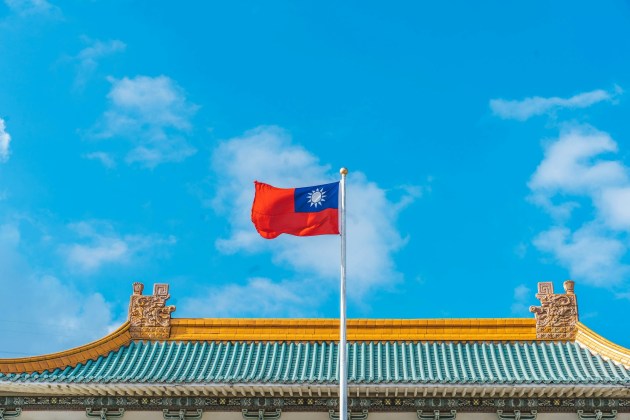
As the sector continues to gain global momentum, Taiwanese authorities have announced that a locally issued stablecoin could be launched next year, pending the imminent approval of the country’s regulatory crypto framework and related legislation.
First Local Stablecoin To Debut Next Year
On Wednesday, Taiwan’s Financial Supervisory Commission (FSC) Chairman Peng Jin-long revealed that the island’s first regulated stablecoin could debut in the latter half of 2026, local news outlet Focus Taiwan reported.
The FSC chair affirmed that the Virtual Assets Service Act (VASA), which incorporates stablecoin regulation, could be passed during its third hearing in the next legislative session, scheduled for this week, after clearing initial reviews with a “high level of consensus.”
After the framework’s approval, stablecoin-centered regulations would be developed within six months, setting the launch of a locally issued token pegged to the New Taiwan Dollar (NTD) or the US Dollar (USD) to the second half of the year.
The VASA supports the efforts by Taiwanese authorities to establish a comprehensive crypto framework that promotes industry growth and safeguards investors. Last year, the FSC announced an overhaul of the Anti-Money Laundering (AML) framework to include crypto businesses, introducing stricter AML guidelines for Virtual Asset Service Providers (VASPs) and requiring all crypto firms to complete the AML registration by September 2025.
In January, Peng stated that investors could have a “convenient” entrance to crypto assets in the future through stablecoins, which could serve as a bridge between the country’s legal tender and virtual currency.
In March, the FSC published the finalized draft of its landmark crypto legislation, which the VASA’s draft proposed authorizing banks to issue stablecoins pegged to the New Taiwan Dollar or the US Dollar.
Meanwhile, Premier Cho Jung-tai and Central Bank Governor Yang Chin-long recently expressed support for a formal Bitcoin (BTC) policy, pledging to study the flagship cryptocurrency as a strategic reserve asset, accelerate pro-BTC rulemaking, and pilot treasury exposure through government-seized assets.
Taiwan Sets Financial Institutions’ Role
At the legislative hearing, the FSC’s chair highlighted that the bill’s draft draws from the European Union (EU)’s Markets in Crypto-Assets Regulation (MiCA). He explained that the Virtual Assets Service Act doesn’t require stablecoins to be issued exclusively by financial institutions, which has been a divisive topic in other jurisdictions.
As reported by Bitcoinist, South Korea’s long-awaited stablecoin legislation could be delayed until next year as the Korean Financial Services Commission clashes with the Bank of Korea (BOK) over the role of banks in the sector.
A local news media outlet recently noted that the BOK and regulators agree that financial institutions must be involved in the issuance of won-pegged tokens, but differ on the extent of their role.
The central bank is pushing for a consortium of banks owning at least 51% of any stablecoin issuer seeking regulatory approval. Meanwhile, regulators are concerned that giving a majority stake to banks could reduce participation from tech companies and limit the market’s innovation. Earlier this week, authorities set December 10 as the deadline for the government to deliver a draft bill.
Unlike South Korea’s financial authorities, Focus Taiwan reported that the regulator and the central bank have agreed that only financial institutions will be allowed to issue stablecoins in the initial stage to reduce risk management, suggesting that companies could join at a later stage of the project.
EXPERT OPINION — South Korea’s Korea Institute for Defense Analysis recently publicly stated that we underestimated North Korea’s nuclear weapons program. According to their analysis, North Korea has between 127 and 150 nuclear weapons (not 50 to 60 nuclear weapons), and by 2030 they will have 200 nuclear weapons, reaching 400 nuclear weapons by 2040.
At the eighth Central Committee of the Workers’ Congress in late 2022, North Korean leader Kim Jong Un ordered the exponential expansion of North Korea's nuclear arsenal and the development of a more powerful intercontinental ballistic missile. Mr. Kim reportedly said: “They are now keen on isolating and stifling North Korea…and the prevailing situation calls for redoubled efforts to overwhelmingly beef up our military muscle.”
During this six-day meeting of the Central Committee, Mr. Kim not only called for an “exponential increase in North Korea’s nuclear arsenal”, but he also called for the mass production of battlefield tactical nuclear weapons targeting South Korea, and a new ICBM with a “quick nuclear counterstrike capability; a weapon that could strike the mainland U.S.”
North Korean leaders usually say what they plan to do. Indeed, this is the case with Mr. Kim. Not only has he apparently done this with his arsenal of nuclear weapons, but in October 2025, at the parade celebrating the 80th anniversary of the Korean Workers’ Party, the Hwasong-20, a solid fuel, mobile three stage ICBM capable of targeting the whole of the U.S., was introduced to the international community. The Hwasong-20 possibly could also be capable of launching multiple nuclear warheads at different targets, a capability that would challenge any missile defense system. So, the arsenal of ICBMs that could strike the U.S. – Hwasong-18 and 19 – has also grown exponentially with the Hwasong-20, as Mr. Kim said in 2022.
North Korea has also been working on its submarine program, to include a nuclear-powered submarine. This is in addition to its extensive work on hypersonic and cruise missiles, all representing a challenge to any missile defense system.
North Korea is also developing a second-strike capability, with programs to ensure the survivability of some of North Korea’s nuclear weapons and the progress North Korea has made with solid-fuel mobile ICBMs and nuclear-armed submarines, providing a mobile launch platform. Moreover, North Korea’s doctrine for the use of nuclear weapons has changed to a preemptive, first use of nuclear weapons if a nuclear attack against the leadership or command and control systems is imminent or perceived to be imminent.
The Cipher Brief brings expert-level context to national and global security stories. It’s never been more important to understand what’s happening in the world. Upgrade your access to exclusive content by becoming a subscriber.
Russian President Vladimir visited Pyongyang in June 2024, when he and Mr. Kim signed a mutual defense treaty, part of a “Strategic Comprehensive Partnership” between Russia and North Korea, ratified in November 2024. Article 4 of the treaty states that should either nation “put in a state of war by an armed invasion, the other will provide military and other assistance with all means in its possession without delay”
In October 2024, NATO claimed North Korean soldiers arrived in Russian Kursk Oblast to join Russian forces in its war of aggression with Ukraine. Additionally, North Korea was providing Russia with artillery shells and ballistic missiles. That assistance to Russia continues.
In return, it’s likely that in addition to energy and food assistance, Russia is providing North Korea with assistance with its satellite and ballistic missile programs and, also, with its nuclear program. Indeed, Russia could help with North Korea’s nuclear-powered submarine program, especially with the design, materials and components for such a technically challenging program.
North Korea’s mutual defense treaty with Russia, and its participation in the war with Ukraine, was a major failing of the U.S. and South Korea. We should have seen movement in this direction and did more to prevent it from happening. Of course, there is irony in Russia now saying North Korea should have nuclear weapons when in the Six Party Talks with North Korea, Russia, with China, Japan, South Korea and the U.S., was in sync arguing that North Korea should not have nuclear weapons.
North Korea’s nuclear and ballistic missile programs are an existential threat to the U.S. and its allies. Our past policy to “contain and deter” North Korea and to be “strategically patient” with North Korea didn’t work. They failed, as evidenced by North Korea’s robust nuclear and ballistic missile programs and their allied relationship with Russia – and China. Indeed, efforts should be made by the leadership in the U.S. and South Korea to get Mr. Kim to reengage, especially with President Donald Trump.
As South Korean President Lee Jae Myung said, North and South Korea are in a “very dangerous situation” where an accidental clash is possible at any time.
This column by Cipher Brief Expert Ambassador Joseph DeTrani was first published in The Washington Times
Read more expert-driven national security insights, perspective and analysis in The Cipher Brief because National Security is Everyone’s Business.
North Korean hackers escalated the "Contagious Interview" attack, flooding the npm registry with over 200 malicious packages to install OtterCookie malware. This attack targets blockchain and Web3 developers through fake job interviews and coding tests.
His replacement is Amar Subramanya, a highly regarded Microsoft executive who spent 16 years at Google, most recently leading engineering for the Gemini Assistant. It's a savvy hire, given that Subramanya knows the competition intimately.
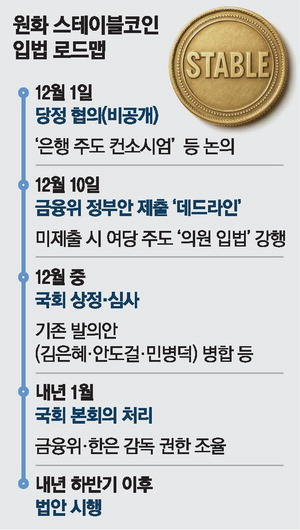
South Korea’s long-running effort to build a stablecoin regulatory framework has reached a decisive moment, with lawmakers setting a firm December 10 deadline for the government to deliver a draft bill.
If regulators miss that date, key legislators say they will move ahead on their own, ending months of stalled negotiations over how a won-pegged stablecoin should be issued and who should be allowed to control it.
Seoul Divided Over Whether Banks or Tech Firms Should Lead Stablecoin Issuance
According to reports from Seoul, the ruling party issued what it described as a final notice to financial authorities, urging them to submit the government’s proposal for the so-called “Phase 2 Legislation on Digital Assets,” which focuses specifically on stablecoin oversight.
Political and financial officials held a closed-door meeting at the National Assembly on December 1, where the biggest point of contention resurfaced: whether banks must take the lead in issuing stablecoins or whether technology firms should be allowed a more active role.
Some lawmakers have argued for a minimum 50% bank stake, citing the Bank of Korea’s long-standing warnings that privately issued digital won tokens could affect monetary policy and destabilize the financial system.
Others, including parts of the ruling party and the Financial Services Commission (FSC), prefer lowering the barrier to allow fintech participation, saying excessive restrictions could limit innovation.
The FSC later issued a public statement clarifying that no final decision had been made on whether a consortium or a 51% bank stake would be permitted.
The regulator confirmed that stablecoin legislation was discussed during Monday’s policy consultation and that both sides agreed to prepare a government bill as soon as possible.
However, specifics remain unsettled, prolonging a delay that has already pushed expected timelines several times.
This debate has taken on broader urgency as rival political parties race to introduce their own drafts.
The National Assembly’s Political Affairs Committee is currently reviewing three separate bills, each proposing rules for issuance, collateral management, internal controls, and minimum capital requirements of about 5 billion won.
The bills differ on issues such as whether stablecoin issuers should be allowed to offer interest on holdings, reflecting ongoing disparities in policy direction.
New AML and Travel Rule Measures Add Pressure to South Korea’s Stablecoin Push
South Korea is also moving toward a tighter travel rule regime, with plans to extend reporting requirements to transactions under 1 million won to prevent users from bypassing identity checks.
Authorities have indicated that enhanced KYC rules and stricter oversight will accompany any new stablecoin system.
South Korea will extend its crypto Travel Rule to cover sub-$700 transactions, closing a loophole used to evade identity checks.#SouthKorea#Cryptohttps://t.co/LBJKNcmMQg
Meanwhile, the Bank of Korea has expressed fresh concerns. In an October report, the central bank warned that improperly collateralized stablecoins could trigger depegging events and disrupt capital flow management.
It argued again that only regulated financial institutions should issue stablecoins, stressing that non-bank issuers could effectively engage in deposit-like activities without the safeguards banks must follow.
Despite regulatory disagreements, the domestic market is already moving ahead. Naver Financial has completed development of a stablecoin wallet for Busan’s Dongbaek-jeon program, which will convert the city’s prepaid local currency into a blockchain-based token.
Naver Financial, the fintech arm of South Korean internet giant Naver, is preparing to roll out a stablecoin wallet in Busan.#SouthKorea#Cryptohttps://t.co/40QBNaXJ9C
KakaoBank has begun building infrastructure for a KRW-denominated “Kakao Coin,” indicating growing corporate interest in digital won products. Major banks have also explored a consortium-issued stablecoin targeted for late 2025 or early 2026.
These advancements show why lawmakers are determined to meet the current legislative window.
Despite being approved in 2020, Korea’s crypto tax law has been postponed multiple times and remains scheduled for 2027, with many of the required systems still incomplete.
South Korea's crypto tax implementation may face fourth delay as infrastructure gaps and regulatory uncertainties persist ahead of 2027 deadline.#SouthKorea#CryptoTaxhttps://t.co/ZbbTDNBfnY
South Korea has fallen behind major economies such as the United States, the European Union, and Japan, all of which have already formalized stablecoin structures.
Industry groups warn that further delays could weaken competitiveness, especially as dollar-based tokens like USDT continue to dominate global markets.
According to a report from South Korean security firm AhnLab, state-linked hacking organizations like the North Korea-backed Lazarus Group relied heavily on spear phishing to steal funds and gather intelligence over the last 12 months. The group often posed as conference organizers, job contacts or colleagues to trick people into opening files or running commands.
Lazarus Group: Spear Phishing Turns More Realistic With AI Lures
Reports have disclosed that one unit known as Kimsuky used artificial intelligence to forge military ID images and lodge them inside a ZIP file to make messages look legitimate.
Security researchers say the fake IDs were convincing enough that recipients opened the attachments, which then ran hidden code. The incident has been traced to mid-July 2025 and appears to mark a step up in how attackers craft their lures.
The aim is simple. Get a user to trust a message, open a file, and the attacker gets a way in. That access can lead to stolen credentials, seeded malware or drained crypto wallets. The groups linked to Pyongyang have been tied to attacks on finance and defense targets, among others.
Lazarus Group Victims Asked To Execute Commands
Some campaigns did not rely only on hidden exploits. In several cases, targets were tricked into typing PowerShell commands themselves, sometimes while believing they were following official instructions.
That step lets attackers run scripts with high privileges without needing a zero-day. Security outlets have warned that this social trick is spreading and can be hard to spot.
Lazarus Group: Old File Types, New Tricks
Attackers also abused Windows shortcut files and similar formats to hide commands that run silently when a file is opened. Researchers have documented nearly 1,000 malicious .lnk samples tied to broader campaigns, showing that familiar file types remain a favorite delivery method. Those shortcuts can execute hidden arguments and pull down further payloads.
Why This Matters Now
This makes the attacks harder to stop: tailored messages, AI-forged visuals, and tricks that ask users to run code. Multi-factor authentication and software patches help, but training people to treat unusual requests with suspicion remains key. Security teams advocate basic safety nets: update, verify, and when in doubt, check with a known contact.
According to reports, Lazarus Group and Kimsuky continue to be active. Lazarus, based on AhnLab’s findings, received the most mentions in post-cybercrime analyses over the last 12 months. The group has been singled out for financially motivated hacks, while Kimsuky seems more focused on intelligence gathering and tailored deception.
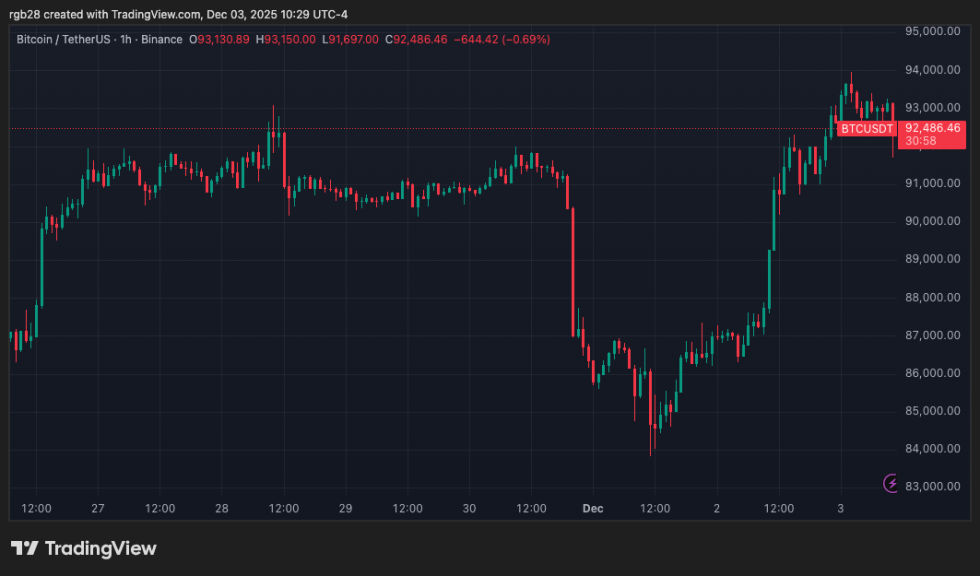
Featured image from Anadolu, chart from TradingView

 Login
LoginSouth Korea’s largest crypto exchange Upbit @Official_Upbit reported a $36m Solana network hack on Thursday, halting withdrawals on the spot and pledging to fully reimburse affected customers.
South Korean crypto tax may face a fourth delay to 2027 as proposed amendments fail to address framework issues. #CryptoTax #SouthKoreahttps://t.co/L0vuIlvbSu

 Ukrainian military intelligence has reported a new series of drone strikes targeting Russian assets in occupied Crimea, including the destruction of a Su-24 frontline bomber and an Orion (Inokhodets-type) tactical unmanned aerial vehicle. According to a statement from the Main Intelligence Directorate (GUR) of Ukraine’s Ministry of Defense, the operations were carried out by the […]



 Important: Honey is not safe for children under 1 year. For little ones, always follow your pediatrician’s advice.
 Reminder: This post is purely for information and recipe inspiration. It’s not medical advice. If you’re unwell, have underlying health conditions, or are on medication, always check with your healthcare provider.


 South Korea will extend its crypto Travel Rule to cover sub-$700 transactions, closing a loophole used to evade identity checks.
 Naver Financial, the fintech arm of South Korean internet giant Naver, is preparing to roll out a stablecoin wallet in Busan.