❌

Reading view

There are new articles available, click to refresh the page.

ULA aimed to launch up to 10 Vulcan rockets this yearβ€”it will fly just once

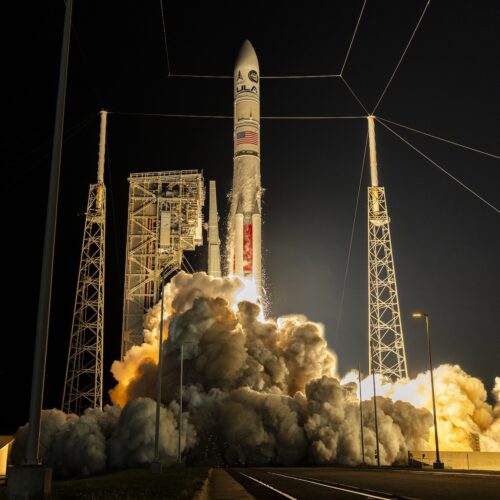
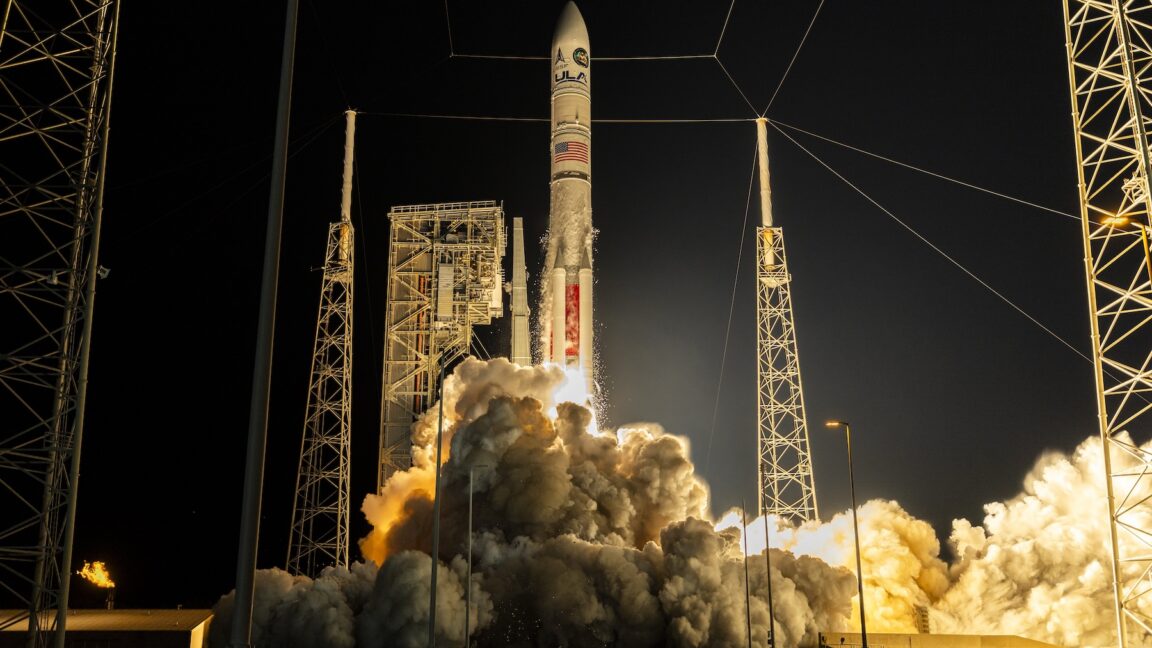
Around this time last year, officials at United Launch Alliance projected 2025 would be their busiest year ever. Tory Bruno, ULA’s chief executive, told reporters the company would launch as many as 20 missions this year, with roughly an even split between the legacy Atlas V launcher and its replacementβ€”the Vulcan rocket.

Now, it’s likely that ULA will close out 2025 with six flightsβ€”five with the Atlas V and just one with the Vulcan rocket the company is so eager to accelerate into service. Six flights would make 2025 the busiest launch year for ULA since 2022, but it would still fall well short of the company’s forecast.

Last week, ULA announced its next launch is scheduled for December 15. An Atlas V will loft another batch of broadband satellites for the Amazon Leo network, formerly known as Project Kuiper, from Cape Canaveral Space Force Station, Florida. This will be ULA’s last launch of the year.
Read full article

Comments

Β© United Launch Alliance

Rivals object to SpaceX’s Starship plans in Floridaβ€”who’s interfering with whom?

The commander of the military unit responsible for running the Cape Canaveral spaceport in Florida expects SpaceX to begin launching Starship rockets there next year.

Launch companies with facilities near SpaceX’s Starship pads are not pleased. SpaceX’s two chief rivals, Blue Origin and United Launch Alliance, complained last year that SpaceX’s proposal of launching as many as 120 Starships per year from Florida’s Space Coast could force them to routinely clear personnel from their launch pads for safety reasons.

This isn’t the first time Blue Origin and ULA have tried to throw up roadblocks in front of SpaceX. The companies sought to prevent NASA from leasing a disused launch pad to SpaceX in 2013, but they lost the fight.

Read full article

Comments

Β© SpaceX

Attack, defend, pursueβ€”the Space Force’s new naming scheme foretells new era

A little more than a century ago, the US Army Air Service came up with a scheme for naming the military’s multiplying fleet of airplanes.

The 1924 aircraft designation code produced memorable names like the B-17, A-26, B-29, and P-51β€”B for bomber, A for attack, and P for pursuitβ€”during World War II. The military later changed the prefix for pursuit aircraft to F for fighter, leading to recognizable modern names like the F-15 and F-16.

Now, the newest branch of the military is carving its own path with a new document outlining how the Space Force, which can trace its lineage back to the Army Air Service, will name and designate its β€œweapon systems” on the ground and in orbit. Ars obtained a copy of the document, first written in 2023 and amended in 2024.

Read full article

Comments

Β© York Space Systems

❌