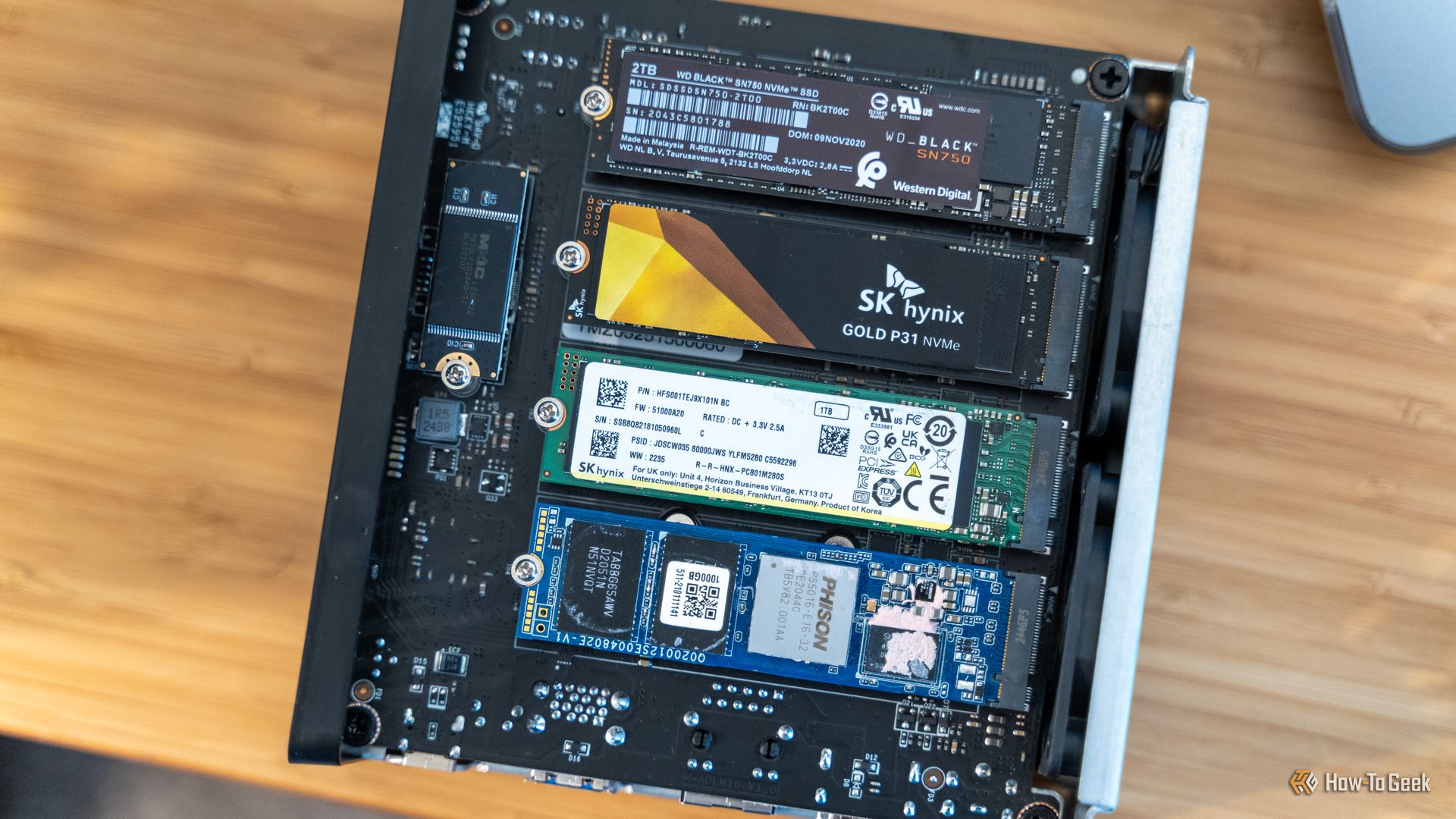
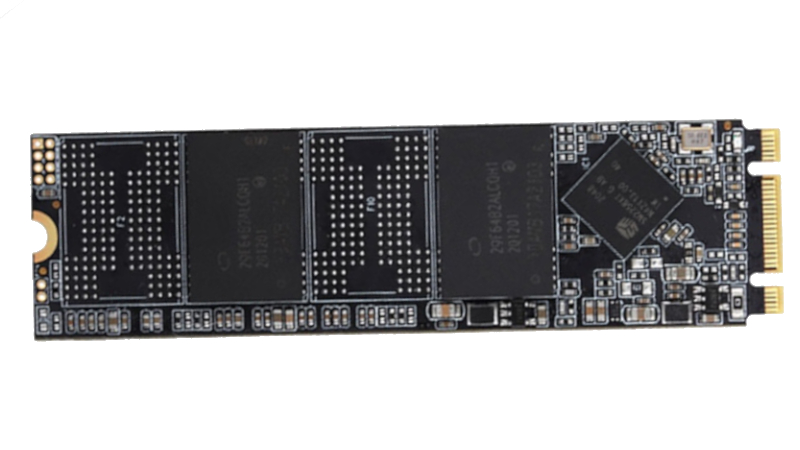
Everyone wants to get the best performance for their PC that they can afford, and NVMe SSDs are a tempting—and easy—way to improve how quickly your PC responds. Unfortunately, the real world isn't a benchmark, and the actual performance gains you get aren't as simple as the speeds advertised on the drives suggest.
When it comes to gaming, PC performance falls behind the cutting edge very quickly. A brand-new game can really make it feel like your PC needs an upgrade, but it's not always a new GPU that would make the biggest difference. Some less obvious upgrades can make an even bigger impact.
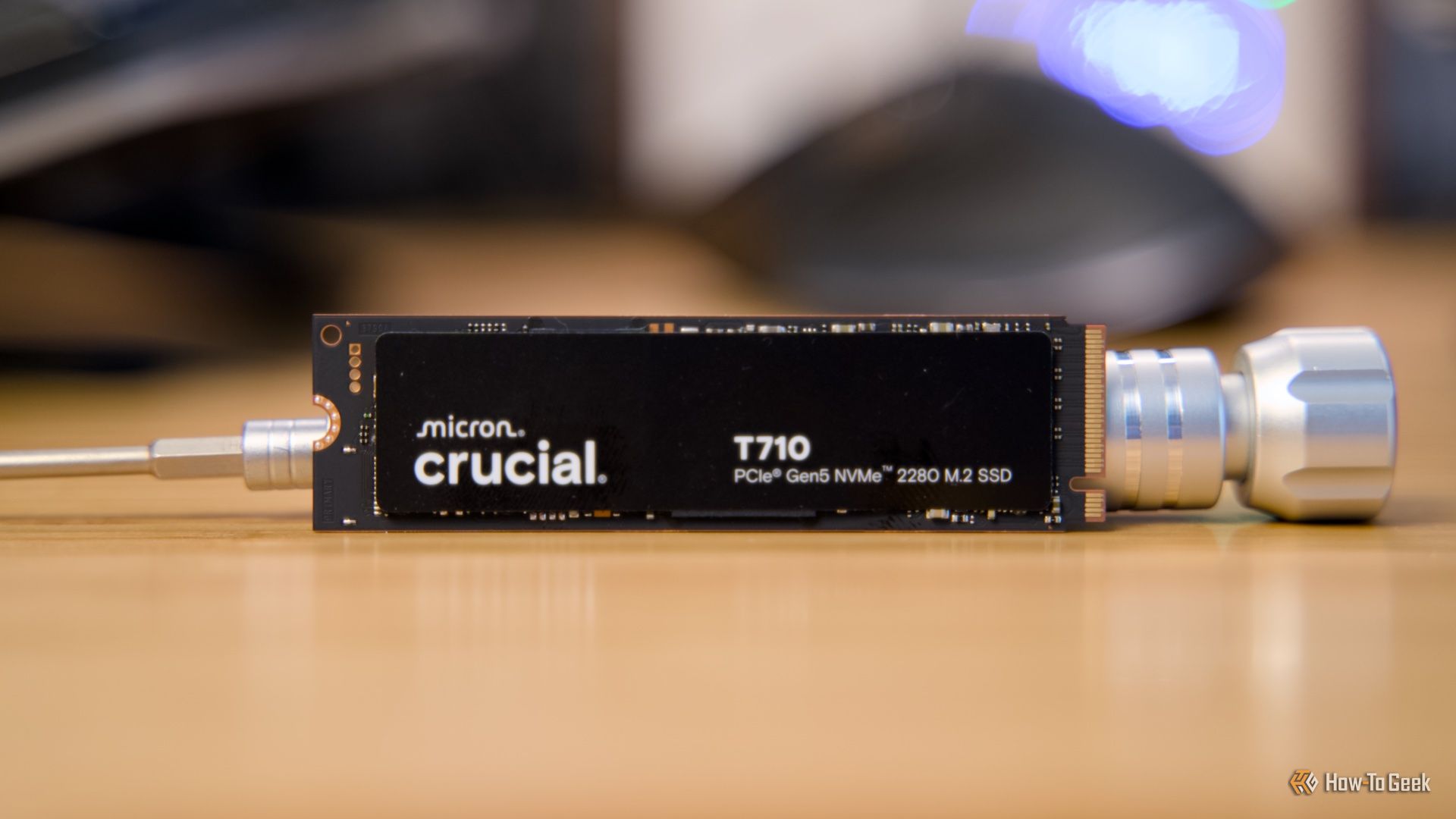
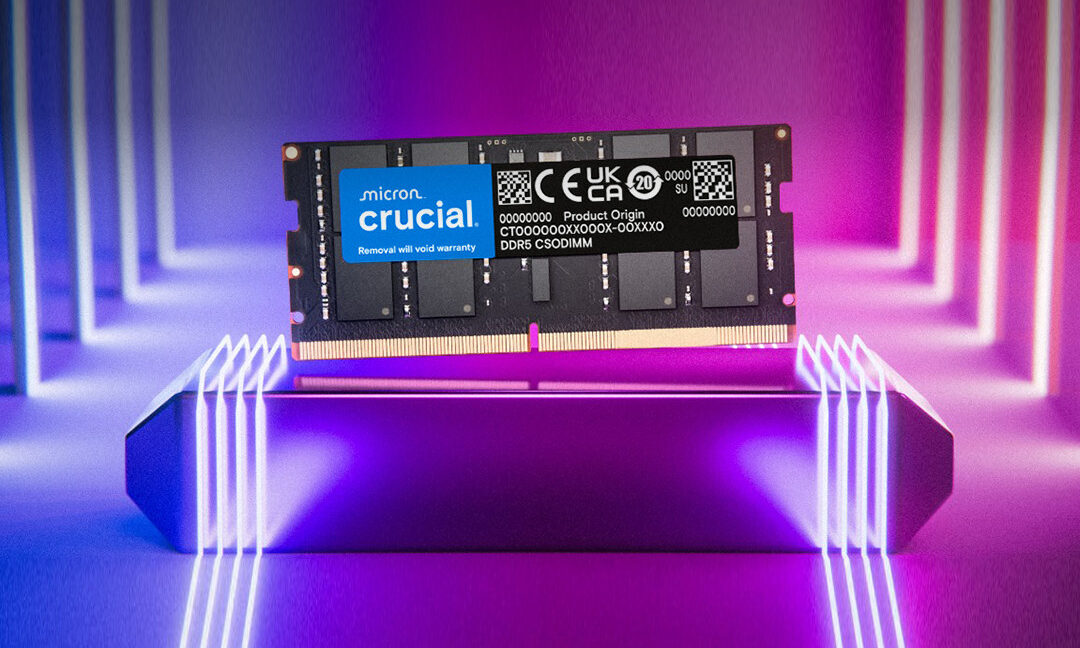
On Wednesday, Micron Technology announced it will exit the consumer RAM business in 2026, ending 29 years of selling RAM and SSDs to PC builders and enthusiasts under the Crucial brand. The company cited heavy demand from AI data centers as the reason for abandoning its consumer brand, a move that will remove one of the most recognizable names in the do-it-yourself PC upgrade market.
“The AI-driven growth in the data center has led to a surge in demand for memory and storage,” Sumit Sadana, EVP and chief business officer at Micron Technology, said in a statement. “Micron has made the difficult decision to exit the Crucial consumer business in order to improve supply and support for our larger, strategic customers in faster-growing segments.”
Micron said it will continue shipping Crucial consumer products through the end of its fiscal second quarter in February 2026 and will honor warranties on existing products. The company will continue selling Micron-branded enterprise products to commercial customers and plans to redeploy affected employees to other positions within the company.
Because SSDs don't use physical storage, it's easy to assume that they don't really suffer from wear and tear. However, you can still digitally run down the lifespan of an SSD if you use certain software utilities with it. If you want to maximize its lifespan, steer clear of these things.
Save a bunch of files on a good ol’ magnetic hard drive, leave it in a box, and they’ll probably still be there a couple of decades later. The lubricants might have all solidified and the heads jammed in place, but if you can get things moving, you’ll still have your data. As explained over at [XDA Developers], though, SSDs can’t really offer the same longevity.
It all comes down to power. SSDs are considered non-volatile storage—in that they hold on to data even when power is removed. However, they can only do so for a rather limited amount of time. This is because of the way NAND flash storage works. It involves trapping a charge in a floating gate transistor to store a single bit of data. You can power down an SSD, and the trapped charge in all the NAND flash transistors will happily stay put. But over longer periods of time, from months to years, that charge can leak out. When this happens, data is lost.
Depending on your particular SSD, and the variety of NAND flash it uses (TLC, QLC, etc), the safe storage time may be anywhere from a few months to a few years. The process takes place faster at higher temperatures, too, so if you store your drives in a warm area, you could see surprisingly rapid loss.
Ultimately, it’s worth checking your drive specs and planning accordingly. Going on a two-week holiday? Your PC will probably be just fine switched off. Going to prison for three to five years with only a slim chance of parole? Maybe back up to a hard drive first, or have your cousin switch your machine on now and then for safety’s sake.
We’ve been waiting a long time to see how DirectStorage performs in the real world. Forspoken is the first game to support it and it was released this week after a multi-month delay. Now it’s in gamers’ hands and we finally have some numbers to pore over, thanks to some benchmarks a hardware testing site in Germany has posted. They’re not for loading times but for overall performance. As it turns out, offloading asset compression from the CPU to the GPU does impact gaming performance. Your mileage may vary, of course, but in the first tests, it’s up to an 11% penalty in frames per second.
The tests were performed by PC Games Hardware. To test DirectStorage 1.1, it set up a test bench with a Core i9-12900K and an RTX 4090. On the SSD side, they tested three models: SATA, and PCIe 3.0 and 4.0. Oddly, the testers didn’t say which models of SSDs they used for testing. Regardless, DirectStorage doesn’t work with SATA, so we’re able to glean the effects of the asset decompression happening on the GPU instead of the CPU. The tests were run in 4K and showed some clear results.
In an unexpected twist, the SATA SSD offered the highest fps, coming in at 83.2 on average. When switching to the fastest PCIe 4.0 SSD, the average frame rate was 11% slower at 74.4fps. The PCIe 3.0 drive was just as fast as PCIe 4.0, averaging a single fps more on average. Since they only tested at 4K, we don’t know if this situation is the same at lower resolutions. The good news for gamers is the 1% and 0.2% fps averages were essentially the same across all three drives. This would indicate that the player would not notice any performance spikes while playing.
Previously, it was reported that DirectStorage can lead to a huge increase in data transfer speeds. In that test, it was Intel’s GPU that was the fastest, beating out pricier GPUs from AMD and Nvidia. Clearly, more testing is needed across the GPU spectrum. We’d also be curious to see what a PCIe 5.0 SSD could do with Forspoken. Sadly, those drives are not quite ready yet. Also, keep in mind this is just one data point. Another YouTuber named Bang4BuckPC Gamer also has a SATA vs. PCIe 4.0 side-by-side, and in the majority of the scenes, the performance is the same. Sometimes, though, the NVME drive is noticeably faster than the SATA drive.
At this point, we need to see more SSDs and GPUs tested to see what the performance penalty is (if any). Though 11% is a higher number than expected, the game’s frame rate was still well above 60fps and it looks very smooth in the video. We also don’t think the RTX 4090 is the best GPU to test this on, as someone with that card never really has to worry about fps in any game, even at 4K. We’d be curious to see what the impact is on Windows 10 as well, as it has a watered-down version of DirectStorage.

 Login
Login