❌

Reading view

There are new articles available, click to refresh the page.

Humans in southern Africa were an isolated population until recently

The fossil and genetic evidence agree that modern humans originated in Africa. The most genetically diverse human populationsβ€”the groups that have had the longest time to pick up novel mutationsβ€”live there today. But the history of what went on within Africa between our origins and the present day is a bit murky.

That’s partly because DNA doesn’t survive long in the conditions typical of most of the continent, which has largely limited us to trying to reconstruct the past using data from present-day populations. The other part is that many of those present-day populations have been impacted by the vast genetic churn caused by the Bantu expansion, which left its traces across most of the populations south of the Sahara.

But a new study has managed to extract genomes from ancient samples in southern Africa. While all of these are relatively recent, dating from after the end of the most recent glacial period, they reveal a distinct southern African population that was relatively large, outside of the range of previously described human variation, and it remained isolated until only about 1,000 years ago.


Read full article

Comments

Β© Edwin Remsberg

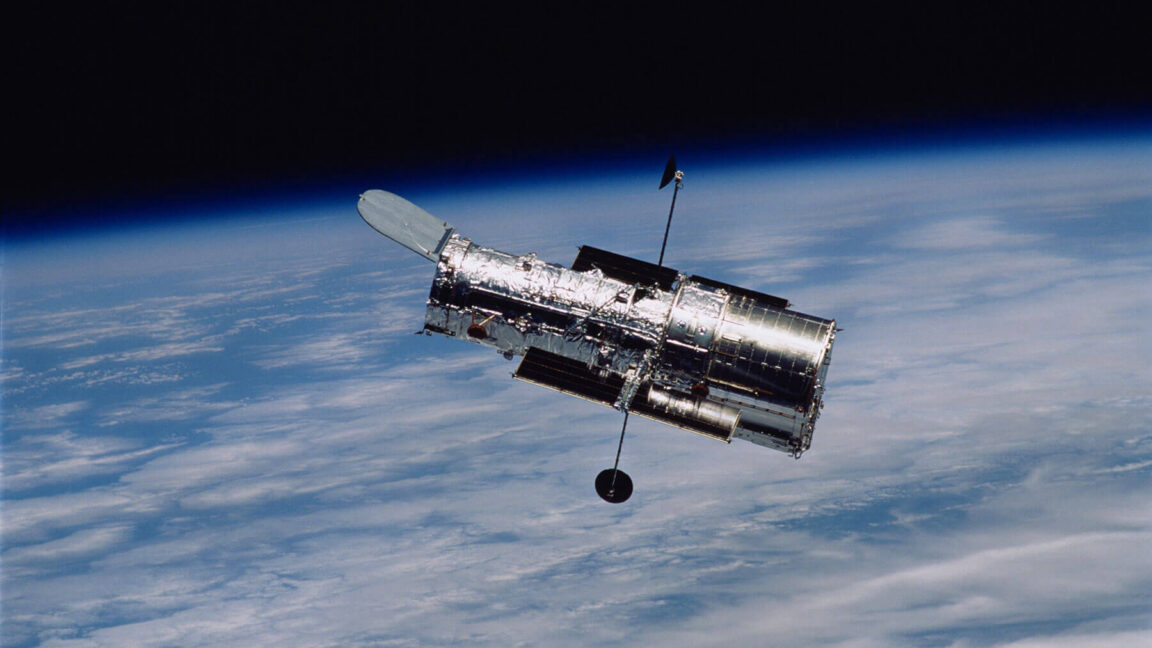
Planned satellite constellations may swamp future orbiting telescopes

On Wednesday, three NASA astronomers released an analysis showing that several planned orbital telescopes would see their images criss-crossed by planned satellite constellations, such as a fully expanded Starlink and its competitors. While the impact of these constellations on ground-based has been widely considered, orbital hardware was thought to be relatively immune from their interference. But the planned expansion of constellations, coupled with some of the features of upcoming missions, will mean that at least one proposed observatory will see an average of nearly 100 satellite tracks in every exposure.

Making matters worse, some of the planned measures meant to minimize the impact on ground-based telescopes will make things worse for those in orbit.

Constellations vs. astronomy

Satellite constellations are a relatively new threat to astronomy; prior to the drop in launch costs driven by SpaceX’s reusable rockets, the largest constellations in orbit consisted of a few dozen satellites. But the rapid growth of the Starlink system caused problems for ground-based astronomy that are not easy to solve.

Read full article

Comments

Β© NASA

Solar’s growth in US almost enough to offset rising energy use

Worries about the US grid’s ability to handle the surge in demand due to data center growth have made headlines repeatedly over the course of 2025. And, early in the year, demand for electricity had surged by nearly 5 percent compared to the year prior, suggesting the grid might truly be facing a data center apocalypse. And that rise in demand had a very unfortunate effect: Coal use rose for the first time since its recent collapse began.

But since the first-quarter data was released, demand has steadily eroded. As of yesterday’s data release by the Energy Information Administration (EIA), which covers the first nine months of 2025, total electricity demand has risen by 2.3 percent. That slowdown means that most of the increased demand could have been met by the astonishing growth of solar power.

Better than feared

If you look over data on the first quarter of 2025, the numbers are pretty grim, with total demand rising by 4.8 percent compared to the same period in the year prior. While solar power continued its remarkable surge, growing by an astonishing 44 percent, it was only able to cover a third of the demand growth. As a result of that and a drop in natural gas usage, coal use grew by 23 percent.

Read full article

Comments

Β© David Paul Morris/Bloomberg via Getty Images

Many genes associated with dog behavior influence human personalities, too

Many dog breeds are noted for their personalities and behavioral traits, from the distinctive vocalizations of huskies to the herding of border collies. People have worked to identify the genes associated with many of these behaviors, taking advantage of the fact that dogs can interbreed. But that creates its own experimental challenges, as it can be difficult to separate some behaviors from physical traits distinctive to the breedβ€”small dog breeds may seem more aggressive simply because they feel threatened more often.

To get around that, a team of researchers recently did the largest gene/behavior association study within a single dog breed. Taking advantage of a population of over 1,000 golden retrievers, they found a number of genes associated with behaviors within that breed. A high percentage of these genes turned out to correspond to regions of the human genome that have been associated with behavioral differences as well. But, in many cases, these associations have been with very different behaviors.

Gone to the dogs

The work, done by a team based largely at Cambridge University, utilized the Golden Retriever Lifetime Study, which involved over 3,000 owners of these dogs filling out annual surveys that included information on their dogs’ behavior. Over 1,000 of those owners also had blood samples obtained from their dogs and shipped in; the researchers used these samples to scan the dogs’ genomes for variants. Those were then compared to ratings of the dogs’ behavior on a range of issues, like fear or aggression directed toward strangers or other dogs.

Read full article

Comments

Β© Krit of Studio OMG

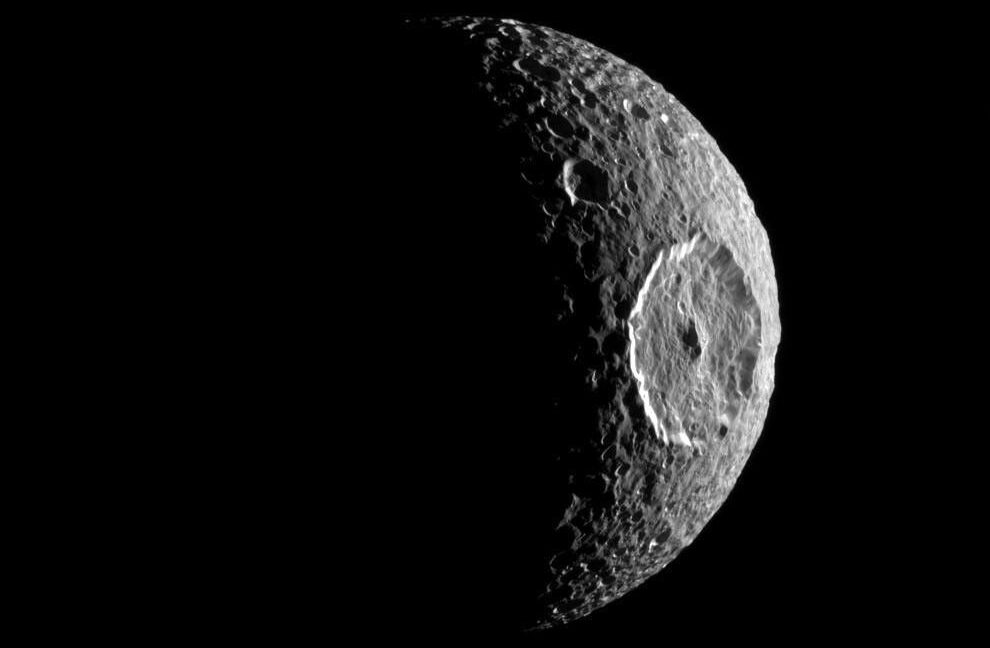
Formation of oceans within icy moons could cause the waters to boil

Our exploration of the outer Solar System has revealed a host of icy moons, many with surface features that suggest a complex geology. In some cases, these featuresβ€”most notably the geysers of Enceladusβ€”hint at the presence of oceans beneath the icy surfaces. These oceans have been ascribed to gravitational interactions that cause flexing and friction within the moon, creating enough heat to melt the body’s interior.

Something that has received a bit less attention is that some of these orbital interactions are temporary or cyclical. The orbits of any body are not always regular and often have long-term cycles. That’s also true for the other moons that provide the gravitational stress. As a result, the internal oceans may actually come and go, as the interiors of the moons melt and refreeze.

A new study, released today by Nature Astronomy, looks at one of the consequences of the difference in density between liquid water and ice (about 10 percent): the potential for the moon’s interior to shrink as it melts, leaving an area of low pressure immediately below its icy shell. If the moon is small enough, this study suggests, that could cause the surface of the ocean to boil.

Read full article

Comments

Β© NASA/JPL/Space Science Institute

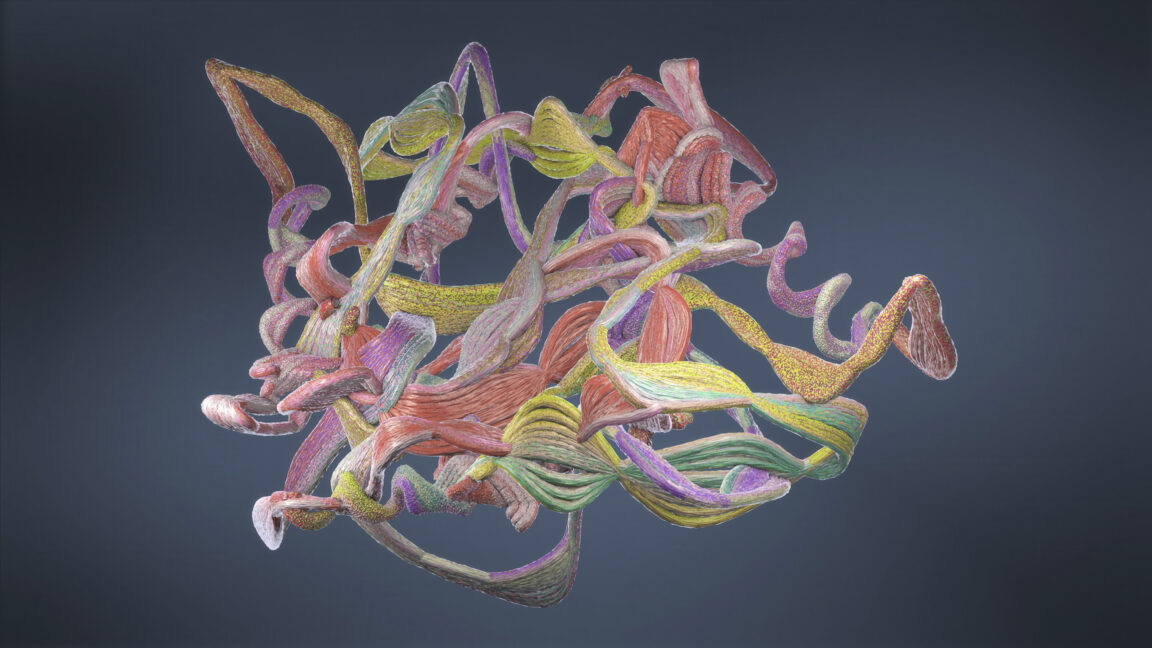
AI trained on bacterial genomes produces never-before-seen proteins

AI systems have recently had a lot of success in one key aspect of biology: the relationship between a protein’s structure and its function. These efforts have included the ability to predict the structure of most proteins and to design proteins structured so that they perform useful functions. But all of these efforts are focused on the proteins and amino acids that build them.

But biology doesn’t generate new proteins at that level. Instead, changes have to take place in nucleic acids before eventually making their presence felt via proteins. And information at the DNA level is fairly removed from proteins, with lots of critical non-coding sequences, redundancy, and a fair degree of flexibility. It’s not necessarily obvious that learning the organization of a genome would help an AI system figure out how to make functional proteins.

But it now seems like using bacterial genomes for the training can help develop a system that can predict proteins, some of which don’t look like anything we’ve ever seen before.

Read full article

Comments

Β© CHRISTOPH BURGSTEDT/SCIENCE PHOTO LIBRARY

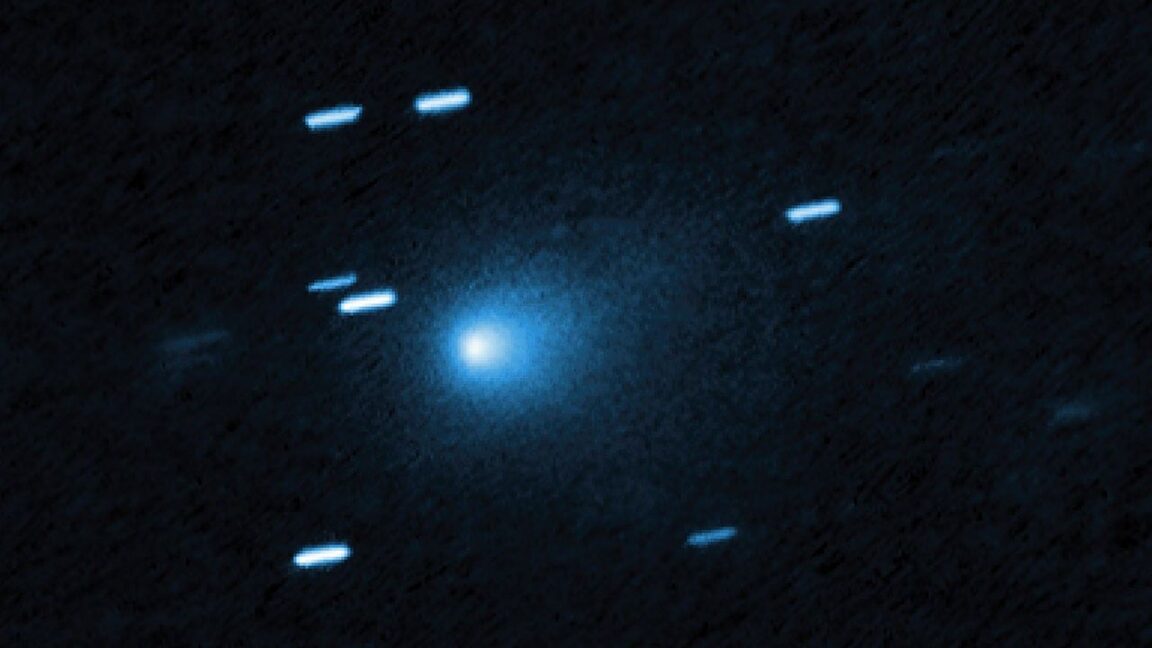
NASA really wants you to know that 3I/ATLAS is an interstellar comet

Since early July, telescopes around the world have been tracking just our third confirmed interstellar visitor, the comet 3I/ATLASβ€”3I, for third interstellar, and ATLAS (Asteroid Terrestrial-impact Last Alert System) for the telescope network that first spotted it. But the object’s closest approach to the Sun came in late October during the US government shutdown. So, while enough people went to work to ensure that the hardware continued to do its job, nobody was available at NASA to make the images available to the public or discuss their implications.

So today, NASA held a press conference to discuss everything that we now know about 3I/ATLAS and how NASA’s hardware contributed to that knowledge. And to say one more time that the object is a fairly typical comet and not some spaceship doing its best to appear like one.

Extrasolar comet

3I/ATLAS is an extrasolar comet and the third visitor from another star that we’ve detected. We know the comet part because it looks like one, forming a coma of gas and dust, as well as a tail as the Sun heats up its materials. That hasn’t stopped the usual suspect (Avi Loeb) from speculating that it might be a spacecraft, as he had for the earlier visitors. NASA doesn’t want to hear it. β€œThis object is a comet,” said Associate Administrator Amit Kshatrya. β€œIt looks and behaves like a comet, and all evidence points to it being a comet.”

Read full article

Comments

Β© NASA, ESA, David Jewitt (UCLA)

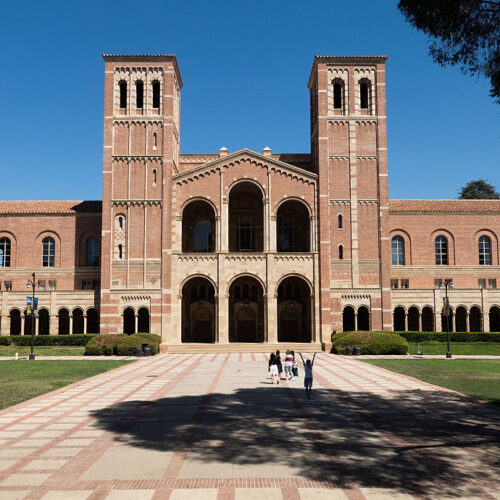
UCLA faculty gets big win in suit against Trump’s university attacks

On Friday, a US District Court issued a preliminary injunction blocking the United States government from halting federal funding at UCLA or any other school in the University of California system. The ruling came in response to a suit filed by groups representing the faculty at these schools challenging the Trump administration’s attempts to force UCLA into a deal that would substantially revise instruction and policy.

The court’s decision lays out how the Trump administration’s attacks on universities follow a standard plan: use accusations of antisemitism to justify an immediate cut to funding, then use the loss of money to compel an agreement that would result in revisions to how the university is run. The court finds that this plan was deficient on multiple grounds, from violating legal procedures for cutting funding to an illegal attempt at suppressing the First Amendment rights of faculty.

The result is a reprieve for the entire University of California system, as well as a clear pathway for any universities to fight back against the Trump administration’s attacks on research and education.

Read full article

Comments

Β© Myung J. Chun

❌