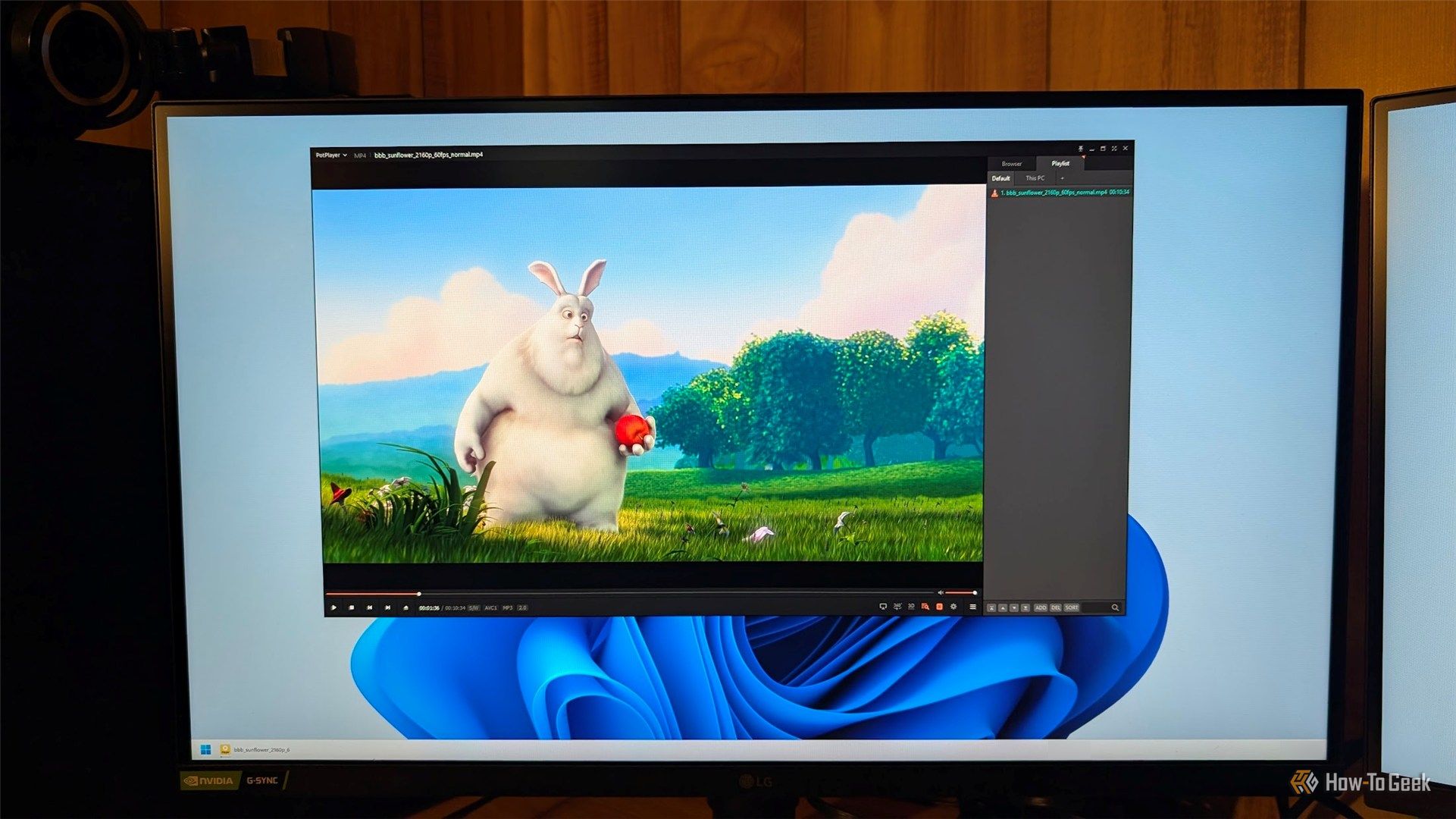
Windows comes with a few media player apps built in that are usually "good enough." However, I'm not really a fan of any of them for one reason or another. If you're looking for a media player that is different, more powerful, or just not Microsoft, here are 5 great alternatives for you.
I wrote a couple of weeks ago about my personal homebrew Steam Machine, a self-built desktop under my TV featuring an AMD Ryzen 7 8700G processor and a Radeon 780M integrated GPU. I wouldn’t recommend making your own version of this build, especially with RAM prices as they currently are, but there are all kinds of inexpensive mini PCs on Amazon with the same GPU, and they’ll all be pretty good at playing the kinds of games that already run well on the less-powerful Steam Deck.
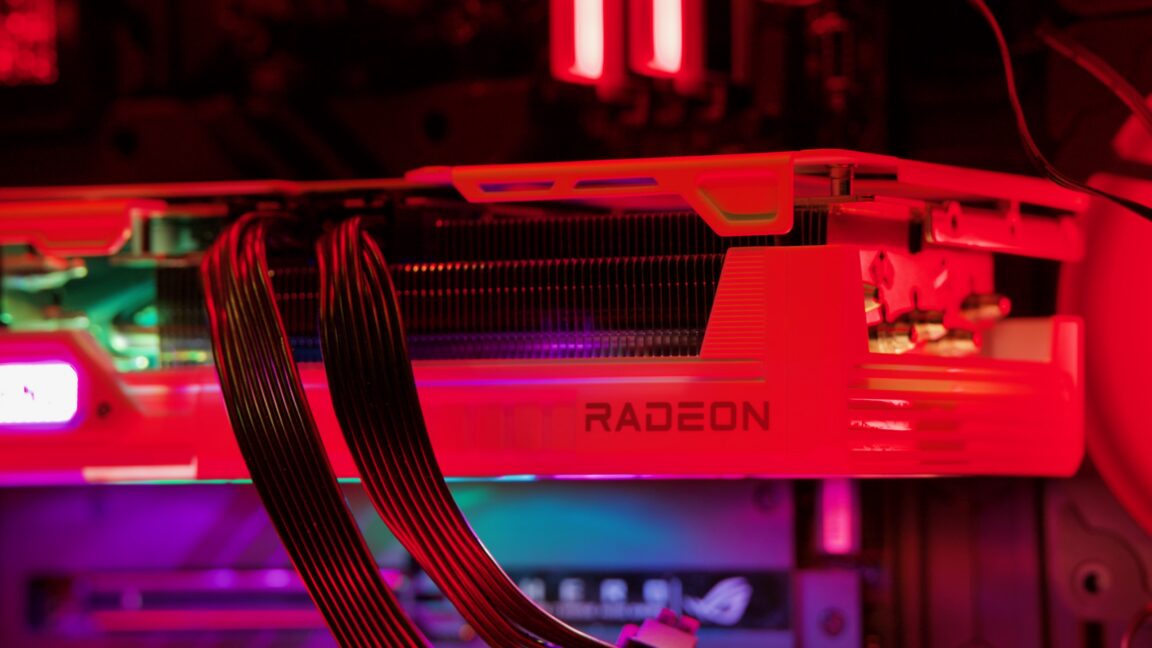
But this kind of hardware is an imperfect proxy for the Steam Machine that Valve plans to launch sometime next year—that box will include a dedicated GPU with 8GB of dedicated video memory, presenting both benefits and possible pitfalls compared to a system with an integrated GPU.
As a last pre-Steam Machine follow-up to our coverage so far, we’ve run tests on several games we test regularly in our GPU reviews to get a sense of how current versions of SteamOS stack up to Windows running on the same hardware. What we’ve found so far is basically the inverse of what we found when comparing handhelds: Windows usually has an edge on SteamOS’s performance, and sometimes that gap is quite large. And SteamOS also exacerbates problems with 8GB GPUs, hitting apparent RAM limits in more games and at lower resolutions compared to Windows.
On macOS, you can instantly look up files and launch apps with Spotlight search. Even many popular Linux distros offer snappy search bars like Spotlight. But on Windows, there is no central interface to search for every file, setting, and app. File Explorer takes forever to load searches, the Start search doesn’t always give relevant suggestions, if at all. Most of the time, it just plugs into Bing web results or displays ads for Microsoft products. We can’t fix Windows search, but we can replace it with a better option.
The more programs set to auto-launch on startup, the longer your computer takes to boot. That's doubly true for machines with older hardware. Allow me to show you different ways to identify and disable startup apps and speed up your PC's boot time.
Microsoft has quietly rolled out a partial mitigation for the high-severity Windows LNK vulnerability, CVE-2025-9491, which multiple state-sponsored groups and cybercrime gangs have been exploiting as a zero-day. This security flaw lets attackers hide malicious commands inside standard Windows shortcut files.
Microsoft just released an optional update for Windows 11. This was supposed to give users the long-awaited consistent dark mode experience, but it accidentally broke the File Explorer interface with blinding white screen flashes.
NVIDIA has released a critical hotfix driver, version 581.94, that fixes the severe performance drops when you run Windows 11 after the mandatory October 2025 cumulative update. Even though Microsoft hasn’t actually acknowledged the problem yet, we have a real solution.
Windows 11 adoption remains sluggish as millions of compatible PCs refuse to upgrade, creating challenges for Microsoft and raising concerns for future security planning.
A new test by WindowsLatest shows that Windows 11’s preloaded File Explorer still launches slower than its Windows 10 counterpart, and uses extra RAM in the process. For many users, that upgrade just got a lot less appealing.
Windows 11 users are getting a frustrating new bug that completely hides the password sign-in option on the lock screen, making it incredibly difficult to log into their PCs. This isn't a total lockout, but it's certainly a massive headache if you use a real password.
RSS feeds used to be the premiere way to get personalized news delivered directly to you from your favorite websites prior to the rise of personalized algorithms on social media. Despite the fact that RSS feeds aren't quite as popular as they used to be, they are still my favorite way to keep up to speed on topics I'm interested in. Here are three RSS Feed apps from Windows.
Microsoft has been adding AI features to Windows 11 for years, but things have recently entered a new phase, with both generative and so-called “agentic” AI features working their way deeper into the bedrock of the operating system. A new build of Windows 11 released to Windows Insider Program testers yesterday includes a new “experimental agentic features” toggle in the Settings to support a feature called Copilot Actions, and Microsoft has published a detailed support article detailing more about just how those “experimental agentic features” will work.
If you’re not familiar, “agentic” is a buzzword that Microsoft has used repeatedly to describe its future ambitions for Windows 11—in plainer language, these agents are meant to accomplish assigned tasks in the background, allowing the user’s attention to be turned elsewhere. Microsoft says it wants agents to be capable of “everyday tasks like organizing files, scheduling meetings, or sending emails,” and that Copilot Actions should give you “an active digital collaborator that can carry out complex tasks for you to enhance efficiency and productivity.”
But like other kinds of AI, these agents can be prone to error and confabulations and will often proceed as if they know what they’re doing even when they don’t. They also present, in Microsoft’s own words, “novel security risks,” mostly related to what can happen if an attacker is able to give instructions to one of these agents. As a result, Microsoft’s implementation walks a tightrope between giving these agents access to your files and cordoning them off from the rest of the system.

 Login
Login